
148 Results for "

Prostate cancer models

" in MedChemExpress (MCE) Product Catalog:
Products (148)

148 Results for "Prostate cancer models" in MCE Product Catalog:

32
32 Publications Verification
Cat. No.: HY-10459
CAS No.: 717907-75-0
Purity:  99.68%
Synonyms: VS-6062
Target:  

FAK Pyk2

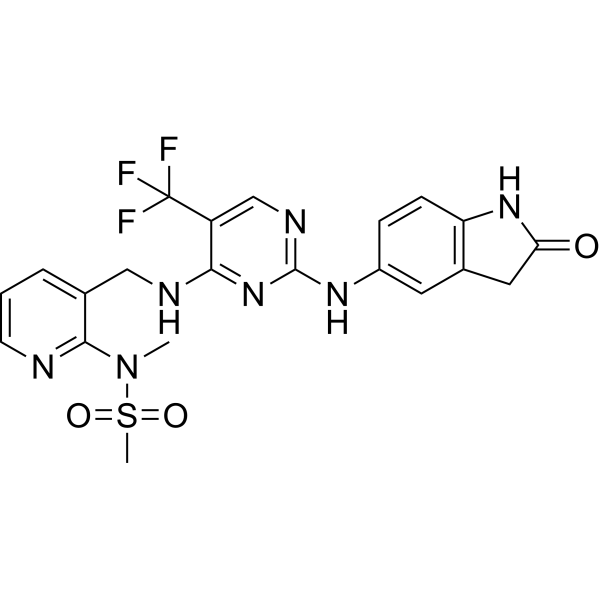
PF-562271 (VS-6062) is an orally active, ATP-competitive, reversible FAK/Pyk2 inhibitor, with an IC50 of 1.5 nM for FAK and 13 nM for Pyk2. PF-562271 induces tumor regression, and inhibits tumor growth, invasion and metastasis. PF-562271 exerts no effect on tumor necrosis, angiogenesis or apoptosis in an orthotopic mouse model of pancreatic ductal adenocarcinoma. When combined with Sunitinib (HY-10255A), PF-562271 reduces tumor vascularization, decreases serum alpha-fetoprotein levels and improves cachexia. PF-562271 can be used in research related to prostate cancer, breast cancer, pancreatic cancer, colon cancer, glioblastoma, lung cancer, pancreatic ductal adenocarcinoma and hepatocellular carcinoma .
loading...
    loading...
32
32 Publications Verification
Cat. No.: HY-10458
CAS No.: 939791-38-5
Purity:  99.17%
Synonyms: VS-6062 (besylate)
Target:  

FAK Pyk2

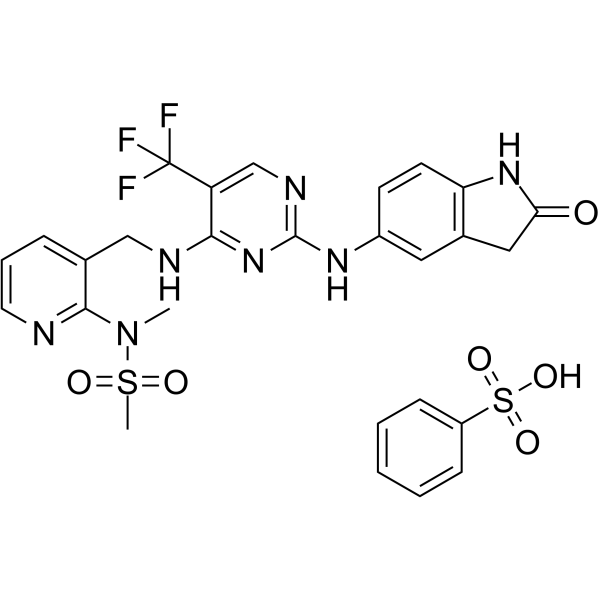
PF-562271 besylate (VS-6062 besylate) is an orally active, ATP-competitive, reversible FAK/Pyk2 inhibitor, with an IC50 of 1.5 nM for FAK and 13 nM for Pyk2. PF-562271 besylate induces tumor regression, and inhibits tumor growth, invasion and metastasis. PF-562271 besylate exerts no effect on tumor necrosis, angiogenesis or apoptosis in an orthotopic mouse model of pancreatic ductal adenocarcinoma. When combined with Sunitinib (HY-10255A), PF-562271 besylate reduces tumor vascularization, decreases serum alpha-fetoprotein levels and improves cachexia. PF-562271 besylate can be used in research related to prostate cancer, breast cancer, pancreatic cancer, colon cancer, glioblastoma, lung cancer, pancreatic ductal adenocarcinoma and hepatocellular carcinoma .
loading...
    loading...
30
30 Cited Publications
Cat. No.: HY-20403
CAS No.: 939791-41-0
Synonyms: VS-6062hydrochloride
Target:  

FAK Pyk2

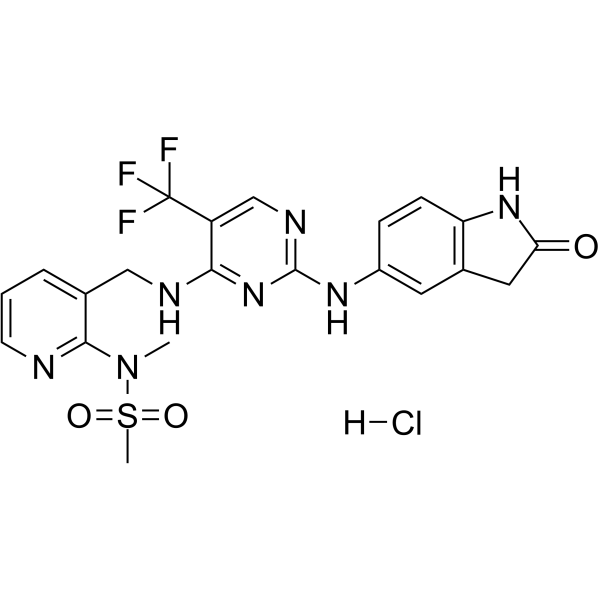
PF-562271 hydrochloride (VS-6062 hydrochloride) is an orally active, ATP-competitive, reversible FAK/Pyk2 inhibitor, with an IC50 of 1.5 nM for FAK and 13 nM for Pyk2. PF-562271 hydrochloride induces tumor regression, and inhibits tumor growth, invasion and metastasis. PF-562271 hydrochloride exerts no effect on tumor necrosis, angiogenesis or apoptosis in an orthotopic mouse model of pancreatic ductal adenocarcinoma. When combined with Sunitinib (HY-10255A), PF-562271 hydrochloride reduces tumor vascularization, decreases serum alpha-fetoprotein levels and improves cachexia. PF-562271 hydrochloride can be used in research related to prostate cancer, breast cancer, pancreatic cancer, colon cancer, glioblastoma, lung cancer, pancreatic ductal adenocarcinoma and hepatocellular carcinoma .
loading...
    loading...
23
23 Cited Publications
Cat. No.: HY-16706A
CAS No.: 1622921-15-6
Research Areas:  

Cancer

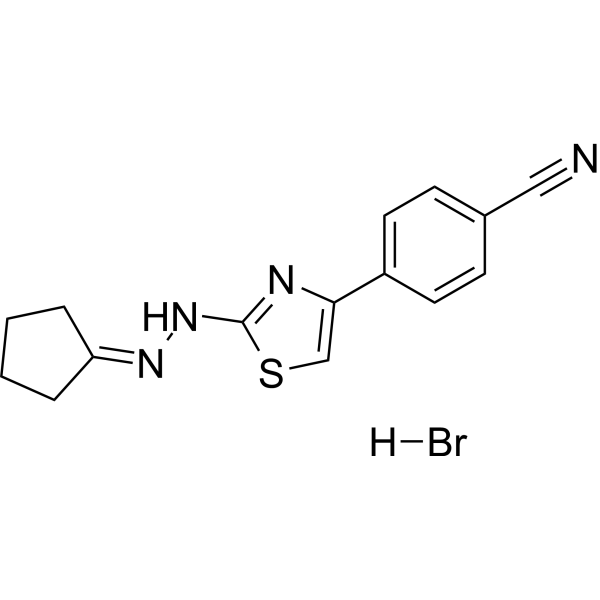
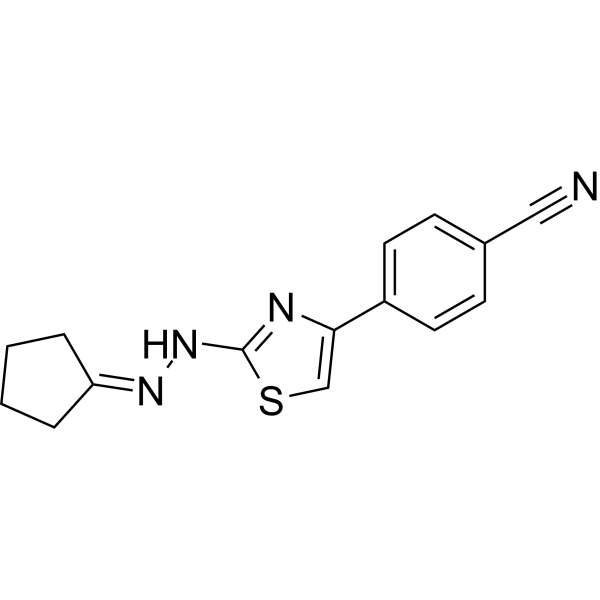
Remodelin hydrobromide is an orally active and selective inhibitor of acetyltransferase NAT10. Remodelin hydrobromide inhibits NAT10 activitity and slows DNA replication and suppresses growth of prostate cancer cells. Remodelin hydrobromide inhibits the growth of prostate cancer and hepatocellular carcinoma in xenograft model. Remodelin hydrobromide enhances the healthspan in hutchinson-gilford progeria syndrome (HGPS) mouse model .
loading...
    loading...
23
23 Cited Publications
Cat. No.: HY-16706
CAS No.: 949912-58-7
Research Areas:  

Cancer

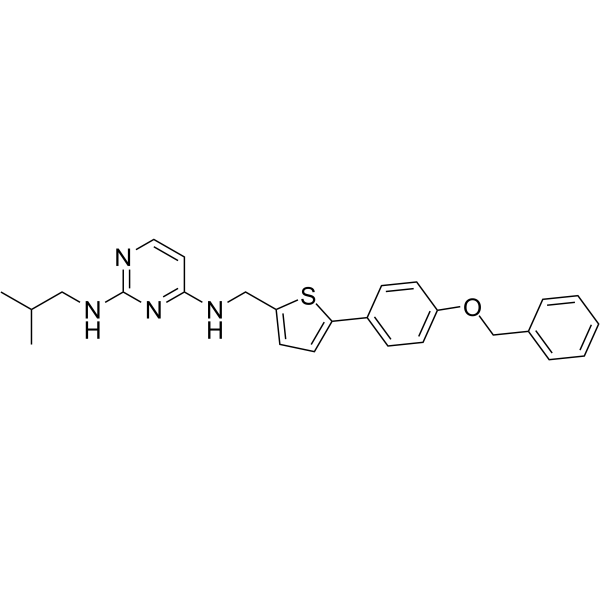
Remodelin is an orally active and selective inhibitor of acetyltransferase NAT10. Remodelin inhibits NAT10 activitity and slows DNA replication and suppresses growth of prostate cancer cells. Remodelin inhibits the growth of prostate cancer and hepatocellular carcinoma in xenograft model. Remodelin enhances the healthspan in hutchinson-gilford progeria syndrome (HGPS) mouse model .
loading...
    loading...
15
15 Cited Publications
Cat. No.: HY-145388
CAS No.: 2380274-50-8
Purity:  99.89%
Target:  

PROTACs SWI/SNF Complex

Research Areas:  

Cancer

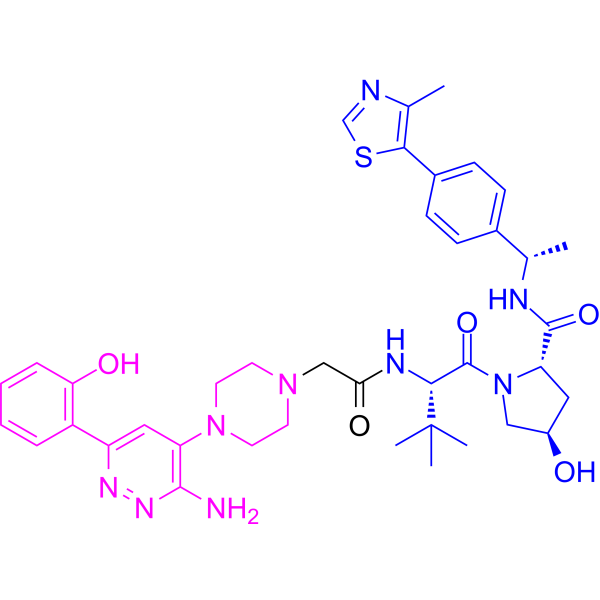
AU-15330 is a proteolysis-targeting chimera (PROTAC) degrader of the SWI/SNF ATPase subunits, SMARCA2 and SMARCA4. AU-15330 induces potent inhibition of tumour growth in xenograft models of prostate cancer and synergizes with the AR antagonist enzalutamide. AU-15330 induces disease remission in castration-resistant prostate cancer (CRPC) models without toxicity .
loading...
    loading...
7
7 Cited Publications
Cat. No.: HY-P1416
CAS No.: 881188-51-8
Target:  

Wnt

Research Areas:  

Cancer

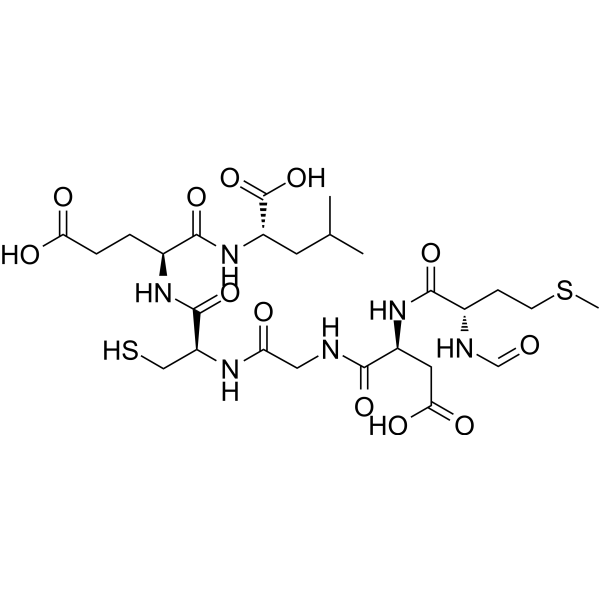
Foxy-5, a WNT5A agonist, is a mimicking peptide of WNT5A which is a non-canonical member of the Wnt family. Foxy-5 triggers cytosolic free calcium signaling without affecting β-catenin activation and it impairs the migration and invasion of epithelial cancer cells. Foxy-5 effectively reduces the metastatic spread of WNT5A-low prostate cancer cells in an orthotopic mouse model .
loading...
    loading...
7
7 Cited Publications
Cat. No.: HY-P1416A
Target:  

Wnt

Research Areas:  

Cancer

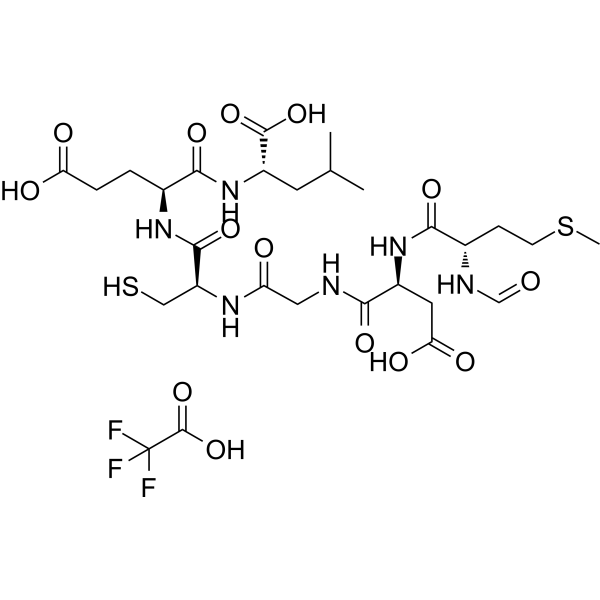
Foxy-5 TFA, a WNT5A agonist, is a mimicking peptide of WNT5A which is a non-canonical member of the Wnt family. Foxy-5 TFA triggers cytosolic free calcium signaling without affecting β-catenin activation and it impairs the migration and invasion of epithelial cancer cells. Foxy-5 TFA effectively reduces the metastatic spread of WNT5A-low prostate cancer cells in an orthotopic mouse model .
loading...
    loading...
3
3 Cited Publications
Cat. No.: HY-147081
CAS No.: 301636-59-9
Purity:  99.52%
Synonyms: AGRO-100
Research Areas:  

Cancer

AS 1411 (AGRO-100) is an oligonucleotide aptamer targeting nucleoproteins. AS 1411 inhibits tumor cell proliferation by affecting the activity of nucleoprotein-containing complexes and can be used as a carrier to precisely deliver nanoparticles, oligonucleotides and small molecules to cancer cells. AS 1411 reduces PRMT5 expression to inhibit tumor growth in DU145 prostate cancer cells. AS 1411 works by blocking the binding of nucleoproteins to bcl-2 mRNA in MCF-7 breast cancer cells. AS 1411-coupled Jin nanospheres can inhibit breast cancer cell proliferation in vitro and in mouse models, has the ability to cross the blood-brain barrier with low tissue toxicity .
loading...
    loading...
3
3 Cited Publications
Cat. No.: HY-70006
CAS No.: 851983-85-2
Synonyms: TOK-001; VN-124-1
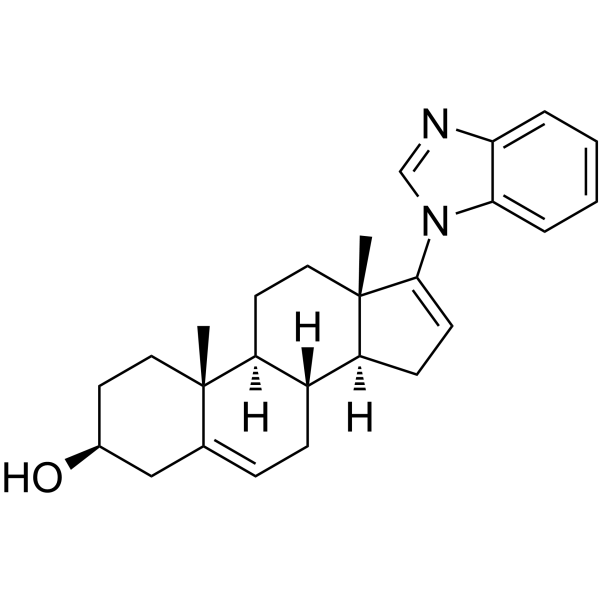
Galeterone (TOK-001) is a potent, orally active molecular glue degrader, which degrades androgen receptor (AR) and its splice variants (AR-Vs) and MAP kinase-interacting serine/threonine protein kinase Mnk1/2. Galeterone also functions as a CYP17 inhibitor (IC50 = 47 nM). Galeterone induces cell apoptosis. Galeterone inhibits tumor growth in human prostate cancer xenograft mouse models. Galeterone can be used for castration resistant prostate cancer (CRPC) and pancreatic ductal adenocarcinoma (PDAC) research [1][2].
loading...
    loading...
3
3 Cited Publications
Cat. No.: HY-124628
CAS No.: 1346564-56-4
Purity:  98.91%
Research Areas:  

Cancer

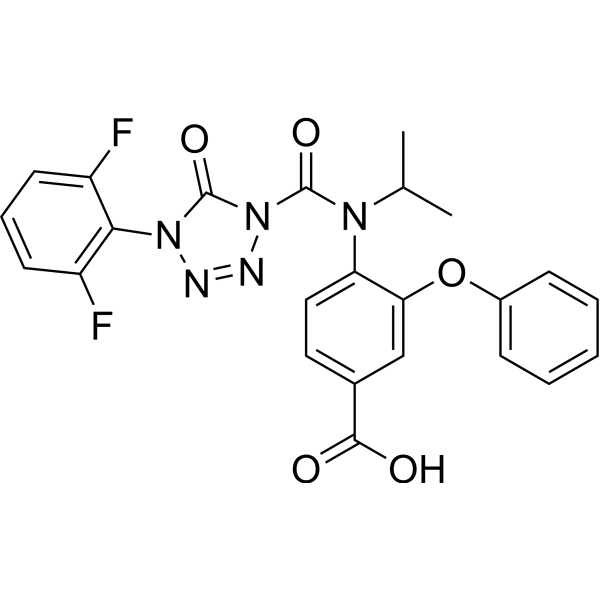
IPI-9119 is an orally active, selective and irreversible FASN inhibitor with an IC50 of 0.3 nM in vitro biochemical assay. IPI-9119 inhibits tumor growth of castration-resistant prostate cancer (CRPC) xenografts mouse models .
loading...
    loading...
3
3 Cited Publications
Cat. No.: HY-147081A
Synonyms: AGRO-100 sodium
Research Areas:  

Cancer

AS 1411 (AGRO-100) sodium is an oligonucleotide aptamer targeting nucleoproteins. AS 1411 sodium inhibits tumor cell proliferation by affecting the activity of nucleoprotein-containing complexes and can be used as a carrier to precisely deliver nanoparticles, oligonucleotides and small molecules to cancer cells. AS 1411 sodium reduces PRMT5 expression to inhibit tumor growth in DU145 prostate cancer cells. S 1411 sodium works by blocking the binding of nucleoproteins to bcl-2 mRNA in MCF-7 breast cancer cells. S 1411 sodium-coupled Jin nanospheres can inhibit breast cancer cell proliferation in vitro and in mouse models, has the ability to cross the blood-brain barrier with low tissue toxicity
loading...
    loading...
2
2 Cited Publications
Cat. No.: HY-N7043
CAS No.: 142796-21-2
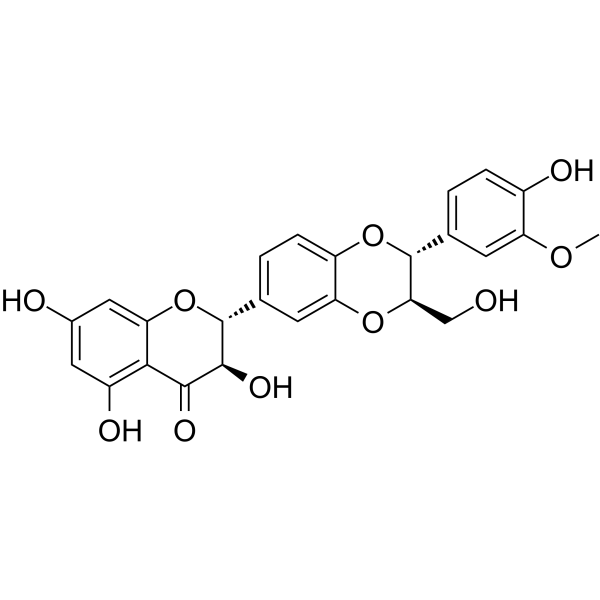
Isosilybin A is a PPARγ agonist that can be isolated from silymarin. Isosilybin A activates extrinsic and intrinsic pathways of apoptosis through targeting of the Akt-NF-kB-AR axis. Isosilybin A can relieve the inflammatory response in the rosacea model via inhibiting Erk and p38 signaling pathways and M1 macrophage polarization, with its targets related to RELA and VEGFA. Isosilybin A has anti-prostate cancer (PCA) activity [1][2][3].
loading...
    loading...
1
1 Cited Publications
Cat. No.: HY-158101
CAS No.: 2446928-30-7
Purity:  99.92%
Synonyms: CC-94676
Research Areas:  

Cancer

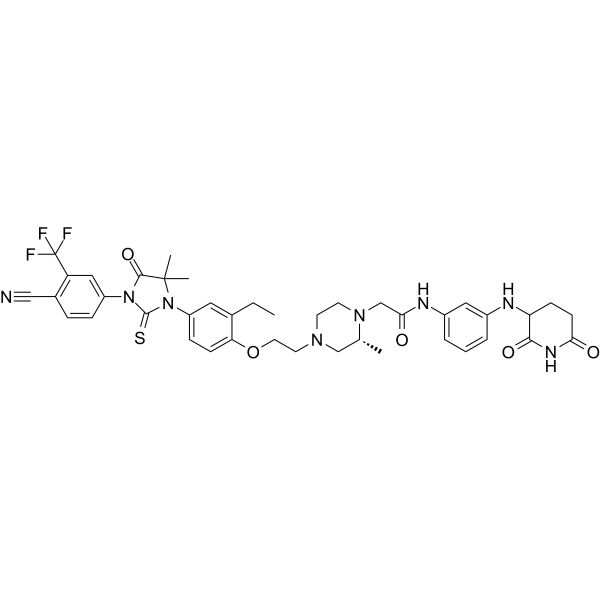
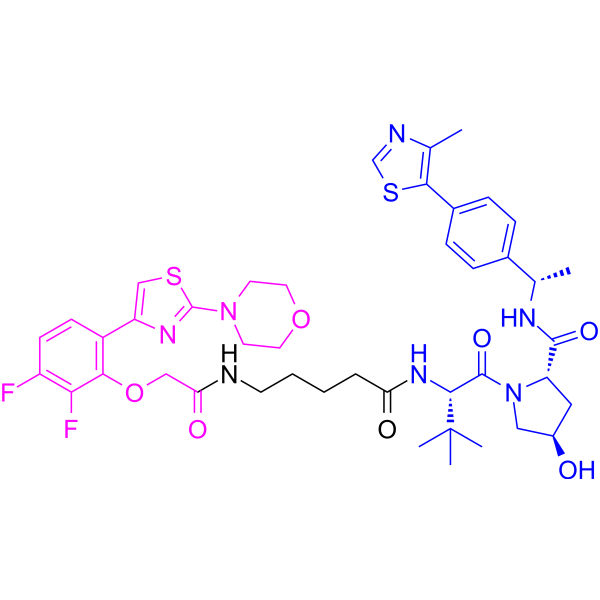
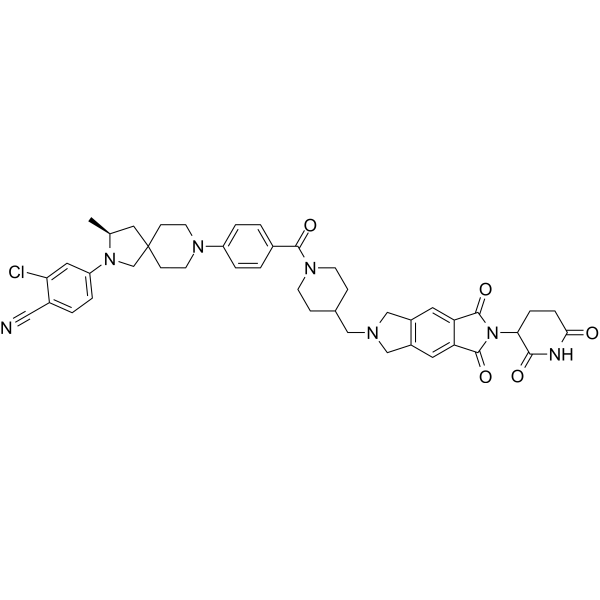
BMS-986365 (CC-94676) is an orally active and selective targeted androgen receptor (AR) PROTAC degrader (DC50 of 10-40 nM). BMS-986365 is capable of inducing cereblon (CRBN) E3 ligase-dependent ubiquitination and degradation of the androgen receptor (AR), as well as various AR mutants. BMS-986365 shows no degradation of the close AR family members estrogen receptor (ER), progesterone receptor (PR), and glucocorticoid receptor (GR). BMS-986365 shows significant in vivo potency, degrading AR, inhibiting AR signaling, and restricting tumor growth in animal models of advanced prostate cancer. BMS-986365 can be used for the study of metastatic castration-resistant prostate cancer (mCRPC) .
loading...
    loading...
1
1 Cited Publications
Cat. No.: HY-142870
CAS No.: 1802650-31-2
Purity:  98.70%
Research Areas:  

Cancer

ZY-444 is an anti-cancer agent, targeting pyruvate carboxylase (PC). ZY-444 suppresses the Wnt/β-catenin/Snail signaling pathway by blocking nuclear translocation of β-catenin. ZY-444 selectively inhibits proliferation, migration, and invasion and induces apoptosis in cancer cells. ZY-444 exhibits potent anti-tumor in cancer mouse models. ZY-444 can be used for the study of breast cancer, lung cancer (NSCLC), prostate cancer and iodine-refractory thyroid cancer .
loading...
    loading...
1
1 Cited Publications
Cat. No.: HY-148771
CAS No.: 2488296-74-6
Purity:  99.79%
Synonyms: PROTAC AR-V7 degrader-2
Research Areas:  

Cancer

MTX-23 is a PROTAC degrader targeting androgen receptor splice variant 7 (AR-V7) and full-length androgen receptor (AR-FL), with DC50 values of 0.37 μM and 2 μM, respectively. MTX-23 binds to the DNA-binding domains of AR-V7 and AR-FL, recruits the VHL E3 ubiquitin ligase (E3 ubiquitin ligase) and induces their degradation. MTX-23 reduces the proliferation of prostate cancer cells, promotes their apoptosis (apoptosis), and also inhibits tumor growth in mouse models. MTX-23 can be used for the research of prostate cancer .
loading...
    loading...
1
1 Cited Publications
Cat. No.: HY-122611A
CAS No.: 1353749-74-2
Purity:  99.97%
Research Areas:  

Cancer

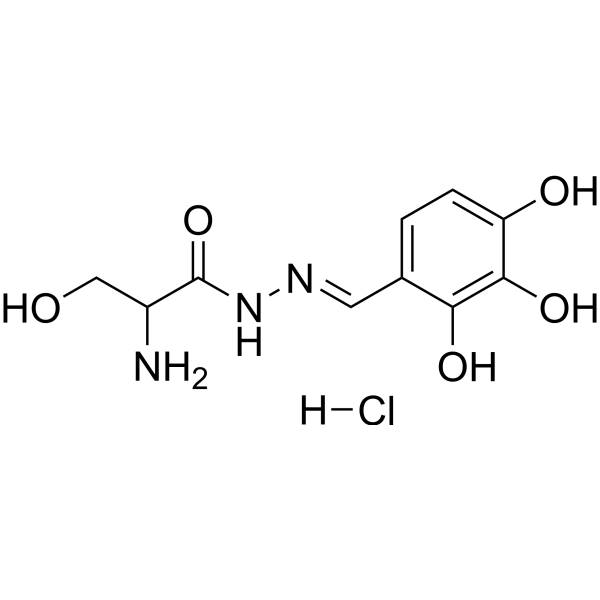
CSRM617 hydrochloride is a selective small-molecule inhibitor of the transcription factor ONECUT2 (OC2, a master regulator of androgen receptor) with a Kd of 7.43 uM in SPR assays, binding to OC2-HOX domain directly. CSRM617 hydrochloride induces apoptosis by appearance of cleaved Caspase-3 and PARP. CSRM617 hydrochloride is well tolerated in the prostate cancer mouse model
loading...
    loading...
1
1 Cited Publications
Cat. No.: HY-19337
CAS No.: 1297537-33-7
Synonyms: BAY 1896953; ORM-15341
Target:  

Androgen Receptor

Research Areas:  

Cancer

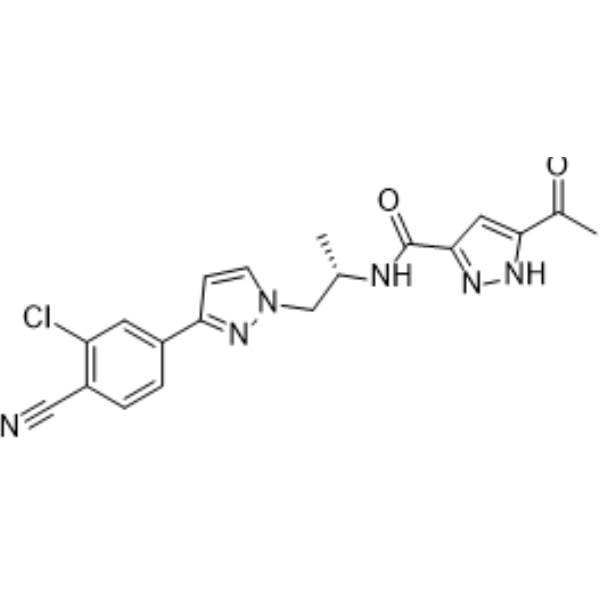
Ketodarolutamide (ORM-15341) is a potent, high-affinity nonsteroidal competitive full antagonist of androgen receptor (AR). Ketodarolutamide displays a Ki value of 8 nM for rat wild-type AR and an IC50 value of 38 nM in AR-HEK293 cells . Ketodarolutamide inhibits testosterone-induced nuclear translocation of the AR and antagonizes both overexpressed and mutant ARs . Ketodarolutamide specifically suppresses the proliferation of AR-dependent prostate cancer cells and exhibits antitumor activity in models of castration-resistant prostate cancer (CRPC) . Ketodarolutamide is suitable for the mechanistic and therapeutic research of prostate cancer .
loading...
    loading...
1
1 Cited Publications
Cat. No.: HY-156111
CAS No.: 2632305-36-1
Purity:  99.36%
Research Areas:  

Neurological Disease Cancer

ARD-1676 is an orally active androgen receptor (AR) PROTAC degrader . ARD-1676 induces proteasomal degradation of AR, inhibits AR-regulated gene expression, suppresses cell growth, reduces AR protein levels and inhibits tumor growth in in vivo models. ARD-1676 can be used in studies related to AR+ human prostate cancer and spinal bulbar muscular atrophy .
loading...
    loading...
1
1 Cited Publications
Cat. No.: HY-149862
CAS No.: 2632305-17-8
Purity:  98.19%
Research Areas:  

Cancer

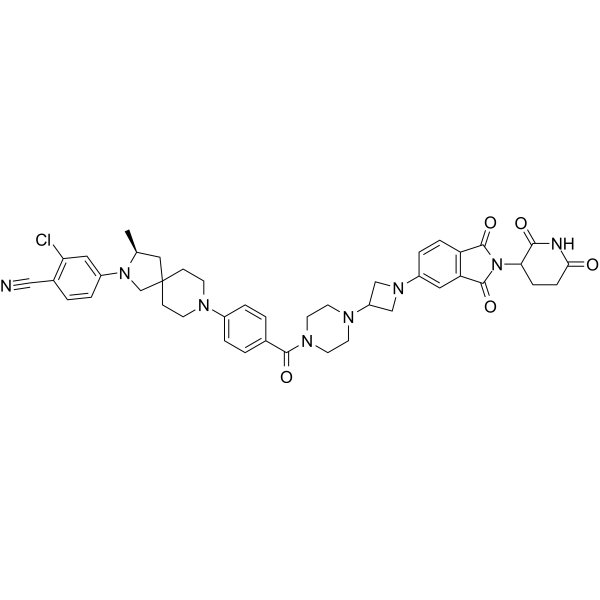
ARD-2051 is a selective and orally active androgen receptor (AR) PROTAC degrader. ARD-2051 achieves DC50 values of 0.6 nM for AR protein degradation in both the LNCaP and VCaP prostate cancer cell lines. ARD-2051 exhibits effective anti-tumor activity in VCaP xenograft mice model. ARD-2051 can be used for the research of prostate cancer .
loading...
    loading...

