
8032 Results for "

RAS/RAF/MEK/ERK signaling cascade

" in MedChemExpress (MCE) Product Catalog:
Products (8032)

8032 Results for "RAS/RAF/MEK/ERK signaling cascade" in MCE Product Catalog:

905
905 Publications Verification
Cat. No.: HY-15763
CAS No.: 571203-78-6
Purity:  99.62%
Research Areas:  

Cancer

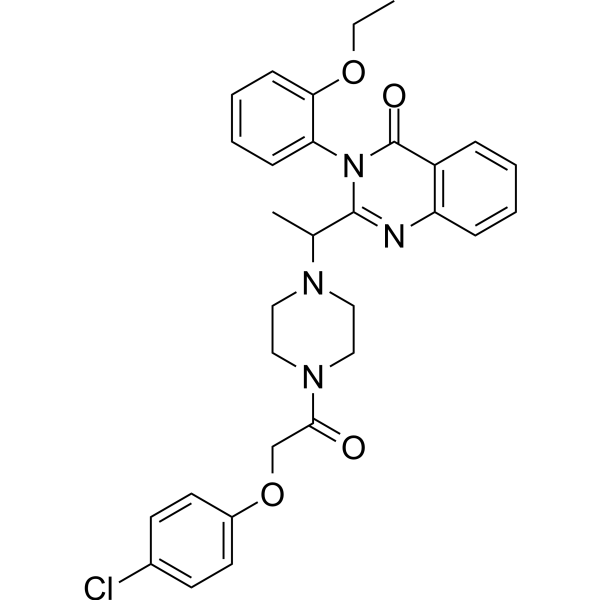
Erastin is a ferroptosis inducer. Erastin exhibits the mechanism of ferroptosis induction related to ROS and iron-dependent signaling. Erastin inhibits voltage-dependent anion channels (VDAC2/VDAC3) and accelerates oxidation, leading to the accumulation of endogenous reactive oxygen species. Erastin also disrupts mitochondrial permeability transition pore (mPTP) with anti-tumor activity. Furthermore, Erastin can block the uptake of cystine mediated by SLC7A11 and also spares UMRC6-EV and -C91A cells from disulfidptosis under glucose starvation .
loading...
    loading...
602
602 Cited Publications
Cat. No.: HY-10071
CAS No.: 146986-50-7
Purity:  99.46%
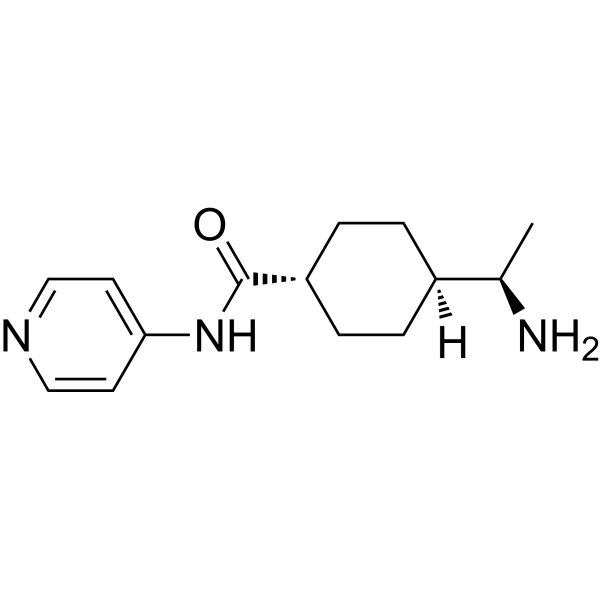
Y-27632 is a ROCK inhibitor with Ki values of 220 nM and 300 nM for ROCK1 and ROCK2, respectively. Y-27632 exerts anti-inflammatory and immunomodulatory effects in systemic lupus erythematosus models by inhibiting the ROCK/NF-κB pathway. Y-27632 enhances autophagy by inhibiting the AKT/mTOR pathway, thereby inducing apoptosis apoptosis in oral squamous cell carcinoma. Y-27632 induces the formation of tunneling nanotubes in ARPE-19 cells and significantly enhances mitochondrial transfer through these channels. Y-27632 promotes neurite outgrowth in PC12 cells by activating the Rac1/NOX1/ROS/AKT/PAK1 signaling cascade .
loading...
    loading...
602
602 Cited Publications
Cat. No.: HY-10071A
CAS No.: 331752-47-7
Y-27632 hydrochloride hydrate is a ROCK inhibitor with Ki values of 220 nM and 300 nM for ROCK1 and ROCK2, respectively. Y-27632 hydrochloride hydrate exerts anti-inflammatory and immunomodulatory effects in systemic lupus erythematosus models by inhibiting the ROCK/NF-κB pathway. Y-27632 hydrochloride hydrate enhances autophagy by inhibiting the AKT/mTOR pathway, thereby inducing apoptosis apoptosis in oral squamous cell carcinoma. Y-27632 hydrochloride hydrate induces the formation of tunneling nanotubes in ARPE-19 cells and significantly enhances mitochondrial transfer through these channels. Y-27632 hydrochloride hydrate promotes neurite outgrowth in PC12 cells by activating the Rac1/NOX1/ROS/AKT/PAK1 signaling cascade .
loading...
    loading...
536
536 Cited Publications
Cat. No.: HY-11109
CAS No.: 243984-11-4
Purity:  98.92%
Synonyms: TAK-242; CLI-095
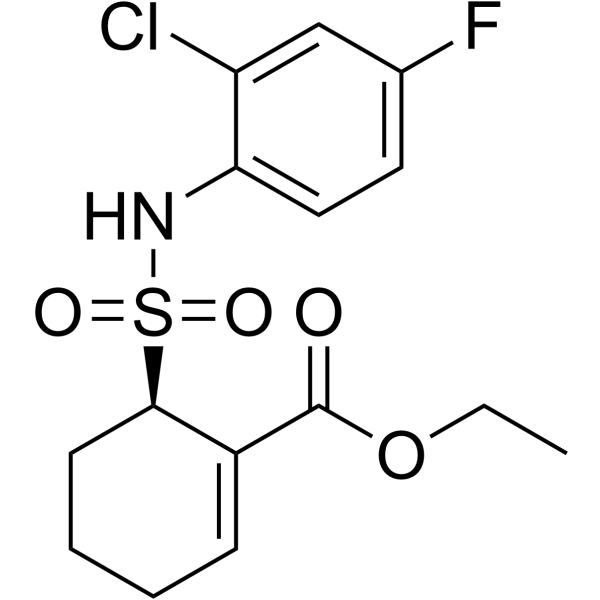
Resatorvid (TAK-242) is a selective Toll-like receptor 4 (TLR4) inhibitor. Resatorvid inhibits NO, TNF-α and IL-6 production with IC50s of 1.8 nM, 1.9 nM and 1.3 nM, respectively. Resatorvid downregulates expression of TLR4 downstream signaling molecules MyD88 and TRIF. Resatorvid inhibits autophagy and plays pivotal role in various inflammatory diseases .
loading...
    loading...
494
494 Cited Publications
Cat. No.: HY-108232
CAS No.: 1032349-77-1
Purity:  99.72%
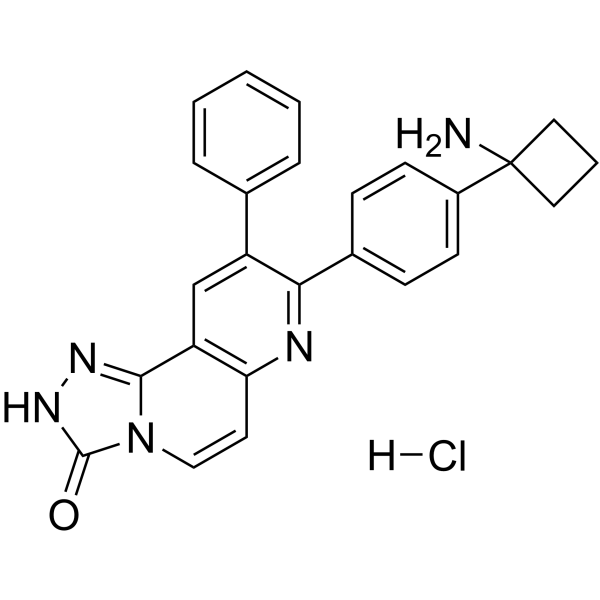
MK-2206 is an orally active pan-AKT inhibitor, with IC50 values of 8 nM, 12 nM and 65 nM against AKT1, AKT2 and AKT3, respectively. MK-2206 inhibits the Akt/mTOR signaling pathway and reduces the levels of downstream GSK3β and Mcl-1 via proteasomal degradation. MK-2206 induces G1-phase cell cycle arrest, apoptosis, epithelial-mesenchymal transition, fibroblast activation and extracellular matrix deposition. MK-2206 causes transient hyperglycemia and hyperinsulinemia in animals. MK-2206 can be used in research related to solid tumors, renal fibrosis and hypercholesterolemia .
loading...
    loading...
494
494 Cited Publications
Cat. No.: HY-10358
CAS No.: 1032350-13-2
Purity:  99.94%
Synonyms: MK-2206 (2HCl)
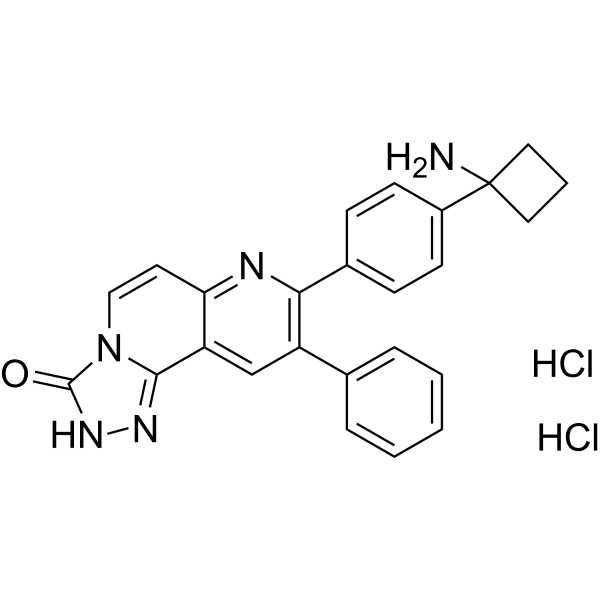
MK-2206 dihydrochloride (MK-2206 2HCl) is an orally active pan-AKT inhibitor, with IC50 values of 8 nM, 12 nM and 65 nM against AKT1, AKT2 and AKT3, respectively. MK-2206 dihydrochloride inhibits the Akt/mTOR signaling pathway and reduces the levels of downstream GSK3β and Mcl-1 via proteasomal degradation. MK-2206 dihydrochloride induces G1-phase cell cycle arrest, apoptosis, epithelial-mesenchymal transition, fibroblast activation and extracellular matrix deposition. MK-2206 dihydrochloride causes transient hyperglycemia and hyperinsulinemia in animals. MK-2206 dihydrochloride can be used in research related to solid tumors, renal fibrosis and hypercholesterolemia .
loading...
    loading...
491
491 Cited Publications
Cat. No.: HY-12031A
CAS No.: 109511-58-2
Purity:  98.57%
Research Areas:  

Cancer

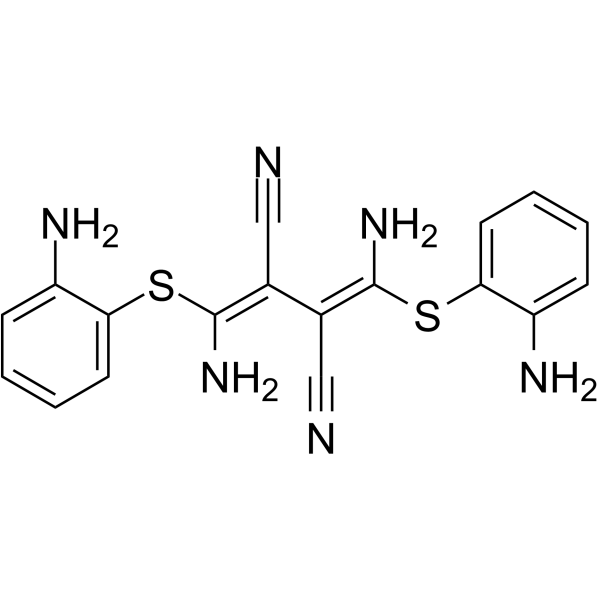
U0126 is a potent, non-ATP competitive and selective MEK1 and MEK2 inhibitor, with IC50s of 72 nM and 58 nM, respectively. U0126 is an autophagy and mitophagy inhibitor .
loading...
    loading...
491
491 Cited Publications
Cat. No.: HY-12031
CAS No.: 1173097-76-1
Purity:  98.92%
Research Areas:  

Cancer

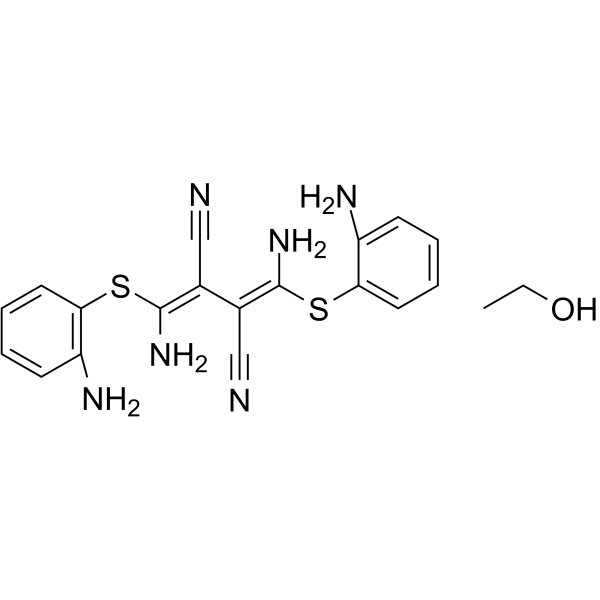
U0126 (U0126-EtOH) is a potent, non-ATP competitive and selective MEK1 and MEK2 inhibitor, with IC50s of 72 nM and 58 nM, respectively. U0126 is an autophagy and mitophagy inhibitor .
loading...
    loading...
427
427 Cited Publications
Cat. No.: HY-12028
CAS No.: 167869-21-8
Purity:  98.89%
Research Areas:  

Cancer

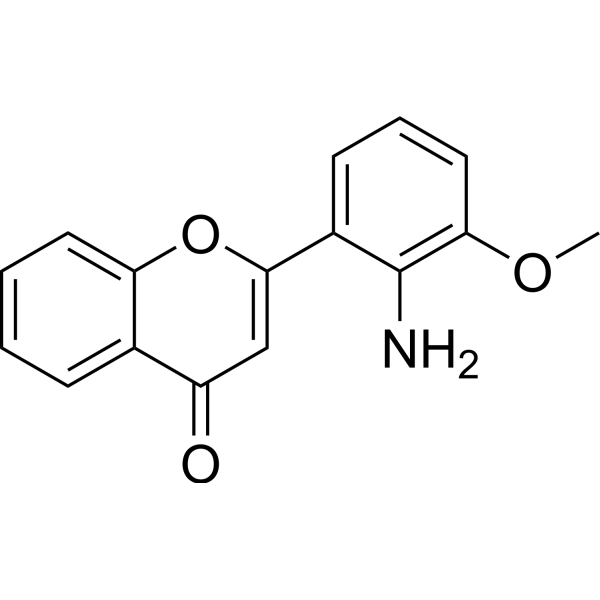
PD98059 is a potent and selective MEK inhibitor with an IC50 of 5 µM. PD98059 binds to the inactive form of MEK, thereby preventing the activation of MEK1 (IC50 of 2-7 µM) and MEK2 (IC50 of 50 µM) by upstream kinases. PD98059 is a ERK1/2 signaling inhibitor. PD98059 is a ligand for the aryl hydrocarbon receptor (AHR), and suppresses TCDD binding (IC50 of 4 μM) and AHR transformation (IC50 of 1 μM). PD98059 also inhibits Mycobacterium bovis Bacillus CalmetteGuerin (BCG)-induced autophagy .
loading...
    loading...
323
323 Cited Publications
Cat. No.: HY-10431
CAS No.: 301836-41-9
Purity:  99.85%
Research Areas:  

Cancer

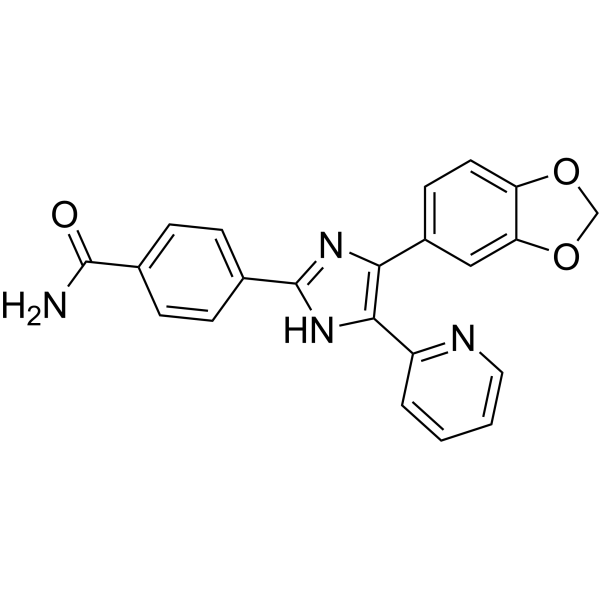
SB-431542 is a TGF-β receptor kinase inhibitor (TRKI). SB-431542 has inhibitory activity for ALK4, ALK5 and ALK7 with IC50 values of 1 μM, 0.75 μM and 2 μM, respectively. SB-431542 also inhibits TGF-β-induced transcription, gene expression, apoptosis, and growth suppression. SB-431542 can be used for the research of cancer and signal transduction pathways .
loading...
    loading...
321
321 Cited Publications
Cat. No.: HY-10182
CAS No.: 252917-06-9
Purity:  99.43%
Synonyms: CHIR-99021; CT99021
Research Areas:  

Metabolic Disease Cancer

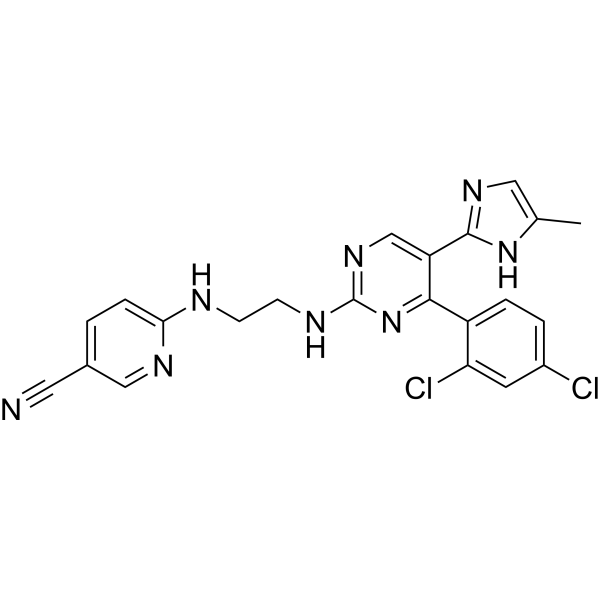
Laduviglusib (CHIR-99021) is a potent, selective and orally active GSK-3α/β inhibitor with IC50s of 10 nM and 6.7 nM. Laduviglusib shows >500-fold selectivity for GSK-3 over CDC2, ERK2 and other protein kinases. Laduviglusib is also a potent Wnt/β-catenin signaling pathway activator. Laduviglusib enhances mouse and human embryonic stem cells self-renewal. Laduviglusib induces autophagy .
loading...
    loading...
321
321 Cited Publications
Cat. No.: HY-10182B
CAS No.: 1782235-14-6
Purity:  99.07%
Synonyms: CHIR-99021 trihydrochloride; CT99021 trihydrochloride
Research Areas:  

Cancer

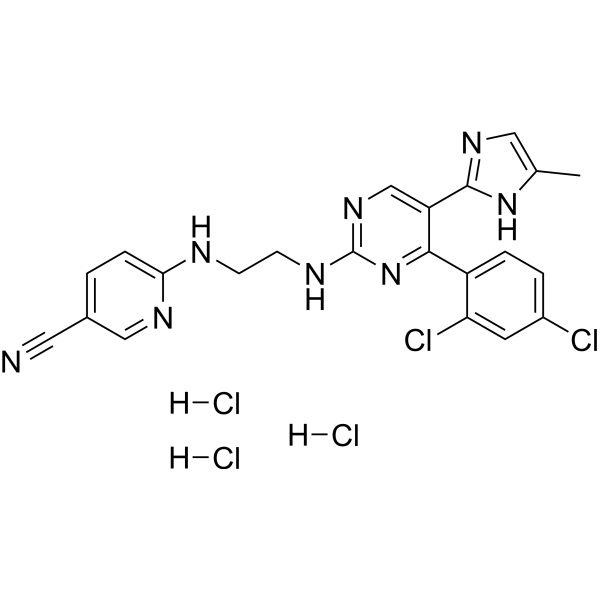
Laduviglusib (CHIR-99021) trihydrochloride is a potent and selective GSK-3α/β inhibitor with IC50s of 10 nM and 6.7 nM. Laduviglusib trihydrochloride shows >500-fold selectivity for GSK-3 over CDC2, ERK2 and other protein kinases. Laduviglusib trihydrochloride is also a potent Wnt/β-catenin signaling pathway activator. Laduviglusib trihydrochloride enhances mouse and human embryonic stem cells self-renewal. Laduviglusib trihydrochloride induces autophagy .
loading...
    loading...
321
321 Cited Publications
Cat. No.: HY-10182A
CAS No.: 1797989-42-4
Purity:  99.93%
Synonyms: CHIR-99021 monohydrochloride; CT99021 monohydrochloride
Research Areas:  

Cancer

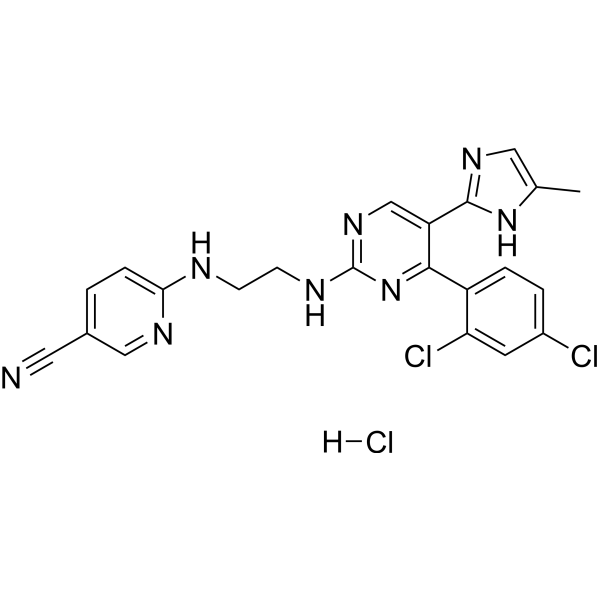
Laduviglusib (CHIR-99021) monohydrochloride is a potent and selective GSK-3α/β inhibitor with IC50s of 10 nM and 6.7 nM. Laduviglusib monohydrochloride shows >500-fold selectivity for GSK-3 over CDC2, ERK2 and other protein kinases. Laduviglusib monohydrochloride is also a potent Wnt/β-catenin signaling pathway activator. Laduviglusib monohydrochloride enhances mouse and human embryonic stem cells self-renewal. Laduviglusib monohydrochloride induces autophagy .
loading...
    loading...
316
316 Cited Publications
Cat. No.: HY-10201
CAS No.: 284461-73-0
Purity:  99.92%
Synonyms: Bay 43-9006
Sorafenib (Bay 43-9006) is a potent oral active multikinase inhibitor. Sorafenib blocks autophosphorylation and activity of receptor tyrosine kinases (VEGFR-2, VEGFR-3) and RAF family kinases, thereby suppressing the RAF/MEK/ERK and PI3K/Akt pathways, inhibiting STAT3 phosphorylation, and selectively inhibiting the MAPK pathway in cancer cells. Sorafenib induces cell cycle arrest, autophagy, apoptosis, and PARP cleavage, reduces Bcl-2, Bcl-XL, cyclin D1 levels, and activates Bak and Bax. Sorafenib inhibits tumor growth and metastasis in mouse and rat models. Sorafenib can be used for cancer research, such as colon, breast, non-small-cell lung cancer (NSCLC), ovarian, pancreatic, melanoma, colorectal and hepatocellular carcinoma .
loading...
    loading...
316
316 Cited Publications
Cat. No.: HY-10201A
CAS No.: 475207-59-1
Purity:  99.75%
Synonyms: Bay 43-9006 tosylate
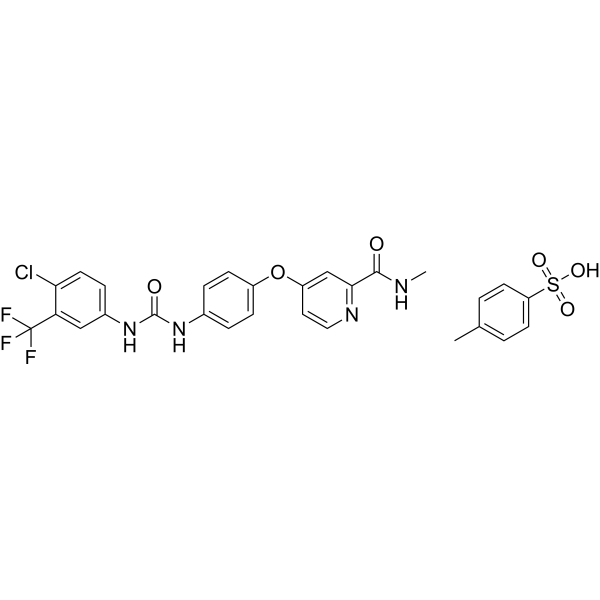
Sorafenib (Bay 43-9006) tosylate is a potent oral active multikinase inhibitor. Sorafenib blocks autophosphorylation and activity of receptor tyrosine kinases (VEGFR-2, VEGFR-3) and RAF family kinases, thereby suppressing the RAF/MEK/ERK and PI3K/Akt pathways, inhibiting STAT3 phosphorylation, and selectively inhibiting the MAPK pathway in cancer cells. Sorafenib tosylate induces cell cycle arrest, autophagy, apoptosis, and PARP cleavage, reduces Bcl-2, Bcl-XL, cyclin D1 levels, and activates Bak and Bax. Sorafenib tosylate inhibits tumor growth and metastasis in mouse and rat models. Sorafenib tosylate can be used for cancer research, such as colon, breast, non-small-cell lung cancer (NSCLC), ovarian, pancreatic, melanoma, colorectal and hepatocellular carcinoma .
loading...
    loading...
307
307 Cited Publications
Cat. No.: HY-10999
CAS No.: 871700-17-3
Purity:  99.93%
Synonyms: GSK1120212; JTP-74057
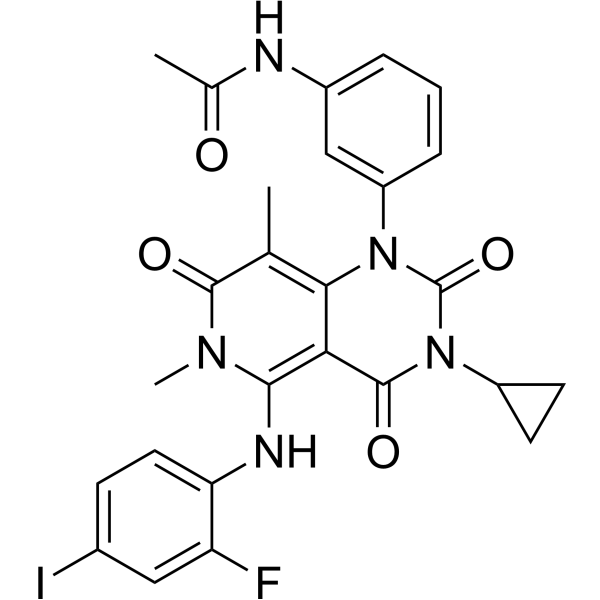
Trametinib (GSK1120212; JTP-74057) is an orally active MEK inhibitor that inhibits MEK1 and MEK2 with IC50s of about 2 nM. Trametinib activates autophagy and induces apoptosis, cross the blood-brain barrier (BBB), used in research related to subarachnoid hemorrhage (SAH) .
loading...
    loading...
307
307 Cited Publications
Cat. No.: HY-10999A
CAS No.: 1187431-43-1
Purity:  99.56%
Synonyms: GSK-1120212 (DMSO solvate); JTP-74057 (DMSO solvate)
Target:  

MEK Apoptosis

Research Areas:  

Cancer

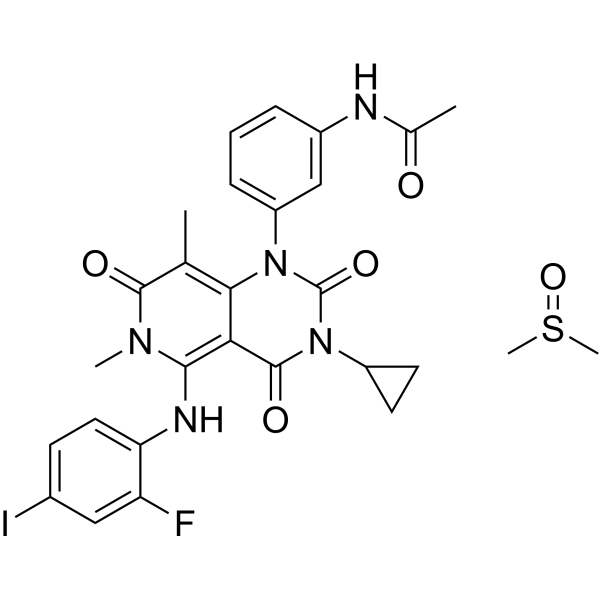
Trametinib (DMSO solvate) (GSK-1120212 (DMSO solvate)) is an orally active MEK inhibitor that inhibits MEK1 and MEK2 with IC50s of about 2 nM. Trametinib (DMSO solvate) activates autophagy and induces apoptosis . This product is in solid form, a DMSO solvate, and a stable crystalline form.
loading...
    loading...
258
258 Cited Publications
Cat. No.: HY-100381
CAS No.: 28643-80-3
Purity:  99.37%
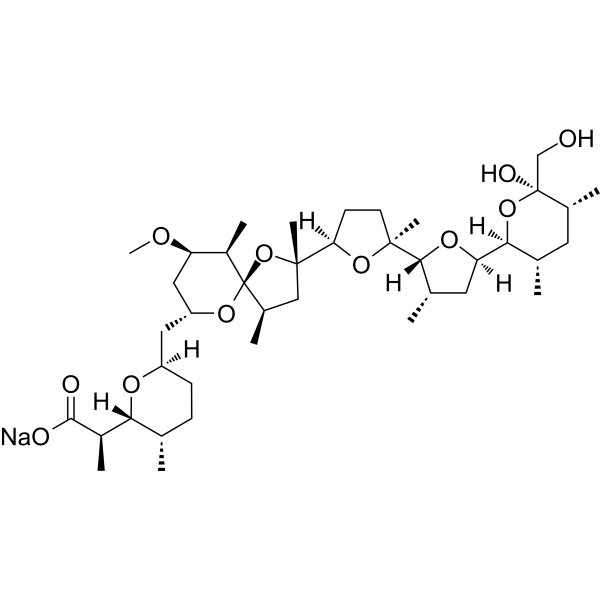
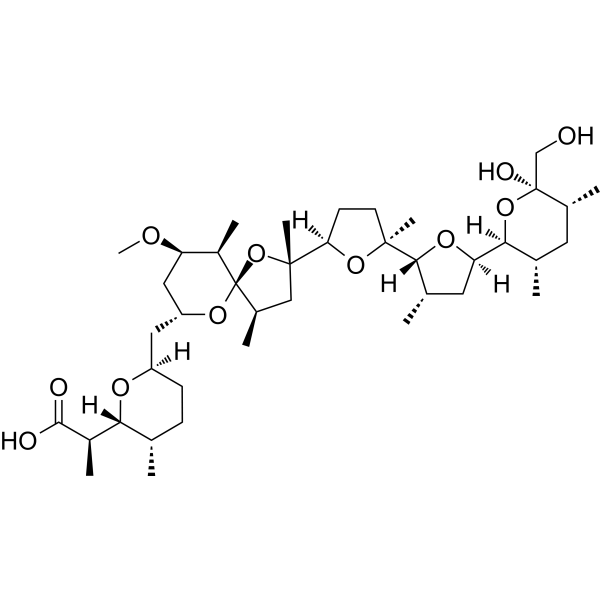
Nigericin sodium salt is an antibiotic derived from Streptomyces hygroscopicus that act as a K +/H + ionophore, promoting K +/H + exchange across mitochondrial membranes. Nigericin sodium salt is a NLRP3 activator. Nigericin sodium salt shows promising anti-cancer activities through decreasing intracellular pH (pHi), and inactivation of Wnt/β-catenin signals. Nigericin sodium salt induces pyroptosis through caspase 1/GSDMD in TNBC .
loading...
    loading...
258
258 Cited Publications
Cat. No.: HY-127019
CAS No.: 28380-24-7
Purity:  99.43%
Nigericin is an antibiotic derived from Streptomyces hygroscopicus that act as a K +/H + ionophore, promoting K +/H + exchange across mitochondrial membranes. Nigericin is a NLRP3 activator. Nigericin shows promising anti-cancer activities through decreasing intracellular pH (pHi), and inactivation of Wnt/β-catenin signals. Nigericin induces pyroptosis through caspase 1/GSDMD in TNBC .
loading...
    loading...
212
212 Cited Publications
Cat. No.: HY-17471A
CAS No.: 1115-70-4
Synonyms: 1,1-Dimethylbiguanide hydrochloride
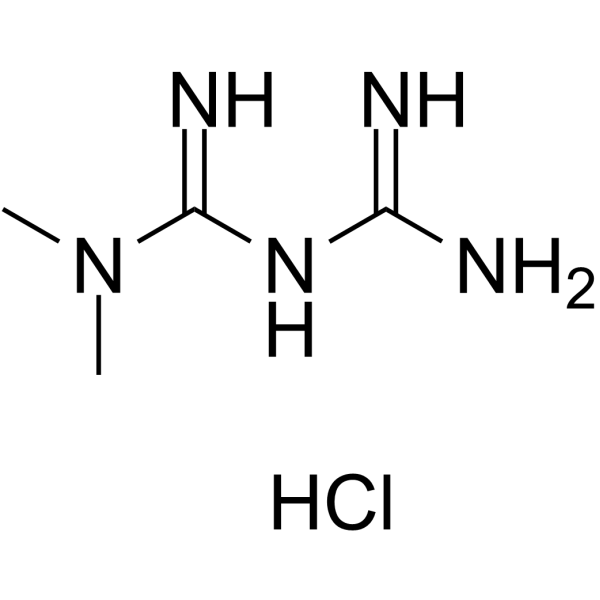
Metformin (1,1-Dimethylbiguanide) hydrochloride inhibits the mitochondrial respiratory chain in the liver, leading to AMPK activation and enhancing insulin sensitivity, and can be used in the study of type 2 diabetes. Metformin hydrochloride exerts central glucose-lowering effects by inhibiting Ras-related protein 1 (Rap1) in SF1 hypothalamic neurons. Metformin hydrochloride also inhibits liver oxidative stress, nitrosative stress, inflammation, and apoptosis caused by liver ischemia/reperfusion injury. In addition, Metformin hydrochloride regulates the expression of autophagy-related proteins by activating AMPK and inhibiting the mTOR signaling pathway, thereby inducing tumor cell autophagy and inhibiting the growth of renal cell carcinoma in vitro and in vivo .
loading...
    loading...

