1. Search Result
Search Result
Results for "

ROS formation

" in MedChemExpress (MCE) Product Catalog:

126

Inhibitors & Agonists

4

Biochemical Assay Reagents

2

Peptides

38

Natural
Products

7

Isotope-Labeled Compounds

1

Oligonucleotides

1

GMP Molecules

Cat. No. Product Name Target Research Areas Chemical Structure
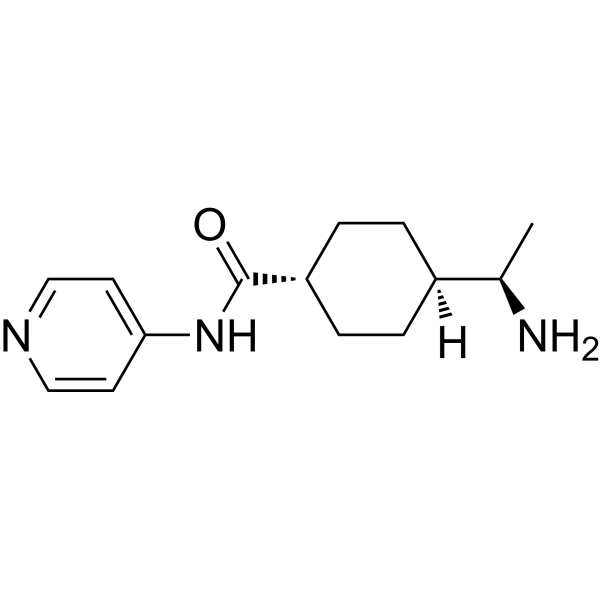
  • HY-10071
    Y-27632
    Maximum Cited Publications
    533 Publications Verification

    ROCK NADPH Oxidase mTOR Reactive Oxygen Species (ROS) NF-κB Apoptosis Akt Autophagy PAK Ras Cancer
    Y-27632 is a ROCK inhibitor with Ki values of 220 nM and 300 nM for ROCK1 and ROCK2, respectively. Y-27632 exerts anti-inflammatory and immunomodulatory effects in systemic lupus erythematosus models by inhibiting the ROCK/NF-κB pathway. Y-27632 enhances autophagy by inhibiting the AKT/mTOR pathway, thereby inducing apoptosis apoptosis in oral squamous cell carcinoma. Y-27632 induces the formation of tunneling nanotubes in ARPE-19 cells and significantly enhances mitochondrial transfer through these channels. Y-27632 promotes neurite outgrowth in PC12 cells by activating the Rac1/NOX1/ROS/AKT/PAK1 signaling cascade .
    Y-27632
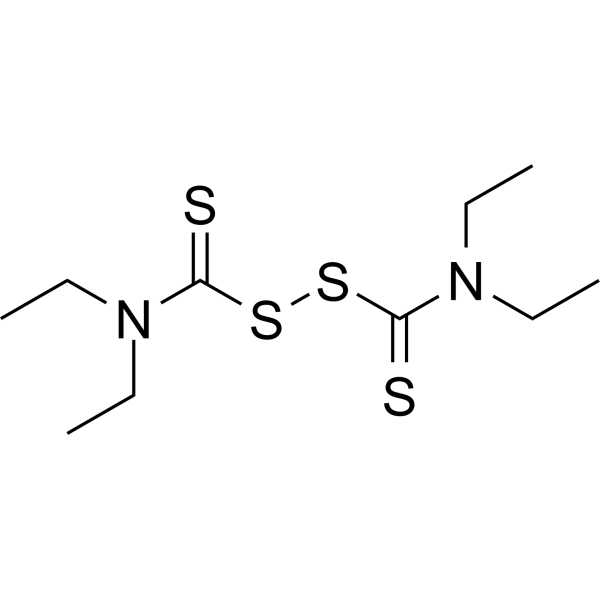
  • HY-B0240
    Disulfiram
    140+ Cited Publications

    Tetraethylthiuram disulfide; TETD

    Aldehyde Dehydrogenase (ALDH) Interleukin Related Pyroptosis Apoptosis Cuproptosis Metabolic Disease Cancer
    Disulfiram (Tetraethylthiuram disulfide) is a specific inhibitor of aldehyde-dehydrogenase (ALDH1), used for the treatment of chronic alcoholism by producing an acute sensitivity to alcohol. Disulfiram inhibits gasdermin D (GSDMD) pore formation in liposomes and inflammasome-mediated pyroptosis and IL-1β secretion in human and mouse cells. Disulfiram, a copper ion carrier, with Cu 2+ increases intracellular ROS levels and induces cuproptosis .
    Disulfiram
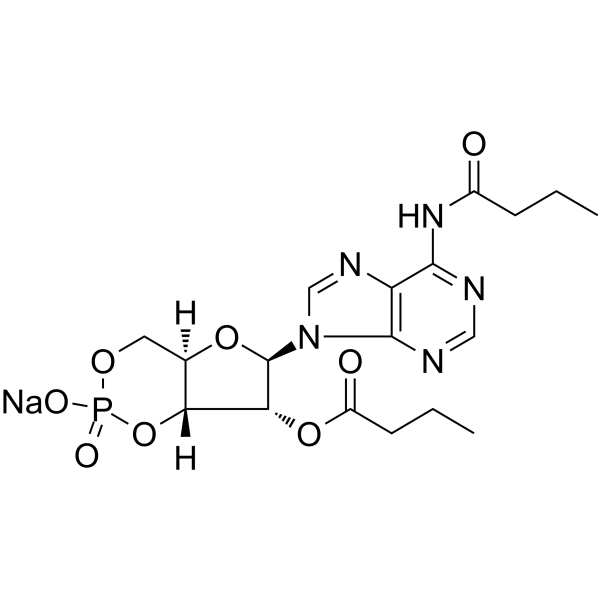
  • HY-B0764
    Bucladesine sodium
    40+ Cited Publications

    Dibutyryl cAMP sodium; DBcAMP sodium

    PKA Reactive Oxygen Species (ROS) Apoptosis Neurological Disease Inflammation/Immunology Cancer
    Bucladesine (Dibutyryl cAMP; DBcAMP) sodium is a membrane-permeable 3′, 5′-cyclic adenosine monophosphate (cAMP) analog. Bucladesine selectively activates cAMP dependent protein kinase (PKA) by increasing the intracellular level of cAMP. Bucladesine significantly attenuates MDMA-induced increases in hippocampal mitochondrial ROS formation, mitochondrial outer membrane damage, cytochrome c release, and hippocampal ADP/ATP ratio, thereby improving spatial learning and memory impairments. Bucladesine exhibit anti-nociceptive and anti-inflammation effect. Bucladesine can inhibit cancer cells proliferation, induce apoptosis. Bucladesine can be used for the researches of neurological disease, cancer, inflammation .
    Bucladesine sodium
  • HY-19992
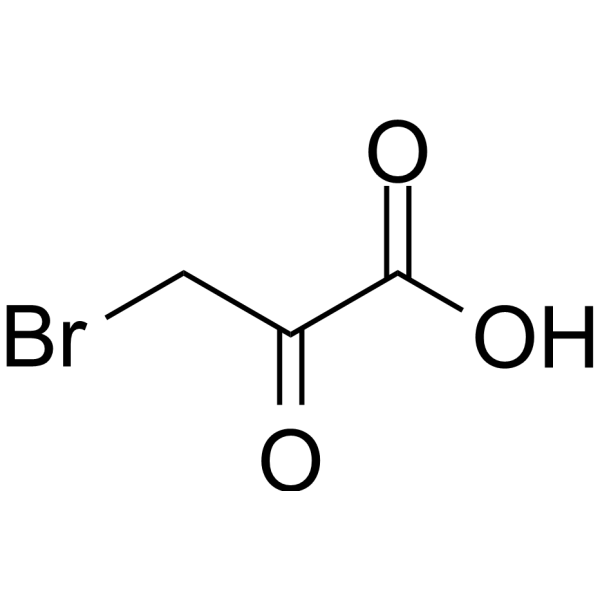
    3-Bromopyruvic acid
    30+ Cited Publications

    Bromopyruvic acid; 3-BrPA; Hexokinase II Inhibitor II, 3-BP

    Hexokinase Apoptosis Autophagy Cancer
    3-Bromopyruvate (Bromopyruvic acid) is an analogue of pyruvate and a potent hexokinase (HK)-II inhibitor with high tumor selectivity. 3-Bromopyruvate inhibits cell growth and induces apoptosis through interfering with glycolysis. 3-Bromopyruvate induces autophagy by stimulating ROS formation in breast cancer cells. Antimicrobial activities .
    3-Bromopyruvic acid
  • HY-101200

    SIN-1 chloride

    Apoptosis Autophagy Reactive Oxygen Species (ROS) Annexin A NF-κB Cardiovascular Disease Neurological Disease Inflammation/Immunology Cancer
    Linsidomine hydrochloride (SIN-1 chloride) is a spontaneous ROS/RNS generator and peroxynitrite donor. Linsidomine hydrochloride is a vasodilator and platelet aggregation inhibitor. Linsidomine hydrochloride induces oxidative stress-induced chondrocyte apoptosis and necrosis. Linsidomine hydrochloride inhibits the migration, proliferation and neointima formation of vascular smooth muscle cells by inhibiting the expression of annexin A2. In addition, low doses of Linsidomine hydrochloride shows protective effects on Zn 2+ treated nerve cells .
    Linsidomine hydrochloride
  • HY-107859
    Tris(2-chloroethyl) phosphate
    5+ Cited Publications

    TCEP

    Environmental Pollutants Apoptosis FXR Calcium Channel Toll-like Receptor (TLR) SOD Reactive Oxygen Species (ROS) DNA/RNA Synthesis Interleukin Related NF-κB TNF Receptor Others
    Tris(2-chloroethyl) phosphate (TCEP) is a widely used organic phosphorus flame retardant, mainly used as a plasticizer. Tris(2-chloroethyl) phosphate has orally active hepatotoxicity, inducing an increase in reactive oxygen species (ROS) and calcium ions (Ca²⁺) influx, a decrease in mitochondrial membrane potential (△Ψm), and causing DNA damage and cell apoptosis. Tris(2-chloroethyl) phosphate directly binds to FXR, inducing obesity and the formation of fatty liver in mice. Chloroethyl) phosphate activates the TLR4/NF-κB pathway, triggering liver inflammation .
    Tris(2-chloroethyl) phosphate
  • HY-P2853

    p38 MAPK Reactive Oxygen Species (ROS) Bacterial Fungal Infection Inflammation/Immunology Cancer
    Hemocyanin is an extracellular giant copper-containing glycoprotein. Hemocyanin can be found in the hemolymph of both mollusk and arthropod. Hemocyanin is responsible for oxygen transport. Hemocyanin is also involved in several physiological processes, such as energy storage, osmoregulation, molt cycle and exoskeleton formation. Hemocyanin in shrimp can enhance its immune response by modulating the p38 MAPK pathway. Hemocyanin from Penaeus monodon could act as an antiviral agent against a variety of viruses including DNA and RNA viruses. Hemocyanin from horseshoe crab Carcinoscorpius rotundicauda could possess a strong antimicrobial defense by the production of ROS activated with microbial proteases. Hemocyanin from L. vannamei would be effective against cervical cancer cell growth .
    Hemocyanin
  • HY-135897
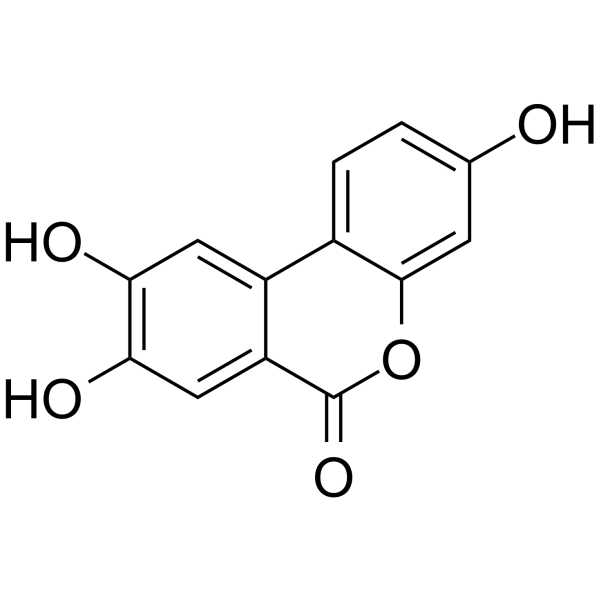
    Urolithin C
    5 Publications Verification

    Calcium Channel Reactive Oxygen Species (ROS) Apoptosis Endogenous Metabolite Metabolic Disease
    Urolithin C, a gut-microbial metabolite of Ellagic acid, is a glucose-dependent activator of insulin secretion. Urolithin C is a L-type Ca 2+ channel opener and enhances Ca 2+ influx. Urolithin C induces cell apoptosis through a mitochondria-mediated pathway and also stimulates reactive oxygen species (ROS) formation .
    Urolithin C
  • HY-B0860
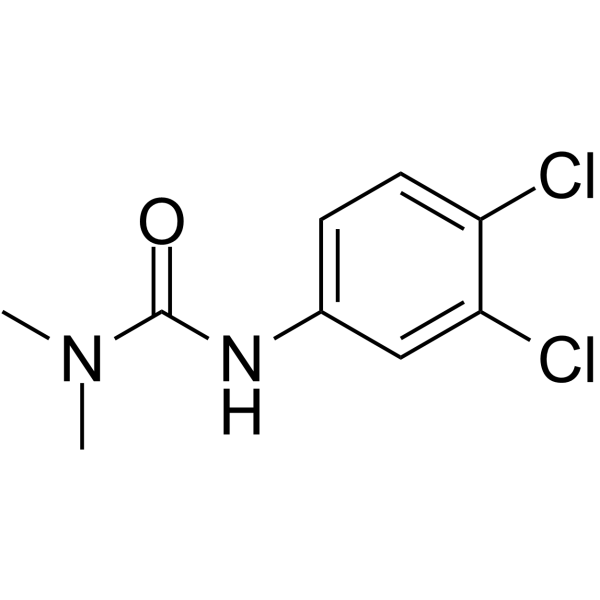
    Diuron
    2 Publications Verification

    Environmental Pollutants Reactive Oxygen Species (ROS) Herbicide MDM-2/p53 Cancer
    Diuron is an orally active phenylurea herbicide. Diuron inhibits photosynthesis in plants by blocking the formation of ATP and NADH. Diuron increases the production of ROS. Diuron increases expression of p53 in certain cell lines. Diuron has herbicidal activity against annual and perennial broadleaf weeds and grass weeds. Diuron promotes DMBA/BBN-induced bladder cancer. Diuron can be used in breast cancer research .
    Diuron
  • HY-B0764A
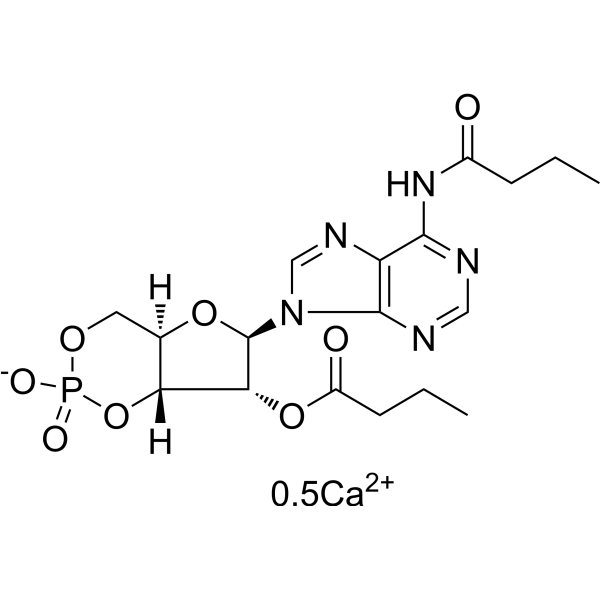
    Bucladesine hemicalcium
    40+ Cited Publications

    Dibutyryl cAMP hemicalcium; DBcAMP hemicalcium

    PKA Apoptosis Reactive Oxygen Species (ROS) Neurological Disease Cancer
    Bucladesine (Dibutyryl cAMP; DBcAMP) hemicalcium is a membrane-permeable 3′, 5′-cyclic adenosine monophosphate (cAMP) analog. Bucladesine selectively activates cAMP dependent protein kinase (PKA) by increasing the intracellular level of cAMP. Bucladesine significantly attenuates MDMA-induced increases in hippocampal mitochondrial ROS formation, mitochondrial outer membrane damage, cytochrome c release, and hippocampal ADP/ATP ratio, thereby improving spatial learning and memory impairments. Bucladesine exhibit anti-nociceptive and anti-inflammation effect. Bucladesine can inhibit cancer cells proliferation, induce apoptosis. Bucladesine can be used for the researches of neurological disease, cancer, inflammation .
    Bucladesine hemicalcium
  • HY-14914
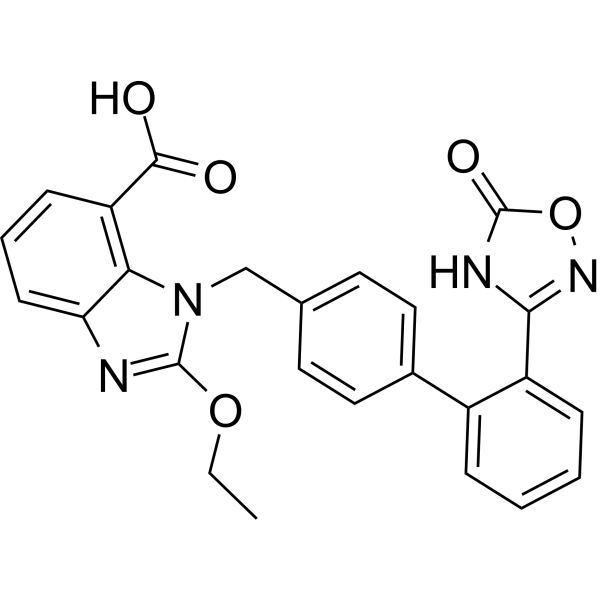
    Azilsartan
    5+ Cited Publications

    TAK-536

    Angiotensin Receptor Reactive Oxygen Species (ROS) Apoptosis Cardiovascular Disease Neurological Disease Metabolic Disease Cancer
    Azilsartan (TAK-536) is an orally active, potent, selective and specific angiotensin II type 1 receptor (AT1) antagonist. Azilsartan induces ROS formation and apoptosis in HepG2 cells. Azilsartan shows neuroprotective and anticancer activity. Azilsartan can be used for hypertension and stroke research .
    Azilsartan
  • HY-130237

    Reactive Oxygen Species (ROS) NF-κB Apoptosis Metabolic Disease Cancer
    Cinnamtannin B-1 is a anthocyanidin. Cinnamtannin B-1 inhibits the osteoclast formation by inhibiting NF-kB signaling pathway and ROS generation. Cinnamtannin B-1 exhibits antioxidant, anti-inflammatory, antitumor and anti-platelet aggregation activities. Cinnamtannin B-1 is orally active .
    Cinnamtannin B-1
  • HY-N2037A
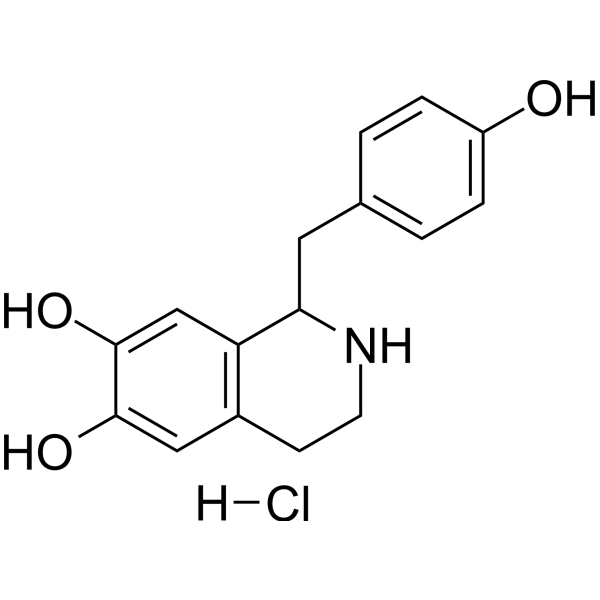
    Higenamine hydrochloride
    5+ Cited Publications

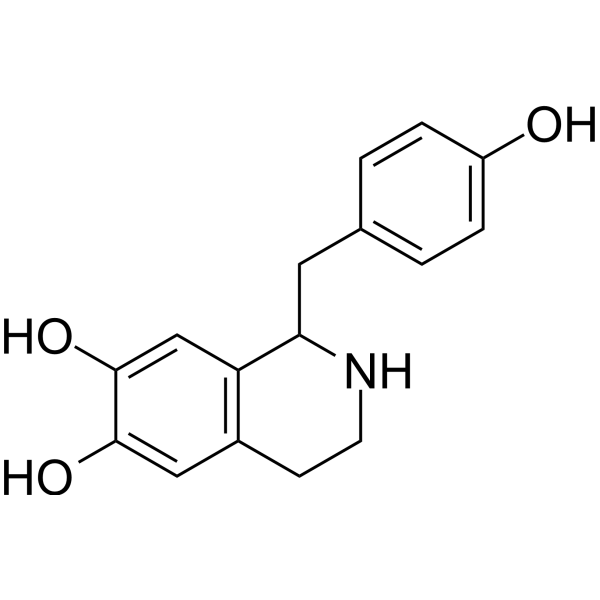
    Norcoclaurine hydrochloride

    MAP3K MDM-2/p53 ROS Kinase Apoptosis Infection Cardiovascular Disease Endocrinology Cancer
    Higenamine hydrochloride is a selective LSD1 inhibitor (IC50=1.47 μM) that can be isolated from aconite. Higenamine hydrochloride has anti-inflammatory and antibacterial activity. Higenamine (Norcoclaurine) can attenuate IL-1β-induced Apoptosis through ROS-mediated PI3K/Akt signaling pathway. Higenamine hydrochloride protects brain cells from oxygen deprivation. Higenamine can promote bone formation in osteoporosis through the SMAD2/3 pathway. Higenamine hydrochloride can be used to study cancer, inflammation, cardiorenal syndrome and other diseases .
    Higenamine hydrochloride
  • HY-112356

    Apoptosis Reactive Oxygen Species (ROS) Polo-like Kinase (PLK) Inflammation/Immunology Cancer
    Scytonemin is a hydrophobic alkaloid pigment that can be isolated from the outer sheath of cyanobacteria. Scytonemin has protective function against short-wave solar ultraviolet (UV) radiation, which can reduce the generation of reactive oxygen species (ROS) and the formation of DNA damage. Scytonemin also has anti-inflammatory and anti-proliferative activities, produces concentration-dependent inhibition (IC50=2.0 μM) of polo-like kinase 1 (PLK1)-mediated cdc25C phosphorylation, and plays an important role in regulating the G2/M transition in the cell cycle. It can be used in the research of cancer, acute inflammation and sunscreen cosmetics .
    Scytonemin
  • HY-23119

    Thiocyanate sodium

    Environmental Pollutants Reactive Oxygen Species (ROS) Interleukin Related Inflammation/Immunology
    Sodium thiocyanate reduces plasma levels of the pro-inflammatory cytokine IL-6, and increases the anti-inflammatory cytokine IL-10 levels. Sodium thiocyanate also significantly reduces of ROS formation .
    Sodium thiocyanate, GR, 99%
  • HY-B0914

    Undecylenic acid

    Environmental Pollutants Bacterial Fungal Proteasome Amyloid-β Reactive Oxygen Species (ROS) Infection Neurological Disease Endocrinology Cancer
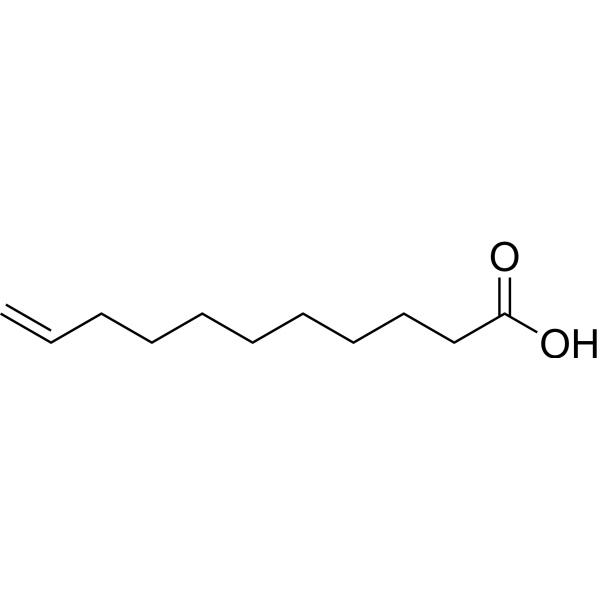
    10-Undecenoic acid (Undecylenic acid) is an antifungal agent. 10-Undecenoic acid inhibits oligomerization, scavenges ROS and inhibits μ-calpain activity. 10-Undecenoic acid has neuroprotective effects. 10-Undecenoic acid has anticancer effects on a variety of tumors. 10-Undecenoic acid inhibits C. albicans biofilm formation and MRSA infection. 10-Undecenoic acid inhibits quorum sensing signals of Bacillus subtilis and Pseudomonas aeruginosa .
    10-Undecenoic acid,98% (stabilized with TBC)
  • HY-B0240R

    Tetraethylthiuram disulfide (Standard); TETD (Standard)

    Reference Standards Aldehyde Dehydrogenase (ALDH) Interleukin Related Pyroptosis Apoptosis Cuproptosis Metabolic Disease Cancer
    Disulfiram (Standard) is the analytical standard of Disulfiram. This product is intended for research and analytical applications. Disulfiram (Tetraethylthiuram disulfide) is a specific inhibitor of aldehyde-dehydrogenase (ALDH1), used for the treatment of chronic alcoholism by producing an acute sensitivity to alcohol. Disulfiram inhibits gasdermin D (GSDMD) pore formation in liposomes and inflammasome-mediated pyroptosis and IL-1β secretion in human and mouse cells. Disulfiram + Cu 2+ increases intracellular ROS levels triggering apoptosis of ovarian cancer stem cells [1-6].
    Disulfiram (Standard)
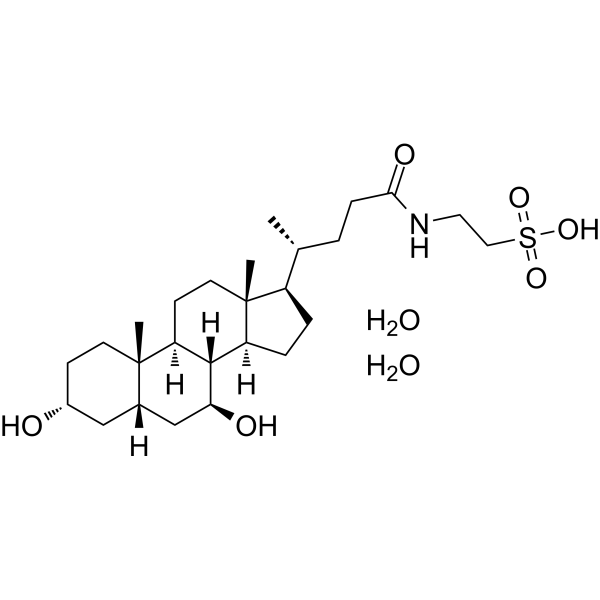
  • HY-19696B
    Tauroursodeoxycholate dihydrate
    Maximum Cited Publications
    104 Publications Verification

    Tauroursodeoxycholic acid dihydrate; TUDCA dihydrate; UR 906 dihydrate

    Caspase Apoptosis Endogenous Metabolite IRE1 NF-κB JNK Reactive Oxygen Species (ROS) Akt Neurological Disease Metabolic Disease Inflammation/Immunology
    Tauroursodeoxycholate dehydrate is an orally active taurine conjugate of Ursodeoxycholic acid (HY-13771). Tauroursodeoxycholate dehydrate inhibits caspase-3/7, Apoptosis, IRE1α/TRAF2/NF-κB, prevents JNK phosphorylation, inhibits ROS generation, and activates Akt signaling. Tauroursodeoxycholate dehydrate prevents cataract formation, reduces renal tubular damage in type 2 diabetic mice, reduces I/R injury in liver, and inhibits intestinal inflammation and barrier disruption in nonalcoholic fatty liver disease .
    Tauroursodeoxycholate dihydrate
  • HY-W015600

    Orthocetamol

    Ferroptosis Glutathione Peroxidase Reactive Oxygen Species (ROS) LDLR Cardiovascular Disease Inflammation/Immunology
    2-Acetamidophenol (Orthocetamol) is a regulator that targets ferroptosis and glutathione metabolic pathways, is the ortho-regioisomer of Paracetamol (HY-66005). 2-Acetamidophenol has anti-atherosclerotic activity, and inhibiting total cholesterol (TC) and triglyceride (TG) in a zebrafish hyperlipidemia model with IC50s for 30 μM and 40 μM, respectively. 2-Acetamidophenol upregulates the expression of glutathione synthesis-related genes (such as GCLC, GCLM, GSS) and iron ion transport genes (such as FPN1, FTH), reduces the accumulation of intracellular reactive oxygen species (ROS) and ferrous ions (Fe 2+), and enhances the activity of glutathione peroxidase GPX4, thereby inhibiting macrophage phagocytosis of oxidized low-density lipoprotein (ox-LDL) and foam cell formation .
    2-Acetamidophenol
  • HY-17587
    4-Methylbenzylidene camphor
    2 Publications Verification

    4-MBC; Enzacamene

    Apoptosis PI3K Akt ERK Metabolic Disease
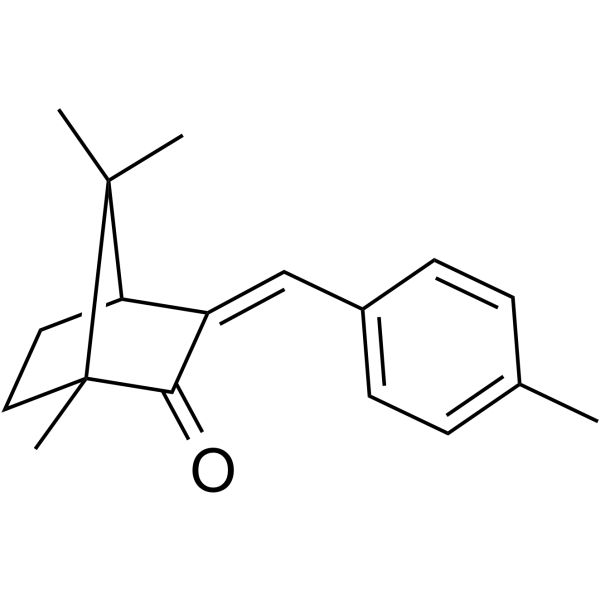
    4-Methylbenzylidene camphor (4-MBC) is an endocrine disrupter that produces estrogen-like effects. 4-Methylbenzylidene camphor decreases the proliferation of human trophoblast cells and induces apoptosis. 4-Methylbenzylidene camphor activates PI3K/AKT and ERK1/2 signaling pathways and elevates intracellular ROS production. 4-Methylbenzylidene camphor is a ultraviolet (UV) filter and may hamper normal placental formation during early pregnancy .
    4-Methylbenzylidene camphor
  • HY-B0655
    Zofenopril calcium
    1 Publications Verification

    SQ26991

    Angiotensin-converting Enzyme (ACE) Reactive Oxygen Species (ROS) Cardiovascular Disease
    Zofenopril Calcium (SQ26991) is an orally active angiotensin-converting enzyme (ACE) inhibitor with antioxidant activity and cardioprotective effects. Zofenopril Calcium reduces ROS production and GSH consumption and helps inhibit foam cell formation, thus slowing the progression of atherosclerosis. Zofenopril Calcium prevents cardiac damage caused by chronic Doxorubicin (HY-15142A) .
    Zofenopril calcium
  • HY-Y1366

    Mitochondrial Metabolism Reactive Oxygen Species (ROS) Arp2/3 Complex Apoptosis Inflammation/Immunology
    Hydroxyacetone is a toxic compound. Hydroxyacetone can be isolated from e-cigarette aerosols. Hydroxyacetone reduces the activity of cellular Mitochondrial reductase (with an IC50 of 5.53 mg/mL for mitochondrial reductase in BEAS-2B cells) and increases ROS levels. Hydroxyacetone induces mitochondrial stress and oxidative damage. Hydroxyacetone induces destabilization of F-actin. At high concentrations, Hydroxyacetone promotes cell rounding and Apoptotic body formation. Hydroxyacetone exerts toxic effects on cells including airway epithelial cells and possesses respiratory toxicity potential .\n


    Hydroxyacetone
  • HY-B0914A
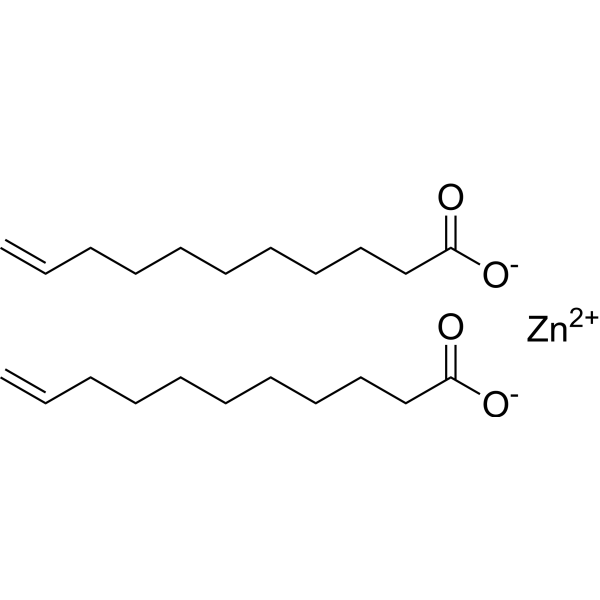
    10-Undecenoic acid zinc salt
    2 Publications Verification

    Zinc undecylenate

    Fungal Bacterial Amyloid-β Reactive Oxygen Species (ROS) Proteasome Infection Neurological Disease Endocrinology Cancer
    10-Undecenoic acid zinc salt (Undecylenic acid zinc salt) is an antifungal agent. 10-Undecenoic acid zinc salt inhibits oligomerization, scavenges ROS and inhibits μ-calpain activity. 10-Undecenoic acid zinc salt has neuroprotective effects. 10-Undecenoic acid zinc salt has anticancer effects on a variety of tumors. 10-Undecenoic acid zinc salt inhibits C. albicans biofilm formation and MRSA infection. 10-Undecenoic acid zinc salt inhibits quorum sensing signals of Bacillus subtilis and Pseudomonas aeruginosa .
    10-Undecenoic acid zinc salt
  • HY-W050000
    OR-1855
    1 Publications Verification

    Drug Metabolite Reactive Oxygen Species (ROS) ERK p38 MAPK Cardiovascular Disease Inflammation/Immunology
    OR-1855, an active metabolite of Levosimendan (HY-14286), has effect on myometrial contractility. OR-1855 exerts anti-inflammatory effects by inhibiting IL-1β-induced ROS formation and NAD(P)H oxidase-dependent superoxide radical generation in HUVECs. OR-1855 inhibits IL-1β-induced phosphorylation p38 MAPK, ERK1/2, c-Jun and JNK in HUVECs. OR-1855 can be used for the study of inflammation .
    OR-1855
  • HY-N3677

    OGT Akt mTOR GSK-3 Reactive Oxygen Species (ROS) Apoptosis PARP MDM-2/p53 Inflammation/Immunology Cancer
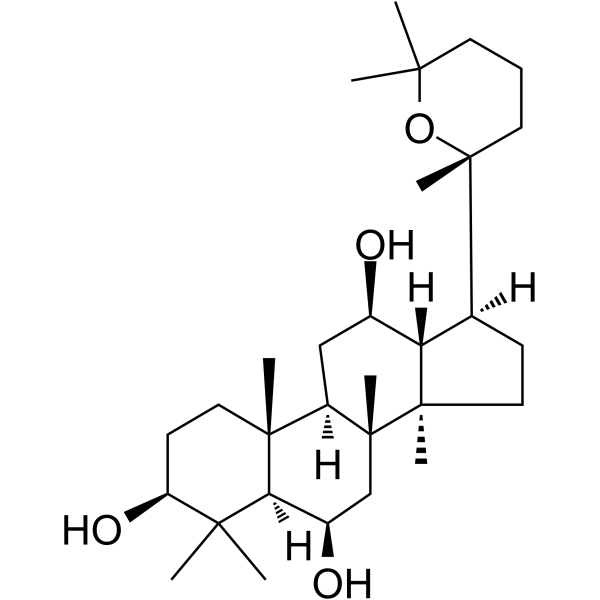
    Dammarenediol II is a ginsenoside precursor . Dammarenediol II reduces the activity of O-GlcNAc transferase (OGT) and downregulates the global O-GlcNAcylation level. Dammarenediol II inhibits the phosphorylation of Akt, mTOR and GSK3β. Dammarenediol II inhibits human carboxylesterase activity, VEGF-induced ROS production, stress fiber formation and vascular endothelial cadherin disruption. Dammarenediol II promotes cell apoptosis (apoptosis), increases the levels of cleaved PARP1 and p53, and inhibits retinal microvascular leakage. Dammarenediol II can be used in studies related to liver cancer and diabetic retinopathy .
    Dammarenediol II
  • HY-N1401
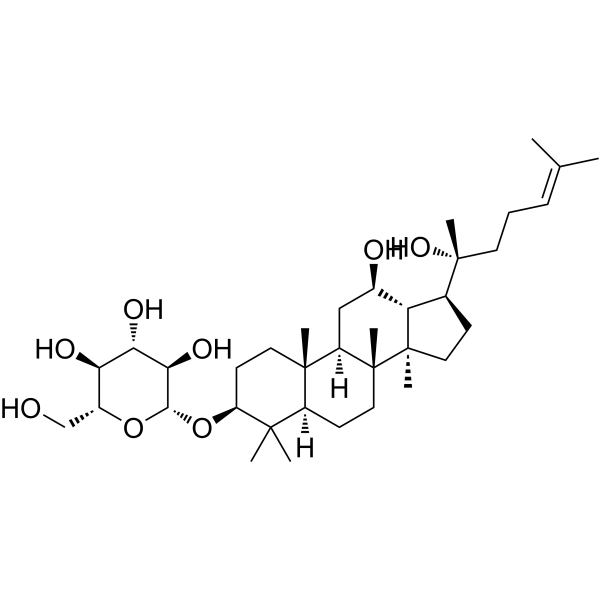
    20(R)-Ginsenoside Rh2
    2 Publications Verification

    MMP Apoptosis HSV DNA/RNA Synthesis NO Synthase Prostaglandin Receptor Reactive Oxygen Species (ROS) Akt Infection Inflammation/Immunology Cancer
    20(R)-Ginsenoside Rh2 is an orally active protopanaxadiol-type saponin with multiple biological activities. 20(R)-Ginsenoside Rh2 exerts a significant inhibitory effect on non-small cell lung cancer and liver cancer by inducing cell cycle arrest and promoting apoptosis. 20(R)-Ginsenoside Rh2 exerts anti-γ-herpesvirus effects by inhibiting viral DNA replication. 20(R)-Ginsenoside Rh2 inhibits inflammatory mediators by reducing the levels of NO, PGE2, and ROS; it can delay skin photoaging by reducing ROS and inhibiting MMP-9/2 activity. 20(R)-Ginsenoside Rh2 accelerates the recovery after muscle injury by activating the Akt1/PKB signaling pathway. 20(R)-Ginsenoside Rh2 can inhibit osteoclast formation and exert an anti-osteoporosis effect .
    20(R)-Ginsenoside Rh2
  • HY-N4285

    5,6-Dihydroxy-7-methoxyflavone

    TNF Receptor Interleukin Related Reactive Oxygen Species (ROS) Keap1-Nrf2 Amyloid-β Infection Neurological Disease Inflammation/Immunology Cancer
    Negletein (5,6-Dihydroxy-7-methoxyflavone) is a flavone found in Scutellaria. Negletein shows anti-inflammatory activity via inhibiting TNF-α and IL-1β with IC50 values of 16.4 and 6.4 μM, respectively. Negletein can activate Nrf2 and inhibit ROS production. Negletein can enhance the neuroprotective effect of nerve growth factor. Negletein can inhibit amyloid beta-peptide release and accumulation. Negletein can inhibit pathogens biofilms formation. Negletein can be used for the researches of cancer, infection, inflammation and neurological disease, such as colon cancer and Alzheimer's disease .
    Negletein
  • HY-A0169A
    Methyl aminolevulinate hydrochloride
    1 Publications Verification

    Reactive Oxygen Species (ROS) Photosensitizer Cancer
    Methyl aminolevulinate hydrochloride is a sensitizer used in photodynamic therapy (PDT). Methyl aminolevulinate hydrochloride penetrates the skin and induces the production of photoactive porphyrins including protoporphyrin IX in cells; upon exposure to appropriate light, it generates ROS, which triggers cellular oxidation and cell death. Methyl aminolevulinate hydrochloride acts as a photo-damage reversing agent through epidermal reconstruction, cytokine-mediated activation of dermal fibroblasts, elastin breakdown, new collagen formation, and compression of dilated capillaries. Methyl aminolevulinate hydrochloride reduces the expression of the proliferation marker Ki-67 and the early skin carcinogenesis marker TP53. Methyl aminolevulinate hydrochloride delays the onset of ultraviolet-induced skin tumors and reduces tumor burden in hairless mice. Methyl aminolevulinate hydrochloride is applicable to research related to actinic keratosis and basal cell carcinoma .
    Methyl aminolevulinate hydrochloride
  • HY-B1106
    Tetrahydroxyquinone
    1 Publications Verification

    Tetrahydroxy-1,4-benzoquinone; Tetrahydroxybenzoquinone

    Reactive Oxygen Species (ROS) Apoptosis Cancer
    Tetrahydroxyquinone (Tetrahydroxy-1,4-benzoquinone), a primitive anticataract agent, is a redox active benzoquinone. Tetrahydroxyquinone can take part in a redox cycle with semiquinone radicals, leading to the formation of reactive oxygen species (ROS) .
    Tetrahydroxyquinone
  • HY-108992

    Quinone Reductase Apoptosis Reactive Oxygen Species (ROS) Cancer
    Deoxynyboquinone, an excellent NQO1 substrate, is a potent antineoplastic agent. Deoxynyboquinone induces apoptosis in cancer cell lines. Deoxynyboquinone kills cancer cells through oxidative stress and reactive oxygen species (ROS) formation .
    Deoxynyboquinone
  • HY-124833

    Casein Kinase Apoptosis Fungal Reactive Oxygen Species (ROS) Caspase MDM-2/p53 PARP Bcl-2 Family Akt ERK STAT JNK p38 MAPK CDK Infection Cancer
    Quinalizarin is a protein kinase CK2 inhibitor with a Ki of 0.052 μM. Quinalizarin exhibits antifungal and anticancer activities. Quinalizarin induces ROS production, apoptotic signaling, mitochondrial pathway activation, cell cycle arrest, and cytotoxicity in cancer cells. Quinalizarin inhibits hyphal growth, biofilm formation, and mature biofilm integrity of Candida albicans. Quinalizarin can be used in research related to cancer and fungal infections .
    Quinalizarin
  • HY-145237
    BM213
    3 Publications Verification

    Complement System Apoptosis Reactive Oxygen Species (ROS) Cancer
    BM213 is a selective C5aR agonist, with an EC50 of 59 nM. BM213 specifically activates the C5a-C5aR1 axis, which in turn promotes neutrophil extracellular trap (NET) formation and exacerbates inflammatory responses. BM213 significantly induces ventricular dilationin, promotes myocardial ROS production, and induces cardiomyocyte apoptosis in rats. BM213 can be used for the study of myocardial ischemia/reperfusion (I/R) injury .
    BM213
  • HY-W115789

    Environmental Pollutants Reactive Oxygen Species (ROS) Others
    Sodium silicate is a water-soluble silicate. Sodium silicate is widely used as a binder, particularly in the production of detergents, soaps, and cleaners. Sodium silicate promotes the deposition of suberin polyphenols and lignin at wound sites of potato tubers, accelerates callus structure formation, enhances ROS production, and induces the synthesis of total phenols and flavonoids. Sodium silicate reduces the weight loss rate and disease index of wounded potato tubers during storage .
    Sodium silicate
  • HY-N0597
    Panaxatriol
    3 Publications Verification

    Akt Insulin Receptor Apoptosis Reactive Oxygen Species (ROS) Cardiovascular Disease Metabolic Disease Cancer
    Panaxatriol is an orally active dammarane-type tetracyclic triterpene sapogenin. Panaxatriol enhances the phosphorylation levels of Akt, insulin receptor and p70S6K in skeletal muscle. Panaxatriol reduces the mRNA expression level of Atrogin1 in skeletal muscle. Panaxatriol induces apoptosis, pre-G1 cell cycle arrest and increased intracellular ROS levels in prostate cancer cells, decreases mitochondrial membrane potential, inhibits cell migration and reduces colony formation. Panaxatriol can be used in research related to insulin resistance, myocardial ischemia/reperfusion injury and prostate cancer [1][2][3].
    Panaxatriol
  • HY-B0764B

    Dibutyryl cAMP; DBcAMP

    PKA Reactive Oxygen Species (ROS) Apoptosis Neurological Disease Inflammation/Immunology Cancer
    Bucladesine (Dibutyryl cAMP; DBcAMP) is a membrane-permeable 3′, 5′-cyclic adenosine monophosphate (cAMP) analog. Bucladesine selectively activates cAMP dependent protein kinase (PKA) by increasing the intracellular level of cAMP. Bucladesine significantly attenuates MDMA-induced increases in hippocampal mitochondrial ROS formation, mitochondrial outer membrane damage, cytochrome c release, and hippocampal ADP/ATP ratio, thereby improving spatial learning and memory impairments. Bucladesine exhibit anti-nociceptive and anti-inflammation effect. Bucladesine can inhibit cancer cells proliferation, induce apoptosis. Bucladesine can be used for the researches of neurological disease, cancer, inflammation .
    Bucladesine
  • HY-111447

    NADPH Oxidase Apoptosis Cardiovascular Disease Cancer
    VAS 3947, a specific NADPH oxidase (NOX) inhibitor, exerts a potent antiplatelet effect. VAS3947 induces apoptosis independently of anti-NOX activity, via UPR activation, mainly due to aggregation and misfolding of proteins .
    VAS 3947
  • HY-B0914R

    Undecylenic acid (Standard)

    Reference Standards Fungal Amyloid-β Reactive Oxygen Species (ROS) Proteasome Bacterial Infection Neurological Disease Endocrinology Cancer
    10-Undecenoic acid (Standard) is the analytical standard of 10-Undecenoic acid. This product is intended for research and analytical applications. 10-Undecenoic acid (Undecylenic acid) is an antifungal agent. 10-Undecenoic acid inhibits oligomerization, scavenges ROS and inhibits μ-calpain activity. 10-Undecenoic acid has neuroprotective effects. 10-Undecenoic acid has anticancer effects on a variety of tumors. 10-Undecenoic acid inhibits C. albicans biofilm formation and MRSA infection. 10-Undecenoic acid inhibits quorum sensing signals of Bacillus subtilis and Pseudomonas aeruginosa .
    10-Undecenoic acid (Standard)
  • HY-B0764G

    Dibutyryl cAMP sodium; DBcAMP sodium

    PKA Reactive Oxygen Species (ROS) Apoptosis Neurological Disease Inflammation/Immunology Cancer
    Bucladesine (Dibutyryl cAMP; DBcAMP) sodium (GMP) is a Bucladesine sodium (HY-B0764) produced by using GMP guidelines. Bucladesine (Dibutyryl cAMP; DBcAMP) is a membrane-permeable 3′, 5′-cyclic adenosine monophosphate (cAMP) analog. Bucladesine selectively activates cAMP dependent protein kinase (PKA) by increasing the intracellular level of cAMP. Bucladesine significantly attenuates MDMA-induced increases in hippocampal mitochondrial ROS formation, mitochondrial outer membrane damage, cytochrome c release, and hippocampal ADP/ATP ratio, thereby improving spatial learning and memory impairments. Bucladesine exhibit anti-nociceptive and anti-inflammation effect. Bucladesine can inhibit cancer cells proliferation, induce apoptosis. Bucladesine can be used for the researches of neurological disease, cancer, inflammation .
    Bucladesine sodium
  • HY-B1106A
    Tetrahydroxyquinone monohydrate
    1 Publications Verification

    Tetrahydroxy-1,4-benzoquinone monohydrate; Tetrahydroxybenzoquinone monohydrate

    Reactive Oxygen Species (ROS) Apoptosis Cancer
    Tetrahydroxyquinone monohydrate (Tetrahydroxy-1,4-benzoquinone monohydrate), a primitive anticataract agent, is a redox active benzoquinone. Tetrahydroxyquinone monohydrate can take part in a redox cycle with semiquinone radicals, leading to the formation of reactive oxygen species (ROS) .
    Tetrahydroxyquinone monohydrate
  • HY-B0860S

    Isotope-Labeled Compounds Herbicide Reactive Oxygen Species (ROS) MDM-2/p53 Cancer
    Diuron-d6 is the deuterium labeled Diuron (HY-B0860). Diuron is an orally active phenylurea herbicide. Diuron inhibits photosynthesis in plants by blocking the formation of ATP and NADH. Diuron increases the production of ROS. Diuron increases expression of p53 in certain cell lines. Diuron has herbicidal activity against annual and perennial broadleaf weeds and grass weeds. Diuron promotes DMBA/BBN-induced bladder cancer. Diuron can be used in breast cancer research .
    Diuron-d6
  • HY-175673

    Carnitine Palmitoyltransferase (CPT) Apoptosis Oxidative Phosphorylation Mitochondrial Metabolism Reactive Oxygen Species (ROS) Cancer
    LCB-2151 (Compound 2), a nucleoside analogue, is an anticancer agent. LCB-2151 disrupts the two primary sources of ATP production (glycolysis and mitochondrial oxidative phosphorylation), reducing the bioenergetic capacity of KRAS-mutated pancreatic cancer cells and inducing ROS formation. LCB-2151 effectively inhibits key enzymes (such as CACT and CPT2) in glycolysis, the TCA cycle and fatty acid β-oxidation. LCB-2151 has significant cytotoxicity and induces cells apoptosis. LCB-2151 can be used for radiation therapy of cancers research .
    LCB-2151
  • HY-146307

    TrxR Cancer
    TrxR-IN-3 (Compound 2c) is a potent inhibitor of TrxR. TrxR-IN-3 exhibits potent antiproliferative activities against five human cancer cell lines, especially against breast tumor cells. TrxR-IN-3 increases ROS levels and resulted in marked apoptosis by regulating apoptosis-related proteins expressed in the breast cancer cells. TrxR-IN-3 also triggers the formation of autophagosomes and autolysosomes by promoting the expression of LC3-II and Beclin-1 and diminishing the expression of LC3-I and p62 proteins .
    TrxR-IN-3
  • HY-10071A
    Y-27632 hydrochloride hydrate
    395+ Cited Publications

    ROCK NF-κB Apoptosis Autophagy Akt mTOR NADPH Oxidase Reactive Oxygen Species (ROS) PAK Ras Neurological Disease Inflammation/Immunology Cancer
    Y-27632 hydrochloride hydrate is a ROCK inhibitor with Ki values of 220 nM and 300 nM for ROCK1 and ROCK2, respectively. Y-27632 hydrochloride hydrate exerts anti-inflammatory and immunomodulatory effects in systemic lupus erythematosus models by inhibiting the ROCK/NF-κB pathway. Y-27632 hydrochloride hydrate enhances autophagy by inhibiting the AKT/mTOR pathway, thereby inducing apoptosis apoptosis in oral squamous cell carcinoma. Y-27632 hydrochloride hydrate induces the formation of tunneling nanotubes in ARPE-19 cells and significantly enhances mitochondrial transfer through these channels. Y-27632 hydrochloride hydrate promotes neurite outgrowth in PC12 cells by activating the Rac1/NOX1/ROS/AKT/PAK1 signaling cascade .
    Y-27632 hydrochloride hydrate
  • HY-B0764R

    Dibutyryl cAMP sodium (Standard); DBcAMP sodium (Standard)

    Reference Standards PKA Reactive Oxygen Species (ROS) Apoptosis Neurological Disease Inflammation/Immunology Cancer
    Bucladesine (Dibutyryl cAMP; DBcAMP) sodium (Standard) is the analytical standard of Bucladesine sodiumn (HY-B0764). This product is intended for research and analytical applications. Bucladesine is a membrane-permeable 3′, 5′-cyclic adenosine monophosphate (cAMP) analog. Bucladesine selectively activates cAMP dependent protein kinase (PKA) by increasing the intracellular level of cAMP. Bucladesine significantly attenuates MDMA-induced increases in hippocampal mitochondrial ROS formation, mitochondrial outer membrane damage, cytochrome c release, and hippocampal ADP/ATP ratio, thereby improving spatial learning and memory impairments. Bucladesine exhibit anti-nociceptive and anti-inflammation effect. Bucladesine can inhibit cancer cells proliferation, induce apoptosis. Bucladesine can be used for the researches of neurological disease, cancer, inflammation .
    Bucladesine sodium (Standard)
  • HY-Q66655

    DNA/RNA Synthesis Reactive Oxygen Species (ROS) Neurological Disease Cancer
    YRDC-IN-1 is a blood-brain barrier-permeable YRDC inhibitor. YRDC is a key enzyme that catalyzes the formation of N 6-threonylcarbamoyladenosine at position 37 of tRNA (t 6A37). YRDC-IN-1 selectively inhibits the translation of ANN codon-enriched FABP7, thereby reducing lipid droplet formation, increasing ROS, and reversing the acquired resistance of GBM to Temozolomide (TMZ) (HY-17364). YRDC-IN-1 can be used for the research of glioblastoma .
    YRDC-IN-1
  • HY-W010203

    Fungal Infection
    2-Decanone is an antifungal agent. 2-Decanone inhibits pathogen mycelial growth, spore germination, and appressorium formation. 2-Decanone downregulates spore germination-related genes (MfBmp1) and penetration structure formation genes (MfPls1), inducing reactive oxygen species (ROS) accumulation to trigger mitochondrial damage and subsequent spore apoptosis. 2-Decanone is promising for research of postharvest disease control in fruits and vegetables .
    2-Decanone
  • HY-107859S

    TCEP-d12

    Isotope-Labeled Compounds Reactive Oxygen Species (ROS) Apoptosis DNA/RNA Synthesis Calcium Channel FXR Toll-like Receptor (TLR) NF-κB SOD Interleukin Related TNF Receptor Others
    Tris(2-chloroethyl)phosphate-d12 is the deuterium labeled Tris(β-chloroethyl) phosphate. Tris(2-chloroethyl) phosphate is a widely used organic phosphorus flame retardant, mainly used as a plasticizer. Tris(2-chloroethyl) phosphate has orally active hepatotoxicity, inducing an increase in reactive oxygen species (ROS) and calcium ions (Ca²⁺) influx, a decrease in mitochondrial membrane potential (△Ψm), and causing DNA damage and cell apoptosis. Tris(2-chloroethyl) phosphate directly binds to FXR, inducing obesity and the formation of fatty liver in mice. Chloroethyl) phosphate activates the TLR4/NF-κB pathway, triggering liver inflammation.
    Tris(2-chloroethyl)phosphate-d12
  • HY-14914S1

    TAK-536-d4

    Apoptosis Angiotensin Receptor Reactive Oxygen Species (ROS) Cancer
    Azilsartan-d4 is the deuterium labeled Azilsartan . Azilsartan is an orally active, potent, selective and specific angiotensin II type 1 receptor (AT1) antagonist. Azilsartan induces ROS formation and apoptosis in HepG2 cells. Azilsartan shows neuroprotective and anticancer activity. Azilsartan can be used for hypertension and stroke research .
    Azilsartan-d4
  • HY-162084

    Autophagy Apoptosis Cancer
    BKN-1 is a bifunctional ligand that can not only track the formation of mtG4s (G-quadruplexes, four-stranded DNA structures containing Hoogsteen bonds) through far-red emission, but can also induce mitochondrial dysfunction. BKN-1 has anti-tumor activity and may cause mtDNA loss, damage mitochondrial integrity, reduce ATP levels, and trigger ROS imbalance, leading to apoptosis and autophagy .
    BKN-1
  • HY-175175

    p38 MAPK Bcl-2 Family Caspase Reactive Oxygen Species (ROS) PARP Apoptosis Cancer
    MAPK-IN-5 is a potent MAPK inhibitor with an IC50 of 1.35 μM against HeLa cells. MAPK-IN-5 inhibits HeLa cell proliferation by inducing ROS-mediated DNA damage and mitochondrial apoptosis via the MAPK pathway. MAPK-IN-5 significantly inhibits colony formation, reduces the number of live cells, suppresses cell migration, and causes cell cycle arrest in the G2/M phase in HeLa cells. MAPK-IN-5 can be used for the study of cervical cancer .
    MAPK-IN-5

Inquiry Online

Your information is safe with us. * Required Fields.

Salutation


Country or Region *

Applicant Name *


Organization Name *

Department *


Email Address *


Product Name *

Cat. No.


Requested quantity *

Phone Number *


Remarks

Inquiry Online

Inquiry Information

Product Name:
Cat. No.:
Quantity:
MCE Japan Authorized Agent:

