86 Results for "

Substance P receptor

" in MedChemExpress (MCE) Product Catalog:
Products (86)

86 Results for "Substance P receptor" in MCE Product Catalog:

33
33 Publications Verification
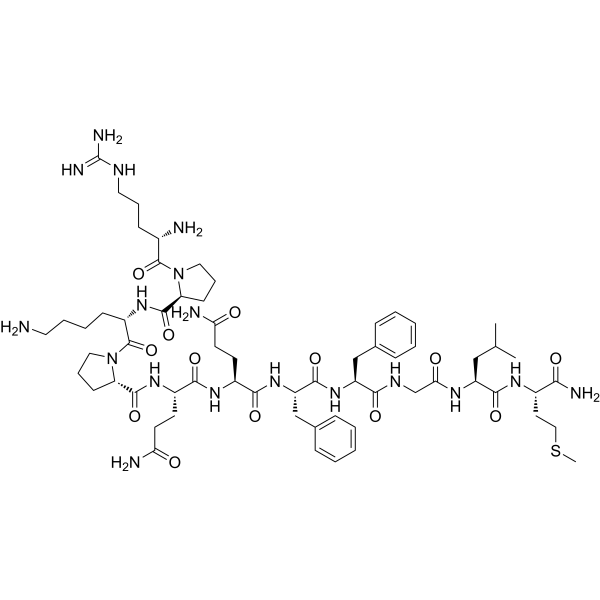
Cat. No.: HY-P0201
CAS No.: 33507-63-0
Synonyms: Neurokinin P
Substance P (Neurokinin P) is a CNS-penetrant neuropeptide, acting as a neurotransmitter and as a neuromodulator in the CNS. The endogenous receptor for substance P is neurokinin 1 receptor (NK1-receptor, NK1R).
loading...
    loading...
33
33 Publications Verification
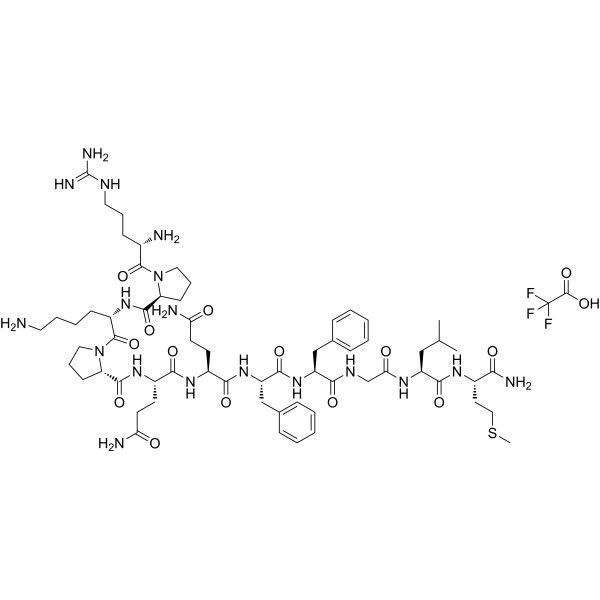
Cat. No.: HY-P0201A
CAS No.: 148470-19-3
Synonyms: Neurokinin P TFA
Substance P TFA (Neurokinin P TFA) is a CNS-penetrant neuropeptide, acting as a neurotransmitter and as a neuromodulator in the CNS. The endogenous receptor for substance P is neurokinin 1 receptor (NK1-receptor, NK1R) .
loading...
    loading...
6
6 Cited Publications
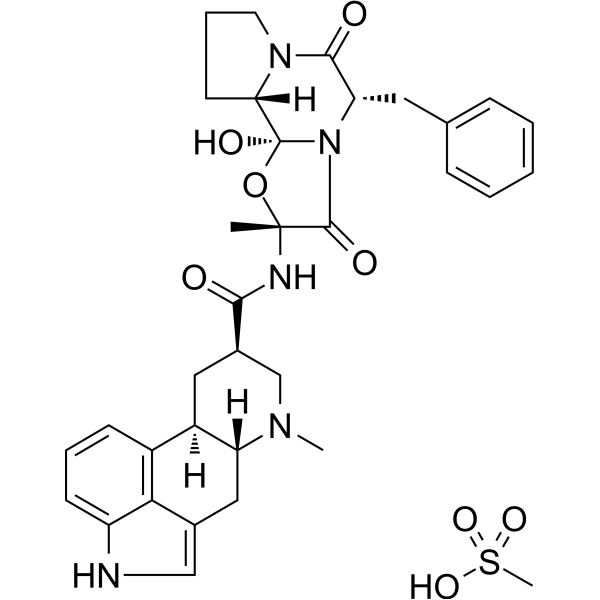
Cat. No.: HY-B0670A
CAS No.: 6190-39-2
Dihydroergotamine mesylate is a blood-brain barrier-permeable semi-synthetic ergot alkaloid, acting as a full agonist of 5-HT1B/1D receptors (Ki values of 0.3 nM and 2.5 nM, respectively; functional IC50 values of 2 nM and 2.2 nM, respectively). Dihydroergotamine mesylate inhibits Forskolin (HY-15371)-stimulated cAMP accumulation, possesses α-adrenergic receptor antagonistic activity and weak dopaminergic agonistic activity. It mediates intracranial cerebrovascular contraction, inhibits the release of neuropeptides such as CGRP/substance P, and suppresses neurogenic inflammation by activating 5-HT1B/1D receptors in the trigeminovascular system. Dihydroergotamine mesylate binds to the catalytic site of Trypanosoma cruzi trypanothione reductase and exhibits trypanocidal activity in vitro. Dihydroergotamine mesylate can be used in studies related to migraine and trypanosome infections .
loading...
    loading...
5
5 Cited Publications
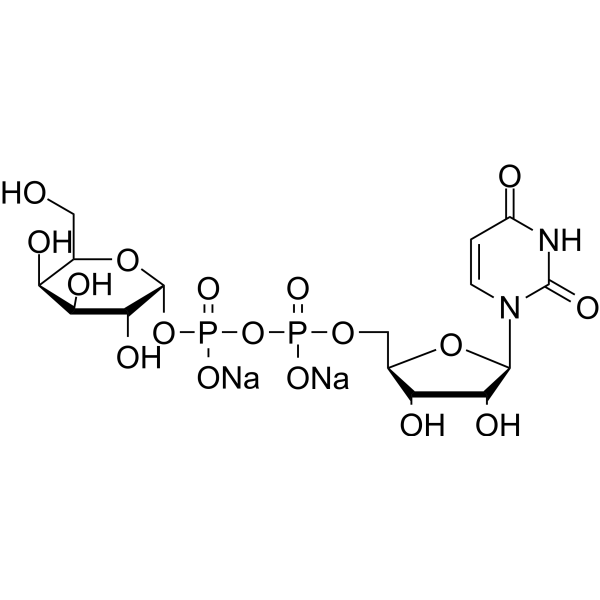
Cat. No.: HY-114364
CAS No.: 137868-52-1
Purity:  99.42%
UDP-Galactose disodium is a monosaccharide and a key glycosyl donor molecule in cells that participates in nucleotide sugar metabolism. UDP-Galactose disodium is the natural agonist of the P2Y14 receptor coupled to Gi proteins in the immune system (IC50 = 0.67 μM, hP2Y14). UDP-Galactose disodium can be used to study cell signal transduction and substance metabolism .
loading...
    loading...
3
3 Cited Publications
Cat. No.: HY-W013375
CAS No.: 76721-89-6
Target:  

Neprilysin

Research Areas:  

Neurological Disease

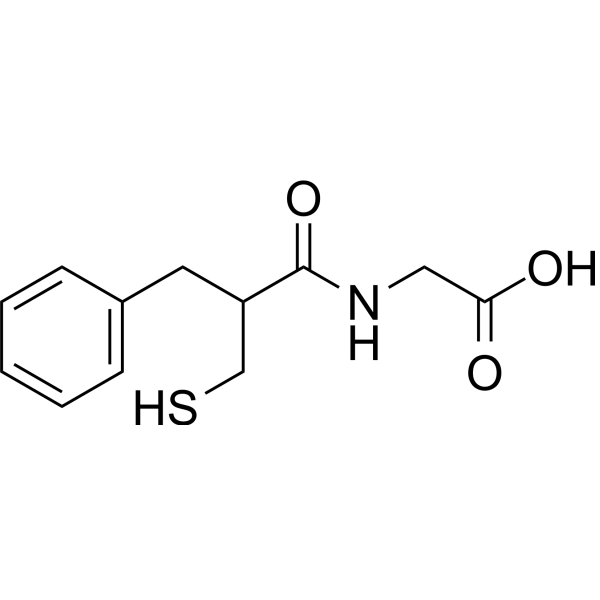
Thiorphan is a selective neprilysin (NEP) inhibitor with an IC50 of 6.9 nM. Thiorphan competitively binds to NEP and blocks its activity, preventing the degradation of neuropeptides such as substance P (SP) and neurokinin NKA. In the field of neonatal brain injury research, Thiorphan can increase the levels of SP and NKA, activate NK1 and NK2 receptors and downstream transduction pathways, and inhibit excessive activation of NMDA receptors. Thus, Thiorphan can protect neocortical neurons from excitotoxic cell death. Thiorphan may also inhibit NEP from enhancing bronchoconstriction and can be used in the study of respiratory diseases .
loading...
    loading...
1
1 Cited Publications
Cat. No.: HY-14406A
CAS No.: 148687-76-7
Purity:  99.30%
Target:  

Neurokinin Receptor

Research Areas:  

Neurological Disease Cancer

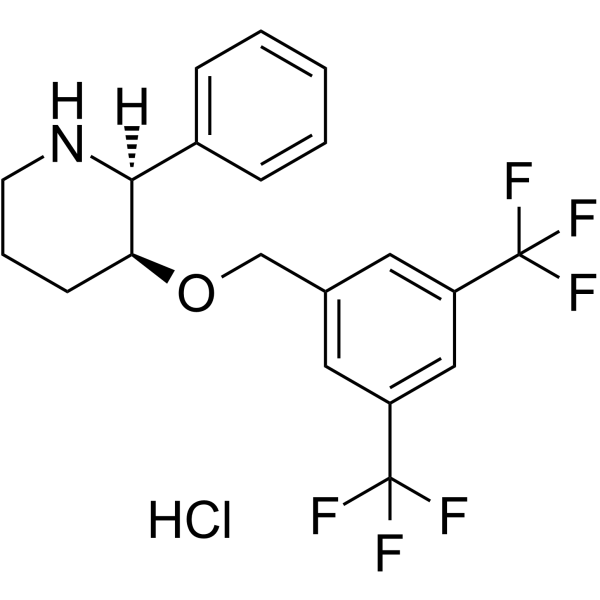
L-733060 hydrochloride is a selective neurokinin-1 (NK-1) receptor antagonist. L-733060 hydrochloride mainly regulates pain transmission and neural plasticity by blocking the binding of Substance P (P substance) to the NK-1 receptor. L-733060 hydrochloride blocks the promoting effect of Substance P on long-term potentiation (LTP) in the hippocampus. L-733060 hydrochloride reverses the orofacial hyperalgesia induced by experimental occlusal interference (EOI) in rats. L-733060 hydrochloride hydrochloride inhibits neurogenic plasma extravasation at a dose that does not cause adverse cardiovascular effects in rodents, and also acts as an anti-tumor agent. L-733060 hydrochloride can be used for the study of chronic orofacial pain .
loading...
    loading...
1
1 Cited Publications
Cat. No.: HY-P1722
CAS No.: 129176-97-2
Target:  

Neurokinin Receptor

Research Areas:  

Inflammation/Immunology

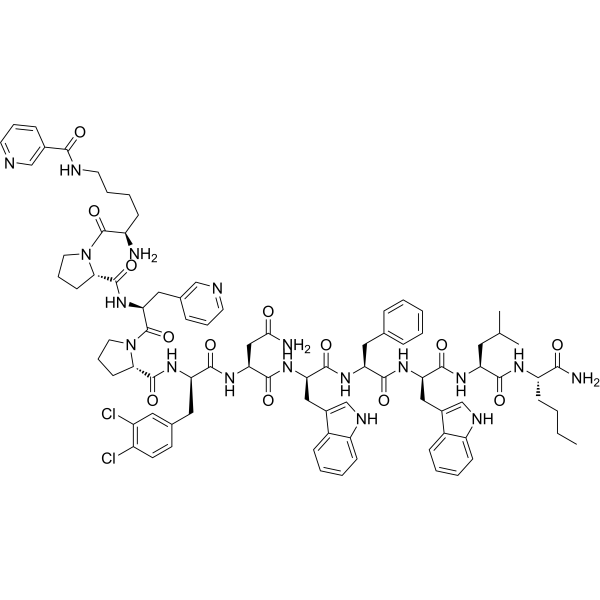
Spantide II, an undecapeptide substance P (SP) analog, is a potent neurokinin-1 receptor (NK-1R) antagonist. Spantide II binds with NK-1R and blocks proinflammatory activities associated with SP. Spantide II can be used in the research of inflammatory skin disorders, such as psoriasis and contact dermatitis .
loading...
    loading...
1
1 Cited Publications
Cat. No.: HY-P1376A
Research Areas:  

Endocrinology

G-Protein antagonist peptide TFA is a truncated substance P-related peptide, competes with receptor for G protein binding. G-Protein antagonist peptide TFA inhibits the activation of Gi or Go by M2 muscarinic cholinergic receptor (M2 mAChR) or of Gs by beta-adrenergic receptor in the reconstituted phospholipid vesicles, assayed by receptor-promoted GTP hydrolysis .
loading...
    loading...
Cat. No.: HY-B0640
CAS No.: 80012-43-7
Synonyms: WAL801
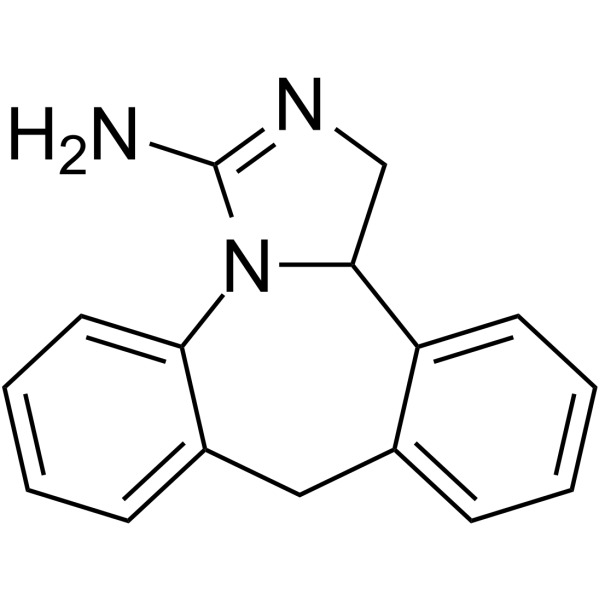
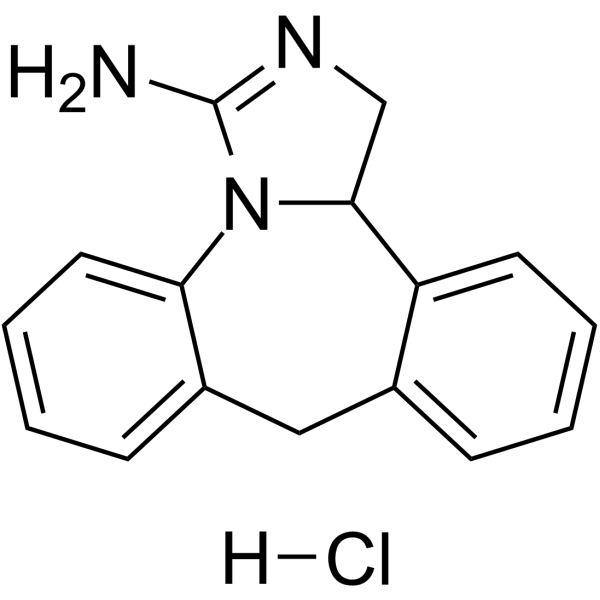
Epinastine (WAL801) is a selective and orally active histamine H1 receptor antagonist, CD96/PVR inhibitor and mast cell stabilizer. Epinastine has high affinity for neuronal octopamine receptors in locusts (Ki = 2 nM) and honeybees (Ki = 1.1 nM). Epinastine hydrochloride inhibits TARC, IL-8, and IL-4. Epinastine activates anti-colon cancer immunity and inhibits Substance P (HY-P0201)-induced scratching behavior and increased vascular permeability. Epinastine can be used in the research of allergic diseases .
loading...
    loading...
Cat. No.: HY-W011978
CAS No.: 1218-34-4
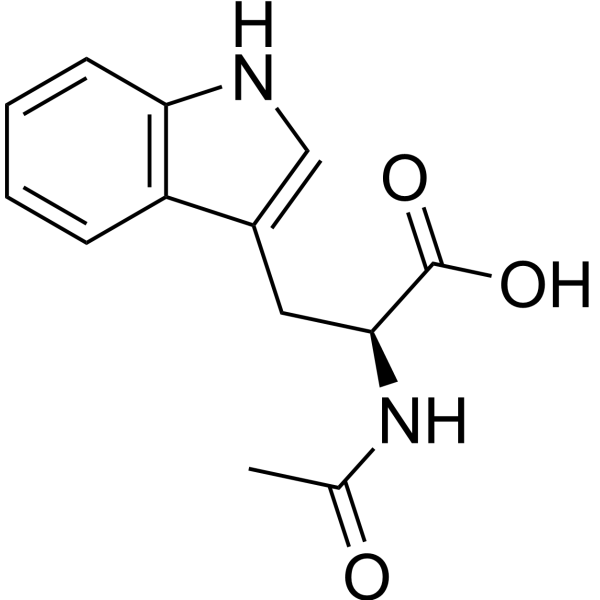
N-Acetyl-L-tryptophan is an antagonist of the neurokinin-1 receptor (NK-1R), disrupting the binding of substance P (SP) to NK-1R. This action provides neuroprotective effects, improving memory deficits and motor impairments. N-Acetyl-L-tryptophan is also an inhibitor of cytochrome c (Cytochrome c), and it exerts antioxidant and anti-inflammatory effects by inhibiting the expression of IL-1β and the activation of caspase-1. N-Acetyl-L-tryptophan holds promise for research in neurodegenerative and inflammatory diseases .
loading...
    loading...
Cat. No.: HY-P0242
CAS No.: 86933-75-7
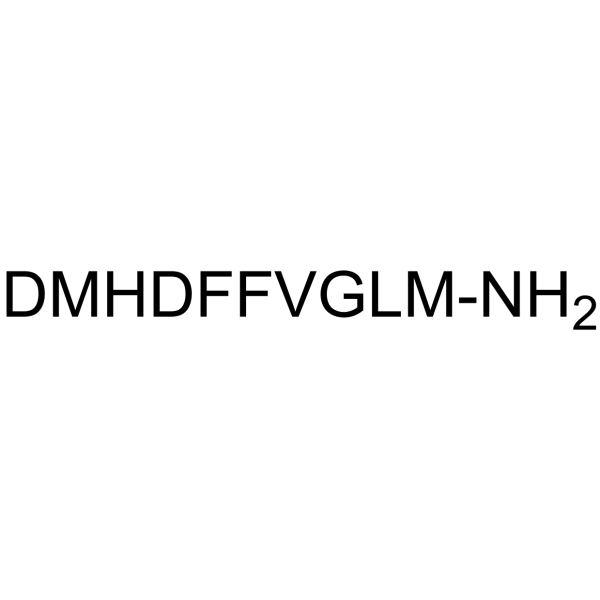
Neurokinin B is a tachykinin family peptide that preferentially binds to and activates NK3R over other tachykinin receptors. Neurokinin B preferentially binds to the substance P receptor (SP-N receptor) and mediates acetylcholine release from cholinergic neurons. Neurokinin B regulates the pulsatile release of Kisspeptin and GnRH, stimulates or inhibits the secretion of luteinizing hormone (HY-P2293), regulates reproductive function via metabolic signals, and drives the onset of puberty. Neurokinin B exerts vasoactive effects and induces contraction of isolated guinea pig ileum. Neurokinin B can be used in studies related to hypogonadotropic hypogonadism .
loading...
    loading...
Cat. No.: HY-P0242A
CAS No.: 101536-55-4
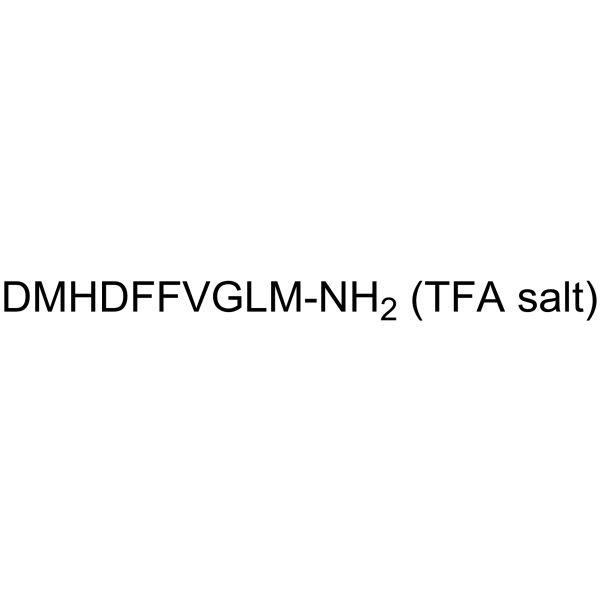
Neurokinin B TFA is a tachykinin family peptide that preferentially binds to and activates NK3R over other tachykinin receptors. Neurokinin B TFA preferentially binds to the substance P receptor (SP-N receptor) and mediates acetylcholine release from cholinergic neurons. Neurokinin B TFA regulates the pulsatile release of Kisspeptin and GnRH, stimulates or inhibits the secretion of luteinizing hormone (HY-P2293), regulates reproductive function via metabolic signals, and drives the onset of puberty. Neurokinin B TFA exerts vasoactive effects and induces contraction of isolated guinea pig ileum. Neurokinin B TFA can be used in studies related to hypogonadotropic hypogonadism .
loading...
    loading...
Cat. No.: HY-B0640A
CAS No.: 108929-04-0
Synonyms: WAL801 hydrochloride
Epinastine hydrochloride (WAL801 hydrochloride) is a selective and orally active histamine H1 receptor antagonist, CD96/PVR inhibitor and mast cell stabilizer. Epinastine hydrochloride has high affinity for neuronal octopamine receptors in locusts (Ki = 2 nM) and honeybees (Ki = 1.1 nM). Epinastine hydrochloride inhibits TARC, IL-8, and IL-4. Epinastine hydrochloride activates anti-colon cancer immunity and inhibits Substance P (HY-P0201)-induced scratching behavior and increased vascular permeability. Epinastine hydrochloride can be used in the research of allergic diseases .
loading...
    loading...
Cat. No.: HY-108483
CAS No.: 135911-02-3
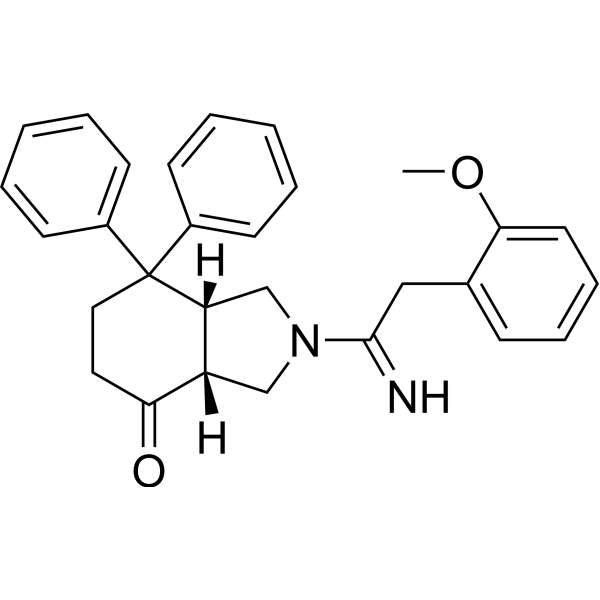
RP 67580 is a non-peptide antagonist of substance P (SP), competitively inhibits the binding of [3H]SP to neurokinin receptor 1 (NK1 receptor) in rat brain membranes with a Ki value of 4.16 nM. RP 67580 is a specific antagonist of NK1 receptors and can be used in the research of pain and neurogenic inflammation .
loading...
    loading...
Cat. No.: HY-108448
CAS No.: 105955-11-1
Purity:  99.47%
Synonyms: OLDA
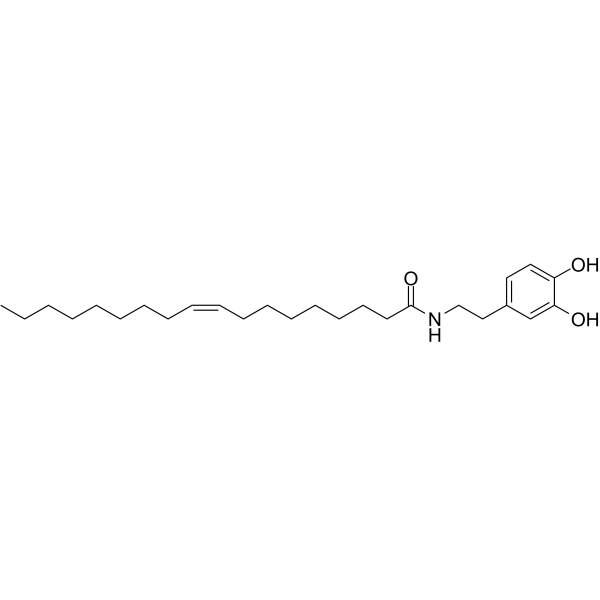
N-Oleoyldopamine (OLDA) is an orally active TRPV1 activator and 5-LOX inhibitor with blood-brain barrier permeability. N-Oleoyldopamine excites histaminergic neurons in the tuberomammillary nucleus via a dopamine receptor mechanism, a process independent of TRPV1 and cannabinoid receptors. On one hand, N-Oleoyldopamine promotes the release of insulin and glucose-dependent insulinotropic polypeptide through a GPR119-dependent pathway to improve glucose tolerance; on the other hand, N-Oleoyldopamine improves left ventricular function and reduces myocardial infarction size by triggering the release of substance P and calcitonin gene-related peptide. N-Oleoyldopamine is used in studies related to glycemic abnormalities and myocardial ischemia-reperfusion injury .
loading...
    loading...
Cat. No.: HY-P1192
CAS No.: 133156-06-6
Target:  

Neurokinin Receptor

Research Areas:  

Neurological Disease

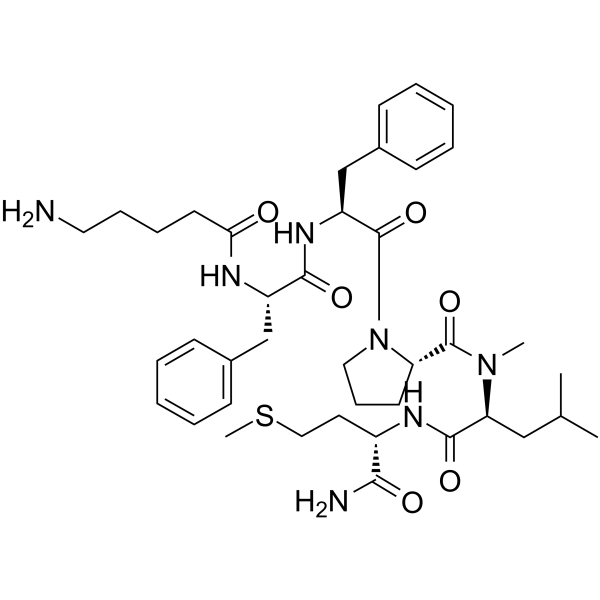
GR-73632 is a tachykinin NK1 receptor agonist. GR-73632 activates spinal NK1 receptors to induce scratching, biting and licking behaviors. GR-73632 activates peripheral NK1 receptors to trigger lacrimation in guinea pigs, and activates central NK1 receptors to induce repetitive hind paw tapping behavior in gerbils. GR-73632 is applicable to research related to pruritus .
loading...
    loading...
Cat. No.: HY-150524
CAS No.: 2956-16-3
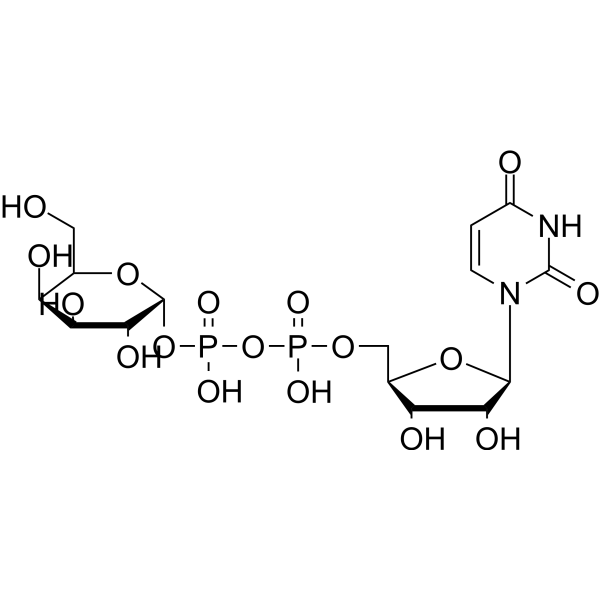
UDP-Galactose is a monosaccharide and a key glycosyl donor molecule in cells that participates in nucleotide sugar metabolism. UDP-Galactose is the natural agonist of the P2Y14 receptor coupled to Gi proteins in the immune system (IC50 = 0.67 μM, hP2Y14). UDP-Galactose can be used to study cell signal transduction and substance metabolism .
loading...
    loading...
Cat. No.: HY-108482
CAS No.: 132746-60-2
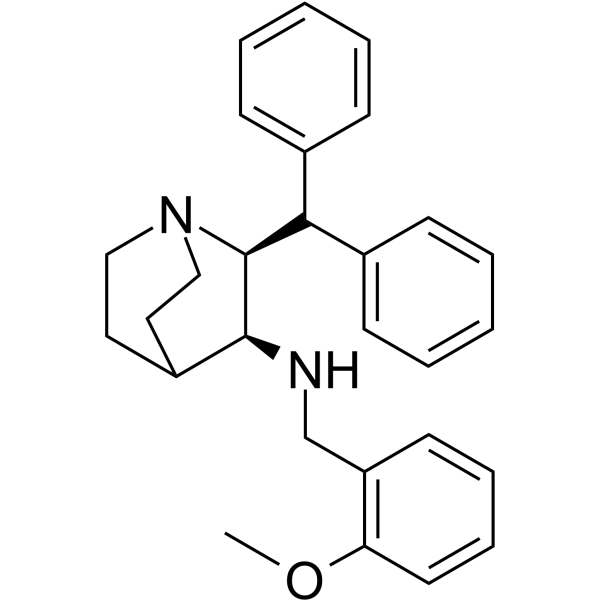
CP-96,345 is a specific, highly potent, and orally active tachykinin and substance P receptor non-peptide inhibitor. CP-96,345 prevents the drop in blood pressure evoked by substance P and neurokinin A. CP-96,345 can be used for researching neurogenic inflammation .
loading...
    loading...
Cat. No.: HY-P2546
CAS No.: 87468-58-4
Target:  

Neurokinin Receptor

Research Areas:  

Neurological Disease

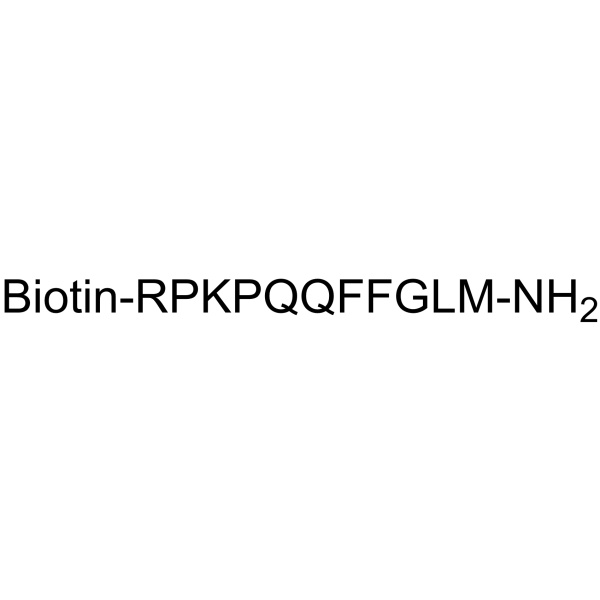
Biotin-Substance P is the biotin tagged Substance P. Substance P (Neurokinin P) is a neuropeptide, acting as a neurotransmitter and as a neuromodulator in the CNS. The endogenous receptor for substance P is neurokinin 1 receptor (NK1-receptor, NK1R) .
loading...
    loading...
Cat. No.: HY-135108
CAS No.: 126088-82-2
Purity:  98.15%
Target:  

Neurokinin Receptor

Research Areas:  

Inflammation/Immunology

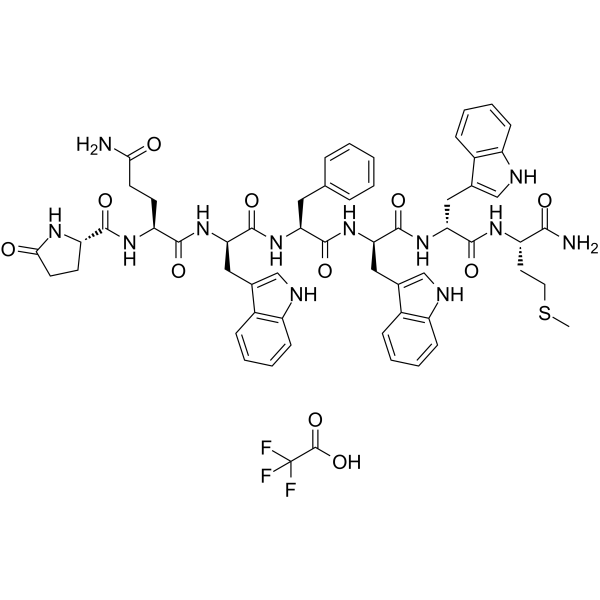
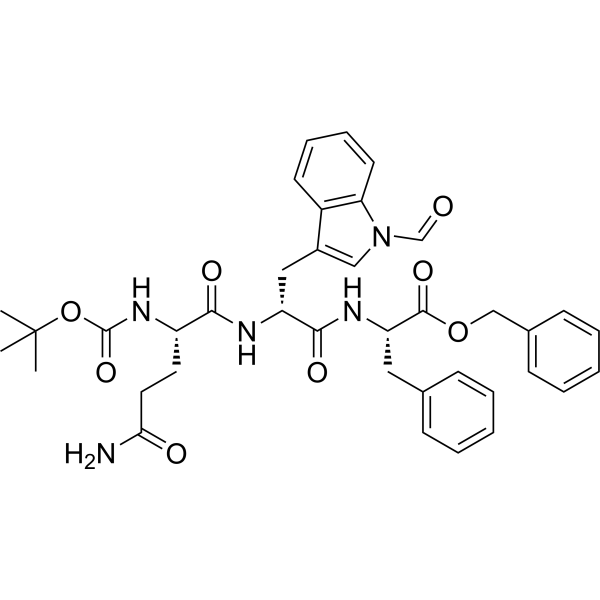
QWF Peptide is a substance P (SP) antagonist. QWF Peptide inhibits SP-induced biological responses and also suppresses SP-induced contraction of isolated guinea pig tracheal strips. QWF Peptide can be used for asthma-related research .
loading...
    loading...

