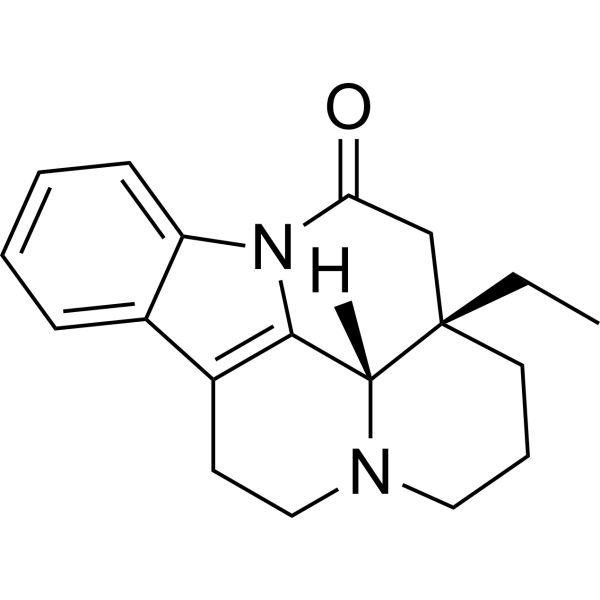
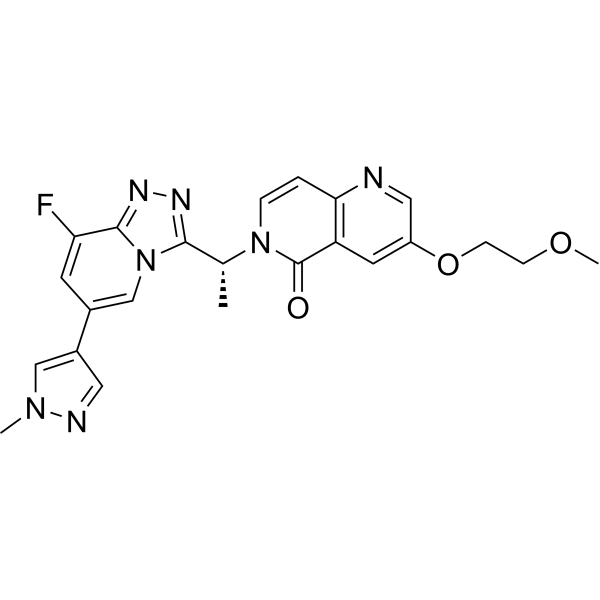
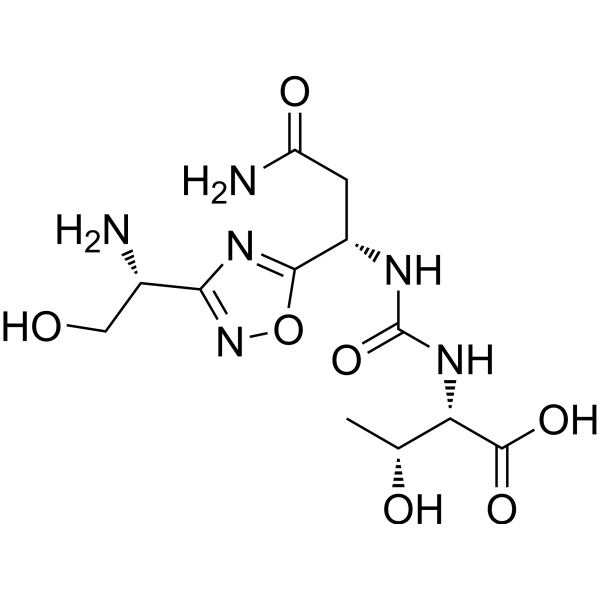
1. Search Result
Search Result
Pathways Recommended: Stem Cell/Wnt Cell Cycle/DNA Damage
Results for "

T cell proliferation

" in MedChemExpress (MCE) Product Catalog:

352

Inhibitors & Agonists

1

Fluorescent Dyes

15

Biochemical Assay Reagents

22

Peptides

60

Inhibitory Antibodies

27

Natural
Products

3

Recombinant Proteins

10

Isotope-Labeled Compounds

1

Antibodies

2

Click Chemistry

11

Oligonucleotides

1

GMP Molecules

Cat. No. Product Name Target Research Areas Chemical Structure
  • HY-15405
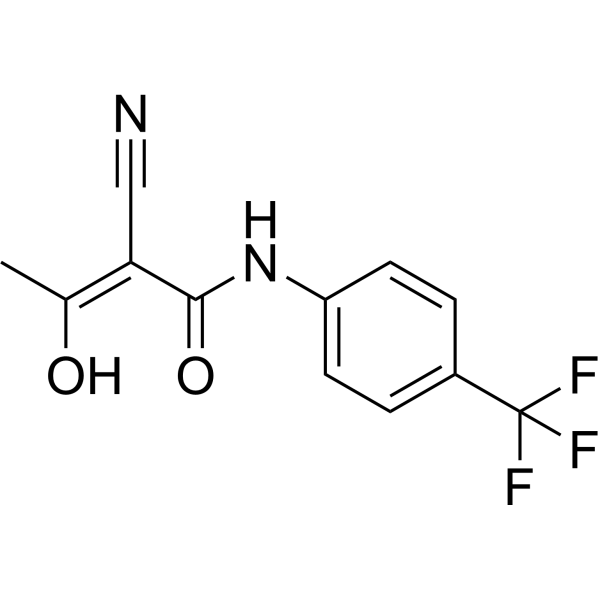
    Teriflunomide
    10+ Cited Publications

    A77 1726

    Drug Metabolite Inflammation/Immunology
    Teriflunomide is the active metabolite of leflunomide, an approved therapy for rheumatoid arthritis. It inhibits pyrimidine synthesis and therefore potently decreases T cell and B cell proliferation.
    Teriflunomide
  • HY-P99024
    Glofitamab
    1 Publications Verification

    RO7082859; RG-6026

    CD20 CD3 Inflammation/Immunology Cancer
    Glofitamab (RO7082859) is a T-cell-engaging bispecific antibody possessing a novel 2:1 structure with bivalency for CD20 on B cells and monovalency for CD3 on T cells. Glofitamab leads to T-cell activation, proliferation, and tumor cell killing upon binding to CD20 on malignant cells. Glofitamab induces durable complete remissions in relapsed or refractory B-Cell non-Hodgkin lymphoma (B-NHL) .
    Glofitamab
  • HY-P9997

    ANB030

    PD-1/PD-L1 Inflammation/Immunology
    Rosnilimab (ANB030) is a PD-1 agonist IgG1 monoclonal antibody. Rosnilimab can inhibit T cell proliferation, the secretion of inflammatory cytokines, and reduce CD4 and CD8 T cells with high PD-1 expression. Rosnilimab can be used in the research of inflammatory diseases such as colitis and rheumatoid arthritis .
    Rosnilimab
  • HY-77839
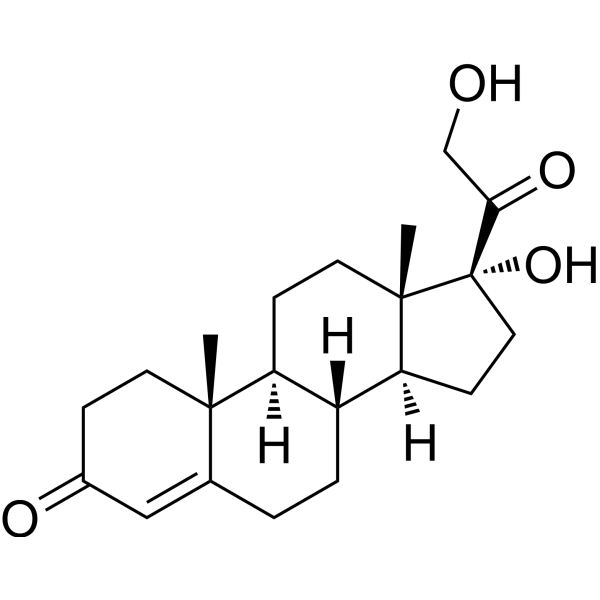
    Cortodoxone
    4 Publications Verification

    11-Deoxycortisol; cortexolone; Reichstein's substance S

    Glucocorticoid Receptor Endogenous Metabolite Inflammation/Immunology Endocrinology
    Cortodoxone (11-Deoxycortisol; cortexolone) is a glucocorticoid steroid hormone and also is a glucocorticoid antagonist. Cortodoxone increases tryptophan oxygenase (TO) activity and induces the secretion of corticosterone. Cortodoxone regulates T cell proliferation and activation .
    Cortodoxone
  • HY-NP141

    4-Hydroxy-3-nitrophenylacetyl-bovine serum albumin

    Biochemical Assay Reagents Inflammation/Immunology
    NP-BSA (4-Hydroxy-3-nitrophenylacetyl-bovine serum albumin) is an antigen-adjuvant conjugate of 4-Hydroxy-3-nitrophenylacetyl (NP) conjugated to bovine serum albumin (BSA), which is an immune complex. NP-BSA is taken up, processed, and presented by antigen-presenting cells to stimulate T-cell proliferation and the production of antigen-specific antibodies. NP-BSA can be used in the research of immunological vaccines .
    NP-BSA
  • HY-129492
    GNF4877
    1 Publications Verification

    DYRK GSK-3 Metabolic Disease
    GNF4877 is a potent DYRK1A and GSK3β inhibitor with IC50s of 6 nM and 16 nM, respectively, which leads to blockade of nuclear factor of activated T-cells (NFATc) nuclear export and increased β-cell proliferation (EC50 of 0.66 μM for mouse β (R7T1) cells) .
    GNF4877
  • HY-N0454
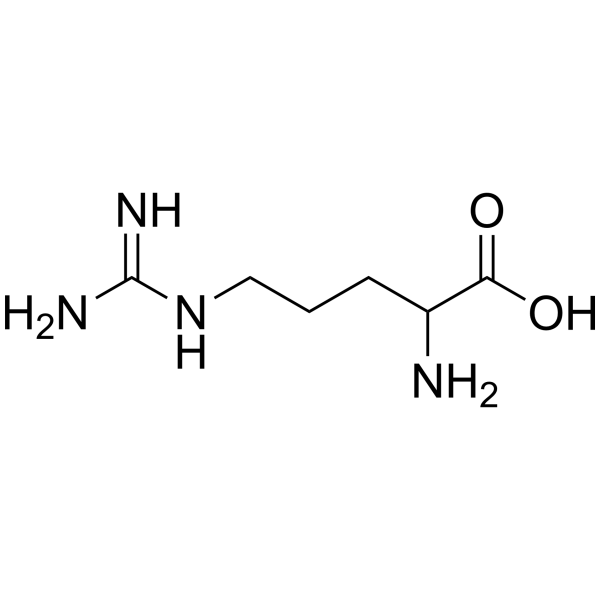
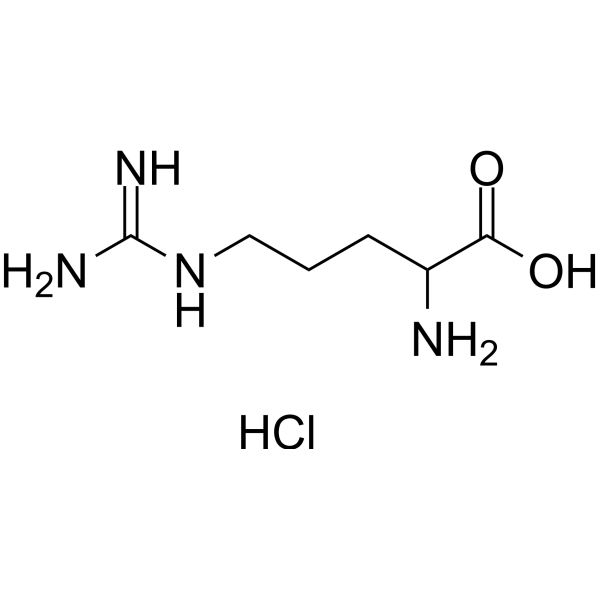
    DL-Arginine
    4 Publications Verification

    (±)-Arginine

    Endogenous Metabolite Cardiovascular Disease
    DL-Arginine is the racemic compound of L-Arginine (HY-N0455) and D-Arginine (HY-W016781). Arginine is an essential amino acid that requires additional supplementation in traumatic or diseased conditions. Arginine is involved in T cell activation, proliferation, and differentiation, and affects the function of immune cells .
    DL-Arginine
  • HY-101093
    CA-170
    2 Publications Verification

    PD-1/PD-L1 Inflammation/Immunology Cancer
    CA-170 is an orally delivered dual inhibitor of VISTA and PD-L1. CA-170 exhibits potent rescue of proliferation and effector functions of T cells inhibited by PD-L1/L2 and VISTA with selectivity over other immune checkpoint proteins as well as a broad panel of receptors and enzymes .
    CA-170
  • HY-P99904

    MEDI-507; TCD601

    CD2 Inflammation/Immunology Cancer
    Siplizumab (MEDI-507) is a humanized IgG1 monoclonal antibody against CD2. Siplizumab depletes T cells, decreases T cell activation, inhibites T cell proliferation and enriches naïve and bona fide regulatory T cells .
    Siplizumab
  • HY-P99948

    AMG-596

    EGFR CD3 Neurological Disease Cancer
    Etevritamab (AMG-596) is a bispecific T-cell engager that targets EGFRvIII and CD3. Etevritamab simultaneously binds CD3 on T cells and EGFRvIII on glioblastoma multiforme cells, thereby forming a bridge structure. Etevritamab triggers T-cell activation, proliferation, secretion of cytotoxic substances, and tumor cell lysis. Etevritamab extends overall survival and induces tumor regression in mouse models of glioblastoma multiforme. Etevritamab can be used for research related to glioblastoma .
    Etevritamab
  • HY-12072
    Lck Inhibitor
    3 Publications Verification

    Src Inflammation/Immunology
    Lck Inhibitor is a potent, orally active Lck (lymphocyte specific kinase) inhibitor with IC50s of 7, 2.1, 4.2 and 200 nM for Lck, Lyn, Src and Syk kinases, respectively. Lck Inhibitor shows >1000-fold selectivity for Lck over MAPK, CDK and RSK family representatives. Lck Inhibitor inhibits T cell proliferation and in vivo models of arthritis .
    Lck Inhibitor
  • HY-130254
    CSK-IN-1
    3 Publications Verification

    Src Inflammation/Immunology Cancer
    CSK-IN-1 (compound 13) is a potent, orally active c-terminal Src kinase (CSK) with IC50 values below 3 nM and 4 nM in CSK HTRF and Caliper assay, respectively. CSK-IN-1 shows the ability to increase T cell proliferation induced by T cell receptor signaling .
    CSK-IN-1
  • HY-131140
    BD750
    5 Publications Verification

    JAK STAT Inflammation/Immunology Cancer
    BD750, an effective immunosuppressant and a JAK3/STAT5 inhibitor, inhibits IL-2-induced JAK3/STAT5-dependent T cell proliferation, with IC50 values of 1.5 μM and 1.1 μM in mouse and human T cells, respectively .
    BD750
  • HY-P99152

    Muromanab-CD3

    CD3 Interleukin Related IFNAR Inflammation/Immunology Cancer
    Muromonab (Muromonab-CD3; OKT3) is a mouse monoclonal antibody targeting the CD3 antigen. Muromonab specifically binds to the CD3 antigen on the surface of human and higher primate T cells. Muromonab blocks the function of T cell receptors to recognize foreign antigens and inhibits T cell-mediated immune responses, including cell-mediated lymphocyte lysis and T cell proliferation responses. Muromonab can be used to study acute kidney, liver, heart and combined kidney-pancreas transplant rejection, and can also be used to study graft-versus-host disease in bone marrow transplant patients .
    Muromonab
  • HY-176244

    Histone Acetyltransferase Cancer
    KI-TOX-A3 is a TOX protein-protein interaction inhibitor that blocks the TOX-KAT7 protein-protein interaction with an IC50 of 0.51 μM. KI-TOX-A3 induces proteasomal degradation of TOX, restores KAT7-mediated H3K14 acetylation, reverses exhaustion of CD8 + T cells, and inhibits the proliferation of T cell acute lymphoblastic leukemia (T-ALL) cells. KI-TOX-A3 shows promise for use in studies of hematological malignancies such as T-ALL .
    KI-TOX-A3
  • HY-114388
    QM385
    2 Publications Verification

    Reactive Oxygen Species (ROS) Inflammation/Immunology
    QM385 is a potent sepiapterin reductase (SPR) inhibitor with an IC50 of 1.49 nM, which blocks T-cell proliferation and autoimmunity at nanomolar potency and with good oral bioavailability .
    QM385
  • HY-P990981

    ALPS-12; RG-6524; RO 7616789

    CD3 Inflammation/Immunology Cancer
    Clesitamig (ALPS-12) is a trispecific T cell engager with two CD3/CD137 dual-specific Fabs and one DLL3 Fab. Clesitamig engages CD3 and CD137 on T cells to activate and co-stimulate T cells, promoting their proliferation, survival, and antitumor activity. Clesitamig binds to DLL3 on tumor cells for tumor-specific recognition. Clesitamig can be used for the research of small cell lung cancer (SCLC) .
    Clesitamig
  • HY-B2046

    Environmental Pollutants Apoptosis Herbicide Bcl-2 Family Caspase Reactive Oxygen Species (ROS) Inflammation/Immunology
    Simazine is a triazine herbicide. Simazine is widely used in agriculture, potted plant and tree production. In addition, Simazine can induce the apoptosis of immune cells in the spleen of mice and inhibit the proliferation of B cells and T cells in mice .
    Simazine
  • HY-P99159

    Interleukin Related Cancer
    Ivuxolimab is a fully human IgG2 agonist targeting OX40 (CD134), which selectively binds to the OX40 receptor on the surface of activated CD4 + and CD8 + T cells without inducing antibody-dependent cytotoxicity. Ivuxolimab can promote T cell proliferation, survival and cytokine (such as IFN-γ, IL-2) secretion, inhibit regulatory T cell function, and enhance anti-tumor immune response. Ivuxolimab can be used in the study of melanoma, hepatocellular carcinoma, head and neck squamous cell carcinoma, etc .
    Ivuxolimab
  • HY-P99884

    PF-06801591

    PD-1/PD-L1 Inflammation/Immunology Cancer
    Sasanlimab is a humanized IgG4 isotype anti-PD-1 antibody. Sasanlimab blocks PD-1 interaction with PD-L1/PD-L2, reverses PD-1-mediated inhibitory T-cell signaling, augments T-cell proliferation and cytokine production. Sasanlimab inhibits colon adenocarcinoma tumor growth, and accelerates graft-versus-host disease incidence via enhanced T-cell activity. Sasanlimab can be used for the research of cancer, such as bladder cancer and colon adenocarcinoma .
    Sasanlimab
  • HY-161828

    PROTACs CDK Cancer
    JWZ-5-13 is a CDK7 PROTAC degrader. JWZ-5-13 inhibits the proliferation of cancer cells. JWZ-5-13 is applicable to the research of ovarian cancer, diffuse large B-cell lymphoma, acute T-lymphoblastic leukemia and non-small cell lung cancer .
    JWZ-5-13
  • HY-N4053

    Nuclear Factor of activated T Cells (NFAT) Inflammation/Immunology
    Heraclenin, a natural furanocoumarin, significantly inhibits T cell receptor-mediated proliferation in human primary T cells in a concentration-dependent manner by targeting nuclear factor of activated T-cells (NFAT) .
    Heraclenin
  • HY-136427

    Nuclear Factor of activated T Cells (NFAT) Inflammation/Immunology
    KRM-III is a potent and orally active T-cell antigen receptor (TCR) inhibitor. KRM-III inhibits TCR- and phorbol myristate acetate/ionomycin-induced activation of nuclear factor of activated T cells (NFAT) and T-cell proliferation with an IC50 of ~5 μM. Anti-inflammatory activity .
    KRM-III
  • HY-77839R

    11-Deoxycortisol (Standard); cortexolone (Standard); Reichstein's substance S (Standard)

    Reference Standards Glucocorticoid Receptor Endogenous Metabolite Inflammation/Immunology Endocrinology
    Cortodoxone (Standard) is the analytical standard of Cortodoxone. This product is intended for research and analytical applications. Cortodoxone (11-Deoxycortisol; cortexolone) is a glucocorticoid steroid hormone and also is a glucocorticoid antagonist. Cortodoxone increases tryptophan oxygenase (TO) activity and induces the secretion of corticosterone. Cortodoxone regulates T cell proliferation and activation .
    Cortodoxone (Standard)
  • HY-160053

    PDGFR Cancer
    Gint4.T aptamer sodium is a nuclease-resistant RNA aptamer-based antagonist targeting platelet-derived growth factor receptor beta (PDGFRβ) (Kd: 9.6 nM). Gint4.T aptamer sodium inhibits PDGFRβ heterodimerization and EGFR transactivation. It can significantly inhibit cell migration and proliferation, induce differentiation and prevent tumor growth in vivo. Gint4.T aptamer sodium specifically inhibits PDGFRβ-mediated tropism of mesenchymal stem cells (MSCs) toward the tumor microenvironment .
    Gint4.T aptamer sodium
  • HY-106934A
    Peldesine dihydrochloride
    1 Publications Verification

    BCX 34 dihydrochloride

    Nucleoside Antimetabolite/Analog HIV Infection Inflammation/Immunology Cancer
    Peldesine (BCX 34) dihydrochloride is a potent, competitive, reversible and orally active purine nucleoside phosphorylase (PNP) inhibitor with IC50s of 36 nM, 5 nM, and 32 nM for human, rat, and mouse red blood cell (RBC) PNP, respectively. Peldesine dihydrochloride is also a T-cell proliferation inhibitor with an IC50 of 800 nM. Peldesine dihydrochloride has the potential for cutaneous T-cell lymphoma, psoriasis and HIV infection research .
    Peldesine dihydrochloride
  • HY-P991364

    PYX-106; BSI-060T

    Transmembrane Glycoprotein Cancer
    Aldastotug (PYX-106; BSI-060T) is a human monoclonal antibody (mAb) targeting Siglec-15/CD33L3. Aldastotug reverses Siglec-15-mediated immunosuppression and enhances T-cell proliferation. Aldastotug induces significantly increased levels of IFNγ and TNFα in T cells. Aldastotug can be used in cancer immunity research. Recommended isotype control: Human IgG1 kappa, Isotype Control (HY-P99001) .
    Aldastotug
  • HY-P3723

    IFNAR Inflammation/Immunology
    MBP (83-99) is a MBP-specific T cell lines recognizing the immunodominant epitope. MBP (83-99) induces proliferation and IFN-γ secreting of T cells .
    MBP (83-99)
  • HY-N4010

    Others Cancer
    Iriflophenone, isolated from Aquilaria sinensis, stimulates MCF-7 and T-47D human breast cancer cells proliferation .
    Iriflophenone
  • HY-174736

    mRNA Inflammation/Immunology
    Human CD70 mRNA encodes the human CD70 molecule (CD70) protein, a cytokine that belongs to the tumor necrosis factor (TNF) ligand family. CD70 induces proliferation of costimulated T cells, enhances the generation of cytolytic T cells, and contributes to T cell activation. It is also reported to play a role in regulating B-cell activation, cytotoxic function of natural killer cells, and immunoglobulin sythesis.
    Human CD70 mRNA
  • HY-124429

    ERK Cancer
    FQI1 is a Late SV40 Factor (LSF) inhibitor. FQI1 inhibits cell proliferation, with IC50s of 3, 0.79, 6.3 μM for NIH/3T3, HeLa, A549 cells. FQI1 can be used for cancer research .
    FQI1
  • HY-113042

    Endogenous Metabolite Cardiovascular Disease Endocrinology
    Prostaglandin B2 is a prostaglandin. Prostaglandin B2 is the main substance in cord blood mesenchymal stem cells, to inhibit DC-T Cell proliferation. Prostaglandin B2 also induces cutaneous vasoconstriction of the canine hind paw .
    Prostaglandin B2
  • HY-131598C

    6-Thioguanosine-5'-triphosphate tetrasodium

    Ras Inflammation/Immunology
    6-Thio-GTP (tetrasodium) is a Vav1-Rac inhibitor. 6-Thio-GTP (tetrasodium) inhibits TCR-stimulated T cell proliferation and CD28-mediated T cell survival. 6-Thio-GTP (tetrasodium) has an immunosuppressive effect in a mouse cardiac allograft transplant model and prolongs cardiac allograft survival .
    6-Thio-GTP tetrasodium
  • HY-155231

    Elastase Cancer
    Neutrophil elastase inhibitor 4 (compound 4f) is a competitive human neutrophil elastase (HNE) inhibitor (IC50: 42.30 nM, Ki: 8.04 nM). Neutrophil elastase inhibitor 4 induces T47D cell apoptosis. Neutrophil elastase inhibitor 4 inhibits cell proliferation with IC50s of 21.25, 34.17, 29.93, 99.11 nM for T47D, RPMI 8226, A549, and HSF cells .
    Neutrophil elastase inhibitor 4
  • HY-Z8754

    Tacrolimus EP impurity D; 8-epi-Tacrolimus

    Phosphatase Inflammation/Immunology
    Tacrolimus anhydrous 8-epimer (Tacrolimus EP impurity D) is a l-pipecolic acid macrolide lactone, an important immunosuppressive agent that blocks T cell proliferation in vitro by inhibiting the generation of several lymphokines, especially IL-2 .
    Tacrolimus 8-epimer
  • HY-19486

    Nuclear Factor of activated T Cells (NFAT) CD3 CD28 Interleukin Related Inflammation/Immunology
    UR-1505 is a nuclear factor of activated T cells (NF-AT) inhibitor. UR-1505 can suppress CD3/CD28 induced T cell proliferation, increase p27 KIP levels, and induce G1/S cell cycle arrest. UR-1505 can also inhibit the production of IL-5 and IFN-γ in activated T cells. UR-1505 has immunomodulatory properties and can be used in the study of atopic dermatitis .
    UR-1505
  • HY-P10851

    Apoptosis Inflammation/Immunology Cancer
    HVEM(14-39) is a B- and T-lymphocyte attenuator (BTLA) peptide inhibitor. HVEM (14-39) can be combined with BTLA with a KD of 0.102 μM. HVEM(14-39) enhances the activation and proliferation of T cells by regulating the expression of BTLA and HVEM in T cells, and promotes the transformation of cells into effector memory T cells. HVEM(14-39) inhibits tumor cell proliferation and promotes late apoptosis. HVEM(14-39) has immunomodulatory effects and can be used in the study of cancer .
    HVEM(14-39)
  • HY-N11038

    Others Others
    Drynachromoside A is a chromone glycoside. Drynachromoside A has biochemical effects on the osteoblastic (MC3T3-E1 cells) proliferation activities .
    Drynachromoside A
  • HY-174613

    mRNA Inflammation/Immunology
    Human IL27 mRNA encodes the human interleukin 27 (IL27) protein, one of the subunits of a heterodimeric cytokine complex. IL-27 has pro- and anti-inflammatory properties, that can regulate T-helper cell development, suppress T-cell proliferation, stimulate cytotoxic T-cell activity and induce isotype switching in B-cells.
    Human IL27 mRNA
  • HY-106934

    BCX 34

    Nucleoside Antimetabolite/Analog HIV Infection Inflammation/Immunology Cancer
    Peldesine (BCX 34) is a potent, competitive, reversible and orally active purine nucleoside phosphorylase (PNP) inhibitor with IC50s of 36 nM, 5 nM, and 32 nM for human, rat, and mouse red blood cell (RBC) PNP, respectively. Peldesine is also a T-cell proliferation inhibitor with an IC50 of 800 nM. Peldesine has the potential for cutaneous T-cell lymphoma, psoriasis and HIV infection research .
    Peldesine
  • HY-131675

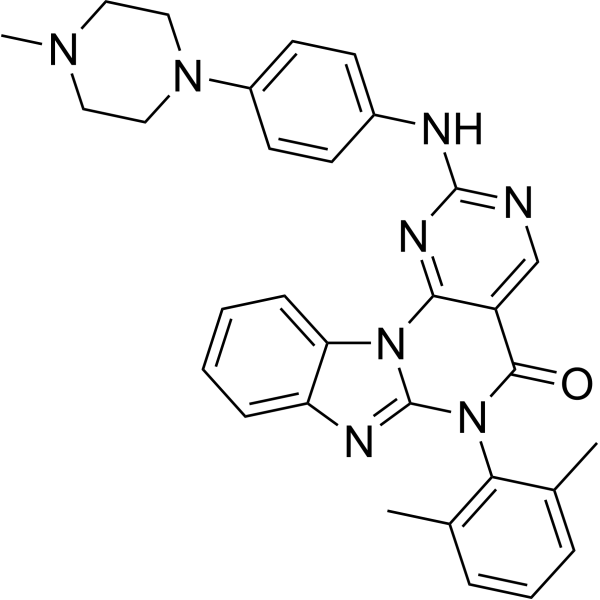
    TNF Receptor Inflammation/Immunology
    CH-100 is an immunomodulatory agent targeting T-cell activation and inflammatory mediator production. CH-100 demonstrates anti-inflammatory and hepatoprotective effects by reducing TNF-α secretion, suppressing CD4+ T-cell proliferation, and lowering endotoxin levels in alcohol-fed rats. CH-100 is promising for research of alcoholic liver disease and T-cell-mediated hepatitis .
    CH-100
  • HY-P3747

    Influenza Virus Infection
    Hemagglutinin (48-68) is the 48-68 fragment of influenza virus hemagglutinin. Hemagglutinin (48-68) can induce proliferation of the peptide specific T-cell clones .
    Hemagglutinin (48-68)
  • HY-123531

    Cathepsin Inflammation/Immunology
    JNJ 10329670 is a potent and selective noncovalent cathepsin S inhibitor with a Ki value of 34 nM for human cathepsin S. JNJ 10329670 blocks invariant chain proteolysis in B cells and dendritic cells, as well as antigen-induced T cell proliferation .
    JNJ 10329670
  • HY-162254

    EGFR Ack1 Cancer
    EGFR T790M/L858R/ACK1-IN-1 is a dual inhibitor of EGFR T790M/L858R and ACK1. IC50 values are 23 and 263 nM, respectively. EGFR T790M/L858R/ACK1-IN-1 can inhibit cell proliferation and has antitumor activity .
    EGFR/ACK1-IN-1
  • HY-P990928

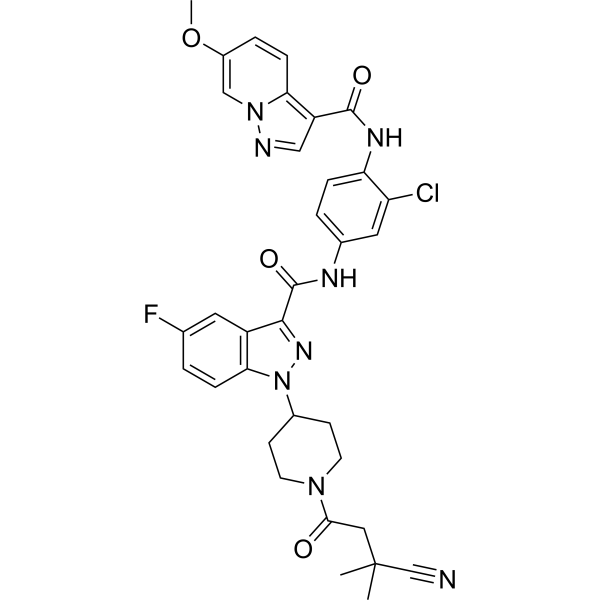
    APVO-436

    CD3 Interleukin Related Inflammation/Immunology Cancer
    Mipletamig (APVO-436) is a bispecific CD123 x CD3 monoclonal antibody. Mipletamig simultaneously binds to both CD3-expressing T cells and CD123-expressing cancer cells, thereby crosslinking CD123-expressing tumor cells and cytotoxic T lymphocytes (CTLs). This results in the activation and proliferation of T-cells and causes CTL-mediated cell lysis of CD123-expressing tumor cells. Mipletamig can be used for the study of acute myeloid leukemia (AML) .
    Mipletamig
  • HY-E70763

    PDGFR Cancer
    PDGFRalpha is a receptor tyrosine kinases that stimulate cell survival, proliferation and motility. Upon PDGF binding, the receptor dimerizes and undergoes a conformational change, which activates the kinase domain. PDGFRalpha T674I is a mutant of PDGFRalpha. PDGFRalpha T674I Recombinant Human Active Protein Kinase is a recombinant PDGFRalpha T674I protein that can be used to study PDGFRalpha T674I-related functions .
    PDGFRalpha T674I Recombinant Human Active Protein Kinase
  • HY-P11322

    Amino Acid Derivatives Neurological Disease
    NHIP peptide is a peptide segment containing 20 amino acids located in the nucleus of the cell. NHIP is highly expressed in neuronal derived cells such as LUHMES cells. NHIP peptide can promote the proliferation of 293T cells. NHIP peptide regulates gene networks related to neural development and autism spectrum disorder (ASD) .
    NHIP peptide
  • HY-108161

    Interleukin Related Others
    LF 1695 is an immunomodulator. LF 1695 enhances the proliferative response of T cells by increasing the production of IL2 (interleukin-2) or the expression of the IL2 receptor. LF 1695 also increases CONA-induced inhibitory activity in human lymphocytes. LF 1695 can be used to study the proliferative and inhibitory activity of T cell subpopulations, as well as their role in immune regulation .
    LF 1695
  • HY-155516

    Potassium Channel Inflammation/Immunology
    KV1.3-IN-1 (Compound trans-18) is a KV1.3 channel inhibitor (IC50: 230 nM and 26.12 nM in Ltk cells and PHA-activated T-lymphocytes respectively). KV1.3-IN-1 impairs intracellular Ca 2+ signaling. KV1.3-IN-1 inhibits T-cell activation, proliferation, and colony formation .
    KV1.3-IN-1
  • HY-156296

    CDK Apoptosis Cancer
    CDK9-Cyclin T1 PPI-IN-1 (Compound B19) is a selective CDK9-Cyclin T1 protein-protein interaction (PPI) inhibitor. CDK9-Cyclin T1 PPI-IN-1 inhibits cell proliferation in TNBC MDA-MB-231 cells (IC50: 0.044 μM), and induces apoptosis. CDK9-Cyclin T1 PPI-IN-1 inhibits CDK9 transcription activity, reduces the phosphorylation of RNA Pol II CTD ser2. CDK9-Cyclin T1 PPI-IN-1 inhibits tumor growth in a TNBC 4T1 mouse model .
    CDK9-Cyclin T1 PPI-IN-1

Inquiry Online

Your information is safe with us. * Required Fields.

Salutation


Country or Region *

Applicant Name *


Organization Name *

Department *


Email Address *


Product Name *

Cat. No.


Requested quantity *

Phone Number *


Remarks

Inquiry Online

Inquiry Information

Product Name:
Cat. No.:
Quantity:
MCE Japan Authorized Agent:

