135 Results for "

TNF-alpha signaling pathways

" in MedChemExpress (MCE) Product Catalog:
Products (135)

135 Results for "TNF-alpha signaling pathways" in MCE Product Catalog:

23
23 Publications Verification
Cat. No.: HY-N0171
CAS No.: 83-46-5
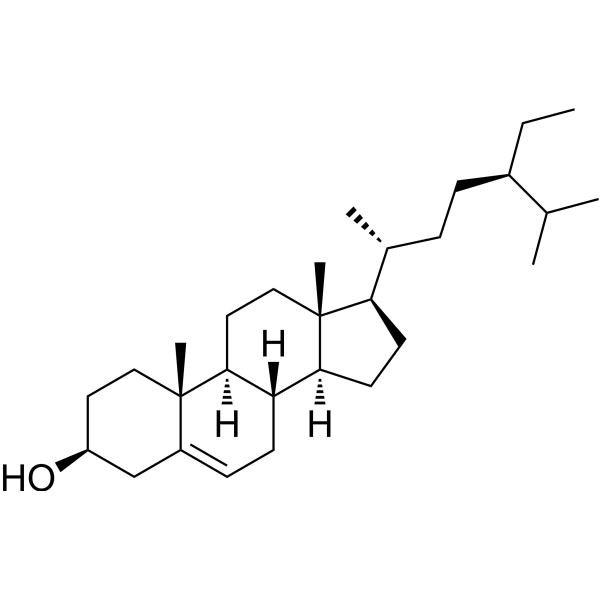
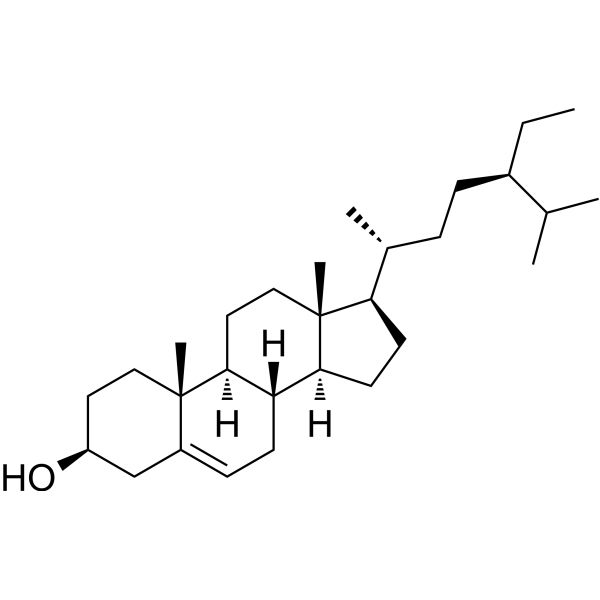
Beta-Sitosterol (purity≥80%) is orally active. Beta-Sitosterol exhibits multiple activities, including anti-inflammatory, anticancer, antioxidant, antimicrobial, antidiabetic, antioxidant enzyme, and analgesic. Beta-Sitosterol inhibits inflammation and impaired adipogenesis in bovine mammary epithelial cells by reducing levels of ROS, TNF-α, IL-1β, and NF-κB p65 and restoring the activity of the HIF-1α/mTOR signaling pathway. Beta-Sitosterol induces apoptosis in cancer cells through ROS-mediated mitochondrial dysregulation and p53 activation. Beta-Sitosterol exerts its anticancer effects in cancer cells by activating caspase-3, caspase-8, and caspase-9, mediating PARP inactivation, MMP loss, altered Bcl-2-Bax ratio, and cytochrome c release. Beta-Sitosterol modulates macrophage polarization and reduces rheumatoid inflammation in mice. Beta-Sitosterol inhibits tumor growth in multiple mouse cancer models. Beta-Sitosterol can be used in the research of arthritis, lung cancer, breast cancer and other cancers, diabetes, etc .
loading...
    loading...
23
23 Publications Verification
Cat. No.: HY-N0171A
CAS No.: 83-46-5
Synonyms: β-Sitosterol (purity>98%); 22,23-Dihydrostigmasterol (purity>98%)
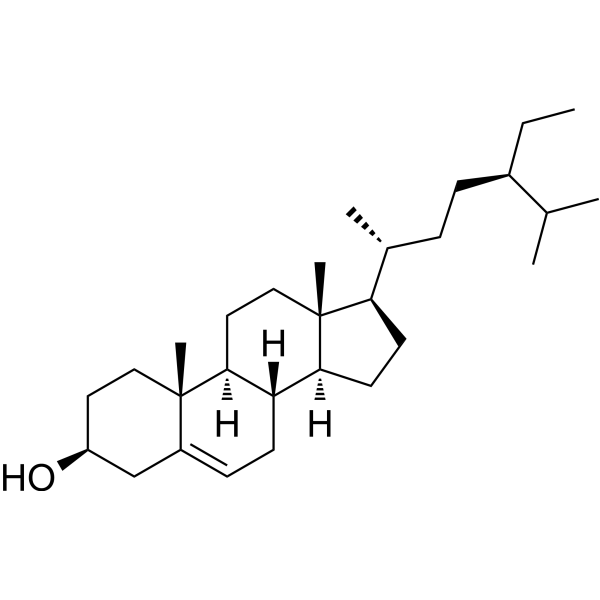
Beta-Sitosterol (purity>98%) is orally active. Beta-Sitosterol exhibits multiple activities, including anti-inflammatory, anticancer, antioxidant, antimicrobial, antidiabetic, antioxidant enzyme, and analgesic. Beta-Sitosterol inhibits inflammation and impaired adipogenesis in bovine mammary epithelial cells by reducing levels of ROS, TNF-α, IL-1β, and NF-κB p65 and restoring the activity of the HIF-1α/mTOR signaling pathway. Beta-Sitosterol induces apoptosis in cancer cells through ROS-mediated mitochondrial dysregulation and p53 activation. Beta-Sitosterol exerts its anticancer effects in cancer cells by activating caspase-3, caspase-8, and caspase-9, mediating PARP inactivation, MMP loss, altered Bcl-2-Bax ratio, and cytochrome c release. Beta-Sitosterol modulates macrophage polarization and reduces rheumatoid inflammation in mice. Beta-Sitosterol inhibits tumor growth in multiple mouse cancer models. Beta-Sitosterol can be used in the research of arthritis, lung cancer, breast cancer and other cancers, diabetes, etc .
loading...
    loading...
16
16 Cited Publications
Cat. No.: HY-19744
CAS No.: 2437475-16-4
Target:  

MyD88

Research Areas:  

Inflammation/Immunology

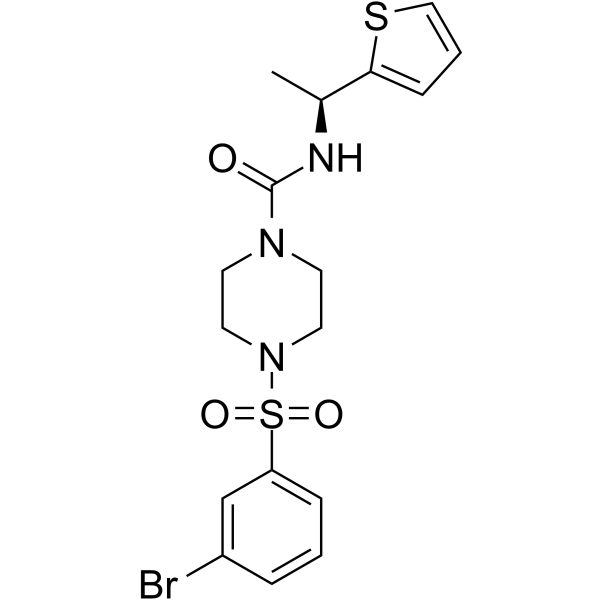
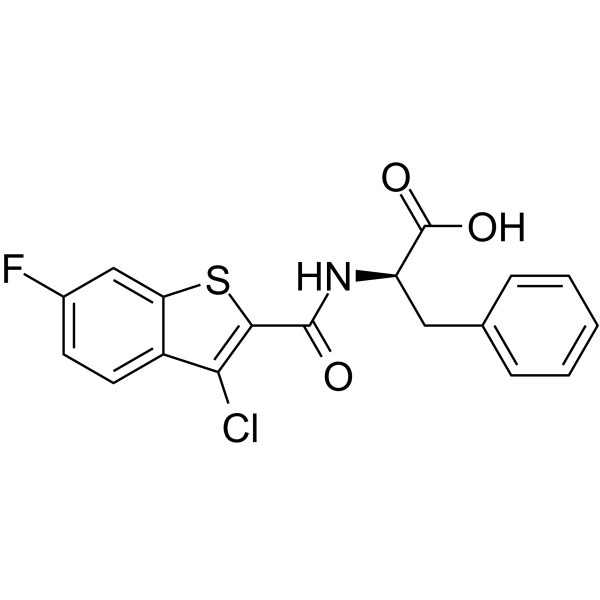
T6167923 is a selective inhibitor of MyD88-dependent signaling pathways. T6167923 directly binds to Toll/IL1 receptor (TIR) domain of MyD88 and disrupts MyD88 homodimeric formation. T6167923 inhibits NF-κB driven Staphylococcus enterotoxin AP (SEAP) activity, and improves anti-inflammatory activity with IC50s of 2.7 μM, 2.9 μM, 2.66 μM and 2.66 μM for IFN-γ, IL-1β, IL-6 and TNF-α, respectively .
loading...
    loading...
16
16 Cited Publications
Cat. No.: HY-N0637
CAS No.: 552-58-9
Synonyms: Huazhongilexone
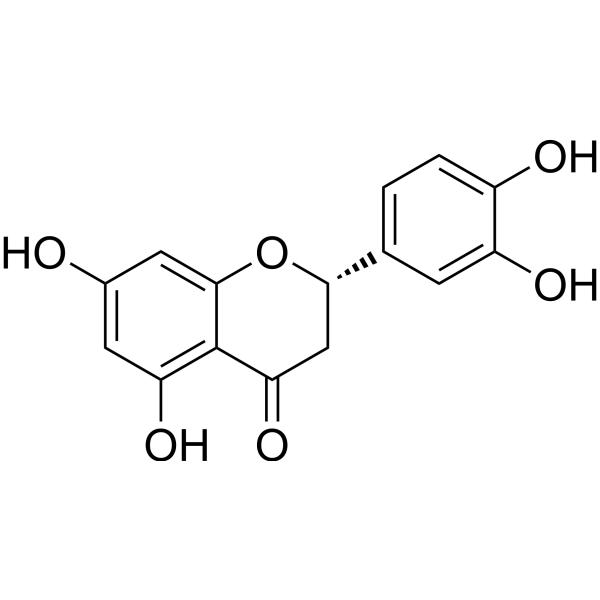
Eriodictyol ((±)-Huazhongilexone; Dihydroluteolin) is an orally active TRPV1 receptor antagonist (IC50=44-47 nM, rTRPV1) with antioxidant and anti-inflammatory activities. Eriodictyol effectively inhibits lipid peroxidation and the release of proinflammatory cytokines by specifically antagonizing the TRPV1 receptor and activating the Nrf2 signaling pathway. Eriodictyol reduces the levels of ICAM-1, VEGF, eNOS and TNF-α in the retina and maintains the integrity of the blood-retinal barrier. Eriodictyol alleviates oxidative stress-induced apoptosis and hyperalgesia, enhances the activity and cytotoxicity of immune cells (such as B lymphocytes, NK cells and macrophages), and increases the levels of antioxidant enzymes simultaneously. Eriodictyol can be used in the research of diabetic retinopathy, acute lung injury and various pain-related diseases .
loading...
    loading...
14
14 Cited Publications
Cat. No.: HY-123942
CAS No.: 2170867-89-5
Purity:  98.82%
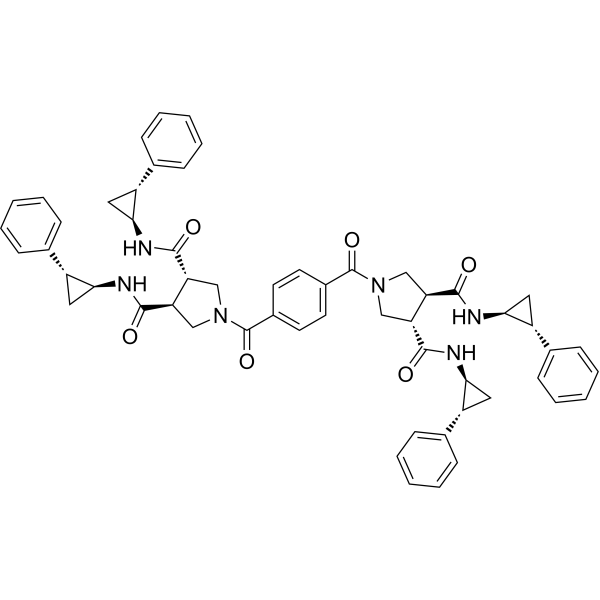
Diprovocim is a potent TLR1/TLR2 agonist. Diprovocim elicits full agonist activity in human THP-1 cells (EC50=110 pM). Diprovocim stimulates the release of TNF-α from mouse macrophages (EC50=1.3 nM). Diprovocim activates downstream MAPK and NF-κB signaling pathway. Diprovocim displays strong adjuvant activity in mice, particularly abetting cellular immune responses .
loading...
    loading...
13
13 Cited Publications
Cat. No.: HY-108473
CAS No.: 1279713-77-7
Purity:  99.34%
Synonyms: TLR3-IN-1
Research Areas:  

Cancer

CU-CPT 4a (TLR3-IN-1) is a potent, highly selective TLR3 signaling inhibitor. CU-CPT 4a represses the expression of downstream signaling pathways mediated by the TLR3/dsRNA complex, including TNF-α and IL-1β .
loading...
    loading...
7
7 Cited Publications
Cat. No.: HY-N0631
CAS No.: 131189-57-6
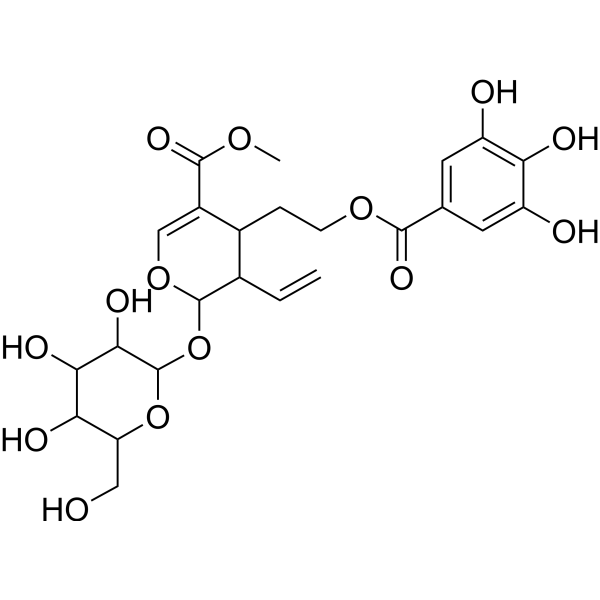
Cornuside is an iridoid glycoside with anti-allergic, anti-inflammatory, and neuroprotective activities. Cornuside exerts anti-allergic activity by downregulating the p38 MAPK, JNK, and NF-κB signaling pathways, and inhibits IgE-mediated histamine release from mast cells. Cornuside improves cognitive impairment in mice by inhibiting BACE1 activity (IC50 = 55.84 μg/mL) and enhancing ChAT activity. Cornuside inhibits LPS (HY-D1056)-induced inflammatory mediators, including iNOS, COX-2, PGE2, TNF-α, IL-6, and IL-1β, by suppressing NF-κB activation .
loading...
    loading...
6
6 Cited Publications
Cat. No.: HY-N0405
CAS No.: 28608-75-5
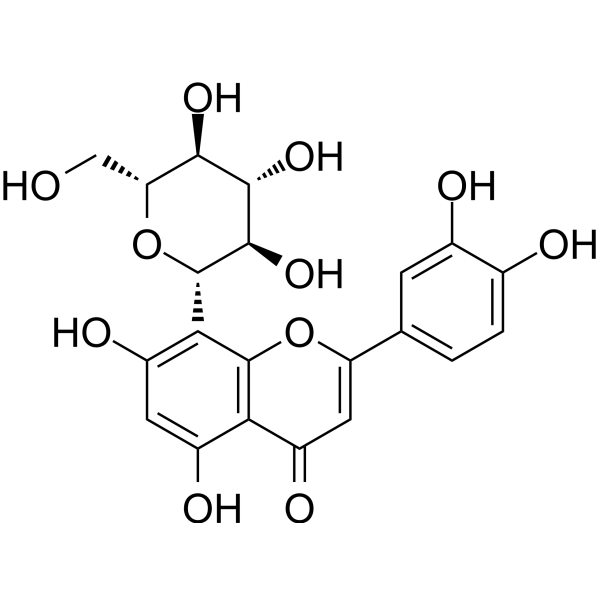
Orientin is a neuroprotective agentinhibits which has anti-inflammation, anti-oxidative, anti-tumor, and cardio protection properties. Orientin inhibits the levels of IL-6, IL-1β and TNF-α. Orientin increases IL-10 level. Orientin exhibits neuroprotective effect by inhibits TLR4 and NF-kappa B signaling pathway. Orientin can used in study neuropathic pain .
loading...
    loading...
4
4 Cited Publications
Cat. No.: HY-N2259
CAS No.: 19431-84-6
Synonyms: (+)-Curcumenol
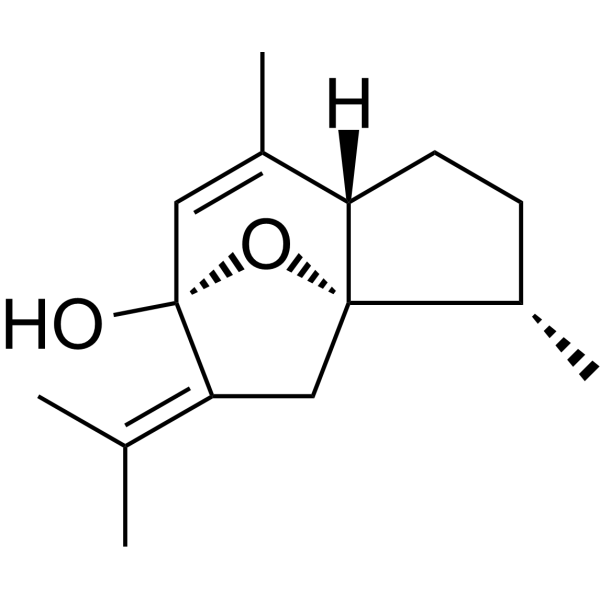
Curcumenol ((+)-Curcumenol) is a natural compound with oral efficacy, exhibiting an IC50 of 12.6 μM and a Ki of 10.8 μM against human CYP3A4. Curcumenol inhibits TNFα-induced phosphorylation/degradation of IκBα, phosphorylation/nuclear translocation of NF-κB p65, as well as the upregulation of MMP3, MMP9, MMP13, TRAF3, IL1RL1, TNFα and IL-1β. Curcumenol suppresses LPS-induced phosphorylation of Akt and p38 MAPK, as well as the production of pro-inflammatory mediators/proteins, and downregulates the SLC7A11/NF-κB/TGF-β pathway. Curcumenol binds to and inhibits the activation of Fyn and Lyn, blocks the function of downstream FcεRI signaling components, and reduces the release of allergic mediators/cytokines. Curcumenol upregulates the expression of KDM6B, and promotes chondrocyte proliferation and cartilage repair. Curcumenol induces ferroptosis and apoptosis, regulates the EMT process, and inhibits tumor growth and metastasis of triple-negative breast cancer. Curcumenol possesses anti-inflammatory, neuroprotective, antioxidant, antitumor, antiviral and hepatoprotective activities. Curcumenol can be used in research related to intervertebral disc degeneration, cancer, inflammation, central nervous system neurodegenerative diseases, allergic reactions and knee osteoarthritis .
loading...
    loading...
3
3 Cited Publications
Cat. No.: HY-N0316
CAS No.: 55481-88-4
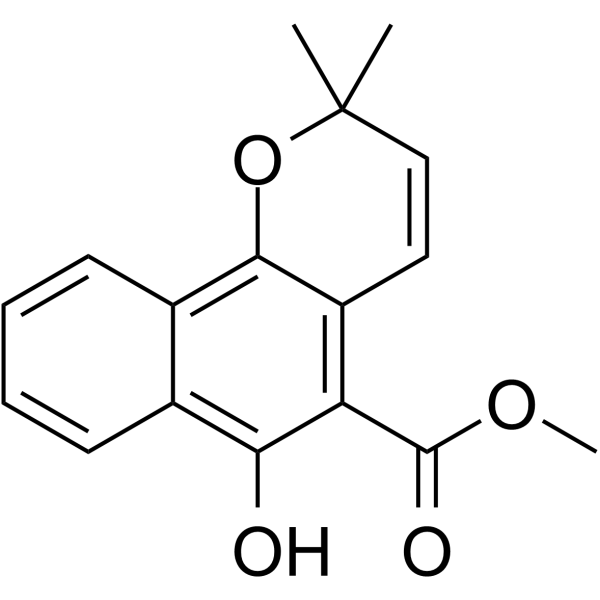
Mollugin is an orally active and potent NF-κB inhibitor. Mollugin induces S-phase arrest of HepG2 cells, and increased intracellular reactive oxygen species (ROS) levels. Mollugin induces DNA damage in HepG2 cells, as well as an increase in the expression of p-H2AX. Mollugin shows anti-cancer effect by inhibiting TNF-α-induced NF-κB activation. Mollugin enhances the osteogenic action of BMP-2 (bone morphogenetic protein 2) via the p38-Smad signaling pathway .
loading...
    loading...
3
3 Cited Publications
Cat. No.: HY-N0617
CAS No.: 80651-76-9
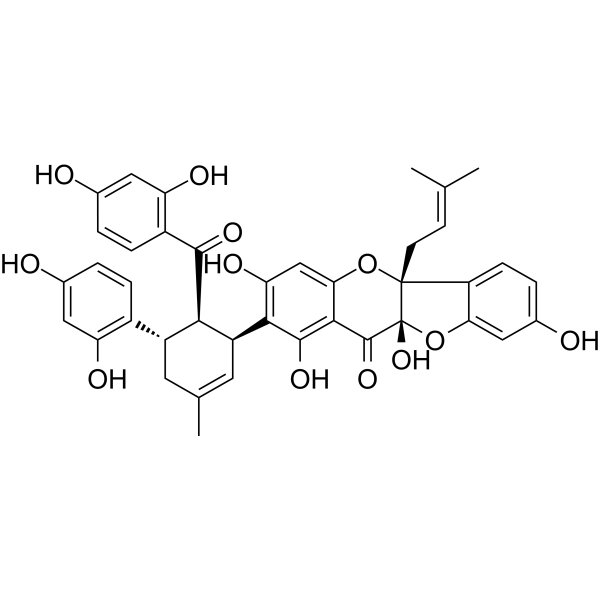
Sanggenon C, a flavonoid, exerts protective effects against cardiac hypertrophy and fibrosis via suppression of the calcineurin/NFAT2 pathway. Sanggenon C inhibits mitochondrial fission to induce apoptosis by blocking the ERK signaling pathway. Sanggenon C inhibits inducible nitric oxide synthase expression in RAW264.7 cells, and TNF-α-stimulated cell adhesion and VCAM-1 expression, by suppressing NF-κB activity. Sanggenon C possesses antioxidant, anti-inflammatory and antitumor activities .
loading...
    loading...
3
3 Cited Publications
Cat. No.: HY-108910
CAS No.: 9004-07-3
Synonyms: EC 3.4.21.1; Chymotrypsin A
Chymotrypsin (EC 3.4.21.1; Chymotrypsin A) is an orally effective inhibitor targeting molecules such as TLR4, NF-κB, MMP-1, TNF-α, IL-1β, and IL-6. Chymotrypsin downregulates the TLR4/NF-κB signaling pathway, inhibiting the release of inflammatory factors, reducing cell infiltration and tissue damage. It also reduces the expression of tumor cell adhesion molecules (such as CD44 and CD54) and can be specifically detected by fluorescent probes (such as NBD-3). Chymotrypsin has anti-inflammatory, hepatoprotective, joint damage-reducing, liver protection against lipotoxicity, and anti-tumor metastasis functions. It can be used in research on diseases such as rheumatoid arthritis, non-alcoholic fatty liver disease, and melanoma metastasis. Chymotrypsin can be used in studies of inflammation, edema, and expectoration .
loading...
    loading...
3
3 Cited Publications
Cat. No.: HY-108910A
CAS No.: 9004-07-3
Synonyms: EC 3.4.21.1 (MS grade); Chymotrypsin A (MS grade)
Chymotrypsin (EC 3.4.21.1; Chymotrypsin A) (MS grade) is an orally effective inhibitor targeting molecules such as TLR4, NF-κB, MMP-1, TNF-α, IL-1β, and IL-6. Chymotrypsin (MS grade) downregulates the TLR4/NF-κB signaling pathway, inhibits the release of inflammatory factors, reduces cell infiltration and tissue damage, and also reduces the expression of tumor cell adhesion molecules (such as CD44 and CD54). It can also be specifically detected by fluorescent probes (such as NBD-3). Chymotrypsin (MS grade) has anti-inflammatory, hepatoprotective, joint damage-reducing, liver protection against lipotoxicity, and anti-tumor metastasis functions, and can be used in the research of diseases such as rheumatoid arthritis, non-alcoholic fatty liver disease, and melanoma metastasis. Chymotrypsin (MS grade) can be used in studies of inflammation, edema, and expectoration .
loading...
    loading...
2
2 Cited Publications
Cat. No.: HY-W010201
CAS No.: 106-22-9
Synonyms: (±)-Citronellol; (±)-β-Citronellol
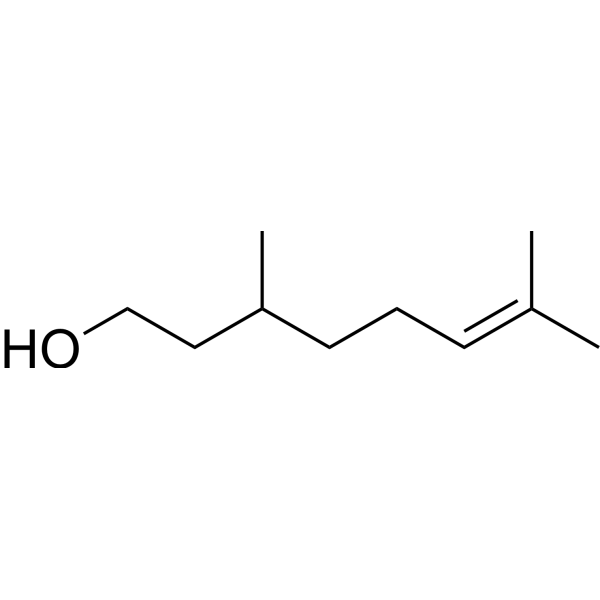
Citronellol ((±)-Citronellol) is an orally active inducer of apoptosis. Citronellol can prevent oxidative stress, mitochondrial dysfunction, and apoptosis in the SH-SY5Y cell Parkinson's disease model induced by 6-OHDA by regulating the ROS-NO, MAPK/ERK, and PI3K/Akt signaling pathways. Citronellol can induce necroptosis in human lung cancer cells through the TNF-α pathway and accumulation of ROS. Citronellol can reduce the levels of LC-3 and p62 to regulate the autophagy pathway, inhibit oxidative stress and neuroinflammation, and thus have neuroprotective effects on Parkinson's rats. Citronellol exhibits anti-fungal activity against Trichophyton rubrum by inhibiting ergosterol synthesis .
loading...
    loading...
2
2 Cited Publications
Cat. No.: HY-19667A
CAS No.: 2922280-85-9
Synonyms: DPC 333 formate
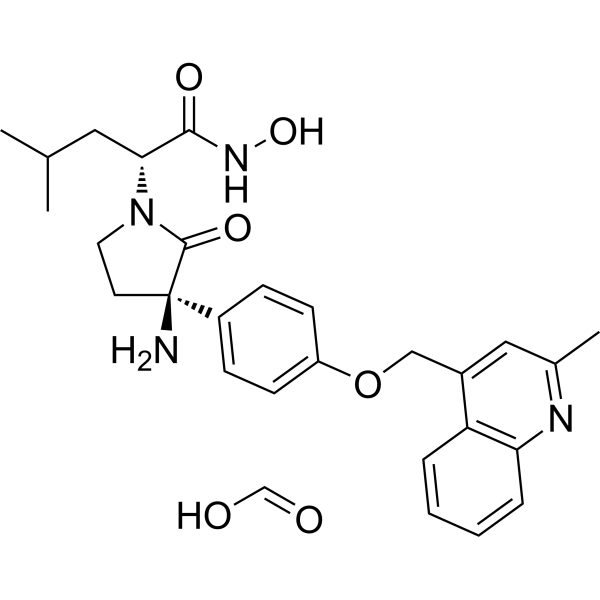
BMS-561392 formate (DPC 333 formate) is a selective ADAM17(TACE) inhibitor. BMS-561392 formate inhibits TNF-α secretion by regulating signaling pathways such as p44 MAPK and NF-κB. BMS-561392 formate also affects the survival of central nervous system-related cells including oligodendrocytes and microglia. BMS-561392 formate promotes microglial apoptosis, enlarges the injury area and exacerbates astrogliosis in a mouse spinal cord injury model. BMS-561392 formate can be used in research related to spinal cord injury and inflammatory diseases .
loading...
    loading...
2
2 Cited Publications
Cat. No.: HY-103435
CAS No.: 858134-23-3
Purity:  99.90%
Synonyms: Terrestrin A
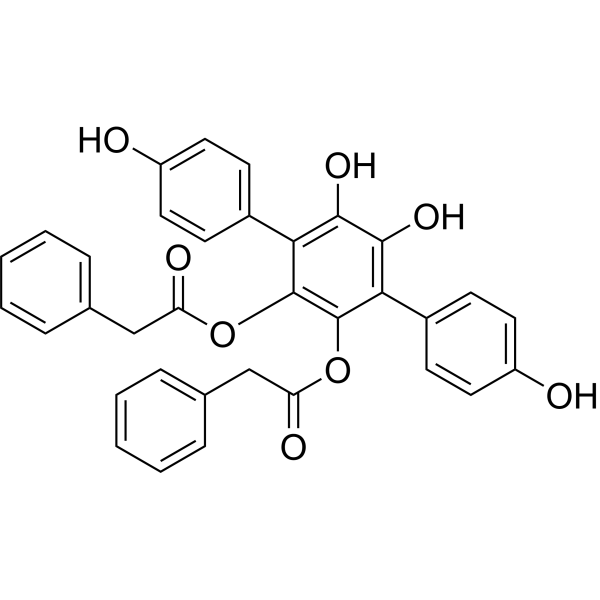
Vialinin A (Terrestrin A) is a p-terphenyl compound that can be derived from a Chinese edible mushroom. Vialinin A is an inhibitor of ubiquitin-specific peptidase 4 (USP4) and has anti-inflammatory and antioxidant properties. Vialinin A can alleviate cerebral ischaemia-reperfusion injury-induced neurological deficits and neuronal apoptosis. Vialinin A promotes activation of Keap1-Nrf2-ARE signaling pathway and increases the protein degradation of Keap1. Vialinin A possesses various pharmacological activities in cancer, Kawasaki disease, asthma, and pathological scarring. Vialinin A is a potent inhibitor of TNF-α, USP4, USP5, and sentrin/SUMO-specific protease 1 (SENP1). Vialinin A can be studied in reseach for autoimmune diseases, cancer and ischaemic stroke .
loading...
    loading...
2
2 Cited Publications
Cat. No.: HY-N0887
CAS No.: 84676-88-0
Synonyms: Isoastragaloside-I
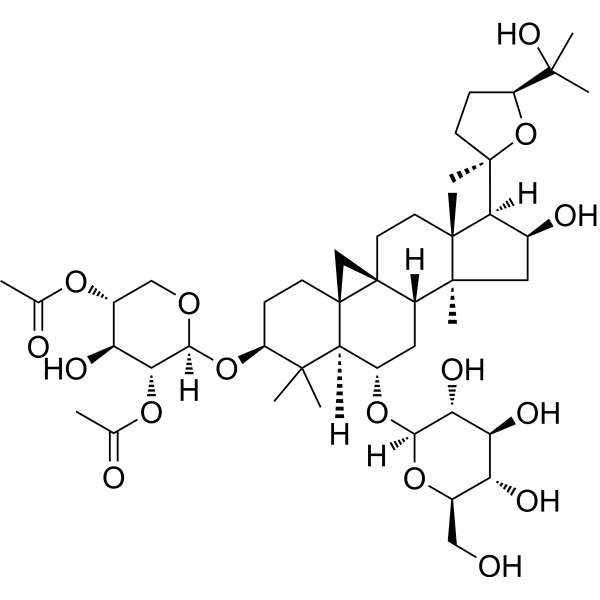
Isoastragaloside I is a natural compound found in Astragalus membranaceus, with oral activity and multiple biological activities such as anti-inflammatory and antioxidant properties. Isoastragaloside I inhibits Akt, NF-κB, MAPKs and PI3K, enhances the activity of hepatic FXR, regulates the TGF-β/Smads signaling pathway, and upregulates antioxidant molecules downstream of Nrf2. Isoastragaloside I inhibits the expression of NO, TNF-α, iNOS, COX-2, IL-1β and VCAM-1, and reduces intracellular ROS levels. Isoastragaloside I attenuates blood-brain barrier disruption, restores intestinal barrier function, increases β-cell mass, improves glucose homeostasis, and elevates circulating adiponectin levels. Isoastragaloside I can be used for the study of neuroinflammation-related neurodegenerative diseases, cholestatic liver disease, and diabetes .
loading...
    loading...
2
2 Cited Publications
Cat. No.: HY-N0171R
CAS No.: 83-46-5
Synonyms: β-Sitosterol (Standard); 22,23-Dihydrostigmasterol (Standard))
Beta-Sitosterol (Standard) is the analytical standard of Beta-Sitosterol. This product is intended for research and analytical applications. Beta-Sitosterol (purity≥80%) is orally active. Beta-Sitosterol exhibits multiple activities, including anti-inflammatory, anticancer, antioxidant, antimicrobial, antidiabetic, antioxidant enzyme, and analgesic. Beta-Sitosterol inhibits inflammation and impaired adipogenesis in bovine mammary epithelial cells by reducing levels of ROS, TNF-α, IL-1β, and NF-κB p65 and restoring the activity of the HIF-1α/mTOR signaling pathway. Beta-Sitosterol induces apoptosis in cancer cells through ROS-mediated mitochondrial dysregulation and p53 activation. Beta-Sitosterol exerts its anticancer effects in cancer cells by activating caspase-3, caspase-8, and caspase-9, mediating PARP inactivation, MMP loss, altered Bcl-2-Bax ratio, and cytochrome c release. Beta-Sitosterol modulates macrophage polarization and reduces rheumatoid inflammation in mice. Beta-Sitosterol inhibits tumor growth in multiple mouse cancer models. Beta-Sitosterol can be used in the research of arthritis, lung cancer, breast cancer and other cancers, diabetes, etc.
loading...
    loading...
1
1 Cited Publications
Cat. No.: HY-B0679
CAS No.: 136790-76-6
Synonyms: RU-0211; SPI-0211
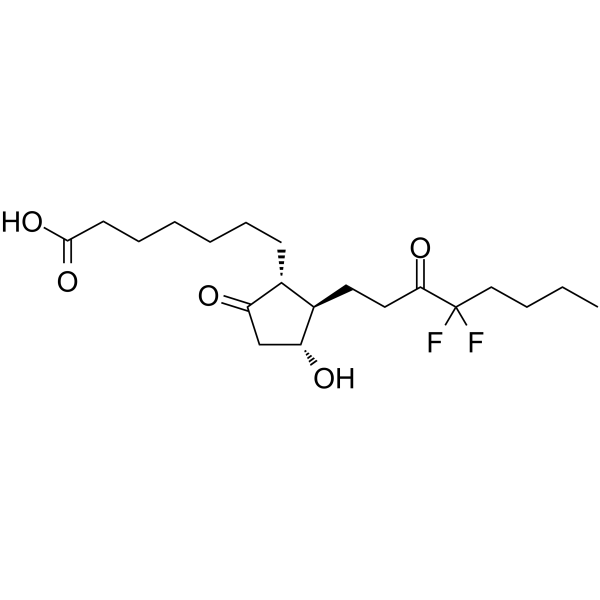
Lubiprostone (SPI-0211) increases intestinal fluid secretion through generation of CIC-2/CFTR and activation of cAMP signaling pathway. Lubiprostone inhibits myeloperoxidase (MPO) activity, downregulates Indomethacin (HY-14397)-induced iNOS and TNFα expression. Lubiprostone can be used for chronic constipation research .
loading...
    loading...
1
1 Cited Publications
Cat. No.: HY-N1356
CAS No.: 485-19-8
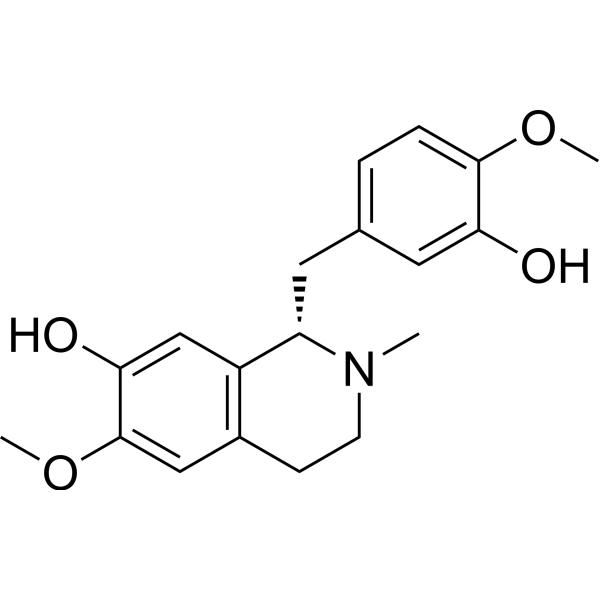
Reticuline shows anti-inflammatory effects through JAK2/STAT3 and NF-κB signaling pathways. Reticuline inhibits mRNA expressions of TNF-α, and IL-6 and reduces the phosphorylation levels of JAK2 and STAT3 . Reticuline exhibits cardiovascular effects .
loading...
    loading...

