Search Result
Results for "
Th17 cell differentiation
" in MedChemExpress (MCE) Product Catalog:
1
Biochemical Assay Reagents
1
Isotope-Labeled Compounds
| Cat. No. |
Product Name |
Target |
Research Areas |
Chemical Structure |
-
- HY-100754
-
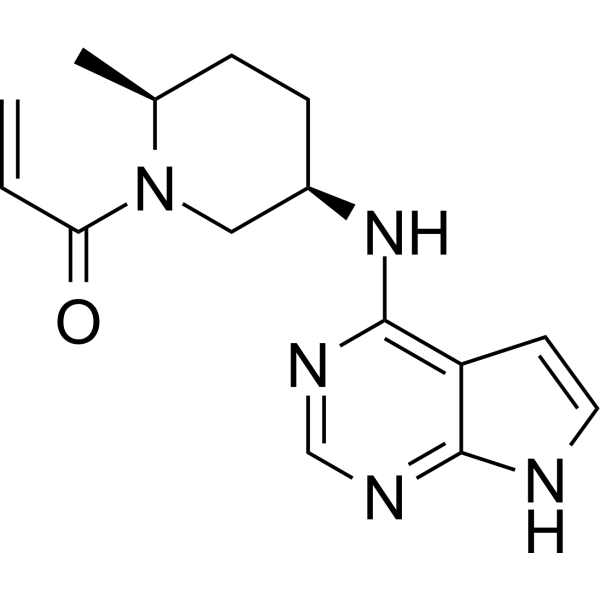
Ritlecitinib
Maximum Cited Publications
8 Publications Verification
PF-06651600
|
JAK
Interleukin Related
STAT
|
Inflammation/Immunology
|
|
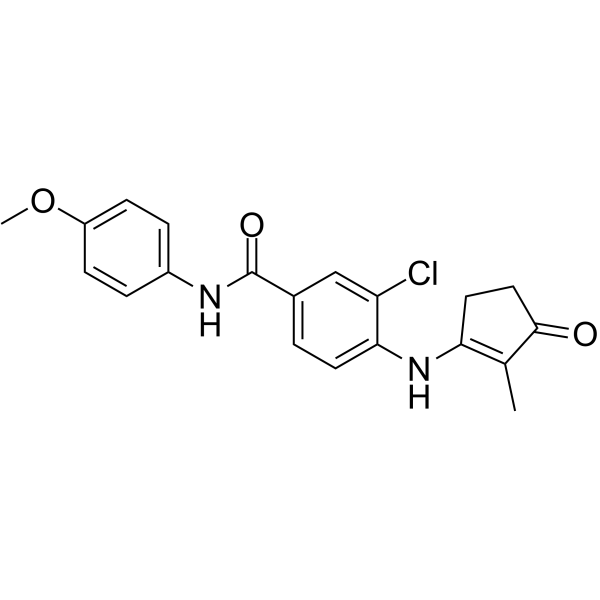
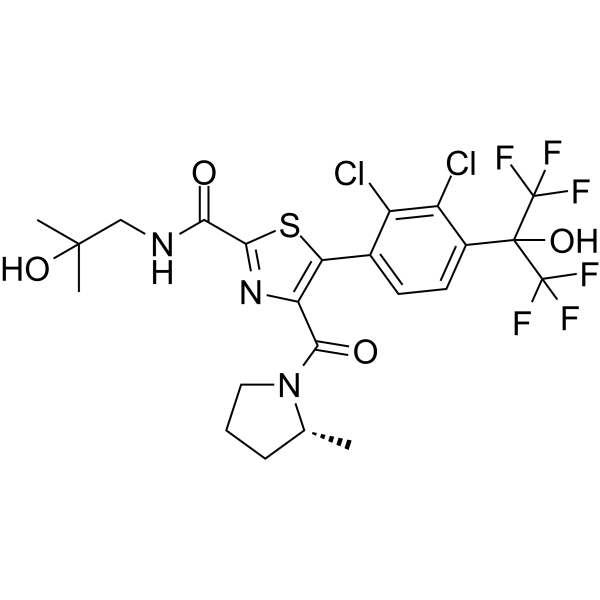
Ritlecitinib (PF-06651600) is a highly selective, orally active, irreversible covalent JAK3 inhibitor (IC50=33 nM) without inhibitory activity towards JAK1, JAK2, and TYK2 (IC50 >10 μ M). Ritlecitinib rapidly inactivates the JAK3 kinase, and blocks signaling and downstream STAT phosphorylation mediated by common gamma chain cytokines such as IL-2 and IL-15. Ritlecitinib can inhibit Th1/Th17 cell differentiation and function, and effectively suppress preclinical animal models such as alopecia areata, adjuvant-induced arthritis (AIA), and experimental autoimmune encephalomyelitis (EAE) .
|
-
-
- HY-12776
-
GSK805
5 Publications Verification
|
ROR
|
Inflammation/Immunology
|
|
GSK805 is an orally active and CNS penetrant RORγt inhibitor. GSK805 inhibits RORγ and Th17 cells differentiation with pIC50 values of 8.4 and >8.2. GSK805 inhibits the function of Th17 cells. GSK805 can be used for the research of immunity .
|
-
-
- HY-125801
-
|
DehydroliThocholic acid; 3-oxoLCA
|
ROR
|
Inflammation/Immunology
|
|
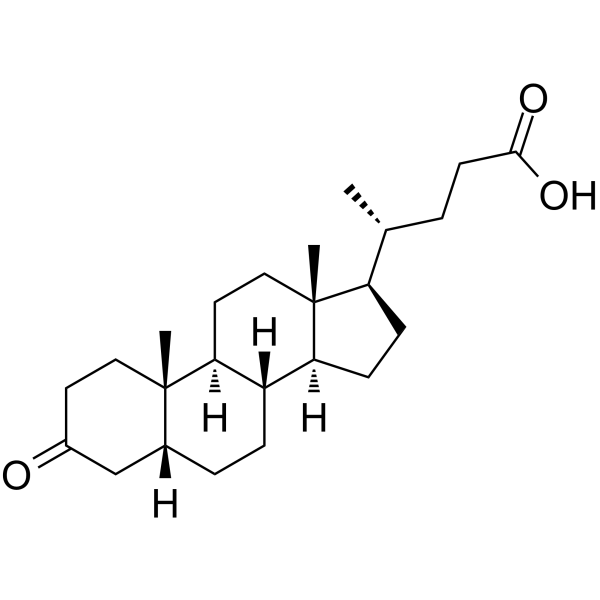
3-Oxo-5β-cholanoic acid (Dehydrolithocholic acid), a bile acid metabolite, inhibits the diferentiation of TH17 cells by directly binding to the key transcription factor RORγt (Kd=1.13 μM) .
|
-
-
- HY-N2279
-
-
-
- HY-113238A
-
|
SulfoliThocholic acid disodium; LCAS disodium
|
GPR39
ROR
|
Metabolic Disease
Inflammation/Immunology
|
|
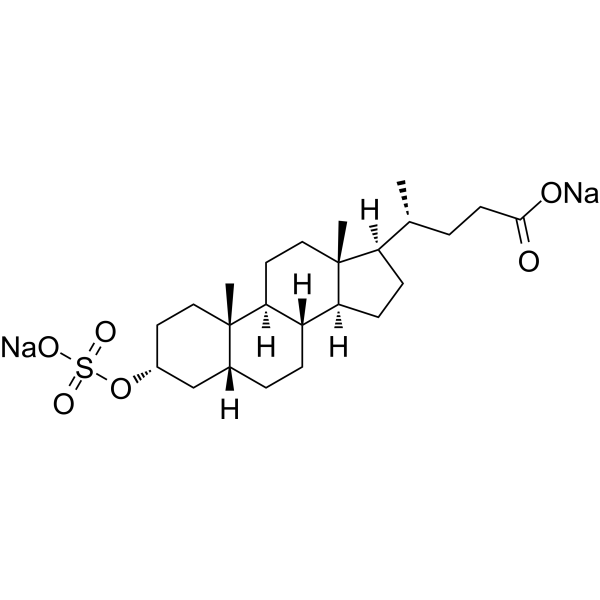
Lithocholic acid 3-sulfate disodium is a GPR39 agonist, with EC50 values of 41 μM and 42.4 μM in M39-20 and hGPR39-2 cells, respectively, in the absence of Zn 2+, and 0.88 μM and 0.97 μM in the presence of Zn 2+. Lithocholic acid 3-sulfate disodium acts as a RORγt ligand. Lithocholic acid 3-sulfate disodium stimulates the GPR39 receptor to initiate intracellular calcium signaling, independent of the Zn 2+-binding sites H17 and H19. LCA-3-S selectively inhibits Th17 cell differentiation by targeting RORγt. Lithocholic acid 3-sulfate disodium can be used in the research of cholestatic liver diseases .
|
-
-
- HY-N0723
-
|
|
Autophagy
p38 MAPK
TNF Receptor
Interleukin Related
PPAR
|
Metabolic Disease
Inflammation/Immunology
|
|
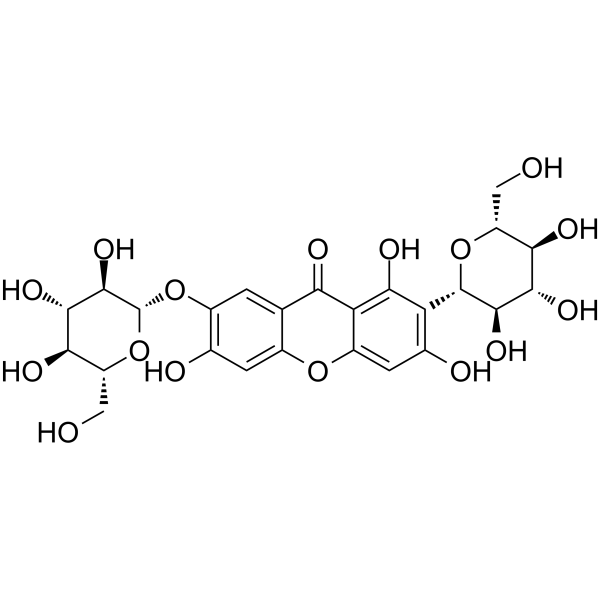
Neomangiferin is an orally active natural flavonoid. Neomangiferin partially ameliorates non-alcoholic fatty liver disease (NAFLD) by regulating the expression of genes related to free fatty acid uptake and lipid oxidation. Neomangiferin exerts anti-colitis effects by inhibiting Th17/Treg cell differentiation. Neomangiferin exerts anti-aging and lifespan-extending effects by targeting upregulation of bas-1, which in turn activates the autophagy, IIS and MAPK pathways. Neomangiferin has the potential to prevent aseptic loosening of prostheses after total joint arthroplasty due to its significant anti-inflammatory and osteoclastogenesis-inhibiting effects .
|
-
-
- HY-100754C
-
|
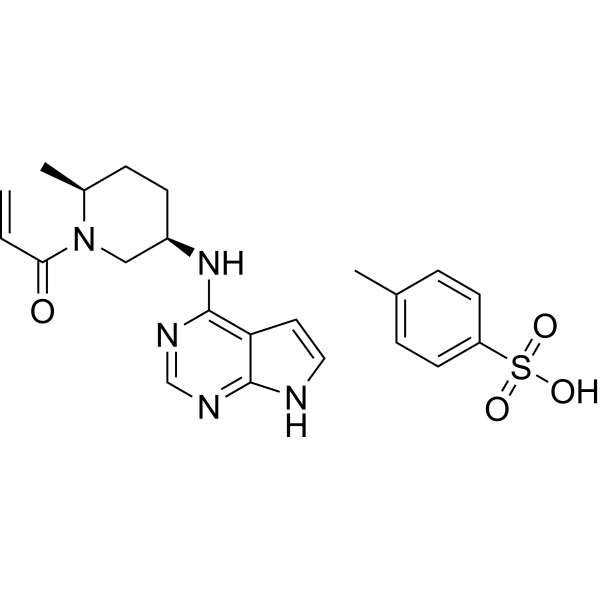
PF-06651600 tosylate
|
JAK
Interleukin Related
STAT
|
Inflammation/Immunology
|
|
Ritlecitinib (PF-06651600) tosylate is a highly selective, orally active, irreversible covalent JAK3 inhibitor (IC50=33 nM) without inhibitory activity towards JAK1, JAK2, and TYK2 (IC50 >10 μ M). Ritlecitinib tosylate rapidly inactivates the JAK3 kinase, and blocks signaling and downstream STAT phosphorylation mediated by common gamma chain cytokines such as IL-2 and IL-15. Ritlecitinib tosylate can inhibit Th1/Th17 cell differentiation and function, and effectively suppress preclinical animal models such as alopecia areata, adjuvant-induced arthritis (AIA), and experimental autoimmune encephalomyelitis (EAE) .
|
-
-
- HY-139780
-
|
|
ROR
|
Inflammation/Immunology
|
|
JNJ-61803534 is a potent and orally active RORγt inverse agonist with an IC50 of 9.6 nM. JNJ-61803534 has anti-inflammatory activity. JNJ-61803534 inhibits IL-17A production in human CD4+ T cells under Th17 differentiation conditions .
|
-
-
- HY-120000
-
MS402
2 Publications Verification
|
Epigenetic Reader Domain
|
Inflammation/Immunology
Cancer
|
|
MS402 is a BD1-selective BET BrD inhibitor with Kis of 77 nM, 718 nM, 110 nM, 200 nM, 83 nM, and 240 nM for BRD4(BD1), BRD4(BD2), BRD3(BD1), BRD3(BD2), BRD2(BD1) and BRD2(BD2), respectively. MS402 blocks Th17 cell differentiation and ameliorates colitis in mice .
|
-
-
- HY-126037
-
|
|
ROR
|
Inflammation/Immunology
|
|
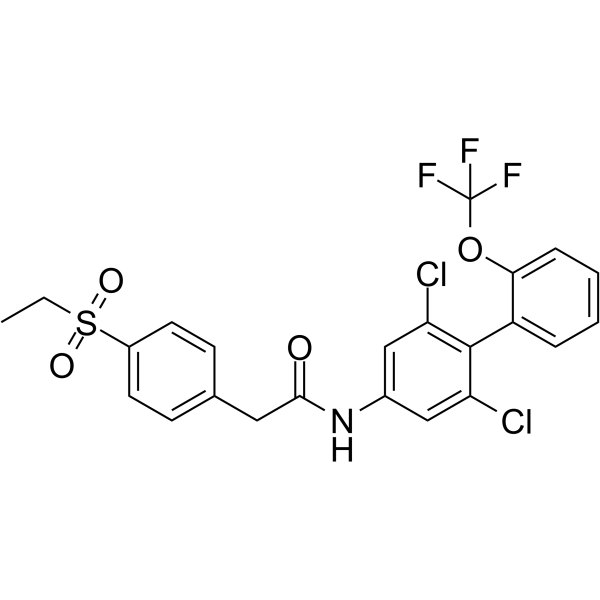
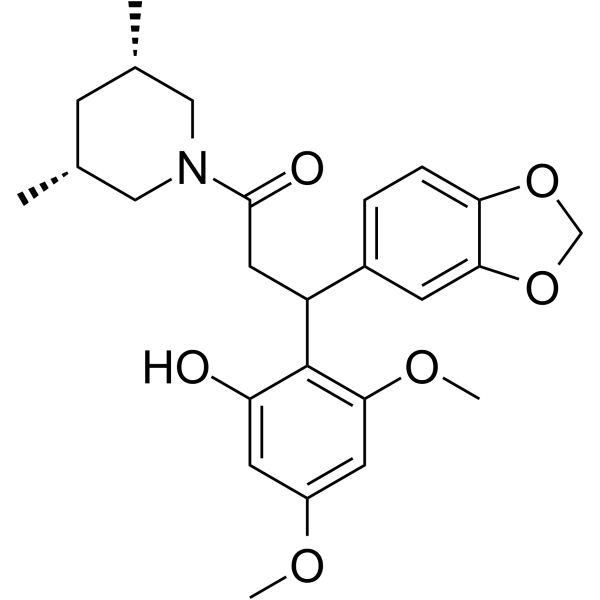
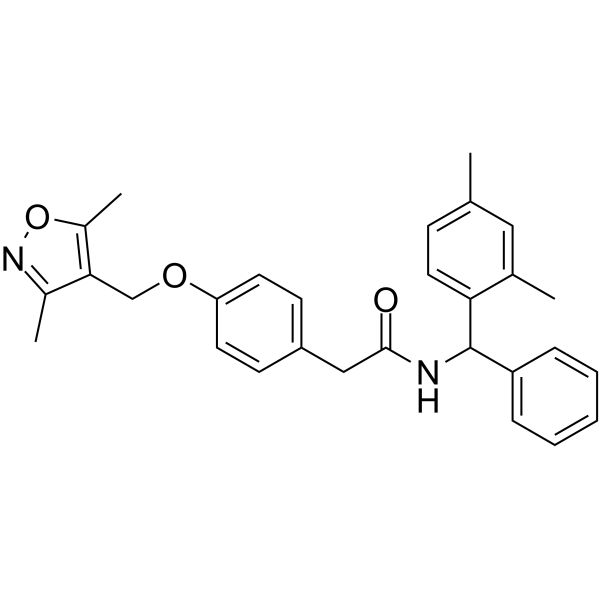
(±)-ML 209 (compound 4n), a diphenylpropanamide, is a retinoic acid-related orphan receptor RORγ antagonist with an IC50 of 1.1 μM. (±)-ML 209 inhibits RORγt transcriptional activity with an IC50 of 300 nM in HEK293t cells. (±)-ML 209 inhibits the transcriptional activity of RORγt, but not RORα in cells. (±)-ML 209 selectively inhibits murine Th17 cell differentiation without affecting the differentiation of naïve CD4 + T cells into other lineages, including Th1 and regulatory T cells .
|
-
-
- HY-W011220
-
|
ADD-3878; U-63287
|
PPAR
|
Cardiovascular Disease
Cancer
|
|
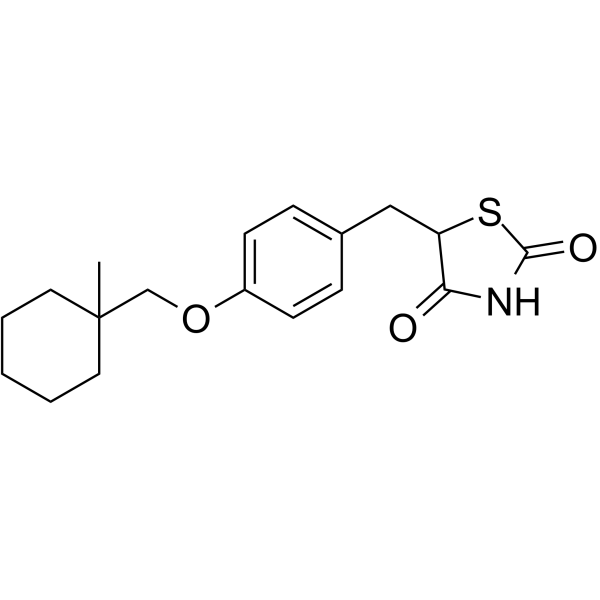
Ciglitazone is a potent and selective PPARγ agonist (EC50=3 μM). Ciglitazone inhibits proliferation and differentiation of th17 cells. Ciglitazone is a hypoglycemic agent orally active in the obese-hyperglycemic animal models. Ciglitazone induces apoptosis accompanied by activation of p38 MAPK and nuclear translocation of apoptosis inducing factor (AIF) in opossum kidney (OK) renal epithelial cells .
|
-
-
- HY-P990145
-
|
|
VISTA
|
Inflammation/Immunology
Cancer
|
|
Anti-Mouse VISTA Antibody (13F3) is an anti-mouse VISTA IgG monoclonal antibody. Anti-Mouse VISTA Antibody (13F3) can reverse the immunosuppressive effect of VISTA by blocking its binding to ligands such as VSIG3. Anti-Mouse VISTA Antibody (13F3) exacerbates pulmonary fibrosis (PF) by promoting Th17 cell differentiation. Anti-Mouse VISTA Antibody (13F3) can be used for research on cancer such as breast cancer and PF .
|
-
-
- HY-N7501
-
|
|
Others
|
Metabolic Disease
Inflammation/Immunology
|
|
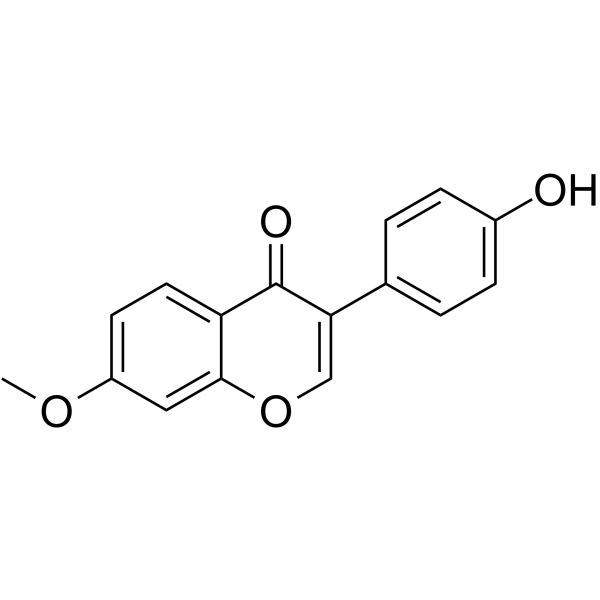
Isoformononetin is an analog of Daidzein (HY-N0019) and has immunoprotective effects. Isoformononetin inhibits the differentiation of Th17 and B-cells lymphopoesis to promote osteogenesis in estrogen-deficient bone loss conditions .
|
-
-
- HY-138115
-
|
7β, 27-OHC
|
ROR
|
Inflammation/Immunology
|
|
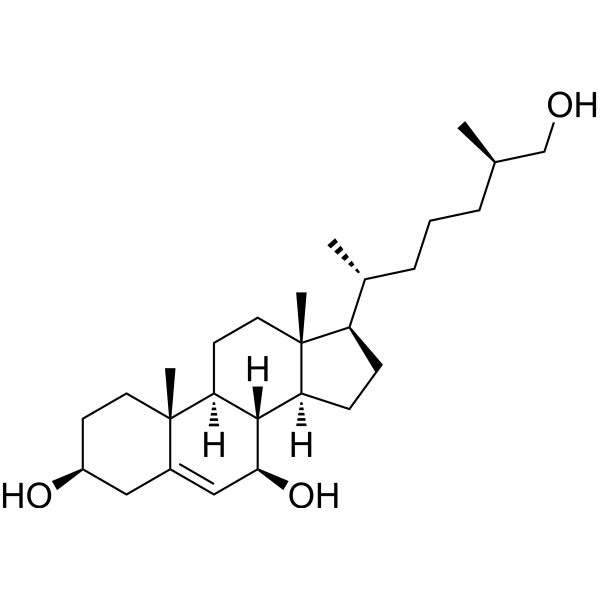
7ß,27-Dihydroxycholesterol (7β, 27-OHC) is a potent and selective activator of RORγt (Ki=120 nM). 7ß,27-Dihydroxycholesterol promotes the differentiation of mouse and human CD4 + Th17 cells. 7ß,27-Dihydroxycholesterol also increases the production of IL-17 depended on CYP27A1 .
|
-
-
- HY-174903
-
|
|
Itk
|
Inflammation/Immunology
|
|
ITK-IN-6 is a highly potent and selective ITK inhibitor (Kd = 387 nM). ITK-IN-6 directly binds to the ITK kinase domain. ITK-IN-6 blocks the release of pro-inflammatory cytokines and the activation and differentiation of Th2 and Th17 cells. ITK-IN-6 improves asthma progression by reducing inflammatory cell infiltration, mucus and IgE production. ITK-IN-6 significantly inhibits airway inflammation and is used in asthma research .
|
-
-
- HY-P990796
-
|
|
Interleukin Related
|
Inflammation/Immunology
Cancer
|
|
Anti-Mouse IL-2 Antibody (S4B6-1) is an anti-mouse IL-2 IgG2a monoclonal antibody. Anti-Mouse IL-2 Antibody (S4B6-1) can reduce CD4 + T cells and increase Tregs. Anti-Mouse IL-2 Antibody (S4B6-1) can induce Th17 cell differentiation. Anti-Mouse IL-2 Antibody (S4B6-1) can be used for research on cancer such as melanoma. The recommend isotype control of Anti-Mouse IL-2 Antibody (S4B6-1): Rat IgG2a kappa, Isotype Control (HY-P990679) .
|
-
-
- HY-117819
-
|
|
ROR
|
Inflammation/Immunology
|
|
TMP920 is a highly potent and selective RORγt antagonist. TMP920 inhibits RORγt binding to the SRC1 peptide with an IC50 of 0.03 μM .
|
-
-
- HY-179537
-
|
|
Acetyl-CoA Carboxylase
Drug Derivative
|
Inflammation/Immunology
|
|
CKBA, a derivative of AKBA (HY-N0892) is an inhibitor of acetyl-CoA carboxylase 1 (ACC1), with an IC50 of 5.02 μM. CKBA inhibits the differentiation of Th17 cells and has IC50 values of 3.28 μM for mouse cells and 3.61 μM for human cells. CKBA ointment significantly alleviates psoriasis-like inflammation in mice. CKBA can be used for the study of psoriasis .
|
-
-
- HY-167692
-
|
|
STAT
|
Others
|
|
JI069 is a novel JAK-STAT inhibitor that demonstrates potent activity in suppressing Th1, Th2, and Th17 differentiation while promoting iTreg differentiation. JI069 effectively inhibits STAT3 activation as well as the activation of other STATs, including STAT1, STAT5, and STAT6. JI069 has shown significant therapeutic potential in alleviating symptoms of collagen-induced arthritis in mice while inhibiting cytokine production from T cells and the phosphorylation of STAT3 in synovial cells.
|
-
-
- HY-103637
-
|
VTP-43742
|
ROR
|
Inflammation/Immunology
|
|
Vimirogant (VTP-43742) is a potent, selective, and orally active RORγt inhibitor (Ki=3.5 nM; IC50=17 nM). Vimirogant exhibits >1000-fold selectivity versus the RORα and RORβ isotypes. Vimirogant inhibits Th17 differentiation and IL-17A secretion from mouse splenocytes (IC50=57 nM) without affecting Th1, Th2, or Treg cell differentiation. Vimirogant has the potential for autoimmune disorders research .
|
-
-
- HY-145491
-
|
|
ERK
NF-κB
CCR
|
Inflammation/Immunology
|
|
Resolvin D5 is an anti-inflammatory and analgesic agent produced in M2 macrophages. Resolvin D5 alleviates Paclitaxel (HY-B0015)-induced mechanical allodynia and inflammatory pain by activating the GPR32 receptor, with gender specificity (effective only in male mice) and independence from TRPV1 or TRPA1 channels. Resolvin D5 attenuates LPS-induced ERK phosphorylation and NF-κB nuclear translocation, downregulates proinflammatory mediators such as IL-6 and CCL5, inhibits Th17 cell differentiation and osteoclastogenesis, promotes regulatory T cell differentiation, and shows no cytotoxicity to human monocytes. The level of Resolvin D5 is elevated in arthritic SKG mice, but Resolvin D5 has no effect on dendritic cell differentiation or M1 macrophage polarization, nor does it prevent ZyA-induced arthritis progression. Resolvin D5 is suitable for research related to chemotherapy-induced peripheral neuropathy, inflammatory pain and rheumatoid arthritis .
|
-
-
- HY-103637A
-
|
VTP-43742 hydrochloride
|
ROR
|
Inflammation/Immunology
|
|
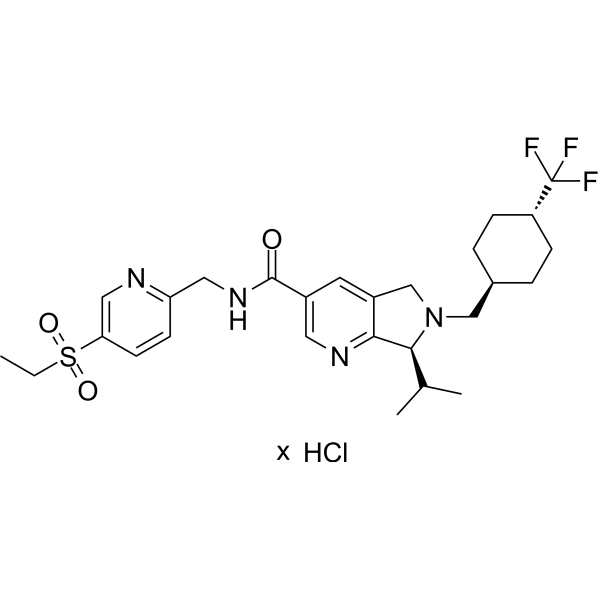
Vimirogant (VTP-43742) hydrochloride is a potent, selective, and orally active RORγt inhibitor (Ki=3.5 nM; IC50=17 nM). Vimirogant hydrochloride exhibits >1000-fold selectivity versus the RORα and RORβ isotypes. Vimirogant hydrochloride inhibits Th17 differentiation and IL-17A secretion from mouse splenocytes (IC50=57 nM) without affecting Th1, Th2, or Treg cell differentiation. Vimirogant hydrochloride has the potential for autoimmune disorders research .
|
-
-
- HY-176535
-
|
BBC0115
|
Epigenetic Reader Domain
Interleukin Related
STAT
|
Inflammation/Immunology
|
|
KB-0118 (BBC0115) is an orally active BET bromodomain inhibitor. KB-0118 selective binds to BRD2 and BRD4 over BRD3, with Kd values of 36.7 μM for BRD2 BD1 and 47.4 μM for BRD4 BD1. KB-0118 inhibits pro-inflammatory cytokines, including TNF, IL-1β, and IL-23a and selectively suppresses Th17 cell differentiation. KB-0118 modulates Th17-driven inflammation occurs through epigenetic suppression of BRD4, confirmed by downregulation of STAT3 and BRD4 target genes. KB-0118 has immunomodulatory effects in inflammatory bowel disease (IBD) model.
|
-
-
- HY-P991274
-
|
|
Interleukin Related
|
Inflammation/Immunology
|
|
BMS-986010 is a monoclonal antibody inhibitor targeting the p19 subunit of interleukin-23 (IL-23). BMS-986010 reduces IL-23-induced STAT3 phosphorylation and inhibits Th17 cell differentiation and the release of proinflammatory cytokines (such as IL-17 and TNF-α). BMS-986010 is promising for research of autoimmune diseases such as psoriasis and Crohn's disease .
|
-
-
- HY-164454
-
|
|
Aurora Kinase
STAT
JAK
Mitosis
|
Inflammation/Immunology
|
|
AJI-100 is a dual-target inhibitor of Aurora kinase A and JAK2 with IC50 values of 12.7 nM and 18.5 nM, respectively. AJI-100 directly blocks Aurora kinase A to inhibit T cell mitosis and cell polarity, and inhibits JAK2 activation to inhibit STAT3 phosphorylation, thereby reducing the differentiation of TH1 and TH17 cells. AJI-100 can be used in studies on regulating immune responses and preventing graft-versus-host disease (GVHD) .
|
-
-
- HY-100754A
-
|
PF-06651600 malonate
|
JAK
Interleukin Related
STAT
|
Inflammation/Immunology
|
|
Ritlecitinib (PF-06651600) malonate is a highly selective, orally active, irreversible covalent JAK3 inhibitor (IC50=33 nM) without inhibitory activity towards JAK1, JAK2, and TYK2 (IC50 >10 μ M). Ritlecitinib malonate rapidly inactivates the JAK3 kinase, and blocks signaling and downstream STAT phosphorylation mediated by common gamma chain cytokines such as IL-2 and IL-15. Ritlecitinib malonate can inhibit Th1/Th17 cell differentiation and function, and effectively suppress preclinical animal models such as alopecia areata, adjuvant-induced arthritis (AIA), and experimental autoimmune encephalomyelitis (EAE) .
|
-
-
- HY-112863
-
|
|
ROR
|
Inflammation/Immunology
|
|
RORγt inhibitor 3 is an orally active and potent retinoic acid receptor-related orphan receptor-gamma-t (RORγt) inhibitor. RORγt inhibitor 3 shows high binding affinity and inhibitory activity of Th17 cell differentiation. RORγt inhibitor 3 also shows efficacy in both mouse experimental autoimmune encephalomyelitis (EAE) and collagen induced arthritis (CIA) models .
|
-
-
- HY-176273
-
|
|
ROR
Interleukin Related
|
Inflammation/Immunology
|
|
RORγt inverse agonist 35 (Compound 22) is a RORγt inverse agonist with an IC50 of 1.51 μM. RORγt inverse agonist 35 significantly inhibits Th17 differentiation and proinflammatory properties in human CD4 + T cells. RORγt inverse agonist 35 can be used for research of Th17-driven autoimmune diseases, such as psoriasis, multiple sclerosis, and inflammatory bowel disease (IBD) .
|
-
-
- HY-N16465
-
|
|
Apoptosis
Reactive Oxygen Species (ROS)
STAT
|
Inflammation/Immunology
|
|
Cinnamtannin D1 is an orally active polyphenolic compound with immunosuppressive activity. Cinnamtannin D1 regulates the balance of Th17/Treg cells by inhibiting AHR expression. Cinnamtannin D1 reduces apoptosis and ROS in INS-1 cells and primary cultured murine islets induced by Palmitic acid (PA) (HY-N0830). Cinnamtannin D1 reduces Th17 cell differentiation via downregulating p-STAT3/RORγt and promotes Treg cell differentiation via upregulating p-STAT5/Foxp3. Cinnamtannin D1 exerts excellent anti-arthritic efficacy in collagen-induced arthritis (CIA) model of mice. Cinnamtannin D1 can be used for the study of rheumatoid arthritis (RA) .
|
-
-
- HY-N7501R
-
|
|
Reference Standards
Others
|
Metabolic Disease
Inflammation/Immunology
|
|
Isoformononetin (Standard) is the analytical standard of Isoformononetin. This product is intended for research and analytical applications. Isoformononetin is an analog of Daidzein (HY-N0019) and has immunoprotective effects. Isoformononetin inhibits the differentiation of Th17 and B-cells lymphopoesis to promote osteogenesis in estrogen-deficient bone loss conditions .
|
-
-
- HY-N7501S
-
|
|
Isotope-Labeled Compounds
|
Inflammation/Immunology
|
|
Isoformononetin-d3 is the deuterium labeled Isoformononetin (HY-N7501). Isoformononetin is an analog of Daidzein (HY-N0019) and has immunoprotective effects. Isoformononetin inhibits the differentiation of Th17 and B-cells lymphopoesis to promote osteogenesis in estrogen-deficient bone loss conditions .
|
-
-
- HY-113238F
-
|
FITC-SulfoliThocholic acid
|
Fluorescent Dye
|
Others
|
|
FITC-Lithocholic acid 3-sulfate (FITC-Sulfolithocholic acid) is a FITC-labeled Lithocholic acid 3-sulfate, which is a sulfated biliary metabolite. Lithocholic acid 3-sulfate selectively inhibits Th17 cell differentiation by targeting RORγt. Lithocholic acid 3-sulfate can be used for the research of pathogenesis of cholestatic liver diseases .
|
-
-
- HY-142806
-
|
|
ROR
|
Inflammation/Immunology
|
|
RORγt inverse agonist 26 is a potent reverse agonist of RORγt. RORγt inverse agonist 26 regulates the differentiation of Th17 cells and inhibits the production of IL-17. RORγt inverse agonist 26 has the potential for the research of inflammation and autoimmune diseases (extracted from patent WO2021228215A1, compound 1) .
|
-
-
- HY-142703
-
|
|
ROR
|
Inflammation/Immunology
|
|
RORγt inverse agonist 28 is a potent reverse agonist of RORγt. RORγt inverse agonist 28 regulates the differentiation of Th17 cells and inhibits the production of IL-17. RORγt inverse agonist 28 has the potential for the research of inflammation and autoimmune diseases (extracted from patent WO2021228215A1, compound 6) .
|
-
-
- HY-142938
-
|
|
ROR
|
Inflammation/Immunology
|
|
RORγt agonist 3 is a potent agonist of RORγt. RORγt agonist 3 promotes the differentiation of Th17 cells and enhances the levels of pro-inflammatory cytokines, thereby increasing the cytotoxicity of lymphocytes. RORγt agonist 3 inhibits the production of regulatory T cells, which suppresses the immune response (extracted from patent WO2021136326A1, compound 23) .
|
-
-
- HY-142937
-
|
|
ROR
|
Inflammation/Immunology
|
|
RORγt agonist 2 is a potent agonist of RORγt. RORγt agonist 2 promotes the differentiation of Th17 cells and enhances the levels of pro-inflammatory cytokines, thereby increasing the cytotoxicity of lymphocytes. RORγt agonist 2 inhibits the production of regulatory T cells, which suppresses the immune response (extracted from patent WO2021136339A1, compound 17) .
|
-
-
- HY-155680
-
|
|
Epigenetic Reader Domain
|
Inflammation/Immunology
|
|
BET BD2-IN-1 (compound 45) is a potent and selective inhibitor of BET BD2 (IC50=1.6 nM). BET BD2-IN-1 inhibits the differentiation of Th17 cells by decreasing the activation of STAT3 and NF-κB. BET BD2-IN-1 is used in psoriasis and inflammatory bowel disease (IBD) research .
|
-
-
- HY-164455
-
|
|
STAT
JAK
Aurora Kinase
Mitosis
|
Inflammation/Immunology
|
|
AJI-214 is a dual-target inhibitor of Aurora kinase A and JAK2. AJI-214 directly blocks Aurora kinase A to inhibit T cell mitotic progression and cell polarity, and inhibits JAK2 activation to inhibit STAT3 phosphorylation, thereby reducing the differentiation of TH1 and TH17 cells. AJI-214 can be used in studies on regulating immune responses and preventing graft-versus-host disease (GVHD) .
|
-
-
- HY-P990177
-
|
|
Notch
Influenza Virus
|
Infection
Inflammation/Immunology
|
|
Anti-Mouse Notch4 Antibody (HMN4-14) is an anti-mouse Notch4 IgG monoclonal antibody. Anti-Mouse Notch4 Antibody (HMN4-14) reduces inflammation by restoring the expression of bispecific proteins. Anti-Mouse Notch4 Antibody (HMN4-14) can inhibit Th2/Th17 cell differentiation and improve Treg cell function. Anti-Mouse Notch4 Antibody (HMN4-14) can be used for research on inflammation conditions such as viral pneumonia and airway inflammation .
|
-
-
- HY-N0723R
-
|
|
Reference Standards
Autophagy
p38 MAPK
TNF Receptor
Interleukin Related
PPAR
|
Metabolic Disease
Inflammation/Immunology
|
|
Neomangiferin (Standard) is the analytical standard of Neomangiferin. This product is intended for research and analytical applications. Neomangiferin is an orally active natural flavonoid. Neomangiferin partially ameliorates non-alcoholic fatty liver disease (NAFLD) by regulating the expression of genes related to free fatty acid uptake and lipid oxidation. Neomangiferin exerts anti-colitis effects by inhibiting Th17/Treg cell differentiation. Neomangiferin exerts anti-aging and lifespan-extending effects by targeting upregulation of bas-1, which in turn activates the autophagy, IIS and MAPK pathways. Neomangiferin has the potential to prevent aseptic loosening of prostheses after total joint arthroplasty due to its significant anti-inflammatory and osteoclastogenesis-inhibiting effects.
|
-
-
- HY-177277
-
|
|
PI3K
|
Inflammation/Immunology
|
|
HM5023507 is an orally active and selective PI3Kδ/γ inhibitor with IC50s of 4 and 5 μM for PI3Kδ and PI3Kγ over PI3Kβ and PI3Kα. HM5023507 attenuates the PI3Kδ/γ signaling in human basophils. HM5023507 also attenuates the activation and function of human B and T cells and cytokine and IgG production during cocultures, and Th17 differentiation of CD4 T cells. HM5023507 inhibited semiestablished collagen-induced arthritic inflammation in the rat models. HM5023507 can be used for inflammatory diseases like rheumatoid arthritis research .
|
-
-
- HY-P990252
-
|
|
Notch
Interleukin Related
NF-κB
VEGFR
FGFR
NO Synthase
|
Metabolic Disease
Inflammation/Immunology
Cancer
|
|
Anti-Mouse Delta-like protein 4/DLL4 Antibody (HMD4-2) is an anti-mouse Delta-like protein 4/DLL4 IgG monoclonal antibody. Anti-Mouse Delta-like protein 4/DLL4 Antibody (HMD4-2) can reduce angiogenesis and density by blocking the DLL4-Notch signaling pathway. Anti-Mouse Delta-like protein 4/DLL4 Antibody (HMD4-2) reduces inflammatory response by decreasing NF-κB activity and pro-inflammatory factors (IL-1β, iNOS, IL-6) levels. Anti-Mouse Delta-like protein 4/DLL4 Antibody (HMD4-2) can inhibit Th17 cell differentiation and IL-17A production. Anti-Mouse Delta-like protein 4/DLL4 Antibody (HMD4-2) can reduce macrophage infiltration and alleviate insulin resistance. Anti-Mouse Delta-like protein 4/DLL4 Antibody (HMD4-2) can be used for researches on inflammation, metabolic conditions and cancer such as atherosclerosis, pancreatic cancer and asthma .
|
-
-
- HY-125801R
-
|
DehydroliThocholic acid (Standard); 3-oxoLCA (Standard)
|
Reference Standards
ROR
|
Inflammation/Immunology
|
|
3-Oxo-5β-cholanoic acid (Standard) is the analytical standard of 3-Oxo-5β-cholanoic acid. This product is intended for research and analytical applications. 3-Oxo-5β-cholanoic acid (Dehydrolithocholic acid), a bile acid metabolite, inhibits the diferentiation of TH17 cells by directly binding to the key transcription factor RORγt (Kd=1.13 μM)[1].
|
-
-
- HY-100754R
-
|
PF-06651600 (Standard)
|
JAK
Reference Standards
Interleukin Related
STAT
|
Inflammation/Immunology
|
|
Ritlecitinib (Standard) is the analytical standard of Ritlecitinib (HY-100754). This product is intended for research and analytical applications. Ritlecitinib (PF-06651600) is a highly selective, orally active, irreversible covalent JAK3 inhibitor (IC50=33 nM) without inhibitory activity towards JAK1, JAK2, and TYK2 (IC50 >10 μ M). Ritlecitinib rapidly inactivates the JAK3 kinase, and blocks signaling and downstream STAT phosphorylation mediated by common gamma chain cytokines such as IL-2 and IL-15. Ritlecitinib can inhibit Th1/Th17 cell differentiation and function, and effectively suppress preclinical animal models such as alopecia areata, adjuvant-induced arthritis (AIA), and experimental autoimmune encephalomyelitis (EAE) .
|
-
-
- HY-100754CR
-
|
PF-06651600 tosylate (Standard)
|
JAK
Reference Standards
Interleukin Related
STAT
|
Inflammation/Immunology
|
|
Ritlecitinib (tosylate) (Standard) is the analytical standard of Ritlecitinib (tosylate) (HY-100754C). This product is intended for research and analytical applications. Ritlecitinib (PF-06651600) tosylate is a highly selective, orally active, irreversible covalent JAK3 inhibitor (IC50=33 nM) without inhibitory activity towards JAK1, JAK2, and TYK2 (IC50 >10 μ M). Ritlecitinib tosylate rapidly inactivates the JAK3 kinase, and blocks signaling and downstream STAT phosphorylation mediated by common gamma chain cytokines such as IL-2 and IL-15. Ritlecitinib tosylate can inhibit Th1/Th17 cell differentiation and function, and effectively suppress preclinical animal models such as alopecia areata, adjuvant-induced arthritis (AIA), and experimental autoimmune encephalomyelitis (EAE) .
|
-
| Cat. No. |
Product Name |
Type |
-
- HY-113238F
-
|
FITC-SulfoliThocholic acid
|
Fluorescent Dyes
|
|
FITC-Lithocholic acid 3-sulfate (FITC-Sulfolithocholic acid) is a FITC-labeled Lithocholic acid 3-sulfate, which is a sulfated biliary metabolite. Lithocholic acid 3-sulfate selectively inhibits Th17 cell differentiation by targeting RORγt. Lithocholic acid 3-sulfate can be used for the research of pathogenesis of cholestatic liver diseases .
|
| Cat. No. |
Product Name |
Type |
-
- HY-113238A
-
|
SulfoliThocholic acid disodium; LCAS disodium
|
Biochemical Assay Reagents
|
|
Lithocholic acid 3-sulfate disodium is a GPR39 agonist, with EC50 values of 41 μM and 42.4 μM in M39-20 and hGPR39-2 cells, respectively, in the absence of Zn 2+, and 0.88 μM and 0.97 μM in the presence of Zn 2+. Lithocholic acid 3-sulfate disodium acts as a RORγt ligand. Lithocholic acid 3-sulfate disodium stimulates the GPR39 receptor to initiate intracellular calcium signaling, independent of the Zn 2+-binding sites H17 and H19. LCA-3-S selectively inhibits Th17 cell differentiation by targeting RORγt. Lithocholic acid 3-sulfate disodium can be used in the research of cholestatic liver diseases .
|
| Cat. No. |
Product Name |
Target |
Research Area |
Image |
-
- HY-P990145
-
|
|
VISTA
|
Inflammation/Immunology
Cancer
|
|
Anti-Mouse VISTA Antibody (13F3) is an anti-mouse VISTA IgG monoclonal antibody. Anti-Mouse VISTA Antibody (13F3) can reverse the immunosuppressive effect of VISTA by blocking its binding to ligands such as VSIG3. Anti-Mouse VISTA Antibody (13F3) exacerbates pulmonary fibrosis (PF) by promoting Th17 cell differentiation. Anti-Mouse VISTA Antibody (13F3) can be used for research on cancer such as breast cancer and PF .
|
-
(5)
-
- HY-P990796
-
|
|
Interleukin Related
|
Inflammation/Immunology
Cancer
|
|
Anti-Mouse IL-2 Antibody (S4B6-1) is an anti-mouse IL-2 IgG2a monoclonal antibody. Anti-Mouse IL-2 Antibody (S4B6-1) can reduce CD4 + T cells and increase Tregs. Anti-Mouse IL-2 Antibody (S4B6-1) can induce Th17 cell differentiation. Anti-Mouse IL-2 Antibody (S4B6-1) can be used for research on cancer such as melanoma. The recommend isotype control of Anti-Mouse IL-2 Antibody (S4B6-1): Rat IgG2a kappa, Isotype Control (HY-P990679) .
|
-
(5)
-
- HY-P991274
-
|
|
Interleukin Related
|
Inflammation/Immunology
|
|
BMS-986010 is a monoclonal antibody inhibitor targeting the p19 subunit of interleukin-23 (IL-23). BMS-986010 reduces IL-23-induced STAT3 phosphorylation and inhibits Th17 cell differentiation and the release of proinflammatory cytokines (such as IL-17 and TNF-α). BMS-986010 is promising for research of autoimmune diseases such as psoriasis and Crohn's disease .
|
-
(5)
-
- HY-P990177
-
|
|
Notch
Influenza Virus
|
Infection
Inflammation/Immunology
|
|
Anti-Mouse Notch4 Antibody (HMN4-14) is an anti-mouse Notch4 IgG monoclonal antibody. Anti-Mouse Notch4 Antibody (HMN4-14) reduces inflammation by restoring the expression of bispecific proteins. Anti-Mouse Notch4 Antibody (HMN4-14) can inhibit Th2/Th17 cell differentiation and improve Treg cell function. Anti-Mouse Notch4 Antibody (HMN4-14) can be used for research on inflammation conditions such as viral pneumonia and airway inflammation .
|
-
(5)
-
- HY-P990252
-
|
|
Notch
Interleukin Related
NF-κB
VEGFR
FGFR
NO Synthase
|
Metabolic Disease
Inflammation/Immunology
Cancer
|
|
Anti-Mouse Delta-like protein 4/DLL4 Antibody (HMD4-2) is an anti-mouse Delta-like protein 4/DLL4 IgG monoclonal antibody. Anti-Mouse Delta-like protein 4/DLL4 Antibody (HMD4-2) can reduce angiogenesis and density by blocking the DLL4-Notch signaling pathway. Anti-Mouse Delta-like protein 4/DLL4 Antibody (HMD4-2) reduces inflammatory response by decreasing NF-κB activity and pro-inflammatory factors (IL-1β, iNOS, IL-6) levels. Anti-Mouse Delta-like protein 4/DLL4 Antibody (HMD4-2) can inhibit Th17 cell differentiation and IL-17A production. Anti-Mouse Delta-like protein 4/DLL4 Antibody (HMD4-2) can reduce macrophage infiltration and alleviate insulin resistance. Anti-Mouse Delta-like protein 4/DLL4 Antibody (HMD4-2) can be used for researches on inflammation, metabolic conditions and cancer such as atherosclerosis, pancreatic cancer and asthma .
|
-
(5)
| Cat. No. |
Product Name |
Category |
Target |
Chemical Structure |
-
- HY-N2279
-
-
-
- HY-N0723
-
-
-
- HY-N7501
-
-
-
- HY-145491
-
|
|
Structural Classification
Ketones, Aldehydes, Acids
Endogenous metabolite
Source Classification
|
ERK
NF-κB
CCR
|
|
Resolvin D5 is an anti-inflammatory and analgesic agent produced in M2 macrophages. Resolvin D5 alleviates Paclitaxel (HY-B0015)-induced mechanical allodynia and inflammatory pain by activating the GPR32 receptor, with gender specificity (effective only in male mice) and independence from TRPV1 or TRPA1 channels. Resolvin D5 attenuates LPS-induced ERK phosphorylation and NF-κB nuclear translocation, downregulates proinflammatory mediators such as IL-6 and CCL5, inhibits Th17 cell differentiation and osteoclastogenesis, promotes regulatory T cell differentiation, and shows no cytotoxicity to human monocytes. The level of Resolvin D5 is elevated in arthritic SKG mice, but Resolvin D5 has no effect on dendritic cell differentiation or M1 macrophage polarization, nor does it prevent ZyA-induced arthritis progression. Resolvin D5 is suitable for research related to chemotherapy-induced peripheral neuropathy, inflammatory pain and rheumatoid arthritis .
|
-
-
- HY-N16465
-
|
|
Phenols
Polyphenols
Plants
Lauraceae
Lindera glauca (Siebold & Zucc.) Blume
Source Classification
|
Apoptosis
Reactive Oxygen Species (ROS)
STAT
|
|
Cinnamtannin D1 is an orally active polyphenolic compound with immunosuppressive activity. Cinnamtannin D1 regulates the balance of Th17/Treg cells by inhibiting AHR expression. Cinnamtannin D1 reduces apoptosis and ROS in INS-1 cells and primary cultured murine islets induced by Palmitic acid (PA) (HY-N0830). Cinnamtannin D1 reduces Th17 cell differentiation via downregulating p-STAT3/RORγt and promotes Treg cell differentiation via upregulating p-STAT5/Foxp3. Cinnamtannin D1 exerts excellent anti-arthritic efficacy in collagen-induced arthritis (CIA) model of mice. Cinnamtannin D1 can be used for the study of rheumatoid arthritis (RA) .
|
-
-
- HY-N7501R
-
-
-
- HY-N0723R
-
|
|
Structural Classification
Liliaceae
Xanthones
Phenols
Polyphenols
Anemarrhena asphodeloides Bunge
Plants
Source Classification
|
Reference Standards
Autophagy
p38 MAPK
TNF Receptor
Interleukin Related
PPAR
|
|
Neomangiferin (Standard) is the analytical standard of Neomangiferin. This product is intended for research and analytical applications. Neomangiferin is an orally active natural flavonoid. Neomangiferin partially ameliorates non-alcoholic fatty liver disease (NAFLD) by regulating the expression of genes related to free fatty acid uptake and lipid oxidation. Neomangiferin exerts anti-colitis effects by inhibiting Th17/Treg cell differentiation. Neomangiferin exerts anti-aging and lifespan-extending effects by targeting upregulation of bas-1, which in turn activates the autophagy, IIS and MAPK pathways. Neomangiferin has the potential to prevent aseptic loosening of prostheses after total joint arthroplasty due to its significant anti-inflammatory and osteoclastogenesis-inhibiting effects.
|
-
| Cat. No. |
Product Name |
Chemical Structure |
-
- HY-N7501S
-
|
|
|
Isoformononetin-d3 is the deuterium labeled Isoformononetin (HY-N7501). Isoformononetin is an analog of Daidzein (HY-N0019) and has immunoprotective effects. Isoformononetin inhibits the differentiation of Th17 and B-cells lymphopoesis to promote osteogenesis in estrogen-deficient bone loss conditions .
|
-
Your information is safe with us. * Required Fields.
Inquiry Information
- Product Name:
- Cat. No.:
- Quantity:
- MCE Japan Authorized Agent:

