1. Search Result
Search Result
Results for "

TrkB receptor

" in MedChemExpress (MCE) Product Catalog:

24

Inhibitors & Agonists

1

Peptides

2

Natural
Products

13

Recombinant Proteins

3

Isotope-Labeled Compounds

2

Antibodies

Targets Recommended:
Cat. No. Product Name Target Research Areas Chemical Structure
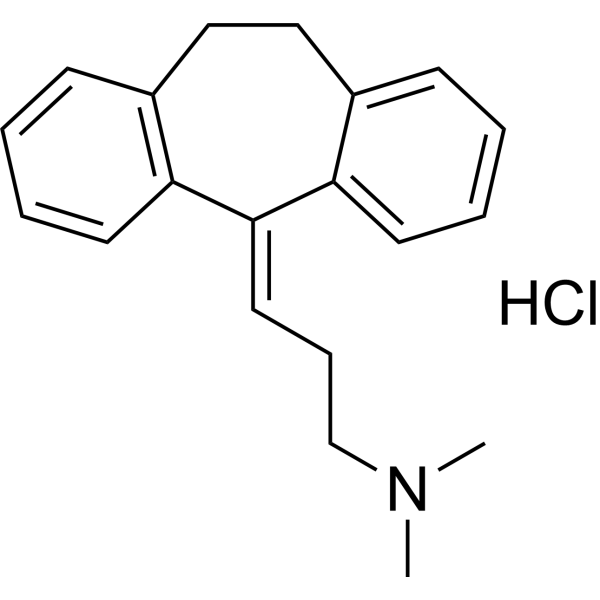
  • HY-B0527A
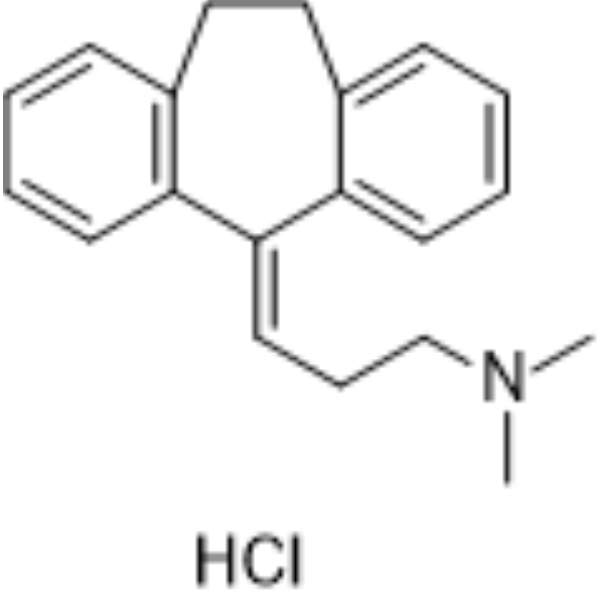
    Amitriptyline hydrochloride
    5+ Cited Publications

    Serotonin Transporter 5-HT Receptor mAChR Histamine Receptor Adrenergic Receptor Trk Receptor Sodium Channel Potassium Channel Dopamine Transporter Apoptosis Neurological Disease Inflammation/Immunology Endocrinology
    Amitriptyline hydrochloride is an orally active tricyclic antidepressant (TCA). Amitriptyline hydrochloride mainly exerts its antidepressant effect by blocking SERT (Ki = 3.45 nM) and NET (Ki = 13.3 nM), thereby increasing the concentrations of 5-hydroxytryptamine (5-HT) and norepinephrine (NE) in the synaptic cleft. Amitriptyline hydrochloride is also an agonist at α2A and TrkA/TrkB receptors, thereby exerting analgesic and neurotrophic activities (inhibiting cell apoptosis). Amitriptyline hydrochloride can reduce inflammation, angiogenesis and fibrosis. Amitriptyline hydrochloride binds to DAT (with Ki = 2.58 μM). Amitriptyline hydrochloride has high affinity for a series of receptors and can antagonize muscarinic cholinergic receptors (M1/M2/M3/M4/M5 receptors) (Ki = 11-24 nM), H1 receptors (Ki = 0.5-1.1 nM), adrenergic α1 receptors (Ki = 4.4 nM), etc., resulting in a series of side effects. Amitriptyline hydrochloride can block sodium channels and hERG potassium channel (IC50 = 4.78 μM) and it has cardiotoxicity .
    Amitriptyline hydrochloride
  • HY-13491
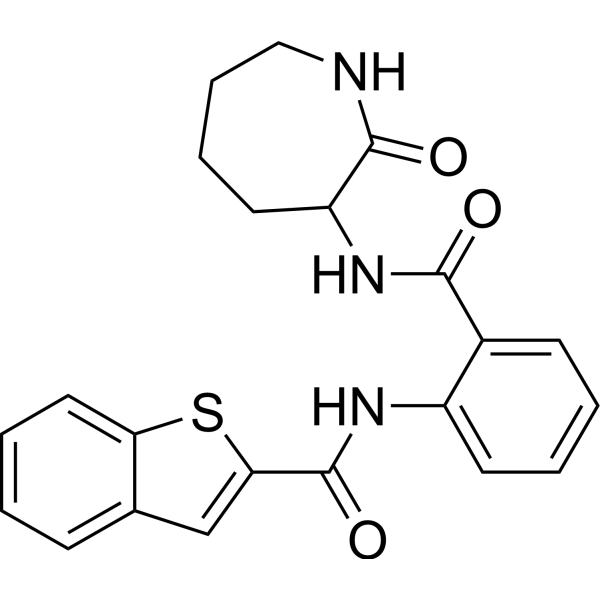
    GNF-5837
    4 Publications Verification

    Trk Receptor Cancer
    GNF-5837 is a potent, selective, and orally bioavailable pan-tropomyosin receptor kinase (TRK) inhibitor which display antiproliferative effects in cellular Ba/F3 assays ( IC50 values of 7 nM, 9 nM and 11 nM for cells containing the fusion proteins Tel-TrkC, Tel-TrkB and Tel-TrkA, respectively) .
    GNF-5837
  • HY-16961
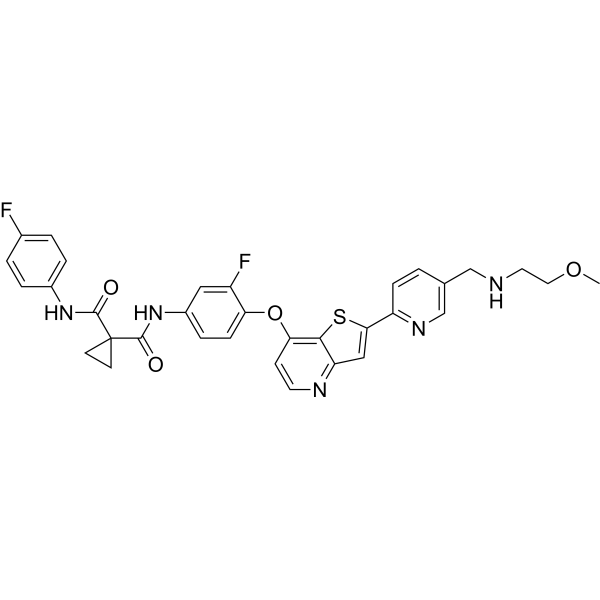
    Sitravatinib
    5+ Cited Publications

    MGCD516; MG-516

    VEGFR c-Kit FLT3 Discoidin Domain Receptor Trk Receptor Inflammation/Immunology Cancer
    Sitravatinib (MGCD516) is an orally bioavailable receptor tyrosine kinase (RTK) inhibitor with IC50s of 1.5 nM, 2 nM, 2 nM, 5 nM, 6 nM, 6 nM, 8 nM, 0.5 nM, 29 nM, 5 nM, and 9 nM for Axl, MER, VEGFR3, VEGFR2, VEGFR1, KIT, FLT3, DDR2, DDR1, TRKA, TRKB, respectively . Sitravatinib shows potent single-agent antitumor efficacy and enhances the activity of PD-1 blockade through promoting an antitumor immune microenvironment .
    Sitravatinib
  • HY-B0527
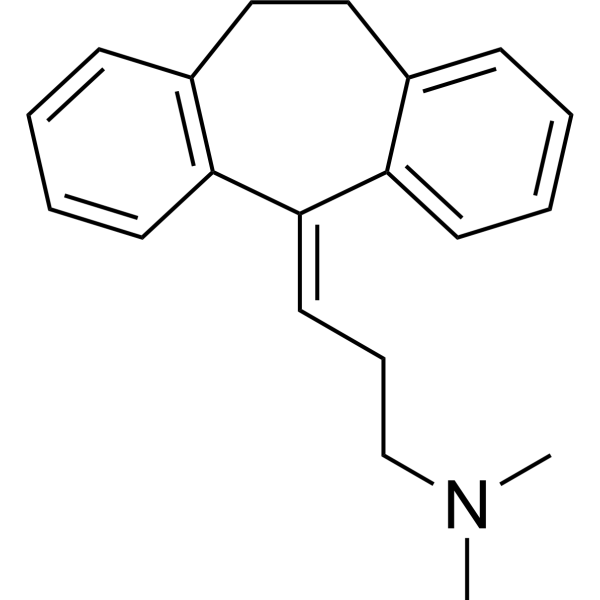
    Amitriptyline
    5+ Cited Publications

    Serotonin Transporter Trk Receptor Sodium Channel 5-HT Receptor Histamine Receptor Adrenergic Receptor mAChR Potassium Channel Dopamine Transporter Apoptosis Neurological Disease Inflammation/Immunology Endocrinology
    Amitriptyline is an orally active tricyclic antidepressant (TCA). Amitriptyline mainly exerts its antidepressant effect by blocking SERT (Ki = 3.45 nM) and NET (Ki = 13.3 nM), thereby increasing the concentrations of 5-hydroxytryptamine (5-HT) and norepinephrine (NE) in the synaptic cleft. Amitriptyline is also an agonist at α2A and TrkA/TrkB receptors, thereby exerting analgesic and neurotrophic activities (inhibiting cell apoptosis). Amitriptyline can reduce inflammation, angiogenesis and fibrosis. Amitriptyline binds to DAT (with Ki = 2.58 μM). Amitriptyline has high affinity for a series of receptors and can antagonize muscarinic cholinergic receptors (M1/M2/M3/M4/M5 receptors) (Ki = 11-24 nM), H1 receptors (Ki = 0.5-1.1 nM), adrenergic α1 receptors (Ki = 4.4 nM), etc., resulting in a series of side effects. Amitriptyline can block sodium channels and hERG potassium channel (IC50 = 4.78 μM) and it has cardiotoxicity .
    Amitriptyline
  • HY-107854
    N-Acetyl-5-hydroxytryptamine
    3 Publications Verification

    N-Acetylserotonin; Normelatonin; O-Demethylmelatonin

    Endogenous Metabolite Trk Receptor Neurological Disease
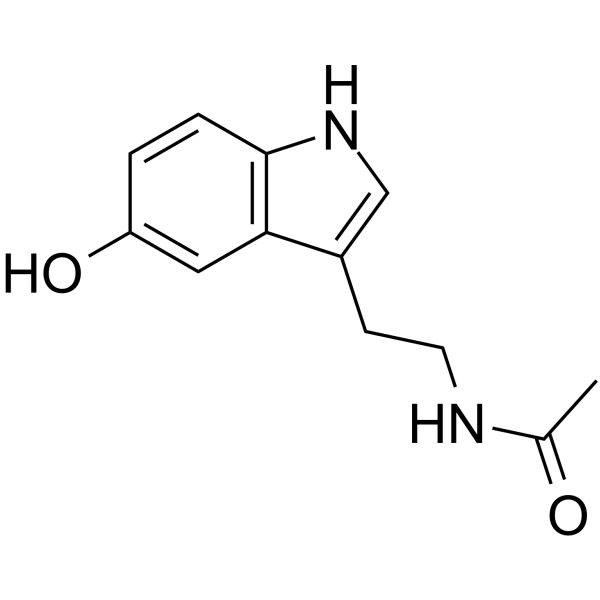
    N-Acetyl-5-hydroxytryptamine is a Melatonin precursor, and that it can potently activate TrkB receptor.
    N-Acetyl-5-hydroxytryptamine
  • HY-104047
    LM22B-10
    Maximum Cited Publications
    20 Publications Verification

    Trk Receptor Akt ERK Neurological Disease
    LM22B-10 is an activator of TrkB/TrkC neurotrophin receptor, and can induce TrkB, TrkC, AKT and ERK activation in vitro and in vivo.
    LM22B-10
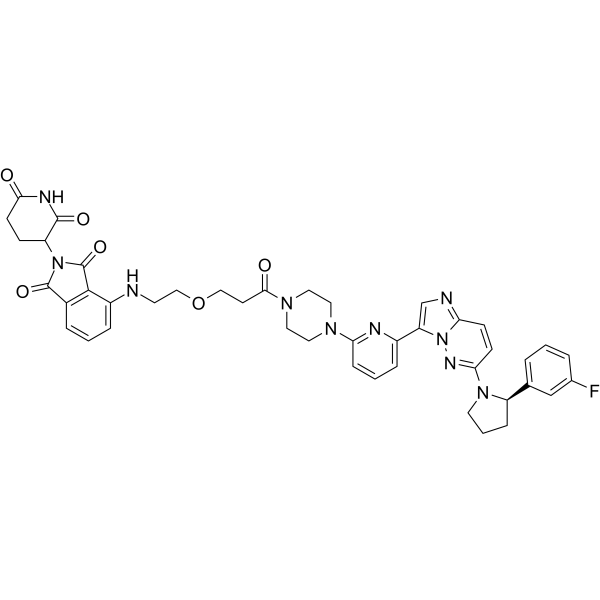
  • HY-137465

    PROTACs Trk Receptor Cancer
    CG428 is a potent and selective CRBN-dependent tropomyosin receptor kinase (TRK) PROTAC degrader that has anti-tumor activity. CG428 reduces levels of the tropomyosin 3 TPM3-TRKA fusion protein in KM12 colorectal carcinoma cells (DC50 = 0.36 nM) and inhibits downstream PLCγ1 phosphorylation (IC50 = 0.33 nM). CG428 has a higher binding affinity for TRKA than TRKB and TRKC (Kd = 1 nM, 28 nM and 4.2 nM, respectively). CG428 can be used for the research of colorectal carcinoma .
    CG428
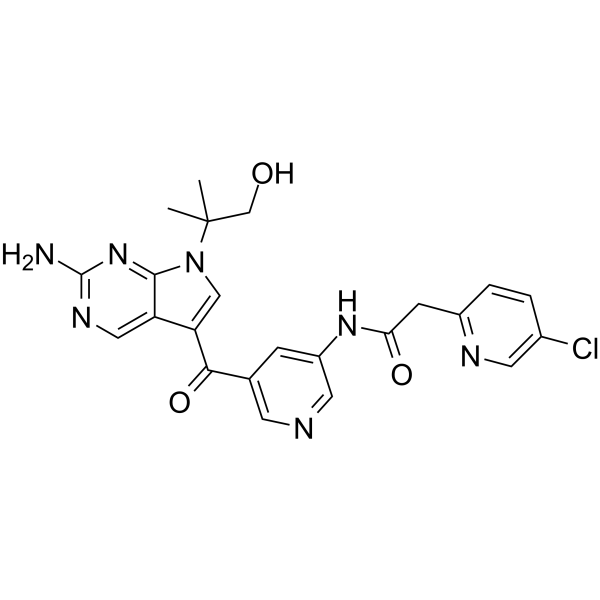
  • HY-122616

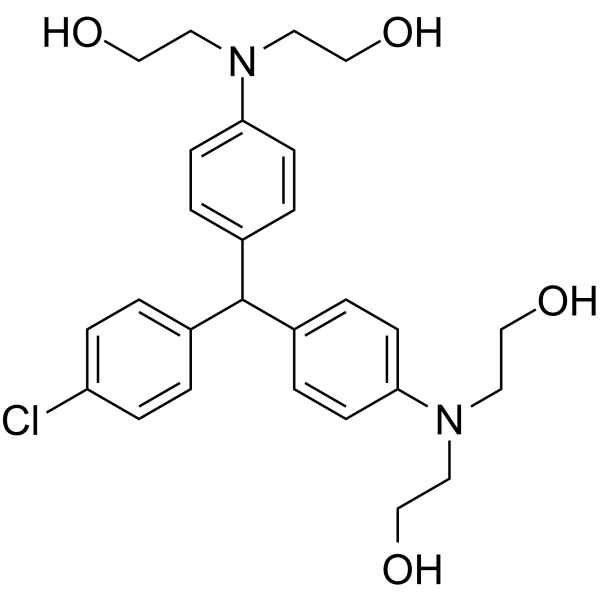
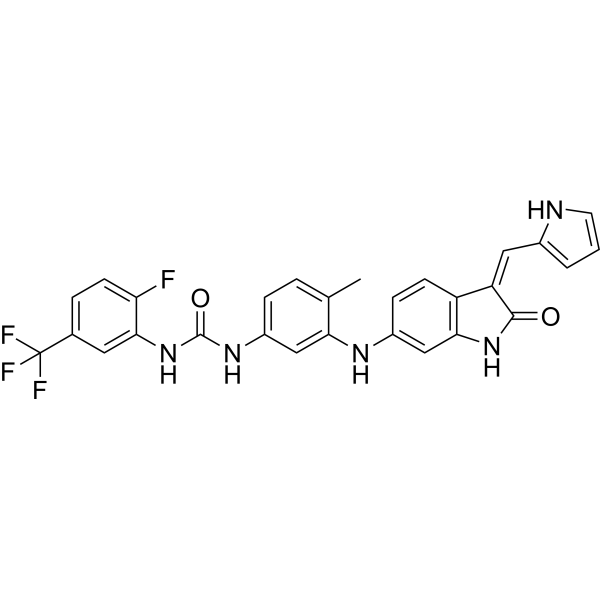
    Trk Receptor Neurological Disease
    PF-06273340 is a peripherally restricted pan-Trk inhibitor with IC50 values of 6, 4, 3 nM for TrkA, TrkB, and TrkC receptors. PF-06273340 binds in a DFG-out conformation, targeting less conserved kinase ligand binding domain regions outside the ATP binding pocket. PF-06273340 exhibits anti-hyperalgesic and analgesic effects. PF-06273340 can be used for the research of pain .
    PF-06273340
  • HY-101446

    Trk Receptor ERK Apoptosis Neurological Disease
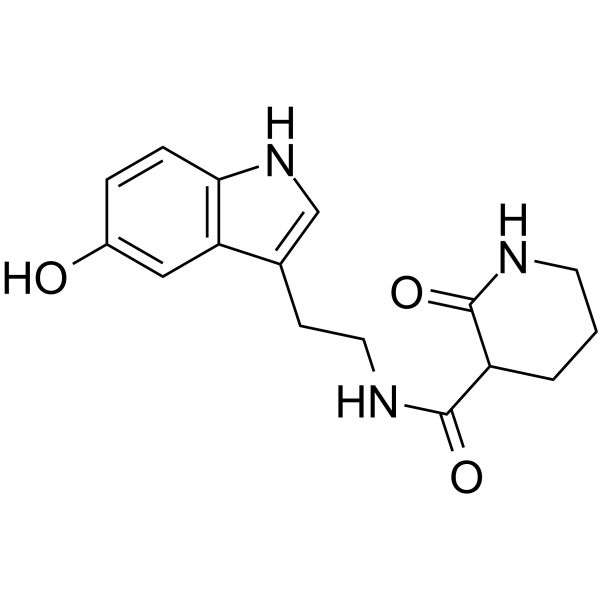
    HIOC is a potent and selective activator of TrkB (tropomyosin related kinase B) receptor. HIOC can pass the blood-brain and blood-retinal barriers.HIOC activates TrkB/ERK pathway and decreases neuronal cell apoptosis. HIOC attenuates early brain injury after SAH (subarachnoid hemorrhage). HIOC shows protective activity in an animal model for light-induced retinal degeneration .
    HIOC
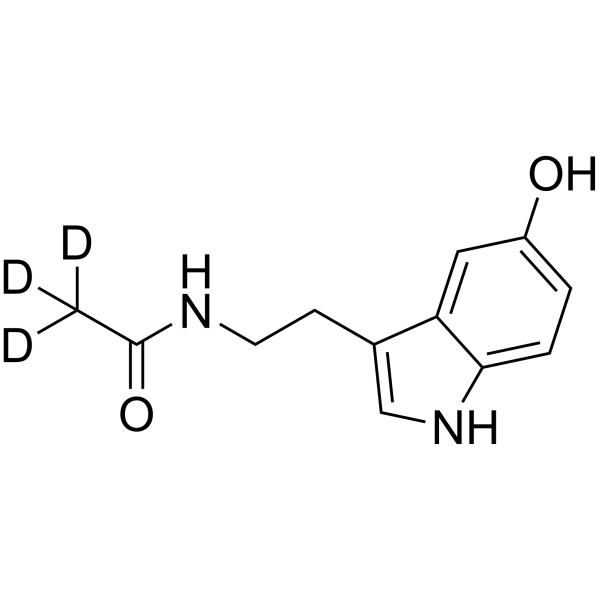
  • HY-107854S

    N-Acetylserotonin-d3; Normelatonin-d3; O-Demethylmelatonin-d3

    Endogenous Metabolite Trk Receptor Neurological Disease
    N-Acetyl-5-hydroxytryptamine-d3 is the deuterium labeled N-Acetyl-5-hydroxytryptamine. N-Acetyl-5-hydroxytryptamine is a Melatonin precursor, and that it can potently activate TrkB receptor .
    N-Acetyl-5-hydroxytryptamine-d3
  • HY-B0527AR
    Amitriptyline hydrochloride (Standard)
    4 Publications Verification

    Reference Standards Serotonin Transporter 5-HT Receptor Histamine Receptor mAChR Adrenergic Receptor Trk Receptor Sodium Channel Potassium Channel Dopamine Transporter Apoptosis Neurological Disease Inflammation/Immunology Endocrinology
    Amitriptyline hydrochloride (Standard) is the analytical standard of Amitriptyline hydrochloride (HY-B0527A). This product is intended for research and analytical applications. Amitriptyline hydrochloride is an orally active tricyclic antidepressant (TCA). Amitriptyline hydrochloride mainly exerts its antidepressant effect by blocking SERT (Ki = 3.45 nM) and NET (Ki = 13.3 nM), thereby increasing the concentrations of 5-hydroxytryptamine (5-HT) and norepinephrine (NE) in the synaptic cleft. Amitriptyline hydrochloride is also an agonist at α2A and TrkA/TrkB receptors, thereby exerting analgesic and neurotrophic activities (inhibiting cell apoptosis). Amitriptyline hydrochloride can reduce inflammation, angiogenesis and fibrosis. Amitriptyline hydrochloride binds to DAT (with Ki = 2.58 μM). Amitriptyline hydrochloride has high affinity for a series of receptors and can antagonize muscarinic cholinergic receptors (M1/M2/M3/M4/M5 receptors) (Ki = 11-24 nM), H1 receptors (Ki = 0.5-1.1 nM), adrenergic α1 receptors (Ki = 4.4 nM), etc., resulting in a series of side effects. Amitriptyline hydrochloride can block sodium channels and hERG potassium channel (IC50 = 4.78 μM) and it has cardiotoxicity.
    Amitriptyline hydrochloride (Standard)
  • HY-120717

    mGluR Cytochrome P450 Neurological Disease
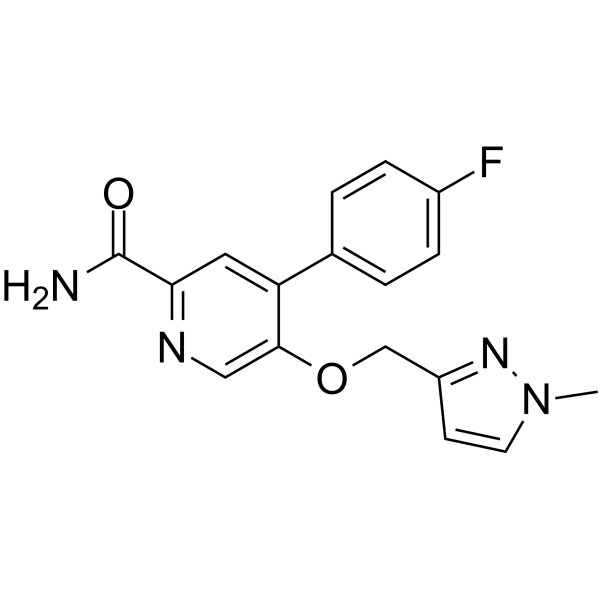
    VU6001966 is a brain-penetrant and selective mGlu2 receptor inhibitor. VU6001966 blocks mGlu2 receptor activity, counteracts LY379268 (HY-103558)-mediated blood-brain barrier protection and inflammatory cytokine dampening in microglia under inflammatory conditions. VU6001966 enhances antidepressant effects when combined with Scopolamine (HY-N0296). VU6001966 can be used for the research of major depressive disorder .
    VU6001966
  • HY-135096

    Serotonin Transporter 5-HT Receptor Histamine Receptor mAChR Adrenergic Receptor Sodium Channel Trk Receptor Neurological Disease
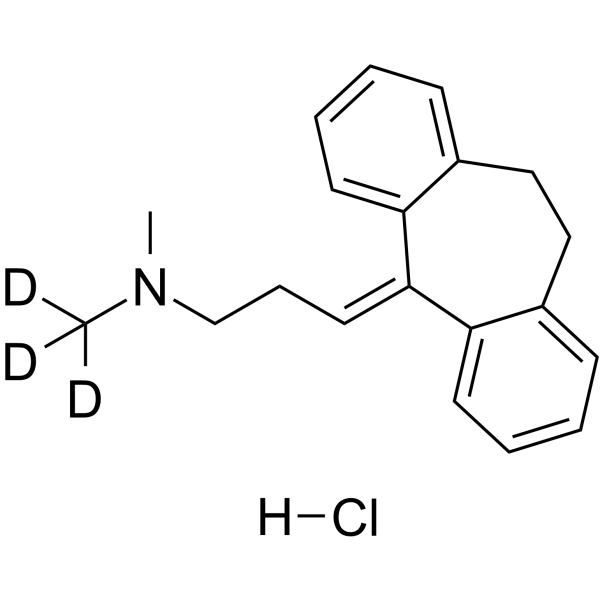
    Amitriptyline-d3 hydrochloride is the deuterium labeled Amitriptyline (hydrochloride). Amitriptyline hydrochloride is an inhibitor of serotonin reuptake transporter (SERT) and noradrenaline reuptake transporter (NET), with Kis of 3.45 nM and 13.3 nM for human SERT and NET, respectively. Amitriptyline hydrochloride also weakly binds to dopamine reuptake transporter (DAT) with a Ki of 2.58 μM. Amitriptyline hydrochloride also inhibits adrenergic, muscarinic, histamine and 5-HT receptors. Amitriptyline hydrochloride is a TrkA and TrkB receptors agonist with potent neurotrophic activity. Amitriptyline hydrochloride has antidepressant activity .
    Amitriptyline-d3 hydrochloride
  • HY-B0527AS

    Isotope-Labeled Compounds Serotonin Transporter 5-HT Receptor Histamine Receptor mAChR Adrenergic Receptor Trk Receptor Sodium Channel Potassium Channel Dopamine Transporter Apoptosis Neurological Disease Inflammation/Immunology Endocrinology
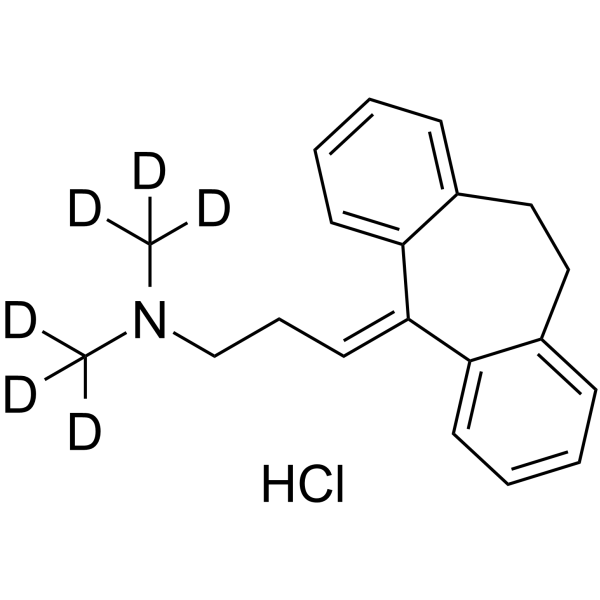
    Amitriptyline-d6 hydrochloride is the deuterium labeled Amitriptyline hydrochloride (HY-B0527A). Amitriptyline hydrochloride is an orally active tricyclic antidepressant (TCA). Amitriptyline hydrochloride mainly exerts its antidepressant effect by blocking SERT (Ki = 3.45 nM) and NET (Ki = 13.3 nM), thereby increasing the concentrations of 5-hydroxytryptamine (5-HT) and norepinephrine (NE) in the synaptic cleft. Amitriptyline hydrochloride is also an agonist at α2A and TrkA/TrkB receptors, thereby exerting analgesic and neurotrophic activities (inhibiting cell apoptosis). Amitriptyline hydrochloride can reduce inflammation, angiogenesis and fibrosis. Amitriptyline hydrochloride binds to DAT (with Ki = 2.58 μM). Amitriptyline hydrochloride has high affinity for a series of receptors and can antagonize muscarinic cholinergic receptors (M1/M2/M3/M4/M5 receptors) (Ki = 11-24 nM), H1 receptors (Ki = 0.5-1.1 nM), adrenergic α1 receptors (Ki = 4.4 nM), etc., resulting in a series of side effects. Amitriptyline hydrochloride can block sodium channels and hERG potassium channel (IC50 = 4.78 μM) and it has cardiotoxicity.
    Amitriptyline-d6 hydrochloride
  • HY-152472

    Trk Receptor Neurological Disease
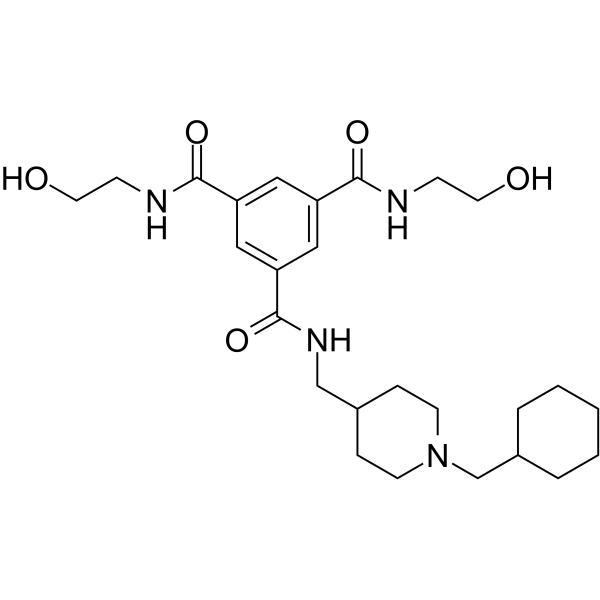
    ENT-C225 is an effective activator of TrkB neurotrophin receptor. ENT-C225 has high effect on activating TrkB receptor (TrkBR), and has good physicochemical properties and neuroprotective properties .
    ENT-C225
  • HY-172876

    iGluR Reactive Oxygen Species (ROS) Trk Receptor Cardiovascular Disease
    FLY26 is a selective partial GluN2B antagonist with an IC50 value of 0.64 μM. FLY26 partially inhibits the GluN2B subunit of NMDA receptors, reduces calcium ion influx and reactive oxygen species (ROS) production and activates the BDNF/TrkB/CREB neuroprotective signaling pathway to alleviate neuronal excitotoxicity and mitochondrial dysfunction. FLY26 is promising for research of neurological deficits caused by cerebral ischemia-reperfusion injury .
    FLY26
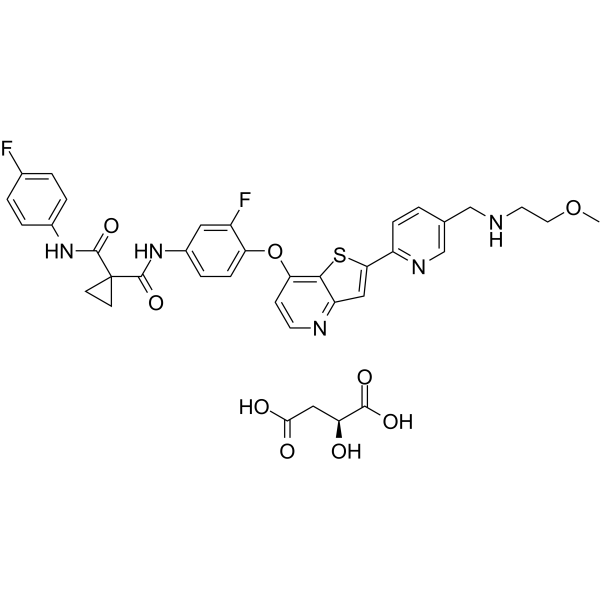
  • HY-16961A

    MGCD516 malate; MG-516 malate

    VEGFR c-Kit FLT3 Discoidin Domain Receptor Trk Receptor Inflammation/Immunology Cancer
    Sitravatinib malate (MGCD516 malate) is an orally bioavailable receptor tyrosine kinase (RTK) inhibitor with IC50s of 1.5 nM, 2 nM, 2 nM, 5 nM, 6 nM, 6 nM, 8 nM, 0.5 nM, 29 nM, 5 nM, and 9 nM for Axl, MER, VEGFR3, VEGFR2, VEGFR1, KIT, FLT3, DDR2, DDR1, TRKA, TRKB, respectively . Sitravatinib malate shows potent single-agent antitumor efficacy and enhances the activity of PD-1 blockade through promoting an antitumor immune microenvironment .
    Sitravatinib malate
  • HY-175483S

    Trk Receptor Isotope-Labeled Compounds Neurological Disease
    TrkB activator-1 is a specific, orally active and brain-penetrant tropomyosin receptor kinase B (TrkB) activator. TrkB activator-1 shows potent antidepressant effects through activation of the activates the BDNF (brainderived neurotrophic factor)-Tropomyosin-related kinase B (TrkB)-CREB (cAMP response element binding protein) signaling aixs. TrkB activator-1 increaes neuroplasticity. TrkB activator-1 can be used for the research of neurological disease, such as depression .
    TrkB activator-1
  • HY-E70870

    Trk Receptor Neurological Disease
    TRKB(NTRK2) is a member of tyrosine kinase gene family. TRKB is the primary receptor for brain-derived nerve growth factor (BDNF) and neurotrophin 4/5 (NT4/5). TRKB(NTRK2) Recombinant Human Active Protein Kinase is a recombinant TRKB(NTRK2) protein that can be used to study TRKB(NTRK2)-related functions .
    TRKB(NTRK2) Recombinant Human Active Protein Kinase
  • HY-107854R

    N-Acetylserotonin (Standard); Normelatonin (Standard); O-Demethylmelatonin (Standard)

    Reference Standards Endogenous Metabolite Trk Receptor Neurological Disease
    N-Acetyl-5-hydroxytryptamine (Standard) is the analytical standard of N-Acetyl-5-hydroxytryptamine. This product is intended for research and analytical applications. N-Acetyl-5-hydroxytryptamine is a Melatonin precursor, and that it can potently activate TrkB receptor.
    N-Acetyl-5-hydroxytryptamine (Standard)
  • HY-P11092

    Endogenous Metabolite Neurological Disease
    TLQP-62 (mouse,rat) is a secreted C-terminal peptide that can be derived from protein VGF. TLQP-62 activates the BDNF-TrkB signaling pathway, inducing acute, transient phosphorylation of TrkB receptor and downstream CREB (Ser133) phosphorylation. TLQP-62 demonstrates excellent efficacy in promoting long-term fear memory formationin wild-type mice and reversing memory impairment in VGF heterozygous knock-out mice. TLQP-62 can be used for the study of memory-related neurological disorders (e.g., Alzheimer’s disease, frontotemporal dementia) .
    TLQP-62 (mouse,rat)
  • HY-120561

    Trk Receptor IRAK Pim Apoptosis Cancer
    PC-046 is a multi-target inhibitor for tyrosine receptor kinase B (TrkB), IRAK-4 and Pim-1, with IC50 of 13.4 μM, 15.4 μM and 19.1 μM, respectively. PC-046 exhibits cytotoxicity against pancreatic cancer cell BxPC3 with IC50 of 7.5-130 nM. PC-046 induces apoptosis and arrests cell cycle at G2/M phase in BxPC3. PC-046 exhibits antitumor efficacy and exhibits good pharmacokinetic characteristics in mice .
    PC-046
  • HY-168858

    Trk Receptor Cancer
    TRK-IN-30 (Compound C11) is the inhibitor for tropomyosin receptor kinase (TRK) that inhibits TRKA, TRKB and TRKC and drug resistant mutant TRKA G595R with an IC50 of 1.8, 0.98, 3.8, and 54 nM, respectively. TRK-IN-30 inhibits the activation of the downstream PI3K/AKT and MEK/ERK signaling pathways. TRK-IN-30 inhibits the colony formation and cell migration of Km-12, arrests the cell cycle at G0/G1 phase, and induces apoptosis in Km-12 .
    TRK-IN-30
  • HY-104047R

    Reference Standards Trk Receptor Akt ERK Neurological Disease
    LM22B-10 (Standard) is the analytical standard of LM22B-10 (HY-104047). This product is intended for research and analytical applications. LM22B-10 is an activator of TrkB/TrkC neurotrophin receptor, and can induce TrkB, TrkC, AKT and ERK activation in vitro and in vivo.
    LM22B-10 (Standard)

Inquiry Online

Your information is safe with us. * Required Fields.

Salutation


Country or Region *

Applicant Name *


Organization Name *

Department *


Email Address *


Product Name *

Cat. No.


Requested quantity *

Phone Number *


Remarks

Inquiry Online

Inquiry Information

Product Name:
Cat. No.:
Quantity:
MCE Japan Authorized Agent:

