

75 Results for "

abundance

" in MedChemExpress (MCE) Product Catalog:
Products (75)

75 Results for "abundance" in MCE Product Catalog:

21
21 Publications Verification
Cat. No.: HY-U00434
CAS No.: 890405-51-3
Target:  

mTOR Autophagy Apoptosis

Research Areas:  

Infection Inflammation/Immunology

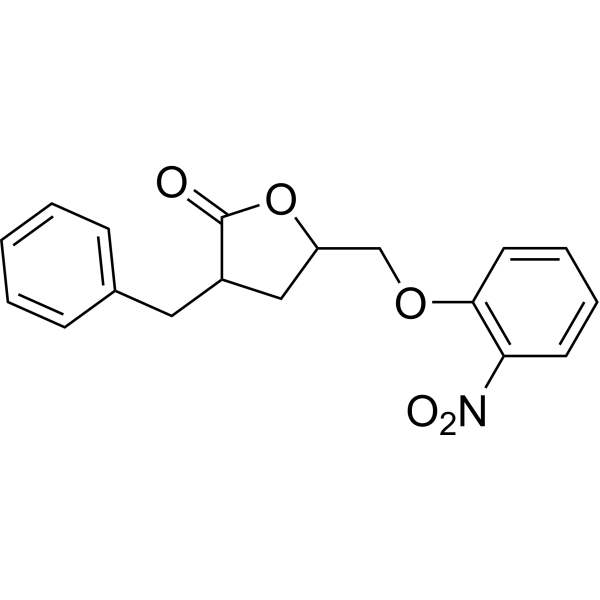
3BDO is a IFITM3 modulator and mTOR activator with antiviral and autophagy-inhibiting effects. 3BDO exhibits inhibitory activity against porcine coronaviruses. 3BDO increases the protein abundance of IFITM3, inhibits virus-cell membrane fusion, and blocks viral entry. 3BDO inhibits the entry of transmissible gastroenteritis virus, porcine epidemic diarrhea virus, and porcine respiratory coronavirus into host cells. 3BDO can be used for research on porcine coronavirus infection .
loading...
    loading...
15
15 Cited Publications
Cat. No.: HY-100022
CAS No.: 1849590-01-7
Purity:  99.92%
Synonyms: eFT508
Target:  

MNK PD-1/PD-L1

Research Areas:  

Cancer

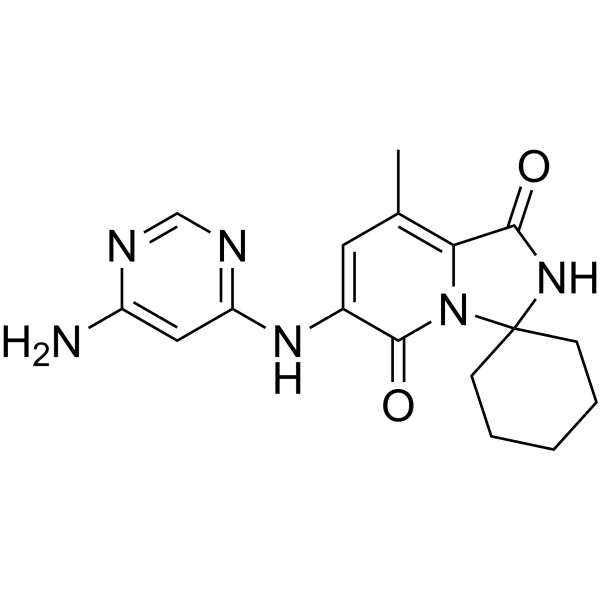
Tomivosertib (eFT508) is a potent, highly selective, and orally active MNK1 and MNK2 inhibitor, with IC50s of 1-2 nM against both isoforms. Tomivosertib (eFT508) treatment leads to a dose-dependent reduction in eIF4E phosphorylation at serine 209 (IC50=2-16 nM) in tumor cell lines . Tomivosertib (eFT508) also dramatically downregulates PD-L1 protein abundance .
loading...
    loading...
13
13 Cited Publications
Cat. No.: HY-136453
CAS No.: 1352914-52-3
Purity:  98.38%
Research Areas:  

Cancer

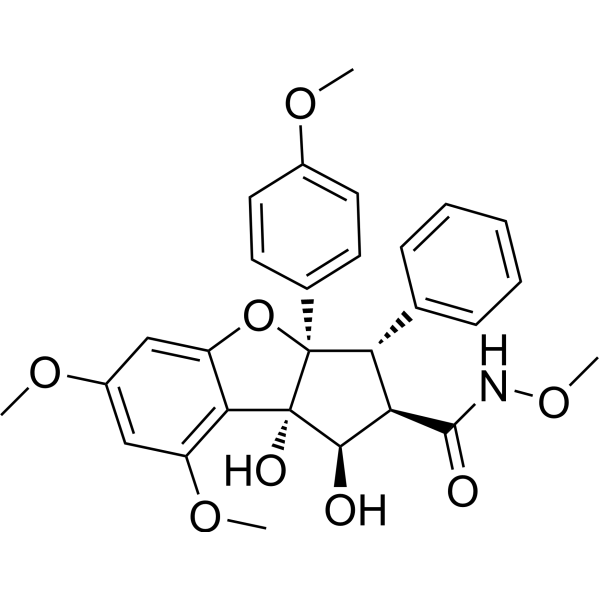
CR-1-31-B is a synthetic rocaglate and a potent eIF4A inhibitor. CR-1-31-B exhibits powerful inhibitory effects over eIF4A by perturbing the interaction between eIF4A and RNA, sequentially impeding initiation during protein synthesis. CR-1-31-B perturbs association of Plasmodium falciparum eIF4A (PfeIF4A) with RNA. CR-1-31-B induces apoptosis of neuroblastoma and gallbladder cancer cells .
loading...
    loading...
7
7 Cited Publications
Cat. No.: HY-16307
CAS No.: 261365-11-1
Target:  

FBPase

Research Areas:  

Metabolic Disease Cancer

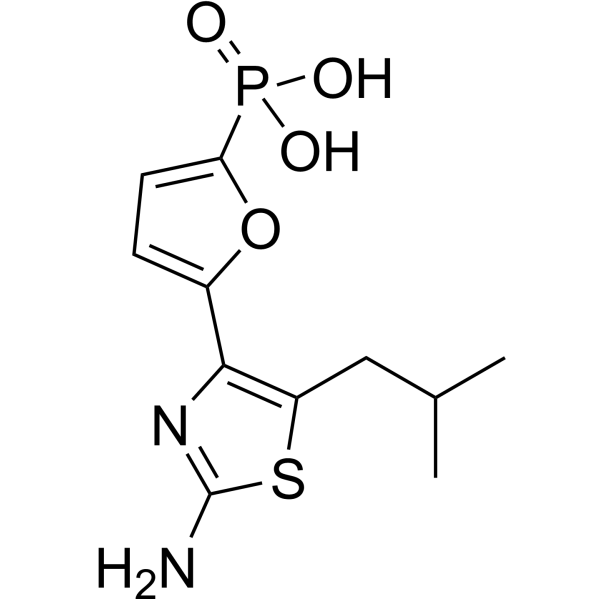
MB05032 is a fructose-1,6-bisphosphatase (FBP1/FBPase) inhibitor with an IC50 value of 16 nM. MB05032 blocks FBP1-mediated glycolysis inhibition in NK cells, restores NK cell glucose uptake, lactate production, degranulation, perforin production, and cytotoxicity against gastric cancer cells. MB05032 elevates ATP/ADP ratios, increases glucose utilization, and enhances insulin secretion in pancreatic β-cells. MB05032 increases neutrophil adhesion, phagocytosis, and mRNA abundance of HKII, ITGA9, CD36 in subclinically hypocalcemic dairy cows. MB05032 inhibits gluconeogenesis in hepatocytes, acts as the active metabolite of prodrug Managlinat dialanetil (MB06322) (HY-14955). MB05032 can be used for the research of gastric cancer, type 2 diabetes, subclinical hypocalcemia, and insulin resistance .
loading...
    loading...
5
5 Cited Publications
Cat. No.: HY-100597
CAS No.: 8047-15-2
Purity:  98.36%
Synonyms: Saponin
Saponins (Saponin) is a class of chemical compound of glycosides found in particular abundance in various plant species. In plants, Saponins may serve as anti-feedants, and to protect the plant against microbes and fungi .
loading...
    loading...
4
4 Cited Publications
Cat. No.: HY-N5034
CAS No.: 1071-23-4
Synonyms: Monoaminoethyl phosphate; NSC 254167; O-Phosphoethanolamine
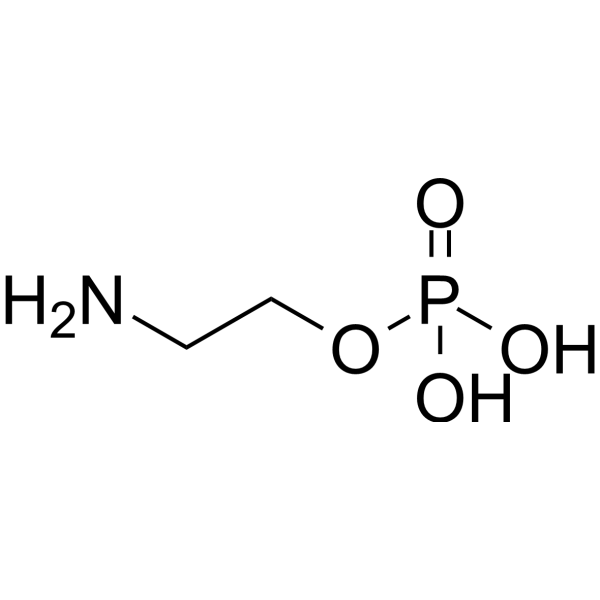
Phosphorylethanolamine (Monoaminoethyl phosphate) is a membrane phospholipid and an important precursor of Phosphatidylcholine (HY-B2233B). It is found in most animal tissues and various human extracranial tumors, playing a critical role in membrane integrity, cell division, mitochondrial respiratory function, and more. Studies have shown that changes in the abundance of Phosphorylethanolamine are associated with Alzheimer's disease and Parkinson's disease. Lowering the ratio of Phosphorylethanolamine to Phosphatidylcholine in the liver can improve insulin signaling. Phosphorylethanolamine holds promise for research in the fields of cancer, neurodegenerative disorders, and metabolic diseases .
loading...
    loading...
3
3 Cited Publications
Cat. No.: HY-155489
CAS No.: 3029515-97-4
Purity:  98.55%
Research Areas:  

Cancer

DDO-2728 (compound 19) is a selective AlkB homologue 5 (ALKBH5) inhibitor with an IC50 of 2.97 μM. DDO-2728 increases the abundance of N 6 methyladenosine (m 6A) modifications, inducing cell apoptosis and cycle arrest. DDO-2728 suppresses tumor growth in the MV4 11 xenograft model with favorable safety profile, shows the potential of targeting ALKBH5 in cancer research .
loading...
    loading...
3
3 Cited Publications
Cat. No.: HY-KE7055

RNase R is a magnesium ion-dependent 3'-5' exoribonuclease that can increase the abundance of circular RNA by degrading linear RNA in mixed RNA, thereby enriching circular RNA.

loading...
    loading...
2
2 Cited Publications
Cat. No.: HY-W013755
CAS No.: 117-84-0
Synonyms: DNOP; Di-n-octyl phthalate; Phthalic acid dioctyl ester
Dioctyl phthalate (DNOP) is a plasticizer. Dioctyl phthalate increases the activities of alanine aminotransferase (ALT) and alkaline phosphatase (ALP) in the liver, as well as the levels of creatinine and urea in the kidney. Exposure to Dioctyl phthalate disrupts the homeostasis of the intestinal microbial community, increases the abundance of pathogenic bacteria, and reduces the abundance of beneficial bacteria such as Lactobacillus. Dioctyl phthalate induces significant and dose-dependent inflammatory responses in the liver, spleen and kidney of mice .
loading...
    loading...
2
2 Cited Publications
Cat. No.: HY-50670
CAS No.: 942999-61-3
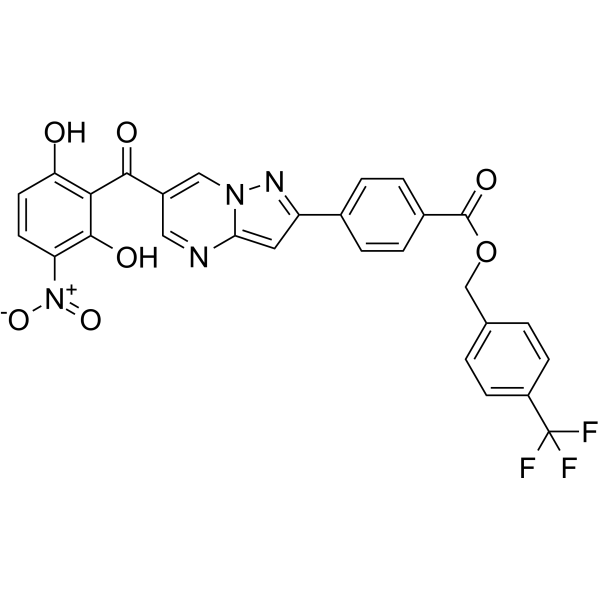
DGAT-1 inhibitor 2 is an orally active DGAT-1 inhibitor with IC50 values of 15 nM and 9 nM for human DGAT-1 and rat DGAT-1, respectively. DGAT-1 inhibitor 2 increases ROS concentration, GRP78, and PERK protein abundance. DGAT-1 inhibitor 2 increases SREBF1, CPT1A, and MTTP mRNA in fatty acid-treated cells. DGAT-1 inhibitor 2 improves obesity .
loading...
    loading...
1
1 Cited Publications
Cat. No.: HY-150090
CAS No.: 1613509-49-1
Purity:  99.68%
Target:  

CFTR

Research Areas:  

Inflammation/Immunology

SRI-41315 induces a prolonged pause at stop codons and suppresses PTCs (premature termination codons) associated with cystic fibrosis in immortalized and primary human bronchial epithelial cells, restoring CFTR (cystic fibrosis transmembrane conductance regulator) expression and function. SRI-41315 suppresses PTCs by reducing the abundance of the termination factor eRF1. SRI-41315 also potentiates aminoglycoside-mediated readthrough, leading to synergistic increases in CFTR activity .
loading...
    loading...
1
1 Cited Publications
Cat. No.: HY-113227
CAS No.: 3184-35-8
Purity:  99.20%
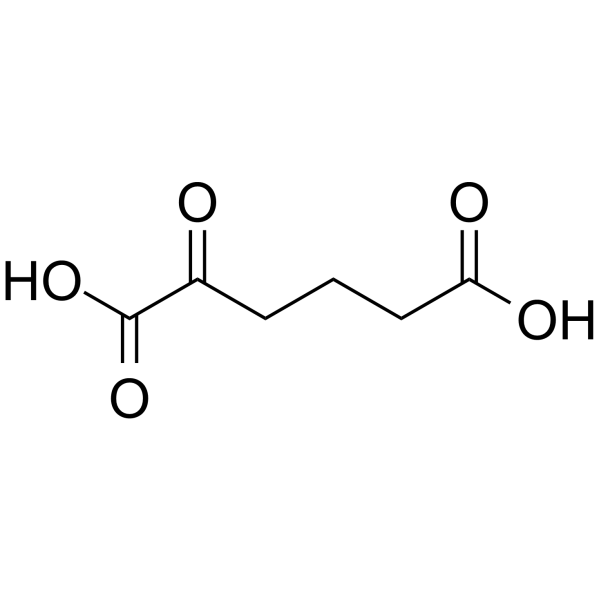
Oxoadipic acid is a key intermediate metabolite in the lysine degradation pathway. The level of Oxoadipic acid is significantly negatively correlated with the abundance of Staphylococcus. That is, the higher the abundance of Staphylococcus-a potential pathogenic bacterium that usually increases in ulcerative colitis-the lower the level of Oxoadipic acid. Oxoadipic acid can be used in the research of ulcerative colitis .
loading...
    loading...
1
1 Cited Publications
Cat. No.: HY-132896
CAS No.: 1068515-53-6
Purity:  99.36%
Target:  

Histone Demethylase

Research Areas:  

Cancer

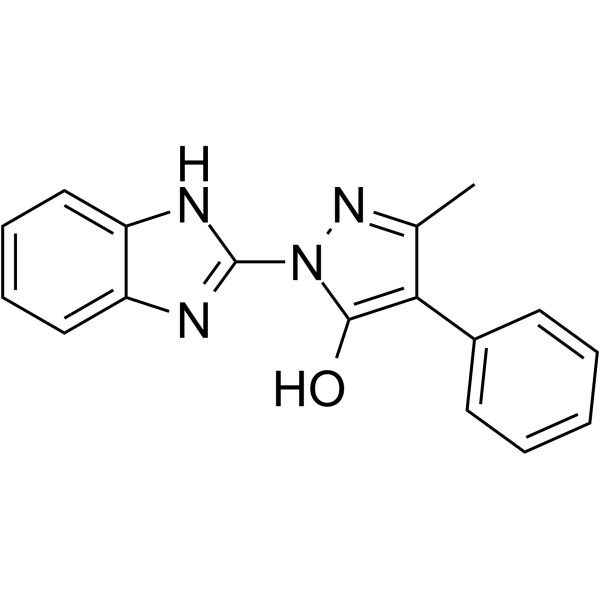
KDM4-IN-3 (Compound 15) is a KDM4 inhibitor (IC50 = 871 nM) that exhibits improved potency in biochemical assays. KDM4-IN-3 is cell-permeable and kills prostate cancer cells at low micro molar concentrations. KDM4-IN-3 inhibits growth of prostate cancer cell lines and increases the H3K9me3 abundance. KDM4-IN-3 can be studied in research for prostate cancer .
loading...
    loading...
1
1 Cited Publications
Cat. No.: HY-131008
CAS No.: 210236-90-1
Purity:  95.98%
Target:  

Fluorescent Dye

Research Areas:  

Others

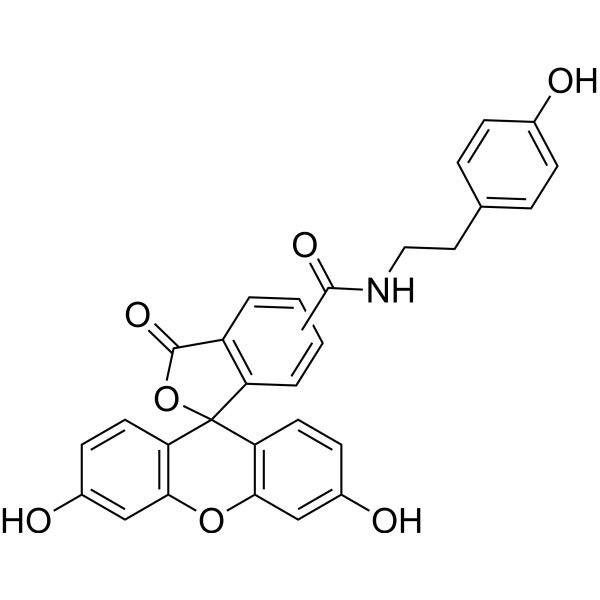
Fluorescein tyramide is a green fluorescent reagent (λabs: 494 nm; λem: 517 nm). Fluorescein tyramide is widely used for tyramide signal amplification (TSA) with a low-abundance in IHC, ICC, in situ hybridization (FISH) and flow cytometry (FCM) applications .
loading...
    loading...
1
1 Cited Publications
Cat. No.: HY-139324
CAS No.: 68341-14-0
Purity:  ≥95.0%
Target:  

GSK-3 Amyloid-β

Research Areas:  

Neurological Disease Cancer

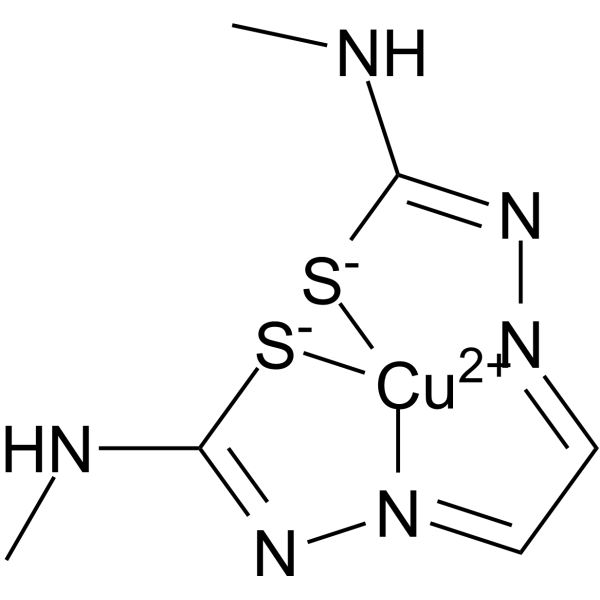
Cu(II)GTSM, a cell-permeable Cu-complex, significantly inhibits GSK3β. Cu(II)GTSM inhibits Amyloid-β oligomers (AβOs) and decreases tau phosphorylation. Cu(II)GTSM also decreases the abundance of Amyloid-β trimers. Cu(II)GTSM is a potential anticancer and antimicrobial agent .
loading...
    loading...
1
1 Cited Publications
Cat. No.: HY-145963
CAS No.: 2863686-81-9
Purity:  99.58%
Target:  

GLUT

Research Areas:  

Cancer

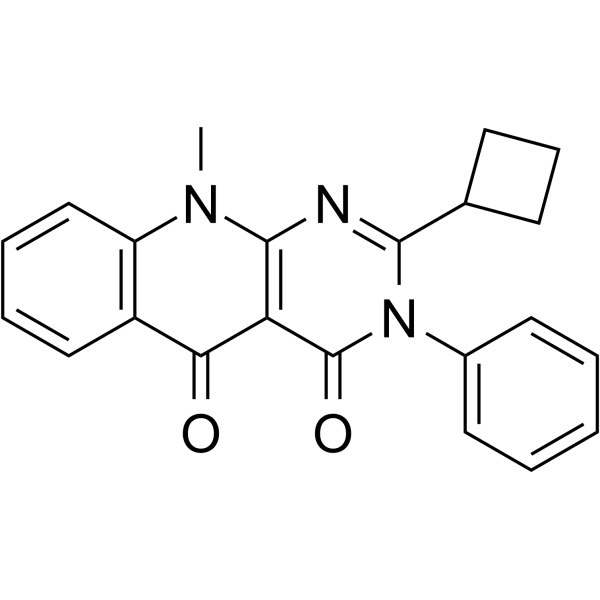
DRB18 is a potent pan-class GLUT inhibitor. DRB18 alters energy-related metabolism in A549 cells by changing the abundance of metabolites in glucose-related pathways. DRB18 can eventually lead to G1/S phase arrest and increase oxidative stress and necrotic cell death. DRB18 has anti-tumor activity .
loading...
    loading...
1
1 Cited Publications
Cat. No.: HY-P3332
CAS No.: 921765-76-6
Research Areas:  

Others

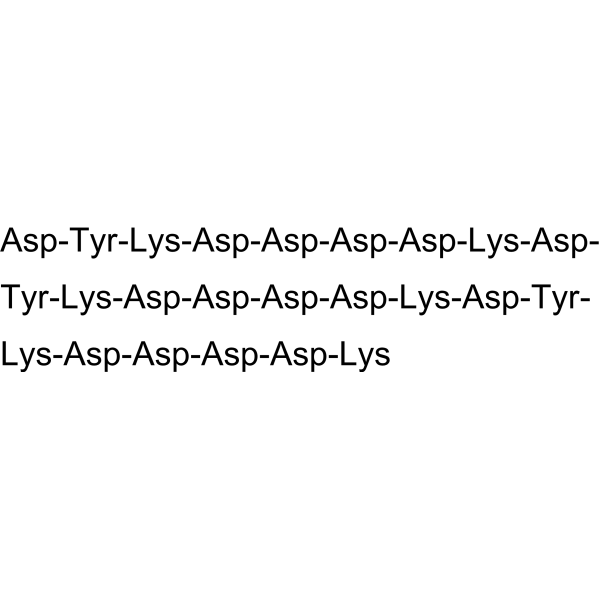
3x DYKDDDDK Tag is a useful tool for investigating the function and localization of proteins whose antibodies (Abs) are not available. Often it is also used in a 3X FLAG format (3x DYKDDDDK Tag) for purifying difficult proteins that accumulate in low abundance .
loading...
    loading...
1
1 Cited Publications
Cat. No.: HY-P3332A
Research Areas:  

Others

DYKDDDDK peptide (FLAG) is a useful tool for investigating the function and localization of proteins whose antibodies (Abs) are not available. Often it is also used in a 3X FLAG format (3x DYKDDDDK Tag TFA) for purifying difficult proteins that accumulate in low abundance .
loading...
    loading...
1
1 Cited Publications
Cat. No.: HY-123789
CAS No.: 956507-49-6
Purity:  98.1%
Research Areas:  

Inflammation/Immunology

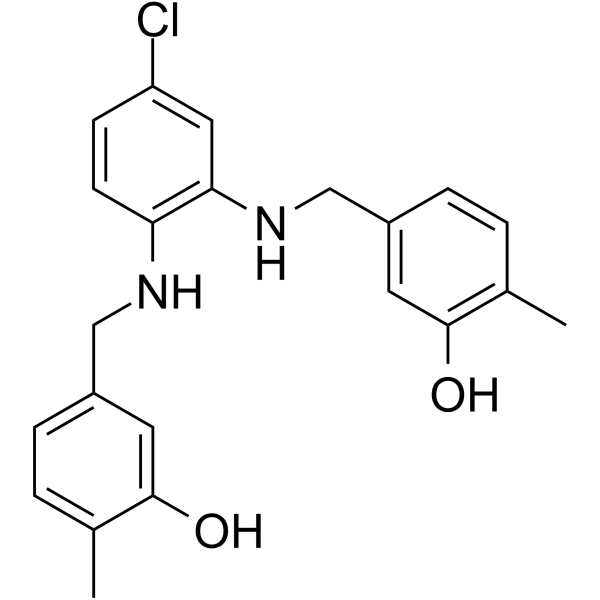
T-5342126 is a toll-like receptor 4 (TLR4) antagonist. It reduces LPS-induced production of nitric oxide (NO) in RAW 264.7 cells (IC50=27.8 μM), as well as decreases LPS-induced IL-8, TNF-α, and IL-6 production in isolated human whole blood (IC50s=110.5, 315.6, and 318.4 μM, respectively). T-5342126 (82 mg/kg) reduces ethanol intake and the abundance of ionized calcium-binding adapter molecule 1 (Iba1), a marker of microglial activation, in the central nucleus of the amygdala in ethanol-dependent mice.
loading...
    loading...
Cat. No.: HY-152830
CAS No.: 2394874-66-7
Purity:  99.51%
Synonyms: Q702
Target:  

c-Fms TAM Receptor MHC

Research Areas:  

Cancer

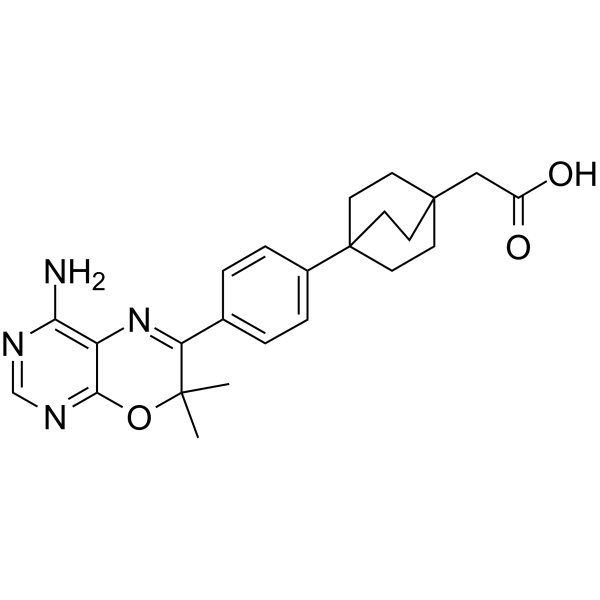
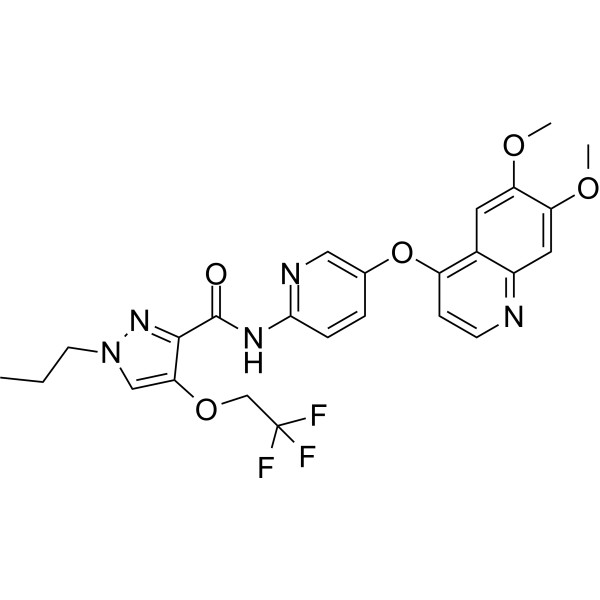
Adrixetinib (Q702) is an orally active triple inhibitor against CSF1R, Mer, and Axl, with Kd values of 8.7 nM, 0.8 nM, and 0.3 nM, respectively. Adrixetinib acts as a potent immune modulator that remodels the tumor microenvironment. Adrixetinib increases the abundance of M1 macrophages and CD8⁺ T cells, while decreasing the levels of M2 macrophages and myeloid-derived suppressor cells (MDSCs). Adrixetinib upregulates the expression of MHC class I and E-cadherin in tumor cells. Adrixetinib shows remarkable antitumor efficacy in syngeneic mouse tumor models. Adrixetinib is suitable for the research of breast cancer, renal adenocarcinoma, colon carcinoma, and melanoma .
loading...
    loading...

