Search Result
Results for "
active constituent
" in MedChemExpress (MCE) Product Catalog:
1
Biochemical Assay Reagents
1
Isotope-Labeled Compounds
| Cat. No. |
Product Name |
Target |
Research Areas |
Chemical Structure |
-
- HY-N0738
-
|
|
NF-κB
Endogenous Metabolite
|
Cardiovascular Disease
Cancer
|
|
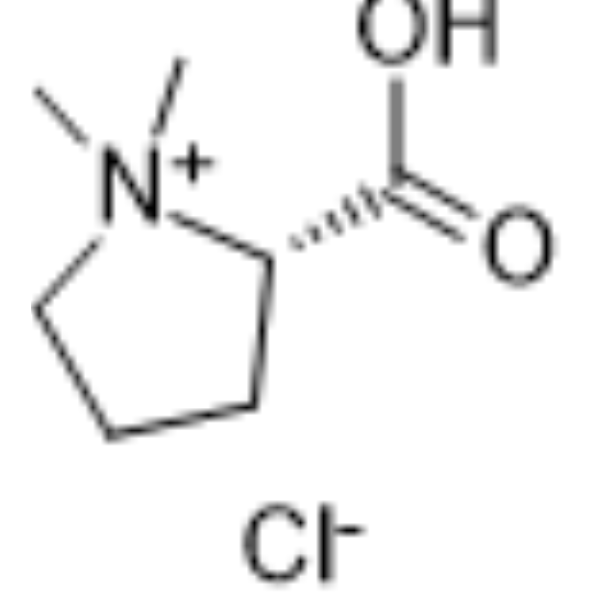
Stachydrine hydrochloride is the major active constituent of Leonurus artemisia, which is a potential therapy for cardiovascular diseases . Stachydrine can inhibit the NF-κB signal pathway. Anti-hypertrophic activities .
|
-
-
- HY-N0502
-
|
|
Reactive Oxygen Species (ROS)
|
Metabolic Disease
Cancer
|
|
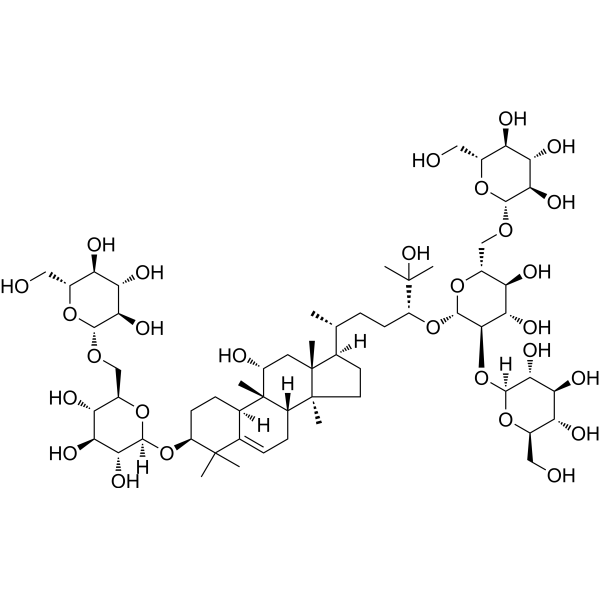
Mogroside V is a the major active constituent of a traditional Chinese medicine Siraitiae Fructus. Mogroside V reduces the intracellular reactive oxygen species (ROS) levels and enhances mitochondrial function. Mogroside V has anti-oxidative, anti-diabetic and anti-carcinogenic effects. Mogroside V can be used for diabetic diseases research .
|
-
-
- HY-N0804
-
|
|
Bacterial
|
Inflammation/Immunology
|
|
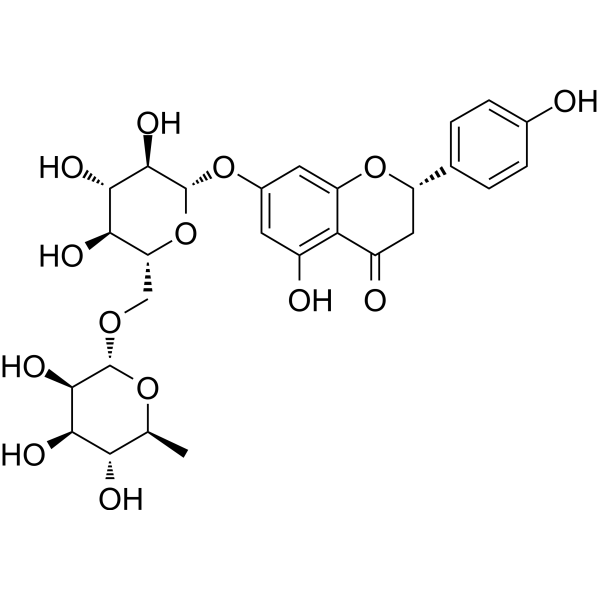
Narirutin, one of the active constituents isolated from citrus fruits, has antioxidant and anti-inflammatory activities. Narirutin is a shikimate kinase inhibitor with anti-tubercular potency .
|
-
-
- HY-113008B
-
|
(E)-Urocanic acid; trans-UCA
|
Endogenous Metabolite
|
Inflammation/Immunology
|
|
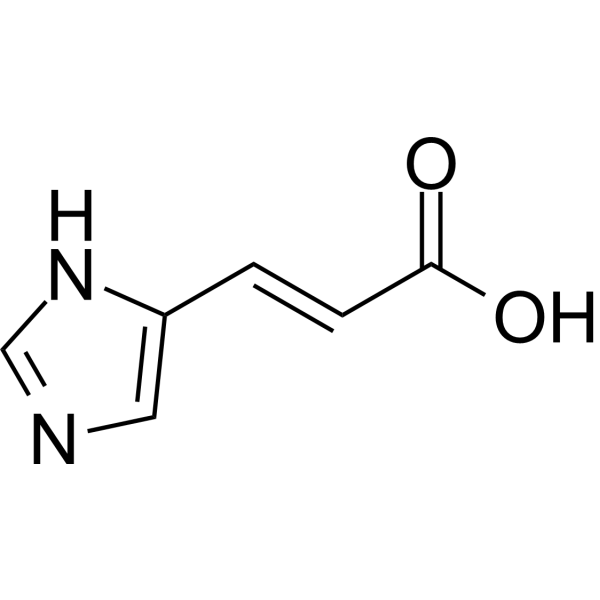
trans-urocanic acid (trans-UCA), a natural epidermal constituent, inhibits human natural killer cell (NK) activity in vitro. trans-urocanic acid is active in regulating an immune function .
|
-
-
- HY-N0692
-
|
Gomisin-A; TJN-101; Wuweizi alcohol-B
|
Reactive Oxygen Species (ROS)
Cytochrome P450
Autophagy
|
Cancer
|
|
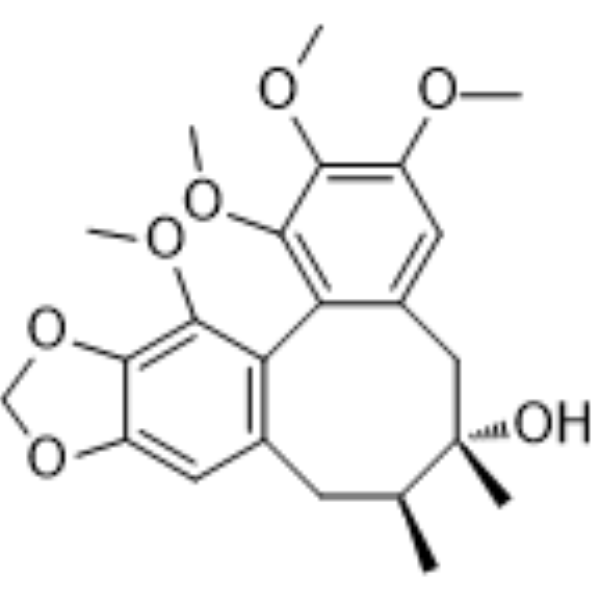
Schisandrol B (Gomisin-A) is a major active constituent of Schisandra chinensis with hepato-protective effects. Schisandrol B inhibits reactive oxygen species (ROS) production. Schisandrol B inhibits the activity of P-glycoprotein and CYP3A and also has anti-inflammatory, anti-diabetic and antioxidant activities .
|
-
-
- HY-135013
-
|
|
TRP Channel
|
Neurological Disease
|
|
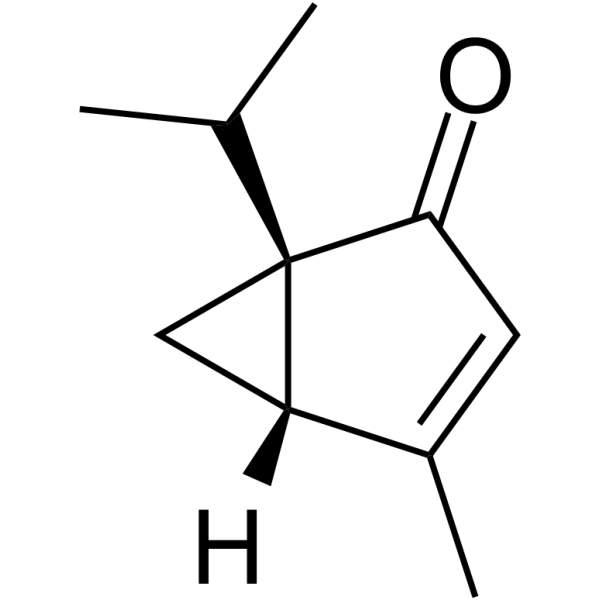
Umbellulone is an active constituent of the leaves of Umbellularia californica. Umbellulone stimulates the TRPA1 channel in a subset of peptidergic, nociceptive neurons, activating the trigeminovascular system via this mechanism .
|
-
-
- HY-135190
-
|
α-cedrene
|
Environmental Pollutants
Bacterial
|
Infection
Metabolic Disease
Cancer
|
|
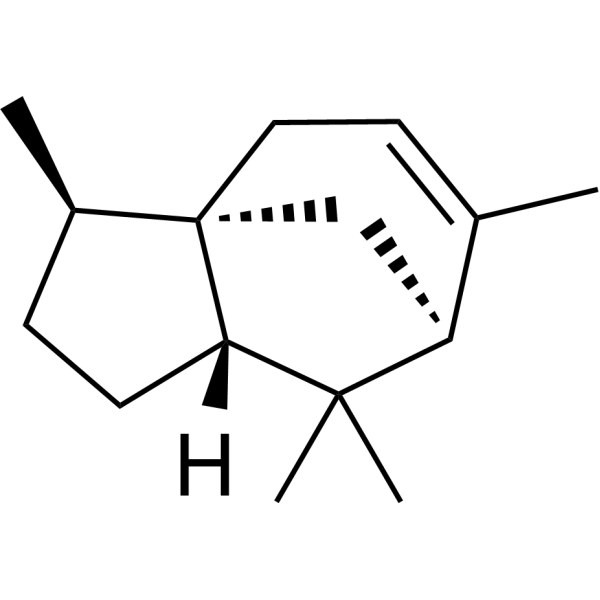
(-)-Cedrene (α-cedrene) is a major constituent that can be found in essential oils. (-)-Cedrene (α-cedrene) is a natural, orally active ligand of mouse olfactory receptor 23, which induces skeletal muscle hypertrophy in mice. (-)-Cedrene exhibits trypanocidal (Trypanosoma b. brucei) (IC50 = 4.07 μg/mL). (-)-Cedrene is antileukemic in vitro (IC50 = 22.2 μg/mL). (-)-Cedrene has antimicrobial activity against anaerobic bacteria and yeast. (-)-Cedrene exhibits anti-obesity activity .
|
-
-
- HY-N1481
-
|
|
Environmental Pollutants
Tyrosinase
|
Metabolic Disease
|
|
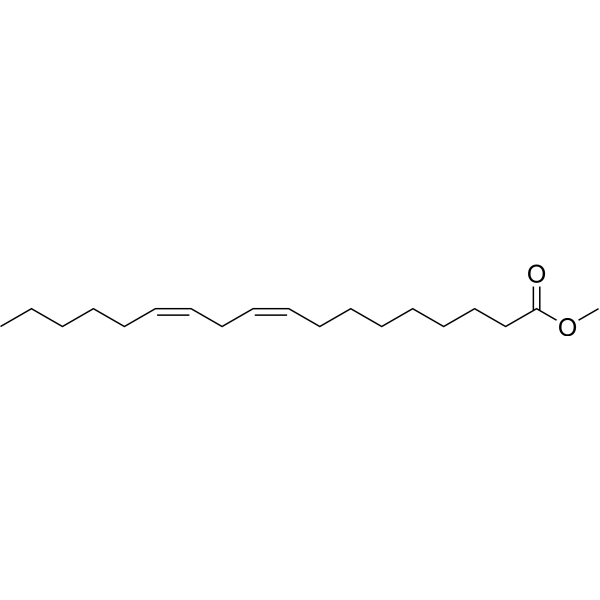
Methyl linoleate, a major active constituent of Sageretia thea fruit (HFSF), is a major anti-melanogenic compound. Methyl linoleate downregulates microphthalmia-associated transcription factor (MITF) and tyrosinase-related proteins .
|
-
-
- HY-N0268
-
|
|
NO Synthase
|
Inflammation/Immunology
|
|
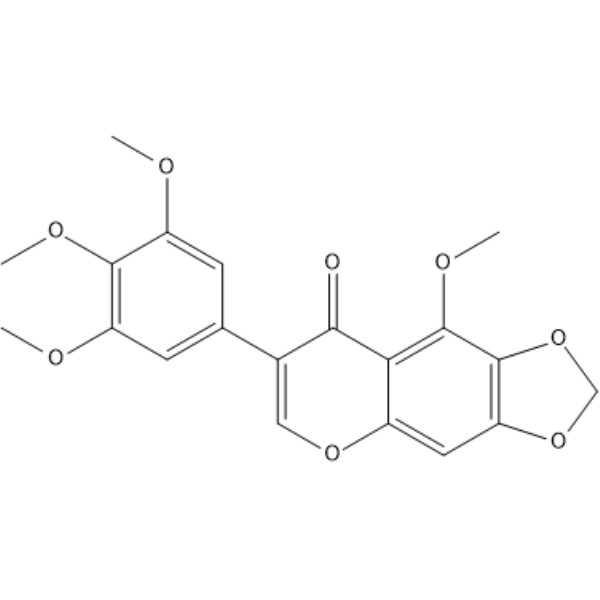
Irisflorentin, a naturally occurring isoflavone, is an abundant active constituent in Belamcanda chinensis. Irisflorentin markedly reduces the transcriptional and translational levels of inducible nitric oxide synthase (iNOS) as well as the production of NO. Anti-inflammatory activity .
|
-
-
- HY-N1365
-
|
6-Hydroxy-7-methoxycoumarin
|
HBV
p38 MAPK
NF-κB
STAT
Akt
ERK
JNK
|
Infection
Inflammation/Immunology
Cancer
|
|
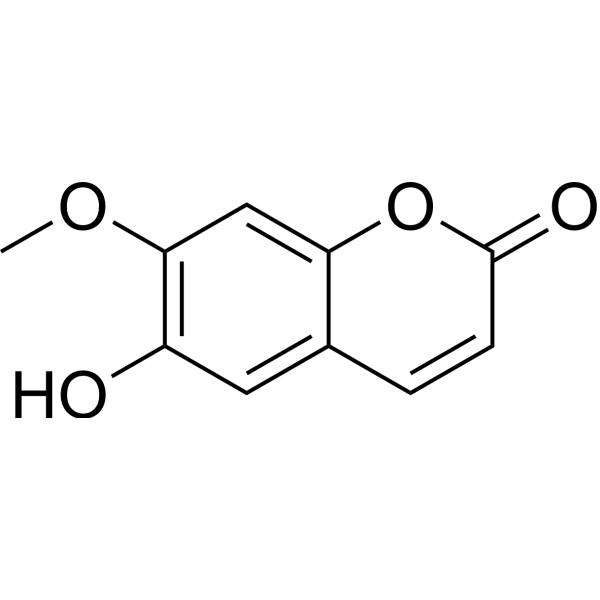
Isoscopoletin (6-Hydroxy-7-methoxycoumarin) is an active constituent in Artemisia argyi leaves. Isoscopoletin shows substantial inhibition against cell proliferation, with IC50s of 4.0 μM and 1.6 μM for human CCRF-CEM leukaemia cells and multidrug resistant subline CEM/ADR5000, respectively . Isoscopoletin (6-Hydroxy-7-methoxycoumarin) possesses inhibitory activity against HBV replication . Isoscopoletin exhibits anti-inflammatory activity through inhibition of MAPK/NF-κB/STAT/AKT signaling pathway .
|
-
-
- HY-Y0121
-
|
|
Environmental Pollutants
Apoptosis
Parasite
VEGFR
|
Cardiovascular Disease
Cancer
|
|
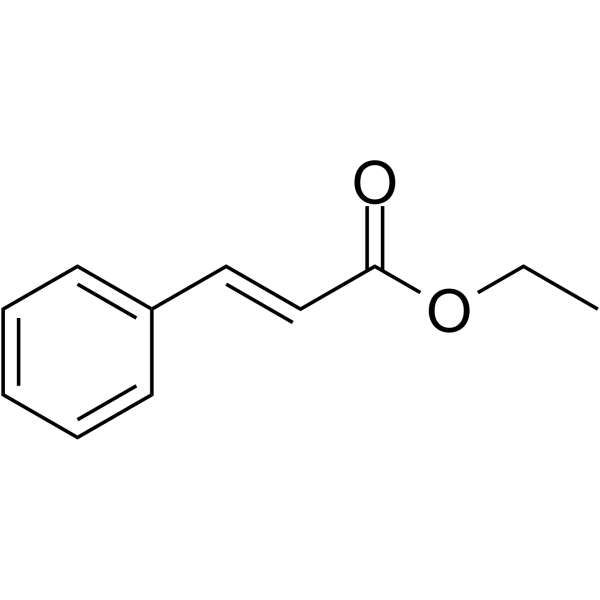
Ethyl cinnamate, an orally active chemical constituent of the rhizome of Kaempferia galanga, exhibits anti-cancer, nematocidal, sedative and vasorelaxant activities. Ethyl cinnamate is a fragrance ingredient used as a food flavor and additive for cosmetic products. Ethyl cinnamate is also an excellent clearing reagent for mammalian tissues. Ethyl cinnamate suppresses tumor growth through anti-angiogenesis by attenuating VEGFR2 signal pathway in colorectal cancer. Ethyl cinnamate inhibits the tonic contractions induced by high K+ and phenylephrine (PE) with respective IC50 values of 0.30 mM and 0.38 mM in rat aorta .
|
-
-
- HY-W040265
-
|
N-Phenylanthranilic acid
|
Chloride Channel
|
Inflammation/Immunology
|
|
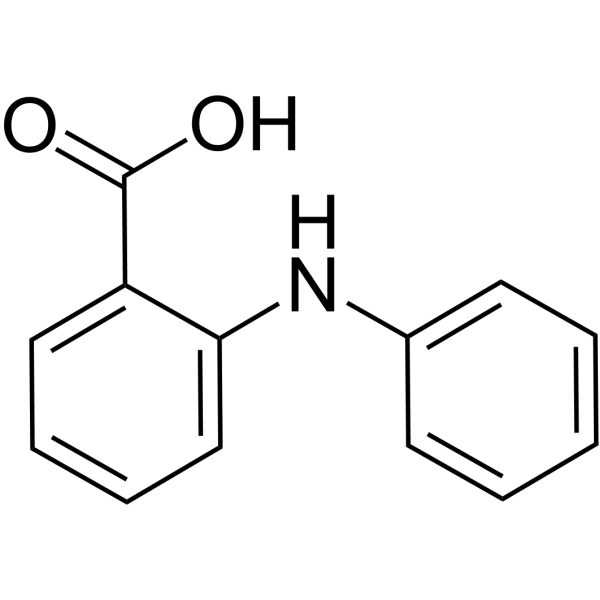
Fenamic acid (N-Phenylanthranilic acid, NPAA) is an orally active chloride channel blocker. Fenamic acid is the basic constituent of non-steroidal anti-inflammatory agents (NSAIA), and derives into mefenamic, tofenacin, flufenac acid and melofenac acid. Fenamic acid also acts as antibacterial and analgesic agent - .
|
-
-
- HY-N1479
-
|
|
Others
|
Others
|
|
Polygalic acid, a triterpenoid saponin, is considered one of the major active constituents of Polygala tenuifolia .
|
-
-
- HY-N1179
-
|
|
Apoptosis
|
Cardiovascular Disease
Neurological Disease
|
|
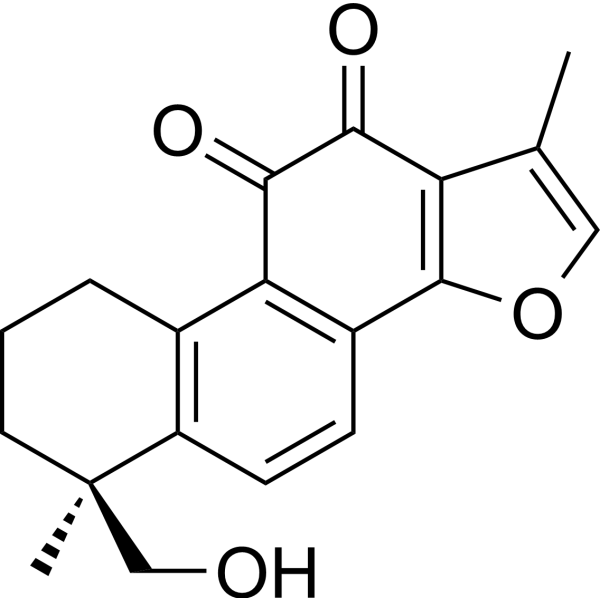
Tanshinone IIB is a major active constituent of the roots of Salvia miltiorrhiza (Danshen) widely used for the research of stroke and coronary heart disease in Asian countries. Tanshinone IIB has a neuroprotective effect via inhibition of apoptosis .
|
-
-
- HY-W013605A
-
|
p-Methoxycinnamaldehyde
|
Environmental Pollutants
RSV
|
Infection
|
|
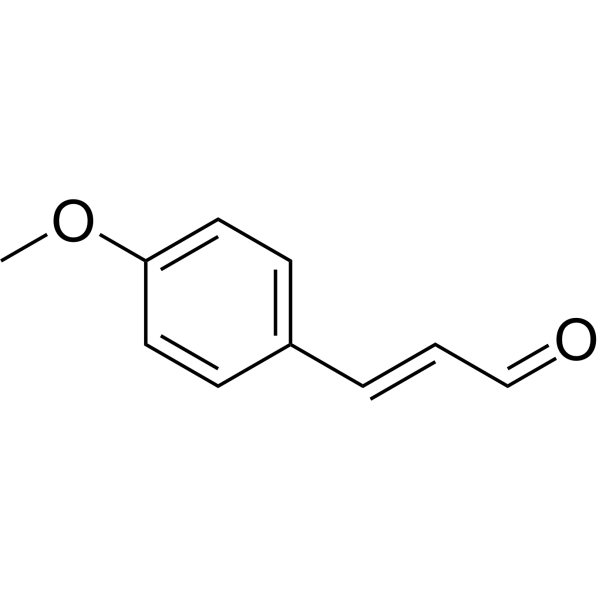
4-Methoxycinnamaldehyde (p-Methoxycinnamaldehyde), an active constituent of Agastache rugosa, exhibits cytoprotective activity against respiratory syncytial virus (RSV) in human larynx carcinoma cell line. 4-Methoxycinnamaldehyde effectively inhibits cytopathic effect of RSV with an estimated IC50 of 0.055 μg/mL .
|
-
-
- HY-N7695
-
|
|
Apoptosis
Autophagy
|
Cancer
|
|
Physalin B, one of the major active steroidal constituents of Cape gooseberry, induces cell cycle arrest and triggers apoptosis in breast cancer cells through modulating p53-dependent apoptotic pathway. Physalin B inhibits the ubiquitin-proteasome pathway and induces incomplete autophagic response in human colon cancer cells in vitro .
|
-
-
- HY-N7510
-
|
12-Methoxycarnosic acid
|
5 alpha Reductase
|
Infection
Cancer
|
|
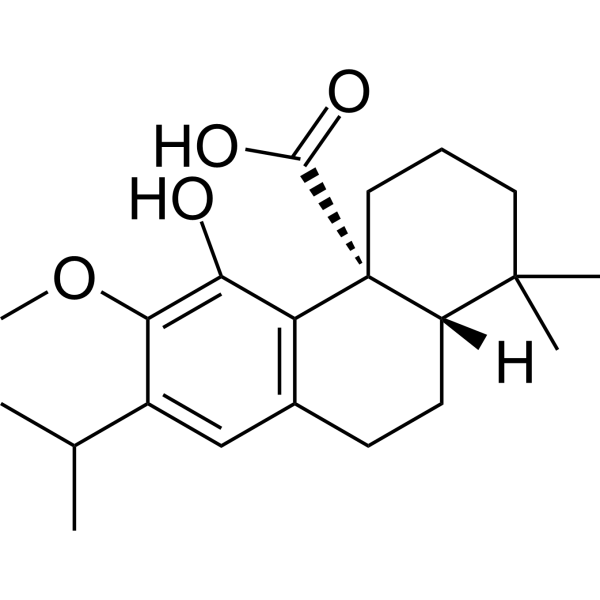
12-O-Methylcarnosic acid (12-Methoxycarnosic acid), a diterpene carnosic acid isolated from the acetone extract of Salvia microphylla, is an active constituent of 5α-reductase inhibition with an IC50 value of 61.7 μM. 12-O-Methylcarnosic acid inhibits proliferation in LNCaP cells. 12-O-Methylcarnosic acid has antioxidant, anti-cancer and antimicrobial activity .
|
-
-
- HY-W014861
-
|
Tetramethyl-ammoniuiodide
|
Biochemical Assay Reagents
|
Others
|
|
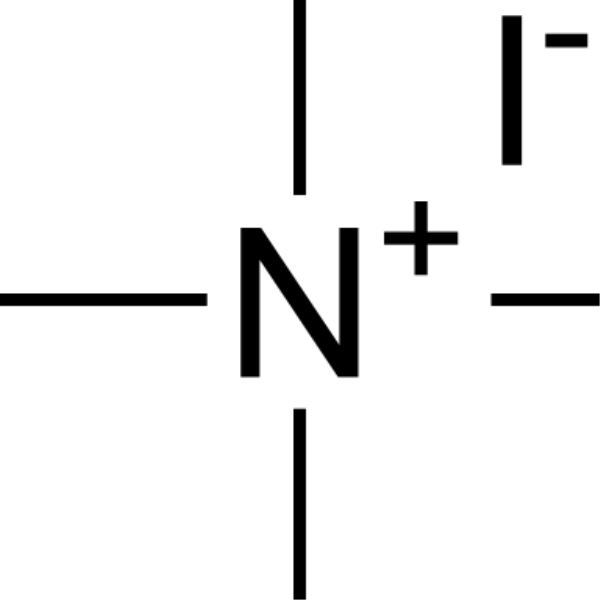
Tetramethylammonium iodide (Tetramethyl-ammoniuiodide) is a capillary active agent and weakly capillary active quasi-simple salt. Tetramethylammonium iodide decreases aqueous solution surface tension with increasing concentration and exhibits surface accumulation of constituent ions at liquid-vapor interfaces .
|
-
-
- HY-138164
-
|
|
Glutathione S-transferase
COX
|
Cancer
|
|
Cafestol palmitate is an active constituent of green coffee beans. Cafestol palmitate can enhance glutathione S-transferase activity in the mouse. Cafestol palmitate also exhibits weak COX-2 inhibitory activity .
|
-
-
- HY-N1365R
-
|
6-Hydroxy-7-methoxycoumarin (Standard)
|
Reference Standards
HBV
p38 MAPK
NF-κB
STAT
Akt
ERK
JNK
|
Infection
Inflammation/Immunology
Cancer
|
|
Isoscopoletin (Standard) is the analytical standard of Isoscopoletin. This product is intended for research and analytical applications. Isoscopoletin (6-Hydroxy-7-methoxycoumarin) is an active constituent in Artemisia argyi leaves. Isoscopoletin shows substantial inhibition against cell proliferation, with IC50s of 4.0 μM and 1.6 μM for human CCRF-CEM leukaemia cells and multidrug resistant subline CEM/ADR5000, respectively . Isoscopoletin (6-Hydroxy-7-methoxycoumarin) possesses inhibitory activity against HBV replication . Isoscopoletin exhibits anti-inflammatory activity through inhibition of MAPK/NF-κB/STAT/AKT signaling pathway .
|
-
-
- HY-N8810
-
|
|
Others
|
Others
|
|
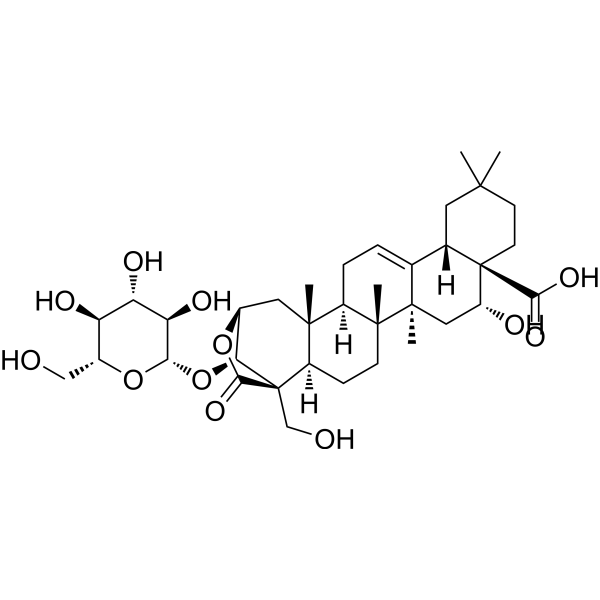
Platycoside M1 is a A-ring lactone triterpenoid saponin that can be isolaoted from the roots of Platycodon grandiflorum. Platycosides are the main active constituents of P. grandiflorus with multiple pharmacological activities .
|
-
-
- HY-N9363
-
|
|
Others
|
Metabolic Disease
|
|
Corymbiferin is one of active constituents, responsible for anti-diabetic properties. Corymbiferin improves antioxidant capacity and carbohydrate metabolism in diabetic rats, along with the improvement of histopathology of livers and pancreatic β cells .
|
-
-
- HY-Y0121R
-
|
|
Reference Standards
Parasite
VEGFR
Apoptosis
|
Cardiovascular Disease
Cancer
|
|
Ethyl cinnamate (Standard) is the analytical standard of Ethyl cinnamate. This product is intended for research and analytical applications. Ethyl cinnamate, an orally active chemical constituent of the rhizome of Kaempferia galanga, exhibits anti-cancer, nematocidal, sedative and vasorelaxant activities. Ethyl cinnamate is a fragrance ingredient used as a food flavor and additive for cosmetic products. Ethyl cinnamate is also an excellent clearing reagent for mammalian tissues. Ethyl cinnamate suppresses tumor growth through anti-angiogenesis by attenuating VEGFR2 signal pathway in colorectal cancer. Ethyl cinnamate inhibits the tonic contractions induced by high K+ and phenylephrine (PE) with respective IC50 values of 0.30 mM and 0.38 mM in rat aorta .
|
-
-
- HY-W087444A
-
|
|
Bacterial
Antibiotic
|
Infection
|
|
(S)-1-(4-Hydroxyphenyl)ethane-1,2-diol is an active constituent of the aerial parts of Angelica sinensis. (S)-1-(4-Hydroxyphenyl)ethane-1,2-diol significantly inhibits the growth of Aeromonas hydrophila. Anticoagulative and antibiotic activities .
|
-
-
- HY-N5064R
-
|
|
Reference Standards
Others
|
Neurological Disease
|
|
Bacoside A3 (Standard) is the analytical standard of Bacoside A3. This product is intended for research and analytical applications. Bacoside A3, a triterpenoid saponin, is one of the major active constituents in Bacopa monnieri. Bacoside A3 has neuroprotective activity .
|
-
-
- HY-N0804R
-
|
|
Reference Standards
Bacterial
|
Inflammation/Immunology
|
|
Narirutin (Standard) is the analytical standard of Narirutin. This product is intended for research and analytical applications. Narirutin, one of the active constituents isolated from citrus fruits, has antioxidant and anti-inflammatory activities. Narirutin is a shikimate kinase inhibitor with anti-tubercular potency .
|
-
-
- HY-N0502R
-
|
|
Reactive Oxygen Species (ROS)
Reference Standards
|
Metabolic Disease
Cancer
|
|
Mogroside V (Standard) is the analytical standard of Mogroside V. This product is intended for research and analytical applications. Mogroside V is a the major active constituent of a traditional Chinese medicine Siraitiae Fructus. Mogroside V reduces the intracellular reactive oxygen species (ROS) levels and enhances mitochondrial function. Mogroside V has anti-oxidative, anti-diabetic and anti-carcinogenic effects. Mogroside V can be used for diabetic diseases research .
|
-
-
- HY-165626
-
|
|
Others
|
Neurological Disease
|
|
Adhyperforin is an active constituent of Hypericum perforatum L.. Adhyperforin has antidepressant activity and can be used for the research of neurological disease .
|
-
-
- HY-N1479R
-
|
|
Reference Standards
Others
|
Others
|
|
Polygalic acid (Standard) is the analytical standard of Polygalic acid. This product is intended for research and analytical applications. Polygalic acid, a triterpenoid saponin, is considered one of the major active constituents of Polygala tenuifolia .
|
-
-
- HY-N1995
-
|
|
Others
|
Metabolic Disease
|
|
Methylswertianin is an active constituent in Swertia punicea Hemsl, with anti-diabetic effect. Methylswertianin can abates type-2 diabetes, likely via the improvement of insulin resistance (IR) .
|
-
-
- HY-N10322
-
|
|
Drug Metabolite
|
Others
|
|
2-Hydroxyemodin is an active metabolite of emodin in the hepatic microsomes. Emodin is an anthraquinone present in fungal metabolites and constituent of rhubarb. 2-Hydroxyemodin proves to be mutagenic to Salmonella typhimurium TA1537 in the absence of activation system .
|
-
-
- HY-W040265R
-
|
N-Phenylanthranilic acid (Standard)
|
Reference Standards
Chloride Channel
|
Inflammation/Immunology
|
|
Fenamic acid (N-Phenylanthranilic acid, NPAA) is an orally active chloride channel blocker. Fenamic acid is the basic constituent of non-steroidal anti-inflammatory agents (NSAIA), and derives into mefenamic, tofenacin, flufenac acid and melofenac acid. Fenamic acid also acts as antibacterial and analgesic agent - .
|
-
-
- HY-N12141
-
|
|
Apoptosis
|
Inflammation/Immunology
|
|
Flaccidoside II inhibits proliferation and induces apoptosis in Malignant peripheral nerve sheath tumors (MPNSTs) cell lines. Flaccidoside II ameliorates collagen-induced arthritis in mice. Flaccidoside II is an active triterpenoid saponin constituent from Anemone flaccida rhizome .
|
-
-
- HY-113008BR
-
|
(E)-Urocanic acid (Standard); trans-UCA (Standard)
|
Endogenous Metabolite
Reference Standards
|
Inflammation/Immunology
|
|
trans-Urocanic acid (Standard) is the analytical standard of trans-Urocanic acid. This product is intended for research and analytical applications. trans-urocanic acid (trans-UCA), a natural epidermal constituent, inhibits human natural killer cell (NK) activity in vitro. trans-urocanic acid is active in regulating an immune function .
|
-
-
- HY-N0268R
-
|
|
Reference Standards
NO Synthase
|
Inflammation/Immunology
|
|
Irisflorentin (Standard) is the analytical standard of Irisflorentin. This product is intended for research and analytical applications. Irisflorentin, a naturally occurring isoflavone, is an abundant active constituent in Belamcanda chinensis. Irisflorentin markedly reduces the transcriptional and translational levels of inducible nitric oxide synthase (iNOS) as well as the production of NO. Anti-inflammatory activity .
|
-
-
- HY-N1481R
-
|
|
Tyrosinase
Reference Standards
|
Metabolic Disease
|
|
Methyl linoleate (Standard) is the analytical standard of Methyl linoleate. This product is intended for research and analytical applications. Methyl linoleate, a major active constituent of Sageretia thea fruit (HFSF), is a major anti-melanogenic compound. Methyl linoleate downregulates microphthalmia-associated transcription factor (MITF) and tyrosinase-related proteins .
|
-
-
- HY-N0008R
-
|
|
Reference Standards
Wnt
|
Neurological Disease
|
|
Orcinol glucoside (Standard) is the analytical standard of Orcinol glucoside. This product is intended for research and analytical applications. Orcinol glucoside (OG) is an active constituent isolated from Curculigo orchioides, with antidepressant effects. Orcinol glucoside facilitates the shift of MSC fate to osteoblast and prevents adipogenesis via Wnt/β-catenin signaling pathway .
|
-
-
- HY-W013605AR
-
|
p-Methoxycinnamaldehyde (Standard)
|
Reference Standards
RSV
|
Infection
|
|
4-Methoxycinnamaldehyde (Standard) is the analytical standard of 4-Methoxycinnamaldehyde. This product is intended for research and analytical applications. 4-Methoxycinnamaldehyde (p-Methoxycinnamaldehyde), an active constituent of Agastache rugosa, exhibits cytoprotective activity against respiratory syncytial virus (RSV) in human larynx carcinoma cell line. 4-Methoxycinnamaldehyde effectively inhibits cytopathic effect of RSV with an estimated IC50 of 0.055 μg/mL[1].
|
-
-
- HY-N0692R
-
|
Gomisin-A (Standard); TJN-101 (Standard); Wuweizi alcohol-B (Standard)
|
Reference Standards
Reactive Oxygen Species (ROS)
Cytochrome P450
Autophagy
|
Cancer
|
|
Schisandrol B (Standard) is the analytical standard of Schisandrol B. This product is intended for research and analytical applications. Schisandrol B (Gomisin-A) is a major active constituent of Schisandra chinensis with hepato-protective effects. Schisandrol B inhibits reactive oxygen species (ROS) production. Schisandrol B inhibits the activity of P-glycoprotein and CYP3A and also has anti-inflammatory, anti-diabetic and antioxidant activities .
|
-
-
- HY-N15424
-
|
|
Apoptosis
Bcl-2 Family
|
|
|
Himachalol, a sesquiterpene, is an orally active antispasmodic and anticancer constituent found in the wood of Cedrus deodara. Himachalol has anti-proliferative activity against the melanoma cells, and induces apoptosis (decreases Bcl-2 level and increases Bax level). Himachalol has systemic hypotension and peripheral vasodilation effect. Himachalol inhibits Carbachol-induced spasm of the intestine. The LD50 of Himachalol in mice is 265 mg/kg (p.o.) and 247 mg/kg (i.p.) .
|
-
-
- HY-N7510R
-
|
12-Methoxycarnosic acid (Standard)
|
Reference Standards
5 alpha Reductase
|
Infection
Cancer
|
|
12-O-Methylcarnosic acid (Standard) is the analytical standard of 12-O-Methylcarnosic acid. This product is intended for research and analytical applications. 12-O-Methylcarnosic acid (12-Methoxycarnosic acid), a diterpene carnosic acid isolated from the acetone extract of Salvia microphylla, is an active constituent of 5α-reductase inhibition with an IC50 value of 61.7 μM. 12-O-Methylcarnosic acid inhibits proliferation in LNCaP cells. 12-O-Methylcarnosic acid has antioxidant, anti-cancer and antimicrobial activity .
|
-
-
- HY-135190R
-
|
α-cedrene (Standard)
|
Bacterial
Reference Standards
|
Infection
Metabolic Disease
Cancer
|
|
(-)-Cedrene (α-cedrene) (Standard) is the analytical standard of (-)-Cedrene. This product is intended for research and analytical applications. (-)-Cedrene is a major constituent that can be found in essential oils. (-)-Cedrene (α-cedrene) is a natural, orally active ligand of mouse olfactory receptor 23, which induces skeletal muscle hypertrophy in mice. (-)-Cedrene exhibits trypanocidal (Trypanosoma b. brucei) (IC50 = 4.07 μg/mL). (-)-Cedrene is antileukemic in vitro (IC50 = 22.2 μg/mL). (-)-Cedrene has antimicrobial activity against anaerobic bacteria and yeast. (-)-Cedrene exhibits anti-obesity activity .
|
-
-
- HY-N9790
-
|
|
Notch
|
Others
|
|
Procyanidin B2, 3,3'-di-O-gallate is an active constituent. Procyanidin B2, 3,3'-di-O-gallate can be isolated from grape seed extract (GSE) procyanidin mix. Procyanidin B2, 3,3' -di-o-gallate target cancer stem cells (CSCs) in prostate cancer (PCa). Procyanidin B2, 3,3'-di-O-gallate targets both unsorted and sorted CSCs at lower doses. Procyanidin B2, 3,3'-di-O-gallate strongly suppresses the constitutive as well as Jagged1 (Notch1 ligand)-induced activated Notch1 pathway .
|
-
-
- HY-Y0121S1
-
|
|
Isotope-Labeled Compounds
|
Others
|
|
Ethyl cinnamate-d7 is deuterated labeled Ethyl cinnamate (HY-Y0121). Ethyl cinnamate, an orally active chemical constituent of the rhizome of Kaempferia galanga, exhibits anti-cancer, nematocidal, sedative and vasorelaxant activities. Ethyl cinnamate is a fragrance ingredient used as a food flavor and additive for cosmetic products. Ethyl cinnamate is also an excellent clearing reagent for mammalian tissues. Ethyl cinnamate suppresses tumor growth through anti-angiogenesis by attenuating VEGFR2 signal pathway in colorectal cancer. Ethyl cinnamate inhibits the tonic contractions induced by high K+ and phenylephrine (PE) with respective IC50 values of 0.30 mM and 0.38 mM in rat aorta .
|
-
-
- HY-N3599
-
|
|
Others
|
Others
|
|
Cleroindicin C is a potentially active compound that can be isolated from the chemical constituents of the tubers of Sinningia allagophylla .
|
-
-
- HY-N18754
-
-
-
- HY-N18753
-
|
|
Others
|
Metabolic Disease
Inflammation/Immunology
|
|
Salacia reticulata extract is derived from the roots of Salacia reticulata and possesses anti-diabetic, anti-inflammatory, and antioxidant properties. The active constituents of Salacia reticulata extract include salacinol, kotalanol, and flavonoids.
|
-
-
- HY-E71029
-
|
|
FAK
|
Others
|
|
Active focal adhesion kinase, Human (EC 2.7.10.2) is a cytoplasmic protein tyrosine kinase which is found concentrated in the focal adhesions that form between cells growing in the presence of extracellular matrix constituents.
|
-
-
- HY-N18697
-
|
|
Others
|
Others
|
|
Ruscus aculeatus, ext. stands as a remarkable natural extract extensively employed within the biomedical sector. Esteemed for its attributes in studying chronic venous insufficiency and its allied afflictions, this extract possesses active constituents that demonstrate anti-inflammatory properties.
|
-
-
- HY-113040B
-
|
(±)-17(S),18(R)-EETeTr
|
Drug Isomer
|
Others
|
|
(±)-(17S,18R)-Epoxyeicosatetraenoic acid ((±)-17 (S),18 (R)-EETeTr) is one of the constituent enantiomers of (±) 17 (18)-EpETE. (±) 17 (18)-EpETE is an active metabolite of the ω-3 fatty acid eicosapentaenoic acid, and also an agonist of sphingosine-1-phosphate receptor 1 (S1P1) .
|
-
| Cat. No. |
Product Name |
Type |
-
- HY-W014861
-
|
Tetramethyl-ammoniuiodide
|
Biochemical Assay Reagents
|
|
Tetramethylammonium iodide (Tetramethyl-ammoniuiodide) is a capillary active agent and weakly capillary active quasi-simple salt. Tetramethylammonium iodide decreases aqueous solution surface tension with increasing concentration and exhibits surface accumulation of constituent ions at liquid-vapor interfaces .
|
| Cat. No. |
Product Name |
Category |
Target |
Chemical Structure |
-
- HY-N0738
-
-
-
- HY-N0502
-
-
-
- HY-N0804
-
-
-
- HY-113008B
-
-
-
- HY-N0692
-
-
-
- HY-135013
-
-
-
- HY-135190
-
-
-
- HY-N1481
-
-
-
- HY-N0268
-
-
-
- HY-N1365
-
-
-
- HY-Y0121
-
-
-
- HY-N1479
-
-
-
- HY-N1179
-
-
-
- HY-W013605A
-
-
-
- HY-N7695
-
-
-
- HY-N7510
-
-
-
- HY-N1365R
-
-
-
- HY-N9363
-
-
-
- HY-Y0121R
-
|
|
Structural Classification
Kaempferia galanga L.
Microorganisms
Other Phenylpropanoids
Phenylpropanoids
Plants
Source Classification
Zingiberaceae
|
Reference Standards
Parasite
VEGFR
Apoptosis
|
|
Ethyl cinnamate (Standard) is the analytical standard of Ethyl cinnamate. This product is intended for research and analytical applications. Ethyl cinnamate, an orally active chemical constituent of the rhizome of Kaempferia galanga, exhibits anti-cancer, nematocidal, sedative and vasorelaxant activities. Ethyl cinnamate is a fragrance ingredient used as a food flavor and additive for cosmetic products. Ethyl cinnamate is also an excellent clearing reagent for mammalian tissues. Ethyl cinnamate suppresses tumor growth through anti-angiogenesis by attenuating VEGFR2 signal pathway in colorectal cancer. Ethyl cinnamate inhibits the tonic contractions induced by high K+ and phenylephrine (PE) with respective IC50 values of 0.30 mM and 0.38 mM in rat aorta .
|
-
-
- HY-W087444A
-
-
-
- HY-N5064R
-
-
-
- HY-N0804R
-
-
-
- HY-N0502R
-
-
-
- HY-165626
-
-
-
- HY-N1479R
-
-
-
- HY-N1995
-
-
-
- HY-N10322
-
-
-
- HY-N12141
-
-
-
- HY-113008BR
-
-
-
- HY-N0268R
-
-
-
- HY-N1481R
-
-
-
- HY-N0008R
-
-
-
- HY-W013605AR
-
|
p-Methoxycinnamaldehyde (Standard)
|
Araceae
Ketones, Aldehydes, Acids
Acorus gramineus Soland.
Plants
Source Classification
|
Reference Standards
RSV
|
|
4-Methoxycinnamaldehyde (Standard) is the analytical standard of 4-Methoxycinnamaldehyde. This product is intended for research and analytical applications. 4-Methoxycinnamaldehyde (p-Methoxycinnamaldehyde), an active constituent of Agastache rugosa, exhibits cytoprotective activity against respiratory syncytial virus (RSV) in human larynx carcinoma cell line. 4-Methoxycinnamaldehyde effectively inhibits cytopathic effect of RSV with an estimated IC50 of 0.055 μg/mL[1].
|
-
-
- HY-N0692R
-
-
-
- HY-N15424
-
|
|
Cedrus deodara (Roxburgh) G. Don
Pinaceae
Terpenoids
Sesquiterpenes
Plants
Source Classification
|
Apoptosis
Bcl-2 Family
|
|
Himachalol, a sesquiterpene, is an orally active antispasmodic and anticancer constituent found in the wood of Cedrus deodara. Himachalol has anti-proliferative activity against the melanoma cells, and induces apoptosis (decreases Bcl-2 level and increases Bax level). Himachalol has systemic hypotension and peripheral vasodilation effect. Himachalol inhibits Carbachol-induced spasm of the intestine. The LD50 of Himachalol in mice is 265 mg/kg (p.o.) and 247 mg/kg (i.p.) .
|
-
-
- HY-N7510R
-
-
-
- HY-135190R
-
|
α-cedrene (Standard)
|
Structural Classification
Cedrus deodara (Roxburgh) G. Don
Pinaceae
Terpenoids
Sesquiterpenes
Plants
Source Classification
|
Bacterial
Reference Standards
|
|
(-)-Cedrene (α-cedrene) (Standard) is the analytical standard of (-)-Cedrene. This product is intended for research and analytical applications. (-)-Cedrene is a major constituent that can be found in essential oils. (-)-Cedrene (α-cedrene) is a natural, orally active ligand of mouse olfactory receptor 23, which induces skeletal muscle hypertrophy in mice. (-)-Cedrene exhibits trypanocidal (Trypanosoma b. brucei) (IC50 = 4.07 μg/mL). (-)-Cedrene is antileukemic in vitro (IC50 = 22.2 μg/mL). (-)-Cedrene has antimicrobial activity against anaerobic bacteria and yeast. (-)-Cedrene exhibits anti-obesity activity .
|
-
-
- HY-N9790
-
|
|
Vitis vinifera cv. Zalema
Phenols
Polyphenols
Plants
Vitaceae
Source Classification
|
Notch
|
|
Procyanidin B2, 3,3'-di-O-gallate is an active constituent. Procyanidin B2, 3,3'-di-O-gallate can be isolated from grape seed extract (GSE) procyanidin mix. Procyanidin B2, 3,3' -di-o-gallate target cancer stem cells (CSCs) in prostate cancer (PCa). Procyanidin B2, 3,3'-di-O-gallate targets both unsorted and sorted CSCs at lower doses. Procyanidin B2, 3,3'-di-O-gallate strongly suppresses the constitutive as well as Jagged1 (Notch1 ligand)-induced activated Notch1 pathway .
|
-
-
- HY-N3599
-
-
-
- HY-N18754
-
|
|
Structural Classification
Extract
|
Bacterial
|
|
Saraca indica extract possesses anti-inflammatory, antioxidant, antibacterial, and antifungal properties; its primary active constituents include flavonoids, saponins, tannins, and alkaloids.
|
-
-
- HY-N18753
-
|
|
Structural Classification
Extract
|
Others
|
|
Salacia reticulata extract is derived from the roots of Salacia reticulata and possesses anti-diabetic, anti-inflammatory, and antioxidant properties. The active constituents of Salacia reticulata extract include salacinol, kotalanol, and flavonoids.
|
-
-
- HY-N18697
-
|
|
Structural Classification
Extract
|
Others
|
|
Ruscus aculeatus, ext. stands as a remarkable natural extract extensively employed within the biomedical sector. Esteemed for its attributes in studying chronic venous insufficiency and its allied afflictions, this extract possesses active constituents that demonstrate anti-inflammatory properties.
|
-
| Cat. No. |
Product Name |
Chemical Structure |
-
- HY-Y0121S1
-
|
|
|
Ethyl cinnamate-d7 is deuterated labeled Ethyl cinnamate (HY-Y0121). Ethyl cinnamate, an orally active chemical constituent of the rhizome of Kaempferia galanga, exhibits anti-cancer, nematocidal, sedative and vasorelaxant activities. Ethyl cinnamate is a fragrance ingredient used as a food flavor and additive for cosmetic products. Ethyl cinnamate is also an excellent clearing reagent for mammalian tissues. Ethyl cinnamate suppresses tumor growth through anti-angiogenesis by attenuating VEGFR2 signal pathway in colorectal cancer. Ethyl cinnamate inhibits the tonic contractions induced by high K+ and phenylephrine (PE) with respective IC50 values of 0.30 mM and 0.38 mM in rat aorta .
|
-
Your information is safe with us. * Required Fields.
Inquiry Information
- Product Name:
- Cat. No.:
- Quantity:
- MCE Japan Authorized Agent:

