

1. Search Result
Search Result
Results for "

aflatoxin

" in MedChemExpress (MCE) Product Catalog:

35

Inhibitors & Agonists

1

Fluorescent Dye

2

Biochemical Assay Reagents

1

Peptides

21

Natural
Products

4

Isotope-Labeled Compounds

1

Antibodies

Cat. No. Product Name Target Research Areas Chemical Structure
  • HY-N6771
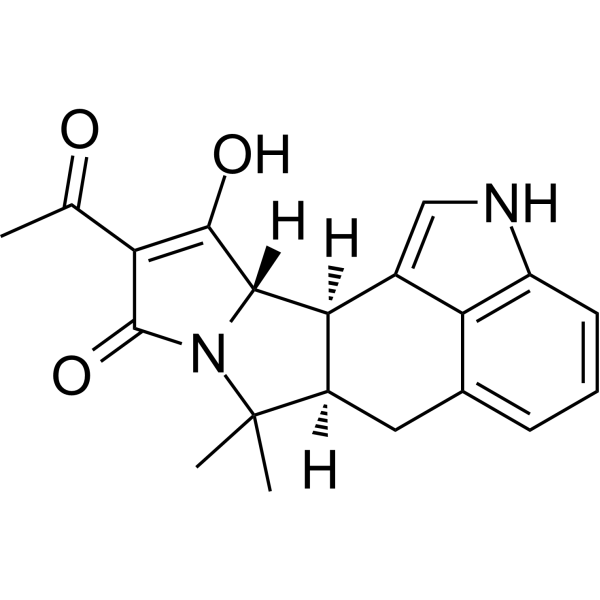
    Cyclopiazonic acid
    Maximum Cited Publications
    7 Publications Verification

    Calcium Channel 5-HT Receptor MDM-2/p53 Apoptosis RSV Infection
    Cyclopiazonic acid is an endoplasmic reticulum calcium ATPase (ECAs) inhibitor and human respiratory syncytial virus (RSV) inhibitor (EC50 value of 4.13 μ M), which can reduce the antagonistic effect of 5-HT receptors in rat thoracic aorta, induce p53 dependent cell apoptosis and reproductive toxicity in mouse testes, and inhibit the biological activation of aflatoxin B [1][4][5].
    Cyclopiazonic acid
  • HY-W145667
    Mannan
    1 Publications Verification

    Endogenous Metabolite Glycosidase Bacterial Interleukin Related Reactive Oxygen Species (ROS) Infection Metabolic Disease Inflammation/Immunology
    Mannan is an orally active polysaccharide compound that binds to the mannose receptor (MR). Mannan promotes bacterial uptake and endosomal degradation by binding to MR, thereby enhancing the production of IL-12 in immune cells. Mannan enhances ROS production. Mannan modulates immunity, inhibits Aflatoxin B1 (HY-N6615)-induced toxicity, and reduces lipid .
    Mannan
  • HY-P1939

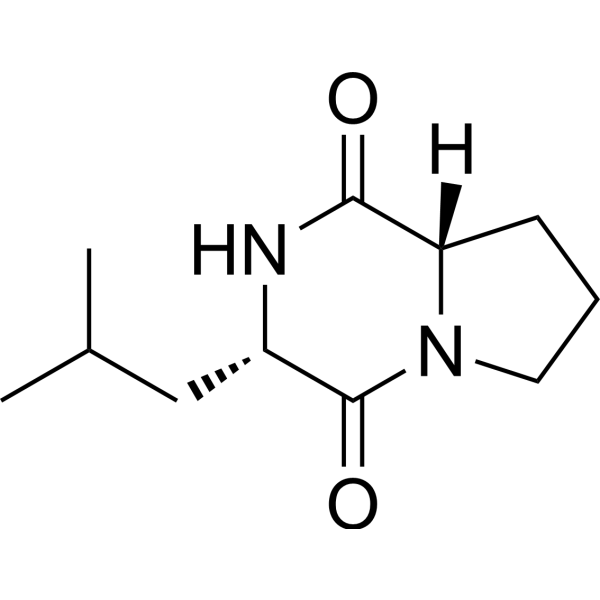
    Cyclo(L-prolyl-L-leucyl)

    Fungal Bacterial Influenza Virus Infection
    Cyclo(L-Leu-L-Pro) is a cyclic dipeptide with broad-spectrum antibacterial, antiviral and antifungal activities. Its biological activity is highly dependent on the stereoconfiguration and is widely present in microbial metabolites. Cyclo(L-Leu-L-Pro) efficiently and specifically inhibits the production of aflatoxin by Aspergillus flavus. The cis configuration of Cyclo(L-Leu-L-Pro) (cis-cyclo(L-Leu-L-Pro)) has broad-spectrum antibacterial activity against multi-drug resistant bacteria and significantly inhibits the influenza A virus H3N2 .
    Cyclo(L-Leu-L-Pro)
  • HY-119663

    Fungal Infection
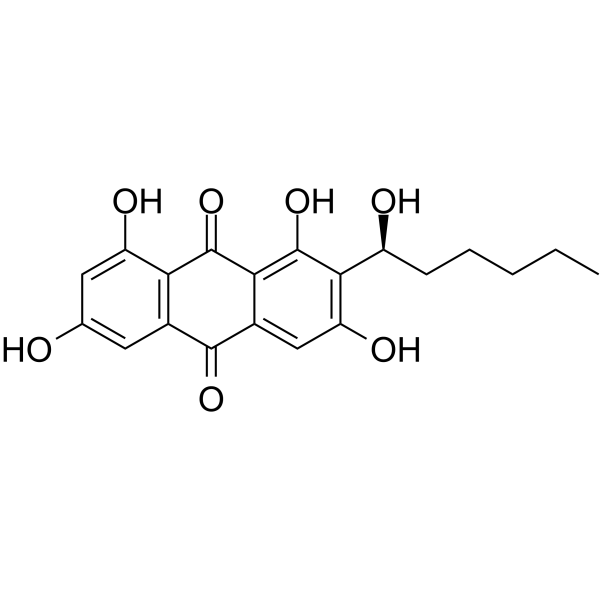
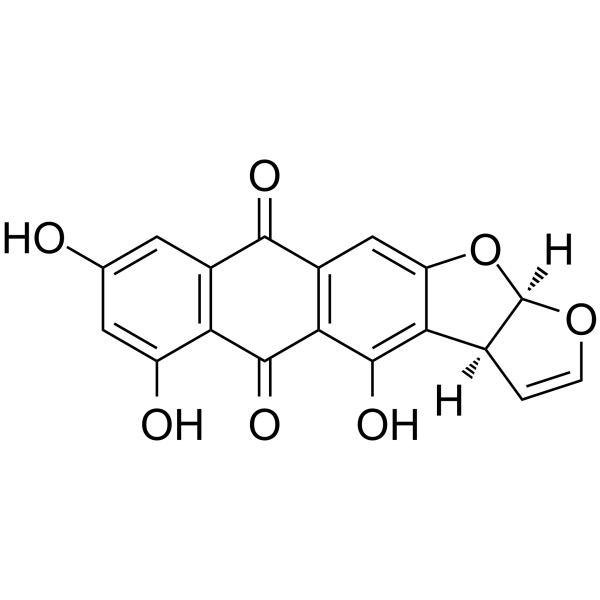
    Averantin is the minor metabolite of the fungus Cercospora arachidicola . Averantin is an aflatoxin B1 precursor that can be used in the biosynthetic pathway .
    Averantin
  • HY-N0367
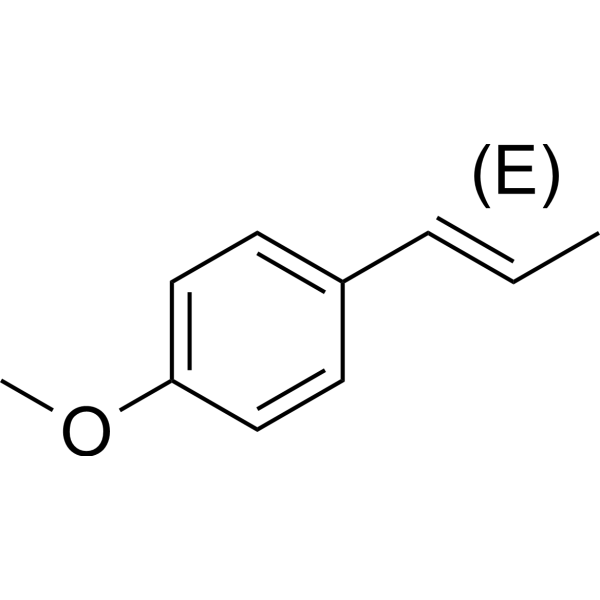
    Trans-Anethole
    2 Publications Verification

    (E)​-Anethole

    Environmental Pollutants Endogenous Metabolite Cardiovascular Disease Metabolic Disease Endocrinology Cancer
    Trans-Anethole ((E)-Anethole) is an orally active phenylpropene derivative found in Foeniculum vulgare that is estrogenic at low concentrations and cytotoxic at high concentrations in tumor cell lines. Trans-Anethole also has anti-aflatoxin, anti-thrombotic and anti-diabetic activities. Trans-Anethole is an important odor component in plants such as fennel, myrtle, liquorice, and camphor .
    Trans-Anethole
  • HY-113542
    Blasticidin A
    1 Publications Verification

    (+)-Blasticidin A

    Bacterial Antibiotic Parasite Infection
    Blasticidin A is a tetraamide acid derivative antibiotic produced by Streptomyces griseochromogenes, as well as a selective inhibitor of aflatoxin production. Blasticidin A exhibits antimicrobial activity against yeast. Blasticidin A can be used in research related to aflatoxin contamination (infection by Aspergillus sp.) .
    Blasticidin A
  • HY-W089845
    Heneicosane
    1 Publications Verification

    Environmental Pollutants Fungal Sex Pheromone Infection Endocrinology
    Heneicosane is a royal-specific pheromone of insects (such as subterranean termites) and is an identification signal for queens and kings in termites. Heneicosane mediates royal recognition and the maintenance of social division of labor by being sensed by worker ants and triggering vibrations and antennal behaviors. Heneicosane can exert anti-inflammatory, analgesic and antipyretic activities by inhibiting the release of inflammatory mediators (such as prostaglandins and cytokines). At the same time, Heneicosane can also inhibit the mycelial growth of aflatoxin-producing fungi and inhibit the production of aflatoxin. Heneicosane can be used in insect chemical ecology research to analyze the regulatory mechanism of termite social behavior, and is also a potential target for new anti-inflammatory drugs .
    Heneicosane
  • HY-W002116

    TRP Channel COX Phosphatase Bacterial Infection Metabolic Disease Inflammation/Immunology Cancer
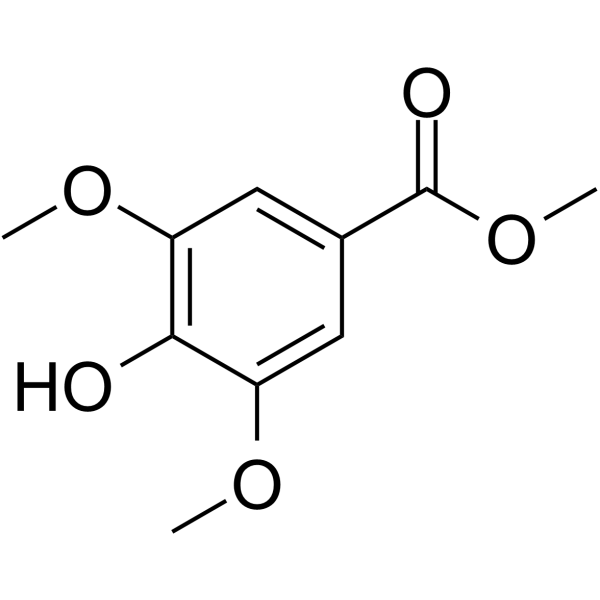
    Methyl syringate is a selective TRPA1 agonist. Methyl syringate regulates food intake and gastric emptying through a TRPA1-mediated pathway. Methyl syringate is an efficient phenolic mediator for bacterial and fungal laccases. Methyl syringate is a chemical marker of Asphodel monofloral honey. Methyl syringate contributes to the antibacterial activity of honey. Methyl syringate inhibits aflatoxin production. Methyl syringate can contribute to weight suppression. Methyl syringate can be studies for cancer prevention (e.g. lung cancer), suppression of hypoxia-induced inflammatory response and tumorigenesis .
    Methyl syringate
  • HY-N6695

    aflatoxin R0

    Drug Metabolite Cancer
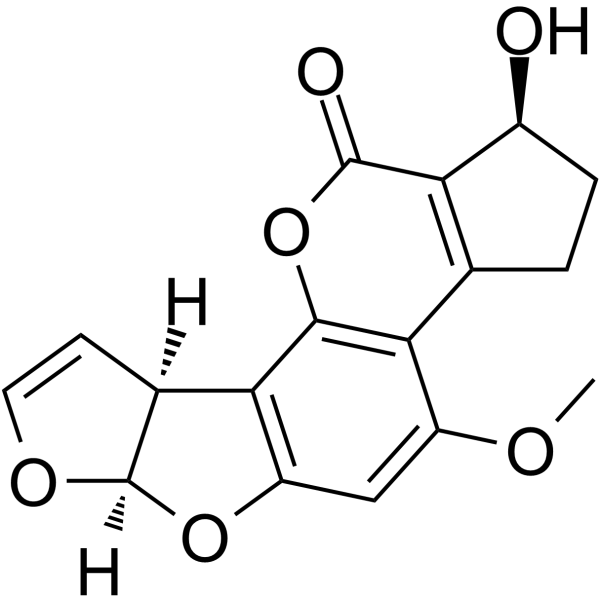
    Aflatoxin (Aflatoxin R0) is a metabolite of aflatoxin B1 produced from Rhizopus spp , and is mutagenic and carcinogenic mycotoxin .
    Aflatoxicol
  • HY-W663938

    Parasite Others
    Cyflumetofen is a synthetic miticide that strongly inhibits mitochondrial complex II of spider mites, but not of insects, crustaceans, or mammals. Cyflumetofen is not significantly effective in inhibiting aflatoxin production in fungi .
    Cyflumetofen
  • HY-W014081

    Ethyl 2-oxo-2H-chromene-3-carboxylate

    Drug Derivative Others
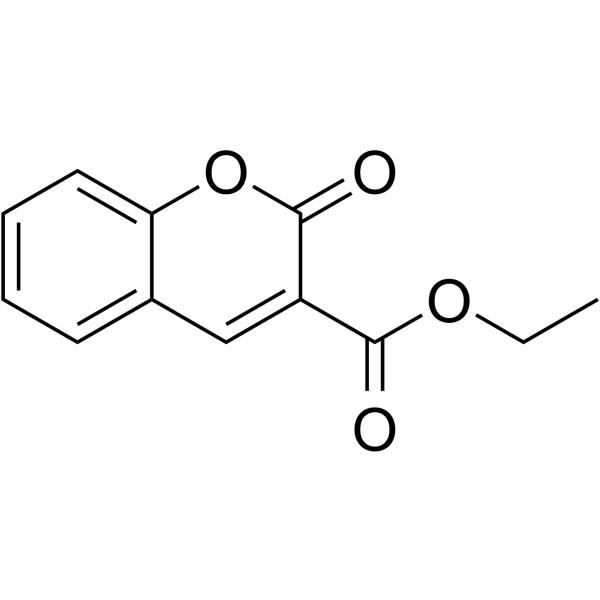
    Ethyl 3-coumarincarboxylate is a coumarin derivative. Ethyl 3-coumarincarboxylate can be used as a pseudo-template to give a molecularly imprinted polymer (MIP) that has a fairly specific recognition capability for aflatoxins .
    Ethyl 3-coumarincarboxylate
  • HY-N6725

    DNA/RNA Synthesis Bacterial Apoptosis Antibiotic Endogenous Metabolite Infection Cancer
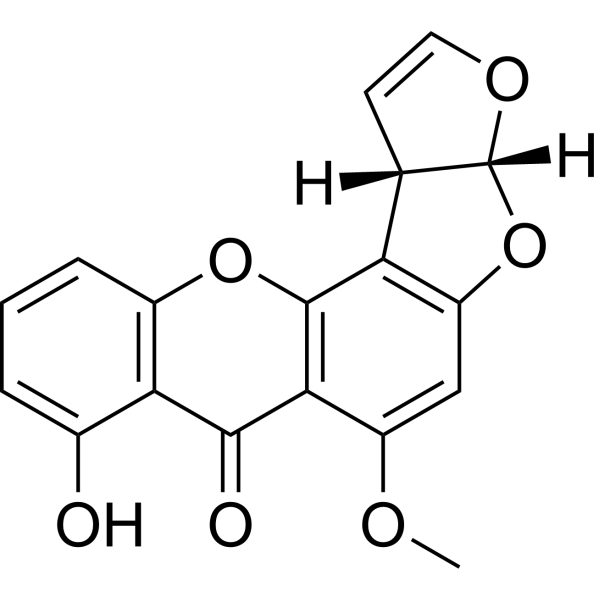
    Sterigmatocystine is a precursor of aflatoxins and a mycotoxin produced by common mold strains from Aspergillus versicolor . Sterigmatocystine, a inhibitor of G1 Phase and DNA synthesis, is used to inhibit p21 activity. Sterigmatocystine has teratogenic, and carcinogenic effects in animals .
    Sterigmatocystine
  • HY-W275553

    DNA Alkylator/Crosslinker Infection
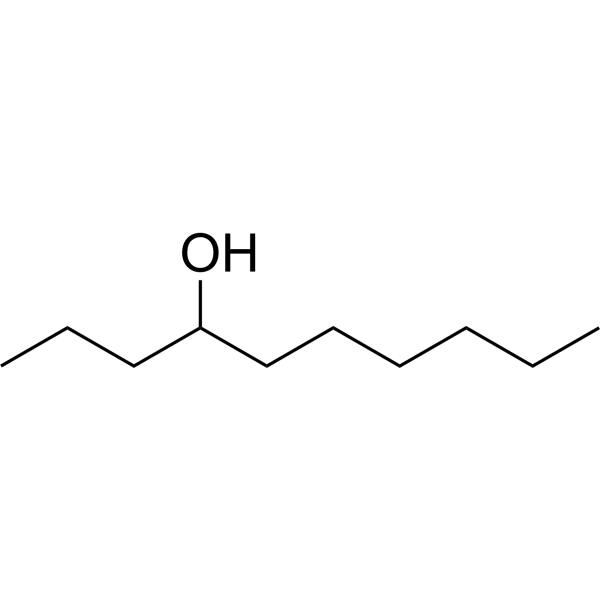
    4-Decanol is an antimutagenic compound, that can be isolated from mustard leaves. 4-Decanol inhibits mutagenic activities of Aflatoxin B1 (HY-N6615) and MNNG (HY-128612) in Salmonella typhimurium TA100 .
    4-Decanol
  • HY-129247

    MDM-2/p53 Aryl Hydrocarbon Receptor Cytochrome P450 Cancer
    Versicolorin A is a biosynthetic precursor of Aflatoxin B1 (HY-N6615). Versicolorin A induces phosphorylation of p53. Versicolorin A activates the aryl hydrocarbon receptor AhR and significantly induces the expression of CYP1A1. Versicolorin A exerts genotoxic and cytotoxic effects. Versicolorin A enhances the genotoxicity of aflatoxin B1 in cells by promoting CYP450-mediated bioactivation of aflatoxin B1. Versicolorin A can be used in research related to colorectal cancer and hepatocellular carcinoma .
    Versicolorin A
  • HY-150356MR1

    Reference Standards Infection Cancer
    Mixture of Aflatoxins in Acetonitrile (Standard) is mainly used for the detection of aflatoxins in grain, oils, foods and traditional Chinese medicines
    Mixture of Aflatoxins in Acetonitrile (Standard)
  • HY-N11845

    Lipoxygenase Metabolic Disease Inflammation/Immunology
    Sigmoidin B, a prenylated flavanone, is a selective 5-lipoxygenase inhibitor. Sigmoidin B is a potent scavenger of the DPPH radical. Sigmoidin B has antigenotoxic activity that inhibits genotoxicity induced by Aflatoxin B1 (HY-N6615), with an IC50 of 18.7 μg/mL. Sigmoidin B has anti-inflammatory activity and antioxidant properties .
    Sigmoidin B
  • HY-W002116S

    TRP Channel COX Phosphatase Bacterial Infection Metabolic Disease Inflammation/Immunology Cancer
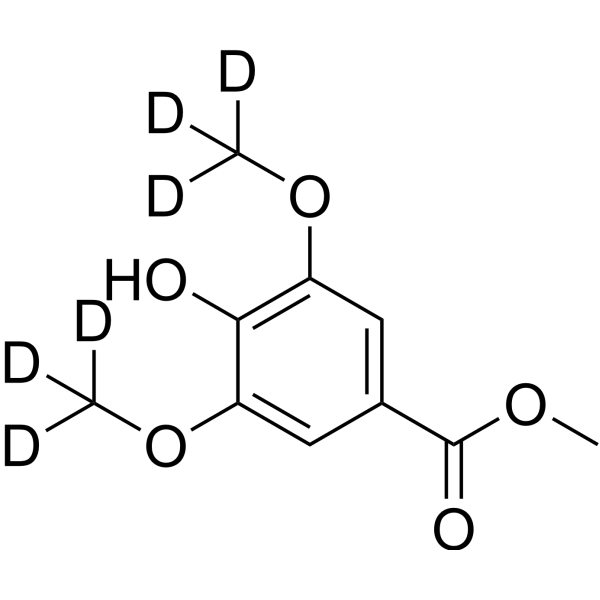
    Methyl syringate-d6 is the deuterium labeled Methyl syringate. Methyl syringate is a selective TRPA1 agonist. Methyl syringate regulates food intake and gastric emptying through a TRPA1-mediated pathway. Methyl syringate is an efficient phenolic mediator for bacterial and fungal laccases. Methyl syringate is a chemical marker of Asphodel monofloral honey. Methyl syringate contributes to the antibacterial activity of honey. Methyl syringate inhibits aflatoxin production. Methyl syringate can contribute to weight suppression. Methyl syringate can be studies for cancer prevention (e.g. lung cancer), suppression of hypoxia-induced inflammatory response and tumorigenesis .
    Methyl syringate-d6
  • HY-N12056

    Fungal Infection
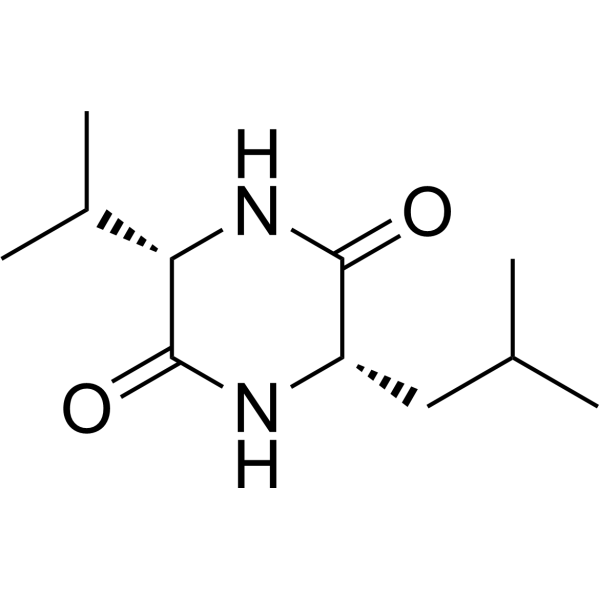
    Cyclo(L-leucyl-L-valyl) inhibits Aflatoxin production by Aspergillus parasiticus.Cyclo(L-leucyl-L-valyl) inhibits transcription of the Aflatoxin-related genes aflR, hexB, pksL1, and dmtA. .
    Cyclo(L-leucyl-L-valyl)
  • HY-134666A

    Dipeptidyl Peptidase Fungal Bacterial Infection
    Dioctatin A hydrochloride is a metabolite of Streptomyces and an inhibitor of human dipeptidyl aminopeptidase II. Dioctatin A hydrochloride can inhibit aflatoxin production by Aspergillus parasiticus with an IC50 of 4.0 μM. Dioctatin A hydrochloride can reduce the mRNA levels of aflatoxin biosynthetic genes and the regulatory gene aflR, inhibit conidiation and decrease the mRNA level of the brlA gene, and also promote kojic acid production. In addition, Dioctatin A hydrochloride can inhibit sterigmatocystin production. Dioctatin A hydrochloride has pleiotropic regulatory effects on the production and differentiation of fungal secondary metabolites .
    Dioctatin A hydrochloride
  • HY-Y0790R

    p-Isopropylbenzaldehyde (Standard)

    α-synuclein Reference Standards Infection Neurological Disease Inflammation/Immunology Cancer
    Cuminaldehyde Standard is the analytical standard of Cuminaldehyde. This product is intended for research and analytical applications. Cuminaldehyde is the main component of Cuminum cyminum and has multiple biological activities, including anti-inflammatory, anti-cancer, anti-diabetic, anti-injury, anti-neuropathy and antibacterial effects. Cuminaldehyde is an inhibitor of aldose reductase (IC50= 0.00085 mg/mL) and α-glucosidase (IC50=0.5 mg/mL). Cuminaldehyde also inhibits the fibrillation of α-synuclein and prevents its aggregation Cuminaldehyde can induce apoptosis in colon adenocarcinoma cells by targeting topoisomerase I and II. In addition, Cuminaldehyde also exerts anti-inflammatory activity by inhibiting lipoxygenase. Cuminaldehyde has a strong inhibitory effect on the growth of Aspergillus flavus and the biosynthesis of aflatoxin B1 (AFB1). Cuminaldehyde can exert anti-injury and anti-neuropathy effects by participating in opioid receptors, L-arginine/NO/cGMP pathways and anti-inflammatory effects. Cuminaldehyde has potential application value in the research of neurodegenerative diseases, cancer, diabetes and neuropathic pain diseases .
    Cuminaldehyde (Standard)
  • HY-149450

    Fungal Infection
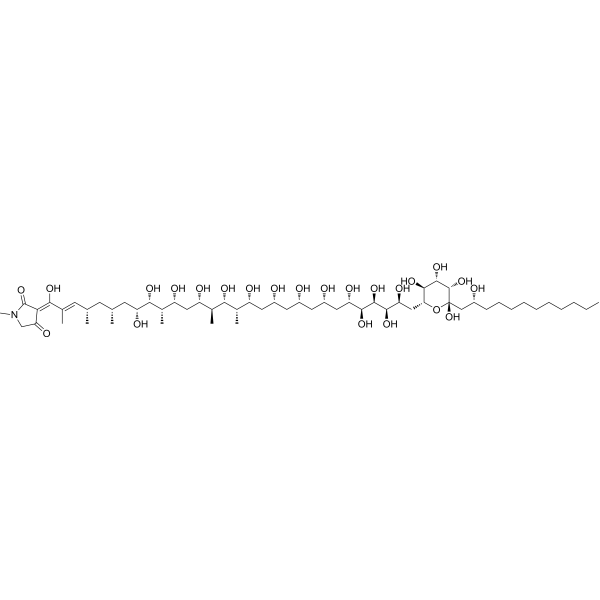
    Aflastatin A, a microbial metabolite, is an aflatoxin production inhibitor. Aflastatin A inhibits production of both aflatoxin B and G groups .
    Aflastatin A
  • HY-W663938R

    Parasite Reference Standards Others
    Cyflumetofen (Standard) is the analytical standard of Cyflumetofen. This product is intended for research and analytical applications. Cyflumetofen is a synthetic miticide that strongly inhibits mitochondrial complex II of spider mites, but not of insects, crustaceans, or mammals. Cyflumetofen is not significantly effective in inhibiting aflatoxin production in fungi .
    Cyflumetofen (Standard)
  • HY-W089845S

    Isotope-Labeled Compounds Sex Pheromone Fungal Infection Endocrinology
    Heneicosane-d44 is the deuterium labeled Heneicosane (HY-W089845). Heneicosane is a royal-specific pheromone of insects (such as subterranean termites) and is an identification signal for queens and kings in termites. Heneicosane mediates royal recognition and the maintenance of social division of labor by being sensed by worker ants and triggering vibrations and antennal behaviors. Heneicosane can exert anti-inflammatory, analgesic and antipyretic activities by inhibiting the release of inflammatory mediators (such as prostaglandins and cytokines). At the same time, Heneicosane can also inhibit the mycelial growth of aflatoxin-producing fungi and inhibit the production of aflatoxin. Heneicosane can be used in insect chemical ecology research to analyze the regulatory mechanism of termite social behavior, and is also a potential target for new anti-inflammatory drugs .
    Heneicosane-d44
  • HY-W089845R

    Reference Standards Sex Pheromone Fungal Infection Endocrinology
    Heneicosane (Standard) is the analytical standard of Heneicosane (HY-W089845). This product is intended for research and analytical applications. Heneicosane is a royal-specific pheromone of insects (such as subterranean termites) and is an identification signal for queens and kings in termites. Heneicosane mediates royal recognition and the maintenance of social division of labor by being sensed by worker ants and triggering vibrations and antennal behaviors. Heneicosane can exert anti-inflammatory, analgesic and antipyretic activities by inhibiting the release of inflammatory mediators (such as prostaglandins and cytokines). At the same time, Heneicosane can also inhibit the mycelial growth of aflatoxin-producing fungi and inhibit the production of aflatoxin. Heneicosane can be used in insect chemical ecology research to analyze the regulatory mechanism of termite social behavior, and is also a potential target for new anti-inflammatory drugs .
    Heneicosane (Standard)
  • HY-W011422

    NSC 528

    Fluorescent Dye Others
    2,6-Dibromo-4-(chloroimino)cyclohexa-2,5-dienone (NSC 528) is a colorimetric dye used for the detection of phenolic compounds. 2,6-Dibromo-4-(chloroimino)cyclohexa-2,5-dienone reacts with phenolic compounds at a pH of about 9.4 to produce an indigo dye. 2,6-Dibromo-4-(chloroimino)cyclohexa-2,5-dienone has been used as a Gibbs reagent for the colorimetric detection of phenolic compounds. 2,6-Dibromo-4-(chloroimino)cyclohexa-2,5-dienone has also been used in a colorimetric reaction for the quantitative colorimetric detection of aflatoxins, turning the colorless aflatoxins green with an absorption band at 673 nm.
    2,6-Dibromo-4-(chloroimino)cyclohexa-2,5-dienone
  • HY-N6725R

    Reference Standards DNA/RNA Synthesis Bacterial Apoptosis Antibiotic Endogenous Metabolite Infection Cancer
    Sterigmatocystine (Standard) is the analytical standard of Sterigmatocystine. This product is intended for research and analytical applications. Sterigmatocystine is a precursor of aflatoxins and a mycotoxin produced by common mold strains from Aspergillus versicolor . Sterigmatocystine, a inhibitor of G1 Phase and DNA synthesis, is used to inhibit p21 activity. Sterigmatocystine has teratogenic, and carcinogenic effects in animals .
    Sterigmatocystine (Standard)
  • HY-133002

    Sterculic acid methyl ester; Methyl Sterculate

    Bacterial Infection
    Sterculic acid methyl ester is an ester form of sterculic acid, which is an inhibitor of Δ9 desaturase. Sterculic acid methyl ester (0.75 mM) inhibits the growth of, and is toxic to, the bacteria R. opacus. It decreases the fatty acid content, increases the ratio of palmitate to other fatty acids, and decreases the levels of stearate and oleate in R. opacus when used at concentrations of 0.25 or 0.5 mM. Sterculic acid methyl ester (50 ppm) has a synergistic effect on increased tumor growth induced by aflatoxin Q1 in rainbow trout.
    Methyl sterculate
  • HY-N0367R

    (E)​-Anethole (Standard)

    Reference Standards Endogenous Metabolite Cardiovascular Disease Metabolic Disease Endocrinology Cancer
    Trans-Anethole (Standard) is the analytical standard of Trans-Anethole. This product is intended for research and analytical applications. Trans-Anethole ((E)-Anethole) is an orally active phenylpropene derivative found in Foeniculum vulgare that is estrogenic at low concentrations and cytotoxic at high concentrations in tumor cell lines. Trans-Anethole also has anti-aflatoxin, anti-thrombotic and anti-diabetic activities. Trans-Anethole is an important odor component in plants such as fennel, myrtle, liquorice, and camphor .
    Trans-Anethole (Standard)
  • HY-N0367S

    (E)​-Anethole-d3

    Isotope-Labeled Compounds Endogenous Metabolite Endocrinology
    Trans-Anethole-d3 is deuterated labeled Trans-Anethole (HY-N0367). Trans-Anethole ((E)-Anethole) is an orally active phenylpropene derivative found in Foeniculum vulgare that is estrogenic at low concentrations and cytotoxic at high concentrations in tumor cell lines. Trans-Anethole also has anti-aflatoxin, anti-thrombotic and anti-diabetic activities. Trans-Anethole is an important odor component in plants such as fennel, myrtle, liquorice, and camphor .
    Trans-Anethole-d3
  • HY-N15309

    Torvoside K

    Fungal Infection
    Torvoside C (Torvoside K) is a compound found in Solanum torvum with antifungal activity. The ZOIs and MIC values of Torvoside C against the tested fungi (Alternaria brassicicola, Alternaria geophila, Aspergillus flavus, etc.) range from 33.4% to 87.4% and 31.25 to 250 μg/mL, respectively. Additionally, it exhibits a dose-dependent inhibitory effect on the production of mycotoxins aflatoxin B1 and fumonisin B1, which are produced by A. flavus and F. verticillioides, respectively. Torvoside C can be used for research in the field of antifungal infection .
    Torvoside C
  • HY-W002116R

    Reference Standards TRP Channel COX Phosphatase Bacterial Infection Metabolic Disease Inflammation/Immunology Cancer
    Methyl syringate is a selective TRPA1 agonist. Methyl syringate regulates food intake and gastric emptying through a TRPA1-mediated pathway. Methyl syringate is an efficient phenolic mediator for bacterial and fungal laccases. Methyl syringate is a chemical marker of Asphodel monofloral honey. Methyl syringate contributes to the antibacterial activity of honey. Methyl syringate inhibits aflatoxin production. Methyl syringate can contribute to weight suppression. Methyl syringate can be studies for cancer prevention (e.g. lung cancer), suppression of hypoxia-induced inflammatory response and tumorigenesis .
    Methyl syringate (Standard)
  • HY-158278A

    Biochemical Assay Reagents Inflammation/Immunology
    Aflatoxin B1/OVA is an antigen-adjuvant conjugate conjugate of Aflatoxin B1 (HY-N6615) and ovalbumin (OVA). By conjugating the antigen with a protein adjuvant, the production of antigen-specific antibodies in vaccine models can be enhanced. The conjugate does not affect protein folding or disrupt major epitopes, and can enhance cross-presentation and the production of antigen-specific T cells.
    Aflatoxin B1/OVA
  • HY-W275553R

    DNA Alkylator/Crosslinker Reference Standards Infection
    4-Decanol (Standard) is the analytical standard of 4-Decanol (HY-W275553). This product is intended for research and analytical applications. 4-Decanol is an antimutagenic compound, that can be isolated from mustard leaves. 4-Decanol inhibits mutagenic activities of Aflatoxin B1 (HY-N6615) and MNNG (HY-128612) in Salmonella typhimurium TA100 .
    4-Decanol (Standard)
  • HY-N6771S

    Isotope-Labeled Compounds Infection
    Cyclopiazonic acid- 13C20 is the 13C-labeled Cyclopiazonic acid (HY-N6771). Cyclopiazonic acid is an endoplasmic reticulum calcium ATPase (ECAs) inhibitor and human respiratory syncytial virus (RSV) inhibitor (EC50 value of 4.13 μ M), which can reduce the antagonistic effect of 5-HT receptors in rat thoracic aorta, induce p53 dependent cell apoptosis and reproductive toxicity in mouse testes, and inhibit the biological activation of aflatoxin B .
    Cyclopiazonic acid-13C20
  • HY-W017143

    Fungal Infection
    Antifungal agent 158 is an α-pyrone derivative that can be found in Trichoderma harzianum, exhibiting antifungal activity against select plant-pathogenic fungi, including Chaetomium spp., Curvularia lunata, and Aspergillus flavus. Antifungal agent 158 is non-toxic to greenhouse-grown bean, corn, and tobacco plants. Antifungal agent 158 can be used for research on Aspergillus flavus infection .
    Antifungal agent 158

Inquiry Online

Your information is safe with us. * Required Fields.

Salutation


Country or Region *

Applicant Name *


Organization Name *

Department *


Email Address *


Product Name *

Cat. No.


Requested quantity *

Phone Number *


Remarks

Inquiry Online

Inquiry Information

Product Name:
Cat. No.:
Quantity:
MCE Japan Authorized Agent:

