

18 Results for "

age-related disorders

" in MedChemExpress (MCE) Product Catalog:
Products (18)

18 Results for "age-related disorders" in MCE Product Catalog:

1
1 Cited Publications
Cat. No.: HY-P2048
CAS No.: 1627580-64-6
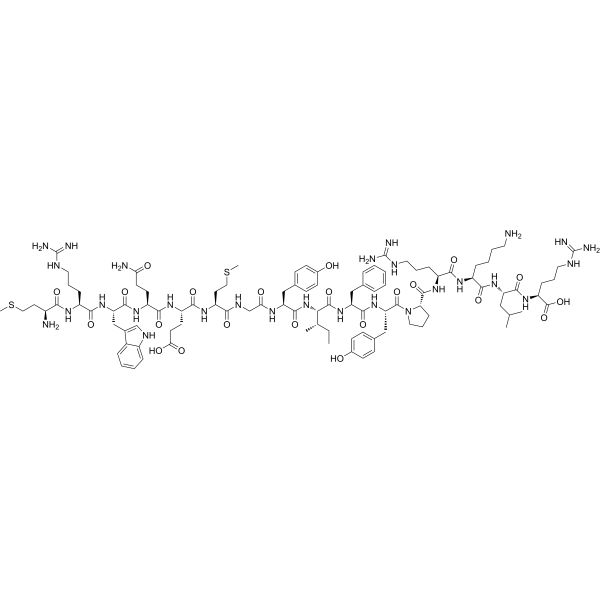
MOTS-c (human) is a mitochondrial-derived peptide that modulates the AMPK/PGC-1α pathway to enhance insulin sensitivity. MOTS-c (human) inhibits the folate cycle and de novo purine synthesis, increases AICAR levels to activate AMPK, and then regulates the Nrf2/Keap1 antioxidant pathway and inhibits the NF-κB inflammatory pathway, while promoting mitochondrial biogenesis and energy metabolism. MOTS-c (human) has the effects of improving glucose and lipid metabolism, anti-oxidative stress, anti-inflammatory and neuroprotection, and can be used in the study of type 2 diabetes, traumatic brain injury, inflammatory diseases and aging-related metabolic disorders .
loading...
    loading...
1
1 Cited Publications
Cat. No.: HY-P2048A
Target:  

AMPK GLUT

MOTS-c (human) acetate is a mitochondrial-derived peptide that modulates the AMPK/PGC-1α pathway to enhance insulin sensitivity. MOTS-c (human) acetate inhibits the folate cycle and de novo purine synthesis, increases AICAR levels to activate AMPK, and then regulates the Nrf2/Keap1 antioxidant pathway and inhibits the NF-κB inflammatory pathway, while promoting mitochondrial biogenesis and energy metabolism. MOTS-c (human) acetate has the effects of improving glucose and lipid metabolism, anti-oxidative stress, anti-inflammatory and neuroprotection, and can be used in the study of type 2 diabetes, traumatic brain injury, inflammatory diseases and aging-related metabolic disorders .
loading...
    loading...
Cat. No.: HY-19720A
CAS No.: 1141934-97-5
Synonyms: ACU-4429 hydrochloride
Target:  

RPE65

Research Areas:  

Metabolic Disease

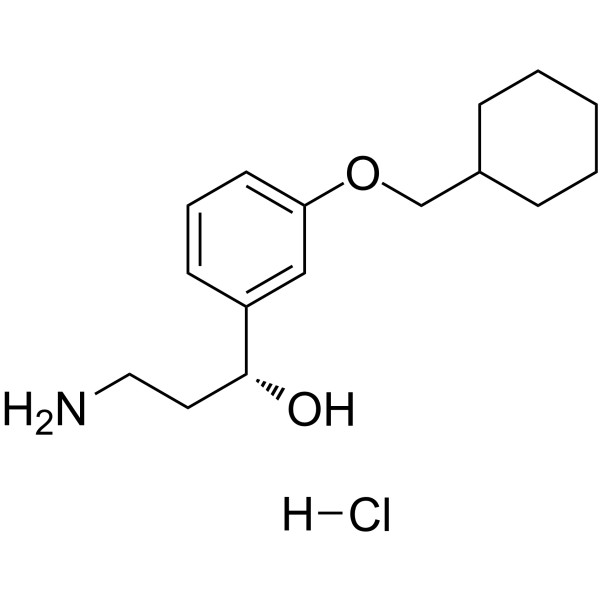
Emixustat (ACU-4429) hydrochloride is an orally active RPE65 inhibitor with an IC50 value of 4.4 nM. Emixustat hydrochloride is also a visual cycle modulator, capable of regulating visual cycle activity by inhibiting retinol isomerization, and holds potential for studying vision disorders such as age-related macular degeneration (AMD) .
loading...
    loading...
Cat. No.: HY-132806
CAS No.: 2230009-48-8
Purity:  99.93%
Synonyms: RG-7816; RO-7017773
Target:  

GABA Receptor

Research Areas:  

Neurological Disease

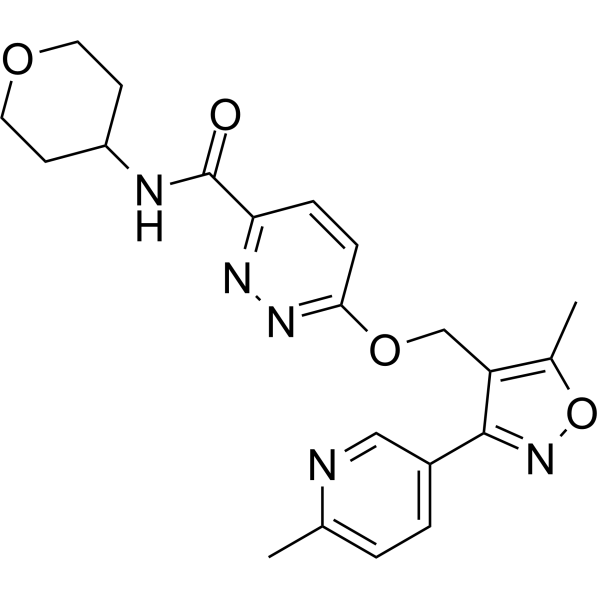
Alogabat is a positive allosteric modulator (PAM) and agonist (Ki <100 nM) of the GABAA α5 receptor, targeting the α5β3γ2 subunit with a Ki of 8.7 nM. Alogabat increases the expression level of α5β3γ2 in oocytes (1.97-fold). GABAA has been implicated in cognitive impairment associated with central nervous system (CNS) disorders, brain cancer (including brain tumors such as medulloblastoma), and can be used in the study of mild cognitive impairment (MCI), amnestic MCI (aMCI), age-associated memory impairment (AAMI), age-related cognitive decline (ARCD), dementia, Alzheimer's disease (AD), prodromal AD, post-traumatic stress disorder (PTSD), schizophrenia, bipolar disorder, amyotrophic lateral sclerosis (ALS), cognitive impairment associated with cancer treatment, mental retardation, Parkinson's disease (PD), autism spectrum disorder, fragile X, Rett syndrome, obsessive-compulsive behavior, and substance addiction .
loading...
    loading...
Cat. No.: HY-19720
CAS No.: 1141777-14-1
Synonyms: ACU-4429
Target:  

RPE65

Research Areas:  

Metabolic Disease

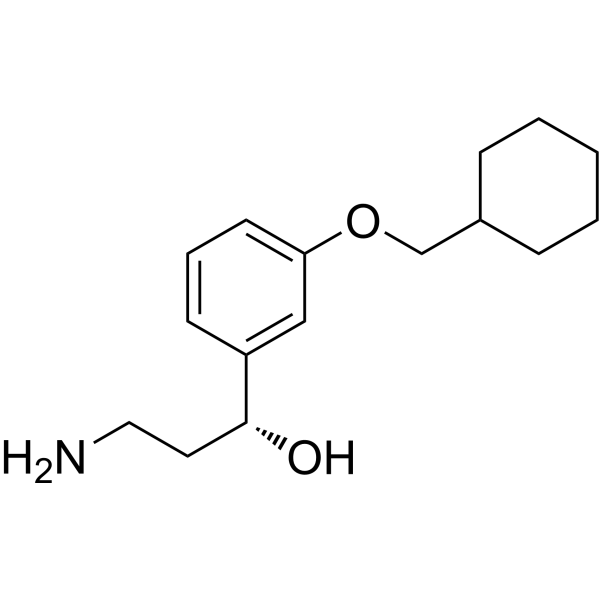
Emixustat is an orally active RPE65 inhibitor with an IC50 value of 4.4 nM. Emixustat is also a visual cycle modulator, capable of regulating visual cycle activity by inhibiting retinol isomerization, and holds potential for studying vision disorders such as age-related macular degeneration (AMD) .
loading...
    loading...
Cat. No.: HY-137557
CAS No.: 1565797-16-1
Synonyms: APN1607; PM-PBB3
Target:  

Tau Protein

Research Areas:  

Neurological Disease

Florzolotau (APN1607) is a positron emission tomography (PET) ligand that can be used for the detection of Alzheimer's disease (AD) and other tau proteinopathies. Its binding sites are located in the β-sheet of paired helical filaments (PHFs) and straight filaments (SFs) of tau protein, as well as in the C-shaped cavity of SFs. In addition, APN-1607 binds to intraneuronal inclusions in Alzheimer's disease (AD), primary age-related tauopathy (PART) and posterior cortical atrophy (PCA). Florzolotau shows promise for PET imaging studies of neurological disorders, particularly tau proteinopathies .
loading...
    loading...
Cat. No.: HY-125931
CAS No.: 272786-64-8
Purity:  99.78%
Synonyms: DM232
Target:  

iGluR

Unifiram (DM232) is a AMPA receptor activator and cognitive enhancer. Unifiram activates the AMPA-mediated neurotransmission system. Unifiram reverses NBQX-induced amnesia in the passive avoidance test in mice. Unifiram reverses the antagonistic effect of kynurenic acid on NMDA-mediated [ 3H]NA release in rat hippocampal slices. Unifiram enhances excitatory synaptic transmission in the rat hippocampus in vitro. Unifiram can be used in studies related to amnesia and cognitive dysfunction, including age-related memory decline, neurodegenerative diseases such as Alzheimer's disease or Parkinson's disease, multiple sclerosis, schizophrenia, and attention deficit hyperactivity disorder .
loading...
    loading...
Cat. No.: HY-W701069
CAS No.: 53844-46-5
Synonyms: MyMD-1
Target:  

Drug Derivative

Research Areas:  

Inflammation/Immunology

Isomyosmine is a nitrate reductase inhibitor. Isomyosmine is a nicotine related alkaloid present in solanecea plants containing nicotine. Isomyosmine can be used for research of inflammation and age-related disorders
loading...
    loading...
Cat. No.: HY-139464
CAS No.: 2022949-46-6
Purity:  99.55%
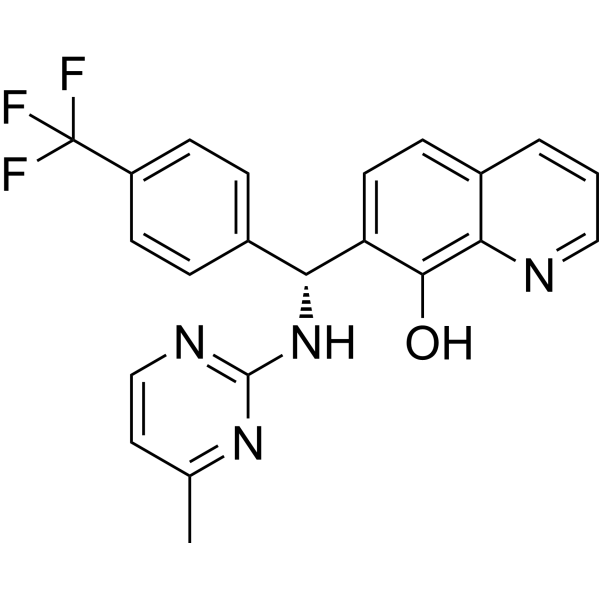
Q134R, a neuroprotective hydroxyquinoline derivative that suppresses nuclear factor of activated T cell (NFAT) signaling. Q134R can across blood-brain barrier. Q134R has the potential for Alzheimer's disease (AD) and aging-related disorders research .
loading...
    loading...
Cat. No.: HY-147108
CAS No.: 2241669-05-4
Purity:  95.10%
Target:  

Mitophagy

Research Areas:  

Others

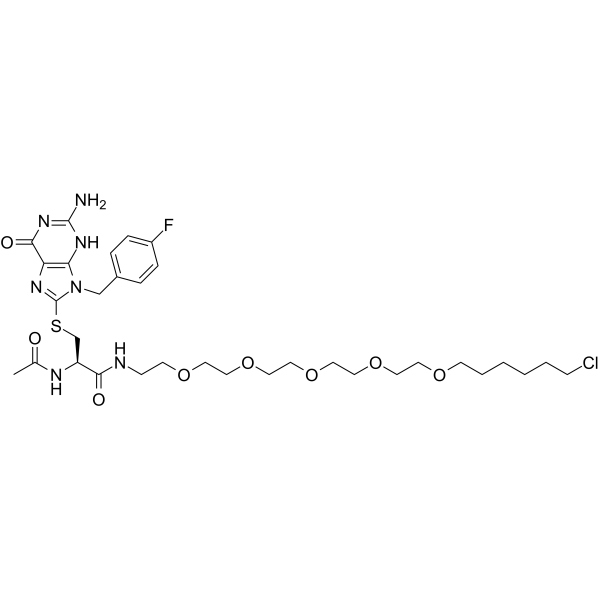
Mitochondria degrader-1 is a mitochondria-targeted degrader that promotes the degradation of damaged mitochondria via autophagic machinery. Mitochondria degrader-1 is generated by intracellular binding between an FBnNAC-containing HaloTag-reactive molecule and mitochondrially localized EmGFP-HaloTag-Omp25. Mitochondria degrader-1 can be used in studies related to mitophagy and the clearance of damaged mitochondria .
loading...
    loading...
Cat. No.: HY-135741
CAS No.: 2012536-16-0
Purity:  98.77%
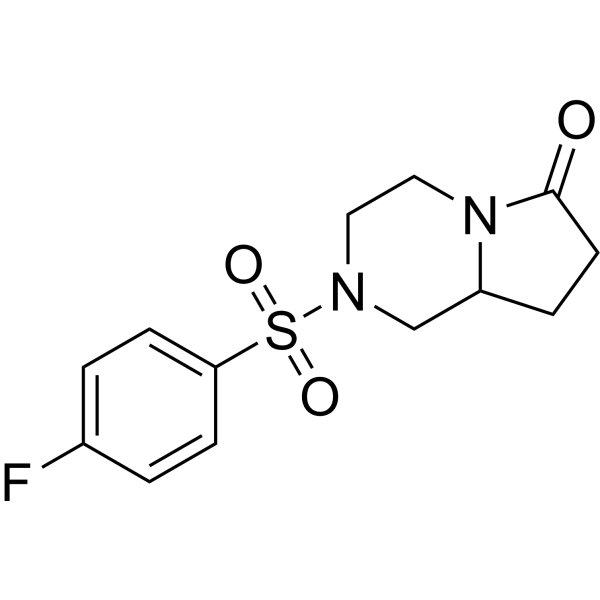
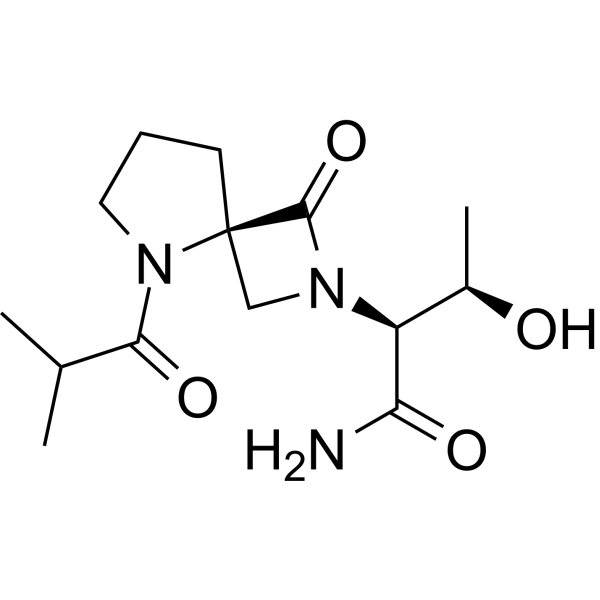
NYX-2925 is an orally active, blood-brain barrier-permeable NMDAR modulator, with EC50 values of 55 pM, 28 fM, 11 pM and 55 pM against NR2A, NR2B, NR2C and NR2D, respectively . NYX-2925 enhances synaptic plasticity, long-term potentiation, metaplasticity, structural plasticity, learning ability, memory capacity and circadian rhythm amplitude. NYX-2925 regulates the signaling pathways of Src kinase, EIF2, mTOR, CDK5 and protein kinase A (PKA). NYX-2925 increases the levels of PSD-95, GluA1, activated Src and synaptic GluN2B . NYX-2925 is used in the research of neuropathic pain, fibromyalgia, painful diabetic peripheral neuropathy, post-traumatic stress disorder, cognitive impairment, depression, age-related cognitive decline and NMDAR-mediated central nervous system diseases .
loading...
    loading...
Cat. No.: HY-400528
CAS No.: 332939-32-9
Target:  

CDK

Research Areas:  

Inflammation/Immunology Cancer

CLK1-IN-4 (Compound 81) is an inhibitor for CDC like kinase 1 (CLK-1) with IC50 of 2.5 μM .
loading...
    loading...
Cat. No.: HY-P2940
CAS No.: 9032-65-9
Target:  

NAMPT

Research Areas:  

Inflammation/Immunology

NADase is an ectoenzyme/membrane-bound enzyme targeting nicotinamide adenine dinucleotide (NAD +). NADase regulates intracellular NAD + homeostasis by hydrolyzing NAD + into nicotinamide mononucleotide (NMN) and ADP-ribose. NADase is promising for research of autoimmune diseases (e.g., systemic sclerosis, systemic lupus erythematosus) and aging-related disorders .
loading...
    loading...
Cat. No.: HY-163103
CAS No.: 67209-94-3
Target:  

Drug Isomer

Research Areas:  

Inflammation/Immunology

(S)-Isomyosmine is the S-enantiomer of Isomyosmine (HY-W701069). Isomyosmine is a nitrate reductase inhibitor. Isomyosmine is a nicotine related alkaloid present in solanecea plants containing nicotine. Isomyosmine can be used for research of inflammation and age-related disorders .
loading...
    loading...
Cat. No.: HY-N18386
CAS No.: 1384897-64-6
Altissimacoumarin F (Compound 4) is a terpenylated coumarin. Altissimacoumarin F can be isolated from the stem bark of Ailanthus altissima. Altissimacoumarin F enhances SIRT1 activity, decreases p53 transcriptional activity. Altissimacoumarin F can be used for the research of age-related disorders .
loading...
    loading...
Cat. No.: HY-148115
CAS No.: 1354908-17-0
Target:  

LPL Receptor

Research Areas:  

Inflammation/Immunology

S1p receptor agonist 2 (compound 1) is an agonist of S1P5 receptor, exhibits selectivity over the S1P1 and/or S1P3 receptors. S1p receptor agonist 2 can be used for endogenous SIP signaling system research, and alleviating or preventing CNS disorders research, such as neurodegenerative disorders .
loading...
    loading...
Cat. No.: HY-L134
193 compounds

Aging is an unavoidable process, leading to cell senescence due to physiochemical changes in an organism. Aging cells cease to divide and drive the progression of illness through various pathways, resulting in the death of an organism ultimately. Anti-aging activities are primarily involved in the therapies of age-related disorders such as Parkinson's Disease (PD), Alzheimer's Disease (AD), cardiovascular diseases, cancer, and chronic obstructive pulmonary diseases.

Natural products are known as effective molecules in anti-aging treatments, which delay the aging process through influencing several pathways and thus ensure an extended lifespan. MCE offers a unique collection of 193 natural products with validated anti-aging activity. MCE anti-aging natural product library is a useful tool for the study of aging-related diseases drugs and pharmacology.

Cat. No.: HY-137557A
Synonyms: (E/Z)-APN1607; (E/Z)-PM-PBB3
Target:  

Tau Protein

Research Areas:  

Neurological Disease

(E/Z)-Florzolotau ((E/Z)-APN1607) is a mixed configuration or unspecified configuration of Florzolotau (HY-137557). Florzolotau (APN1607) is a positron emission tomography (PET) ligand that can be used for the detection of Alzheimer's disease (AD) and other tau proteinopathies. Its binding sites are located in the β-sheet of paired helical filaments (PHFs) and straight filaments (SFs) of tau protein, as well as in the C-shaped cavity of SFs. In addition, APN-1607 binds to intraneuronal inclusions in Alzheimer's disease (AD), primary age-related tauopathy (PART) and posterior cortical atrophy (PCA). Florzolotau shows promise for PET imaging studies of neurological disorders, particularly tau proteinopathies .
loading...
    loading...
  • 1

