

1. Search Result
Search Result
Results for "

airways

" in MedChemExpress (MCE) Product Catalog:

309

Inhibitors & Agonists

1

Fluorescent Dyes

5

Biochemical Assay Reagents

15

Peptides

2

MCE Kits

16

Inhibitory Antibodies

49

Natural
Products

16

Isotope-Labeled Compounds

8

Oligonucleotides

Cat. No. Product Name Target Research Areas Chemical Structure
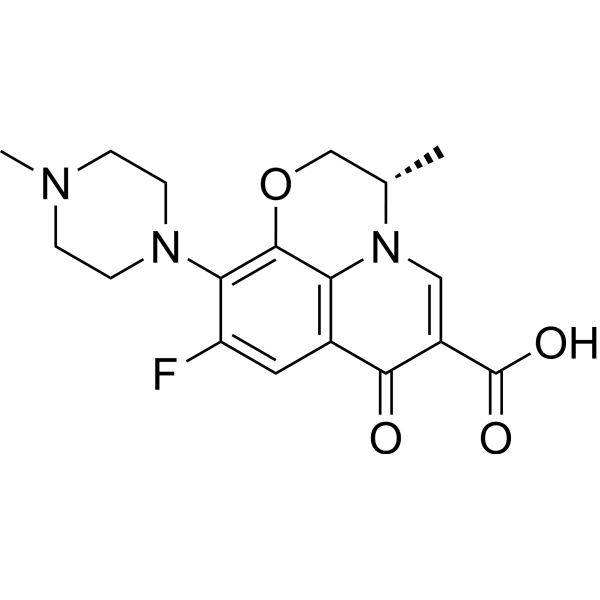
  • HY-B0330
    Levofloxacin
    30+ Cited Publications

    (-)-Ofloxacin

    Topoisomerase DNA/RNA Synthesis Antibiotic Bacterial Orthopoxvirus Infection Cancer
    Levofloxacin ((-)-Ofloxacin) is an orally active antibiotic and is active against both Gram-positive and Gram-negative bacteria. Levofloxacin inhibits the DNA gyrase and topoisomerase IV. Levofloxacin can be used for chronic periodontitis, airway inflammation and BK Viremia research. Levofloxacin shows anti-orthopoxvirus activity .
    Levofloxacin
  • HY-A0083
    Methacholine chloride
    5+ Cited Publications

    Acetyl-β-methylcholine chloride

    mAChR Others
    Methacholine (Acetyl-β-methylcholine) choride is a potent muscarinic-3 (M3) agonist. Methacholine choride acts directly on acetylcholine receptors on smooth muscle causing bronchoconstriction and airway narrowing. Methacholine choride shows a high sensitivity to identify bronchial hyperresponsiveness (BHR). Methacholine choride can be used to measure airway hyperresponsiveness (AHR) as a diagnostic aid in the assessment of individuals with asthma-like symptoms and normal resting expiratory flow rates .
    Methacholine chloride
  • HY-P1098
    Ac2-26
    Maximum Cited Publications
    8 Publications Verification

    Annexin A NF-κB Inflammation/Immunology
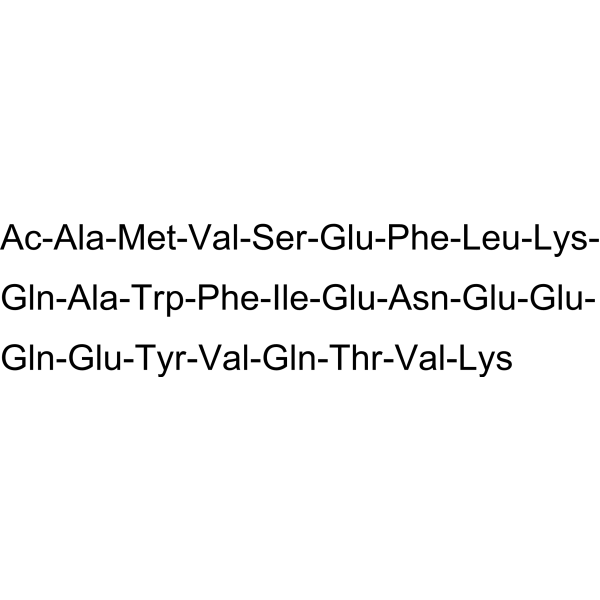
    Ac2-26 is the N-terminal peptide of annexin 1, and has anti-inflammatory activity. Ac2-26 induces a decrease in IKKβ protein in lysosomes by chaperone-mediated autophagy (CMA). Ac2-26 ameliorates lung ischemia-reperfusion injury. Ac2-26 also inhibits airway inflammation and hyperresponsiveness in an asthma rat model .
    Ac2-26
  • HY-B0809
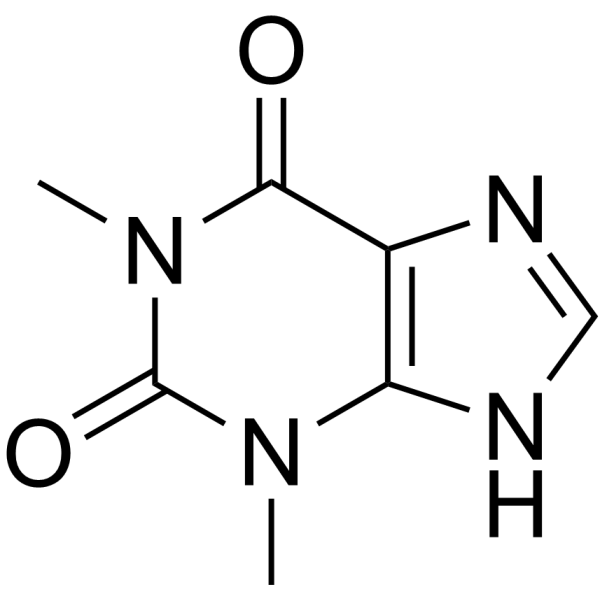
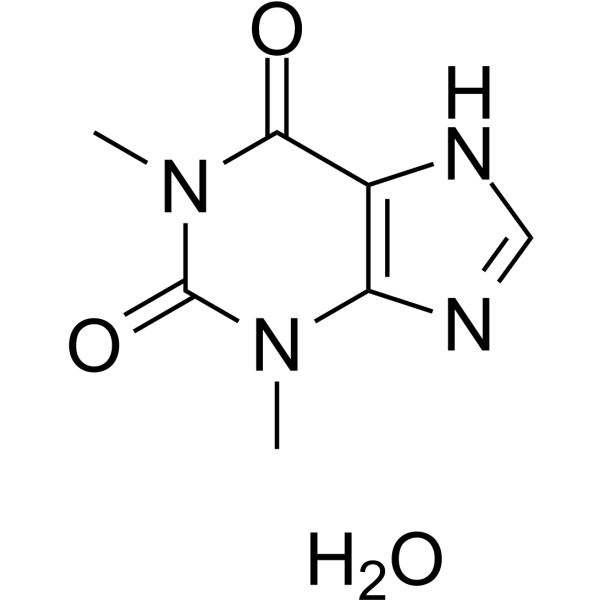
    Theophylline
    10+ Cited Publications

    1,3-Dimethylxanthine; Theo-24

    Phosphodiesterase (PDE) Adenosine Receptor HDAC Apoptosis Interleukin Related TNF Receptor Endogenous Metabolite Infection Neurological Disease Inflammation/Immunology Cancer
    Theophylline (1,3-Dimethylxanthine) is a potent phosphodiesterase (PDE) inhibitor, adenosine receptor antagonist, and histone deacetylase (HDAC) activator. Theophylline (1,3-Dimethylxanthine) inhibits PDE3 activity to relax airway smooth muscle. Theophylline (1,3-Dimethylxanthine) has anti-inflammatory activity by increase IL-10 and inhibit NF-κB into the nucleus. Theophylline (1,3-Dimethylxanthine) induces apoptosis. Theophylline (1,3-Dimethylxanthine) can be used for asthma and chronic obstructive pulmonary disease (COPD) research .
    Theophylline
  • HY-N0283
    Diacerein
    5+ Cited Publications

    Diacerhein; Diacetylrhein

    Interleukin Related Calcium Channel Inflammation/Immunology
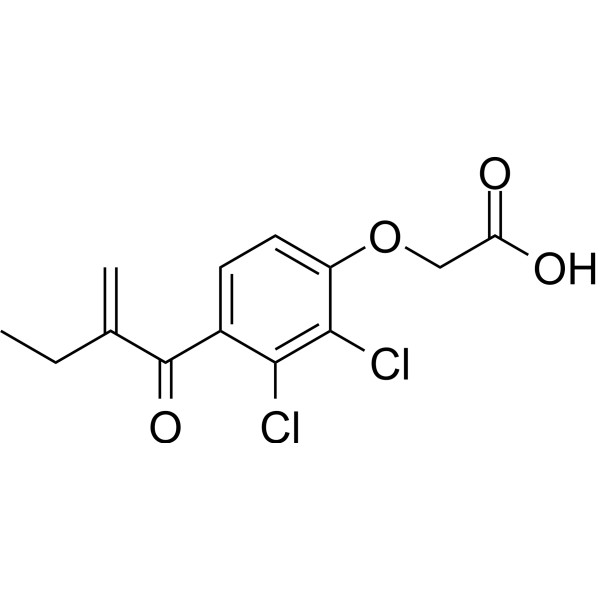
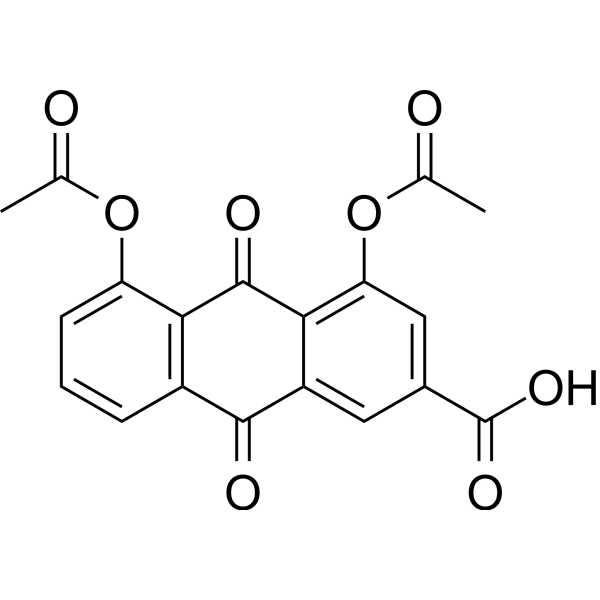
    Diacerein (Diacerhein), an orally active anthraquinone, reduces production of IL-1 converting enzyme then inhibits the activation of IL-1β by related downstream signaling. Diacerein is an anti-inflammatory and anti-rheumatic drug. Diacerein can relieve bronchospasm and control airway inflammation in asthmatic mice. Diacerein has the potential for slow acting drug in osteoarthritis (SYSADOA) research .
    Diacerein
  • HY-101044
    PPADS tetrasodium
    5+ Cited Publications

    P2X Receptor Na+/Ca2+ Exchanger Neurological Disease
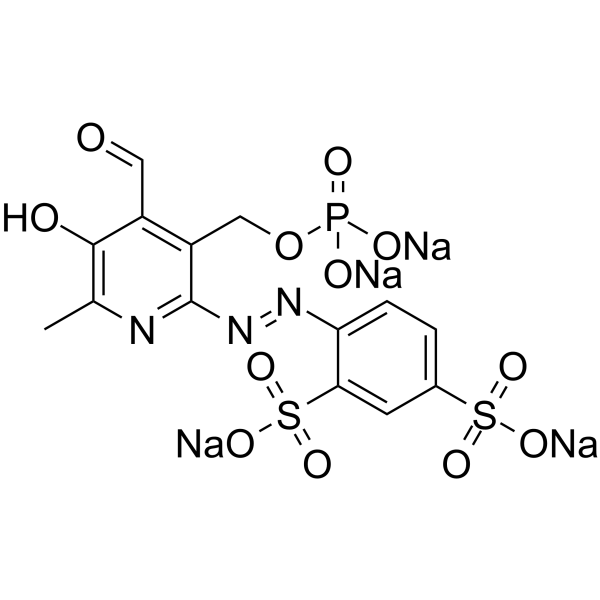
    PPADS tetrasodiuma is a non-selective P2X receptor antagonist. PPADS tetrasodiuma blocks recombinant P2X1, -2, -3, -5 with IC50s ranging from 1 to 2.6 μM. PPADS tetrasodiuma blocks native P2Y2-like (IC50~0.9 mM) and recombinant P2Y4 (IC50~15 mM) receptors. PPADS tetrasodiuma is an inhibitor of the reverse mode of the Na/Ca 2+ exchanger in guinea pig airway smooth muscle .
    PPADS tetrasodium
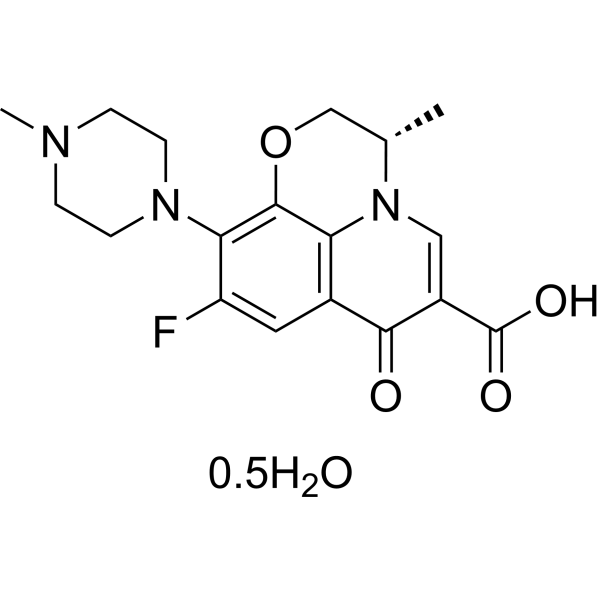
  • HY-B0330A
    Levofloxacin hydrate
    30+ Cited Publications

    Levofloxacin hemihydrate

    Bacterial Antibiotic Topoisomerase DNA/RNA Synthesis Orthopoxvirus Infection Cancer
    Levofloxacin hydrate (Levofloxacin hemihydrate) is an orally active antibiotic and is active against both Gram-positive and Gram-negative bacteria. Levofloxacin hydrate inhibits the DNA gyrase and topoisomerase IV. Levofloxacin hydrate can be used for chronic periodontitis, airway inflammation and BK Viremia research. Levofloxacin hydrate shows anti-orthopoxvirus activity .
    Levofloxacin hydrate
  • HY-N1938

    D-Raffinose pentahydrate

    Endogenous Metabolite Glucosylceramide Synthase (GCS) Bacterial Phosphodiesterase (PDE) Interleukin Related Infection Inflammation/Immunology
    D(+)-Raffinose pentahydrate is an orally active inhibitor of LecA (Kd = 32 μM) and GtfC. D(+)-Raffinose pentahydrate reduces cyclic diguanylate (c-di-GMP) by increased activity of a c-di-GMP specific phosphodiesterase. D(+)-Raffinose pentahydrate interferes with GTF function. D(+)-Raffinose pentahydrate decreases IL-4 and IL-5 mRNA. D(+)-Raffinose pentahydrate exhibits biofilm-inhibitory activity against Pseudomonas aeruginosa and Streptococcus mutans and inhibits allergic airway eosinophilia .
    D(+)-Raffinose pentahydrate
  • HY-122942
    Moracin M
    4 Publications Verification

    Phosphodiesterase (PDE) Endogenous Metabolite NF-κB Autophagy Inflammation/Immunology
    Moracin M is a phenolic component that can be isolated from Mori Cortex, is a potent phosphodiesterase-4 (PDE4) inhibitor with IC50 values of 2.9, 4.5, >40, and >100 μM for PDE4D2, PDE4B2, PDE5A1, and PDE9A2, respectively. Moracin M has anti-inflammatory activity .
    Moracin M
  • HY-12545
    Brevetoxin-3
    1 Publications Verification

    PbTx-3

    Sodium Channel Inflammation/Immunology
    Brevetoxin-3 (PbTx-3) is a potent allosteric voltage-gated Na + channel activator and has multiple active centers (A-ring lactone, C-42 of R side chain) . Brevetoxin-3 (PbTx-3) has a high affinity to site 5 of the voltage-sensitive Na + channels, inhibits the inactivation of Na + channels and prolongs the mean open time of these channels. Brevetoxin-3 (PbTx-3) repeated exposures can lead to prolonged airway hyperresponsiveness (AHR) and lung inflammation .
    Brevetoxin-3
  • HY-N2098
    Obtusifolin
    4 Publications Verification

    NF-κB Cancer
    Obtusifolin, isolated from the seeds of Cassia obtusifolia, regulates the gene expression and production of MUC5AC mucin in airway epithelial cells via inhibiting NF-kB pathway . Obtusifolin suppresses phthalate esters-induced breast cancer bone metastasis by targeting parathyroid hormone-related protein .
    Obtusifolin
  • HY-N1193

    NF-κB Inflammation/Immunology
    Sulfuretin inhibits the inflammatory response by suppressing the NF-κB pathway. Sulfuretin can be used for the research of allergic airway inflammation. Sulfuretin reduces oxidative stress, platelet aggregation, and mutagenesis . Sulfuretin is a competitive and potent inhibitor of monophenolase and diphenolase activities with the IC50 of 13.64 μM .
    Sulfuretin
  • HY-10081
    GS-6201
    1 Publications Verification

    CVT-6883

    Adenosine Receptor Inflammation/Immunology
    GS-6201 (CVT-6883) is a selective adenosine A2B receptor antagonist. GS-6201 displays high affinity and selectivity for the human adenosine A2B receptors (Ki=22 nM) . GS-6201 reduces caspase-1 activity in the heart, and attenuates cardiac remodeling after acute myocardial infarction (AMI) in the mouse . GS-62013 attenuates the airway reactivity induced by NECA, AMP, or allergen in sensitized mice .
    GS-6201
  • HY-134004

    Carbetapentane

    Sigma Receptor mAChR Neurological Disease Inflammation/Immunology
    Pentoxyverine (Carbetapentane) is an orally active sigma-1 receptor agonist, with Kis of 41 nM, 894 nM and 75 nM for σ1, σ2 and guinea-pig brain membran σ1, respectively. Pentoxyverine is a muscarinic antagonist. Pentoxyverine is a potent antitussive, anticonvulsant, and spasmolytic agent. Pentoxyverine can be used for inhibiting bronchial interceptor, weakening of cough reflex, bronchial smooth muscle relaxation and reduction of airway resistance .
    Pentoxyverine
  • HY-B1055

    Carbetapentane citrate

    Sigma Receptor mAChR Neurological Disease Inflammation/Immunology
    Pentoxyverine (Carbetapentane) citrate is an orally active and blood-brain barrier permeability sigma-1 receptor agonist, with Kis of 41 nM, 894 nM and 75 nM for σ1, σ2 and guinea-pig brain membrane σ1, respectively. Pentoxyverine citrate is a muscarinic antagonist. Pentoxyverine citrate is a potent antitussive, anticonvulsant, and spasmolytic agent. Pentoxyverine citrate can be used for inhibiting bronchial interceptor, weakening of cough reflex, bronchial smooth muscle relaxation and reduction of airway resistance .
    Pentoxyverine citrate
  • HY-Y1366

    Mitochondrial Metabolism Reactive Oxygen Species (ROS) Arp2/3 Complex Apoptosis Inflammation/Immunology
    Hydroxyacetone is a toxic compound. Hydroxyacetone can be isolated from e-cigarette aerosols. Hydroxyacetone reduces the activity of cellular Mitochondrial reductase (with an IC50 of 5.53 mg/mL for mitochondrial reductase in BEAS-2B cells) and increases ROS levels. Hydroxyacetone induces mitochondrial stress and oxidative damage. Hydroxyacetone induces destabilization of F-actin. At high concentrations, Hydroxyacetone promotes cell rounding and Apoptotic body formation. Hydroxyacetone exerts toxic effects on cells including airway epithelial cells and possesses respiratory toxicity potential .\n


    Hydroxyacetone
  • HY-N0081

    Calcium Channel NF-κB Interleukin Related Cardiovascular Disease Inflammation/Immunology
    (±)-Praeruptorin A, a coumarin compound, is the main bioactive component in Peucedani Radix. As a calcium channel blocker, (±)-Praeruptorin A exhibits great antihypertensive effects. In addition, (±)-Praeruptorin A also has the effects of relaxing vascular smooth muscle, inhibiting airway inflammation and airway hyperresponsiveness. (±)-Praeruptorin A can be used for the research of allergic asthma, hypertension and other diseases .
    (±)-Praeruptorin A
  • HY-149478

    NOD-like Receptor (NLR) Pyroptosis Inflammation/Immunology
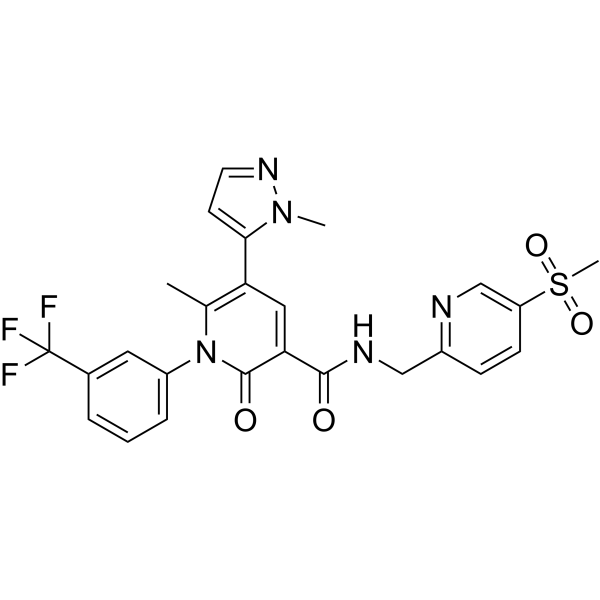
    JT002 is an orally active and selective NLRP3 inflammasome assembly inhibitor. JT002 reduces NLRP3-dependent proinflammatory cytokine (such as IL-1β, IL-1α, IL-18) production and pyroptosis. JT002 blocks NLRP3 inflammasome complex formation. JT002 reduces airway hyperresponsiveness and airway neutrophilia in mice. JT002 can be used for the study of a variety of inflammatory diseases, such as Muckle-Wells syndrome (MWS) .
    JT002
  • HY-15178

    GRC 3886

    Phosphodiesterase (PDE) Inflammation/Immunology
    Oglemilast (GRC 3886) is a potent and orally active phosphodiesterase-4 (PDE4) inhibitor with an IC50 of 0.5 nM for PDE4D3. Oglemilast inhibits pulmonary cell infiltration, including eosinophilia and neutrophilia in vitro and in vivo. Oglemilast has the potential for inflammatory airway diseases .
    Oglemilast
  • HY-P1098A
    Ac2-26 TFA
    Maximum Cited Publications
    8 Publications Verification

    Annexin A NF-κB Inflammation/Immunology
    Ac2-26 TFA is the N-terminal peptide of annexin 1, and has anti-inflammatory activity. Ac2-26 induces a decrease in IKKβ protein in lysosomes by chaperone-mediated autophagy (CMA). Ac2-26 ameliorates lung ischemia-reperfusion injury. Ac2-26 also inhibits airway inflammation and hyperresponsiveness in an asthma rat model .
    Ac2-26 TFA
  • HY-P99193

    MEDI-528

    Interleukin Related Inflammation/Immunology
    Enokizumab (MEDI-528) is a monoclonal antibody targeting to interleukin (IL)-9. IL-9 regulates the development of airway inflammation, mucus production, airway hyperresponsiveness, and airway fibrosis largely by increasing mast cell numbers and activity in the airways .
    Enokizumab
  • HY-N9377

    Others Metabolic Disease Inflammation/Immunology
    Platyconic Acid A is an active component of changkil saponins from platycodon grandiflorum and can be used for the research of reducing airway inflammation .
    Platyconic acid A
  • HY-110295

    GSNOR Inflammation/Immunology
    SPL-334 is a potent and selective S-Nitrosoglutathione reductase (GSNOR) inhibitor. SPL-334 causes a significant reduction in the production of Th2 cytokines IL-5 and IL-13 and the levels of the chemokine CCL11 (eotaxin-1) in the airways. SPL-334 can be used in research of allergic airway inflammation .
    SPL-334
  • HY-108617

    Phosphodiesterase (PDE) Inflammation/Immunology
    YM976 is a phosphodiesterase 4 (PDE4) inhibitor with an IC50 of 2.2 nM. YM976 shows the dissociation of anti-inflammatory activities from emetic effects and inhibits the antigen-induced airway responses .
    YM976
  • HY-P2203
    SAHM1
    1 Publications Verification

    Notch Inflammation/Immunology
    SAHM1, a peptide mimetic of a dominant negative form of mastermind-like (MAML), inhibits canonical Notch transcription complex formation. SAHM1 can be used for the research of allergic airway inflammation in mice .
    SAHM1
  • HY-18263C

    SB-656933 tosylate

    CXCR Interleukin Related Inflammation/Immunology
    Elubrixin tosylate (SB-656933 tosylate) is a potent, selective, competitive, reversible and orally active CXCR2 antagonist and an IL-8 receptor antagonist. Elubrixin tosylate inhibits neutrophil CD11b upregulation (IC50 of 260.7 nM) and shape change (IC50 of 310.5 nM). Elubrixin tosylate has the potential for inflammatory diseases research, such as inflammatory bowel disease and airway inflammation .
    Elubrixin tosylate
  • HY-P990210
    Anti-Mouse/Human IL-7 Antibody (M25)
    1 Publications Verification

    Interleukin Related Inflammation/Immunology
    Anti-Mouse/Human IL-7 Antibody (M25) is an anti-mouse IL-7 IgG2b monoclonal antibody. Anti-Mouse/Human IL-7 Antibody (M25) alleviates inflammation by blocking IL-7 signaling and inhibiting innate lymphoid cells (ILC2s) activation. Anti-Mouse/Human IL-7 Antibody (M25) can reduce the number of B cell precursors. Anti-Mouse/Human IL-7 Antibody (M25) can be used for researches on inflammation conditions such as airway inflammation .
    Anti-Mouse/Human IL-7 Antibody (M25)
  • HY-B0809A
    Theophylline monohydrate
    5+ Cited Publications

    1,3-Dimethylxanthine monohydrate; Theo-24 monohydrate

    Phosphodiesterase (PDE) Adenosine Receptor HDAC Apoptosis Interleukin Related TNF Receptor Cancer
    Theophylline (1,3-Dimethylxanthine) monohydrate is a potent phosphodiesterase (PDE) inhibitor, adenosine receptor antagonist, and histone deacetylase (HDAC) activator. Theophylline (1,3-Dimethylxanthine) monohydrate inhibits PDE3 activity to relax airway smooth muscle. Theophylline (1,3-Dimethylxanthine) monohydrate has anti-inflammatory activity by increase IL-10 and inhibit NF-κB into the nucleus. Theophylline (1,3-Dimethylxanthine) monohydrate induces apoptosis. Theophylline (1,3-Dimethylxanthine) monohydrate can be used for asthma and chronic obstructive pulmonary disease (COPD) research .
    Theophylline monohydrate
  • HY-101810

    TO 188; Tazalest; Tazanol

    Calcium Channel PKC Inflammation/Immunology
    Tazanolast is a selective mast-cell-stabilizing agent, on ozone-induced airway hyperresponsiveness in guinea pigs.
    Tazanolast
  • HY-B0010B
    Formoterol-1
    1 Publications Verification

    (±)Formoterol

    Adrenergic Receptor Inflammation/Immunology
    Formoterol ((±)Formoterol) is an orally active β2-selective agonist. Formoterol potently relaxes the peripheral airways through stimulating the beta 2-adrenoceptors selectively as is the case in the central airways and that it significantly inhibits IgE-mediated slow reactive substance of anaphylaxis (SRS-A) release through beta-adrenoceptor stimulation .
    Formoterol-1
  • HY-105791

    GABA Receptor Inflammation/Immunology
    Sulazepam, a benzodiazepine, is a selective ovarian cancer G protein-coupled receptor (OGR1) agonist. Sulazepam has anticonvulsive action and has the potential for airway hyperresponsiveness (AHR) research .
    Sulazepam
  • HY-B0330R
    Levofloxacin (Standard)
    30+ Cited Publications

    (-)-Ofloxacin (Standard)

    Antibiotic DNA/RNA Synthesis Orthopoxvirus Topoisomerase Bacterial Reference Standards Infection Cancer
    Levofloxacin (Standard) is the analytical standard of Levofloxacin. This product is intended for research and analytical applications. Levofloxacin ((-)-Ofloxacin) is an orally active antibiotic and is active against both Gram-positive and Gram-negative bacteria. Levofloxacin inhibits the DNA gyrase and topoisomerase IV. Levofloxacin can be used for chronic periodontitis, airway inflammation and BK Viremia research. Levofloxacin shows anti-orthopoxvirus activity .
    Levofloxacin (Standard)
  • HY-P1098B
    Ac2-26 ammonium
    Maximum Cited Publications
    8 Publications Verification

    IKK Inflammation/Immunology
    Ac2-26 ammonium is the N-terminal peptide of annexin 1, and has anti-inflammatory activity. Ac2-26 ammonium induces a decrease in IKKβ protein in lysosomes by chaperone-mediated autophagy (CMA). Ac2-26 ammonium ameliorates lung ischemia-reperfusion injury. Ac2-26 ammonium also inhibits airway inflammation and hyperresponsiveness in an asthma rat model .
    Ac2-26 ammonium
  • HY-P990156

    Transmembrane Glycoprotein Inflammation/Immunology
    Anti-Mouse Thy1.1/CD90.1 Antibody (19E12) is an anti-mouse Thy1.1/CD90.1 IgG2a monoclonal antibody. Anti-Mouse Thy1.1/CD90.1 Antibody (19E12) can deplete CD90.1 + cells. Anti-Mouse Thy1.1/CD90.1 Antibody (19E12) can clear Tregs. Anti-Mouse Thy1.1/CD90.1 Antibody (19E12) can be used for researches on inflammation conditions and immune response such as airway inflammation and experimental autoimmune encephalomyelitis (EAE) .
    Anti-Mouse Thy1.1/CD90.1 Antibody (19E12)
  • HY-116953

    LXB4

    Endogenous Metabolite Inflammation/Immunology
    Lipoxin B4 (LXB4) is a structurally distinct product of arachidonic acid metabolism. Lipoxin B4 reduces leukocyte infiltration and mucus secretion in the nasal mucosa and decreases mast cell and eosinophil degranulation in the upper airway. Lipoxin B4 decreases airway inflammation, mucus metaplasia and hyper- responsiveness in the lower airway. Lipoxin B4 shows mucosal protective actions and has the potential for the research of allergic inflammation in the upper and lower airways .
    Lipoxin B4
  • HY-175876

    MMP Interleukin Related Inflammation/Immunology
    ADAM17-IN-1 is a selective inhibitor of ADAM17. ADAM17-IN-1 inhibits ADAM17 activity to reduce metabolic activity of dendritic cells (DCs), impair DC antigen-presenting function, suppress allergen-specific Th2 cell polarization, and reduce Th2 cytokine (IL-4, IL-5, IL-13) secretion. ADAM17-IN-1 demonstrates protective efficacy against house dust mite (HDM)-induced type 2/eosinophilic airway inflammation in mice. ADAM17-IN-1 can be used for the study of type 2-high allergic asthma .
    ADAM17-IN-1
  • HY-176525

    Phospholipase Inflammation/Immunology
    PLC-β-IN-1 (Compound 8a) is a PLCβ inhibitor. PLC-β-IN-1 exerts anti-airway contraction activity by inhibiting PLCβ and its downstream signaling pathways, and can enhance the airway relaxation effect of β-agonists. PLC-β-IN-1 can be used in the study of asthma .
    PLC-β-IN-1
  • HY-137311

    Calcium Channel Phospholipase mAChR Neurological Disease
    (S)-Albuterol hydrochloride is a muscarinic receptor and phospholipase C activator. (S)-Albuterol hydrochloride increases intracellular free calcium in airway smooth muscle .
    (S)-Albuterol hydrochloride
  • HY-19501

    CCR Inflammation/Immunology
    DPC-168 is an orally effective CCR3 antagonist (IC50 = 41 nM). DPC-168 exhibits a significant ability to inhibit eosinophil chemotaxis and pulmonary inflammation. DPC-168 can be used for research on airway inflammation .
    DPC-168
  • HY-115877

    TRP Channel Others
    GDC-0334 is a selective TRPA1 antagonist. GDC-0334 inhibits TRPA1 function on airway smooth muscle and sensory neurons by decreasing cough and allergic airway inflammation in rats and guinea pigs. GDC-0334 can be used for TRPA1-mediated diseases research, such as pain or asthma .
    GDC-0334
  • HY-18263A

    SB-656933

    CXCR Interleukin Related Inflammation/Immunology
    Elubrixin (SB-656933) is a potent, selective, competitive, reversible and orally active CXCR2 antagonist and an IL-8 receptor antagonist. Elubrixin inhibits neutrophil CD11b upregulation (IC50 of 260.7 nM) and shape change (IC50 of 310.5 nM). Elubrixin has the potential for inflammatory diseases research, such as inflammatory bowel disease and airway inflammation .
    Elubrixin
  • HY-155300

    Leukotriene Receptor Inflammation/Immunology
    BLT2 antagonist-1 (compound 15b) is a selective BLT2 antagonist that inhibits the chemotaxis of CHO-BLT2 cells with an IC50 of 224 nM. BLT2 antagonist-1 does not inhibits the chemotaxis of CHO-BLT1 cells. BLT2 antagonist-1 also inhibits the binding of LTB4 and BLT2 with a Ki value of 132 nM. BLT2 antagonist-1 can be used for the research of the inflammatory airway diseases such as asthma and chronic obstructive pulmonary disease .
    BLT2 antagonist-1
  • HY-107909

    1,3-Dimethylxanthine sodium glycinate; Theo-24 sodium glycinate

    Adenosine Receptor HDAC Apoptosis Interleukin Related TNF Receptor Cancer
    Theophylline (1,3-Dimethylxanthine) sodium glycinate is a potent phosphodiesterase (PDE) inhibitor, adenosine receptor antagonist, and histone deacetylase (HDAC) activator. Theophylline sodium glycinate inhibits PDE3 activity to relax airway smooth muscle. Theophylline sodium glycinate has anti-inflammatory activity by increase IL-10 and inhibit NF-κB into the nucleus. Theophylline sodium glycinate induces apoptosis. Theophylline sodium glycinate can be used for asthma and chronic obstructive pulmonary disease (COPD) research .
    Theophylline sodium glycinate
  • HY-15132

    Ser/Thr Protease Inflammation/Immunology
    MOL-6131 is a highly selective, reversible tryptase inhibitor, with a Ki of 45 nM. MOL-6131 significantly reduces the following features of allergic airway inflammation: eosinophil infiltration in lung tissue, goblet cell hyperplasia and mucus occlusion of airways .
    MOL-6131
  • HY-123164

    XRP 1745A

    Integrin Inflammation/Immunology
    IVL 745 (XRP 1745A) is a very late antigen 4 (VLA-4, integrin α4β1) antagonist. IVL 745 reduces the airway inflammatory response of sensitized rats and sheep. IVL 745 can be used for airway inflammation and asthma research .
    IVL 745
  • HY-A0083B

    Acetyl-β-methylcholine bromide

    mAChR Cardiovascular Disease
    Methacholine (Acetyl-β-methylcholine) bromide is a potent muscarinic-3 (M3) agonist. Methacholine bromide acts directly on acetylcholine receptors on smooth muscle causing bronchoconstriction and airway narrowing. Methacholine bromide shows a high sensitivity to identify bronchial hyperresponsiveness (BHR). Methacholine bromide can be used to measure airway hyperresponsiveness (AHR) as a diagnostic aid in the assessment of individuals with asthma-like symptoms and normal resting expiratory flow rates .
    Methacholine bromide
  • HY-A0083R

    Acetyl-β-methylcholine chloride (Standard)

    Reference Standards mAChR Others
    Methacholine (chloride) (Standard) is the analytical standard of Methacholine (chloride). This product is intended for research and analytical applications. Methacholine (Acetyl-β-methylcholine) choride is a potent muscarinic-3 (M3) agonist. Methacholine choride acts directly on acetylcholine receptors on smooth muscle causing bronchoconstriction and airway narrowing. Methacholine choride shows a high sensitivity to identify bronchial hyperresponsiveness (BHR). Methacholine choride can be used to measure airway hyperresponsiveness (AHR) as a diagnostic aid in the assessment of individuals with asthma-like symptoms and normal resting expiratory flow rates .
    Methacholine chloride (Standard)
  • HY-107653

    mAChR Neurological Disease
    J 104129 fumarate is a selective and orally active muscarinic M3 antagonist with Ki values of 4.2 nM and 490 nM for M3 and M2, respectively. J 104129 fumarate antagonized ACh-induced bronchoconstriction. J 104129 fumarate has the potential for the research of obstructive airway disease .
    J 104129 fumarate
  • HY-P3648

    AAPV-CMK

    Elastase Inflammation/Immunology
    Ala-Ala-Pro-Val-chloromethylketone is an irreversible human neutrophil elastase (NE) inhibitor for use in the study of chronic inflammatory airway diseases .
    Ala-Ala-Pro-Val-chloromethylketone
  • HY-117686

    Toll-like Receptor (TLR) Inflammation/Immunology
    AZ12441970 is a potent and selectiveToll-like receptor 7 (TLR7) agonist, exhibiting pEC50s of 6.8 and 6.6 for human and rat TLR7. AZ12441970 shows efficacy in a mouse allergic airway model with minimal induction of systemic IFN-α. AZ12441970 can be used for allergic airway disease research .
    AZ12441970

Inquiry Online

Your information is safe with us. * Required Fields.

Salutation


Country or Region *

Applicant Name *


Organization Name *

Department *


Email Address *


Product Name *

Cat. No.


Requested quantity *

Phone Number *


Remarks

Inquiry Online

Inquiry Information

Product Name:
Cat. No.:
Quantity:
MCE Japan Authorized Agent:

