

1. Search Result
Search Result
Results for "

allergic disorder

" in MedChemExpress (MCE) Product Catalog:

21

Inhibitors & Agonists

1

Screening Libraries

2

Peptides

1

Inhibitory Antibodies

7

Natural
Products

1

Isotope-Labeled Compounds

1

Oligonucleotides

Cat. No. Product Name Target Research Areas Chemical Structure
  • HY-N3007
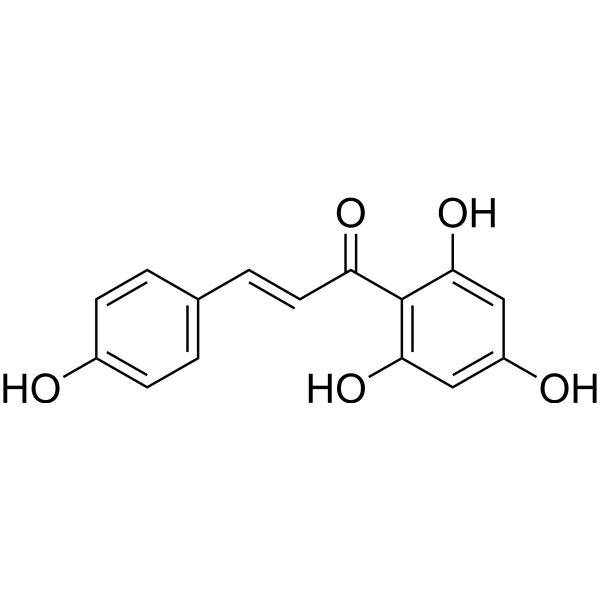
    Naringenin chalcone
    5+ Cited Publications

    Drug Intermediate Apoptosis NO Synthase Inflammation/Immunology Cancer
    Naringenin chalcone is an orally active intermediate in flavonol biosynthesis. Naringenin chalcone induces Apoptosis. Naringenin chalcone inhibits the production of MCP-1 and NO. Naringenin chalcone exhibits anticancer activity against glioblastoma. Naringenin chalcone has anti-inflammatory and anti-allergic properties .
    Naringenin chalcone
  • HY-N0735
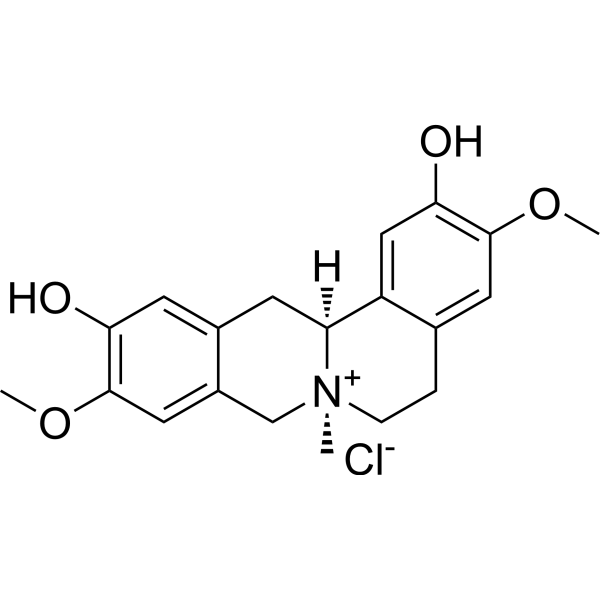
    Phellodendrine chloride
    2 Publications Verification

    Autophagy Apoptosis AMPK mTOR STAT Interleukin Related PKC p38 MAPK NF-κB COX Reactive Oxygen Species (ROS) PI3K Akt MMP Neurological Disease Inflammation/Immunology Cancer
    Phellodendrine chloride is an orally active plant alkaloid. Phellodendrine chloride inhibits the proliferation of KRAS-mutated pancreatic cancer cells by suppressing macropinocytosis and glutamine metabolism, inducing ROS accumulation and mitochondrial apoptosis. Phellodendrine chloride promotes autophagy by activating the AMPK/mTOR pathway, alleviating intestinal damage in ulcerative colitis. Phellodendrine chloride can alleviate gouty arthritis by inhibiting the IL-6/STAT3 signaling pathway. Phellodendrine chloride suppresses allergic reactions by altering the conformation of MRGPRB3/MRGPRX2 protein, thereby inhibiting the activation of PKC and subsequent downstream MAPK and NF-κB signaling. Phellodendrine chloride inhibits the AKT/NF-κB pathway and down-regulates the expression of COX-2, thereby protecting zebrafish embryos from oxidative stress. Phellodendrine chloride has an anti-major depressive disorder (MDD) effect by down-regulating CHRM1, HTR1A, and the PI3K/Akt signaling pathway .
    Phellodendrine chloride
  • HY-B0970

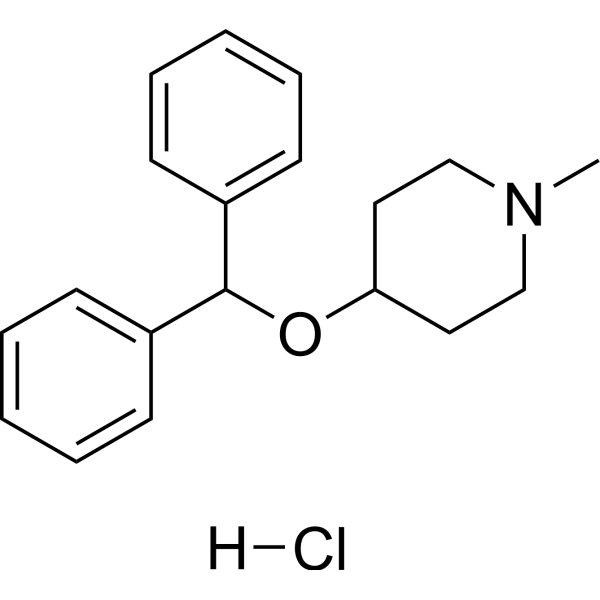
    4-Diphenylmethoxy-1-methylpiperidine hydrochloride

    Histamine Receptor Neurological Disease Endocrinology
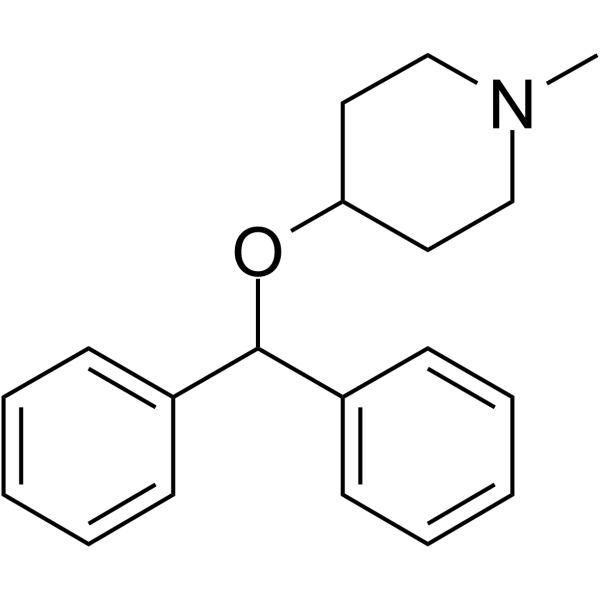
    Diphenylpyraline hydrochloride is a potent histamine H1?receptor antagonist. Diphenylpyraline hydrochloride acts as an orally active antihistamine agent?with antimuscarinic and antiallergic effects. Diphenylpyraline hydrochloride can be used for the relief of allergic conditions including rhinitis and hay fever, and in pruritic skin disorders in vivo.
    Diphenylpyraline hydrochloride
  • HY-N0427

    Akt NF-κB AMPK mTOR PKC STAT Interleukin Related p38 MAPK COX Reactive Oxygen Species (ROS) Apoptosis Autophagy PI3K MMP Neurological Disease Inflammation/Immunology Cancer
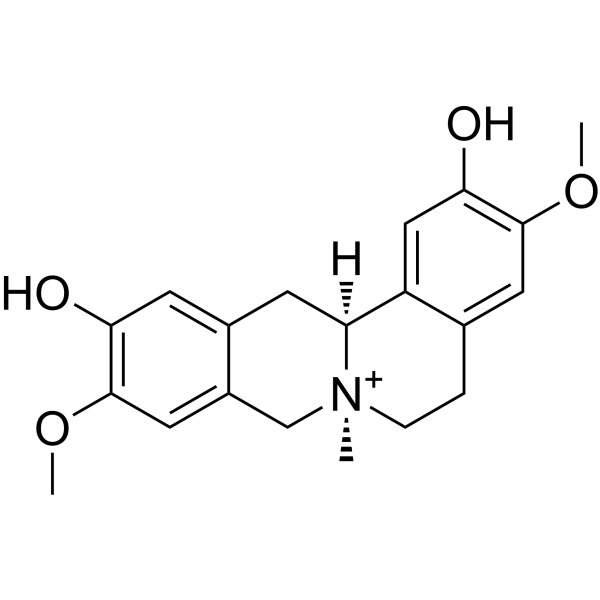
    Phellodendrine is an orally active plant alkaloid. Phellodendrine inhibits the proliferation of KRAS-mutated pancreatic cancer cells by suppressing macropinocytosis and glutamine metabolism, inducing ROS accumulation and mitochondrial apoptosis. Phellodendrine promotes autophagy by activating the AMPK/mTOR pathway, alleviating intestinal damage in ulcerative colitis. Phellodendrine can alleviate gouty arthritis by inhibiting the IL-6/STAT3 signaling pathway. Phellodendrine suppresses allergic reactions by altering the conformation of MRGPRB3/MRGPRX2 protein, thereby inhibiting the activation of PKC and subsequent downstream MAPK and NF-κB signaling. Phellodendrine inhibits the AKT/NF-κB pathway and down-regulates the expression of COX-2, thereby protecting zebrafish embryos from oxidative stress. Phellodendrine has an anti-major depressive disorder (MDD) effect by down-regulating CHRM1, HTR1A, and the PI3K/Akt signaling pathway .
    Phellodendrine
  • HY-P99474

    CAT 213; iCo-008

    CCR Inflammation/Immunology
    Bertilimumab (CAT 213; iCo-008) is a human monoclonal antibody targeting eotaxin-1 (CCL11). Bertilimumab has the potential for allergic disorders research .
    Bertilimumab
  • HY-N8593

    Environmental Pollutants p38 MAPK TNF Receptor NF-κB Interleukin Related Histamine Receptor PKA Inflammation/Immunology Endocrinology
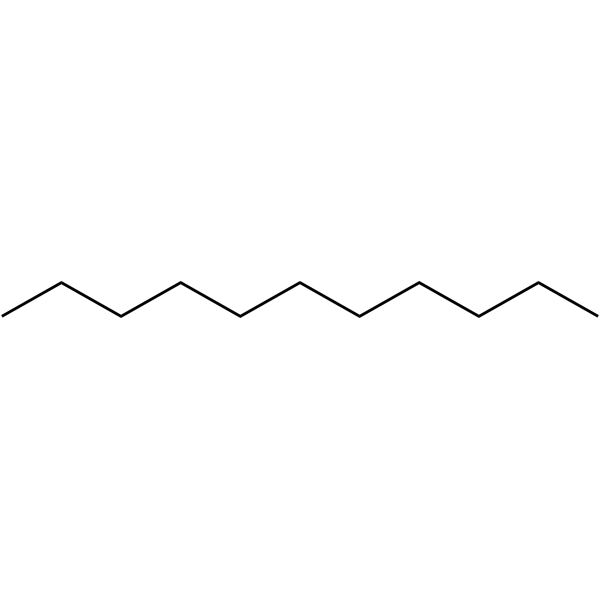
    Undecane is a potent cAMP agonist with anti-allergic and anti-inflammatory activities. Undecane inhibits degranulation and the secretion of histamine and TNF-α. Undecane reverses the increased levels of p38 phosphorylation, NF-κB transcriptional activity and target cytokine/chemokine genes, including thymus and activation-regulated chemokine (TARC), macrophage-derived chemokine (MDC) and interleukin-8 (IL-8). Undecane can be used for the study of skin inflammatory disorders, such as atopic dermatitis .
    Undecane
  • HY-103071

    CRAC Channel Inflammation/Immunology
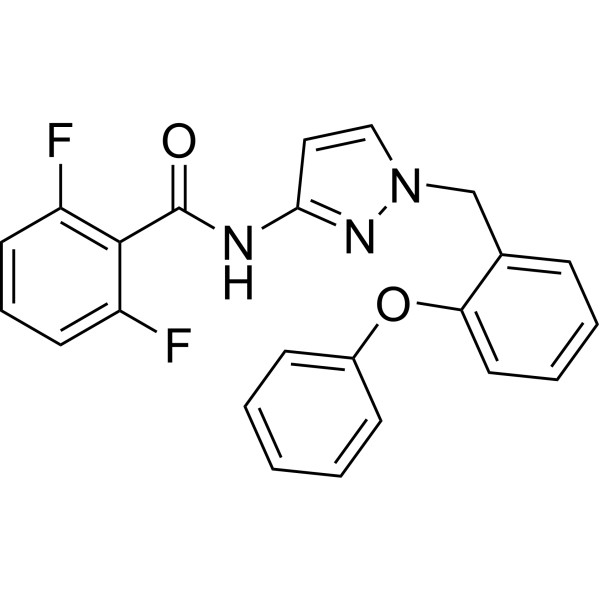
    GSK-5503A is a calcium-release activated calcium (CRAC) channel blocker. GSK-5503A effectively inhibits stromal interaction molecule 1 (STIM1) mediated Orai1 and Orai3 currents in vitro. GSK-5503A can be used for the research of asthma and allergic disorders .
    GSK-5503A
  • HY-P1111A

    Src Interleukin Related Inflammation/Immunology
    Lyn peptide inhibitor TFA is a potent and cell-permeable inhibitor of Lyn-coupled IL-5 receptor signaling pathway, while keeping other signals intact. Lyn peptide inhibitor TFA blocks Lyn activation and inhibits the binding of Lyn tyrosine kinase to βc subunit of IL-3/GM-CSF/IL-5 receptors. Lyn peptide inhibitor TFA can be used for study of  asthma, allergic, and other eosinophilic disorders .
    Lyn peptide inhibitor TFA
  • HY-N3007R

    Reference Standards Drug Intermediate Apoptosis NO Synthase Inflammation/Immunology
    Naringenin chalcone (Standard) is an analytical standard of Naringenin chalcone. This product is intended for research and analytical applications. Naringenin chalcone is an orally active intermediate in the biosynthesis of flavonols. Naringenin chalcone induces apoptosis. Naringenin chalcone inhibits the production of MCP-1 and NO. Naringenin chalcone exhibits anticancer activity against glioblastoma. Naringenin chalcone has anti-inflammatory and anti-allergic properties.
    Naringenin chalcone (Standard)
  • HY-N0735R

    Reference Standards Autophagy mTOR AMPK Apoptosis STAT Interleukin Related PKC p38 MAPK NF-κB COX Reactive Oxygen Species (ROS) PI3K Akt MMP Neurological Disease Inflammation/Immunology Cancer
    Phellodendrine chloride (Standard) is the analytical standard of Phellodendrine chloride (HY-N0735). Phellodendrine chloride is an orally active plant alkaloid. Phellodendrine chloride inhibits the proliferation of KRAS-mutated pancreatic cancer cells by suppressing macropinocytosis and glutamine metabolism, inducing ROS accumulation and mitochondrial apoptosis. Phellodendrine chloride promotes autophagy by activating the AMPK/mTOR pathway, alleviating intestinal damage in ulcerative colitis. Phellodendrine chloride can alleviate gouty arthritis by inhibiting the IL-6/STAT3 signaling pathway. Phellodendrine chloride suppresses allergic reactions by altering the conformation of MRGPRB3/MRGPRX2 protein, thereby inhibiting the activation of PKC and subsequent downstream MAPK and NF-κB signaling. Phellodendrine chloride inhibits the AKT/NF-κB pathway and down-regulates the expression of COX-2, thereby protecting zebrafish embryos from oxidative stress. Phellodendrine chloride has an anti-major depressive disorder (MDD) effect by down-regulating CHRM1, HTR1A, and the PI3K/Akt signaling pathway.
    Phellodendrine chloride (Standard)
  • HY-107431

    Histamine Receptor Inflammation/Immunology
    Diphenylpyraline is a potent histamine H1 receptor antagonist. Diphenylpyraline acts as an orally active antihistamine agent with antimuscarinic and antiallergic effects. Diphenylpyraline can be used for the research of allergic diseases, including rhinitis and hay fever, and pruritic skin disorders et.al .
    Diphenylpyraline
  • HY-107431R

    Reference Standards Histamine Receptor Inflammation/Immunology
    Diphenylpyraline (Standard) is the analytical standard of Diphenylpyraline. This product is intended for research and analytical applications. Diphenylpyraline is a potent histamine H1?receptor antagonist. Diphenylpyraline acts as an orally active antihistamine agent?with antimuscarinic and antiallergic effects. Diphenylpyraline can be used for the research of allergic diseases, including rhinitis and hay fever, and pruritic skin disorders et.al .
    Diphenylpyraline (Standard)
  • HY-137312

    SKF 40383-A

    Adrenergic Receptor Inflammation/Immunology
    Carbuterol (SKF 40383-A) is a selective β2-adrenergic receptor agonist that primarily targets bronchial smooth muscle, exhibiting significant bronchodilatory and anti-allergic activity. Carbuterol can directly inhibit the immunologically induced release of histamine and slow-reacting substance of anaphylaxis (SRS-A), thereby alleviating allergic responses. Carbuterol exerts mild β1-mediated cardiac stimulation and is applicable to studies related to respiratory and immune-related diseases such as asthma and allergic disorders .
    Carbuterol
  • HY-137312A

    SKF 40383-A hydrochloride

    Adrenergic Receptor Inflammation/Immunology
    Carbuterol (SKF 40383-A) hydrochloride is a selective β2-adrenergic receptor agonist that primarily targets bronchial smooth muscle, exhibiting significant bronchodilatory and anti-allergic activity. Carbuterol hydrochloride can directly inhibit the immunologically induced release of histamine and slow-reacting substance of anaphylaxis (SRS-A), thereby alleviating allergic responses. In addition, it exerts mild β1-mediated cardiac stimulation and is applicable to studies related to respiratory and immune-related diseases such as asthma and allergic disorders .
    Carbuterol hydrochloride
  • HY-120502

    Lipoxygenase Leukotriene Receptor Inflammation/Immunology
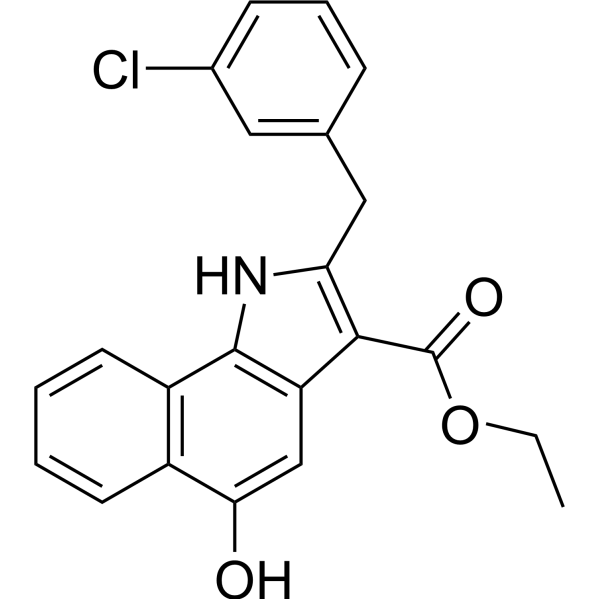
    5-LOX-IN-6 (compound 11a) is a direct and reversible inhibitor of 5-lipoxygenase (5-LO). 5-LOX-IN-6 inhibits 5-LO activity in human neutrophils and recombinant human 5-LO with IC50 values of 0.23 and 0.086 µM, respectively. 5-LOX-IN-6 prevents leukotriene biosynthesis. 5-LOX-IN-6 can be used for inflammatory and allergic disorders research .
    5-LOX-IN-6
  • HY-N8593R

    Reference Standards Histamine Receptor p38 MAPK NF-κB TNF Receptor Interleukin Related Inflammation/Immunology Endocrinology
    Undecane (Standard) is an analytical standard of Undecane (HY-N8593).Undecane is a potent cAMP agonist with anti-allergic and anti-inflammatory activities. Undecane inhibits degranulation and the secretion of histamine and TNF-α. Undecane reverses the increased levels of p38 phosphorylation, NF-κB transcriptional activity and target cytokine/chemokine genes, including thymus and activation-regulated chemokine (TARC), macrophage-derived chemokine (MDC) and interleukin-8 (IL-8). Undecane can be used for the study of skin inflammatory disorders, such as atopic dermatitis .
    Undecane (Standard)
  • HY-N8593S

    Isotope-Labeled Compounds PKA Histamine Receptor p38 MAPK NF-κB TNF Receptor Interleukin Related Inflammation/Immunology Endocrinology
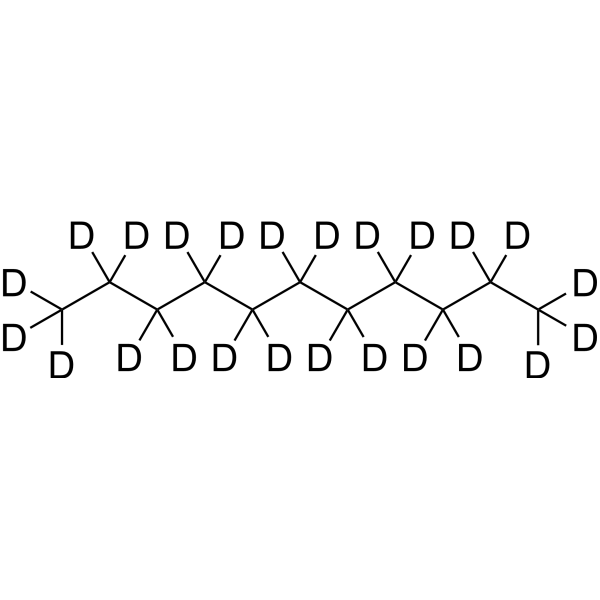
    Undecane-d24 is the deuterium labeled Undecane (HY-N8593).Undecane is a potent cAMP agonist with anti-allergic and anti-inflammatory activities. Undecane inhibits degranulation and the secretion of histamine and TNF-α. Undecane reverses the increased levels of p38 phosphorylation, NF-κB transcriptional activity and target cytokine/chemokine genes, including thymus and activation-regulated chemokine (TARC), macrophage-derived chemokine (MDC) and interleukin-8 (IL-8). Undecane can be used for the study of skin inflammatory disorders, such as atopic dermatitis .
    Undecane-d24
  • HY-174609

    mRNA Inflammation/Immunology
    Human IL31 mRNA encodes the human interleukin 31 (IL31) protein, which may be involved in the promotion of allergic skin disorders and in regulating other allergic diseases, such as asthma.
    Human IL31 mRNA
  • HY-183924

    Syk Tyrosinase Inflammation/Immunology
    SYK-IN-14 is an orally active Syk and ZAP-70 inhibitor with human Syk IC50 of 0.006 μM, human ZAP-70 IC50 of 0.23 μM. SYK-IN-14 functionally inhibits Syk kinase activity in vitro. SYK-IN-14 functionally inhibits ZAP-70 kinase activity in vitro. SYK-IN-14 suppresses passive cutaneous anaphylaxis reaction in Mus musculus mice. SYK-IN-14 suppresses Concanavalin A (HY-P2149)-induced IL-2 production in Mus musculus mice. SYK-IN-14 can be used for the research of allergic disorders and autoimmune diseases .
    SYK-IN-14
  • HY-404647

    Interleukin Related Adenosine Receptor Neurological Disease Inflammation/Immunology
    FK3453 is a dual adenosine A1/A2 inhibitor and a TSLP inhibitor. FK3453 is also a substrate of aldehyde oxidase (AO). FK3453 can inhibit the production of TSLP and IL-33. FK3453 is useful for research on Parkinson’s disease and allergic disorders .
    FK3453
  • HY-P11646

    COX Metabolic Disease Inflammation/Immunology
    Brazzein is a functional sweetener with antioxidant, anti-inflammatory, and anti-allergic activities.
    Brazzein inhibits COX-2 with an IC50 of 12.62 μM. Brazzein exhibits strong antioxidant effects, showing ABTS radical scavenging activity (IC50 = 12.55 μM) . Brazzein shows no antibacterial or antifungal activity. Brazzein can be used for the research of obesity, metabolic disorder, inflammation .
    Brazzein

Inquiry Online

Your information is safe with us. * Required Fields.

Salutation


Country or Region *

Applicant Name *


Organization Name *

Department *


Email Address *


Product Name *

Cat. No.


Requested quantity *

Phone Number *


Remarks

Inquiry Online

Inquiry Information

Product Name:
Cat. No.:
Quantity:
MCE Japan Authorized Agent:

