
1. Search Result
Search Result
Results for "

antiangiogenic effect

" in MedChemExpress (MCE) Product Catalog:

27

Inhibitors & Agonists

3

Peptides

1

Inhibitory Antibodies

2

Natural
Products

2

Isotope-Labeled Compounds

Art. -Nr. Produktname Target Forschungsgebiete Chemical Structure
  • HY-16141
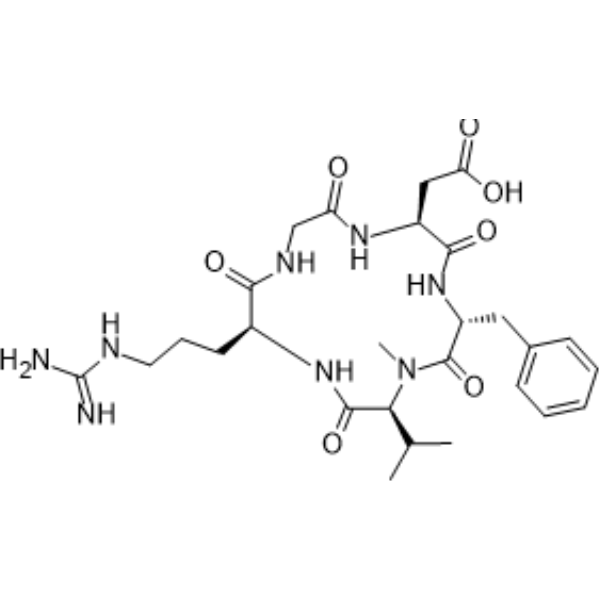
    Cilengitide
    Maximum Cited Publications
    70 Publications Verification

    EMD 121974

    Integrin Autophagy Apoptosis STAT PD-1/PD-L1 Infection Neurological Disease Metabolic Disease Inflammation/Immunology Cancer
    Cilengitide (EMD 121974) is a BBB-permeable integrins antagonist with IC50s of 0.61 nM (ανβ3), 8.4 nM (ανβ5) and 14.9 nM (α5β1), respectively. Cilengitide inhibits the binding of ανβ3 and ανβ5 to Vitronectin with IC50s of 4 nM and 79 nM, respectively. Cilengitide inhibits TGF-β/Smad signaling, mediates PD-L1 expression. Cilengitide also induces apoptosis, shows antiangiogenic effect in the research against glioblastoma and other cancers .
    Cilengitide
  • HY-164388
    Z-VAD
    15+ Cited Publications

    Caspase Apoptosis Autophagy Necroptosis Cardiovascular Disease Cancer
    Z-VAD is an irreversible, broad-spectrum pan-caspase inhibitor that can inhibit a variety of caspases including caspase-3, -6, -7, -8, -9, etc. (with a weaker inhibitory effect on caspase-2). Z-VAD can block apoptosis signaling pathways, induce autophagy and necrosis in tumor cells, and has anti-angiogenic activity. Z-VAD can enhance the sensitivity of breast cancer and lung cancer cells to radiotherapy in vitro and in vivo, and prolong the growth delay of tumor xenograft models. Z-VAD is well tolerated and is mainly used in research related to cancer radiosensitization and cell death pathway regulation .
    Z-VAD
  • HY-B0965
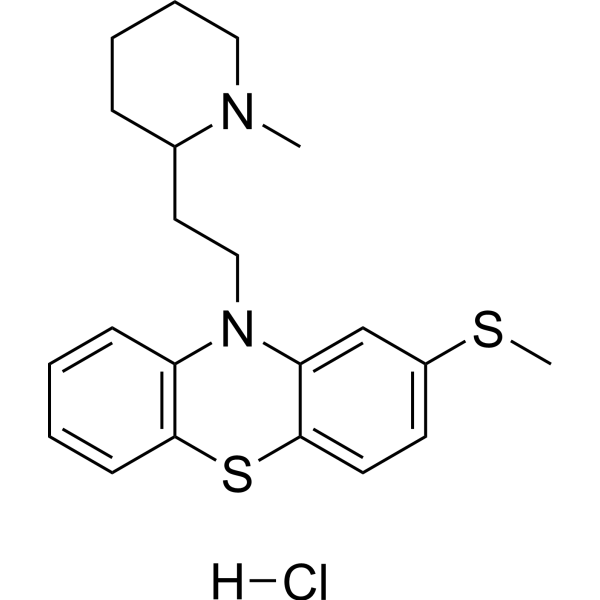
    Thioridazine hydrochloride
    5 Publications Verification

    Dopamine Receptor Apoptosis 5-HT Receptor Autophagy Bacterial Infection Neurological Disease Cancer
    Thioridazine hydrochloride, an orally active antagonist of the dopamine receptor D2 family proteins, exhibits potent anti-psychotic and anti-anxiety activities. Thioridazine hydrochloride is also a potent inhibitor of PI3K-Akt-mTOR signaling pathways with anti-angiogenic effect. Thioridazine hydrochloride shows antiproliferative and apoptosis induction effects in various types of cancer cells, with specificity on targeting cancer stem cells (CSCs) .
    Thioridazine hydrochloride
  • HY-B0965A
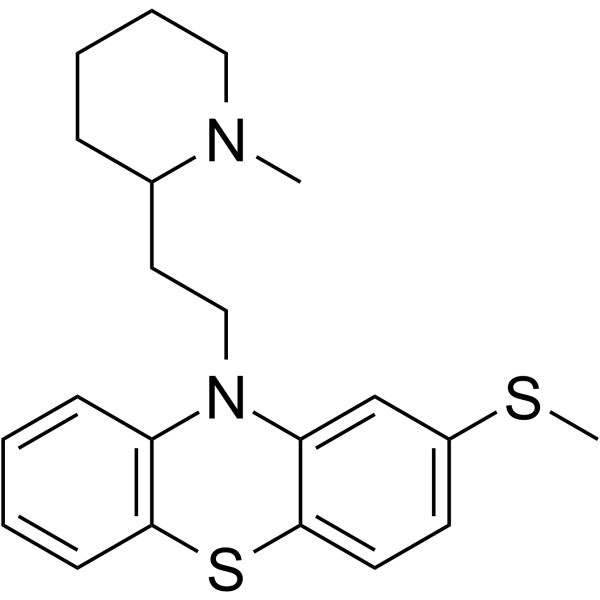
    Thioridazine
    5 Publications Verification

    Dopamine Receptor Apoptosis 5-HT Receptor Autophagy Bacterial Neurological Disease Cancer
    Thioridazine, an antagonist of the dopamine receptor D2 family proteins, exhibits potent anti-psychotic and anti-anxiety activities. Thioridazine is also a potent inhibitor of PI3K-Akt-mTOR signaling pathways with anti-angiogenic effect. Thioridazine shows antiproliferative and apoptosis induction effects in various types of cancer cells, with specificity on targeting cancer stem cells (CSCs) .
    Thioridazine
  • HY-P991097

    PM-8002; BNT-327

    VEGFR PD-1/PD-L1 Cancer
    Pumitamig (PM-8002, BNT-327) is a bispecific antibody targeting PD-L1 and VEGF-A, with immune activation and anti-angiogenic activities. By binding to PD-L1, Pumitamig restores the function of effector T cells, while neutralizing VEGF-A in the tumor microenvironment to reverse its inhibition on the infiltration and activation of immune cells and normalize tumor blood vessels. Pumitamig can also be combined with various ADCs targeting TROP2, B7H3, HER2, HER3 for the research of advanced/metastatic solid tumors, including non-small cell lung cancer, ovarian cancer, triple-negative breast cancer, cervical cancer, etc. Pumitamig also exhibits potential efficacy in "cold" tumors with low PD-L1 expression that are insensitive to immunotherapy .
    Pumitamig
  • HY-15995
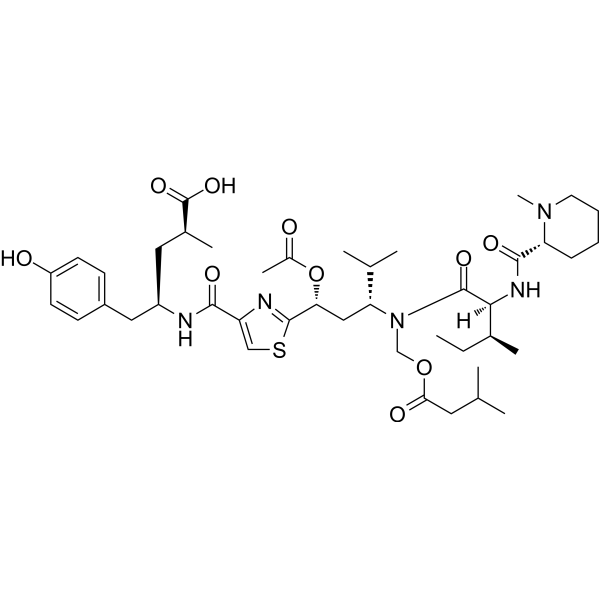
    Tubulysin A
    1 Publications Verification

    TubA

    Antibiotic Microtubule/Tubulin ADC Payload Mitosis Cancer
    Tubulysin A (TubA) is an anticancer and antiangiogenic agent with anti-microtubule, anti-mitosis and anti-proliferative activity against a variety of cancer cells with IC50 values in the pmol range. It can induce apoptosis of cancer cells and has no effect on normal cells. Tubulysins are a group of potent cytotoxins consisting of nine members (A-I). Tubulysin A can synthesize ADC as ADC Cytotoxin .
    Tubulysin A
  • HY-W013478

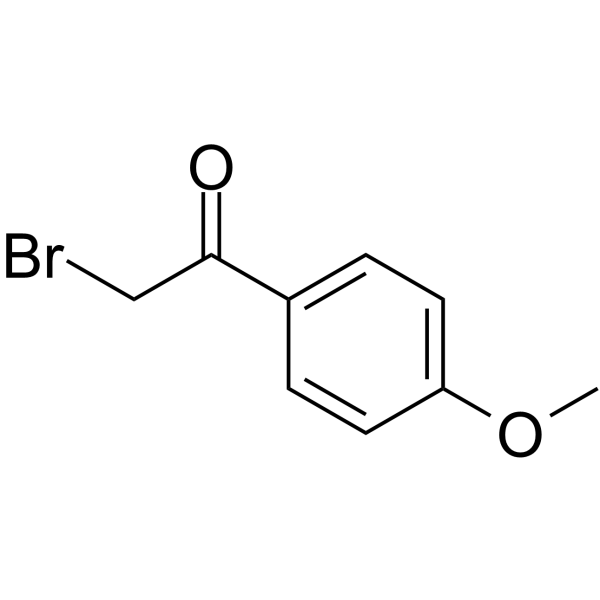
    Phosphatase Cancer
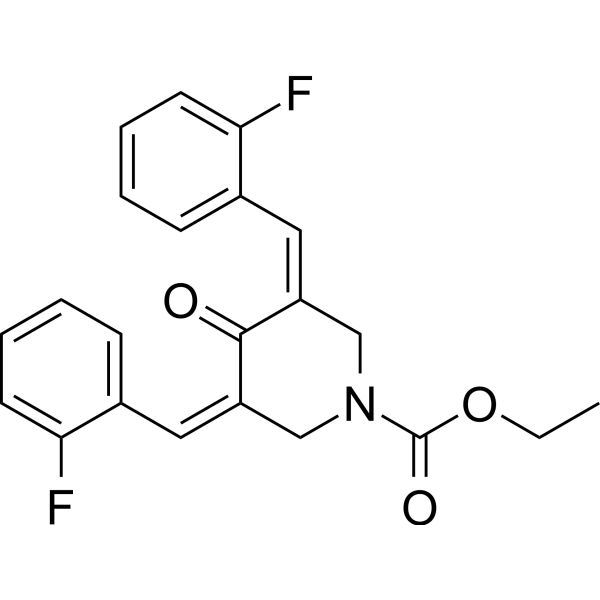
    PTP inhibitor 1 is a protein tyrosine phosphatase (PTP) inhibitor, with anti-angiogenic effect .
    PTP inhibitor 1
  • HY-121356
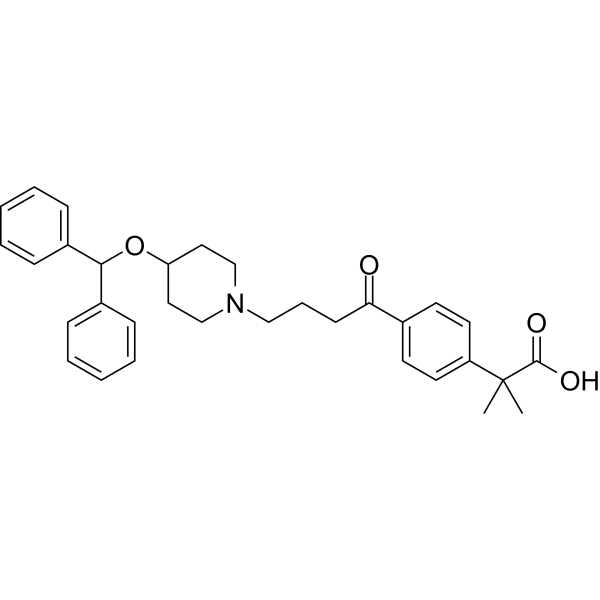
    Carebastine
    1 Publications Verification

    Histamine Receptor Macrophage migration inhibitory factor (MIF) VEGFR Akt Interleukin Related Cardiovascular Disease Inflammation/Immunology
    Carebastine is an Ebastine (HY-B0674) metabolite and H1-receptor antagonist. Carebastine inhibits VEGFR-2 and Akt phosphorylation. Carebastine exerts an anti-inflammatory effect by inhibiting MIF as well as TNF-α and IL-6 production. Carebastine shows anti-angiogenic activity
    Carebastine
  • HY-N0442

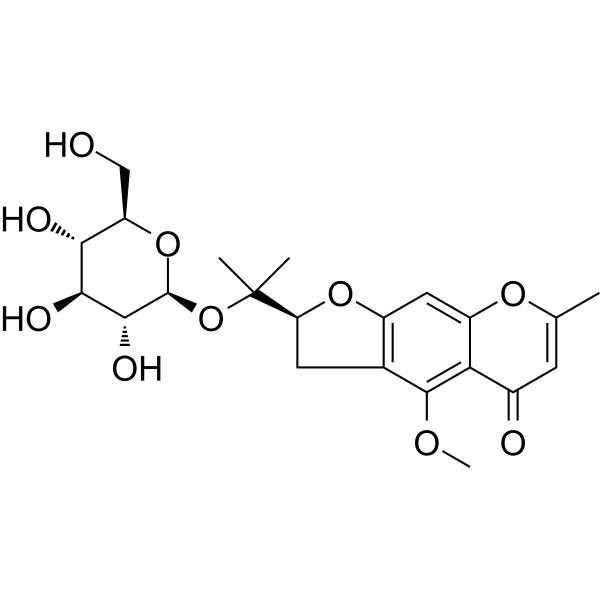
    4'-O-β-D-Glucosyl-5-O-methylvisamminol

    NF-κB p38 MAPK JNK Src TNF Receptor NOD-like Receptor (NLR) Amyloid-β MEK ERK Ferroptosis VEGFR Anaplastic lymphoma kinase (ALK) Reactive Oxygen Species (ROS) Neurological Disease Metabolic Disease Inflammation/Immunology Cancer
    5-O-Methylvisammioside (4'-O-β-D-Glucosyl-5-O-methylvisamminol) is an orally active natural chromone glycoside and multiple biological activities. 5-O-Methylvisammioside inhibits ferroptosis by activating the Nrf2/HO-1 signaling axis. 5-O-Methylvisammioside alleviates intestinal barrier damage by inhibiting the ROS/NF-κB/NLRP3 pathway. 5-O-Methylvisammioside exerts a protective effect against acute liver injury by reducing ALT/AST, decreasing inflammatory infiltration, and inhibiting IκB-α phosphorylation and NF-κB nuclear translocation. 5-O-Methylvisammioside blocks the HMGB1/RAGE/MEK/ERK signaling axis to exert anti-tumor and anti-angiogenic effects. 5-O-Methylvisammioside improves depression-like behaviors by inhibiting Src kinase and the NF-κB pathway .
    5-O-Methylvisammioside
  • HY-115452

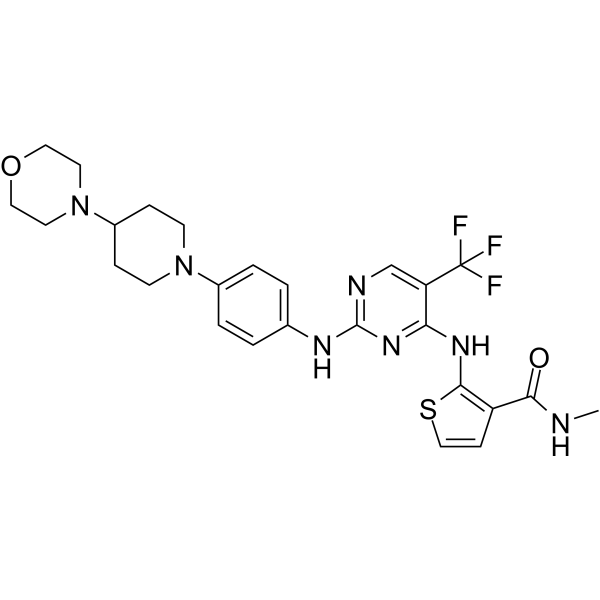
    JAK Apoptosis Cancer
    G5-7, an orally active and allosteric JAK2 inhibitor, selectively inhibits JAK2 mediated phosphorylation and activation of EGFR (Tyr 1068) and STAT3 by binding to JAK2. G5-7 induces cell cycle arrest, apoptosis and possesses antiangiogenic effect. G5-7 has the potential for glioma study .
    G5-7
  • HY-P5910

    MDM-2/p53 Apoptosis Cancer
    Azurin p28 peptide is a tumor-penetrated antitumor peptide. Azurin p28 peptide redues proteasomal degradation of p53 through formation of a p28: p53 complex. Azurin p28 peptide induces apoptosis or cell cycle arrest. Azurin p28 peptide inhibits p53-positive tumor growths. Azurin p28 peptide shows antiangiogenic effect by inhibiting phosphorylation of VEGFR-2, FAK and Akt .
    Azurin p28 peptide
  • HY-156019

    FGFR Cancer
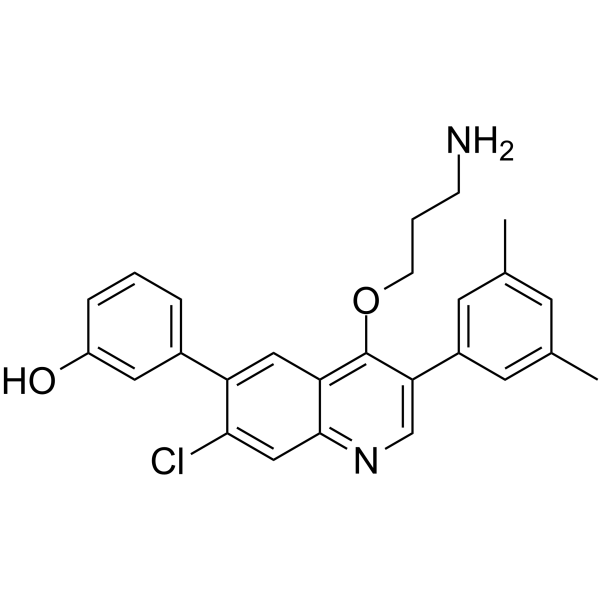
    FGFR1 inhibitor-10 (Compound 4i) is an FGFR1 inhibitor (IC50: 28 nM). FGFR1 inhibitor-10 inhibits the phosphorylation of FGFR1. FGFR1 inhibitor-10 has anti-angiogenic, anti-invasion activity, and anti-tumor effect .
    FGFR1 inhibitor-10
  • HY-B0965AS

    Dopamine Receptor Apoptosis 5-HT Receptor Autophagy Bacterial Neurological Disease
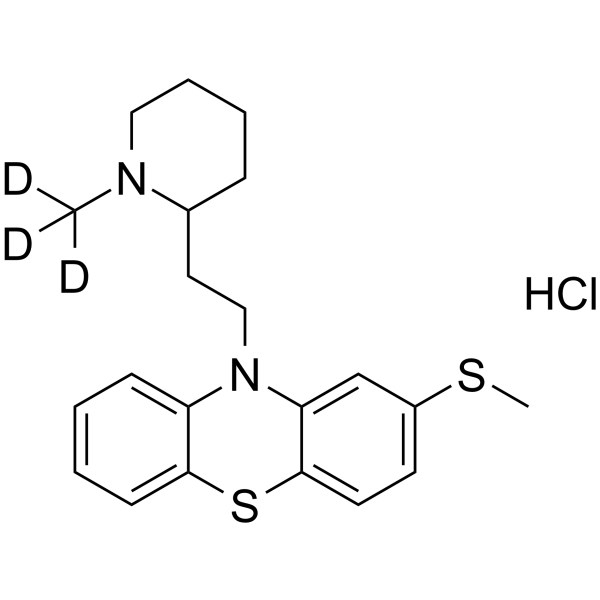
    Thioridazine-d3 (hydrochloride) is the deuterium labeled Thioridazine. Thioridazine, an antagonist of the dopamine receptor D2 family proteins, exhibits potent anti-psychotic and anti-anxiety activities. Thioridazine is also a potent inhibitor of PI3K-Akt-mTOR signaling pathways with anti-angiogenic effect. Thioridazine shows antiproliferative and apoptosis induction effects in various types of cancer cells, with specificity on targeting cancer stem cells (CSCs) .
    Thioridazine-d3 hydrochloride
  • HY-115941

    HDAC Microtubule/Tubulin Apoptosis Cancer
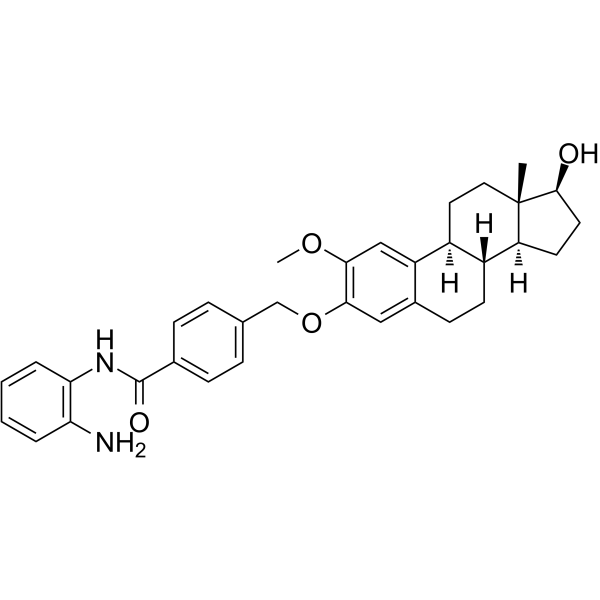
    HDAC-IN-9 is a potent and selective tubulin and HDAC dual inhibitor. HDAC-IN-9 inhibits the invasion and migration of A549 cells. HDAC-IN-9 shows potent antitumor and antiangiogenic effect in vitro and in vivo .
    HDAC-IN-9
  • HY-110161

    Somatostatin Receptor Cardiovascular Disease Endocrinology
    sst2 Receptor agonist-1 is a potent somatostatin receptor subtype 2 (sst2) agonist with a Ki value of 0.025 nM and a cAMP IC50 value of 4.8 nM. sst2 Receptor agonist-1 can inhibit rat growth hormone (GH) secretion and ocular neovascular lesion formation. Antiangiogenic effect .
    sst2 Receptor agonist-1
  • HY-P5910A

    MDM-2/p53 Apoptosis Cancer
    Azurin p28 peptide TFA is a tumor-penetrated antitumor peptide. Azurin p28 peptide TFA redues proteasomal degradation of p53 through formation of a p28: p53 complex. Azurin p28 peptide TFA induces apoptosis or cell cycle arrest. Azurin p28 peptide TFA inhibits p53-positive tumor growths. Azurin p28 peptide TFA shows antiangiogenic effect by inhibiting phosphorylation of VEGFR-2, FAK and Akt .
    Azurin p28 peptide TFA
  • HY-16141R

    EMD 121974 (Standard)

    Integrin Autophagy Apoptosis STAT PD-1/PD-L1 Reference Standards Cancer
    Cilengitide (Standard) is the analytical standard of Cilengitide. This product is intended for research and analytical applications. Cilengitide (EMD 121974) is a BBB-permeable integrins antagonist with IC50s of 0.61 nM (ανβ3), 8.4 nM (ανβ5) and 14.9 nM (α5β1), respectively. Cilengitide inhibits the binding of ανβ3 and ανβ5 to Vitronectin with IC50s of 4 nM and 79 nM, respectively. Cilengitide inhibits TGF-β/Smad signaling, mediates PD-L1 expression. Cilengitide also induces apoptosis, shows antiangiogenic effect in the research against glioblastoma and other cancers .
    Cilengitide (Standard)
  • HY-171468

    TNF Receptor Cancer
    CC-1069, a structural analog of thalidomide (HY-14658), is a TNF-α inhibitor that inhibits endothelial. CC-1069 can be used to study angiogenesis-dependent tumors such as gliomas .
    CC-1069
  • HY-162064

    VEGFR Cancer
    T-1-MBHEPA is a potent inhibitor of VEGFR-2, with the IC50 value of 0.121±0.051 μM. T-1-MBHEPA has anti-tumor and anti-angiogenic effect .
    T-1-MBHEPA
  • HY-149361

    VEGFR Inflammation/Immunology
    VEGFR2-IN-4 (compound 25) is a potent and selective VEGFR2 kinase inhibitor, with a GI50 of 0.7 nM. VEGFR2-IN-4 shows anti-angiogenic effect. VEGFR2-IN-4 can be used for the research of rheumatoid arthritis .
    VEGFR2-IN-4
  • HY-B1690AR

    Reference Standards Antibiotic Bacterial Histamine Receptor Infection
    Thioridazine (Standard) is the analytical standard of Thioridazine. This product is intended for research and analytical applications. Thioridazine, an antagonist of the dopamine receptor D2 family proteins, exhibits potent anti-psychotic and anti-anxiety activities. Thioridazine is also a potent inhibitor of PI3K-Akt-mTOR signaling pathways with anti-angiogenic effect. Thioridazine shows antiproliferative and apoptosis induction effects in various types of cancer cells, with specificity on targeting cancer stem cells (CSCs) .
    Methdilazine hydrochloride (Standard)
  • HY-149630

    VEGFR HDAC Apoptosis Cancer
    VEGFR2/HDAC1-IN-1 (compound 13) is a potent VEGFR-2/HDAC dual inhibitor, with IC50s of 57.83 nM and 9.82 nM, respectively. VEGFR2/HDAC1-IN-1 arrests the cell cycle at the S and G2 phases, and induces apoptosis in HeLa cells. VEGFR2/HDAC1-IN-1 exhibits anti-angiogenic effect .
    VEGFR2/HDAC1-IN-1
  • HY-B0965AR

    Reference Standards Dopamine Receptor Apoptosis 5-HT Receptor Autophagy Bacterial Neurological Disease Cancer
    Thioridazine (Standard) is the analytical standard of Thioridazine. This product is intended for research and analytical applications. Thioridazine, an antagonist of the dopamine receptor D2 family proteins, exhibits potent anti-psychotic and anti-anxiety activities. Thioridazine is also a potent inhibitor of PI3K-Akt-mTOR signaling pathways with anti-angiogenic effect. Thioridazine shows antiproliferative and apoptosis induction effects in various types of cancer cells, with specificity on targeting cancer stem cells (CSCs) .
    Thioridazine (Standard)
  • HY-B0965S

    Isotope-Labeled Compounds Dopamine Receptor Apoptosis Bacterial Autophagy 5-HT Receptor Infection Neurological Disease Cancer
    Thioridazine-d3 2-Sulfone is the deuterium labeled Thioridazine hydrochloride. Thioridazine hydrochloride, an orally active antagonist of the dopamine receptor D2 family proteins, exhibits potent anti-psychotic and anti-anxiety activities. Thioridazine hydrochloride is also a potent inhibitor of PI3K-Akt-mTOR signaling pathways with anti-angiogenic effect. Thioridazine hydrochloride shows antiproliferative and apoptosis induction effects in various types of cancer cells, with specificity on targeting cancer stem cells (CSCs) .
    Thioridazine 2-Sulfone-d3
  • HY-B0965R

    Reference Standards Dopamine Receptor Apoptosis 5-HT Receptor Autophagy Bacterial Infection Neurological Disease Cancer
    Thioridazine (hydrochloride) (Standard) is the analytical standard of Thioridazine (hydrochloride). This product is intended for research and analytical applications. Thioridazine hydrochloride, an orally active antagonist of the dopamine receptor D2 family proteins, exhibits potent anti-psychotic and anti-anxiety activities. Thioridazine hydrochloride is also a potent inhibitor of PI3K-Akt-mTOR signaling pathways with anti-angiogenic effect. Thioridazine hydrochloride shows antiproliferative and apoptosis induction effects in various types of cancer cells, with specificity on targeting cancer stem cells (CSCs) .
    Thioridazine hydrochloride (Standard)
  • HY-170966

    HDAC Cancer
    HDAC1-IN-9 (13c) is a HDAC1 inhibitor. HDAC1-IN-9 inhibits HDAC1 enzyme with an IC50 of 1.07 µM. HDAC1-IN-9 exhibits the highest anti-proliferative effect against HT-29 (human colon adenocarcinoma), with anIC50 of 1.78 μM. HDAC1-IN-9 induces substantial Apoptosis in HCT-116 (human colon cancer) cells. HDAC1-IN-9 possesses antiangiogenic property. HDAC1-IN-9 reduces the expression levels of VEGFR-2 and phosphorylated VEGFR-2 (pVEGFR-2) by approximately 80 % .
    HDAC1-IN-9
  • HY-N0442R

    4'-O-β-D-Glucosyl-5-O-methylvisamminol (Standard)

    Reference Standards p38 MAPK Reactive Oxygen Species (ROS) TNF Receptor MEK ERK VEGFR Src Amyloid-β Anaplastic lymphoma kinase (ALK) NF-κB NOD-like Receptor (NLR) JNK Ferroptosis Neurological Disease Metabolic Disease Inflammation/Immunology Cancer
    5-O-Methylvisammioside (4'-O-β-D-Glucosyl-5-O-methylvisamminol) (Standard) is the analytical standard of 5-O-Methylvisammioside. This product is intended for research and analytical applications. 5-O-Methylvisammioside is an orally active natural chromone glycoside and multiple biological activities. 5-O-Methylvisammioside inhibits ferroptosis by activating the Nrf2/HO-1 signaling axis. 5-O-Methylvisammioside alleviates intestinal barrier damage by inhibiting the ROS/NF-κB/NLRP3 pathway. 5-O-Methylvisammioside exerts a protective effect against acute liver injury by reducing ALT/AST, decreasing inflammatory infiltration, and inhibiting IκB-α phosphorylation and NF-κB nuclear translocation. 5-O-Methylvisammioside blocks the HMGB1/RAGE/MEK/ERK signaling axis to exert anti-tumor and anti-angiogenic effects. 5-O-Methylvisammioside improves depression-like behaviors by inhibiting Src kinase and the NF-κB pathway.
    5-O-Methylvisammioside (Standard)

Online-Anfrage

Your information is safe with us. * Required Fields.

Anrede


Country or Region *

Name des Antragstellers *


Name der Organisation *

Department *


E-Mail-Addresse *


Produktname *

Art. -Nr.


Requested quantity *

Telefonnummer *


Bemerkungen

Online-Anfrage

Inquiry Information

Produktname:
Art. -Nr.:
Menge:
MCE Japan Authorized Agent:

