20 Results for "

antimelanoma

" in MedChemExpress (MCE) Product Catalog:
Products (20)

20 Results for "antimelanoma" in MCE Product Catalog:

3
3 Cited Publications
Cat. No.: HY-N0202
CAS No.: 73069-14-4
Synonyms: Asterolide
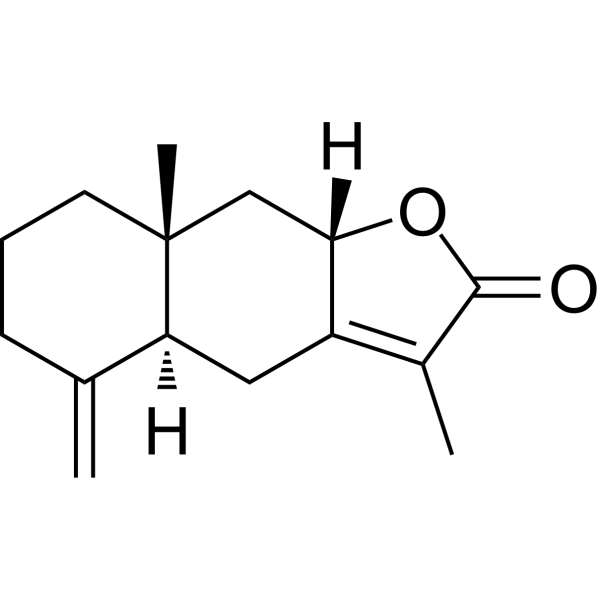
Atractylenolide II (Asterolide) is a sesquiterpenoid compound. Atractylenolide II can induce G1 phase cell cycle arrest and apoptosis in B16 melanoma cells. Atractylenolide II is an orally effective anticancer agent that can exert anti-melanoma effects by inhibiting the STAT3 signaling pathway. In addition, Atractylenolide II has been shown to ameliorate myocardial fibrosis, oxidative stress, and neuroprotective activity .
loading...
    loading...
1
1 Cited Publications
Cat. No.: HY-W011209
CAS No.: 7724-76-7
Synonyms: Riboprine
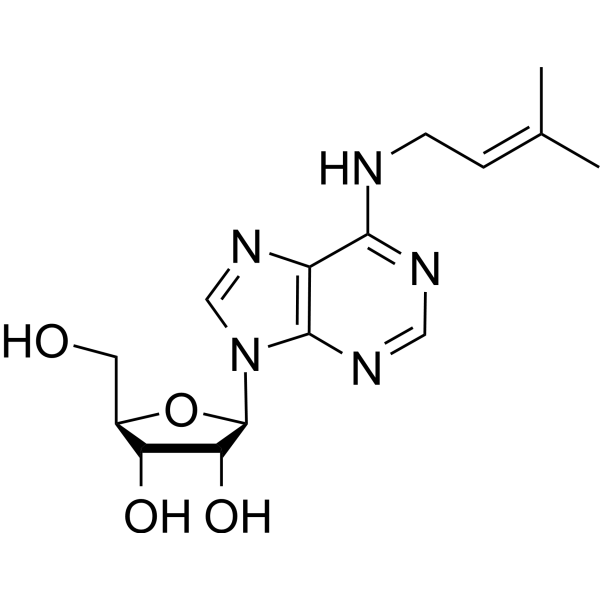
N6-Isopentenyladenosine (Riboprine), an RNA modification found in cytokinins, which regulate plant growth/differentiation, and a subset of tRNAs, where it improves the efficiency and accuracy of translation. N6-Isopentenyladenosine, an end product of the mevalonate pathway, is an autophagy inhibitor with an interesting anti-melanoma activity .
loading...
    loading...
Cat. No.: HY-108521
CAS No.: 188844-34-0
Purity:  99.87%
Research Areas:  

Metabolic Disease Cancer

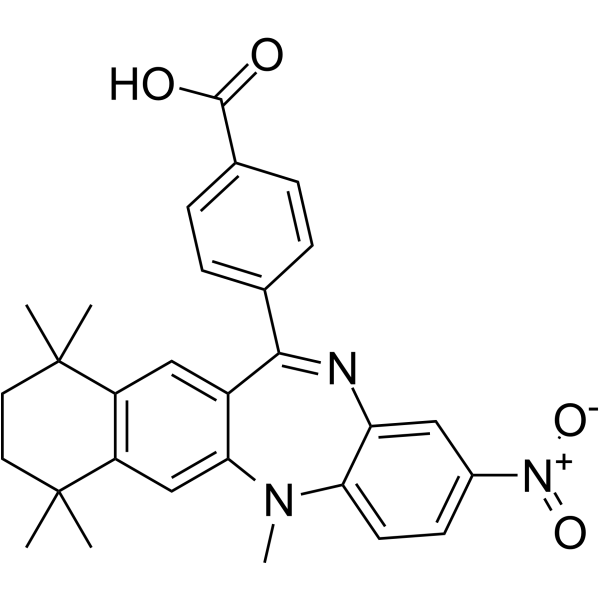
HX531 is an orally active RXR antagonist with an IC50 of 18 nM. HX531 upregulates the p53-p21Cip1 pathway. HX531 abrogates the anti-apoptotic effect of t-RA. HX531 exerts anti-obesity, anti-diabetic and anti-melanoma activities .
loading...
    loading...
Cat. No.: HY-150534
CAS No.: 2418579-17-4
Purity:  99.56%
Target:  

Apoptosis

Research Areas:  

Cancer

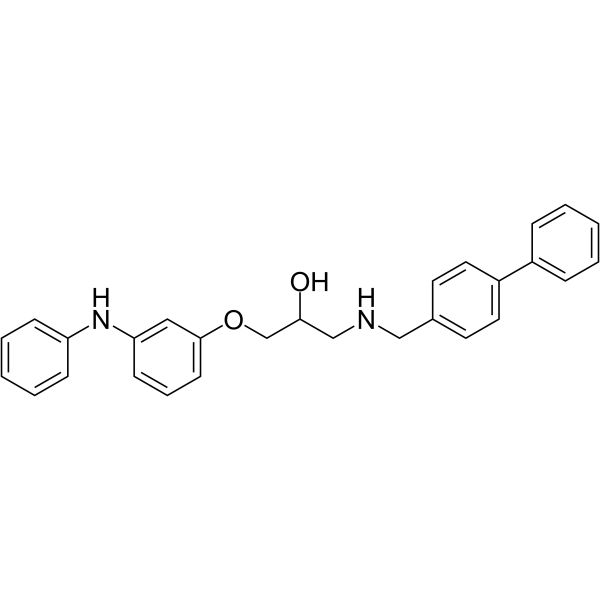
Anti-melanoma agent 1 (Compound 5m) is an anti-melanoma agent and induces cell apoptosis .
loading...
    loading...
Cat. No.: HY-120066
CAS No.: 22200-69-7
Target:  

Autophagy

Research Areas:  

Cancer

Seriniquinone, a selective anti-melanoma agent that targets Dermcidin, induces cell death by autophagocytosis. Seriniquinone is a metabolite produced by a rare marine bacterium of the genus Serinicoccus .
loading...
    loading...
Cat. No.: HY-W011209R
CAS No.: 7724-76-7
Synonyms: Riboprine (Standard)
N6-Isopentenyladenosine (Riboprine), an RNA modification found in cytokinins, which regulate plant growth/differentiation, and a subset of tRNAs, where it improves the efficiency and accuracy of translation. N6-Isopentenyladenosine, an end product of the mevalonate pathway, is an autophagy inhibitor with an interesting anti-melanoma activity .
loading...
    loading...
Cat. No.: HY-161340
CAS No.: 2361522-62-3
Target:  

Apoptosis

Research Areas:  

Cancer

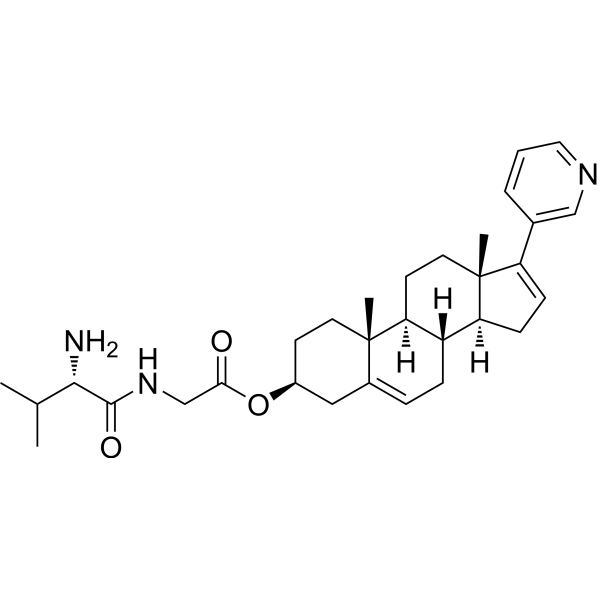
Anti-melanoma agent 2 (Compound IId) is a steroid hybrid that effectively induces endoplasmic reticulum stress (ERS) and causes apoptosis. Anti-melanoma agent 2 shows anti-melanoma effects .
loading...
    loading...
Cat. No.: HY-119427
CAS No.: 1253697-49-2
Target:  

Microtubule/Tubulin

Research Areas:  

Cancer

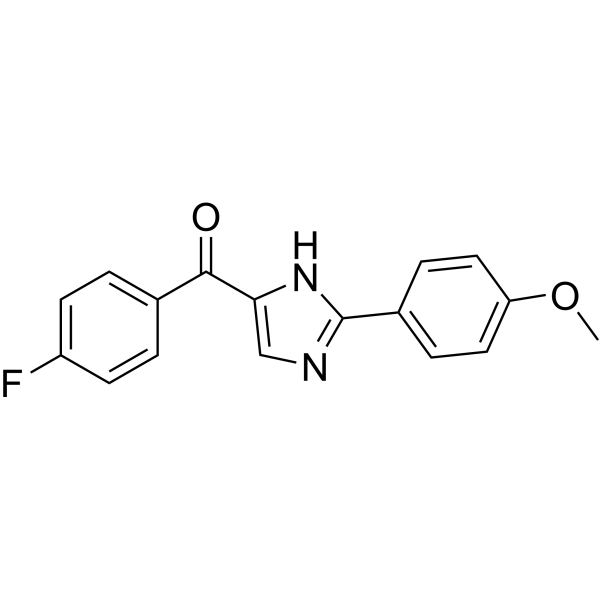
Anti-melanoma agent 3 (compound 5cb) is a 2-aryl-4-benzoyl-imidazole (ABI) derivative and an inhibitor of melanoma xenogeneic tumors. Anti-melanoma agent 3 exerts anticancer activity by interacting with the colchicine binding site to inhibit tubulin polymerization .
loading...
    loading...
Cat. No.: HY-159936
Target:  

HDAC PPAR Apoptosis

Research Areas:  

Cancer

CS4 is a selective HDAC inhibitor with the IC50 values of 38 nM, 12 nM, 5.8 μM, 19 μM and 61 μM against of HDAC1, HDAC6, HDAC8, HDAC4 and HDAC11, respectively. CS4 promotes α-tubulin and histone 3 acetylation. CS4 activates PPARγ and blocks glycolysis. CS4 induces cell cycle arrest at G2 phase and apoptosis, and shows anticancer effect both in vivo and in vitro .
loading...
    loading...
Cat. No.: HY-W698652A
CAS No.: 32986-65-5
Target:  

Others

Research Areas:  

Cancer

Anti-melanoma agent 4 is a cinnamaldehyde analogue with anti-melanoma activity. Anti-melanoma agent 4 can be used for the research of melanoma .
loading...
    loading...
Cat. No.: HY-N0202R
CAS No.: 73069-14-4
Synonyms: Asterolide (Standard)
Atractylenolide II (Standard) is the analytical standard of Atractylenolide II. This product is intended for research and analytical applications. Atractylenolide II (Asterolide) is a sesquiterpenoid compound. Atractylenolide II can induce G1 phase cell cycle arrest and apoptosis in B16 melanoma cells. Atractylenolide II is an orally effective anticancer agent that can exert anti-melanoma effects by inhibiting the STAT3 signaling pathway. In addition, Atractylenolide II has been shown to ameliorate myocardial fibrosis, oxidative stress, and neuroprotective activity .
loading...
    loading...
Cat. No.: HY-149519
CAS No.: 2468960-80-5
Research Areas:  

Cancer

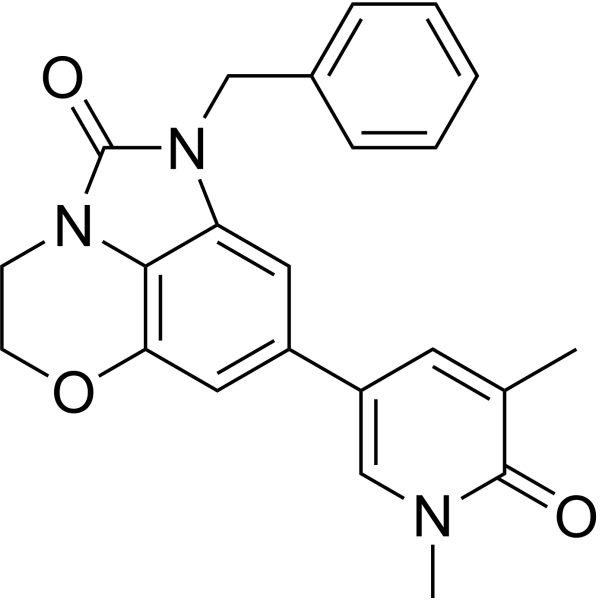
BRD4 Inhibitor-28 (Compound 18) is an orally active BRD4 Inhibitor. BRD4 Inhibitor-28 inhibits BRD40-BD1, BRD40-BD2 with IC50s of 15, 55 nM. BRD4 Inhibitor-28 also inhibits BRD2-BD1, BRD3-BD1, BRDT-BD1 with IC50s of 19, 25, 68 nM. BRD4 Inhibitor-28 has anti-melanoma activity .
loading...
    loading...
Cat. No.: HY-164473
CAS No.: 1836209-98-3
Target:  

ERK Akt STAT Apoptosis

Research Areas:  

Cancer

DETD-35 is an inhibitor of the MEK-ERK, Akt, and STAT3 signaling pathways, which promotes cancer cell apoptosis (Apoptosis) and reduces cancer cell resistance to Vemurafenib (HY-12057). The IC50 values of DETD-35 against wild-type and mutant melanoma cell lines B16-F10, MeWo, SK-MEL-2, A2058c, and A375c are 2.7, 6.0, 3.9, 3.1, and 2.5 μM, respectively. DETD-35 holds promise for research in the field of anti-melanoma therapy .
loading...
    loading...
Cat. No.: HY-172877
Research Areas:  

Cancer

EGFR/BRAFV600E-IN-5 (Compound 7I) is a dual BRAFV600E/EGFR inhibitor with IC50 of 0.048 μM and 0.037 μM, respectively. EGFR/BRAFV600E-IN-5 has significant anti-melanoma activity with IC50 of 3.16 μM and 2.50 μM against MALME-3M and LOX-IMVI cell lines, respectively. EGFR/BRAFV600E-IN-5 exerts anti-tumor effects by inducing G1 arrest, inhibiting DNA synthesis, and activating the mitochondrial apoptosis pathway. EGFR/BRAFV600E-IN-5 can be used for melanoma research, especially for combined inhibition of BRAFV600E mutation and EGFR signaling pathway .
loading...
    loading...
Cat. No.: HY-P3644
CAS No.: 188818-21-5
Target:  

Inhibitory Antibodies

Research Areas:  

Cancer

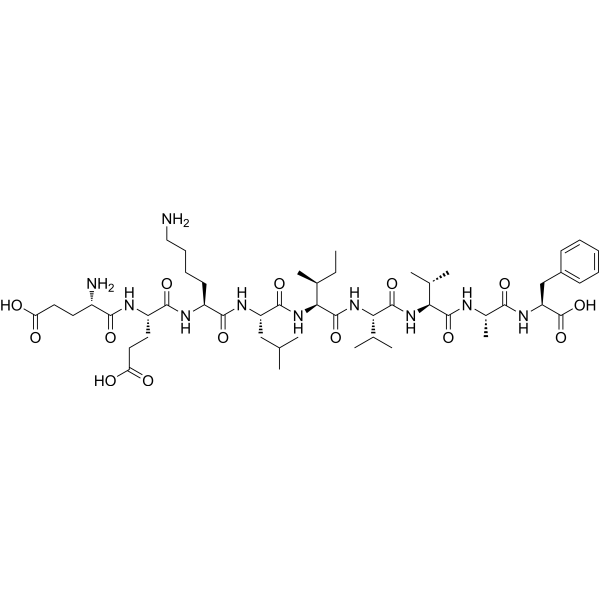
EEKLIVVAF is a pepitide, can be recognized on HLA-B44 by the anti-melanoma cytolytic T-cell (CTL) clone LB33- CTL-159/5 .
loading...
    loading...
Cat. No.: HY-P992475

Research Areas:  

Cancer

Tecnemab K1 is an anti-Melanoma monoclonal antibody. Tecnemab K1 accumulates in metastatic lesions of malignant melanoma and some benign lesions. When radiolabeled, Tecnemab K1 can serve as a radiotracer for malignant melanoma research. The isotype control is Mouse IgG1 kappa, Isotype Control (HY-P99977) .
loading...
    loading...
Cat. No.: HY-108521R
CAS No.: 188844-34-0
HX531 (Standard) is the analytical standard of HX531 (HY-108521). This product is intended for research and analytical applications. HX531 is an orally active RXR antagonist with an IC50 of 18 nM. HX531 upregulates the p53-p21Cip1 pathway. HX531 abrogates the anti-apoptotic effect of t-RA. HX531 exerts anti-obesity, anti-diabetic and anti-melanoma activities .
loading...
    loading...
Cat. No.: HY-180825
Anticancer agent 292 (Compound P4) is a photosensitizer for anti-melanoma. Anticancer agent 292 shows good biocompatibility under dark conditions and, upon illumination, induces apoptosis and partial necrosis in B16-F10 cells by disrupting the lysosomal membrane. Anticancer agent 292 not only directly kills tumor cells through the generation of reactive oxygen species (ROS), but also induces immune-prone cell death (ICD), thereby generating anti-tumor immune effects. Anticancer agent 292 can be used in the research of photodynamic therapy for melanoma .
loading...
    loading...
Cat. No.: HY-182899
DPAP is a p-ERK1/2 inhibitor with an IC50 of 7.85 μM against p-ERK1/2. DPAP inhibits the expression of p-MEK1/2 and disrupts the Ras-ERK signaling pathway. DPAP inhibits the expression of COX-2 in nerve cells. DPAP damages DNA and mitochondria, induces Apoptosis via the mitochondrial pathway, and upregulates PD-L1. DPAP inhibits melanoma metastasis and angiogenesis, and inactivates spinal microglia and astrocytes. DPAP exhibits anti-melanoma activity and can be combined with anti-PD-1 monoclonal antibodies to modify anti-tumor effects. DPAP is applicable for the research of melanoma .
loading...
    loading...
Cat. No.: HY-182066
Target:  

PANoptosis

Research Areas:  

Cancer

Photosensitizer-9 is an iridium (III)-based photosensitizer with anti-melanoma activity. Photosensitizer-9 exhibits significant phototoxicity (IC50=0.98 μM) and an ideal phototoxicity index (PI=3.05). Under light irradiation, Photosensitizer-9 generates large amounts of intracellular •OH in an oxygen-independent manner. Photosensitizer-9 mediates photodynamic therapy under hypoxic conditions and synergistically activates PANoptosis (by upregulating cleaved Caspase-3, GSDMD-N, p-MLKL), ferroptosis (by disrupting the GSH-GPX4-LPO axis), apoptosis, pyroptosis and necroptosis in melanoma cells. Photosensitizer-9 induces immunogenic cell death by promoting the release of damage-associated molecular patterns under hypoxic conditions and increases the maturation rate of dendritic cells. Photosensitizer-9 reduces tumor volume in melanoma-bearing mice. Photosensitizer-9 is applicable to relevant studies on melanoma .
loading...
    loading...
  • 1

