
1. Search Result
Search Result
Results for "

antimicrobial effects

" in MedChemExpress (MCE) Product Catalog:

111

Inhibitors & Agonists

3

Screening Libraries

1

Biochemical Assay Reagents

21

Peptides

48

Natural
Products

5

Isotope-Labeled Compounds

3

Oligonucleotides

Cat. No. Product Name Target Research Areas Chemical Structure
  • HY-W050154
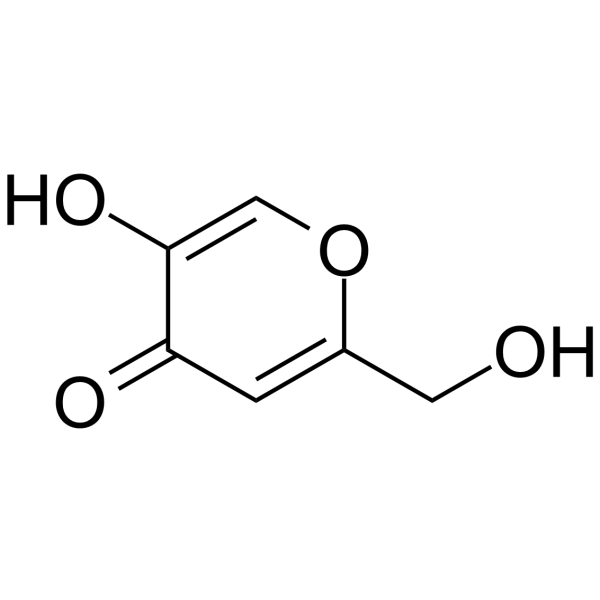
    Kojic acid
    2 Publications Verification

    Parasite Tyrosinase NF-κB CDK Infection Inflammation/Immunology Cancer
    Kojic acid is a substance produced by Aspergillus oryzae that is orally effective and can also be absorbed transdermally. Kojic acid exhibits various biological activities, including anti-aging, anti-nematode, antimicrobial, antioxidant, and anti-inflammatory effects. Kojic acid is a Tyrosinase inhibitor with an Mushroom Tyrosinase IC50 of 182.7 μM. Kojic acid prevents melanin production by capturing copper ions that bind to the tyrosinase active site, thus inhibiting its activation. Kojic acid also suppresses the NF-κB and p21 signaling pathways in human keratinocytes. Kojic acid derivatives have anticancer activity .
    Kojic acid
  • HY-N0664
    Aucubin
    5+ Cited Publications

    Bacterial Infection Neurological Disease Metabolic Disease Inflammation/Immunology Cancer
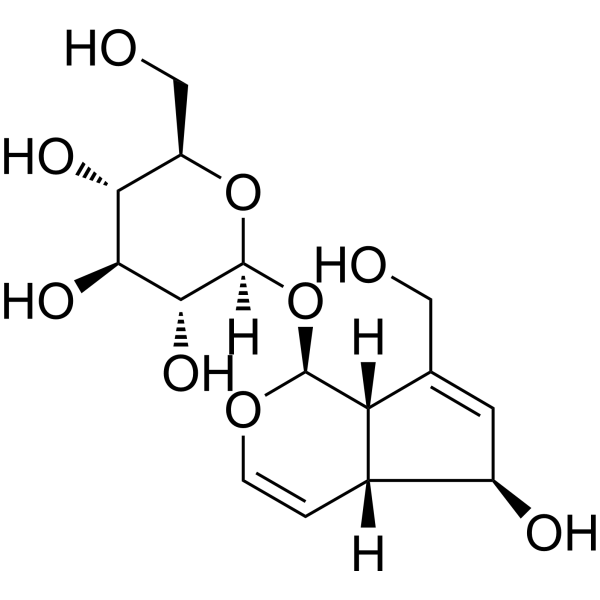
    Aucubin is an iridoid glycoside component that acn be found in E. ulmoides. Aucubin can cross the blood-brain barrier (BBB) and has anti-anxiety, antidepressive and anti-neuroinflammatory effects. Aucubin has many biological activities, such as antioxidant, anti-aging, anti-inflammatory, antimicrobial, anti-fibrotic, anti-cancer, hepatoprotective, neuroprotective and osteoprotective effects .
    Aucubin
  • HY-129555
    Surfactin
    5+ Cited Publications

    Bacterial HSV Antibiotic Infection
    Surfactin is a potent cyclic lipopeptide biosurfactants consists of four isomers (Surfactin A, B, C and D), which mediates flux of mono-and divalent cations, such as calcium, across lipid bilayer membranes. Surfactin can act as an antimicrobial adjuvant with anti-bacterial, anti-fungal, antimycoplasma and hemolytic effects . Surfactin also has antiviral activity against a variety of enveloped viruses .
    Surfactin
  • HY-B0986

    4-Hexylresorcinol

    Environmental Pollutants Apoptosis Parasite Endogenous Metabolite Bacterial Glycosidase Infection Metabolic Disease Cancer
    Hexylresorcinol (4-Hexylresorcinol) is a natural compound found in plants with antimicrobial, anthelmintic, antiseptic and antitumor activities. Hexylresorcinol can induce apoptosis in squamous carcinoma cells. Hexylresorcinol is a reversible and noncompetitive inhibitor of α-glucosidase. Hexylresorcinol has protective effects against oxidative DNA damage .
    Hexylresorcinol
  • HY-B0972
    Cinchophen
    1 Publications Verification

    Bacterial Inflammation/Immunology
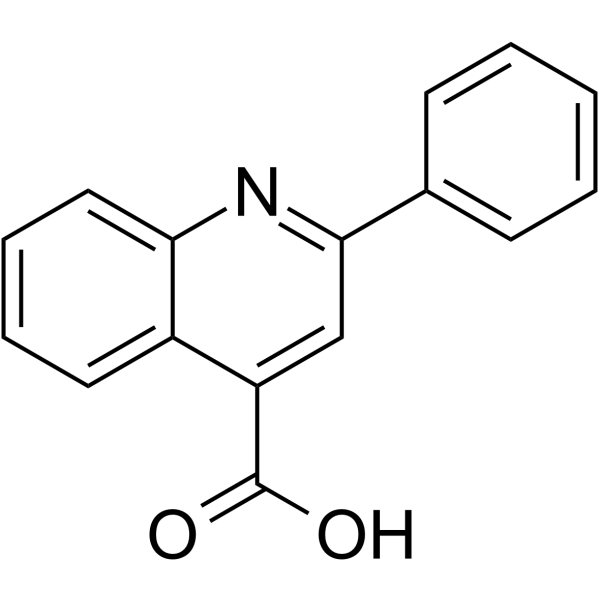
    Cinchophen is a potent and orally active non-steroidal anti-inflammatory agent, has analgesic and antimicrobial effects. Cinchophen can be used for the research of arthritis and some liver diseases .
    Cinchophen
  • HY-B0905
    Tilmicosin
    5 Publications Verification

    LY-177370; EL-870

    Bacterial Antibiotic Apoptosis Calcium Channel Infection Inflammation/Immunology
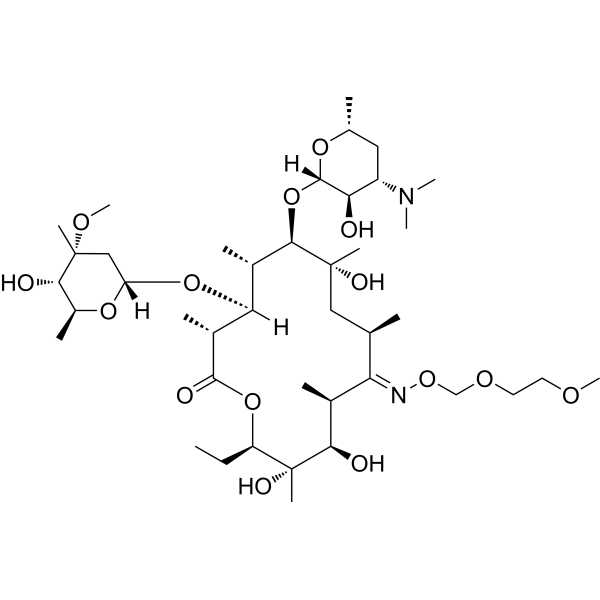
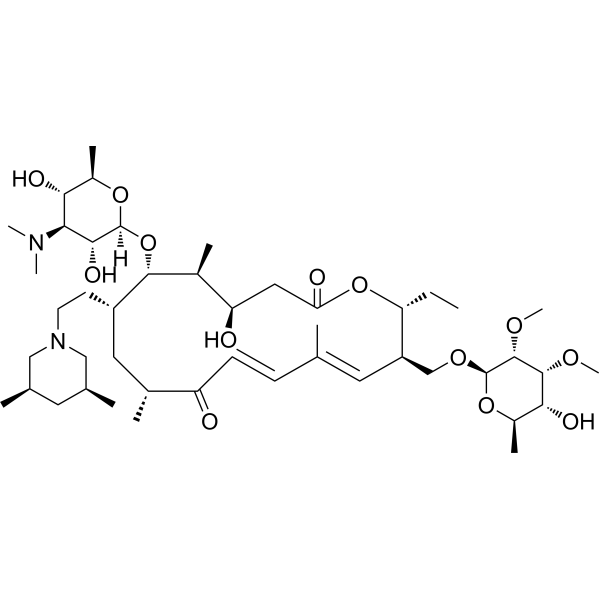
    Tilmicosin (LY-177370) is an orally active calcium channel antagonist and macrolide antibiotic with antimicrobial activity. Tilmicosin mainly acts on the 50S subunit of bacterial ribosomes, inhibiting protein synthesis. Tilmicosin is effective in the treatment of respiratory diseases in livestock such as cattle, sheep and pigs. In addition, Tilmicosin has immunomodulatory and anti-inflammatory effects .
    Tilmicosin
  • HY-137371

    Bacterial Apoptosis Antibiotic Infection Cancer
    Lactonic sophorolipid is an apoptosis inducer and antimicrobial surfactant with antitumor activity. Lactonic sophorolipid regulates Bax/Bcl-gene expression through caspase-3/9 and induces apoptosis in tumor cells. Lactonic sophorolipid can disrupt cell membrane permeability and exert antibacterial effects (MIC for oral pathogens is 100-400 μg/mL). Lactonic sophorolipid promotes mitochondrial membrane potential depolarization, activates the intrinsic apoptotic pathway, and can synergize with antibiotics to enhance the antibacterial effect. Lactonic sophorolipid can be used in liver cancer research and the development of oral hygiene antibacterial agents[1][2][3].
    Lactonic sophorolipid
  • HY-108964

    Bacterial Infection Neurological Disease Inflammation/Immunology Cancer
    Carvone is a ketone monoterpene found in the essential oils from plants of the genus Mentha. Carvone has such effects as anticancer, antimicrobial, antioxidant, anti-inflammatory, antispasmodic, antinociceptive, anticonvulsant .
    Carvone
  • HY-W012531
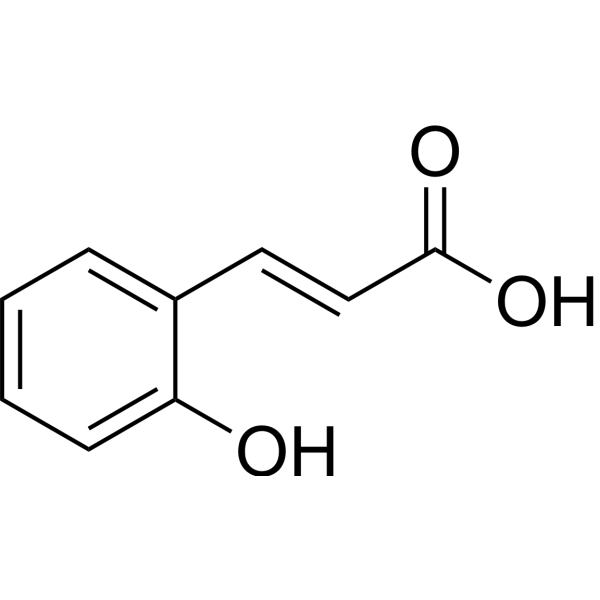
    2-Hydroxycinnamic acid
    1 Publications Verification

    HIV SARS-CoV Endogenous Metabolite Bacterial Infection Neurological Disease Inflammation/Immunology Cancer
    2-Hydroxycinnamic acid is a phenolic acid with antimicrobial and antioxidant properties. 2-Hydroxycinnamic acid has antimicrobial activity against Staphylococcus aureus and is not susceptible to drug resistance. 2-Hydroxycinnamic acid shows inhibitory effects on infection of HIV/SARS-CoV S pseudovirus with an IC50 of 0.3 mM. In addition, 2-Hydroxycinnamic acid has neuroprotective and antitumor activity .
    2-Hydroxycinnamic acid
  • HY-N0346A

    COX Glycosidase Caspase Apoptosis Mitochondrial Metabolism Infection Inflammation/Immunology Cancer
    (E)-Ethyl p-methoxycinnamate is a natural product found in Kaempferia galangal with anti-inflammatory, anti-neoplastic and anti-microbial effects. (E)-Ethyl p-methoxycinnamate inhibits COX-1 and COX-2 in vitro with IC50s of 1.12 and 0.83 μM, respectively .
    (E)-Ethyl p-methoxycinnamate
  • HY-B1794
    Thiethylperazine
    3 Publications Verification

    Dopamine Receptor Histamine Receptor Bacterial Amyloid-β Infection Neurological Disease
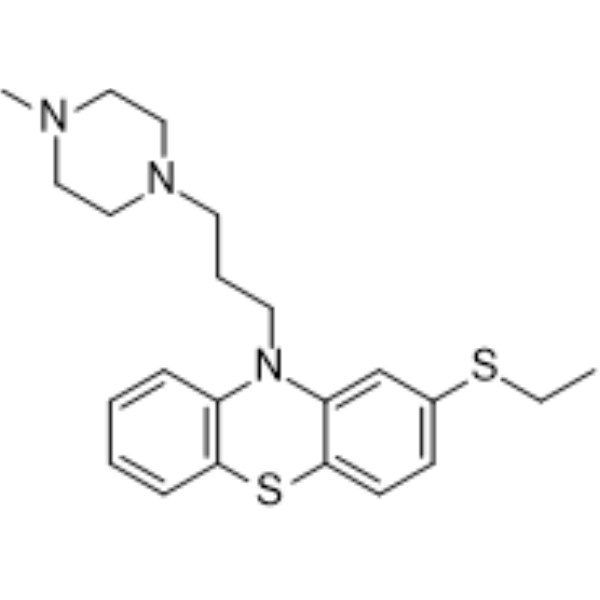
    Thiethylperazine, a phenothiazine derivate, is an orally active and potent dopamine D2-receptor and histamine H1-receptor antagonist. Thiethylperazine is also a selective ABCC1activator that reduces amyloid-β (Aβ) load in mice. Thiethylperazine has anti-emetic, antipsychotic and antimicrobial effects .
    Thiethylperazine
  • HY-B0435
    Roxithromycin
    5+ Cited Publications

    RU-28965

    Bacterial Antibiotic Apoptosis p38 MAPK NF-κB Infection Cardiovascular Disease Inflammation/Immunology Cancer
    Roxithromycin (RU-28965) is an orally active semi-synthethic macrolide antibiotic. Roxithromycin inhibits protein biosynthesis in the elongation step by binding to 50S bacterial ribosome. Roxithromycin has antimicrobial, antiproliferative, anti-inflammatory, tumour vasculature inhibiting and lung injury ameliorating effects .
    Roxithromycin
  • HY-B0905A
    Tilmicosin phosphate
    5 Publications Verification

    LY-177370 phosphate; EL-870 phosphate

    Bacterial Antibiotic Apoptosis NO Synthase COX Infection Inflammation/Immunology
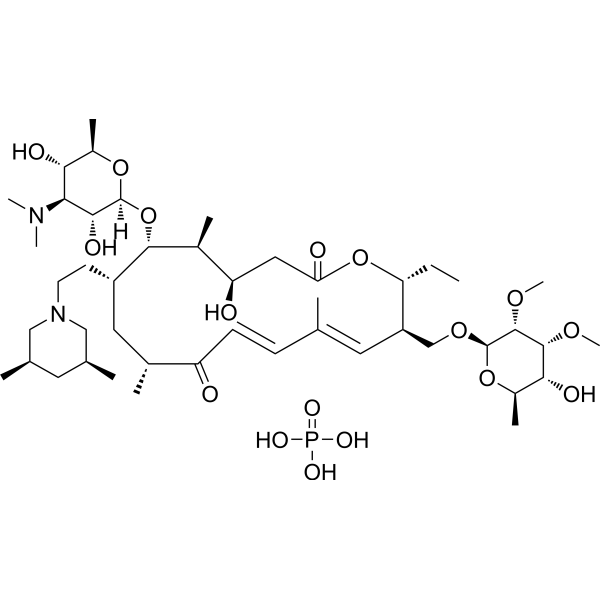
    Tilmicosin (LY-177370) phosphate is an orally active calcium channel antagonist and macrolide antibiotic with antimicrobial activity. Tilmicosin phosphate mainly acts on the 50S subunit of bacterial ribosomes, inhibiting protein synthesis. Tilmicosin phosphate is effective in the treatment of respiratory diseases in livestock such as cattle, sheep and pigs. In addition, Tilmicosin phosphate has immunomodulatory and anti-inflammatory effects .
    Tilmicosin phosphate
  • HY-P0270

    Magainin II

    Bacterial Antibiotic Fungal Infection
    Magainin 2 (Magainin II) is an antimicrobial peptide (AMP) isolated from the skin of the African clawed frog Xenopus laevis. Magainin 2 displays antibiotic activity against numerous gram-negative and gram-positive bacteria. Magainin 2 also is active against protozoa . Magainin 2 exerts its cytotoxicity effects by preferential interactions with anionic phospholipids abundant in bacterial membranes .
    Magainin 2
  • HY-W009123

    cis-13-Docosenamide

    Endogenous Metabolite Bacterial Infection Neurological Disease
    Erucamide is an orally active, blood-brain barrier-permeable TMEM19 ligand and T3SS inhibitor. Erucamide exerts retinal neuroprotective effects in mouse models of retinal degeneration. Erucamide attenuates depression- and anxiety-like behaviors in mice.\n\nErucamide binds to the conserved hydrophobic pocket in HrcC, disrupts its outer membrane localization, and blocks T3SS-mediated effector protein secretion in Gram-negative pathogenic bacteria. Erucamide enhances the antimicrobial immunity of plants against pathogenic bacteria. Erucamide can be used in research related to retinitis pigmentosa, anxiety and depression, bacterial wilt, and bacterial blight .
    Erucamide
  • HY-N3544

    (-)-Caryophyllene oxide

    Environmental Pollutants Apoptosis Bacterial Fungal Parasite Infection Neurological Disease Inflammation/Immunology Cancer
    Caryophyllene oxide ((-)-Caryophyllene oxide) is a bicyclic sesquiterpene with anticancer effects. Caryophyllene oxide induces apoptosis of PC-3 cells. Caryophyllene oxide shows analgesic and anti-inflammatory activities. Caryophyllene oxide has insecticidal, antioxidant, antimicrobial, antifungal, and antiparasitic properties .
    Caryophyllene oxide
  • HY-127032

    Polidronium chloride

    Biochemical Assay Reagents Infection
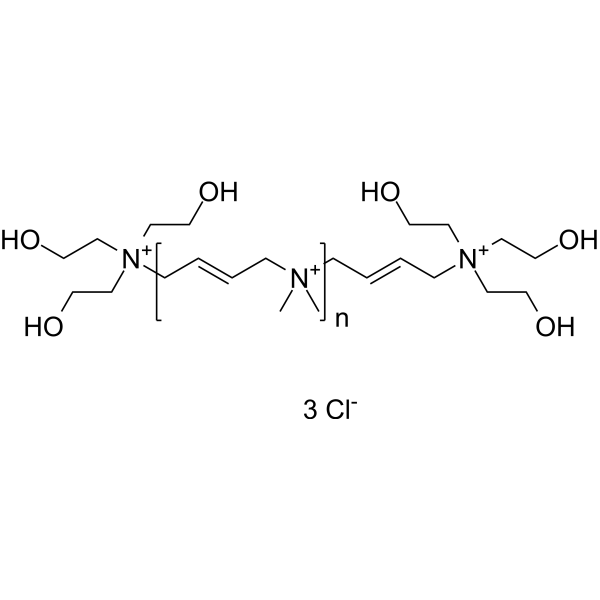
    Polyquaternium-1 (Polidronium chloride; PQ-1) is an antimicrobial preservative and an activator of NF-κB. Polyquaternium-1 targets bacterial cell membranes, commonly used in ophthalmic surgery. Polyquaternium-1 adsorbs to the surface of microbial membranes through its polycationic properties, destroying membrane integrity and inducing potassium ion leakage, leading to bacterial death. Polyquaternium-1 exerts antimicrobial effects at a concentration of 0.001% and has low toxicity to mammalian cells. Polyquaternium-1 can be used to prepare products such as glaucoma eye drops (Travoprost preparations containing PQ-1), artificial tears, and contact lens solutions to reduce the ocular surface toxicity of traditional preservatives such as benzalkonium chloride (HY-B2232) .
    Polyquaternium-1
  • HY-N1377

    Lysionotin

    Carboxylesterase (CES) DNA/RNA Synthesis Apoptosis Bacterial Infection Metabolic Disease Inflammation/Immunology Endocrinology Cancer
    Nevadensin (Lysionotin), a natural flavonoid, is a selective human carboxylesterase 1 (hCE1) inhibitor with an IC50 of 2.64 μM. Nevadensin is more selective for hCE1 than hCE2 (IC50 of 132.8 μM). Nevadensin can induce apoptosis and DNA damage in cancer cells. Nevadensin has a variety of pharmacological effects such as anti-inflammatory, anti-tumour, anti-hypertensive, anti-tubercular, antitussive, antioxidant and anti-microbial activities .
    Nevadensin
  • HY-P5255

    Bacterial Infection Inflammation/Immunology
    Oligopeptide-10 is a bioactive peptide with antimicrobial activity. Oligopeptide-10 exhibits broad-spectrum bactericidal effects against Gram-positive bacteria including Propionibacterium acnes and Staphylococcus aureus. Oligopeptide-10 targets lipoteichoic acid (LTA) on the surface of bacterial cell membranes, induces bacterial osmotic imbalance by disrupting the integrity of bacterial membranes, and reduces the release of pro-inflammatory cytokines induced by bacteria. Oligopeptide-10 possesses skin-protective activity. Oligopeptide-10 can be applied in research related to acne vulgaris, dandruff, seborrheic dermatitis, and tinea pedis .
    Oligopeptide-10
  • HY-105008

    (S,S)-SDG; (S,S)-LGM2605

    Others Cardiovascular Disease Neurological Disease Inflammation/Immunology
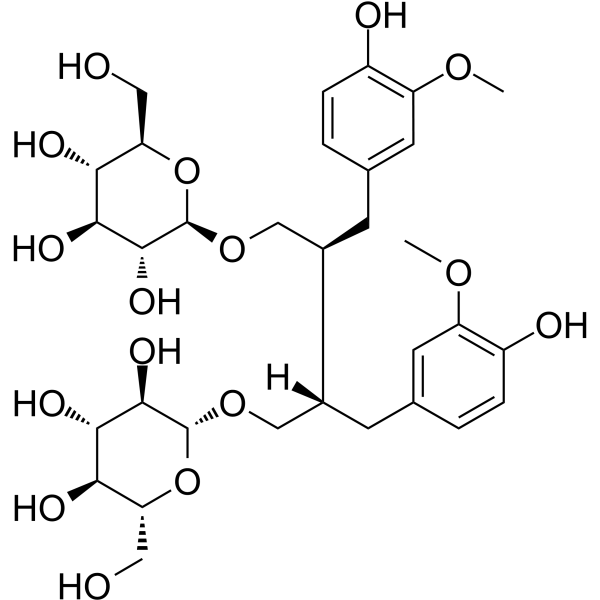
    Secoisolariciresinol diglucoside ((S,S)-SDG), the main lignan in wholegrain flaxseed, is known for its beneficial effects including anti-inflammatory, antioxidant, anti-mutagenic, anti-microbial, anti-obesity, hypolipidemic, and neuroprotective effects .
    Secoisolariciresinol diglucoside
  • HY-N9690

    Longistylin A

    Bacterial Infection Neurological Disease
    Longistyline A (Longistylin A) is a natural stilbene, it can be isolated from leaves of Cajanus cajan. Longistyline A shows antimicrobial activity against MRSA with an MIC value of 1.56 μg/mL. Longistyline A shows neuroprotective effects, it can be used for the research of infection and nerve diseases .
    Longistyline A
  • HY-N3354

    8-prenylgenistein

    Apoptosis Cancer
    Lupiwighteone is an isoflavone present widely in wild-growing plants, with antioxidant, antimicrobial and anticancer effects. Lupiwighteone induces caspase-dependent and -independent apoptosis on human breast cancer cells via inhibiting PI3K/Akt/mTOR pathway .
    Lupiwighteone
  • HY-122267

    trans-Clovamide

    Reactive Oxygen Species (ROS) Bacterial Influenza Virus Apoptosis Neurological Disease Inflammation/Immunology
    Clovamide (trans-Clovamide), a natural phenolic compound, is a potent antioxidant. Clovamide is an excellent ROS and oxygen radical scavenger. Clovamide also has anti-inflammatory and neuroprotective effects . Clovamide is an anti-microbial with activity against the human pathogens influenza A subtype H5N1, Trypanosoma evansi, and Heliobacter pylori .
    Clovamide
  • HY-100589
    Isepamicin sulfate
    1 Publications Verification

    Sch 21420 sulfate

    Antibiotic Bacterial Infection Cardiovascular Disease Neurological Disease Metabolic Disease
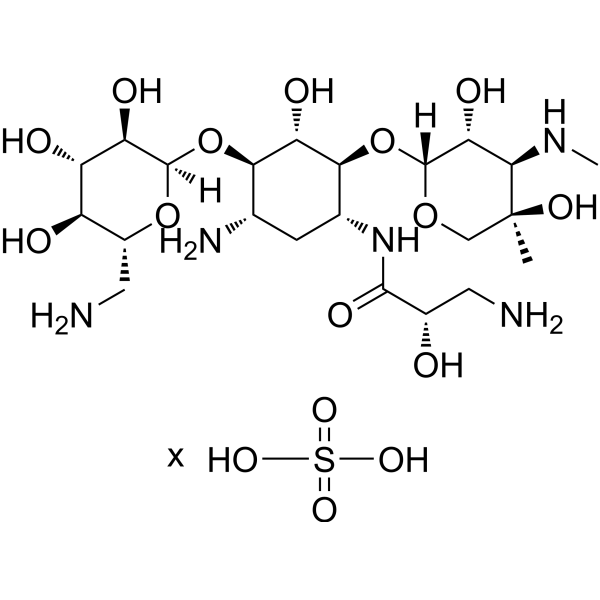
    Isepamicin sulfate (Sch 21420 sulfate) is a broad-spectrum aminoglycoside antibiotic. Isepamicin sulfate has considerable antimicrobial activity against some Gram-negative non-fermenting bacteria that are highly resistant to antibiotics. Isepamicin sulfate inhibits writhing reactions induced by Acetic acid (HY-Y0319), regulates vascular blood flow and blood pressure, and inhibits spontaneous uterine movements. Isepamicin sulfate has antidiuretic and blood sugar-raising effects. Isepamicin sulfate can be used in seizure research .
    Isepamicin sulfate
  • HY-N2589

    TGF-β Receptor Collagen Infection Metabolic Disease Inflammation/Immunology Cancer
    Isosaponarin is a flavone glycoside isolated from wasabi leaves. Isosaponarin is a P4HA2 enzymatic agonist. Isosaponarin increases collagen synthesis via up-regulated TGF-β type II receptor (TβR-II) and prolyl 4-hydroxylase (P4H) proteins production, promoting skin health and wound healing. Isosaponarin-rich plants exhibit strong antimicrobial, antioxidant, anti-hyaluronidase, antiplatelet, anti-atopic dermatitis, and anti-tumor effects .
    Isosaponarin
  • HY-W010649

    HSP Epigenetic Reader Domain ATP-binding cassette (ABC) transporters Bacterial Fungal Antibiotic Infection Metabolic Disease Inflammation/Immunology Cancer
    Isoxazole is a member of the five-membered heterocycle drug scaffold. Isoxazole has been used as a BET bromodomain inhibitor and can improve β-cell function in a diabetic mouse model. Isoxazole and its derivatives exhibit broad biological activities (such as antimicrobial, antibacterial, antifungal, antiviral, anticancer, anti-inflammatory, immunomodulatory, analgesic, anti-tuberculosis, and anti-diabetic effects). For example, the bicyclic Isoxazole can act as an HSP90 inhibitor, and the tricyclic Isoxazole is promising as a selective multidrug resistance protein (MRP1) inhibitor​ .
    Isoxazole
  • HY-N3307
    (+)-Medioresinol
    1 Publications Verification

    Bacterial Fungal Reactive Oxygen Species (ROS) Apoptosis MMP Interleukin Related PI3K Akt mTOR PPAR PGC-1α Pyroptosis Infection Neurological Disease Inflammation/Immunology
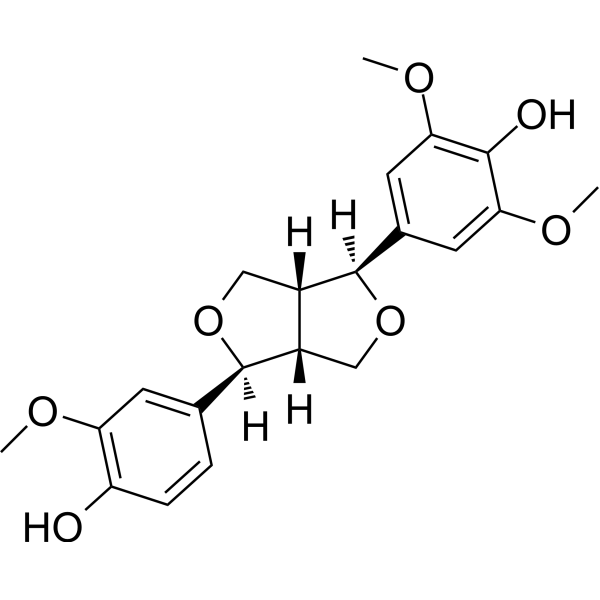
    (+)-Medioresinol is a furofuran-type lignan with antifungal and antibacterial properties. (+)-Medioresinol synergizes with antibiotics to exert antimicrobial and antibiofilm effects. (+)-Medioresinol induces intracellular ROS accumulation and mitochondrial-mediated apoptosis in Candida albicans. (+)-Medioresinol inhibits LPS (HY-D1056)-stimulated IL-12p40 production. (+)-Medioresinol is a PGC-1α activator that protects against endothelial cell pyroptosis in ischemic stroke via the PPARα-GOT1 axis. (+)-Medioresinol can be used in research on fungal and bacterial infection, inflammation, and ischemic stroke .
    (+)-Medioresinol
  • HY-N10087

    Bacterial Infection
    Angustifoline, an alkaloid, can be isolated from Lupinus angustifolius L. alkaloid extract. Angustifoline exhibits antimicrobial activity. Angustifoline could have bacteriostatic effects against S. aureus, B. subtilis, E. coli, P. aeruginosa and B. thuringiensis .
    Angustifoline
  • HY-119500
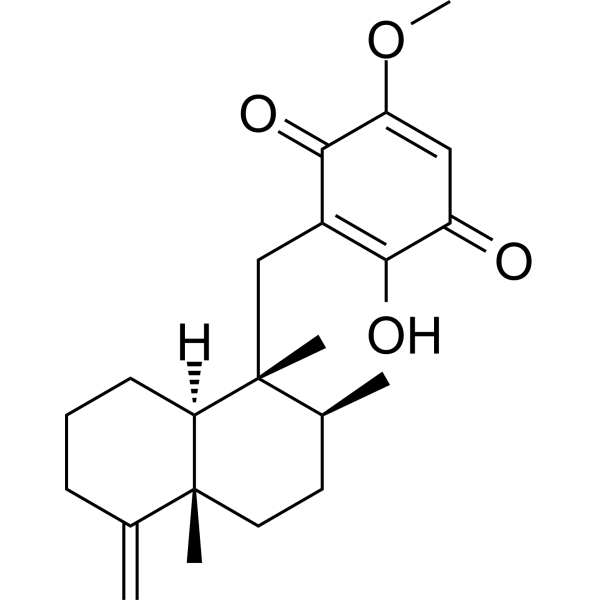
    Ilimaquinone
    2 Publications Verification

    HIV Bacterial Infection Inflammation/Immunology Cancer
    Ilimaquinone, a marine sponge metabolite, displays anticancer activity via GADD153-mediated pathway. Ilimaquinone can induce vesiculation of the Golgi apparatus . Ilimaquinone exerts anti-HIV, anti-microbial, anti-inflammatory, and effects .
    Ilimaquinone
  • HY-N10544

    (+)-δ-Cadinene

    Bacterial Parasite Fungal Apoptosis Infection Cancer
    δ-Cadinene ((+)-δ-Cadinene) is a sesquiterpene in essential oils. δ-Cadinene shows antiproliferative and pro-apoptotic effects on human ovary cancer (OVCAR-3) cells. δ-Cadinene has trichomonacidal, antimicrobial, antifungal and anticancer properties .
    δ-Cadinene
  • HY-N3138

    Bacterial Apoptosis Reactive Oxygen Species (ROS) ERK JNK Caspase SOD Fungal Infection Neurological Disease
    Ombuoside has antioxidant properties, inhibiting ROS production and apoptosis. Ombuoside exerts neuroprotective effects through the ERK-JNK-caspase-3 system. Ombuoside promotes Dopamine biosynthesis through TH and CREB activation. Ombuoside exhibits antimicrobial activity against several Gram-positive and Gram-negative bacteria, as well as Candida albicans
    Ombuoside
  • HY-P11085

    Bacterial Infection
    WLBU2 is a engineered cationic antimicrobial peptide (eCAP) that overcomes the environmental sensitivity of natural antimicrobial peptides (AMPs). WLBU2 exhibits rapid bactericidal effect, with the MIC values of ≤ 10 μM against both Gram-negative and Gram-positive bacteria including MRSA, vancomycin-resistant enterococci, K. pneumoniae, E.aerogenes, E. cloacae, Escherichia coli, et, al. WLBU2 prevents P. aeruginosa biofilm growth and retains its activity in an environment rich in mucus, low pH and high salt concentrations without negative effects on human airway epithelial cells. WLBU2 can be used for the studies of cystic fibrosis (CF) and Pseudomonas aeruginosa infections .
    WLBU2
  • HY-W392026

    PHMGH

    Antibiotic Bacterial Fungal Infection
    Polyhexamethyleneguanidine (PHMGH) hydrochloride is a positively charged polymer with broad-spectrum antimicrobial activity. It exerts its antibacterial effects by binding to the cell membranes of bacteria and fungi, disrupting membrane integrity. Polyhexamethyleneguanidine hydrochloride can be applied in studies related to disinfection, water treatment, pesticides, and other fields [2]
    Polyhexamethyleneguanidine hydrochloride
  • HY-P1884

    Bacterial Infection
    LL-37, acetylated, amidated is a cathelicidin peptide LL-37 acetylated on the N-terminus and amidated on the C-terminus. The single human cathelicidin peptide LL-37 has antimicrobial and anti-biofilm activity against multiple Gram-positive and Gram-negative human pathogens, and has wound-healing effects on the host .
    LL-37, acetylated,amidated
  • HY-N0664R

    Reference Standards Bacterial Infection Neurological Disease Inflammation/Immunology Cancer
    Aucubin (Standard) is the analytical standard of Aucubin. This product is intended for research and analytical applications. Aucubin, an iridoid glucoside, is isolated from Plantago asiatica, Eucommia ulmoides, the leaves of Aucuba japonica and more recently from butterfly larva. Aucubin has many biological activities, such as antioxidant, anti-aging, anti-inflammatory, antimicrobial, anti-fibrotic, anti-cancer, hepatoprotective, neuroprotective and osteoprotective effects .
    Aucubin (Standard)
  • HY-121473

    Antibiotic Bacterial Fungal Parasite Infection
    Aklavin is a structural analog of Aclacinomycin A (HY-N2306) produced by Streptomyces strain A 1165. Aklavin possesses Z-DNA-inducing and stabilizing activities, along with antibiotic, anti-phage and broad-spectrum antimicrobial activities. Aklavin inhibits the proliferation of various viruses (such as influenza virus and poliovirus) and interferes with their nucleoprotein synthesis, while also exhibiting inhibitory effects on staphylococci, mycobacteria and specific fungi. Aklavin blocks phage-induced bacterial lysis by regulating host-parasite interactions. Aklavin shows specific toxicity to fertilized eggs and mice, and does not alter the splicing of the SMN2 gene .
    Aklavin
  • HY-W094847

    Environmental Pollutants Biochemical Assay Reagents Infection
    Eicosane is an alkane with anti-microbial effects. Eicosane inhibits the growth of B. subtilis, E. coli and P. aeruginosa. Eicosane is used to form candles .
    Eicosane
  • HY-133951

    Bacterial Fungal Infection
    4',6,7-Trimethoxyisoflavone is an isoflavone with antimicrobial activities against a wide range of bacteria and fungi. 4',6,7-Trimethoxyisoflavone also has antioxidant effects .
    4',6,7-Trimethoxyisoflavone
  • HY-W089856

    Bacterial Fungal Antibiotic Infection Neurological Disease
    Chlorobutanol hemihydrate is an antimicrobial agent with oral activity, also possessing preservative effects. Chlorobutanol hemihydrate exhibits resistance to a variety of Gram-positive and Gram-negative bacteria, as well as several fungal spores and fungi, and is widely used in the food and cosmetics industries .
    Chlorobutanol hemihydrate
  • HY-P4836A

    Parasite Infection
    LL-37 FK-13 TFA is the TFA salt form of LL-37 FK-13 (HY-P4836). LL-37 FK-13 TFA is an antimicrobial agent, that inhibits Trichomonas vaginalis. LL-37 FK-13 TFA exhibits minimal hemolytic effects on human erythrocytes and low cytotoxicity to human fibroblasts .
    LL-37 FK-13 TFA
  • HY-N0108R

    Parietin (Standard); Rheochrysidin (Standard)

    Reference Standards Bacterial Infection Inflammation/Immunology Cancer
    Physcion (Standard) is the analytical standard of Physcion. This product is intended for research and analytical applications. Physcion (Parietin) is an anthraquinone isolated from traditional Chinese medicine Radix et Rhizoma Rhei, acts as an inhibitor of 6-phosphogluconate dehydrogenase, with an IC50 and a Kd of 38.5 μM and 26.0 μM, respectively . Physcion (Parietin) exhibits laxative, hepatoprotective, anti-inflammatory, anti-microbial, anti-proliferative and anti-tumor effects .
    Physcion (Standard)
  • HY-W391625

    (Rac)-Epiligulyl oxide

    Fungal Cancer
    (Rac)-Dehydrocostus Lactone ((Rac)-Epiligulyl oxide) is a natural product with antiparasitic activity. (Rac)-Dehydrocostus Lactone can significantly inhibit the growth of Trypanosoma brucei rhodesiense. (Rac)-Dehydrocostus Lactone exhibits a broad spectrum of biological effects, including anti-inflammatory, anticancer, antiviral and antimicrobial activities. (Rac)-Dehydrocostus Lactone also has antifungal, antioxidant, antidiabetic, antiulcer and antihelminthic effects. (Rac)-Dehydrocostus Lactone exhibits different IC(50) values in cytotoxicity tests and has a high selectivity index .
    (Rac)-Dehydrocostus Lactone
  • HY-B0905R

    LY-177370 (Standard); EL-870 (Standard)

    Reference Standards Bacterial Antibiotic Apoptosis Calcium Channel Infection Inflammation/Immunology
    Tilmicosin (Standard) is the analytical standard of Tilmicosin. This product is intended for research and analytical applications. Tilmicosin (LY-177370) is an orally active calcium channel antagonist and macrolide antibiotic with antimicrobial activity. Tilmicosin mainly acts on the 50S subunit of bacterial ribosomes, inhibiting protein synthesis. Tilmicosin is effective in the treatment of respiratory diseases in livestock such as cattle, sheep and pigs. In addition, Tilmicosin has immunomodulatory and anti-inflammatory effects .
    Tilmicosin (Standard)
  • HY-105061

    Ro 7-0582; SR 1354

    Bacterial Parasite Infection Cancer
    Misonidazole (Ro 7-0582; SR 1354) is a hypoxic tumor cell radiosensitizer . Misonidazole also has antimicrobial effects .
    Misonidazole
  • HY-P4836

    Parasite Infection
    LL-37 FK-13 is an antimicrobial agent, that inhibits Trichomonas vaginalis. LL-37 FK-13 exhibits slight hemolytic effects on human erythrocytes and low cytotoxicity to human fibroblasts .
    LL-37 FK-13
  • HY-138247

    EX-A4764; UUN51204

    Beta-lactamase Bacterial Antibiotic Infection
    β-Lactamase-IN-2 is a beta-lactamase inhibitor, extracted from patent WO 2019075084 A1, compound 1. β-Lactamase-IN-2 has anti-microbial and anti-bacterial effects .
    β-Lactamase-IN-2
  • HY-W012531R

    Reference Standards HIV SARS-CoV Endogenous Metabolite Bacterial Infection Neurological Disease Inflammation/Immunology Cancer
    2-Hydroxycinnamic acid (Standard) is the analytical standard of 2-Hydroxycinnamic acid. This product is intended for research and analytical applications. 2-Hydroxycinnamic acid is a phenolic acid with antimicrobial and antioxidant properties. 2-Hydroxycinnamic acid has antimicrobial activity against Staphylococcus aureus and is not susceptible to drug resistance. 2-Hydroxycinnamic acid shows inhibitory effects on infection of HIV/SARS-CoV S pseudovirus with an IC50 of 0.3 mM. In addition, 2-Hydroxycinnamic acid has neuroprotective and antitumor activity .
    2-Hydroxycinnamic acid (Standard)
  • HY-150583

    Fungal Inflammation/Immunology
    Chitin synthase inhibitor 2 (compound 2b) is a potent inhibitor of chitin synthase with the IC50 value of 0.09 mM and the Ki value of 0.12 mM. Chitin synthase inhibitor 2 has antimicrobial activities in vitro and shows synergistic or additive effects with fluconazole or polyoxin B .
    Chitin synthase inhibitor 2
  • HY-B0317F

    Calcium Channel Infection
    Amlodipine hydrochloride is a biologically active drug used to lower blood pressure and prevent chest pain. Amlodipine hydrochloride has shown synergistic effects with antimicrobial drugs in in vitro studies, especially against carbene peptide-resistant Acinetobacter baumannii. Amlodipine hydrochloride can be used in combination with other antibiotics to enhance the inhibitory effect against resistant bacteria. The use of amlodipine hydrochloride helps reduce the dosage requirements of the drug, reduce toxic effects, and delay the emergence of drug resistance .
    Amlodipine hydrochloride
  • HY-B1794A
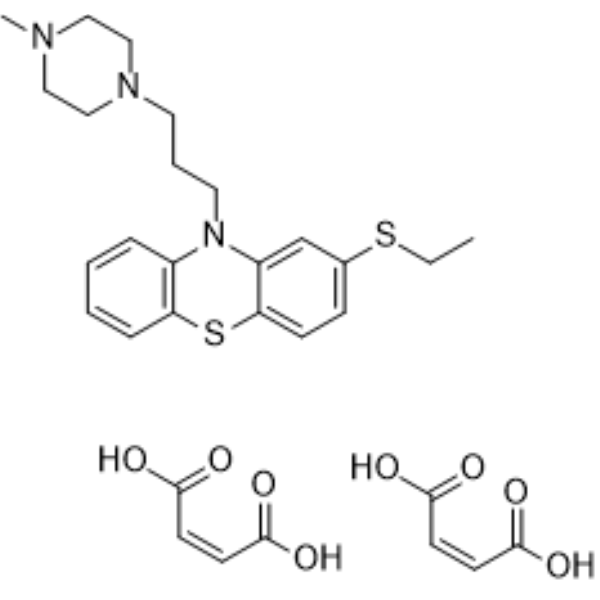
    Thiethylperazine dimaleate
    3 Publications Verification

    Dopamine Receptor Histamine Receptor Bacterial Amyloid-β Infection Neurological Disease
    Thiethylperazine dimaleate, a phenothiazine derivate, is an orally active and potent dopamine D2-receptor and histamine H1-receptor antagonist. Thiethylperazine dimaleate is also a selective ABCC1activator that reduces amyloid-β (Aβ) load in mice. Thiethylperazine dimaleate has anti-emetic, antipsychotic and antimicrobial effects .
    Thiethylperazine dimaleate

Inquiry Online

Your information is safe with us. * Required Fields.

Salutation


Country or Region *

Applicant Name *


Organization Name *

Department *


Email Address *


Product Name *

Cat. No.


Requested quantity *

Phone Number *


Remarks

Inquiry Online

Inquiry Information

Product Name:
Cat. No.:
Quantity:
MCE Japan Authorized Agent:

