

1. Search Result
Search Result
Results for "

antithrombotic activity

" in MedChemExpress (MCE) Product Catalog:

89

Inhibitors & Agonists

3

Biochemical Assay Reagents

6

Peptides

1

Inhibitory Antibodies

23

Natural
Products

2

Isotope-Labeled Compounds

3

Oligonucleotides

Cat. No. Product Name Target Research Areas Chemical Structure
  • HY-D1005A

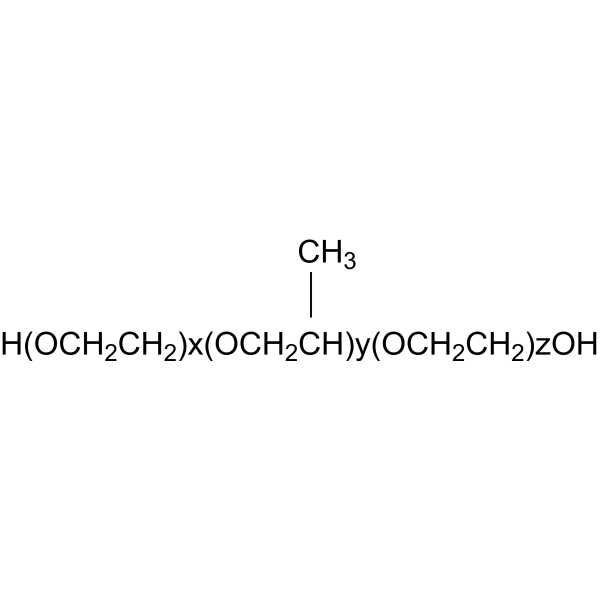
    PEG-PPG-PEG, 8800 (Average Mn)

    Environmental Pollutants Biochemical Assay Reagents Inflammation/Immunology
    Poloxamer 188 is a nonionic linear copolymer with surfactant properties. Poloxamer 188 exhibits anti-thrombotic, anti-inflammatory, and cytoprotective activities in various tissue injury models. Poloxamer 188 can be used for drug delivery .
    Poloxamer 188
  • HY-111373
    RapaLink-1
    Maximum Cited Publications
    13 Publications Verification

    mTOR Autophagy Cancer
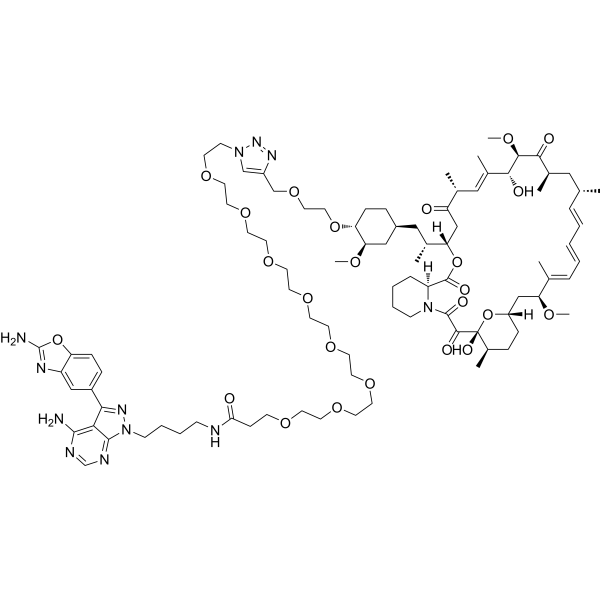
    RapaLink-1, the third-generation bivalent mTOR inhibitor, combines Rapamycin (HY-10219) with MLN0128 (HY-13328, a second-generation mTOR kinase inhibitor) by an inert chemical linker. RapaLink-1 shows better efficacy than Rapamycin or mTOR kinase inhibitors (TORKi), potently blocking cancer-derived, activating mutants of mTOR. RapaLink-1 can cross the blood-brain barrier. RapaLink-1 binding to FKBP12 results in targeted and durable inhibition of mTORC1. RapaLink-1 plays an antithrombotic role in antiphospholipid syndrome by improving autophagy. Anticancer activity .
    RapaLink-1
  • HY-112624B

    Dextran 70; Dextran D70; Dextran T70(MW 64000-76000)

    Bacterial Others
    Dextran 70,000 is a high molecular weight polysaccharide formed by glucose linked by α-(1→6) glycosidic bonds. Dextran 70,000 can expand blood volume through colloidal osmotic pressure effect and inhibit cell adhesion and platelet aggregation through steric hindrance. At the same time, Dextran 70,000 can be used as a drug carrier to achieve targeted delivery through endocytosis. Dextran 70,000 is biologically inert and has low immunogenicity. It can be used for clinical blood volume expansion, anti-thrombotic research, and evaluation of vascular permeability in in vitro experiments. It can also be combined with fluorescent dyes for cell tracking and drug delivery research. The Dextran series of compounds are also natural polysaccharide drug carriers that can be connected to drugs through covalent bonding methods such as ester bonds, amide bonds or click chemistry, or self-assembled to form carriers such as nanoparticles and hydrogels. Dextran is biodegradable and biocompatible, and can achieve targeted delivery and controlled release of drugs. Dextran derivatives can prolong the half-life of drugs, increase local concentrations, and reduce the activity of immune clearance.
    Dextran T70 (MW 70,000)
  • HY-113527

    1-Methylnicotinamide chloride

    Endogenous Metabolite Metabolic Disease
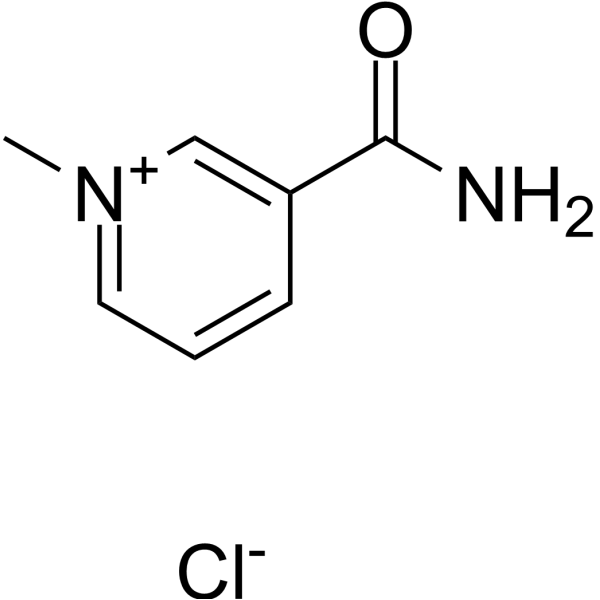
    TRIA-662 (1-Methylnicotinamide chloride) is an endogenous metabolite. TRIA-662 shows antithrombotic and anti-inflammatory activities .
    TRIA-662
  • HY-17369B
    Tirofiban
    5+ Cited Publications

    L700462; MK383

    Integrin Cardiovascular Disease
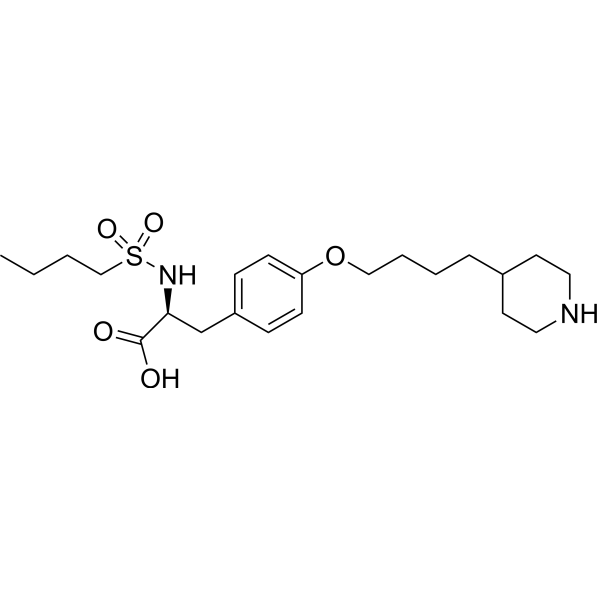
    Tirofiban (L700462) is a selective and reversible platelet integrin receptor (Gp IIb/IIIa) antagonist that inhibits fibrinogen binding to this receptor and has antithrombotic activity. Tirofiban induces proliferation and migration on endothelial cell by inducing production of VEGF. Tirofiban can significantly reduces myocardial no-reflow and ischemia-reperfusion injury by alleviating myocardial microvascular structural and endothelial dysfunction in the ischemic area .
    Tirofiban
  • HY-D1005H

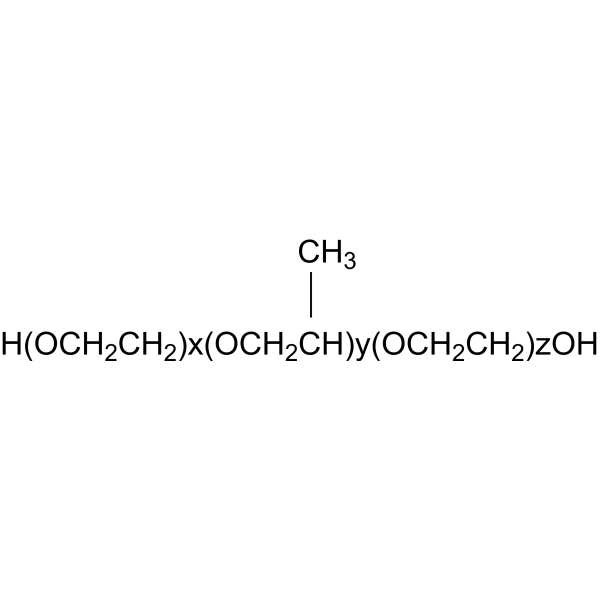
    PEG-PPG-PEG, 8400(Average Mn)

    Environmental Pollutants Biochemical Assay Reagents Fluorescent Dye Others
    Poloxamer 188 is a nonionic linear copolymer with surfactant properties. Poloxamer 188 exhibits anti-thrombotic, anti-inflammatory, and cytoprotective activities in various tissue injury models .
    Poloxamer 188 (F68)
  • HY-101312
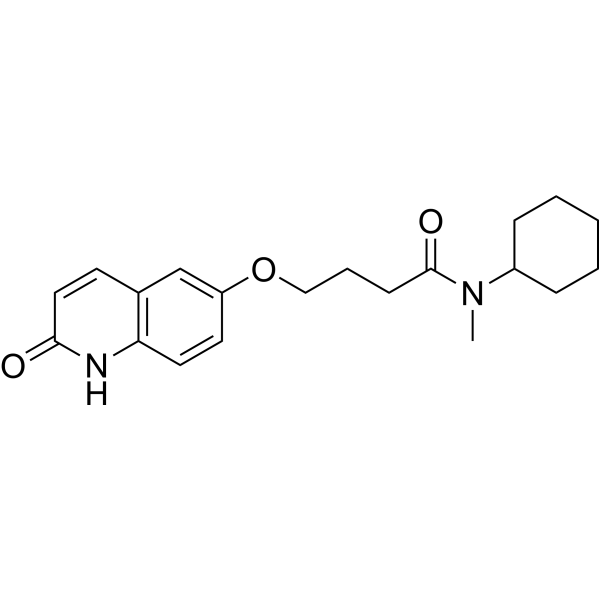
    Cilostamide
    2 Publications Verification

    OPC3689

    Phosphodiesterase (PDE) Cardiovascular Disease
    Cilostamide is a selective and potent PDE3 inhibitor, with IC50s of 27 nM and 50 nM for PDE3A and PDE3B, respectively, and has antithrombotic and anti-intimal hyperplastic activity.
    Cilostamide
  • HY-17369

    L700462 hydrochloride monohydrate; MK383 hydrochloride monohydrate

    Integrin Cardiovascular Disease
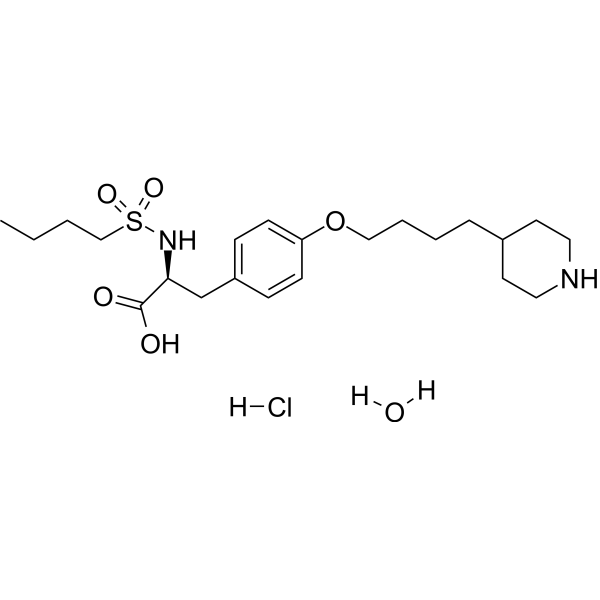
    Tirofiban (L700462) hydrochloride monohydrate is a selective and reversible platelet integrin receptor (Gp IIb/IIIa) antagonist that inhibits fibrinogen binding to this receptor and has antithrombotic activity. Tirofiban hydrochloride monohydrate induces proliferation and migration on endothelial cell by inducing production of VEGF. Tirofiban hydrochloride monohydrate can significantly reduces myocardial no-reflow and ischemia-reperfusion injury by alleviating myocardial microvascular structural and endothelial dysfunction in the ischemic area .
    Tirofiban hydrochloride monohydrate
  • HY-P2970

    Apoptosis PARP Caspase Bcl-2 Family Bacterial Interleukin Related Infection Inflammation/Immunology Cancer
    Stem bromelain (EC 3.4.22.32) is a cysteine protease and antibacterial agent. Stem bromelain can be isolated from the stem of the pineapple (Ananas comosus). Stem bromelain induces dose-dependent secretion of IL-12p70, and IL-6, induces Apoptosis, causes cleavage of full-length PARP protein, Caspase 3, and Caspase 9, increases Bax, and decreases Bcl-2. Stem bromelain possesses various fibrinolytic, antiedema, antithrombotic, and anti-inflammatory activities. Stem bromelain also exhibits in vivo antitumor and antileukemic activities, as well as antimetastatic effects. Stem bromelain has antimycobacterial activity. Stem bromelain provides protection against lead poisoning .
    Stem bromelain
  • HY-13831
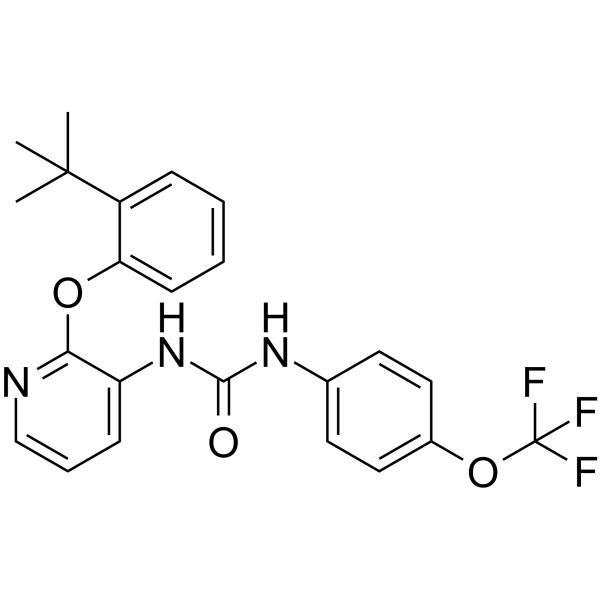
    BPTU
    1 Publications Verification

    BMS-646786

    P2Y Receptor Neurological Disease Cancer
    BPTU (BMS-646786) is a non-nucleotide P2Y1 receptor allosteric antagonist with antithrombotic activity. BPTU is able to block the P2Y1 receptor located at the neuromuscular junction of the gastrointestinal tract .
    BPTU
  • HY-N0496
    Ruscogenin
    Maximum Cited Publications
    6 Publications Verification

    NOD-like Receptor (NLR) Cardiovascular Disease
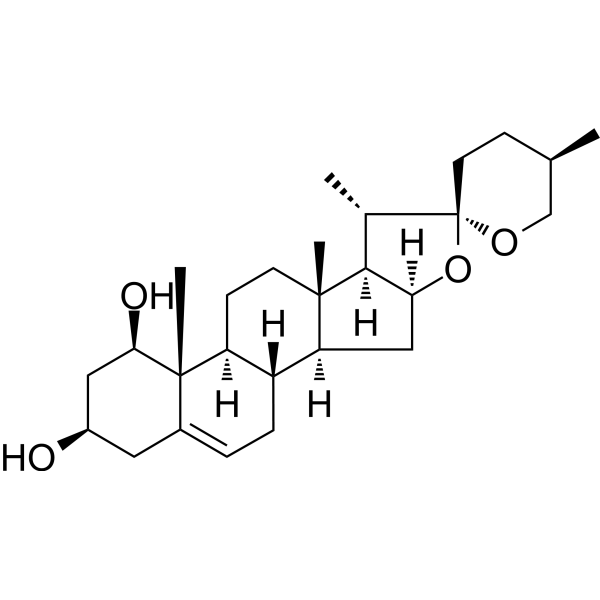
    Ruscogenin, an important steroid sapogenin derived from Ophiopogon japonicus, attenuates cerebral ischemia-induced blood-brain barrier dysfunction by suppressing TXNIP/NLRP3 inflammasome activation and the MAPK pathway. Ruscogenin exerts significant anti-inflammatory and anti-thrombotic activities. Ruscogenin has orally bioactivity .
    Ruscogenin
  • HY-129611

    Apoptosis Inflammation/Immunology Cancer
    Bromelain is an anti-inflammatory agent derived from pineapple stem that acts through down-regulation of plasma kininogen, inhibition of Prostaglandin E2 expression, degradation of advanced glycation end product receptors and regulation of angiogenic biomarkers as well as antioxidant action upstream in the COX-pathway . Bromelain exhibits various fibrinolytic, antiedematous, antithrombotic, and anti-inflammatory activities. Bromelain also possesses some anticancerous activities and promotes apoptotic cell death .
    Bromelain
  • HY-N8278
    Dermatan sulphate sodium
    1 Publications Verification

    Thrombin Cardiovascular Disease Inflammation/Immunology
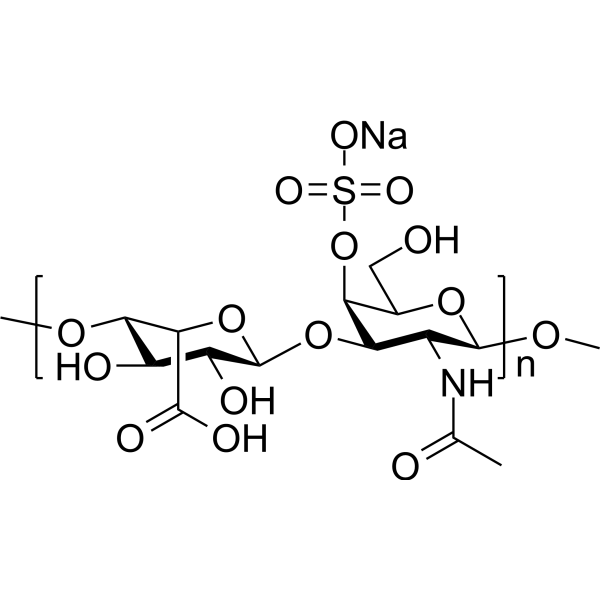
    Dermatan sulphate sodium is an oral active glycosaminoglycan and thrombin inactivator with antithrombotic activity. It selectively catalyzes the heparin cofactor II-mediated inactivation of thrombin without interacting with antithrombin III. Dermatan sulphate sodium promotes stem cell differentiation, exhibits high bioavailability, and alleviates pulmonary fibrosis injury induced by Bleomycin (HY-108345). Dermatan sulphate sodium can be used in research related to cardiovascular diseases, inflammation, and stem cell differentiation .
    Dermatan sulphate sodium
  • HY-100897

    Thrombin Cardiovascular Disease
    Sulodexide is a mixture of glycosaminoglycans available in soft capsule form for oral administration. It is composed of low molecular weight heparin (80%) and dermatan sulfate (20%). Sulodexide exhibits antithrombotic activity through interaction with antithrombin III (AT III) and heparin cofactor II (HC II), and inhibition of thrombin formation. Sulodexide exhibits profibrinolytic activity through release of tissue plasminogen activator (tPA). Sulodexide exhibits endothelial protective and anti-inflammatory effect, ameliorates chronic venous disease . Sulodexide is a glycosaminoglycan mixture available in soft gelatin capsule form for oral administration.
    Sulodexide
  • HY-N6864

    3-Hydroxy-4-methoxybenzoic acid

    Thrombin Cardiovascular Disease Metabolic Disease
    Isovanillic acid (3-Hydroxy-4-methoxybenzoic acid) is a phenolic acid isolated from isolated from Scrophularia ningpoensis, with anti-thrombotic activity .
    Isovanillic acid
  • HY-W013040

    1,4-Diazine

    MOFs Drug Intermediate Cardiovascular Disease Infection Inflammation/Immunology Cancer
    Pyrazine is an aromatic nitrogen-containing heterocyclic compound with two nitrogen atoms, and is well known for its electron-deficient property. Pyrazine serves as a key pharmacophore in a variety of drugs, and also acts as the core skeleton of derivatives with anticancer, antimycobacterial, antithrombotic and anti-inflammatory activities .
    Pyrazine
  • HY-N0367
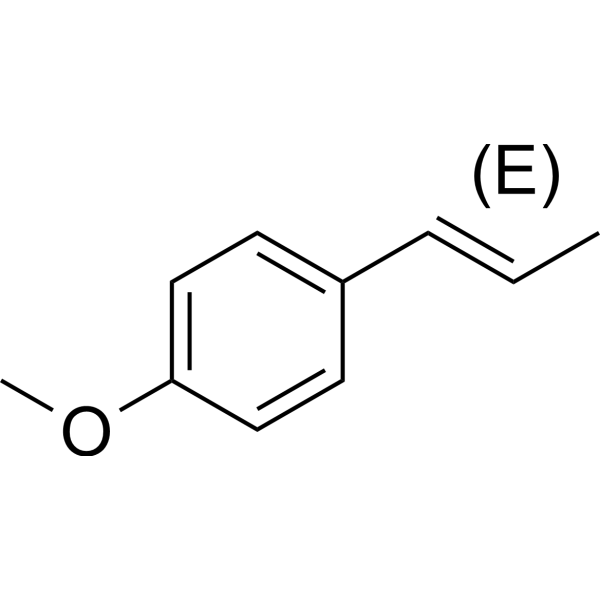
    Trans-Anethole
    2 Publications Verification

    (E)​-Anethole

    Environmental Pollutants Endogenous Metabolite Cardiovascular Disease Metabolic Disease Endocrinology Cancer
    Trans-Anethole ((E)-Anethole) is an orally active phenylpropene derivative found in Foeniculum vulgare that is estrogenic at low concentrations and cytotoxic at high concentrations in tumor cell lines. Trans-Anethole also has anti-aflatoxin, anti-thrombotic and anti-diabetic activities. Trans-Anethole is an important odor component in plants such as fennel, myrtle, liquorice, and camphor .
    Trans-Anethole
  • HY-N0713

    SARS-CoV NF-κB Interleukin Related Infection
    Diosmetin-7-O-β-D-glucopyranoside is a natural product that can be isolated from the flowers of Chrysanthemum morifolium. Diosmetin-7-O-β-D-glucopyranoside has potent antiviral and anti-inflammatory activities against SARS-CoV-2 both in vitro (IC50 = 0.74 μM) and in vivo. Diosmetin-7-O-β-D-glucopyranoside has significant anti-thrombotic activity when combined with Pae and 5-HMF at a ratio of 3:4:3 in a zebrafish model .
    Diosmetin-7-O-β-D-glucopyranoside
  • HY-N3097

    TRP Channel Amyloid-β Toll-like Receptor (TLR) Keap1-Nrf2 Heme Oxygenase (HO) Dihydroorotate Dehydrogenase Ferroptosis PAI-1 NF-κB ERK Proton Pump Glutathione Peroxidase Thrombin Insecticide Bacterial Infection Cardiovascular Disease Neurological Disease Inflammation/Immunology Cancer
    Pellitorine is a bioactive natural amide compound. Pellitorine can competitively antagonize the activation of TRPV1 by Capsaicin (HY-10448), thereby reducing pain signal transmission. Pellitorine improves cognitive dysfunction by upregulating the BDNF-ERK1/2-CREB and Nrf2-HO-1 pathways. Pellitorine exerts anti-inflammatory and anti-sepsis effects by inhibiting the release of high mobility group protein B1 (HMGB1) and the expression of RAGE/TLR4. Pellitorine exerts its antithrombotic effect by prolonging the clotting time, inhibiting the activity of clotting factors and thrombin. Pellitorine inhibits lipid peroxidation and resists ferroptosis by upregulating GPX4 and DHODH. Pellitorine kills Aedes aegypti mosquito larvae by inhibiting V-type H⁺-ATPase and aquaporin 4 (AaAQP4). Pellitorine exhibits anti-cancer activity (e.g., leukemia and breast cancer) and has inhibitory effects on certain bacteria .
    Pellitorine
  • HY-132828

    LT3001; DHDMIQK(KAP)

    P-selectin Cardiovascular Disease Metabolic Disease Inflammation/Immunology
    Odatroltide (LT3001; DHDMIQK(KAP)) is a P-selectin inhibitor. Odatroltide is a peptide molecule comprising a tripeptide Pro-Ala-Lys (PAK) and an (S)-6,7-dihydroxy-1,1-dimethyl-1,2,3,4-tetrahydro-isoquinoline-3-carboxylic acid domain. Odatroltide can restore cerebral blood flow, scavenge free radicals, and inhibit leukocyte migration. Odatroltide possesses thrombolytic and anti-thrombotic activities .
    Odatroltide
  • HY-122542

    PAI-1 Thrombin Inflammation/Immunology
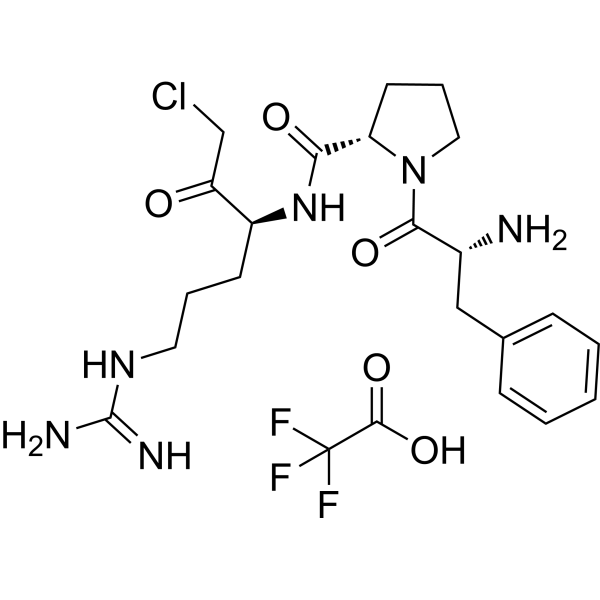
    PPACK is a potent, peptidic inhibitor targeting thrombin and granzyme GZMK. PPACK specifically blocks the activities of thrombin and GZMK, thereby inhibiting thrombin-mediated PAR-1 cleavage, as well as downstream inflammatory and procoagulant signaling pathways. Through stabilizing IκB proteins, blocking NF-κB activation and reducing systemic levels of proinflammatory/procoagulant biomarkers, PPACK exerts multiple effects including anti-inflammatory, antithrombotic, barrier repair, and inhibition of atherosclerotic plaque progression. PPACK binds to platelets without interference from kininogen, effectively limiting acute thrombus growth and reducing eosinophil infiltration and goblet cell hyperplasia in asthma models. PPACK is an important tool molecule for investigating the mechanisms of atherosclerosis, asthma and related thromboinflammatory diseases .
    PPACK
  • HY-N5037

    Others Cardiovascular Disease
    Ilexoside D is isolated from the roots of Ilex pubescens Hook. et Arn. Ilexoside D has the anti-tissue factor activity as well as the antithrombotic activity .
    Ilexoside D
  • HY-N2094
    Genipin 1-β-D-gentiobioside
    2 Publications Verification

    Genipin 1-gentiobioside; Genipin 1-β-gentiobioside; Genipin gentiobioside

    Others Inflammation/Immunology
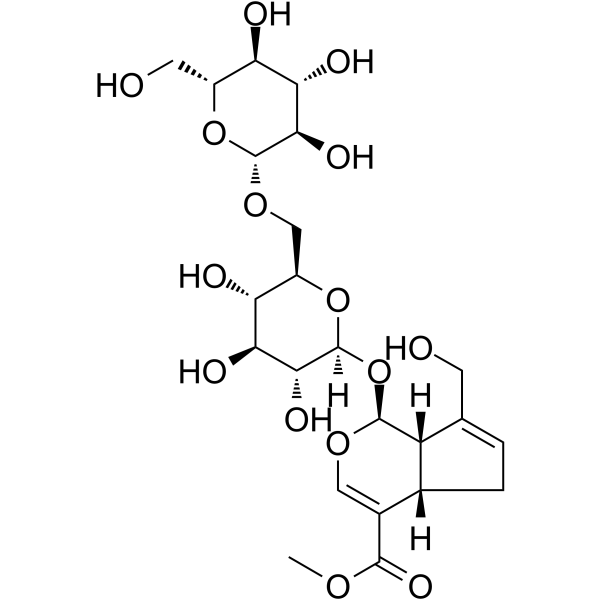
    Genipin 1-β-D-gentiobioside (Genipin 1-gentiobioside) is one of the most abundant and bioactive iridoid glycosides in Gardenia jasminoides Ellis, which possesses hepatoprotective, anti-inflammatory, antioxidant, and antithrombotic activities.
    Genipin 1-β-D-gentiobioside
  • HY-156613

    EP-7041

    Factor XI Infection
    Frunexian (EP-7041) is a selective and potent inhibitor of coagulation factor XI/activated factor XI, targeting to factor XIa. Frunexian exhibits antithrombotic activity, with no bleeding liability in rat mesenteric arterial puncture model. Frunexian can be used in extracorporeal membrane oxygenation (ECMO) research .
    Frunexian
  • HY-108658

    P2Y Receptor Cardiovascular Disease
    MRS2500 tetraammonium is a potent, selective and stable antagonist of the P2Y1 receptor (Ki=0.78 nM for recombinant human P2Y1 receptor). MRS2500 tetraammonium inhibits the ADP-induced aggregation of human platelets with an IC50 value of 0.95 nM. Antithrombotic activity .
    MRS2500 tetraammonium
  • HY-100897A

    Thrombin Cardiovascular Disease
    Sulodexide solution is a mixture of glycosaminoglycans that can be administered by injection. It is composed of low molecular weight heparin (80%) and dermatan sulfate (20%). Sulodexide exhibits antithrombotic activity through interaction with antithrombin III (AT III) and heparin cofactor II (HC II), and inhibition of thrombin formation. Sulodexide exhibits profibrinolytic activity through release of tissue plasminogen activator (tPA). Sulodexide exhibits endothelial protective and anti-inflammatory effect, ameliorates chronic venous disease.
    Sulodexide solution
  • HY-N1745A
    3-Deoxysappanchalcone
    2 Publications Verification

    Influenza Virus Infection Inflammation/Immunology Cancer
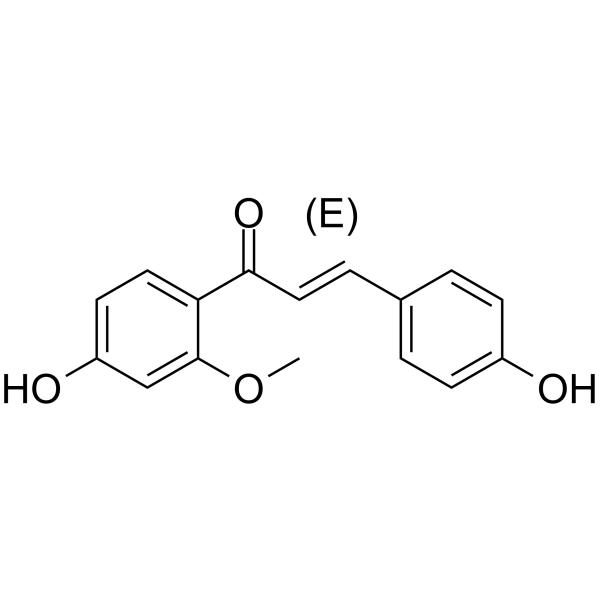
    3-Deoxysappanchalcone is a kinase inhibitor and antiviral agent. 3-Deoxysappanchalcone directly targets MET, EGFR, AKT, mTOR, p38 MAPK, JNK, thrombin, FXa, and influenza virus neuraminidase, thereby regulating related signaling pathways. 3-Deoxysappanchalcone induces cell cycle arrest, ROS production, and apoptosis. 3-Deoxysappanchalcone exhibits anti-inflammatory, anti-allergic, anticoagulant, and antithrombotic activities. 3-Deoxysappanchalcone is applicable to research related to gefitinib-resistant lung cancer, esophageal squamous cell carcinoma, thrombosis, and influenza virus infection .
    3-Deoxysappanchalcone
  • HY-113527S

    1-Methylnicotinamide-d3chloride

    Endogenous Metabolite Metabolic Disease
    TRIA-662-d3 is the deuterium labeled TRIA-662 . TRIA-662 (1-Methylnicotinamide chloride) is an endogenous metabolite. TRIA-662 shows antithrombotic and anti-inflammatory activities .
    TRIA-662-d3
  • HY-124858

    STAT JAK Apoptosis Cardiovascular Disease Cancer
    SC99 is an orally active, selective STAT3 inhibitor targeting JAK2-STAT3 pathway. SC99 docks into the ATP-binding pocket of JAK2. SC99 inhibits phosphorylation of JAK2 and STAT3 with no effects on the other kinases associated with STAT3 signaling. SC99 inhibits platelet activation, aggregation and displays potent anti-myeloma, anti-thrombotic activities .
    SC99
  • HY-N2082
    Isorhamnetin 3-O-galactoside
    1 Publications Verification

    Cacticin

    Thrombin COX ERK JNK Factor Xa Cardiovascular Disease Inflammation/Immunology
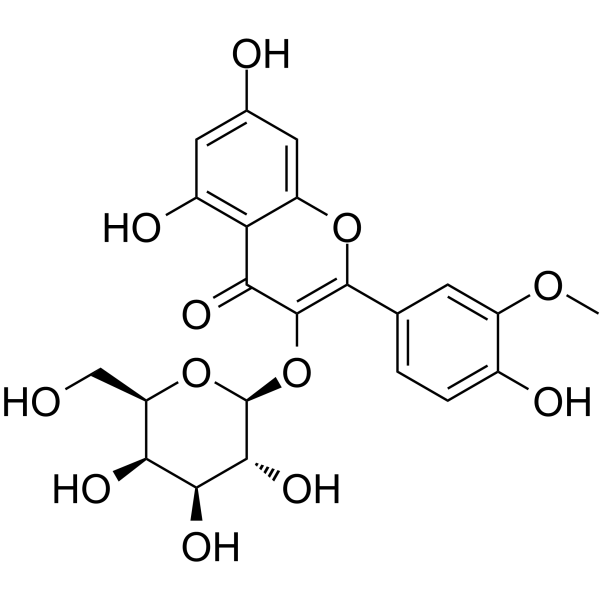
    Isorhamnetin 3-O-galactoside (Cacticin) is a flavonoid glycoside that can be isolated from Oenanthe javanica, with antithrombotic and profibrinolytic activities. Isorhamnetin 3-O-galactoside inhibits the activities of thrombin and factor Xa (FXa) and reduces thrombin-catalyzed fibrin polymerization maximum rate. Isorhamnetin 3-O-galactoside suppresses TNF-α-induced PAI-1 secretion, decreases the PAI-1/tissue-type plasminogen activator (t-PA) ratio, and inhibits FXa production and FVa/FXa-mediated thrombin generation. Isorhamnetin 3-O-galactoside exerts protective effects against Carbon tetrachloride (CCl4) (HY-Y0298)-induced hepatic injury in mice. Isorhamnetin 3-O-galactoside can be used for the study of liver injury-related diseases and thrombotic vascular diseases .
    Isorhamnetin 3-O-galactoside
  • HY-105495

    Glycosyltransferase Cardiovascular Disease
    Iliparcil has a potent antithrombotic activity in the Wessler model in rats. Iliparcil has oral activity .
    Iliparcil
  • HY-10217

    Thrombin Cardiovascular Disease
    Thrombin Inhibitor 2 is a small molecule direct thrombin inhibitor, extracted from US8541580B2. Thrombin Inhibitor 2 has antithrombotic activity .
    Thrombin Inhibitor 2
  • HY-14854

    ATI-5923

    VKOR Cardiovascular Disease
    Tecarfarin (ATI-5923) is an orally active and non-competitive vitamin K epoxide reductase (VKOR) antagonist, and impairs the activation of the vitamin K-dependent clotting factors II, VII, IX and X . Tecarfarin has the antithrombotic activity .
    Tecarfarin
  • HY-106784

    Fungal Apoptosis Infection Cancer
    Ajoene, a garlic-derived compound, is an antithrombotic and antifungal agent. Ajoene inhibits proliferation and induces apoptosis of human leukaemia CD34-negative cells including HL-60, U937, HEL and OCIM-I. Anticancer activities .
    Ajoene
  • HY-113527R

    1-Methylnicotinamide chloride (Standard)

    Reference Standards Endogenous Metabolite Metabolic Disease
    TRIA-662 (Standard) is the analytical standard of TRIA-662. This product is intended for research and analytical applications. TRIA-662 (1-Methylnicotinamide chloride) is an endogenous metabolite. TRIA-662 shows antithrombotic and anti-inflammatory activities .
    TRIA-662 (Standard)
  • HY-W077219

    Boc-Arg(Mtr)-OH

    Amino Acid Derivatives Others
    Boc-L-Arg(Mtr)-OH (Boc-Arg(Mtr)-OH) is an amino acid derivative with a Boc protecting group, which can be used to synthesize peptides with antithrombotic activity .
    Boc-L-Arg(Mtr)-OH
  • HY-120265

    PI3K Cardiovascular Disease
    MIPS-9922 is a potent and selective PI3Kβ inhibitor with an IC50 of 63 nM. MIPS-9922 inhibits PI3Kβ with >30-fold higher potency than PI3Kδ. MIPS-9922 blocks PI3K mediated activation of platelet glycoprotein αIIbβ3 activation and platelet adhesion in vitro. MIPS-9922 shows anti-platelet and anti-thrombotic activities .
    MIPS-9922
  • HY-P5875A

    Protease Activated Receptor (PAR) Cardiovascular Disease Inflammation/Immunology
    P4pal10 TFA is the TFA salt form of P4pal10 (HY-P5875). P4pal10 TFA is an antagonist for protease-activated receptor 4 (PAR4). P4pal10 TFA inhibits the platelet aggregation, inhibits tissue factor (TF)-induced thrombin generation, and exhibits anticoagulant and antithrombotic activities. P4pal10 TFA reduces the oedema and the granulocyte infiltration induced by Carrageenan (HY-125474). P4pal10 TFA ameliorates the injury in rats myocardial ischemia/reperfusion (I/R) models .
    P4pal10 TFA
  • HY-172400

    Factor XI Cardiovascular Disease
    FXIa-IN-16 (Compound 43) is an orally active and selective Factor XIa (FXIa) inhibitor with an IC50 of 0.19 nM. FXIa-IN-16 exhibits strong anticoagulant and antithrombotic activities and shows good safety in mice. FXIa-IN-16 can be used in the research related to the treatment of thrombosis .
    FXIa-IN-16
  • HY-19373

    3DP-10017

    Thrombin Factor Xa Cardiovascular Disease
    RWJ-445167 (3DP-10017) is a dual inhibitor of thrombin and factor Xa with Ki of 4.0 nM and 230 nM, respectively, exhibiting potent antithrombotic activity.
    RWJ-445167
  • HY-105559A

    Quinotoxine hydrochloride

    Drug Isomer Cardiovascular Disease
    Viquidil hydrochloride (Quinotoxine hydrochloride), an isomer of Quinidine, is a cerebral vasodilator agent. Viquidil hydrochloride shows antithrombotic activity .
    Viquidil hydrochloride
  • HY-105559

    Quinotoxine

    Potassium Channel Cardiovascular Disease
    Viquidil (Quinotoxine), an isomer of Quinidine, is a cerebral vasodilator agent. Viquidil shows antithrombotic activity .
    Viquidil
  • HY-W009418

    1-Methylnicotinamide iodide

    Endogenous Metabolite Cardiovascular Disease Inflammation/Immunology
    TRIA-662 (1-Methylnicotinamide chloride) iodide is an endogenous metabolite. TRIA-662 iodide shows antithrombotic and anti-inflammatory activities .
    TRIA-662 iodide
  • HY-153817

    Factor Xa Cardiovascular Disease
    FXIa-IN-13 (example 1) is an Factor Xa inhibitor with antithrombotic activity. FXIa-IN-13 inhibits arteriovenous thrombosis in vivo and in vitro .
    FXIa-IN-13
  • HY-144658

    Factor Xa Cardiovascular Disease
    FXIa-IN-8 is a potent and selective FXIa inhibitor with an IC50 of 14.2 nM. FXIa-IN-8 shows antithrombotic activity without increasing the bleeding risk and obvious toxicitysup>[1].
    FXIa-IN-8
  • HY-10269

    Factor Xa Cardiovascular Disease
    LY-517717 is a potent and orally active FXa inhibitor. LY-517717 shows antithrombotic and anticoagulant activity. LY-517717 has the potential for the research of venous thromboembolism after hip or knee replacement .
    LY-517717
  • HY-19184

    Platelet-activating Factor Receptor (PAFR) Cardiovascular Disease
    MKC-963 is an orally active and potent inhibitor targeting platelet aggregation-related pathways. MKC-963 exerts antithrombotic activity by inhibiting platelet aggregation, and can also induce autoinduction, i.e., upregulating the mRNA expression and activity of CYP3A4 enzyme to accelerate its own metabolism in vivo. MKC-963 is promising for research of platelet aggregation-related diseases (e.g., thrombosis) .
    MKC-963
  • HY-17369A

    L700462 hydrochloride; MK383 hydrochloride

    Integrin Cardiovascular Disease
    Tirofiban (L700462) hydrochloride is a selective and reversible platelet integrin receptor (Gp IIb/IIIa) antagonist that inhibits fibrinogen binding to this receptor and has antithrombotic activity. Tirofiban hydrochloride induces proliferation and migration on endothelial cell by inducing production of VEGF. Tirofiban hydrochloride can significantly reduces myocardial no-reflow and ischemia-reperfusion injury by alleviating myocardial microvascular structural and endothelial dysfunction in the ischemic area .
    Tirofiban hydrochloride
  • HY-N0496R

    Reference Standards NOD-like Receptor (NLR) Cardiovascular Disease
    Ruscogenin (Standard) is the analytical standard of Ruscogenin. This product is intended for research and analytical applications. Ruscogenin, an important steroid sapogenin derived from Ophiopogon japonicus, attenuates cerebral ischemia-induced blood-brain barrier dysfunction by suppressing TXNIP/NLRP3 inflammasome activation and the MAPK pathway. Ruscogenin exerts significant anti-inflammatory and anti-thrombotic activities. Ruscogenin has orally bioactivity .
    Ruscogenin (Standard)
  • HY-17369BR

    L700462 (Standard); MK383 (Standard)

    Reference Standards Integrin Cardiovascular Disease
    Tirofiban (Standard) is the analytical standard of Tirofiban. This product is intended for research and analytical applications. Tirofiban (L700462) is a selective and reversible platelet integrin receptor (Gp IIb/IIIa) antagonist that inhibits fibrinogen binding to this receptor and has antithrombotic activity. Tirofiban induces proliferation and migration on endothelial cell by inducing production of VEGF. Tirofiban can significantly reduces myocardial no-reflow and ischemia-reperfusion injury by alleviating myocardial microvascular structural and endothelial dysfunction in the ischemic area .
    Tirofiban (Standard)

Inquiry Online

Your information is safe with us. * Required Fields.

Salutation


Country or Region *

Applicant Name *


Organization Name *

Department *


Email Address *


Product Name *

Cat. No.


Requested quantity *

Phone Number *


Remarks

Inquiry Online

Inquiry Information

Product Name:
Cat. No.:
Quantity:
MCE Japan Authorized Agent:

