


1. Search Result
Search Result
Results for "

ascites

" in MedChemExpress (MCE) Product Catalog:

83

Inhibitors & Agonists

2

Fluorescent Dyes

2

Biochemical Assay Reagents

4

Peptides

3

MCE Kits

3

Inhibitory Antibodies

40

Natural
Products

3

Antibodies

1

Oligonucleotides

Cat. No. Product Name Target Research Areas Chemical Structure
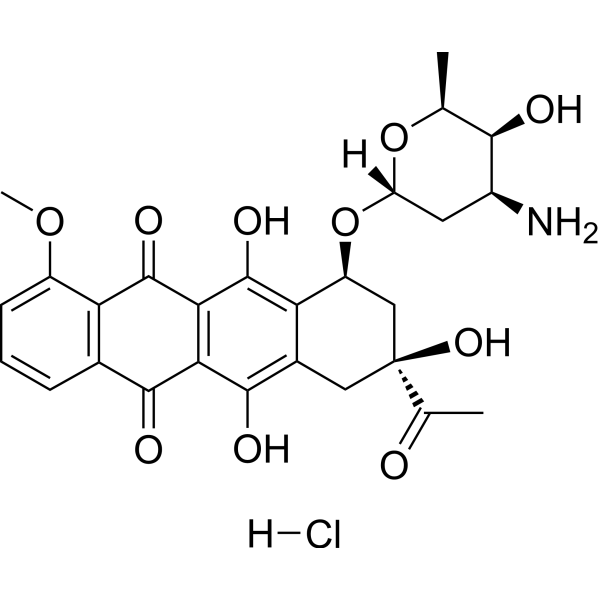
  • HY-13062
    Daunorubicin hydrochloride
    Maximum Cited Publications
    37 Publications Verification

    Daunomycin hydrochloride; RP 13057 hydrochloride; Rubidomycin hydrochloride

    Topoisomerase DNA/RNA Synthesis ADC Payload Bacterial Autophagy Apoptosis Antibiotic Infection Neurological Disease Cancer
    Daunorubicin (Daunomycin) hydrochloride is a topoisomerase II inhibitor with potent anti-tumor activity. Daunorubicin hydrochloride inhibits DNA and RNA synthesis. Daunorubicin hydrochloride is a cytotoxin that inhibits cancer cell viability and induces apoptosis and necrosis. Daunorubicin hydrochloride is also an anthracycline antibiotic. Daunorubicin hydrochloride can be used in the research of infection and variety of cancers, including leukemia, non-Hodgkin lymphomas, Ewing's sarcoma, Wilms' tumor .
    Daunorubicin hydrochloride
  • HY-D0085
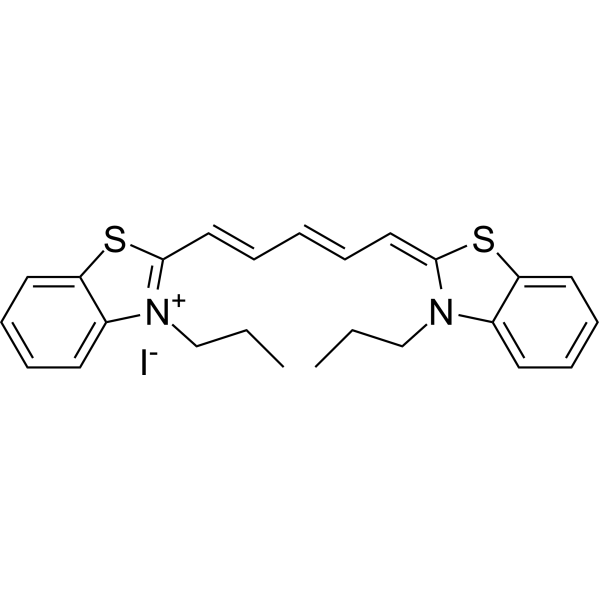
    DiSC3(5)
    10+ Cited Publications

    Fluorescent Dye Cancer
    DiSC3(5) is a fluorescent probe commonly used as a tracer dye to evaluate mitochondrial membrane potential. The excitation/emission wavelength of DiSC3(5) is up to 622/670 nm. DiSC3(5) can inhibit the respiratory system associated with mitochondrial NAD, and the IC50 value is 8 μM. DiSC3(5) in the presence of Na +/K +-ATPase inhibitor ouabain 2 can induce membrane hyperpolarization of Ehrlich ascites tumor cells .
    DiSC3(5)
  • HY-107430
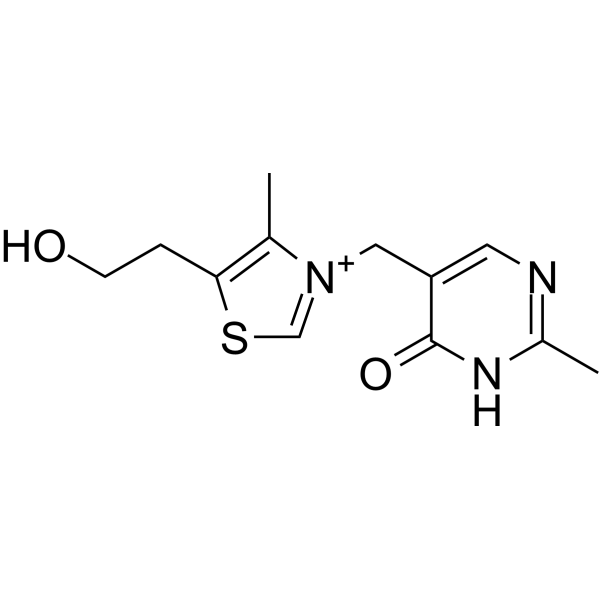
    Oxythiamine
    3 Publications Verification

    Hydroxythiamin

    Apoptosis Endogenous Metabolite Cancer
    Oxythiamine (Hydroxythiamin), an analogue of anti-metabolite, can suppress the non-oxidative synthesis of ribose and induce cell apoptosis. Oxythiamine is a thiamine antagonist and inhibits transketolase (TK). Oxythiamine inhibits cancer cell apoptosis and inhibits cell proliferation .
    Oxythiamine
  • HY-13062A
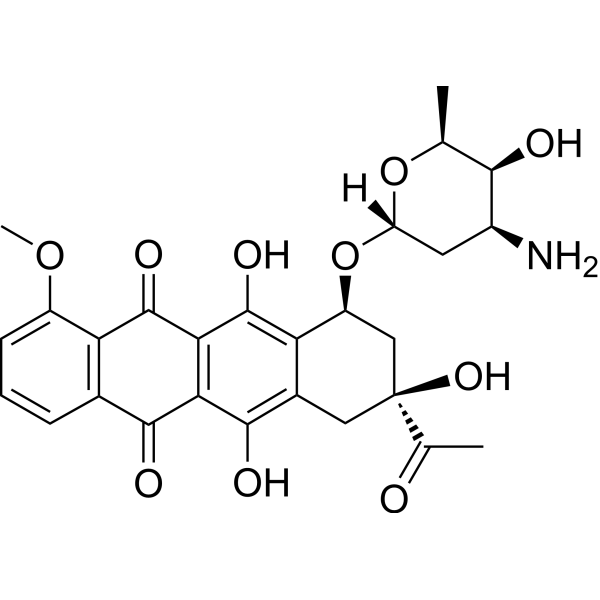
    Daunorubicin
    Maximum Cited Publications
    37 Publications Verification

    Daunomycin; RP 13057; Rubidomycin

    Topoisomerase DNA/RNA Synthesis ADC Payload Autophagy Bacterial Antibiotic Apoptosis Infection Neurological Disease Cancer
    Daunorubicin (Daunomycin) is a topoisomerase II inhibitor with potent anti-tumor activity. Daunorubicin inhibits DNA and RNA synthesis. Daunorubicin is a cytotoxin that inhibits cancer cell viability and induces apoptosis and necrosis. Daunorubicin is also an anthracycline antibiotic. Daunorubicin can be used in the research of infection and variety of cancers, including leukemia, non-Hodgkin lymphomas, Ewing's sarcoma, Wilms' tumor .
    Daunorubicin
  • HY-P9954

    CD3 Cancer
    Catumaxomab, a trifunctional IgG2 antibody, is composed of mouse and rat heavy and light chains and binds to human EpCAM and human CD 3 receptors. The Fc region of Catumaxomab region has binding affinity for FcγR1 (CD 64), FcγRIIA (CD 32a), and FcγRIII (CD 16). Catumaxomab can be used for anti-tumor research, especially epithelial cancers .
    Catumaxomab
  • HY-129983

    HSV Infection Cancer
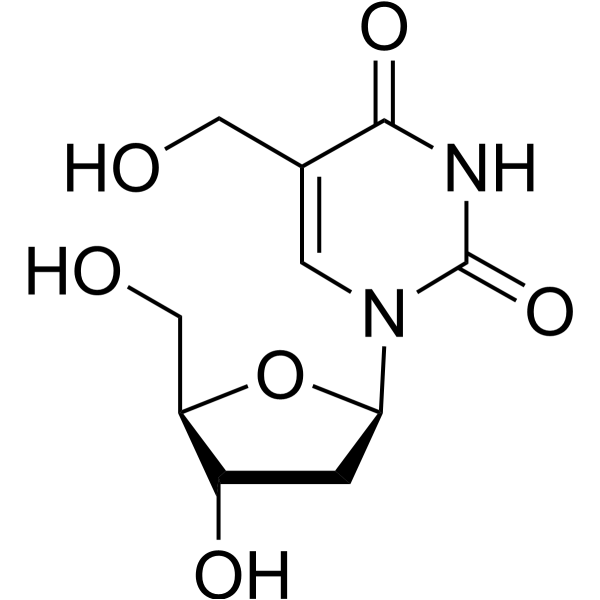
    5-Hydroxymethyl-2'-deoxyuridine is a nucleoside analog. 5-Hydroxymethyl-2'-deoxyuridine inhibits the replication of multiple human leukemia cell lines with IC50 values of 1.7-5.8 μM. 5-Hydroxymethyl-2'-deoxyuridine prolongs the survival of mice carrying L1210 leukemia. 5-Hydroxymethyl-2'-deoxyuridine can be used for the research of cell replication and leukemia .
    5-Hydroxymethyl-2'-deoxyuridine
  • HY-131892
    2-Deoxy-D-galactose
    1 Publications Verification

    Endogenous Metabolite Metabolic Disease Cancer
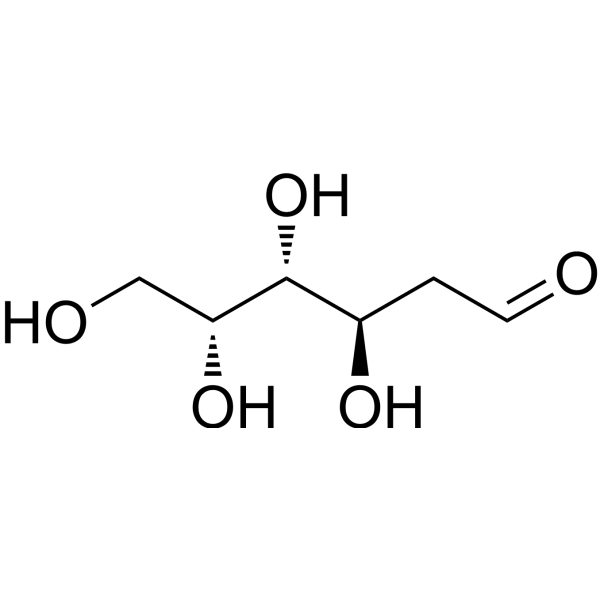
    2-Deoxy-D-galactose is a glucose analog. 2-Deoxy-D-galactose inhibits glycolysis to inhibits tumor growth. 2-Deoxy-D-galactose is a substance interfering with the fucosylation of glycomacromolecules and impairing memory consolidation in various learning tasks. 2-Deoxy-d-galactose hinders glycoprotein fucosylation in vivo .
    2-Deoxy-D-galactose
  • HY-P99262

    BAX69; Anti-Human MIF Recombinant Antibody

    Macrophage migration inhibitory factor (MIF) Cancer
    Imalumab (BAX69) is a recombinant, human IgG1 monoclonal antibody that targets macrophage inhibitory factor (MIF). Imalumab can be used for the research of ovarian carcinoma, recurrent malignant ascites and cancer .
    Imalumab
  • HY-107430A
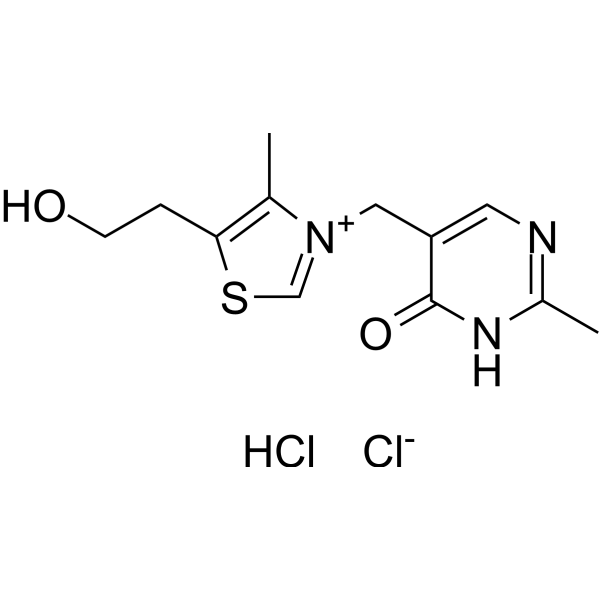
    Oxythiamine chloride hydrochloride
    3 Publications Verification

    Hydroxythiamine chloride hydrochloride

    Apoptosis Endogenous Metabolite Cancer
    Oxythiamine (Hydroxythiamine) chloride hydrochloride, an analogue of anti-metabolite, can suppress the non-oxidative synthesis of ribose and induce cell apoptosis. Oxythiamine chloride hydrochloride is a thiamine antagonist and inhibits transketolase (TK). Oxythiamine chloride hydrochloride inhibits cancer cell apoptosis and inhibits cell proliferation .
    Oxythiamine chloride hydrochloride
  • HY-W001951

    Tetrakis(acetato)dirhodium(II); Rhodium(II) acetate dimer

    DNA/RNA Synthesis Cancer
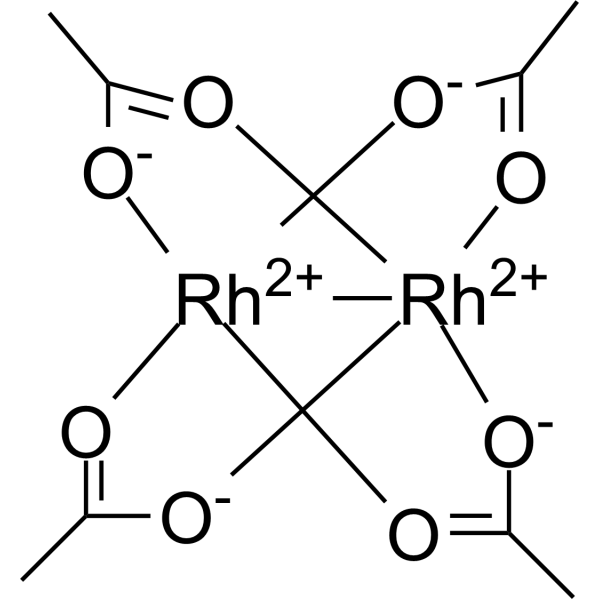
    Dirhodium tetraacetate (Tetrakis (acetato) dirhodium (II)) is an anticancer agent. Dirhodium tetraacetate functionally inhibits the activities of DNA polymerase I and RNA polymerase. It also acts as a catalyst and can be used to construct rhodium-based artificial metalloenzymes .
    Dirhodium tetraacetate
  • HY-B0900
    Anethole
    2 Publications Verification

    Anise camphor; p-Propenylanisole; Isoestragole

    Environmental Pollutants Apoptosis NF-κB Fungal Bacterial MMP Infection Neurological Disease Inflammation/Immunology Cancer
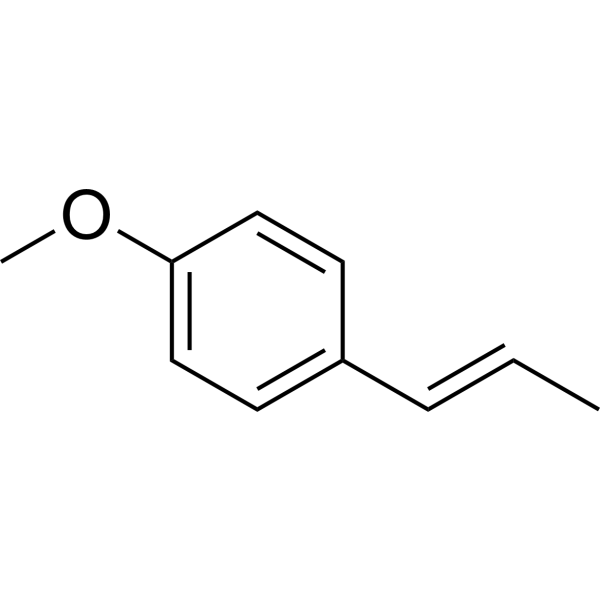
    Anethole is a type of orally active aromatic compound that is widely found in nature and used as a flavoring agent. Anethole possesses anticancer, anti-inflammatory, antioxidant, antibacterial, antifungal, anesthetic, estrogenic, central nervous system depressant, hypnotic, insecticidal, and gastroprotective effects. Anethole can be used in the study of oxidative stress-related skin diseases and prostate cancer .
    Anethole
  • HY-128738
    Thymidine-5'-monophosphate disodium salt
    1 Publications Verification

    TMP disodium salt

    Endogenous Metabolite DNA/RNA Synthesis Metabolic Disease
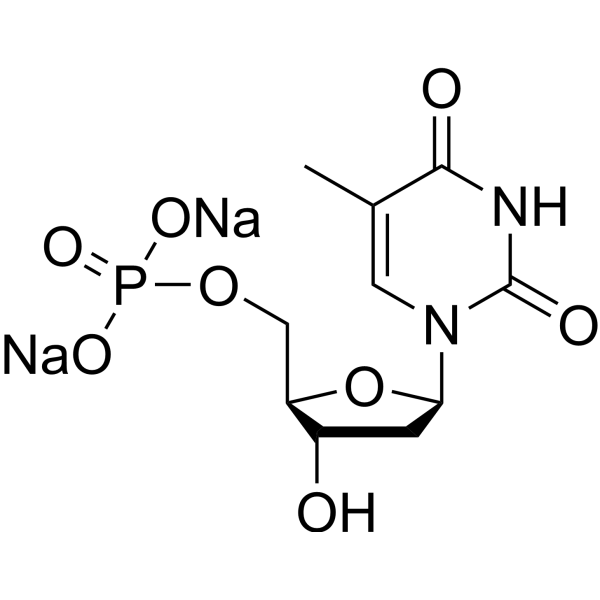
    Thymidine-5'-monophosphate (TMP) disodium salt is a key nucleotide in pyrimidine metabolism, and its kinase activity can be competitively inhibited by 5'-fluorothymidine. The level of Thymidine-5'-monophosphate disodium salt is closely associated with acute kidney injury .
    Thymidine-5'-monophosphate disodium salt
  • HY-W042301

    Anion Exchangers Carbonic Anhydrase Endothelin Receptor Cardiovascular Disease
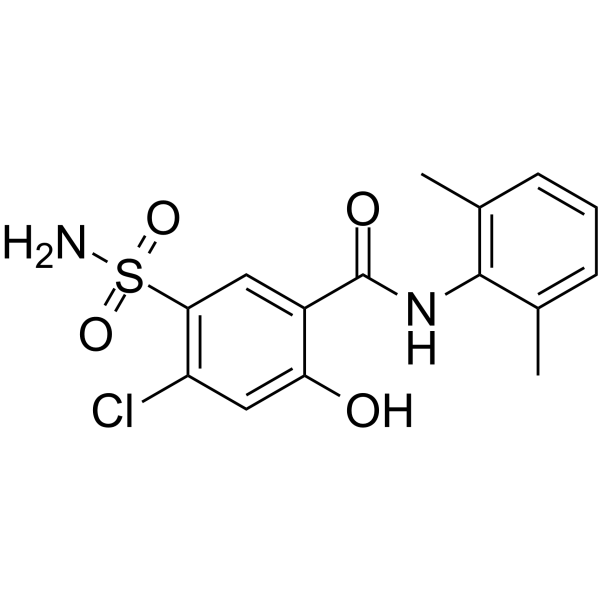
    Xipamide is an orally active carbonic anhydrase (CA) inhibitor and Na +/Cl --potassium transporter inhibitor with diuretic and antihypertensive effects. Xipamide reduces NaCl reabsorption by inhibiting the Cl -/NaCO3 - anion exchanger, and increases calcium reabsorption while promoting potassium and magnesium excretion. Xipamide is mainly cleared via the renal pathway and causes a temporary decrease in glomerular filtration rate under specific conditions. Xipamide does not affect Ca 2+ signaling induced by endothelin-1 and other factors, nor does it inhibit various ion cotransport or pump activities in red blood cells. Xipamide can be used in researches related to cardiovascular diseases, hypertension (especially with left ventricular hypertrophy), advanced renal failure, and liver cirrhosis with ascites .
    Xipamide
  • HY-17617

    Z-360

    Cholecystokinin Receptor Ephrin Receptor Interleukin Related VEGFR HIF/HIF Prolyl-Hydroxylase Akt Neurological Disease Cancer
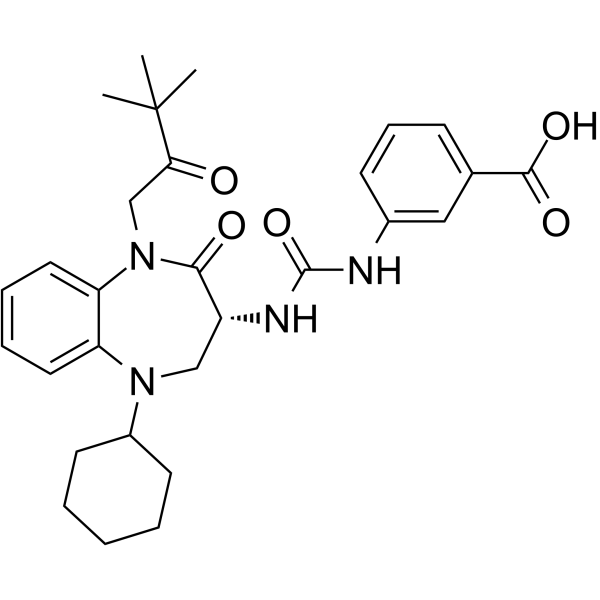
    Nastorazepide (Z-360) is an orally active 1,5-benzodiazepine derivative and gastrin/CCK-2 receptor antagonist. Nastorazepide inhibits the specific binding of [ 3H]CCK-8 to the human CCK-2 receptor with a Ki value of 0.47 nM. Nastorazepide inhibits IL-1β, ephrin B1, VEGF, and HIF-1alpha, reduces Akt and NR2B phosphorylation. Nastorazepide has antitumor activity against pancreatic cancer. Nastorazepide inhibits colorectal cancer liver metastasis and relieves pain .
    Nastorazepide
  • HY-P3509

    MDM-2/p53 Cancer
    PNC-28 is a peptide from the mdm-2-binding domain (residues 17–26) of the p53 protein which contains a membrane crossing-penetratin sequence. PNC-28 can be used for pancreatic cancer research .
    PNC-28
  • HY-P991526

    CD3 Cancer
    M701 is a T-cell engager bispecific humanized antibody targeting epithelial cell adhesion molecule (EpCAM) and cluster of differentiation 3 (CD3). M701 binds to EpCAM on tumor cells and CD3 on T cells, thereby linking the two cell populations to achieve targeted cytotoxicity and T cell-mediated cytotoxicity. M701 is applicable to research related to advanced epithelial solid tumors .
    M701
  • HY-NP070

    LTL

    Inflammation/Immunology
    Lotus tetragonolobus lectin (LTL) is a plant lectin that specifically recognizes and binds to α-L-fucopyranosyl residues, a sugar structure serving as the key terminal glycosyl group of human blood type O antigen (H antigen). Lotus tetragonolobus lectin exerts macrophage migration inhibitory activity in monomeric form. Lotus tetragonolobus lectin labels and identifies renal proximal tubular epithelial cells to evaluate histopathological changes of sepsis-induced acute kidney injury. Lotus tetragonolobus lectin is applicable to studies in glycobiology, immunology and renal pathology .
    Lotus tetragonolobus lectin
  • HY-P5535

    OCE-205

    Vasopressin Receptor Inflammation/Immunology
    Invopressin (Compound 42) is a vasopressin V1A receptor partial agonist (EC50: 1.0 nM). Invopressin can be used for research of cirrhosis, including bacterial peritonitis, HRS2 and refractory ascites .
    Invopressin
  • HY-DY1021

    Fluorescent Dye Others
    DiSC3 (5) (solution) is a fluorescent probe commonly used as a tracer dye to evaluate mitochondrial membrane potential. The excitation/emission wavelength of DiSC3 (5) is up to 622/670 nm. DiSC3 (5) can inhibit the respiratory system associated with mitochondrial NAD, and the IC50 value is 8 μM. DiSC3 (5) in the presence of Na +/K +-ATPase inhibitor ouabain 2 can induce membrane hyperpolarization of Ehrlich ascites tumor cells .
    Solvent and concentration: DMSO: 1 mM
    The 1 mL volume is defined as the base specification. All larger sizes correspond to incremental volumes of this base.
    DiSC3(5) (solution)
  • HY-N6924
    Zingibroside R1
    1 Publications Verification

    HIV PIN1 Fungal GLUT Reactive Oxygen Species (ROS) Infection Neurological Disease Metabolic Disease Cancer
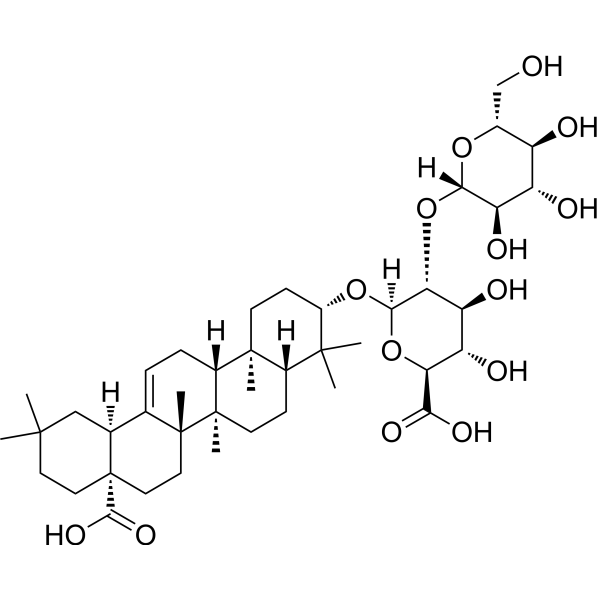
    Zingibroside R1 is an orally active triterpene saponin with multiple biological activities including antioxidant, anti-inflammatory, antiviral, and metabolic regulatory properties. Zingibroside R1 reduces the expression of PIN family members, inhibits the expression of PLT1/PLT2, WOX5, SHR, and SCR, disrupts auxin transport and distribution, triggers plant ROS responses, and inhibits root growth. Zingibroside R1 extends the lifespan of Caenorhabditis elegans, enhances its heat stress resistance, and improves its motor ability. Hydrogel derivatives of Zingibroside R1 inhibit the proliferation of Candida albicans by binding to its β-1,3-glucan and exhibit antifungal activity. Zingibroside R1 inhibits GLUT1-mediated uptake and alleviates liver injury. Zingibroside R1 can be used in research related to neurodegenerative diseases, vulvovaginal candidiasis, acute liver injury, Ehrlich ascites tumor and HIV-1 infection .
    Zingibroside R1
  • HY-161853

    Phosphodiesterase (PDE) Others
    TX-2552 is an orally active tyrosine DNA phosphodiesterase 1 (TDP1) inhibitor with an IC50 value of 0.62 μM. TX-2552 can enhance the clastogenic activity of Topotecan (HY-13768) in mouse bone marrow cells, as well as the anti-tumor effect of Topotecan (HY-13768) in Krebs-2 ascites tumor mice .
    TX-2552
  • HY-W781133

    cis-[Pt(NH3)2N1-pyridineCl]Cl

    DNA Alkylator/Crosslinker Cancer
    cDPCP (cis-[Pt(NH3)2(N1-pyridine)Cl]Cl) is a DNA crosslinking agent and also a substrate for OCT1 and OCT2. DPCP exhibits anticancer activity and can improve the survival rate of sarcoma-180 mice. cDPCP is suitable for the research of colorectal cancer and cancers with appropriate cation transporters .
    cDPCP
  • HY-170844

    Endonuclease Cancer
    MU147 is an MRE11 nuclease inhibitor and chemical probe with anticancer activity, which is lethal to Ehrlich ascites tumor cells both in vitro and in vivo. MU147 also eliminates the double-strand break repair mechanism dependent on the MRE11 nuclease activity without impairing the activation of ATM. MU147 also impairs the degradation of nascent strands of stalled replication FOX and selectively affects brca2-deficient cells .
    MU147
  • HY-P3509A

    MDM-2/p53 Cancer
    PNC-28 acetate is a peptide from the mdm-2-binding domain (residues 17–26) of the p53 protein which contains a membrane crossing-penetratin sequence. PNC-28 acetate can be used for pancreatic cancer research .
    PNC-28 acetate
  • HY-131648
    1-Oleoyl-2-acetyl-sn-glycerol
    1 Publications Verification

    Drug Derivative PKC TRP Channel Cardiovascular Disease Metabolic Disease Inflammation/Immunology Cancer
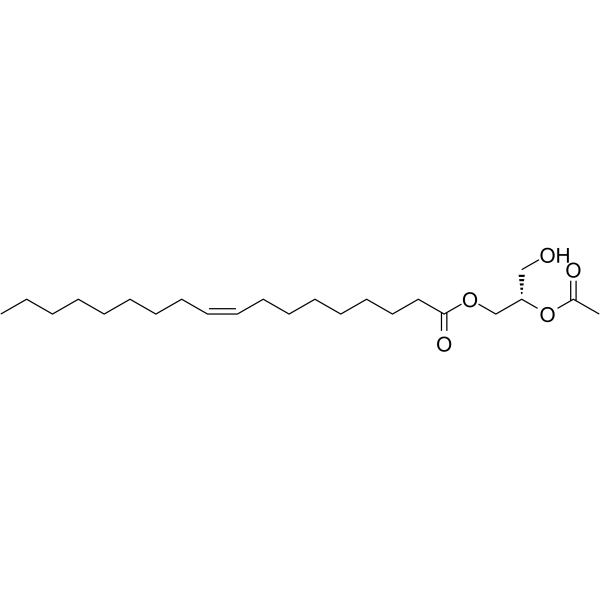
    1-Oleoyl-2-acetyl-sn-glycerol is a cell-permeable analog of diacylglycerol (DAG) and can activate Protein kinase C (PKC). 1-Oleoyl-2-acetyl-sn-glycerol can activate the TRPC channels-mediated specific Ca 2+ influx. 1-Oleoyl-2-acetyl-sn-glycerol can stimulate superoxide-generation from human neutrophils. 1-Oleoyl-2-acetyl-sn-glycerol stimulates the formation of phosphatidylinositol 4-phosphate in intact human platelets. 1-Oleoyl-2-acetyl-sn-glycerol can stimulate ascites tumor cell proliferation .
    1-Oleoyl-2-acetyl-sn-glycerol
  • HY-157901

    2,3-Dihydroxybutyric acid

    Drug Derivative Cancer
    2,3-Dihydroxybutanoic acid is an anticancer agent that can be extracted from the leaves of Corydalis. 2,3-Dihydroxybutanoic acid has anticancer activity both in vitro and in vivo and is lethal to Ehrlich ascites tumor cells .
    2,3-Dihydroxybutanoic acid
  • HY-107430B

    Hydroxythiamine chloride

    Apoptosis Cancer
    Oxythiamine (Hydroxythiamine) chloride, an analogue of anti-metabolite, can suppress the non-oxidative synthesis of ribose and induce cell apoptosis. Oxythiamine is a thiamine antagonist and inhibits transketolase (TK). Oxythiamine chloride inhibits cancer cell apoptosis and inhibits cell proliferation .
    Oxythiamine chloride
  • HY-13732

    Leo 1031; NSC 134087

    DNA Alkylator/Crosslinker Cancer
    Prednimustine (Leo 1031;NSC 134087) is the ester formed from Prednisolone (HY-17463) and Chlorambucil (HY-13593). Prednimustine can be used for leukemias and lymphomas research .
    Prednimustine
  • HY-125120
    Kansuiphorin C
    1 Publications Verification

    Bacterial Others
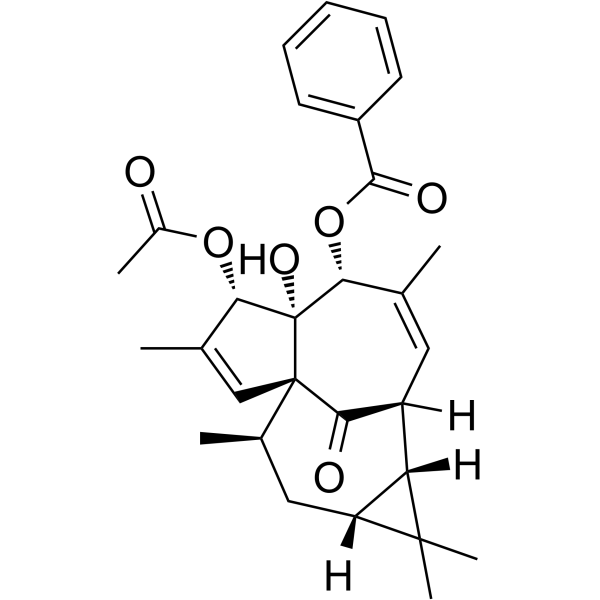
    Kansuiphorin C ameliorates malignant ascites by modulating gut microbiota and related metabolic functions .
    Kansuiphorin C
  • HY-130803

    Nucleoside Antimetabolite/Analog Cancer
    5-Methyl-5,6-dihydrouridine is a minor constituent in the chromosomal RNA of the rat ascites tumor. 5-Methyl-5,6-dihydrouridine can be used for nucleic acid modification .
    5-Methyl-5,6-dihydrouridine
  • HY-119789

    Antibiotic Bacterial Infection
    Albofungin (Antibiotic P-42-1) is isolated from the culture filtrate of Actinomyces tumemacerans strain INMI.P-42. Albofungin shows highly active on a wide variety of gram-positive bacteria and fungi. Albofungin shows cytotoxic to HeLa cell cultures and exhibited antitumor activity on EHRLICH ascites tumor in mice.
    Albofungin
  • HY-107430AR

    Hydroxythiamine chloride hydrochloride (Standard)

    Apoptosis Reference Standards Endogenous Metabolite Cancer
    Oxythiamine chloride hydrochloride (Standard) is the analytical standard of Oxythiamine chloride hydrochloride (HY-107430A). This product is intended for research and analytical applications. Oxythiamine (Hydroxythiamine) chloride hydrochloride, an analogue of anti-metabolite, can suppress the non-oxidative synthesis of ribose and induce cell apoptosis. Oxythiamine chloride hydrochloride is a thiamine antagonist and inhibits transketolase (TK). Oxythiamine chloride hydrochloride inhibits cancer cell apoptosis and inhibits cell proliferation .
    Oxythiamine chloride hydrochloride (Standard)
  • HY-136110

    D-​Galactosone

    DNA/RNA Synthesis Cancer
    2-Keto-D-galactose (D-Galactosone) inhibits DNA synthesis, and inhibits proliferation of in vitro grown Ehrlich ascites tumor cells .
    2-Keto-D-galactose
  • HY-128514

    Oxazinomycin

    Antibiotic Bacterial Infection Cancer
    Minimycin (Oxazinomycin) is a nucleoside antibiotic with a broad-spectrum antibacterial activity. Minimycin has inhibitory effect on mouse Ehrlich ascites carcinoma, ascites type and solid type sarcoma-180 .
    Minimycin
  • HY-121123

    2-Aminoadamantane-2-carboxylic acid

    Aminopeptidase Cancer
    Adamantanine (2-Aminoadamantane-2-carboxylic acid) inhibits the transport of methionine (Ki is 0.76 mM) and leucine into Ehrlich ascites carcinoma cells. Adamantanine inhibits proliferation of P388 lymphocytic leukemia cells with an IC50 of >1 mM. Adamantanine inhibits the leucine aminopeptidase with an I/S0.5 of 10.5 .
    Adamantanine
  • HY-114535

    EGFR Cancer
    Jaceidin is a promising lead molecule for potent VEGFR inhibitor with excellent membrane permeability and oral bioavailability. Jaceidin exhibits anti-tumor activities .
    Jaceidin
  • HY-108876

    Daunomycincitrate; RP 13057citrate; Rubidomycincitrate

    Topoisomerase DNA/RNA Synthesis ADC Payload Autophagy Bacterial Antibiotic Apoptosis Infection Neurological Disease Cancer
    Daunorubicin (Daunomycin) citrate is a topoisomerase II inhibitor with potent anti-tumor activity. Daunorubicin citrate inhibits DNA and RNA synthesis. Daunorubicin citrate is a cytotoxin that inhibits cancer cell viability and induces apoptosis and necrosis. Daunorubicin citrate is also an anthracycline antibiotic. Daunorubicin citrate can be used in the research of infection and variety of cancers, including leukemia, non-Hodgkin lymphomas, Ewing's sarcoma, Wilms' tumor .
    Daunorubicin citrate
  • HY-13062R

    Daunomycin hydrochloride (Standard); RP 13057 hydrochloride (Standard); Rubidomycin hydrochloride (Standard)

    Reference Standards Topoisomerase DNA/RNA Synthesis ADC Payload Bacterial Autophagy Apoptosis Antibiotic Infection Neurological Disease Cancer
    Daunorubicin (hydrochloride) (Standard) is the analytical standard of Daunorubicin (hydrochloride). This product is intended for research and analytical applications. Daunorubicin (Daunomycin) hydrochloride is a topoisomerase II inhibitor with potent anti-tumor activity. Daunorubicin hydrochloride inhibits DNA and RNA synthesis. Daunorubicin hydrochloride is a cytotoxin that inhibits cancer cell viability and induces apoptosis and necrosis. Daunorubicin hydrochloride is also an anthracycline antibiotic. Daunorubicin hydrochloride can be used in the research of infection and variety of cancers, including leukemia, non-Hodgkin lymphomas, Ewing's sarcoma, Wilms' tumor .
    Daunorubicin hydrochloride (Standard)
  • HY-B0900R

    Anise camphor (Standard); p-Propenylanisole (Standard); Isoestragole (Standard)

    Apoptosis Fungal Bacterial MMP NF-κB Reference Standards Infection Neurological Disease Inflammation/Immunology Cancer
    Anethole (Standard) is the analytical standard of Anethole. This product is intended for research and analytical applications. Anethole is a type of orally active aromatic compound that is widely found in nature and used as a flavoring agent. Anethole possesses anticancer, anti-inflammatory, antioxidant, antibacterial, antifungal, anesthetic, estrogenic, central nervous system depressant, hypnotic, insecticidal, and gastroprotective effects. Anethole can be used in the study of oxidative stress-related skin diseases and prostate cancer .
    Anethole (Standard)
  • HY-N8317

    Others Cancer
    Rubicordifolin is a natural product that can be isolated from Rubia cordifolia. Rubicordifolin inhibits the growth of sarcoma ascites in mice. Rubicordifolin has significant cytotoxic activity both in vitro and in vivo .
    Rubicordifolin
  • HY-129762

    NSC-102627

    DNA/RNA Synthesis Cancer
    Yoshi-864 (NSC-102627) is an alkylsulfonate DNA crosslinker with anticancer activity. Yoshi-864 extends markedly the survival times of mice bearing L1210 leukemia or Ehrlich ascites carcinoma. Yoshi-864 also has a persistent reduction in ability to synthesize DNA in tumor cells from mice bearing the Ehrlich tumor .
    Yoshi-864
  • HY-W854934

    Microtubule/Tubulin Cancer
    IKP-104 is a microtubule/tubulin inhibitor (IC50 = 1.31 μM). IKP-104 arrests cells in mitosis and the M phase by inhibiting microtubule polymerization and inducing cytoskeletal microtubule depolymerization. IKP-104 inhibits the growth of mouse and human tumor cell lines. IKP-104 exhibits anti-tumor effects in mouse ascites tumors and lung cancer models. IKP-104 is useful in the research of cancers such as leukemia, lung cancer and melanoma .
    IKP-104
  • HY-N14726

    Antibiotic Bacterial Infection Cancer
    Primocarcin is an antibiotic that inhibits Ehrlich ascites cancer .
    Primocarcin
  • HY-N14009

    Others Cancer
    Carzinophillin A has an inhibitory effect on ascites carcinoma and Yoshida sarcoma .
    Carzinophillin A
  • HY-W775009

    COX Inflammation/Immunology
    Imidazole salicylate is a nonsteroidal anti-inflammatory drug that can be used to study cirrhosis and ascites .
    Imidazole salicylate
  • HY-N14258

    Bacterial Infection Cancer
    Kerriamycin A has anti-Gram-positive bacterial effect and can inhibits Ai's ascites cancer .
    Kerriamycin A
  • HY-118327

    N-carbamylmaleamic acid

    DNA/RNA Synthesis Mitosis Cancer
    Maleuric acid has cytotoxicity on Ehrlich ascites tumor cells by preventing the entry of preprophase cells into mitosis.
    Maleuric acid
  • HY-N14259

    Bacterial Infection Cancer
    Kerriamycin C has anti-Gram-positive bacterial effect and can inhibits Ai's ascites cancer .
    Kerriamycin C
  • HY-N14550

    Bacterial Fungal Infection Cancer
    Cyclogregatin has anti-bacterial and fungal activity. Cyclogregatin inhibits airy ascites carcinoma with a MIC of 10 μg/mL .
    Cyclogregatin
  • HY-169684

    Fungal Infection Cancer
    Vaccarin C (Compound VIII) is a cycloheptapeptide with good antifungal activity against pathogenic fungi and dermatophytes M. audouinii and T. mentagrophytes with MIC values of 6 µg/mL. Vaccarin C also has high cytotoxicity against Dalton's lymphoma ascites (DLA) and Ehrlich's ascites carcinoma (EAC) cell lines with IC50 values of 3.35 and 5.72 μM, respectively .
    Vaccarin C

Inquiry Online

Your information is safe with us. * Required Fields.

Salutation


Country or Region *

Applicant Name *


Organization Name *

Department *


Email Address *


Product Name *

Cat. No.


Requested quantity *

Phone Number *


Remarks

Inquiry Online

Inquiry Information

Product Name:
Cat. No.:
Quantity:
MCE Japan Authorized Agent:

