
Search Result
Results for "
blood flow
" in MedChemExpress (MCE) Product Catalog:
1
Biochemical Assay Reagents
5
Isotope-Labeled Compounds
| Cat. No. |
Product Name |
Target |
Research Areas |
Chemical Structure |
-
- HY-D0711
-
|
Foxgreen; IC Green; Cardiogreen
|
Fluorescent Dye
|
Cancer
|
|
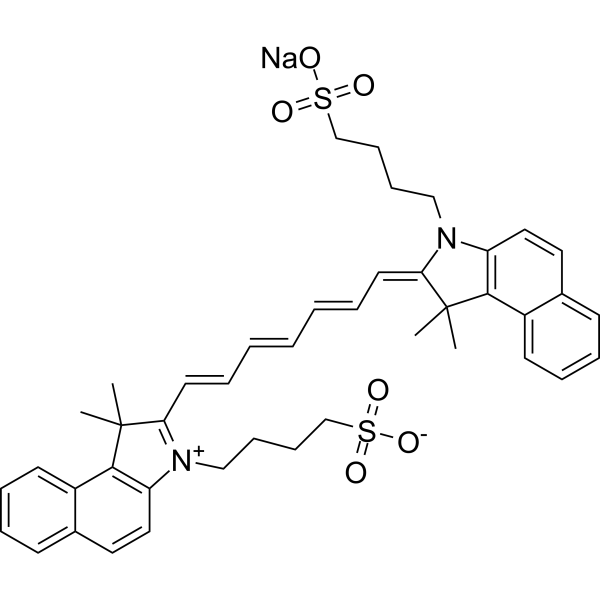
Indocyanine green (Foxgreen) is a low toxicic fluorescent agent that has been widely used in medical diagnostics, such as determining cardiac output, hepatic function, and liver blood flow, and for ophthalmic angiography (Ex/Em = 785/813 nm) .
|
-
-
- HY-A0168
-
|
CVT-3146
|
Adenosine Receptor
|
Cardiovascular Disease
Cancer
|
|
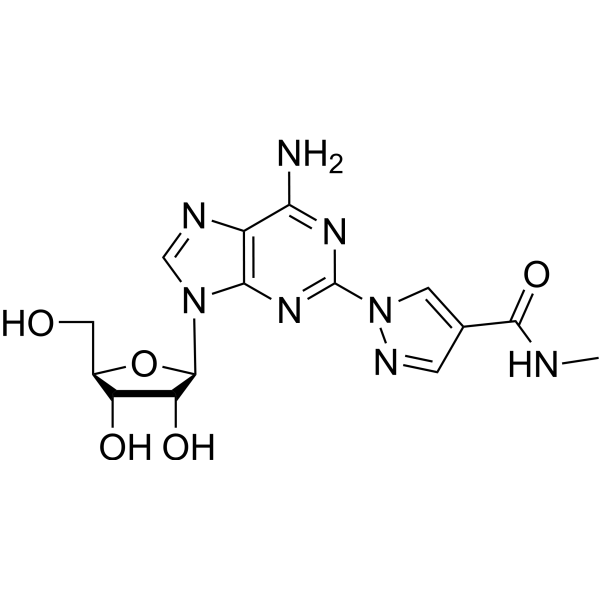
Regadenoson (CVT-3146) is a selective A2A adenosine receptor agonist and vasodilator that increases coronary blood flow, can be used in study of myocardial perfusion imaging. Regadenoson also increases the permeability of the blood-brain barrier (BBB) in rodents, can be used to study increased delivery of agents to the human CNS .
|
-
-
- HY-P2824
-
|
|
Bacterial
|
Cardiovascular Disease
|
|
Streptokinase, β-hemolytic streptococcus (Lancefield Group C) is a bacteria-derived protein and a plasminogen activator. Streptokinase is widely used for the research of the blood-clotting disorders. Streptokinase improves reperfusion blood flow after coronary artery occlusion .
|
-
-
- HY-17449
-
|
CA 4DP; CA 4P; Combretastatin A4 disodium phosphate
|
Microtubule/Tubulin
Apoptosis
|
Cancer
|
|
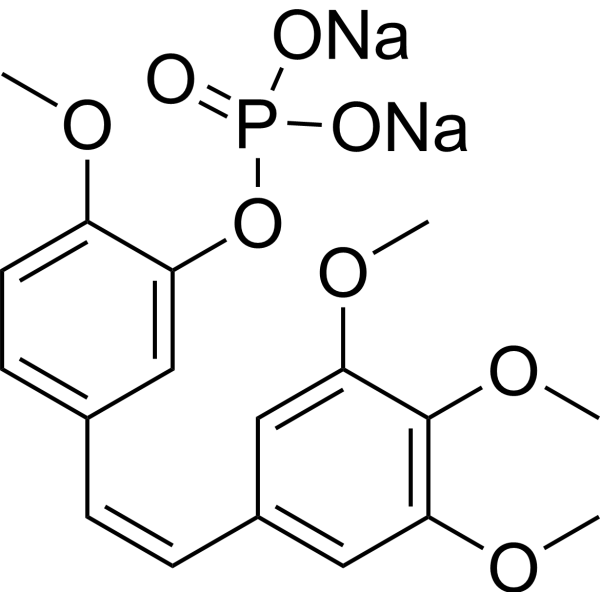
Fosbretabulin disodium (CA 4DP) is a tubulin destabilizing agent. Fosbretabulin disodium is the Combretastatin A4 proagent that selectively targets endothelial cells, induces regression of nascent tumour neovessels, reduces tumour blood flow and causes central tumour necrosis .
|
-
-
- HY-P9938
-
|
AMG-334
|
CGRP Receptor
|
Neurological Disease
|
|
Erenumab (AMG-334) is a fully human monoclonal antibody. Erenumab inhibits the calcitonin gene-related peptide (CGRP) receptor. Erenumab prevents the increase in dermal blood flow in cynomolgus monkeys. Erenumab can be used in the research of episodic migraine .
|
-
-
- HY-B0910A
-
|
Pyritinol dihydrochloride; Pyridoxine disulfide dihydrochloride; Vitamin B6 disulfide dihydrochloride
|
Drug Derivative
|
Infection
Neurological Disease
Metabolic Disease
Inflammation/Immunology
Cancer
|
|
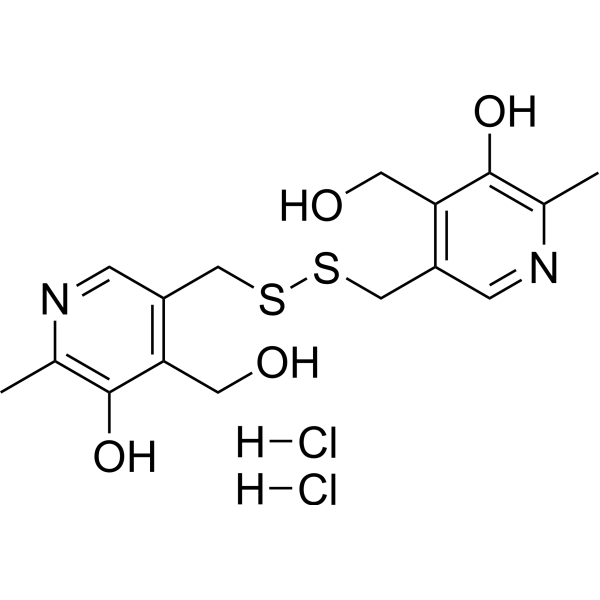
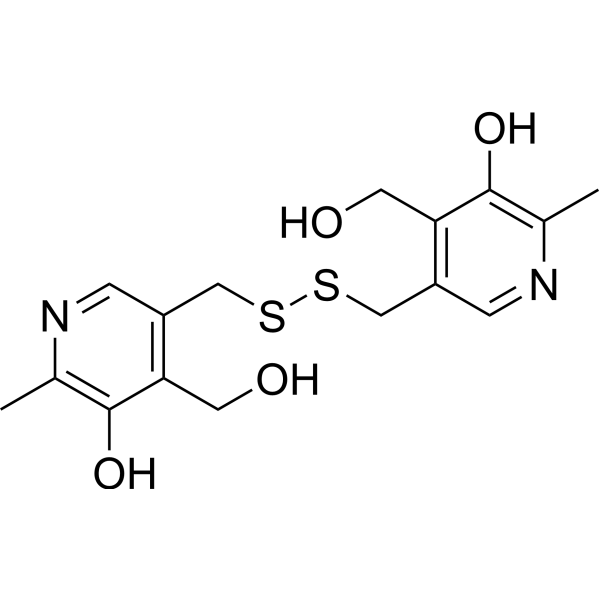
Pyrithioxin (Pyritinol) dihydrochloride is the dihydrochloride salt of Pyrithioxin (HY-B0910). Pyrithioxin (Pyritinol) is an orally active neurodynamic compound. Pyrithioxin can promote the metabolism of glucose and amino acids, increase carotid blood flow and improve cerebral blood flow. Pyrithioxin exhibits anti-inflammation, anti-tumor and neuroprotective effect. Pyrithioxin can be used for the researches of cancer, inflammation, immunology, metabolic and neurological disease such as cerebral infarct, epilepsy, fibrosarcomas and rheumatoid polyarthritis .
|
-
-
- HY-B0683
-
|
17α,20-dimethyl-δ2-PGE1; ONO1206; OP1206
|
PGE synthase
|
Cardiovascular Disease
Inflammation/Immunology
|
|
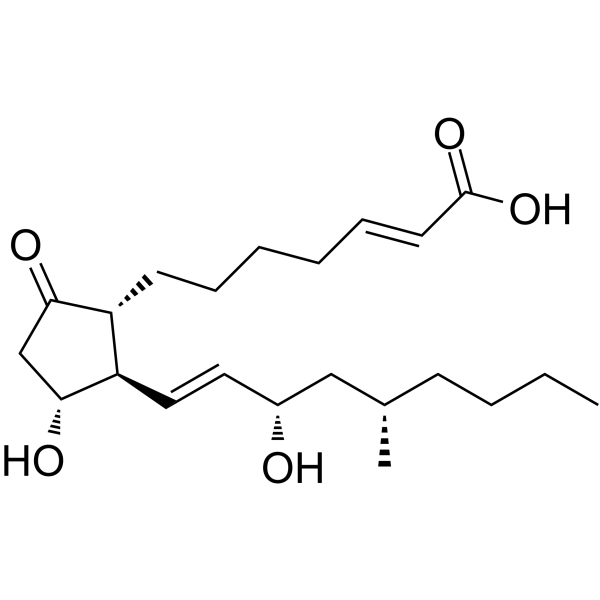
Limaprost (OP1206) is a PGE1 analogue and a potent and orally active vasodilator. Limaprost increases blood flow and inhibits platelet aggregation. Limaprost pain relief, has antianginal effects, and can be used for ischaemic symptoms research .
|
-
-
- HY-B0023
-
|
CS 905
|
Calcium Channel
MEK
|
Cardiovascular Disease
Neurological Disease
Inflammation/Immunology
Cancer
|
|
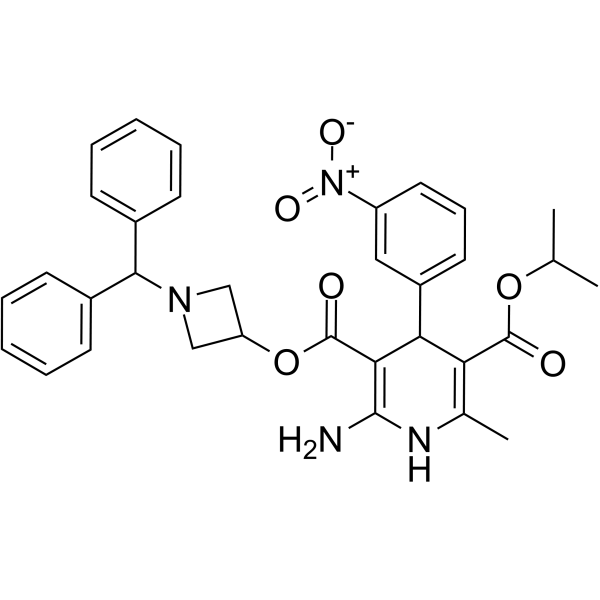
Azelnidipine (CS 905) is a dihydropyridine calcium channel blocker that is effective orally. Azelnidipine inhibits the intracellular calcium ion flow and lower blood pressure by selectively blocking L-type calcium channel on the membrane of vascular smooth muscle. Azelnidipine inhibits esophageal squamous cell carcinoma proliferation by targeting MEK1/2. Azelnidipine also has anti-inflammatory, antioxidant and neuroprotective effects .
|
-
-
- HY-12554
-
|
|
Vasopressin Receptor
|
Cardiovascular Disease
Inflammation/Immunology
Endocrinology
|
|
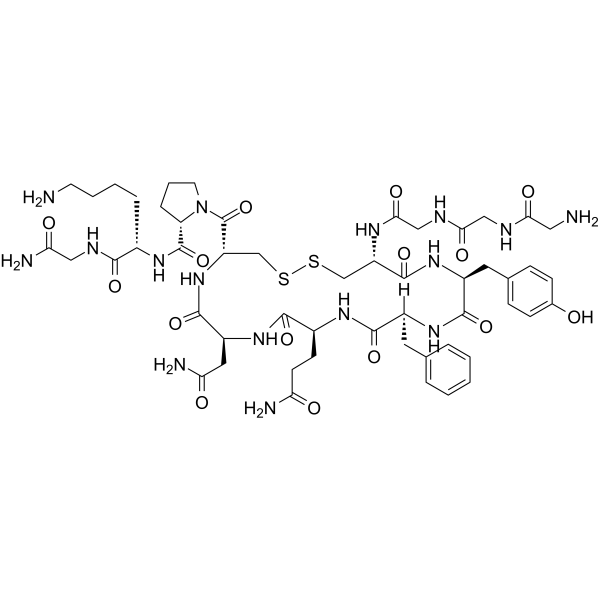
Terlipressin is a vasopressin analogue with potent vasoactive properties. Terlipressin is a highly selective vasopressin V1 receptor agonist that reduces the splanchnic blood flow and portal pressure and controls acute variceal bleeding. Terlipressin exerts anti-inflammatory and anti-oxidative effects. Terlipressin has the potential for hepatorenal syndrome and norepinephrine-resistant septic shock research .
|
-
-
- HY-W008344
-
|
|
Nucleoside Antimetabolite/Analog
Apoptosis
|
Infection
Cardiovascular Disease
Neurological Disease
Inflammation/Immunology
Cancer
|
|
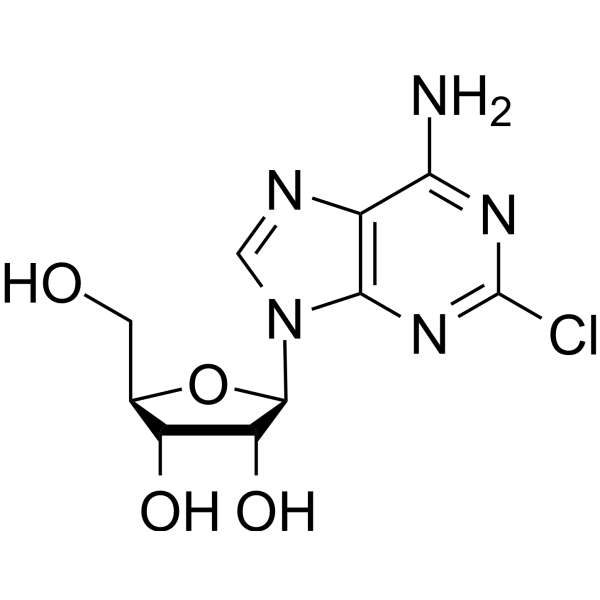
2-Chloroadenosine is an adenosine analog, a transporter permeabilizer of nucleoside transporters, and a competitive uridine influx inhibitor (apparent Ki=33 μM). 2-Chloroadenosine binds to nitrobenzylthioinosine with high affinity (apparent Ki=0.18 mM). 2-Chloroadenosine promotes Apoptosis and increases cerebral blood flow. 2-Chloroadenosine has anticonvulsant properties. 2-Chloroadenosine is used to study infection, inflammatory diseases, cancer, blood-related diseases, lung injury, epilepsy, and kidney disease .
|
-
-
- HY-132828
-
|
LT3001; DHDMIQK(KAP)
|
P-selectin
|
Cardiovascular Disease
Metabolic Disease
Inflammation/Immunology
|
|
Odatroltide (LT3001; DHDMIQK(KAP)) is a P-selectin inhibitor. Odatroltide is a peptide molecule comprising a tripeptide Pro-Ala-Lys (PAK) and an (S)-6,7-dihydroxy-1,1-dimethyl-1,2,3,4-tetrahydro-isoquinoline-3-carboxylic acid domain. Odatroltide can restore cerebral blood flow, scavenge free radicals, and inhibit leukocyte migration. Odatroltide possesses thrombolytic and anti-thrombotic activities .
|
-
-
- HY-100589
-
|
Sch 21420 sulfate
|
Antibiotic
Bacterial
|
Infection
Cardiovascular Disease
Neurological Disease
Metabolic Disease
|
|
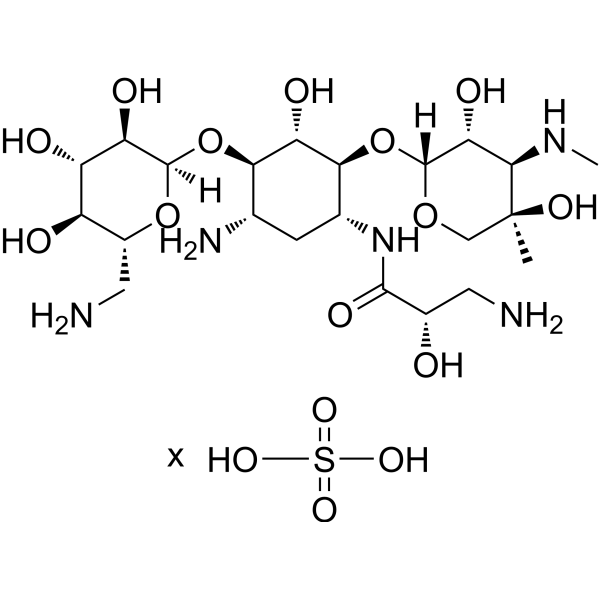
Isepamicin sulfate (Sch 21420 sulfate) is a broad-spectrum aminoglycoside antibiotic. Isepamicin sulfate has considerable antimicrobial activity against some Gram-negative non-fermenting bacteria that are highly resistant to antibiotics. Isepamicin sulfate inhibits writhing reactions induced by Acetic acid (HY-Y0319), regulates vascular blood flow and blood pressure, and inhibits spontaneous uterine movements. Isepamicin sulfate has antidiuretic and blood sugar-raising effects. Isepamicin sulfate can be used in seizure research .
|
-
-
- HY-D0711R
-
|
Foxgreen (Standard); IC Green (Standard); Cardiogreen (Standard)
|
Fluorescent Dye
Reference Standards
|
Others
|
|
Indocyanine green (Standard) is the analytical standard of Indocyanine green. This product is intended for research and analytical applications. Indocyanine green (Foxgreen) is a low toxicic fluorescent agent that has been widely used in medical diagnostics, such as determining cardiac output, hepatic function, and liver blood flow, and for ophthalmic angiography .
|
-
-
- HY-B1035
-
|
l-Bunolol hydrochloride
|
Adrenergic Receptor
Calcium Channel
Casein Kinase
|
Cardiovascular Disease
|
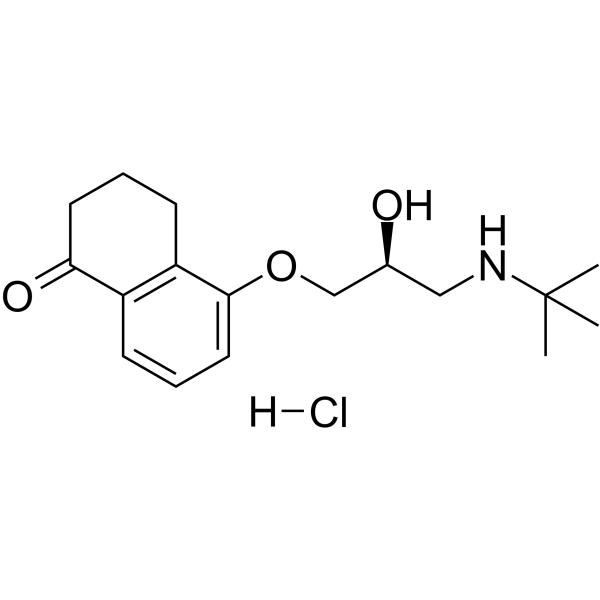
Levobunolol (l-Bunolol) hydrochloride is a non-selective β-adrenergic antagonist and vasodilator. By blocking calcium ion influx and reducing the sensitivity of vascular smooth muscle to calcium, Levobunolol hydrochloride effectively dilates the ciliary arteries and increases ocular blood flow, so it is widely used in research on glaucoma and ocular hypertension. Levobunolol hydrochloride inhibits the β-receptor signaling pathway and the expression of related proliferation markers (such as CK3, CK14, CK19, Ki67) in corneal cells. In rabbit models, Levobunolol hydrochloride not only does not inhibit corneal epithelial regeneration, but also accelerates the healing of mechanical injury without adverse effects. Levobunolol hydrochloride also inhibits histamine-induced vasoconstriction and intracellular calcium elevation, exhibiting unique vascular regulatory activity. Levobunolol hydrochloride protects ocular blood flow and promotes corneal repair .
|
-
-
- HY-130345
-
|
|
Platelet-activating Factor Receptor (PAFR)
|
Cardiovascular Disease
|
|
C18-PAF, octadecane PAF, is the ligand of platelet-activating factor and PAF G protein-coupled receptor (PAFR). C18-PAF has renovasodilator properties and antihypertensive lipid properties. C18-PAF increases renal blood flow and causes dose-dependent systemic hypotension .
|
-
-
- HY-P0083
-
|
POR-8
|
Vasopressin Receptor
|
Cardiovascular Disease
|
|
Ornipressin (POR-8) is a vasopressin agonist specific for the V1 receptor. Ornipressin can be used as a local vasoconstrictor. Ornipressin can reverse the hypotension associated with combine general/epidural anesthesia. Ornipressin has antidiuretic activity. Ornipressin decreases renal vascular resistance and increases renal blood flow in renal failure model .
|
-
-
- HY-12554A
-
|
|
Vasopressin Receptor
|
Cardiovascular Disease
Inflammation/Immunology
Endocrinology
|
|
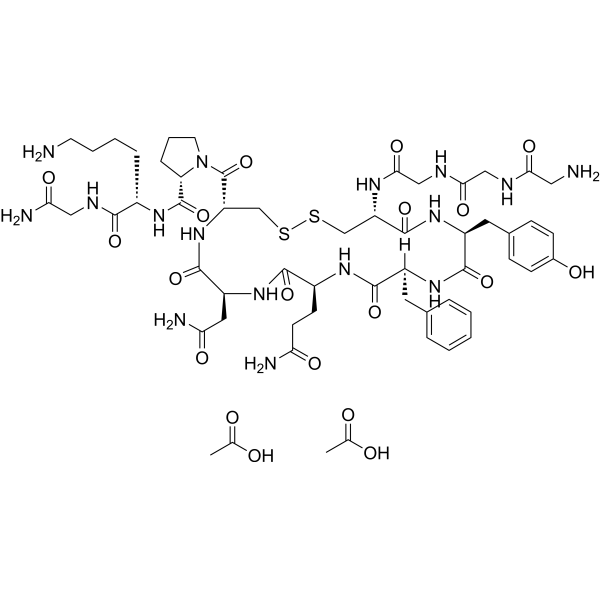
Terlipressin diacetate is a vasopressin analogue with potent vasoactive properties. Terlipressin diacetate is a highly selective vasopressin V1 receptor agonist that reduces the splanchnic blood flow and portal pressure and controls acute variceal bleeding. Terlipressin diacetate exerts anti-inflammatory and anti-oxidative effects. Terlipressin diacetate has the potential for hepatorenal syndrome and norepinephrine-resistant septic shock research .
|
-
-
- HY-D2426
-
|
|
Fluorescent Dye
Transferrin Receptor
|
Cardiovascular Disease
|
|
Cy3-Transferrin is a fluorescent labeling reagent that combines Cy3 (HY-D0822) fluorescent dye and Transferrin (HY-P3267). The Cy3 fluorophore is commonly used in applications such as immunolabeling, nucleic acid labeling, fluorescence microscopy, and flow cytometry. Cy3 has an emission maximum around 562-570 nm. Transferrin, a blood-plasma glycoprotein, is a target ligand for transferrin receptor. Transferrin can bind to and mediate the transport of iron .
|
-
-
- HY-15195
-
|
Ro 67-0565; SPP-301
|
Endothelin Receptor
|
Cardiovascular Disease
Endocrinology
|
|
Avosentan (Ro 67-0565; SPP-301) is an orally active endothelin (ETA) receptor antagonist. Avosentan can block the ETA receptor, thereby reducing vascular contraction and exerting a renal protective effect. Avosentan inhibits vascular contraction caused by ET-1 and alleviates the reduction in retinal and optic nerve head blood flow induced by it, lowering intraocular pressure in the glaucoma monkey model. Avosentan non-specifically blocks ETB receptors at high doses, inhibiting ETB-mediated diuresis and natriuresis, and may cause fluid retention. Avosentan can be used to reduce proteinuria with diabetic nephropathy, but induces significant fluid overload and congestive heart failure .
|
-
-
- HY-B1555
-
-
-
- HY-118342
-
PQCA
1 Publications Verification
|
mAChR
|
Neurological Disease
|
|
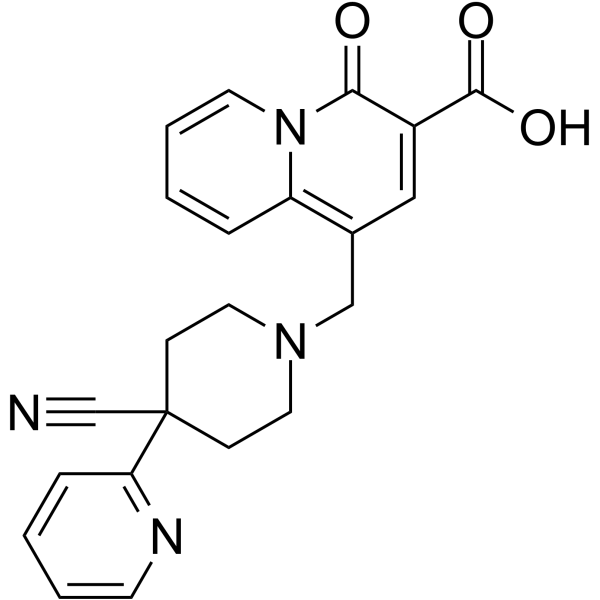
PQCA is a highly selective and potent muscarinic M1 receptor positive allosteric modulator. PQCA has an EC50 value of 49 nM and 135 nM on rhesus and human M1 receptor, respectively. PQCA is inactive for other muscarinic receptors. PQCA has potential to reduce the cognitive deficits associated with Alzheimer's disease .
|
-
-
- HY-N3009
-
|
|
Drug Derivative
Apoptosis
Bcl-2 Family
|
Cardiovascular Disease
Inflammation/Immunology
Cancer
|
|
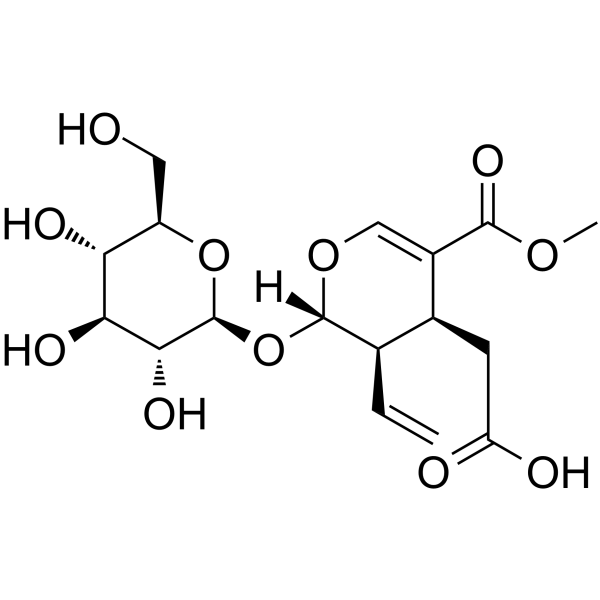
Secoxyloganin is an orally effective iridoid derivative. Secoxyloganin can be isolated from the flower buds of L. japonica. Secoxyloganin induces Apoptosis by inhibiting the expression of Bcl-2. Secoxyloganin potently inhibits the proliferation of breast cancer cells, while exerting weak activity against normal mammary epithelial cells. Secoxyloganin inhibits the decrease in tail vein blood flow associated with allergic reactions .
|
-
-
- HY-B1538A
-
|
DL-Bamethane hemisulfate
|
Endogenous Metabolite
|
Cardiovascular Disease
|
|
Bamethan (DL-Bamethane) hemisulfate is a vasodilator that exhibits significant activity in enhancing blood flow and reducing vascular resistance. Bamethan hemisulfate plays a crucial role in the treatment of cardiovascular conditions by improving oxygen delivery to tissues. Bamethan hemisulfate also aids in the management of hypertension through its relaxing effects on blood vessels.
|
-
-
- HY-W250310
-
|
L-Arginine alpha-ketoglutarate
|
Biochemical Assay Reagents
|
Others
|
|
L-Arginine α-ketoglutarate, often abbreviated as AAKG, is a dietary supplement that combines arginine L-Arginine and α-ketoglutarate, a key intermediate in the Krebs cycle. L-arginine is a precursor of nitric oxide, which regulates blood flow and promotes vasodilation, while α-ketoglutarate is involved in energy production and protein synthesis. Together, these compounds are thought to support improved muscle recovery, increased endurance, and enhanced athletic performance.
|
-
-
- HY-B0910
-
|
Pyritinol; Pyridoxine disulfide; Vitamin B6 disulfide
|
Drug Derivative
|
Neurological Disease
Metabolic Disease
Inflammation/Immunology
Cancer
|
|
Pyrithioxin (Pyritinol) is an orally active neurodynamic compound. Pyrithioxin can promote the metabolism of glucose and amino acids, increase carotid blood flow and improve cerebral blood flow. Pyrithioxin exhibits anti-inflammation, anti-tumor and neuroprotective effect. Pyrithioxin can be used for the researches of cancer, inflammation, immunology, metabolic and neurological disease such as cerebral infarct, epilepsy, fibrosarcomas and rheumatoid polyarthritis .
|
-
-
- HY-121660
-
|
|
Drug Derivative
|
Cardiovascular Disease
|
|
Hexyl nicotinate is a lipid-soluble nicotinic acid ester and cutaneous vasodilator. Hexyl nicotinate induces localized cutaneous vasodilation and increases blood flow. Hexyl nicotinate can be used for the research of Raynaud's phenomenon .
|
-
-
- HY-15855
-
|
|
Microtubule/Tubulin
|
Cancer
|
|
Fosbretabulin (tromethamine), also known as combretastatin A4 phosphate (CA4P), is a vascular disrupting agent evaluated for its efficacy against anaplastic thyroid carcinoma (ATC). It targets tumor neovasculature, causing acute and reversible reductions in tumor blood flow and central necrosis .
|
-
-
- HY-103293A
-
|
Kallidin (380-389) (human, porcine, bovine) TFA
|
Bradykinin Receptor
|
Cardiovascular Disease
Neurological Disease
Inflammation/Immunology
|
|
Lys-Bradykinin TFA is the TFA salt form of Lys-Bradykinin (HY-103293). Lys-Bradykinin TFA is a ligand for kallidin and bradykinin receptor, which can be generated by kininogen protein through enzymatic cleavage by the protease kallikrein. Lys-Bradykinin TFA serves as a vasodilator, which widens blood vessels and increases blood flow. Lys-Bradykinin TFA stimulates net Na+ influx, and contributes to DNA synthesis. Lys-Bradykinin TFA involves in vascular regulation, inflammation and pain sensation .
|
-
-
- HY-P0083A
-
|
POR-8 acetate
|
Vasopressin Receptor
|
Cardiovascular Disease
|
|
Ornipressin (POR-8) acetate is a potent vasoconstrictor, hemostatic and renal agent. Ornipressin acetate is a vasopressin agonist specific for the V1 receptor. Ornipressin acetate can be used as a local vasoconstrictor. Ornipressin acetate can reverse the hypotension associated with combine general/epidural anesthesia. Ornipressin acetate has antidiuretic activity. Ornipressin acetate decreases renal vascular resistance and increases renal blood flow in renal failure model .
|
-
-
- HY-DY1027
-
|
|
Fluorescent Dye
|
Cancer
|
Indocyanine green (Foxgreen) (solution) is a low toxicic fluorescent agent that has been widely used in medical diagnostics, such as determining cardiac output, hepatic function, and liver blood flow, and for ophthalmic angiography (Ex/Em = 785/813 nm) . Solvent and concentration: DMSO: 10 mM
|
-
-
- HY-A0039
-
|
UK-116044
|
5-HT Receptor
|
Neurological Disease
Inflammation/Immunology
|
|
Eletriptan (UK-116044) is a highly selective and orally active serotonin 5-HT1B and 5-HT1D receptor agonist, with pKi values of 8.0 and 8.9, respectively. Eletriptan has inhibitory effects on markers of neurogenic inflammation in rats. Eletriptan can be used for researching migraine .
|
-
-
- HY-121185
-
|
|
Adrenergic Receptor
|
Infection
Neurological Disease
Inflammation/Immunology
Endocrinology
|
|
Hexoprenaline is an orally active and selective β-adrenergic receptor agonist. Hexoprenaline can dilate the bronchi. Hexoprenaline can activate adenylate cyclase and increases 14C-Aminopyrine uptake. Hexoprenaline exhibits anti-infection and anti-inflammmation effect. Hexoprenaline can increase placental weight and blood flow. Hexoprenaline can be used for the researches of inflammation, immunology, infection, endocrinology and neurological disease, such as asthma, chronic bronchitis, sepsis and intoxication of organophosphorus compounds .
|
-
-
- HY-116777
-
|
SKF 92676
|
Histamine Receptor
|
Others
|
|
Impromidine (SKF 92676) is a potent agonist for histamine H2 receptor. Impromidine induces gastric mucosal blood flow and acid secretion .
|
-
-
- HY-105559A
-
|
Quinotoxine hydrochloride
|
Drug Isomer
|
Cardiovascular Disease
|
|
Viquidil hydrochloride (Quinotoxine hydrochloride), an isomer of Quinidine, is a cerebral vasodilator agent. Viquidil hydrochloride shows antithrombotic activity .
|
-
-
- HY-105559
-
-
-
- HY-105209
-
|
|
Endogenous Metabolite
|
Cardiovascular Disease
|
|
Pirsidomine is a nitric oxide donor. Pirsidomine is a sydnonimine compound. Pirsidomine can transform into a nitric oxide-releasing metabolite in vivo. Pirsidomine prevents occlusion-induced increase in flow in the non-occluded circumflex coronary artery and significantly reduces the blood flow in non-ischemic areas in myocardial infarction dog model. Pirsidomine can be studied in research on cardiovascular diseases .
|
-
-
- HY-A0300
-
|
EMD 270179
|
Integrin
|
Cardiovascular Disease
|
|
Cyclopeptide-5 (EMD 270179) is an αvβ3 antagonist that can improve PAF-induced increased adhesion of sickle red blood cells, capillary post-obstruction, and enhance blood flow dynamics. Cyclopeptide-5 also has cytotoxic effects .
|
-
-
- HY-103293
-
|
Kallidin (380-389) (human, porcine, bovine)
|
Bradykinin Receptor
|
Cardiovascular Disease
Neurological Disease
Inflammation/Immunology
|
|
Lys-Bradykinin, a kind of kallidin and bradykinin receptor ligand, can be generated by kininogen protein through enzymatic cleavage by the protease kallikrein. Lys-Bradykinin, also a vasodilator, can widen blood vessels and increase blood flow. ys-Bradykinin stimulates net Na+ influx, and also the DNA synthesis. Lys-Bradykinin involves in vascular regulation, inflammation and pain sensation .
|
-
-
- HY-B0919R
-
|
CI-337 (Standard); O-Diazoacetyl-L-serine (Standard); P-165 (Standard)
|
Reference Standards
Bacterial
Antibiotic
DNA/RNA Synthesis
|
Infection
Cancer
|
|
Bamethan (hemisulfate) (Standard) is the analytical standard of Bamethan (hemisulfate). This product is intended for research and analytical applications. Bamethan (DL-Bamethane) hemisulfate is a vasodilator that exhibits significant activity in enhancing blood flow and reducing vascular resistance. Bamethan hemisulfate plays a crucial role in the treatment of cardiovascular conditions by improving oxygen delivery to tissues. Bamethan hemisulfate also aids in the management of hypertension through its relaxing effects on blood vessels.
|
-
-
- HY-14124
-
|
|
Opioid Receptor
|
Neurological Disease
|
|
MK-5757 is a Nociceptin/Orphanin FQ Peptide Receptor antagonist. ORL1 antagonist 3 can improve cerebral blood flow disorders and ischemic damage, and alleviate abnormal neurological symptoms. ORL1 antagonist 3can be used for the research of neurological disease, such as traumatic brain injury .
|
-
-
- HY-W014049
-
|
|
NO Synthase
|
Others
|
|
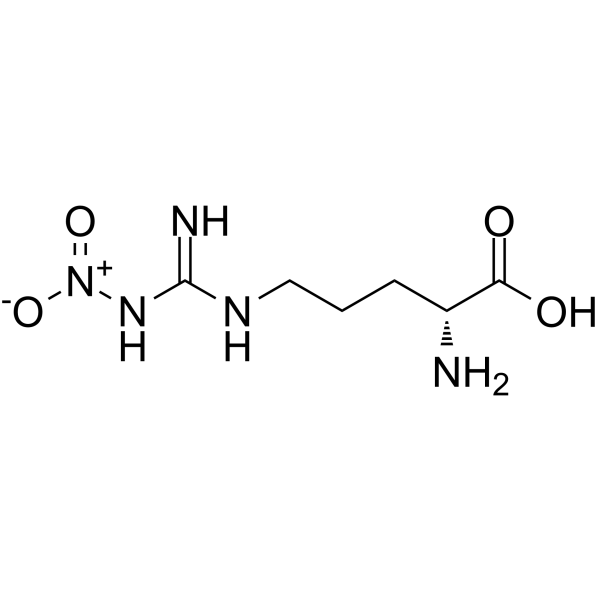
N'-Nitro-D-arginine, a nitric oxide synthesis inhibitor, also is a vasodilator that relaxes the smooth muscles and increases blood flow to the penis, improving erections. N'-Nitro-D-arginine also inhibits neutrophil migration by blocking receptors for tumour necrosis factor alpha (TNFα) and interleukin 8 (IL8) .
|
-
-
- HY-117177
-
|
|
Integrin
|
Cardiovascular Disease
|
|
XV459 is an orally active platelet GPIIb/IIIa receptor antagonist. XV459 blocks all agonist induced platelet aggregation by binding to platelet GPIIb/IIIa receptors. XV459 can significantly prolong occlusion time, reduce thrombus weight, and maintain blood flow. XV459 can be used for anti thrombotic research .
|
-
-
- HY-12554B
-
|
|
Vasopressin Receptor
|
Cardiovascular Disease
Inflammation/Immunology
Endocrinology
|
|
Terlipressin acetate is a vasopressin analogue with potent vasoactive properties. Terlipressin acetate is a highly selective vasopressin V1 receptor agonist that reduces the splanchnic blood flow and portal pressure and controls acute variceal bleeding. Terlipressin acetate exerts anti-inflammatory and anti-oxidative effects. Terlipressin acetate has the potential for hepatorenal syndrome and norepinephrine-resistant septic shock research .
|
-
-
- HY-148300
-
|
|
P2Y Receptor
|
Cardiovascular Disease
|
|
AR-C66096 is a potent and selective antagonist of the Gi-coupled P2Y12 receptor. AR-C66096 suppresses platelet thrombus stability under physiological flow conditions. AR-C66096 inhibits ADP-induced aggregation in whole blood aggregometry. AR-C66096 can be used for antithrombotic research .
|
-
-
- HY-146351
-
|
|
HDAC
|
Neurological Disease
|
|
HDAC-IN-38 (compound 13) is a potent HDAC inhibitor. HDAC-IN-38 shows similar micro-molar inhibitory activity toward HDAC1, 2, 3, 5, 6, and 8. HDAC-IN-38 increases cerebral blood flow (CBF), attenuates cognitive impairment, and improves hippocampal atrophy. HDAC-IN-38 also increases the level of histone acetylation (H3K14 or H4K5) .
|
-
-
- HY-A0113
-
|
Ro 31-3113
|
Angiotensin-converting Enzyme (ACE)
|
Cardiovascular Disease
|
|
Cilazaprilat is an inhibitor of angiotensin-converting enzyme (ACE; IC50=0.7 nM for the rat enzyme) and an active metabolite of Cilazapril (HY-A0043). It decreases creatine kinase release in primary neonatal rat cardiac myocytes in an in vitro model of ischemia-reperfusion injury induced by hypoxia and reoxygenation when used at a concentration of 10 μM.3 Intra-arterial administration of cilazaprilat (3 μg/kg per minute) increases coronary blood flow and fractional shortening in a dog model of coronary hypoperfusion-induced myocardial ischemia.
|
-
-
- HY-116777A
-
|
SKF 92676 hydrochloride
|
Histamine Receptor
|
Others
|
|
Impromidine hydrochloride is a potent agonist for histamine H2 receptor. Impromidine hydrochloride induces gastric mucosal blood flow and acid secretion .
|
-
-
- HY-N3009R
-
|
|
Reference Standards
Others
|
Cardiovascular Disease
|
|
Secoxyloganin (Standard) is the analytical standard of Secoxyloganin. This product is intended for research and analytical applications. Secoxyloganin, isolated from Lonicera japonica Thunb, inhibits the blood flow (BF) decrease. Secoxyloganin has allergy-preventive activity .
|
-
-
- HY-117805
-
-
-
- HY-119762
-
|
AG-629
|
Prostaglandin Receptor
|
Cardiovascular Disease
|
|
Spizofurone is an anti-ulcer compound with increased gastric mucosal blood flow activity and oral activity. Spizofurone has a similar mechanism of action to PGE2 (HY-101952), Spizofurone is capable of acting through local and systemic pathways and may promote ulcer healing by improving blood supply to the gastric mucosa. Spizofurone can be used to study the development strategy of gastric ulcer .
|
-
- HY-129424
-
|
KM-1146
|
Others
|
Inflammation/Immunology
|
|
Mezolidon (KM-1146) is a compound with anti-ulcer activity, which exerts its anti-ulcer activity by enhancing the defense ability of gastric mucosa, especially by increasing and maintaining gastric mucosal blood flow and protecting gastric mucosal potential difference. Mezolidon can be used for the study of gastric mucosal protection .
|
-
- HY-129445
-
|
|
Potassium Channel
|
Cardiovascular Disease
|
|
SG-209 is a Nicorandil (HY-B0341) derivative that produces relaxation through potassium channel activation, while this action contributes to the vasodilating action of Nicorandil (HY-B0341) at higher concentrations. SG-209 dilates tracheal smooth muscle and increases tracheal blood flow in anesthetized dogs .
|
-
- HY-117627
-
|
|
Angiotensin Receptor
|
Cardiovascular Disease
|
|
L 158338 is an angiotensin II receptor antagonist. L 158338 alleviates acidosis and increases coronary blood flow during the ischemic period and increases coronary blood flow during the reperfusion period. L 158338 can be used to study myocardial injury during ischemia and reperfusion .
|
-
- HY-105925
-
|
MCN 2378
|
Adrenergic Receptor
|
Cardiovascular Disease
|
|
Mefenidil (MCN 2378) is a selective cerebral vasodilator that is not affected by beta-adrenergic blockade. Mefenidil can be used in the study of cardiovascular disease. In monkey models, mefenidil preferentially increases cerebral blood flow over systemic (femoral) blood flow. Mefenidil is also able to reduce systemic arterial pressure in anesthetized dogs.
|
-
- HY-121796
-
|
|
Neprilysin
|
Others
|
|
Mixanpril is a compound with the ability to modulate insulin sensitivity and has the activity of regulating insulin sensitivity and femoral blood flow in obese Zucker rats. Mixanpril can affect insulin-mediated glucose disposal in obese Zucker rats and also has a regulatory effect on femoral blood flow, with different effects compared to the ACE inhibitor captopril.
|
-
- HY-119291
-
|
|
Phosphodiesterase (PDE)
|
Others
|
|
RA642 is a compound with vasodilatory and hypertensive effects, with the activity of increasing arterial blood pressure, enhancing cerebral blood flow, reducing cerebrovascular resistance and peripheral resistance, and having a papaverine-like relaxant effect on smooth muscle in anesthetized animals.
|
-
- HY-101733
-
-
- HY-105266
-
-
- HY-B0910AR
-
|
Pyritinol dihydrochloride (Standard); Pyridoxine disulfide dihydrochloride (Standard); Vitamin B6 disulfide dihydrochloride (Standard)
|
Reference Standards
Drug Derivative
|
Neurological Disease
Metabolic Disease
Inflammation/Immunology
Cancer
|
|
Pyrithioxin (Pyritinol) dihydrochloride (Standard) is the analytical standard of Pyrithioxin dihydrochloride (HY-B0910A). Pyrithioxin (Pyritinol) is an orally active neurodynamic compound. Pyrithioxin can promote the metabolism of glucose and amino acids, increase carotid blood flow and improve cerebral blood flow. Pyrithioxin exhibits anti-inflammation, anti-tumor and neuroprotective effect. Pyrithioxin can be used for the researches of cancer, inflammation, immunology, metabolic and neurological disease such as cerebral infarct, epilepsy, fibrosarcomas and rheumatoid polyarthritis .
|
-
- HY-B1555R
-
|
|
Reference Standards
Liposome
|
Cardiovascular Disease
|
|
Benzyl nicotinate (Standard) is the analytical standard of Benzyl nicotinate. This product is intended for research and analytical applications. Benzyl nicotinate is a vasodilator that increases skin oxygenation levels by increasing skin blood flow .
|
-
- HY-107037
-
|
RX71107
|
Vasopressin Receptor
Angiotensin Receptor
Adrenergic Receptor
|
Cardiovascular Disease
|
|
Tolmesoxide (RX71107) is a peripheral vascular dilator with blood pressure lowering activity. Tolmesoxide has shown direct vasodilation in the human forearm arterial bed and dorsal hand vein. Tolmesoxide can dose-dependently increase blood flow in the forearm and produce dilation during contraction of the dorsal hand veins. Tolmesoxide can be used to study high blood pressure and angina .
|
-
- HY-A0168A
-
|
CVT-3146 hydrate
|
Adenosine Receptor
|
Cardiovascular Disease
|
|
Regadenoson hydrate (NSC 169186) is a selective A2A adenosine receptor agonist and vasodilator that increases coronary blood flow, can be used in study of myocardial perfusion imaging. Regadenoson hydrate also increases the permeability of the blood-brain barrier (BBB) in rodents, can be used to study increased delivery of agents to the human CNS .
|
-
- HY-18209
-
|
|
Neprilysin
Angiotensin-converting Enzyme (ACE)
|
Cardiovascular Disease
|
|
Z-13752A is a mercaptopropanoyl amino acid. Z-13752A inhibits NEP and ACE, with Ki values of 1.8 and 3.2 nM, respectively. Z-13752A decreases the arterial blood pressure and increases coronary blood flow. Z-13752A can be used in the research of coronary artery occlusion .
|
-
- HY-19586
-
|
A 81-3138; HWA-138
|
Phosphodiesterase (PDE)
|
Endocrinology
|
|
Albifylline (A 81-3138; HWA-138) is a Xanthine (HY-W017389) derivate. Albifylline reduces the shock-induced leukocyte adhesions to the sinusoidal endothelium in the liver after hemorrhagic shock and improves microvascular blood flow in the liver .
|
-
- HY-111499
-
-
- HY-101390B
-
|
|
Calcium Channel
|
Cardiovascular Disease
|
|
Niguldipine is a calcium channel blocker with activity in regulating cardiovascular function. Niguldipine can reduce systolic and diastolic blood pressure, thereby increasing heart rate and cardiac output. Niguldipine exhibits dose-dependent and sustained increases in coronary blood flow. Niguldipine also increases perfusion in the kidneys and femoral arteries, but the effect is temporary and to a lesser extent. The effect of Niguldipine on myocardial metabolism is not significant .
|
-
- HY-101045
-
|
|
Drug Derivative
|
Cardiovascular Disease
|
|
AT-112 is a ketotanserin analogue. AT-112 has hemodynamic effects. AT-112 significantly reduces portal vein branch blood flow and portal vein pressure. AT-112 can be used to study the pathogenesis of portal hypertension .
|
-
- HY-A0168R
-
|
CVT-3146 (Standard)
|
Reference Standards
Adenosine Receptor
|
Cardiovascular Disease
|
|
Regadenoson (Standard) is the analytical standard of Regadenoson. This product is intended for research and analytical applications. Regadenoson (CVT-3146) is a selective A2A adenosine receptor agonist and vasodilator that increases coronary blood flow, can be used in study of myocardial perfusion imaging. Regadenoson also increases the permeability of the blood-brain barrier (BBB) in rodents, can be used to study increased delivery of agents to the human CNS .
|
-
- HY-B1538AR
-
|
DL-Bamethane hemisulfate (Standard)
|
Endogenous Metabolite
Reference Standards
|
Cardiovascular Disease
|
|
Bamethan (hemisulfate) (Standard) is the analytical standard of Bamethan (hemisulfate). This product is intended for research and analytical applications. Bamethan (DL-Bamethane) hemisulfate is a vasodilator that exhibits significant activity in enhancing blood flow and reducing vascular resistance. Bamethan hemisulfate plays a crucial role in the treatment of cardiovascular conditions by improving oxygen delivery to tissues. Bamethan hemisulfate also aids in the management of hypertension through its relaxing effects on blood vessels.
|
-
- HY-135759
-
|
|
Bacterial
|
Infection
|
|
Cetraxate is an orally active antiulcer Drug. Cetraxate increases the blood flow of gastric mucosal. Cetraxate increases the eradication of Helicobacter pylori in smokers when in combination with Omeprazole (HY-B0113),Amoxicillin (HY-B0467A), and Clarithromycin (HY-17508) .
|
-
- HY-106893
-
|
SM 10902
|
Drug Derivative
Prostaglandin Receptor
|
Cardiovascular Disease
Metabolic Disease
|
|
Pimilprost (SM 10902) is a prostaglandin I1 analogue. Pimilprost exhibits antithrombotic and increases cAMP levels. Pimilprost can promote wound healing through the stimulation of angiogenesis and the improvement of blood flow in diabetic mice. Pimilprost can be used for the research of metabolic and cardiovascular disease, such as diabetes .
|
-
- HY-118294
-
|
16-Phenoxy tetranor prostaglandin F2α isopropyl ester; 16-Phenoxy tetranor PGF2α isopropyl ester
|
Prostaglandin Receptor
|
Cardiovascular Disease
|
|
15-OH Tafluprost, a prostaglandin F2a (PGF2a) analog, relieves endothelin-1 (ET-1)-induced optic nerve head (ONH) blood flow impairment and ET-1-induced contraction of isolated ciliary artery segments .
|
-
- HY-111225
-
|
VT-913
|
Vasopressin Receptor
|
Cardiovascular Disease
Neurological Disease
|
|
VA-111913 (VT-913) is a vasopressin receptor V1A antagonist (Ki = 1.74 nM). VA-111913 reduces uterine contractions and improves uterine blood flow by inhibiting vasopressin, thereby alleviating dysmenorrhea. VA-111913 can be used for research on menstrual pain .
|
-
- HY-103293B
-
|
Kallidin (380-389) (human, porcine, bovine) tetraacetate
|
Bradykinin Receptor
|
Cardiovascular Disease
Neurological Disease
Inflammation/Immunology
|
|
Lys-Bradykinin (Kallidin (380-389) (human, porcine, bovine)) tetraacetate, a kind of kallidin and bradykinin receptor ligand, can be generated by kininogen protein through enzymatic cleavage by the protease kallikrein. Lys-Bradykinin tetraacetate, also a vasodilator, can widen blood vessels and increase blood flow. ys-Bradykinin stimulates net Na+ influx, and also the DNA synthesis. Lys-Bradykinin tetraacetate involves in vascular regulation, inflammation and pain sensation .
|
-
- HY-D0711S2
-
|
Foxgreen-d7; IC Green-d7; Cardiogreen-d7
|
Isotope-Labeled Compounds
Fluorescent Dye
|
Others
|
|
Indocyanine green-d7 (Foxgreen-d7) is the deuterium labeled Indocyanine green (HY-D0711). Indocyanine green is a low toxicic fluorescent agent that has been widely used in medical diagnostics, such as determining cardiac output, hepatic function, and liver blood flow, and for ophthalmic angiography .
|
-
- HY-131395
-
|
N-Acetyl-LTE4
|
Endogenous Metabolite
|
Cardiovascular Disease
|
|
N-Acetyl-Leukotriene E4 (N-Acetyl-LTE4) is a metabolite of Leukotriene E4 (LTE4) (HY-113465), which is detected in bile and urine . N-Acetyl-Leukotriene E4 produces a vasoconstriction in the mesenteric vessels which led to reduction of blood flow to the gut .
|
-
- HY-B1035A
-
|
l-Bunolol
|
Adrenergic Receptor
Casein Kinase
Calcium Channel
|
Others
|
Levobunolol (l-Bunolol) is a non-selective β-adrenergic antagonist and vasodilator. By blocking calcium ion influx and reducing the sensitivity of vascular smooth muscle to calcium, Levobunolol effectively dilates the ciliary arteries and increases ocular blood flow, so it is widely used in research on glaucoma and ocular hypertension. Levobunolol inhibits the β-receptor signaling pathway and the expression of related proliferation markers (such as CK3, CK14, CK19, Ki67) in corneal cells. In rabbit models, Levobunolol not only does not inhibit corneal epithelial regeneration, but also accelerates the healing of mechanical injury without adverse effects. Levobunolol also inhibits histamine-induced vasoconstriction and intracellular calcium elevation, exhibiting unique vascular regulatory activity. Levobunolol protects ocular blood flow and promotes corneal repair .
|
-
- HY-160984
-
|
TEI 5103; TG 51
|
Drug Derivative
|
Endocrinology
|
|
Rotraxate (TEI 5103) is an orally active anti-ulcer compound. Rotraxate can increase blood flow to the gastric mucosa and promote the integrity of the gastric mucosa. Rotraxate can be used to study the protective effects of drugs on the gastric mucosa, especially in investigating how drugs can prevent or treat gastric ulcers by acting directly on the gastric mucosa .
|
-
- HY-N0584B
-
|
6-Hydroxyhyoscyamine hydrochloride
|
Adrenergic Receptor
|
Inflammation/Immunology
Cancer
|
|
Anisodamine hydrochloride is an anticholinergic and α1 adrenergic receptor antagonist. Anisodamine hydrochloride can be used for improving blood flow in circulatory disorders such as septic shock, Anisodamine hydrochloride displays a spectrum of pharmacological effects similar to Atropine (HY-B1205) and Sopolamine (HY-B2065) including inhibition of salivation, gastrointestinal and sweat secretion, gastrointestinal motility, respiratory secretion and urinary bladder contraction in vivo .
|
-
- HY-105093
-
|
|
Adenosine Receptor
|
Inflammation/Immunology
|
|
N-0861 is a novel selective A1 adenosine receptor antagonist. In studies, it has been shown to be able to inhibit the negative conduction effects (prolonged AH interval) and chest pain caused by adenosine, while having no significant effect on the increase in coronary blood flow velocity caused by adenosine. This indicates that N-0861 has the property of selectively inhibiting A1 adenosine receptors .
|
-
- HY-B0683S
-
-
- HY-12554AR
-
|
|
Vasopressin Receptor
Reference Standards
|
Cardiovascular Disease
Inflammation/Immunology
Endocrinology
|
|
Terlipressin (diacetate) (Standard) is the analytical standard of Terlipressin (diacetate). This product is intended for research and analytical applications. Terlipressin diacetate is a vasopressin analogue with potent vasoactive properties. Terlipressin diacetate is a highly selective vasopressin V1 receptor agonist that reduces the splanchnic blood flow and portal pressure and controls acute variceal bleeding. Terlipressin diacetate exerts anti-inflammatory and anti-oxidative effects. Terlipressin diacetate has the potential for hepatorenal syndrome and norepinephrine-resistant septic shock research .
|
-
- HY-D0150A
-
|
|
Fluorescent Dye
|
Others
|
|
(Z)-Thiazole Orange iodide is an asymmetric cyanine dye whose fluorescence highly depends on the local environment.(Z)-Thiazole Orange iodide is essentially dark in solution; however, its fluorescence increases a thousandfold when (Z)-Thiazole Orange iodide is introduced into double-stranded DNA and RNA (dsDNA or dsRNA). The maximum absorption of Thiazole Orange in complex with DNA is 509 nm, and the maximum emission is 532 nm. Thiazole Orange solution is widely used for determining the percentage of reticulocytes in human peripheral blood with microscopy and flow cytometry.
|
-
- HY-17638A
-
|
DSP-3235 (sebacate); KGA-3235 (sebacate); GSK-1614235 (sebacate)
|
SGLT
|
Neurological Disease
|
|
Mizagliflozin sebacate (DSP-3235 sebacate) is a sodium-glucose cotransporter inhibitor with activity in improving vascular cognitive impairment caused by small vessel disease. Mizagliflozin sebacate improves blood flow and reverses vascular cognitive impairment by inhibiting neuronal SGLT1 activity. Mizagliflozin sebacate also showed the ability to increase the survival rate of IL-1β-treated PC12HS cells. Mizagliflozin sebacate promotes improvements in spatial learning and memory caused by small vessel disease in mouse models .
|
-
- HY-121185A
-
|
|
Adrenergic Receptor
|
Infection
Neurological Disease
Inflammation/Immunology
Endocrinology
|
|
Hexoprenaline sulfate is an orally active and selective β-adrenergic receptor agonist. Hexoprenaline sulfate can dilate the bronchi. Hexoprenaline sulfate can activate adenylate cyclase and increases 14C-Aminopyrine uptake. Hexoprenaline sulfate exhibits anti-infection and anti-inflammmation effect. Hexoprenaline sulfate can increase placental weight and blood flow. Hexoprenaline sulfate can be used for the researches of inflammation, immunology, infection, endocrinology and neurological disease, such as asthma, chronic bronchitis, sepsis and intoxication of organophosphorus compounds .
|
-
- HY-W650803
-
|
A-57219 free base; SCH 40054 free base
|
Adrenergic Receptor
|
Cardiovascular Disease
|
|
Nemazoline (A-57219) is selective α-adrenergic agent with α1-agonist/α2-antagonist activity, which is used as a nasal decongestant. Nemazoline produces decongestion by α1-mediated contraction of capacitance vessels, but not compromises blood flow by virtue of α2-antagonism. Nemazoline also blocks endogenous noradrenaline-mediated α 2-constriction of the resistance vessels .
|
-
- HY-118275
-
|
|
Cholinesterase (ChE)
|
Neurological Disease
|
|
FK960 is a potential anti-dementia agent that reverses the reduction in cerebral blood flow (rCBF) caused by sensory stimulation by enhancing cholinergic neurotransmission. In macaque experiments, physostigmine (AChE inhibitor; HY-N6608) was able to completely eliminate the rCBF in the sensory cortex increased by vibrotactile stimulation. FK960 (1-1000 μg/kg) can restore the eliminated rCBF response, and the action time can last for 1 hour. However, FK960 cannot restore the rCBF response eliminated by HA-966 (NMDA modulator; HY-100822), indicating that its function is not dependent on non-glutamatergic neurotransmission.
|
-
- HY-118991
-
|
|
Adenosine Receptor
|
Cardiovascular Disease
|
|
KT-1 is a vasodilator. KT 1 can decrease aortic pressure, renal blood flow, left ventricular enddiastolic pressure and resistances of total peripheral, vertebral, coronary and renal vasculatures and increase aortic blood flow, vertebral blood flow, coronary blood flow, peak positive left ventricular dP/dt and heart rate in anesthetized open-chest dogs. KT-1 can be used for the research of cardiovascular disease .
|
-
- HY-118934
-
|
|
Others
|
Neurological Disease
Metabolic Disease
|
|
Novocebrin is a central nervous system activator that effectively increases brain and femoral blood flow in dogs. In addition, Novocebrin inhibits triglyceride biosynthesis in porcine adipose tissue .
|
-
- HY-183138
-
|
|
Drug Metabolite
|
Cardiovascular Disease
|
|
N-Demethyldiltiazem is a metabolite of Diltiazem (HY-B0632). N-Demethyldiltiazem increases coronary blood flow, modulates cardiac function, decreases systemic blood pressure and heart rate, and alters papillary muscle developed tension .
|
-
- HY-D3347
-
|
|
Fluorescent Dye
|
Cancer
|
|
DUPA-FITC is a fluorescent reagent targeting PSMA, which specifically binds to prostate cancer cells expressing PSMA without non-specific binding to normal blood cells. DUPA-FITC can label PSMA-expressing prostate cancer cells in whole blood, followed by internalization and trafficking to acidic intracellular endosomes, during which the fluorescence is quenched. When combined with flow cytometry and density gradient centrifugation enrichment, DUPA-FITC enables quantitative analysis of circulating tumor cells in peripheral blood samples from prostate cancer patients .
|
-
- HY-19444
-
|
|
Others
|
Others
|
|
DDB-S does not alter the protein binding properties of ICG, but increases its clearance rate. DDB-S can increase liver blood flow. DDB-S can be used to observe changes in liver blood flow .
|
-
- HY-125347
-
|
|
Drug Derivative
|
Others
|
|
TA-993 is a compound that increases limb blood flow. Its effect of increasing limb blood flow is mediated through the sympathetic nervous system, but not through adrenergic receptors, and its mechanism of action on heart rate may be different.
|
-
- HY-105646A
-
|
Carbocromen hydrochloride
|
Biochemical Assay Reagents
|
Cardiovascular Disease
|
|
Chromonar hydrochloride (Carbocromen hydrochloride) is an orally active, selective long-acting coronary vasodilator. Chromonar hydrochloride increases coronary blood flow. Chromonar hydrochloride is used for the research of angina pectoris .
|
-
- HY-106390A
-
|
|
Adrenergic Receptor
|
Neurological Disease
|
|
GYKI 12743 is a vasoselective, postsynaptic α-adrenoceptor blocker. GYKI 12743 inhibits but does not completely eliminate the cutaneous microcirculatory blood flow reduction evoked by electrical stimulation of the peripheral stump of the cut saphenous nerve in rats. GYKI 12743 can be used for the study of neurological diseases .
|
-
- HY-118229
-
|
DPMA; PD 125944
|
Adenosine Receptor
|
Cardiovascular Disease
|
|
CGS 24012 (DPMA) is a selective adenosine A2 agonist. CGS 24012 produces significant increases in cardiac output. CGS 24012 reduces renal vascular resistance to the greatest extent and produces a concomitant significant increase in renal blood flow. CGS 24012 can be used in the research of hypertension .
|
-
- HY-183954
-
|
|
Adrenergic Receptor
|
Cardiovascular Disease
|
|
MDL-19744A is an orally active and selective α1-adrenergic receptor antagonist, with rat α1-adrenergic receptor IC50 of 8 nM. MDL-19744A increases renal blood flow, dose-related decreases mean arterial blood pressure, increases urinary sodium excretion, and mediates renal vasodilation. MDL-19744A can be used for the research of hypertension .
|
-
- HY-D3274
-
|
|
Fluorescent Dye
|
Others
|
|
PE-Cy5 is a tandem fluorescent dye commonly used in flow cytometry, immunofluorescence, and cell biology research. It is formed by the covalent linkage of two fluorescent molecules, namely phycoerythrin and CY5. PE-Cy5 binds to human FcγRI (CD64), and this binding can be blocked by human pooled serum, anti-CD64 monoclonal antibodies targeting the ligand-binding region, or aggregated IgG. PE-Cy5 supports three-color flow cytometry analysis, and whole blood staining can partially reduce its non-specific binding (Ex/Em = 450-500 nm/665 nm) .
|
-
- HY-19066
-
|
|
Potassium Channel
|
Cardiovascular Disease
|
|
KW-3407 is an antiarrhythmic agent. KW-3407 can inhibit two-stage (24 and 48 h) coronary ligation-, digitalis- and adrenaline-induced spontaneously occurring arrhythmias with IC50 values of 18.1, 14.4, 18.3 and 21.4 μg/mL. KW-3407 can decrease the sinoatrial rate and contractile force, and increase the coronary blood flow and AV conduction times .
|
-
- HY-106798
-
|
A-57219; SCH 40054
|
Adrenergic Receptor
|
Cardiovascular Disease
|
|
Nemazoline hydrochloride (A-57219 hydrochloride) is selective α-adrenergic agent with α1-agonist/α2-antagonist activity, which is used as a nasal decongestant. Nemazoline hydrochloride produces decongestion by α1-mediated contraction of capacitance vessels, but not compromises blood flow by virtue of α2-antagonism. Nemazoline hydrochloride also blocks endogenous noradrenaline-mediated α 2-constriction of the resistance vessels .
|
-
- HY-N0488A
-
Vincristine
Maximum Cited Publications
74 Publications Verification
Leurocristine; NSC-67574; 22-Oxovincaleukoblastine
|
Apoptosis
Microtubule/Tubulin
Mitosis
|
Infection
Cancer
|
|
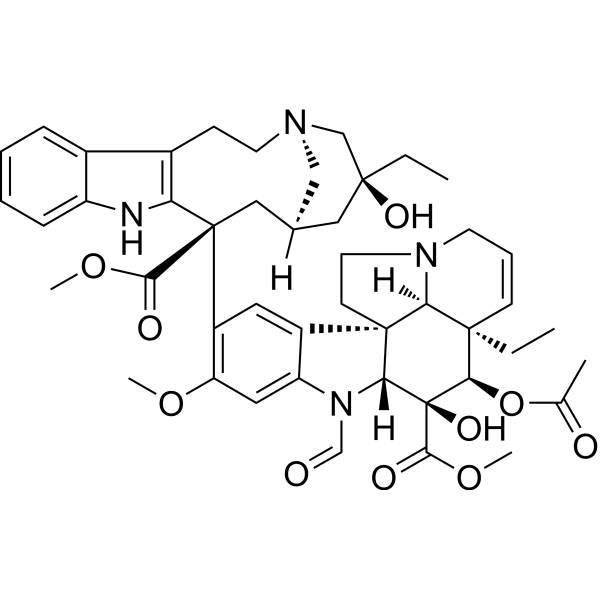
Vincristine (Leurocristine; NSC-67574; 22-Oxovincaleukoblastine) is a microtubule inhibitor that disrupts microtubule polymerization by binding to β-tubulin (with a Ki of 85 nM in bovine), arrests the cell cycle and induces apoptosis. Vincristine inhibits cell replication, tumor blood flow and the proliferation of various cancer cells, while triggering effects such as oxidative stress, inflammation, calcium overload, epithelial-mesenchymal transition and peripheral neuropathic pain. Vincristine upregulates the expression of various transporters and nuclear receptors, and enriches gastric cancer stem-like cells. Vincristine is used in research related to various tumors including acute lymphoblastic leukemia, lymphoma, melanoma, gastric cancer, solid tumors and sarcomas .
|
-
- HY-15195R
-
|
Ro 67-0565 (Standard); SPP-301 (Standard)
|
Reference Standards
Endothelin Receptor
|
Cardiovascular Disease
Endocrinology
|
|
Avosentan (Standard) is the analytical standard of Avosentan (HY-15195). This product is intended for research and analytical applications. Avosentan is an orally active endothelin (ETA) receptor antagonist. Avosentan can block the ETA receptor, thereby reducing vascular contraction, and exerting a renal protective effect. Avosentan inhibits vascular contraction caused by ET-1 and alleviates the reduction in retinal and optic nerve head blood flow induced by it, lowering intraocular pressure in the glaucoma monkey model. Avosentan non-specifically blocks ETB receptors at high doses, inhibiting ETB-mediated diuresis and natriuresis, and may cause fluid retention. Avosentan can be used to reduce proteinuria with diabetic nephropathy, but induces significant fluid overload and congestive heart failure.
|
-
- HY-D3330
-
|
|
Fluorescent Dye
|
Others
|
|
APC-Cy7 is an APC-tandem fluorochrome (allophycocyanin-cyanine 7) and degradable fluorochrome, with maximum absorption at ~650 nm, peak emission at 767 nm when excited by a 633 nm red laser, and cell-dependent degradation. APC-Cy7 undergoes time-dependent degradation (decoupling) when bound to peripheral blood leukocytes, leading to nonspecific APC channel signal, with degradation cell type-dependent. APC-Cy7 shows reduced degradation when immunolabeled cells have inhibited metabolic activity or are incubated with vitamin C. APC-Cy7 serves as a tandem fluorochrome in multiparametric flow cytometry for detection of leukocyte surface proteins when conjugated to specific antibodies (Ex/Em = 650 nm/778 nm) .
|
-
- HY-N0488
-
|
Leurocristine sulfate; NSC-67574 sulfate; 22-Oxovincaleukoblastine sulfate
|
Apoptosis
Microtubule/Tubulin
Mitosis
|
Cancer
|
|
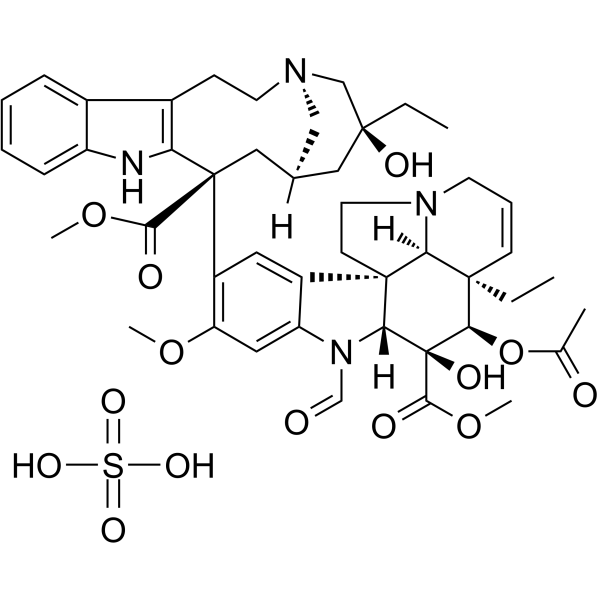
Vincristine (Leurocristine; NSC-67574; 22-Oxovincaleukoblastine) sulfate is a microtubule inhibitor that disrupts microtubule polymerization by binding to β-tubulin (with a Ki of 85 nM in bovine), arrests the cell cycle and induces apoptosis. Vincristine sulfate inhibits cell replication, tumor blood flow and the proliferation of various cancer cells, while triggering effects such as oxidative stress, inflammation, calcium overload, epithelial-mesenchymal transition and peripheral neuropathic pain. Vincristine sulfate upregulates the expression of various transporters and nuclear receptors, and enriches gastric cancer stem-like cells. Vincristine sulfate is used in research related to various tumors including acute lymphoblastic leukemia, lymphoma, melanoma, gastric cancer, solid tumors and sarcomas .
|
-
- HY-N0488S
-
|
Leurocristine-d3 sulfate; NSC-67574-d3 sulfate; 22-Oxovincaleukoblastine-d3 sulfate
|
Isotope-Labeled Compounds
Apoptosis
Microtubule/Tubulin
Mitosis
|
Cancer
|
|
Vincristine-d3 sulfate is the deuterium labeled Vincristine sulfate. Vincristine sulfate (Leurocristine; NSC-67574; 22-Oxovincaleukoblastine) is a microtubule inhibitor that disrupts microtubule polymerization by binding to β-tubulin (with a Ki of 85 nM in bovine), arrests the cell cycle and induces apoptosis. Vincristine sulfate inhibits cell replication, tumor blood flow and the proliferation of various cancer cells, while triggering effects such as oxidative stress, inflammation, calcium overload, epithelial-mesenchymal transition and peripheral neuropathic pain. Vincristine sulfate upregulates the expression of various transporters and nuclear receptors, and enriches gastric cancer stem-like cells. Vincristine sulfate is used in research related to various tumors including acute lymphoblastic leukemia, lymphoma, melanoma, gastric cancer, solid tumors and sarcomas .
|
-
- HY-N0488S2
-
|
Leurocristine-d6 sulfate; NSC-67574-d6 sulfate; 22-Oxovincaleukoblastine-d6 sulfate
|
Isotope-Labeled Compounds
Apoptosis
Mitosis
Microtubule/Tubulin
|
Cancer
|
|
Vincristine-d6 (sulfate) is the deuterium labeled Vincristine sulfate. Vincristine sulfate (Leurocristine; NSC-67574; 22-Oxovincaleukoblastine) is a microtubule inhibitor that disrupts microtubule polymerization by binding to β-tubulin (with a Ki of 85 nM in bovine), arrests the cell cycle and induces apoptosis. Vincristine sulfate inhibits cell replication, tumor blood flow and the proliferation of various cancer cells, while triggering effects such as oxidative stress, inflammation, calcium overload, epithelial-mesenchymal transition and peripheral neuropathic pain. Vincristine sulfate upregulates the expression of various transporters and nuclear receptors, and enriches gastric cancer stem-like cells. Vincristine sulfate is used in research related to various tumors including acute lymphoblastic leukemia, lymphoma, melanoma, gastric cancer, solid tumors and sarcomas .
|
-
- HY-N0488R
-
|
Leurocristine sulfate (Standard); NSC-67574 sulfate (Standard); 22-Oxovincaleukoblastine sulfate (Standard)
|
Reference Standards
Apoptosis
Microtubule/Tubulin
Mitosis
|
Cancer
|
|
Vincristine (sulfate) (Standard) is the analytical standard of Vincristine (sulfate). This product is intended for research and analytical applications. Vincristine sulfate (Leurocristine; NSC-67574; 22-Oxovincaleukoblastine) is a microtubule inhibitor that disrupts microtubule polymerization by binding to β-tubulin (with a Ki of 85 nM in bovine), arrests the cell cycle and induces apoptosis. Vincristine sulfate inhibits cell replication, tumor blood flow and the proliferation of various cancer cells, while triggering effects such as oxidative stress, inflammation, calcium overload, epithelial-mesenchymal transition and peripheral neuropathic pain. Vincristine sulfate upregulates the expression of various transporters and nuclear receptors, and enriches gastric cancer stem-like cells. Vincristine sulfate is used in research related to various tumors including acute lymphoblastic leukemia, lymphoma, melanoma, gastric cancer, solid tumors and sarcomas .
|
-
- HY-N0488S1
-
|
Leurocristine-d3-1 sulfate; NSC-67574-d3-1 sulfate; 22-Oxovincaleukoblastine-d3-1 sulfate
|
Isotope-Labeled Compounds
Apoptosis
Mitosis
Microtubule/Tubulin
|
Cancer
|
|
Vincristine-d3 sulfate is the deuterium labeled Vincristine sulfate. Vincristine-1 sulfate (Leurocristine; NSC-67574; 22-Oxovincaleukoblastine) is a microtubule inhibitor that disrupts microtubule polymerization by binding to β-tubulin (with a Ki of 85 nM in bovine), arrests the cell cycle and induces apoptosis. Vincristine-1 sulfate inhibits cell replication, tumor blood flow and the proliferation of various cancer cells, while triggering effects such as oxidative stress, inflammation, calcium overload, epithelial-mesenchymal transition and peripheral neuropathic pain. Vincristine-1 sulfate upregulates the expression of various transporters and nuclear receptors, and enriches gastric cancer stem-like cells. Vincristine-1 sulfate is used in research related to various tumors including acute lymphoblastic leukemia, lymphoma, melanoma, gastric cancer, solid tumors and sarcomas .
|
-
- HY-W020249
-
|
|
Biochemical Assay Reagents
|
Others
|
|
Sodium ionophore X is a neutral ionophore that binds highly selectively to sodium ions (Na +) to form stable complexes. Sodium ionophore X can be used to construct ion-selective chemical sensors (including optical sensors and electrochemical sensors) .
|
-
- HY-B0327
-
|
Dicloguamine
|
Phosphodiesterase (PDE)
NF-κB
AP-1
TRP Channel
Interleukin Related
|
Inflammation/Immunology
Cancer
|
|
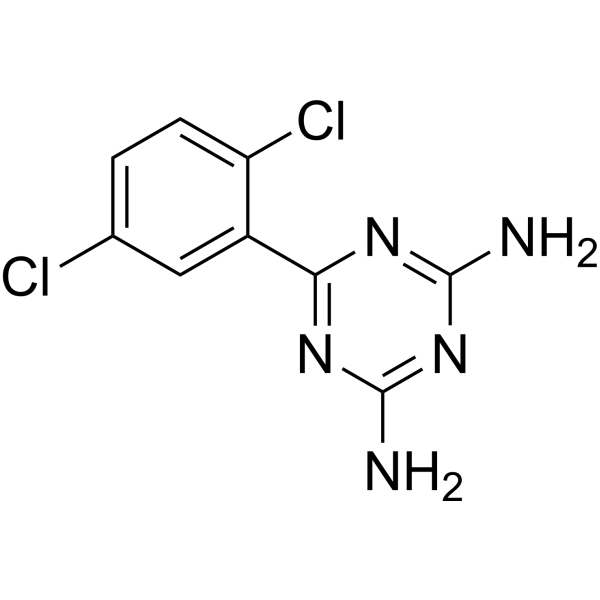
Irsogladine (Dicloguamine) is an orally active gastric mucosal protective agent. Irsogladine inhibits breast cancer recurrence and lung metastasis in nude mice . Irsogladine inhibits the transcriptional activities of NF-κB and AP-1, suppresses the activities of PDE and PDE4 to elevate intracellular cAMP levels, and activates TRPV1 and KATP channels. Irsogladine enhances iNOS expression, NO production, and the activation of cAMP-responsive elements. Irsogladine inhibits the development and progression of intestinal polyps in Apc-mutant mice. Irsogladine alleviates oxidative stress, increases gastric mucosal blood flow, and stimulates the production of endogenous prostaglandins. Irsogladine promotes insulin secretion in MIN6 cells. Irsogladine inhibits tumor angiogenesis, cancer cell proliferation, and the production of proinflammatory cytokines. Irsogladine exerts protective effects on astrocytes in ethanol/hydrochloric acid-induced gastric ulcers in mice. Irsogladine prevents colitis in IL-10 gene-deficient mice by reducing the production of IL-12 and IL-23. Irsogladine upregulates gap junction intercellular communication in pancreatic cancer cells via the PKA pathway. Irsogladine is applicable to research related to breast cancer, intestinal polyposis, gastric ulcer, spontaneous colitis, glioma, liver cancer, and pancreatic cancer [5][6] .
|
-
| Cat. No. |
Product Name |
Type |
-
- HY-D0711
-
|
Foxgreen; IC Green; Cardiogreen
|
Fluorescent Dyes
|
|
Indocyanine green (Foxgreen) is a low toxicic fluorescent agent that has been widely used in medical diagnostics, such as determining cardiac output, hepatic function, and liver blood flow, and for ophthalmic angiography (Ex/Em = 785/813 nm) .
|
-
- HY-D0711R
-
|
Foxgreen (Standard); IC Green (Standard); Cardiogreen (Standard)
|
Fluorescent Dyes
|
|
Indocyanine green (Standard) is the analytical standard of Indocyanine green. This product is intended for research and analytical applications. Indocyanine green (Foxgreen) is a low toxicic fluorescent agent that has been widely used in medical diagnostics, such as determining cardiac output, hepatic function, and liver blood flow, and for ophthalmic angiography .
|
-
- HY-D2426
-
|
|
Fluorescent Dyes
|
|
Cy3-Transferrin is a fluorescent labeling reagent that combines Cy3 (HY-D0822) fluorescent dye and Transferrin (HY-P3267). The Cy3 fluorophore is commonly used in applications such as immunolabeling, nucleic acid labeling, fluorescence microscopy, and flow cytometry. Cy3 has an emission maximum around 562-570 nm. Transferrin, a blood-plasma glycoprotein, is a target ligand for transferrin receptor. Transferrin can bind to and mediate the transport of iron .
|
-
- HY-DY1027
-
|
|
Fluorescent Dyes
|
Indocyanine green (Foxgreen) (solution) is a low toxicic fluorescent agent that has been widely used in medical diagnostics, such as determining cardiac output, hepatic function, and liver blood flow, and for ophthalmic angiography (Ex/Em = 785/813 nm) . Solvent and concentration: DMSO: 10 mM
|
-
- HY-D0150A
-
|
|
Fluorescent Dyes
|
|
(Z)-Thiazole Orange iodide is an asymmetric cyanine dye whose fluorescence highly depends on the local environment.(Z)-Thiazole Orange iodide is essentially dark in solution; however, its fluorescence increases a thousandfold when (Z)-Thiazole Orange iodide is introduced into double-stranded DNA and RNA (dsDNA or dsRNA). The maximum absorption of Thiazole Orange in complex with DNA is 509 nm, and the maximum emission is 532 nm. Thiazole Orange solution is widely used for determining the percentage of reticulocytes in human peripheral blood with microscopy and flow cytometry.
|
-
- HY-D3347
-
|
|
Fluorescent Dyes
|
|
DUPA-FITC is a fluorescent reagent targeting PSMA, which specifically binds to prostate cancer cells expressing PSMA without non-specific binding to normal blood cells. DUPA-FITC can label PSMA-expressing prostate cancer cells in whole blood, followed by internalization and trafficking to acidic intracellular endosomes, during which the fluorescence is quenched. When combined with flow cytometry and density gradient centrifugation enrichment, DUPA-FITC enables quantitative analysis of circulating tumor cells in peripheral blood samples from prostate cancer patients .
|
-
- HY-D3274
-
|
|
Fluorescent Dyes
|
|
PE-Cy5 is a tandem fluorescent dye commonly used in flow cytometry, immunofluorescence, and cell biology research. It is formed by the covalent linkage of two fluorescent molecules, namely phycoerythrin and CY5. PE-Cy5 binds to human FcγRI (CD64), and this binding can be blocked by human pooled serum, anti-CD64 monoclonal antibodies targeting the ligand-binding region, or aggregated IgG. PE-Cy5 supports three-color flow cytometry analysis, and whole blood staining can partially reduce its non-specific binding (Ex/Em = 450-500 nm/665 nm) .
|
-
- HY-D3330
-
|
|
Fluorescent Dyes
|
|
APC-Cy7 is an APC-tandem fluorochrome (allophycocyanin-cyanine 7) and degradable fluorochrome, with maximum absorption at ~650 nm, peak emission at 767 nm when excited by a 633 nm red laser, and cell-dependent degradation. APC-Cy7 undergoes time-dependent degradation (decoupling) when bound to peripheral blood leukocytes, leading to nonspecific APC channel signal, with degradation cell type-dependent. APC-Cy7 shows reduced degradation when immunolabeled cells have inhibited metabolic activity or are incubated with vitamin C. APC-Cy7 serves as a tandem fluorochrome in multiparametric flow cytometry for detection of leukocyte surface proteins when conjugated to specific antibodies (Ex/Em = 650 nm/778 nm) .
|
| Cat. No. |
Product Name |
Type |
-
- HY-W250310
-
|
L-Arginine alpha-ketoglutarate
|
Biochemical Assay Reagents
|
|
L-Arginine α-ketoglutarate, often abbreviated as AAKG, is a dietary supplement that combines arginine L-Arginine and α-ketoglutarate, a key intermediate in the Krebs cycle. L-arginine is a precursor of nitric oxide, which regulates blood flow and promotes vasodilation, while α-ketoglutarate is involved in energy production and protein synthesis. Together, these compounds are thought to support improved muscle recovery, increased endurance, and enhanced athletic performance.
|
| Cat. No. |
Product Name |
Target |
Research Area |
-
- HY-132828
-
|
LT3001; DHDMIQK(KAP)
|
P-selectin
|
Cardiovascular Disease
Metabolic Disease
Inflammation/Immunology
|
|
Odatroltide (LT3001; DHDMIQK(KAP)) is a P-selectin inhibitor. Odatroltide is a peptide molecule comprising a tripeptide Pro-Ala-Lys (PAK) and an (S)-6,7-dihydroxy-1,1-dimethyl-1,2,3,4-tetrahydro-isoquinoline-3-carboxylic acid domain. Odatroltide can restore cerebral blood flow, scavenge free radicals, and inhibit leukocyte migration. Odatroltide possesses thrombolytic and anti-thrombotic activities .
|
-
- HY-P0083
-
|
POR-8
|
Vasopressin Receptor
|
Cardiovascular Disease
|
|
Ornipressin (POR-8) is a vasopressin agonist specific for the V1 receptor. Ornipressin can be used as a local vasoconstrictor. Ornipressin can reverse the hypotension associated with combine general/epidural anesthesia. Ornipressin has antidiuretic activity. Ornipressin decreases renal vascular resistance and increases renal blood flow in renal failure model .
|
-
- HY-12554A
-
|
|
Vasopressin Receptor
|
Cardiovascular Disease
Inflammation/Immunology
Endocrinology
|
|
Terlipressin diacetate is a vasopressin analogue with potent vasoactive properties. Terlipressin diacetate is a highly selective vasopressin V1 receptor agonist that reduces the splanchnic blood flow and portal pressure and controls acute variceal bleeding. Terlipressin diacetate exerts anti-inflammatory and anti-oxidative effects. Terlipressin diacetate has the potential for hepatorenal syndrome and norepinephrine-resistant septic shock research .
|
-
- HY-103293A
-
|
Kallidin (380-389) (human, porcine, bovine) TFA
|
Bradykinin Receptor
|
Cardiovascular Disease
Neurological Disease
Inflammation/Immunology
|
|
Lys-Bradykinin TFA is the TFA salt form of Lys-Bradykinin (HY-103293). Lys-Bradykinin TFA is a ligand for kallidin and bradykinin receptor, which can be generated by kininogen protein through enzymatic cleavage by the protease kallikrein. Lys-Bradykinin TFA serves as a vasodilator, which widens blood vessels and increases blood flow. Lys-Bradykinin TFA stimulates net Na+ influx, and contributes to DNA synthesis. Lys-Bradykinin TFA involves in vascular regulation, inflammation and pain sensation .
|
-
- HY-P0083A
-
|
POR-8 acetate
|
Vasopressin Receptor
|
Cardiovascular Disease
|
|
Ornipressin (POR-8) acetate is a potent vasoconstrictor, hemostatic and renal agent. Ornipressin acetate is a vasopressin agonist specific for the V1 receptor. Ornipressin acetate can be used as a local vasoconstrictor. Ornipressin acetate can reverse the hypotension associated with combine general/epidural anesthesia. Ornipressin acetate has antidiuretic activity. Ornipressin acetate decreases renal vascular resistance and increases renal blood flow in renal failure model .
|
-
- HY-P3765
-
|
|
Peptides
|
Cardiovascular Disease
|
|
Auriculin A is a synthetic atrial natriuretic factor (ANF) with hemodynamic effect. Auriculin A antagonizes renal vasoconstriction in the dog, and influences on arterial baroreflex control of heart rate, systemic blood pressure, and perfusion pressure in the hind limb (perfused at constant flow) in rabbits .
|
-
- HY-A0300
-
|
EMD 270179
|
Integrin
|
Cardiovascular Disease
|
|
Cyclopeptide-5 (EMD 270179) is an αvβ3 antagonist that can improve PAF-induced increased adhesion of sickle red blood cells, capillary post-obstruction, and enhance blood flow dynamics. Cyclopeptide-5 also has cytotoxic effects .
|
-
- HY-103293
-
|
Kallidin (380-389) (human, porcine, bovine)
|
Bradykinin Receptor
|
Cardiovascular Disease
Neurological Disease
Inflammation/Immunology
|
|
Lys-Bradykinin, a kind of kallidin and bradykinin receptor ligand, can be generated by kininogen protein through enzymatic cleavage by the protease kallikrein. Lys-Bradykinin, also a vasodilator, can widen blood vessels and increase blood flow. ys-Bradykinin stimulates net Na+ influx, and also the DNA synthesis. Lys-Bradykinin involves in vascular regulation, inflammation and pain sensation .
|
-
- HY-W014049
-
|
|
NO Synthase
|
Others
|
|
N'-Nitro-D-arginine, a nitric oxide synthesis inhibitor, also is a vasodilator that relaxes the smooth muscles and increases blood flow to the penis, improving erections. N'-Nitro-D-arginine also inhibits neutrophil migration by blocking receptors for tumour necrosis factor alpha (TNFα) and interleukin 8 (IL8) .
|
-
- HY-12554B
-
|
|
Vasopressin Receptor
|
Cardiovascular Disease
Inflammation/Immunology
Endocrinology
|
|
Terlipressin acetate is a vasopressin analogue with potent vasoactive properties. Terlipressin acetate is a highly selective vasopressin V1 receptor agonist that reduces the splanchnic blood flow and portal pressure and controls acute variceal bleeding. Terlipressin acetate exerts anti-inflammatory and anti-oxidative effects. Terlipressin acetate has the potential for hepatorenal syndrome and norepinephrine-resistant septic shock research .
|
-
- HY-103293B
-
|
Kallidin (380-389) (human, porcine, bovine) tetraacetate
|
Bradykinin Receptor
|
Cardiovascular Disease
Neurological Disease
Inflammation/Immunology
|
|
Lys-Bradykinin (Kallidin (380-389) (human, porcine, bovine)) tetraacetate, a kind of kallidin and bradykinin receptor ligand, can be generated by kininogen protein through enzymatic cleavage by the protease kallikrein. Lys-Bradykinin tetraacetate, also a vasodilator, can widen blood vessels and increase blood flow. ys-Bradykinin stimulates net Na+ influx, and also the DNA synthesis. Lys-Bradykinin tetraacetate involves in vascular regulation, inflammation and pain sensation .
|
-
- HY-12554AR
-
|
|
Vasopressin Receptor
Reference Standards
|
Cardiovascular Disease
Inflammation/Immunology
Endocrinology
|
|
Terlipressin (diacetate) (Standard) is the analytical standard of Terlipressin (diacetate). This product is intended for research and analytical applications. Terlipressin diacetate is a vasopressin analogue with potent vasoactive properties. Terlipressin diacetate is a highly selective vasopressin V1 receptor agonist that reduces the splanchnic blood flow and portal pressure and controls acute variceal bleeding. Terlipressin diacetate exerts anti-inflammatory and anti-oxidative effects. Terlipressin diacetate has the potential for hepatorenal syndrome and norepinephrine-resistant septic shock research .
|
-
- HY-P1711
-
|
|
Peptides
|
Cardiovascular Disease
|
|
L 366763 is a potent peptide that acts as a fibrinogen receptor antagonist, preventing collagen-induced platelet aggregation and adhesion. L 366763 inhibits platelet deposition and maintains blood flow in a baboon thrombosis model, significantly prolonging bleeding time. L 366763 has antithrombotic efficacy, whereas recombinant LAPP does not have the same effect .
|
| Cat. No. |
Product Name |
Target |
Research Area |
Image |
-
- HY-P9938
-
|
AMG-334
|
CGRP Receptor
|
Neurological Disease
|
|
Erenumab (AMG-334) is a fully human monoclonal antibody. Erenumab inhibits the calcitonin gene-related peptide (CGRP) receptor. Erenumab prevents the increase in dermal blood flow in cynomolgus monkeys. Erenumab can be used in the research of episodic migraine .
|
-
(5)
| Cat. No. |
Product Name |
Category |
Target |
Chemical Structure |
-
- HY-N0488
-
|
Leurocristine sulfate; NSC-67574 sulfate; 22-Oxovincaleukoblastine sulfate
|
Apocynaceae
Alkaloids
Structural Classification
Classification of Application Fields
Anti-aging
Plants
Disease Research Fields
Alkaloid Dimers
Catharanthus roseus (L.) G. Don
Source Classification
Cancer
|
Apoptosis
Microtubule/Tubulin
Mitosis
|
|
Vincristine (Leurocristine; NSC-67574; 22-Oxovincaleukoblastine) sulfate is a microtubule inhibitor that disrupts microtubule polymerization by binding to β-tubulin (with a Ki of 85 nM in bovine), arrests the cell cycle and induces apoptosis. Vincristine sulfate inhibits cell replication, tumor blood flow and the proliferation of various cancer cells, while triggering effects such as oxidative stress, inflammation, calcium overload, epithelial-mesenchymal transition and peripheral neuropathic pain. Vincristine sulfate upregulates the expression of various transporters and nuclear receptors, and enriches gastric cancer stem-like cells. Vincristine sulfate is used in research related to various tumors including acute lymphoblastic leukemia, lymphoma, melanoma, gastric cancer, solid tumors and sarcomas .
|
-
-
- HY-N0488A
-
Vincristine
Maximum Cited Publications
74 Publications Verification
Leurocristine; NSC-67574; 22-Oxovincaleukoblastine
|
Apocynaceae
Alkaloids
Structural Classification
Classification of Application Fields
Plants
Disease Research Fields
Alkaloid Dimers
Catharanthus roseus (L.) G. Don
Source Classification
Cancer
|
Apoptosis
Microtubule/Tubulin
Mitosis
|
|
Vincristine (Leurocristine; NSC-67574; 22-Oxovincaleukoblastine) is a microtubule inhibitor that disrupts microtubule polymerization by binding to β-tubulin (with a Ki of 85 nM in bovine), arrests the cell cycle and induces apoptosis. Vincristine inhibits cell replication, tumor blood flow and the proliferation of various cancer cells, while triggering effects such as oxidative stress, inflammation, calcium overload, epithelial-mesenchymal transition and peripheral neuropathic pain. Vincristine upregulates the expression of various transporters and nuclear receptors, and enriches gastric cancer stem-like cells. Vincristine is used in research related to various tumors including acute lymphoblastic leukemia, lymphoma, melanoma, gastric cancer, solid tumors and sarcomas .
|
-
-
- HY-17449
-
-
-
- HY-B0910A
-
-
-
- HY-N3009
-
-
-
- HY-B0910
-
|
Pyritinol; Pyridoxine disulfide; Vitamin B6 disulfide
|
Structural Classification
Natural Products
Endogenous metabolite
Source Classification
|
Drug Derivative
|
|
Pyrithioxin (Pyritinol) is an orally active neurodynamic compound. Pyrithioxin can promote the metabolism of glucose and amino acids, increase carotid blood flow and improve cerebral blood flow. Pyrithioxin exhibits anti-inflammation, anti-tumor and neuroprotective effect. Pyrithioxin can be used for the researches of cancer, inflammation, immunology, metabolic and neurological disease such as cerebral infarct, epilepsy, fibrosarcomas and rheumatoid polyarthritis .
|
-
-
- HY-N0488R
-
|
Leurocristine sulfate (Standard); NSC-67574 sulfate (Standard); 22-Oxovincaleukoblastine sulfate (Standard)
|
Apocynaceae
Alkaloids
Structural Classification
Plants
Alkaloid Dimers
Catharanthus roseus (L.) G. Don
Source Classification
|
Reference Standards
Apoptosis
Microtubule/Tubulin
Mitosis
|
|
Vincristine (sulfate) (Standard) is the analytical standard of Vincristine (sulfate). This product is intended for research and analytical applications. Vincristine sulfate (Leurocristine; NSC-67574; 22-Oxovincaleukoblastine) is a microtubule inhibitor that disrupts microtubule polymerization by binding to β-tubulin (with a Ki of 85 nM in bovine), arrests the cell cycle and induces apoptosis. Vincristine sulfate inhibits cell replication, tumor blood flow and the proliferation of various cancer cells, while triggering effects such as oxidative stress, inflammation, calcium overload, epithelial-mesenchymal transition and peripheral neuropathic pain. Vincristine sulfate upregulates the expression of various transporters and nuclear receptors, and enriches gastric cancer stem-like cells. Vincristine sulfate is used in research related to various tumors including acute lymphoblastic leukemia, lymphoma, melanoma, gastric cancer, solid tumors and sarcomas .
|
-
-
- HY-N3009R
-
-
-
- HY-B0910AR
-
|
Pyritinol dihydrochloride (Standard); Pyridoxine disulfide dihydrochloride (Standard); Vitamin B6 disulfide dihydrochloride (Standard)
|
Structural Classification
Natural Products
Endogenous metabolite
Source Classification
|
Reference Standards
Drug Derivative
|
|
Pyrithioxin (Pyritinol) dihydrochloride (Standard) is the analytical standard of Pyrithioxin dihydrochloride (HY-B0910A). Pyrithioxin (Pyritinol) is an orally active neurodynamic compound. Pyrithioxin can promote the metabolism of glucose and amino acids, increase carotid blood flow and improve cerebral blood flow. Pyrithioxin exhibits anti-inflammation, anti-tumor and neuroprotective effect. Pyrithioxin can be used for the researches of cancer, inflammation, immunology, metabolic and neurological disease such as cerebral infarct, epilepsy, fibrosarcomas and rheumatoid polyarthritis .
|
-
| Cat. No. |
Product Name |
Chemical Structure |
-
- HY-N0488S
-
|
|
|
Vincristine-d3 sulfate is the deuterium labeled Vincristine sulfate. Vincristine sulfate (Leurocristine; NSC-67574; 22-Oxovincaleukoblastine) is a microtubule inhibitor that disrupts microtubule polymerization by binding to β-tubulin (with a Ki of 85 nM in bovine), arrests the cell cycle and induces apoptosis. Vincristine sulfate inhibits cell replication, tumor blood flow and the proliferation of various cancer cells, while triggering effects such as oxidative stress, inflammation, calcium overload, epithelial-mesenchymal transition and peripheral neuropathic pain. Vincristine sulfate upregulates the expression of various transporters and nuclear receptors, and enriches gastric cancer stem-like cells. Vincristine sulfate is used in research related to various tumors including acute lymphoblastic leukemia, lymphoma, melanoma, gastric cancer, solid tumors and sarcomas .
|
-
-
- HY-N0488S2
-
|
|
|
Vincristine-d6 (sulfate) is the deuterium labeled Vincristine sulfate. Vincristine sulfate (Leurocristine; NSC-67574; 22-Oxovincaleukoblastine) is a microtubule inhibitor that disrupts microtubule polymerization by binding to β-tubulin (with a Ki of 85 nM in bovine), arrests the cell cycle and induces apoptosis. Vincristine sulfate inhibits cell replication, tumor blood flow and the proliferation of various cancer cells, while triggering effects such as oxidative stress, inflammation, calcium overload, epithelial-mesenchymal transition and peripheral neuropathic pain. Vincristine sulfate upregulates the expression of various transporters and nuclear receptors, and enriches gastric cancer stem-like cells. Vincristine sulfate is used in research related to various tumors including acute lymphoblastic leukemia, lymphoma, melanoma, gastric cancer, solid tumors and sarcomas .
|
-
-
- HY-N0488S1
-
|
|
|
Vincristine-d3 sulfate is the deuterium labeled Vincristine sulfate. Vincristine-1 sulfate (Leurocristine; NSC-67574; 22-Oxovincaleukoblastine) is a microtubule inhibitor that disrupts microtubule polymerization by binding to β-tubulin (with a Ki of 85 nM in bovine), arrests the cell cycle and induces apoptosis. Vincristine-1 sulfate inhibits cell replication, tumor blood flow and the proliferation of various cancer cells, while triggering effects such as oxidative stress, inflammation, calcium overload, epithelial-mesenchymal transition and peripheral neuropathic pain. Vincristine-1 sulfate upregulates the expression of various transporters and nuclear receptors, and enriches gastric cancer stem-like cells. Vincristine-1 sulfate is used in research related to various tumors including acute lymphoblastic leukemia, lymphoma, melanoma, gastric cancer, solid tumors and sarcomas .
|
-
-
- HY-D0711S2
-
|
|
|
Indocyanine green-d7 (Foxgreen-d7) is the deuterium labeled Indocyanine green (HY-D0711). Indocyanine green is a low toxicic fluorescent agent that has been widely used in medical diagnostics, such as determining cardiac output, hepatic function, and liver blood flow, and for ophthalmic angiography .
|
-
-
- HY-B0683S
-
|
|
|
Limaprost-d3 (17α,20-dimethyl-δ2-PGE1-d3) is the deuterium labeled Limaprost. Limaprost (OP1206) is a PGE1 analogue and a potent and orally active vasodilator. Limaprost increases blood flow and inhibits platelet aggregation. Limaprost pain relief, has antianginal effects, and can be used for ischaemic symptoms research .
|
-
| Cat. No. |
Product Name |
|
Classification |
-
- HY-130345
-
|
|
|
Phospholipids
|
|
C18-PAF, octadecane PAF, is the ligand of platelet-activating factor and PAF G protein-coupled receptor (PAFR). C18-PAF has renovasodilator properties and antihypertensive lipid properties. C18-PAF increases renal blood flow and causes dose-dependent systemic hypotension .
|
Your information is safe with us. * Required Fields.
Inquiry Information
- Product Name:
- Cat. No.:
- Quantity:
- MCE Japan Authorized Agent:

