From 11:00 pm to 12:00 pm EST ( 8:00 pm to 9:00 pm PST ) on January 6th, the website will be under maintenance. We are sorry for the inconvenience. Please arrange your schedule properly.
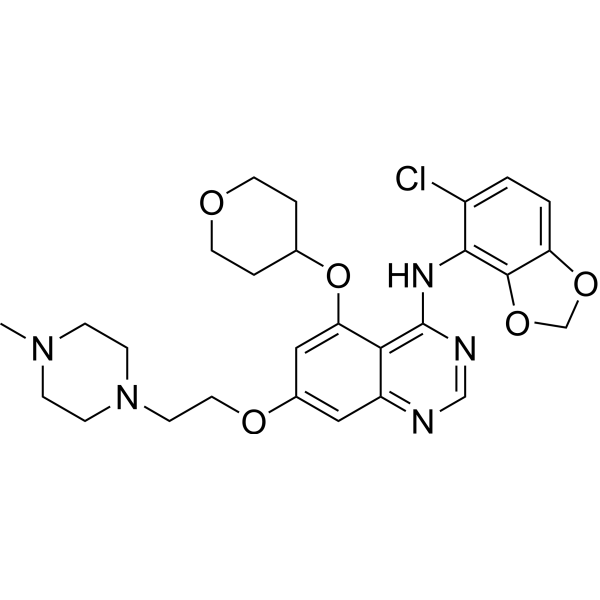
Saracatinib (AZD0530) is a potent Src family inhibitor with IC50s of 2.7 to 11 nM for c-Src, Lck, c-YES, Lyn, Fyn, Fgr, and Blk. Saracatinib shows high selectivity over other tyrosine kinases .
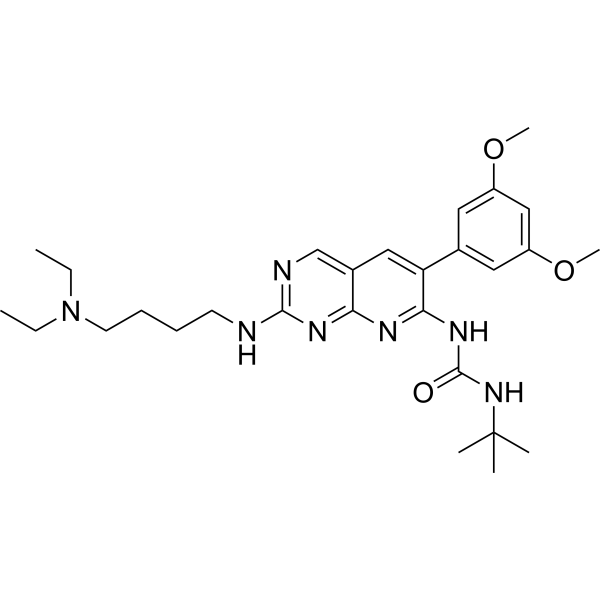
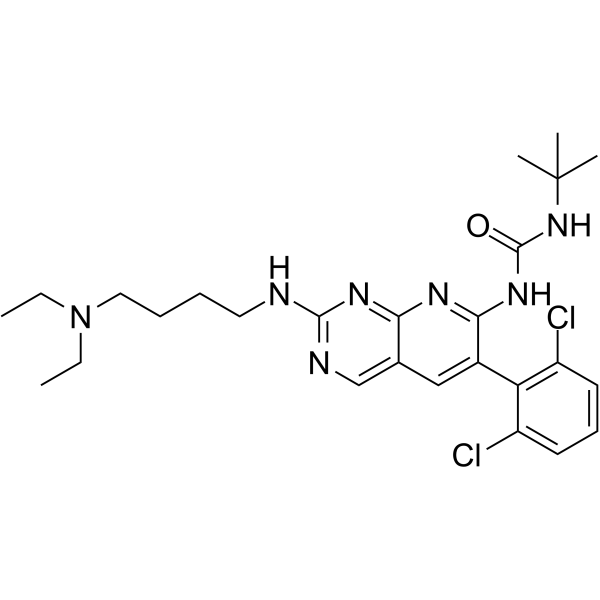
PD173074 is a potent FGFR1 inhibitor with an IC50 of 25 nM and also inhibits VEGFR2 with an IC50 of 100-200 nM, showing 1000-fold selectivity for FGFR1 over PDGFR and c-Src.
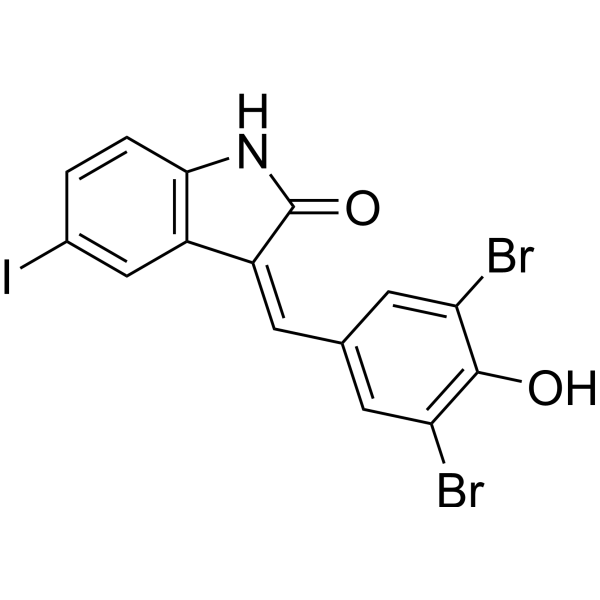
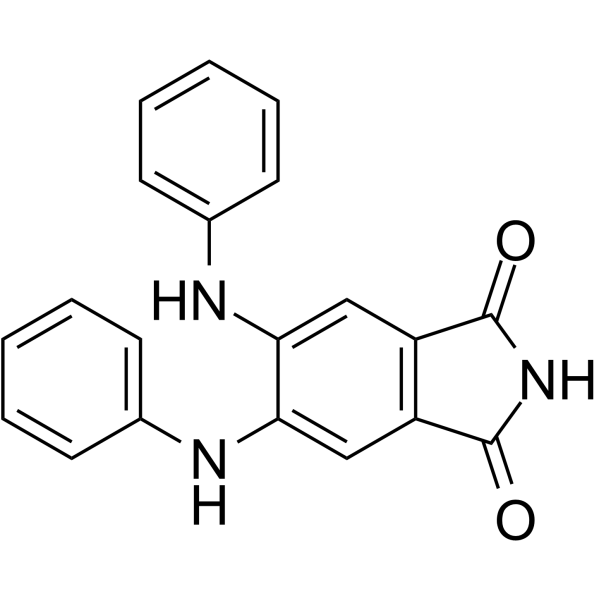
GW 5074 is a potent and selective c-Raf inhibitor with IC50 of 9 nM, and has no effect on the activities of JNK1/2/3, MEK1, MKK6/7, CDK1/2, c-Src, p38 MAP, VEGFR2 or c-Fms .
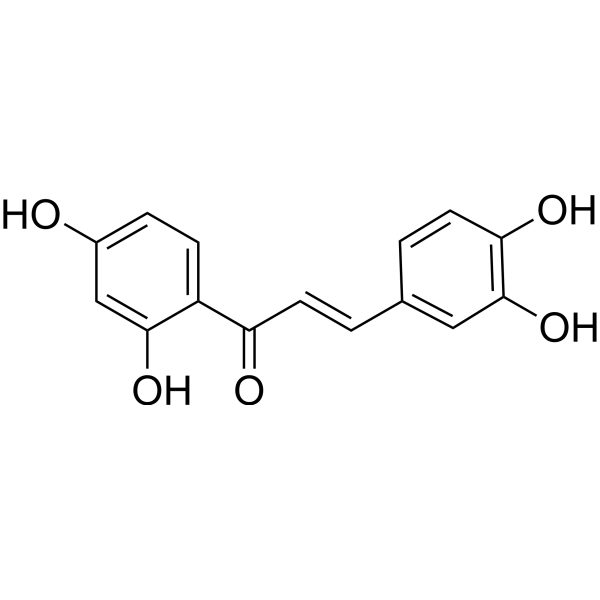
Butein is a cAMP-specific PDE inhibitor with an IC50 of 10.4 μM for PDE4 . Butein is a specific protein tyrosine kinase inhibitor with IC50s of 16 and 65 μM for EGFR and p60 c-src in HepG2 cells . Butein sensitizes HeLa cells to Cisplatin through AKT and ERK/p38 MAPK pathways by targeting FoxO3a . Butein is a SIRT1 activator (STAC).
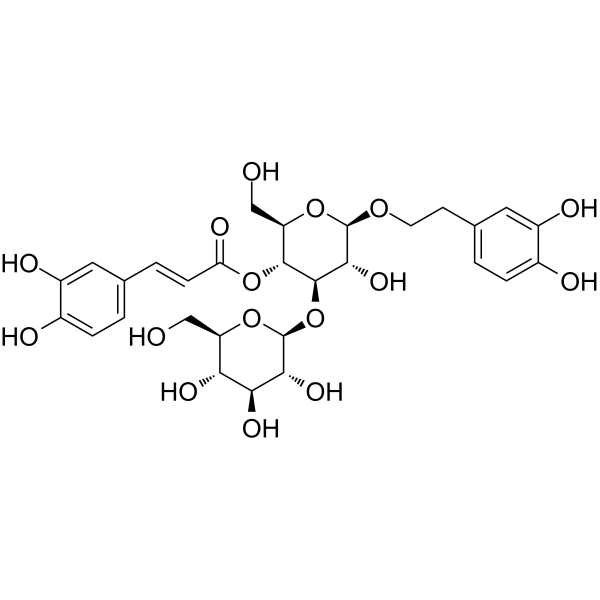
Plantamajoside is an orally active phenylpropanoid glycoside. Plantamajoside can be isolated from Plantago asiatica L.(Plantaginaceae). Plantamajoside inactivates NF-κB, PI3K/akt, induces Apoptosis, and improves Autophagy. Plantamajoside regulates MAPK, integrin-linked kinase/c-Src. Plantamajoside inhibits multiple cancers, improves lung and kidney damage. Plantamajoside has neuroprotective and anti-inflammatory effects .
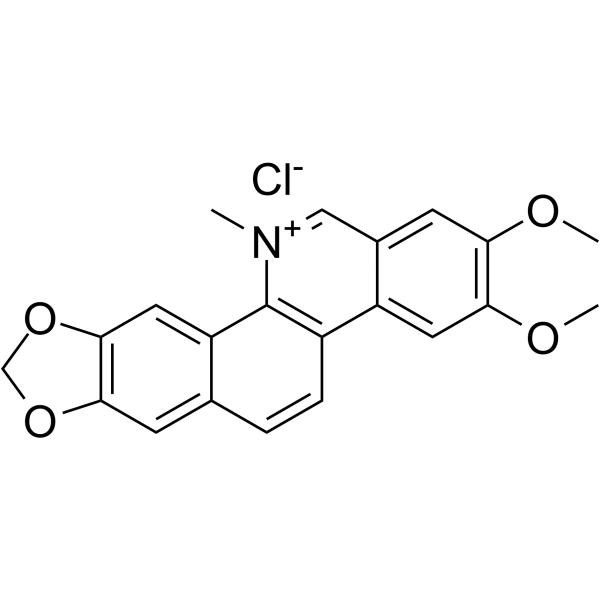
Nitidine chloride, a potential anti-malarial lead compound derived from Zanthoxylum nitidum (Roxb) DC, exerts potent anticancer activity through diverse pathways, including inducing apoptosis, inhibiting STAT3 signaling cascade, DNA topoisomerase 1 and 2A, ERK and c-Src/FAK associated signaling pathway, also has anti-inflammatory activity. Nitidine chloride inhibits LPS-induced inflammatory cytokines production via MAPK and NF-kB pathway .
AZM475271 (M475271) is an orally active and selective Src kinase inhibitor. AZM475271 inhibits phosphorylation of c-Src kinase, Lck, c-yes (IC50s = 0.01, 0.03, 0.08 μM, respectively). AZM475271 induces apoptosis. AZM475271 reduces tumor cell proliferation and migration in vitro and in vivo, and reduces microvessel density (MVD). AZM475271 inhibits tumor growth and metastasis. AZM475271 sensitizes tumor cells to the cytotoxic effects of Gemcitabine (HY-17026) .
AS601245 is an orally active, selective, ATP competitive JNK (c-Jun NH2-terminal protein kinase) inhibitor with IC50s of 150, 220, and 70 nM for three JNK human isoforms (hJNK1, hJNK2, and hJNK3), respectively. AS601245 exhibits 10- to 20-fold selectivity over c-src, CDK2, and c-Raf and more than 50- to 100-fold selectivity over a range of Ser/Thr- and Tyr-protein kinases. Neuroprotective properties .
Stemregenin 1 (SR1) (GMP) is a GMP-grade Stemregenin 1 (HY-15001). GMP-grade small molecules can be used as adjuvants in cell therapy. Stemregenin 1 is a potent aryl hydrocarbon receptor (AhR) antagonist with an IC50 of 127 nM. Stemregenin 1 (GMP) can competitively bind to AhR and inhibit its nuclear translocation, inhibiting osteoclastogenesis and promoting hematopoietic progenitor cell expansion by blocking the AhR-c-src-NF-κB/p-ERK MAPK-NFATc1 signaling pathway. Stemregenin 1 (GMP) can be used for the study of osteoporosis, in vitro expansion of hematopoietic stem cells, and the study of the mechanism of bone metabolic diseases .
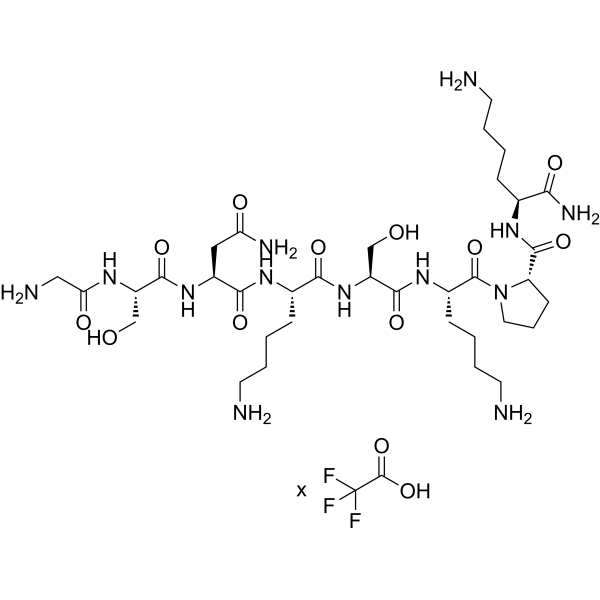
GSNKSKPK-NH2 TFA is a synthetic model peptide based on the c-Src N-terminal sequence and model peptide substrate for human NMT1 and NMT2.GSNKSKPK-NH2 TFA facilitates in vitro assays measuring transfer of myristate or X10 fatty acid moieties .
PD-161570 is a potent and ATP-competitive human FGF-1 receptor inhibitor with an IC50 of 39.9 nM and a Ki of 42 nM. PD-161570 also inhibits the PDGFR, EGFR and c-Src tyrosine kinases with IC50 values of 310 nM, 240 nM, and 44 nM, respectively. PD-161570 inhibits PDGF-stimulated autophosphorylation and FGF-1 receptor phosphorylation with IC50s of 450 nM and 622 nM, respectively . PD-161570 is also a bone morphogenetic proteins (BMPs) and TGF-β signaling inhibitor .
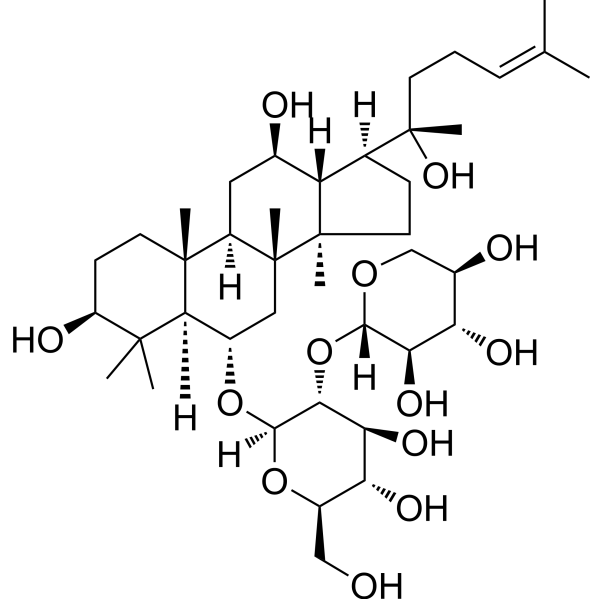
Notoginsenoside Fe (Notoginseng triterpenes; Ginsenoside Mb) is a saponin with anti-obesity and anti-neuroblastoma activities. Notoginsenoside Fe can be isolated from leaves of Panax notoginseng. Notoginsenoside Fe specifically activates paraventricular nucleus neurons in the hypothalamus, effectively reducing body weight, improving fasting blood glucose and protecting liver function by decreasing food intake, increasing resting metabolic rate and enhancing energy expenditure. Notoginsenoside Fe also inhibits the c-Src signaling pathway, blocks the proliferation and viability of human neuroblastoma cells, while improving mitochondrial dysfunction and alleviating apoptosis. Notoginsenoside Fe can be used in studies related to diet-induced obesity and neuroblastoma .
LCH-7749944 (GNF-PF-2356) is a potent PAK4 inhibitor with an IC50 of 14.93 μM. LCH-7749944 effectively suppresses the proliferation of human gastric cancer cells through downregulation of PAK4/c-Src/EGFR/cyclin D1 pathway and induces apoptosis .
Notoginsenoside R2 (20(S)-Notoginsenoside R2; Ginsenoside Ng-R2) is an orally active notoginsenoside . Notoginsenoside R2 activates P90RSK and Nrf2 via the MEK1/2-ERK1/2 pathway to inhibit 6-OHDA-induced apoptotic damage in nerve cells. Notoginsenoside R2 upregulates SOX8/β-catenin by reducing miR-27a, thereby suppressing Aβ25-35-induced neuronal apoptosis and inflammatory responses . Notoginsenoside R2 alleviates lipid accumulation and mitochondrial dysfunction in diabetic nephropathy by inhibiting c-Src. Notoginsenoside R2 alleviates hepatic fibrosis by inducing hepatic stellate cell senescence and inhibiting the inflammatory microenvironment via JAK/STAT3 suppression . Notoginsenoside R2 can be used in research related to Parkinson's disease, Alzheimer's disease, diabetic nephropathy and hepatic fibrosis .
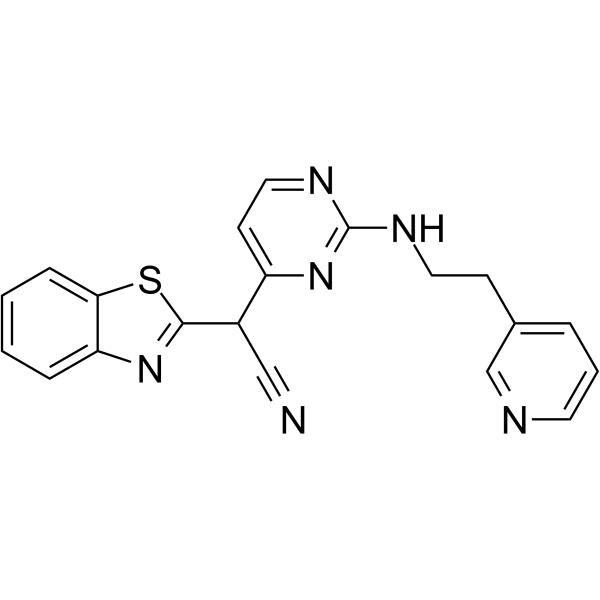
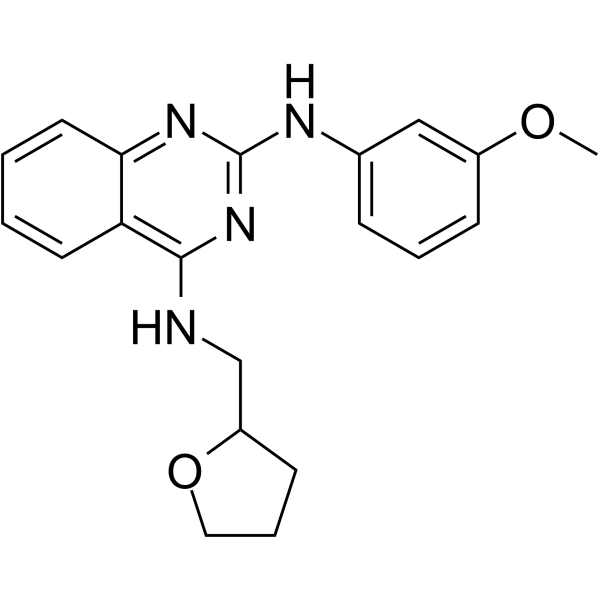
KB SRC 4 is a potent, and highly selective c-Src inhibitor, with a Ki of 44 nM and a Kd of 86 nM, and shows no inhibition on c-Abl up to 125 μM; KB SRC 4 has antitumor activity.
Apatinib-d8 (free base) is the deuterium labeled Apatinib free base . Apatinib free base (YN968D1 free base) is an orally bioavailable tyrosine kinase inhibitor, which selectively targets VEGFR-2 (IC50=1 nM). Apatinib free base (YN968D1 free base) is an anti-angiogenic drug for the research of advanced or metastatic gastric cancer. Apatinib free base (YN968D1 free base) potently inhibits Ret, c-Kit and c-Src with IC50s of 13, 429 and 530 nM, respectively. It also inhibits cellular phosphorylation of VEGFR-2, c-kit and PDGFRβ .
SC99 is an orally active, selective STAT3 inhibitor targeting JAK2-STAT3 pathway. SC99 docks into the ATP-binding pocket of JAK2. SC99 inhibits phosphorylation of JAK2 and STAT3 with no effects on the other kinases associated with STAT3 signaling. SC99 inhibits platelet activation, aggregation and displays potent anti-myeloma, anti-thrombotic activities .
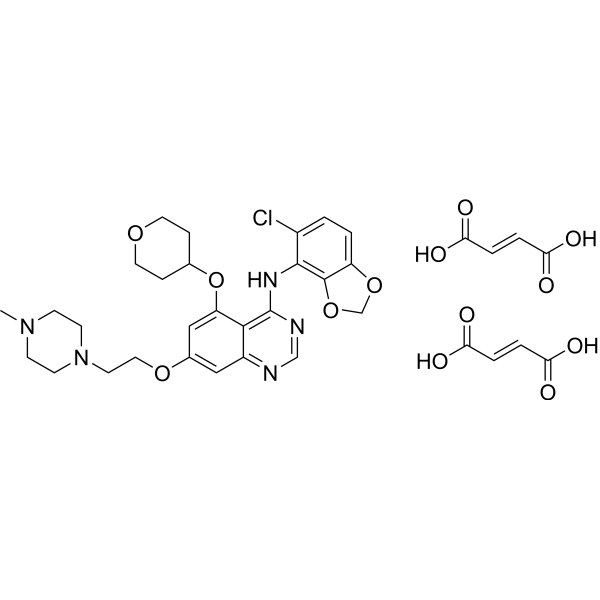
Saracatinib (AZD0530) difumarate is a potent Src inhibitor with IC50 values of 2.7-11 nM for c-Src, Lck, c-YES, Lyn, Fyn, Fgr and Blk, and is selective for other tyrosine kinases. .
YH-306 is an antitumor agent. YH-306 suppresses colorectal tumour growth and metastasis via FAK pathway. YH-306 significantly inhibits the migration and invasion of colorectal cancer cells. YH-306 potently suppresses uninhibited proliferation and induces cell apoptosis. YH-306 suppresses the activation of FAK, c-Src, paxillin, and PI3K, Rac1 and the expression of MMP2 and MMP9. YH-306 also inhibita actin-related protein (Arp2/3) complex-mediated actin polymerization .
TGF-βRI inhibitor 3 (Compound 9ac) is a selective TGF-β inhibitor. TGF-βRI inhibitor 3 can effectively inhibit the TGF-β signaling pathway. TGF-βRI inhibitor 3 has IC50 values of 13 μM and 0.63 μM for c-Src kinase and ALK5 kinase, respectively .
AZ12672857 is an orally active inhibitor of EphB4 (IC50=1.3 nM) and Src kinases. AZ12672857 shows good inhibition of proliferation of c-Src transfected 3T3 cells (IC50=2 nM) as well as autophosphorylation of EphB4 in transfected CHO-K1 cells (IC50=9 nM) .
PD-089828 is an ATP competitive inhibitor of FGFR-1, PDGFR-β and EGFR (IC50s=0.15, 1.76, and 5.47 µM, respectively) and a noncompetitive inhibitor of c-Src tyrosine kinase (IC50=0.18 µM). PD-089828 also inhibits MAPK with an IC50 of 7.1 µM. PD-089828 inhibits PDGF-, EGF- and bFGF-mediated tyrosine kinase receptor autophosphorylation in vitro. PD-089828 has a long-lasting cellular activity .
CGP52411 (DAPH) is a high selective, potent, orally active and ATP-competitive EGFR inhibitor with an IC50 of 0.3 μM. CGP52411 blocks the toxic influx of Ca 2+ ions into neuronal cells, and dramatic inhibits and reverses the formation of β-amyloid (Aβ42) fibril aggregates associated with Alzheimer's disease .
p60c-src Substrate is an efficient and specific substrate for p60c-src protein tyrosine kinase (PTK). p60c-src Substrate can be used to synthesize chimeric branched peptides .
TG53 is a potent inhibitor of tissue transglutaminase (TG2) and fibronectin (FN) protein-protein interaction. TG53 inhibits formation of a complex with integrin β1 and activation of FAK and c-Src during SKOV3 cell attachment onto FN. TG53 can be used for ovarian cancer research .
Lavendustin C is a potent Ca 2+ calmodulin-dependent kinase II (CaMK II) inhibitor with an IC50 of 0.2 µM. Lavendustin C inhibits EGFR-associated tyrosine kinase (IC50=0.012 µM) and pp60 c-src(+) kinase (IC50=0.5 µM) .
VEGFR-IN-1 (compound 3) is a potent angiogenesis inhibitor with IC50s of 0.02, 0.18, 0.24 7.3, and 7 µM for KDR, Flt-1, c-Kit, EGF-R, and c-Src, respectively .
T338C Src-IN-2 is a mutant c-Src kinase inhibitor, with an IC50 of 317 nM against T338C c-Src, 57 nM against T338C/V323A c-Src, and 19 nM against T338C/V323S c-Src. T338C Src-IN-2 inhibits the kinase activity of endogenous cysteine gatekeeper MOK. T338C Src-IN-2 reduces global phosphotyrosine levels in v-Src-ES1-transformed NIH-3T3 cells .
STAT-3/c-Src-IN-1 (Compound 12d) is a dual STAT-3 (IC50=0.844 μM) and c-Src (IC50=0.268 μM) inhibitor. STAT-3/c-Src-IN-1 blocks tumor cell proliferation, migration, and angiogenesis signaling pathways. STAT-3/c-Src-IN-1 exhibits potent anti-proliferative activity against melanoma (SK-MEL-2) and CNS cancer (SNB-75) cell lines (GI50=-5.75 μM and -5.63 μM), inducing tumor cell apoptosis via G0/G1 and G2/M phase cell cycle arrest. STAT-3/c-Src-IN-1 is promising for research of melanoma and glioblastoma .
GSNKSKPK-NH2 is a synthetic model peptide based on the c-Src N-terminal sequence and model peptide substrate for human NMT1 and NMT2.GSNKSKPK-NH2 facilitates in vitro assays measuring transfer of myristate or X10 fatty acid moieties .
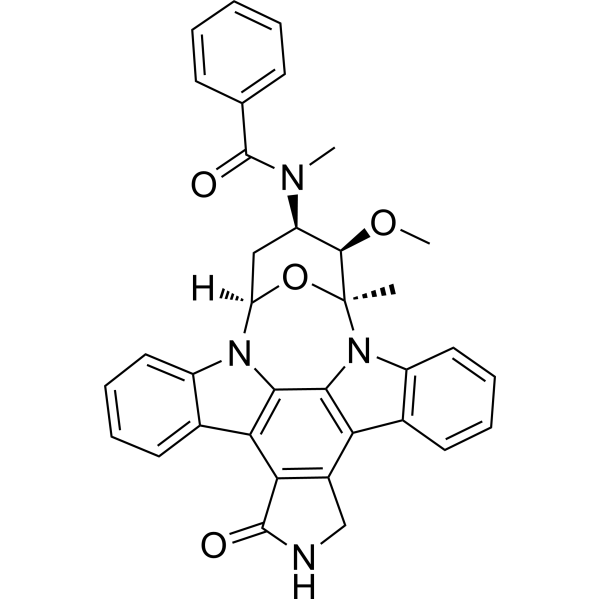
Midostaurin-d5 (PKC412-d5) is a deuterium labeled Midostaurin. Midostaurin is a multi-targeted protein kinase inhibitor which inhibits PKCα/β/γ, Syk, Flk-1, Akt, PKA, c-Kit, c-Fgr, c-Src, FLT3, PDFRβ and VEGFR1/2 with IC50s ranging from 22-500 nM .
SRC Human Pre-designed siRNA Set A contains three designed siRNAs for SRC gene (Human), as well as a negative control, a positive control, and a FAM-labeled negative control.
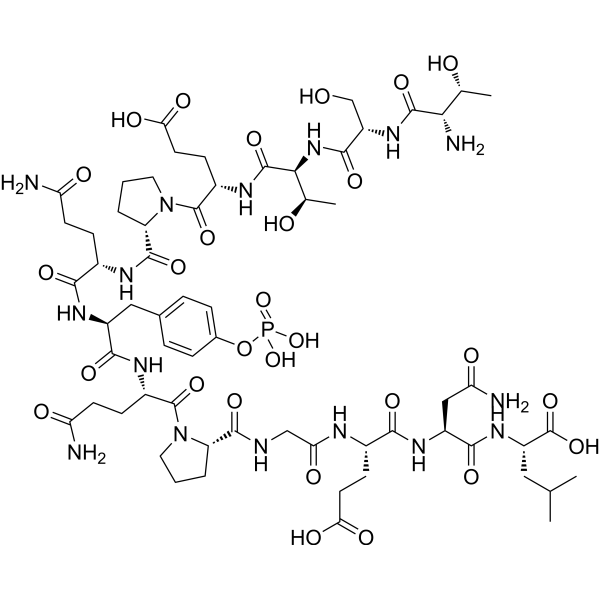
p60c-src substrate II,phosphorylated is a pentapeptide. p60c-src substrate II,phosphorylated is a p60c-src substrate II phosphorylated polypeptide. Protein phosphorylation is an important post-translationmodification of protein that is indispensible in biological regulations .
cSRC/BCR-ABL-IN-1 (compound 21b) is a potent Bcr-Abl and C-Src inhibitor with IC50 values of 56.2, 101 nM for Bcr-Abl, C-Src, respectively. cSRC/BCR-ABL-IN-1 shows cytotoxicity activity .
Butein (Standard) is the analytical standard of Butein. This product is intended for research and analytical applications. Butein is a cAMP-specific PDE inhibitor with an IC50 of 10.4 μM for PDE4 . Butein is a specific protein tyrosine kinase inhibitor with IC50s of 16 and 65 μM for EGFR and p60c-src in HepG2 cells . Butein sensitizes HeLa cells to Cisplatin through AKT and ERK/p38 MAPK pathways by targeting FoxO3a . Butein is a SIRT1 activator (STAC).
Midostaurin (Standard) is the analytical standard of Midostaurin. This product is intended for research and analytical applications. Midostaurin (PKC412; CGP 41251) is an orally active, reversible multi-targeted protein kinase inhibitor. Midostaurin inhibits PKCα/β/γ, Syk, Flk-1, Akt, PKA, c-Kit, c-Fgr, c-Src, FLT3, PDFRβ and VEGFR1/2 with IC50s ranging from 22-500 nM . Midostaurin also upregulates endothelial nitric oxide synthase (eNOS) gene expression. Midostaurin shows powerful anticancer effects .
T338C Src-IN-1 is a potent mutant-Src T338C inhibitor; exhibited the most potent inhibition of T338C(IC50=111 nM) relative to WT c-Src (10-fold increase).
LCB 03-0110, a thienopyridine derivative, is a potent pan-discoidin domain receptor/c-Src family tyrosine kinase inhibitor. LCB 03-0110 suppresses scar formation by inhibiting fibroblast and macrophage activation .
GL-1196 is an inhibitor of PAK4. GL-1196 can suppress the proliferation and invasion of gastric cancer cells. GL-1196 inhibits PAK4-mediated signaling pathways. GL-1196 can hinder the proliferation of human gastric cancer cells through suppressing PAK4/c-Src/EGFR/CyclinD1 and CDK4/6. GL-1196 can reduce filamentous pseudopodia formation and induce filamentous pseudopodia formation and promote cell elongation in SGC7901 and BGC823 cells. GL-1196 can be studied in anti-cancer research .
(R)-LW-Srci-8 is a selective covalent inhibitor of c-Src (IC50= 35.83 nM) that disrupts the autophosphorylation of c-Src by targeting its autophosphorylation site (Y419) .
cyt-PTPε Inhibitor-1 is a potent cytosolic protein tyrosine phosphatase epsilon (cyt-PTPε) inhibitor, binds to the catalytic domain of cyt-PTPε, blocks c-Src activation (dephosphorylation of c-Src), and exhibits anti-osteoclastic activity .
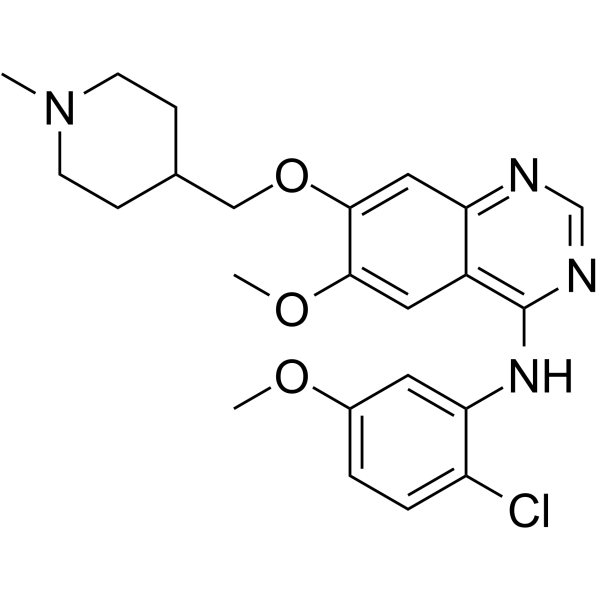
CGP062464 is an inhibitor of the tyrosine kinase c-Src (IC50: < 50 nM). CGP062464 can be used for research of osteoporosis and tumor-induced hypercalcemia .
PD173074 (Standard) is the analytical standard of PD173074. This product is intended for research and analytical applications. PD173074 is a potent FGFR1 inhibitor with an IC50 of 25 nM and also inhibits VEGFR2 with an IC50 of 100-200 nM, showing 1000-fold selectivity for FGFR1 over PDGFR and c-Src.
Saracatinib (difumarate) (Standard) is the analytical standard of Saracatinib (difumarate). This product is intended for research and analytical applications. Saracatinib (AZD0530) difumarate is a potent Src inhibitor with IC50 values of 2.7-11 nM for c-Src, Lck, c-YES, Lyn, Fyn, Fgr and Blk, and is selective for other tyrosine kinases. .
N-Acetyl-O-phosphono-Tyr-Glu dipentylamide (Ac-Tyr-Glu-N(n-C5H11)2), a dipeptide, is a pp60 c-src SH2 domain inhibitor. N-Acetyl-O-phosphono-Tyr-Glu dipentylamide can be used for cancer research .
Saracatinib (Standard) is the analytical standard of Saracatinib. This product is intended for research and analytical applications. Saracatinib (AZD0530) is a potent Src family inhibitor with IC50s of 2.7 to 11 nM for c-Src, Lck, c-YES, Lyn, Fyn, Fgr, and Blk. Saracatinib shows high selectivity over other tyrosine kinases .
14,15-EET-SI is a sulfonimide (SI) analog metabolized from 14,15-EET, which is also an effective mitogen. 14,15-EET-SI can stimulate the incorporation of [3H] thymidine, activate pp60c-src and initiate the tyrosine kinase cascade, mediating their mitotic effects. Additionally, 14,15-EET-SI can increase cell proliferation as well as the expression of c-fos and egr-1 mRNA .
Nitidine (chloride) (Standard) is the analytical standard of Nitidine (chloride). This product is intended for research and analytical applications. Nitidine chloride, a potential anti-malarial lead compound derived from Zanthoxylum nitidum (Roxb) DC, exerts potent anticancer activity through diverse pathways, including inducing apoptosis, inhibiting STAT3 signaling cascade, DNA topoisomerase 1 and 2A, ERK and c-Src/FAK associated signaling pathway. Nitidine chloride inhibits LPS-induced inflammatory cytokines production via MAPK and NF-kB pathway .
Plantamajoside (Standard) is the analytical standard of Plantamajoside. This product is intended for use in research and analytical applications. Plantamajoside is an orally active phenylpropanoid glycoside. Plantamajoside can be isolated from Plantago asiatica L.(Plantaginaceae). Plantamajoside inactivates NF-κB, PI3K/akt, induces Apoptosis, and improves Autophagy. Plantamajoside regulates MAPK, integrin-linked kinase/c-Src. Plantamajoside inhibits multiple cancers, improves lung and kidney damage. Plantamajoside has neuroprotective and anti-inflammatory effects .
BCR-ABL-IN-13 is a dual c-Src and Abl inhibitor, with a Ki value of 0.55 μM against c-Src, 0.10 μM against wild-type Abl, and 0.40 μM against the Abl T315I mutant. BCR-ABL-IN-13 exerts competitive/mixed-type inhibitory effects on wild-type Abl, and non-competitive inhibitory effects on the drug-resistant Abl T315I mutant. BCR-ABL-IN-13 can be used for the research of chronic myeloid leukemia .
Multi-kinase-IN-12 is a non-selective multi-target inhibitor, with IC50 values against human targets as follows: Flt3 < 0.001 μM, c-Src 0.002 μM, KDR 0.004 μM, Eph-A2, MNK-1 and Flt1 0.011 μM, Lck 0.016 μM, Rsk1 0.21 μM, and α2 subunit of AMPK 0.041 μM. Multi-kinase-IN-12 can be used in research related to solid tumors .
KB SRC 4 (Standard) is the analytical standard of KB SRC 4 (HY-108488). This product is intended for research and analytical applications. KB SRC 4 is a potent, and highly selective c-Src inhibitor, with a Ki of 44 nM and a Kd of 86 nM, and shows no inhibition on c-Abl up to 125 μM; KB SRC 4 has antitumor activity.
BTK-IN-48 is a BTK inhibitor with an IC50 of 1.14 μM. BTK-IN-48 inhibits recombinant BTK and c-Src, and exerts moderate inhibitory effects on LCK, BMX/ETK, FLT3 and PIM1. BTK-IN-48 can be used in the research of B-cell malignancies and autoimmune diseases .
GW 5074 (Standard) is the analytical standard of GW 5074 (HY-10542). This product is intended for research and analytical applications. GW 5074 is a potent and selective c-Raf inhibitor with IC50 of 9 nM, and has no effect on the activities of JNK1/2/3, MEK1, MKK6/7, CDK1/2, c-Src, p38 MAP, VEGFR2 or c-Fms .
AS601245 TFA is an orally active, selective, ATP competitive JNK (c-Jun NH2-terminal protein kinase) inhibitor with IC50s of 150, 220, and 70 nM for three JNK human isoforms (hJNK1, hJNK2, and hJNK3), respectively. AS601245 TFA exhibits 10- to 20-fold selectivity over c-src, CDK2, and c-Raf and more than 50- to 100-fold selectivity over a range of Ser/Thr- and Tyr-protein kinases. Neuroprotective properties .
Apolipoprotein KV domain (67-77) is an 11-amino acid peptide identified from the KV domain of human apolipoprotein a (ApoA) with antiangiogenic and antitumor activities. Apolipoprotein KV domain (67-77) targets the angiogenic c-Src/ERK pathway by blocking activation signals received from vascular endothelial growth factor (VEGF). Apolipoprotein KV domain (67-77) can be used in cancer research .
CGP52411 (Standard) is the analytical standard of CGP52411 (HY-103442). This product is intended for research and analytical applications. CGP52411 (DAPH) is a high selective, potent, orally active and ATP-competitive EGFR inhibitor with an IC50 of 0.3 μM. CGP52411 blocks the toxic influx of Ca2+ ions into neuronal cells, and dramatic inhibits and reverses the formation of β-amyloid (Aβ42) fibril aggregates associated with Alzheimer's disease .
Stemregenin 1 (SR1) (GMP) is a GMP-grade Stemregenin 1 (HY-15001). GMP-grade small molecules can be used as adjuvants in cell therapy. Stemregenin 1 is a potent aryl hydrocarbon receptor (AhR) antagonist with an IC50 of 127 nM. Stemregenin 1 (GMP) can competitively bind to AhR and inhibit its nuclear translocation, inhibiting osteoclastogenesis and promoting hematopoietic progenitor cell expansion by blocking the AhR-c-src-NF-κB/p-ERK MAPK-NFATc1 signaling pathway. Stemregenin 1 (GMP) can be used for the study of osteoporosis, in vitro expansion of hematopoietic stem cells, and the study of the mechanism of bone metabolic diseases .
GSNKSKPK-NH2 TFA is a synthetic model peptide based on the c-Src N-terminal sequence and model peptide substrate for human NMT1 and NMT2.GSNKSKPK-NH2 TFA facilitates in vitro assays measuring transfer of myristate or X10 fatty acid moieties .
p60c-src Substrate is an efficient and specific substrate for p60c-src protein tyrosine kinase (PTK). p60c-src Substrate can be used to synthesize chimeric branched peptides .
GSNKSKPK-NH2 is a synthetic model peptide based on the c-Src N-terminal sequence and model peptide substrate for human NMT1 and NMT2.GSNKSKPK-NH2 facilitates in vitro assays measuring transfer of myristate or X10 fatty acid moieties .
p60c-src substrate II,phosphorylated is a pentapeptide. p60c-src substrate II,phosphorylated is a p60c-src substrate II phosphorylated polypeptide. Protein phosphorylation is an important post-translationmodification of protein that is indispensible in biological regulations .
Apolipoprotein KV domain (67-77) is an 11-amino acid peptide identified from the KV domain of human apolipoprotein a (ApoA) with antiangiogenic and antitumor activities. Apolipoprotein KV domain (67-77) targets the angiogenic c-Src/ERK pathway by blocking activation signals received from vascular endothelial growth factor (VEGF). Apolipoprotein KV domain (67-77) can be used in cancer research .
Butein is a cAMP-specific PDE inhibitor with an IC50 of 10.4 μM for PDE4 . Butein is a specific protein tyrosine kinase inhibitor with IC50s of 16 and 65 μM for EGFR and p60 c-src in HepG2 cells . Butein sensitizes HeLa cells to Cisplatin through AKT and ERK/p38 MAPK pathways by targeting FoxO3a . Butein is a SIRT1 activator (STAC).
Plantamajoside is an orally active phenylpropanoid glycoside. Plantamajoside can be isolated from Plantago asiatica L.(Plantaginaceae). Plantamajoside inactivates NF-κB, PI3K/akt, induces Apoptosis, and improves Autophagy. Plantamajoside regulates MAPK, integrin-linked kinase/c-Src. Plantamajoside inhibits multiple cancers, improves lung and kidney damage. Plantamajoside has neuroprotective and anti-inflammatory effects .
Nitidine chloride, a potential anti-malarial lead compound derived from Zanthoxylum nitidum (Roxb) DC, exerts potent anticancer activity through diverse pathways, including inducing apoptosis, inhibiting STAT3 signaling cascade, DNA topoisomerase 1 and 2A, ERK and c-Src/FAK associated signaling pathway, also has anti-inflammatory activity. Nitidine chloride inhibits LPS-induced inflammatory cytokines production via MAPK and NF-kB pathway .
Notoginsenoside Fe (Notoginseng triterpenes; Ginsenoside Mb) is a saponin with anti-obesity and anti-neuroblastoma activities. Notoginsenoside Fe can be isolated from leaves of Panax notoginseng. Notoginsenoside Fe specifically activates paraventricular nucleus neurons in the hypothalamus, effectively reducing body weight, improving fasting blood glucose and protecting liver function by decreasing food intake, increasing resting metabolic rate and enhancing energy expenditure. Notoginsenoside Fe also inhibits the c-Src signaling pathway, blocks the proliferation and viability of human neuroblastoma cells, while improving mitochondrial dysfunction and alleviating apoptosis. Notoginsenoside Fe can be used in studies related to diet-induced obesity and neuroblastoma .
Notoginsenoside R2 (20(S)-Notoginsenoside R2; Ginsenoside Ng-R2) is an orally active notoginsenoside . Notoginsenoside R2 activates P90RSK and Nrf2 via the MEK1/2-ERK1/2 pathway to inhibit 6-OHDA-induced apoptotic damage in nerve cells. Notoginsenoside R2 upregulates SOX8/β-catenin by reducing miR-27a, thereby suppressing Aβ25-35-induced neuronal apoptosis and inflammatory responses . Notoginsenoside R2 alleviates lipid accumulation and mitochondrial dysfunction in diabetic nephropathy by inhibiting c-Src. Notoginsenoside R2 alleviates hepatic fibrosis by inducing hepatic stellate cell senescence and inhibiting the inflammatory microenvironment via JAK/STAT3 suppression . Notoginsenoside R2 can be used in research related to Parkinson's disease, Alzheimer's disease, diabetic nephropathy and hepatic fibrosis .
Butein (Standard) is the analytical standard of Butein. This product is intended for research and analytical applications. Butein is a cAMP-specific PDE inhibitor with an IC50 of 10.4 μM for PDE4 . Butein is a specific protein tyrosine kinase inhibitor with IC50s of 16 and 65 μM for EGFR and p60c-src in HepG2 cells . Butein sensitizes HeLa cells to Cisplatin through AKT and ERK/p38 MAPK pathways by targeting FoxO3a . Butein is a SIRT1 activator (STAC).
Nitidine (chloride) (Standard) is the analytical standard of Nitidine (chloride). This product is intended for research and analytical applications. Nitidine chloride, a potential anti-malarial lead compound derived from Zanthoxylum nitidum (Roxb) DC, exerts potent anticancer activity through diverse pathways, including inducing apoptosis, inhibiting STAT3 signaling cascade, DNA topoisomerase 1 and 2A, ERK and c-Src/FAK associated signaling pathway. Nitidine chloride inhibits LPS-induced inflammatory cytokines production via MAPK and NF-kB pathway .
Plantamajoside (Standard) is the analytical standard of Plantamajoside. This product is intended for use in research and analytical applications. Plantamajoside is an orally active phenylpropanoid glycoside. Plantamajoside can be isolated from Plantago asiatica L.(Plantaginaceae). Plantamajoside inactivates NF-κB, PI3K/akt, induces Apoptosis, and improves Autophagy. Plantamajoside regulates MAPK, integrin-linked kinase/c-Src. Plantamajoside inhibits multiple cancers, improves lung and kidney damage. Plantamajoside has neuroprotective and anti-inflammatory effects .
CSK protein is a non-receptor tyrosine protein kinase that regulates cell growth, differentiation, migration and immune responses by phosphorylating Src family kinases (SFK) (such as LCK, SRC, HCK, FYN, LYN, CSK or YES1) . This phosphorylation induces SFK to form an inactive conformation, thereby inhibiting signaling by receptors such as T cell receptor (TCR) and B cell receptor (BCR). CSK Protein, Mouse (sf9) is the recombinant mouse-derived CSK protein, expressed by Sf9 insect cells , with tag free.
CSK is a non-receptor tyrosine protein kinase that critically regulates cell growth, differentiation, migration and immune responses by phosphorylating tyrosine residues in the C-terminal tail of Src family kinases (SFK). This induces an inactive conformation through intramolecular interactions with the SH2 domain of SFK. CSK Protein, Human (Active, sf9, GST) is the recombinant human-derived CSK protein, expressed by Sf9 insect cells , with N-GST labeled tag.
CSK protein is a non-receptor tyrosine protein kinase that regulates cell growth, differentiation, migration and immune responses by phosphorylating Src family kinases (SFK) (such as LCK, SRC, HCK, FYN, LYN, CSK or YES1) . This phosphorylation induces SFK to form an inactive conformation, thereby inhibiting signaling by receptors such as T cell receptor (TCR) and B cell receptor (BCR). CSK Protein, Mouse (sf9, His-GST) is the recombinant mouse-derived CSK protein, expressed by Sf9 insect cells , with N-His, N-GST labeled tag.
Src is a non-receptor protein tyrosine kinase that centralizes multiple cellular processes triggered by various receptors. It controls gene transcription, immune response, adhesion, cell cycle, apoptosis, migration and transformation. SRC Protein, Human (His) is the recombinant human-derived SRC protein, expressed by E. coli , with N-10*His labeled tag.
Src is a non-receptor protein tyrosine kinase that centralizes multiple cellular processes triggered by various receptors. It controls gene transcription, immune response, adhesion, cell cycle, apoptosis, migration and transformation. Src Protein, Human (sf9, His-GST) is the recombinant human-derived Src protein, expressed by Sf9 insect cells , with N-His, N-GST labeled tag.
Src, a non-receptor protein tyrosine kinase, displays a unique ability to phosphorylate synaptophysin with high affinity.Src Protein, Mouse (sf9, His-GST) is the recombinant mouse-derived Src protein, expressed by Sf9 insect cells , with N-His, N-GST labeled tag.
Apatinib-d8 (free base) is the deuterium labeled Apatinib free base . Apatinib free base (YN968D1 free base) is an orally bioavailable tyrosine kinase inhibitor, which selectively targets VEGFR-2 (IC50=1 nM). Apatinib free base (YN968D1 free base) is an anti-angiogenic drug for the research of advanced or metastatic gastric cancer. Apatinib free base (YN968D1 free base) potently inhibits Ret, c-Kit and c-Src with IC50s of 13, 429 and 530 nM, respectively. It also inhibits cellular phosphorylation of VEGFR-2, c-kit and PDGFRβ .
Midostaurin-d5 (PKC412-d5) is a deuterium labeled Midostaurin. Midostaurin is a multi-targeted protein kinase inhibitor which inhibits PKCα/β/γ, Syk, Flk-1, Akt, PKA, c-Kit, c-Fgr, c-Src, FLT3, PDFRβ and VEGFR1/2 with IC50s ranging from 22-500 nM .
SRC Human Pre-designed siRNA Set A contains three designed siRNAs for SRC gene (Human), as well as a negative control, a positive control, and a FAM-labeled negative control.
Stemregenin 1 (SR1) (GMP) is a GMP-grade Stemregenin 1 (HY-15001). GMP-grade small molecules can be used as adjuvants in cell therapy. Stemregenin 1 is a potent aryl hydrocarbon receptor (AhR) antagonist with an IC50 of 127 nM. Stemregenin 1 (GMP) can competitively bind to AhR and inhibit its nuclear translocation, inhibiting osteoclastogenesis and promoting hematopoietic progenitor cell expansion by blocking the AhR-c-src-NF-κB/p-ERK MAPK-NFATc1 signaling pathway. Stemregenin 1 (GMP) can be used for the study of osteoporosis, in vitro expansion of hematopoietic stem cells, and the study of the mechanism of bone metabolic diseases .
Inquiry Online
Your information is safe with us. * Required Fields.
Western blot analysis of extracts from THP-1(lane 2(20μg), Jurkat (lane 3(20μg) and NIH3T3(lane 4(20μg) using FOXO1A (HY-P80132) Rabbit mAb. Proteins were transferred
to a PVDF membrane and blocked with 5% non-fat milk in TBST for 2 hour at room temperature. The primary antibody (1/1000) and Loading control antibody (Beta Actin, HY-P80438, 1/10000) was
used in 5% non-fat milk in TBST at 4°C overnight. Goat Anti-Mouse/Rabbit IgG-HRP Secondary Antibody (1/10000) was used for 1 hour at room temperature.
Western blot analysis of extracts from THP-1(lane 2(20μg), Jurkat (lane 3(20μg) and NIH3T3(lane 4(20μg) using FOXO1A (HY-P80132) Rabbit mAb. Proteins were transferred
to a PVDF membrane and blocked with 5% non-fat milk in TBST for 2 hour at room temperature. The primary antibody (1/1000) and Loading control antibody (Beta Actin, HY-P80438, 1/10000) was
used in 5% non-fat milk in TBST at 4°C overnight. Goat Anti-Mouse/Rabbit IgG-HRP Secondary Antibody (1/10000) was used for 1 hour at room temperature.
Western blot analysis of extracts from THP-1(lane 2(20μg), Jurkat (lane 3(20μg) and NIH3T3(lane 4(20μg) using FOXO1A (HY-P80132) Rabbit mAb. Proteins were transferred
to a PVDF membrane and blocked with 5% non-fat milk in TBST for 2 hour at room temperature. The primary antibody (1/1000) and Loading control antibody (Beta Actin, HY-P80438, 1/10000) was
used in 5% non-fat milk in TBST at 4°C overnight. Goat Anti-Mouse/Rabbit IgG-HRP Secondary Antibody (1/10000) was used for 1 hour at room temperature.
Western blot analysis of extracts from THP-1(lane 2(20μg), Jurkat (lane 3(20μg) and NIH3T3(lane 4(20μg) using FOXO1A (HY-P80132) Rabbit mAb. Proteins were transferred
to a PVDF membrane and blocked with 5% non-fat milk in TBST for 2 hour at room temperature. The primary antibody (1/1000) and Loading control antibody (Beta Actin, HY-P80438, 1/10000) was
MedchemExpress Validation 03
Western blot analysis of extracts from THP-1(lane 2(20μg), Jurkat (lane 3(20μg) and NIH3T3(lane 4(20μg) using FOXO1A (HY-P80132) Rabbit mAb. Proteins were transferred
MedchemExpress Validation 04
Western blot analysis of extracts from THP-1(lane 2(20μg), Jurkat (lane 3(20μg) and NIH3T3(lane 4(20μg) using FOXO1A (HY-P80132) Rabbit mAb. Proteins were transferred
to a PVDF membrane and blocked with 5% non-fat milk in TBST for 2 hour at room temperature. The primary antibody (1/1000) and Loading control antibody (Beta Actin, HY-P80438, 1/10000) was
used in 5% non-fat milk in TBST at 4°C overnight. Goat Anti-Mouse/Rabbit IgG-HRP Secondary Antibody (1/10000) was used for 1 hour at room temperature.
MedchemExpress Validation
Western blot analysis of extracts from THP-1(lane 2(20μg), Jurkat (lane 3(20μg) and NIH3T3(lane 4(20μg) using FOXO1A (HY-P80132) Rabbit mAb. Proteins were transferred
to a PVDF membrane and blocked with 5% non-fat milk in TBST for 2 hour at room temperature. The primary antibody (1/1000) and Loading control antibody (Beta Actin, HY-P80438, 1/10000) was
used in 5% non-fat milk in TBST at 4°C overnight. Goat Anti-Mouse/Rabbit IgG-HRP Secondary Antibody (1/10000) was used for 1 hour at room temperature.
Western blot analysis of extracts from THP-1(lane 2(20μg), Jurkat (lane 3(20μg) and NIH3T3(lane 4(20μg) using FOXO1A (HY-P80132) Rabbit mAb. Proteins were transferred
to a PVDF membrane and blocked with 5% non-fat milk in TBST for 2 hour at room temperature. The primary antibody (1/1000) and Loading control antibody (Beta Actin, HY-P80438, 1/10000) was
used in 5% non-fat milk in TBST at 4°C overnight. Goat Anti-Mouse/Rabbit IgG-HRP Secondary Antibody (1/10000) was used for 1 hour at room temperature.
MedchemExpress Validation
Western blot analysis of extracts from THP-1(lane 2(20μg), Jurkat (lane 3(20μg) and NIH3T3(lane 4(20μg) using FOXO1A (HY-P80132) Rabbit mAb. Proteins were transferred
to a PVDF membrane and blocked with 5% non-fat milk in TBST for 2 hour at room temperature. The primary antibody (1/1000) and Loading control antibody (Beta Actin, HY-P80438, 1/10000) was
used in 5% non-fat milk in TBST at 4°C overnight. Goat Anti-Mouse/Rabbit IgG-HRP Secondary Antibody (1/10000) was used for 1 hour at room temperature.
MedchemExpress Validation
Western blot analysis of extracts from THP-1(lane 2(20μg), Jurkat (lane 3(20μg) and NIH3T3(lane 4(20μg) using FOXO1A (HY-P80132) Rabbit mAb. Proteins were transferred
to a PVDF membrane and blocked with 5% non-fat milk in TBST for 2 hour at room temperature. The primary antibody (1/1000) and Loading control antibody (Beta Actin, HY-P80438, 1/10000) was
used in 5% non-fat milk in TBST at 4°C overnight. Goat Anti-Mouse/Rabbit IgG-HRP Secondary Antibody (1/10000) was used for 1 hour at room temperature.
MedchemExpress Validation
Western blot analysis of extracts from THP-1(lane 2(20μg), Jurkat (lane 3(20μg) and NIH3T3(lane 4(20μg) using FOXO1A (HY-P80132) Rabbit mAb. Proteins were transferred
to a PVDF membrane and blocked with 5% non-fat milk in TBST for 2 hour at room temperature. The primary antibody (1/1000) and Loading control antibody (Beta Actin, HY-P80438, 1/10000) was
used in 5% non-fat milk in TBST at 4°C overnight. Goat Anti-Mouse/Rabbit IgG-HRP Secondary Antibody (1/10000) was used for 1 hour at room temperature.
MedchemExpress Validation
Western blot analysis of extracts from THP-1(lane 2(20μg), Jurkat (lane 3(20μg) and NIH3T3(lane 4(20μg) using FOXO1A (HY-P80132) Rabbit mAb. Proteins were transferred
to a PVDF membrane and blocked with 5% non-fat milk in TBST for 2 hour at room temperature. The primary antibody (1/1000) and Loading control antibody (Beta Actin, HY-P80438, 1/10000) was
used in 5% non-fat milk in TBST at 4°C overnight. Goat Anti-Mouse/Rabbit IgG-HRP Secondary Antibody (1/10000) was used for 1 hour at room temperature.
MedchemExpress Validation
Western blot analysis of extracts from THP-1(lane 2(20μg), Jurkat (lane 3(20μg) and NIH3T3(lane 4(20μg) using FOXO1A (HY-P80132) Rabbit mAb. Proteins were transferred
to a PVDF membrane and blocked with 5% non-fat milk in TBST for 2 hour at room temperature. The primary antibody (1/1000) and Loading control antibody (Beta Actin, HY-P80438, 1/10000) was
used in 5% non-fat milk in TBST at 4°C overnight. Goat Anti-Mouse/Rabbit IgG-HRP Secondary Antibody (1/10000) was used for 1 hour at room temperature.
MedchemExpress Validation
Western blot analysis of extracts from THP-1(lane 2(20μg), Jurkat (lane 3(20μg) and NIH3T3(lane 4(20μg) using FOXO1A (HY-P80132) Rabbit mAb. Proteins were transferred
to a PVDF membrane and blocked with 5% non-fat milk in TBST for 2 hour at room temperature. The primary antibody (1/1000) and Loading control antibody (Beta Actin, HY-P80438, 1/10000) was
used in 5% non-fat milk in TBST at 4°C overnight. Goat Anti-Mouse/Rabbit IgG-HRP Secondary Antibody (1/10000) was used for 1 hour at room temperature.
MedChemExpress values your privacy and your trust is important to us. We use cookies to enhance your website experience. Some cookies are necessary to run the website.
Privacy and Cookie Policy

