From 11:00 pm to 12:00 pm EST ( 8:00 pm to 9:00 pm PST ) on January 6th, the website will be under maintenance. We are sorry for the inconvenience. Please arrange your schedule properly.
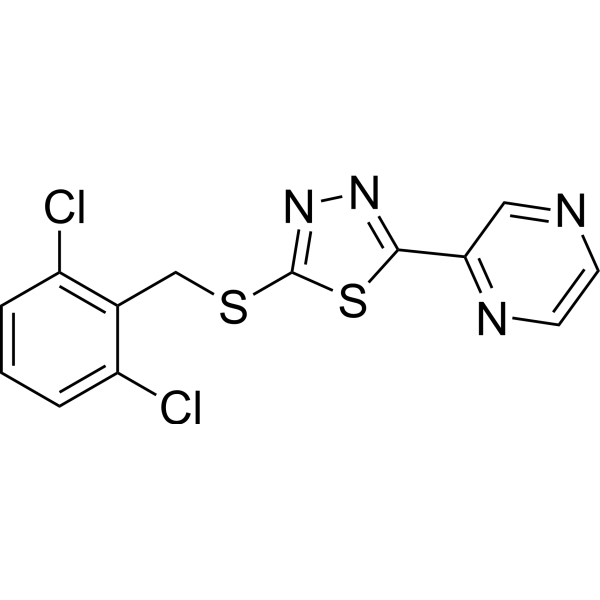
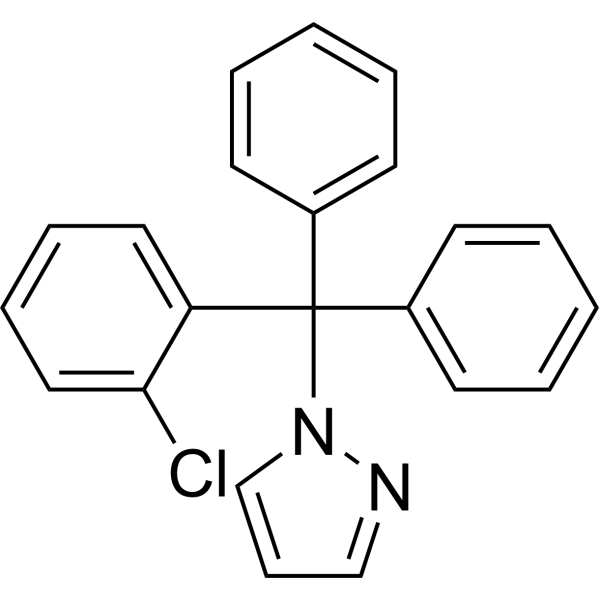
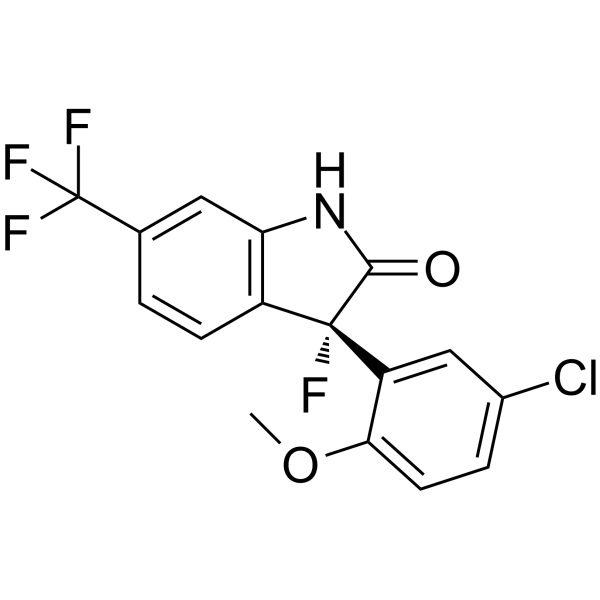
Yoda 1 is a potent and selective Piezo1 agonist. Yoda 1 activates purified Piezo1 channels. Yoda 1 potently inhibits macropinocytosis induced by epidermal growth factor (EGF). Yoda 1 enhances Ca 2+ influx followed by activation of the calcium-activated potassium channel KCa3.1 and inhibition of Rac1activation .
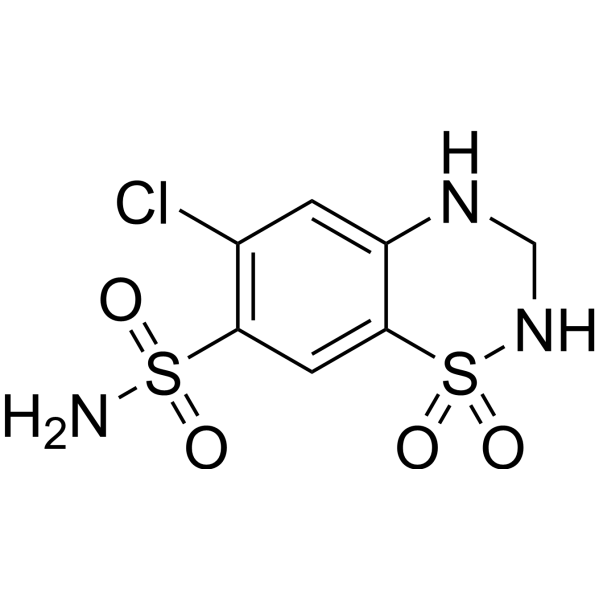
Hydrochlorothiazide (HCTZ), an orally active diuretic agent of the thiazide class, inhibits transforming TGF-β/Smad signaling pathway. Hydrochlorothiazide has direct vascular relaxant effects via opening of the calcium-activated potassium (KCA) channel. Hydrochlorothiazide improves cardiac function, reduces fibrosis and has antihypertensive effect .
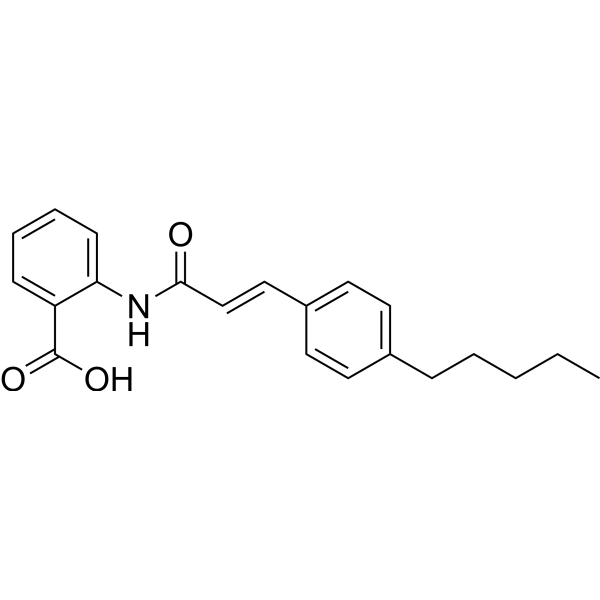
(E/Z)-BML264 (N-(p-amylcinnamoyl) Anthranilic Acid) is a broad spectrum Phospholipase A2 (PLA2) inhibitor and TRP channel blocker . (E/Z)-BML264 (N-(p-amylcinnamoyl) Anthranilic Acid) is also an effective reversible inhibitor of calcium-activated chloride channels, has potential to treat arrhythmia .
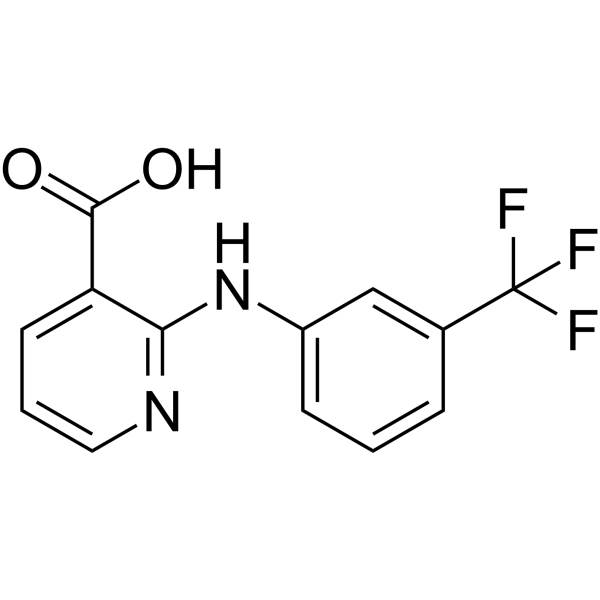
Niflumic acid is a calcium-activatedchloride channel blocker and COX-2 inhibitor with the IC50 value of 100 nM. Niflumic acid induces apoptosis through caspase-8/Bid/Bax pathway in lung cancer cells. Niflumic acide exhibits anti-tumor activity by affecting the expression of ERK1/2 and the activity of MMP2 and MMP9. Niflumic acid has orally bioactivity. Niflumic acid acts on rheumatoid arthritis .
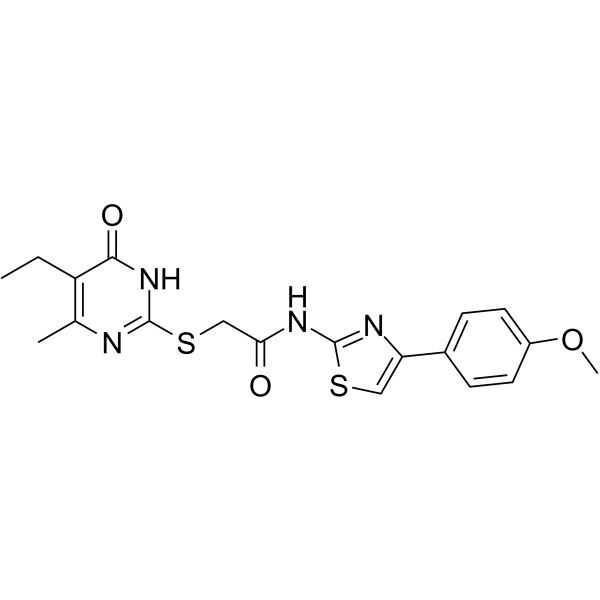
T16Ainh-A01, an aminophenylthiazole, is a potent transmembrane protein 16A (TMEM16A) inhibitor, inhibiting TMEM16A-mediated chloride currents with an IC50 value of ~1 µM. TMEM16A (ANO1) functions as a calcium-activated chloride channel (CaCC) .
Isethionic acid is a calcium binder and anionic detergent that enhances mitochondrial calcium binding capacity by competitively binding to calcium binding sites on the outer mitochondrial membrane. Isethionic acid can inhibit calcium-activated mitochondrial respiration. Isethionic acid inhibits barnacle (Balanus amphitrite) larvae with LC50s of 23 μg/mL (24 h) and 17 μg/mL (48 h), respectively. Isethionic acid can inhibit the attachment of barnacle larvae (complete inhibition at 10 μg/mL) and regulate mitochondrial calcium transport, and can enhance ATP-dependent calcium uptake at high calcium concentrations. Isethionic acid can be used to study the mechanism of mitochondrial calcium metabolism.
NS 11021 is a potent and specific Ca 2+-activated big-conductance K + Channels (KCa1.1 channels)activator. NS 11021 at concentrations above 0.3 μM activates KCa1.1 in a concentration-dependent manner by parallelshifting the channel activation curves to more negative potentials .
Rimtuzalcap (CAD-1883) is a first-in-class selective positive allosteric modulator of small-conductance calcium-activated potassium channels (SK channels). Rimtuzalcap can be used for the research of movement disorders including essential tremor (ET) and spinocerebellar ataxia (SCA) .
Flindokalner (BMS-204352) is a potassium channel modulator. Flindokalner is a positive modulator of all neuronal Kv7 channel subtypes expressed in HEK293 cells. Flindokalner is also a large conductance calcium-activated K channel (BKca) positive modulator. Flindokalner shows a negative modulatory activity at Kv7.1 channels (Ki=3.7 μM), and acts as a negative modulator of GABAA receptors. Flindokalner shows anxiolytic efficacy in vivo .
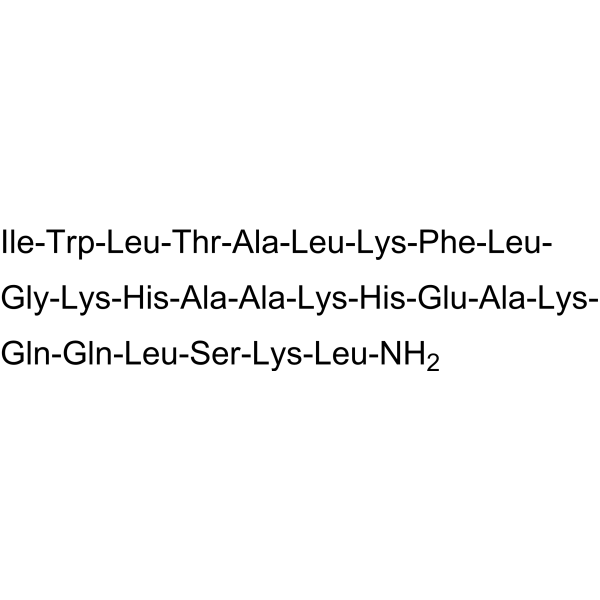
L17E is an attenuated cationic amphiphilic lytic (ACAL) peptide that can be used to deliver a variety of macromolecules, including proteins, antibodies, and DNA nanostructures. L17E inserts and cleaves the membrane structure through electrostatic interaction, enabling intracellular escape. The efficiency of L17E-mediated delivery is strongly correlated with the expression level of KCNN4 (the gene encoding the calcium-activated potassium channel KCa3.1). L17E also promotes the cellular uptake of macromolecules by inducing micropinocytosis. L17E can be further optimized and improved through dimerization strategies and in combination with other delivery systems, such as nuclear localization signal peptides and cell membrane-coated nanoparticles .
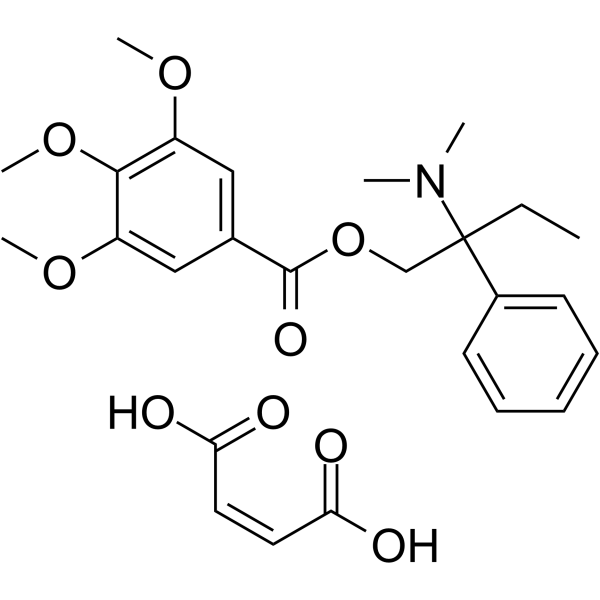
Trimebutine maleate is a multi-target inhibitor and opioid receptor agonist with antimuscarinic activity. Trimebutine maleate inhibits L-type Ca 2+ channels and large-conductance calcium-activated potassium channels (BKCa channels), thereby inhibiting extracellular calcium influx and potassium ion efflux. Trimebutine maleate also targets Toll-like receptors, inhibits Toll-like receptor 2/4/7/8/9 signals, and inhibits LPS-induced IRAK1 activation, as well as ERK1/2, JNK and NF-κB activation, thereby exerting anti-inflammatory effects. Trimebutine maleate also induces tumor cell apoptosis by inhibiting the AKT/ERK pathway. Trimebutine maleate also inhibits excessive contraction of smooth muscle and can be used in the study of gastrointestinal disorders such as irritable bowel syndrome (IBS) .
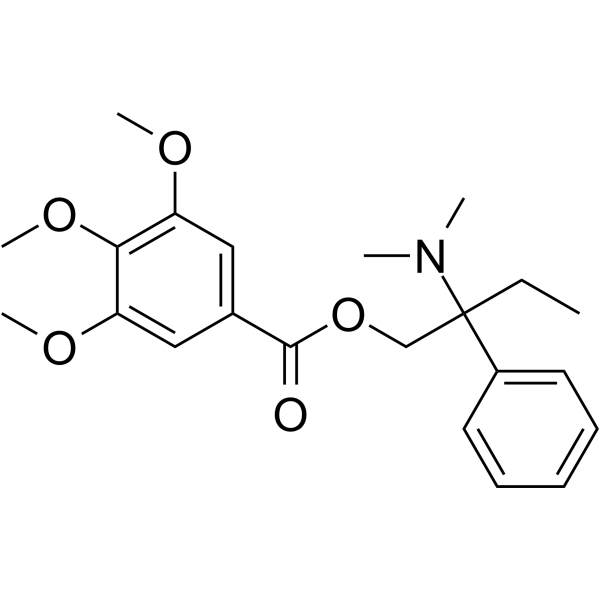
Trimebutine is a multi-target inhibitor and opioid receptor agonist with antimuscarinic activity. Trimebutine inhibits L-type Ca 2+ channels and large-conductance calcium-activated potassium channels (BKCa channels), thereby inhibiting extracellular calcium influx and potassium ion efflux. Trimebutine also targets Toll-like receptors, inhibits Toll-like receptor 2/4/7/8/9 signals, and inhibits LPS-induced IRAK1 activation, as well as ERK1/2, JNK and NF-κB activation, thereby exerting anti-inflammatory effects. Trimebutine also induces tumor cell apoptosis by inhibiting the AKT/ERK pathway. Trimebutine also inhibits excessive contraction of smooth muscle and can be used in the study of gastrointestinal disorders such as irritable bowel syndrome (IBS) .
TRPM4-IN-1 (CBA) is a potent and selective inhibitor of the cation channel TRPM4, with an IC50 of 1.5 μM. TRPM4-IN-1 can be used for the research of cardiac diseases and prostate cancer .
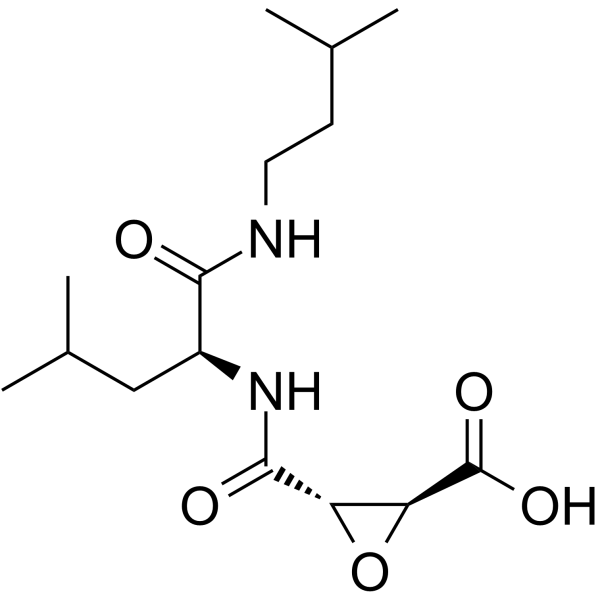
E 64c is a derivative of naturally occurring epoxide inhibitor of cysteine proteases, a Calcium-activated neutral protease (CANP) inhibitor and a very weak irreversible cathepsin C inhibitor. E 64c exhibits entry-blocking effect for MERS-CoV.
NS13001 is a potent, selective, orally active allosteric positive modulator of SK channels (small conductance calcium-activated potassium channels). The EC50s are 1.8 and 0.14 μM for SK2 and SK3, respectively. NS13001 holds promise as a potential therapeutic agent for treatment of spinocerebellar ataxia type 2 (SCA2) and possibly other cerebellar ataxias .
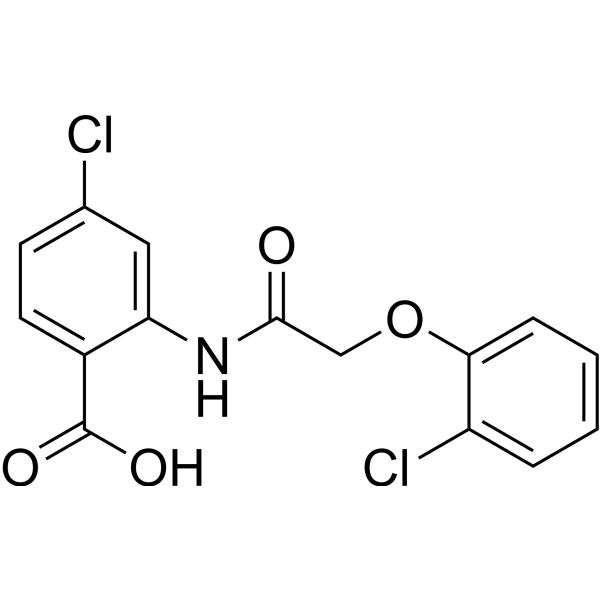
ANO1-IN-4 (Compound 10bm) is a reversible inhibitor for calcium-activated chloride channel transmembrane protein 16A (TMEM16A, also known as ANO1) with an IC50 of 0.030 µM. ANO1-IN-4 exhibits good metabolic stability in rat liver microsomes. ANO1-IN-4 inhibits spontaneous contraction in mouse isolated ileum .
Dehydrosoyasaponin I (Soyasaponin Be;DHS-I), a triterpene glycoside, is a potent and reversible calcium-activated potassium (maxi-K) channelsactivator .
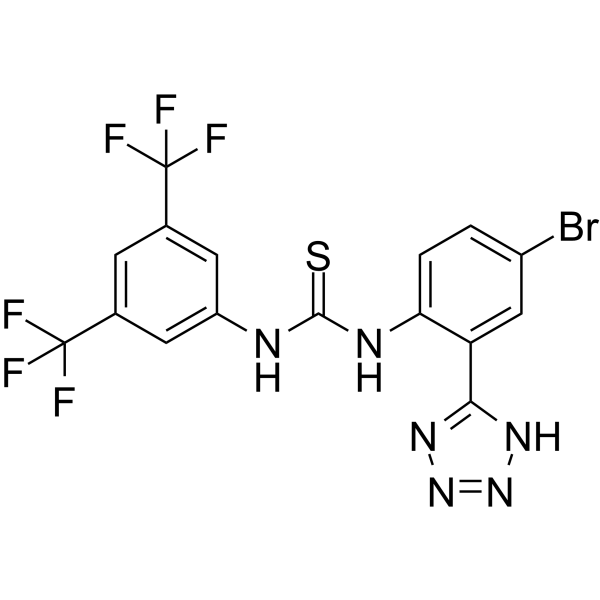
DFBTA is an orally active and potent ANO1 (Calcium-activated chloride channel anoctamin-1) inhibitor, with an IC50 of 24 nM. DFBTA shows analgesic efficacy for inflammatory pain .
Hydrochlorothiazid- 13C,d2 is the 13C- and deuterium labeled Hydrochlorothiazide. Hydrochlorothiazide (HCTZ), an orally active diuretic agent of the thiazide class, inhibits transforming TGF-β/Smad signaling pathway. Hydrochlorothiazide has direct vascular relaxant effects via opening of the calcium-activated potassium (KCA) channel. Hydrochlorothiazide improves cardiac function, reduces fibrosis and has antihypertensive effect .
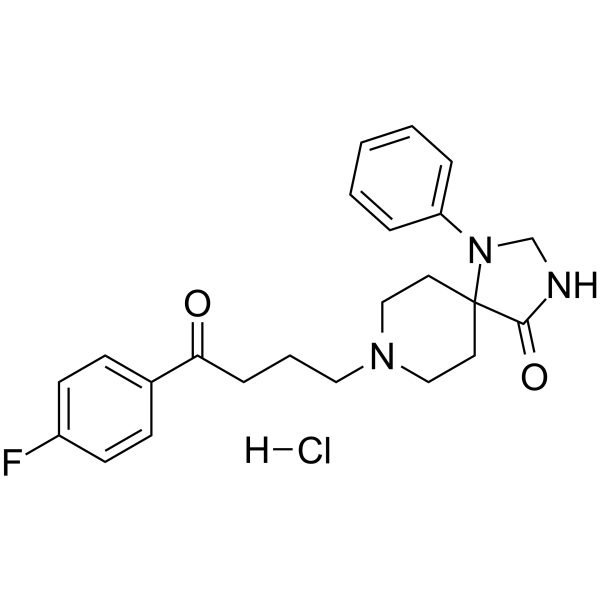
Spiperone hydrochloride (Spiroperidol hydrochloride) is a selective dopamine D2 receptor (Ki values of 0.06 nM, 0.6 nM, 0.08 nM, ~350 nM, ~3500 nM for D2, D3, D4, D1 and D5 receptors, respectively) and 5-HT2A/5-HT1A receptor (Kis of 1 nM/49 nM) antagonist. Spiperone hydrochloride is also a selective α1B-adrenoceptor antagonist. Spiperone hydrochloride activatescalcium-activated chloride channel (CaCC). Antipsychotic and anti-inflammatory activities .
UCL 1684 (dibromide) is a first nanomolar, non-peptidic small conductance calcium-activated potassium (SK) channel blocker. UCL 1684 (dibromide) is effective in preventing the development of atrial fibrillation due to potent atrial-selective inhibition of INa. UCL 1684 (dibromide) causes atrial-selective prolongation of ERP secondary to induction of postrepolarization refractoriness .
Hydrochlorothiazide (Standard) is the analytical standard of Hydrochlorothiazide. This product is intended for research and analytical applications. Hydrochlorothiazide (HCTZ), an orally active diuretic agent of the thiazide class, inhibits transforming TGF-β/Smad signaling pathway. Hydrochlorothiazide has direct vascular relaxant effects via opening of the calcium-activated potassium (KCA) channel. Hydrochlorothiazide improves cardiac function, reduces fibrosis and has antihypertensive effect .
DCEBIO is a small/medium conductance calcium-activated potassium (SKCa/IKCa) channel opener and primary neuron signal blocker. It hyperpolarizes the membrane potential of C2C12 myoblasts by activating IKCa channels, thereby promoting myogenic differentiation. The specific biological activity of DCEBIO is manifested in increased myotube formation, enhanced myosin heavy chain II protein levels and myogenin mRNA levels. DCEBIO can be applied in the field of muscle research, especially in muscle-related degenerative diseases such as sarcopenia .
Hydrochlorothiazid-d2 is the deuterium labeled Hydrochlorothiazide. Hydrochlorothiazide (HCTZ), an orally active diuretic agent of the thiazide class, inhibits transforming TGF-β/Smad signaling pathway. Hydrochlorothiazide has direct vascular relaxant effects via opening of the calcium-activated potassium (KCA) channel. Hydrochlorothiazide improves cardiac function, reduces fibrosis and has antihypertensive effect .
Niflumic acid (Standard) is the analytical standard of Niflumic acid. This product is intended for research and analytical applications. Niflumic acid is a calcium-activatedchloride channel blocker and COX-2 inhibitor with the IC50 value of 100 nM. Niflumic acid induces apoptosis through caspase-8/Bid/Bax pathway in lung cancer cells. Niflumic acide exhibits anti-tumor activity by affecting the expression of ERK1/2 and the activity of MMP2 and MMP9. Niflumic acid has orally bioactivity. Niflumic acid acts on rheumatoid arthritis .
1,12-Dodecanediamine (1,12-DD) is a reversible Maxi calcium-activated potassium channel blocker. 1,12-Dodecanediamine can reduce the single-channel current amplitude, mean channel open time, and channel open probability. 1,12-Dodecanediamine is promising for research of cell electrical signal transduction mechanism .
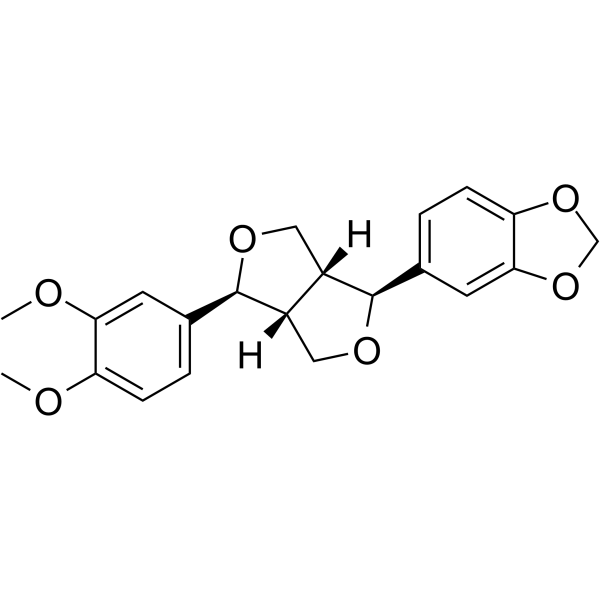
Kobusin is a bisepoxylignan isolated from the Pnonobio biondii Pamp. Kobusin is an activator of CFTR and CaCCgie chloride channels and a inhibitor of ANO1/CaCC (calcium-activated chloride channel) channel .
D-myo-Inositol-1,4,5,6-tetraphosphate (D-Ins(1,4,5,6)P4) is one of several different inositol oligophosphate isomers implicated in signal transduction. It almost completely inhibits calcium-activated chloride channels at a concentration of 8-10 μM .
Hydrochlorothiazide- 15N2, 13C,d2 is 15N and deuterated labeled Hydrochlorothiazide (HY-B0252). Hydrochlorothiazide (HCTZ), an orally active diuretic agent of the thiazide class, inhibits transforming TGF-β/Smad signaling pathway. Hydrochlorothiazide has direct vascular relaxant effects via opening of the calcium-activated potassium (KCA) channel. Hydrochlorothiazide improves cardiac function, reduces fibrosis and has antihypertensive effect .
NCO-700 is a dual cathepsin B and calcium-activated neutral protease (CANP) inhibitor with IC50 values of 0.8 and 46 μM, respectively. NCO-700 reduces the degradation of myocardial fibrin by inhibiting protease activity. NCO-700 also has inhibitory effects on hormone-independent tumor cells, such as prostate cancer cells, and induces apoptosis. NCO-700 can be used to study myocardial ischemia and refractory hormone-independent tumors .
Trimebutine-d5 fumarate is deuterium labeled Trimebutine fumarate. Trimebutine fumarate is a multi-target inhibitor and opioid receptor agonist with antimuscarinic activity. Trimebutine fumarate inhibits L-type Ca 2+ channels and large-conductance calcium-activated potassium channels (BKCa channels), thereby inhibiting extracellular calcium influx and potassium ion efflux. Trimebutine fumarate also targets Toll-like receptors, inhibits Toll-like receptor 2/4/7/8/9 signals, and inhibits LPS-induced IRAK1 activation, as well as ERK1/2, JNK and NF-κB activation, thereby exerting anti-inflammatory effects. Trimebutine fumarate also induces tumor cell apoptosis by inhibiting the AKT/ERK pathway. Trimebutine fumarate also inhibits excessive contraction of smooth muscle and can be used in the study of gastrointestinal disorders such as irritable bowel syndrome (IBS) .
Trimebutine maleate (Standard) is the analytical standard of Trimebutine maleate (HY-B0380A). This product is intended for research and analytical applications. Trimebutine maleate is a multi-target inhibitor and opioid receptor agonist with antimuscarinic activity. Trimebutine maleate inhibits L-type Ca 2+ channels and large-conductance calcium-activated potassium channels (BKCa channels), thereby inhibiting extracellular calcium influx and potassium ion efflux. Trimebutine maleate also targets Toll-like receptors, inhibits Toll-like receptor 2/4/7/8/9 signals, and inhibits LPS-induced IRAK1 activation, as well as ERK1/2, JNK and NF-κB activation, thereby exerting anti-inflammatory effects. Trimebutine maleate also induces tumor cell apoptosis by inhibiting the AKT/ERK pathway. Trimebutine maleate also inhibits excessive contraction of smooth muscle and can be used in the study of gastrointestinal disorders such as irritable bowel syndrome (IBS) .
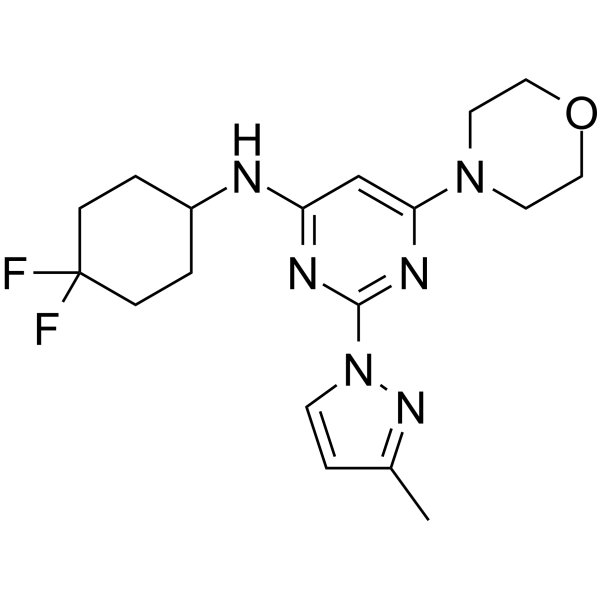
Maxi-K modulator 1 (Example 1) is a Maximum conductance calcium-activated potassium (Maxi-K) channel modulator. Maxi-K modulator 1 has a potent stimulating effect on Maxi-K channel activity. Maxi-K modulator 1 can be used for fragile X syndrome research .
Slotoxin, a peptide from Centruroides noxius Hoffmann scorpion venom, blocks high conductance calcium-activatedpotassium channel, with Kd of 1.5 nM[1].
Kaliotoxin is a peptidyl inhibitor of neuronal BK-Type. Kaliotoxin can specific inhibit Kv channels and calcium-activated potassium channels. Kaliotoxin can be used for the research of the regulation of membrane potential and neuron excitability .
Noxiustoxin is a toxin from the venom of the Mexican scorpion Centruroides noxius which block voltage-dependent potassium channel (Kv1.3, IC50 = 360 nM), and calcium-activatedpotassium channel. Noxiustoxin plays an important role in neuroinflammatory disease .
Hydrochlorothiazide- 13C6 is the 13C labeled Hydrochlorothiazide . Hydrochlorothiazide (HCTZ), an orally active diuretic agent of the thiazide class, inhibits transforming TGF-β/Smad signaling pathway. Hydrochlorothiazide has direct vascular relaxant effects via opening of the calcium-activated potassium (KCA) channel. Hydrochlorothiazide improves cardiac function, reduces fibrosis and has antihypertensive effect .
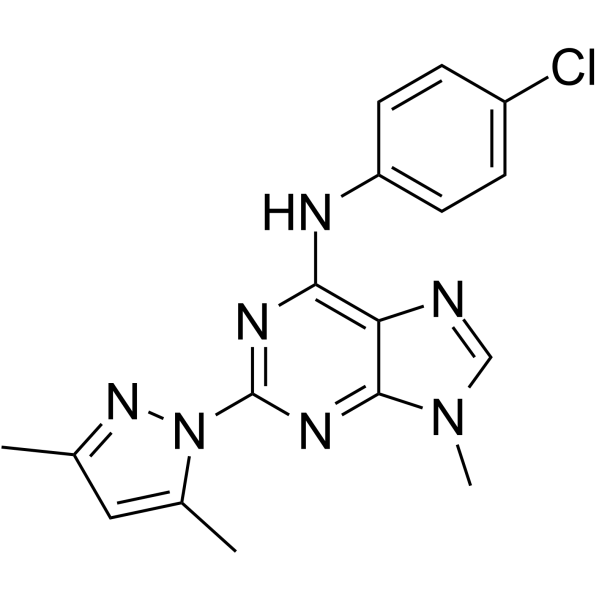
AP14145 is an inhibitor for small conductance calcium-activated potassium channel, inhibits KCa2.2 channel and KCa channel with IC50 of 1.1 μM and 1.1 μM. AP14145 prolongs atrial effective refractory period (AERP) in rats, causes the conversion of atrial fibrillation to sinus rhythum in porcine left ventricular dysfunction models, and exhibits antiarrhythmic effect .
Flindokalner (Standard) is the analytical standard of Flindokalner. This product is intended for research and analytical applications. Flindokalner (BMS-204352) is a potassium channel modulator. Flindokalner is a positive modulator of all neuronal Kv7 channel subtypes expressed in HEK293 cells. Flindokalner is also a large conductance calcium-activated K channel (BKca) positive modulator. Flindokalner shows a negative modulatory activity at Kv7.1 channels (Ki=3.7 μM), and acts as a negative modulator of GABAA receptors. Flindokalner shows anxiolytic efficacy in vivo .
NS4591 is a modulator of calcium-activated potassium channels with activity that enhances small (SK) and intermediate (IK) conductivity. NS4591 doubled IK-mediated currents in whole-cell patch-clamp experiments at a concentration of 45 +/- 6 nM, and doubled SK3-mediated currents at a concentration of 530 +/- 100 nM. NS4591 inhibits the number of action potentials generated by suprathreshold depolarizing pulses in acutely isolated bladder primary afferent neurons. NS4591 also reduced carbakol-induced detrusor ring contraction in the rat bladder, demonstrating sensitivity to apamin .
D-myo-Inositol-1,3,4-triphosphate (sodium) is one of the inositol oligophosphate isomers implicated in signal transduction. D-myo-Inositol-1,3,4-triphosphate (sodium) acts through the inhibition of Ins(3,4,5,6)-P4 kinase activity to increase cellular level of Ins(3,4,5,6)-P4, thereby inhibiting calcium-activated chloride channels. D-myo-Inositol-1,3,4-triphosphate (sodium) can be regulated by the levels of cytosolic free calcium .
Trimebutine-d3 hydrochloride is deuterium labeled Trimebutine hydrochloride. Trimebutine hydrochloride is a multi-target inhibitor and opioid receptor agonist with antimuscarinic activity. Trimebutine hydrochloride inhibits L-type Ca 2+ channels and large-conductance calcium-activated potassium channels (BKCa channels), thereby inhibiting extracellular calcium influx and potassium ion efflux. Trimebutine hydrochloride also targets Toll-like receptors, inhibits Toll-like receptor 2/4/7/8/9 signals, and inhibits LPS-induced IRAK1 activation, as well as ERK1/2, JNK and NF-κB activation, thereby exerting anti-inflammatory effects. Trimebutine hydrochloride also induces tumor cell apoptosis by inhibiting the AKT/ERK pathway. Trimebutine hydrochloride also inhibits excessive contraction of smooth muscle and can be used in the study of gastrointestinal disorders such as irritable bowel syndrome (IBS) .
Trimebutine (Standard) is the analytical standard of Trimebutine (HY-B0380). This product is intended for research and analytical applications. Trimebutine is a multi-target inhibitor and opioid receptor agonist with antimuscarinic activity. Trimebutine inhibits L-type Ca 2+ channels and large-conductance calcium-activated potassium channels (BKCa channels), thereby inhibiting extracellular calcium influx and potassium ion efflux. Trimebutine also targets Toll-like receptors, inhibits Toll-like receptor 2/4/7/8/9 signals, and inhibits LPS-induced IRAK1 activation, as well as ERK1/2, JNK and NF-κB activation, thereby exerting anti-inflammatory effects. Trimebutine also induces tumor cell apoptosis by inhibiting the AKT/ERK pathway. Trimebutine also inhibits excessive contraction of smooth muscle and can be used in the study of gastrointestinal disorders such as irritable bowel syndrome (IBS) .
Tertiapin (reduced) is a kind of synthesis of melittin, its Cys3-Cys14 and Cys5-Cys18 between containing a disulfide bond. Tertiapin (reduced) is a kind of inward rectifier potassium channels blockers, can block the activity of calcium activates large conductance potassium channels. Tertiapin (reduced) can be used for research in diseases such as rheumatoid arthritis and multiple sclerosis .
TMEM16A modulator-1 (compound 36) is a positive modulator of the calcium-activated chloride channel (CaCC) TMEM16A. TMEM16A modulator-1 can be used for TMEM16A-related diseases research, particularly respiratory diseases and conditions .
CaCCinh-A01 (Standard) is the analytical standard of CaCCinh-A01 (HY-100611). This product is intended for research and analytical applications. CaCCinh-A01 is an inhibitor of both TMEM16A and calcium-activated chloride channel (CaCC) with IC50s of 2.1 and 10 μM, respectively.
BKCa activator-1 (Compound 51b) is the orally active activator for the calcium-activated potassium channel BKCa with an EC50 of 2.82 μM. BKCa activator-1 increases K+ efflux, leads to cell membrane hyperpolarization, thereby inhibiting smooth muscle contraction. BKCa activator-1 alleviates urinary incontinence in spontaneously hypertensive rat (SHR) model, exhibits antitussive effect in puinea pig cough model .
T16Ainh-A01 (Standard) is the analytical standard of T16Ainh-A01 (HY-100612). This product is intended for research and analytical applications. T16Ainh-A01, an aminophenylthiazole, is a potent transmembrane protein 16A (TMEM16A) inhibitor, inhibiting TMEM16A-mediated chloride currents with an IC50 value of ~1 μM. TMEM16A (ANO1) functions as a calcium-activated chloride channel (CaCC) .
DCEBIO (Standard) is the analytical standard of DCEBIO (HY-102052). This product is intended for research and analytical applications. DCEBIO is a small/medium conductance calcium-activated potassium (SKCa/IKCa) channel opener and primary neuron signal blocker. It hyperpolarizes the membrane potential of C2C12 myoblasts by activating IKCa channels, thereby promoting myogenic differentiation. The specific biological activity of DCEBIO is manifested in increased myotube formation, enhanced myosin heavy chain II protein levels and myogenin mRNA levels. DCEBIO can be applied in the field of muscle research, especially in muscle-related degenerative diseases such as sarcopenia .
Variegatic acid is a secondary metabolite derived from basidiomycete fungi. Variegatic acid is a PKCβ1 inhibitor with an IC₅₀ of 36.2 μM. Variegatic acid inhibits antigen- or calcium ionophore-induced β-hexosaminidase release (IC₅₀ values of 10.4 μM and 22.2 μM, respectively) and TNF-α secretion (IC₅₀ values of 16.8 μM and 20.1 μM, respectively). Variegatic acid suppresses the enzymatic activity of calcium-activated PKCβ1 and reduces Fe(III) to Fe(II) in a pH-dependent manner, enabling the generation of hydroxyl radicals (·OH) through reaction with H₂O₂, which facilitates the degradation of lignocellulose. Variegatic acid is useful for studying biological degradation and allergic responses.
(±)-(17S,18R)-Epoxyeicosatetraenoic acid ((±)-17 (S),18 (R)-EETeTr) is one of the constituent enantiomers of (±) 17 (18)-EpETE. (±) 17 (18)-EpETE is an active metabolite of the ω-3 fatty acid eicosapentaenoic acid, and also an agonist of sphingosine-1-phosphate receptor 1 (S1P1) .
Potassium channels are the most widely distributed type of ion channel and are found in virtually all living organisms. There are four major classes of K channels: voltage-gated potassium channel, calcium-activated potassium channel, inwardly rectifying potassium channel and tandem pore domain potassium channel. There is growing evidence that dysfunction in potassium channels correlates with several diseases, such as chronic hypertension, diabetes, hypercholesterolemia and atherosclerosis, etc.
MCE Potassium Channel Compound Library consists of 313 potassium channel inhibitor and activators, which is a useful tool to discover drugs for cardiovascular diseases and potassium channel research.
L17E is an attenuated cationic amphiphilic lytic (ACAL) peptide that can be used to deliver a variety of macromolecules, including proteins, antibodies, and DNA nanostructures. L17E inserts and cleaves the membrane structure through electrostatic interaction, enabling intracellular escape. The efficiency of L17E-mediated delivery is strongly correlated with the expression level of KCNN4 (the gene encoding the calcium-activated potassium channel KCa3.1). L17E also promotes the cellular uptake of macromolecules by inducing micropinocytosis. L17E can be further optimized and improved through dimerization strategies and in combination with other delivery systems, such as nuclear localization signal peptides and cell membrane-coated nanoparticles .
Slotoxin, a peptide from Centruroides noxius Hoffmann scorpion venom, blocks high conductance calcium-activatedpotassium channel, with Kd of 1.5 nM[1].
Kaliotoxin is a peptidyl inhibitor of neuronal BK-Type. Kaliotoxin can specific inhibit Kv channels and calcium-activated potassium channels. Kaliotoxin can be used for the research of the regulation of membrane potential and neuron excitability .
Noxiustoxin is a toxin from the venom of the Mexican scorpion Centruroides noxius which block voltage-dependent potassium channel (Kv1.3, IC50 = 360 nM), and calcium-activatedpotassium channel. Noxiustoxin plays an important role in neuroinflammatory disease .
Tertiapin (reduced) is a kind of synthesis of melittin, its Cys3-Cys14 and Cys5-Cys18 between containing a disulfide bond. Tertiapin (reduced) is a kind of inward rectifier potassium channels blockers, can block the activity of calcium activates large conductance potassium channels. Tertiapin (reduced) can be used for research in diseases such as rheumatoid arthritis and multiple sclerosis .
MCE ATPase Staining Kit for Muscle Fibers (Calcium Activation Method) is based on the hydrolysis of ATP by ATPase, which generates ADP and inorganic phosphate. Phosphate combines with calcium ions to form colorless calcium phosphate precipitates. Calcium phosphate is then treated with cobalt chloride to form cobalt phosphate, which, after treatment with sulfide solution, results in the formation of brown-black cobalt sulfide precipitates at the enzyme activity sites.
Isethionic acid is a calcium binder and anionic detergent that enhances mitochondrial calcium binding capacity by competitively binding to calcium binding sites on the outer mitochondrial membrane. Isethionic acid can inhibit calcium-activated mitochondrial respiration. Isethionic acid inhibits barnacle (Balanus amphitrite) larvae with LC50s of 23 μg/mL (24 h) and 17 μg/mL (48 h), respectively. Isethionic acid can inhibit the attachment of barnacle larvae (complete inhibition at 10 μg/mL) and regulate mitochondrial calcium transport, and can enhance ATP-dependent calcium uptake at high calcium concentrations. Isethionic acid can be used to study the mechanism of mitochondrial calcium metabolism.
Dehydrosoyasaponin I (Soyasaponin Be;DHS-I), a triterpene glycoside, is a potent and reversible calcium-activated potassium (maxi-K) channelsactivator .
Kobusin is a bisepoxylignan isolated from the Pnonobio biondii Pamp. Kobusin is an activator of CFTR and CaCCgie chloride channels and a inhibitor of ANO1/CaCC (calcium-activated chloride channel) channel .
D-myo-Inositol-1,4,5,6-tetraphosphate (D-Ins(1,4,5,6)P4) is one of several different inositol oligophosphate isomers implicated in signal transduction. It almost completely inhibits calcium-activated chloride channels at a concentration of 8-10 μM .
Variegatic acid is a secondary metabolite derived from basidiomycete fungi. Variegatic acid is a PKCβ1 inhibitor with an IC₅₀ of 36.2 μM. Variegatic acid inhibits antigen- or calcium ionophore-induced β-hexosaminidase release (IC₅₀ values of 10.4 μM and 22.2 μM, respectively) and TNF-α secretion (IC₅₀ values of 16.8 μM and 20.1 μM, respectively). Variegatic acid suppresses the enzymatic activity of calcium-activated PKCβ1 and reduces Fe(III) to Fe(II) in a pH-dependent manner, enabling the generation of hydroxyl radicals (·OH) through reaction with H₂O₂, which facilitates the degradation of lignocellulose. Variegatic acid is useful for studying biological degradation and allergic responses.
CANT1 is a calcium-dependent nucleotidase that shows a clear preference for UDP, and the order of its enzymatic activity is UDP > GDP > UTP > GTP. It is worth noting that it has little activity on ADP and even less activity on ATP, but it does not hydrolyze AMP and GMP. CANT1 Protein, Human (HEK293, His) is the recombinant human-derived CANT1 protein, expressed by HEK293 , with N-His labeled tag.
CANT1 is a calcium-dependent nucleotidase that shows a clear preference for UDP, and the order of its enzymatic activity is UDP > GDP > UTP > GTP. It is worth noting that it has little activity on ADP and even less activity on ATP, but it does not hydrolyze AMP and GMP. CANT1 Protein, Human (HEK293, Fc) is the recombinant human-derived CANT1 protein, expressed by HEK293 , with N-hFc labeled tag.
CAPN2 (Calpain-2) is a calcium-regulated, non-lysosomal thiol protease known for catalyzing the limited proteolysis of substrates critical for cytoskeletal remodeling and signaling. Notably, CAPN2 proteolytically cleaves MYOC at “Arg-226,” suggesting its involvement in regulating the function of this protein. CAPN2 Protein, Human (His) is the recombinant human-derived CAPN2 protein, expressed by E. coli , with N-6*His labeled tag.
CAPN1 protein, a calcium-regulated non-lysosomal thiol-protease, facilitates cytoskeletal remodeling and signal transduction. It selectively cleaves substrates involved in these processes, including CTBP1 at 'Asn-375', 'Gly-388', and 'His-410'. CAPN1 also activates caspase-7 (CASP7), highlighting its role in regulating cellular functions. CAPN1 Protein, Mouse (His) is the recombinant mouse-derived CAPN1 protein, expressed by E. coli , with N-6*His labeled tag.
CAPN1 (Calpain-1) is a calcium-regulated non-lysosomal thiol protease that plays a critical role in the limited proteolysis of substrates involved in cytoskeletal remodeling and signal transduction. This protease catalyzes specific cleavage events, including CTBP1 cleavage at "Asn-375," "Gly-387," and "His-409," and activation of caspase-7 (CASP7). CAPN1 Protein, Human (His) is the recombinant human-derived CAPN1 protein, expressed by E. coli , with N-6*His labeled tag.
ANO1/Anoctamin-1 protein, a calcium-activated chloride channel (CaCC), is involved in ion transport, smooth muscle contraction, and mucus secretion. ANO1/Anoctamin-1 Protein, Human (N-His, C-Myc) is the recombinant human-derived ANO1/Anoctamin-1 protein, expressed by E. coli , with C-Myc, N-10*His labeled tag.
Hydrochlorothiazid- 13C,d2 is the 13C- and deuterium labeled Hydrochlorothiazide. Hydrochlorothiazide (HCTZ), an orally active diuretic agent of the thiazide class, inhibits transforming TGF-β/Smad signaling pathway. Hydrochlorothiazide has direct vascular relaxant effects via opening of the calcium-activated potassium (KCA) channel. Hydrochlorothiazide improves cardiac function, reduces fibrosis and has antihypertensive effect .
Hydrochlorothiazid-d2 is the deuterium labeled Hydrochlorothiazide. Hydrochlorothiazide (HCTZ), an orally active diuretic agent of the thiazide class, inhibits transforming TGF-β/Smad signaling pathway. Hydrochlorothiazide has direct vascular relaxant effects via opening of the calcium-activated potassium (KCA) channel. Hydrochlorothiazide improves cardiac function, reduces fibrosis and has antihypertensive effect .
Hydrochlorothiazide- 15N2, 13C,d2 is 15N and deuterated labeled Hydrochlorothiazide (HY-B0252). Hydrochlorothiazide (HCTZ), an orally active diuretic agent of the thiazide class, inhibits transforming TGF-β/Smad signaling pathway. Hydrochlorothiazide has direct vascular relaxant effects via opening of the calcium-activated potassium (KCA) channel. Hydrochlorothiazide improves cardiac function, reduces fibrosis and has antihypertensive effect .
Trimebutine-d5 fumarate is deuterium labeled Trimebutine fumarate. Trimebutine fumarate is a multi-target inhibitor and opioid receptor agonist with antimuscarinic activity. Trimebutine fumarate inhibits L-type Ca 2+ channels and large-conductance calcium-activated potassium channels (BKCa channels), thereby inhibiting extracellular calcium influx and potassium ion efflux. Trimebutine fumarate also targets Toll-like receptors, inhibits Toll-like receptor 2/4/7/8/9 signals, and inhibits LPS-induced IRAK1 activation, as well as ERK1/2, JNK and NF-κB activation, thereby exerting anti-inflammatory effects. Trimebutine fumarate also induces tumor cell apoptosis by inhibiting the AKT/ERK pathway. Trimebutine fumarate also inhibits excessive contraction of smooth muscle and can be used in the study of gastrointestinal disorders such as irritable bowel syndrome (IBS) .
Hydrochlorothiazide- 13C6 is the 13C labeled Hydrochlorothiazide . Hydrochlorothiazide (HCTZ), an orally active diuretic agent of the thiazide class, inhibits transforming TGF-β/Smad signaling pathway. Hydrochlorothiazide has direct vascular relaxant effects via opening of the calcium-activated potassium (KCA) channel. Hydrochlorothiazide improves cardiac function, reduces fibrosis and has antihypertensive effect .
Trimebutine-d3 hydrochloride is deuterium labeled Trimebutine hydrochloride. Trimebutine hydrochloride is a multi-target inhibitor and opioid receptor agonist with antimuscarinic activity. Trimebutine hydrochloride inhibits L-type Ca 2+ channels and large-conductance calcium-activated potassium channels (BKCa channels), thereby inhibiting extracellular calcium influx and potassium ion efflux. Trimebutine hydrochloride also targets Toll-like receptors, inhibits Toll-like receptor 2/4/7/8/9 signals, and inhibits LPS-induced IRAK1 activation, as well as ERK1/2, JNK and NF-κB activation, thereby exerting anti-inflammatory effects. Trimebutine hydrochloride also induces tumor cell apoptosis by inhibiting the AKT/ERK pathway. Trimebutine hydrochloride also inhibits excessive contraction of smooth muscle and can be used in the study of gastrointestinal disorders such as irritable bowel syndrome (IBS) .
TMEM16A modulator-1 (compound 36) is a positive modulator of the calcium-activated chloride channel (CaCC) TMEM16A. TMEM16A modulator-1 can be used for TMEM16A-related diseases research, particularly respiratory diseases and conditions .
Inquiry Online
Your information is safe with us. * Required Fields.
Western blot analysis of extracts from THP-1(lane 2(20μg), Jurkat (lane 3(20μg) and NIH3T3(lane 4(20μg) using FOXO1A (HY-P80132) Rabbit mAb. Proteins were transferred
to a PVDF membrane and blocked with 5% non-fat milk in TBST for 2 hour at room temperature. The primary antibody (1/1000) and Loading control antibody (Beta Actin, HY-P80438, 1/10000) was
used in 5% non-fat milk in TBST at 4°C overnight. Goat Anti-Mouse/Rabbit IgG-HRP Secondary Antibody (1/10000) was used for 1 hour at room temperature.
Western blot analysis of extracts from THP-1(lane 2(20μg), Jurkat (lane 3(20μg) and NIH3T3(lane 4(20μg) using FOXO1A (HY-P80132) Rabbit mAb. Proteins were transferred
to a PVDF membrane and blocked with 5% non-fat milk in TBST for 2 hour at room temperature. The primary antibody (1/1000) and Loading control antibody (Beta Actin, HY-P80438, 1/10000) was
used in 5% non-fat milk in TBST at 4°C overnight. Goat Anti-Mouse/Rabbit IgG-HRP Secondary Antibody (1/10000) was used for 1 hour at room temperature.
Western blot analysis of extracts from THP-1(lane 2(20μg), Jurkat (lane 3(20μg) and NIH3T3(lane 4(20μg) using FOXO1A (HY-P80132) Rabbit mAb. Proteins were transferred
to a PVDF membrane and blocked with 5% non-fat milk in TBST for 2 hour at room temperature. The primary antibody (1/1000) and Loading control antibody (Beta Actin, HY-P80438, 1/10000) was
used in 5% non-fat milk in TBST at 4°C overnight. Goat Anti-Mouse/Rabbit IgG-HRP Secondary Antibody (1/10000) was used for 1 hour at room temperature.
Western blot analysis of extracts from THP-1(lane 2(20μg), Jurkat (lane 3(20μg) and NIH3T3(lane 4(20μg) using FOXO1A (HY-P80132) Rabbit mAb. Proteins were transferred
to a PVDF membrane and blocked with 5% non-fat milk in TBST for 2 hour at room temperature. The primary antibody (1/1000) and Loading control antibody (Beta Actin, HY-P80438, 1/10000) was
MedchemExpress Validation 03
Western blot analysis of extracts from THP-1(lane 2(20μg), Jurkat (lane 3(20μg) and NIH3T3(lane 4(20μg) using FOXO1A (HY-P80132) Rabbit mAb. Proteins were transferred
MedchemExpress Validation 04
Western blot analysis of extracts from THP-1(lane 2(20μg), Jurkat (lane 3(20μg) and NIH3T3(lane 4(20μg) using FOXO1A (HY-P80132) Rabbit mAb. Proteins were transferred
to a PVDF membrane and blocked with 5% non-fat milk in TBST for 2 hour at room temperature. The primary antibody (1/1000) and Loading control antibody (Beta Actin, HY-P80438, 1/10000) was
used in 5% non-fat milk in TBST at 4°C overnight. Goat Anti-Mouse/Rabbit IgG-HRP Secondary Antibody (1/10000) was used for 1 hour at room temperature.
MedchemExpress Validation
Western blot analysis of extracts from THP-1(lane 2(20μg), Jurkat (lane 3(20μg) and NIH3T3(lane 4(20μg) using FOXO1A (HY-P80132) Rabbit mAb. Proteins were transferred
to a PVDF membrane and blocked with 5% non-fat milk in TBST for 2 hour at room temperature. The primary antibody (1/1000) and Loading control antibody (Beta Actin, HY-P80438, 1/10000) was
used in 5% non-fat milk in TBST at 4°C overnight. Goat Anti-Mouse/Rabbit IgG-HRP Secondary Antibody (1/10000) was used for 1 hour at room temperature.
Western blot analysis of extracts from THP-1(lane 2(20μg), Jurkat (lane 3(20μg) and NIH3T3(lane 4(20μg) using FOXO1A (HY-P80132) Rabbit mAb. Proteins were transferred
to a PVDF membrane and blocked with 5% non-fat milk in TBST for 2 hour at room temperature. The primary antibody (1/1000) and Loading control antibody (Beta Actin, HY-P80438, 1/10000) was
used in 5% non-fat milk in TBST at 4°C overnight. Goat Anti-Mouse/Rabbit IgG-HRP Secondary Antibody (1/10000) was used for 1 hour at room temperature.
MedchemExpress Validation
Western blot analysis of extracts from THP-1(lane 2(20μg), Jurkat (lane 3(20μg) and NIH3T3(lane 4(20μg) using FOXO1A (HY-P80132) Rabbit mAb. Proteins were transferred
to a PVDF membrane and blocked with 5% non-fat milk in TBST for 2 hour at room temperature. The primary antibody (1/1000) and Loading control antibody (Beta Actin, HY-P80438, 1/10000) was
used in 5% non-fat milk in TBST at 4°C overnight. Goat Anti-Mouse/Rabbit IgG-HRP Secondary Antibody (1/10000) was used for 1 hour at room temperature.
MedchemExpress Validation
Western blot analysis of extracts from THP-1(lane 2(20μg), Jurkat (lane 3(20μg) and NIH3T3(lane 4(20μg) using FOXO1A (HY-P80132) Rabbit mAb. Proteins were transferred
to a PVDF membrane and blocked with 5% non-fat milk in TBST for 2 hour at room temperature. The primary antibody (1/1000) and Loading control antibody (Beta Actin, HY-P80438, 1/10000) was
used in 5% non-fat milk in TBST at 4°C overnight. Goat Anti-Mouse/Rabbit IgG-HRP Secondary Antibody (1/10000) was used for 1 hour at room temperature.
MedchemExpress Validation
Western blot analysis of extracts from THP-1(lane 2(20μg), Jurkat (lane 3(20μg) and NIH3T3(lane 4(20μg) using FOXO1A (HY-P80132) Rabbit mAb. Proteins were transferred
to a PVDF membrane and blocked with 5% non-fat milk in TBST for 2 hour at room temperature. The primary antibody (1/1000) and Loading control antibody (Beta Actin, HY-P80438, 1/10000) was
used in 5% non-fat milk in TBST at 4°C overnight. Goat Anti-Mouse/Rabbit IgG-HRP Secondary Antibody (1/10000) was used for 1 hour at room temperature.
MedchemExpress Validation
Western blot analysis of extracts from THP-1(lane 2(20μg), Jurkat (lane 3(20μg) and NIH3T3(lane 4(20μg) using FOXO1A (HY-P80132) Rabbit mAb. Proteins were transferred
to a PVDF membrane and blocked with 5% non-fat milk in TBST for 2 hour at room temperature. The primary antibody (1/1000) and Loading control antibody (Beta Actin, HY-P80438, 1/10000) was
used in 5% non-fat milk in TBST at 4°C overnight. Goat Anti-Mouse/Rabbit IgG-HRP Secondary Antibody (1/10000) was used for 1 hour at room temperature.
MedchemExpress Validation
Western blot analysis of extracts from THP-1(lane 2(20μg), Jurkat (lane 3(20μg) and NIH3T3(lane 4(20μg) using FOXO1A (HY-P80132) Rabbit mAb. Proteins were transferred
to a PVDF membrane and blocked with 5% non-fat milk in TBST for 2 hour at room temperature. The primary antibody (1/1000) and Loading control antibody (Beta Actin, HY-P80438, 1/10000) was
used in 5% non-fat milk in TBST at 4°C overnight. Goat Anti-Mouse/Rabbit IgG-HRP Secondary Antibody (1/10000) was used for 1 hour at room temperature.
MedchemExpress Validation
Western blot analysis of extracts from THP-1(lane 2(20μg), Jurkat (lane 3(20μg) and NIH3T3(lane 4(20μg) using FOXO1A (HY-P80132) Rabbit mAb. Proteins were transferred
to a PVDF membrane and blocked with 5% non-fat milk in TBST for 2 hour at room temperature. The primary antibody (1/1000) and Loading control antibody (Beta Actin, HY-P80438, 1/10000) was
used in 5% non-fat milk in TBST at 4°C overnight. Goat Anti-Mouse/Rabbit IgG-HRP Secondary Antibody (1/10000) was used for 1 hour at room temperature.
MedChemExpress values your privacy and your trust is important to us. We use cookies to enhance your website experience. Some cookies are necessary to run the website.
Privacy and Cookie Policy

