1. Search Result
Search Result
Results for "

cardiac function

" in MedChemExpress (MCE) Product Catalog:

112

Inhibitors & Agonists

1

Screening Libraries

3

Fluorescent Dye

1

Biochemical Assay Reagents

10

Peptides

1

Inhibitory Antibodies

10

Natural
Products

11

Isotope-Labeled Compounds

2

Oligonucleotides

Cat. No. Product Name Target Research Areas Chemical Structure
  • HY-112879
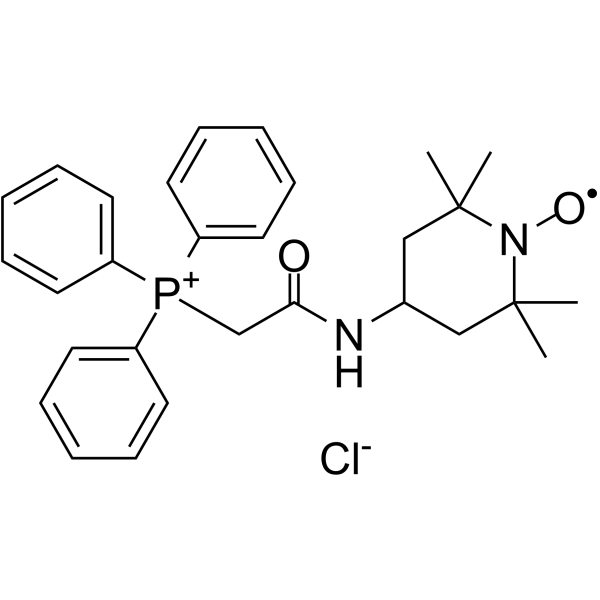
    Mito-TEMPO
    Maximum Cited Publications
    164 Publications Verification

    Calcium Channel PINK1/Parkin Mitochondrial Metabolism Apoptosis Autophagy NOD-like Receptor (NLR) Cardiovascular Disease Neurological Disease Metabolic Disease Inflammation/Immunology
    Mito-TEMPO is a mitochondria-targeted antioxidant. Mito-TEMPO induces mitophagy by activating the PINK1/Parkin pathway, inhibits NLRP3 inflammasome activation, restores mitochondrial membrane potential, and improves renal function and podocyte injury. Mito-TEMPO regulates Ca 2+ homeostasis, inhibits Bnip3 overexpression, shortens action potential duration, and exerts antiarrhythmic effects. Mito-TEMPO reverses premature senescence, reduces trabecular bone loss, and decreases cell apoptosis. Mito-TEMPO can be used in studies of chronic kidney disease, age-related cardiac dysfunction, postmenopausal osteoporosis, and ischemic stroke .
    Mito-TEMPO
  • HY-D0711
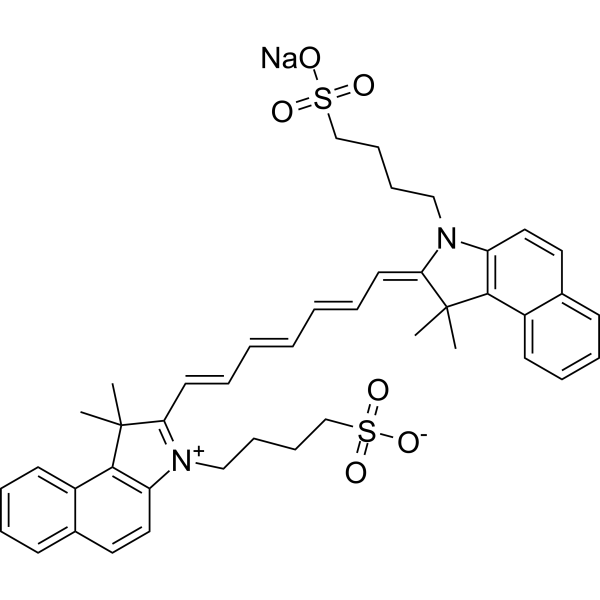
    Indocyanine green
    40+ Cited Publications

    Foxgreen; IC Green; Cardiogreen

    Fluorescent Dye Cancer
    Indocyanine green (Foxgreen) is a low toxicic fluorescent agent that has been widely used in medical diagnostics, such as determining cardiac output, hepatic function, and liver blood flow, and for ophthalmic angiography (Ex/Em = 785/813 nm) .
    Indocyanine green
  • HY-50910
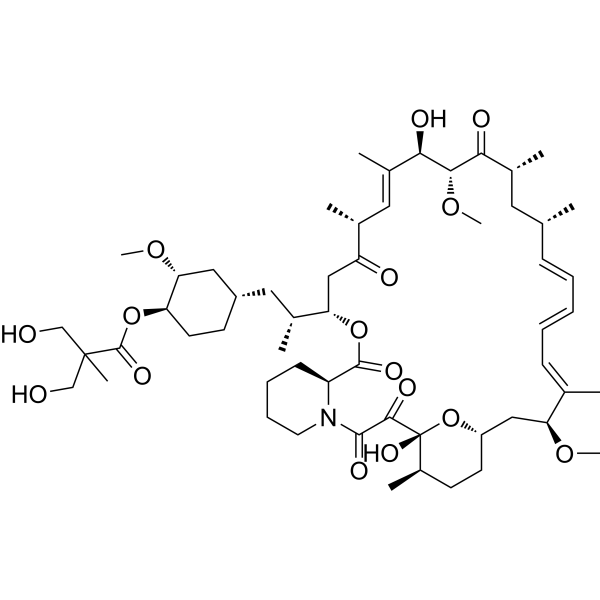
    Temsirolimus
    30+ Cited Publications

    CCI-779

    mTOR Autophagy Apoptosis Bacterial Cancer
    Temsirolimus is an inhibitor of mTOR with an IC50 of 1.76 μM. Temsirolimus activates autophagy and prevents deterioration of cardiac function in animal model .
    Temsirolimus
  • HY-103193

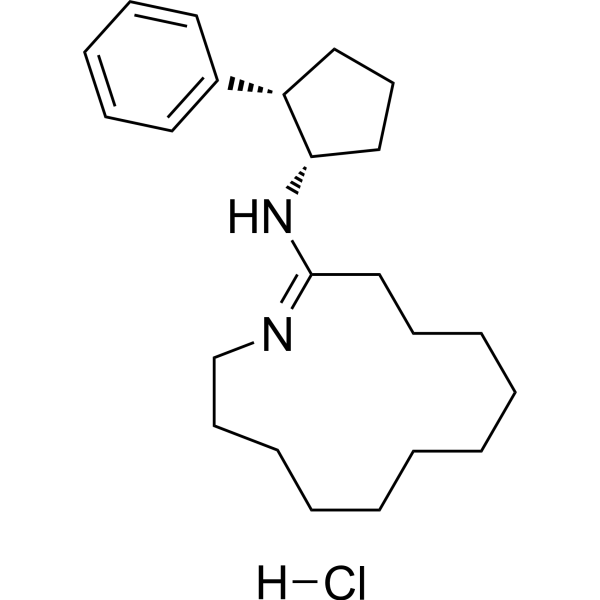
    Colforsin dapropate hydrochloride

    Adenylate Cyclase Cardiovascular Disease
    NKH477 (Colforsin dapropate hydrochloride) directly activates the catalytic unit of adenylate cyclase and increases intracellular cAMP. NKH477 is a forskolin derivative that improves cardiac failure mainly through its beneficial effects on diastolic cardiac function. NKH477 exerts an antiproliferative effect in vivo with an altered cytokine profile to inhibit the acute rejection of rat orthotopic lung allografts .
    NKH477
  • HY-B0252
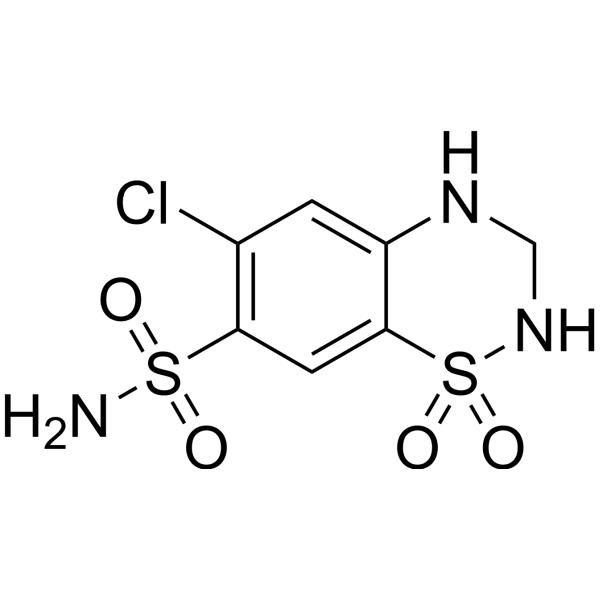
    Hydrochlorothiazide
    5+ Cited Publications

    HCTZ

    TGF-beta/Smad Potassium Channel Cardiovascular Disease Metabolic Disease Cancer
    Hydrochlorothiazide (HCTZ), an orally active diuretic agent of the thiazide class, inhibits transforming TGF-β/Smad signaling pathway. Hydrochlorothiazide has direct vascular relaxant effects via opening of the calcium-activated potassium (KCA) channel. Hydrochlorothiazide improves cardiac function, reduces fibrosis and has antihypertensive effect .
    Hydrochlorothiazide
  • HY-16657
    TAPI-1
    10+ Cited Publications

    MMP NF-κB Apoptosis TNF Receptor Inflammation/Immunology Cancer
    TAPI-1 is a broad-spectrum MMP inhibitor and NF-κB p65 inhibitor that targets ADAM17/TACE, ADAM10 and other proteins. TAPI-1 reduces the proteolytic cleavage of membrane-bound TNF-α, decreases TNF-α levels, inhibits NF-κB pathway activation, and downregulates profibrotic markers. TAPI-1 reduces the proportion of proinflammatory immune cells, alleviates cardiac and airway fibrosis, and improves cardiac function after myocardial infarction. Meanwhile, TAPI-1 inhibits the viability, migration and invasion of esophageal squamous cell carcinoma cells, enhances the chemosensitivity of Cisplatin (HY-17394), induces apoptosis, and shows low toxicity to normal esophageal epithelial cells. TAPI-1 can be widely used in studies related to myocardial infarction-induced heart failure, severe traumatic tracheal stenosis, esophageal squamous cell carcinoma and other conditions .
    TAPI-1
  • HY-111475
    Mitochondrial fusion promoter M1
    2 Publications Verification

    Mitochondrial Metabolism Cardiovascular Disease
    Mitochondrial fusion promoter M1 is a mitochondrial dynamic modulator. Mitochondrial fusion promoter M1 preserves the mitochondrial function and promotes cellular respiration. Mitochondrial fusion promoter M1 alleviates cardiac and brain damage in rats with cardiac ischemia/reperfusion injury .
    Mitochondrial fusion promoter M1
  • HY-17629
    Dapansutrile
    5 Publications Verification

    NOD-like Receptor (NLR) Inflammation/Immunology Cancer
    Dapansutrile is a potent, orally active and selective NLRP3 inflammasome inhibitor. Dapansutrile has anti-inflammatory activity and decreases immune factor levels. Dapansutrile can be used for research of inflammatory diseases .
    Dapansutrile
  • HY-B1409

    ISDN

    NO Synthase Cardiovascular Disease
    Isosorbide dinitrate (ISDN) is an NO donor that prevents LV remodeling and degradation of cardiac function following myocardial infarction (MI) .
    Isosorbide dinitrate
  • HY-158426
    2-APQC
    1 Publications Verification

    Sirtuin Cardiovascular Disease
    2-APQC is an orally active and selective agonist of Sirtuin-3 (SIRT3) (Kd=2.756 μM), antagonizes Isoproterenol/ISO (HY-B0468)-induced cytotoxicity. 2-APQC activates the SIRT3-PYCR1 axis to enhance mitochondrial proline metabolism and inhibit the ROS-p38MAPK pathway by inhibiting signaling pathways such as mTOR-p70S6K, JNK, and TGF-β/Smad3. 2-APQC also activates the AMPK-Parkin axis to alleviate myocardial hypertrophy and fibrosis and protect cardiac function. 2-APQC can be used in the study of heart failure .
    2-APQC
  • HY-109128
    Danicamtiv
    1 Publications Verification

    MYK-491

    Myosin Cancer
    Danicamtiv (MYK-491), an inotropic agent, is a selective allosteric activator of cardiac myosin. Danicamtiv increases cardiac systolic function and preserves mechanical efficiency .
    Danicamtiv
  • HY-B0124
    Zonisamide
    3 Publications Verification

    AD 810; CI 912

    Carbonic Anhydrase Apoptosis Neurological Disease
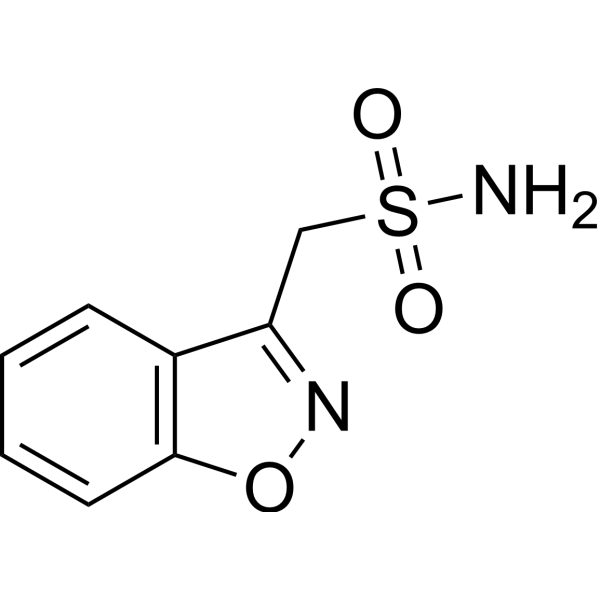
    Zonisamide (AD 810) is an orally active carbonic anhydrase inhibitor, with Kis of 35.2 and 20.6 nM for hCA II and hCA V, respectively. Zonisamide exerts neuroprotective effects through anti-apoptosis and upregulating MnSOD levels. Zonisamide also increases the expression of Hrd1, thereby improving cardiac function in AAC rats. Zonisamide can be used in studies of seizure, parkinson’s disease and cardiac hypertrophy .
    Zonisamide
  • HY-103192
    MDL12330A
    5 Publications Verification

    RMI12330A

    Adenylate Cyclase Potassium Channel Neurological Disease Cancer
    MDL12330A (RMI12330A) is an adenylyl cyclases inhibitor. MDL12330A can inhibit KV channels, increases insulin secretion and Ca 2+ levels. MDL12330A accentuates contractions in uterine rings and inhibits cardiac functions. MDL12330A can be used for the research of endocrinology, metabolic and cardiovascular disease .
    MDL12330A
  • HY-N0633
    Muscone
    4 Publications Verification

    Environmental Pollutants TNF Receptor P-glycoprotein NF-κB NOD-like Receptor (NLR) Interleukin Related Cardiovascular Disease Inflammation/Immunology
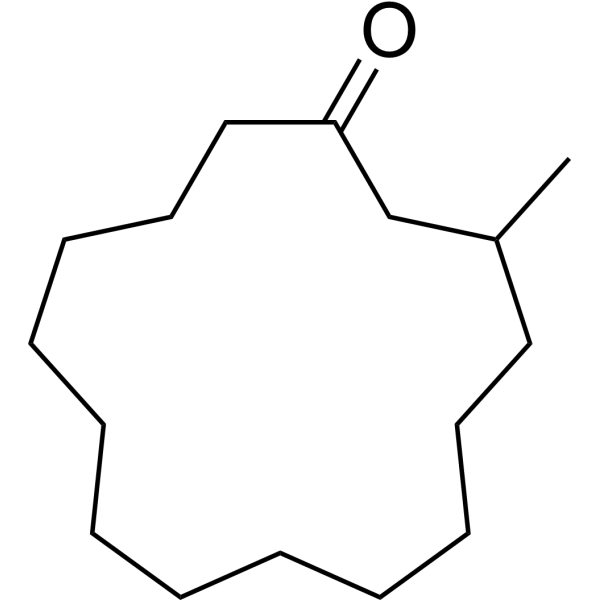
    Muscone is the main active monomer of traditional Chinese medicine musk. Muscone inhibits NF-κB and NLRP3 inflammasome activation. Muscone remarkably decreases the levels of inflammatory cytokines (IL-1β, TNF-α and IL-6), and ultimately improves cardiac function and survival rate .
    Muscone
  • HY-121705

    Endogenous Metabolite Apoptosis Bcl-2 Family NF-κB Survivin Src Akt AMPK NO Synthase Cardiovascular Disease Metabolic Disease Inflammation/Immunology
    Propionyl-L-carnitine is an orally active L-carnitine derivative. Propionyl-L-carnitine has a high affinity for muscle L-carnitine transferase. Propionyl-L-carnitine increases Apoptosis, Bax, and reduces NF-κB, VCAM-1, MCP-1, and survivin. Propionyl-L-carnitine activates Src kinase, Akt, induces p-AMPK and nitric oxide synthesis. Propionyl-L-carnitine alleviates cardiovascular disease, obesity, and colitis .
    Propionyl-L-carnitine
  • HY-175188

    BPN-0027490

    Myosin Neurological Disease
    MT-110 (BPN-0027490) is a non-muscle myosin NMIIB-selective inhibitor with high brain penetration and favorable safety profile. MT-110 specifically disrupts NMIIB-dependent actin dynamics in dendritic spines, while it exerts no significant adverse effects on cardiac myosin II and cardiac functions (such as cardiac output and heart rate) at tested concentrations. A single administration of MT-110 produces long-lasting (sustained for several weeks) blockade of methamphetamine motivation associated with environmental cues. MT-110 exhibits extremely high specificity, with no interference with cocaine motivation, hippocampus-dependent memory, fear memory, or locomotor and anxiety-like behaviors. MT-110 serves as a valuable tool compound for investigating the mechanisms of methamphetamine use disorder .
    MT-110
  • HY-159821

    CK-4021586; CK-586

    Myosin Cardiovascular Disease
    Ulacamten (CK-4021586; CK-586) is an orally active cardiac myosin inhibitor and an inhibitor of the double-headed cardiac heavy meromyosin (HMM)ATPase (excluding single-headed myosin subfragment-1), with an EC50 of 2.9 μM. Ulacamten regulates cardiac myosin, reduces excessive myocardial contractility, and alleviates left ventricular outflow tract obstruction. Ulacamten increases the left ventricular short-axis systolic internal diameter, inhibits dobutamine-induced exacerbation of obstruction, and exerts only a mild reducing effect on left ventricular systolic function. Ulacamten also inhibits the fractional shortening of the short axis without altering calcium transients. Ulacamten shows good safety and tolerability in purpose-bred cats with naturally occurring obstructive hypertrophic cardiomyopathy .
    Ulacamten
  • HY-173572

    Sirtuin Autophagy Cardiovascular Disease
    SKLB-11A is a selective, orally active and allosteric SIRT3 (sirtuin 3) agonist with a Kd value of 4.7 μM. SKLB-11A is highly selective for other members of the SIRT family. SKLB-11A activates autophagy-related signaling pathways, prevents mitochondrial dysfunction, improves cardiac function in Doxorubicin (HY-15142A)-induced cardiotoxicity and myocardial ischemia/reperfusion models .
    SKLB-11A
  • HY-125944
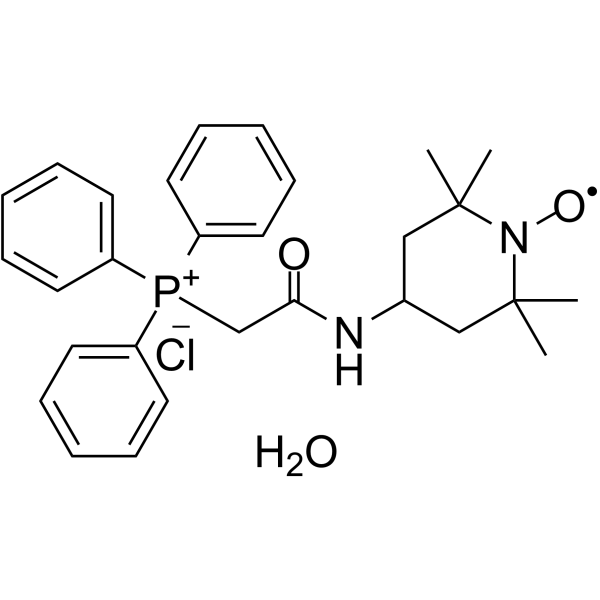
    MitoTEMPO hydrate
    Maximum Cited Publications
    164 Publications Verification

    Mitochondrial Metabolism PINK1/Parkin NOD-like Receptor (NLR) Autophagy Calcium Channel Apoptosis Cardiovascular Disease Neurological Disease Metabolic Disease Endocrinology
    MitoTEMPO hydrate is a mitochondria-targeted antioxidant . MitoTEMPO hydrate induces mitophagy by activating the PINK1/Parkin pathway, inhibits NLRP3 inflammasome activation, restores mitochondrial membrane potential, and improves renal function and podocyte injury. MitoTEMPO hydrate regulates Ca 2+ homeostasis, inhibits Bnip3 overexpression, shortens action potential duration, and exerts antiarrhythmic effects. MitoTEMPO hydrate reverses premature senescence, reduces trabecular bone loss, and decreases cell apoptosis. MitoTEMPO hydrate can be used in studies of chronic kidney disease, age-related cardiac dysfunction, postmenopausal osteoporosis, and ischemic stroke .
    MitoTEMPO hydrate
  • HY-106844A

    Phosphodiesterase (PDE) Cardiovascular Disease
    (+)-EMD 57033 is a cardiac troponin C (cTnC) activator, is a dominant Ca 2+ sensitizer. (+)-EMD 57033 binds the cardiac/slow skeletal troponin C isoform and exerts myocardial contractile promotion function .
    (+)-EMD 57033
  • HY-112205
    RR-11a
    3 Publications Verification

    Legumain Cancer
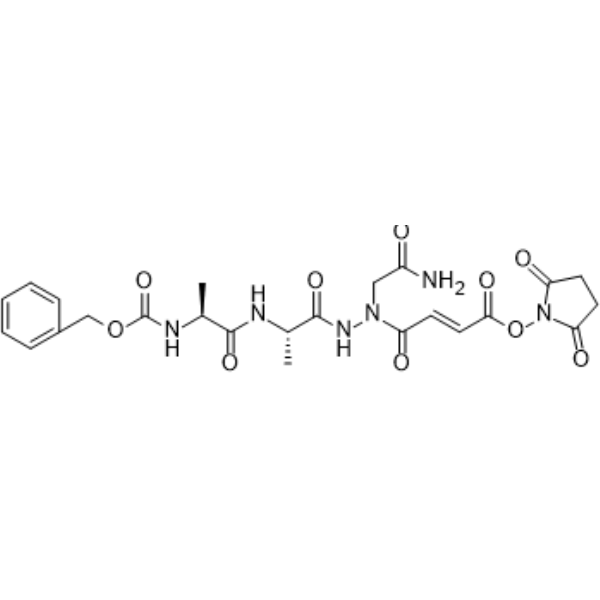
    RR-11a is a synthetic enzyme inhibitor of Legumain (IC50=31-55 nM). RR-11a can be used for the research of cancer and acute myocardial infarction (AMI) .
    RR-11a
  • HY-145154

    Na+/K+ ATPase Drug Metabolite Cardiovascular Disease Metabolic Disease
    Digoxigenin monodigitoxoside, a metabolite of Digoxin (HY-B1049), belongs to the class of cardenolides. Digoxigenin monodigitoxoside exerts its function by inhibiting Na,K-ATPase. Digoxigenin monodigitoxoside is used for the research of cardiovascular diseases such as congestive heart failure and cardiac arrhythmias .
    Digoxigenin monodigitoxoside
  • HY-149662

    Calcium Channel ATP Synthase Myosin Cardiovascular Disease
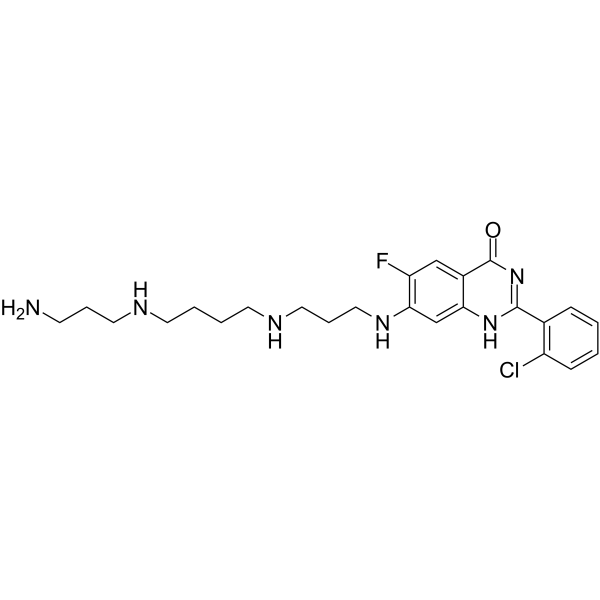
    TMDJ-035 is a high-affinity, selective RyR2 inhibitor with an EC50 of 0.0130 μM. TMDJ-035 reduces RyR2 protein expression without affecting action potential-induced Ca 2+ transients. TMDJ-035 decreases ATP content and intracellular Ca 2+ levels. TMDJ-035 inhibits arrhythmias in a CPVT mouse model carrying mutant RyR2s. TMDJ-035 has no effect on electrocardiogram parameters or cardiac systolic function. TMDJ-035 exacerbates heart failure in mouse myocardial infarction models and hypoxic cardiomyocytes by altering cardiac function, causing tissue damage, promoting inflammatory infiltration, collagen deposition, and changes in Myosin heavy chain/actin expression. TMDJ-035 can be used in studies related to heart failure, catecholaminergic polymorphic ventricular tachycardia, and arrhythmias .
    TMDJ-035
  • HY-143248
    KR-39038
    1 Publications Verification

    G Protein-coupled Receptor Kinase (GRK) HDAC Cardiovascular Disease
    KR-39038 is an orally active and potent GRK5 (G protein-coupled receptor kinase 5) inhibitor, with an IC50 of 0.02 μM. KR-39038 significantly inhibits angiotensin II-induced cellular hypertrophy through suppression of HDAC5 pathway in neonatal cardiomyocytes. KR-39038 shows profound anti-hypertrophic effects and improved cardiac function. KR-39038 can be used for heart failure research .
    KR-39038
  • HY-P1723
    Spexin
    2 Publications Verification

    Neuropeptide Q

    Neuropeptide Y Receptor Apoptosis Ferroptosis Autophagy Cardiovascular Disease Neurological Disease
    Spexin (Neuropeptide Q) is a selective agonist of galanin receptors GAL2 and GAL3, and is a conserved peptide that functions as a neurotransmitter/neuromodulator and endocrine factor. Spexin can function through both central and peripheral actions. Spexin upregulates Beclin 1 to inhibit ferroptosis induced by excessive autophagy, reduces the uptake of long-chain fatty acids by adipocytes, and regulates energy metabolism by increasing lipid oxidation (e.g., reducing the respiratory exchange ratio in rodents). Spexin improves cardiac function in the Doxorubicin hydrochloride (HY-15142)-induced cardiotoxicity model, protects mitochondrial membrane potential, and reduces iron accumulation and lipid peroxidation. Spexin can be used to study obesity and its related metabolic disorders, cardiovascular diseases (e.g., cardioprotection), and side effects of tumor chemotherapy .
    Spexin
  • HY-N0430

    Coptisin

    Indoleamine 2,3-Dioxygenase (IDO) NF-κB p38 MAPK PI3K Akt Apoptosis Reactive Oxygen Species (ROS) Mitochondrial Metabolism DNA/RNA Synthesis ROCK LDLR Cardiovascular Disease Neurological Disease Metabolic Disease Inflammation/Immunology Cancer
    Coptisine is an orally active and brain-penetrant alkaloid found in Coptis chinensis. Coptisine is a reversible, uncompetitive IDO inhibitor with a Ki of 5.8 μM and an IC50 of 6.3 μM. Coptisine suppresses neuroinflammation, reduces Aβ plaque burden and shows neuroprotective activity. Coptisine shows anti-inflammation activity by blocking NF-κB, MAPK, and PI3K/Akt activation. Coptisine inhibits cancer cells proliferation, induces DNA damage, G2/M phase cell cycle arrest, apoptosis, ROS production and mitochondrial dysfunction. Coptisine inhibits Rho/ROCK pathway activation, reduces arrhythmia, limits cardiac injury marker release, reduces infarct size, and preserves cardiac function in rat myocardial ischemia/reperfusion models. Coptisine downregulates HMGCR and upregulates LDLR and CYP7A1 to modulate cholesterol metabolism, reduces abnormal serum lipid levels, and promotes fecal bile acid excretion. Coptisine can be used for the research of cancer, hypercholesterolemia, Alzheimer’s disease, inflammatory disorders and cardiovascular disease .
    Coptisine
  • HY-N0430A
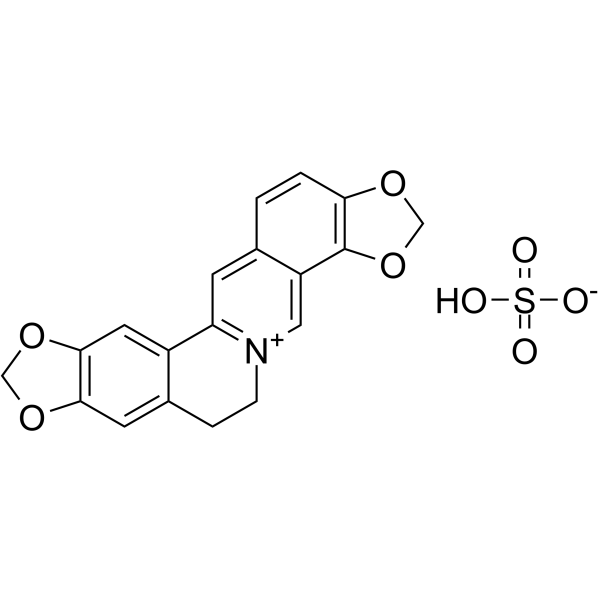
    Coptisine Sulfate
    5 Publications Verification

    Indoleamine 2,3-Dioxygenase (IDO) NF-κB p38 MAPK PI3K Akt Apoptosis Reactive Oxygen Species (ROS) Mitochondrial Metabolism DNA/RNA Synthesis ROCK LDLR Cardiovascular Disease Neurological Disease Metabolic Disease Inflammation/Immunology Cancer
    Coptisine Sulfate is an orally active and brain-penetrant alkaloid found in Coptis chinensis. Coptisine Sulfate is a reversible, uncompetitive IDO inhibitor with a Ki of 5.8 μM and an IC50 of 6.3 μM. Coptisine Sulfate suppresses neuroinflammation, reduces Aβ plaque burden and shows neuroprotective activity. Coptisine Sulfate shows anti-inflammation activity by blocking NF-κB, MAPK, and PI3K/Akt activation. Coptisine Sulfate inhibits cancer cells proliferation, induces DNA damage, G2/M phase cell cycle arrest, apoptosis, ROS production and mitochondrial dysfunction. Coptisine Sulfate inhibits Rho/ROCK pathway activation, reduces arrhythmia, limits cardiac injury marker release, reduces infarct size, and preserves cardiac function in rat myocardial ischemia/reperfusion models. Coptisine Sulfate downregulates HMGCR and upregulates LDLR and CYP7A1 to modulate cholesterol metabolism, reduces abnormal serum lipid levels, and promotes fecal bile acid excretion. Coptisine Sulfate be used for the research of cancer, hypercholesterolemia, Alzheimer’s disease, inflammatory disorders and cardiovascular disease .
    Coptisine Sulfate
  • HY-147292

    CK-136

    Calcium Channel Cardiovascular Disease
    Nelutroctiv (CK-136) is an orally active and selective cardiac troponin activator. Nelutroctiv activates cardiac sarcomeres by enhancing the sensitivity of troponin to calcium ions and promoting the interaction between actin and myosin. Nelutroctiv enhances cardiac contractility. Nelutroctiv can be used in the researches for cardiovascular diseases with impaired cardiac contractile function .
    Nelutroctiv
  • HY-N6020B
    Butin
    1 Publications Verification

    Others Cardiovascular Disease Inflammation/Immunology
    Butin is a major biologically active flavonoid isolated from the heartwood of Dalbergia odorifera with oral activity, with strong antioxidant, antiplatelet and anti-inflammatory activities. Butin significantly alleviates myocardial infarction and improves heart function, together with prevents diabetes-induced cardiac oxidative damage in rat .
    Butin
  • HY-D0711R

    Foxgreen (Standard); IC Green (Standard); Cardiogreen (Standard)

    Fluorescent Dye Reference Standards Others
    Indocyanine green (Standard) is the analytical standard of Indocyanine green. This product is intended for research and analytical applications. Indocyanine green (Foxgreen) is a low toxicic fluorescent agent that has been widely used in medical diagnostics, such as determining cardiac output, hepatic function, and liver blood flow, and for ophthalmic angiography .
    Indocyanine green (Standard)
  • HY-177204

    Ferroptosis Apoptosis Glutathione Peroxidase Cardiovascular Disease
    DSPE-PEG2000-WLSEAGPVVTVRALRGTGSW is a polypeptide targeting tenascin-X (Tenascin-X) that can be conjugated with liposomes and exosomes. DSPE-PEG2000-WLSEAGPVVTVRALRGTGSW specifically binds to Tenascin-X on the surface of cardiomyocytes, mediates receptor-dependent uptake of nanocarriers, enhances targeted drug delivery of cargo to cardiomyocytes, and increases drug accumulation in cardiac tissue. DSPE-PEG2000-WLSEAGPVVTVRALRGTGSW protects cardiomyocytes treated with LPS, alleviates oxidative stress, repairs mitochondrial function, inhibits ferroptosis and apoptosis, and downregulates the secretion of pro-inflammatory cytokines at the same time. DSPE-PEG2000-WLSEAGPVVTVRALRGTGSW improves cardiac injury and pathological morphology in mice with sepsis-induced cardiomyopathy, restores GPX4 expression, and promotes the internalization of cardiomyocyte-derived exosomes, making it suitable for related research on sepsis-induced cardiomyopathy, myocardial ischemia-reperfusion injury, and other conditions .
    DSPE-PEG2000-WLSEAGPVVTVRALRGTGSW
  • HY-175746

    CX3CR1 Cardiovascular Disease
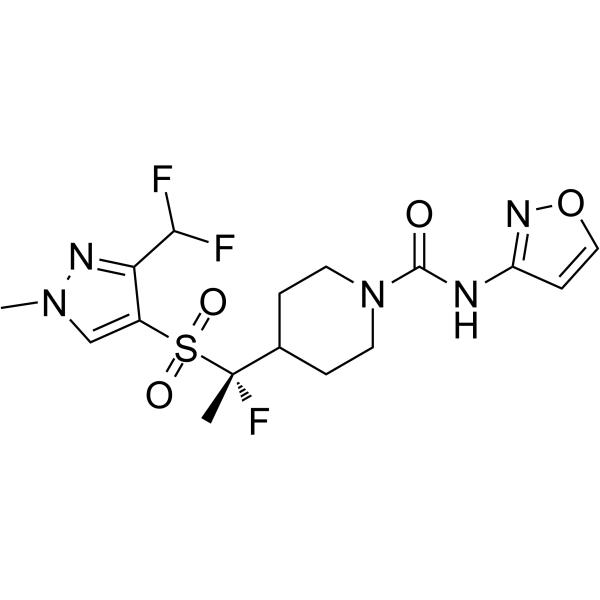
    AZD0233 is an orally active CX3CR1 antagonist. AZD0233 modulates the CX3CR1/CX3CL1 signaling axis via immunomodulatory effects. AZD0233 has improved physicochemical properties, metabolic stability, low toxicity and CYP inhibition. AZD0233 improves cardiac function and reduces macrophages and fibrotic scar in mice model of dilated cardiomyopathy. AZD0233 can be used for cardiovascular diseases like dilated cardiomyopathy research .
    AZD0233
  • HY-174400

    SGLT SOD Na+/H+ Exchanger (NHE) Autophagy Cardiovascular Disease
    SGLT2-IN-2 (Compound E9) is an inhibitor of SGLT2. SGLT2-IN-2 significantly enhances the inhibition of SGLT2, NHE1, and SOD enzyme activity. SGLT2-IN-2 has protective effect on the glucose-free DMEM-induced injured cardiomyocytes. SGLT2-IN-2 significantly improves cardiac function in TAC-induced HF mice and inhibits cardiomyocyte hypertrophy as well as collagen deposition. SGLT2-IN-2 can ameliorate myocardial tissue damage and enhance mitochondrial autophagy in injured cardiomyocytes, thereby increasing survival rates in HF mice .
    SGLT2-IN-2
  • HY-156193

    PDHK Cardiovascular Disease Metabolic Disease
    PF-07208254 is a selective, orally active allosteric inhibitor of branched-chain ketoacid dehydrogenase kinase (BDK) (IC50=110 nM, Ki=54 nM, KD=84 nM). PF-07208254 inhibits BDK-mediated BCKDH phosphorylation and enhances the catabolism of branched-chain amino acids (BCAAs) and branched-chain keto acids (BCKAs) by binding to the allosteric pocket of BDK, reducing BDK binding to BCKDH-E2 and promoting BDK degradation. PF-07208254 inhibits BDK activity in human skeletal muscle cells (IC50=540 nM) and has activity to improve cardiac function and metabolism. PF-07208254 can be used in the study of cardiometabolic diseases (e.g., heart failure, type 2 diabetes) .
    PF-07208254
  • HY-176716

    Aldehyde Dehydrogenase (ALDH) Cardiovascular Disease
    ALDH2 activator 1 (Compound Z17) is an allosteric aldehyde dehydrogenase 2 (ALDH2) agonist. ALDH2 activator 1 enhances cardiac function and reduces myocardial necrosis in a mouse model of myocardial ischemia-reperfusion. ALDH2 activator 1 is promising for research of cardiovascular diseases such as myocardial infarction (MI) .
    ALDH2 activator 1
  • HY-103137
    Zacopride hydrochloride
    1 Publications Verification

    5-HT Receptor Cardiovascular Disease Neurological Disease
    Zacopride hydrochloride is an orally active 5-HT3 receptor (Ki of 0.38 nM) antagonist and 5-HT4 receptor (Ki of 373 nM) agonist. Zacopride hydrochloride exhibits multiple activities, such as regulating gastrointestinal motility, affecting cardiac function, and exerting anxiolytic and antiemetic effects. Zacopride hydrochloride is currently mainly used in the research of gastrointestinal diseases, cardiovascular diseases, and psychiatric diseases such as anxiety .
    Zacopride hydrochloride
  • HY-P1271

    Catestatin (cattle)

    nAChR Cardiovascular Disease
    Catestatin is a 21-amino acid residue, cationic and hydrophobic peptide. Catestatin is an endogenous peptide that regulates cardiac function and blood pressure . Catestatin is a non-competitive nicotinic antagonist acting through nicotinic acetylcholine receptors (nAChRs) to inhibit catecholamine release .
    Catestatin
  • HY-170538

    Lysyl Oxidase Cytochrome P450 Cardiovascular Disease Metabolic Disease
    SNT-5382 is a lysyl oxidase family (LOX) inhibitor and anti-fibrotic agent. SNT-5382 binds to the LTQ cofactor of LOXL2 and inhibits the enzymatic activities of LOXL3, LOXL4, LOXL1, CYP2C9, and CYP2C19. SNT-5382 reduces cardiac and liver fibrosis as well as collagen crosslinks, and improves cardiac function. SNT-5382 can be used for the research of heart failure, myocardial infarction, and nonalcoholic steatohepatitis-related liver fibrosis .
    SNT-5382
  • HY-118960

    ATP Synthase Cardiovascular Disease
    BMS-199264 hydrochloride is an inhibitor of F1F0 ATP hydrolase (IC50=0.5 μM) without inhibitory effect on F1F0 ATP synthase. BMS-199264 hydrochloride selectively inhibits ATP decline during ischemia to reduces cardiac necrosis. BMS-199264 hydrochloride also enhances the recovery of contractile function following reperfusion .
    BMS-199264 hydrochloride
  • HY-B0252S1

    HCTZ-13C,d2

    Isotope-Labeled Compounds TGF-beta/Smad Potassium Channel Cardiovascular Disease Metabolic Disease
    Hydrochlorothiazid- 13C,d2 is the 13C- and deuterium labeled Hydrochlorothiazide. Hydrochlorothiazide (HCTZ), an orally active diuretic agent of the thiazide class, inhibits transforming TGF-β/Smad signaling pathway. Hydrochlorothiazide has direct vascular relaxant effects via opening of the calcium-activated potassium (KCA) channel. Hydrochlorothiazide improves cardiac function, reduces fibrosis and has antihypertensive effect .
    Hydrochlorothiazid-13C,d2
  • HY-P10336

    Serpin Neurological Disease Endocrinology
    Serpinin is an agonist of the protease inhibitor Nexin-1 (PN-1). Serpinin upregulates the expression of PN-1 through the cAMP-PKA-Sp1 signaling pathway, promoting granule biogenesis in endocrine cells. Serpinin is used in research related to the regulation of secretory function . Serpinin is a selective agonist for β-adrenergic receptors. Serpinin interacts with β1-adrenergic receptors to activate the AC-cAMP-PKA pathway, which regulates myocardial systolic and diastolic function. pGlu-serpinin upregulates Bcl2 mRNA transcription and exerts neuroprotective effects .
    Serpinin
  • HY-P1373
    Neuronostatin-13 (human)
    1 Publications Verification

    Somatostatin Receptor Neurological Disease
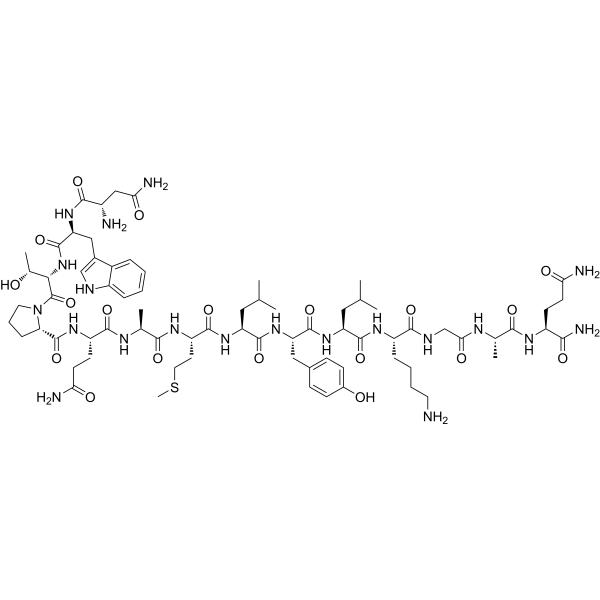
    Neuronostatin-13 human is a 13-amino acid peptide hormone encoded by the somatostatin gene and plays an important role in the regulation of hormonal and cardiac function.
    Neuronostatin-13 (human)
  • HY-B0252R
    Hydrochlorothiazide (Standard)
    5+ Cited Publications

    HCTZ (Standard)

    Reference Standards TGF-beta/Smad Potassium Channel Cardiovascular Disease Metabolic Disease Cancer
    Hydrochlorothiazide (Standard) is the analytical standard of Hydrochlorothiazide. This product is intended for research and analytical applications. Hydrochlorothiazide (HCTZ), an orally active diuretic agent of the thiazide class, inhibits transforming TGF-β/Smad signaling pathway. Hydrochlorothiazide has direct vascular relaxant effects via opening of the calcium-activated potassium (KCA) channel. Hydrochlorothiazide improves cardiac function, reduces fibrosis and has antihypertensive effect .
    Hydrochlorothiazide (Standard)
  • HY-162897

    mAChR Cardiovascular Disease
    BAY-2413555 is an orally active muscarinic acetylcholine receptor M2 modulator that protects the heart and improve cardiac function. BAY-2413555 is promising for research of heart failure .
    BAY-2413555
  • HY-18347

    YM 087 free base

    Vasopressin Receptor Cardiovascular Disease
    Conivaptan (YM 087 free base) is antagonist for vasopressin V1A receptor and vasopressin V2 receptor. Conivaptan ameliorates congestive heart failure, improves cardiac systolic function .
    Conivaptan
  • HY-14252A
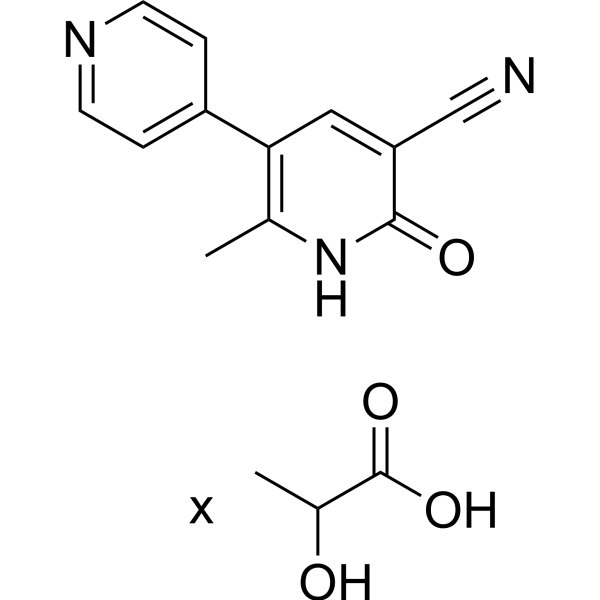
    Milrinone lactate
    30+ Cited Publications

    Win 47203 lactate

    Phosphodiesterase (PDE) Cardiovascular Disease
    Milrinone lactate is a potent inotropic dilating agent. Milrinone lactate shows simultaneous positive inotropic and vasodilating activities. Milrinone lactate promotes reduction of SVR and PVR in patients with DCM and NYHA class III and IV of heart failure. Milrinone lactate has the potential for the research of cardiovascular function after cardiac surgery and in septic shock .
    Milrinone lactate
  • HY-B0252S

    HCTZ-d2

    TGF-beta/Smad Potassium Channel Cardiovascular Disease Metabolic Disease
    Hydrochlorothiazid-d2 is the deuterium labeled Hydrochlorothiazide. Hydrochlorothiazide (HCTZ), an orally active diuretic agent of the thiazide class, inhibits transforming TGF-β/Smad signaling pathway. Hydrochlorothiazide has direct vascular relaxant effects via opening of the calcium-activated potassium (KCA) channel. Hydrochlorothiazide improves cardiac function, reduces fibrosis and has antihypertensive effect .
    Hydrochlorothiazid-d2
  • HY-P1271A

    nAChR Cardiovascular Disease
    Catestatin TFA is a 21-amino acid residue, cationic and hydrophobic peptide. Catestatin TFA is an endogenous peptide that regulates cardiac function and blood pressure . Catestatin TFA is a non-competitive nicotinic antagonist acting through nicotinic acetylcholine receptors (nAChRs) to inhibit catecholamine release .
    Catestatin TFA
  • HY-121259

    Adriamycinol; DXR-OL

    Endogenous Metabolite Cardiovascular Disease
    Doxorubicinol, a potent inhibitor of the cardiac sarcoplasmic reticulum calcium pump, inhibits systolic myocardial function in isolated heart muscle. Doxorubicinol inhibits tumor cell growth and has cardiotoxicity.
    Doxorubicinol
  • HY-B1409S

    ISDN-13C6

    NO Synthase Cardiovascular Disease
    Isosorbide dinitrate- 13C6 is the 13C labeled Isosorbide dinitrate . Isosorbide dinitrate (ISDN) is an NO donor that prevents LV remodeling and degradation of cardiac function following myocardial infarction (MI) .
    Isosorbide dinitrate-13C6

Inquiry Online

Your information is safe with us. * Required Fields.

Salutation


Country or Region *

Applicant Name *


Organization Name *

Department *


Email Address *


Product Name *

Cat. No.


Requested quantity *

Phone Number *


Remarks

Inquiry Online

Inquiry Information

Product Name:
Cat. No.:
Quantity:
MCE Japan Authorized Agent:

