Search Result
Results for "
cationic dye
" in MedChemExpress (MCE) Product Catalog:
4
Biochemical Assay Reagents
2
Isotope-Labeled Compounds
| Cat. No. |
Product Name |
Target |
Research Areas |
Chemical Structure |
-
- HY-D0985A
-
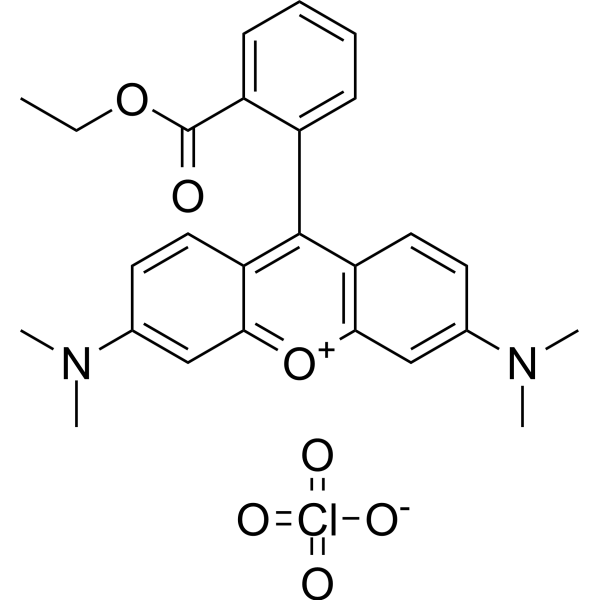
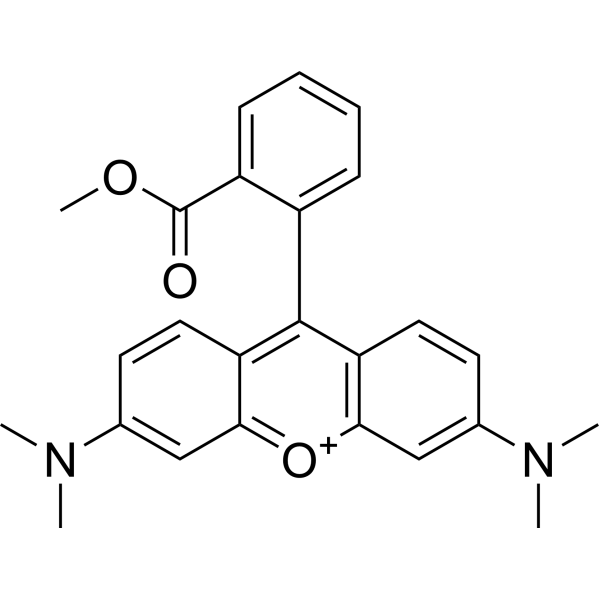
TMRE
Maximum Cited Publications
75 Publications Verification
Tetramethylrhodamine ethyl ester perchlorate
|
Fluorescent Dye
|
Others
|
|
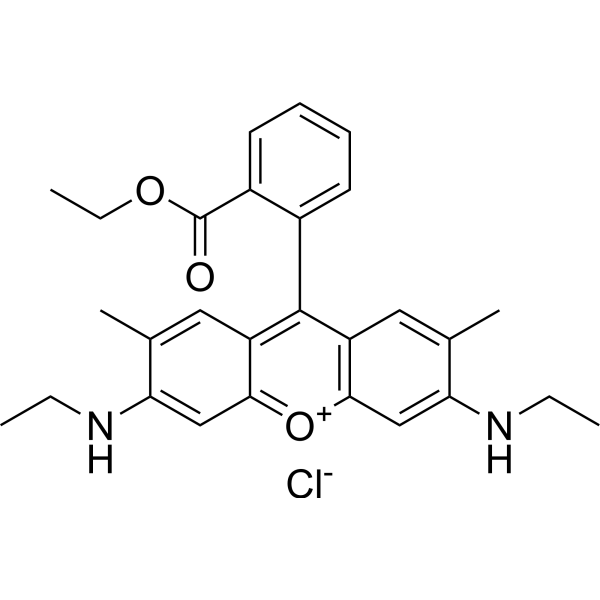
Rhodamine dyes are membrane-permeable cationic fluorescent probes that specifically recognize mitochondrial membrane potentials, thereby attaching to mitochondria and producing bright fluorescence, and at certain concentrations, rhodamine dyes have low toxicity to cells, so they are commonly used to detect mitochondria in animal cells, plant cells, and microorganisms .
|
-
-
- HY-D0984A
-
|
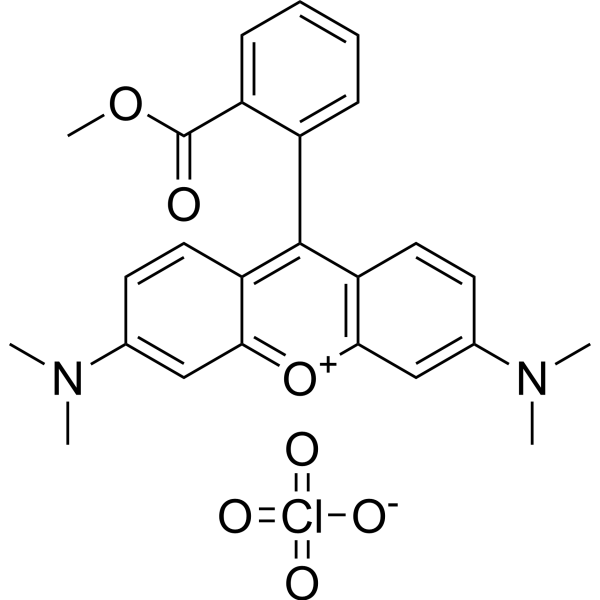
T668
|
Fluorescent Dye
|
Others
|
|
Rhodamine dyes are membrane-permeable cationic fluorescent probes that specifically recognize mitochondrial membrane potentials, thereby attaching to mitochondria and producing bright fluorescence, and at certain concentrations, rhodamine dyes have low toxicity to cells, so they are commonly used to detect mitochondria in animal cells, plant cells, and microorganisms .
|
-
-
- HY-D0218
-
|
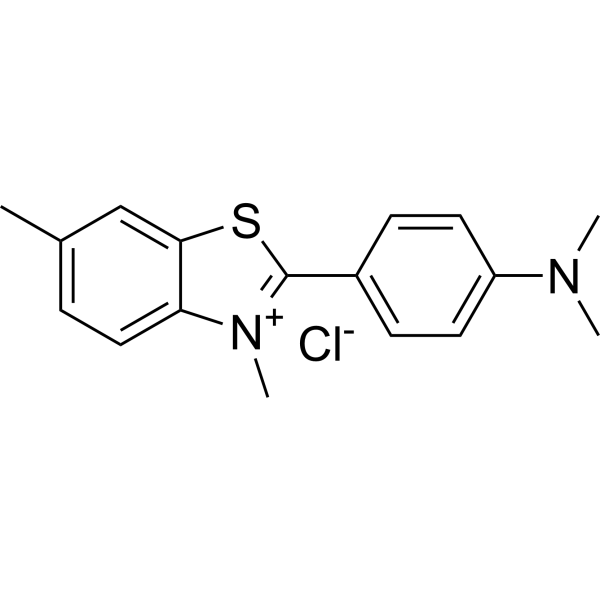
Basic Yellow 1
|
Amyloid-β
|
Others
|
|
Thioflavin T is a cationic Benzothiazole dye that shows enhanced fluorescence upon binding to amyloid in tissue sections. Excitation max.: ~385 nm (free); ~450 nm (bound); Emission max.: ~445 nm (free); ~485 nm (bound) .
|
-
-
- HY-D0816
-
|
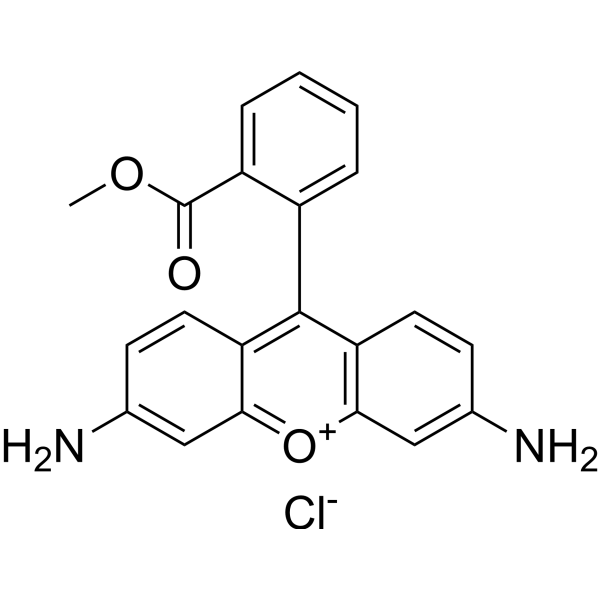
RH-123; R-22420
|
Fluorescent Dye
|
Cardiovascular Disease
|
|
Rhodamine dyes are membrane-permeable cationic fluorescent probes that specifically recognize mitochondrial membrane potentials, thereby attaching to mitochondria and producing bright fluorescence, and at certain concentrations, rhodamine dyes have low toxicity to cells, so they are commonly used to detect mitochondria in animal cells, plant cells, and microorganisms .
|
-
-
- HY-W751238
-
|
DMMB
|
Fluorescent Dye
|
Others
|
|
Dimethyl methylene blue zinc chloride double salt (DMMB) is a cationic dye. Dimethyl methylene blue zinc chloride double salt competitively binds to the active site of the PANI-Benz-Ag nanocomposite with endotoxin, releasing DMMB and increasing the fluorescence intensity. Dimethyl methylene blue zinc chloride double salt can be used as a fluorescent probe for the detection of bacteria (such as E. Coli) endotoxin . Dimethyl methylene blue zinc chloride double salt can be used for the quantification of sulfated glycosaminoglycans .
|
-
-
- HY-D0001
-
|
|
Fluorescent Dye
|
Others
|
|
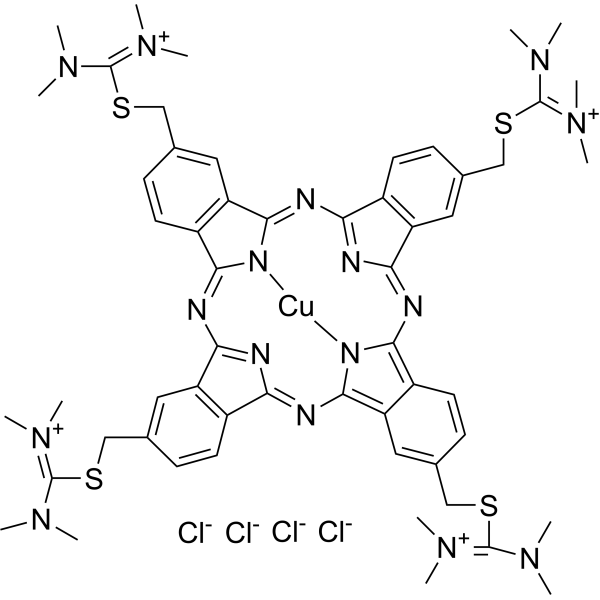
Alcian Blue 8GX is a commonly used phthalocyanine dye that binds to glycoproteins and glycosaminoglycans. Alcian Blue 8GX has a wide range of applications in biological staining, including proteins in brain tumors and DNA in cells and tissues .
|
-
-
- HY-D0971
-
|
Pyronine G; C.I. 45005
|
DNA Stain
|
Others
|
|
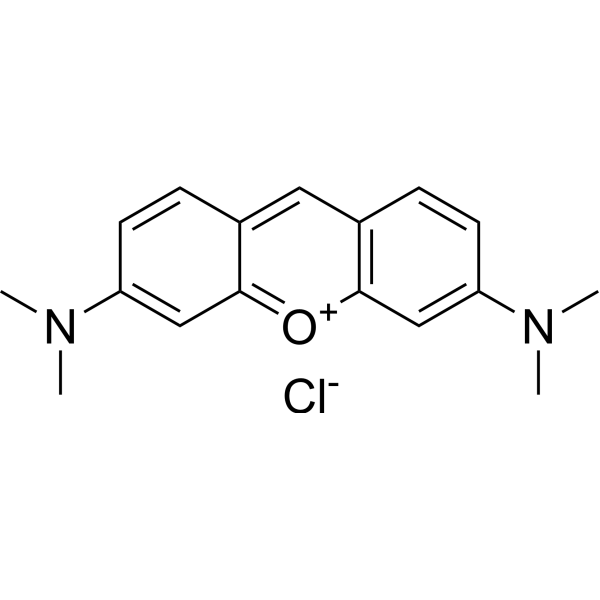
Pyronin Y (Pyronine G) is a cationic dye that intercalates RNA and has been used to target cell structures including RNA, DNA and organelles. Pyronin Y forms fluorescent complexes with double-stranded nucleic acids (especially RNA) enabling semi-quantitative analysis of cellular RNA. Pyronin Y can be used to identify specific RNA subspecies of ribonuclear proteins complexes in live cells .
|
-
-
- HY-D0987
-
|
|
Calmodulin
|
Others
|
|
Stains-All, a cationic carbocyanine dye, is a convenient probe to study the structural features of the individual calcium-binding sites of calmodulin (CaM) and related calcium-binding proteins (CaBP) .
|
-
-
- HY-D0309
-
|
Basic Red 1
|
Environmental Pollutants
Fluorescent Dye
|
Cancer
|
|
Rhodamine dyes are membrane-permeable cationic fluorescent probes that specifically recognize mitochondrial membrane potentials, thereby attaching to mitochondria and producing bright fluorescence, and at certain concentrations, rhodamine dyes have low toxicity to cells, so they are commonly used to detect mitochondria in animal cells, plant cells, and microorganisms .
|
-
-
- HY-D0203
-
|
Malachite green
|
Environmental Pollutants
Fluorescent Dye
|
Others
|
|
Basic green 4 (Malachite green) is a cationic dye that is widely used as a bactericide in aquaculture and is also commonly used in laboratories for the determination of phosphates. Basic green 4 exhibits high cytotoxicity and carcinogenicity to mammalian cells, specifically shown by its IC50 values of 2.03 µM for HEp-2 human laryngeal cells and 13.8 µM for Caco-2 human colorectal adenocarcinoma cells, and it can promote the development of liver tumors. The maximum absorbance wavelength is 621 nm .
|
-
-
- HY-D0955
-
|
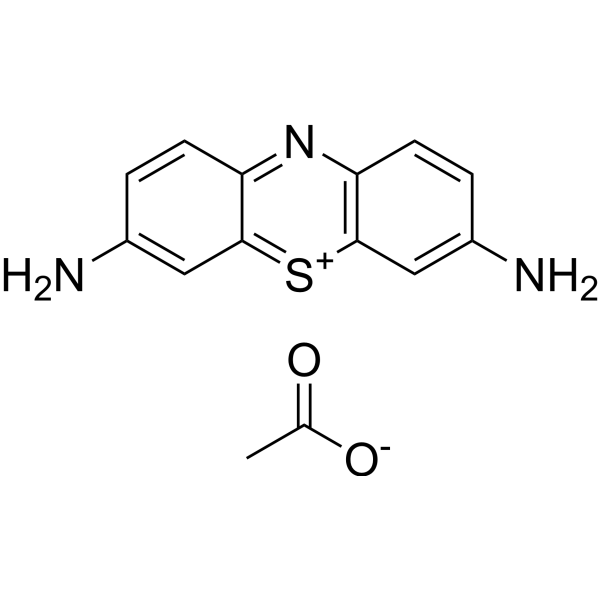
Thionine acetate
|
Biochemical Assay Reagents
Bacterial
|
Infection
|
|
Thionin acetate (Thionine acetate) is a compound present in the seeds, stems, roots, and leaves of many plant species with antibacterial activity. Thionin acetate is a metachromatic cationic histological dye widely used in biological staining .
|
-
-
- HY-D0004
-
|
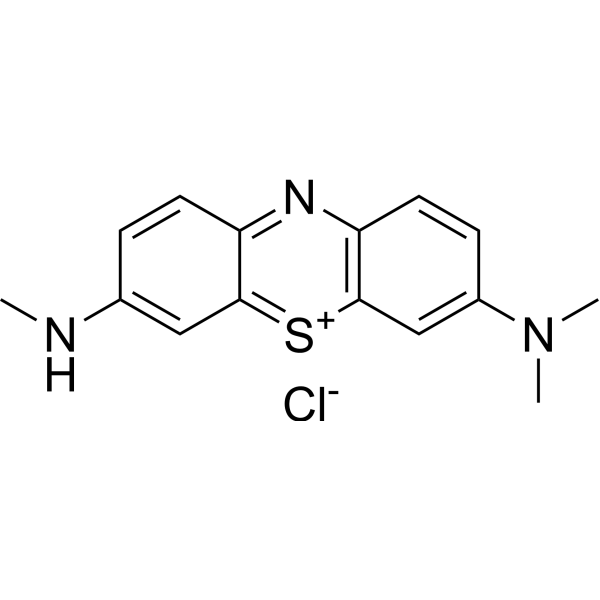
Azure B chloride
|
Monoamine Oxidase
|
Neurological Disease
|
|
Azure B is a cationic dye and the major metabolite of Methylene blue. Azure B is used in making Azure eosin stains for blood smear staining. Azure B is a high-potency, selective and reversible inhibitor of monoamine oxidases (MAO)-A, with IC50s of 11 and 968 nM for recombinant human MAO-A and MAO-B, respectively. Azure B possesses significant antidepressant-like effects .
|
-
-
- HY-D0984
-
|
|
Fluorescent Dye
|
Inflammation/Immunology
|
|
Rhodamine dyes are membrane-permeable cationic fluorescent probes that specifically recognize mitochondrial membrane potentials, thereby attaching to mitochondria and producing bright fluorescence, and at certain concentrations, rhodamine dyes have low toxicity to cells, so they are commonly used to detect mitochondria in animal cells, plant cells, and microorganisms .
|
-
-
- HY-D0215
-
|
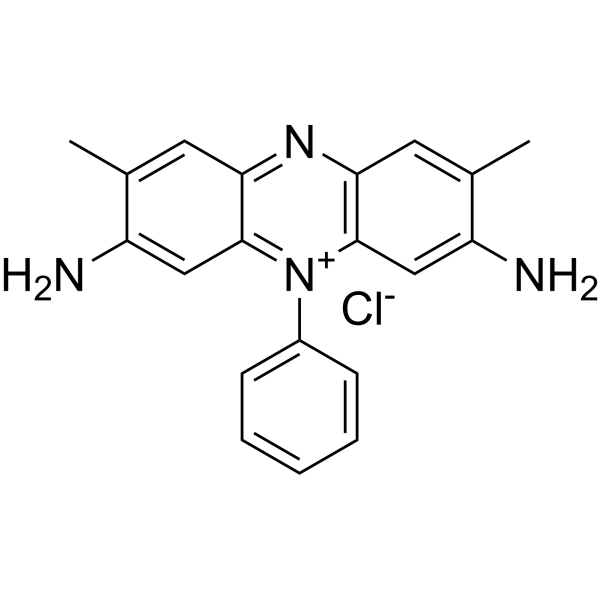
Safranine T
|
Fluorescent Dye
Bacterial
|
Infection
Metabolic Disease
|
|
Safranin (Safranin T) is an important and classical phenazinium dye. Safranin has been extensively used in the academic field as a spectroscopic probe and indicator. Safranin possesses a planar structure and cationic charge. Safranin can readily intercalate into biological macromolecules, including DNA and proteins. Safranin has antibacterial effects against gram-positive bacteria (S. aureus). Safranin can be used as a redox indicator in the determination of metal ion concentration .
|
-
-
- HY-DY1042
-
|
|
Fluorescent Dye
|
Others
|
Rhodamine dyes are membrane-permeable cationic fluorescent probes that specifically recognize mitochondrial membrane potentials, thereby attaching to mitochondria and producing bright fluorescence, and at certain concentrations, rhodamine dyes have low toxicity to cells, so they are commonly used to detect mitochondria in animal cells, plant cells, and microorganisms . Solvent and concentration: DMSO: 10 mM
|
-
-
- HY-W247131
-
DASPEI
2 Publications Verification
|
Fluorescent Dye
|
Neurological Disease
|
|
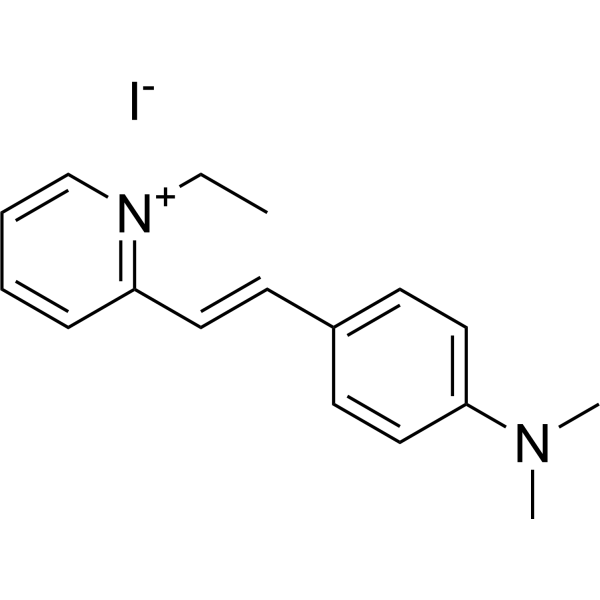
DASPEI is a cationic styrenyl mitochondrial dye with large Stokes shift. DASPEI has excitation and emission wavelength at 550/573 nm, which has good light chromogenic property. DASPEI can stain mitochondria in living cells with good labeling property. And DASPEI can also be used to stain presynaptic nerve endings independently of neuronal activity .
|
-
-
- HY-D0957
-
|
|
Fluorescent Dye
Bacterial
|
Infection
|
|
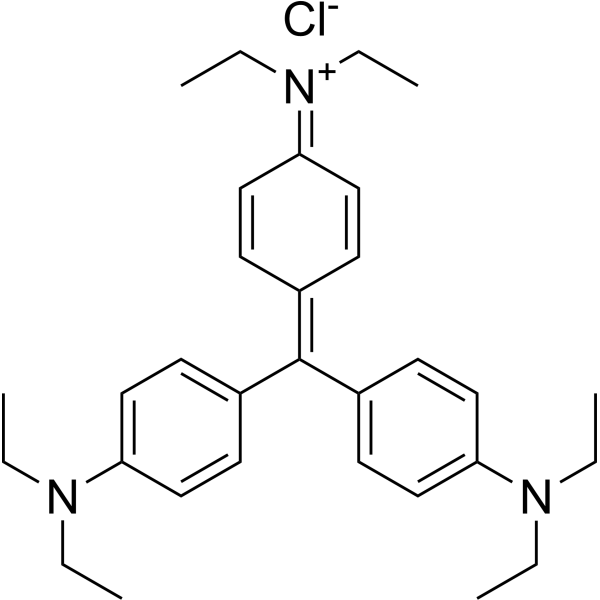
Ethyl Violet is a triphenylmethane cationic dye with antibacterial activity. Ethyl Violet is applicable to research related to antibacterial therapy and histological staining .
|
-
-
- HY-D1509
-
|
|
Fluorescent Dye
|
Others
|
|
Phenazine ethosulfate is a cationic dye (Ex=390 nm, Em=530 nm) and an electron acceptor that can be used in dye-linked enzyme assays. Phenazine ethosulfate is an intermediate for detecting nitric oxide reducatase (Nors) activity with the presence of ascorbic acid .
|
-
-
- HY-D1543
-
|
|
DNA Stain
|
Infection
|
|
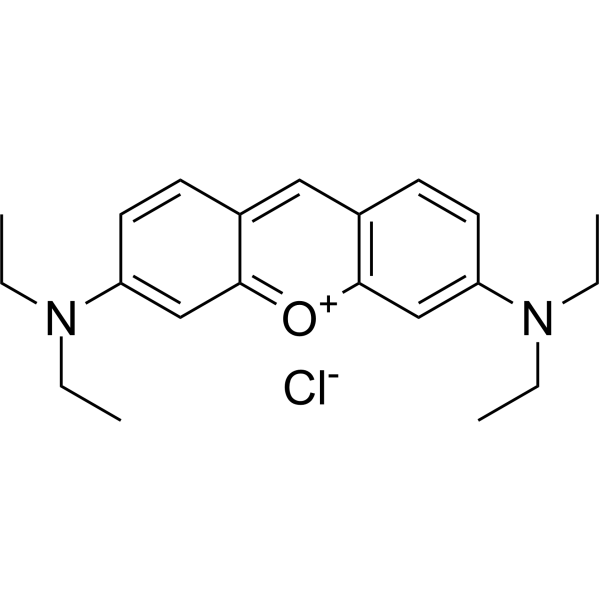
Pyronin B is an organic cationic dye used for the staining of bacteria, mycobacteria and ribonucleic acids. Pyronin B is also used as a small hydrophobic (SH) protein channel inhibitor .
|
-
-
- HY-108166A
-
|
|
Fluorescent Dye
|
Infection
|
|
Hydroxystilbamidine bis(methanesulfonate) is a dye that can bind to DNA and RNA; it's a fluorescent cationic dye, often used as a retrograde neuronal tracer and has also been found to be a potent inhibitor of cellular ribonucleases.
|
-
-
- HY-101876
-
|
|
Fluorescent Dye
|
Others
|
|
Rhodamine dyes are membrane-permeable cationic fluorescent probes that specifically recognize mitochondrial membrane potentials, thereby attaching to mitochondria and producing bright fluorescence, and at certain concentrations, rhodamine dyes have low toxicity to cells, so they are commonly used to detect mitochondria in animal cells, plant cells, and microorganisms .
|
-
-
- HY-DY1049
-
|
|
Amyloid-β
|
Others
|
Thioflavin T (solution) is a cationic Benzothiazole dye that shows enhanced fluorescence upon binding to amyloid in tissue sections. Excitation max.: ~385 nm (free) ; ~450 nm (bound) ; Emission max.: ~445 nm (free) ; ~485 nm (bound) . Solvent and Concentration: Sterile water: 10 mM The 1 mL volume is defined as the base specification. All larger sizes correspond to incremental volumes of this base.
|
-
-
- HY-W250147
-
|
Victoria blue B
|
Biochemical Assay Reagents
|
Others
|
|
Basic blue 26 (Victoria blue B) is a synthetic cationic dye belonging to the class of triarylmethane dyes. It has a bright blue color and is commonly used as a colorant for a variety of applications, including textiles, paper and leather. Basic Blue 26 is also used as a biological stain for DNA and protein detection in laboratories. Due to its ability to bind negatively charged materials, it can be used as an indicator of the presence of specific molecules in biological samples. However, Basic blue 26 has been reported to have potentially harmful effects on human health and the environment and its use is regulated in some countries. Proper handling and disposal procedures are necessary to minimize its impact on the environment.
|
-
-
- HY-D0233
-
|
|
Fluorescent Dye
|
Others
|
|
Leucocrystal violet is a cationic triarylmethane dye. Leucocrystal violet generates a colored purple product in the presence of hydrogen peroxide and horseradish peroxidase, or when oxidized by periodate under the catalysis of horseradish peroxidase. Leucocrystal violet serves as a chromogenic reagent for the determination of submicrogram-level hydrogen peroxide, with no interference from tryptophan, persulfate or chromate. Leucocrystal violet reacts with blood to produce a purple/violet color in the presence of hydrogen peroxide; it forms a very weak fluorophore when acting with whole blood in an unbuffered solution, with a maximum absorption wavelength of 630 nm and a maximum fluorescence emission wavelength of 665 nm upon excitation at 630 nm. Leucocrystal violet is widely used for staining blood residues on porous and non-porous materials .
|
-
-
- HY-D0303A
-
|
Solvent Orange 3 hydrochloride
|
Fluorescent Dye
|
Others
|
|
Chrysoidine G (Solvent Orange 3 hydrochloride) is an industrial azoic dye (cationic dye). Chrysoidine G (Solvent Orange 3 hydrochloride) is used for the construction of most textile dyestuffs and also in synthetic industrial compounds. Chrysoidine G (Solvent Orange 3 hydrochloride) concentration can be determined by UV-Vis spectroscopy .
|
-
-
- HY-101901
-
-
-
- HY-DY1023
-
|
|
Fluorescent Dye
|
Others
|
Rhodamine dyes are membrane-permeable cationic fluorescent probes that specifically recognize mitochondrial membrane potentials, thereby attaching to mitochondria and producing bright fluorescence, and at certain concentrations, rhodamine dyes have low toxicity to cells, so they are commonly used to detect mitochondria in animal cells, plant cells, and microorganisms . Solvent and concentration: DMSO: 10 mM
|
-
-
- HY-D2864
-
|
|
Fluorescent Dye
|
Others
|
|
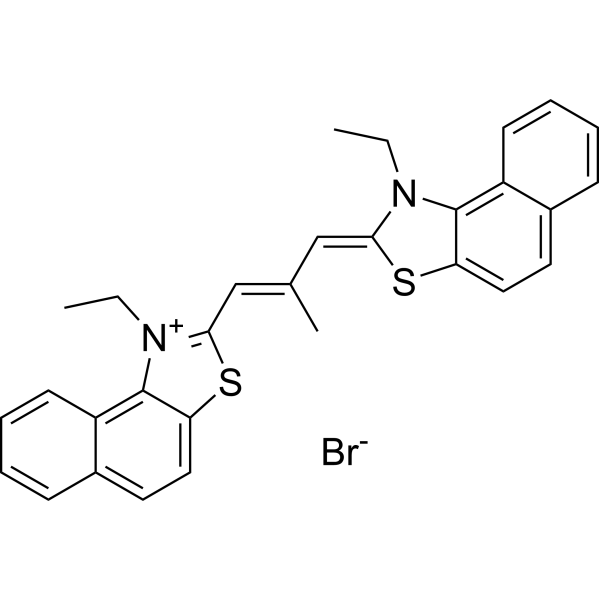
Aza-CyBz is a selective NaCl-responsive fluorescent probe. Aza-CyBz visualizes plant salt stress by forming ordered aggregates with NaCl, leading to near-infrared fluorescence quenching. Aza-CyBz acts via electrostatic interaction between the cationic cyanine dye and NaCl to form J-aggregates, causing fluorescence quenching with a detection limit of 170 μM .
|
-
-
- HY-DY1054
-
|
|
Fluorescent Dye
|
Cardiovascular Disease
|
Rhodamine dyes are membrane-permeable cationic fluorescent probes that specifically recognize mitochondrial membrane potentials, thereby attaching to mitochondria and producing bright fluorescence, and at certain concentrations, rhodamine dyes have low toxicity to cells, so they are commonly used to detect mitochondria in animal cells, plant cells, and microorganisms . Solvent and concentration: DMSO: 5 mM
|
-
-
- HY-161159
-
DMHBO+
1 Publications Verification
|
Fluorescent Dye
|
Others
|
|
DMHBO+ is a cationic chromophore that binds to the Chili aptamer with a Kd of 12 nM. The Chili-DMHBO+ complex is an ideal fluorescence donor for FRET to the rhodamine dye Atto 590, suitable for imaging RNA in cells. Ex/Em=456/592 nm .
|
-
-
- HY-D0309R
-
|
Basic Red 1 (Standard)
|
Fluorescent Dye
Reference Standards
|
Cancer
|
|
Rhodamine 6G (Standard) is the analytical standard of Rhodamine 6G. This product is intended for research and analytical applications. Rhodamine dyes are membrane-permeable cationic fluorescent probes that specifically recognize mitochondrial membrane potentials, thereby attaching to mitochondria and producing bright fluorescence, and at certain concentrations, rhodamine dyes have low toxicity to cells, so they are commonly used to detect mitochondria in animal cells, plant cells, and microorganisms .
|
-
-
- HY-Y0425
-
|
|
Drug Intermediate
Biochemical Assay Reagents
|
Others
|
|
Terephthalaldehyde is a crosslinking agent. Terephthalaldehyde forms a crosslinked structure inside the gelatin matrix by forming Schiff base imines with the amino groups of gelatin, thereby constructing a three-dimensional network. Terephthalaldehyde improves the hydrophobicity of the gelatin matrix, delays water vapor penetration and enhances the liquid water resistance of gelatin films. Terephthalaldehyde can be used as a crosslinking agent to prepare crosslinked chitosan hydrogel (CAAT) via ultrasound-induced synthesis. Terephthalaldehyde helps CAAT hydrogels selectively adsorb anionic dyes from aqueous media, including multi-component systems containing cationic dyes. Terephthalaldehyde serves as a starting material for the synthesis of bis-heterocyclic compounds (including bis-thiazole and bis-triazolopyrimidine compounds) .
|
-
-
- HY-D0008
-
|
|
Bacterial
Fungal
Parasite
|
Infection
|
|
Brilliant green is a cationic dye used to color silk and wool. Brilliant green inhibits propagation of mold, intestinal parasites and fungus. Brilliant green is effective against Gram-positive bacteria .
|
-
-
- HY-W110909
-
|
Titan yellow; Clayton Yellow
|
Biochemical Assay Reagents
|
Others
|
|
Thiazole yellow G, for microscopy is a cationic basic thiazine dye. Thiazole yellow G can be used for the determination of uranium and thorium .
|
-
-
- HY-D0004R
-
|
Azure B chloride (Standard)
|
Reference Standards
Monoamine Oxidase
|
Neurological Disease
|
|
Azure B (Standard) is the analytical standard of Azure B. This product is intended for research and analytical applications. Azure B is a cationic dye and the major metabolite of Methylene blue. Azure B is used in making Azure eosin stains for blood smear staining. Azure B is a high-potency, selective and reversible inhibitor of monoamine oxidases (MAO)-A, with IC50s of 11 and 968 nM for recombinant human MAO-A and MAO-B, respectively. Azure B possesses significant antidepressant-like effects .
|
-
-
- HY-D0949
-
|
|
Fluorescent Dye
|
Others
|
|
Pyronine B is an organic cationic dye. Pyronin B as a solution-processable and heating-free n-type dopant can be used for soft electronics .
|
-
-
- HY-D0303AR
-
|
Solvent Orange 3 hydrochloride (Standard)
|
Fluorescent Dye
Reference Standards
|
Others
|
|
Chrysoidine G (Standard) is the analytical standard of Chrysoidine G. This product is intended for research and analytical applications. Chrysoidine G (Solvent Orange 3 hydrochloride) is an industrial azoic dye (cationic dye). Chrysoidine G (Solvent Orange 3 hydrochloride) is used for the construction of most textile dyestuffs and also in synthetic industrial compounds. Chrysoidine G (Solvent Orange 3 hydrochloride) concentration can be determined by UV-Vis spectroscopy .
|
-
-
- HY-160275
-
|
|
Liposome
|
Others
|
|
DOPE-PEG2000-Fluor 555 is a PEG-lipid-dye conjugate featuring a DOPE phospholipid and a Fluor 555 dye. DOPE (HY-112005) is a neutral helper lipid for cationic liposome. Fluor 555 is a fluorescent dye .
|
-
-
- HY-D1516
-
|
|
Fluorescent Dye
|
Others
|
|
NerveGreen C3 is a cationic styrene based fluorescent dye. NerveGreen C3 can be used to track synaptic activity at neuromuscular junctions or synapses .
|
-
-
- HY-D0501
-
|
|
Fluorescent Dye
|
Others
|
|
Cationic red GTL is a multifunctional dye. Dyes are important tools in biological experiments. They can help researchers observe and analyze cell structures, track biomolecules, evaluate cell functions, distinguish cell types, detect biomolecules, study tissue pathology and monitor microorganisms. Their applications range from basic scientific research to clinical A wide range of diagnostics. Dyes are also widely used in traditional fields such as textile dyeing, as well as in emerging fields such as functional textile processing, food pigments and dye-sensitized solar cells.
|
-
-
- HY-D0553
-
|
|
Fluorescent Dye
|
Others
|
|
Cationic golden yellow 2K is a multifunctional dye. Dyes are important tools in biological experiments. They can help researchers observe and analyze cell structures, track biomolecules, evaluate cell functions, distinguish cell types, detect biomolecules, study tissue pathology and monitor microorganisms. Their applications range from basic scientific research to clinical A wide range of diagnostics. Dyes are also widely used in traditional fields such as textile dyeing, as well as in emerging fields such as functional textile processing, food pigments and dye-sensitized solar cells.
|
-
-
- HY-D0303
-
|
Solvent Orange 3; Chrysoidine Y base
|
Fluorescent Dye
|
Others
|
|
Chrysoidine G (free base) (Solvent Orange 3; Chrysoidine Y base) is a multifunctional dye. Dyes are important tools in biological experiments. They can help researchers observe and analyze cell structures, track biomolecules, evaluate cell functions, distinguish cell types, detect biomolecules, study tissue pathology and monitor microorganisms. Their applications range from basic scientific research to clinical A wide range of diagnostics. Dyes are also widely used in traditional fields such as textile dyeing, as well as in emerging fields such as functional textile processing, food pigments and dye-sensitized solar cells.
|
-
-
- HY-D2639
-
|
|
Fluorescent Dye
|
Metabolic Disease
|
|
TPE-PY is a fluorescent dye targeting mitochondria, which has cationic and lipophilic characteristics, enabling specific targeting of mitochondria. TPE-PY functions through the aggregation-induced emission (AIE) mechanism. TPE-PY mechanism of action is based on the restriction of intramolecular rotation (RIR), which enhances fluorescence in the aggregated state. TPE-PY is mainly used in the field of biological imaging, especially for the specific staining of mitochondria in living cells, facilitating the observation of the location, morphology, and quantity of mitochondria .
|
-
-
- HY-D0233S
-
|
|
Isotope-Labeled Compounds
Fluorescent Dye
|
Others
|
|
Leucocrystal violet-d6 is the deuterium labeled Leucocrystal violet (HY-D0233). Leucocrystal violet is a cationic triarylmethane dye. Leucocrystal violet generates a colored purple product in the presence of hydrogen peroxide and horseradish peroxidase, or when oxidized by periodate under the catalysis of horseradish peroxidase. Leucocrystal violet serves as a chromogenic reagent for the determination of submicrogram-level hydrogen peroxide, with no interference from tryptophan, persulfate or chromate. Leucocrystal violet reacts with blood to produce a purple/violet color in the presence of hydrogen peroxide; it forms a very weak fluorophore when acting with whole blood in an unbuffered solution, with a maximum absorption wavelength of 630 nm and a maximum fluorescence emission wavelength of 665 nm upon excitation at 630 nm. Leucocrystal violet is widely used for staining blood residues on porous and non-porous materials.
|
-
-
- HY-D0233R
-
|
|
Reference Standards
Fluorescent Dye
|
Others
|
|
Leucocrystal violet (Standard) is the analytical standard of Leucocrystal violet (HY-D0233). This product is intended for research and analytical applications. Leucocrystal violet is a cationic triarylmethane dye. Leucocrystal violet generates a colored purple product in the presence of hydrogen peroxide and horseradish peroxidase, or when oxidized by periodate under the catalysis of horseradish peroxidase. Leucocrystal violet serves as a chromogenic reagent for the determination of submicrogram-level hydrogen peroxide, with no interference from tryptophan, persulfate or chromate. Leucocrystal violet reacts with blood to produce a purple/violet color in the presence of hydrogen peroxide; it forms a very weak fluorophore when acting with whole blood in an unbuffered solution, with a maximum absorption wavelength of 630 nm and a maximum fluorescence emission wavelength of 665 nm upon excitation at 630 nm. Leucocrystal violet is widely used for staining blood residues on porous and non-porous materials.
|
-
-
- HY-D0303AS
-
|
Solvent Orange 3-d5 hydrochloride
|
Isotope-Labeled Compounds
Fluorescent Dye
|
Others
|
|
Chrysoidine G-d5 hydrochloride (Solvent Orange 3-d5 hydrochloride) is the deuterium labeled Chrysoidine G (HY-D0303A). Chrysoidine G (Solvent Orange 3 hydrochloride) is an industrial azoic dye (cationic dye). Chrysoidine G (Solvent Orange 3 hydrochloride) is used for the construction of most textile dyestuffs and also in synthetic industrial compounds. Chrysoidine G (Solvent Orange 3 hydrochloride) concentration can be determined by UV-Vis spectroscopy .
|
-
| Cat. No. |
Product Name |
Type |
-
- HY-D0985A
-
TMRE
Maximum Cited Publications
75 Publications Verification
Tetramethylrhodamine ethyl ester perchlorate
|
Fluorescent Dyes
|
|
Rhodamine dyes are membrane-permeable cationic fluorescent probes that specifically recognize mitochondrial membrane potentials, thereby attaching to mitochondria and producing bright fluorescence, and at certain concentrations, rhodamine dyes have low toxicity to cells, so they are commonly used to detect mitochondria in animal cells, plant cells, and microorganisms .
|
-
- HY-D0984A
-
|
T668
|
Fluorescent Dyes
|
|
Rhodamine dyes are membrane-permeable cationic fluorescent probes that specifically recognize mitochondrial membrane potentials, thereby attaching to mitochondria and producing bright fluorescence, and at certain concentrations, rhodamine dyes have low toxicity to cells, so they are commonly used to detect mitochondria in animal cells, plant cells, and microorganisms .
|
-
- HY-D0218
-
|
Basic Yellow 1
|
Fluorescent Dyes
|
|
Thioflavin T is a cationic Benzothiazole dye that shows enhanced fluorescence upon binding to amyloid in tissue sections. Excitation max.: ~385 nm (free); ~450 nm (bound); Emission max.: ~445 nm (free); ~485 nm (bound) .
|
-
- HY-D0816
-
|
RH-123; R-22420
|
Fluorescent Dyes
|
|
Rhodamine dyes are membrane-permeable cationic fluorescent probes that specifically recognize mitochondrial membrane potentials, thereby attaching to mitochondria and producing bright fluorescence, and at certain concentrations, rhodamine dyes have low toxicity to cells, so they are commonly used to detect mitochondria in animal cells, plant cells, and microorganisms .
|
-
- HY-W751238
-
|
DMMB
|
Fluorescent Dyes
|
|
Dimethyl methylene blue zinc chloride double salt (DMMB) is a cationic dye. Dimethyl methylene blue zinc chloride double salt competitively binds to the active site of the PANI-Benz-Ag nanocomposite with endotoxin, releasing DMMB and increasing the fluorescence intensity. Dimethyl methylene blue zinc chloride double salt can be used as a fluorescent probe for the detection of bacteria (such as E. Coli) endotoxin . Dimethyl methylene blue zinc chloride double salt can be used for the quantification of sulfated glycosaminoglycans .
|
-
- HY-D0001
-
|
|
Fluorescent Dyes
|
|
Alcian Blue 8GX is a commonly used phthalocyanine dye that binds to glycoproteins and glycosaminoglycans. Alcian Blue 8GX has a wide range of applications in biological staining, including proteins in brain tumors and DNA in cells and tissues .
|
-
- HY-D0971
-
|
Pyronine G; C.I. 45005
|
Fluorescent Dyes
|
|
Pyronin Y (Pyronine G) is a cationic dye that intercalates RNA and has been used to target cell structures including RNA, DNA and organelles. Pyronin Y forms fluorescent complexes with double-stranded nucleic acids (especially RNA) enabling semi-quantitative analysis of cellular RNA. Pyronin Y can be used to identify specific RNA subspecies of ribonuclear proteins complexes in live cells .
|
-
- HY-D0987
-
|
|
Fluorescent Dyes
|
|
Stains-All, a cationic carbocyanine dye, is a convenient probe to study the structural features of the individual calcium-binding sites of calmodulin (CaM) and related calcium-binding proteins (CaBP) .
|
-
- HY-D0309
-
|
Basic Red 1
|
Fluorescent Dyes
|
|
Rhodamine dyes are membrane-permeable cationic fluorescent probes that specifically recognize mitochondrial membrane potentials, thereby attaching to mitochondria and producing bright fluorescence, and at certain concentrations, rhodamine dyes have low toxicity to cells, so they are commonly used to detect mitochondria in animal cells, plant cells, and microorganisms .
|
-
- HY-D0203
-
|
Malachite green
|
Fluorescent Dyes
|
|
Basic green 4 (Malachite green) is a cationic dye that is widely used as a bactericide in aquaculture and is also commonly used in laboratories for the determination of phosphates. Basic green 4 exhibits high cytotoxicity and carcinogenicity to mammalian cells, specifically shown by its IC50 values of 2.03 µM for HEp-2 human laryngeal cells and 13.8 µM for Caco-2 human colorectal adenocarcinoma cells, and it can promote the development of liver tumors. The maximum absorbance wavelength is 621 nm .
|
-
- HY-D0955
-
|
Thionine acetate
|
Fluorescent Dyes
|
|
Thionin acetate (Thionine acetate) is a compound present in the seeds, stems, roots, and leaves of many plant species with antibacterial activity. Thionin acetate is a metachromatic cationic histological dye widely used in biological staining .
|
-
- HY-D0004
-
|
Azure B chloride
|
Fluorescent Dyes
|
|
Azure B is a cationic dye and the major metabolite of Methylene blue. Azure B is used in making Azure eosin stains for blood smear staining. Azure B is a high-potency, selective and reversible inhibitor of monoamine oxidases (MAO)-A, with IC50s of 11 and 968 nM for recombinant human MAO-A and MAO-B, respectively. Azure B possesses significant antidepressant-like effects .
|
-
- HY-D0984
-
|
|
Fluorescent Dyes
|
|
Rhodamine dyes are membrane-permeable cationic fluorescent probes that specifically recognize mitochondrial membrane potentials, thereby attaching to mitochondria and producing bright fluorescence, and at certain concentrations, rhodamine dyes have low toxicity to cells, so they are commonly used to detect mitochondria in animal cells, plant cells, and microorganisms .
|
-
- HY-D0215
-
|
Safranine T
|
Fluorescent Dyes
|
|
Safranin (Safranin T) is an important and classical phenazinium dye. Safranin has been extensively used in the academic field as a spectroscopic probe and indicator. Safranin possesses a planar structure and cationic charge. Safranin can readily intercalate into biological macromolecules, including DNA and proteins. Safranin has antibacterial effects against gram-positive bacteria (S. aureus). Safranin can be used as a redox indicator in the determination of metal ion concentration .
|
-
- HY-DY1042
-
|
|
Fluorescent Dyes
|
Rhodamine dyes are membrane-permeable cationic fluorescent probes that specifically recognize mitochondrial membrane potentials, thereby attaching to mitochondria and producing bright fluorescence, and at certain concentrations, rhodamine dyes have low toxicity to cells, so they are commonly used to detect mitochondria in animal cells, plant cells, and microorganisms . Solvent and concentration: DMSO: 10 mM
|
-
- HY-W247131
-
DASPEI
2 Publications Verification
|
Fluorescent Dyes
|
|
DASPEI is a cationic styrenyl mitochondrial dye with large Stokes shift. DASPEI has excitation and emission wavelength at 550/573 nm, which has good light chromogenic property. DASPEI can stain mitochondria in living cells with good labeling property. And DASPEI can also be used to stain presynaptic nerve endings independently of neuronal activity .
|
-
- HY-D0957
-
|
|
Fluorescent Dyes
|
|
Ethyl Violet is a triphenylmethane cationic dye with antibacterial activity. Ethyl Violet is applicable to research related to antibacterial therapy and histological staining .
|
-
- HY-D1509
-
|
|
Fluorescent Dyes
|
|
Phenazine ethosulfate is a cationic dye (Ex=390 nm, Em=530 nm) and an electron acceptor that can be used in dye-linked enzyme assays. Phenazine ethosulfate is an intermediate for detecting nitric oxide reducatase (Nors) activity with the presence of ascorbic acid .
|
-
- HY-D1543
-
|
|
Fluorescent Dyes
|
|
Pyronin B is an organic cationic dye used for the staining of bacteria, mycobacteria and ribonucleic acids. Pyronin B is also used as a small hydrophobic (SH) protein channel inhibitor .
|
-
- HY-108166A
-
|
|
Fluorescent Dyes
|
|
Hydroxystilbamidine bis(methanesulfonate) is a dye that can bind to DNA and RNA; it's a fluorescent cationic dye, often used as a retrograde neuronal tracer and has also been found to be a potent inhibitor of cellular ribonucleases.
|
-
- HY-101876
-
|
|
Fluorescent Dyes
|
|
Rhodamine dyes are membrane-permeable cationic fluorescent probes that specifically recognize mitochondrial membrane potentials, thereby attaching to mitochondria and producing bright fluorescence, and at certain concentrations, rhodamine dyes have low toxicity to cells, so they are commonly used to detect mitochondria in animal cells, plant cells, and microorganisms .
|
-
- HY-DY1049
-
|
|
Fluorescent Dyes
|
Thioflavin T (solution) is a cationic Benzothiazole dye that shows enhanced fluorescence upon binding to amyloid in tissue sections. Excitation max.: ~385 nm (free) ; ~450 nm (bound) ; Emission max.: ~445 nm (free) ; ~485 nm (bound) . Solvent and Concentration: Sterile water: 10 mM The 1 mL volume is defined as the base specification. All larger sizes correspond to incremental volumes of this base.
|
-
- HY-W250147
-
|
Victoria blue B
|
Fluorescent Dyes
|
|
Basic blue 26 (Victoria blue B) is a synthetic cationic dye belonging to the class of triarylmethane dyes. It has a bright blue color and is commonly used as a colorant for a variety of applications, including textiles, paper and leather. Basic Blue 26 is also used as a biological stain for DNA and protein detection in laboratories. Due to its ability to bind negatively charged materials, it can be used as an indicator of the presence of specific molecules in biological samples. However, Basic blue 26 has been reported to have potentially harmful effects on human health and the environment and its use is regulated in some countries. Proper handling and disposal procedures are necessary to minimize its impact on the environment.
|
-
- HY-D0233
-
|
|
Fluorescent Dyes
|
|
Leucocrystal violet is a cationic triarylmethane dye. Leucocrystal violet generates a colored purple product in the presence of hydrogen peroxide and horseradish peroxidase, or when oxidized by periodate under the catalysis of horseradish peroxidase. Leucocrystal violet serves as a chromogenic reagent for the determination of submicrogram-level hydrogen peroxide, with no interference from tryptophan, persulfate or chromate. Leucocrystal violet reacts with blood to produce a purple/violet color in the presence of hydrogen peroxide; it forms a very weak fluorophore when acting with whole blood in an unbuffered solution, with a maximum absorption wavelength of 630 nm and a maximum fluorescence emission wavelength of 665 nm upon excitation at 630 nm. Leucocrystal violet is widely used for staining blood residues on porous and non-porous materials .
|
-
- HY-D0303A
-
|
Solvent Orange 3 hydrochloride
|
Fluorescent Dyes
|
|
Chrysoidine G (Solvent Orange 3 hydrochloride) is an industrial azoic dye (cationic dye). Chrysoidine G (Solvent Orange 3 hydrochloride) is used for the construction of most textile dyestuffs and also in synthetic industrial compounds. Chrysoidine G (Solvent Orange 3 hydrochloride) concentration can be determined by UV-Vis spectroscopy .
|
-
- HY-101901
-
|
|
Fluorescent Dyes
|
|
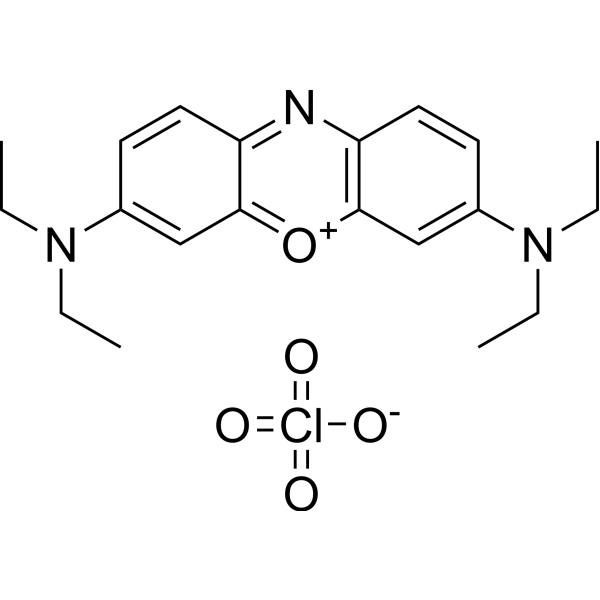
Oxazine 1 perchlorate is a symmetric cationic dye (λex=653 nm, λem=666 nm).
|
-
- HY-DY1023
-
|
|
Fluorescent Dyes
|
Rhodamine dyes are membrane-permeable cationic fluorescent probes that specifically recognize mitochondrial membrane potentials, thereby attaching to mitochondria and producing bright fluorescence, and at certain concentrations, rhodamine dyes have low toxicity to cells, so they are commonly used to detect mitochondria in animal cells, plant cells, and microorganisms . Solvent and concentration: DMSO: 10 mM
|
-
- HY-D2864
-
|
|
Fluorescent Dyes
|
|
Aza-CyBz is a selective NaCl-responsive fluorescent probe. Aza-CyBz visualizes plant salt stress by forming ordered aggregates with NaCl, leading to near-infrared fluorescence quenching. Aza-CyBz acts via electrostatic interaction between the cationic cyanine dye and NaCl to form J-aggregates, causing fluorescence quenching with a detection limit of 170 μM .
|
-
- HY-DY1054
-
|
|
Fluorescent Dyes
|
Rhodamine dyes are membrane-permeable cationic fluorescent probes that specifically recognize mitochondrial membrane potentials, thereby attaching to mitochondria and producing bright fluorescence, and at certain concentrations, rhodamine dyes have low toxicity to cells, so they are commonly used to detect mitochondria in animal cells, plant cells, and microorganisms . Solvent and concentration: DMSO: 5 mM
|
-
- HY-D0309R
-
|
Basic Red 1 (Standard)
|
Fluorescent Dyes
|
|
Rhodamine 6G (Standard) is the analytical standard of Rhodamine 6G. This product is intended for research and analytical applications. Rhodamine dyes are membrane-permeable cationic fluorescent probes that specifically recognize mitochondrial membrane potentials, thereby attaching to mitochondria and producing bright fluorescence, and at certain concentrations, rhodamine dyes have low toxicity to cells, so they are commonly used to detect mitochondria in animal cells, plant cells, and microorganisms .
|
-
- HY-D0004R
-
|
Azure B chloride (Standard)
|
Fluorescent Dyes
|
|
Azure B (Standard) is the analytical standard of Azure B. This product is intended for research and analytical applications. Azure B is a cationic dye and the major metabolite of Methylene blue. Azure B is used in making Azure eosin stains for blood smear staining. Azure B is a high-potency, selective and reversible inhibitor of monoamine oxidases (MAO)-A, with IC50s of 11 and 968 nM for recombinant human MAO-A and MAO-B, respectively. Azure B possesses significant antidepressant-like effects .
|
-
- HY-D0303AR
-
|
Solvent Orange 3 hydrochloride (Standard)
|
Fluorescent Dyes
|
|
Chrysoidine G (Standard) is the analytical standard of Chrysoidine G. This product is intended for research and analytical applications. Chrysoidine G (Solvent Orange 3 hydrochloride) is an industrial azoic dye (cationic dye). Chrysoidine G (Solvent Orange 3 hydrochloride) is used for the construction of most textile dyestuffs and also in synthetic industrial compounds. Chrysoidine G (Solvent Orange 3 hydrochloride) concentration can be determined by UV-Vis spectroscopy .
|
-
- HY-D1516
-
|
|
Fluorescent Dyes
|
|
NerveGreen C3 is a cationic styrene based fluorescent dye. NerveGreen C3 can be used to track synaptic activity at neuromuscular junctions or synapses .
|
-
- HY-D0501
-
|
|
Fluorescent Dyes
|
|
Cationic red GTL is a multifunctional dye. Dyes are important tools in biological experiments. They can help researchers observe and analyze cell structures, track biomolecules, evaluate cell functions, distinguish cell types, detect biomolecules, study tissue pathology and monitor microorganisms. Their applications range from basic scientific research to clinical A wide range of diagnostics. Dyes are also widely used in traditional fields such as textile dyeing, as well as in emerging fields such as functional textile processing, food pigments and dye-sensitized solar cells.
|
-
- HY-D0553
-
|
|
Fluorescent Dyes
|
|
Cationic golden yellow 2K is a multifunctional dye. Dyes are important tools in biological experiments. They can help researchers observe and analyze cell structures, track biomolecules, evaluate cell functions, distinguish cell types, detect biomolecules, study tissue pathology and monitor microorganisms. Their applications range from basic scientific research to clinical A wide range of diagnostics. Dyes are also widely used in traditional fields such as textile dyeing, as well as in emerging fields such as functional textile processing, food pigments and dye-sensitized solar cells.
|
-
- HY-D0303
-
|
Solvent Orange 3; Chrysoidine Y base
|
Fluorescent Dyes
|
|
Chrysoidine G (free base) (Solvent Orange 3; Chrysoidine Y base) is a multifunctional dye. Dyes are important tools in biological experiments. They can help researchers observe and analyze cell structures, track biomolecules, evaluate cell functions, distinguish cell types, detect biomolecules, study tissue pathology and monitor microorganisms. Their applications range from basic scientific research to clinical A wide range of diagnostics. Dyes are also widely used in traditional fields such as textile dyeing, as well as in emerging fields such as functional textile processing, food pigments and dye-sensitized solar cells.
|
-
- HY-D2639
-
|
|
Fluorescent Dyes
|
|
TPE-PY is a fluorescent dye targeting mitochondria, which has cationic and lipophilic characteristics, enabling specific targeting of mitochondria. TPE-PY functions through the aggregation-induced emission (AIE) mechanism. TPE-PY mechanism of action is based on the restriction of intramolecular rotation (RIR), which enhances fluorescence in the aggregated state. TPE-PY is mainly used in the field of biological imaging, especially for the specific staining of mitochondria in living cells, facilitating the observation of the location, morphology, and quantity of mitochondria .
|
-
- HY-D0233R
-
|
|
Fluorescent Dyes
|
|
Leucocrystal violet (Standard) is the analytical standard of Leucocrystal violet (HY-D0233). This product is intended for research and analytical applications. Leucocrystal violet is a cationic triarylmethane dye. Leucocrystal violet generates a colored purple product in the presence of hydrogen peroxide and horseradish peroxidase, or when oxidized by periodate under the catalysis of horseradish peroxidase. Leucocrystal violet serves as a chromogenic reagent for the determination of submicrogram-level hydrogen peroxide, with no interference from tryptophan, persulfate or chromate. Leucocrystal violet reacts with blood to produce a purple/violet color in the presence of hydrogen peroxide; it forms a very weak fluorophore when acting with whole blood in an unbuffered solution, with a maximum absorption wavelength of 630 nm and a maximum fluorescence emission wavelength of 665 nm upon excitation at 630 nm. Leucocrystal violet is widely used for staining blood residues on porous and non-porous materials.
|
| Cat. No. |
Product Name |
Type |
-
- HY-Y0425
-
|
|
Biochemical Assay Reagents
|
|
Terephthalaldehyde is a crosslinking agent. Terephthalaldehyde forms a crosslinked structure inside the gelatin matrix by forming Schiff base imines with the amino groups of gelatin, thereby constructing a three-dimensional network. Terephthalaldehyde improves the hydrophobicity of the gelatin matrix, delays water vapor penetration and enhances the liquid water resistance of gelatin films. Terephthalaldehyde can be used as a crosslinking agent to prepare crosslinked chitosan hydrogel (CAAT) via ultrasound-induced synthesis. Terephthalaldehyde helps CAAT hydrogels selectively adsorb anionic dyes from aqueous media, including multi-component systems containing cationic dyes. Terephthalaldehyde serves as a starting material for the synthesis of bis-heterocyclic compounds (including bis-thiazole and bis-triazolopyrimidine compounds) .
|
-
- HY-D0008
-
|
|
Biochemical Assay Reagents
|
|
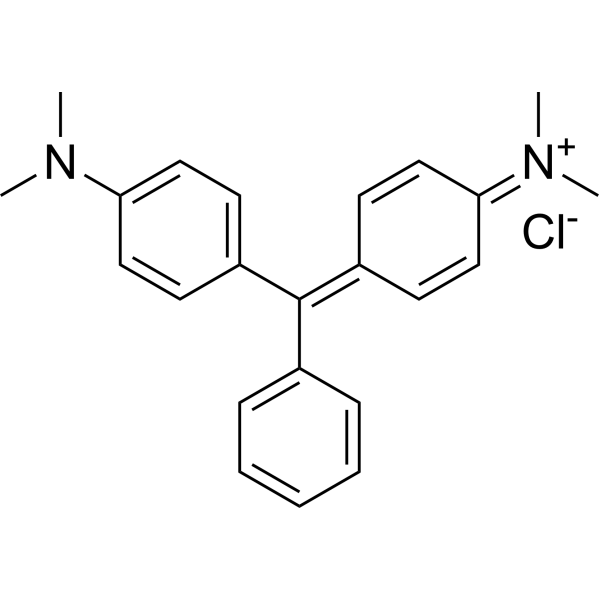
Brilliant green is a cationic dye used to color silk and wool. Brilliant green inhibits propagation of mold, intestinal parasites and fungus. Brilliant green is effective against Gram-positive bacteria .
|
-
- HY-W110909
-
|
Titan yellow; Clayton Yellow
|
Biochemical Assay Reagents
|
|
Thiazole yellow G, for microscopy is a cationic basic thiazine dye. Thiazole yellow G can be used for the determination of uranium and thorium .
|
-
- HY-160275
-
|
|
Biochemical Assay Reagents
|
|
DOPE-PEG2000-Fluor 555 is a PEG-lipid-dye conjugate featuring a DOPE phospholipid and a Fluor 555 dye. DOPE (HY-112005) is a neutral helper lipid for cationic liposome. Fluor 555 is a fluorescent dye .
|
| Cat. No. |
Product Name |
Chemical Structure |
-
- HY-D0233S
-
|
|
|
Leucocrystal violet-d6 is the deuterium labeled Leucocrystal violet (HY-D0233). Leucocrystal violet is a cationic triarylmethane dye. Leucocrystal violet generates a colored purple product in the presence of hydrogen peroxide and horseradish peroxidase, or when oxidized by periodate under the catalysis of horseradish peroxidase. Leucocrystal violet serves as a chromogenic reagent for the determination of submicrogram-level hydrogen peroxide, with no interference from tryptophan, persulfate or chromate. Leucocrystal violet reacts with blood to produce a purple/violet color in the presence of hydrogen peroxide; it forms a very weak fluorophore when acting with whole blood in an unbuffered solution, with a maximum absorption wavelength of 630 nm and a maximum fluorescence emission wavelength of 665 nm upon excitation at 630 nm. Leucocrystal violet is widely used for staining blood residues on porous and non-porous materials.
|
-
-
- HY-D0303AS
-
|
|
|
Chrysoidine G-d5 hydrochloride (Solvent Orange 3-d5 hydrochloride) is the deuterium labeled Chrysoidine G (HY-D0303A). Chrysoidine G (Solvent Orange 3 hydrochloride) is an industrial azoic dye (cationic dye). Chrysoidine G (Solvent Orange 3 hydrochloride) is used for the construction of most textile dyestuffs and also in synthetic industrial compounds. Chrysoidine G (Solvent Orange 3 hydrochloride) concentration can be determined by UV-Vis spectroscopy .
|
-
| Cat. No. |
Product Name |
|
Classification |
-
- HY-160275
-
|
|
|
Pegylated Lipids
Fluorescent Lipids
|
|
DOPE-PEG2000-Fluor 555 is a PEG-lipid-dye conjugate featuring a DOPE phospholipid and a Fluor 555 dye. DOPE (HY-112005) is a neutral helper lipid for cationic liposome. Fluor 555 is a fluorescent dye .
|
Your information is safe with us. * Required Fields.
Inquiry Information
- Product Name:
- Cat. No.:
- Quantity:
- MCE Japan Authorized Agent:

