

Search Result
Results for "
cell morphology
" in MedChemExpress (MCE) Product Catalog:
15
Biochemical Assay Reagents
10
Isotope-Labeled Compounds
| Cat. No. |
Product Name |
Target |
Research Areas |
Chemical Structure |
-
- HY-N7038
-
|
PHA-M
|
NF-κB
COX
Interleukin Related
Reactive Oxygen Species (ROS)
|
Neurological Disease
Inflammation/Immunology
Cancer
|
|
Phytohemagglutinin (PHA-M), the major seed lectin of the common bean, Phaseolus vulgaris, is a T-cell activator. Phytohemagglutinin stimulates human mononuclear leukocytes, inducing the expression of ChAT mRNA and potentiating ACh synthesis. Phytohemagglutinin induces dose- and time-dependent toxicity in THP-1 monocytes/macrophages, alters cellular morphology, causes organelle dysfunction, and increases the expression of NF-κB, COX2, IL-1β .
|
-
-
- HY-B0113
-
|
H 16868
|
Na+/K+ ATPase
Proton Pump
Bacterial
Cytochrome P450
Apoptosis
Autophagy
Atg8/LC3
TNF Receptor
Interleukin Related
|
Infection
Neurological Disease
Inflammation/Immunology
Cancer
|
|
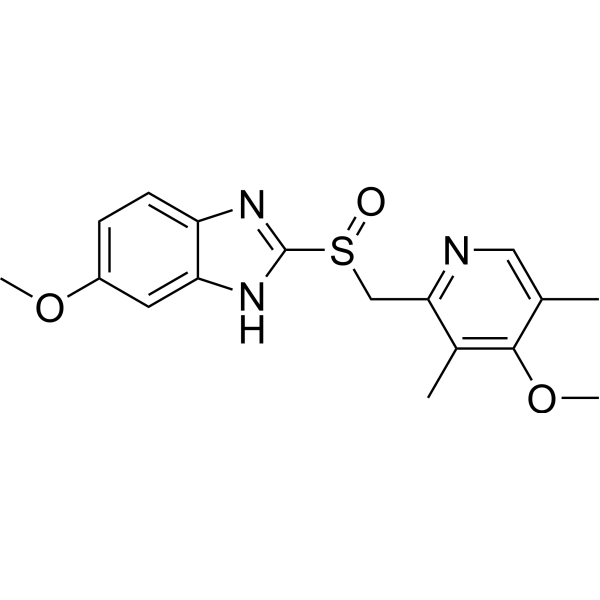
Omeprazole (H 16868) is an orally active H +,K +-ATPase inhibitor and a proton pump inhibitor. Omeprazole competitively inhibits CYP2C19, CYP3A4, and CYP2C9 activity. Omeprazole inhibits gastric acid secretion and can be used for acid-related gastrointestinal disorders. Omeprazole inhibits pancreatic cancer cell proliferation, induces apoptosis, autophagosome accumulation (elevated LC3-I and LC3-II levels), oxidative stress, and cytogenetic imbalance, modulates lysosomal transport, reduces inflammatory cytokines. Omeprazole alters small intestinal morphology and magnesium absorption, and induces gastric mucosa morphologic changes. Omeprazole aslo has neuroprotective and antibacterial effects .
|
-
-
- HY-B0113A
-
|
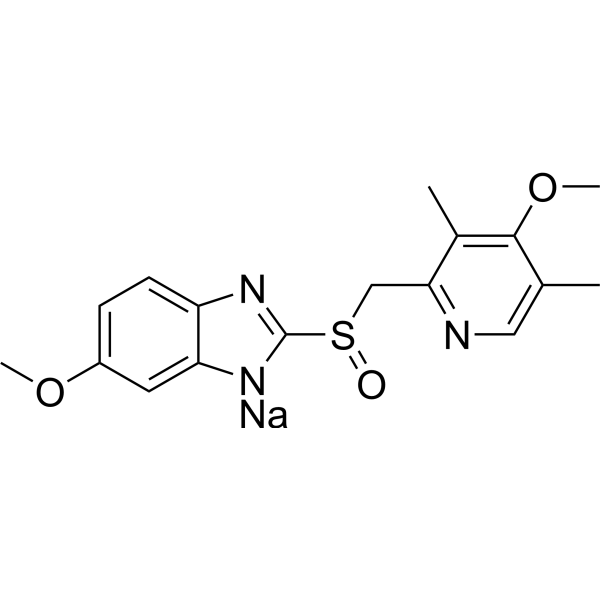
H 16868 sodium
|
Na+/K+ ATPase
Interleukin Related
Proton Pump
Cytochrome P450
Bacterial
Apoptosis
Autophagy
TNF Receptor
Atg8/LC3
|
Infection
Inflammation/Immunology
|
|
Omeprazole (H 16868) sodium is an orally active H +,K +-ATPase inhibitor and a proton pump inhibitor. Omeprazole sodium competitively inhibits CYP2C19, CYP3A4, and CYP2C9 activity. Omeprazole sodium inhibits gastric acid secretion and can be used for acid-related gastrointestinal disorders. Omeprazole sodium inhibits pancreatic cancer cell proliferation, induces apoptosis, autophagosome accumulation (elevated LC3-I and LC3-II levels), oxidative stress, and cytogenetic imbalance, modulates lysosomal transport, reduces inflammatory cytokines. Omeprazole sodium alters small intestinal morphology and magnesium absorption, and induces gastric mucosa morphologic changes. Omeprazole sodium aslo has neuroprotective and antibacterial effects .
|
-
-
- HY-151527
-
|
|
Akt
PI3K
Epigenetic Reader Domain
|
Neurological Disease
|
|
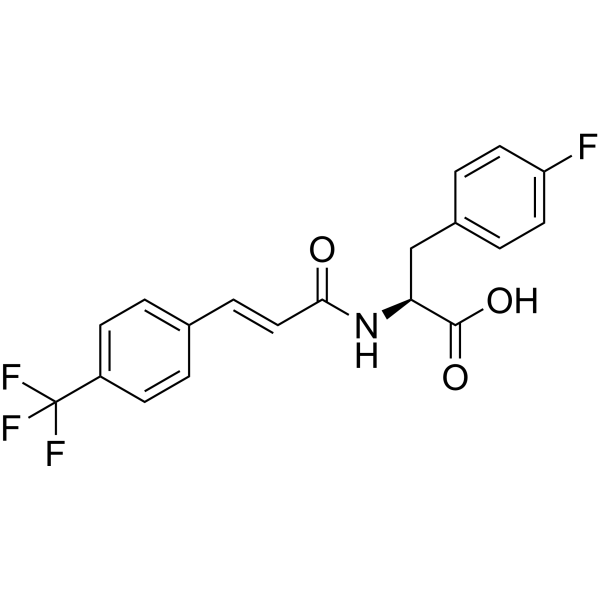
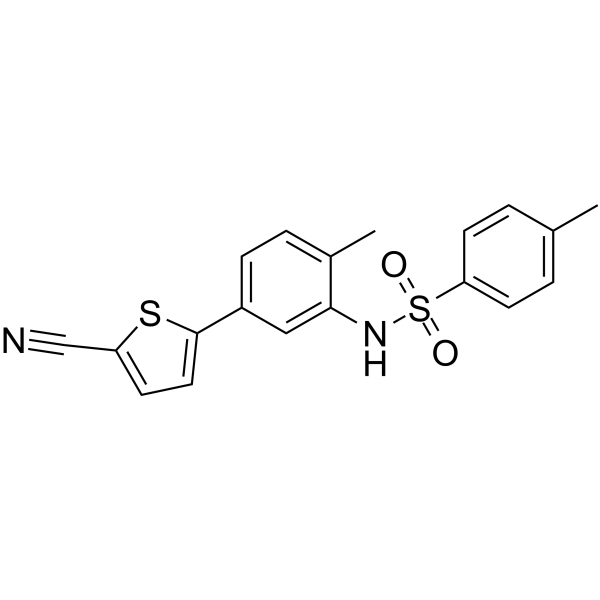
PI3K/Akt/CREB activator 1 (compound AE-18) is a potent, orally active PI3K/Akt/CREB activator. PI3K/Akt/CREB activator 1 promotes neuronal proliferation, induced differentiation of Neuro-2a cells into a neuron-like morphology, and accelerated the establishment of axon-dendrite polarization of primary hippocampal neurons through upregulating brain-derived neurotrophic factor via the PI3K/Akt/CREB pathway. PI3K/Akt/CREB activator 1 can be used in research of vascular dementia (VaD) .
|
-
-
- HY-W356116
-
|
Nbd-ceramide
|
Fluorescent Dye
|
Others
|
|
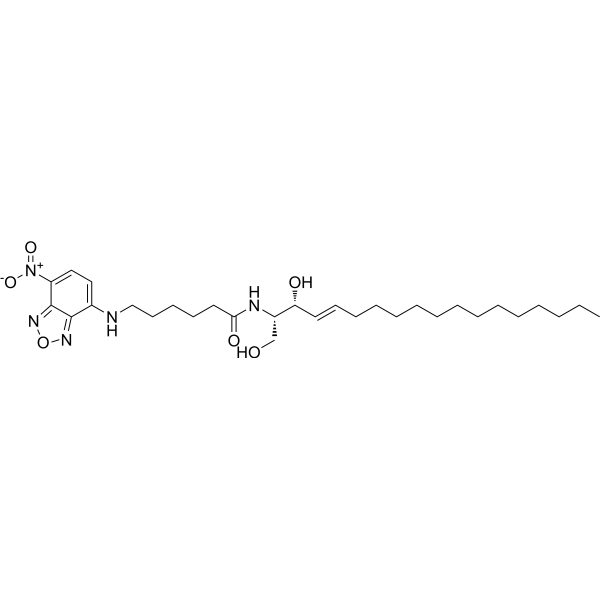
C6 NBD Ceramide is a Golgi apparatus fluorescent probe with cell membrane permeability. C6 NBD Ceramide can be used for fast and convenient green fluorescent labeling of Golgi in living and fixed cells, and can be used to observe changes in Golgi morphology in living cells (Ex=466 nm, Em=536 nm). C6-NBD-ceramide is metabolized to fluorescent sphingomyelin and glucosylceramide, can be used for the study of sphingolipid transport and metabolic mechanism .
|
-
-
- HY-D0836
-
|
Ethylenediaminetetraacetic acid dipotassium dihydrate
|
DNA/RNA Synthesis
|
Others
|
|
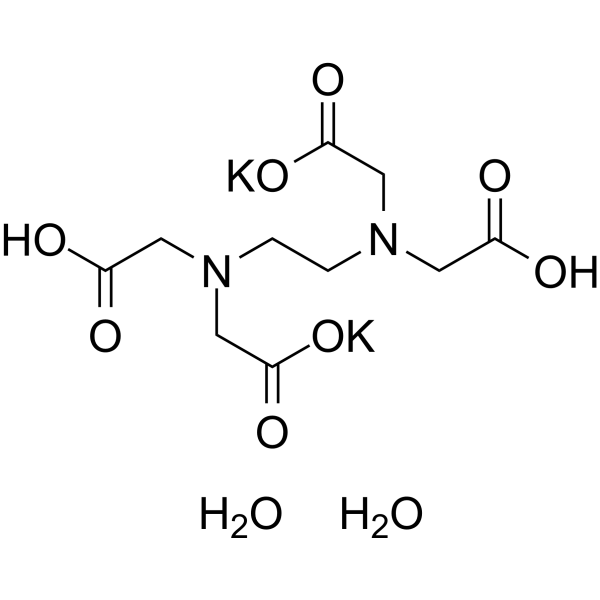
EDTA dipotassium dihydrate is a metal ion chelator that forms stable and water-soluble chelates with a variety of metal ions. EDTA dipotassium is commonly used as a blood anticoagulant, which can effectively prevent blood coagulation and maintain the morphology and function of cells in blood samples. In the industrial field, EDTA dipotassium can be used to remove the adverse effects of metal ions and prevent oxidation and deterioration caused by metal ions .
|
-
-
- HY-B0420A
-
|
ABOB hydrochloride
|
Influenza Virus
HCV
HSV
Apoptosis
Caspase
|
Infection
|
|
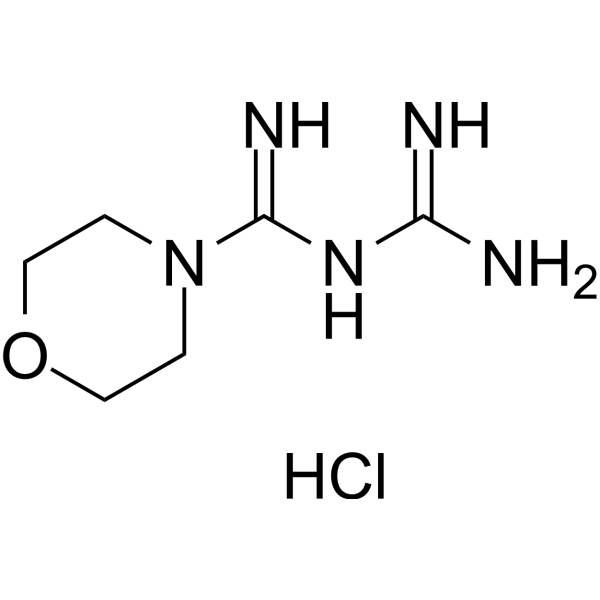
Moroxydine (ABOB) hydrochloride is a broad-spectrum agent with multi-antiviral activities against DNA and RNA viruses, including influenza virus, herpes simplex, varicella zoster, measles, mumps disease, hepatitis C virus, etc. Moroxydine hydrochloride exhibits excellent antiviral activity and shows low cytotoxicity to cells infected by dsRNA viruses (grass carp reovirus, GCRV) and large DNA viruses (giant salamander iridovirus, GSIV). Moroxydine hydrochloride blocks the GCRV-induced cytopathic effects and eliminates nucleocapsids in ctenopharyngodon idella kidney (CIK) cells to keep the normal morphological structure. Moroxydine hydrochloride significantly inhibits the apoptosis, the caspase 3 activity, Bax expression and down-regulates Bcl-2 levels .
|
-
-
- HY-W088068
-
|
|
Fluorescent Dye
|
Others
|
|
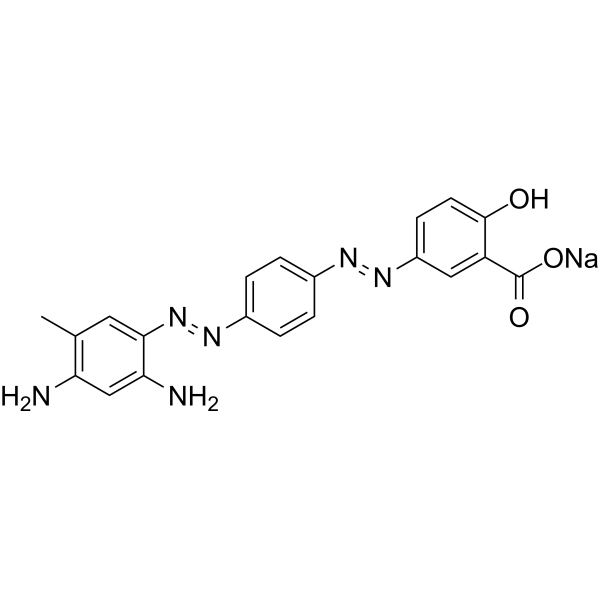
Wright's stain is a composite cell stain that mainly binds to intracellular nucleic acids, proteins and other components through thiazine dyes (such as methylene blue) and eosin. Wright's stain is pH-dependent (optimal pH 6.4-6.7) and achieves cell morphology resolution by differentially staining the cytoplasm and nucleus. Under alkaline conditions, thiazine dyes bind to nucleic acids to form purple, and acidic eosin binds to cytoplasmic proteins to form red, which can form contrasting cell morphological features. Wright's stain can clearly display the fine structures of blood cells and bone marrow cells (such as nuclear chromatin and granules) and quickly evaluate cell morphological abnormalities .
|
-
-
- HY-118773
-
|
A22 hydrochloride
|
Bacterial
|
Infection
|
|
MreB Perturbing Compound A22 hydrochloride (A22 hydrochloride) is a reversible MreB inhibitor and antimicrobial agent that exhibits bacteriostatic activity against Escherichia coli, with low activity against Gram-positive bacteria. MreB Perturbing Compound A22 hydrochloride rapidly and reversally delocalizes MreB from the helical/circular structures in cells, impairs MreB function, and reduces the binding of MreB to the chromosomal region proximal to the replication origin. MreB Perturbing Compound A22 hydrochloride alters the cell morphology of caulobacters to round/lemon-shaped, slows caulobacter growth, blocks their cell division, and induces the formation of spherical morphology, asymmetric division, and anucleate cells in Escherichia coli. MreB Perturbing Compound A22 hydrochloride is used for studies related to bacterial rod-shaped morphology determination, chromosome segregation, and cell division mechanisms .
|
-
-
- HY-DY3003
-
|
|
Biochemical Assay Reagents
|
Others
|
|
Tissue and Cell Fixative (4% Paraformaldehyde, PFA) is mainly composed of paraformaldehyde, phosphate, and deionized water, with a pH of 7.0-7.4. Tissue and Cell Fixative (4% Paraformaldehyde, PFA) is suitable for fixing most tissues and cells, and can effectively protect the morphology and structure of tissues and cells as well as nucleic acids.
|
-
-
- HY-P10304
-
|
Cyclo(Pro-Arg)
|
Fungal
|
Others
|
|
Cyclo(Arg-Pro) (Cyclo(Pro-Arg)) is an inhibitor for chitinase. Cyclo(Arg-Pro) inhibits cell separation of Saccharomyces cerevisiae, without affecting its growth. Cyclo(Arg-Pro) inhibits the morphological change of Candida albicans from yeast form to filamentous form .
|
-
-
- HY-126222A
-
|
|
Apoptosis
Mitochondrial Metabolism
|
Cancer
|
|
MitoTam iodide, hydriodide is a Tamoxifen derivative , an electron transport chain (ETC) inhibitor, spreduces mitochondrial membrane potential in senescent cells and affects mitochondrial morphology .
MitoTam iodide, hydriodide is an effective anticancer agent, suppresses respiratory complexes (CI-respiration) and disrupts respiratory supercomplexes (SCs) formation in breast cancer cells . MitoTam iodide, hydriodide causes apoptosis .
|
-
-
- HY-W035091
-
|
|
Biochemical Assay Reagents
|
Cardiovascular Disease
Neurological Disease
|
|
Tetrachloroauric acid is an Au (III) compound and bilayer disruptor that can be used to damage red blood cells. Tetrachloroauric acid specifically disrupts the bilayer structure of representative phospholipids (dimyristoylphosphatidylcholine and dimyristoylphosphatidylethanolamine) in human red blood cell membranes, and induces morphological changes in intact human red blood cells. Tetrachloroauric acid causes downregulation of MT I-II and GFAP expression in the mouse brain following chronic treatment. Tetrachloroauric acid is being used in studies related to neurotoxicity and hematotoxicity, including analyses of human red blood cells and molecular models of red blood cell membranes, as well as immunohistochemical evaluation of the mouse brain .
|
-
-
- HY-124701
-
|
|
Fungal
|
Infection
|
|
Filastatin is a long-lasting inhibitor of Candida albicans filamentation. Filastatin inhibits adhesion by multiple pathogenic Candida species with an IC50 of ~3 μM in the GFP-based adhesion assay. Filastatin inhibits fungal adhesion to polystyrene and human cells, the yeast-to-hyphal morphological transition, induction of the hyphal-specific HWP1 promoter. Filastatin has potent antifungal effect .
|
-
-
- HY-N6801
-
|
|
Caspase
Apoptosis
Bcl-2 Family
|
Infection
Inflammation/Immunology
Cancer
|
|
Nivalenol, a trichothecene mycotoxin that can be produced by Fusarium graminearum, is a fungal metabolite present in agricultural product. Nivalenol modulates apoptotic pathway, cell cycle regulation, Bax, ERK, caspase-3, and poly-ADP-ribose synthase activity in macrophages. Nivalenol inhibits ribosomal peptidyltransferase site, protein synthesis, DNA synthesis, and cell proliferation. Nivalenol induces late-stage apoptotic morphological changes, reduces cellular metabolism, and decreases cell proliferation in erythroleukemia cells. Nivalenol induces lymphocyte apoptosis in murine thymus, spleen, and Peyer's patches. Nivalenol can be used for the research of erythroleukemia .
|
-
-
- HY-NP163A
-
|
WGA-AF488
|
Fluorescent Dye
|
Cancer
|
Wheat germ agglutinin-AF488 (WGA-AF488) is a cell membrane-specific staining agent prepared by conjugating wheat germ agglutinin with the Alexa Fluor 488 (HY-D1304) fluorescent dye, and it binds to cell surface glycoproteins with high affinity. Wheat germ agglutinin-AF488 is applied in fluorescence microscopy and confocal imaging techniques, and it can clearly label the membrane structures of various cells including breast cancer cells, enabling high-resolution visual observation. Wheat germ agglutinin-AF488 is used in studies of breast cancer and triple-negative breast cancer to observe cell morphology and membrane dynamic changes .
|
-
-
- HY-135813
-
|
|
Bacterial
|
Infection
|
|
LtaS-IN-1 (compound 1771) is a potent small-molecule inhibitor of Lipoteichoic acid (LTA) synthesis in multidrug-resistant (MDR) E. faecium and by altering the cell wall morphology. LtaS-IN-1 alone inhibits Enterococcus.spp 28 strains with varying MIC values ranging from 0.5 μg/mL to 64 μg/mL. LtaS-IN-1 combination with antibiotics abolishs multidrug-resistant E. faecium growth almost completely .
|
-
-
- HY-N2438
-
|
|
Ras
Microtubule/Tubulin
|
Cancer
|
|
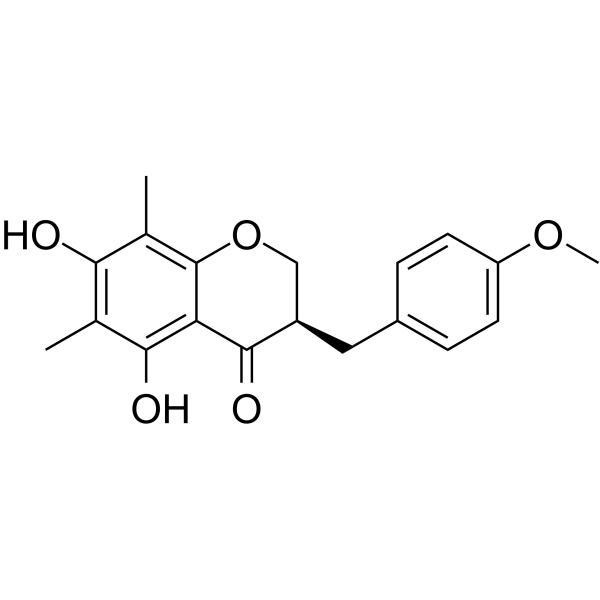
Methylophiopogonanone B is a homoisoflavonoid compound. Methylophiopogonanone B can be isolated from O. japonicus root. Methylophiopogonanone B promotes Rho activation and Tubulin depolymerization. Methylophiopogonanone B significantly increases GTP-Rho, but not GTP-Rac or GTP-CDC42. Methylophiopogonanone B induces cell morphological change via melanocyte dendrite retraction and stress fiber formation. Methylophiopogonanone B exhibits strong antioxidant activity. Methylophiopogonanone B can be used in the research of cervical cancer .
|
-
-
- HY-158976
-
|
Lactated ringer's solution (LRS)
|
Biochemical Assay Reagents
Collagen
HSP
|
Inflammation/Immunology
|
|
Sodium lactate ringer's solution (Lactated ringer's solution (LRS)) is an isotonic crystal intravenous injection and arthroscopic irrigation solution containing racemic sodium lactate and electrolytes such as sodium, potassium, calcium and chloride (130 mEq sodium/L, 274 mOsm/L), which can be used as a cell integrity protectant. Sodium lactate ringer's solution maintains the integrity of human meniscus cells, ensures that they retain normal cell morphology, membrane regularity, size and density, and does not alter the mRNA expression levels of α1 (I) procollagen, α1 (II) procollagen, aggrecan or HSP70. Sodium lactate ringer's solution can be applied to studies related to extracellular fluid deficiency and meniscus tears .
|
-
-
- HY-13563
-
|
T138067
|
Microtubule/Tubulin
Apoptosis
|
Cancer
|
|
Batabulin (T138067) is an antitumor agent, which binds covalently and selectively to a subset of the β-tubulin isotypes, thereby disrupting microtubule polymerization. Batabulin affects cell morphology and leads to cell-cycle arrest ultimately induces apoptotic cell death .
|
-
-
- HY-137295
-
|
|
PKC
Apoptosis
|
Inflammation/Immunology
|
|
Ingenol 3,20-dibenzoate is a potent protein kinase C (PKC) isoform-selective agonist. Ingenol 3,20-dibenzoate induces selective translocation of nPKC-delta, -epsilon, and -theta and PKC-mu from the cytosolic fraction to the particulate fraction and induces morphologically typical apoptosis through de novo synthesis of macromolecules. Ingenol 3,20-dibenzoate increases the IFN-γ production and degranulation by NK cells, especially when NK cells are stimulated by NSCLC cells .
|
-
-
- HY-N6701
-
|
|
Arp2/3 Complex
DNA/RNA Synthesis
Calcium Channel
|
Inflammation/Immunology
|
|
Dihydrocytochalasin B is an Actin disruptor. Dihydrocytochalasin B disrupts actin microfilament bundles, inhibits actin polymerization, and alters intracellular actin cytoskeletal structures. Dihydrocytochalasin B blocks the initiation of DNA synthesis. Dihydrocytochalasin B inhibits Calcium transport. Dihydrocytochalasin B inhibits cytokinesis and alters cell morphology. Dihydrocytochalasin B can be used in studies related to rickets .
|
-
-
- HY-137975
-
|
|
Bacterial
|
Endocrinology
|
|
Exo2 is a secretion inhibitor. Exo2 perturbs trafficking of Shiga toxin between endosomes and the trans-Golgi network. Exo2 blocks secretory cargo exit from the ER (endoplasmic reticulum) and disrupts the Golgi apparatus, but does not affect the morphology of the TGN (trans-Golgi network) Exo2 can stimulate calcium-dependent exocytosis in permeabilized adrenal chromaff in cells .
|
-
-
- HY-B0113R
-
|
H 16868 (Standard)
|
Reference Standards
Na+/K+ ATPase
Interleukin Related
Proton Pump
Cytochrome P450
Bacterial
Apoptosis
Autophagy
TNF Receptor
Atg8/LC3
|
Infection
Metabolic Disease
Cancer
|
|
Omeprazole (Standard) is the analytical standard of Omeprazole. This product is intended for research and analytical applications. Omeprazole (H 16868) is an orally active H +,K +-ATPase inhibitor and a proton pump inhibitor. Omeprazole competitively inhibits CYP2C19, CYP3A4, and CYP2C9 activity. Omeprazole inhibits gastric acid secretion and can be used for acid-related gastrointestinal disorders. Omeprazole inhibits pancreatic cancer cell proliferation, induces apoptosis, autophagosome accumulation (elevated LC3-I and LC3-II levels), oxidative stress, and cytogenetic imbalance, modulates lysosomal transport, reduces inflammatory cytokines. Omeprazole alters small intestinal morphology and magnesium absorption, and induces gastric mucosa morphologic changes. Omeprazole aslo has neuroprotective and antibacterial effects .
|
-
-
- HY-B0113S
-
|
H 16868-d3
|
Na+/K+ ATPase
Interleukin Related
Proton Pump
Cytochrome P450
Bacterial
Apoptosis
Autophagy
TNF Receptor
Atg8/LC3
|
Infection
Metabolic Disease
Cancer
|
|
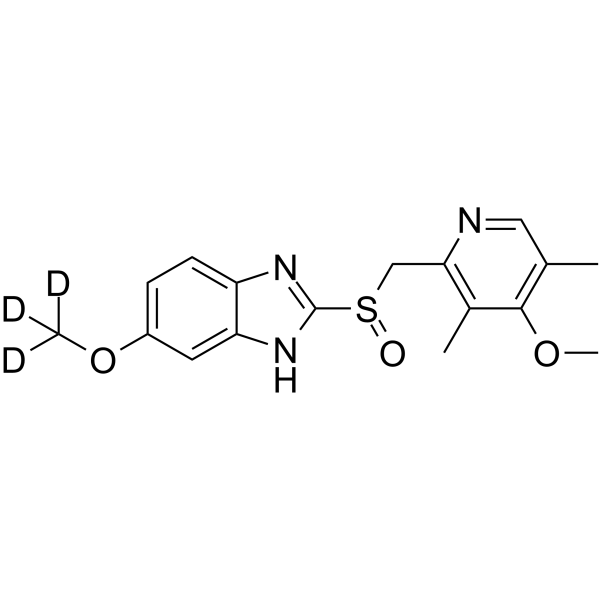
Omeprazole-d3 (H 16868-d3) is deuterium labeled Omeprazole. Omeprazole (H 16868) is an orally active H +,K +-ATPase inhibitor and a proton pump inhibitor. Omeprazole competitively inhibits CYP2C19, CYP3A4, and CYP2C9 activity. Omeprazole inhibits gastric acid secretion and can be used for acid-related gastrointestinal disorders. Omeprazole inhibits pancreatic cancer cell proliferation, induces apoptosis, autophagosome accumulation (elevated LC3-I and LC3-II levels), oxidative stress, and cytogenetic imbalance, modulates lysosomal transport, reduces inflammatory cytokines. Omeprazole alters small intestinal morphology and magnesium absorption, and induces gastric mucosa morphologic changes. Omeprazole aslo has neuroprotective and antibacterial effects .
|
-
-
- HY-P10304A
-
|
Cyclo(Pro-Arg) TFA
|
Fungal
|
Infection
|
|
Cyclo (Arg-Pro) TFA is a chitinase inhibitor. Cyclo (Arg-Pro) TFA disrupts cell separation and morphological transition of yeast by inhibiting chitinase activity. Cyclo (Arg-Pro) TFA prevents cell separation of Saccharomyces cerevisiae, leading to the formation of grape-like cell clusters, without inhibiting cell growth. Cyclo (Arg-Pro) TFA blocks the morphological transition of Candida albicans from yeast form to hyphal form, without inhibiting cell growth .
|
-
-
- HY-123635
-
|
|
Antibiotic
Bacterial
|
Infection
|
|
Nybomycin, an antibiotic, exhibits antiphage and antibacterial properties. Nybomycin binds to DNA and induces a unique morphological change to mycobacterial bacilli leading the bacterial cell death .
|
-
-
- HY-13563A
-
|
T138067 sodium
|
Microtubule/Tubulin
Apoptosis
|
Cancer
|
|
Batabulin sodium (T138067 sodium) is an antitumor agent, which binds covalently and selectively to a subset of the β-tubulin isotypes, thereby disrupting microtubule polymerization. Batabulin sodium affects cell morphology and leads to cell-cycle arrest ultimately induces apoptotic cell death .
|
-
-
- HY-D2155
-
|
|
Fluorescent Dye
|
Others
|
|
Texas red-X 4-succinimidyl ester is a derivative of Texas Red (HY-101878), an amphoteric rhodamine red fluorescent dye. Texas Red is widely used to study neuronal morphology and as a cell type-selective fluorescent marker for astrocytes, both in vivo and in slice preparations.
|
-
-
- HY-126222
-
|
|
Apoptosis
Mitochondrial Metabolism
|
Cancer
|
|
MitoTam bromide, hydrobromide, a Tamoxifen derivative , is an electron transport chain (ETC) inhibitor. MitoTam bromide, hydrobromide reduces mitochondrial membrane potential in senescent cells and affects mitochondrial morphology . MitoTam bromide, hydrobromide is an effective anticancer agent, suppresses respiratory complexes (CI-respiration) and disrupts respiratory supercomplexes (SCs) formation in breast cancer cells .
|
-
-
- HY-16191
-
|
|
Microtubule/Tubulin
Apoptosis
HIF/HIF Prolyl-Hydroxylase
Mitosis
|
Cancer
|
|
ELR510444 is an orally active tubulin inhibitor with an IC50 of 10 μM. ELR510444 binds to the colchicine-binding site on β-tubulin, inhibits tubulin assembly, depolymerizes microtubules and blocks HIF activity. ELR510444 induces cellular microtubule loss, abnormal mitotic spindle, mitotic arrest, apoptosis, morphological changes in tumor endothelial cells, and inhibits cancer cell proliferation, angiogenesis and tumor growth. ELR510444 can be used in research related to various cancers such as renal cell carcinoma .
|
-
-
- HY-163459
-
|
|
Fungal
|
Infection
|
|
HWY-289 is a semisynthetic protoberberine derivative, has broad-spectrum and potent activities against phytopathogenic fungi, particularly Botrytis cinerea (EC50 = 1.34 μg/mL). HWY-289 changes the morphology of the mycelium and the internal structure of cells. HWY-289 reduces ATP content, ATPase activities, and key enzyme activities in the TCA cycle .
|
-
-
- HY-150187
-
|
|
GPR55
ERK
ROCK
Calcium Channel
|
Neurological Disease
|
|
20:4 Lyso PI acts as an activator of GPR55 and RhoA. 20:4 Lyso PI activates the GPR55-RhoA-ROCK pathway, thereby inducing morphological changes, cytoskeleton assembly, cell rounding and stress fiber formation. 20:4 Lyso PI can be used in research related to diseases such as those of the nervous system .
|
-
-
- HY-109546
-
|
|
Na+/K+ ATPase
Interleukin Related
Proton Pump
Cytochrome P450
Bacterial
Apoptosis
Autophagy
TNF Receptor
Atg8/LC3
|
Infection
Metabolic Disease
Cancer
|
|
Omeprazole (H 16868) magnesium is an orally active H +,K +-ATPase inhibitor and a proton pump inhibitor. Omeprazole magnesium competitively inhibits CYP2C19, CYP3A4, and CYP2C9 activity. Omeprazole magnesium inhibits gastric acid secretion and can be used for acid-related gastrointestinal disorders. Omeprazole magnesium inhibits pancreatic cancer cell proliferation, induces apoptosis, autophagosome accumulation (elevated LC3-I and LC3-II levels), oxidative stress, and cytogenetic imbalance, modulates lysosomal transport, reduces inflammatory cytokines. Omeprazole magnesium alters small intestinal morphology and magnesium absorption, and induces gastric mucosa morphologic changes. Omeprazole magnesium aslo has neuroprotective and antibacterial effects .
|
-
-
- HY-129959
-
|
AlClPc
|
Environmental Pollutants
Parasite
MOFs
|
Infection
|
|
Aluminum phthalocyanine chloride is a photosensitizer that effectively inhibits the parasite Leishmania amazonensis (the causative agent of cutaneous leishmaniasis) by light-mediated cytolysis. Aluminum phthalocyanine chloride causes parasite morphology and cytolysis of isolated amasilians, while higher photosensitizer concentrations and light intensities are required to induce lysis of mammalian cells. Aluminum phthalocyanine chloride lyses parasites within infected J774 macrophages and can be used to further investigate the study of leishmaniasis .
|
-
-
- HY-B0113S3
-
|
H 16868-13C,d3
|
Isotope-Labeled Compounds
Na+/K+ ATPase
Interleukin Related
Proton Pump
Cytochrome P450
Bacterial
Apoptosis
Autophagy
TNF Receptor
Atg8/LC3
|
Infection
Metabolic Disease
Cancer
|
|
Omeprazole- 13C,d3 is a 13C-labeled and deuterium labeled Omeprazole. Omeprazole (H 16868) is an orally active H +,K +-ATPase inhibitor and a proton pump inhibitor. Omeprazole competitively inhibits CYP2C19, CYP3A4, and CYP2C9 activity. Omeprazole inhibits gastric acid secretion and can be used for acid-related gastrointestinal disorders. Omeprazole inhibits pancreatic cancer cell proliferation, induces apoptosis, autophagosome accumulation (elevated LC3-I and LC3-II levels), oxidative stress, and cytogenetic imbalance, modulates lysosomal transport, reduces inflammatory cytokines. Omeprazole alters small intestinal morphology and magnesium absorption, and induces gastric mucosa morphologic changes. Omeprazole aslo has neuroprotective and antibacterial effects .
|
-
-
- HY-P10304C
-
|
|
Fungal
|
Infection
|
|
Cyclo(Pro-dArg) is an inhibitor of chitinase. Cyclo(Pro-dArg) inhibits the cell separation of Saccharomyces cerevisiae but does not affect its growth. Cyclo(Pro-dArg) inhibits the transition of Candida albicans from yeast to filamentous morphology.
|
-
-
- HY-111423
-
|
|
Cdc42-binding kinase
|
Cancer
|
|
BDP8900 is a potent and selective inhibitor of myotonic dystrophy-related Cdc42-binding kinases (MRCKα and MRCKβ). BDP8900 reduces substrate phosphorylation, leading to morphological changes, motility inhibition and invasiveness of cancer cells .
|
-
-
- HY-162422
-
|
|
Fluorescent Dye
Pyroptosis
|
Cancer
|
|
Mito-DK is a small-molecule fluorescent dye with the capability of crosstalk-free response to polarity and mtDNA as well as mitochondrial morphology. Mito-DK has high photostability, low cytotoxicity, and good mitochondria-targeting properties. Mito-DK can be used for real-time tracking and multidimensional assessing of mitochondria-related pyroptosis in cancer cells .
|
-
-
- HY-P5156
-
|
|
Potassium Channel
|
Neurological Disease
|
|
BDS-I known as blood depressing substance, is a marine toxin which can be extracted from Anemonia sulcata. BDS-I is a specific inhibitor of Potassium Channel, targeting to Kv3.4. BDS-I inhibits Aβ1-42-induced enhancement of KV3.4 activity, caspase-3 activation, and abnormal nuclear morphology of NGF-differentiated PC-12 cells. BDS-I reverts the Aβ peptide-induced cell death .
|
-
-
- HY-N6801S
-
|
|
Isotope-Labeled Compounds
Caspase
Apoptosis
Bcl-2 Family
|
Infection
Inflammation/Immunology
Cancer
|
|
Nivalenol- 13C15 is the 13C labeled Nivalenol (HY-N6801) . Nivalenol, a trichothecene mycotoxin that can be produced by Fusarium graminearum, is a fungal metabolite present in agricultural product. Nivalenol modulates apoptotic pathway, cell cycle regulation, Bax, ERK, caspase-3, and poly-ADP-ribose synthase activity in macrophages. Nivalenol inhibits ribosomal peptidyltransferase site, protein synthesis, DNA synthesis, and cell proliferation. Nivalenol induces late-stage apoptotic morphological changes, reduces cellular metabolism, and decreases cell proliferation in erythroleukemia cells. Nivalenol induces lymphocyte apoptosis in murine thymus, spleen, and Peyer's patches. Nivalenol can be used for the research of erythroleukemia.
|
-
-
- HY-N1964A
-
|
|
Drug Derivative
|
Metabolic Disease
|
|
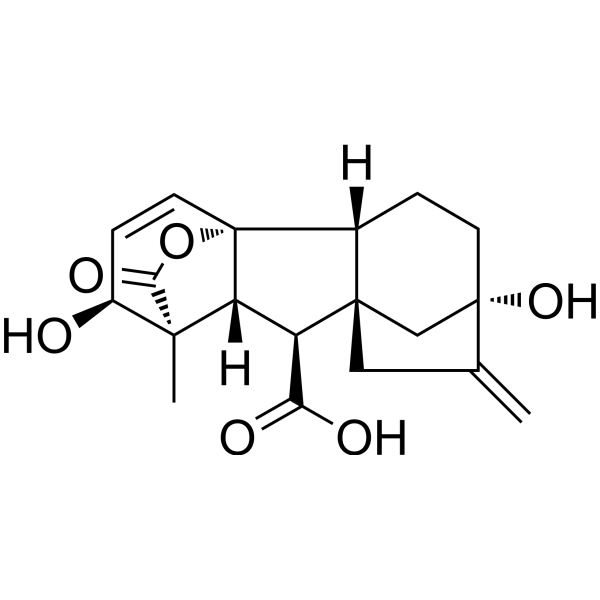
Gibberellic acid, suitable for plant cell culture (GA3, suitable for plant cell culture) is a natural plant growth regulator with oral bioactivity. Gibberellic acid, suitable for plant cell culture governs multiple plant developmental events, including seed germination, cell elongation, floral organ formation, and rice spikelet fertility. Gibberellic acid, suitable for plant cell culture optimizes root morphology and secondary metabolite production in Echinacea purpurea hairy roots, and serves as a bioactive seed priming agent to improve chilling stress tolerance in chickpea. Gibberellic acid, suitable for plant cell culture mediates modulation of enzyme activity and secondary metabolism in plants and exerts tissue-specific regulatory effects on antioxidant systems and lipid peroxidation in rats. Gibberellic acid, suitable for plant cell culture can be used in studies of plant growth, metabolism, and abiotic stress responses .
|
-
-
- HY-113091
-
|
|
Apoptosis
|
Neurological Disease
|
|
Alpha-Tocotrienol is a vitamin E analog with anti-apoptotic neuroprotective action and antioxidant properties. Alpha-Tocotrienol prevents oxidative stress-independent apoptotic cell death, DNA cleavage, and nuclear morphological changes .
|
-
-
- HY-N11128
-
|
|
Kinesin
|
Cancer
|
|
Solidagonic acid is an acidic bitter principle that can be found in the root and rhizomes of Solidago altissima L. Solidagonic acid binds HSET/KIFC1, restores growth in HSET-overproducing fission yeast cells and reverts mitotic spindles from monopolar to bipolar morphology. Solidagonic acid can be used for the research of breast adenocarcinoma .
|
-
-
- HY-P10519
-
|
|
Bacterial
Reactive Oxygen Species (ROS)
|
Infection
|
|
Brevicidine is an antimicrobial peptide with selective bactericidal activity against Gram-negative pathogens. Brevicidine disrupts bacterial morphology by binding to lipopolysaccharide (LPS) on the bacterial cell membrane to form pores. Brevicidine causes dissipation of intracellular proton motive force, outer membrane damage, inhibition of ATP biosynthesis and reactive oxygen species accumulation in bacterial cells. As a sensitizer, Brevicidine exerts synergistic activity when combined with a variety of conventional antibiotics .
|
-
-
- HY-178943
-
|
|
Cholinesterase (ChE)
Cannabinoid Receptor
Aldehyde Dehydrogenase (ALDH)
Caspase
Apoptosis
|
Neurological Disease
|
|
Neuroprotective agent 15 (Compound 3e) is a neuroprotective agent. Neuroprotective agent 15 is a selective butyrylcholinesterase (BChE) inhibitor, with IC50 values of 2.6 and 114.3 μM for BChE and AChE respectively. Neuroprotective agent 15 has cannabinoid CB2 receptor (CB2 receptor) agonistic activity. Neuroprotective agent 15 can reduce cell death, LDH release and Caspase-3/7 activity, and inhibit apoptosis. Neuroprotective agent 15 can reduce the formation of superoxide free radicals, maintain cell morphology, and significantly lower oxidative stress levels. Neuroprotective agent 15 can be used in the research of neurodegenerative diseases, such as Alzheimer's disease and Parkinson's disease .
|
-
-
- HY-126222B
-
|
MitoTax iodide, hydriodide
|
Mitochondrial Metabolism
Apoptosis
|
Cancer
|
|
(E/Z)-MitoTam (iodide, hydriodide) (MitoTam (iodide, hydriodide)) is the E/Z mixture of MitoTam iodide, hydriodide. MitoTam iodide, hydriodide is a Tamoxifen derivative , an electron transport chain (ETC) inhibitor, spreduces mitochondrial membrane potential in senescent cells and affects mitochondrial morphology . MitoTam iodide, hydriodide is an effective anticancer agent, suppresses respiratory complexes (CI-respiration) and disrupts respiratory supercomplexes (SCs) formation in breast cancer cells . MitoTam iodide, hydriodide causes apoptosis .
|
-
-
- HY-N6801R
-
|
|
Reference Standards
Caspase
Apoptosis
Bcl-2 Family
|
Infection
Inflammation/Immunology
Cancer
|
|
Nivalenol (Standard) is the analytical standard of Nivalenol (HY-N6801). This product is intended for research and analytical applications. Nivalenol, a trichothecene mycotoxin that can be produced by Fusarium graminearum, is a fungal metabolite present in agricultural product. Nivalenol modulates apoptotic pathway, cell cycle regulation, Bax, ERK, caspase-3, and poly-ADP-ribose synthase activity in macrophages. Nivalenol inhibits ribosomal peptidyltransferase site, protein synthesis, DNA synthesis, and cell proliferation. Nivalenol induces late-stage apoptotic morphological changes, reduces cellular metabolism, and decreases cell proliferation in erythroleukemia cells. Nivalenol induces lymphocyte apoptosis in murine thymus, spleen, and Peyer's patches. Nivalenol can be used for the research of erythroleukemia.
|
-
-
- HY-P10371
-
|
txCD47
|
Reactive Oxygen Species (ROS)
Thrombopoietin Receptor
Mitochondrial Metabolism
HSP
HSV
CD47
|
Infection
Inflammation/Immunology
Cancer
|
|
PKHB1 (txCD47) is a CD47 agonist and Thrombospondin-1 peptide mimetic. PKHB1 activates CD47 and triggers Caspase-independent, calcium-dependent cell death via mitochondrial alterations, ROS production, endoplasmic reticulum morphological changes, and dissipation of mitochondrial membrane potential. PKHB1 induces the exposure of Calreticulin, HSP70, and HSP90, thereby driving immunogenic cell death. PKHB1 promotes intratumoral CD8 + T cell infiltration and inhibits breast tumorigenesis. PKHB1 reduces HSV-1 levels and alleviates the severity of herpes simplex keratitis. PKHB1 can be used in research related to breast cancer, herpes simplex keratitis, and T-cell acute lymphoblastic leukemia .
|
-
-
- HY-178912
-
|
|
Reactive Oxygen Species (ROS)
Bacterial
ClpP
|
Infection
Inflammation/Immunology
|
|
Anti-MRSA agent 39 is an orally active ClpX modulator that binds Staphylococcus aureus caseinolytic protease X (SaClpX) with high affinity (Kd = 3.6 μM). Anti-MRSA agent 39 exerts antibacterial effects through temperature-dependent inhibition of cell division. Anti-MRSA agent 39 elicits profound metabolic dysregulation in methicillin-resistant Staphylococcus aureus (MRSA), manifesting as significantly reduced ATP levels, elevated reactive oxygen species (ROS), and decreased NAD+/NADH ratio, and accelerates bacterial lysis rates in MRSA ATCC 33591. Anti-MRSA agent 39 significantly increases the proportion of MRSA cells in the mitotic phase, and the cells exhibit obvious morphological abnormalities. Anti-MRSA agent 39 can be used for the study of invasive MRSA infections .
|
-
- HY-U00449A
-
|
|
RAR/RXR
|
Cancer
|
|
AGN 193109 sodium is the sodium salt form of AGN 193109 (HY-U00449). AGN 193109 sodium is the pan antagonist for retinoic acid receptor (RAR), with Kd of 2, 2 and 3 nM, for RARα, RARβ and RARγ, respectively. AGN 193109 sodium reverses TTNPB-induced morphology changes and all-trans retinoic acid (tRA)/9-cis RA/13-cis RA-induced proliferation suppression in ECE16-1 cell. AGN 193109 sodium is the antidote for retinoic acidosis, that ameliorates the skin and mucosal toxicity .
|
-
- HY-W016937
-
|
ABOB
|
Influenza Virus
HSV
HCV
Apoptosis
Caspase
|
Infection
Inflammation/Immunology
|
|
Moroxydine (ABOB) is a broad-spectrum agent with multi-antiviral activities against DNA and RNA viruses, including influenza virus, herpes simplex, varicella zoster, measles, mumps disease, hepatitis C virus, etc. Moroxydine exhibits excellent antiviral activity and shows low cytotoxicity to cells infected by dsRNA viruses (grass carp reovirus, GCRV) and large DNA viruses (giant salamander iridovirus, GSIV). Moroxydine blocks the GCRV-induced cytopathic effects and eliminates nucleocapsids in ctenopharyngodon idella kidney (CIK) cells to keep the normal morphological structure. Moroxydine significantly inhibits the apoptosis, the caspase 3 activity, Bax expression and down-regulates Bcl-2 levels [1][2][3].
|
-
- HY-145438
-
|
|
Others
|
Cancer
|
|
Antitumor agent-38 is a potent antitumor agents. Antitumor agent-38 shows antiproliferative activity for cancer cells. Antitumor agent-38 induces cell cycle arrest at the late S and G2/M phase without interfering with microtubule formation or cell morphology[1].
|
-
- HY-146116
-
|
|
Fungal
|
Infection
|
|
Antifungal agent 32 (compound 1a) is a potent antifungal agent. Antifungal agent 32 inhibits Candida albicans filamentation and biofilm formation. Antifungal agent 32 inhibits the morphological switching of Candida albicans and its adherence to epithelial cells. Antifungal agent 32 can be used for Candida albicans infections research .
|
-
- HY-119857
-
|
SIRT2 Inhibitor,Inactive Control
|
Sirtuin
|
Neurological Disease
|
|
AGK7 is a potent inhibitor of sirtuin 2 (SIRT2). AGK7 rescues alpha-synuclein toxicity and modified inclusion morphology in a cellular model of Parkinson's disease. AGK7 protects against dopaminergic cell death both in vitro and in a Drosophila model of Parkinson's disease .
|
-
- HY-144775
-
|
|
Cholinesterase (ChE)
|
Neurological Disease
|
|
AChE-IN-10 (Compound 24r) is a potent inhibitor of AChE (IC50 = 2.4 nM). AChE-IN-10 potently inhibits AChE, reduces tau phosphorylation at S396 residue, provides neuroprotection by rescuing neuronal morphology and increasing cell viability. AChE-IN-10 is also found to reduce amyloid aggregation in the presence of AChE .
|
-
- HY-N14658
-
|
|
Others
|
Cancer
|
|
Phosmidosine B can inhibit the cell cycle progression and cell morphology recovery of srcts-NRK cells .
|
-
- HY-N15110
-
|
|
Fungal
|
Infection
|
|
Phosmidosine can inhibit the cell cycle progression and cell morphology recovery of srcts-NRK cells. Phosmidosine A has antifungal effects .
|
-
- HY-120883
-
|
|
Others
|
Infection
|
|
Rhizopodin is a new cytostatic compound isolated from the culture fluid of the slime mold Myxococcus stipitatus. Rhizopodin inhibits the growth of various animal cell cultures without killing the cells, with an ID50 value of 12 to 30 ng/ml, depending on the cell line. In particular, fibroblast-like cells show typical morphological changes, with cells becoming larger and forming long branched reticular extensions within hours, and these morphological changes are irreversible. Rhizopodin inhibits bleb formation in K-562 cells, possibly through interaction with protein phosphorylation.
|
-
- HY-P11021
-
|
|
Fungal
Antibiotic
|
Infection
|
|
ToAP2 is a potent antimicrobial peptide. ToAP2 affects C. albicans membrane permeability and produces changes in fungal cell morphology .
|
-
- HY-P11021A
-
|
|
Fungal
Antibiotic
|
Infection
|
|
ToAP2 TFA is a potent antimicrobial peptide. ToAP2 TFA affects C. albicans membrane permeability and produces changes in fungal cell morphology .
|
-
- HY-118773R
-
|
A22 hydrochloride (Standard)
|
Reference Standards
Bacterial
|
Infection
|
|
MreB Perturbing Compound A22 hydrochloride (Standard) is the analytical standard for MreB Perturbing Compound A22 hydrochloride (HY-118773). This product is intended for research and analytical applications. MreB Perturbing Compound A22 hydrochloride (A22 hydrochloride) is a reversible MreB inhibitor and antimicrobial agent that exhibits bacteriostatic activity against Escherichia coli, with low activity against Gram-positive bacteria. MreB Perturbing Compound A22 hydrochloride rapidly and reversally delocalizes MreB from the helical/circular structures in cells, impairs MreB function, and reduces the binding of MreB to the chromosomal region proximal to the replication origin. MreB Perturbing Compound A22 hydrochloride alters the cell morphology of caulobacters to round/lemon-shaped, slows caulobacter growth, blocks their cell division, and induces the formation of spherical morphology, asymmetric division, and anucleate cells in Escherichia coli. MreB Perturbing Compound A22 hydrochloride is used for studies related to bacterial rod-shaped morphology determination, chromosome segregation, and cell division mechanisms .
|
-
- HY-155249
-
|
|
Microtubule/Tubulin
|
Cancer
|
|
KGP591 is a tubulin polymerization inhibitor (IC50 0.57 µM). KGP591 induces significant G2/M stagnation, inhibits cell migration, disrupts microtubule structure and cell morphology in MDA-MB-231 cells. KGP591 shows antitumor activity in orthotopic model of kidney cancer (RENCA) .
|
-
- HY-170565
-
|
|
Mitophagy
Apoptosis
|
Cancer
|
|
CHD-1 is a a hypoxia-activated antitumor prodrug. CHD-1 impairs mitochondrial morphology and membrane potential in hypoxic tumor cells, further triggering excessive mitophagy and inducing apoptosis. CHD-1 inhibits the growth of hypoxic tumor cells in vitro and the growth of HeLa xenograft in vivo .
|
-
- HY-115562
-
|
|
Ras
|
Inflammation/Immunology
Cancer
|
|
Dorrigocin A is an analog of Migrastatin (HY-121452). Dorrigocin A can inhibit the carboxymethyltransferase involved in Ras processing and reverse the morphology of ras-transformed NIH/3T3 cells. Dorrigocin A is promising for research of anti-cancer and anti-arthritis agents .
|
-
- HY-172259
-
|
|
PI3K
Akt
mTOR
|
Cancer
|
|
Toyaburgine is a unique isoquinoline compound that exhibits anti-tumor activity. It packs a punch by disrupting the PI3K/AKT/mTOR signaling pathway, causing significant morphological changes and cell death in MIA PaCa-2 cells. On top of that, it puts the brakes on cell migration and colony formation. This compound is showing a lot of promise in the realm of pancreatic cancer research .
|
-
- HY-149614
-
|
|
Endogenous Metabolite
Fungal
|
Infection
|
|
Laccase-IN-1 (compound 4b) is an orally active inhibitor of laccase, with the IC50 of 11.3 μM. Laccase-IN-1 displays protective and curative effects on apple fruits infected by B. dothidea. Laccase-IN-1 enhances the cell membrane permeability, destroys the mycelial surface morphology and the cell ultrastructure, and reduces the ergosterol and exopolysaccharide contents of B. dothidea .
|
-
- HY-179287
-
|
|
Fungal
Mitochondrial Metabolism
Reactive Oxygen Species (ROS)
|
Infection
|
|
SDH-IN-42 (Compound D28) is a SDH (IC50: 5.38 μg/mL) inhibitor and antifungal agent. SDH-IN-42 exerts antifungal activity against R. solani by disrupting mycelial morphology, increasing cell membrane permeability, inducing the production and accumulation of ROS, and impairing mitochondrial function .
|
-
- HY-151544
-
|
|
Fluorescent Dye
|
Others
|
|
PNE-Lyso is a activatable fluorescent probe. PNE-Lyso can be used to detect intracellular pH and hexosaminidases with two kinds of fluorescence signals. PNE-Lyso can be used to distinguish apoptosis from necrosis through visualizing lysosome morphology. PNE-Lyso is capable of investigating the agent-induced cell death process .
|
-
- HY-124144
-
|
|
Endogenous Metabolite
|
Cancer
|
|
MMV667492 is a potent Ezrin inhibitor with the activity to inhibit the invasion phenotype of osteosarcoma cells. MMV667492 exhibited potent anti-Ezrin activity in all biological assays and its compound properties were superior to NSC305787. MMV667492 was able to exhibit morphological defect phenotypes associated with Ezrin inhibition in zebrafish embryos. MMV667492 also showed the ability to inhibit the lung metastasis of osteosarcoma cells that highly expressed Ezrin .
|
-
- HY-168720
-
|
|
Apoptosis
|
Cancer
|
|
Apoptosis inducer 32 (Compound 7g) is an apoptosis inducer with a KD of 42 μM, showing anti-tumor activity. Apoptosis inducer 32 caused significant cellular morphological changes in MDA-MB-231 cells, including membrane bubbling, nuclear fragmentation, and apoptotic body formation. The IC50 of Apoptosis inducer 32 in MCF-7, MDA-MB-231, and HEK cells is 4.77, 6.56 and 337.8 μM respectively .
|
-
- HY-125322
-
|
|
Bacterial
|
Infection
|
|
Reveromycin C is a polyketide originally isolated from Streptomyces that has antifungal activity against C. albicans (MICs=2.0 and >500 μg/mL at pH 3 and 7.4, respectively). Reveromycin C inhibits EGF-induced mitogenic activity in the Balb/MK mouse epidermal cell line. It also reverses the morphology of sarcoma-virus-transformed NRK rat kidney cells (EC50=1.58 μg/mL) and inhibits proliferation of KB cells and K562 human chronic myelogenous leukemia cells (IC50=2.0 μg/mL for both).
|
-
- HY-168260
-
|
|
Apoptosis
Ferroptosis
MMP
|
Cancer
|
|
CQ-Mito is a Coumarin-Quinazolinone (CQ)-based derivative that targets mitochondria and exhibits profound phototherapeutic performances with an Phototoxic Index (PI) value of 167. CQ-Mito causes cell death by both apoptosis and ferroptosis. CQ-Mito mediates mitochondrial dysfunction, including mitochondrial morphology changed and the loss of MMP. CQ-Mito can efficiently inhibit the tumor growth in organoid tumor models .
|
-
- HY-B0113AR
-
|
H 16868 sodium (Standard)
|
Reference Standards
Na+/K+ ATPase
Interleukin Related
Proton Pump
Cytochrome P450
Bacterial
Apoptosis
Autophagy
TNF Receptor
Atg8/LC3
|
Infection
Metabolic Disease
Cancer
|
|
Omeprazole (sodium) (Standard) is the analytical standard of Omeprazole (sodium). This product is intended for research and analytical applications. Omeprazole sodium (H 16868) is an orally active H +,K +-ATPase inhibitor and a proton pump inhibitor. Omeprazole sodium competitively inhibits CYP2C19, CYP3A4, and CYP2C9 activity. Omeprazole sodium inhibits gastric acid secretion and can be used for acid-related gastrointestinal disorders. Omeprazole sodium inhibits pancreatic cancer cell proliferation, induces apoptosis, autophagosome accumulation (elevated LC3-I and LC3-II levels), oxidative stress, and cytogenetic imbalance, modulates lysosomal transport, reduces inflammatory cytokines. Omeprazole sodium alters small intestinal morphology and magnesium absorption, and induces gastric mucosa morphologic changes. Omeprazole sodium aslo has neuroprotective and antibacterial effects .
|
-
- HY-B0113S4
-
|
H 16868-d3 sodium
|
Isotope-Labeled Compounds
Na+/K+ ATPase
Interleukin Related
Proton Pump
Cytochrome P450
Bacterial
Apoptosis
Autophagy
TNF Receptor
Atg8/LC3
|
Infection
Metabolic Disease
Cancer
|
|
Omeprazole-d3 sodium is deuterated labeled Omeprazole (HY-B0113). Omeprazole sodium (H 16868) is an orally active H +,K +-ATPase inhibitor and a proton pump inhibitor. Omeprazole sodium competitively inhibits CYP2C19, CYP3A4, and CYP2C9 activity. Omeprazole sodium inhibits gastric acid secretion and can be used for acid-related gastrointestinal disorders. Omeprazole sodium inhibits pancreatic cancer cell proliferation, induces apoptosis, autophagosome accumulation (elevated LC3-I and LC3-II levels), oxidative stress, and cytogenetic imbalance, modulates lysosomal transport, reduces inflammatory cytokines. Omeprazole sodium alters small intestinal morphology and magnesium absorption, and induces gastric mucosa morphologic changes. Omeprazole sodium aslo has neuroprotective and antibacterial effects .
|
-
- HY-176552
-
|
|
Fungal
Microtubule/Tubulin
|
Infection
|
|
Tubulin polymerization-IN-83 (Compound A23) is a flavonol derivative. Tubulin polymerization-IN-83 exhibits antifungal activity against various phytopathogenic fungi, with an EC50 of 0.338 μg/mL against Botrytis cinerea. Tubulin polymerization-IN-83 exerts its effects by targeting β-tubulin, disrupting mycelial morphology, and increasing cell membrane permeability, with relatively low ecological and environmental risks .
|
-
- HY-176413
-
|
|
Fungal
|
Infection
|
|
SDH-IN-27 (Compound Q18) is a succinate dehydrogenase inhibitor (SDHI) (IC50: 9.7 mg/L). SDH-IN-27 induces mycelial morphology changes and lipid peroxidation, and exhibits antifungal activity against C. camelliae (EC50: 6.0 mg/L). SDH-IN-27 is an ergosterol biosynthesis inhibitor (EBI) that binds to the active site of CYP51, ultimately leading to cell death of pathogenic fungi .
|
-
- HY-179265
-
|
|
HBV
|
Infection
|
|
D-CAM-14 is a potent HBV capsid assembly modulator with potent anti-HBV activity (EC50 = 0.1 nM, EC90 = 9 nM in HepAD38 cells). D-CAM-14 suppresses HBeAg, and HBcAg in HBV-infected HepG2-NTCP cells, with EC50 values of 98 and 67 nM, respectively. D-CAM-14 has distinct impacts on capsid radii and the morphology of preassembled capsids. D-CAM-14 can be used for HBV infection disease research .
|
-
- HY-B0113S2
-
|
Omeprazole sulphone (methoxy-d3)
|
Isotope-Labeled Compounds
Na+/K+ ATPase
Interleukin Related
Proton Pump
Cytochrome P450
Bacterial
Apoptosis
Autophagy
TNF Receptor
Atg8/LC3
|
Infection
Cancer
|
|
Omeprazole sulfone (methoxy-d3) is the deuterium labeled Omeprazole sulfone. Omeprazole sulfone (H 16868) is an orally active H +,K +-ATPase inhibitor and a proton pump inhibitor. Omeprazole sulfone competitively inhibits CYP2C19, CYP3A4, and CYP2C9 activity. Omeprazole sulfone inhibits gastric acid secretion and can be used for acid-related gastrointestinal disorders. Omeprazole sulfone inhibits pancreatic cancer cell proliferation, induces apoptosis, autophagosome accumulation (elevated LC3-I and LC3-II levels), oxidative stress, and cytogenetic imbalance, modulates lysosomal transport, reduces inflammatory cytokines. Omeprazole sulfone alters small intestinal morphology and magnesium absorption, and induces gastric mucosa morphologic changes. Omeprazole sulfone aslo has neuroprotective and antibacterial effects .
|
-
- HY-B0113S5
-
|
H 16868-d6
|
Isotope-Labeled Compounds
Na+/K+ ATPase
Interleukin Related
Proton Pump
Cytochrome P450
Bacterial
Apoptosis
Autophagy
TNF Receptor
Atg8/LC3
|
Infection
Metabolic Disease
Cancer
|
|
Omeprazole-d6 (H 16868-d6) is deuterium labeled Omeprazole. Omeprazole (H 16868) is an orally active H +,K +-ATPase inhibitor and a proton pump inhibitor. Omeprazole competitively inhibits CYP2C19, CYP3A4, and CYP2C9 activity. Omeprazole inhibits gastric acid secretion and can be used for acid-related gastrointestinal disorders. Omeprazole inhibits pancreatic cancer cell proliferation, induces apoptosis, autophagosome accumulation (elevated LC3-I and LC3-II levels), oxidative stress, and cytogenetic imbalance, modulates lysosomal transport, reduces inflammatory cytokines. Omeprazole alters small intestinal morphology and magnesium absorption, and induces gastric mucosa morphologic changes. Omeprazole aslo has neuroprotective and antibacterial effects .
|
-
- HY-D2639
-
|
|
Fluorescent Dye
|
Metabolic Disease
|
|
TPE-PY is a fluorescent dye targeting mitochondria, which has cationic and lipophilic characteristics, enabling specific targeting of mitochondria. TPE-PY functions through the aggregation-induced emission (AIE) mechanism. TPE-PY mechanism of action is based on the restriction of intramolecular rotation (RIR), which enhances fluorescence in the aggregated state. TPE-PY is mainly used in the field of biological imaging, especially for the specific staining of mitochondria in living cells, facilitating the observation of the location, morphology, and quantity of mitochondria .
|
-
- HY-156348
-
|
|
Monoamine Oxidase
Autophagy
Apoptosis
Cholinesterase (ChE)
|
Neurological Disease
|
|
MAO-B-IN-26 (Compound IC9) is a MAO-B and acetylcholinesterase inhibitor. MAO-B-IN-26 protects SH?SY5Y cells against Aβ induced cytotoxicity, morphological changes, ROS generation and membrane damage. MAO-B-IN-26 also inhibits Aβ induced autophagy and apoptosis. MAO-B-IN-26 can be used as a neuroprotective agent against Alzheimer’s disease .
|
-
- HY-178911
-
|
|
Thymidylate Synthase
Apoptosis
Reactive Oxygen Species (ROS)
Bcl-2 Family
Caspase
|
Cancer
|
|
TS-IN-8 is a potent thymidylate synthase (TS) inhibitor. TS-IN-8 can induce apoptosis and cause cell cycle arrest at the G2/M in MCF-7 cells. TS-IN-8 can induce nuclear morphological changes. TS-IN-8 can increase intracellular reactive oxygen species (ROS) levels. TS-IN-8 can activate intrinsic apoptosis pathways by regulating apoptosis-related proteins such as the bax/bcl-2 ratio and caspase activation. TS-IN-8 can be used for the study of breast cancer .
|
-
- HY-B0113S1
-
|
H 16868-d3-1
|
Na+/K+ ATPase
Interleukin Related
Proton Pump
Cytochrome P450
Bacterial
Apoptosis
Autophagy
TNF Receptor
Atg8/LC3
|
Infection
Metabolic Disease
Cancer
|
|
Omeprazole-d3-1 is the deuterium labeled Omeprazole. Omeprazole-1 (H 16868) is an orally active H +,K +-ATPase inhibitor and a proton pump inhibitor. Omeprazole-1 competitively inhibits CYP2C19, CYP3A4, and CYP2C9 activity. Omeprazole-1 inhibits gastric acid secretion and can be used for acid-related gastrointestinal disorders. Omeprazole-1 inhibits pancreatic cancer cell proliferation, induces apoptosis, autophagosome accumulation (elevated LC3-I and LC3-II levels), oxidative stress, and cytogenetic imbalance, modulates lysosomal transport, reduces inflammatory cytokines. Omeprazole-1 alters small intestinal morphology and magnesium absorption, and induces gastric mucosa morphologic changes. Omeprazole-1 aslo has neuroprotective and antibacterial effects .
|
-
- HY-178340
-
|
|
Cytochrome P450
Fungal
Reactive Oxygen Species (ROS)
|
Infection
|
|
Antifungal agent 137 (Compound 4S) is an antifungal agent. Antifungal agent 137 inhibits Phomopsis sp. (PS), with an EC50 of 0.15 μg/mL. Antifungal agent 137 inhibits lanosterol 14α-demethylase (CYP51), with an IC50 of 5.00 μg/mL. Antifungal agent 137 disrupts the morphology of PS mycelia, impairs cell membrane integrity, and induces an increase in intracellular ROS levels, triggering oxidative stress. Antifungal agent 137 can be used for the study of fungal infection .
|
-
- HY-P11343
-
|
|
Fungal
|
Infection
|
|
Verlamelin B (Compound 147) is effective against plant pathogenic fungal and is a derivative of Verlamelin (HY-N14856).Verlamelin B exhibits potent plant protective activity in vivo, particularly against rice blast and barley powdery mildew. Verlamelin B causes morphological changes in fungal cells, such as swelling or expansion. Verlamelin B exhibits weaker antifungal activity in vitro against plant pathogens such as rice blast, Dipolaris zeae, and Botrytis cinerea. Verlamelin B is useful for research on antifungal activities against plant pathogens .
|
-
- HY-B0420AR
-
|
ABOB hydrochloride (Standard)
|
Influenza Virus
HCV
HSV
Apoptosis
Caspase
Reference Standards
|
Infection
|
|
Moroxydine (ABOB) hydrochloride (Standard) is the analytical standard of Moroxydine (ABOB) hydrochloride (HY-B0420A). Moroxydine (ABOB) hydrochloride is a broad-spectrum agent with multi-antiviral activities against DNA and RNA viruses, including influenza virus, herpes simplex, varicella zoster, measles, mumps disease, hepatitis C virus, etc. Moroxydine hydrochloride exhibits excellent antiviral activity and shows low cytotoxicity to cells infected by dsRNA viruses (grass carp reovirus, GCRV) and large DNA viruses (giant salamander iridovirus, GSIV). Moroxydine hydrochloride blocks the GCRV-induced cytopathic effects and eliminates nucleocapsids in ctenopharyngodon idella kidney (CIK) cells to keep the normal morphological structure. Moroxydine hydrochloride significantly inhibits the apoptosis, the caspase 3 activity, Bax expression and down-regulates Bcl-2 levels.
|
-
- HY-117740
-
|
|
Others
|
Others
|
|
Heronamide C is a polyketide macrolactam isolated from marine Streptomyces that has the activity of producing reversible non-cytotoxic effects on mammalian cell morphology.
|
-
- HY-182495
-
|
|
Aryl Hydrocarbon Receptor
|
Infection
|
|
Penisimplicissin is a funicone-like compound and antiviral agent. Penisimplicissin reduces the expression of AhR and viral nucleocapsid protein. Penisimplicissin improves the cell viability and morphological characteristics of CCoV-infected cells. Penisimplicissin inhibits CCoV infection. Penisimplicissin can be used in studies related to canine coronavirus infection .
|
-
- HY-P10304D
-
|
|
Fungal
|
Infection
|
|
Cyclo(Pro-dArg) acetate is a chitinase inhibitor. Cyclo(Pro-dArg) acetate inhibits the cell separation of Saccharomyces cerevisiae but does not affect its growth. Cyclo(Pro-dArg) acetate inhibits the transition of Candida albicans from yeast to filamentous morphology .
|
-
- HY-W720329
-
|
|
Herbicide
DNA/RNA Synthesis
|
Others
|
|
Indaziflam is an alkyltriazine herbicide. Indaziflam targets the cellulose synthase complex and inhibits cellulose biosynthesis in plant cell walls. Indaziflam induces radial swelling of plants, ectopic lignification, inhibition of root and hypocotyl elongation, abnormal root and cell morphology, and also induces DNA strand breaks and micronucleus formation in HepG2 cells. Indaziflam can be used for research on monocot weed control .
|
-
- HY-N19782
-
|
|
Bacterial
Apoptosis
Reactive Oxygen Species (ROS)
|
Infection
Neurological Disease
|
|
Striatisporolide A is an antibacterial agent. Striatisporolide A exhibits antibacterial activity against Escherichia coli in vitro. Striatisporolide A damages the cell wall and cell membrane of Escherichia coli, and induces changes in protein levels and morphology. Striatisporolide A reduces the level of apoptosis (apoptosis) in HUVECs, inhibits excessive production of ROS, and possesses pro-proliferative and mild cytoprotective effects. Striatisporolide A can be used in studies related to bacterial infections and degenerative diseases .
|
-
- HY-P10519A
-
|
|
Bacterial
Reactive Oxygen Species (ROS)
|
Infection
|
|
Brevicidine TFA is an antimicrobial peptide with selective bactericidal activity against Gram-negative pathogens. Brevicidine TFA disrupts bacterial morphology by binding to lipopolysaccharide (LPS) on the bacterial cell membrane to form pores. Brevicidine TFA causes dissipation of intracellular proton motive force, outer membrane damage, inhibition of ATP biosynthesis and reactive oxygen species accumulation in bacterial cells. As a sensitizer, Brevicidine TFA exerts synergistic activity when combined with a variety of conventional antibiotics .
|
-
- HY-117208
-
|
|
Glyoxalase (GLO)
Apoptosis
DNA/RNA Synthesis
PARP
|
Cancer
|
|
TLSC702 is a human glyoxalase I (hGLO I) inhibitor with an IC50 of 2.0 μM. TLSC702 inhibits the activity of human glyoxalase I, thereby leading to the accumulation of methylglyoxal and its derived advanced glycation end products. TLSC702 inhibits tumor cell proliferation, induces apoptotic morphological changes, internucleosomal DNA fragmentation and PARP cleavage in tumor cells. TLSC702 can be used in research related to leukemia and lung cancer .
|
-
- HY-W581798
-
|
|
Biochemical Assay Reagents
|
Metabolic Disease
Cancer
|
|
Iron(II) sulfate hydrate is an iron(II) salt with oral activity, acting as an iron supplier, and is easily oxidized to iron(III) in water. Iron(II) sulfate hydrate induces apoptotic morphological changes in cancer cells, and promotes dose‑dependent iron accumulation in rats. Iron(II) sulfate hydrate can be used in studies of leukemia, breast cancer, iron deficiency, anemia, and restless legs syndrome .
|
-
- HY-182580
-
|
|
GPR119
Dipeptidyl Peptidase
|
Metabolic Disease
Inflammation/Immunology
|
|
HBK001 is an orally active and selective dual GPR119 agonist and DPP-IV inhibitor. HBK001 triggers cAMP production, PKA activation, CREB phosphorylation, glucose-stimulated insulin secretion, plasma incretin elevation, β-cell proliferation, and β-cell function gene up-regulation. HBK001 reduces blood glucose, ameliorates hyperglycemia, improves glucose tolerance, and enhances islet morphology. HBK001 can be used for the research of type 2 diabetes mellitus .
|
-
- HY-183312
-
|
|
ATP Synthase
Reactive Oxygen Species (ROS)
Bcl-2 Family
Apoptosis
Ferroptosis
|
Cancer
|
|
Antitumor agent-217 is a dual mitochondria-targeted anticancer agent. Antitumor agent-217 exhibits potent and selective antiproliferative activity against bladder cancer cell line J82 (IC50 = 6.3 μM), and inhibits colony formation and migration of J82 cells. Antitumor agent-217 accumulates in mitochondria, alters mitochondrial morphology, reduces ATP production, increases ROS generation and decreases mitochondrial membrane potential. Antitumor agent-217 induces apoptosis (Apoptosis) and ferroptosis (Ferroptosis) in bladder cancer cells. Antitumor agent-217 can be used for the research of bladder cancer .
|
-
- HY-182347
-
|
|
Parasite
|
Infection
|
|
LSPN954 (compound 4i) is an indole-based peptidomimetic antiplasmodial agent that exhibits submicromolar activity against both sensitive and multidrug-resistant *Plasmodium falciparum* strains, with low cytotoxicity to human cells and a high selectivity index. LSPN954 shows slow-acting inhibitory activity, allowing the initial development of *Plasmodium* followed by morphological changes, and its activity is independent of the inhibition of plastid-dependent isoprenoid biosynthesis. LSPN954 can be used in malaria research .
|
-
- HY-170974
-
|
|
Fungal
|
Infection
|
|
SDH-IN-20 (compound A19) is an antifungal agent. SDH-IN-20 against Verticillium dahlia, R. solani with EC50s of less than 3.0 μg/mL, 2.87 μg/mL. SDH-IN-20 exerts its highly antifungal effects by acting as an effective succinate dehydrogenase (SDH) inhibitor with an IC50 of 29.33 μM. SDH-IN-20 adversely impacts the integrity of cell membranes and mycelial morphologies of R. solani .
|
-
- HY-182964
-
|
|
ClpP
|
Cardiovascular Disease
Neurological Disease
Metabolic Disease
Cancer
|
|
WY165 is a bifunctional molecule comprising TR79, an activator of the mitochondrial protease complex caseinolytic protease P (ClpP), linked to desthiobiotin. WY165 mediates selective degradation of monomeric streptavidin (mSA) and its fusion proteins localized to the mitochondrial matrix with a DC50 of 197 nM. WY165 restores mitochondrial morphology by reducing the level of mSA fused to short transmembrane protein 1 (mSA-STMP1) in cells overexpressing mSA-STMP1. WY165 can be used for research in cancer, neurodegenerative diseases, cardiovascular diseases, and metabolic diseases .
|
-
- HY-183980
-
|
|
RIBOTAC
G-quadruplex
DNA/RNA Synthesis
|
Cancer
|
MJ-NR-27 is a bifunctional small molecule of ribonuclease-targeting chimera (RIBOTAC) that targets NRAS mRNA containing a G-quadruplex structure. MJ-NR-27 uses RNase L ligand 3 (HY-177030) as the RNase L ligand, RNA binder 4 (HY-183981) as the RNA binder, and Bis-PEG3-acid (HY-126891) as the linker. MJ-NR-27 achieves target RNA degradation by recruiting ribonuclease RNase L, and significantly induces morphological changes in tumor cells. MJ-NR-27 can be used in cancer research .
|
-
- HY-170430
-
|
|
Molecular Glues
E1/E2/E3 Enzyme
|
Cancer
|
|
HGC652 is a molecular glue degrader targeting TRIM21 with a TRIM21-dependent nuclear membrane disruption effect. HGC652 binds to the PRY-SPRY domain of TRIM21 with high affinity (Ka=0.061 μM), mediates the interaction between TRIM21 and NUP98, and redirects E3 ligase activity. By triggering the polyubiquitination and proteasomal degradation of nucleoporins (such as NUP155 and GLE1), HGC652 disrupts nuclear membrane integrity, alters nuclear morphology, induces genomic instability, and thereby induces cancer cell death .
|
-
- HY-B0356G
-
|
Bay-09867
|
Bacterial
Topoisomerase
Akt
β-catenin
|
Inflammation/Immunology
|
|
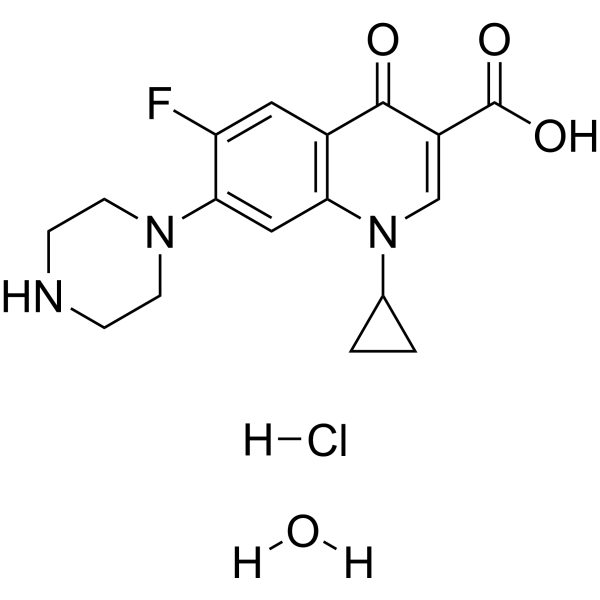
Ciprofloxacin GMP is Ciprofloxacin (HY-B0356) produced by using GMP guidelines. GMP small molecules works appropriately as an auxiliary reagent for cell therapy manufacture. Ciprofloxacin (Bay-09867) is an orally active, blood-brain barrier permeable fluoroquinolone antibacterial agent. Ciprofloxacin exerts bactericidal effects primarily by inhibiting topoisomerase II and IV. Ciprofloxacin inhibits the proliferation of human dental pulp stem cells and chondrocytes from young rats, and also activates the Akt signaling pathway and upregulates markers such as β-catenin and Nanog to maintain the morphological characteristics of stem cells. Ciprofloxacin induces significant neurotoxicity and tissue damage, including reducing serotonin and glutathione levels in the brain, inducing oxidative stress and depression-like behaviors, and causing articular cartilage damage. Ciprofloxacin can be applied to research related to infections of necrotic young permanent teeth and neurotoxicity .
|
-
- HY-N1964
-
|
Gibberellin A3
|
Environmental Pollutants
Drug Derivative
|
Metabolic Disease
|
|
Gibberellic acid (GA3) is a natural plant growth regulator with oral bioactivity. Gibberellic acid governs multiple plant developmental events, including seed germination, cell elongation, floral organ formation, and rice spikelet fertility. Gibberellic acid optimizes root morphology and secondary metabolite production in Echinacea purpurea hairy roots, and serves as a bioactive seed priming agent to improve chilling stress tolerance in chickpea. Gibberellic acid mediates modulation of enzyme activity and secondary metabolism in plants and exerts tissue-specific regulatory effects on antioxidant systems and lipid peroxidation in rats. Gibberellic acid can be used in studies of plant growth, metabolism, and abiotic stress responses .
|
-
- HY-134508
-
|
|
mTOR
|
Neurological Disease
Cancer
|
|
C24-Ceramide is an orally active competitive binding agonist of PIP4K2C (mTOR complex regulator), thereby activating the mTOR signaling pathway. At the same time, C24-Ceramide changes the membrane morphology by inducing the formation of a partially interlocked gel phase in the phospholipid bilayer. C24-Ceramide can promote the proliferation and migration of keratinocytes to accelerate skin wound healing and drive the proliferation and metastasis of gallbladder cancer cells. The level of C24-Ceramide in serum can be used as a diagnostic marker for gallbladder cancer .
|
-
- HY-W713297
-
|
ABOB hydrochloride-d8
|
Influenza Virus
Isotope-Labeled Compounds
HCV
HSV
Apoptosis
Caspase
|
Infection
|
|
Moroxydine hydrochloride-d8 (ABOB hydrochloride-d8) is the deuterium labeled Moroxydine (ABOB) hydrochloride (HY-B0420A). Moroxydine hydrochloride is a broad-spectrum agent with multi-antiviral activities against DNA and RNA viruses, including influenza virus, herpes simplex, varicella zoster, measles, mumps disease, hepatitis C virus, etc. Moroxydine hydrochloride exhibits excellent antiviral activity and shows low cytotoxicity to cells infected by dsRNA viruses (grass carp reovirus, GCRV) and large DNA viruses (giant salamander iridovirus, GSIV). Moroxydine hydrochloride blocks the GCRV-induced cytopathic effects and eliminates nucleocapsids in ctenopharyngodon idella kidney (CIK) cells to keep the normal morphological structure. Moroxydine hydrochloride significantly inhibits the apoptosis, the caspase 3 activity, Bax expression and down-regulates Bcl-2 levels [1][2][3].
|
-
- HY-157706
-
|
|
PI3K
|
Cardiovascular Disease
Metabolic Disease
Cancer
|
|
PI(3,4)P2 (18:1) ammonium salt is a phosphatidylinositol 3 kinase (PI3K) activator. PI(3,4)P2 (18:1) ammonium salt is a polyphosphorylated phosphatidylinositol that promotes the activation of AKT (protein kinase B) by activating PI3K, which affects cell metabolism, growth and survival. PI(3,4)P2 (18:1) ammonium salt is also involved in regulating dynamic changes in the cytoskeleton, affecting cell morphology and movement. PI(3,4)P2 (18:1) ammonium salt can be used in research on the development of cancer, diabetes and cardiovascular disease .
|
-
- HY-Y1269D
-
|
Salmiac, for molecular biology
|
TGF-beta/Smad
Apoptosis
Chloride Channel
|
Neurological Disease
Cancer
|
|
Ammonium chloride (Salmiac), for molecular biology is an inhibitor of Slc26a4 and SMAD2. Ammonium chloride, for molecular biology reduces the protein expression level of Slc26a4 in lung tissue, and attenuates ozone-induced increases in proinflammatory cytokines, inflammatory cells, pulmonary resistance, goblet cell hyperplasia, peribronchial inflammation and thiocyanate levels in mouse tissues and bronchoalveolar lavage fluid. Ammonium chloride, for molecular biology decreases the level of phosphorylated SMAD2, inhibits autophagy by reducing autophagy-related proteins, and enhances Cisplatin (HY-17394)-induced cancer cell apoptosis and DNA double-strand breaks. Ammonium chloride, for molecular biology also inhibits the TCA cycle, reduces ATP production, increases glucose utilization, regulates the levels of lactic acid, glutamic acid and ATP, and induces morphological degeneration of neuroblastoma cells. Ammonium chloride, for molecular biology can be used in studies related to ozone-induced airway injury, hepatocellular carcinoma, human cervical cancer, hepatic encephalopathy, Reye syndrome, epilepsy and neurodegenerative diseases .
|
-
- HY-W011696
-
|
cis-1-Amino-9-octadecene, 80-90%
|
Environmental Pollutants
Biochemical Assay Reagents
|
Cancer
|
|
Oleylamine, 80-90% (cis-1-Amino-9-octadecene, 80-90%) is a multifunctional reagent used for metal ion coordination and nanoparticle surface modification, and acts as a solvent, surfactant and reducing agent in the synthesis of metal oxide nanoparticles. Oleylamine, 80-90% regulates nanoparticle morphology, magnetization intensity and water proton relaxation rate via thiol-ene "click" reaction, and enhances the colloidal stability of nanoparticles in organic reagents. Oleylamine, 80-90% is mainly used in research and applications in fields such as nanomaterial synthesis, biomedical imaging (MRI contrast agents, fluorescent probes), cancer cell targeting and drug delivery .
|
-
- HY-149079
-
|
|
Parasite
Necroptosis
|
Infection
|
|
Antiparasitic agent-15, a pyridine-thiazolidinone, has anti-Trypanosoma cruzi and leishmanicidal activities. Antiparasitic agent-15 has IC50s of 0.9 μM and 0.64 μM against trypomastigote and amastigote forms of T. cruzi. Antiparasitic agent-15 has IC50s of 42.2 μM and 9.58 μM against trypomastigote and amastigote forms of L. amazonensis. Antiparasitic agent-15 induces parasite cell death through necrosis induction. Antiparasitic agent-15 induces morphological changes such as shortening, retraction and curvature of the parasite body and leakage of internal content with T. cruzi trypomastigotes .
|
-
- HY-149080
-
|
|
Parasite
Necroptosis
|
Infection
|
|
Antiparasitic agent-16, a pyridine-thiazolidinone, has anti-Trypanosoma cruzi and leishmanicidal activities. Antiparasitic agent-16 has IC50s of 1.0 μM and 0.6 μM against trypomastigote and amastigote forms of T. cruzi. Antiparasitic agent-16 has IC50s of 150.2 μM and 16.75 μM against trypomastigote and amastigote forms of L. amazonensis. Antiparasitic agent-16 induces parasite cell death through necrosis induction. Antiparasitic agent-16 induces morphological changes such as shortening, retraction and curvature of the parasite body and leakage of internal content with T. cruzi trypomastigotes .
|
-
- HY-19820A
-
|
|
Akt
Ser/Thr Protease
Apoptosis
MMP
|
Cardiovascular Disease
Neurological Disease
Inflammation/Immunology
|
|
NSC45586 sodium is an inhibitor of PHLPP. NSC45586 sodium targets the PP2C phosphatase domains of PHLPP1 and PHLPP2, blocks the phosphatase activity of PHLPP, increases the expression level of FOXO1 in the nucleus, and reduces the protein expression of PHLPP1. NSC45586 sodium activates the AKT survival signaling pathway, enhances IGF-1-induced AKT activation, and inhibits the phosphorylation of AKT/ERK under basal conditions. NSC45586 sodium reduces staurosporine-induced neuronal death, preserves notochord cell morphology and KRT19 expression, inhibits cell apoptosis (apoptosis), improves the viability and proliferation of nucleus pulposus cells, upregulates the expression of ACAN/SOX9, and downregulates the expression of MMP13. NSC45586 sodium binds tightly to bovine serum albumin (bovine serum albumin), and exerts a more significant effect on nucleus pulposus in male individuals. NSC45586 sodium can be used in studies related to global cerebral ischemia and intervertebral disc degeneration .
|
-
- HY-137341
-
|
|
PROTACs
YTHDF
|
Cancer
|
|
SK-3-91 is a PROTAC-type multi-kinase degrader that can jointly induce the degradation of the largest number of unique kinases (more than 125 unique kinases). SK-3-91 induces protein degradation through the ubiquitin biotinylation (E-STUB) pathway. SK-3-91 degrades YTHDF2. SK-3-91 inhibits cell proliferation and induces morphological changes. (Pink: TAE648 ligand (HY-169396); Blue: E3 ligase ligand (HY-131717); Black: Linker (HY-140819). The E3 ligase ligand and linker can form a conjugate (HY-169397)) .
|
-
- HY-157699
-
|
|
Liposome
Biochemical Assay Reagents
|
|
|
1,2-Dioleoyl-sn-glycero-3-phospho-(1'-myo-inositol-5'-phosphate) ammonium is a membrane-bound signaling molecule with intracellular activity in regulating membrane trafficking and signal transduction. 1,2-Dioleoyl-sn-glycero-3-phospho-(1'-myo-inositol-5'-phosphate) ammonium can be used in the preparation of liposomes to enhance the efficiency of compound delivery. 1,2-Dioleoyl-sn-glycero-3-phospho-(1'-myo-inositol-5'-phosphate) ammonium can also act as a coordinator of the actin cytoskeleton and participate in the regulation of cell morphology and motility.
|
-
- HY-E70425
-
|
|
Glycosyltransferase
|
Metabolic Disease
|
|
Sucrose synthase belongs to glycosyltransferases and is a reversible catalyst present in plants, which catalyzes the conversion of sucrose into fructose and UDP-G or ADP-G. Sucrose synthase localizes to the cytoplasm, plasma membrane, cell wall, vacuole and mitochondria of plants. Sucrose synthase regulates sugar metabolism, supports the development of taproots, fruits, seeds and vascular tissues, drives the synthesis of starch, cellulose and callose, and enhances nitrogen fixation capacity. Sucrose synthase mediates signal transduction in plant meristems. Sucrose synthase is associated with plant growth, anaerobic stress tolerance, as well as shoot apical meristem and leaf morphology; overexpression of this enzyme promotes plant growth, increases xylem size, and elevates cellulose and starch contents .
|
-
- HY-115507
-
|
|
AMPK
mTOR
ERK
Oxidative Phosphorylation
Reactive Oxygen Species (ROS)
Ras
|
Cancer
|
|
NMac1 is an orally active Nm23/NDPK activator. NMac1 directly binds to Nm23-H1 and activates the NDPK activity of recombinant Nm23-H1 with an EC50 of 10.7 uM. NMac1 induces AMPK activation and inhibits mTOR and ERK, leading to mitochondrial OXPHOS dysregulation and suppressing mitochondrial ROS production, which in turn induces mitochondrial dysfunction in MDA-MB-231 cells. NMac1 inhibits Complex I activity and suppresses changes in morphology and actin cytoskeleton organization following Rac1 activation in MDA-MB-231 cells. NMac1 inhibits tumor invasion, migration and metastasis. NMac1 is useful for studying metastatic tumors, such as breast cancer. NMac1 can be isolated from the ginger cassumunar Roxb .
|
-
- HY-159642G
-
|
TYRA-300
|
FGFR
ERK
|
Metabolic Disease
Cancer
|
|
Dabogratinib (TYRA-300) (GMP) is Dabogratinib (HY-159642) produced by using GMP guidelines. GMP small molecules work appropriately as an auxiliary reagent for cell therapy manufacture. Dabogratinib is an orally active, selective FGFR3 inhibitor with an IC50 of 11 nM. Dabogratinib exhibits antitumor activity against urothelial carcinoma and solid tumors. Dabogratinib downregulates the FGFR3 and ERK1/2 signaling pathways, and induces tumor growth inhibition and regression in FGFR3-altered xenograft models. Dabogratinib promotes chondrocyte proliferation and differentiation, drives endochondral bone formation and overall body growth, partially restores long bone proportions, and improves craniofacial and spinal morphology. Dabogratinib can be used for the research of metastatic urothelial carcinoma, achondroplasia and hypochondroplasia .
|
-
- HY-N1964R
-
|
Gibberellin A3 (Standard)
|
Reference Standards
Drug Derivative
|
Metabolic Disease
|
|
Gibberellic acid (Standard) is the analytical standard of Gibberellic acid (GA3) (HY-N1964). This product is intended for research and analytical applications. Gibberellic acidis a natural plant growth regulator with oral bioactivity. Gibberellic acid governs multiple plant developmental events, including seed germination, cell elongation, floral organ formation, and rice spikelet fertility. Gibberellic acid optimizes root morphology and secondary metabolite production in Echinacea purpurea hairy roots, and serves as a bioactive seed priming agent to improve chilling stress tolerance in chickpea. Gibberellic acid mediates modulation of enzyme activity and secondary metabolism in plants and exerts tissue-specific regulatory effects on antioxidant systems and lipid peroxidation in rats. Gibberellic acid can be used in studies of plant growth, metabolism, and abiotic stress responses .
|
-
- HY-174374
-
|
|
Topoisomerase
|
Cardiovascular Disease
|
|
Topobexin is a TOP2B-selective inhibitor with IC50 values of 0.19 μM and 4.8 μM for TOP2B and TOP2A (DNA decatenation assay). Topobexin binds to non-homologous residues in the obex pocket and targets the ATPase domain of TOP2B. Topobexin prevents anthracycline-induced DNA double-strand break formation, apoptotic signaling mediated by caspase 3/7, 8 and 9, cardiomyocyte morphological changes, mitochondrial depolarization/loss, left ventricular systolic dysfunction, extracellular matrix remodeling, fibrotic alterations, and increases in plasma cardiac troponin T and BNP. Topobexin does not impair the antiproliferative effects of anthracyclines in cancer cells, exhibits no intrinsic cytotoxicity in cardiomyocytes, and is well tolerated in rabbits. Topobexin can be used in studies related to anthracycline-induced cardiotoxicity .
|
-
- HY-N17440
-
|
|
Apoptosis
Caspase
Bcl-2 Family
DNA/RNA Synthesis
Bacterial
Fungal
|
Infection
Inflammation/Immunology
Cancer
|
|
2-Methoxyjuglone, a naphthoquinone, is an apoptosis inducer. 2-Methoxyjuglone activates caspase-9 and caspase-3 via the mitochondrial cytochrome c-dependent intrinsic apoptosis cascade. 2-Methoxyjuglone increases pro-apoptotic Bax levels, decreases anti-apoptotic Bcl-2 levels, and promotes mitochondrial cytochrome c release. 2-Methoxyjuglone induces apoptosis morphological features, early apoptosis, S-phase and G2/M-phase cell cycle arrest, and DNA double-strand breaks. 2-Methoxyjuglone exerts activity against Gram-positive bacteria, pathogenic fungi, and phytopathogenic fungi. 2-Methoxyjuglone can be used for the research of hepatocellular carcinoma, osteosarcoma, colon adenocarcinoma, breast cancer, fungal infection, bacterial infection .
|
-
- HY-N1964B
-
|
GA3 Sterile Solution (1 mg/ml)
|
Drug Derivative
|
Metabolic Disease
|
|
Gibberellic acid Sterile Solution (1 mg/mL) (GA3 Sterile Solution (1 mg/mL)) is a natural plant growth regulator with oral bioactivity. Gibberellic acid Sterile Solution (1 mg/mL) governs multiple plant developmental events, including seed germination, cell elongation, floral organ formation, and rice spikelet fertility. Gibberellic acid Sterile Solution (1 mg/mL) optimizes root morphology and secondary metabolite production in Echinacea purpurea hairy roots, and serves as a bioactive seed priming agent to improve chilling stress tolerance in chickpea. Gibberellic acid Sterile Solution (1 mg/mL) mediates modulation of enzyme activity and secondary metabolism in plants and exerts tissue-specific regulatory effects on antioxidant systems and lipid peroxidation in rats. Gibberellic acid Sterile Solution (1 mg/mL) can be used in studies of plant growth, metabolism, and abiotic stress responses .
|
-
- HY-183333
-
|
|
Fungal
|
Infection
|
|
CHNQD-02204 is a potent and selective antifungal agent with in vitro activity against Candida albicans, with a MIC of 0.025 μg/mL. CHNQD-02204 inhibits ergosterol biosynthesis, disrupts the membrane integrity and biofilm formation of Candida albicans, and suppresses the morphological transition of Candida albicans from yeast to hyphal form. CHNQD-02204 can be used in studies related to candidal infections .
|
-
- HY-W015551
-
|
(E)-Dec-2-enal
|
Bacterial
Reactive Oxygen Species (ROS)
|
Infection
|
|
trans-2-Decenal ((E)-Dec-2-enal) acts as a urease inhibitor and antibacterial agent against Helicobacter pylori, with an IC50 of 9.484 μg/mL against Helicobacter pylori urease. trans-2-Decenal reduces the urease activity of Helicobacter pylori, and possesses antibacterial, bactericidal, anti-biofilm and anti-migratory activities. It alters the morphology of Helicobacter pylori, induces bacterial rupture, inhibits biofilm formation, reduces the number of mature biofilms and impairs the migratory capacity of Helicobacter pylori. trans-2-Decenal disrupts the cell wall integrity of Phytophthora capsici, damages membrane integrity and permeability, triggers intracellular reactive oxygen species (ROS) accumulation, decreases glutathione levels and disrupts the mitochondrial membrane potential of Phytophthora capsici. trans-2-Decenal is applicable to studies related to Helicobacter pylori and plant diseases induced by and Phytophthora capsici .
|
-
- HY-Y0317I
-
|
Disodium sulfate, meets analytical specification of Ph. Eur. BP USP
|
Biochemical Assay Reagents
|
Cancer
|
|
Sodium sulfate anhydrous (Disodium sulfate), meets analytical specification of Ph. Eur. BP USP is an orally active multifunctional ionic salt that serves as a protein precipitant, collagen fibril bundling inducer, and chlorine-free sodium source. Sodium sulfate anhydrous, meets analytical specification of Ph. Eur. BP USP promotes collagen fibril bundling to increase matrix pore size, alters cancer cell morphology and regulates their migration direction via geometric signals, and separates plasma/serum proteins or concentrates proteins at 37°C without causing thermal denaturation. In poultry farming applications, Sodium sulfate anhydrous, meets analytical specification of Ph. Eur. BP USP improves laying performance and eggshell quality, and is safe and effective at an addition level of 0.3-1.5%, while a high concentration of 3.0% causes negative physiological effects. Sodium sulfate anhydrous, meets analytical specification of Ph. Eur. BP USP can be widely applied in scientific research on cervical cancer and related fields .
|
-
- HY-W020780
-
|
mPEG5000-Maleimide
|
Biochemical Assay Reagents
|
Cancer
|
|
mPEG5000-Mal (mPEG5000-Maleimide) is a PEG-derived selective covalent binding agent for sulfhydryl groups (RSGs), which can form irreversible thioether bonds with sulfhydryl groups under near-neutral conditions via the maleimide group. The mechanism of action of mPEG5000-Mal can be divided into two categories: firstly, as an enzyme modifier, it binds to target proteins through hydrophobic interactions, hydrogen bonds, and van der Waals forces, altering the protein's secondary structure; secondly, as a nanoparticle surface modifier, it covalently binds to sulfhydryl groups on the surface of red blood cells, changing the surface properties and morphology of the red blood cells, leading to their phagocytosis by macrophages of the reticuloendothelial system. mPEG5000-Mal can react with free cysteine in proteins, increasing the apparent molecular weight of the modified protein by 10-15 kDa for detection purposes. mPEG5000-Mal can enhance the thermal stability and catalytic activity of enzymes, and improve the macrophage targeting of nanoparticles, enabling targeted drug delivery. mPEG5000-Mal can be applied in enzyme engineering research in the food industry and in oncology, assisting radiotherapy by inhibiting tumor-associated macrophage infiltration and enhancing anti-tumor immune responses .
|
-
- HY-W002199
-
|
6:2 FTOH; 1H,1H,2H,2H-Perfluoro-1-octanol; 2-(Perfluorohexyl)ethanol
|
Bacterial
Apoptosis
ERK
TNF Receptor
|
Infection
Neurological Disease
|
|
6:2 Fluorotelomer alcohol (6:2 FTOH) is an orally active, blood-brain barrier-permeable modulator of cyclin D1 and ETS1. 6:2 Fluorotelomer alcohol downregulates cyclin D1 expression, upregulates ETS1 via the TNF-α/ERK 1/2 pathway, impairs mitochondrial membrane potential and respiratory function, increases reactive oxygen species levels, disrupts calcium homeostasis and activates endoplasmic reticulum stress markers, and induces cell proliferation inhibition and endothelial-mesenchymal transition. Furthermore, 6:2 Fluorotelomer alcohol induces morphological abnormalities in zebrafish embryos and liver developmental damage, while disrupting the brain immune microenvironment in mice, causing systemic toxicity and delayed pup maturation in CD-1 mice. 6:2 Fluorotelomer alcohol also induces cortical neuron apoptosis, glial cell activation, synaptic abnormalities, colonic barrier damage, intestinal dysbiosis and autism spectrum disorder-like symptoms in mice. 6:2 Fluorotelomer alcohol shows no mutagenic, clastogenic, primary skin/eye irritation or skin sensitizing effects, exhibits no selective reproductive toxicity in CD-1 mice, and is classified as GHS Category 4 for acute oral toxicity. 6:2 Fluorotelomer alcohol can be used in studies of neurodevelopmental disorders and autism spectrum disorders .
|
-
- HY-116028S1
-
|
15-Deoxy-Δ12,14-PGD2-d4
|
Isotope-Labeled Compounds
Endogenous Metabolite
Prostaglandin Receptor
PPAR
Src
|
Inflammation/Immunology
Cancer
|
|
15-Deoxy-Δ12,14-Prostaglandin D2-d4 (15-Deoxy-Δ12,14-PGD2-d4) is the deuterium labeled 15-deoxy-Δ12,14-Prostaglandin D2. 15-deoxy-Δ12,14-Prostaglandin D2 (15-Deoxy-Δ12,14-PGD2) is a metabolite of prostaglandin D₂ (PGD₂) (HY-101988), which can undergo further dehydration metabolism to 15-deoxy-Δ12,14-PGJ₂. 15-deoxy-Δ12,14-Prostaglandin D2 is a highly selective agonist for DP2 receptor and PPARγ. 15-deoxy-Δ12,14-Prostaglandin D2 causes morphological changes in eosinophils and migration of type II innate lymphoid cells (ILC2). 15-deoxy-Δ12,14-Prostaglandin D2 has a growth inhibitory effect on prostate cancer cells expressing PPARγ, induces cell cycle arrest and promotes apoptosis. 15-deoxy-Δ12,14-Prostaglandin D2 can be used in related research on asthma and prostate cancer.
|
-
- HY-W015551R
-
|
(E)-Dec-2-enal (Standard)
|
Biochemical Assay Reagents
Reference Standards
|
Infection
|
|
trans-2-Decenal ((E)-Dec-2-enal)) Standard is the analytical standard of trans-2-Decenal (HY-W015551). This product is intended for research and analytical applications. trans-2-Decenal ((E)-Dec-2-enal) acts as a urease inhibitor and antibacterial agent against Helicobacter pylori, with an IC50 of 9.484 μg/mL against Helicobacter pylori urease. trans-2-Decenal reduces the urease activity of Helicobacter pylori, and possesses antibacterial, bactericidal, anti-biofilm and anti-migratory activities. It alters the morphology of Helicobacter pylori, induces bacterial rupture, inhibits biofilm formation, reduces the number of mature biofilms and impairs the migratory capacity of Helicobacter pylori. trans-2-Decenal disrupts the cell wall integrity of Phytophthora capsici, damages membrane integrity and permeability, triggers intracellular reactive oxygen species (ROS) accumulation, decreases glutathione levels and disrupts the mitochondrial membrane potential of Phytophthora capsici. trans-2-Decenal is applicable to studies related to Helicobacter pylori and plant diseases induced by and Phytophthora capsici.
|
-
- HY-W015551S
-
|
(E)-Dec-2-enal-d2
|
Biochemical Assay Reagents
Isotope-Labeled Compounds
|
Infection
|
|
trans-2-Decenal-d2 ((E)-Dec-2-enal-d2) is deuterated labeled trans-2-Decenal (HY-W015551). trans-2-Decenal ((E)-Dec-2-enal) acts as a urease inhibitor and antibacterial agent against Helicobacter pylori, with an IC50 of 9.484 μg/mL against Helicobacter pylori urease. trans-2-Decenal reduces the urease activity of Helicobacter pylori, and possesses antibacterial, bactericidal, anti-biofilm and anti-migratory activities. It alters the morphology of Helicobacter pylori, induces bacterial rupture, inhibits biofilm formation, reduces the number of mature biofilms and impairs the migratory capacity of Helicobacter pylori. trans-2-Decenal disrupts the cell wall integrity of Phytophthora capsici, damages membrane integrity and permeability, triggers intracellular reactive oxygen species (ROS) accumulation, decreases glutathione levels and disrupts the mitochondrial membrane potential of Phytophthora capsici. trans-2-Decenal is applicable to studies related to Helicobacter pylori and plant diseases induced by and Phytophthora capsici .
|
-
| Cat. No. |
Product Name |
Type |
-
- HY-W356116
-
|
Nbd-ceramide
|
Fluorescent Dyes
|
|
C6 NBD Ceramide is a Golgi apparatus fluorescent probe with cell membrane permeability. C6 NBD Ceramide can be used for fast and convenient green fluorescent labeling of Golgi in living and fixed cells, and can be used to observe changes in Golgi morphology in living cells (Ex=466 nm, Em=536 nm). C6-NBD-ceramide is metabolized to fluorescent sphingomyelin and glucosylceramide, can be used for the study of sphingolipid transport and metabolic mechanism .
|
-
- HY-W088068
-
|
|
Fluorescent Dyes
|
|
Wright's stain is a composite cell stain that mainly binds to intracellular nucleic acids, proteins and other components through thiazine dyes (such as methylene blue) and eosin. Wright's stain is pH-dependent (optimal pH 6.4-6.7) and achieves cell morphology resolution by differentially staining the cytoplasm and nucleus. Under alkaline conditions, thiazine dyes bind to nucleic acids to form purple, and acidic eosin binds to cytoplasmic proteins to form red, which can form contrasting cell morphological features. Wright's stain can clearly display the fine structures of blood cells and bone marrow cells (such as nuclear chromatin and granules) and quickly evaluate cell morphological abnormalities .
|
-
- HY-DY3003
-
|
|
Fluorescent Dyes
|
|
Tissue and Cell Fixative (4% Paraformaldehyde, PFA) is mainly composed of paraformaldehyde, phosphate, and deionized water, with a pH of 7.0-7.4. Tissue and Cell Fixative (4% Paraformaldehyde, PFA) is suitable for fixing most tissues and cells, and can effectively protect the morphology and structure of tissues and cells as well as nucleic acids.
|
-
- HY-D2155
-
|
|
Fluorescent Dyes
|
|
Texas red-X 4-succinimidyl ester is a derivative of Texas Red (HY-101878), an amphoteric rhodamine red fluorescent dye. Texas Red is widely used to study neuronal morphology and as a cell type-selective fluorescent marker for astrocytes, both in vivo and in slice preparations.
|
-
- HY-129959
-
|
AlClPc
|
Fluorescent Dyes
|
|
Aluminum phthalocyanine chloride is a photosensitizer that effectively inhibits the parasite Leishmania amazonensis (the causative agent of cutaneous leishmaniasis) by light-mediated cytolysis. Aluminum phthalocyanine chloride causes parasite morphology and cytolysis of isolated amasilians, while higher photosensitizer concentrations and light intensities are required to induce lysis of mammalian cells. Aluminum phthalocyanine chloride lyses parasites within infected J774 macrophages and can be used to further investigate the study of leishmaniasis .
|
-
- HY-159642G
-
|
TYRA-300
|
Fluorescent Dyes
|
|
Dabogratinib (TYRA-300) (GMP) is Dabogratinib (HY-159642) produced by using GMP guidelines. GMP small molecules work appropriately as an auxiliary reagent for cell therapy manufacture. Dabogratinib is an orally active, selective FGFR3 inhibitor with an IC50 of 11 nM. Dabogratinib exhibits antitumor activity against urothelial carcinoma and solid tumors. Dabogratinib downregulates the FGFR3 and ERK1/2 signaling pathways, and induces tumor growth inhibition and regression in FGFR3-altered xenograft models. Dabogratinib promotes chondrocyte proliferation and differentiation, drives endochondral bone formation and overall body growth, partially restores long bone proportions, and improves craniofacial and spinal morphology. Dabogratinib can be used for the research of metastatic urothelial carcinoma, achondroplasia and hypochondroplasia .
|
-
- HY-151544
-
|
|
Fluorescent Dyes
|
|
PNE-Lyso is a activatable fluorescent probe. PNE-Lyso can be used to detect intracellular pH and hexosaminidases with two kinds of fluorescence signals. PNE-Lyso can be used to distinguish apoptosis from necrosis through visualizing lysosome morphology. PNE-Lyso is capable of investigating the agent-induced cell death process .
|
-
- HY-D2639
-
|
|
Fluorescent Dyes
|
|
TPE-PY is a fluorescent dye targeting mitochondria, which has cationic and lipophilic characteristics, enabling specific targeting of mitochondria. TPE-PY functions through the aggregation-induced emission (AIE) mechanism. TPE-PY mechanism of action is based on the restriction of intramolecular rotation (RIR), which enhances fluorescence in the aggregated state. TPE-PY is mainly used in the field of biological imaging, especially for the specific staining of mitochondria in living cells, facilitating the observation of the location, morphology, and quantity of mitochondria .
|
-
- HY-B0356G
-
|
Bay-09867
|
Fluorescent Dyes
|
|
Ciprofloxacin GMP is Ciprofloxacin (HY-B0356) produced by using GMP guidelines. GMP small molecules works appropriately as an auxiliary reagent for cell therapy manufacture. Ciprofloxacin (Bay-09867) is an orally active, blood-brain barrier permeable fluoroquinolone antibacterial agent. Ciprofloxacin exerts bactericidal effects primarily by inhibiting topoisomerase II and IV. Ciprofloxacin inhibits the proliferation of human dental pulp stem cells and chondrocytes from young rats, and also activates the Akt signaling pathway and upregulates markers such as β-catenin and Nanog to maintain the morphological characteristics of stem cells. Ciprofloxacin induces significant neurotoxicity and tissue damage, including reducing serotonin and glutathione levels in the brain, inducing oxidative stress and depression-like behaviors, and causing articular cartilage damage. Ciprofloxacin can be applied to research related to infections of necrotic young permanent teeth and neurotoxicity .
|
| Cat. No. |
Product Name |
Type |
-
- HY-W020780
-
|
mPEG5000-Maleimide
|
Biochemical Assay Reagents
|
|
mPEG5000-Mal (mPEG5000-Maleimide) is a PEG-derived selective covalent binding agent for sulfhydryl groups (RSGs), which can form irreversible thioether bonds with sulfhydryl groups under near-neutral conditions via the maleimide group. The mechanism of action of mPEG5000-Mal can be divided into two categories: firstly, as an enzyme modifier, it binds to target proteins through hydrophobic interactions, hydrogen bonds, and van der Waals forces, altering the protein's secondary structure; secondly, as a nanoparticle surface modifier, it covalently binds to sulfhydryl groups on the surface of red blood cells, changing the surface properties and morphology of the red blood cells, leading to their phagocytosis by macrophages of the reticuloendothelial system. mPEG5000-Mal can react with free cysteine in proteins, increasing the apparent molecular weight of the modified protein by 10-15 kDa for detection purposes. mPEG5000-Mal can enhance the thermal stability and catalytic activity of enzymes, and improve the macrophage targeting of nanoparticles, enabling targeted drug delivery. mPEG5000-Mal can be applied in enzyme engineering research in the food industry and in oncology, assisting radiotherapy by inhibiting tumor-associated macrophage infiltration and enhancing anti-tumor immune responses .
|
-
- HY-134508
-
|
|
Biochemical Assay Reagents
|
|
C24-Ceramide is an orally active competitive binding agonist of PIP4K2C (mTOR complex regulator), thereby activating the mTOR signaling pathway. At the same time, C24-Ceramide changes the membrane morphology by inducing the formation of a partially interlocked gel phase in the phospholipid bilayer. C24-Ceramide can promote the proliferation and migration of keratinocytes to accelerate skin wound healing and drive the proliferation and metastasis of gallbladder cancer cells. The level of C24-Ceramide in serum can be used as a diagnostic marker for gallbladder cancer .
|
-
- HY-W011696
-
|
cis-1-Amino-9-octadecene, 80-90%
|
Biochemical Assay Reagents
|
|
Oleylamine, 80-90% (cis-1-Amino-9-octadecene, 80-90%) is a multifunctional reagent used for metal ion coordination and nanoparticle surface modification, and acts as a solvent, surfactant and reducing agent in the synthesis of metal oxide nanoparticles. Oleylamine, 80-90% regulates nanoparticle morphology, magnetization intensity and water proton relaxation rate via thiol-ene "click" reaction, and enhances the colloidal stability of nanoparticles in organic reagents. Oleylamine, 80-90% is mainly used in research and applications in fields such as nanomaterial synthesis, biomedical imaging (MRI contrast agents, fluorescent probes), cancer cell targeting and drug delivery .
|
-
- HY-W015551
-
|
(E)-Dec-2-enal
|
Biochemical Assay Reagents
|
|
trans-2-Decenal ((E)-Dec-2-enal) acts as a urease inhibitor and antibacterial agent against Helicobacter pylori, with an IC50 of 9.484 μg/mL against Helicobacter pylori urease. trans-2-Decenal reduces the urease activity of Helicobacter pylori, and possesses antibacterial, bactericidal, anti-biofilm and anti-migratory activities. It alters the morphology of Helicobacter pylori, induces bacterial rupture, inhibits biofilm formation, reduces the number of mature biofilms and impairs the migratory capacity of Helicobacter pylori. trans-2-Decenal disrupts the cell wall integrity of Phytophthora capsici, damages membrane integrity and permeability, triggers intracellular reactive oxygen species (ROS) accumulation, decreases glutathione levels and disrupts the mitochondrial membrane potential of Phytophthora capsici. trans-2-Decenal is applicable to studies related to Helicobacter pylori and plant diseases induced by and Phytophthora capsici .
|
-
- HY-D0836
-
|
Ethylenediaminetetraacetic acid dipotassium dihydrate
|
Biochemical Assay Reagents
|
|
EDTA dipotassium dihydrate is a metal ion chelator that forms stable and water-soluble chelates with a variety of metal ions. EDTA dipotassium is commonly used as a blood anticoagulant, which can effectively prevent blood coagulation and maintain the morphology and function of cells in blood samples. In the industrial field, EDTA dipotassium can be used to remove the adverse effects of metal ions and prevent oxidation and deterioration caused by metal ions .
|
-
- HY-NP163A
-
|
WGA-AF488
|
Biochemical Assay Reagents
|
Wheat germ agglutinin-AF488 (WGA-AF488) is a cell membrane-specific staining agent prepared by conjugating wheat germ agglutinin with the Alexa Fluor 488 (HY-D1304) fluorescent dye, and it binds to cell surface glycoproteins with high affinity. Wheat germ agglutinin-AF488 is applied in fluorescence microscopy and confocal imaging techniques, and it can clearly label the membrane structures of various cells including breast cancer cells, enabling high-resolution visual observation. Wheat germ agglutinin-AF488 is used in studies of breast cancer and triple-negative breast cancer to observe cell morphology and membrane dynamic changes .
|
-
- HY-158976
-
|
Lactated ringer's solution (LRS)
|
Biochemical Assay Reagents
|
|
Sodium lactate ringer's solution (Lactated ringer's solution (LRS)) is an isotonic crystal intravenous injection and arthroscopic irrigation solution containing racemic sodium lactate and electrolytes such as sodium, potassium, calcium and chloride (130 mEq sodium/L, 274 mOsm/L), which can be used as a cell integrity protectant. Sodium lactate ringer's solution maintains the integrity of human meniscus cells, ensures that they retain normal cell morphology, membrane regularity, size and density, and does not alter the mRNA expression levels of α1 (I) procollagen, α1 (II) procollagen, aggrecan or HSP70. Sodium lactate ringer's solution can be applied to studies related to extracellular fluid deficiency and meniscus tears .
|
-
- HY-Y1269D
-
|
Salmiac, for molecular biology
|
Biochemical Assay Reagents
|
|
Ammonium chloride (Salmiac), for molecular biology is an inhibitor of Slc26a4 and SMAD2. Ammonium chloride, for molecular biology reduces the protein expression level of Slc26a4 in lung tissue, and attenuates ozone-induced increases in proinflammatory cytokines, inflammatory cells, pulmonary resistance, goblet cell hyperplasia, peribronchial inflammation and thiocyanate levels in mouse tissues and bronchoalveolar lavage fluid. Ammonium chloride, for molecular biology decreases the level of phosphorylated SMAD2, inhibits autophagy by reducing autophagy-related proteins, and enhances Cisplatin (HY-17394)-induced cancer cell apoptosis and DNA double-strand breaks. Ammonium chloride, for molecular biology also inhibits the TCA cycle, reduces ATP production, increases glucose utilization, regulates the levels of lactic acid, glutamic acid and ATP, and induces morphological degeneration of neuroblastoma cells. Ammonium chloride, for molecular biology can be used in studies related to ozone-induced airway injury, hepatocellular carcinoma, human cervical cancer, hepatic encephalopathy, Reye syndrome, epilepsy and neurodegenerative diseases .
|
-
- HY-N1964A
-
|
|
Biochemical Assay Reagents
|
|
Gibberellic acid, suitable for plant cell culture (GA3, suitable for plant cell culture) is a natural plant growth regulator with oral bioactivity. Gibberellic acid, suitable for plant cell culture governs multiple plant developmental events, including seed germination, cell elongation, floral organ formation, and rice spikelet fertility. Gibberellic acid, suitable for plant cell culture optimizes root morphology and secondary metabolite production in Echinacea purpurea hairy roots, and serves as a bioactive seed priming agent to improve chilling stress tolerance in chickpea. Gibberellic acid, suitable for plant cell culture mediates modulation of enzyme activity and secondary metabolism in plants and exerts tissue-specific regulatory effects on antioxidant systems and lipid peroxidation in rats. Gibberellic acid, suitable for plant cell culture can be used in studies of plant growth, metabolism, and abiotic stress responses .
|
-
- HY-Y0317I
-
|
Disodium sulfate, meets analytical specification of Ph. Eur. BP USP
|
Biochemical Assay Reagents
|
|
Sodium sulfate anhydrous (Disodium sulfate), meets analytical specification of Ph. Eur. BP USP is an orally active multifunctional ionic salt that serves as a protein precipitant, collagen fibril bundling inducer, and chlorine-free sodium source. Sodium sulfate anhydrous, meets analytical specification of Ph. Eur. BP USP promotes collagen fibril bundling to increase matrix pore size, alters cancer cell morphology and regulates their migration direction via geometric signals, and separates plasma/serum proteins or concentrates proteins at 37°C without causing thermal denaturation. In poultry farming applications, Sodium sulfate anhydrous, meets analytical specification of Ph. Eur. BP USP improves laying performance and eggshell quality, and is safe and effective at an addition level of 0.3-1.5%, while a high concentration of 3.0% causes negative physiological effects. Sodium sulfate anhydrous, meets analytical specification of Ph. Eur. BP USP can be widely applied in scientific research on cervical cancer and related fields .
|
-
- HY-159642G
-
|
TYRA-300
|
Biochemical Assay Reagents
|
|
Dabogratinib (TYRA-300) (GMP) is Dabogratinib (HY-159642) produced by using GMP guidelines. GMP small molecules work appropriately as an auxiliary reagent for cell therapy manufacture. Dabogratinib is an orally active, selective FGFR3 inhibitor with an IC50 of 11 nM. Dabogratinib exhibits antitumor activity against urothelial carcinoma and solid tumors. Dabogratinib downregulates the FGFR3 and ERK1/2 signaling pathways, and induces tumor growth inhibition and regression in FGFR3-altered xenograft models. Dabogratinib promotes chondrocyte proliferation and differentiation, drives endochondral bone formation and overall body growth, partially restores long bone proportions, and improves craniofacial and spinal morphology. Dabogratinib can be used for the research of metastatic urothelial carcinoma, achondroplasia and hypochondroplasia .
|
-
- HY-157699
-
|
|
Biochemical Assay Reagents
|
|
1,2-Dioleoyl-sn-glycero-3-phospho-(1'-myo-inositol-5'-phosphate) ammonium is a membrane-bound signaling molecule with intracellular activity in regulating membrane trafficking and signal transduction. 1,2-Dioleoyl-sn-glycero-3-phospho-(1'-myo-inositol-5'-phosphate) ammonium can be used in the preparation of liposomes to enhance the efficiency of compound delivery. 1,2-Dioleoyl-sn-glycero-3-phospho-(1'-myo-inositol-5'-phosphate) ammonium can also act as a coordinator of the actin cytoskeleton and participate in the regulation of cell morphology and motility.
|
-
- HY-W015551R
-
|
(E)-Dec-2-enal (Standard)
|
Biochemical Assay Reagents
|
|
trans-2-Decenal ((E)-Dec-2-enal)) Standard is the analytical standard of trans-2-Decenal (HY-W015551). This product is intended for research and analytical applications. trans-2-Decenal ((E)-Dec-2-enal) acts as a urease inhibitor and antibacterial agent against Helicobacter pylori, with an IC50 of 9.484 μg/mL against Helicobacter pylori urease. trans-2-Decenal reduces the urease activity of Helicobacter pylori, and possesses antibacterial, bactericidal, anti-biofilm and anti-migratory activities. It alters the morphology of Helicobacter pylori, induces bacterial rupture, inhibits biofilm formation, reduces the number of mature biofilms and impairs the migratory capacity of Helicobacter pylori. trans-2-Decenal disrupts the cell wall integrity of Phytophthora capsici, damages membrane integrity and permeability, triggers intracellular reactive oxygen species (ROS) accumulation, decreases glutathione levels and disrupts the mitochondrial membrane potential of Phytophthora capsici. trans-2-Decenal is applicable to studies related to Helicobacter pylori and plant diseases induced by and Phytophthora capsici.
|
-
- HY-B0356G
-
|
Bay-09867
|
Biochemical Assay Reagents
|
|
Ciprofloxacin GMP is Ciprofloxacin (HY-B0356) produced by using GMP guidelines. GMP small molecules works appropriately as an auxiliary reagent for cell therapy manufacture. Ciprofloxacin (Bay-09867) is an orally active, blood-brain barrier permeable fluoroquinolone antibacterial agent. Ciprofloxacin exerts bactericidal effects primarily by inhibiting topoisomerase II and IV. Ciprofloxacin inhibits the proliferation of human dental pulp stem cells and chondrocytes from young rats, and also activates the Akt signaling pathway and upregulates markers such as β-catenin and Nanog to maintain the morphological characteristics of stem cells. Ciprofloxacin induces significant neurotoxicity and tissue damage, including reducing serotonin and glutathione levels in the brain, inducing oxidative stress and depression-like behaviors, and causing articular cartilage damage. Ciprofloxacin can be applied to research related to infections of necrotic young permanent teeth and neurotoxicity .
|
-
- HY-N1964B
-
|
GA3 Sterile Solution (1 mg/ml)
|
Biochemical Assay Reagents
|
|
Gibberellic acid Sterile Solution (1 mg/mL) (GA3 Sterile Solution (1 mg/mL)) is a natural plant growth regulator with oral bioactivity. Gibberellic acid Sterile Solution (1 mg/mL) governs multiple plant developmental events, including seed germination, cell elongation, floral organ formation, and rice spikelet fertility. Gibberellic acid Sterile Solution (1 mg/mL) optimizes root morphology and secondary metabolite production in Echinacea purpurea hairy roots, and serves as a bioactive seed priming agent to improve chilling stress tolerance in chickpea. Gibberellic acid Sterile Solution (1 mg/mL) mediates modulation of enzyme activity and secondary metabolism in plants and exerts tissue-specific regulatory effects on antioxidant systems and lipid peroxidation in rats. Gibberellic acid Sterile Solution (1 mg/mL) can be used in studies of plant growth, metabolism, and abiotic stress responses .
|
| Cat. No. |
Product Name |
Target |
Research Area |
-
- HY-P10304
-
|
Cyclo(Pro-Arg)
|
Fungal
|
Others
|
|
Cyclo(Arg-Pro) (Cyclo(Pro-Arg)) is an inhibitor for chitinase. Cyclo(Arg-Pro) inhibits cell separation of Saccharomyces cerevisiae, without affecting its growth. Cyclo(Arg-Pro) inhibits the morphological change of Candida albicans from yeast form to filamentous form .
|
-
- HY-P10304A
-
|
Cyclo(Pro-Arg) TFA
|
Fungal
|
Infection
|
|
Cyclo (Arg-Pro) TFA is a chitinase inhibitor. Cyclo (Arg-Pro) TFA disrupts cell separation and morphological transition of yeast by inhibiting chitinase activity. Cyclo (Arg-Pro) TFA prevents cell separation of Saccharomyces cerevisiae, leading to the formation of grape-like cell clusters, without inhibiting cell growth. Cyclo (Arg-Pro) TFA blocks the morphological transition of Candida albicans from yeast form to hyphal form, without inhibiting cell growth .
|
-
- HY-P10304C
-
|
|
Fungal
|
Infection
|
|
Cyclo(Pro-dArg) is an inhibitor of chitinase. Cyclo(Pro-dArg) inhibits the cell separation of Saccharomyces cerevisiae but does not affect its growth. Cyclo(Pro-dArg) inhibits the transition of Candida albicans from yeast to filamentous morphology.
|
-
- HY-P5156
-
|
|
Potassium Channel
|
Neurological Disease
|
|
BDS-I known as blood depressing substance, is a marine toxin which can be extracted from Anemonia sulcata. BDS-I is a specific inhibitor of Potassium Channel, targeting to Kv3.4. BDS-I inhibits Aβ1-42-induced enhancement of KV3.4 activity, caspase-3 activation, and abnormal nuclear morphology of NGF-differentiated PC-12 cells. BDS-I reverts the Aβ peptide-induced cell death .
|
-
- HY-P10519
-
|
|
Bacterial
Reactive Oxygen Species (ROS)
|
Infection
|
|
Brevicidine is an antimicrobial peptide with selective bactericidal activity against Gram-negative pathogens. Brevicidine disrupts bacterial morphology by binding to lipopolysaccharide (LPS) on the bacterial cell membrane to form pores. Brevicidine causes dissipation of intracellular proton motive force, outer membrane damage, inhibition of ATP biosynthesis and reactive oxygen species accumulation in bacterial cells. As a sensitizer, Brevicidine exerts synergistic activity when combined with a variety of conventional antibiotics .
|
-
- HY-P11738
-
|
|
Peptides
|
Endocrinology
|
|
Murine ZP3 peptide (330-342) is a zona pellucida 3 polypeptide fragment with the amino acid sequence NSSSSQFQIHGPR. Murine ZP3 peptide (330-342) induces autoimmune premature ovarian failure (POF). Murine ZP3 peptide (330-342) can be used for the research of premature ovarian failure .
|
-
- HY-P10371
-
|
txCD47
|
Reactive Oxygen Species (ROS)
Thrombopoietin Receptor
Mitochondrial Metabolism
HSP
HSV
CD47
|
Infection
Inflammation/Immunology
Cancer
|
|
PKHB1 (txCD47) is a CD47 agonist and Thrombospondin-1 peptide mimetic. PKHB1 activates CD47 and triggers Caspase-independent, calcium-dependent cell death via mitochondrial alterations, ROS production, endoplasmic reticulum morphological changes, and dissipation of mitochondrial membrane potential. PKHB1 induces the exposure of Calreticulin, HSP70, and HSP90, thereby driving immunogenic cell death. PKHB1 promotes intratumoral CD8 + T cell infiltration and inhibits breast tumorigenesis. PKHB1 reduces HSV-1 levels and alleviates the severity of herpes simplex keratitis. PKHB1 can be used in research related to breast cancer, herpes simplex keratitis, and T-cell acute lymphoblastic leukemia .
|
-
- HY-P11021
-
|
|
Fungal
Antibiotic
|
Infection
|
|
ToAP2 is a potent antimicrobial peptide. ToAP2 affects C. albicans membrane permeability and produces changes in fungal cell morphology .
|
-
- HY-P11021A
-
|
|
Fungal
Antibiotic
|
Infection
|
|
ToAP2 TFA is a potent antimicrobial peptide. ToAP2 TFA affects C. albicans membrane permeability and produces changes in fungal cell morphology .
|
-
- HY-P11067
-
|
|
Peptides
|
Others
|
|
PRG peptide is a self-assembling peptide. PRG peptide significantly enhances endothelial cell survival, proliferation, migration, and morphological tubulogenesis. PRG peptide can be used for tissue regeneration research .
|
-
- HY-P11343
-
|
|
Fungal
|
Infection
|
|
Verlamelin B (Compound 147) is effective against plant pathogenic fungal and is a derivative of Verlamelin (HY-N14856).Verlamelin B exhibits potent plant protective activity in vivo, particularly against rice blast and barley powdery mildew. Verlamelin B causes morphological changes in fungal cells, such as swelling or expansion. Verlamelin B exhibits weaker antifungal activity in vitro against plant pathogens such as rice blast, Dipolaris zeae, and Botrytis cinerea. Verlamelin B is useful for research on antifungal activities against plant pathogens .
|
-
- HY-P11068
-
|
|
Peptides
|
Others
|
|
RAD-KLT is a self-assembling peptide. RAD-KLT significantly enhances endothelial cell survival, proliferation, migration, and morphological tubulogenesis. RAD-KLT can be used for tissue regeneration research .
|
-
- HY-P10304D
-
|
|
Fungal
|
Infection
|
|
Cyclo(Pro-dArg) acetate is a chitinase inhibitor. Cyclo(Pro-dArg) acetate inhibits the cell separation of Saccharomyces cerevisiae but does not affect its growth. Cyclo(Pro-dArg) acetate inhibits the transition of Candida albicans from yeast to filamentous morphology .
|
-
- HY-P10519A
-
|
|
Bacterial
Reactive Oxygen Species (ROS)
|
Infection
|
|
Brevicidine TFA is an antimicrobial peptide with selective bactericidal activity against Gram-negative pathogens. Brevicidine TFA disrupts bacterial morphology by binding to lipopolysaccharide (LPS) on the bacterial cell membrane to form pores. Brevicidine TFA causes dissipation of intracellular proton motive force, outer membrane damage, inhibition of ATP biosynthesis and reactive oxygen species accumulation in bacterial cells. As a sensitizer, Brevicidine TFA exerts synergistic activity when combined with a variety of conventional antibiotics .
|
-
- HY-K3028
-
|
|
|
MCE Advanced MEM Reduced Serum Medium is a chemically defined essential medium developed based on classical MEM formulation. Enables at least a 50% reduction in fetal bovine serum (FBS) usage while maintaining normal cell growth rates and cellular morphology, and is suitable for the culture of a wide variety of suspension and adherent mammalian cells.
|
-
- HY-K3029
-
|
|
|
MCE Advanced DMEM/F-12 is an optimized mammalian cell culture medium designed to reduce the requirement for fetal bovine serum (FBS). Compared with classical DMEM/F-12 medium, it can reduce serum usage by 50–90% while maintaining comparable cell growth rates and cellular morphology, thereby effectively lowering serum consumption and reducing overall cell culture costs.
|
| Cat. No. |
Product Name |
Category |
Target |
Chemical Structure |
-
- HY-N7038
-
-
-
- HY-N1964
-
-
-
- HY-W015551
-
|
(E)-Dec-2-enal
|
Structural Classification
Natural Products
Vaccinium vitis-idaea L.
Ericaceae
Plants
Source Classification
|
Bacterial
Reactive Oxygen Species (ROS)
|
|
trans-2-Decenal ((E)-Dec-2-enal) acts as a urease inhibitor and antibacterial agent against Helicobacter pylori, with an IC50 of 9.484 μg/mL against Helicobacter pylori urease. trans-2-Decenal reduces the urease activity of Helicobacter pylori, and possesses antibacterial, bactericidal, anti-biofilm and anti-migratory activities. It alters the morphology of Helicobacter pylori, induces bacterial rupture, inhibits biofilm formation, reduces the number of mature biofilms and impairs the migratory capacity of Helicobacter pylori. trans-2-Decenal disrupts the cell wall integrity of Phytophthora capsici, damages membrane integrity and permeability, triggers intracellular reactive oxygen species (ROS) accumulation, decreases glutathione levels and disrupts the mitochondrial membrane potential of Phytophthora capsici. trans-2-Decenal is applicable to studies related to Helicobacter pylori and plant diseases induced by and Phytophthora capsici .
|
-
-
- HY-N6801
-
|
|
Infection
Structural Classification
Microorganisms
Classification of Application Fields
Terpenoids
Sesquiterpenes
Inflammation/Immunology
Disease Research Fields
Source Classification
|
Caspase
Apoptosis
Bcl-2 Family
|
|
Nivalenol, a trichothecene mycotoxin that can be produced by Fusarium graminearum, is a fungal metabolite present in agricultural product. Nivalenol modulates apoptotic pathway, cell cycle regulation, Bax, ERK, caspase-3, and poly-ADP-ribose synthase activity in macrophages. Nivalenol inhibits ribosomal peptidyltransferase site, protein synthesis, DNA synthesis, and cell proliferation. Nivalenol induces late-stage apoptotic morphological changes, reduces cellular metabolism, and decreases cell proliferation in erythroleukemia cells. Nivalenol induces lymphocyte apoptosis in murine thymus, spleen, and Peyer's patches. Nivalenol can be used for the research of erythroleukemia .
|
-
-
- HY-N2438
-
-
-
- HY-137295
-
-
-
- HY-123635
-
-
-
- HY-113091
-
-
-
- HY-N11128
-
-
-
- HY-N6801R
-
|
|
Structural Classification
Microorganisms
Terpenoids
Sesquiterpenes
Source Classification
|
Reference Standards
Caspase
Apoptosis
Bcl-2 Family
|
|
Nivalenol (Standard) is the analytical standard of Nivalenol (HY-N6801). This product is intended for research and analytical applications. Nivalenol, a trichothecene mycotoxin that can be produced by Fusarium graminearum, is a fungal metabolite present in agricultural product. Nivalenol modulates apoptotic pathway, cell cycle regulation, Bax, ERK, caspase-3, and poly-ADP-ribose synthase activity in macrophages. Nivalenol inhibits ribosomal peptidyltransferase site, protein synthesis, DNA synthesis, and cell proliferation. Nivalenol induces late-stage apoptotic morphological changes, reduces cellular metabolism, and decreases cell proliferation in erythroleukemia cells. Nivalenol induces lymphocyte apoptosis in murine thymus, spleen, and Peyer's patches. Nivalenol can be used for the research of erythroleukemia.
|
-
-
- HY-N1964R
-
-
-
- HY-N14658
-
-
-
- HY-N15110
-
-
-
- HY-120883
-
|
|
Microorganisms
Macrolide Antibiotics
Antibiotics
Source Classification
|
Others
|
|
Rhizopodin is a new cytostatic compound isolated from the culture fluid of the slime mold Myxococcus stipitatus. Rhizopodin inhibits the growth of various animal cell cultures without killing the cells, with an ID50 value of 12 to 30 ng/ml, depending on the cell line. In particular, fibroblast-like cells show typical morphological changes, with cells becoming larger and forming long branched reticular extensions within hours, and these morphological changes are irreversible. Rhizopodin inhibits bleb formation in K-562 cells, possibly through interaction with protein phosphorylation.
|
-
-
- HY-149614
-
-
-
- HY-P11343
-
|
|
Structural Classification
Natural Products
Microorganisms
Source Classification
|
Fungal
|
|
Verlamelin B (Compound 147) is effective against plant pathogenic fungal and is a derivative of Verlamelin (HY-N14856).Verlamelin B exhibits potent plant protective activity in vivo, particularly against rice blast and barley powdery mildew. Verlamelin B causes morphological changes in fungal cells, such as swelling or expansion. Verlamelin B exhibits weaker antifungal activity in vitro against plant pathogens such as rice blast, Dipolaris zeae, and Botrytis cinerea. Verlamelin B is useful for research on antifungal activities against plant pathogens .
|
-
-
- HY-W015551R
-
|
(E)-Dec-2-enal (Standard)
|
Structural Classification
Natural Products
Vaccinium vitis-idaea L.
Ericaceae
Plants
Source Classification
|
Biochemical Assay Reagents
Reference Standards
|
|
trans-2-Decenal ((E)-Dec-2-enal)) Standard is the analytical standard of trans-2-Decenal (HY-W015551). This product is intended for research and analytical applications. trans-2-Decenal ((E)-Dec-2-enal) acts as a urease inhibitor and antibacterial agent against Helicobacter pylori, with an IC50 of 9.484 μg/mL against Helicobacter pylori urease. trans-2-Decenal reduces the urease activity of Helicobacter pylori, and possesses antibacterial, bactericidal, anti-biofilm and anti-migratory activities. It alters the morphology of Helicobacter pylori, induces bacterial rupture, inhibits biofilm formation, reduces the number of mature biofilms and impairs the migratory capacity of Helicobacter pylori. trans-2-Decenal disrupts the cell wall integrity of Phytophthora capsici, damages membrane integrity and permeability, triggers intracellular reactive oxygen species (ROS) accumulation, decreases glutathione levels and disrupts the mitochondrial membrane potential of Phytophthora capsici. trans-2-Decenal is applicable to studies related to Helicobacter pylori and plant diseases induced by and Phytophthora capsici.
|
-
-
- HY-117740
-
-
-
- HY-182495
-
-
-
- HY-N19782
-
-
-
- HY-N17440
-
|
|
Quinones
Structural Classification
Juglandaceae
Phenols
Plants
Naphthalene Quinones
Juglans mandshurica
Source Classification
|
Apoptosis
Caspase
Bcl-2 Family
DNA/RNA Synthesis
Bacterial
Fungal
|
|
2-Methoxyjuglone, a naphthoquinone, is an apoptosis inducer. 2-Methoxyjuglone activates caspase-9 and caspase-3 via the mitochondrial cytochrome c-dependent intrinsic apoptosis cascade. 2-Methoxyjuglone increases pro-apoptotic Bax levels, decreases anti-apoptotic Bcl-2 levels, and promotes mitochondrial cytochrome c release. 2-Methoxyjuglone induces apoptosis morphological features, early apoptosis, S-phase and G2/M-phase cell cycle arrest, and DNA double-strand breaks. 2-Methoxyjuglone exerts activity against Gram-positive bacteria, pathogenic fungi, and phytopathogenic fungi. 2-Methoxyjuglone can be used for the research of hepatocellular carcinoma, osteosarcoma, colon adenocarcinoma, breast cancer, fungal infection, bacterial infection .
|
-
| Cat. No. |
Product Name |
Chemical Structure |
-
- HY-B0113S
-
1 Publications Verification
|
|
Omeprazole-d3 (H 16868-d3) is deuterium labeled Omeprazole. Omeprazole (H 16868) is an orally active H +,K +-ATPase inhibitor and a proton pump inhibitor. Omeprazole competitively inhibits CYP2C19, CYP3A4, and CYP2C9 activity. Omeprazole inhibits gastric acid secretion and can be used for acid-related gastrointestinal disorders. Omeprazole inhibits pancreatic cancer cell proliferation, induces apoptosis, autophagosome accumulation (elevated LC3-I and LC3-II levels), oxidative stress, and cytogenetic imbalance, modulates lysosomal transport, reduces inflammatory cytokines. Omeprazole alters small intestinal morphology and magnesium absorption, and induces gastric mucosa morphologic changes. Omeprazole aslo has neuroprotective and antibacterial effects .
|
-
-
- HY-B0113S3
-
|
|
|
Omeprazole- 13C,d3 is a 13C-labeled and deuterium labeled Omeprazole. Omeprazole (H 16868) is an orally active H +,K +-ATPase inhibitor and a proton pump inhibitor. Omeprazole competitively inhibits CYP2C19, CYP3A4, and CYP2C9 activity. Omeprazole inhibits gastric acid secretion and can be used for acid-related gastrointestinal disorders. Omeprazole inhibits pancreatic cancer cell proliferation, induces apoptosis, autophagosome accumulation (elevated LC3-I and LC3-II levels), oxidative stress, and cytogenetic imbalance, modulates lysosomal transport, reduces inflammatory cytokines. Omeprazole alters small intestinal morphology and magnesium absorption, and induces gastric mucosa morphologic changes. Omeprazole aslo has neuroprotective and antibacterial effects .
|
-
-
- HY-N6801S
-
|
|
|
Nivalenol- 13C15 is the 13C labeled Nivalenol (HY-N6801) . Nivalenol, a trichothecene mycotoxin that can be produced by Fusarium graminearum, is a fungal metabolite present in agricultural product. Nivalenol modulates apoptotic pathway, cell cycle regulation, Bax, ERK, caspase-3, and poly-ADP-ribose synthase activity in macrophages. Nivalenol inhibits ribosomal peptidyltransferase site, protein synthesis, DNA synthesis, and cell proliferation. Nivalenol induces late-stage apoptotic morphological changes, reduces cellular metabolism, and decreases cell proliferation in erythroleukemia cells. Nivalenol induces lymphocyte apoptosis in murine thymus, spleen, and Peyer's patches. Nivalenol can be used for the research of erythroleukemia.
|
-
-
- HY-B0113S4
-
|
|
|
Omeprazole-d3 sodium is deuterated labeled Omeprazole (HY-B0113). Omeprazole sodium (H 16868) is an orally active H +,K +-ATPase inhibitor and a proton pump inhibitor. Omeprazole sodium competitively inhibits CYP2C19, CYP3A4, and CYP2C9 activity. Omeprazole sodium inhibits gastric acid secretion and can be used for acid-related gastrointestinal disorders. Omeprazole sodium inhibits pancreatic cancer cell proliferation, induces apoptosis, autophagosome accumulation (elevated LC3-I and LC3-II levels), oxidative stress, and cytogenetic imbalance, modulates lysosomal transport, reduces inflammatory cytokines. Omeprazole sodium alters small intestinal morphology and magnesium absorption, and induces gastric mucosa morphologic changes. Omeprazole sodium aslo has neuroprotective and antibacterial effects .
|
-
-
- HY-B0113S2
-
|
|
|
Omeprazole sulfone (methoxy-d3) is the deuterium labeled Omeprazole sulfone. Omeprazole sulfone (H 16868) is an orally active H +,K +-ATPase inhibitor and a proton pump inhibitor. Omeprazole sulfone competitively inhibits CYP2C19, CYP3A4, and CYP2C9 activity. Omeprazole sulfone inhibits gastric acid secretion and can be used for acid-related gastrointestinal disorders. Omeprazole sulfone inhibits pancreatic cancer cell proliferation, induces apoptosis, autophagosome accumulation (elevated LC3-I and LC3-II levels), oxidative stress, and cytogenetic imbalance, modulates lysosomal transport, reduces inflammatory cytokines. Omeprazole sulfone alters small intestinal morphology and magnesium absorption, and induces gastric mucosa morphologic changes. Omeprazole sulfone aslo has neuroprotective and antibacterial effects .
|
-
-
- HY-B0113S5
-
|
|
|
Omeprazole-d6 (H 16868-d6) is deuterium labeled Omeprazole. Omeprazole (H 16868) is an orally active H +,K +-ATPase inhibitor and a proton pump inhibitor. Omeprazole competitively inhibits CYP2C19, CYP3A4, and CYP2C9 activity. Omeprazole inhibits gastric acid secretion and can be used for acid-related gastrointestinal disorders. Omeprazole inhibits pancreatic cancer cell proliferation, induces apoptosis, autophagosome accumulation (elevated LC3-I and LC3-II levels), oxidative stress, and cytogenetic imbalance, modulates lysosomal transport, reduces inflammatory cytokines. Omeprazole alters small intestinal morphology and magnesium absorption, and induces gastric mucosa morphologic changes. Omeprazole aslo has neuroprotective and antibacterial effects .
|
-
-
- HY-B0113S1
-
|
|
|
Omeprazole-d3-1 is the deuterium labeled Omeprazole. Omeprazole-1 (H 16868) is an orally active H +,K +-ATPase inhibitor and a proton pump inhibitor. Omeprazole-1 competitively inhibits CYP2C19, CYP3A4, and CYP2C9 activity. Omeprazole-1 inhibits gastric acid secretion and can be used for acid-related gastrointestinal disorders. Omeprazole-1 inhibits pancreatic cancer cell proliferation, induces apoptosis, autophagosome accumulation (elevated LC3-I and LC3-II levels), oxidative stress, and cytogenetic imbalance, modulates lysosomal transport, reduces inflammatory cytokines. Omeprazole-1 alters small intestinal morphology and magnesium absorption, and induces gastric mucosa morphologic changes. Omeprazole-1 aslo has neuroprotective and antibacterial effects .
|
-
-
- HY-W713297
-
|
|
|
Moroxydine hydrochloride-d8 (ABOB hydrochloride-d8) is the deuterium labeled Moroxydine (ABOB) hydrochloride (HY-B0420A). Moroxydine hydrochloride is a broad-spectrum agent with multi-antiviral activities against DNA and RNA viruses, including influenza virus, herpes simplex, varicella zoster, measles, mumps disease, hepatitis C virus, etc. Moroxydine hydrochloride exhibits excellent antiviral activity and shows low cytotoxicity to cells infected by dsRNA viruses (grass carp reovirus, GCRV) and large DNA viruses (giant salamander iridovirus, GSIV). Moroxydine hydrochloride blocks the GCRV-induced cytopathic effects and eliminates nucleocapsids in ctenopharyngodon idella kidney (CIK) cells to keep the normal morphological structure. Moroxydine hydrochloride significantly inhibits the apoptosis, the caspase 3 activity, Bax expression and down-regulates Bcl-2 levels [1][2][3].
|
-
-
- HY-116028S1
-
|
|
|
15-Deoxy-Δ12,14-Prostaglandin D2-d4 (15-Deoxy-Δ12,14-PGD2-d4) is the deuterium labeled 15-deoxy-Δ12,14-Prostaglandin D2. 15-deoxy-Δ12,14-Prostaglandin D2 (15-Deoxy-Δ12,14-PGD2) is a metabolite of prostaglandin D₂ (PGD₂) (HY-101988), which can undergo further dehydration metabolism to 15-deoxy-Δ12,14-PGJ₂. 15-deoxy-Δ12,14-Prostaglandin D2 is a highly selective agonist for DP2 receptor and PPARγ. 15-deoxy-Δ12,14-Prostaglandin D2 causes morphological changes in eosinophils and migration of type II innate lymphoid cells (ILC2). 15-deoxy-Δ12,14-Prostaglandin D2 has a growth inhibitory effect on prostate cancer cells expressing PPARγ, induces cell cycle arrest and promotes apoptosis. 15-deoxy-Δ12,14-Prostaglandin D2 can be used in related research on asthma and prostate cancer.
|
-
-
- HY-W015551S
-
|
|
|
trans-2-Decenal-d2 ((E)-Dec-2-enal-d2) is deuterated labeled trans-2-Decenal (HY-W015551). trans-2-Decenal ((E)-Dec-2-enal) acts as a urease inhibitor and antibacterial agent against Helicobacter pylori, with an IC50 of 9.484 μg/mL against Helicobacter pylori urease. trans-2-Decenal reduces the urease activity of Helicobacter pylori, and possesses antibacterial, bactericidal, anti-biofilm and anti-migratory activities. It alters the morphology of Helicobacter pylori, induces bacterial rupture, inhibits biofilm formation, reduces the number of mature biofilms and impairs the migratory capacity of Helicobacter pylori. trans-2-Decenal disrupts the cell wall integrity of Phytophthora capsici, damages membrane integrity and permeability, triggers intracellular reactive oxygen species (ROS) accumulation, decreases glutathione levels and disrupts the mitochondrial membrane potential of Phytophthora capsici. trans-2-Decenal is applicable to studies related to Helicobacter pylori and plant diseases induced by and Phytophthora capsici .
|
-
| Cat. No. |
Product Name |
|
Classification |
-
- HY-134508
-
|
|
|
Phospholipids
|
|
C24-Ceramide is an orally active competitive binding agonist of PIP4K2C (mTOR complex regulator), thereby activating the mTOR signaling pathway. At the same time, C24-Ceramide changes the membrane morphology by inducing the formation of a partially interlocked gel phase in the phospholipid bilayer. C24-Ceramide can promote the proliferation and migration of keratinocytes to accelerate skin wound healing and drive the proliferation and metastasis of gallbladder cancer cells. The level of C24-Ceramide in serum can be used as a diagnostic marker for gallbladder cancer .
|
-
- HY-157706
-
|
|
|
Phospholipids
|
|
PI(3,4)P2 (18:1) ammonium salt is a phosphatidylinositol 3 kinase (PI3K) activator. PI(3,4)P2 (18:1) ammonium salt is a polyphosphorylated phosphatidylinositol that promotes the activation of AKT (protein kinase B) by activating PI3K, which affects cell metabolism, growth and survival. PI(3,4)P2 (18:1) ammonium salt is also involved in regulating dynamic changes in the cytoskeleton, affecting cell morphology and movement. PI(3,4)P2 (18:1) ammonium salt can be used in research on the development of cancer, diabetes and cardiovascular disease .
|
-
- HY-157699
-
|
|
|
Phospholipids
|
|
1,2-Dioleoyl-sn-glycero-3-phospho-(1'-myo-inositol-5'-phosphate) ammonium is a membrane-bound signaling molecule with intracellular activity in regulating membrane trafficking and signal transduction. 1,2-Dioleoyl-sn-glycero-3-phospho-(1'-myo-inositol-5'-phosphate) ammonium can be used in the preparation of liposomes to enhance the efficiency of compound delivery. 1,2-Dioleoyl-sn-glycero-3-phospho-(1'-myo-inositol-5'-phosphate) ammonium can also act as a coordinator of the actin cytoskeleton and participate in the regulation of cell morphology and motility.
|
| Cat. No. |
Product Name |
Target |
Research Areas |
Chemical Structure |
-
- HY-B0356G
-
|
Bay-09867
|
Bacterial
Topoisomerase
Akt
β-catenin
|
Inflammation/Immunology
|
|
Ciprofloxacin GMP is Ciprofloxacin (HY-B0356) produced by using GMP guidelines. GMP small molecules works appropriately as an auxiliary reagent for cell therapy manufacture. Ciprofloxacin (Bay-09867) is an orally active, blood-brain barrier permeable fluoroquinolone antibacterial agent. Ciprofloxacin exerts bactericidal effects primarily by inhibiting topoisomerase II and IV. Ciprofloxacin inhibits the proliferation of human dental pulp stem cells and chondrocytes from young rats, and also activates the Akt signaling pathway and upregulates markers such as β-catenin and Nanog to maintain the morphological characteristics of stem cells. Ciprofloxacin induces significant neurotoxicity and tissue damage, including reducing serotonin and glutathione levels in the brain, inducing oxidative stress and depression-like behaviors, and causing articular cartilage damage. Ciprofloxacin can be applied to research related to infections of necrotic young permanent teeth and neurotoxicity .
|
-
-
- HY-159642G
-
|
TYRA-300
|
FGFR
ERK
|
Metabolic Disease
Cancer
|
|
Dabogratinib (TYRA-300) (GMP) is Dabogratinib (HY-159642) produced by using GMP guidelines. GMP small molecules work appropriately as an auxiliary reagent for cell therapy manufacture. Dabogratinib is an orally active, selective FGFR3 inhibitor with an IC50 of 11 nM. Dabogratinib exhibits antitumor activity against urothelial carcinoma and solid tumors. Dabogratinib downregulates the FGFR3 and ERK1/2 signaling pathways, and induces tumor growth inhibition and regression in FGFR3-altered xenograft models. Dabogratinib promotes chondrocyte proliferation and differentiation, drives endochondral bone formation and overall body growth, partially restores long bone proportions, and improves craniofacial and spinal morphology. Dabogratinib can be used for the research of metastatic urothelial carcinoma, achondroplasia and hypochondroplasia .
|
-
Your information is safe with us. * Required Fields.
Inquiry Information
- Product Name:
- Cat. No.:
- Quantity:
- MCE Japan Authorized Agent:

