1. Search Result
Search Result
Results for "

cholestasis

" in MedChemExpress (MCE) Product Catalog:

50

Inhibitors & Agonists

1

Screening Libraries

1

Fluorescent Dyes

2

Peptides

21

Natural
Products

8

Isotope-Labeled Compounds

Cat. No. Product Name Target Research Areas Chemical Structure
  • HY-B0172
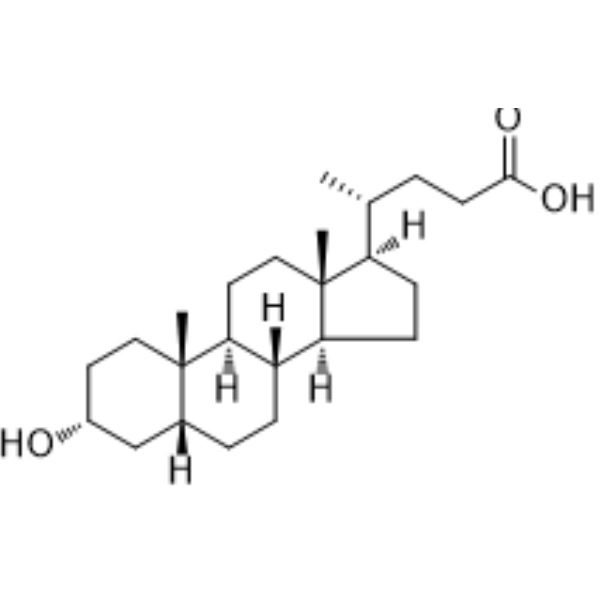
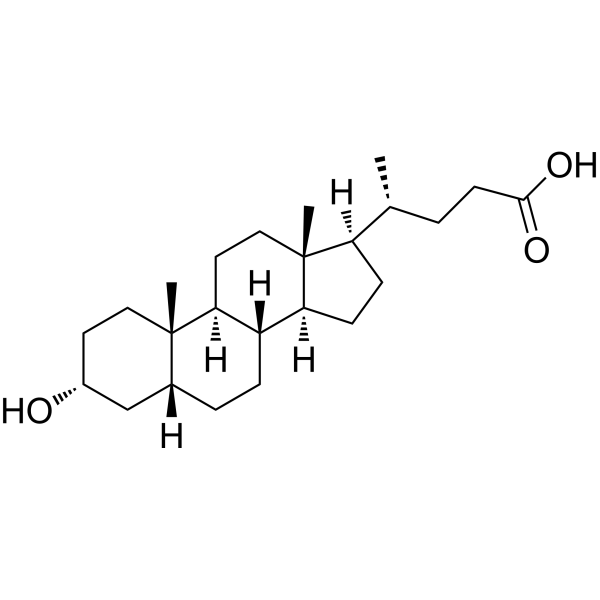
    Lithocholic acid
    Maximum Cited Publications
    20 Publications Verification

    3α-Hydroxy-5β-cholanic acid

    Autophagy Endogenous Metabolite Apoptosis FXR Metabolic Disease Inflammation/Immunology Cancer
    Lithocholic acid is a toxic secondary bile acid that can promote intrahepatic cholestasis and promote tumorigenesis. Lithocholic acid is also a FXR antagonist and a PXR/SXR agonist .
    Lithocholic acid
  • HY-N2334
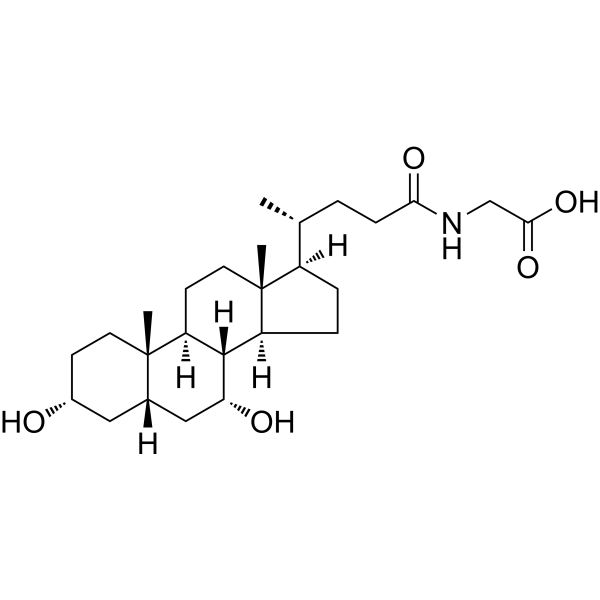
    Glycochenodeoxycholic acid
    5 Publications Verification

    Chenodeoxycholylglycine

    Endogenous Metabolite Apoptosis STAT BCL6 Interleukin Related Caspase Metabolic Disease Cancer
    Glycochenodeoxycholic acid (Chenodeoxycholylglycine) is a relatively toxic bile salt generated in the liver from chenodeoxycholic acid and glycine. Glycochenodeoxycholic acid inhibits Autophagosome formation and impairs lysosomal function by inhibiting lysosomal proteolysis and increasing lysosomal pH in human normal liver cells, leading to the Apoptosis of human hepatocyte cells. Glycochenodeoxycholic acid induces stemness and chemoresistance via activating STAT3 signaling pathway in hepatocellular carcinoma cells (HCC). Glycochenodeoxycholic acid is promising for research in the field of cholestasis desease, hepatocellular carcinoma and primary sclerosing cholangitis (PSC) .
    Glycochenodeoxycholic acid
  • HY-N2334A
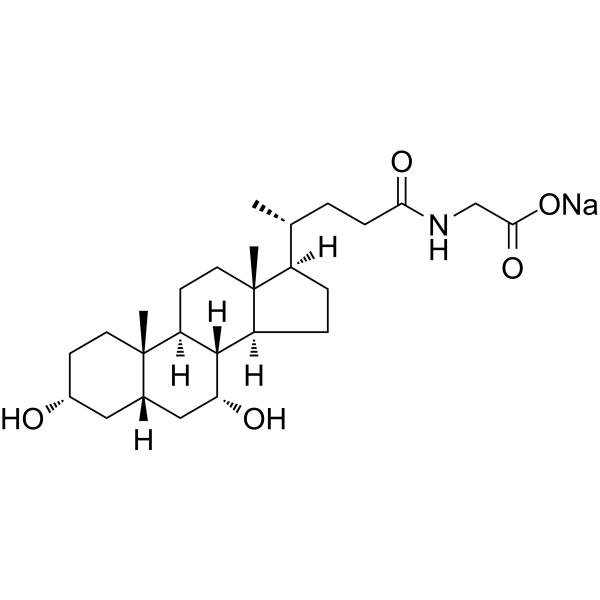
    Glycochenodeoxycholic acid sodium salt
    5 Publications Verification

    Chenodeoxycholylglycine sodium salt; Sodium glycochenodeoxycholate

    Endogenous Metabolite Apoptosis STAT BCL6 Interleukin Related Caspase Metabolic Disease Cancer
    Glycochenodeoxycholic acid sodium salt (Sodium glycochenodeoxycholate) is a relatively toxic bile salt generated in the liver from chenodeoxycholic acid and glycine. Glycochenodeoxycholic acid sodium salt inhibits Autophagosome formation and impairs lysosomal function by inhibiting lysosomal proteolysis and increasing lysosomal pH in human normal liver cells, leading to the Apoptosis of human hepatocyte cells. Glycochenodeoxycholic acid sodium salt induces stemness and chemoresistance via activating STAT3 signaling pathway in hepatocellular carcinoma cells (HCC). Glycochenodeoxycholic acid sodium salt is promising for research in the field of cholestasis desease, hepatocellular carcinoma and primary sclerosing cholangitis (PSC) .
    Glycochenodeoxycholic acid sodium salt
  • HY-125731
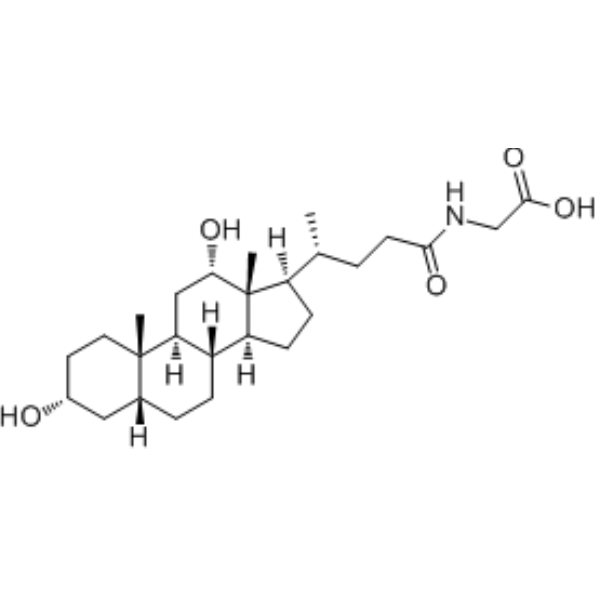
    Glycodeoxycholic acid
    3 Publications Verification

    Endogenous Metabolite STAT Autophagy Inflammation/Immunology Cancer
    Glycodeoxycholic Acid is a natural product found in Streptomyces nigricans, Trypanosoma brucei and C. elegans. Glycodeoxycholic Acid induces hepatocyte necrosis and autophagy in patients with obstructive cholestasis .
    Glycodeoxycholic acid
  • HY-121238
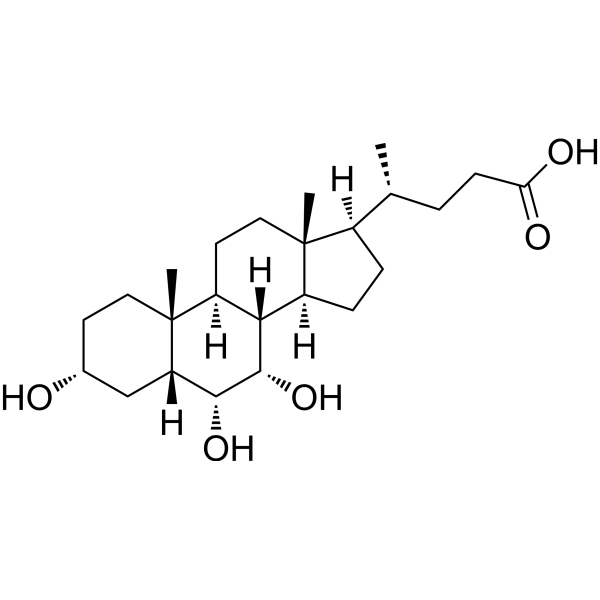
    Hyocholic acid
    2 Publications Verification

    FXR G protein-coupled Bile Acid Receptor 1 Metabolic Disease
    Hyocholic Acid is a bile acid found in pig. Hyocholic Acid can also be found in urine samples from patients with cholestasis. Hyocholic Acid promotes GLP-1 secretion via activating TGR5 and inhibiting FXR in enteroendocrine cells. Hyocholic Acid is known for its exceptional resistance to type 2 diabetes .
    Hyocholic acid
  • HY-113308
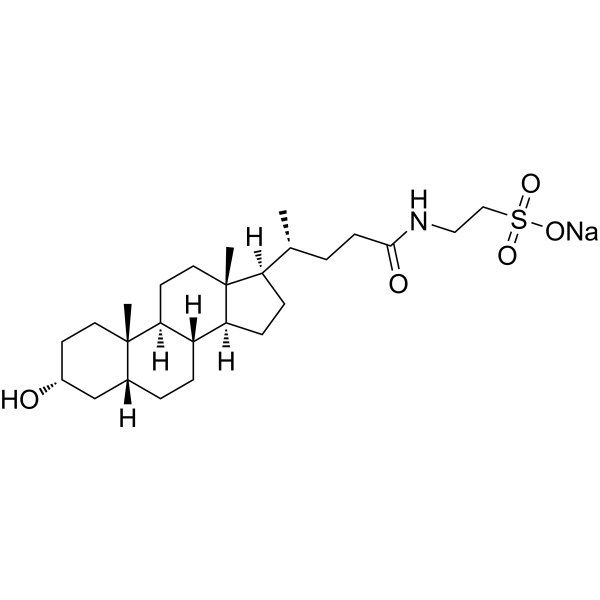
    Taurolithocholic acid
    5+ Cited Publications

    Calcium Channel Ferroptosis PI3K Akt HBV Reactive Oxygen Species (ROS) Cardiovascular Disease Infection Inflammation/Immunology
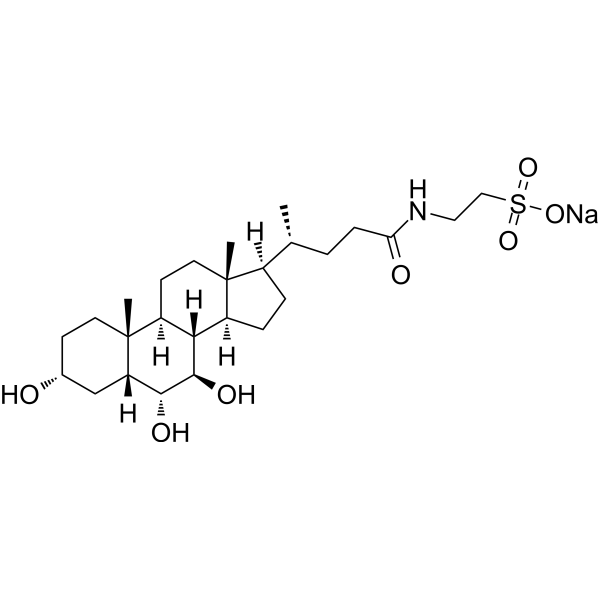
    Taurolithocholic acid is an orally active bile acid and antiviral agent. Taurolithocholic acid upregulates FADS2 by activating the TGR5-PI3K/AKT-SREBP2 signaling axis, inhibits SFTSV-induced ferroptosis (Ferroptosis), viral replication and viral entry of HBV/HDV, while reducing the release of IL-1β, lipid ROS and LDH. While exerting antiviral protective effects, Taurolithocholic acid also stimulates the recycling of hepatocellular membrane transporters, impairs canalicular bile acid secretion function, and induces hepatocyte cholestasis, apoptosis and acute hepatocellular injury. Taurolithocholic acid serves as an experimental model compound for hepatocellular cholestasis. At concentrations ≤200 μM, Taurolithocholic acid shows no cytotoxicity and does not activate the interferon pathway. Taurolithocholic acid not only protects mice from lethal SFTSV infection but also is suitable for studies related to severe fever with thrombocytopenia syndrome and cholestasis .
    Taurolithocholic acid
  • HY-113308A

    Calcium Channel Ferroptosis PI3K Reactive Oxygen Species (ROS) Akt HBV Metabolic Disease
    Taurolithocholic acid sodium salt is an orally active bile acid and antiviral agent. Taurolithocholic acid sodium salt upregulates FADS2 by activating the TGR5-PI3K/AKT-SREBP2 signaling axis, inhibits SFTSV-induced ferroptosis, viral replication and viral entry of HBV/HDV, while reducing the release of IL-1β, lipid ROS and LDH. While exerting antiviral protective effects, Taurolithocholic acid sodium salt also stimulates the recycling of hepatocellular membrane transporters, impairs canalicular bile acid secretion function, and induces hepatocyte cholestasis, apoptosis and acute hepatocellular injury. Taurolithocholic acid sodium salt serves as an experimental model compound for hepatocellular cholestasis. At concentrations ≤200 μM, Taurolithocholic acid sodium salt shows no cytotoxicity and does not activate the interferon pathway. Taurolithocholic acid sodium salt not only protects mice from lethal SFTSV infection but also is suitable for studies related to severe fever with thrombocytopenia syndrome and cholestasis .
    Taurolithocholic acid sodium salt
  • HY-113212
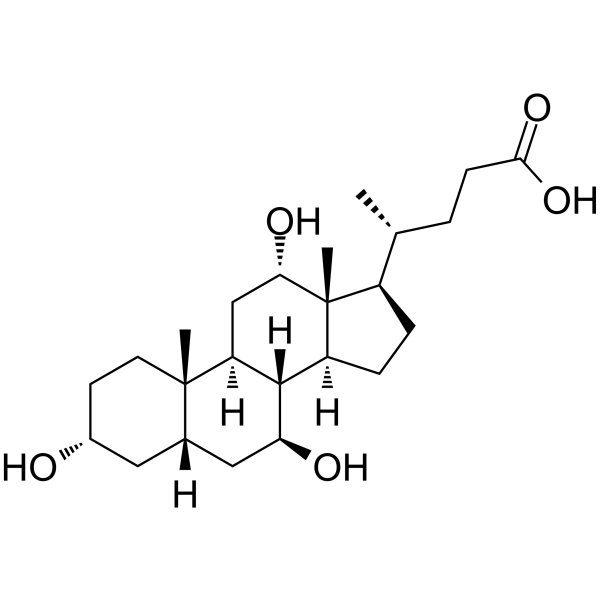
    Ursocholic acid
    1 Publications Verification

    Endogenous Metabolite Apoptosis Metabolic Disease Inflammation/Immunology
    Ursocholic acid, a bile acid present in mammalian bile, is converted to deoxycholic acid (UDC) by the mouse intestinal flora. Ursocholic acid acts as a gallstone dissolving agent in the liver through anti-apoptosis, anti-inflammatory, immunomodulatory, bile regulation, and coordinated changes in mitochondrial integrity and cell signaling, Ursocholic acid also has favorable effects on bones in patients with chronic cholestasis .
    Ursocholic acid
  • HY-N3021

    Endogenous Metabolite NF-κB TNF Receptor FOXO Microtubule/Tubulin Metabolic Disease
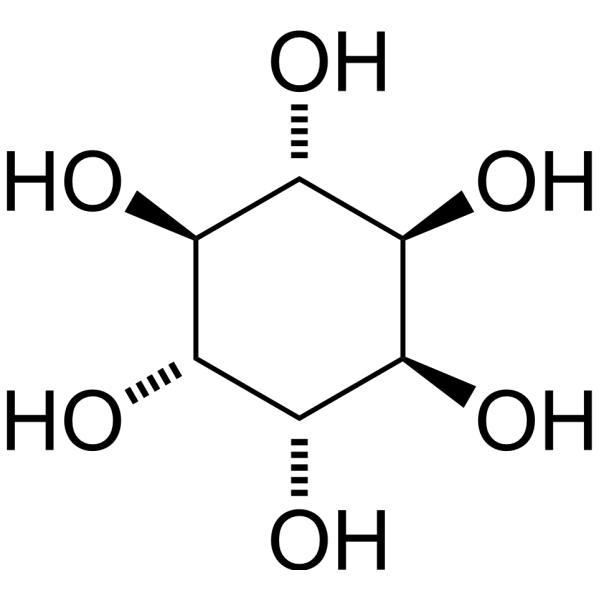
    D-chiro-Inositol is a stereoisomer of inositol that exhibits activities such as improving glucose metabolism, anti-tumor effects, anti-inflammatory properties, and antioxidant activity. D-chiro-Inositol effectively alleviates cholestasis by enhancing bile acid secretion and reducing oxidative stress. D-chiro-Inositol improves insulin resistance, lowers hyperglycemia and circulating insulin levels, reduces serum androgen levels, and ameliorates some metabolic abnormalities associated with X syndrome by mimicking the action of insulin. Additionally, D-chiro-Inositol can induce a reduction in pro-inflammatory factors (such as Nf-κB) and cytokines (such as TNF-α), thereby exerting anti-inflammatory effects. D-chiro-Inositol may be used in the study of liver cirrhosis, breast cancer, type 2 diabetes, and polycystic ovary syndrome .
    D-chiro-Inositol
  • HY-113315

    Endogenous Metabolite Metabolic Disease
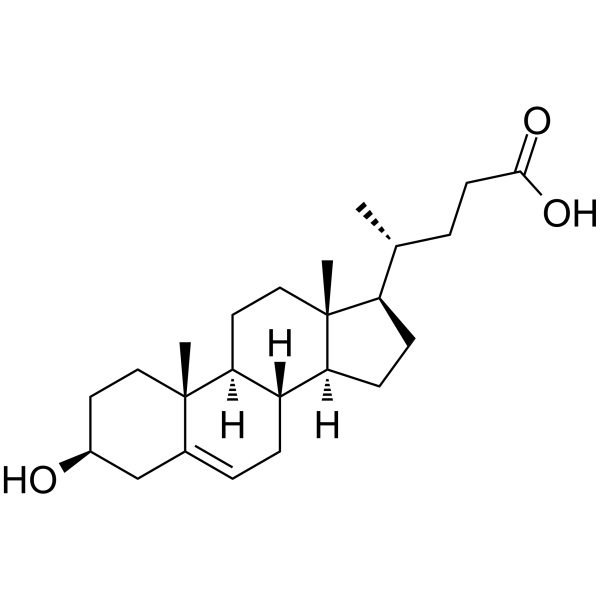
    3β-Hydroxy-5-cholenoic acid is a steroidal monohydroxy bile acid and serves as a substrate for sulfation reactions. It is applicable to the research of extrahepatic biliary atresia and recurrent intrahepatic cholestasis of pregnancy .
    3b-Hydroxy-5-cholenoic acid
  • HY-16747

    SHP625 chloride; LUM001 chloride; Lopixibat chloride

    Apical Sodium-Dependent Bile Acid Transporter Metabolic Disease
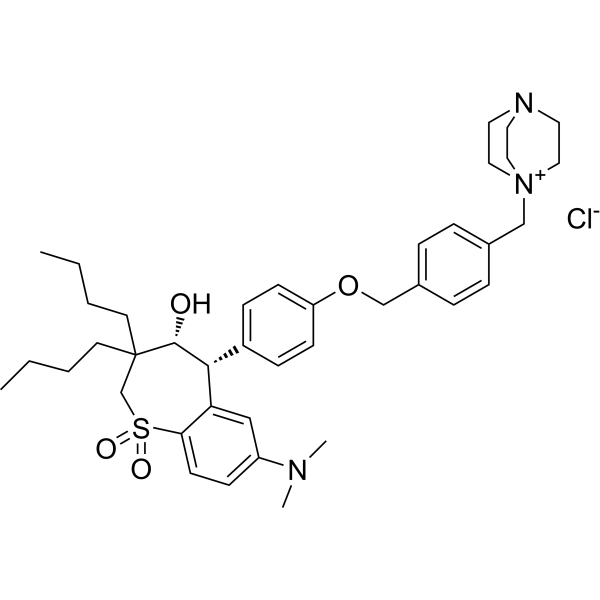
    Maralixibat (SHP625) chloride is an orally active ileal bile acid transporter (IBAT) inhibitor. Maralixibat chloride can be used for the research of rare cholestatic liver diseases including Alagille syndrome (ALGS), progressive familial intrahepatic cholestasis (PFIC) and biliary atresia .
    Maralixibat chloride
  • HY-B0172R
    Lithocholic acid (Standard)
    Maximum Cited Publications
    20 Publications Verification

    3α-Hydroxy-5β-cholanic acid (Standard)

    Reference Standards Autophagy Endogenous Metabolite Apoptosis FXR Metabolic Disease Cancer
    Lithocholic acid (Standard) is the analytical standard of Lithocholic acid. This product is intended for research and analytical applications. Lithocholic acid is a toxic secondary bile acid that can promote intrahepatic cholestasis and promote tumorigenesis. Lithocholic acid is also a FXR antagonist and a PXR/SXR agonist .
    Lithocholic acid (Standard)
  • HY-129987

    Endogenous Metabolite P-glycoprotein Metabolic Disease
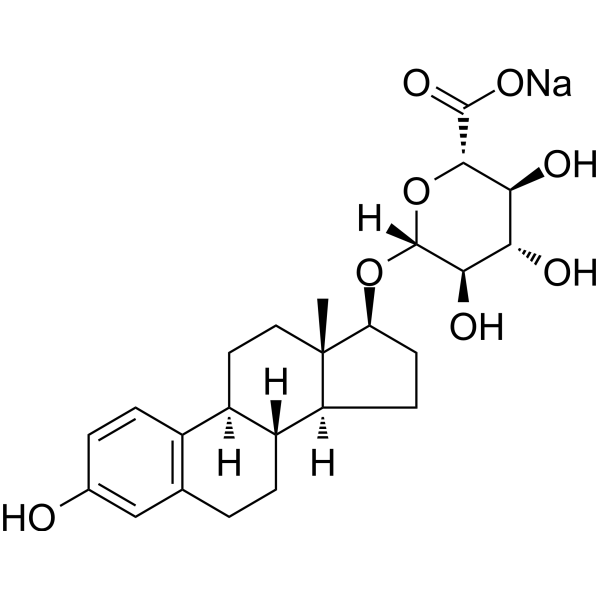
    Estradiol 17-(β-D-Glucuronide) sodium is a D-ring glucuronide metabolite of natural estrogen formed in the liver. Estradiol 17-(β-D-Glucuronide) sodium is a substrate of the organic anion-transporting polypeptide family (Oatp) and multidrug resistance-associated protein 2 (Mrp2). Estradiol 17-(β-D-Glucuronide) sodium regulates MRP8-mediated transport processes and inhibits MRP8-mediated transport of dehydroepiandrosterone 3-sulfate and taurocholic acid. Estradiol 17-(β-D-Glucuronide) sodium induces immediate, reversible reduction of bile flow and acute intrahepatic cholestasis in female rats without altering the bile acid composition in bile. Estradiol 17-(β-D-Glucuronide) sodium can be used in studies related to intrahepatic cholestasis .
    Estradiol 17-(β-D-Glucuronide) sodium
  • HY-W353102

    Endogenous Metabolite P-glycoprotein Metabolic Disease
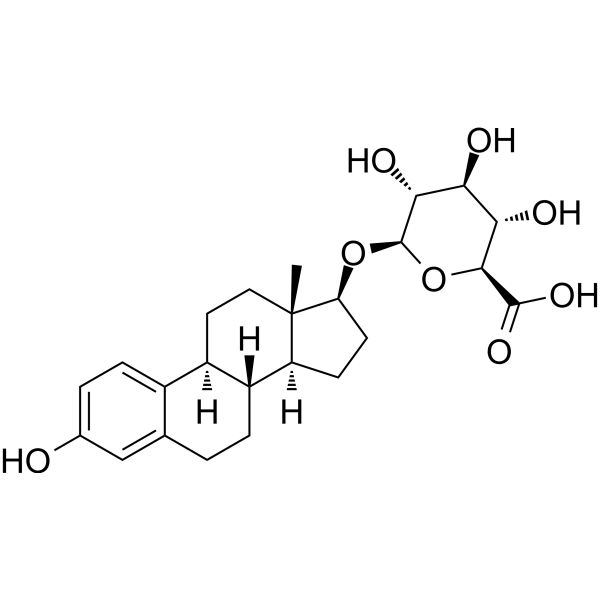
    Estradiol 17-(β-D-Glucuronide) is a D-ring glucuronide metabolite of natural estrogen formed in the liver. Estradiol 17-(β-D-Glucuronide) is a substrate of the organic anion-transporting polypeptide family (Oatp) and multidrug resistance-associated protein 2 (Mrp2). Estradiol 17-(β-D-Glucuronide) regulates MRP8-mediated transport processes and inhibits MRP8-mediated transport of dehydroepiandrosterone 3-sulfate and taurocholic acid. Estradiol 17-(β-D-Glucuronide) induces immediate, reversible reduction of bile flow and acute intrahepatic cholestasis in female rats without altering the bile acid composition in bile. Estradiol 17-(β-D-Glucuronide) can be used in studies related to intrahepatic cholestasis .
    Estradiol 17-(β-D-Glucuronide)
  • HY-P1636

    Thrombin YAP Calcium Channel Metabolic Disease
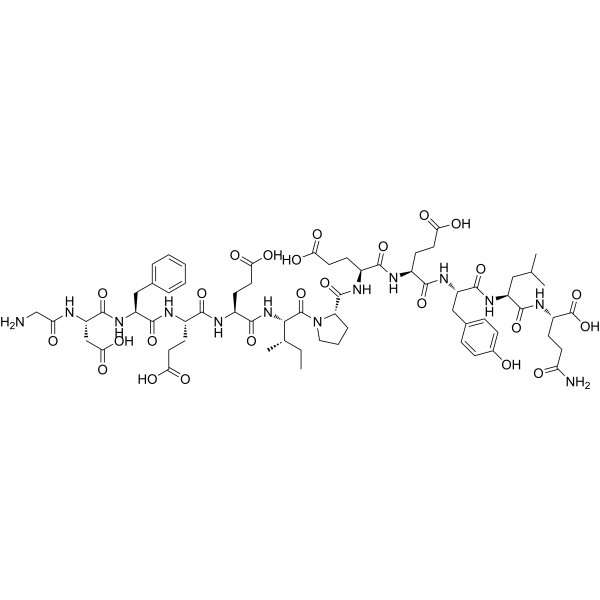
    Hirudin (54-65) is a thrombin antagonist and YAP suppressor with anticoagulatory properties.Hirudin (54-65) blocks thrombin's anion binding site, acts on soluble and thrombus-bound thrombin.Hirudin (54-65) suppresses thrombin-induced profibrotic YAP activity, reduces YAP expression, nuclear translocation, and downstream effector signaling in vascular endothelial cells.Hirudin (54-65) ameliorates obstructive cholestasis, attenuates liver fibrosis symptoms, fibrosis-associated angiogenesis, and endothelial-to-mesenchymal transition.Hirudin (54-65) reduces liver inflammation and tissue hypoxia.Hirudin (54-65) promotes extracellular calcium influx through L-type calcium channels in canine coronary artery smooth muscle, mediates contraction.Hirudin (54-65) induces endothelium-independent contraction of canine coronary arterial segments; this response is not affected by indomethacin pretreatment.Hirudin (54-65) can be used for the research of liver obstructive cholestasis, liver fibrosis .
    Hirudin (54-65)
  • HY-121246
    Fluorofenidone
    1 Publications Verification

    AKF-PD

    ACSL Family NF-κB ERK TGF-beta/Smad Inflammation/Immunology Cancer
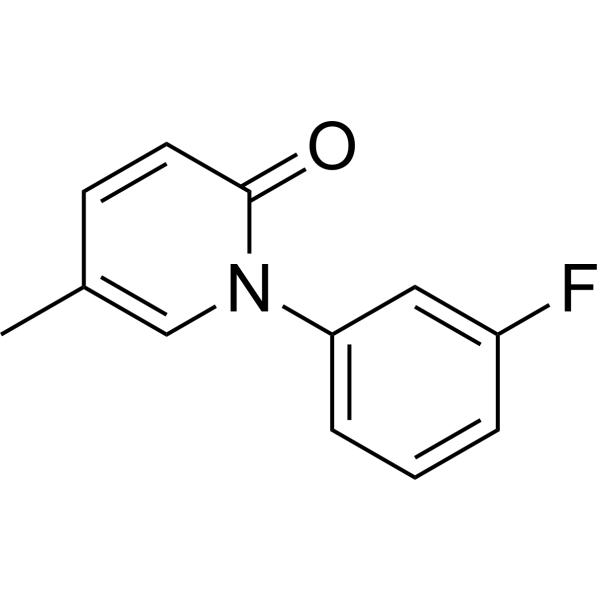
    Fluorofenidone (AKF-PD) is an orally active compound with anti-fibrotic, antioxidant, and anti-inflammatory pharmacological effects. Fluorofenidone downregulates the expression of ACSL4, upregulates GPX4 expression and inhibits the NF-κB signaling pathway to alleviate inflammation and fibrosis. Fluorofenidone ameliorates cholestasis and fibrosis by inhibiting hepatic Erk/-Egr-1 signaling and Tgfβ1/Smad pathway in mice. Fluorofenidone demonstrates protective effects against chronic lung injury in mice. Fluorofenidone can be used for the study of chronic obstructive pulmonary disease (COPD), pulmonary interstitial fibrosis (PIF) and non-small cell lung cancer (NSCLC) .
    Fluorofenidone
  • HY-N6987

    FXR Factor Xa Cardiovascular Disease Inflammation/Immunology
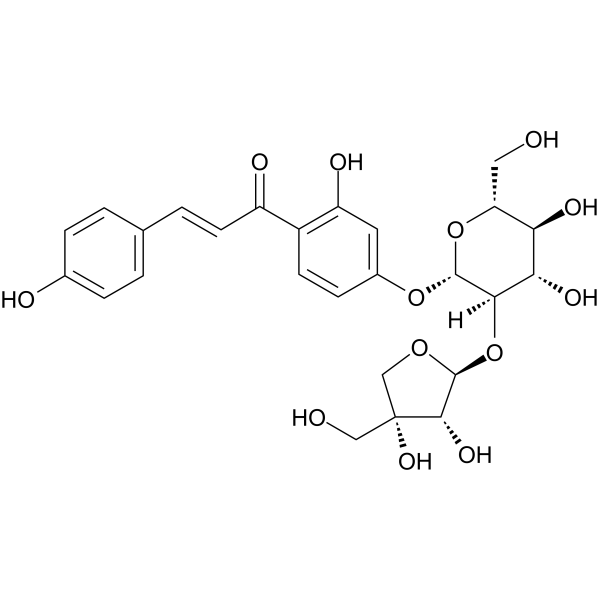
    Licraside, found in Glycyrrhiza glabra, is a Farnesoid X receptor (FXR) activator. Licraside activates FXR to induce upregulation of SHP and BSEP, regulates bile acid homeostasis, reduces elevated biliary and serum TBA, serum ALT, AST, GGT, ALP, and TBIL levels, and attenuates liver histopathological damage. Licraside inhibits factor Xa with an IC50 of 48.54 mM. Licraside can be used for the research of cholestasis and thromboembolic diseases .
    Licraside
  • HY-118594

    Ferrochelatase Metabolic Disease
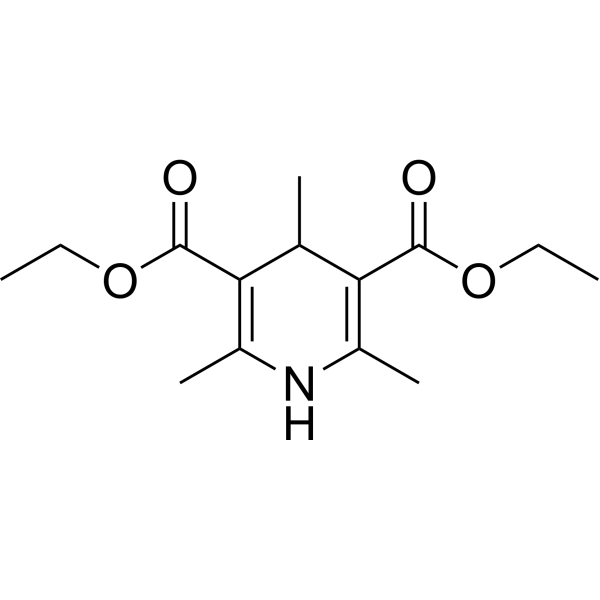
    Diethyl 2,4,6-trimethyl-1,4-dihydropyridine-3,5-dicarboxylate is an orally active porphyrin inducer and ferrochelatase inhibitor. Diethyl 2,4,6-trimethyl-1,4-dihydropyridine-3,5-dicarboxylate can induce small bile duct obstruction in mice, resulting in blocked bile excretion and causing cholestasis. Long-term use of Diethyl 2,4,6-trimethyl-1,4-dihydropyridine-3,5-dicarboxylate can cause damage to bile duct epithelial cells, inflammatory responses, and liver fibrosis. Diethyl 2,4,6-trimethyl-1,4-dihydropyridine-3,5-dicarboxylate can be used to simulate the pathological features of cholestatic liver diseases such as sclerosing cholangitis (PSC) .
    Diethyl 2,4,6-trimethyl-1,4-dihydropyridine-3,5-dicarboxylate
  • HY-136066
    Tauro-ω-muricholic acid sodium
    1 Publications Verification

    TωMCA sodium

    Endogenous Metabolite Metabolic Disease
    Tauro-ω-muricholic acid sodium (TωMCA sodium) is a bile acid released by the liver and an analog of tauro-α-muricholic acid. Tauro-ω-muricholic acid sodium is investigated as a potential marker in plasma for early-onset neonatal sepsis (EOS) and cholestasis studies
    Tauro-ω-muricholic acid sodium
  • HY-N2334R

    Chenodeoxycholylglycine (Standard)

    Reference Standards Endogenous Metabolite Apoptosis STAT BCL6 Interleukin Related Caspase Metabolic Disease Cancer
    Glycochenodeoxycholic acid (Standard) is the analytical standard of Glycochenodeoxycholic acid. This product is intended for research and analytical applications. Glycochenodeoxycholic acid (Chenodeoxycholylglycine) is a relatively toxic bile salt generated in the liver from chenodeoxycholic acid and glycine. Glycochenodeoxycholic acid inhibits Autophagosome formation and impairs lysosomal function by inhibiting lysosomal proteolysis and increasing lysosomal pH in human normal liver cells, leading to the Apoptosis of human hepatocyte cells. Glycochenodeoxycholic acid induces stemness and chemoresistance via activating STAT3 signaling pathway in hepatocellular carcinoma cells (HCC). Glycochenodeoxycholic acid is promising for research in the field of cholestasis desease, hepatocellular carcinoma and primary sclerosing cholangitis (PSC)[1][2][3][4].
    Glycochenodeoxycholic acid (Standard)
  • HY-N2334AR

    Chenodeoxycholylglycine sodium salt (Standard); Sodium glycochenodeoxycholate (Standard)

    Reference Standards Endogenous Metabolite Apoptosis STAT BCL6 Interleukin Related Caspase Metabolic Disease Cancer
    Glycochenodeoxycholic acid sodium salt (Standard) is the analytical standard of Glycochenodeoxycholic acid sodium salt. This product is intended for research and analytical applications. Glycochenodeoxycholic acid sodium salt (Sodium glycochenodeoxycholate) is a relatively toxic bile salt generated in the liver from chenodeoxycholic acid and glycine. Glycochenodeoxycholic acid sodium salt inhibits Autophagosome formation and impairs lysosomal function by inhibiting lysosomal proteolysis and increasing lysosomal pH in human normal liver cells, leading to the Apoptosis of human hepatocyte cells. Glycochenodeoxycholic acid sodium salt induces stemness and chemoresistance via activating STAT3 signaling pathway in hepatocellular carcinoma cells (HCC). Glycochenodeoxycholic acid sodium salt is promising for research in the field of cholestasis desease, hepatocellular carcinoma and primary sclerosing cholangitis (PSC) .
    Glycochenodeoxycholic acid sodium salt (Standard)
  • HY-125731R

    Reference Standards Endogenous Metabolite STAT Autophagy Inflammation/Immunology Cancer
    Glycodeoxycholic Acid (Standard) is the analytical standard of Glycodeoxycholic Acid. This product is intended for research and analytical applications. Glycodeoxycholic Acid is a natural product found in Streptomyces nigricans, Trypanosoma brucei and C. elegans. Glycodeoxycholic Acid induces hepatocyte necrosis and autophagy in patients with obstructive cholestasis .
    Glycodeoxycholic Acid (Standard)
  • HY-113308S1

    Isotope-Labeled Compounds Calcium Channel Ferroptosis PI3K Reactive Oxygen Species (ROS) Akt HBV Others
    Taurolithocholic acid-d4 is deuterium labeled Taurolithocholic acid. Taurolithocholic acid is an orally active bile acid and antiviral agent. Taurolithocholic acid upregulates FADS2 by activating the TGR5-PI3K/AKT-SREBP2 signaling axis, inhibits SFTSV-induced ferroptosis, viral replication and viral entry of HBV/HDV, while reducing the release of IL-1β, lipid ROS and LDH. While exerting antiviral protective effects, Taurolithocholic acid also stimulates the recycling of hepatocellular membrane transporters, impairs canalicular bile acid secretion function, and induces hepatocyte cholestasis, apoptosis and acute hepatocellular injury. Taurolithocholic acid serves as an experimental model compound for hepatocellular cholestasis. At concentrations ≤200 μM, Taurolithocholic acid shows no cytotoxicity and does not activate the interferon pathway. Taurolithocholic acid not only protects mice from lethal SFTSV infection but also is suitable for studies related to severe fever with thrombocytopenia syndrome and cholestasis .
    Taurolithocholic acid-d4
  • HY-164799

    FXR Inflammation/Immunology
    FXR agonist 12 (Compound C7) is the orally active agonist for FXR. FXR agonist 12 down-regulates bile acid synthesis-related genes, and up-regulates bile acid transport-related genes in HepG2 cells. FXR agonist 12 improves ANIT-induced cholestasis, ameliorates the liver damage and fibrosis in mouse NASH models .
    FXR agonist 12
  • HY-113308AR

    Reference Standards Calcium Channel Ferroptosis PI3K Reactive Oxygen Species (ROS) Akt HBV Metabolic Disease
    Taurolithocholic acid (sodium salt) (Standard) is the analytical standard of Taurolithocholic acid (sodium salt). This product is intended for research and analytical applications. Taurolithocholic acid sodium salt is an orally active bile acid and antiviral agent. Taurolithocholic acid sodium salt upregulates FADS2 by activating the TGR5-PI3K/AKT-SREBP2 signaling axis, inhibits SFTSV-induced ferroptosis, viral replication and viral entry of HBV/HDV, while reducing the release of IL-1β, lipid ROS and LDH. While exerting antiviral protective effects, Taurolithocholic acid sodium salt also stimulates the recycling of hepatocellular membrane transporters, impairs canalicular bile acid secretion function, and induces hepatocyte cholestasis, apoptosis and acute hepatocellular injury. Taurolithocholic acid sodium salt serves as an experimental model compound for hepatocellular cholestasis. At concentrations ≤200 μM, Taurolithocholic acid sodium salt shows no cytotoxicity and does not activate the interferon pathway. Taurolithocholic acid sodium salt not only protects mice from lethal SFTSV infection but also is suitable for studies related to severe fever with thrombocytopenia syndrome and cholestasis .
    Taurolithocholic acid sodium salt (Standard)
  • HY-N3021R

    Reference Standards Endogenous Metabolite NF-κB TNF Receptor FOXO Microtubule/Tubulin Metabolic Disease
    D-chiro-Inositol is a stereoisomer of inositol that exhibits activities such as improving glucose metabolism, anti-tumor effects, anti-inflammatory properties, and antioxidant activity. D-chiro-Inositol effectively alleviates cholestasis by enhancing bile acid secretion and reducing oxidative stress. D-chiro-Inositol improves insulin resistance, lowers hyperglycemia and circulating insulin levels, reduces serum androgen levels, and ameliorates some metabolic abnormalities associated with X syndrome by mimicking the action of insulin. Additionally, D-chiro-Inositol can induce a reduction in pro-inflammatory factors (such as Nf-κB) and cytokines (such as TNF-α), thereby exerting anti-inflammatory effects. D-chiro-Inositol may be used in the study of liver cirrhosis, breast cancer, type 2 diabetes, and polycystic ovary syndrome .
    D-chiro-Inositol (Standard)
  • HY-N10640

    FXR Inflammation/Immunology
    Alismanol M is a farnesoid X receptor (FXR) agonist with an EC50 value of 50.25 μM. Alismanol M is a protostane-type triterpenoid that can be isolated from the rhizome of Alisma orientale. Alismanol M can be used for the research of cholestasis and nonalcoholic steatohepatitis .
    Alismanol M
  • HY-113308AS1

    Isotope-Labeled Compounds Calcium Channel Ferroptosis PI3K Reactive Oxygen Species (ROS) Akt HBV Metabolic Disease
    Taurolithocholic Acid-d5 (sodium) is the deuterium labeled Taurolithocholic acid sodium salt. Taurolithocholic Acid sodium salt is an orally active bile acid and antiviral agent. Taurolithocholic Acid sodium salt upregulates FADS2 by activating the TGR5-PI3K/AKT-SREBP2 signaling axis, inhibits SFTSV-induced ferroptosis, viral replication and viral entry of HBV/HDV, while reducing the release of IL-1β, lipid ROS and LDH. While exerting antiviral protective effects, Taurolithocholic Acid sodium salt also stimulates the recycling of hepatocellular membrane transporters, impairs canalicular bile acid secretion function, and induces hepatocyte cholestasis, apoptosis and acute hepatocellular injury. Taurolithocholic Acid sodium salt serves as an experimental model compound for hepatocellular cholestasis. At concentrations ≤200 μM, Taurolithocholic Acid sodium salt shows no cytotoxicity and does not activate the interferon pathway. Taurolithocholic Acid sodium salt not only protects mice from lethal SFTSV infection but also is suitable for studies related to severe fever with thrombocytopenia syndrome and cholestasis .
    Taurolithocholic Acid-d5 sodium salt
  • HY-120396

    5-HT Receptor Neurological Disease
    LY 293284 is a potent and selective 5-HT1A receptor agonist. LY 293284 results in a significant drop in core temperature and consumes more food in cholestasis rat induced by bile duct resection .
    LY 293284
  • HY-121238R

    G protein-coupled Bile Acid Receptor 1 FXR Reference Standards Others Metabolic Disease
    Hyocholic Acid (Standard) is the analytical standard of Hyocholic Acid. This product is intended for research and analytical applications. Hyocholic Acid is a bile acid found in pig. Hyocholic Acid can also be found in urine samples from patients with cholestasis. Hyocholic Acid promotes GLP-1 secretion via activating TGR5 and inhibiting FXR in enteroendocrine cells. Hyocholic Acid is known for its exceptional resistance to type 2 diabetes [1][2][3].
    Hyocholic Acid (Standard)
  • HY-168523

    Apical Sodium-Dependent Bile Acid Transporter Metabolic Disease
    S1647 is a ASBT and SOAT dual inhibitor. S1647 can be used in the study of intrahepatic cholestasis, cholestatic pruritus, and obstipation .
    S1647
  • HY-113212R

    Endogenous Metabolite Reference Standards Apoptosis Metabolic Disease Inflammation/Immunology
    Ursocholic acid (Standard) is the analytical standard of Ursocholic acid. This product is intended for research and analytical applications. Ursocholic acid, a bile acid present in mammalian bile, is converted to deoxycholic acid (UDC) by the mouse intestinal flora. Ursocholic acid acts as a gallstone dissolving agent in the liver through anti-apoptosis, anti-inflammatory, immunomodulatory, bile regulation, and coordinated changes in mitochondrial integrity and cell signaling, Ursocholic acid also has favorable effects on bones in patients with chronic cholestasis[1][2][3][4][5].
    Ursocholic acid (Standard)
  • HY-113308AS

    Isotope-Labeled Compounds Calcium Channel Ferroptosis PI3K Reactive Oxygen Species (ROS) Akt HBV Metabolic Disease
    Taurolithocholic acid-d4 (sodium) is the deuterium labeled Taurolithocholic acid (sodium salt). Taurolithocholic acid sodium is an orally active bile acid and antiviral agent. Taurolithocholic acid sodium upregulates FADS2 by activating the TGR5-PI3K/AKT-SREBP2 signaling axis, inhibits SFTSV-induced ferroptosis, viral replication and viral entry of HBV/HDV, while reducing the release of IL-1β, lipid ROS and LDH. While exerting antiviral protective effects, Taurolithocholic acid sodium also stimulates the recycling of hepatocellular membrane transporters, impairs canalicular bile acid secretion function, and induces hepatocyte cholestasis, apoptosis and acute hepatocellular injury. Taurolithocholic acid sodium serves as an experimental model compound for hepatocellular cholestasis. At concentrations ≤200 μM, Taurolithocholic acid sodium shows no cytotoxicity and does not activate the interferon pathway. Taurolithocholic acid sodium not only protects mice from lethal SFTSV infection but also is suitable for studies related to severe fever with thrombocytopenia syndrome and cholestasis .
    Taurolithocholic acid-d4 sodium
  • HY-113308AS2

    Isotope-Labeled Compounds Calcium Channel Ferroptosis PI3K Reactive Oxygen Species (ROS) Akt HBV Metabolic Disease
    Taurolithocholic acid-d4-1 (sodium) is the deuterium labeled Taurolithocholic acid. Taurolithocholic acid sodium is an orally active bile acid and antiviral agent. Taurolithocholic acid sodium upregulates FADS2 by activating the TGR5-PI3K/AKT-SREBP2 signaling axis, inhibits SFTSV-induced ferroptosis, viral replication and viral entry of HBV/HDV, while reducing the release of IL-1β, lipid ROS and LDH. While exerting antiviral protective effects, Taurolithocholic acid sodium also stimulates the recycling of hepatocellular membrane transporters, impairs canalicular bile acid secretion function, and induces hepatocyte cholestasis, apoptosis and acute hepatocellular injury. Taurolithocholic acid sodium serves as an experimental model compound for hepatocellular cholestasis. At concentrations ≤200 μM, Taurolithocholic acid sodium shows no cytotoxicity and does not activate the interferon pathway. Taurolithocholic acid sodium not only protects mice from lethal SFTSV infection but also is suitable for studies related to severe fever with thrombocytopenia syndrome and cholestasis .
    Taurolithocholic acid-d4-1 sodium
  • HY-113308S

    Isotope-Labeled Compounds Calcium Channel Ferroptosis PI3K Reactive Oxygen Species (ROS) Akt HBV Others
    Taurolithocholic acid-d5 is deuterium labeled Taurolithocholic acid. Taurolithocholic acid is an orally active bile acid and antiviral agent. Taurolithocholic acid upregulates FADS2 by activating the TGR5-PI3K/AKT-SREBP2 signaling axis, inhibits SFTSV-induced ferroptosis, viral replication and viral entry of HBV/HDV, while reducing the release of IL-1β, lipid ROS and LDH. While exerting antiviral protective effects, Taurolithocholic acid also stimulates the recycling of hepatocellular membrane transporters, impairs canalicular bile acid secretion function, and induces hepatocyte cholestasis, apoptosis and acute hepatocellular injury. Taurolithocholic acid serves as an experimental model compound for hepatocellular cholestasis. At concentrations ≤200 μM, Taurolithocholic acid shows no cytotoxicity and does not activate the interferon pathway. Taurolithocholic acid not only protects mice from lethal SFTSV infection but also is suitable for studies related to severe fever with thrombocytopenia syndrome and cholestasis .
    Taurolithocholic acid-d5
  • HY-W399297R

    7α,12α-Dihydroxycholanoic acid (Standard)

    Endogenous Metabolite Reference Standards Infection Metabolic Disease
    Isodeoxycholic acid (7α,12α-Dihydroxycholanoic acid) Standard is the analytical standard of Isodeoxycholic acid (HY-W399297). This product is intended for research and analytical applications. Isodeoxycholic acid (7α,12α-Dihydroxycholanoic acid) is a 3β-hydroxylated secondary bile acid. Isodeoxycholic acid is produced by epimerization of deoxycholic acid by intestinal bacteria. Isodeoxycholic acid is detectable in feces, mainly existing as saponifiable conjugates with long-chain fatty acids. Isodeoxycholic acid participates in the regulation of intestinal physiology .
    Isodeoxycholic acid (Standard)
  • HY-W653999

    Isotope-Labeled Compounds Endogenous Metabolite STAT Autophagy Inflammation/Immunology
    Glycodeoxycholic acid-d5 is deuterium labeled Glycodeoxycholic Acid. Glycodeoxycholic Acid is a natural product found in Streptomyces nigricans, Trypanosoma brucei and C. elegans. Glycodeoxycholic Acid induces hepatocyte necrosis and autophagy in patients with obstructive cholestasis .
    Glycodeoxycholic acid-d5
  • HY-168327

    FXR Inflammation/Immunology
    LH10 is a fexaramine-based agonist for FXR with an EC50 of 0.14 μM. LH10 exhibits liver protection efficacy, ameliorates the alpha naphthylisothiocyanate (ANIT)-induced cholestasis, APAP (HY-66005)-induced acute liver injury and non-alcoholic steatohepatitis (NASH) in mouse models .
    LH10
  • HY-105526

    Desacetylcolchiceine; N-Deacetylcolchiceine

    Microtubule/Tubulin Metabolic Disease Cancer
    Trimethylcolchicinic acid (Desacetylcolchiceine; N-Deacetylcolchiceine) is a colchicine analogue. Trimethylcolchicinic acid promotes the production of chondroitin sulfate in L cells and inhibits the production of dermatan sulfate. Trimethylcolchicinic acid reduces liver fibrosis and cholestasis induced by long-term biliary obstruction in rats. Trimethylcolchicinic acid has potential for use in research on diseases such as liver fibrosis, gout, and cancer .
    Trimethylcolchicinic acid
  • HY-109083A

    GS-9674 tromethamine

    Autophagy FXR Metabolic Disease
    Cilofexor tromethamine (GS-9674 tromethamine) is a nonsteroidal farnesene oxide receptor agonist with activity in improving markers of cholestasis and liver injury. Cilofexor tromethamine was shown to be well tolerated in patients without cirrhosis and resulted in significant improvements in liver biochemical parameters and cholestatic markers. Cilofexor tromethamine offers a potential inhibitory option for the management of primary sclerosing cholangitis .
    Cilofexor tromethamine
  • HY-139562

    FXR Metabolic Disease
    BMS-986318 is a potent nonbile acid FXR agonist with EC50s of 53 and 350 nM in the FXR Gal4 and SRC-1 recruitment assays, respectively. BMS-986318 has a suitable ADME profile, and demonstrates efficacy in the mouse bile duct ligation model of liver cholestasis and fibrosis.BMS-986318 can be used for the research of nonalcoholic steatohepatitis .
    BMS-986318
  • HY-113212S

    Isotope-Labeled Compounds Apoptosis Endogenous Metabolite Metabolic Disease Inflammation/Immunology
    Ursocholic acid-d4 is deuterium labeled Ursocholic acid. Ursocholic acid, a bile acid present in mammalian bile, is converted to deoxycholic acid (UDC) by the mouse intestinal flora. Ursocholic acid acts as a gallstone dissolving agent in the liver through anti-apoptosis, anti-inflammatory, immunomodulatory, bile regulation, and coordinated changes in mitochondrial integrity and cell signaling, Ursocholic acid also has favorable effects on bones in patients with chronic cholestasis .
    Ursocholic acid-d4
  • HY-138813R

    SU-12662 hydrochloride (Standard)

    Reference Standards Drug Metabolite Cancer
    Glycochenodeoxycholic acid sodium salt (Standard) is the analytical standard of Glycochenodeoxycholic acid sodium salt. This product is intended for research and analytical applications. Glycochenodeoxycholic acid sodium salt (Sodium glycochenodeoxycholate) is a relatively toxic bile salt generated in the liver from chenodeoxycholic acid and glycine. Glycochenodeoxycholic acid sodium salt inhibits Autophagosome formation and impairs lysosomal function by inhibiting lysosomal proteolysis and increasing lysosomal pH in human normal liver cells, leading to the Apoptosis of human hepatocyte cells. Glycochenodeoxycholic acid sodium salt induces stemness and chemoresistance via activating STAT3 signaling pathway in hepatocellular carcinoma cells (HCC). Glycochenodeoxycholic acid sodium salt is promising for research in the field of cholestasis desease, hepatocellular carcinoma and primary sclerosing cholangitis (PSC) .
    N-Desethyl Sunitinib hydrochloride (Standard)
  • HY-121246R

    ACSL Family Reference Standards NF-κB ERK TGF-beta/Smad Inflammation/Immunology
    Fluorofenidone (Standard) is the analytical standard of Fluorofenidone (AKF-PD) (HY-121246). This product is intended for research and analytical applications. Fluorofenidone is an orally active compound with anti-fibrotic, antioxidant, and anti-inflammatory pharmacological effects. Fluorofenidone downregulates the expression of ACSL4, upregulates GPX4 expression and inhibits the NF-κB signaling pathway to alleviate inflammation and fibrosis. Fluorofenidone ameliorates cholestasis and fibrosis by inhibiting hepatic Erk/-Egr-1 signaling and Tgfβ1/Smad pathway in mice. Fluorofenidone demonstrates protective effects against chronic lung injury in mice. Fluorofenidone can be used for the study of chronic obstructive pulmonary disease (COPD), pulmonary interstitial fibrosis (PIF) and non-small cell lung cancer (NSCLC) .
    Fluorofenidone (Standard)
  • HY-121246S

    AKF-PD-d3

    Isotope-Labeled Compounds ACSL Family NF-κB ERK TGF-beta/Smad Inflammation/Immunology Cancer
    Fluorofenidone-d3 (AKF-PD-d3) is deuterium labeled Fluorofenidone (AKF-PD) (HY-121246). Fluorofenidone is an orally active compound with anti-fibrotic, antioxidant, and anti-inflammatory pharmacological effects. Fluorofenidone downregulates the expression of ACSL4, upregulates GPX4 expression and inhibits the NF-κB signaling pathway to alleviate inflammation and fibrosis. Fluorofenidone ameliorates cholestasis and fibrosis by inhibiting hepatic Erk/-Egr-1 signaling and Tgfβ1/Smad pathway in mice. Fluorofenidone demonstrates protective effects against chronic lung injury in mice. Fluorofenidone can be used for the study of chronic obstructive pulmonary disease (COPD), pulmonary interstitial fibrosis (PIF) and non-small cell lung cancer (NSCLC) .
    Fluorofenidone-d3
  • HY-118594R

    Reference Standards Ferrochelatase Metabolic Disease
    Diethyl 2,4,6-trimethyl-1,4-dihydropyridine-3,5-dicarboxylate (Standard) is the analytical standard of Diethyl 2,4,6-trimethyl-1,4-dihydropyridine-3,5-dicarboxylate (HY-118594). This product is intended for research and analytical applications. Diethyl 2,4,6-trimethyl-1,4-dihydropyridine-3,5-dicarboxylate is an orally active porphyrin inducer and ferrochelatase inhibitor. Diethyl 2,4,6-trimethyl-1,4-dihydropyridine-3,5-dicarboxylate can induce small bile duct obstruction in mice, resulting in blocked bile excretion and causing cholestasis. Long-term use of Diethyl 2,4,6-trimethyl-1,4-dihydropyridine-3,5-dicarboxylate can cause damage to bile duct epithelial cells, inflammatory responses, and liver fibrosis. Diethyl 2,4,6-trimethyl-1,4-dihydropyridine-3,5-dicarboxylate can be used to simulate the pathological features of cholestatic liver diseases such as sclerosing cholangitis (PSC).
    Diethyl 2,4,6-trimethyl-1,4-dihydropyridine-3,5-dicarboxylate (Standard)
  • HY-N11602

    Endogenous Metabolite Metabolic Disease
    Deoxycholic acid 3-sulfate is a sulfated metabolite of deoxycholic acid, belonging to the sulfate ester form of secondary bile acids. The proportion of Deoxycholic acid 3-sulfate in serum from both healthy states and cholestatic states is below the limit of detection .
    Deoxycholic acid 3-sulfate
  • HY-182350

    DUBTACs Deubiquitinase Metabolic Disease
    FXR DUBTAC modulator-1 is a deubiquitinase-targeting chimeric molecule (DUBTAC) that targets FXR, with a Ka value of 2.12e-5 M for FXR. FXR DUBTAC modulator-1 recruits the deubiquitinase OTUB1, binds to OTUB1 and forms a ternary complex with FXR, reduces the polyubiquitination level of FXR, prevents FXR degradation via the ubiquitin-proteasome pathway, and elevates the protein level of FXR. FXR DUBTAC modulator-1 can be used in the research of cholestatic liver injury .
    FXR DUBTAC modulator-1
  • HY-P1654A

    Integrin Cancer
    A20FMDV2-Cys is a cysteine-containing 20-mer peptide that targets integrin αvβ6 with high affinity. A20FMDV2-Cys can be used for targeted liposome modification to enhance liver and bile duct targeting. A20FMDV2-Cys is applicable for research in drug delivery .
    A20FMDV2-Cys
  • HY-D3304

    Fluorescent Dye Others
    Cholyl-L-lysine fluorescein disodium is a Fluorescent substrate. Cholyl-L-lysine fluorescein disodium can be used in organoid research .
    Cholyl-L-lysine fluorescein disodium

Inquiry Online

Your information is safe with us. * Required Fields.

Salutation


Country or Region *

Applicant Name *


Organization Name *

Department *


Email Address *


Product Name *

Cat. No.


Requested quantity *

Phone Number *


Remarks

Inquiry Online

Inquiry Information

Product Name:
Cat. No.:
Quantity:
MCE Japan Authorized Agent:

