1. Search Result
Search Result
Results for "

complex II

" in MedChemExpress (MCE) Product Catalog:

163

Inhibitors & Agonists

1

Screening Libraries

5

Fluorescent Dye

17

Biochemical Assay Reagents

12

Peptides

6

Inhibitory Antibodies

13

Natural
Products

6

Recombinant Proteins

7

Isotope-Labeled Compounds

17

Antibodies

1

Click Chemistry

6

Oligonucleotides

Targets Recommended:
Cat. No. Product Name Target Research Areas Chemical Structure
  • HY-N6716
    Filipin complex
    45+ Cited Publications

    Fungal Antibiotic Infection
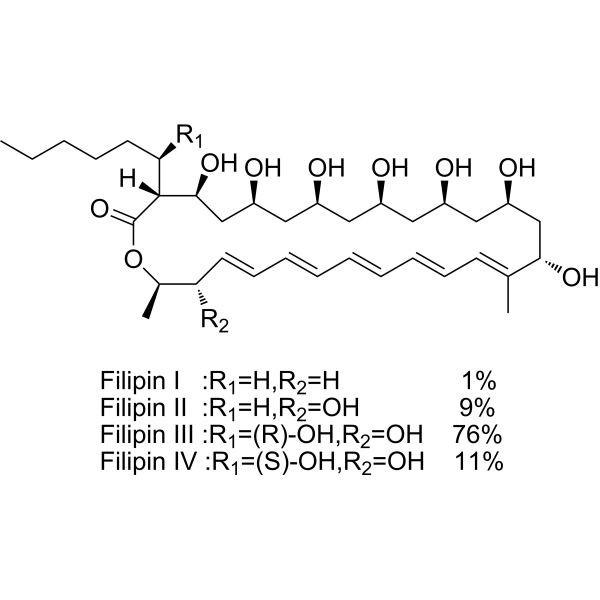
    Filipin complex is a potent polyene macrolide antifungal antibiotic. Filipin complex inserts into membranes and sequester cholesterol into complexes and inhibits PRRSV entry. The Filipin complex consists of about 75.8% Filipin III (HY-N6718), 10.8% Filipin IV, 9.1% Filipin II, and 1.2% Filipin I (Ex/Em = 380/430 nm) .
    Filipin complex
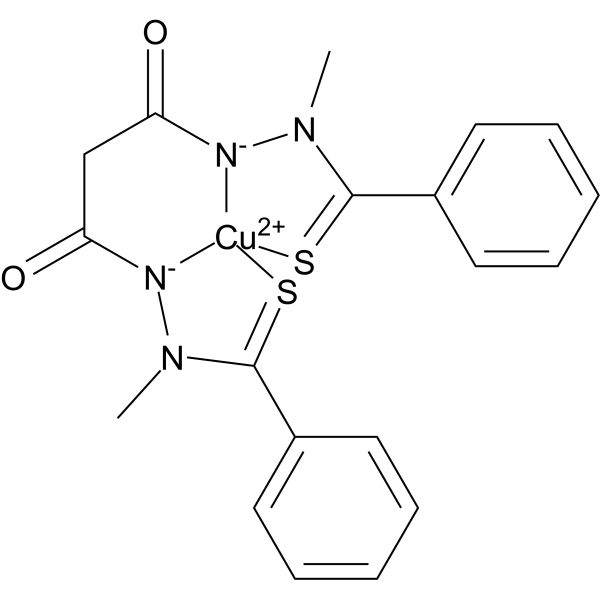
  • HY-156376
    Cu(II)-Elesclomol
    5 Publications Verification

    Cuproptosis Apoptosis Topoisomerase Reactive Oxygen Species (ROS) Inflammation/Immunology Cancer
    Cu(II)-Elesclomol is a complex formed by Elesclomol (HY-12040) and Cu 2+ (copper ions). Cu(II)-Elesclomol is also a weak inhibitor of DNA topoisomerase I. Cu(II)-Elesclomol exerts anticancer effects by inducing oxidative stress and DNA damage through copper chelation. Cu(II)-Elesclomol can inhibit tumor cell proliferation and induce cell cycle arrest and apoptosis. Cu(II)-Elesclomol can be used in the study of cancer .
    Cu(II)-Elesclomol
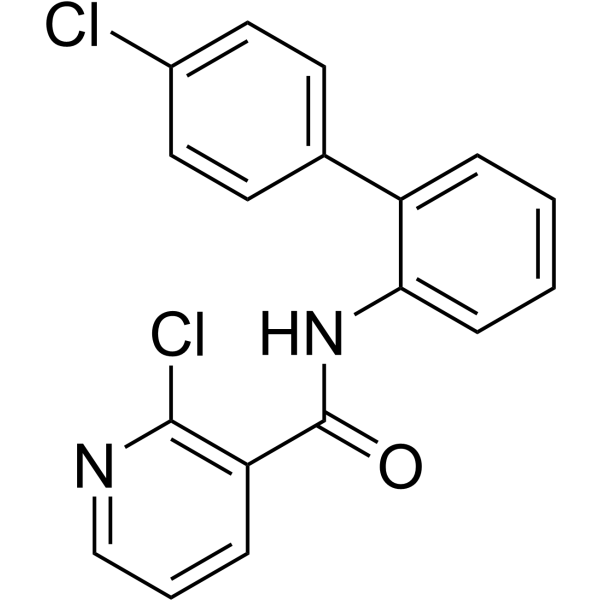
  • HY-119976
    Boscalid
    1 Publications Verification

    Environmental Pollutants Apoptosis Fungal Mitochondrial Metabolism Succinate Dehydrogenase Infection
    Boscalid is a succinate dehydrogenase (SDHI) inhibitor with antifungal activity. Boscalid binds to the ubiquinone-binding site of fungal mitochondrial complex II, blocks ATP production and aerobic respiration, exhibits good control efficacy against a variety of plant fungal diseases including gray mold, sclerotinia rot and powdery mildew, and is widely used for disease control in agriculture. Boscalid induces apoptosis, altered lipid metabolism, mitochondrial dysfunction, respiratory impairment, oxidative stress, ROS accumulation and neurodevelopmental disorders in zebrafish. Boscalid reduces foraging ability, shortens median death time and causes chronic toxicity in exposed honeybees. Boscalid also possesses genotoxicity, cytotoxicity, elevated mitochondrial superoxide levels and early-stage apoptosis .
    Boscalid
  • HY-N2306
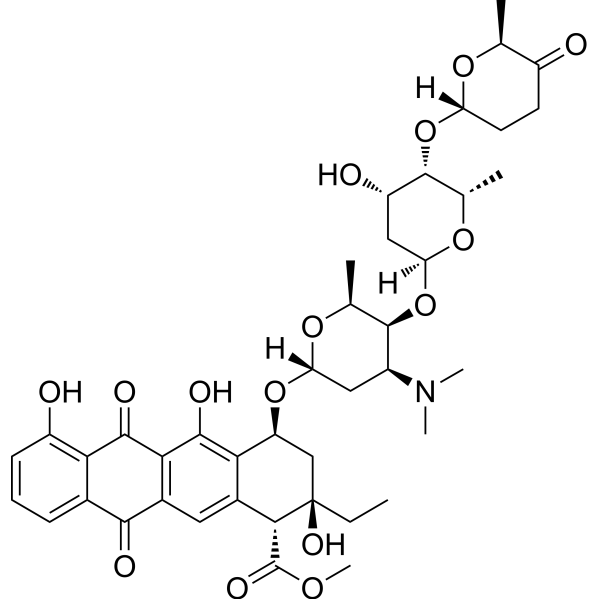
    Aclacinomycin A
    5 Publications Verification

    Aclarubicin

    Topoisomerase DNA/RNA Synthesis Proteasome Antibiotic Cancer
    Aclacinomycin A (Aclarubicin) is an orally active and potent anthracycline antitumor antibiotic. Aclacinomycin A is an inhibitor of topoisomerase I and II. Aclacinomycin A inhibits synthesis of nucleic acid, especially RNA. Aclacinomycin A might inhibit the 26S protease complex as well as the ubiquitin-ATP-dependent proteolysis .
    Aclacinomycin A
  • HY-NP133A

    4-Hydroxy-3-nitrophenylacetyl-Keyhole Limpet Hemocyanin,Type II

    Biochemical Assay Reagents Inflammation/Immunology
    NP-KLH,Type II is a complex formed by 4-Hydroxy-3-nitrophenylacetyl (NP, a hapten) with Keyhole Limpet Hemocyanin (KLH, a carrier protein). NP-KLH,Type II can induce specific humoral immune responses and NP-specific antibodies production. NP-KLH,Type II can act as a specific antigen tool used for immunological experiments .
    NP-KLH,Type II
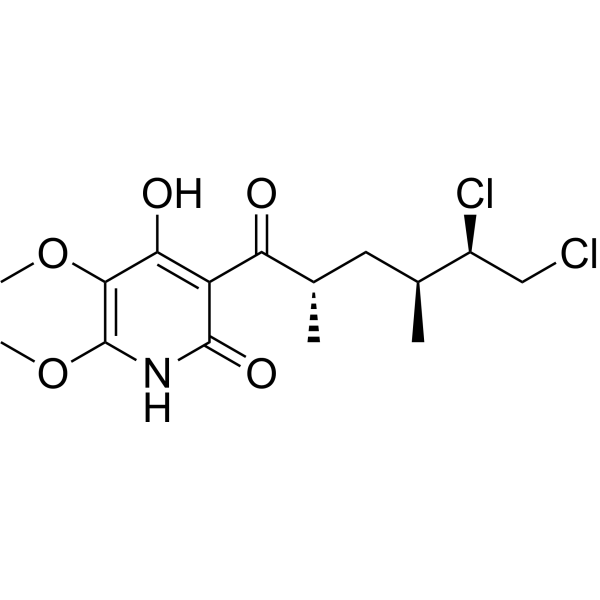
  • HY-126653
    Atpenin A5
    5+ Cited Publications

    Potassium Channel Cardiovascular Disease
    Atpenin A5 is a potent and highly specific complex II inhibitor (IC50 ~10 nM), and is an effective mKATP channel agonist and cardioprotective agent .
    Atpenin A5
  • HY-21623

    Biochemical Assay Reagents Others
    Dichloro[1,1'-bis(diphenylphosphino)ferrocene]palladium(II) dichloromethane adduct is a common dichloromethane solvate of the palladium catalyst Pd(dppf)Cl2, a phosphine ligand palladium(II) complex, which can be used as a versatile precatalyst for various cross-coupling reactions. Dichloro[1,1'-bis(diphenylphosphino)ferrocene]palladium(II) dichloromethane adduct can stabilize reaction intermediates and lower the reaction activation energy in coupling reactions, and can be used in Suzuki-Miyaura coupling reaction studies .
    Dichloro[1,1'-bis(diphenylphosphino)ferrocene]palladium(II) dichloromethane adduct
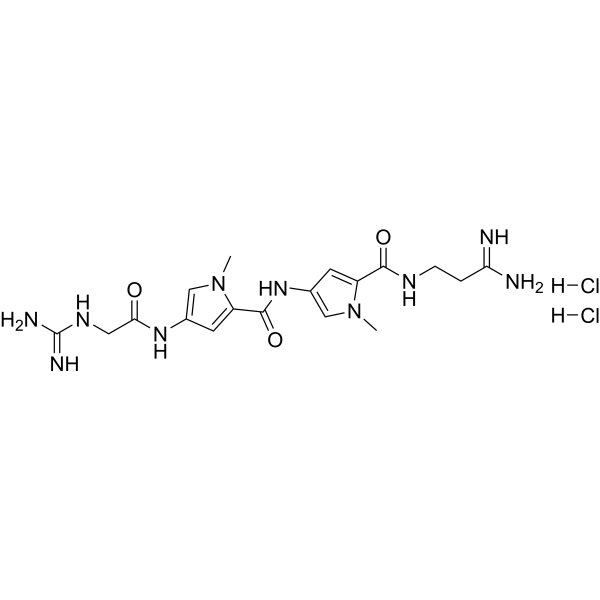
  • HY-N6800A
    Netropsin dihydrochloride
    1 Publications Verification

    Antibiotic DNA/RNA Synthesis Bacterial Influenza Virus Orthopoxvirus Infection Inflammation/Immunology
    Netropsin dihydrochloride is a small-molecule MGB (minor-groove binder) and antibiotic, inhibits the catalytic activity of isolated topoisomerase and interferes with the stabilization of the cleavable complexes of topoisomerase II and I in nuclei. Netropsin dihydrochloride has antibacterial and antiviral activity .
    Netropsin dihydrochloride
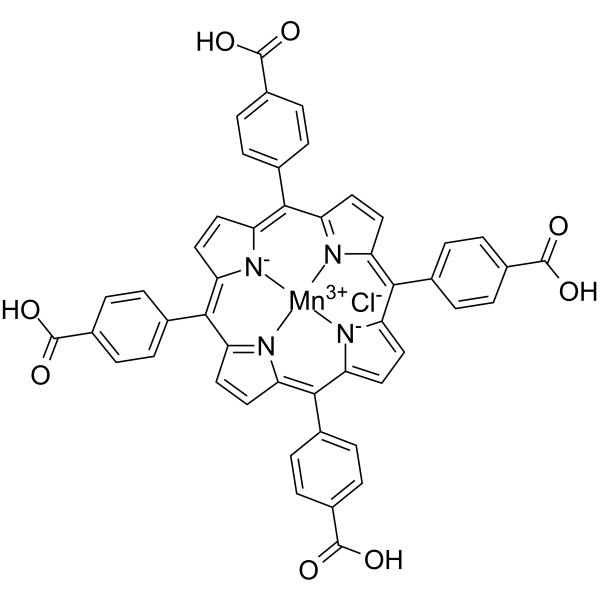
  • HY-126397
    MnTBAP chloride
    5+ Cited Publications

    NF-κB Inflammation/Immunology
    MnTBAP chloride is a superoxide dismutase (SOD) mimetic and peroxynitrite scavenger. MnTBAP chloride is a manganic porphyrin complex and has anti-oxidative property. MnTBAP chloride mediates anti-inflammatory effects through upregulation of BMPR-II and inhibition of the NFκB signaling. MnTBAP chloride has the potential for the fibrotic response in chronic kidney diseases (CKDs) research .
    MnTBAP chloride
  • HY-176521

    Androgen Receptor Epigenetic Reader Domain Cancer
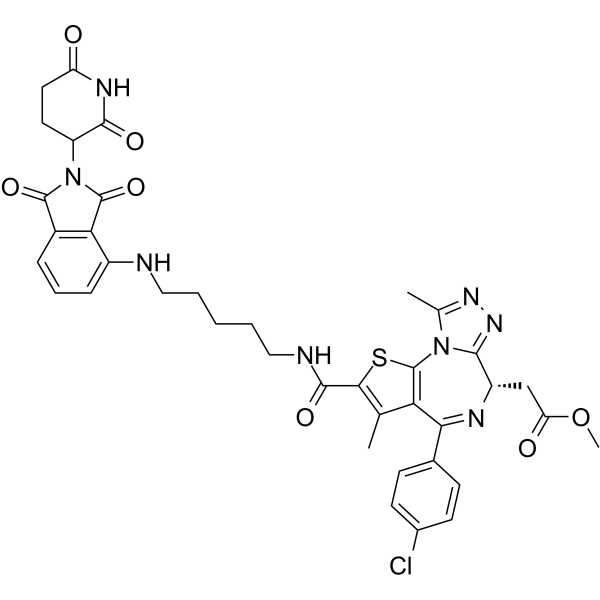
    AR/BRD4 RIPTAC-1 (Compound II-5) is an orally active Regulatory-inducible proximity-targeting chimera (RIPTAC). AR/BRD4 RIPTAC-1 induces the formation of a stable ternary complex between the androgen receptor (AR) and BRD4, thereby blocking BRD4 function. AR/BRD4 RIPTAC-1 inhibits the growth and proliferation of tumor cells. AR/BRD4 RIPTAC-1 holds promise for use in prostate cancer research .
    AR/BRD4 RIPTAC-1
  • HY-B2004

    Environmental Pollutants Fungal Mitochondrial Metabolism Infection
    Thifluzamide is a fungicide that inhibits fungal respiration by blocking the ubiquinone-binding site in mitochondrial complex II. Thifluzamide exhibits significant activity against Basidiomycota pathogens (such as Rhizoctonia cerealis, Ustilago and Puccinia genera) and is commonly used in studies on wheat sharp eyespot. Thifluzamide displays a dual mechanism in regulating lipid metabolism: it reduces fatty acid synthase activity to inhibit endogenous fatty acid synthesis, and increases carnitine palmitoyltransferase-I activity to accelerate fatty acid β-oxidation, thereby reducing total cholesterol and triglyceride levels in the liver. Thifluzamide also induces hepatotoxicity in zebrafish models and carries a risk of developmental toxicity. Thifluzamide inhibition of Rhizoctonia cerealis may result in low to moderate levels of drug resistance, leading to the generation of stable drug-resistant mutants .
    Thifluzamide
  • HY-175238

    ATP Synthase DNA/RNA Synthesis Neurological Disease Cancer
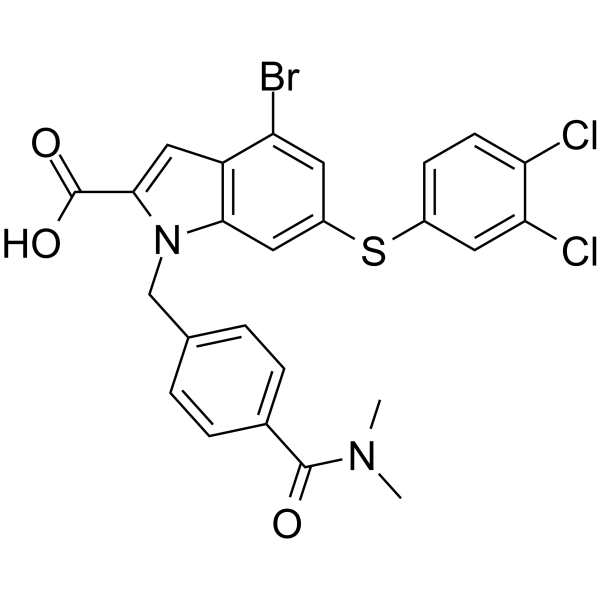
    KI-DX-014 is a DDX21 inhibitor with high RNA-binding inhibitory activity (IC50 of 3.31 μM). KI-DX-014 targets DDX21’s intrinsically disordered C-terminal domain, inhibits DDX21-structured RNA interaction, modulates DDX21’s RNA-dependent ATPase activity, and disrupts DDX21 biomolecular condensate formation. KI-DX-014 attenuates in vitro P-TEFb release from the 7SK snRNP complex, suppresses P-TEFb-dependent RNA polymerase II CTD phosphorylation, and induces developmental defects in zebrafish embryos. KI-DX-014 acts as a chemical probe for dissecting DDX21 functions in normal physiology and disease states. KI-DX-014 can be used for cancers and neurodegenerative disorders research .
    KI-DX-014
  • HY-W127776

    Ethylenediaminetetraacetic acid zinc disodium tetrahydrate

    Biochemical Assay Reagents Others
    Zn(II)-EDTA (Ethylenediaminetetraacetic acid zinc) disodium tetrahydrate is a coordinating agent. Zn(II)-EDTA disodium tetrahydrate coordinates with Zn 2+ to modify its solvated structure, provides pre-synthesized EDTA-Zn complexes that release Zn 2+ to repair zinc anode defects under interfacial electric field, adsorbs onto zinc anode surface to block oxygen and water molecules, inhibits corrosion and hydrogen evolution reactions, promotes uniform Zn 2+ deposition, suppresses zinc dendrite formation, and modulates the hydrogen bonding network within the electrolyte. Zn(II)-EDTA disodium tetrahydrate acts as an electrolyte additive to enhance reversibility and stability of zinc anodes in aqueous zinc-ion batteries .
    Zn(Ⅱ)-EDTA disodium tetrahydrate
  • HY-18761

    Cobalt(II) phthalocyanine; Cobaltous phthalocyanine; Phthalocyanine cobalt complex

    MOFs Others
    Cobalt phthalocyanine is a catalyst of redox reaction, catalyzes aerobic regenerations of aldehydes and ketones from aldoximes and ketoximes. Cobalt phthalocyanine can be used in the development of electrocatalysts .
    Cobalt phthalocyanine
  • HY-N10514

    Others Others
    Lacto-N-triose II is a core structural unit of human milk oligosaccharides (HMOs). Lacto-N-triose II owns nutraceutical potentials and can be used in the production of complex HMOs .
    Lacto-N-triose II
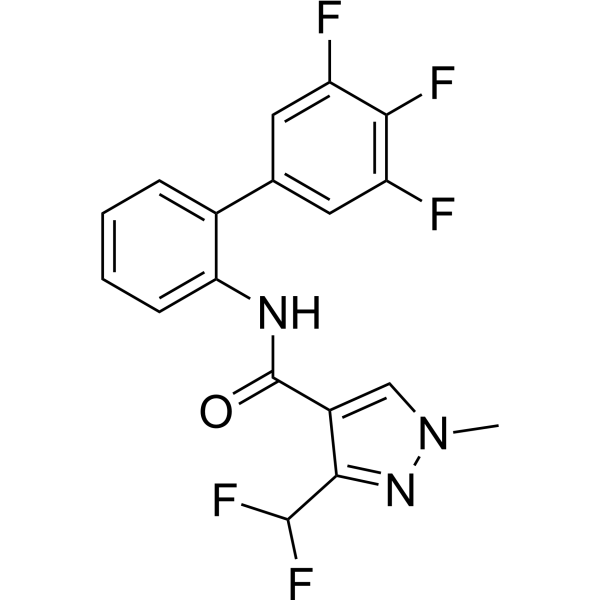
  • HY-135549
    Fluxapyroxad
    1 Publications Verification

    Environmental Pollutants Antibiotic Cytochrome P450 Fungal Succinate Dehydrogenase Infection Inflammation/Immunology
    Fluxapyroxad is a synthetic broad-spectrum fungicide for the control of fungal diseases. Fluxapyroxad inhibits succinate dehydrogenase in complex II of the mitochondrial respiratory chain, resulting in inhibition of spore germination, germ tubes and mycelia growth within the fungus target species .
    Fluxapyroxad
  • HY-W008151

    Mitochondrial Metabolism Carnitine Palmitoyltransferase (CPT) Metabolic Disease
    Diphenyl Phosphate inhibits growth and energy metabolism in zebrafish and mice in a sex-specific manner. Diphenyl Phosphate can inhibit the activity of SDH (respiratory complex II), reduce the expression of CPT1 and disrupts the integrity of the mitochondrial membrane. Diphenyl Phosphate may be used in research on metabolic diseases .
    Diphenyl Phosphate
  • HY-W011060

    4,7,13,16,21,24-Hexaoxa-1,10-diazabicyclo[8.8.8]hexacosane

    Biochemical Assay Reagents Others
    Cryptand 2.2.2 (4,7,13,16,21,24-Hexaoxa-1,10-diazabicyclo[8.8.8]hexacosane) is a metal ion chelator. Cryptand 2.2.2 forms stable mononuclear, protonated and dinuclear complexes with copper (II) ions; forms protonated complexes with hydrogen ions; and also forms stable complexes with Zn 2+, Co 2+, Ni 2+, Cd 2+, Hg 2+ and Pb 2+ ions. Cryptand 2.2.2 can be used for the preparation of nanoparticles, transition metal compounds, etc.
    Cryptand 2.2.2
  • HY-W015302

    Orthanilic acid; 2-Aminobenzenesulphonic acid

    Drug Intermediate Others
    2-Aminobenzenesulfonic acid is an anilinesulfonic acid and also the ortho-isomer of aminobenzenesulfonic acid. 2-Aminobenzenesulfonic acid can be used in the synthesis of other active compounds. 2-Aminobenzenesulfonic acid can coordinate via its -NH2 and -SO3 groups to form polymeric copper (II) complexes .
    2-Aminobenzenesulfonic acid
  • HY-19024

    NSC 336628

    Topoisomerase Cancer
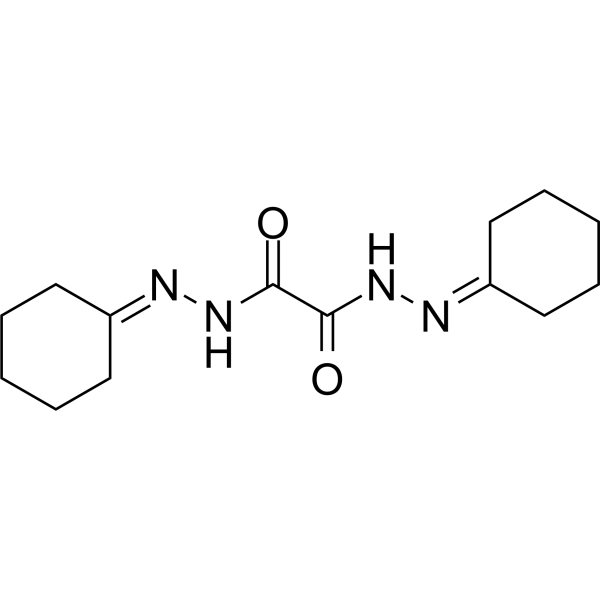
    Merbarone (NSC 336628) is an orally active inhibitor of topoisomerase II. Merbarone acts primarily by blocking topoisomerase II-mediated DNA cleavage without stabilizing topo II-DNA covalent complexes. Merbarone is an anticancer agent .
    Merbarone
  • HY-139324
    Cu(II)GTSM
    1 Publications Verification

    GSK-3 Amyloid-β Neurological Disease Cancer
    Cu(II)GTSM, a cell-permeable Cu-complex, significantly inhibits GSK3β. Cu(II)GTSM inhibits Amyloid-β oligomers (AβOs) and decreases tau phosphorylation. Cu(II)GTSM also decreases the abundance of Amyloid-β trimers. Cu(II)GTSM is a potential anticancer and antimicrobial agent .
    Cu(II)GTSM
  • HY-P4666

    Biochemical Assay Reagents Others
    Valylhistidine is a dipeptide composed of valine and histidine (Val-His). Valylhistidine can form a dipeptide complex with Cu (II) that mimics superoxide dismutase but lacks activity .
    Valylhistidine
  • HY-N2306A

    Aclarubicin hydrochloride

    Topoisomerase DNA/RNA Synthesis Proteasome Antibiotic Cancer
    Aclacinomycin A (Aclarubicin) hydrochloride is an orally active and potent anthracycline antitumor antibiotic. Aclacinomycin A hydrochloride is an inhibitor of topoisomerase I and II. Aclacinomycin A hydrochloride inhibits synthesis of nucleic acid, especially RNA. Aclacinomycin A hydrochloride might inhibit the 26S protease complex as well as the ubiquitin-ATP-dependent proteolysis .
    Aclacinomycin A hydrochloride
  • HY-D0179

    Biochemical Assay Reagents Infection Cardiovascular Disease
    Cyclam is a metal chelator that forms metal complexes with a variety of metal ions. Cyclam metal complexes exhibits anti-HIV (such as AMD3100), nitric oxide (NO) releasing and scavenging (such as Zn(II)-Cyclam and Ru(II)-Cyclam), and SOD mimetic (such as Mn(III)-Cyclam and Zn(II)-Cyclam) activities .
    Cyclam
  • HY-115853

    Biochemical Assay Reagents Others
    Pyclen forms kinetically and thermodynamically stable nine-coordinate Ln (III) complexes, as well as Mn (II)-based MRI contrast agents. Pyclen-Based Mn(II) Complexes can be used for liver-specific MRI .
    Pyclen
  • HY-W013066

    Biochemical Assay Reagents Others
    Pd(Xantphos)Cl2 is a palladium(II) complex catalyst that can be used in organic synthesis research.
    Pd(Xantphos)Cl2
  • HY-P4531

    Amino Acid Derivatives Neurological Disease
    H-Ser-Tyr-OH is a dipeptide. H-Ser-Tyr-OH can form a copper(II) complex .
    H-Ser-Tyr-OH
  • HY-P1826

    CD74 Inflammation/Immunology Cancer
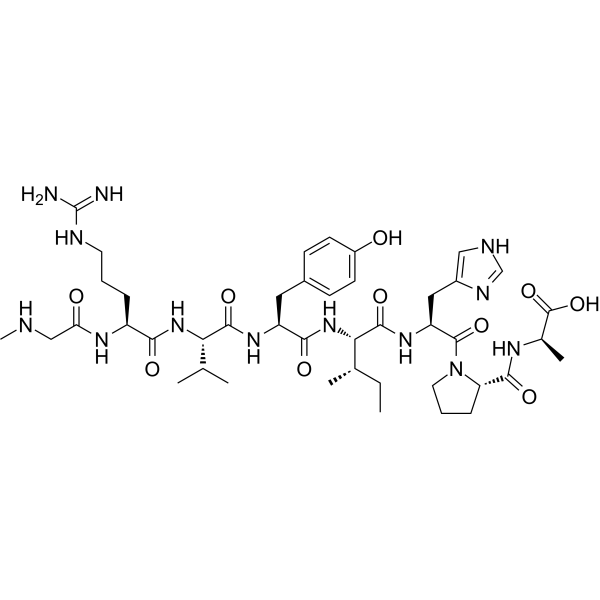
    CLIP (86-100) is amino acids 86 to 100 fragment of class II-associated invariant chain peptide (CLIP). CLIP is a small self-peptide and cleavage product of the invariant chain that resides in the HLA-II antigen binding groove and is believed to play a critical role in the assembly and transport of MHC class II alphabetaIi complexes through its interaction with the class II peptide-binding site .
    CLIP (86-100)
  • HY-DY1017

    Antibiotic Fungal Infection
    Filipin complex (solution) is a potent polyene macrolide antifungal antibiotic. Filipin complex inserts into membranes and sequester cholesterol into complexes and inhibits PRRSV entry. The Filipin complex consists of about 75.8% Filipin III (HY-N6718) , 10.8% Filipin IV, 9.1% Filipin II, and 1.2% Filipin I (Ex/Em = 380/430 nm) .
    Solvent and concentration: DMSO: 5 mg/mL
    Filipin complex (solution)
  • HY-W663938

    Parasite Others
    Cyflumetofen is a synthetic miticide that strongly inhibits mitochondrial complex II of spider mites, but not of insects, crustaceans, or mammals. Cyflumetofen is not significantly effective in inhibiting aflatoxin production in fungi .
    Cyflumetofen
  • HY-W127790

    Biochemical Assay Reagents Others
    Bathophenanthrolinedisulfonic acid disodium salt (BPS) is a colorimetric reagent for iron detection, with a wavelength of 535 nm for iron complex. It can be used for iron determination in aqueous solution systems without the need for extraction solvents. BPS can serve as a precursor to prepare Europium(III) tris(dibenzoylmethanate) bis(bathophenanthrolinedisulfonate) complex and ruthenium(II) tris(bathophenanthrolinedisulfonate), or participate in the catalytic oxidation of 2-hexanol by forming water-soluble complexes with palladium .
    Bathophenanthrolinedisulfonic acid disodium
  • HY-W007479

    Biochemical Assay Reagents Others
    2,3-Dihydroxybenzaldehyde can be used to synthesize copper(II) complexes of Schiff bases. 2,3-Dihydroxybenzaldehyde can also be used in the synthesis of 2-ethoxy-3-hydroxy-4-nitrobenzoic acid .
    2,3-Dihydroxybenzaldehyde
  • HY-W010380

    AMPK Apoptosis Metabolic Disease
    Methyl succinate is a mitochondrial complex II substrate. Methyl succinate can bypass the inhibition of complex I by Metformin (HY-B0627), restore mitochondrial electron transfer, and reduce AMPK phosphorylation. Methyl succinate is capable of protecting MIN6 β-cells and primary rat β-cells from biguanide-induced toxicity and apoptosis in vitro. Methyl succinate can be used in the research of diseases such as diabetes mellitus .
    Methyl succinate
  • HY-W014684

    Environmental Pollutants Keap1-Nrf2 Mitochondrial Metabolism Reactive Oxygen Species (ROS) Endocrinology
    Lilial is a widely used synthetic fragrance and ester in consumer products. Lilial possesses estrogenic activity in vitro. Lilial can induce a toxic effect on mitochondria that causes a decrease in the viability of HaCaT cells. Lilial can increase NRF2 protein level in vitro. Lilial is able to target respiratory chain complexes, inhibit complexes I and II of the electron transport chain, increase the generation of reactive oxygen species, and decrease the level of intracellular ATP. Lilial can induce systemic toxicity in vivo. Lilial induces significant DNA strand breaks .
    Lilial
  • HY-W033277

    NSC 307191; Palladium(II) tetrafluoroborate tetraacetonitrile complex

    Drug Intermediate Endogenous Metabolite Others
    Tetrakis(acetonitrile)palladium(II) tetrafluoroborate (NSC 307191) acts as a potent Lewis acid and facilitates the formation of the 2:1 complex [Pd(1,2-bis(2′-pyridylethynyl)benzene)2](BF4)2 through the Sonogashira cross-coupling reaction.
    Tetrakis(acetonitrile)palladium(II) tetrafluoroborate
  • HY-W033466

    Benzeneruthenium(II) chloride dimer

    Biochemical Assay Reagents Others
    Benzeneruthenium(II) Chloride Dimer (Benzeneruthenium(II) chloride dimer) is a dinuclear complex. Benzeneruthenium(II) Chloride Dimer undergoes a hydrolysis reaction to generate a mixture of mononuclear ruthenium complexes in equilibrium .
    Dichloro(benzene)ruthenium(II) dimer
  • HY-W020952

    Palladium(Ⅱ) 2,4-pentanedionate; Pd(acac)2

    Biochemical Assay Reagents HSP Eukaryotic Initiation Factor (eIF) IRE1 JNK Apoptosis Cancer
    Palladium(II) acetylacetonate is a metal-organic complex. Palladium(II) acetylacetonate upregulates the expression of GRP78, ATF-4, XBP-1, CHOP, and phosphorylated c-Jun. Palladium(II) acetylacetonate induces Apoptosis. Palladium(II) acetylacetonate has anticancer effects against non-small cell lung cancer, gastric cancer, leukemia, and cervical cancer .
    Palladium(Ⅱ) acetylacetonate
  • HY-Y1102A

    Environmental Pollutants Biochemical Assay Reagents Others
    Copper(II) acetate, 99.99% trace metals basis is a dinuclear metal complex that can be used a source of copper and oxidizing agent in inorganic synthesis, and as a catalyst in organic synthesis .
    Copper(II) acetate, 99.99% trace metals basis
  • HY-W243460

    Biochemical Assay Reagents Others
    EDTA copper (II) disodium salt, 97% is a negatively charged copper (II)-ethylenediaminetetraacetic acid chelate and also an adsorption substrate. EDTA copper (II) disodium salt, 97% forms amide bonds with chitosan amino groups in weakly acidic (pH 3-5) solutions, while it forms the CuEDTA (OH) 3− hydroxyl complex in strongly alkaline (pH > 12) solutions. EDTA copper (II) disodium salt, 97% can be adsorbed onto granular activated carbon, with electrostatic interactions dominating its pH-dependent adsorption behavior. EDTA copper (II) disodium salt, 97% can be used to eliminate the inhibition of enzyme-catalyzed reactions caused by trace heavy metals .
    EDTA copper(II) disodium salt, 97%
  • HY-146693

    TGF-β Receptor Cancer
    CJJ300 is a transforming growth factor-β (TGF-β) inhibitor with an IC50 of 5.3 µM. CJJ300 inhibits TGF-β signaling by disrupting the formation of the TGF-β-TβR-I-TβR-II signaling complex .
    CJJ300
  • HY-NP026

    C-phycocyaninfromporphyratenera

    SOD Integrin Inflammation/Immunology
    Spirulina C-phycocyanin, a component of the light-harvesting phycobilisome complex in photosystem II, is a highly dominant chromoprotein in Spirulina. Spirulina C-phycocyanin can be detected by Raman spectral measurement. Spirulina C-phycocyanin has antioxidant, anti-inflammatory, antiplatelet, liver-protective and cholesterol-lowering effects .
    Spirulina C-phycocyanin
  • HY-156237
    Beclin1-ATG14L interaction inhibitor 1
    2 Publications Verification

    Autophagy Others
    Beclin1-ATG14L interaction inhibitor 1 (com 19) is a selective Beclin1-ATG14L interaction inhibitor. This protein interaction mechanism specifically targets complex I of the lipid kinase VPS34 without affecting complex II. Because the integrity of VPS34 complex II depends on the Beclin 1-UVRAG interaction. Beclin1-ATG14L interaction inhibitor 1 can disrupt the formation of VPS34 complex I and inhibit autophagy, but does not affect complex II-related vesicle transport .
    Beclin1-ATG14L interaction inhibitor 1
  • HY-139813

    DNA Alkylator/Crosslinker Cancer
    Phenanthriplatin is a monovalent platinum(II)-based complex with a large cytotoxicity against cancer cells .
    Phenanthriplatin
  • HY-142956

    Reactive Oxygen Species (ROS) Cancer
    ROS-ERS inducer 1 is a type II ICD (immunogenic cell death) inducer. ROS-ERS inducer 1 is a Pt(II)-N-heterocyclic carbene (Pt(II)-NHC) complex derived from 4,5-diarylimidazole. ROS-ERS inducer 1 successfully induces endoplasmic reticulum stress (ERS) accompanied by reactive oxygen species (ROS) generation and finally lead to the release of damage-associated molecular patterns (DAMPs) in HCC cells. ROS-ERS inducer 1 displays much higher anticancer activities than Cisplatin .
    ROS-ERS inducer 1
  • HY-W001939

    Biochemical Assay Reagents Cancer
    4-Acetylbenzoic acid is a Zn(II) complex. 4-Acetylbenzoic acid is a derivative of benzoic acid that is commonly used in chemical synthesis. 4-Acetylbenzoic acid has an IC50 of 331.3 μM in murine L929 fibroblasts and an IC50 of 176 μM in metastatic melanoma B16 F10 cell lines .
    4-Acetylbenzoic acid
  • HY-N2306R

    Aclarubicin (Standard)

    Reference Standards Topoisomerase DNA/RNA Synthesis Proteasome Antibiotic Cancer
    Aclacinomycin A (Standard) is the analytical standard of Aclacinomycin A. This product is intended for research and analytical applications. Aclacinomycin A (Aclarubicin) is an orally active and potent anthracycline antitumor antibiotic. Aclacinomycin A is an inhibitor of topoisomerase I and II. Aclacinomycin A inhibits synthesis of nucleic acid, especially RNA. Aclacinomycin A might inhibit the 26S protease complex as well as the ubiquitin-ATP-dependent proteolysis .
    Aclacinomycin A (Standard)
  • HY-157335

    Biochemical Assay Reagents Others
    Mn(II)-DO3A sodium is a Mn(II) complex and a potential alternative to Gd-based MRI contrast agents .
    Mn(II)-DO3A sodium
  • HY-W034801

    Cupric Acetylacetonate

    Biochemical Assay Reagents Others
    Copper(II) acetylacetonate (Cupric Acetylacetonate) is the homoleptic acetylacetonate complex of copper(II). Copper(II) acetylacetonate is used as a catalyst in various organic reactions, including oxidation, cross-coupling, and polymerization reactions. Copper(II) acetylacetonate is also a precursor for making metal-organic frameworks (MOF) and nanomaterials .
    Copper(II) acetylacetonate
  • HY-W033831

    Rh2(TPA)4

    Endogenous Metabolite Biochemical Assay Reagents
    Rhodium(II) triphenylacetate dimer (Rh2(TPA)4) is an important catalyst with high C–H activation reaction activity. Rhodium(II) triphenylacetate dimer is widely used in organic synthesis to achieve the construction of complex molecules. Rhodium(II) triphenylacetate dimer can also be used to catalyze the synthesis of certain biologically active molecules and improve the preparation efficiency of compounds. Rhodium(II) triphenylacetate dimer exhibits excellent selectivity and reaction rate in catalytic reactions.
    Rhodium(II) triphenylacetate dimer
  • HY-W787537

    LBB

    Biochemical Assay Reagents Others
    Leucoberbelin blue I (LBB) is a leuco base that is oxidized by manganese through a hydrogen atom transfer reaction forming a colored complex. Leucoberbelin blue I can be used to quantify or confirm the Mn (II) oxides formation .
    Leucoberbelin blue I

Inquiry Online

Your information is safe with us. * Required Fields.

Salutation


Country or Region *

Applicant Name *


Organization Name *

Department *


Email Address *


Product Name *

Cat. No.


Requested quantity *

Phone Number *


Remarks

Inquiry Online

Inquiry Information

Product Name:
Cat. No.:
Quantity:
MCE Japan Authorized Agent:

