


57 Results for "

conformational forms

" in MedChemExpress (MCE) Product Catalog:
Products (57)

57 Results for "conformational forms" in MCE Product Catalog:

19
19 Publications Verification
Art. -Nr.: HY-138300
CAS. Nr.: 1849616-42-7
Reinheit:  99.93%
Forschungsgebiete:  

Others

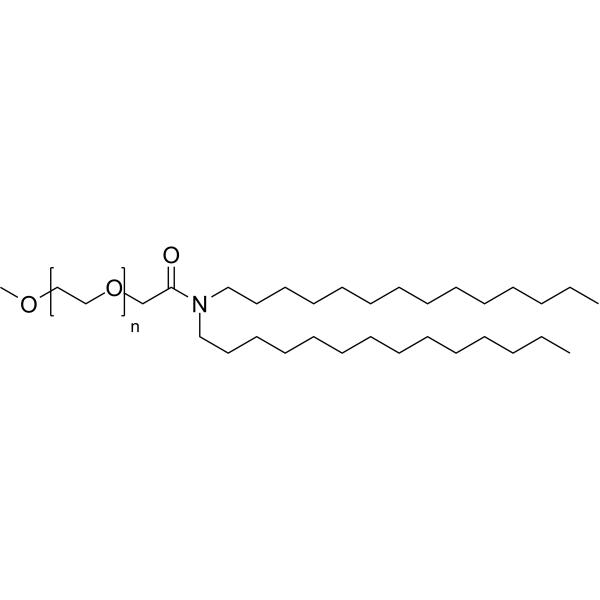
ALC-0159 presents highly mobile surface PEG chains in a dense brush-like conformation, which can form a hydrophilic barrier, reduce non-specific protein adsorption and macrophage uptake, improve colloidal stability, prolong in vivo circulation time, and affect the cellular uptake of LNPs. ALC-0159 dissociates from the surface of mRNA-LNPs under long-term mechanical oscillation stress, thereby reducing steric hindrance, inducing mRNA-LNP fusion, increasing particle size, and releasing unencapsulated mRNA .
loading...
    loading...
8
8 Cited Publications
Art. -Nr.: HY-112306
CAS. Nr.: 1442472-39-0
Reinheit:  98.21%
Synonyms: DCC-2618
Forschungsgebiete:  

Cancer

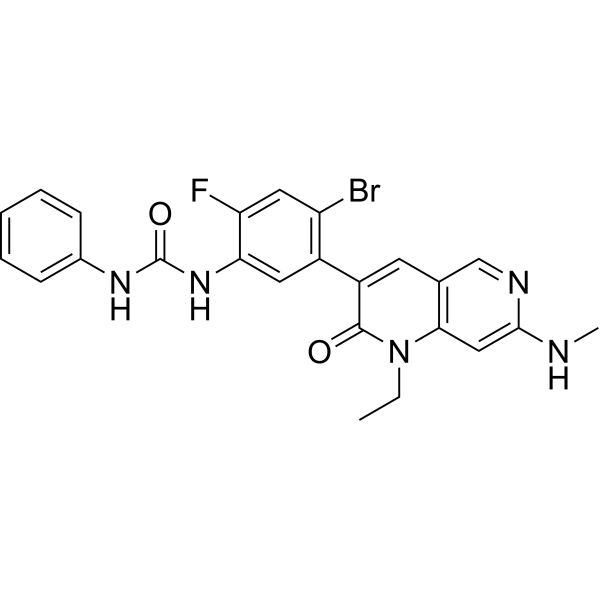
Ripretinib (DCC-2618) is an orally bioavailable, selective KIT and PDGFRA switch-control inhibitor. Ripretinib (DCC-2618) targets and binds to both wild-type and mutant forms of KIT and PDGFRA specifically at their switch pocket binding sites, thereby preventing the switch from inactive to active conformations of these kinases and inactivating their wild-type and mutant forms. Ripretinib (DCC-2618) also inhibits multiple other kinase targets, such as FLT3 and KDR (or VEGFR-2) . DCC-2618 exerts antineoplastic effect and induces apoptosis .
loading...
    loading...
4
4 Cited Publications
Art. -Nr.: HY-19896
CAS. Nr.: 1039455-84-9
Target:  

MDM-2/p53 Apoptosis

Forschungsgebiete:  

Cancer

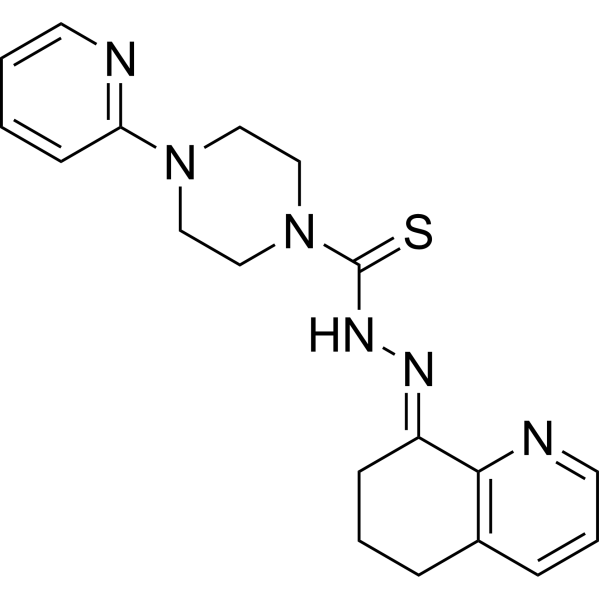
COTI-2, an anti-cancer agent with low toxicity, is an orally available third generation activator of p53 mutant forms. COTI-2 acts both by reactivating mutant p53 and inhibiting the PI3K/AKT/mTOR pathway. COTI-2 induces apoptosis in multiple human tumor cell lines. COTI-2 exhibits antitumor activity in HNSCC through p53-dependent and -independent mechanisms. COTI-2 converts mutant p53 to wild-type conformation .
loading...
    loading...
1
1 Cited Publications
Art. -Nr.: HY-W250727
CAS. Nr.: 53313-85-2
Synonyms: 6-(p-Tolylamino)naphthalene-2-sulfonate sodium
TNS (6-(p-Tolylamino) naphthalene-2-sulfonate) sodium is a fluorescent probe used to detect the conformational state of proteins. TNS sodium binds to the central hydrophobic calyx of β-lactoglobulin (β-LG) to form a 1:1 complex, which stabilizes the folded conformation of β-LG. TNS sodium shows weak fluorescent signals in aqueous solution, but its fluorescence intensity increases significantly upon binding to the hydrophobic domains of proteins, with the maximum excitation wavelength and maximum emission wavelength located at 321 nm and 446 nm, respectively .
loading...
    loading...
Art. -Nr.: HY-148503
CAS. Nr.: 1197033-19-4
Reinheit:  98.55%
Forschungsgebiete:  

Others

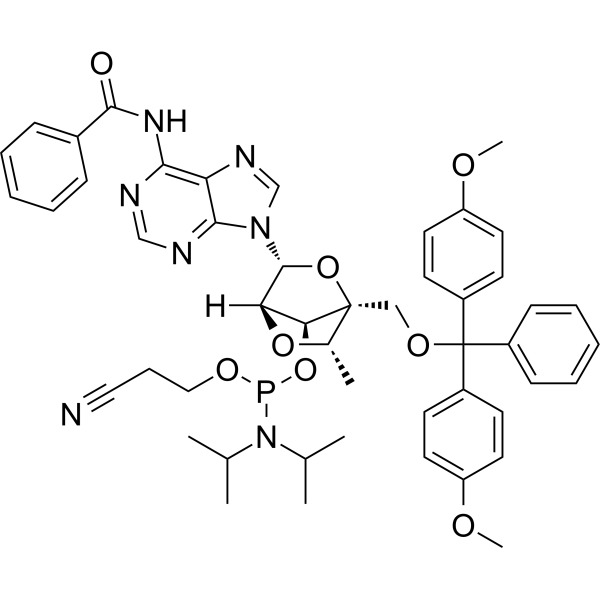
5'-ODMT cEt N-Bz A Phosphoramidite (Amidite) is a nucleoside phosphoramidite monomer used to synthesize locked nucleic acid (LNA) analog oligonucleotides. It can be used as a building block of antisense oligonucleotides (ASOs) to target complementary RNA sequences. 5'-ODMT cEt N-Bz A Phosphoramidite (Amidite) locks the furanose ring into an N-type conformation through 2',4'-constrained ethyl (cEt) modification, enhancing hybridization affinity and mismatch discrimination with RNA, while significantly improving the resistance of oligonucleotides to exonuclease digestion. 5'-ODMT cEt N-Bz A Phosphoramidite (Amidite) mediates RNase H-dependent mRNA degradation or inhibits translation by forming a stable hybrid with RNA, thereby achieving gene expression regulation. 5'-ODMT cEt N-Bz A Phosphoramidite (Amidite) is mainly used in the development of antisense drugs, gene function research and oligonucleotide synthesis related to disease treatment .
loading...
    loading...
Art. -Nr.: HY-164899
CAS. Nr.: 2765091-45-8
Synonyms: 2-aminopyridine-3-carboxylic acid imidazolide
Target:  

DNA/RNA Synthesis

Forschungsgebiete:  

Infection

2A3 (2-aminopyridine-3-carboxylic acid imidazolide) is a covalent probe reagent for Selective 2'-Hydroxyl Acylation analyzed by Primer Extension (SHAPE) that targets the RNA ribose 2'-OH group. 2A3 efficiently permeates the biological membranes of Gram-negative bacteria, Gram-positive bacteria, and mammalian cells. 2A3 exhibits no base bias and specifically labels conformationally flexible, unpaired regions within RNA. 2A3 forms covalent adducts by acylating the 2'-OH groups of flexible RNA residues. When combined with SHAPE-MaP (mutational profiling) sequencing technology, these modification sites are converted into detectable mutational signals, thereby accurately reflecting local RNA backbone flexibility and base-pairing status. 2A3 is primarily utilized in molecular biology and transcriptomics research, including the resolution of RNA structuromes in living cells, the study of RNA folding regulatory mechanisms, and the investigation of non-coding RNA functions .
loading...
    loading...
Art. -Nr.: HY-116711
CAS. Nr.: 564-87-4
Synonyms: 11-cis Retinaldehyde; 11-cis Vitamin A aldehyde
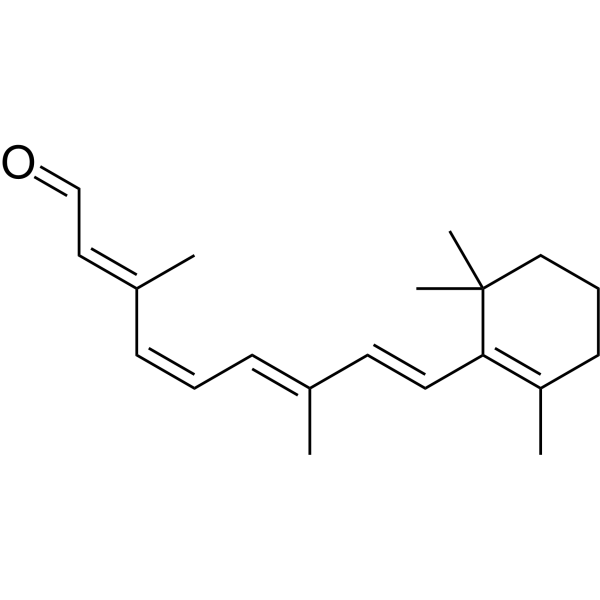
11-cis-Retinal (11-cis Retinaldehyde; 11-cis Vitamin A aldehyde), oxidized form of 11-cis-Retinol (HY-W587807), is a naturally occurring visual component. 11-cis-Retinal binds to opsin in the mammalian visual system as an inverse agonist forming the inactive conformation of rhodopsin. 11-cis-Retinal plays a crucial role in vision, growth and development. 11-cis-Retinal can restore visual function in moths with visual impairments. 11-cis-Retinal can restore retinal function in an early-age LCA2 retinal degeneration 12 mouse model .
loading...
    loading...
Art. -Nr.: HY-134136A
CAS. Nr.: 324518-20-9
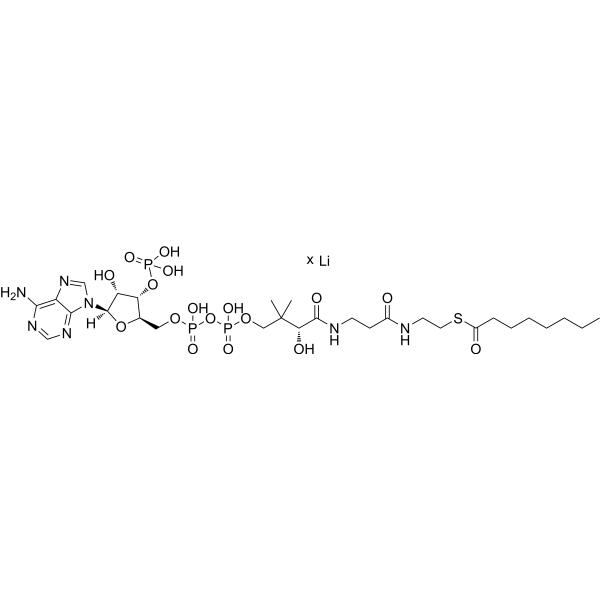
Octanoyl coenzyme A lithium is an enoyl-CoA hydratase binder. Octanoyl coenzyme A lithium binds to the active site of enoyl-CoA hydratase, occupies the binding pocket for the fatty acid tail of the enzyme's substrate, and induces a conformational shift in a flexible protein loop via its longer octanoyl chain, forming an open channel leading to the inter-trimer gap .
loading...
    loading...
Art. -Nr.: HY-D0947
CAS. Nr.: 531-53-3
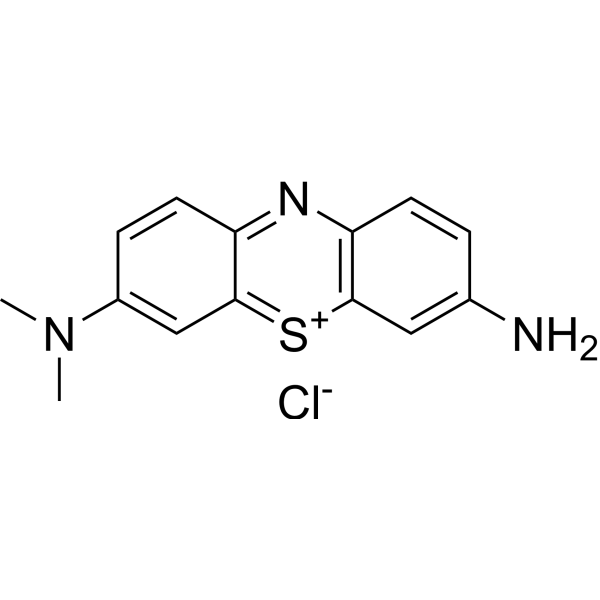
Azure A chloride is a phenothiazine dye. Azure A chloride is an alternative DNA dye used for the separation of DNA and protein fragments in agarose gel electrophoresis and PAGE. Azure A chloride can be chemisorbed on the surface of mild steel according to the Langmuir adsorption isotherm to form a protective film. Azure A chloride binds to double-stranded DNA in a non-cooperative manner via weak intercalation, triggering molecular conformational disturbance, restricted rotational motion, and changes in optical activity .
loading...
    loading...
Art. -Nr.: HY-P5284
CAS. Nr.: 1613231-49-4
Target:  

Peptides

Forschungsgebiete:  

Others

RALA peptide is a cationic amphiphilic delivery agent targeting cell membranes, which forms nanoparticles through electrostatic interactions with anionic drugs. RALA peptide has pH-responsive binding properties, which can enhance the α-helical conformation in an acidic environment and destroy the endosomal membrane, promote the release of drugs into the cytoplasm, and exert efficient intracellular delivery activity. RALA peptide can be used in cancer research (enhancing the activity of bisphosphonates against prostate cancer and breast cancer cells) and bone tissue engineering (promoting osteoblast collagen deposition and extracellular matrix mineralization) .
loading...
    loading...
Art. -Nr.: HY-112768
Reinheit:  ≥95.0%
Forschungsgebiete:  

Others

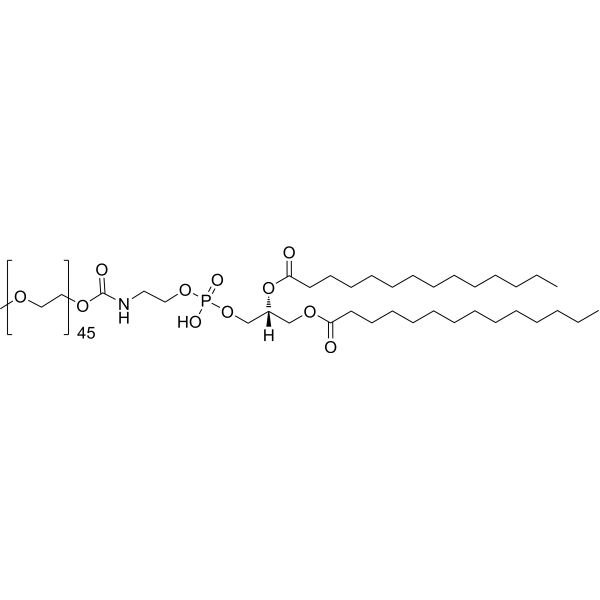
PEG2000-DMPE is a polyethylene glycol-lipid conjugate combined with phosphatidylethanolamine. PEG2000-DMPE undergoes a conformational transition from mushroom-like to brush-like at a concentration of 7 mol%, thereby exerting multiple functions such as inhibitor, stabilizer and surface defect modifier. PEG2000-DMPE can form a steric hindrance barrier on the vesicle surface to block calcium ion-induced liposome fusion, and dynamically regulate the fusion process through spontaneous transfer rate. PEG2000-DMPE can delay the thinning of foam thin liquid films and smoothly seal surface defects of solid support layers. PEG2000-DMPE can be used in the design and related research of stealth liposomes and micelles .
loading...
    loading...
Art. -Nr.: HY-162865
CAS. Nr.: 389629-38-3
Target:  

FGFR

Forschungsgebiete:  

Cancer

FGFR2-IN-3 is an inhibitor of fibroblast growth factor receptor 2 (FGFR2). FGFR2-IN-3 has good binding properties, forming key interactions and inducing conformational changes in FGFR2. FGFR2-IN-3 can be used for research on tumors .
loading...
    loading...
Art. -Nr.: HY-W244398
CAS. Nr.: 13239-97-9
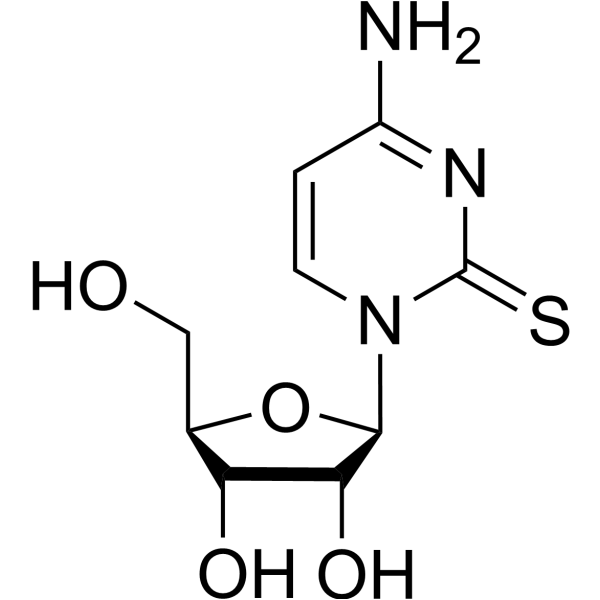
2-Thiocytidine is a natural thionucleoside in prokaryotic tRNA, which is biosynthesized under the catalysis of intracellular sulfur transferase systems and possesses multiple activities such as metal coordination and nucleic acid conformation regulation. 2-Thiocytidine forms stable Zn 2+ and Cd 2+ complexes via its (C2) S group, with partial involvement of N3; metal binding acidifies the deprotonation process of (C4) NH2. 2-Thiocytidine can be used in related research in various fields including nanotechnology and click chemistry for interstrand DNA crosslinking .
loading...
    loading...
Art. -Nr.: HY-78985
CAS. Nr.: 554-95-0
Synonyms: Trimesic acid
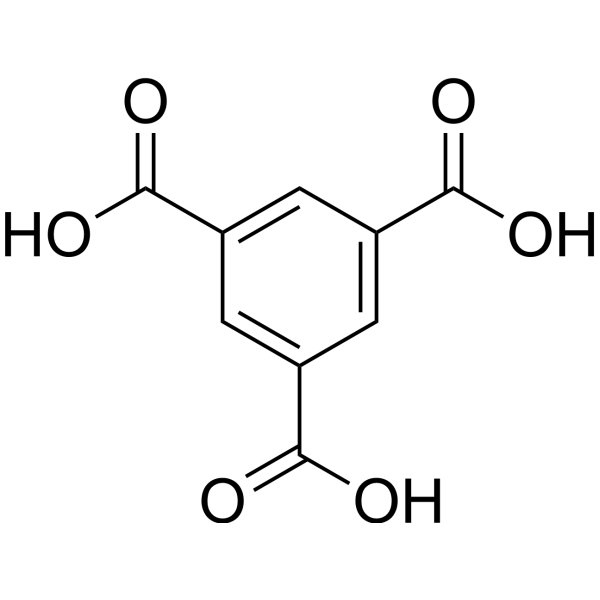
Benzene-1,3,5-tricarboxylic acid (Trimesic acid) is a rigid planar small-molecule scaffold and crosslinker. Benzene-1,3,5-tricarboxylic acid induces bicyclic peptides to adopt a planar conformation, so as to maximize surface area and bind to the flat protein surfaces involved in protein-protein interactions. Benzene-1,3,5-tricarboxylic acid forms ionic crosslinks, hydrogen bonds and π-π bonds with chitosan, thereby constructing a hydrogel network. Benzene-1,3,5-tricarboxylic acid endows chitosan hydrogel systems with specific mechanical properties, enabling sustained release of cancer therapeutic drugs including 5-Fluorouracil (HY-90006) .
loading...
    loading...
Art. -Nr.: HY-P99164
CAS. Nr.: 2019133-28-7
Synonyms: LY3303560

Target:  

Tau Protein

Forschungsgebiete:  

Neurological Disease

Zagotenemab (LY3303560) is a humanized anti-tau antibody that selectively binds and neutralises tau deposits in the brain. Zagotenemab can be used in Alzheimer's disease research .
loading...
    loading...
Art. -Nr.: HY-W570888
CAS. Nr.: 206055-69-8
Synonyms: LNA-C(Bz)
Forschungsgebiete:  

Cancer

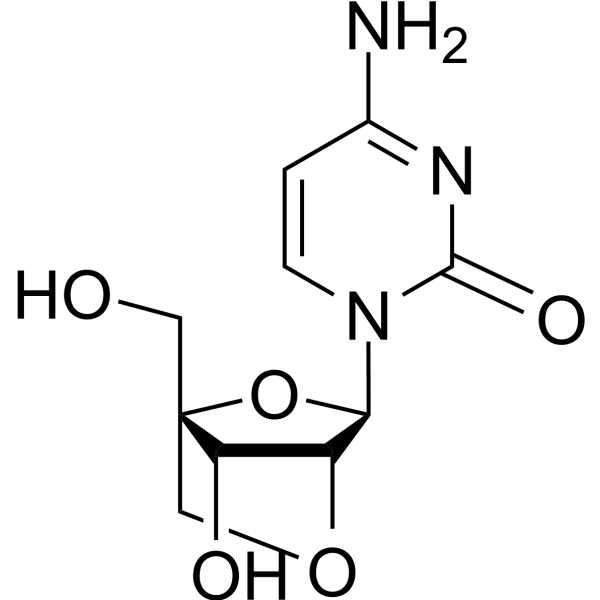
2'-O,4'-C-Methylenecytidine (LNA-C(Bz)) is a bicyclic nucleoside analogue with fixed N-type conformation. 2'-O,4'-C-Methylenecytidine can be used to synthesize oligonucleotides. 2'-O,4'-C-Methylenecytidine forms duplexes with complementary DNA and RNA strands .
loading...
    loading...
Art. -Nr.: HY-W010854
CAS. Nr.: 72003-83-9
Synonyms: dADP disodium
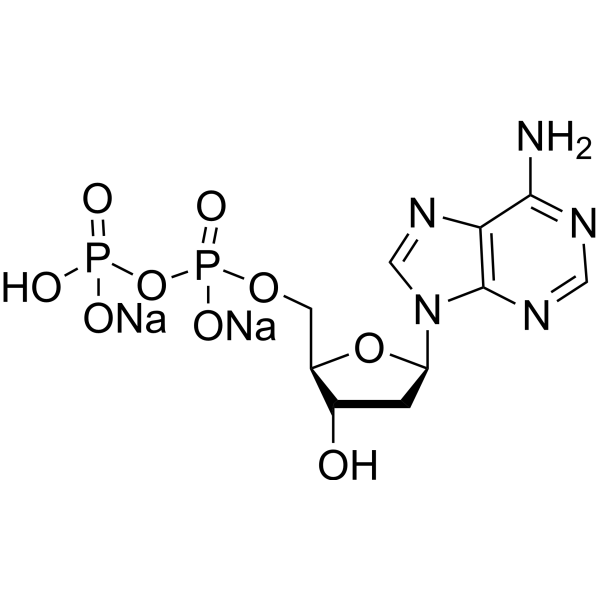
2'-Deoxyadenosine 5'-diphosphate disodium (dADP disodium) is an inhibitor of Polynucleotide phosphorylase and Polyadenylate polymerase. 2'-Deoxyadenosine 5'-diphosphate disodium inhibits polyadenylate synthesis in permeabilized bacterial cells. As a chelating agent, 2'-Deoxyadenosine 5'-diphosphate disodium forms 1:1 complexes with trivalent lanthanides, Manganese (II) and Copper (II) ions, with unique coordination modes and structural conformations for each ion type .
loading...
    loading...
Art. -Nr.: HY-P2822
CAS. Nr.: 9001-83-6
Synonyms: PGK
Phosphoglycerate kinase (PGK), yeast is a monomeric glycolytic/gluconeogenic enzyme that can be found in Saccharomyces cerevisiae. Phosphoglycerate kinase, yeast catalyzes phosphoryl-group transfer from 1,3-bisphosphoglycerate to ADP to form 3-phosphoglycerate and ATP, binds 3PGA, ATP, and Mg 2+, and adopts a closed conformation. Phosphoglycerate kinase, yeast is commonly used in biochemical research .
loading...
    loading...
Art. -Nr.: HY-33821
CAS. Nr.: 171049-41-5
Target:  

LXR

Forschungsgebiete:  

Others

LXRβ ligand 1 is a LXR β ligand-binding domain agonist, with an EC50 of 57 μM and a Ki of 28 μM against human LXR β. LXRβ ligand 1 forms hydrogen bonds with His435, stabilizes the His-Trp activation switch, and locks the ligand-binding domain in an agonist conformation; its tert-butyl moiety occupies a hydrophobic subpocket, while its phenyl moiety forms a π-π stacking interaction with Phe329. LXRβ ligand 1 serves as a structural unit for the development of LXRβ modulators .
loading...
    loading...

