801 Results for "

cytotoxic compound

" in MedChemExpress (MCE) Product Catalog:
Products (801)

801 Results for "cytotoxic compound" in MCE Product Catalog:

6
6 Publications Verification
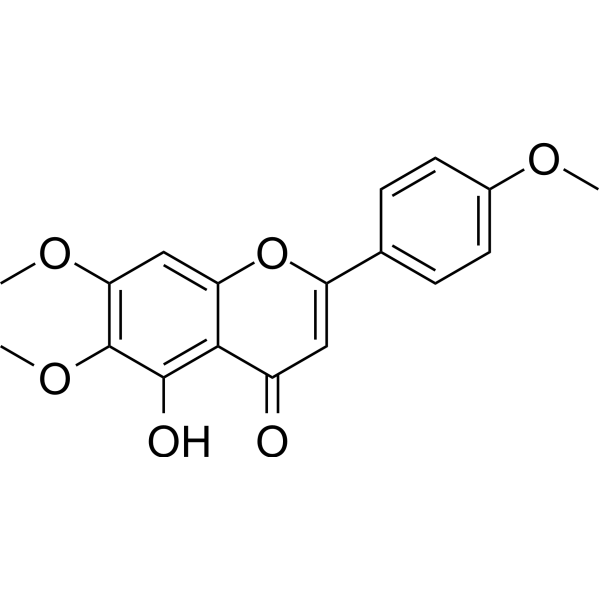
Cat. No.: HY-N1318
CAS No.: 19103-54-9
Synonyms: Psathyrotin
Salvigenin is a natural polyphenolic compound, with neuroprotective effect. Salvigenin has antitumor cytotoxic and immunomodulatory properties. Salvigenin inhibits H2O2-induced cell apoptosis .
loading...
    loading...
6
6 Publications Verification
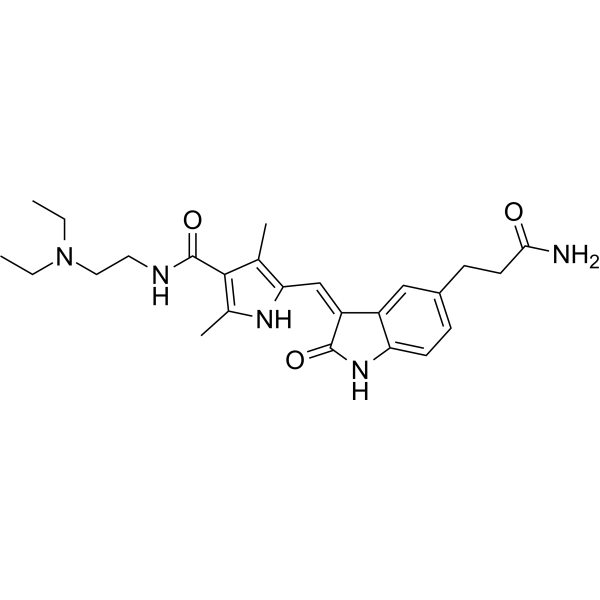
Cat. No.: HY-151361
CAS No.: 2417674-27-0
Purity:  98.00%
Target:  

AMPK

Research Areas:  

Cancer

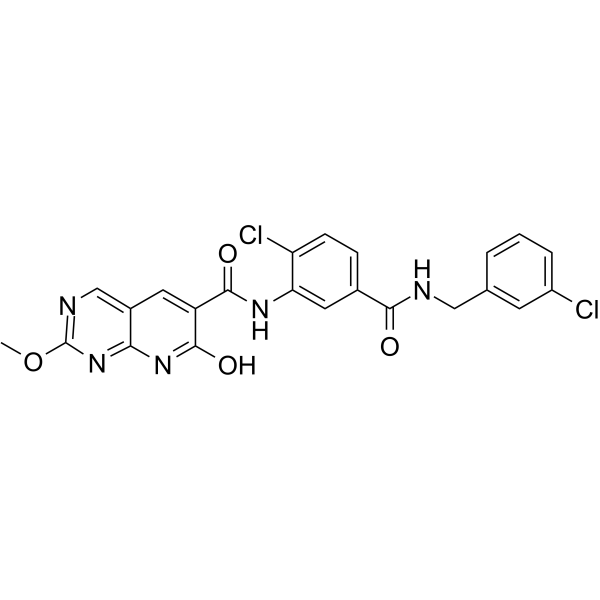
AMPK-IN-3 (compound 67) is a potent and selective AMPK inhibitor with IC50s of 60.7, 107 and 3820 nM for AMPK (α2), AMPK (α1) and KDR, respectively. AMPK-IN-3 inhibits AMPK does not affect cell viability or cause significant cytotoxicity in K562 cells. AMPK-IN-3 can be used in study of cancer .
loading...
    loading...
6
6 Publications Verification
Cat. No.: HY-113308
CAS No.: 516-90-5
Purity:  98.06%
Taurolithocholic acid is an orally active bile acid and antiviral agent. Taurolithocholic acid upregulates FADS2 by activating the TGR5-PI3K/AKT-SREBP2 signaling axis, inhibits SFTSV-induced ferroptosis (Ferroptosis), viral replication and viral entry of HBV/HDV, while reducing the release of IL-1β, lipid ROS and LDH. While exerting antiviral protective effects, Taurolithocholic acid also stimulates the recycling of hepatocellular membrane transporters, impairs canalicular bile acid secretion function, and induces hepatocyte cholestasis, apoptosis and acute hepatocellular injury. Taurolithocholic acid serves as an experimental model compound for hepatocellular cholestasis. At concentrations ≤200 μM, Taurolithocholic acid shows no cytotoxicity and does not activate the interferon pathway. Taurolithocholic acid not only protects mice from lethal SFTSV infection but also is suitable for studies related to severe fever with thrombocytopenia syndrome and cholestasis .
loading...
    loading...
6
6 Publications Verification
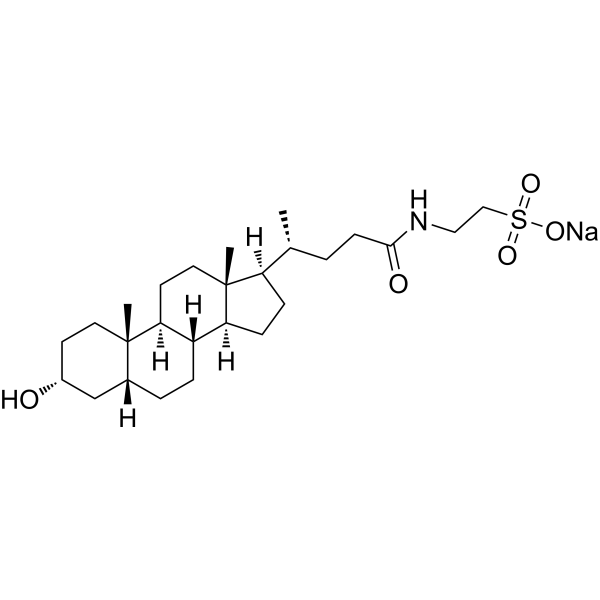
Cat. No.: HY-113308A
CAS No.: 6042-32-6
Purity:  99.81%
Taurolithocholic acid sodium salt is an orally active bile acid and antiviral agent. Taurolithocholic acid sodium salt upregulates FADS2 by activating the TGR5-PI3K/AKT-SREBP2 signaling axis, inhibits SFTSV-induced ferroptosis, viral replication and viral entry of HBV/HDV, while reducing the release of IL-1β, lipid ROS and LDH. While exerting antiviral protective effects, Taurolithocholic acid sodium salt also stimulates the recycling of hepatocellular membrane transporters, impairs canalicular bile acid secretion function, and induces hepatocyte cholestasis, apoptosis and acute hepatocellular injury. Taurolithocholic acid sodium salt serves as an experimental model compound for hepatocellular cholestasis. At concentrations ≤200 μM, Taurolithocholic acid sodium salt shows no cytotoxicity and does not activate the interferon pathway. Taurolithocholic acid sodium salt not only protects mice from lethal SFTSV infection but also is suitable for studies related to severe fever with thrombocytopenia syndrome and cholestasis .
loading...
    loading...
4
4 Cited Publications
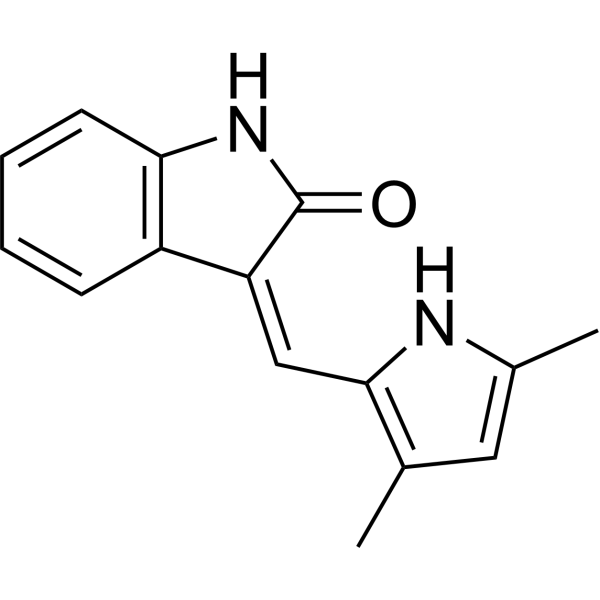
Cat. No.: HY-10332
CAS No.: 194413-58-6
Synonyms: (Z)-SU5416
Target:  

c-Met/HGFR

Research Areas:  

Cancer

(Z)-Semaxanib (compound (z)-1) is a potent tyrosine kinase inhibitor. (Z)-Semaxanib shows cytotoxicity for TAMH and HepG2 cells with IC50s of 6.28 µM and 8.17 µM, respectively .
loading...
    loading...
4
4 Cited Publications
Cat. No.: HY-12759
CAS No.: 1020399-49-8
Purity:  ≥95.0%
Research Areas:  

Cancer

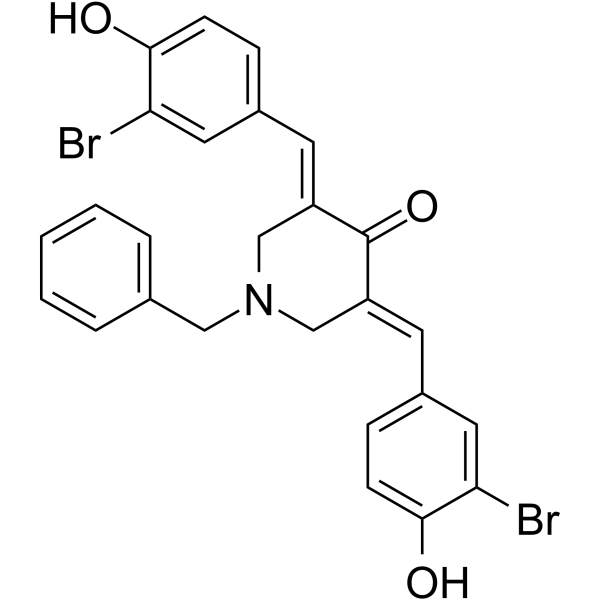
CARM1-IN-1 (compound 7g) is a highly potent and selective inhibitor of CARM1 (IC50=8.6 μM, CARM1/PABP1), with low inhibitory activity against PRMT1 and SET7 (IC50 >667 μM). CARM1-IN-1 inhibits the methylation activity of CARM1 and the methylation levels of different substrates, such as PABP1, CA150, SmB, and H3. CARM1-IN-1 also inhibits the promoter activity of prostate-specific antigen (PSA) without significant cytotoxicity .
loading...
    loading...
4
4 Cited Publications
Cat. No.: HY-12759A
CAS No.: 2070018-31-2
Purity:  95.13%
Research Areas:  

Cancer

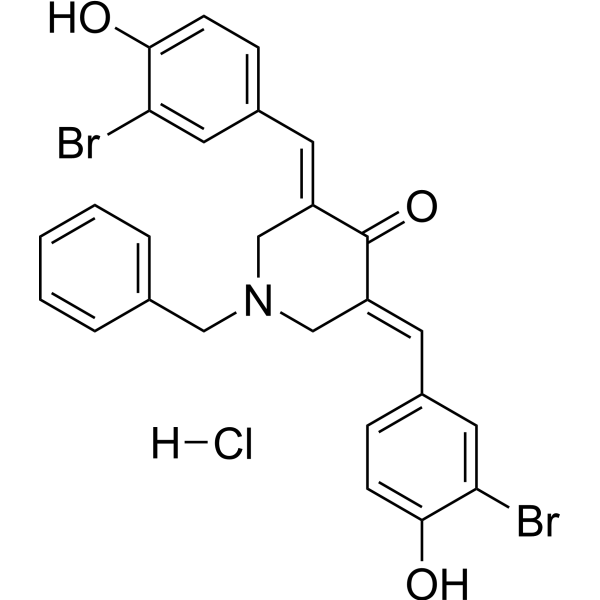
CARM1-IN-1 (compound 7g) hydrochloride is a highly potent and selective inhibitor of CARM1 (IC50=8.6 μM, CARM1/PABP1), with low inhibitory activity against PRMT1 and SET7 (IC50 >667 μM). CARM1-IN-1 hydrochloride inhibits the methylation activity of CARM1 and the methylation levels of different substrates, such as PABP1, CA150, SmB, and H3. CARM1-IN-1 hydrochloride also inhibits the promoter activity of prostate-specific antigen (PSA) without significant cytotoxicity .
loading...
    loading...
3
3 Cited Publications
Cat. No.: HY-B0139
CAS No.: 2022-85-7
Synonyms: 5-Fluorocytosine; NSC 103805; Ro 2-9915
Target:  

Fungal Antibiotic

Research Areas:  

Infection Cancer

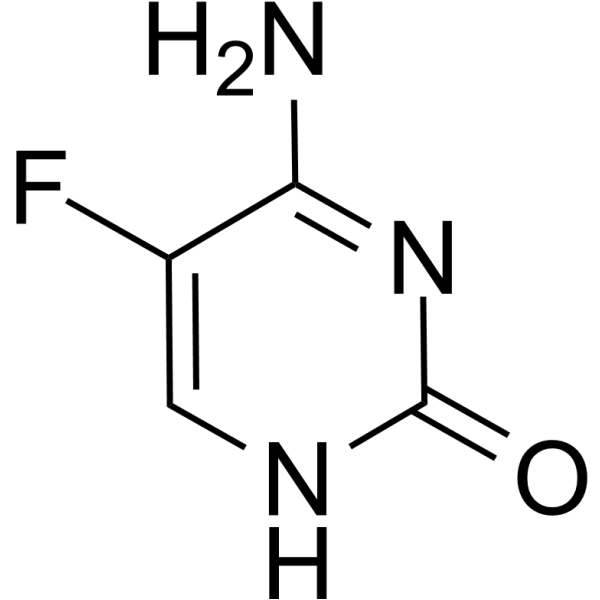
Flucytosine (5-Fluorocytosine) is an antifungal compound with oral activity. Flucytosine is a widely used cytotoxic drug that, after further metabolism, produces fluorinated ribonucleotides and deoxyribonucleotides, inhibits DNA and protein synthesis, and has multiple effects such as inhibiting candida and candida neoplasm infection and producies cytotoxicity to cancer cells .
loading...
    loading...
2
2 Cited Publications
Cat. No.: HY-14949
CAS No.: 849550-05-6
Purity:  99.86%
Synonyms: TTI-237
Target:  

Microtubule/Tubulin

Research Areas:  

Cancer

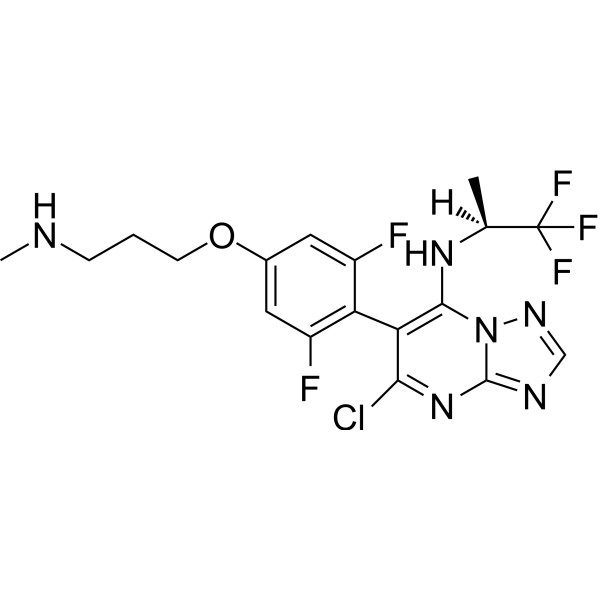
Cevipabulin (TTI-237) is an oral, microtubule-active antitumor compound and inhibits the binding of [ 3H] vinblastine to tubulin, with an IC50 of 18-40 nM for cytotoxicity in human tumor cell line .
loading...
    loading...
2
2 Cited Publications
Cat. No.: HY-14949C
CAS No.: 849550-67-0
Purity:  99.87%
Synonyms: TTI-237 fumarate
Target:  

Microtubule/Tubulin

Research Areas:  

Cancer

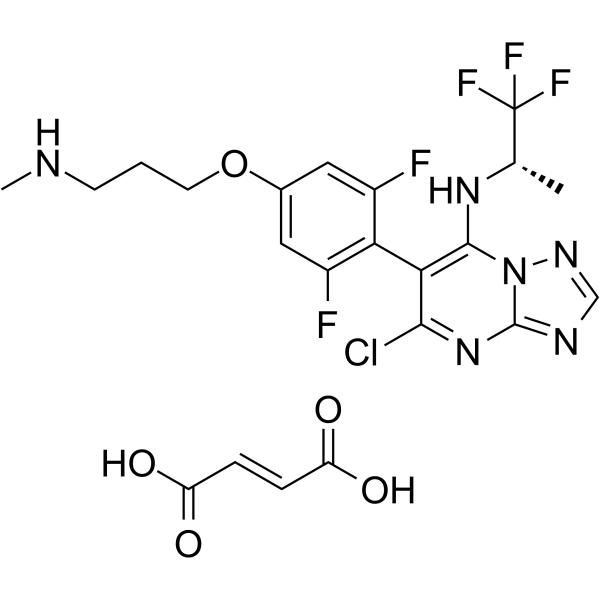
Cevipabulin fumarate (TTI-237 fumarate) is an oral, microtubule-active, antitumor compound and inhibits the binding of [ 3H]NSC 49842 to tubulin, with an IC50 of 18-40 nM for cytotoxicity in human tumor cell line .
loading...
    loading...
2
2 Cited Publications
Cat. No.: HY-W014622
CAS No.: 6960-45-8
Target:  

DNA/RNA Synthesis

Research Areas:  

Cancer

CRT0044876 is a potent and selective apurinic/apyrimidinic endonuclease 1 (APE1) inhibitor (IC50=~3 μM). CRT0044876 inhibits the AP endonuclease, 3′-phosphodiesterase and 3′-phosphatase activities of APE1, and is a specific inhibitor of the exonuclease III family of enzymes to which APE1 belongs. CRT0044876 potentiates the cytotoxicity of several DNA base-targeting compounds .
loading...
    loading...
2
2 Cited Publications
Cat. No.: HY-N6954
CAS No.: 76996-27-5
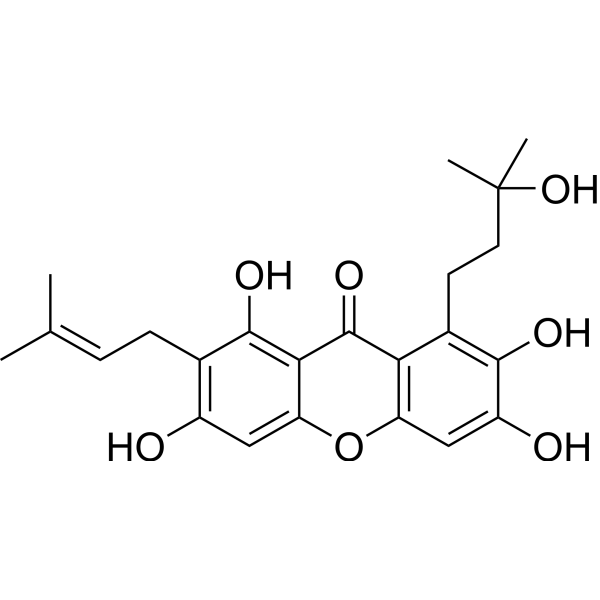
Garcinone C, a xanthone derivative, is a natural compound extracted from Garcinia oblongifolia that is used as an anti-inflammatory, astringency and granulation-promoting medicine, and has potential cytotoxic effects on certain cancers. Garcinone C stimulates the expression levels of ATR and 4E-BP1, arrests the cell cycle, inhibits cell viability of the human Nasopharyngeal carcinoma (NPC) cell lines CNE1, CNE2, HK1 and HONE1 in a time‑ and dose‑dependent manner through inhibition of Hedgehog signaling pathway. Garcinone C is orally active .
loading...
    loading...
2
2 Cited Publications
Cat. No.: HY-N2353
CAS No.: 147-81-9
Synonyms: (±)​-​Arabinose; DL-​Arabinose; dl-​Arabinose
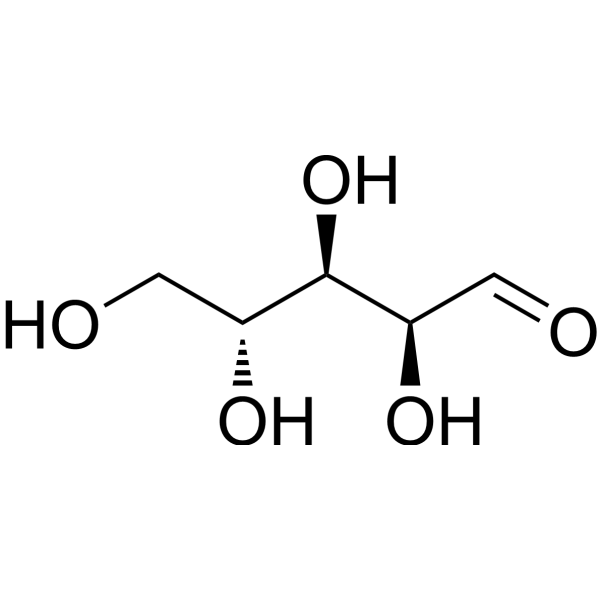
Arabinose is a pentose sugar commonly found in plants. Arabinose alleviates immune dysregulation and inflammation by promoting balanced immune responses and reducing inflammation. Arabinose induces cytotoxicity, autophagy (Autophagy), and cell cycle arrest in breast cancer cells through the p38-MAPK signaling pathway. Arabinose activates the ACSS2-PPARγ/TFEB-AMPK axis in neuroblastoma cells, thereby exerting neuromodulatory/antidepressant effects. Arabinose can also be used as an intermediate in compound synthesis. Arabinose may be applied in research related to immune inflammation, depression, breast cancer, and other diseases .
loading...
    loading...
1
1 Cited Publications
Cat. No.: HY-128926
CAS No.: 341498-08-6
Purity:  97.65%
Synonyms: N-succinimidyl 4-(2-pyridyldithio) pentanoate
Target:  

ADC Linkers

Research Areas:  

Cancer

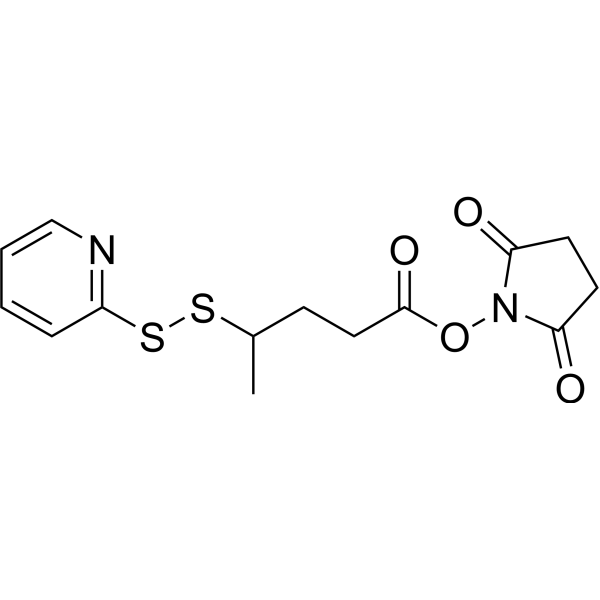
SPP (N-succinimidyl 4-(2-pyridyldithio) pentanoate) is a cleavable disulfide linker, can be used to form cytotoxic compound- linker conjugate .
loading...
    loading...
1
1 Cited Publications
Cat. No.: HY-100005A
CAS No.: 2070009-45-7
Purity:  98.70%
Research Areas:  

Cancer

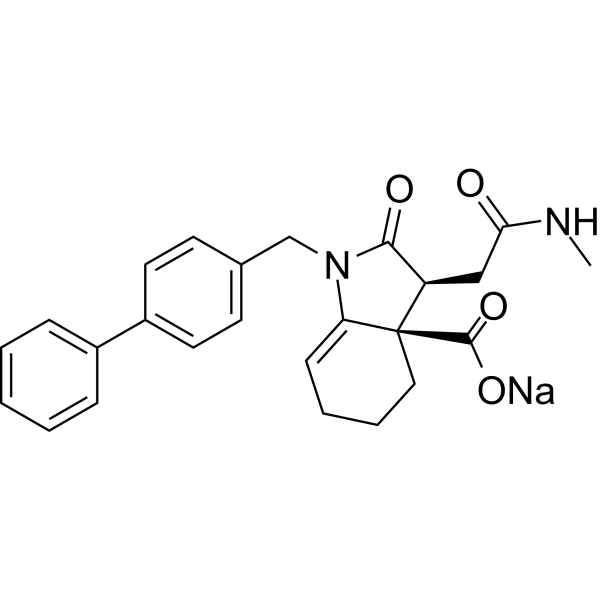
Fumarate hydratase-IN-2 sodium salt (compound 3) is a cell-permeable and competitive fumarate hydratase inhibitor (Ki=4.5 μM) with nutrient-dependent cytotoxicity .
loading...
    loading...
1
1 Cited Publications
Cat. No.: HY-122944
CAS No.: 94529-97-2
Purity:  ≥98.0%
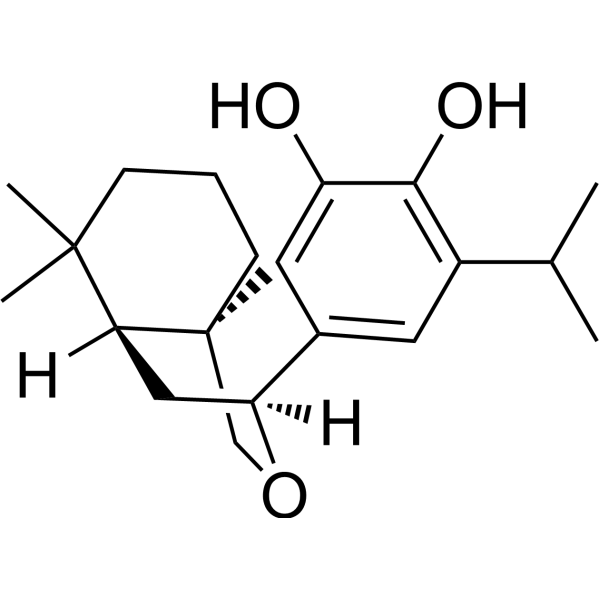
20-Deoxocarnosol (compound 7) is a potent anti-cancer agent that can be found in the roots of Salvia deserta. 20-Deoxocarnosol shows cytotoxicity in cancer cells .
loading...
    loading...
1
1 Cited Publications
Cat. No.: HY-12838
CAS No.: 1386979-55-0
Purity:  99.53%
Synonyms: Mirk-IN-1; Dyrk1B/A-IN-1
Target:  

DYRK

Research Areas:  

Cancer

RO5454948 (Compound 9) is the inhibitor for Dyrk1B and Dyrk1A with IC50 of 68 nM and 22 nM. RO5454948 exhibits cytotoxicity in cancer cell SW620 with EC50 of 1.9 μM .
loading...
    loading...
1
1 Cited Publications
Cat. No.: HY-146985
CAS No.: 2418577-51-0
Purity:  99.62%
Target:  

Cathepsin

Research Areas:  

Neurological Disease Cancer

Cathepsin X-IN-1 (compound 25) is a potent Cathepsin X inhibitor with an IC50 of 7.13 µM. Cathepsin X-IN-1 decreases PC-3 cell migration with low cytotoxic .
loading...
    loading...
1
1 Cited Publications
Cat. No.: HY-153016
CAS No.: 2750141-15-0
Purity:  99.59%
Research Areas:  

Inflammation/Immunology

HIF-2α agonist 2 (compound 10) is a HIF-2α agonist with an EC50 value of 1.68 μM at the dose of 20 μM. HIF-2α agonist 2 is non-cytotoxic against 786-O-HRE-Luc cells. HIF-2α agonist 2 can be used for oxygen metabolism research .
loading...
    loading...
1
1 Cited Publications
Cat. No.: HY-139781
CAS No.: 2767424-13-3
Purity:  98.01%
Target:  

PD-1/PD-L1 Apoptosis

Research Areas:  

Cancer

PD-L1-IN-1 (Compound 10) is a potent PD-L1 inhibitor with an IC50 of 115 nM. PD-L1-IN-1 strongly binds with the PD-L1 protein and challenged it in a co-culture of PD-L1 expressing cancer cells and peripheral blood mononuclear cells enhanced antitumor immune activity of the latter. PD-L1-IN-1 significantly exhibits low cytotoxicity in healthy cells .
loading...
    loading...

