1. Search Result
Search Result
Results for "

depressive behavior

" in MedChemExpress (MCE) Product Catalog:

24

Inhibitors & Agonists

1

Screening Libraries

1

Biochemical Assay Reagents

2

Natural
Products

3

Isotope-Labeled Compounds

Cat. No. Product Name Target Research Areas Chemical Structure
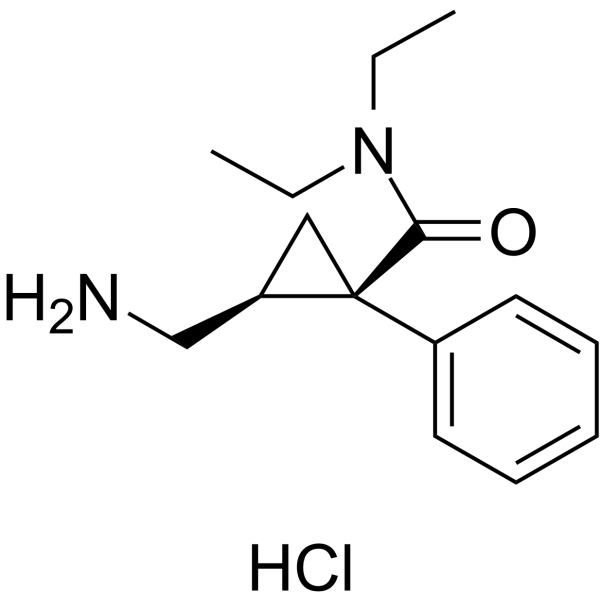
  • HY-B0168A
    Milnacipran hydrochloride
    2 Publications Verification

    Serotonin Transporter PERK Neurological Disease
    Milnacipran hydrochloride is an orally active Serotonin (HY-B1473A) and Norepinephrine (HY-13715) reuptake inhibitor. Milnacipran hydrochloride inhibits monoamine transporters, especially the norepinephrine transporter and the serotonin transporter (Ki values of 31 and 8.5 nM, respectively). Milnacipran hydrochloride inhibits pERK1/2 activation. Milnacipran hydrochloride has antidepressant, anxiolytic and analgesic properties. Milnacipran hydrochloride inhibits biting behavior in mice. Milnacipran hydrochloride can be used in the study of major depressive disorder, anxiety disorders, and neuropathic pain (e.g., fibromyalgia) .
    Milnacipran hydrochloride
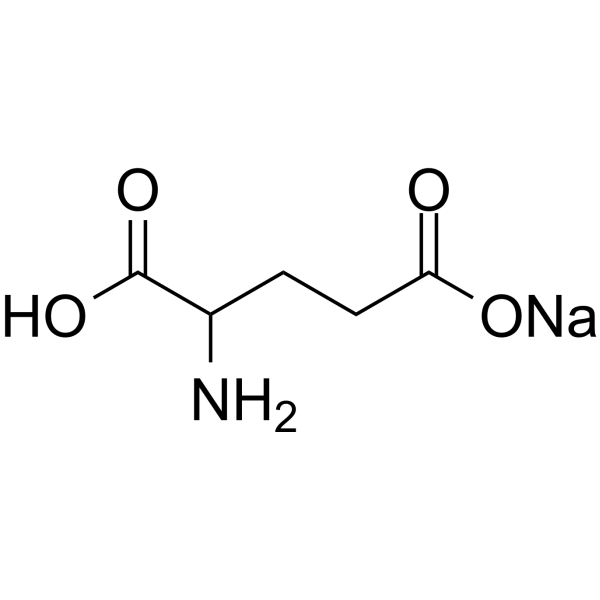
  • HY-W250122
    Glutamic acid sodium salt
    1 Publications Verification

    Monosodium glutamate

    Biochemical Assay Reagents Reactive Oxygen Species (ROS) Mitochondrial Metabolism Apoptosis HSP Bcl-2 Family Neurological Disease Metabolic Disease Inflammation/Immunology
    Glutamic acid sodium salt (Monosodium glutamate) is an orally active food flavor enhancer. Glutamic acid sodium salt causes ROS generation, mitochondrial dysfunction, and Apoptosis. Glutamic acid sodium salt upregulates CHOP, Grp78, and Bcl-2. Glutamic acid sodium salt impairs cognition, induces depressive-like behavior, induces hyperalgesia, and induces obesity and insulin resistance. Glutamic acid sodium salt can be used to study neurotoxicity (e.g., brain damage, cognitive impairment), metabolic disorders (e.g., obesity, insulin resistance), hepatotoxicity, and renal toxicity, as well as pain-related disorders .
    Glutamic acid sodium salt
  • HY-172550

    HCN Channel Neurological Disease
    MS7710 is a hyperpolarization-activated cyclic nucleotide-gated (HCN) channel inhibitor with blood-brain barrier permeability and an excellent brain/plasma concentration ratio. MS7710 inhibits HCN channel-mediated Ih current, and reduces the firing frequency and burst activity of dopaminergic neurons in the ventral tegmental area. MS7710 ameliorates chronic social defeat stress-induced deficits in social interaction and impairments in reward-related cognitive flexibility in mice. MS7710 exerts only limited effects on ventral tegmental area dopaminergic neuron activity, social interaction, exploratory behavior, locomotor activity or sucrose preference in control mice. MS7710 is applicable to the research of major depressive disorder .
    MS7710
  • HY-N2896

    Reactive Oxygen Species (ROS) Apoptosis Fungal Bacterial NF-κB SOD AMPK mTOR Notch Toll-like Receptor (TLR) Wnt MyD88 Sirtuin Infection Neurological Disease Inflammation/Immunology Cancer
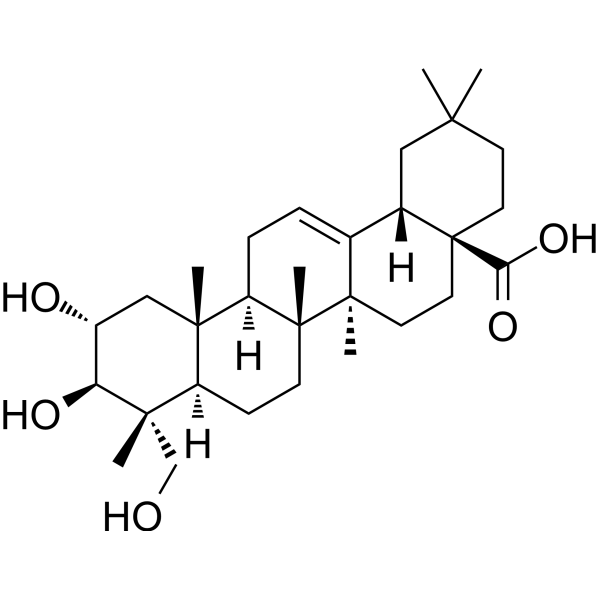
    Arjunolic acid is an orally active, multifunctional bioactive compound. Arjunolic acid exhibits free radical scavenging activity, as well as fungal and bacterial activities. Arjunolic acid induces apoptosis (Apoptosis) in various cancer cells. Arjunolic acid protects hepatocytes against induced oxidative stress and apoptosis by reducing reactive oxygen species and inhibiting NF-κB activation. Arjunolic acid regulates pancreatic dysfunction in type 2 diabetic rats by blocking the activation of the TLR-4/MyD88 and canonical Wnt pathways. Arjunolic acid inhibits neuroinflammation and ameliorates depressive behaviors via the SIRT1/AMPK/Notch1 signaling pathway in microglia. Arjunolic acid improves Crohn's disease-like colitis by restoring gut microbiota composition and inhibiting TLR4 signaling. Arjunolic acid suppresses osteosarcoma progression by inhibiting Wnt3a-mediated M2 polarization of macrophages. Arjunolic acid ameliorates diabetic retinopathy via the autophagy pathway regulated by AMPK/mTOR/HO-1. Arjunolic acid is applicable to research related to type 2 diabetes, organ toxicity, depression, Crohn's disease, osteosarcoma, diabetic retinopathy, and testicular dysfunction .
    Arjunolic acid
  • HY-B1427

    Gamma-amino-beta-hydroxybutyric acid

    Drug Derivative Neurological Disease
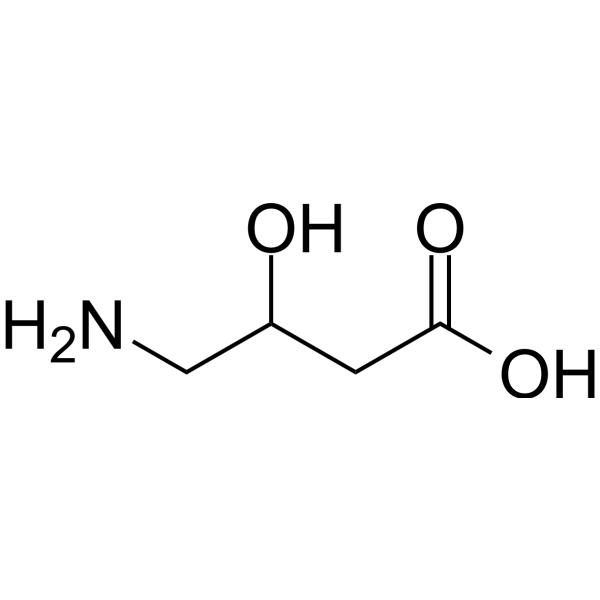
    Gamibetal (Gamma-amino-beta-hydroxybutyric acid) is γ-amino-β-hydroxybutyric acid (GABOB), a hydroxylated derivative of GABA (γ-aminobutyric acid). Gamibetal exhibits central inhibitory and anticonvulsant activities. Gamibetal can be used in research on epilepsy, neuralgia, and other conditions .
    Gamibetal
  • HY-10174
    PD184161
    2 Publications Verification

    MEK Apoptosis Neurological Disease Cancer
    PD184161 is an orally active MEK inhibitor. PD184161 inhibits MEK activity (IC50=10-100 nM) in a time- and concentration-dependent manner. PD184161 inhibits cell proliferation and induces apoptosis. PD184161 produces depressive-like behavior .
    PD184161
  • HY-110023

    Serotonin Transporter Neurological Disease
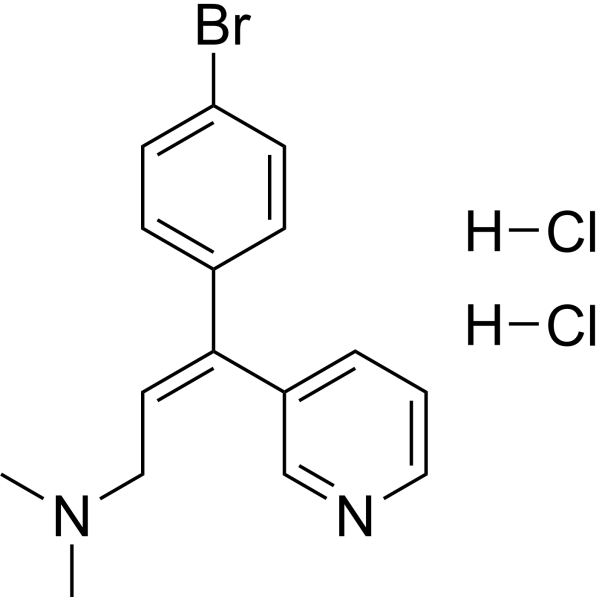
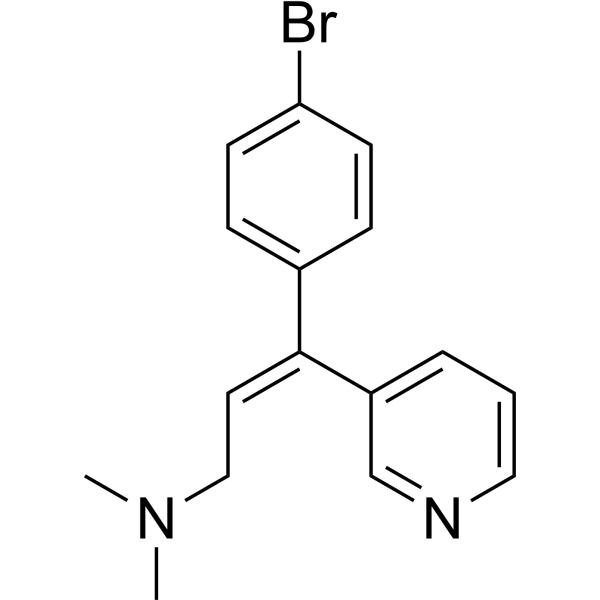
    Zimelidine dihydrochloride is an orally active selective serotonin reuptake inhibitor. Zimelidine dihydrochloride competitively inhibits central 5-HT uptake and desensitizes 5-HT autoreceptors in dorsal raphe nucleus. Zimelidine dihydrochloride time-dependently modulates 5-HT neuronal firing and hippocampal CA3 responses. Zimelidine dihydrochloride strengthens central serotonergic neurotransmission and produces related behavioral changes. Zimelidine dihydrochloride exerts anxiolytic, analgesic, feeding-suppressive and tolerance-attenuating effects. Zimelidine dihydrochloride is used for the study of depressive disorders and analgesic tolerance .
    Zimelidine dihydrochloride
  • HY-120920

    Dopamine Receptor Inflammation/Immunology
    UNC9995 is a β-arrestin2-biased agonist of dopamine receptor Drd2. UNC9995 inhibits NLRP3 inflammasome activation by enhancing β-arrestin2-NLRP3 interaction, thus prevents neuronal degeneration. Futhermore, UNC9995 activates the Drd2/β-arrestin2 signaling to prevent inflammation-related genes transcription-induced by JAK/STAT3. UNC9995 improves depressive behavior in mouse model, and improves astrocytes dysfunctions .
    UNC9995
  • HY-14196
    Toloxatone
    1 Publications Verification

    MD 69276

    Monoamine Oxidase Neurological Disease
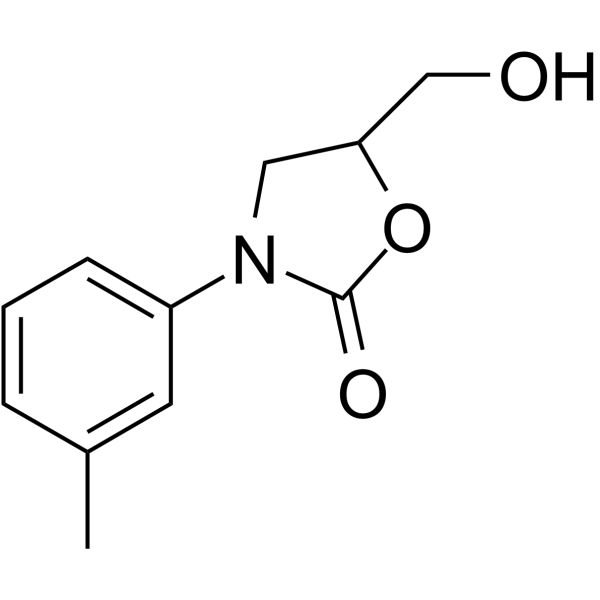
    Toloxatone (MD 69276) is a reversible, selective MAO-A inhibitor that can cross the blood-brain barrier. Toloxatone increases the levels of serotonin (5-HT) and norepinephrine in the brain. Toloxatone reduces the immobility time in the forced swimming test in mice, inhibits killing behavior in rats without causing sedation, and shows a correlation between its free plasma concentration and cerebrospinal fluid concentration. Toloxatone is widely used in research related to depression, depressive disorders and Parkinson's disease .
    Toloxatone
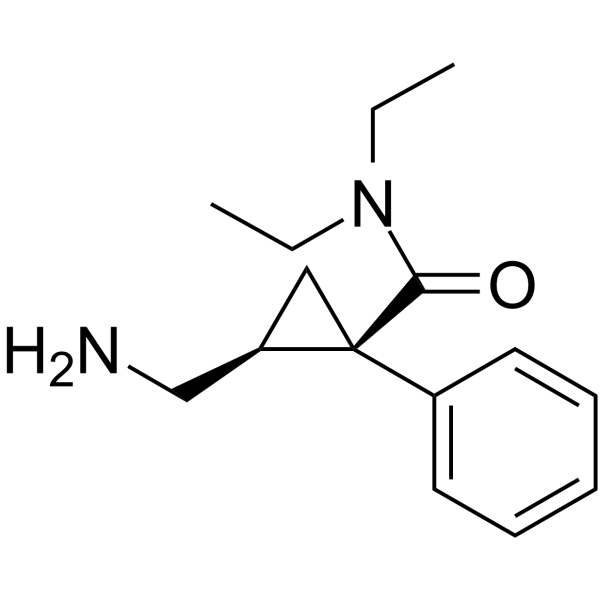
  • HY-B0168
    Milnacipran
    2 Publications Verification

    Serotonin Transporter PERK Neurological Disease
    Milnacipran is an orally active Serotonin (HY-B1473A) and Norepinephrine (HY-13715) reuptake inhibitor. Milnacipran inhibits monoamine transporters, especially the norepinephrine transporter and the serotonin transporter (Ki values of 31 and 8.5 nM, respectively). Milnacipran inhibits pERK1/2 activation. Milnacipran has antidepressant, anxiolytic and analgesic properties. Milnacipran inhibits biting behavior in mice. Milnacipran can be used in the study of major depressive disorder, anxiety disorders, and neuropathic pain (e.g., fibromyalgia) .
    Milnacipran
  • HY-146619

    Amyloid-β Serotonin Transporter Neurological Disease
    RAGE/SERT-IN-1 is a potent and orally active advanced glycation end products (RAGE) and serotonin transporter (SERT) inhibitor with IC50s of 8.26 μM and 31.09 nM, respectively. RAGE/SERT-IN-1 exhibits significant neuroprotective effect against Aβ25-35-induced neuronal damage and alleviates depressive behavior of mice. RAGE/SERT-IN-1 can be used for researching the comorbidity of Alzheimer's disease and depression .
    RAGE/SERT-IN-1
  • HY-118835

    Serotonin Transporter Neurological Disease
    Zimelidine is an orally active selective serotonin reuptake inhibitor. Zimelidine competitively inhibits central 5-HT uptake and desensitizes 5-HT autoreceptors in dorsal raphe nucleus. Zimelidine time-dependently modulates 5-HT neuronal firing and hippocampal CA3 responses. Zimelidine strengthens central serotonergic neurotransmission and produces related behavioral changes. Zimelidine exerts anxiolytic, analgesic, feeding-suppressive and tolerance-attenuating effects. Zimelidine is used for the study of depressive disorders and analgesic tolerance .
    Zimelidine
  • HY-B0168S

    Isotope-Labeled Compounds Serotonin Transporter PERK Neurological Disease
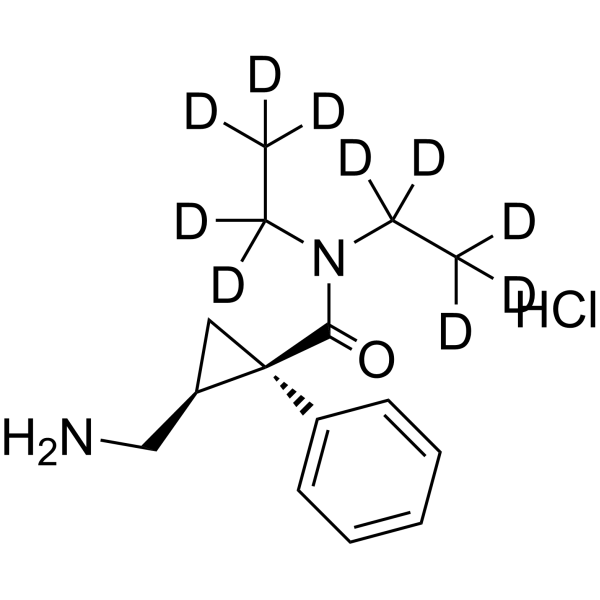
    Milnacipran-d10 (hydrochloride) is the deuterium labeled Milnacipran hydrochloride (HY-B0168A). Milnacipran hydrochloride is an orally active Serotonin (HY-B1473A) and Norepinephrine (HY-13715) reuptake inhibitor. Milnacipran hydrochloride inhibits monoamine transporters, especially the norepinephrine transporter and the serotonin transporter (Ki values of 31 and 8.5 nM, respectively). Milnacipran hydrochloride inhibits pERK1/2 activation. Milnacipran hydrochloride has antidepressant, anxiolytic and analgesic properties. Milnacipran hydrochloride inhibits biting behavior in mice. Milnacipran hydrochloride can be used in the study of major depressive disorder, anxiety disorders, and neuropathic pain (e.g., fibromyalgia) .
    Milnacipran-d10 hydrochloride
  • HY-174395

    Keap1-Nrf2 Interleukin Related Heme Oxygenase (HO) Neurological Disease
    CD-10 is an orally active and BBB-penatrable Keap1-Nrf2 protein-protein interaction (PPI) inhibitor. CD-10 binds to Keap1 with a KD value of 193 nM. CD-10 exhibits potent anti-oxidative and anti-inflammatory effects through Keap1-Nrf2 pathway activation, evidenced by reduced levels of MDA, IL-4, IL-10 and increased expression of HO-1. CD-10 effectively alleviated anxiety and depressive behaviors and restored serum neurotransmitter levels by promoting Nrf2 nuclear translocation in the chronic unpredictable mild stress (CUMS) mouse model. CD-10 can be used for the study of depression.
    CD-10
  • HY-179063

    5-HT Receptor Dopamine Receptor Serotonin Transporter Neurological Disease
    5-HT2A receptor agonist-13 (Compound 28c) is a partial agonist of the 5-HT2A receptor, with an EC50 value of 416.9 nM and a Ki value of 113.9 nM. 5-HT2A receptor agonist-13 exhibits very weak agonistic activity towards the 5-HT2B receptor (EC50 = 120.2 nM), D2 receptor (Ki = 1298 nM), and has no activity towards the 5-HT2C receptor. 5-HT2A receptor agonist-13 exhibits weak inhibitory activity on the serotonin transporter (SERT) (EC50 = 977.2 nM). 5-HT2A receptor agonist-13 has antidepressant activity in mouse models and does not induce hallucinogenic behavior. 5-HT2A receptor agonist-13 can be used for the study of major depressive disorder (MDD) and treatment-resistant depression (TRD) .
    5-HT2A receptor agonist-13
  • HY-168021

    Monoamine Oxidase Serotonin Transporter Neurological Disease
    MAO-A/SERT-IN-1 is an inhibitor of MAO-A/serotonin transporter (SERT). MAO-A/SERT-IN-1 can reduce SERT-mediated reuptake of 5-HT and has neuroprotective effects in cell inhibition models. MAO-A/SERT-IN-1 can improve depressive behavior in zebrafish and mice .
    MAO-A/SERT-IN-1
  • HY-103375

    CRFR Neurological Disease
    SN003 is a reversible antagonist of corticotropin releasing factor receptor 1 (CRFR 1) (IC50 = 241 nM) that displays more than 1000-fold selectivity over CRFR 2. SN003 suppresses CRF-induced ACTH release in vitro. SN003 attenuates depressive-like behavior in rat .
    SN003
  • HY-108041

    BCI 838

    mGluR Neurological Disease
    MGS 0210 (BCI 838) is an orally active metabolite of glutamate receptor 2/3 (mGluR2/3) agonists. MGS 0210 improves amnesia and reduces anxiety in APP mice. MGS 0210 improves PTSD-related behaviors in a mouse model of post-traumatic stress disorder (PTSD). MGS 0210 can be used in research on neurological disorders such as Alzheimer's disease and major depressive disorder .
    MGS 0210
  • HY-110023R

    Reference Standards Serotonin Transporter Neurological Disease
    Zimelidine dihydrochloride (Standard) is the analytical standard of Zimelidine dihydrochloride (HY-110023). This product is intended for research and analytical applications. Zimelidine dihydrochloride is an orally active selective serotonin reuptake inhibitor. Zimelidine dihydrochloride competitively inhibits central 5-HT uptake and desensitizes 5-HT autoreceptors in dorsal raphe nucleus. Zimelidine dihydrochloride time-dependently modulates 5-HT neuronal firing and hippocampal CA3 responses. Zimelidine dihydrochloride strengthens central serotonergic neurotransmission and produces related behavioral changes. Zimelidine dihydrochloride exerts anxiolytic, analgesic, feeding-suppressive and tolerance-attenuating effects. Zimelidine dihydrochloride is used for the study of depressive disorders and analgesic tolerance .
    Zimelidine dihydrochloride (Standard)
  • HY-B0168AS

    Isotope-Labeled Compounds Serotonin Transporter PERK Neurological Disease
    Milnacipran-d5 hydrochloride is deuterium labeled Milnacipran hydrochloride (HY-B0168A). Milnacipran hydrochloride is an orally active Serotonin (HY-B1473A) and Norepinephrine (HY-13715) reuptake inhibitor. Milnacipran hydrochloride inhibits monoamine transporters, especially the norepinephrine transporter and the serotonin transporter (Ki values of 31 and 8.5 nM, respectively). Milnacipran hydrochloride inhibits pERK1/2 activation. Milnacipran hydrochloride has antidepressant, anxiolytic and analgesic properties. Milnacipran hydrochloride inhibits biting behavior in mice. Milnacipran hydrochloride can be used in the study of major depressive disorder, anxiety disorders, and neuropathic pain (e.g., fibromyalgia) .
    Milnacipran-d5 hydrochloride
  • HY-173513

    Indoleamine 2,3-Dioxygenase (IDO) Neurological Disease
    IDO1/TDO-IN-8 (Compound CZ-17) is a dual IDO1 and TDO inhibitor that can penetrate the blood-brain barrier, with EC50 values of 0.33 μM and 1.78 μM, respectively. IDO1/TDO-IN-8 reduces the kynurenine/tryptophan ratio by regulating the kynurenine pathway of tryptophan metabolism. IDO1/TDO-IN-8 has a neuroprotective effect and can alleviate motor dysfunction and improve depressive behavior. IDO1/TDO-IN-8 can be used in the study of Parkinson's disease combined with depression .
    IDO1/TDO-IN-8
  • HY-118835S

    Isotope-Labeled Compounds Serotonin Transporter Neurological Disease
    Zimeldine-d6 is the deuterium labeled Zimeldine (HY-118835) . Zimelidine is an orally active selective serotonin reuptake inhibitor. Zimelidine competitively inhibits central 5-HT uptake and desensitizes 5-HT autoreceptors in dorsal raphe nucleus. Zimelidine time-dependently modulates 5-HT neuronal firing and hippocampal CA3 responses. Zimelidine strengthens central serotonergic neurotransmission and produces related behavioral changes. Zimelidine exerts anxiolytic, analgesic, feeding-suppressive and tolerance-attenuating effects. Zimelidine is used for the study of depressive disorders and analgesic tolerance .
    Zimeldine-d6
  • HY-B0168AR

    Reference Standards Serotonin Transporter PERK Neurological Disease
    Milnacipran (hydrochloride) (Standard) is the analytical standard of Milnacipran hydrochloride (HY-B0168A). This product is intended for research and analytical applications. Milnacipran hydrochloride is an orally active Serotonin (HY-B1473A) and Norepinephrine (HY-13715) reuptake inhibitor. Milnacipran hydrochloride inhibits monoamine transporters, especially the norepinephrine transporter and the serotonin transporter (Ki values of 31 and 8.5 nM, respectively). Milnacipran hydrochloride inhibits pERK1/2 activation. Milnacipran hydrochloride has antidepressant, anxiolytic and analgesic properties. Milnacipran hydrochloride inhibits biting behavior in mice. Milnacipran hydrochloride can be used in the study of major depressive disorder, anxiety disorders, and neuropathic pain (e.g., fibromyalgia) .
    Milnacipran hydrochloride (Standard)
  • HY-179390

    Adrenergic Receptor Neurological Disease
    KMCA-0011 is an orally active ɑ2C adrenoceptor antagonist (Ki = 56.7 nM). KMCA-0011 alleviates depressive behaviors by enhancing BDNF and synaptic plasticity. KMCA-0011 displays favorable metabolic stability, including high plasma stability (99.8% after 120 min). KMCA-0011 can be used for the research of depression .
    KMCA-0011

Inquiry Online

Your information is safe with us. * Required Fields.

Salutation


Country or Region *

Applicant Name *


Organization Name *

Department *


Email Address *


Product Name *

Cat. No.


Requested quantity *

Phone Number *


Remarks

Inquiry Online

Inquiry Information

Product Name:
Cat. No.:
Quantity:
MCE Japan Authorized Agent:

