
Search Result
Results for "
dissociation constant
" in MedChemExpress (MCE) Product Catalog:
4
Biochemical Assay Reagents
2
Isotope-Labeled Compounds
| Cat. No. |
Product Name |
Target |
Research Areas |
Chemical Structure |
-
- HY-D0861
-
|
|
Biochemical Assay Reagents
|
Inflammation/Immunology
|
|
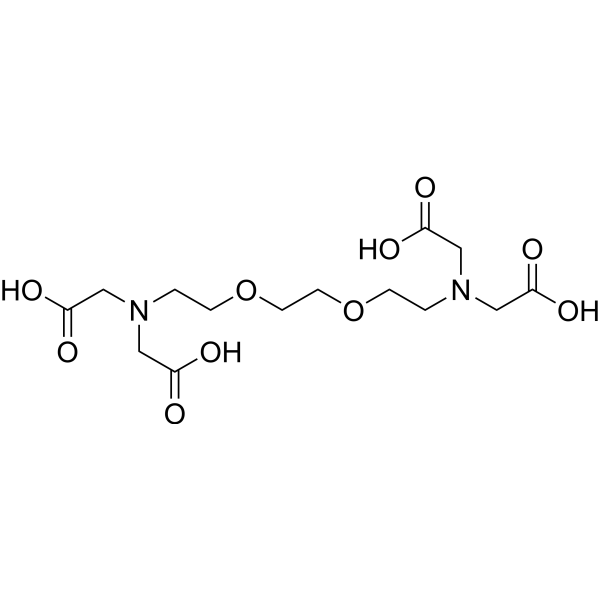
EGTA is a cell-impermeant specific calcium ion chelator. EGTA has an apparent calcium dissociation constant (Kd) of 60.5 nM at physiological pH (7.4) and has very high specificity for Ca 2+ over Mg 2+ (Mg 2+ Kd 1-10 mM). EGTA significantly inhibits the substrate adherence capacity of inflammatory macrophages .
|
-
-
- HY-P99014
-
|
ARGX-110
|
Fc Receptor (FcR)
NF-κB
|
Inflammation/Immunology
Cancer
|
|
Cusatuzumab (ARGX-110) is a selective competitive blocker targeting CD70 (with an equilibrium dissociation constant of 17 pM for binding to human CD70). Cusatuzumab also possesses enhanced antibody-dependent cell-mediated cytotoxicity (ADCC) activity. It is a humanized IgG1 monoclonal antibody, artificially synthesized through humanization and genetic engineering modifications (CH2 region mutation to enhance effector function). Cusatuzumab has a dual mechanism of action: firstly, it competitively blocks the interaction between CD70 and CD27, inhibiting the CD27-NF-κB signaling pathway, reducing regulatory T cell (Treg) activation and tumor cell proliferation; secondly, by enhancing binding to FcγRIIIa, it mediates ADCC and antibody-dependent cellular phagocytosis (ADCP), directly lysing CD70-positive tumor cells. Cusatuzumab can efficiently eliminate leukemia stem cells (LSCs), induce tumor cell differentiation and apoptosis, restore immune surveillance, and target CD70-positive tumors. Cusatuzumab is used in the study of acute myeloid leukemia (AML) .
|
-
-
- HY-23430
-
|
|
Biochemical Assay Reagents
|
Others
|
|
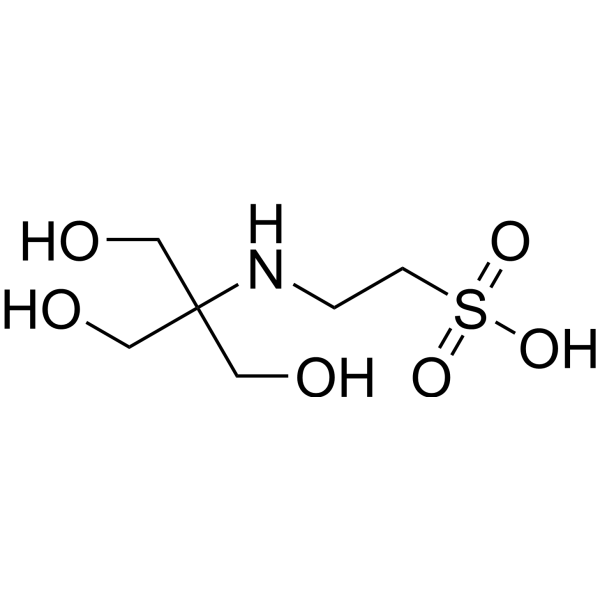
TES is an excellent hydrogen ion buffer. TES has characteristics such as an appropriate dissociation constant, a low metal-binding constant, and high water solubility. TES can be used in the research of mammalian cell culture, viruses, and so on .
|
-
-
- HY-B1920
-
|
EN-141
|
Bacterial
Antibiotic
|
Infection
|
|
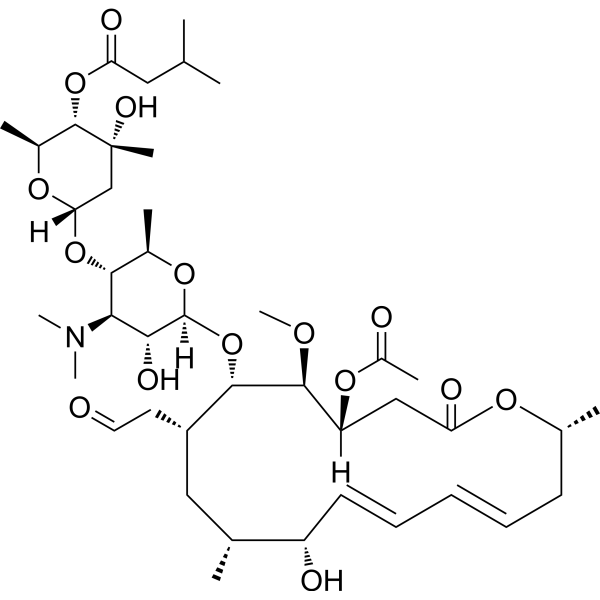
Josamycin (EN-141) is an orally active macrolide antibiotic exhibiting antimicrobial activity against a wide spectrum of pathogens, such as bacteria. The dissociation constant Kd from ribosome for Josamycin is 5.5 nM .
|
-
-
- HY-W009756
-
|
|
Fluorescent Dye
|
Others
|
|
N-Phenyl-1-naphthylamine is a dye that fluoresces strongly when bound to the inner phospholipid bilayer of Gram-negative bacteria. N-Phenyl-1-naphthylamine can be used to measure outer membrane permeability. N-Phenylnaphthalen-1-amine is a fluorescence probe for odorant-binding proteins (OBP) with a dissociation constant of 1.67 μM. N-Phenylnaphthalen-1-amine exhibits an excitation wavelength of 337 nM and an emission wavelength of 407 nM .
|
-
-
- HY-121251
-
-
-
- HY-15294
-
-
-
- HY-153967
-
BLU0588
2 Publications Verification
|
PKA
|
Cancer
|
|
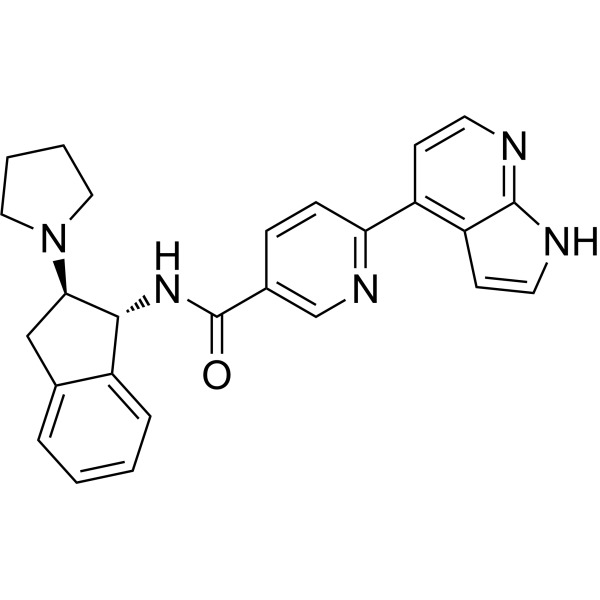
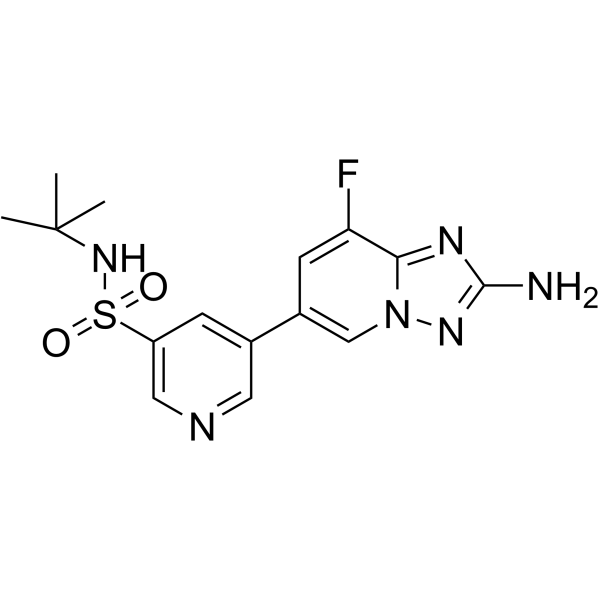
BLU0588 is an orally active, potent and selective PRKACA (protein kinase cAMP-activated catalytic subunit alpha) kinase inhibitor, with an IC50 of 1 nM and dissociation constant (Kd) of 4 nM. BLU0588 can be used for fibrolamellar carcinoma (FLC) research .
|
-
-
- HY-D0861A
-
|
|
Biochemical Assay Reagents
|
Inflammation/Immunology
|
|
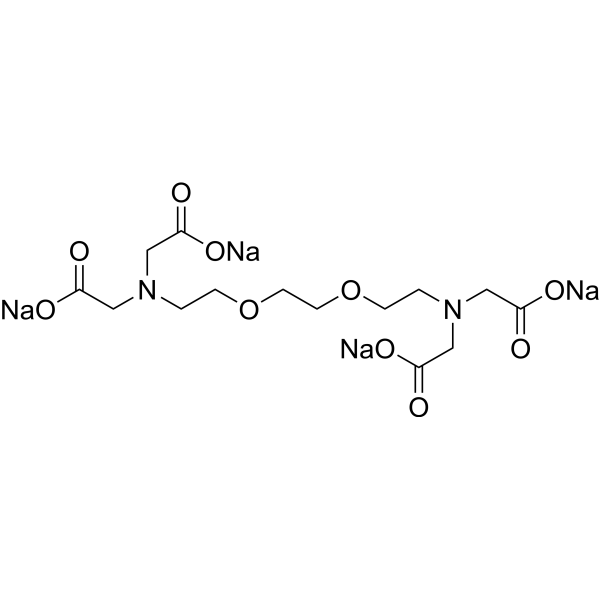
EGTA tetrasodium is a cell-impermeant specific calcium ion chelator. EGTA tetrasodium has an apparent calcium dissociation constant (Kd) of 60.5 nM at physiological pH (7.4) and has very high specificity for Ca 2+ over Mg 2+ (Mg 2+ Kd 1-10 mM). EGTA tetrasodium significantly inhibits the substrate adherence capacity of inflammatory macrophages .
|
-
-
- HY-N2319
-
|
DHEC mesylate
|
Amyloid-β
|
Neurological Disease
|
|
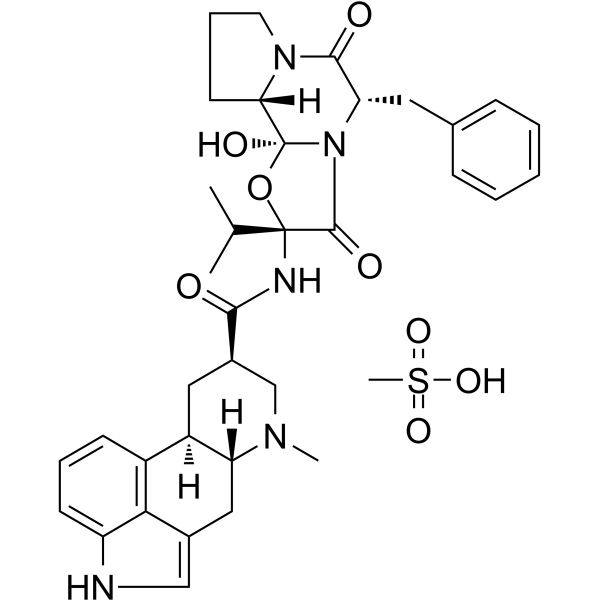
Dihydroergocristine mesylate (DHEC mesylate) is a inhibitor of γ-secretase (GSI), reduces the production of the Alzheimer's disease amyloid-β peptides, binds directly to γ-secretase and Nicastrin with equilibrium dissociation constants (Kd) of 25.7 nM and 9.8 μM, respectively .
|
-
-
- HY-P3717
-
|
|
Ephrin Receptor
|
Cancer
|
|
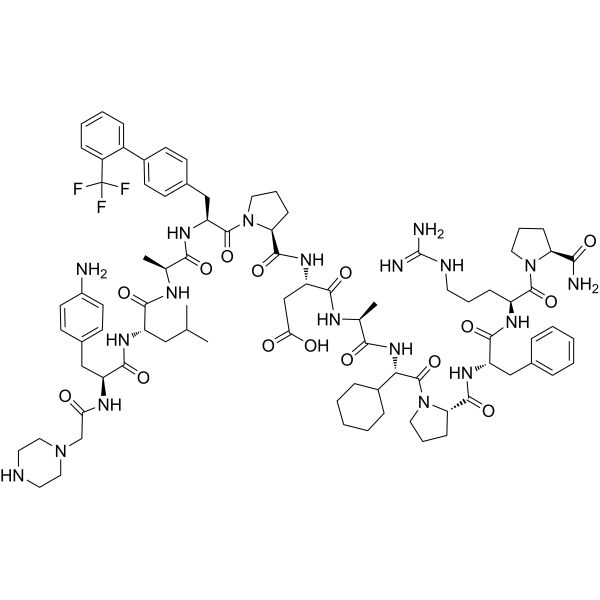
Targefrin is a potent EphA2-targeting agent, acts as an antagonist. Targefrin binds EphA2-LBD with 21 nM dissociation constant and an IC50 value of 10.8 nM. Targefrin induces cellular receptor internalization and degradation in several pancreatic cancer cell lines .
|
-
-
- HY-23430A
-
|
|
Biochemical Assay Reagents
|
Others
|
|
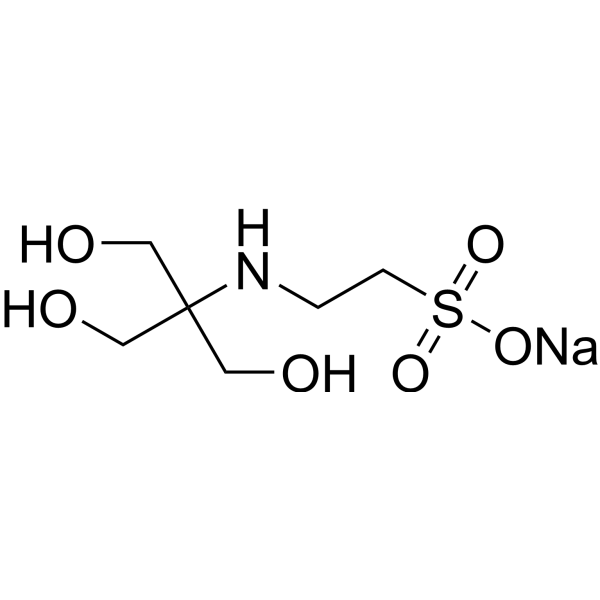
TES sodium is an excellent hydrogen ion buffer. TES sodium has characteristics such as an appropriate dissociation constant, a low metal-binding constant, and high water solubility. TES sodium can be used in the research of mammalian cell culture, viruses, and so on .
|
-
-
- HY-P2355
-
|
BOC2; Boc-Phe-dLeu-Phe-dLeu-Phe
|
Formyl Peptide Receptor (FPR)
|
Inflammation/Immunology
|
|
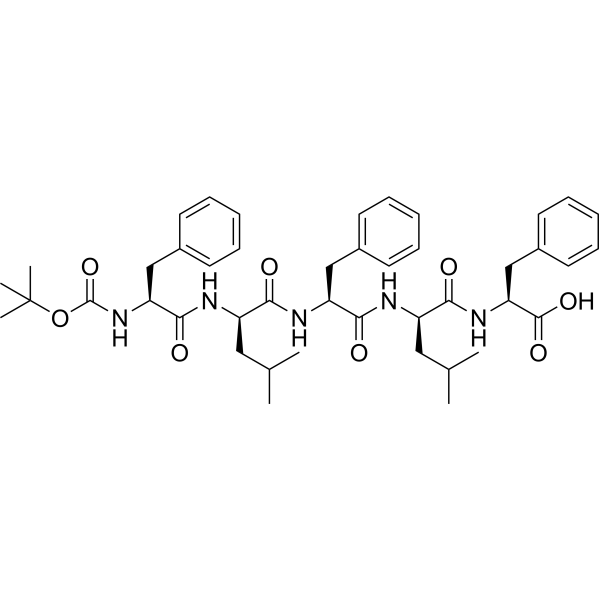
BOC-FlFlF (Boc-Phe-dLeu-Phe-dLeu-Phe) is a selective FPR1 antagonist. Boc-FlFlF has an apparent dissociation constant (KD) of 230 nM as determined by the intracellular calcium mobilization assay. Boc-FlFlF can be used for the study of inflammation .
|
-
-
- HY-156906
-
|
|
MDM-2/p53
|
Cancer
|
|
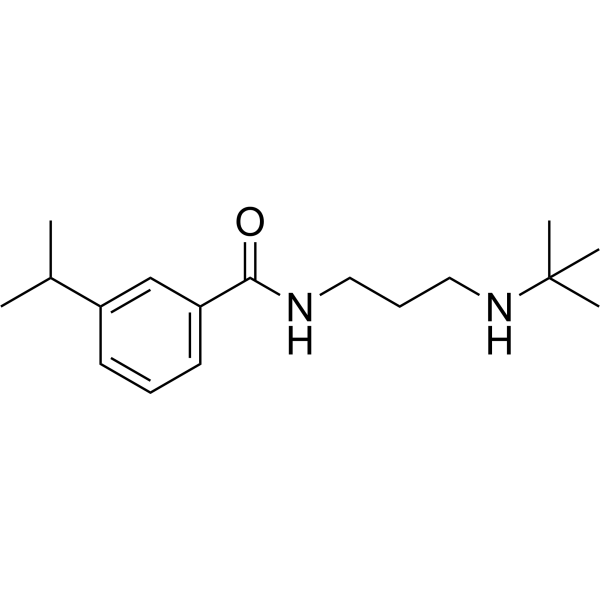
UNC3474 is a small molecule ligand, binding with 53BP1. UNC3474 binds the aromatic methyl-lysine binding cage of 53BP1 TT, with a dissociation constant (Kd) of 1.0 ± 0.3 μM. UNC3474 inhibits the recruitment of 53BP1 to DSBs by stabilizing a pre-existing autoinhibited state of 53BP1 in cells .
|
-
-
- HY-W015752
-
|
|
Drug Intermediate
|
Others
|
|
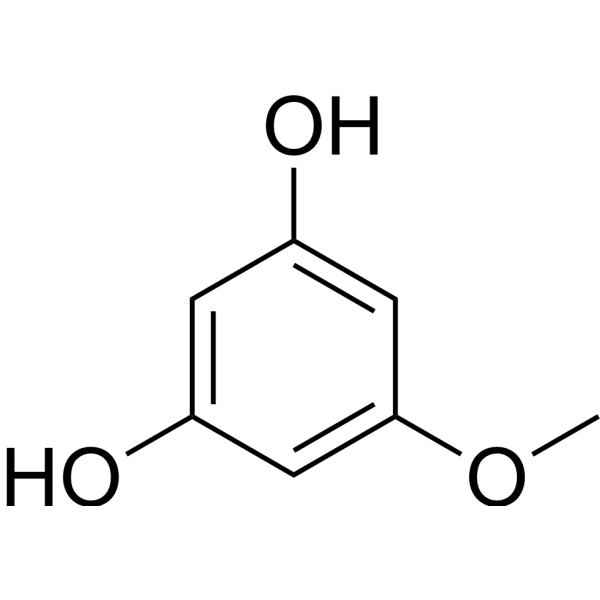
5-Methoxyresorcinol is a model molecule of the A ring of flavonoids, specifically simulating the chemical behavior of the resorcinol-type A ring found in catechins. 5-Methoxyresorcinol exhibits extremely low reactivity of tocopherol. 5-Methoxyresorcinol hardly inhibits cholesteryl ester transfer protein (CETP) .
|
-
-
- HY-168440
-
|
|
Ligands for Target Protein for PROTAC
Aurora Kinase
CDK
|
Cancer
|
|
Aurora-A ligand 1 is a high-affinity and specific Aurora-A inhibitor with a dissociation constant (Kd) value of 0.85 nM. Aurora-A ligand 1 can serve as a ligand for target protein (Ligands for Target Protein for PROTAC) for the development of PROTAC Aurora-A degraders with antitumor activity. Aurora-A ligand 1 can be used for the synthesis of HLB-0532259 (HY-168439). HLB-0532259 shows anti-tumor activity against neuroblastoma .
|
-
-
- HY-P10827
-
|
|
Complement System
|
Inflammation/Immunology
|
|
PIC1 PA, a 15 amino-acid peptide, is a potent PIC1 analog that inhibits classical pathway mediated complement activation. PIC1 PA functionally disrupts the C1s-C1r-C1r-C1s/MASPs interaction with collagen-like region (CLR) of C1q/MBL, respectively. PIC1 PA specifically binds to the CLR of C1q and bounds to purified C1q with a mean equilibrium dissociation constant (KD) of 33.3 nM .
|
-
-
- HY-173291
-
|
|
Tau Protein
|
Neurological Disease
|
|
Tau ligand-1 (Compound 75) is a ligand for aggregated tau protein that can penetrate the blood-brain barrier . In tissues from patients with Alzheimer's disease, progressive supranuclear palsy, corticobasal degeneration, and Pick's disease, Tau ligand-1 exhibits high affinity for aggregated tau protein, with equilibrium dissociation constant (KD) values ranging from 1 to 3.8 nM . Tau ligand-1 can serve as a potential positron emission tomography (PET) tracer and holds promise for application in positron emission tomography imaging studies of tau-related diseases in the central nervous system .
|
-
-
- HY-138143
-
|
Chromozym-TH
|
Fluorescent Dye
|
Others
|
|
N-(p-Tosyl)-GPR-pNA acetate (Chromozym-TH) is a chromogenic substrate targeting the synthetic peptides Hirunorm IV and Hirunorm V and can be used to detect the dissociation constants (KI) of both peptides. Hirunorm IV and Hirunorm V are reversible inhibitors of amidolytic thrombin activity. By varying the peptide concentration at a fixed concentration of the chromogenic substrate N-(p-Tosyl)-GPR-pNA acetate, the dissociation constants determined were 0.134 nM (Hirunorm IV) and 0.245 nM (Hirunorm V) .
|
-
-
- HY-W341997
-
|
|
PPAR
|
Metabolic Disease
|
|
9-Octadecynoic acid is a DNA binding agent with a dissociation constant of 1.8 mM. 9-Octadecynoic acid is also an agonist for peroxisome proliferator-activated receptor γ (PPARγ) .
|
-
-
- HY-157659
-
|
|
WDR5
|
Others
|
|
WDR5-MLL1 antagonist 1 (compound 47) is a compound optimized through protein crystal structure guidance. It has stronger antagonistic activity against WDR5-MLL interaction with a dissociation constant (Kd) of 0.3μM.
|
-
-
- HY-113045
-
|
|
Endogenous Metabolite
|
Metabolic Disease
|
|
Aquacobalamin is one of the major forms of vitamin B12 isolated from mammalian cells. Aquacobalamin accelerates the oxidation of azo-dye Orange II (HY-N1442) by HSO5 - in aqueous solutions. Aquacobalamin binds hydrogen peroxide reversibly to form a cobalt(III) hydroperoxo adduct with a 0.25 mM dissociation constant .
|
-
-
- HY-P11080
-
|
|
Bacterial
|
Infection
|
|
Oncocin is an antibacterial peptide. It belongs to proline-rich antimicrobial peptides (PrAMPs). Oncocin works against Gram-negative bacteria. It has MIC values of 0.125-8 μg/mL for 34 strains and clinical isolates of Enterobacteriaceae and nonfermenters. Oncocin binds to the substrate-binding domain of the chaperone DnaK. The binding has dissociation constants in the micromolar range. This binding causes protein misfolding and aggregation and the bacteria death .
|
-
-
- HY-113646
-
|
|
FKBP
|
Others
|
|
Shield-2 is an efficient stabilizing ligand binding to the FKBP (F36V) protein with a dissociation constant of 29 nM. Shield-2 binds tightly to the FKBP mutants destabilizing domains and prevents degradation, thus providing small molecule regulation over intracellular protein levels .
|
-
-
- HY-175861
-
|
|
Drug Derivative
E1/E2/E3 Enzyme
|
Cancer
|
|
NSC20116 is a uracil derivative that specifically targets the Set-and-Ring (SRA) domain of the oncogene UHRF1. NSC20116 binds to the 5-methylcytosine (5mC) (HY-W008091) recognition pocket of UHRF1 SRA domain, with a dissociation constant (Kd) of 362 nM. NSC20116 can be used for the study of cancer .
|
-
-
- HY-175253
-
|
|
STAT
Apoptosis
|
Cancer
|
|
YZ-35 is a STAT3 inhibitor, with a Ki value of 0.38 μM. YZ-35 binds directly to STAT3 with high
affinity, exhibiting a dissociation constant (Kd) of 190 nM. YZ-35 directly attenuates the dual phosphorylation of STAT3 (Tyr705 and Ser727). YZ-35 suppresses colony formation, cellular migration, and induces apoptosis in breast cancer cell lines (BCSC). YZ-35 selectively suppresses BCSC self-renewal. YZ-35 inhibits tumor growth in the BCSC xenograft models. YZ-35 can be used for the study of breast cancer .
|
-
-
- HY-116138
-
|
|
EGFR
|
Others
|
|
RG-14467 is an epidermal growth factor receptor tyrosine kinase inhibitor with activity that inhibits enzyme activity. RG-14467 has similar inhibition kinetics to Lavendustin-A, with a dissociation constant of 3.4μM for the initial rapidly formed complex and an overall dissociation constant estimated to be less than or equal to 30nM, and is a partially competitive inhibitor for ATP.
|
-
-
- HY-157820
-
|
|
Galectin
|
Others
|
|
Galectin-4-IN-2 (compound 12) is an inhibitor of galectin 4C with a galectin dissociation constant of 1.6 mM .
|
-
-
- HY-23430S
-
|
|
Isotope-Labeled Compounds
Biochemical Assay Reagents
|
Others
|
|
TES-d15 is the deuterium labeled TES (HY-23430). TES is an excellent hydrogen ion buffer. TES has characteristics such as an appropriate dissociation constant, a low metal-binding constant, and high water solubility. TES can be used in the research of mammalian cell culture, viruses, and so on .
|
-
-
- HY-B1920A
-
|
EN-141 hydrochloride
|
Antibiotic
Bacterial
|
Infection
|
|
Josamycin (EN-141) hydrochloride is an orally active macrolide antibiotic exhibiting antimicrobial activity against a wide spectrum of pathogens, such as bacteria. The dissociation constant Kd from ribosome for Josamycin hydrochloride is 5.5 nM .
|
-
-
- HY-N13361
-
|
|
RAR/RXR
|
Neurological Disease
|
|
Elodeoidileon A is an agonist for RXRα, that interacts with RXRα-LBD protein with a dissociation constant Kd of 5.85 μM. Elodeoidileon A promotes the expression of ATP-binding cassette transporter A1 (ABCA1). Elodeoidileon A reveals the potential in Alzheimer's disease research .
|
-
-
- HY-P2355A
-
|
BOC2 TFA; Boc-Phe-dLeu-Phe-dLeu-Phe TFA
|
Formyl Peptide Receptor (FPR)
|
Inflammation/Immunology
|
|
BOC-FlFlF (TFA) (Boc-Phe-dLeu-Phe-dLeu-Phe (TFA)) is a selective FPR1 antagonist. BOC-FlFlF has an apparent dissociation constant (KD) of 230 nM as determined by the intracellular calcium mobilization assay. BOC-FlFlF can be used for the study of inflammation .
|
-
-
- HY-B1920R
-
|
EN-141 (Standard)
|
Reference Standards
Bacterial
Antibiotic
|
Infection
|
|
Josamycin (Standard) is the analytical standard of Josamycin. This product is intended for research and analytical applications. Josamycin (EN-141) is an orally active macrolide antibiotic exhibiting antimicrobial activity against a wide spectrum of pathogens, such as bacteria. The dissociation constant Kd from ribosome for Josamycin is 5.5 nM .
|
-
-
- HY-N2319R
-
|
DHEC mesylate (Standard)
|
Reference Standards
Amyloid-β
|
Neurological Disease
|
|
Dihydroergocristine (mesylate) (Standard) is the analytical standard of Dihydroergocristine (mesylate). This product is intended for research and analytical applications. Dihydroergocristine mesylate (DHEC mesylate) is a inhibitor of γ-secretase (GSI), reduces the production of the Alzheimer's disease amyloid-β peptides, binds directly to γ-secretase and Nicastrin with equilibrium dissociation constants (Kd) of 25.7 nM and 9.8 μM, respectively .
|
-
-
- HY-103414S
-
|
|
Isotope-Labeled Compounds
Dopamine Receptor
|
Neurological Disease
|
|
Raclopride-d5 hydrochloride is the deuterium labeled Raclopride. Raclopride is a dopamine D2/D3 receptor antagonist, which binds to D2 and D3 receptors with dissociation constants (Kis) of 1.8 nM and 3.5 nM, respectively, but has a very low affinity for D1 and D4 receptors with Kis of 18000 nM and 2400 nM, respectively .
|
-
-
- HY-111007
-
|
|
HSP
|
Cancer
|
|
CH5015765 is an orally available Hsp90 inhibitor bound to the N-terminal ATP binding site, with a dissociation constant of 3.4 nM, CH5015765 exerts antiproliferative activity against human cancer cell lines, with IC50 values of 0.46 μM for HCT116 colorectal cancer cells and 0.57 μM for NCI-N87 gastric cancer cells. CH5015765 can be used for the study of cancer .
|
-
-
- HY-P10931F
-
|
|
Fluorescent Dye
|
Cancer
|
|
RAD21 (356–395), biotin labeled is biotin-labeled RAD21 (356–395) (HY-P10931). RAD21 (356–395) is a peptide encompassing amino acids 356 to 395 of the RAD21 protein, which can be used to study the interaction mechanism between STAG1 and RAD21. The equilibrium dissociation constant (KD) value for the interaction between RAD21 (356–395) and STAG1 is 127 nM .
|
-
-
- HY-W097223
-
|
|
PD-1/PD-L1
|
Infection
|
|
PD-1/PD-L1-IN-58 (compound 2) is a novel inhibitor of PD-1/PD-L1. PD-1/PD-L1-IN-58 selectively binds to PD-L1 over PD-1, with a dissociation rate constant (KD) value of 77.60 nM. PD-1/PD-L1-IN-58 has oral activity. PD-1/PD-L1-IN-58 can be used in the research of influenza A virus .
|
-
-
- HY-P992449
-
|
PRLR ADC antibody
|
ADC Antibody
|
Cancer
|
|
REGN2878 (PRLR ADC antibody) is a monoclonal antibody targeting the prolactin receptor (PRLR) and can block prolactin‑mediated activation of PRLR. REGN2878 exhibits an equilibrium dissociation constant (KD) of 1.05 nM and an IC50 of 0.344 nM for human PRLR. REGN2878 can be rapidly internalized and degraded in lysosomes by PRLR‑positive tumor cells, showing antigen‑specific binding and targeted enrichment properties. REGN2878 derivatives can be used as an immunoPET agent for antigen‑specific imaging of PRLR‑related tumors, and can also serve as a component of ADCs to exert anti‑tumor activity in breast cancer xenograft models. REGN2878 can be used in the research of breast cancer and prostate cancer. Isotype Comparison HY-P99001 .
|
-
-
- HY-P11661
-
|
|
Epigenetic Reader Domain
|
Inflammation/Immunology
|
DC-peptoid-1 is a specific binder and crosslinker targeting the phosphorylated Brd4 PDID domain, with a dissociation constant (Kd) of approximately 50-100 μM for human-derived targets. DC-peptoid-1 only binds to phosphorylated PDID and fails to recognize the non-phosphorylated form or other domains (such as Brd4 598-785). DC-peptoid-1 effectively crosslinks with the target protein both in solution and cell lysates. It can successfully capture phosphorylated PDID from complex systems via immobilization, without binding to bacterial-derived non-phosphorylated proteins or other non-specific phosphoproteins. DC-peptoid-1 has the potential to serve as a phosphoprotein-specific antibody substitute for applications such as immunoaffinity purification .
|
-
| Cat. No. |
Product Name |
Type |
-
- HY-W009756
-
|
|
Fluorescent Dyes
|
|
N-Phenyl-1-naphthylamine is a dye that fluoresces strongly when bound to the inner phospholipid bilayer of Gram-negative bacteria. N-Phenyl-1-naphthylamine can be used to measure outer membrane permeability. N-Phenylnaphthalen-1-amine is a fluorescence probe for odorant-binding proteins (OBP) with a dissociation constant of 1.67 μM. N-Phenylnaphthalen-1-amine exhibits an excitation wavelength of 337 nM and an emission wavelength of 407 nM .
|
| Cat. No. |
Product Name |
Type |
-
- HY-D0861
-
|
|
Biochemical Assay Reagents
|
|
EGTA is a cell-impermeant specific calcium ion chelator. EGTA has an apparent calcium dissociation constant (Kd) of 60.5 nM at physiological pH (7.4) and has very high specificity for Ca 2+ over Mg 2+ (Mg 2+ Kd 1-10 mM). EGTA significantly inhibits the substrate adherence capacity of inflammatory macrophages .
|
-
- HY-23430
-
|
|
Biochemical Assay Reagents
|
|
TES is an excellent hydrogen ion buffer. TES has characteristics such as an appropriate dissociation constant, a low metal-binding constant, and high water solubility. TES can be used in the research of mammalian cell culture, viruses, and so on .
|
-
- HY-D0861A
-
|
|
Biochemical Assay Reagents
|
|
EGTA tetrasodium is a cell-impermeant specific calcium ion chelator. EGTA tetrasodium has an apparent calcium dissociation constant (Kd) of 60.5 nM at physiological pH (7.4) and has very high specificity for Ca 2+ over Mg 2+ (Mg 2+ Kd 1-10 mM). EGTA tetrasodium significantly inhibits the substrate adherence capacity of inflammatory macrophages .
|
-
- HY-23430A
-
|
|
Biochemical Assay Reagents
|
|
TES sodium is an excellent hydrogen ion buffer. TES sodium has characteristics such as an appropriate dissociation constant, a low metal-binding constant, and high water solubility. TES sodium can be used in the research of mammalian cell culture, viruses, and so on .
|
| Cat. No. |
Product Name |
Target |
Research Area |
-
- HY-P3717
-
|
|
Ephrin Receptor
|
Cancer
|
|
Targefrin is a potent EphA2-targeting agent, acts as an antagonist. Targefrin binds EphA2-LBD with 21 nM dissociation constant and an IC50 value of 10.8 nM. Targefrin induces cellular receptor internalization and degradation in several pancreatic cancer cell lines .
|
-
- HY-P2355
-
|
BOC2; Boc-Phe-dLeu-Phe-dLeu-Phe
|
Formyl Peptide Receptor (FPR)
|
Inflammation/Immunology
|
|
BOC-FlFlF (Boc-Phe-dLeu-Phe-dLeu-Phe) is a selective FPR1 antagonist. Boc-FlFlF has an apparent dissociation constant (KD) of 230 nM as determined by the intracellular calcium mobilization assay. Boc-FlFlF can be used for the study of inflammation .
|
-
- HY-P10827
-
|
|
Complement System
|
Inflammation/Immunology
|
|
PIC1 PA, a 15 amino-acid peptide, is a potent PIC1 analog that inhibits classical pathway mediated complement activation. PIC1 PA functionally disrupts the C1s-C1r-C1r-C1s/MASPs interaction with collagen-like region (CLR) of C1q/MBL, respectively. PIC1 PA specifically binds to the CLR of C1q and bounds to purified C1q with a mean equilibrium dissociation constant (KD) of 33.3 nM .
|
-
- HY-P11080
-
|
|
Bacterial
|
Infection
|
|
Oncocin is an antibacterial peptide. It belongs to proline-rich antimicrobial peptides (PrAMPs). Oncocin works against Gram-negative bacteria. It has MIC values of 0.125-8 μg/mL for 34 strains and clinical isolates of Enterobacteriaceae and nonfermenters. Oncocin binds to the substrate-binding domain of the chaperone DnaK. The binding has dissociation constants in the micromolar range. This binding causes protein misfolding and aggregation and the bacteria death .
|
-
- HY-P2355A
-
|
BOC2 TFA; Boc-Phe-dLeu-Phe-dLeu-Phe TFA
|
Formyl Peptide Receptor (FPR)
|
Inflammation/Immunology
|
|
BOC-FlFlF (TFA) (Boc-Phe-dLeu-Phe-dLeu-Phe (TFA)) is a selective FPR1 antagonist. BOC-FlFlF has an apparent dissociation constant (KD) of 230 nM as determined by the intracellular calcium mobilization assay. BOC-FlFlF can be used for the study of inflammation .
|
-
- HY-P10931
-
|
|
Peptides
|
Cancer
|
|
RAD21 (356–395) is a peptide encompassing amino acids 356 to 395 of the RAD21 protein, which can be used to study the interaction mechanism between STAG1 and RAD21. The equilibrium dissociation constant (KD) value for the interaction between RAD21 (356–395) and STAG1 is 127 nM .
|
-
- HY-P10931F
-
|
|
Fluorescent Dye
|
Cancer
|
|
RAD21 (356–395), biotin labeled is biotin-labeled RAD21 (356–395) (HY-P10931). RAD21 (356–395) is a peptide encompassing amino acids 356 to 395 of the RAD21 protein, which can be used to study the interaction mechanism between STAG1 and RAD21. The equilibrium dissociation constant (KD) value for the interaction between RAD21 (356–395) and STAG1 is 127 nM .
|
-
- HY-P10931A
-
|
|
Peptides
|
Cancer
|
|
RAD21 (356–395) TFA is a peptide encompassing amino acids 356 to 395 of the RAD21 protein, which can be used to study the interaction mechanism between STAG1 and RAD21. The equilibrium dissociation constant (KD) value for the interaction between RAD21 (356–395) TFA and STAG1 is 127 nM .
|
-
- HY-P11661
-
|
|
Epigenetic Reader Domain
|
Inflammation/Immunology
|
DC-peptoid-1 is a specific binder and crosslinker targeting the phosphorylated Brd4 PDID domain, with a dissociation constant (Kd) of approximately 50-100 μM for human-derived targets. DC-peptoid-1 only binds to phosphorylated PDID and fails to recognize the non-phosphorylated form or other domains (such as Brd4 598-785). DC-peptoid-1 effectively crosslinks with the target protein both in solution and cell lysates. It can successfully capture phosphorylated PDID from complex systems via immobilization, without binding to bacterial-derived non-phosphorylated proteins or other non-specific phosphoproteins. DC-peptoid-1 has the potential to serve as a phosphoprotein-specific antibody substitute for applications such as immunoaffinity purification .
|
| Cat. No. |
Product Name |
Target |
Research Area |
Image |
-
- HY-P99014
-
|
ARGX-110
|
Fc Receptor (FcR)
NF-κB
|
Inflammation/Immunology
Cancer
|
|
Cusatuzumab (ARGX-110) is a selective competitive blocker targeting CD70 (with an equilibrium dissociation constant of 17 pM for binding to human CD70). Cusatuzumab also possesses enhanced antibody-dependent cell-mediated cytotoxicity (ADCC) activity. It is a humanized IgG1 monoclonal antibody, artificially synthesized through humanization and genetic engineering modifications (CH2 region mutation to enhance effector function). Cusatuzumab has a dual mechanism of action: firstly, it competitively blocks the interaction between CD70 and CD27, inhibiting the CD27-NF-κB signaling pathway, reducing regulatory T cell (Treg) activation and tumor cell proliferation; secondly, by enhancing binding to FcγRIIIa, it mediates ADCC and antibody-dependent cellular phagocytosis (ADCP), directly lysing CD70-positive tumor cells. Cusatuzumab can efficiently eliminate leukemia stem cells (LSCs), induce tumor cell differentiation and apoptosis, restore immune surveillance, and target CD70-positive tumors. Cusatuzumab is used in the study of acute myeloid leukemia (AML) .
|
-
(5)
-
- HY-P992449
-
|
PRLR ADC antibody
|
ADC Antibody
|
Cancer
|
|
REGN2878 (PRLR ADC antibody) is a monoclonal antibody targeting the prolactin receptor (PRLR) and can block prolactin‑mediated activation of PRLR. REGN2878 exhibits an equilibrium dissociation constant (KD) of 1.05 nM and an IC50 of 0.344 nM for human PRLR. REGN2878 can be rapidly internalized and degraded in lysosomes by PRLR‑positive tumor cells, showing antigen‑specific binding and targeted enrichment properties. REGN2878 derivatives can be used as an immunoPET agent for antigen‑specific imaging of PRLR‑related tumors, and can also serve as a component of ADCs to exert anti‑tumor activity in breast cancer xenograft models. REGN2878 can be used in the research of breast cancer and prostate cancer. Isotype Comparison HY-P99001 .
|
-
(5)
| Cat. No. |
Product Name |
Category |
Target |
Chemical Structure |
| Cat. No. |
Product Name |
Chemical Structure |
-
- HY-23430S
-
|
|
|
TES-d15 is the deuterium labeled TES (HY-23430). TES is an excellent hydrogen ion buffer. TES has characteristics such as an appropriate dissociation constant, a low metal-binding constant, and high water solubility. TES can be used in the research of mammalian cell culture, viruses, and so on .
|
-
-
- HY-103414S
-
|
|
|
Raclopride-d5 hydrochloride is the deuterium labeled Raclopride. Raclopride is a dopamine D2/D3 receptor antagonist, which binds to D2 and D3 receptors with dissociation constants (Kis) of 1.8 nM and 3.5 nM, respectively, but has a very low affinity for D1 and D4 receptors with Kis of 18000 nM and 2400 nM, respectively .
|
-
Your information is safe with us. * Required Fields.
Inquiry Information
- Product Name:
- Cat. No.:
- Quantity:
- MCE Japan Authorized Agent:

