1. Search Result
Search Result
Results for "

embryo

" in MedChemExpress (MCE) Product Catalog:

194

Inhibitors & Agonists

2

Screening Libraries

3

Fluorescent Dye

7

Biochemical Assay Reagents

7

Peptides

1

MCE Kits

2

Inhibitory Antibodies

43

Natural
Products

10

Isotope-Labeled Compounds

1

Antibodies

1

Click Chemistry

1

Oligonucleotides

1

GMP Molecules

Cat. No. Product Name Target Research Areas Chemical Structure
  • HY-B0717
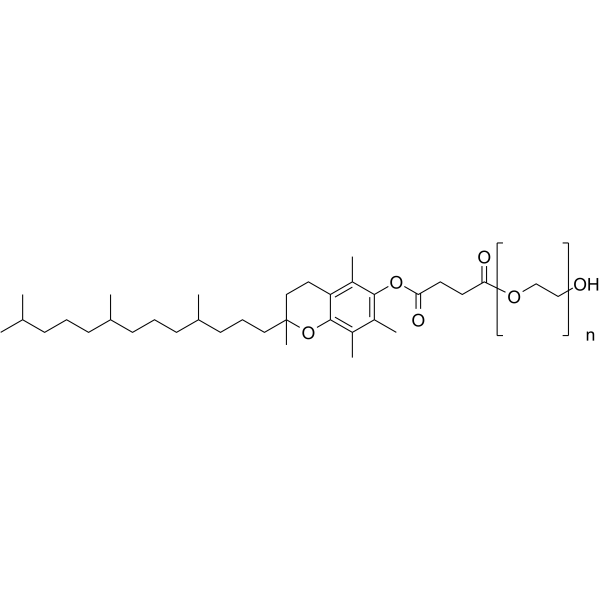
    Tocofersolan
    5+ Cited Publications

    TPGS; D-α-Tocopherol polyethylene glycol 1000 succinate; Vitamin E-TPGS

    Drug Derivative Neurological Disease Metabolic Disease
    Tocofersolan is synthetic polyethylene glycol derivative of α-tocopherol. Tocofersolan is an orally active and water-soluble analog of vitamin E. Tocofersolan can reduce neurobehavioral deficits in zebrafish embryos exposed to moderate and high concentrations of BaP during early development. Tocofersolan shows antioxidant activity. Tocofersolan can be used to provide an orally bioavailable source of vitamin E .
    Tocofersolan
  • HY-A0096
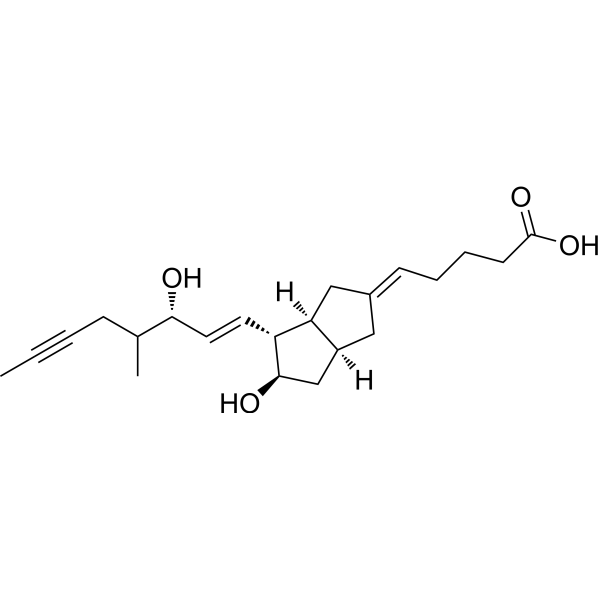
    Iloprost
    5 Publications Verification

    Ciloprost; ZK 36374

    Prostaglandin Receptor Endogenous Metabolite Cardiovascular Disease Endocrinology Cancer
    Iloprost (ZK 36374; Ciloprost) is a prostacyclin (PGI2) analogue, involves in embryo development and inflammation improvement, and inhibits tumor metastasis. Iloprost can be used for peripheral vascular research .
    Iloprost
  • HY-P99187

    PF-04950615; RN316

    PCSK9 Cardiovascular Disease Metabolic Disease
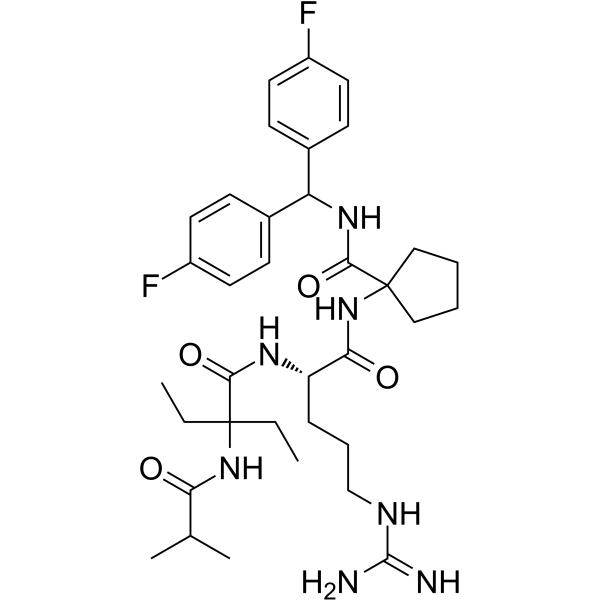
    Bococizumab (PF-04950615) is an anti-human PCSK9 inhibitory antibody that reduces LDL cholesterol levels. Bococizumab can be used in the research of hypercholesterolemia .
    Bococizumab
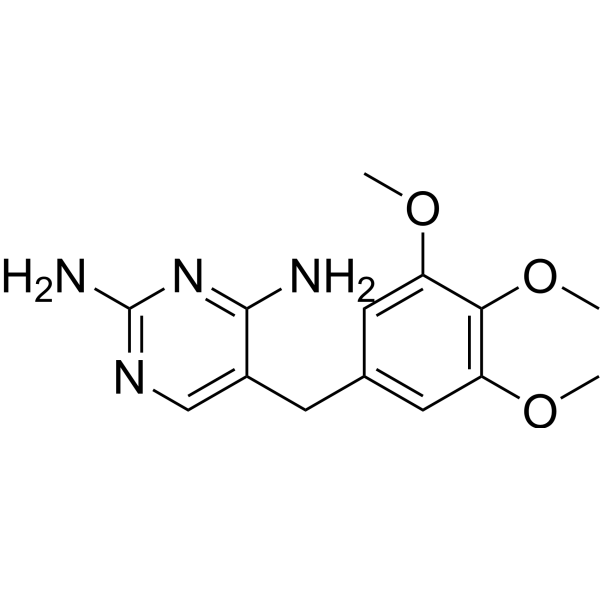
  • HY-B0510
    Trimethoprim
    10+ Cited Publications

    Antifolate Bacterial Antibiotic Influenza Virus Infection Cancer
    Trimethoprim is a bacteriostatic antibiotic and an orally active dihydrofolate reductase inhibitor. Trimethoprim is active against a wide range of Gram-positive and Gram-negative aerobic bacteria. Trimethoprim has the potential for the research of urinary tract infections, Shigellosis and Pneumocystis pneumonia. Trimethoprim can inhibit infection of Influenza A virus in chick embryo when combinated with zinc .
    Trimethoprim
  • HY-134124

    Reactive Oxygen Species (ROS) Metabolic Disease
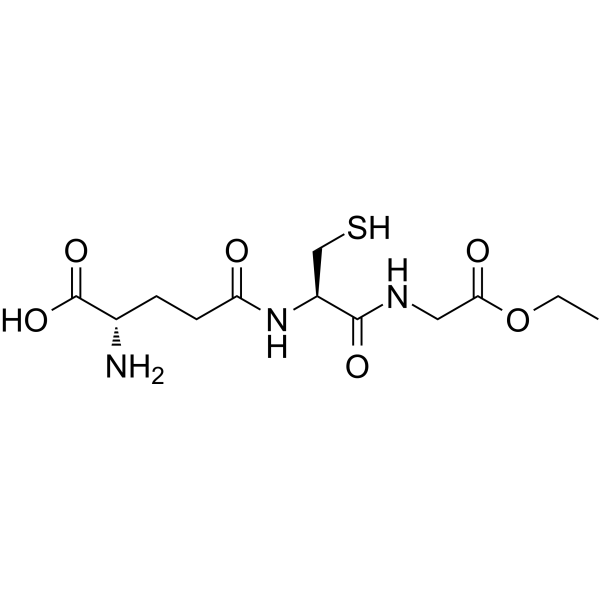
    Glutathione ethyl ester is a cell-permeable GSH donor and provides an efficient supply of GSH to the oocyte. Glutathione ethyl ester shows positive effect on the in vitro production of embryos by enhancement of the antioxidative defense .
    Glutathione ethyl ester
  • HY-33037

    Fungal Infection Inflammation/Immunology Cancer
    Phenazine-1-carboxylic acid is an antifungal agent. Additionally, Phenazine-1-carboxylic acid exhibits anticancer activity by inducing apoptosis in cancer cells through the regulation of ROS generation. Phenazine-1-carboxylic acid can upregulate the expression of IL-8 and ICAM-1 while inhibiting the release of RANTES and MCP-1, demonstrating its potential immunomodulatory effects. Phenazine-1-carboxylic acid holds significant research value in the areas of anti-infection, anticancer, and immune response modulation .
    Phenazine-1-carboxylic acid
  • HY-W011689
    6PPD
    1 Publications Verification

    Reactive Oxygen Species (ROS) Others
    6PPD is a rubber antioxidant that scavenges ozone and forms nitro radicals. Exposure to 6PPD reduces the hatching rate, impairs spontaneous locomotor activity, shortens body length and causes malformations in zebrafish embryos. 6PPD also induces oxidative stress in zebrafish embryos .
    6PPD
  • HY-B0642
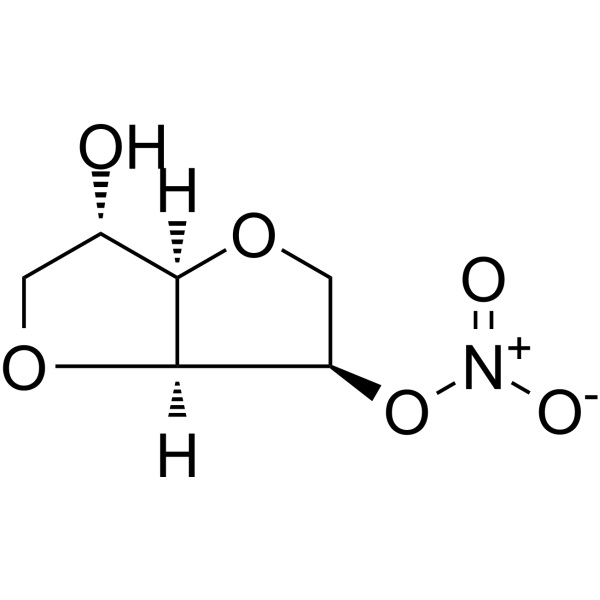
    Isosorbide mononitrate
    5 Publications Verification

    Isosorbide-5-mononitrate

    Autophagy Endogenous Metabolite Apoptosis Cardiovascular Disease Cancer
    Isosorbide mononitrate (Isosorbide-5-mononitrate) is an orally active nitric acid compound used for angina pectoris by dilating blood vessels and lowering blood pressure. Isosorbide mononitrate increases the viability and proliferation of HUVECs by decreasing Apoptosis and elevated the expressions of vedf, kdrl, pdgfr in zebrafish embryos. Isosorbide mononitrate is promising for research of heart failure and coronary heart disease .
    Isosorbide mononitrate
  • HY-W105310A

    Nacr

    HDAC Sirtuin CDK Bcl-2 Family Apoptosis Others
    Croconic acid disodium (Nacr) is a lysine crotonylation (Kcr) activator and electroactive material. Croconic acid disodium reduces the expression of HDAC2, HDAC3, SIRT1, and SIRT3, and increases the expression of EP300, CITED1, ACSS2, DPF2, CDYL, MLLT3, and YEATS2. Croconic acid disodium elevates intracellular crotonyl-CoA content and global histone lysine crotonylation levels. Croconic acid disodium promotes the growth of bovine fibroblasts, regulates cell cycle progression, and inhibits bovine fibroblast apoptosis (apoptosis). Croconic acid disodium improves the blastocyst development efficiency of bovine somatic cell nuclear transfer embryos. Croconic acid disodium undergoes reversible lithium intercalation/deintercalation reactions via sodium-lithium ion exchange. Croconic acid disodium is applicable to research related to cell growth promotion .
    Croconic acid disodium
  • HY-107399
    CD3254
    3 Publications Verification

    RAR/RXR Metabolic Disease Cancer
    CD3254 a potent and selective retinoid-X-receptor (RXR) agonist .
    CD3254
  • HY-N0770
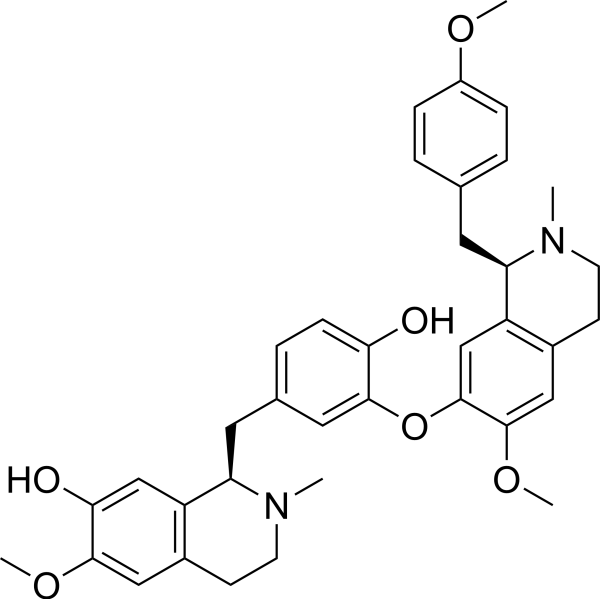
    Isoliensinine
    4 Publications Verification

    Apoptosis Inflammation/Immunology Cancer
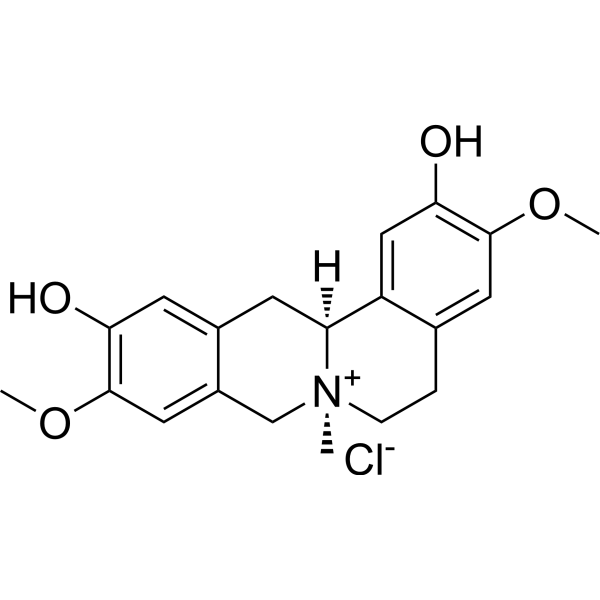
    Isoliensinine is a bisbenzylisoquinoline alkaloid extracted from the seed embryo of Nelumbo nucifera, with anti-oxidant and anti-inflammatory and anti-cancer activities. Isoliensinine induces apoptosis in triple-negative human breast cancer cells .
    Isoliensinine
  • HY-D1416
    HMBR
    1 Publications Verification

    Fluorescent Dye Others
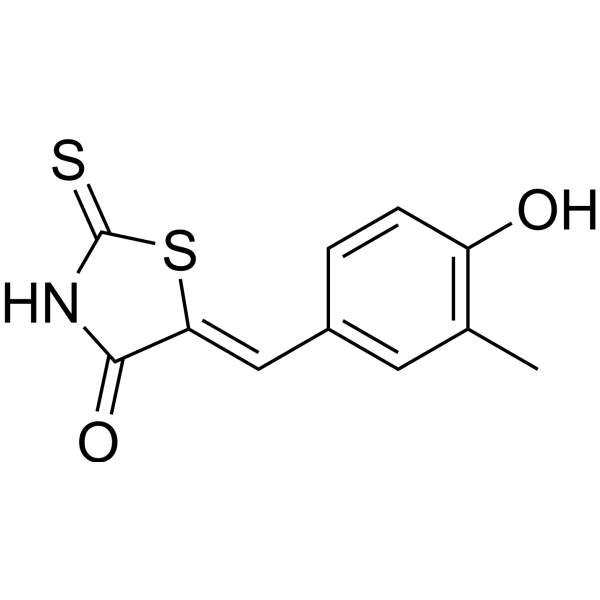
    HMBR is an analogue with an additional methyl group on the aromatic ring and is non-fluorescent. HMBR conjugated with Y-FAST emits yellow fluorescence under blue light excitation (Ex= 419 nm; Em= 525–539 nm). HMBR is non-toxic to zebrafish embryos. HMBR has high cell permeability .
    HMBR
  • HY-175238

    ATP Synthase DNA/RNA Synthesis Neurological Disease Cancer
    KI-DX-014 is a DDX21 inhibitor with high RNA-binding inhibitory activity (IC50 of 3.31 μM). KI-DX-014 targets DDX21’s intrinsically disordered C-terminal domain, inhibits DDX21-structured RNA interaction, modulates DDX21’s RNA-dependent ATPase activity, and disrupts DDX21 biomolecular condensate formation. KI-DX-014 attenuates in vitro P-TEFb release from the 7SK snRNP complex, suppresses P-TEFb-dependent RNA polymerase II CTD phosphorylation, and induces developmental defects in zebrafish embryos. KI-DX-014 acts as a chemical probe for dissecting DDX21 functions in normal physiology and disease states. KI-DX-014 can be used for cancers and neurodegenerative disorders research .
    KI-DX-014
  • HY-B1209

    7-(β-Hydroxyethyl)theophylline

    Phosphodiesterase (PDE) Cardiovascular Disease Inflammation/Immunology
    Etofylline (7-(β-Hydroxyethyl) theophylline) is an oral bronchodilator with anti-inflammatory effects. Etofylline inhibits phosphodiesterase and prevents the degradation of cAMP (cyclic adenosine monophosphate), leading to smooth muscle relaxation, reducing inflammatory responses and improving respiratory function. Etofylline affects the development of zebrafish embryos .
    Etofylline
  • HY-123230

    CGA 279202

    Environmental Pollutants Fungal Caspase Apoptosis PARP Infection Neurological Disease
    Trifloxystrobin (CGA 279202) is a type of fungicide. Trifloxystrobin has toxicity, antiparasitic activity and induce apoptosis, oxidative stress and DNA damage. Trifloxystrobin can be used for the reaesrch of fungal diseases .
    Trifloxystrobin
  • HY-N0485
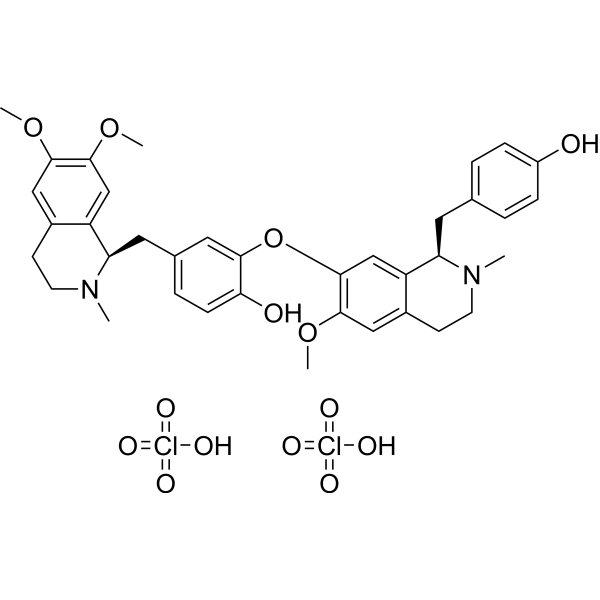
    Liensinine Diperchlorate
    Maximum Cited Publications
    20 Publications Verification

    Autophagy Mitophagy Cardiovascular Disease
    Liensinine Diperchlor​ate is a major isoquinoline alkaloid, extracted from the seed embryo of Nelumbo nucifera Gaertn. Liensinine Diperchlor​ate inhibits late-stage autophagy/mitophagy through blocking autophagosome-lysosome fusion. Liensinine Diperchlor​ate has a wide range of biological activities, including anti-arrhythmias, anti-hypertension, anti-pulmonary fibrosis, relaxation on vascular smooth muscle, etc .
    Liensinine Diperchlorate
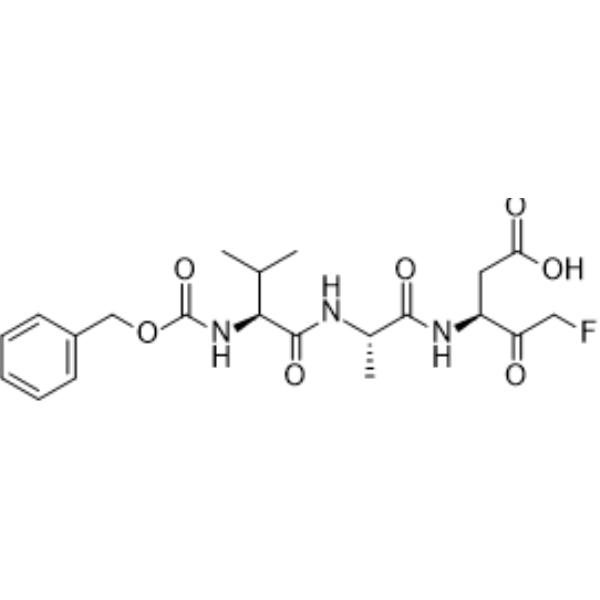
  • HY-136149

    SARS-CoV Virus Protease Infection
    Mpro inhibitor N3 is a potent SARS-CoV-2 MPro inhibitor with an EC50 value of 16.77 µM. Mpro inhibitor N3 shows antiviral activities against HCoV-229E, FIPV, IBV and MHV-A59 .
    Mpro inhibitor N3
  • HY-W099479

    Ethyl butylacetylaminopropionate; IR-3535

    Environmental Pollutants Apoptosis Reactive Oxygen Species (ROS) Parasite SOD Infection Inflammation/Immunology
    Insect repellent M 3535 (Ethyl butylacetylaminopropionate) is a broad-spectrum, mild insect repellent based on the structure of β-alanine. Insect repellent M 3535 exerts repellent effects by interfering with the olfaction of mosquitoes, but it poses risks of developmental and cardiac toxicity to aquatic organisms such as zebrafish embryos in aquatic environments, and can activate oxidative stress responses .
    Insect repellent M 3535
  • HY-A0277

    Environmental Pollutants Fungal Others
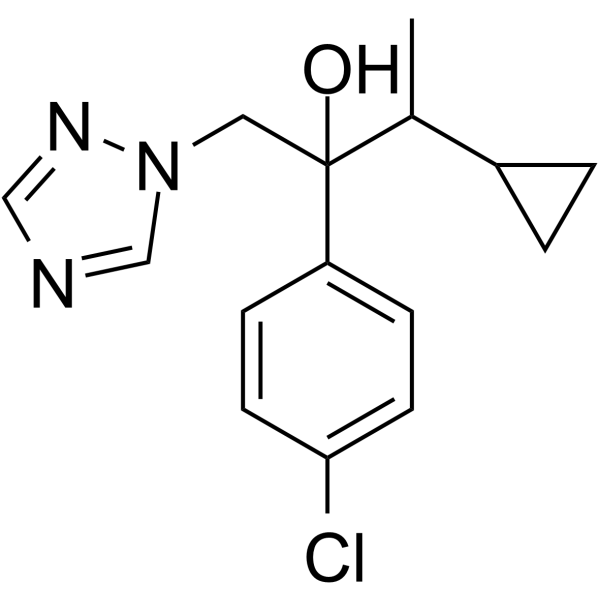
    Cyproconazole is a triazole fungicide used to protect crops, fruits and vegetables against a wide range of fungal pathogens. Cyproconazole can cause hepatocellular adenomas and carcinomas in CD-1 mice. Cyproconazole also exhibits low toxicity to zebrafish embryos and affects locomotor activity .
    Cyproconazole
  • HY-N6786

    Endogenous Metabolite Metabolic Disease
    Ochratoxin B is an orally active secondary metabolite of Aspergillus ochraceus and non-chlorinated analog of the mycotoxin Ochratoxin A. Ochratoxin B reduces the toxic effects of Ochratoxin A (HY-N6788). Ochratoxin B inhibits cell division. Ochratoxin B causes craniofacial malformations in Xenopus laevis embryos .
    Ochratoxin B
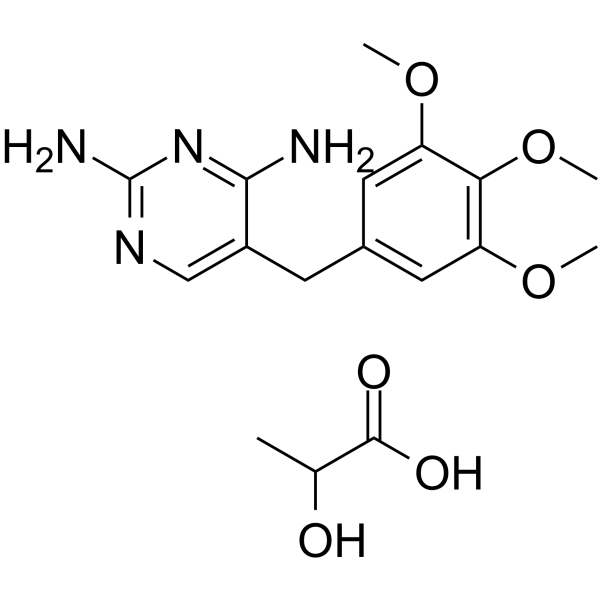
  • HY-B0510C
    Trimethoprim lactate
    10+ Cited Publications

    Antifolate Bacterial Antibiotic Infection Cancer
    Trimethoprim lactate is a bacteriostatic antibiotic and an orally active dihydrofolate reductase inhibitor. Trimethoprim lactate is active against a wide range of Gram-positive and Gram-negative aerobic bacteria. Trimethoprim lactate has the potential for the research of urinary tract infections, Shigellosis and Pneumocystis pneumonia. Trimethoprim lactate can inhibit infection of Influenza A virus in chick embryo when combinated with zinc .
    Trimethoprim lactate
  • HY-127170

    Lipoxygenase Tyrosinase Metabolic Disease Inflammation/Immunology
    3-Hydroxycoumarin is an inhibitor of tyrosinase and lipoxygenase with an IC50 for recombinant human tyrosinase (rHT) of 26 μM, and a Ki of 3.39 μM; its IC50 for LOX is 9.5 μM. 3-Hydroxycoumarin has DPPH free radical scavenging activity (IC50 = 31.2 μM). 3-Hydroxycoumarin has photoprotective effects on sea urchin zygotes and embryos .
    3-Hydroxycoumarin
  • HY-12346

    NSC 12407; BRD-K4477

    Quinone Reductase Others
    FH1 (NSC 12407) is a NQO2 inhibitor with hepatoprotective effects. FH1 enhances hepatocyte function and promotes differentiation of induced pluripotent stem (iPS)-derived hepatocytes to a more mature phenotype and maturation of well-differentiated hepatocyte-like cell (iHeps) cultures. FH1 protects against Acetaminophen (HY-66005)-induced hepatotoxicity in both embryos and adult zebrafish .
    FH1
  • HY-136355

    Environmental Pollutants Reactive Oxygen Species (ROS) Fungal SOD Infection Inflammation/Immunology
    Picoxystrobin is a strobilurin fungicide. Picoxystrobin controls plant diseases by inhibiting mitochondrial respiration. Picoxystrobin is highly toxic to zebrafish embryos, causing developmental abnormalities, oxidative stress, and immunotoxicity .
    Picoxystrobin
  • HY-N6726

    Fungal Endogenous Metabolite Infection Cancer
    Fumonisin B3 is an orally active fumonisin Mycotoxin. Fumonisin B3 can be isolated from Fusarium moniliforme, Fusarium proliferatum and Fusarium nygamai. Fumonisin B3 induces precancerous lesions, triggers embryonic death of chicken embryos, causes severe hemorrhage in dead chicken embryos. Fumonisin B3 can be used in studies related to hepatocellular carcinoma .
    Fumonisin B3
  • HY-141894
    5-Ph-IAA-AM
    2 Publications Verification

    Histone Acetyltransferase Metabolic Disease
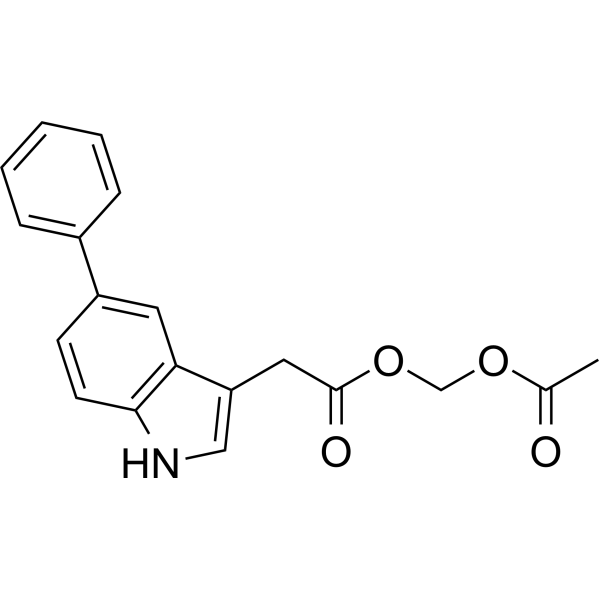
    5-Ph-IAA-AM is an eggshell-permeable 5-Ph-IAA (HY-134653) analog which contains an acetoxymethyl (AM) group. 5-Ph-IAA-AM affords an enhanced protein degradation in laid embryos. 5-Ph-IAA-AM can be used to disclosure the roles of proteins in C. elegans, in particular those that are involved in embryogenesis and development, through temporally controlled protein degradation .
    5-Ph-IAA-AM
  • HY-21191

    PFBS

    Biochemical Assay Reagents PPAR Reactive Oxygen Species (ROS) Metabolic Disease
    Perfluorobutanesulfonic acid (PFBS) is a short-chain perfluoroalkyl substance and the main replacement for perfluorooctanesulfonic acid. Perfluorobutanesulfonic acid induces fat accumulation in human HepG2 hepatoma cells. Perfluorobutanesulfonic acid promotes lipid accumulation by activating PPARγ pathway and triggering oxidative stress, endoplasmic reticulum stress and calcium dyshomeostasis. Perfluorobutanesulfonic acid impairs reproduction and causes developmental disorders in offspring of Caenorhabditis elegans. Perfluorobutanesulfonic acid disrupts pancreatic organogenesis and lipid homeostasis in zebrafish embryos. Perfluorobutanesulfonic acid can be used in environmental toxicology, lipid metabolism and developmental toxicity studies .
    Perfluorobutanesulfonic acid
  • HY-156696

    Na+/H+ Exchanger (NHE) Metabolic Disease
    S3226 is a highly selective NHE-3 inhibitor (IC50<1 μM) that specifically blocks NHE-3-mediated sodium transport. S3226 significantly inhibits blastocyst formation and expansion in mouse embryos, and reduces fluid and electrolyte reabsorption in rat proximal tubules in a dose-dependent manner. S3226 effectively alleviates ischemia-induced acute renal failure by improving renal function parameters, reducing renal tubular injury and restoring intracellular pH homeostasis, without interfering with the normal tubuloglomerular feedback response. S3226 is widely used in studies of acute renal failure and related pathological mechanisms .
    S3226
  • HY-147372

    TGF-beta/Smad Metabolic Disease
    SJ000063181 is a potent BMP signaling activator. SJ000063181 activates BMP4 and the phosphorylation of SMAD1/5/8 (p-SMAD1/5/8). SJ000063181 induces ventralization in zebrafish embryos .
    SJ000063181
  • HY-W040194

    Environmental Pollutants Herbicide Metabolic Disease
    Clomazone is a broad spectrum herbicide, mainly used to control annual broadleaf weeds and grass weeds in various crops such as rice, soybeans, and peanuts. Clomazone inhibits carotenoid biosynthesis, and treated plants show typical "albinism" symptoms due to the destruction of chloroplast membrane structure leading to chlorophyll degradation. Clomazone exhibits multiple toxic effects on non-target organisms, including aquatic lethality, developmental malformations, liver damage, mitochondrial dysfunction, and hematotoxicity .
    Clomazone
  • HY-119896

    Environmental Pollutants Herbicide Neurological Disease
    Clethodim is a postemergence herbicide. Clethodim shows developmental toxicity and neurotoxicity in zebrafish embryos and larvae .
    Clethodim
  • HY-131492

    Endogenous Metabolite VD/VDR Metabolic Disease
    Δ4‑Dafachronic acid is an endogenous steroid hormone, an agonist of the DAF‑12 nuclear receptor, and a key ligand for the vitamin D receptor (VDR). Δ4‑Dafachronic acid promotes the active escape developmental trajectory in Austrofundulus limnaeus embryos even under diapause‑inducing conditions. Δ4‑Dafachronic acid is suitable for research on the developmental biology .
    Δ4-Dafachronic acid
  • HY-136450

    TCBZ-SO

    Parasite BCRP Infection Cancer
    Triclabendazole sulfoxide (TCBZ-SO) is an orally active ABCG2 inhibitor with antiparasitic activity. Triclabendazole sulfoxide inhibits ABCG2-mediated active efflux and ATPase activity. Triclabendazole sulfoxide increases the intracellular accumulation of Mitoxantrone (HY-13502). Triclabendazole sulfoxide reduces the apical-directed transepithelial transport of Nitrofurantoin and Danofloxacin, while increasing their basolateral-directed transepithelial transport. Triclabendazole sulfoxide elevates the plasma levels of sulfasalazine in wild-type mice. Triclabendazole sulfoxide decreases ABCG2-mediated secretion of Nitrofurantoin into milk in wild-type lactating mice. Triclabendazole sulfoxide can be used in the research of insecticidal agents and cancers such as breast cancer .
    Triclabendazole sulfoxide
  • HY-W250743

    Biochemical Assay Reagents Others
    Cresyl diphenyl phosphate is a compound that disrupts lipid homeostasis in zebrafish embryos, causing alterations in lipid content and lipidomic profiles, as well as affecting gene expression and energy homeostasis. |
    Cresyl diphenyl phosphate
  • HY-128683

    Biochemical Assay Reagents Others
    Cycloposine is a steroidal alkaloid that can be found in the roots and rhizomes of Veratrum californicum. Cycloposine is also a teratogenic compound that may induce cyclopia in pregnant Mianyang embryos .
    Cycloposine
  • HY-139059
    ERD03
    1 Publications Verification

    DNA Alkylator/Crosslinker Neurological Disease
    ERD03 is a potent disruptor of the EXOSC3-RNA interaction, with a Kd of 17±7 μM . ERD03 induces PCH1B-like phenotype in zebrafish embryo and can be used for neurological disorder disease research .
    ERD03
  • HY-N8492

    Bacterial Calcium Channel Infection Inflammation/Immunology Cancer
    Monascorubrin is a compound that can be isolated from Monascus mycelia. Monascorubrin has activities such as anti-inflammatory, anti-tumor, antibacterial, and immunomodulatory. Monascorubrin also has certain embryotoxicity, with an ED50 of 4.3 μg for chicken embryos. Monascorubrin can be used for the research of tumors and inflammatory diseases .
    Monascorubrin
  • HY-78574

    Nucleoside Antimetabolite/Analog Others
    N-Benzoylcytidine is a modified cytidine analogue that can be phosphorylated by uracil-cytidine kinase (UCK1 and UCK2). N-Benzoylcytidine can be used to synthesize 2-OH protective groups for solid-phase RNA synthesis, as well as synthetic oligonucleotides for UV induction and targeted gene silencing in zebrafish embryos .
    N-Benzoylcytidine
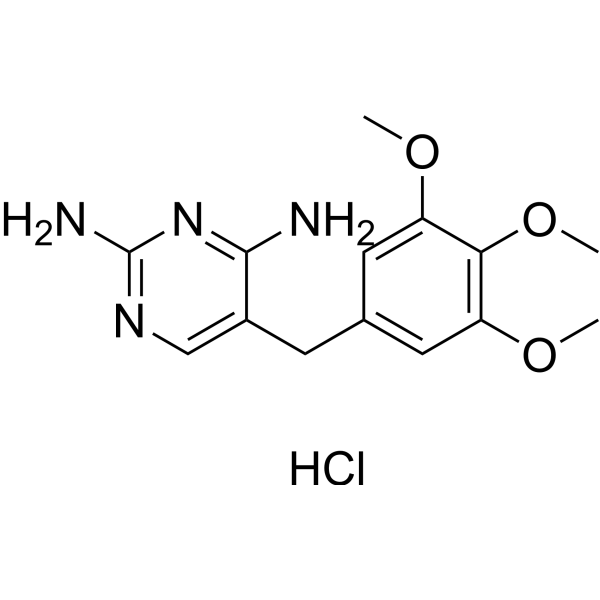
  • HY-B0510B
    Trimethoprim hydrochloride
    10+ Cited Publications

    Antifolate Bacterial Antibiotic Influenza Virus Infection Cancer
    Trimethoprim hydrochloride is a bacteriostatic antibiotic and an orally active dihydrofolate reductase inhibitor. Trimethoprim hydrochloride is active against a wide range of Gram-positive and Gram-negative aerobic bacteria. Trimethoprim hydrochloride has the potential for the research of urinary tract infections, Shigellosis and Pneumocystis pneumonia. Trimethoprim hydrochloride can inhibit infection of Influenza A virus in chick embryo when combinated with zinc .
    Trimethoprim hydrochloride
  • HY-119966

    Wnt β-catenin PPAR CDK Cancer
    CCT036477 is a Wnt/β-catenin pathway inhibitor. CCT036477 blocks transcription at β-catenin without altering its levels. CCT036477 inhibits proliferation of various cancer cells, development of embryos, and expression of Wnt target genes (PPARδ, Cyclin D1, TCF4, and ID2) .
    CCT036477
  • HY-A0096R

    Ciloprost (Standard); ZK 36374 (Standard)

    Reference Standards Prostaglandin Receptor Endogenous Metabolite Endocrinology Cancer
    Iloprost (Standard) is the analytical standard of Iloprost. This product is intended for research and analytical applications. Iloprost (ZK 36374; Ciloprost) is a prostacyclin (PGI2) analogue, involves in embryo development and inflammation improvement, and inhibits tumor metastasis. Iloprost can be used for peripheral vascular research .
    Iloprost (Standard)
  • HY-P1015

    Vasoactive Intestinal Peptide, guinea pig

    PACAP Receptor Neurological Disease Metabolic Disease
    VIP Guinea pig (Vasoactive intestinal peptide), a trophic and mitogenic factor, stimulates growth in whole cultured embryos. VIP Guinea pig functions as a simple gastrointestinal hormone and suggest a possible neurotransmitter function .
    VIP(Guinea pig)
  • HY-N2238

    Others Metabolic Disease
    Dipsanoside A is a novel tetrairidoid glucoside from Dipsacus asper. Dipsacus asper Wall., a perennial plant widespread in China, has been used in traditional Chinese medicine for hundreds of years as a tonic for refreshment, as a fissiparism promoter of the osseous cells, and as an embryo security agent, etc .
    Dipsanoside A
  • HY-N2236

    Others Infection
    Dipsanoside B is a novel tetrairidoid glucoside from Dipsacus asper. Dipasandin B shows s an anti-osteoarthritis effect. Dipsacus asper Wall., a perennial plant widespread in China, has been used in traditional Chinese medicine for hundreds of years as a tonic for refreshment, as a fissiparism promoter of the osseous cells, and as an embryo security agent, etc .
    Dipsanoside B
  • HY-117617

    Histone Acetyltransferase Cancer
    CAY10669 (compound 6d) is an anacardic acid (HY-N2020) derivative that inhibits histone acetyltransferase PCAF with an IC50 of 662 μM . CAY10669 enhances the SAHA-induced acetylation in HEPG2 cells, exhibits cytotoxicity in zebrafish embryo, promotes transgene expression in CHO-K1 cells .
    CAY10669
  • HY-N1738

    Others Others
    2-Methoxystypandroneis a naphthoquinonethat can be found inPolygonum cuspidatum. 2-Methoxystypandrone showsantioxidantactivities. 2-Methoxystypandrone improves developmental competence of bovine embryos .
    2-Methoxystypandrone
  • HY-N12201

    Antibiotic Fungal Infection
    Funiculosin is a neutral lipophilic antibiotic that inhibits DNA and RNA viruses. Funiculosin also has antifungal activity. Funiculosin inhibits infections caused by pathogenic fungi in primary chicken embryo fibroblasts .
    Funiculosin
  • HY-W014004

    CBHA

    HDAC Apoptosis Others Cancer
    m-Carboxycinnamic acid bishydroxamide (CBHA) is a histone deacetylase inhibitor. m-Carboxycinnamic acid bishydroxamide modulates histone acetylation sites, alters DNA methylation and epigenetic status, increases global histone acetylation, alleviates transcription repression, and facilitates chromatin remodelling. m-Carboxycinnamic acid bishydroxamide can be used for the research of cloned embryo development and epigenetic regulation .
    m-Carboxycinnamic acid bishydroxamide
  • HY-136439

    Bacterial Antibiotic Apoptosis Infection
    4-Epianhydrotetracycline hydrochloride is a major intermediate product of Tetracycline (HY-A0107). 4-Epianhydrotetracycline hydrochloride shows lethal effects and induces cell apoptosis of zebrafish embryos. 4-Epianhydrotetracycline hydrochloride inhibits Shewanella, E. coli and P. aeruginosa with MIC values of 2, 1 and 64 mg/L, respectively .
    4-Epianhydrotetracycline hydrochloride
  • HY-N6726S

    Isotope-Labeled Compounds Fungal Endogenous Metabolite Infection Cancer
    Fumonisin B3- 13C34 is the 13C labeled Fumonisin B3 (HY-N6726). Fumonisin B3 is an orally active fumonisin Mycotoxin. Fumonisin B3 can be isolated from Fusarium moniliforme, Fusarium proliferatum and Fusarium nygamai. Fumonisin B3 induces precancerous lesions, triggers embryonic death of chicken embryos, causes severe hemorrhage in dead chicken embryos. Fumonisin B3 can be used in studies related to hepatocellular carcinoma .
    Fumonisin B3-13C34

Inquiry Online

Your information is safe with us. * Required Fields.

Salutation


Country or Region *

Applicant Name *


Organization Name *

Department *


Email Address *


Product Name *

Cat. No.


Requested quantity *

Phone Number *


Remarks

Inquiry Online

Inquiry Information

Product Name:
Cat. No.:
Quantity:
MCE Japan Authorized Agent:

