1. Search Result
Search Result
Results for "

fiber formation

" in MedChemExpress (MCE) Product Catalog:

29

Inhibitors & Agonists

5

Peptides

1

MCE Kits

10

Natural
Products

2

Isotope-Labeled Compounds

1

Oligonucleotides

Cat. No. Product Name Target Research Areas Chemical Structure
  • HY-16563
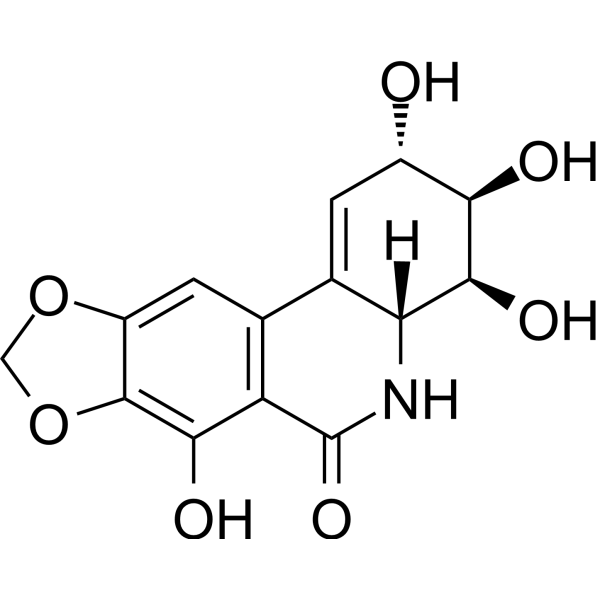
    Narciclasine
    20+ Cited Publications

    Lycoricidinol

    ROCK Cancer
    Narciclasine is a plant growth modulator. Narciclasine modulates the Rho/Rho kinase/LIM kinase/cofilin signaling pathway, greatly increasing GTPase RhoA activity as well as inducing actin stress fiber formation in a RhoA-dependent manner.
    Narciclasine
  • HY-N0168A

    TGF-beta/Smad NF-κB Infection Inflammation/Immunology Cancer
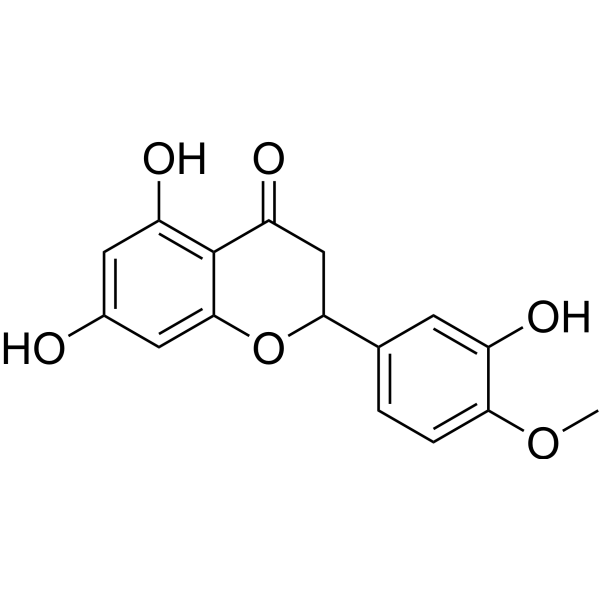
    (Rac)-Hesperetin is the racemate of Hesperetin (HY-N0168), an orally active multi-target inhibitor. (Rac)-Hesperetin exhibits significant anti-tumor and anti-inflammatory activities by blocking the TGF-β1-mediated Fyn/RhoA signaling axis and the TLR4-MyD88-NF-κB inflammatory pathway. (Rac)-Hesperetin inhibits the formation of actin stress fibers and the migration and invasion of cancer cells, and is suitable for triple-negative breast cancer research. In inflammation models, (Rac)-Hesperetin effectively alleviates lung injury by reducing the release of pro-inflammatory mediators and regulating the activity of oxidative stress enzymes, and is suitable for acute lung injury research. (Rac)-Hesperetin also interferes with the entry and early replication processes of channel catfish virus, inhibits viral gene expression and progeny virus production, thereby protecting cells from virus-induced cytopathic effects .
    (Rac)-Hesperetin
  • HY-108036

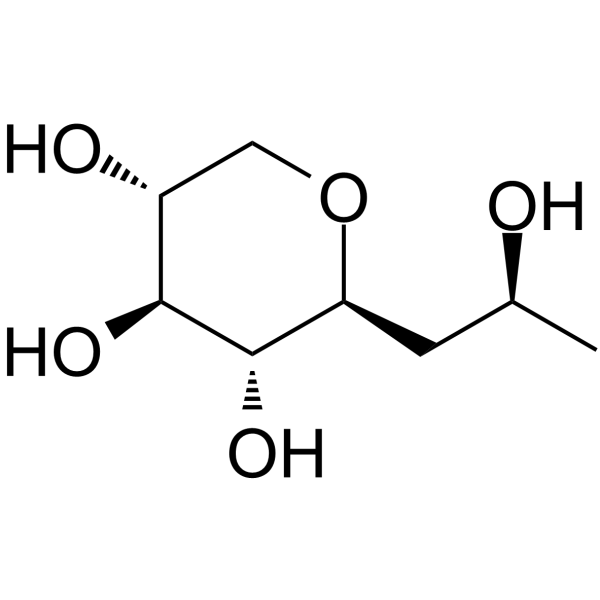
    Hydroxypropyl tetrahydropyrantriol (30% in water)

    Biochemical Assay Reagents Metabolic Disease
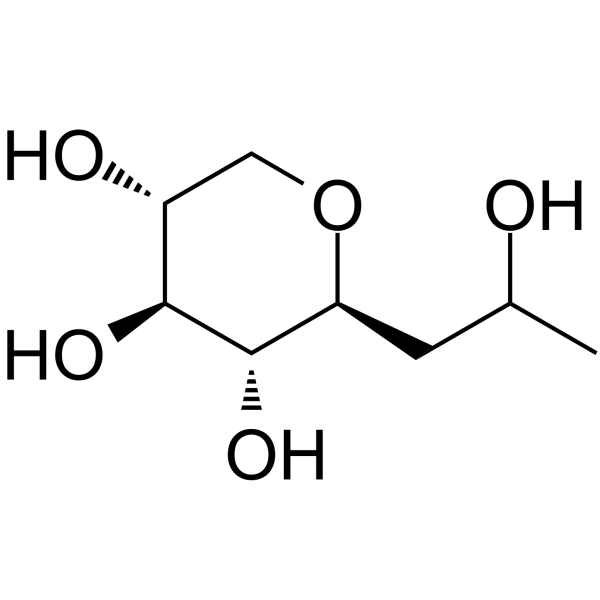
    Pro-xylane (30% in water) (Hydroxypropyl tetrahydropyrantriol) is a bioactive C-glycoside that targets the biosynthesis pathway of glycosaminoglycans/mucopolysaccharides (GAGs) in the skin matrix and can be absorbed transdermally. Pro-xylane (30% in water) stimulates the biosynthesis of GAGs in fibroblasts, enhances the structural stability of the skin extracellular matrix, improves skin elasticity and moisturizing ability, and delays wrinkle formation. Pro-xylane (30% in water) can effectively promote the synthesis of collagen fibers and hyaluronic acid in the dermis. Pro-xylane (30% in water) is used in the field of anti-aging cosmetics to improve skin hydration and elasticity. Pro-xylane (30% in water) is eco-friendly and biodegradable .
    Pro-xylane (30% in water)
  • HY-122958

    α-synuclein Neurological Disease
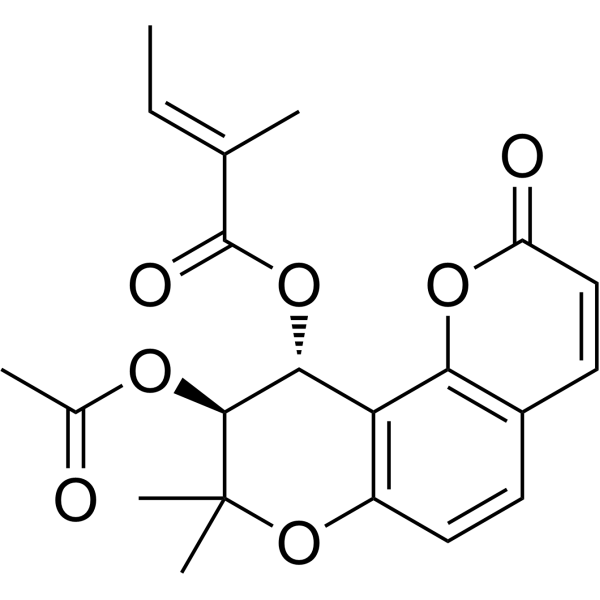
    Peucedanocoumarin III is an α-synuclein fiber depolymerizer with blood-brain barrier permeability. Peucedanocoumarin III depolymerizes β-sheet aggregate structures, promotes aggregate clearance, inhibits β23-induced cytotoxicity, blocks the formation of Lewy body-like inclusions, and prevents dopaminergic neuron loss. Peucedanocoumarin III can be used in studies related to Parkinson's disease .
    Peucedanocoumarin III
  • HY-108036B

    Hydroxypropyl tetrahydropyrantriol

    Biochemical Assay Reagents Metabolic Disease
    Pro-xylane (Hydroxypropyl tetrahydropyrantriol) is a bioactive C-glycoside that targets the biosynthesis pathway of glycosaminoglycans/mucopolysaccharides (GAGs) in the skin matrix and can be absorbed transdermally. Pro-xylane stimulates the biosynthesis of GAGs in fibroblasts, enhances the structural stability of the skin extracellular matrix, improves skin elasticity and moisturizing ability, and delays wrinkle formation. Pro-xylane can effectively promote the synthesis of collagen fibers and hyaluronic acid in the dermis. Pro-xylane is used in the field of anti-aging cosmetics to improve skin hydration and elasticity. Pro-xylane is eco-friendly and biodegradable .
    Pro-xylane
  • HY-N3677

    OGT Akt mTOR GSK-3 Reactive Oxygen Species (ROS) Apoptosis PARP MDM-2/p53 Inflammation/Immunology Cancer
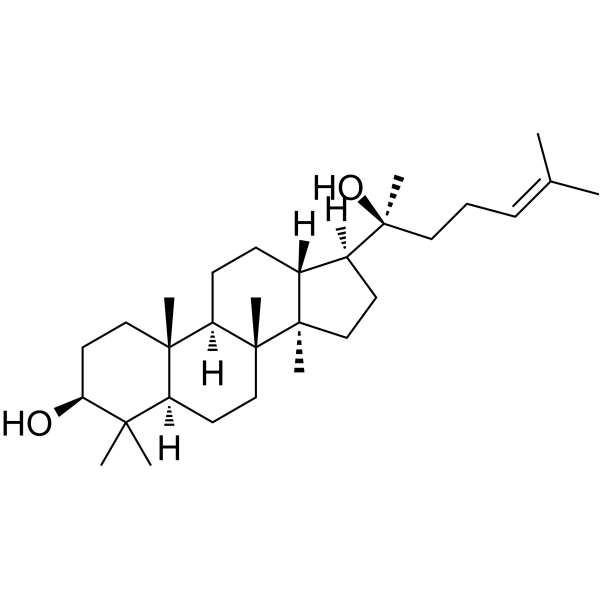
    Dammarenediol II is a ginsenoside precursor . Dammarenediol II reduces the activity of O-GlcNAc transferase (OGT) and downregulates the global O-GlcNAcylation level. Dammarenediol II inhibits the phosphorylation of Akt, mTOR and GSK3β. Dammarenediol II inhibits human carboxylesterase activity, VEGF-induced ROS production, stress fiber formation and vascular endothelial cadherin disruption. Dammarenediol II promotes cell apoptosis (apoptosis), increases the levels of cleaved PARP1 and p53, and inhibits retinal microvascular leakage. Dammarenediol II can be used in studies related to liver cancer and diabetic retinopathy .
    Dammarenediol II
  • HY-N1677

    Akt mTOR Bacterial Fungal AMPK Infection Metabolic Disease Inflammation/Immunology Cancer
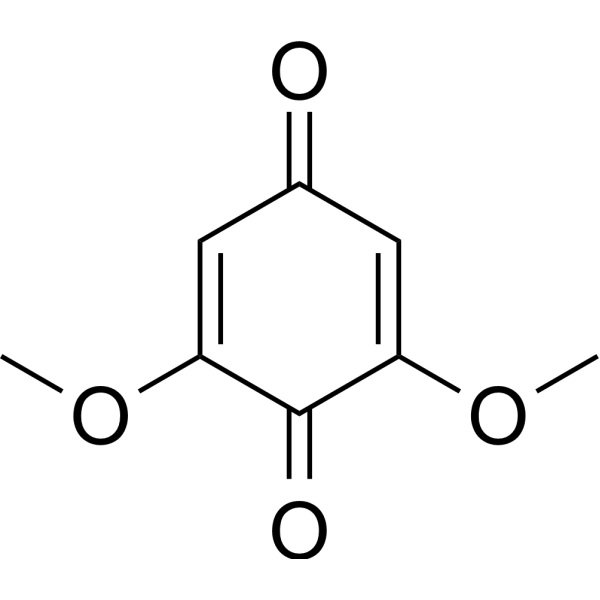
    2,6-Dimethoxy-1,4-benzoquinone is a 1,4-benzoquinone derivative. 2,6-Dimethoxy-1,4-benzoquinone promotes phosphorylation of AKT, S6K, mTOR, 4E-BP1, and AMPK, and attenuates mTORC1 activity as part of the AKT/mTOR pathway. 2,6-Dimethoxy-1,4-benzoquinone stimulates myoblast differentiation, increases myotube size, elevates MHC protein expression, enhances mitochondrial biogenesis, respiration, and DNA content, and increases skeletal muscle weights, fiber size, grip strength, and treadmill performance. 2,6-Dimethoxy-1,4-benzoquinone exerts anti-cancer, anti-inflammatory, anti-adipogenic, antibacterial, and antimutagenic effects, inhibits adipogenic transcription factors, nitric oxide production, skin tumor development, Magnaporthe oryzae growth, spore germination, appressorium formation, and growth of select bacterial species, induces H2O2 generation and rice defense gene expression, and reduces rice blast lesion formation. 2,6-Dimethoxy-1,4-benzoquinone can be used for the research of obesity, skin tumorigenesis, rice blast disease, and food-borne illness .
    2,6-Dimethoxy-1,4-benzoquinone
  • HY-N2438
    Methylophiopogonanone B
    2 Publications Verification

    Ras Microtubule/Tubulin Cancer
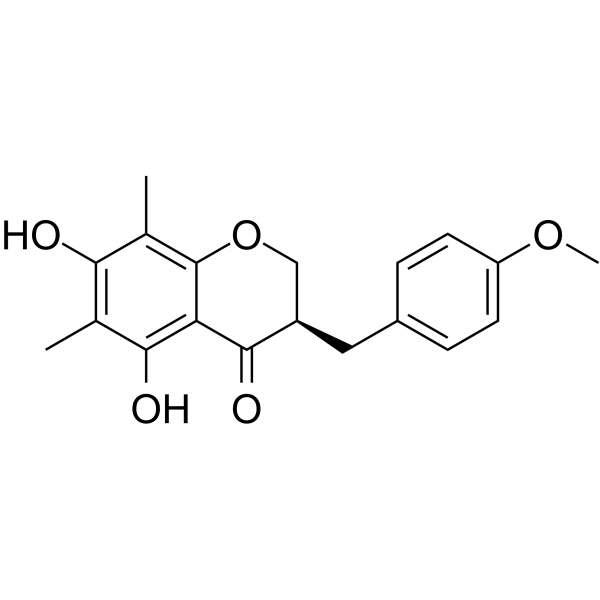
    Methylophiopogonanone B is a homoisoflavonoid compound. Methylophiopogonanone B can be isolated from O. japonicus root. Methylophiopogonanone B promotes Rho activation and Tubulin depolymerization. Methylophiopogonanone B significantly increases GTP-Rho, but not GTP-Rac or GTP-CDC42. Methylophiopogonanone B induces cell morphological change via melanocyte dendrite retraction and stress fiber formation. Methylophiopogonanone B exhibits strong antioxidant activity. Methylophiopogonanone B can be used in the research of cervical cancer .
    Methylophiopogonanone B
  • HY-157693

    Endogenous Metabolite Cancer
    C18:1 Cyclic LPA is a naturally occurring analog of the growth factor-like phospholipid mediator, lysophosphatidic acid (LPA), characterized by the formation of a 5-membered ring between its sn-2 hydroxy group and the sn-3 phosphate. This unique structure allows C18:1 Cyclic LPA to influence a variety of cellular functions, such as inhibiting cell cycle progression, promoting the formation of stress fibers, curtailing tumor cell invasiveness and metastasis, and modulating the differentiation and survival of neuronal cells. Notably, many of these cellular effects elicited by C18:1 Cyclic LPA appear to counter those induced by LPA, despite the activation of seemingly similar receptor populations.
    C18:1 Cyclic LPA
  • HY-108036A

    (S)-Hydroxypropyl tetrahydropyrantriol

    Biochemical Assay Reagents Metabolic Disease
    (S)-Pro-xylane ((S)-Hydroxypropyl tetrahydropyrantriol) is a bioactive C-glycoside that targets the biosynthesis pathway of glycosaminoglycans/mucopolysaccharides (GAGs) in the skin matrix and can be absorbed transdermally. (S)-Pro-xylane stimulates the biosynthesis of GAGs in fibroblasts, enhances the structural stability of the skin extracellular matrix, improves skin elasticity and moisturizing ability, and delays wrinkle formation. (S)-Pro-xylane can effectively promote the synthesis of collagen fibers and hyaluronic acid in the dermis. (S)-Pro-xylane is used in the field of anti-aging cosmetics to improve skin hydration and elasticity. (S)-Pro-xylane is eco-friendly and biodegradable .
    (S)-Pro-xylane
  • HY-125221

    ROCK Cdc42-binding kinase Cancer
    DJ4 is a ATP-competitive inhibitor of ROCK1/2 (IC50 values:5 and 50 nM) and MRCKα/β (IC50 values:10 and 100 nM). DJ4 blocks stress fiber formation and inhibits migration and invasion of cancer cells. DJ4 can be used for study of lung cancer, breast cancer, and pancreatic (PANC-1) cancer .
    DJ4
  • HY-150187

    GPR55 ERK ROCK Calcium Channel Neurological Disease
    20:4 Lyso PI acts as an activator of GPR55 and RhoA. 20:4 Lyso PI activates the GPR55-RhoA-ROCK pathway, thereby inducing morphological changes, cytoskeleton assembly, cell rounding and stress fiber formation. 20:4 Lyso PI can be used in research related to diseases such as those of the nervous system .
    20:4 Lyso PI
  • HY-160831
    PQQ-trimethylester
    1 Publications Verification

    PQQ-TME

    α-synuclein Neurological Disease
    PQQ-trimethylester (PQQ-TME) is a synthetic compound that is a trimethylester derivative of pyrroloquinoline quinone (PQQ). PQQ-trimethylester has twice the blood-brain barrier permeability of PQQ (HY-100196) in vitro. In addition, PQQ-trimethylester shows strong inhibitory activity against α-synuclein, amyloid β1-42 (Aβ1-42) and prion protein fibrillation. PQQ-trimethylester can be used in the study of neurodegenerative diseases .
    PQQ-trimethylester
  • HY-N10341

    IFNAR ROCK Inflammation/Immunology Cancer
    Centaureidin is an orally active IFN-promoter that can be isolated from Bidens pilosa with an EC50 of 0.9 μg/mL. Centaureidin activates the Rho signal pathway, leading to actin and tubulin disassembly, and resulting in dendrite retraction and stress fiber formation in melanocytes. Centaureidin shows high tumor cell growth inhibitory activities. Centaureidin significantly inhibits paw edema in mice [1][2][3][4][5].
    Centaureidin
  • HY-16563R

    Lycoricidinol (Standard)

    Reference Standards ROCK Cancer
    Narciclasine (Standard) is the analytical standard of Narciclasine. This product is intended for research and analytical applications. Narciclasine is a plant growth modulator. Narciclasine modulates the Rho/Rho kinase/LIM kinase/cofilin signaling pathway, greatly increasing GTPase RhoA activity as well as inducing actin stress fiber formation in a RhoA-dependent manner.
    Narciclasine (Standard)
  • HY-N0168AS1

    Isotope-Labeled Compounds NF-κB TGF-beta/Smad Neurological Disease Cancer
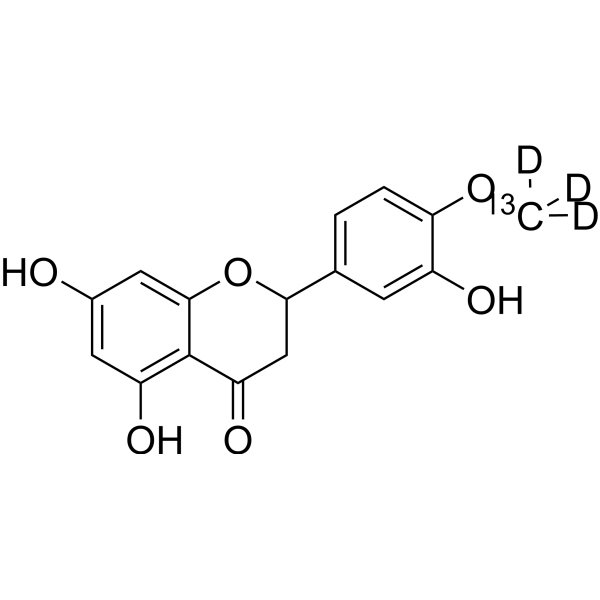
    (Rac)-Hesperetin- 13C,d3 is the 13C- and deuterium labeled (Rac)-Hesperetin. (Rac)-Hesperetin is the racemate of Hesperetin (HY-N0168), an orally active multi-target inhibitor. (Rac)-Hesperetin exhibits significant anti-tumor and anti-inflammatory activities by blocking the TGF-β1-mediated Fyn/RhoA signaling axis and the TLR4-MyD88-NF-κB inflammatory pathway. (Rac)-Hesperetin inhibits the formation of actin stress fibers and the migration and invasion of cancer cells, and is suitable for triple-negative breast cancer research. In inflammation models, (Rac)-Hesperetin effectively alleviates lung injury by reducing the release of pro-inflammatory mediators and regulating the activity of oxidative stress enzymes, and is suitable for acute lung injury research. (Rac)-Hesperetin also interferes with the entry and early replication processes of channel catfish virus, inhibits viral gene expression and progeny virus production, thereby protecting cells from virus-induced cytopathic effects .
    (Rac)-Hesperetin-13C,d3
  • HY-P1388F

    FITC-Ahx-Amyloid β-peptide (1-42) (rat/mouse) tris

    Amyloid-β Neurological Disease
    FITC-Ahx-β-Amyloid (1-42), (rat/mouse) (tris) is a fluorescently labeled (FITC) form of β-Amyloid (1-42), (rat/mouse) (HY-P1388), which can be used in Alzheimer's disease-related research, such as aggregation, fiber formation, cellular uptake or imaging experiments. This product is provided in the form of Tris salt.
    FITC-Ahx-β-Amyloid (1-42), (rat/mouse) tris
  • HY-121352

    Drug Derivative Cancer
    Kibdelone C is a hexacyclic tetrahydroxanthone natural product and anticancer agent with sub-nanomolar GI50 activity against human SR leukemia and SN12C renal carcinoma cell lines. Kibdelone C disrupts the actin cytoskeleton in human cancer cells, leading to cell contraction and actin stress fiber formation, without direct actin binding, actin polymerization effects, topoisomerase I/II inhibition, or DNA binding. Kibdelone C can be used for the research of leukemia, and renal cell carcinoma .
    Kibdelone C
  • HY-171909A

    GroPIns-4-P disodium

    Adenylate Cyclase ROCK Cancer
    Glycerophosphoinositol 4-phosphate (GroPIns-4-P) disodium is a metabolite of phospholipase A and an inhibitor of adenylylcyclase. Glycerophosphoinositol 4-phosphate disodium can regulate cAMP-dependent cellular functions. Glycerophosphoinositol 4-phosphate disodium can also induce the formation of membrane ruffles and stress fibers in serum-starved Swiss 3T3 cells by activating the small GTPases Rac and Rho, respectively. Glycerophosphoinositol 4-phosphate disodium can be used in research on cancer cell motility and invasiveness .
    Glycerophosphoinositol 4-phosphate disodium
  • HY-P10630

    Amyloid-β Neurological Disease
    Pep63 is a neuroprotective peptide (VFQVRARTVA). Pep63 has a neuroprotective effect on synaptic plasticity and memory. Pep63 can competitively bind with Aβ1-42 oligomers, and can block Aβ fiber formation. Pep63 can be used for Alzheimer’s disease (AD) research .
    Pep63
  • HY-173049

    α-synuclein Neurological Disease
    2N4R Tau/α-Syn against-1 (Compound 4d) targets α-synuclein and tau protein, inhibits the fibrillation and oligomer formation of α-synuclein and tau proteins, exhibits disaggregation activity on Aβ fibers. 2N4R Tau/α-Syn against-1 can be used in research of Parkinson's disease and Alzheimer's disease .
    2N4R Tau/α-Syn against-1
  • HY-152552

    α-synuclein Neurological Disease
    α-Synuclein inhibitor 8 is an active inhibitor of α-Synuclein with an IC50 value of 2.5 µM. α-Synuclein inhibitor 8 has highly inhibition on the aggregation and disaggregation of α-Synuclein fibers. α-Synuclein inhibitor 8 reduces the formation of inclusions in neurons that can repairs damage neurons and improves Parkinson’s disease (PD)-like symptoms. α-Synuclein inhibitor 8 has high antioxidant activity and low cytotoxicity .
    α-Synuclein inhibitor 8
  • HY-P10669

    Caspase Apoptosis Cancer
    NDI-Lyso is a lysosome-targeted anticancer agent that induces the formation of rigid long fibers in cancer cell lysosomes through an enzyme-instructed self-assembly (EISA) mechanism catalyzed by cathepsin B. This process triggers lysosomal swelling, membrane permeabilization (LMP), and membrane disruption, ultimately leading to cancer cell apoptosis via a non-classical caspase-independent pathway. NDI-Lyso exhibits significant selective anticancer activity in various cancer cell lines and drug-resistant cancer cells (IC50 ~10 μM) while showing low toxicity to normal cells (IC50 > 60 μM) .
    NDI-Lyso
  • HY-N0168AS

    Isotope-Labeled Compounds NF-κB TGF-beta/Smad Neurological Disease Cancer
    (Rac)-Hesperetin-d3 is the deuterium labeled (Rac)-Hesperetin. (Rac)-Hesperetin is the racemate of Hesperetin (HY-N0168), an orally active multi-target inhibitor. (Rac)-Hesperetin exhibits significant anti-tumor and anti-inflammatory activities by blocking the TGF-β1-mediated Fyn/RhoA signaling axis and the TLR4-MyD88-NF-κB inflammatory pathway. (Rac)-Hesperetin inhibits the formation of actin stress fibers and the migration and invasion of cancer cells, and is suitable for triple-negative breast cancer research. In inflammation models, (Rac)-Hesperetin effectively alleviates lung injury by reducing the release of pro-inflammatory mediators and regulating the activity of oxidative stress enzymes, and is suitable for acute lung injury research. (Rac)-Hesperetin also interferes with the entry and early replication processes of channel catfish virus, inhibits viral gene expression and progeny virus production, thereby protecting cells from virus-induced cytopathic effects .
    (Rac)-Hesperetin-d3
  • HY-N0168AR

    Reference Standards NF-κB TGF-beta/Smad Neurological Disease Cancer
    (Rac)-Hesperetin (Standard) is the analytical standard of (Rac)-Hesperetin. This product is intended for research and analytical applications. (Rac)-Hesperetin is the racemate of Hesperetin (HY-N0168), an orally active multi-target inhibitor. (Rac)-Hesperetin exhibits significant anti-tumor and anti-inflammatory activities by blocking the TGF-β1-mediated Fyn/RhoA signaling axis and the TLR4-MyD88-NF-κB inflammatory pathway. (Rac)-Hesperetin inhibits the formation of actin stress fibers and the migration and invasion of cancer cells, and is suitable for triple-negative breast cancer research. In inflammation models, (Rac)-Hesperetin effectively alleviates lung injury by reducing the release of pro-inflammatory mediators and regulating the activity of oxidative stress enzymes, and is suitable for acute lung injury research. (Rac)-Hesperetin also interferes with the entry and early replication processes of channel catfish virus, inhibits viral gene expression and progeny virus production, thereby protecting cells from virus-induced cytopathic effects .
    (Rac)-Hesperetin (Standard)
  • HY-N1677R

    Reference Standards Akt mTOR Bacterial Fungal AMPK Infection Metabolic Disease Inflammation/Immunology Cancer
    2,6-Dimethoxy-1,4-benzoquinone (Standard) is the analytical standard of 2,6-Dimethoxy-1,4-benzoquinone (HY-N1677). This product is intended for research and analytical applications. 2,6-Dimethoxy-1,4-benzoquinone is a 1,4-benzoquinone derivative. 2,6-Dimethoxy-1,4-benzoquinone promotes phosphorylation of AKT, S6K, mTOR, 4E-BP1, and AMPK, and attenuates mTORC1 activity as part of the AKT/mTOR pathway. 2,6-Dimethoxy-1,4-benzoquinone stimulates myoblast differentiation, increases myotube size, elevates MHC protein expression, enhances mitochondrial biogenesis, respiration, and DNA content, and increases skeletal muscle weights, fiber size, grip strength, and treadmill performance. 2,6-Dimethoxy-1,4-benzoquinone exerts anti-cancer, anti-inflammatory, anti-adipogenic, antibacterial, and antimutagenic effects, inhibits adipogenic transcription factors, nitric oxide production, skin tumor development, Magnaporthe oryzae growth, spore germination, appressorium formation, and growth of select bacterial species, induces H2O2 generation and rice defense gene expression, and reduces rice blast lesion formation. 2,6-Dimethoxy-1,4-benzoquinone can be used for the research of obesity, skin tumorigenesis, rice blast disease, and food-borne illness.
    2,6-Dimethoxy-1,4-benzoquinone (Standard)
  • HY-171909

    GroPIns-4-P

    Adenylate Cyclase ROCK Cancer
    Glycerophosphoinositol 4-phosphate (GroPIns-4-P) is a metabolite of phospholipase A and an inhibitor of adenylylcyclase. Glycerophosphoinositol 4-phosphate can regulate cAMP-dependent cellular functions. Glycerophosphoinositol 4-phosphate can also induce the formation of membrane ruffles and stress fibers in serum-starved Swiss 3T3 cells by activating the small GTPases Rac and Rho, respectively. Glycerophosphoinositol 4-phosphate can be used in research on cancer cell motility and invasiveness .
    Glycerophosphoinositol 4-phosphate
  • HY-108036AR

    (S)-Hydroxypropyl tetrahydropyrantriol (Standard)

    Reference Standards Biochemical Assay Reagents Metabolic Disease
    (S)-Pro-xylane (Standard) is the analytical standard of (S)-Pro-xylane (HY-108036A). This product is intended for research and analytical applications. (S)-Pro-xylane ((S)-Hydroxypropyl tetrahydropyrantriol) is a bioactive C-glycoside that targets the biosynthesis pathway of glycosaminoglycans/mucopolysaccharides (GAGs) in the sKin matrix and can be absorbed transdermally. (S)-Pro-xylane stimulates the biosynthesis of GAGs in fibroblasts, enhances the structural stability of the sKin extracellular matrix, improves sKin elasticity and moisturizing ability, and delays wrinkle formation. (S)-Pro-xylane can effectively promote the synthesis of collagen fibers and hyaluronic acid in the dermis. (S)-Pro-xylane is used in the field of anti-aging cosmetics to improve sKin hydration and elasticity. (S)-Pro-xylane is eco-friendly and biodegradable .
    (S)-Pro-xylane (Standard)
  • HY-P11615

    Bacterial Infection
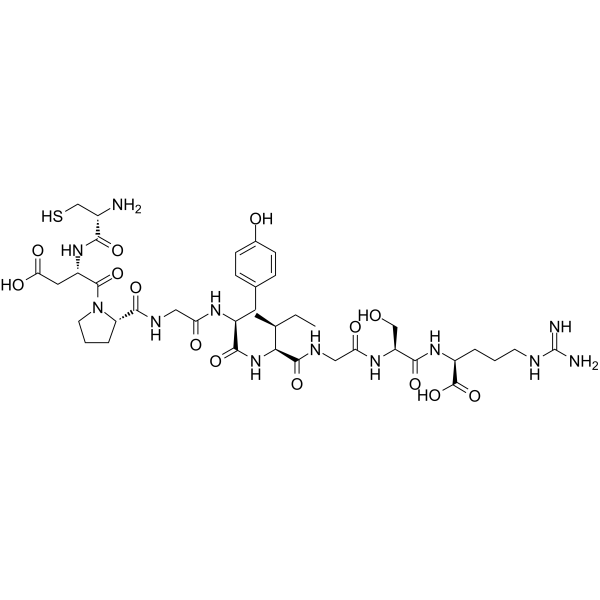
    FuK is a WK2-analog antimicrobial peptide modified with fluorinated unnatural amino acids. FuK has an LD50 of 72.34 mg/kg in mice, shows no hemolytic activity, with high stability against trypsin, chymotrypsin, and saline environments. FuK exerts bactericidal effects by enhancing the permeability of bacterial outer membranes, inducing depolarization of cytoplasmic membranes, and disrupting membrane potential balance against bacterias such as Staphylococcus aureus, Escherichia coli, Klebsiella pneumoniae, and MRSA. FuK exhibits synergistic antimicrobial activity with polymyxin B (HY-149179), vancomycin (HY-B0671), and ciprofloxacin (HY-B0356), and also inhibits Ciprofloxacin-induced bacterial drug resistance. FuK has in vivo safety, effectively reduces bacterial load and inflammatory cell infiltration in a mouse MRSA model, and promotes collagen fiber formation in skin wounds .
    FuK

Inquiry Online

Your information is safe with us. * Required Fields.

Salutation


Country or Region *

Applicant Name *


Organization Name *

Department *


Email Address *


Product Name *

Cat. No.


Requested quantity *

Phone Number *


Remarks

Inquiry Online

Inquiry Information

Product Name:
Cat. No.:
Quantity:
MCE Japan Authorized Agent:

