1. Search Result
Search Result
Results for "

fibrinolysis

" in MedChemExpress (MCE) Product Catalog:

22

Inhibitors & Agonists

2

Peptides

4

Natural
Products

1

Recombinant Proteins

4

Isotope-Labeled Compounds

Cat. No. Product Name Target Research Areas Chemical Structure
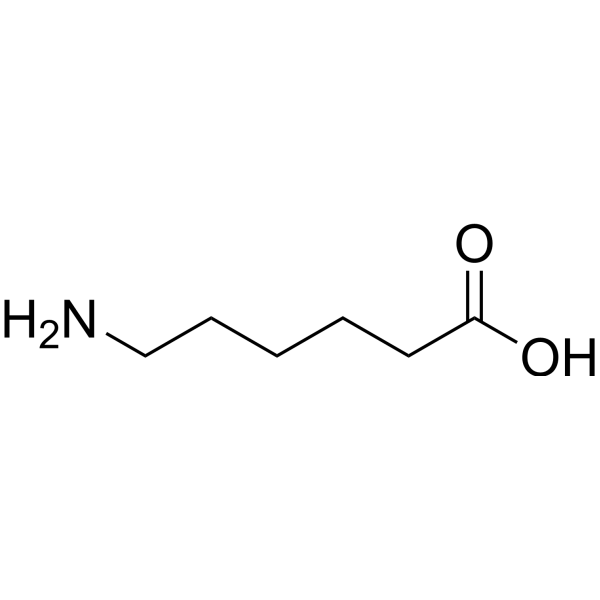
  • HY-B0236
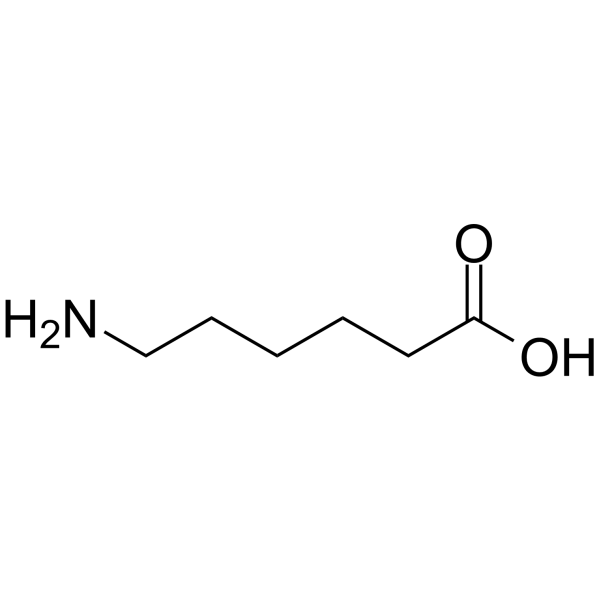
    6-Aminocaproic acid
    4 Publications Verification

    EACA; Epsilon-Amino-n-caproic Acid; 6-Aminohexanoic acid

    PAI-1 Plasminogen/Plasmin PROTAC Linkers Metabolic Disease Cancer
    6-Aminocaproic acid (EACA), a monoamino carboxylic acid, is a potent and orally active inhibitor of plasmin and plasminogen. 6-Aminocaproic acid is a potent antifibrinolytic agent. 6-Aminocaproic acid prevents clot lysis through the competitive binding of lysine residues on plasminogen, inhibiting plasmin formation and reducing fibrinolysis. 6-Aminocaproic acid can be used for the research of bleeding disorders .
    6-Aminocaproic acid
  • HY-101918

    Thrombin Cardiovascular Disease
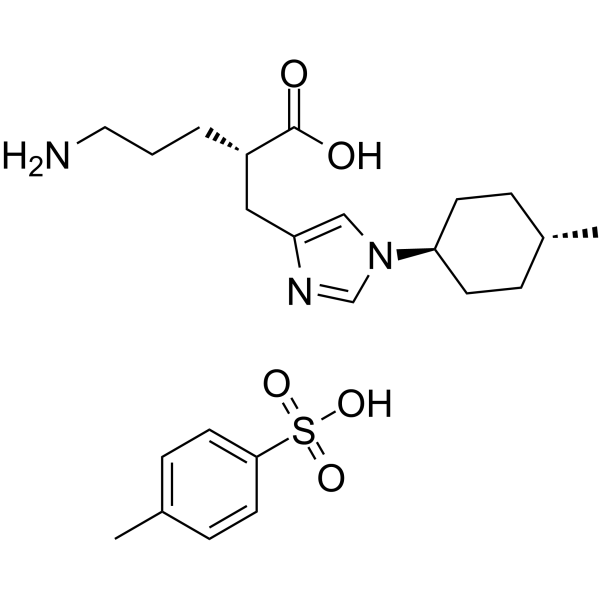
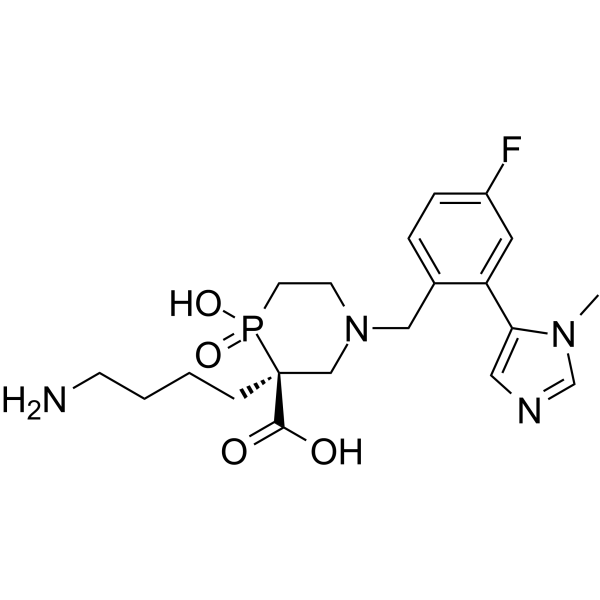
    DS-1040 Tosylate is an orally active, selective inhibitor of activated thrombin-activatable fibrinolysis inhibitor (TAFIa) with IC50s of 5.92 nM and 8.01 nM for human and rat TAFIa. DS-1040 Tosylate is a fibrinolysis enhancer for thromboembolic diseases .
    DS-1040 Tosylate
  • HY-W004261

    Endogenous Metabolite Interleukin Related Ser/Thr Protease Thrombin Others
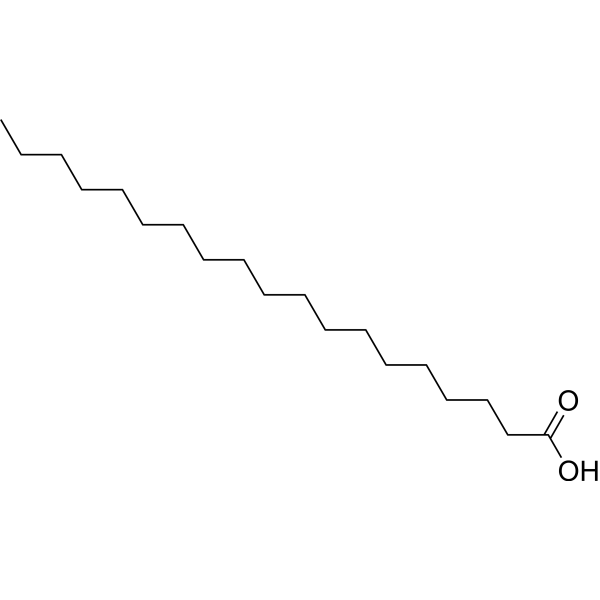
    Nonadecanoic acid is a 19-carbon long saturated fatty acid. Nonadecanoic acid is the major constituent of the substance secreted by Rhinotermes marginalis. Nonadecanoic acid can be isolated from several sources, including fungus, plant, and marine sponge. Nonadecanoic acid exhibits inhibitory effects on fibrinolysis and plasmin activity. Nonadecanoic acid produced from Streptomyces is an anti-tumor agent and inhibits IL-12 production .
    Nonadecanoic acid
  • HY-14759

    PAZ-417

    PAI-1 Amyloid-β Neurological Disease
    Aleplastinin (PAZ-417) is an orally active, blood-brain barrier permeable, selective SERPINE1 (PAI-1) inhibitor (IC50=655 nM). Aleplastinin activates the tissue type plasminogen activator (tPA)/fibrinolysis cascade by inhibiting PAI-1, thereby promoting the degradation of amyloid-β (Aβ) oligomers and monomers. Aleplastinin can significantly reduce plasma and brain Aβ levels, improve memory impairment, and reverse cognitive impairment. Aleplastinin can be used for research on Alzheimer's disease .
    Aleplasinin
  • HY-124577

    PAI-1 Apoptosis Cardiovascular Disease
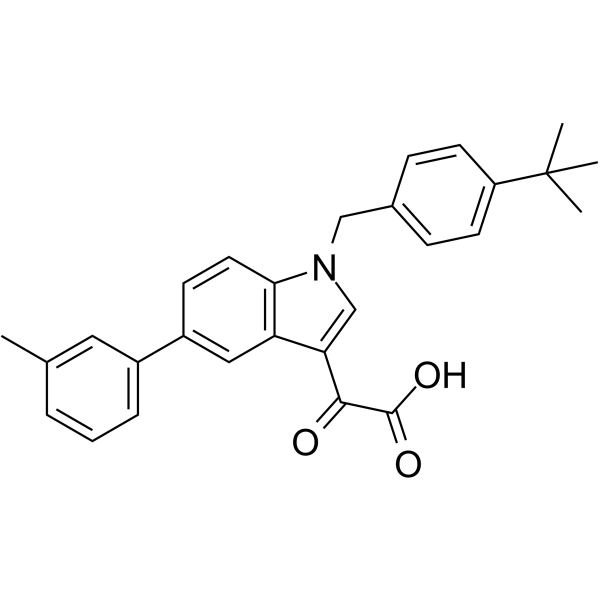
    MDI-2268 is an inhibitor of plasma kallikrein inhibitor 1 (PAI-1). MDI-2268 has good antithrombotic properties and regulates blood coagulation and fibrinolysis process by enhancing fibrinolysis. MDI-2268 can be used in research areas such as deep vein thrombosis .
    MDI-2268
  • HY-120516

    PAI-1 Cardiovascular Disease
    CDE-096 is a potent inhibitor of PAI-1. CDE-096 prevents PAI-1 from inactivating tPA and uPA with similar potency (IC50=30 and 25 nM, respectively) and is active against glycosylated PAI-1, as well as PAI-1 derived from several species (IC50=19, 22 and 18 nM for murine, rat, and Porcine PAI-1, respectively) .
    CDE-096
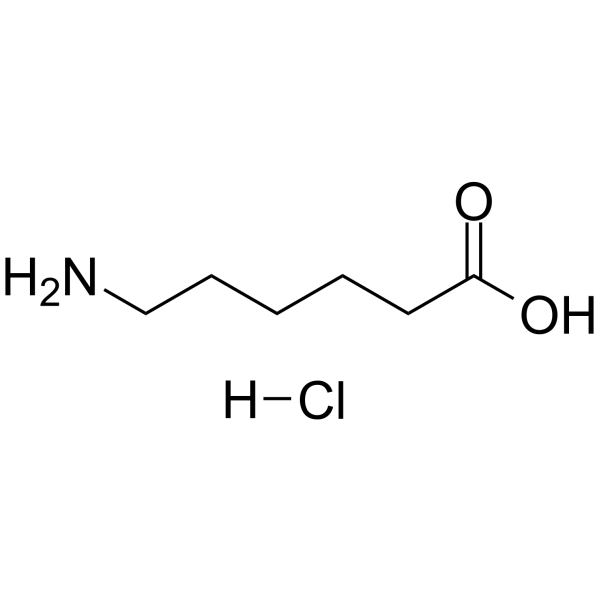
  • HY-B0236A

    EACA hydrochloride; Epsilon-Amino-n-caproic Acid hydrochloride; 6-Aminohexanoic acid hydrochloride

    Drug Derivative PAI-1 Metabolic Disease Cancer
    6-Aminocaproic acid hydrochloride, a monoamino carboxylic acid, is a potent and orally active inhibitor of plasmin and plasminogen. 6-Aminocaproic acid is a potent antifibrinolytic agent. 6-Aminocaproic acid prevents clot lysis through the competitive binding of lysine residues on plasminogen, inhibiting plasmin formation and reducing fibrinolysis. 6-Aminocaproic acid can be used for the research of bleeding disorders .
    6-Aminocaproic acid hydrochloride
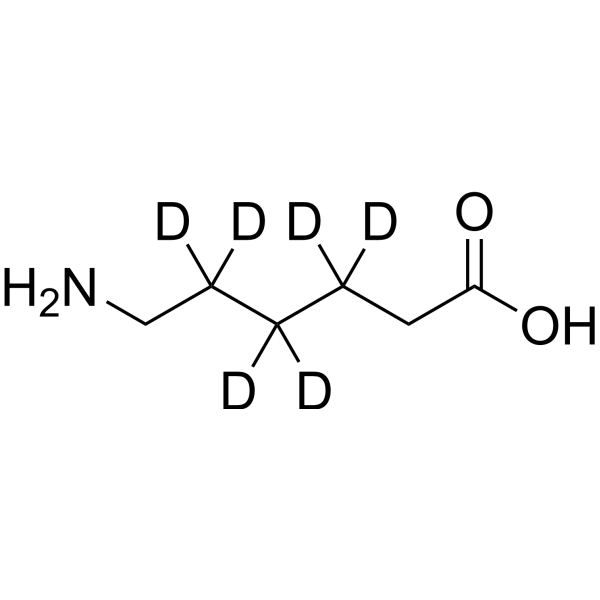
  • HY-B0236S

    EACA-d6; Epsilon-Amino-n-caproic acid-d6; 6-Aminohexanoic acid-d6

    Isotope-Labeled Compounds Metabolic Disease
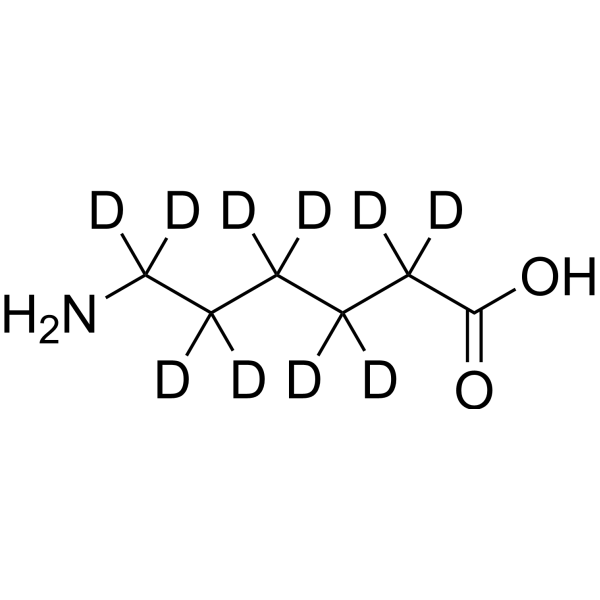
    6-Aminocaproic acid-d6 is deuterium labeled 6-Aminocaproic acid. 6-Aminocaproic acid (EACA), a monoamino carboxylic acid, is a potent and orally active inhibitor of plasmin and plasminogen. 6-Aminocaproic acid is a potent antifibrinolytic agent. 6-Aminocaproic acid prevents clot lysis through the competitive binding of lysine residues on plasminogen, inhibiting plasmin formation and reducing fibrinolysis. 6-Aminocaproic acid can be used for the research of bleeding disorders .
    6-Aminocaproic acid-d6
  • HY-B0236R

    EACA(Standard); Epsilon-Amino-n-caproic Acid(Standard); 6-Aminohexanoic acid (Standard)

    PAI-1 Reference Standards Others Metabolic Disease Cancer
    6-Aminocaproic acid (Standard) is the analytical standard of 6-Aminocaproic acid. This product is intended for research and analytical applications. 6-Aminocaproic acid (EACA), a monoamino carboxylic acid, is a potent and orally active inhibitor of plasmin and plasminogen. 6-Aminocaproic acid is a potent antifibrinolytic agent. 6-Aminocaproic acid prevents clot lysis through the competitive binding of lysine residues on plasminogen, inhibiting plasmin formation and reducing fibrinolysis. 6-Aminocaproic acid can be used for the research of bleeding disorders .
    6-Aminocaproic acid (Standard)
  • HY-117745

    Thrombin Cardiovascular Disease
    DS-1040 is a low-molecular-weight imidazole derivative. DS-1040 is an inhibitor of the activated thrombin-activatable fibrinolysis (TAFIa). DS-1040 can promote fibrinolysis through suppressing TAFIa activity. DS-1040 can be studied in thrombolytic disease research .
    DS-1040
  • HY-142163

    Thrombin Cardiovascular Disease
    S62798 is a selective and potent inhibitor of activated thrombin activatable fibrinolysis inhibitor (TAFIa) with an IC50 value of 6 mM.
    S62798
  • HY-P5356

    Plasmin substrate

    Fluorescent Dye Others
    H-D-Val-Leu-Lys-AFC (Plasmin substrate) is a biological active peptide. (This is a fluorescent plasmin substrate, Abs/Em=380/500 nm.Plasmin belongs to the family of serine proteases. It plays a key role in fibrinolysis by dissolving fibrin in blood clots. Besides fibrinolysis, plasmin is also involved in such physiological and pathological processes as wound healing, liver repair, and the maintenance of liver homeostasis.)
    H-D-Val-Leu-Lys-AFC
  • HY-124139

    Bacterial Infection
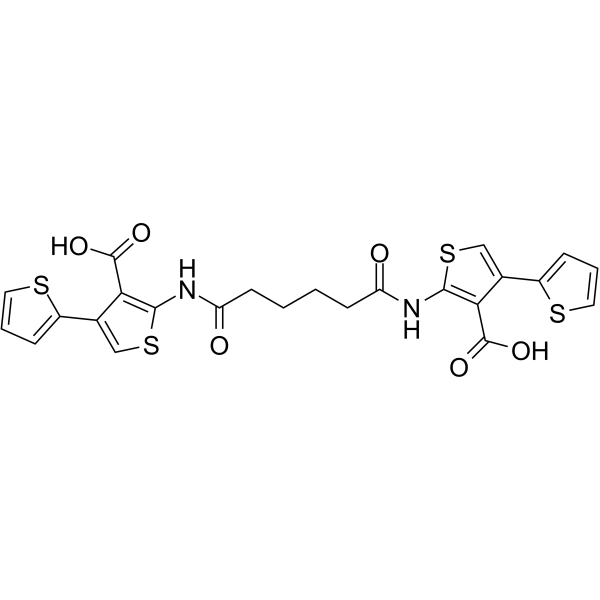
    CCG-102487 is a streptokinase (SK) inhibitor. CCG-102487 impairs bacterial exploitation of host fibrinolysis and enhances neutrophil phagocytosis. CCG-102487 is promising for research of streptococcal infections (e.g., pharyngitis, necrotizing fasciitis) .
    CCG 102487
  • HY-105940

    Amino Acid Derivatives Cardiovascular Disease
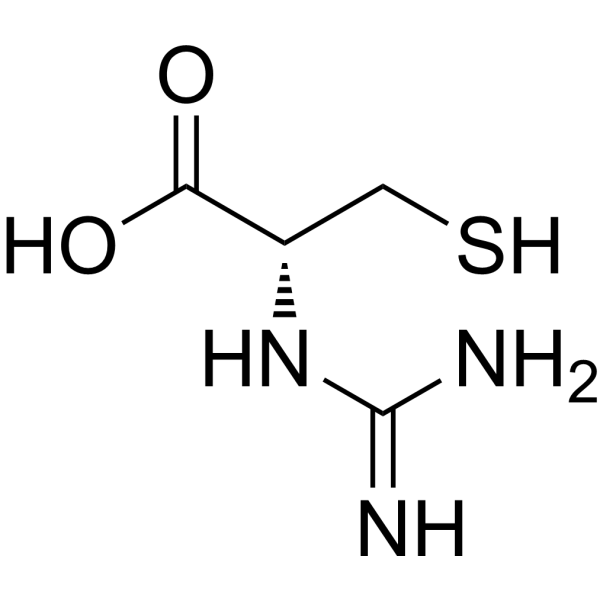
    IQB-782 is a cysteine derivative. IQB-782 has inhibition for thrombin activatable fibrinolysis inhibitor (TAFI), with an Ki(app) of 0.14 μM. IQB-782 shows a potent mucolytic-expectorant activity .
    IQB-782
  • HY-119160

    PAI-1 Inflammation/Immunology Cancer
    TM5007 is a poent and orally active inhibitor of plasminogen activator inhibitor-1 (PAI-1) with an IC50 of 29 μM. TM5007 enhance fibrinolysis activity and inhibits coagulation. TM5007 also prevents the fibrotic process initiated by bleomycin in mouse lung .
    TM5007
  • HY-12586

    Thrombin Others
    AZD6564 is an orally active inhibitor for fibrinolysis through disruption of plasma kinase-fibrin interaction. AZD6564 dissolves human plasma clot with an IC50 of 0.44 μM. AZD6564 ameliorates hemorrhage in rats with EC50 of 1.62 μM, and exhibits good pharmacokinetic characteristics in rats .
    AZD6564
  • HY-B0236S1

    EACA-d10; Epsilon-Amino-n-caproic Acid-d10; 6-Aminohexanoic acid-d10

    Isotope-Labeled Compounds Metabolic Disease
    6-Aminocaproic acid-d10 is the deuterium labeled 6-Aminocaproic acid. 6-Aminocaproic acid (EACA), a monoamino carboxylic acid, is a potent and orally active inhibitor of plasmin and plasminogen. 6-Aminocaproic acid is a potent antifibrinolytic agent. 6-Aminocaproic acid prevents clot lysis through the competitive binding of lysine residues on plasminogen, inhibiting plasmin formation and reducing fibrinolysis. 6-Aminocaproic acid can be used for the research of bleeding disorders .
    6-Aminocaproic acid-d10
  • HY-W004261R

    Reference Standards Endogenous Metabolite Interleukin Related Ser/Thr Protease Thrombin Others
    Nonadecanoic acid (Standard) is the analytical standard of Nonadecanoic acid. This product is intended for research and analytical applications. Nonadecanoic acid is a 19-carbon long saturated fatty acid. Nonadecanoic acid is the major constituent of the substance secreted by Rhinotermes marginalis. Nonadecanoic acid can be isolated from several sources, including fungus, plant, and marine sponge. Nonadecanoic acid exhibits inhibitory effects on fibrinolysis and plasmin activity. Nonadecanoic acid produced from Streptomyces is an anti-tumor agent and inhibits IL-12 production .
    Nonadecanoic acid (Standard)
  • HY-W701541

    EACA-d10 hydrochloride; Epsilon-Amino-n-caproic Acid-d10 hydrochloride; 6-Aminohexanoic acid-d10 hydrochloride

    Isotope-Labeled Compounds PAI-1 Drug Derivative Cancer
    6-Aminocaproic acid-d10 hydrochloride (EACA-d10 hydrochloride; Epsilon-Amino-n-caproic Acid-d10 hydrochloride; 6-Aminohexanoic acid-d10 hydrochloride) is the deuterium labeled 6-Aminocaproic acid hydrochloride (HY-B0236A). 6-Aminocaproic acid hydrochloride, a monoamino carboxylic acid, is a potent and orally active inhibitor of plasmin and plasminogen. 6-Aminocaproic acid is a potent antifibrinolytic agent. 6-Aminocaproic acid prevents clot lysis through the competitive binding of lysine residues on plasminogen, inhibiting plasmin formation and reducing fibrinolysis. 6-Aminocaproic acid can be used for the research of bleeding disorders .
    6-Aminocaproic acid-d10 hydrochloride
  • HY-101918R

    Thrombin Reference Standards Cardiovascular Disease
    DS-1040 Tosylate (Standard) is the analytical standard of DS-1040 Tosylate (HY-101918). This product is intended for research and analytical applications. DS-1040 Tosylate is an orally active, selective inhibitor of activated thrombin-activatable fibrinolysis inhibitor (TAFIa) with IC50s of 5.92 nM and 8.01 nM for human and rat TAFIa. DS-1040 Tosylate is a fibrinolysis enhancer for thromboembolic diseases .
    DS-1040 Tosylate (Standard)
  • HY-E71367

    Proteolytic Enzyme Bacterial Fungal Cardiovascular Disease Infection Inflammation/Immunology Cancer
    Bromelain USP is an orally active proteolytic agent. Bromelain USP converts plasminogen to plasmin to support fibrinolysis, cleaves CD44 adhesion molecules from cell surfaces, and diminishes uPAR expression and uPA activity. Bromelain USP can inhibit the activity of a variety of fungi and bacteria. Bromelain USP can be used for the research of angina pectoris, atherosclerotic disease, fungal infections, bacterial infections, chronic inflammatory bowel disease, and cancer .
    Bromelain (USP)
  • HY-178398S

    Isotope-Labeled Compounds Ser/Thr Protease Interleukin Related Thrombin Endogenous Metabolite Others
    Nonadecanoic acid-d3 is the deuterium labeled Nonadecanoic acid (HY-W004261). Nonadecanoic acid is a 19-carbon long saturated fatty acid. Nonadecanoic acid is the major constituent of the substance secreted by Rhinotermes marginalis. Nonadecanoic acid can be isolated from several sources, including fungus, plant, and marine sponge. Nonadecanoic acid exhibits inhibitory effects on fibrinolysis and plasmin activity. Nonadecanoic acid produced from Streptomyces is an anti-tumor agent and inhibits IL-12 production .
    Nonadecanoic acid-d3

Inquiry Online

Your information is safe with us. * Required Fields.

Salutation


Country or Region *

Applicant Name *


Organization Name *

Department *


Email Address *


Product Name *

Cat. No.


Requested quantity *

Phone Number *


Remarks

Inquiry Online

Inquiry Information

Product Name:
Cat. No.:
Quantity:
MCE Japan Authorized Agent:

