1. Search Result
Search Result
Results for "

flea

" in MedChemExpress (MCE) Product Catalog:

19

Inhibitors & Agonists

1

Natural
Products

3

Isotope-Labeled Compounds

Cat. No. Product Name Target Research Areas Chemical Structure
  • HY-B0978

    DEET; N,N-Diethyl-m-toluamide

    Environmental Pollutants Parasite Infection Neurological Disease
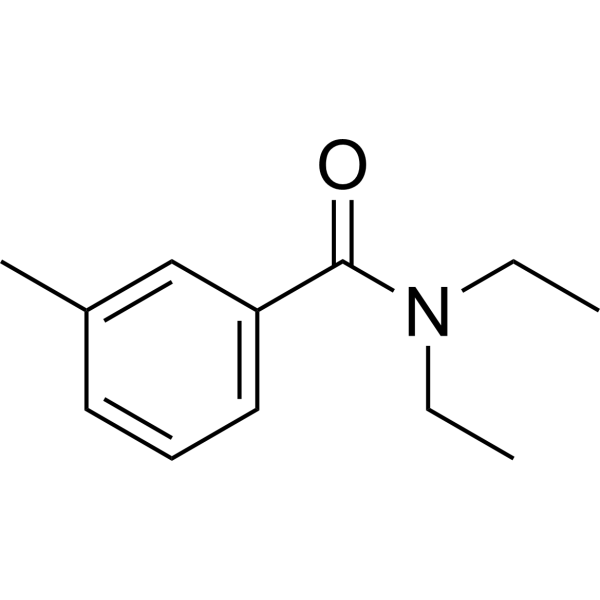
    Diethyltoluamide (DEET) is the most common active ingredient in insect repellents. It is intended to provide protection against mosquitoes, ticks, fleas, chiggers, leeches, and many other biting insects. Diethyltoluamide is toxic to hepatocytes and can lead to many physiological, pharmacological, and behavioral abnormalities, particularly motor deficits and learning and memory dysfunction .
    Diethyltoluamide
  • HY-115584

    Environmental Pollutants Parasite Infection
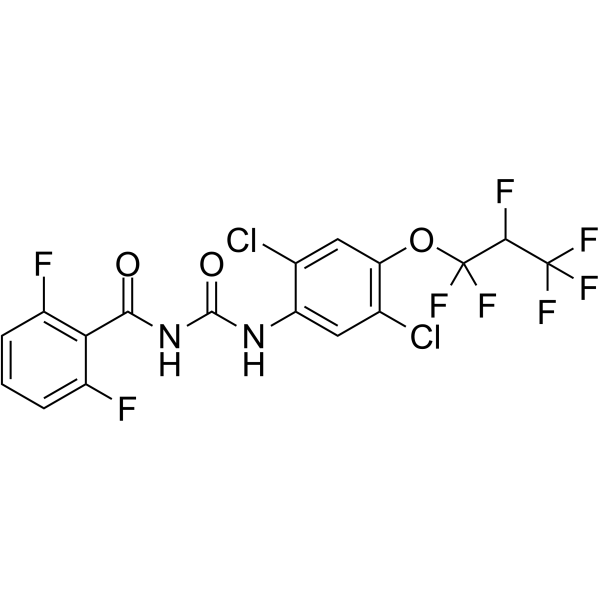
    Lufenuron is an orally active lipophilic benzoylurea insecticide and a chitin synthesis inhibitor that can used for flea and fish lice control. Lufenuron inhibits moulting of arthropods. Lufenuron induces reproductive toxicity, genotoxic effects and oxidative stresses in pregnant albino rats and their fetuses .
    Lufenuron
  • HY-B0822

    Environmental Pollutants Cytochrome P450 GABA Receptor Apoptosis Neurological Disease
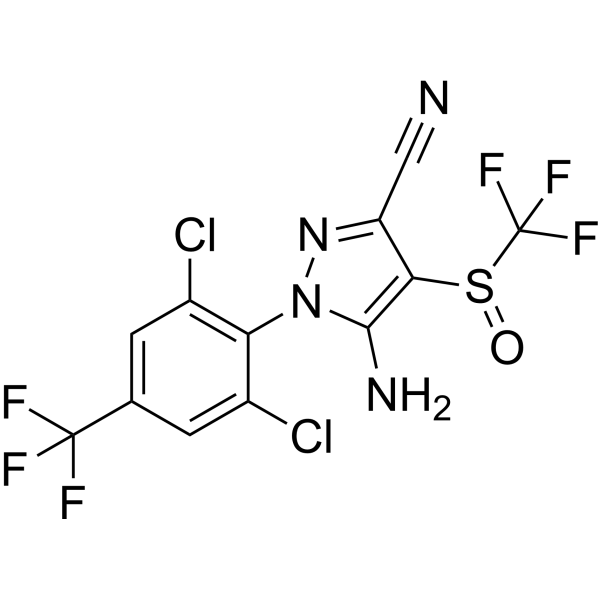
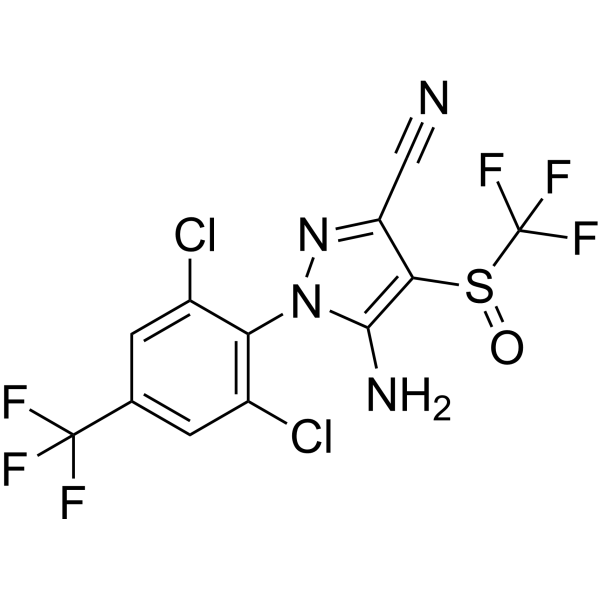
    Fipronil is a broad-spectrum insecticide effective against Lepidoptera species as well as thrips, locusts, ants, cockroaches, fleas and ticks. Fipronil selectively inhibits GABA receptor with IC50s of 30 nM and 1600 nM for cockroach and rat GABA receptors, respectively. Glutamate-gated chloride channels (GluCls), which are present in cockroaches but not in mammals, are sensitive to the blocking effect of Fipronil. Fipronil also induces apoptosis in HepG2 cells and promotes the expression of CYP1A1 and CYP3A4 mRNA in human hepatocytes .
    Fipronil
  • HY-W099479

    Ethyl butylacetylaminopropionate; IR-3535

    Environmental Pollutants Apoptosis Reactive Oxygen Species (ROS) Parasite SOD Infection Inflammation/Immunology
    Insect repellent M 3535 (Ethyl butylacetylaminopropionate) is a broad-spectrum, mild insect repellent based on the structure of β-alanine. Insect repellent M 3535 exerts repellent effects by interfering with the olfaction of mosquitoes, but it poses risks of developmental and cardiac toxicity to aquatic organisms such as zebrafish embryos in aquatic environments, and can activate oxidative stress responses .
    Insect repellent M 3535
  • HY-16730
    Sarolaner
    1 Publications Verification

    PF-6450567

    Parasite Infection
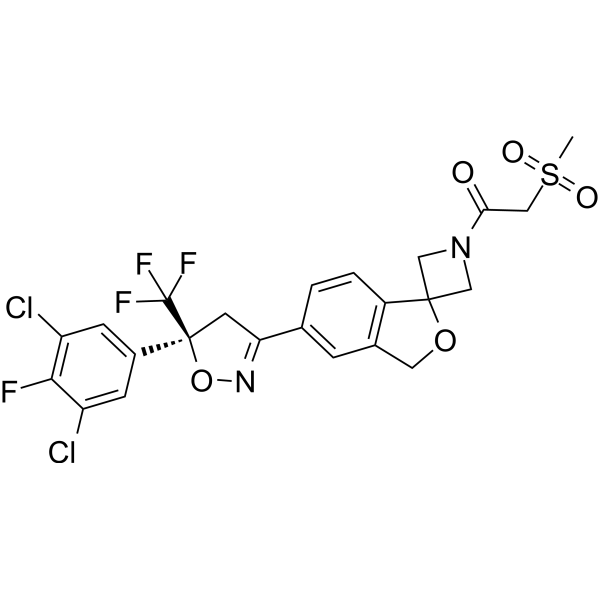
    Sarolaner (PF-6450567) is an orally active and broad-spectrum ectoparasiticide. Sarolaner is an isoxazoline compound which shows efficacy against fleas and ticks on dogs, with a LC80 value of 0.3 μg/mL against C. felis and a LC100 value of 0.003 μg/mL against O. turicata .
    Sarolaner
  • HY-109077

    BAY-1272858

    GABA Receptor Parasite Chloride Channel Infection Neurological Disease
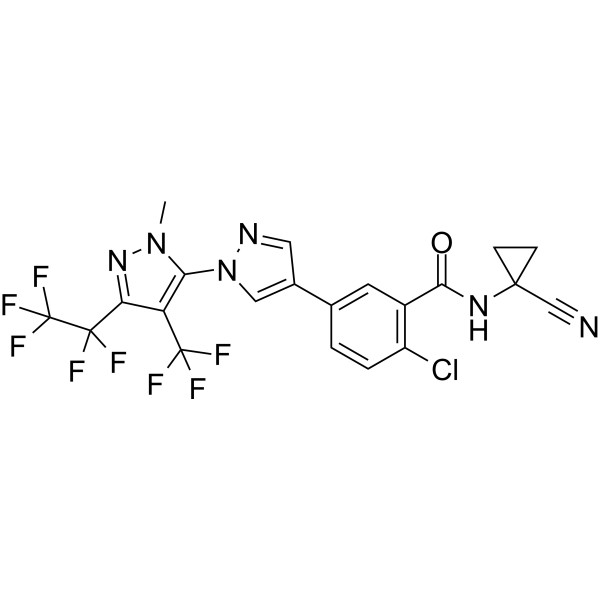
    Tigolaner (BAY-1272858) acts on γ-aminobutyric acid (GABA) and glutamate-gated chloride channels. Tigolaner has antiparasitic activity .
    Tigolaner
  • HY-B0822R

    Reference Standards GABA Receptor Cytochrome P450 Apoptosis Neurological Disease
    Fipronil (Standard) is the analytical standard of Fipronil. This product is intended for research and analytical applications. Fipronil is a broad-spectrum insecticide effective against Lepidoptera species as well as thrips, locusts, ants, cockroaches, fleas and ticks. Fipronil selectively inhibits GABA receptor with IC50s of 30 nM and 1600 nM for cockroach and rat GABA receptors, respectively. Glutamate-gated chloride channels (GluCls), which are present in cockroaches but not in mammals, are sensitive to the blocking effect of Fipronil. Fipronil also induces apoptosis in HepG2 cells and promotes the expression of CYP1A1 and CYP3A4 mRNA in human hepatocytes .
    Fipronil (Standard)
  • HY-B0978R

    DEET (Standard); N,N-Diethyl-m-toluamide (Standard)

    Reference Standards Parasite Infection Neurological Disease
    Diethyltoluamide (Standard) is the analytical standard of Diethyltoluamide. This product is intended for research and analytical applications. Diethyltoluamide (DEET) is the most common active ingredient in insect repellents. It is intended to provide protection against mosquitoes, ticks, fleas, chiggers, leeches, and many other biting insects. Diethyltoluamide is toxic to hepatocytes and can lead to many physiological, pharmacological, and behavioral abnormal ities, particularly motor deficits and learning and memory dysfunction .
    Diethyltoluamide (Standard)
  • HY-107835

    FCR 2769

    Environmental Pollutants Apoptosis Bcl-2 Family Parasite Insecticide Infection Cancer
    Flumethrin (FCR 2769) is a pyrethroid insecticide and acaricide . Flumethrin targets voltage-gated sodium channels and estrogen receptor α (ERα). Flumethrin induces cytotoxicity, apoptosis, genotoxicity and DNA damage in breast cancer cells by regulating the expression of BCL2, BAX, TP53 and P21 genes. Flumethrin is applicable to relevant studies on ectoparasite infections (tick and flea burdens) in dogs and cats, as well as breast cancer .
    Flumethrin
  • HY-115584R

    Parasite Reference Standards Infection
    Lufenuron (Standard) is the analytical standard of Lufenuron. This product is intended for research and analytical applications. Lufenuron is a lipophilic benzoylurea insecticide and a chitin synthesis inhibitor that can used for flea and fish lice control. Lufenuron inhibits moulting of arthropods .
    Lufenuron (Standard)
  • HY-B0978S1

    DEET-d7; N,N-Diethyl-m-toluamide-d7

    Parasite Infection
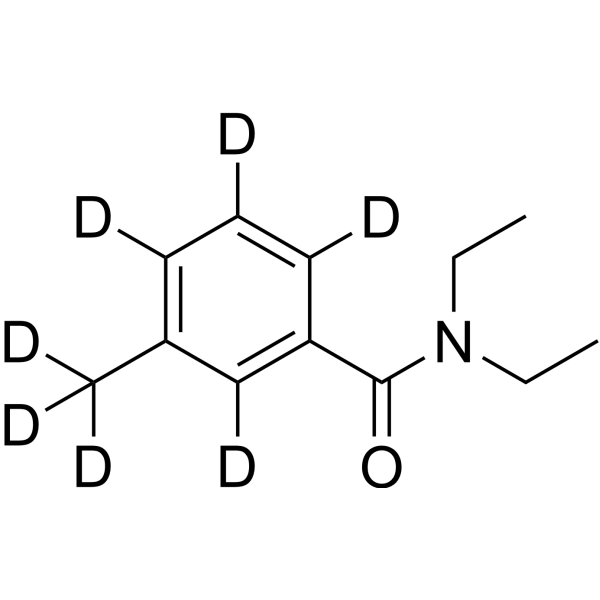
    Diethyltoluamide-d7 is the deuterium labeled Diethyltoluamide . Diethyltoluamide is the most common active ingredient in insect repellents. It is intended to provide protection against mosquitoes, ticks, fleas, chiggers, leeches, and many other biting insects .
    Diethyltoluamide-d7
  • HY-172346

    N-OH MDMA hemioxalate; flea hemioxalate

    Drug Derivative Neurological Disease Metabolic Disease
    N-Hydroxy MDMA (N-OH MDMA) hemioxalate is an N-hydroxy analogue of 3,4-methylenedioxymethamphetamine (MDMA). N-Hydroxy MDMA hemioxalate can be rapidly metabolized to MDMA and MDA in rats, which are mainly excreted in urine, and can also be detected in hair .
    N-Hydroxy MDMA hemioxalate
  • HY-115584S

    Isotope-Labeled Compounds Parasite Infection
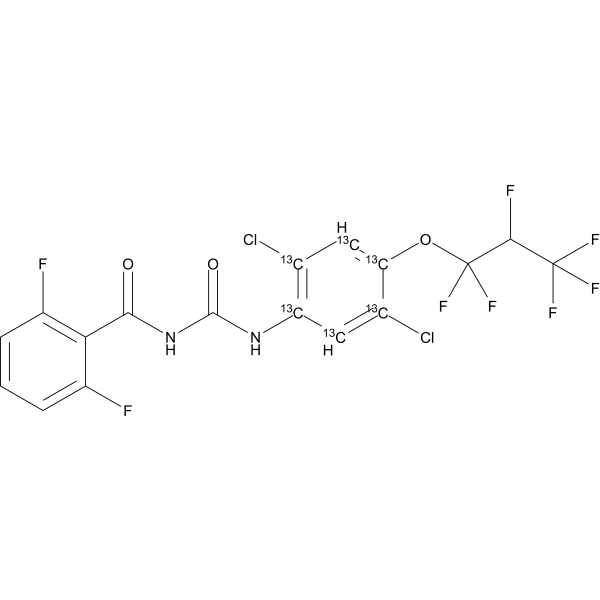
    Lufenuron- 13C6 is a 13C-labeled Lufenuron. Lufenuron is a lipophilic benzoylurea insecticide and a chitin synthesis inhibitor that can used for flea and fish lice control. Lufenuron inhibits moulting of arthropods .
    Lufenuron-13C6
  • HY-B0978S

    DEET-d10; N,N-Diethyl-m-toluamide-d10

    Parasite Infection
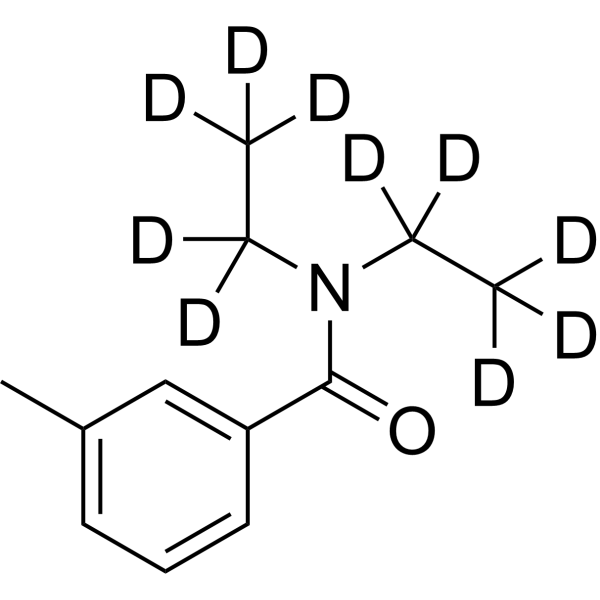
    Diethyltoluamide-d10 is the deuterium labeled Diethyltoluamide . Diethyltoluamide is the most common active ingredient in insect repellents. It is intended to provide protection against mosquitoes, ticks, fleas, chiggers, leeches, and many other biting insects .
    Diethyltoluamide-d10
  • HY-W108381

    Parasite Others
    Pyriprole can be used against cat flea. Pyriprole disrupts the flea life cycle through killing of adult fleas before they lay eggs. Pyriprole has residual effect on debris from dog, which results in a decreased ability of cat flea larvae to complete development to the adult stage .
    Pyriprole
  • HY-115584B

    Parasite Infection
    Lufenuron, (-)- is an active isomer form of Lufenuron. Lufenuron is a lipophilic benzoyl urea insecticide and chitin synthesis inhibitor that can be used for flea and fish lice control. Lufenuron inhibits the molting of arthropods .
    Lufenuron, (-)-
  • HY-118839

    Endogenous Metabolite Infection
    Trans-Phenothrin is a synthetic pyrethroid with activity against adult fleas and ticks. Trans-Phenothrin has shown significant differences in biological activity between its different enantiomers in comparison with fenvalerate and d-trans-phenothrin. Trans-Phenothrin is used in agriculture for its potential insecticide activity against pests such as Plutella xylostella .
    trans-Phenothrin
  • HY-107835R

    FCR 2769 (Standard)

    Reference Standards Insecticide Parasite Apoptosis Bcl-2 Family Infection Cancer
    Flumethrin (Standard) (FCR 2769 (Standard)) is the analytical standard of Flumethrin (HY-107835). This product is intended for research and analytical applications. Flumethrin (FCR 2769) is a pyrethroid insecticide and acaricide. Flumethrin targets voltage-gated sodium channels and estrogen receptor α (ERα). Flumethrin induces cytotoxicity, apoptosis, genotoxicity and DNA damage in breast cancer cells by regulating the expression of BCL2, BAX, TP53 and P21 genes. Flumethrin is applicable to relevant studies on ectoparasite infections (tick and flea burdens) in dogs and cats, as well as breast cancer.
    Flumethrin (Standard)
  • HY-N17847

    Others Others
    Quercetin-3-O-β-D-xylosyl-(1→2)-β-D-galactoside (compound 2) is a flavonol glycoside. Quercetin-3-O-β-D-xylosyl-(1→2)-β-D-galactoside occurs in the leaves of horseradish Armoracia rusticana. Quercetin-3-O-β-D-xylosyl-(1→2)-β-D-galactoside serves as one of the feeding stimulants for the flea beetle Phyllotreta armoraciae .
    Quercetin-3-O-β-D-xylosyl-(1→2)-β-D-galactoside

Inquiry Online

Your information is safe with us. * Required Fields.

Salutation


Country or Region *

Applicant Name *


Organization Name *

Department *


Email Address *


Product Name *

Cat. No.


Requested quantity *

Phone Number *


Remarks

Inquiry Online

Inquiry Information

Product Name:
Cat. No.:
Quantity:
MCE Japan Authorized Agent:

