

Search Result
Results for "
human A549 cells
" in MedChemExpress (MCE) Product Catalog:
3
Biochemical Assay Reagents
| Cat. No. |
Product Name |
Target |
Research Areas |
Chemical Structure |
-
- HY-W592871
-
|
10-HDA; Queen Bee Acid
|
mTOR
Apoptosis
ERK
MDM-2/p53
GSK-3
AMPK
Interleukin Related
TNF Receptor
Caspase
NF-κB
Bacterial
Fungal
|
Cardiovascular Disease
Neurological Disease
Inflammation/Immunology
Cancer
|
|
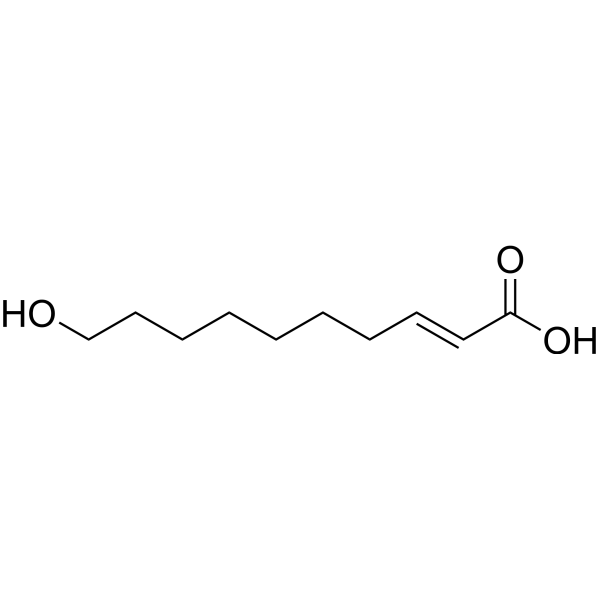
10-Hydroxy-2-decenoic acid (10-HDA) is an orally active unsaturated medium-chain fatty acid with various physiological activities. 10-Hydroxy-2-decenoic acid induces ROS-mediated apoptosis in A549 cells. 10-Hydroxy-2-decenoic acid inhibits VEGF-induced angiogenesis in human venous endothelial cells. 10-Hydroxy-2-decenoic acid alleviates non-alcoholic fatty liver disease (NAFLD) by activating the AMPK-α signaling pathway. 10-Hydroxy-2-decenoic acid protects against bone loss by inhibiting NF-κB signaling downstream of FFAR4. 10-Hydroxy-2-decenoic acid is an antibiotic against many bacteria and fungi, such as Neurospora sitophila, molds and Staphylococcus aureus. 10-Hydroxy-2-decenoic acid has longevity-promoting effects in C. elegans. 10-Hydroxy-2-decenoic acid prevents osteoarthritis by targeting aspartyl β hydroxylase and inhibiting chondrocyte senescence .
|
-
-
- HY-122308
-
|
|
NF-κB
Apoptosis
Interleukin Related
COX
Reactive Oxygen Species (ROS)
|
Inflammation/Immunology
|
|
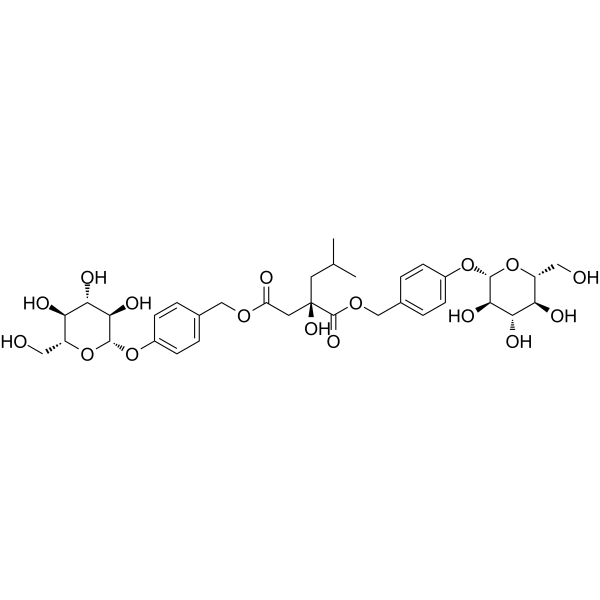
Militarine is a plant growth inhibitor and anti-inflammatory agent. Militarine inhibits the elongation of radicles and hypocotyls in seedlings of lettuce, Italian ryegrass and timothy grass. Militarine alleviates PM2.5-induced inflammatory injury and inhibits cell migration in human alveolar epithelial A549 cells by inhibiting the NF-κB signaling pathway, reducing oxidative stress and the release of inflammatory factors. Militarine can be used in studies related to PM2.5-induced pulmonary diseases .
|
-
-
- HY-108693
-
|
|
Leukotriene Receptor
Apoptosis
|
Inflammation/Immunology
|
|
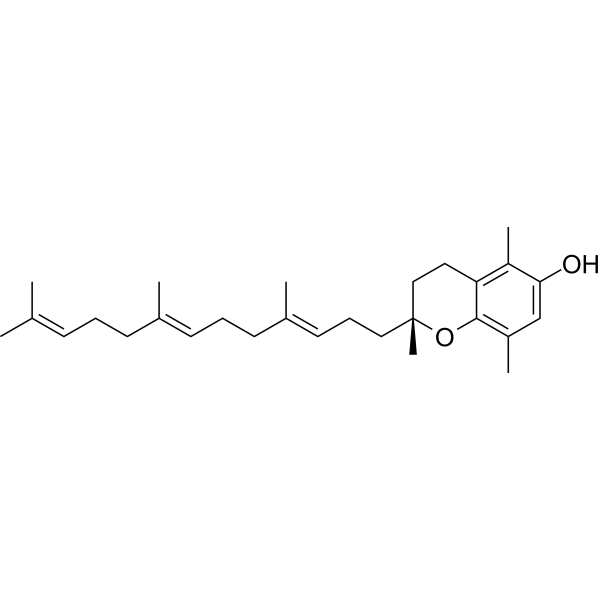
β-Tocotrienol is an isomer of vitamin E. β-Tocotrienol is a less potent antioxidant than α-tocotrienol. β-Tocotrienol can be found in the tocotrienol-rich fraction (TRF) of palm oil, which possesses anti-carcinogenic effects in vitro on human colon carcinoma and prostate cancer cells. β-Tocotrienol inhibits the growth of A549 (GI50 = 1.38 μM) and U87MG (GI50 = 2.53 μM) cells. β-Tocotrienol also induces apoptosis in cancer cells. β-Tocotrienol can inhibit PD-L1 expression and mitigates PD-L1-mediated immune suppression in vitro and in vivo .
|
-
-
- HY-N7526
-
|
DHNQ; 5,8-Dihydroxy-1,4-naphthoquinone
|
Apoptosis
Autophagy
PI3K
Akt
|
Neurological Disease
Inflammation/Immunology
Cancer
|
|
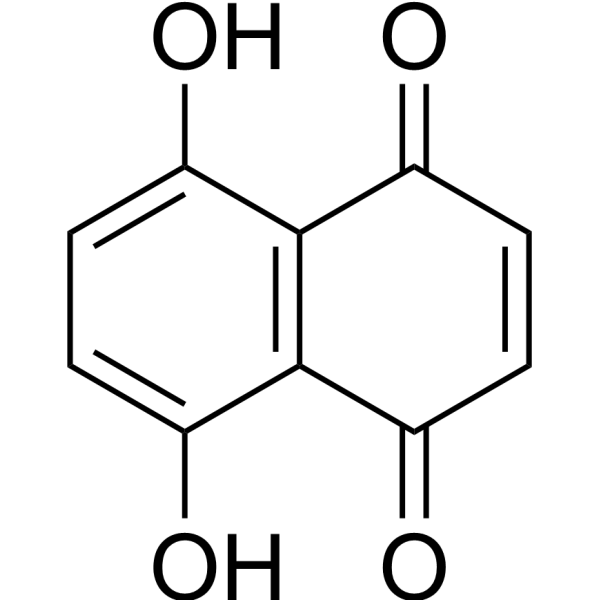
Naphthazarin (DHNQ) is a microtubule depolymerizing agent. Naphthazarin can improve motor function and reduce neuroinflammation in mouse models of Parkinson's disease. Naphthazarin can induce tumor cell apoptosis, autophagy, and cell cycle arrest. Naphthazarin can also induce erythrocyte apoptosis. Naphthazarin can be used in the research of tumors and neurodegenerative diseases .
|
-
-
- HY-D1078
-
|
|
Fluorescent Dye
Reactive Oxygen Species (ROS)
P-glycoprotein
|
Others
|
|
5 (6)-Carboxy-2',7'-dichlorofluorescein diacetate is a fluorescein-based reactive oxygen species (ROS) probe and also a MRP2 substrate. 5 (6)-Carboxy-2',7'-dichlorofluorescein diacetate serves as a substrate for intracellular esterases, which cleave its acetate groups to generate a fluorescent product capable of detecting intracellular ROS. 5 (6)-Carboxy-2',7'-dichlorofluorescein diacetate is ATP-dependent and is transported via a single MRP2 binding site; it competes with LTC4 for MRP2 binding sites and inhibits MRP2-mediated LTC4 transport (Ex/Em = 496/525 nm) .
|
-
-
- HY-139589
-
|
ISC-27864; GRC-27864
|
PGE synthase
COX
Collagen
|
Neurological Disease
Inflammation/Immunology
|
|
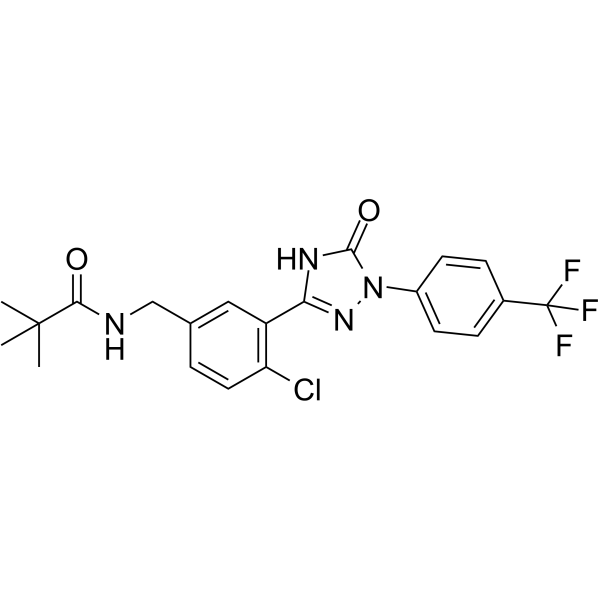
Zaloglanstat (ISC-27864; GRC-27864) is a selective, orally active microsomal mPGES-1 inhibitor. Zaloglanstat has an IC50 of 5 nM for human mPGES-1 without significant inhibitory effect on COX-1/2 (IC50 >10 μM). Zaloglanstat blocks the conversion of arachidonic acid metabolite prostaglandin PGH2 to prostaglandin PGE2, thereby inhibiting inflammation-related PGE2 overproduction and reducing inflammatory responses and pain. Zaloglanstat inhibits IL-1β-induced PGE2 release in A549 cells and human synovial fibroblasts in vitro. Zaloglanstat inhibits PGE2 release in pig and dog whole blood with IC50s ??of 161 nM and 154 nM, respectively. Zaloglanstat can be used in the study of asthma, osteoarthritis, and neurodegenerative diseases .
|
-
-
- HY-N3225
-
|
|
NAMPT
Sirtuin
Microtubule/Tubulin
Apoptosis
Autophagy
PDGFR
NF-κB
AMPK
|
Cardiovascular Disease
Neurological Disease
Metabolic Disease
Inflammation/Immunology
Cancer
|
|
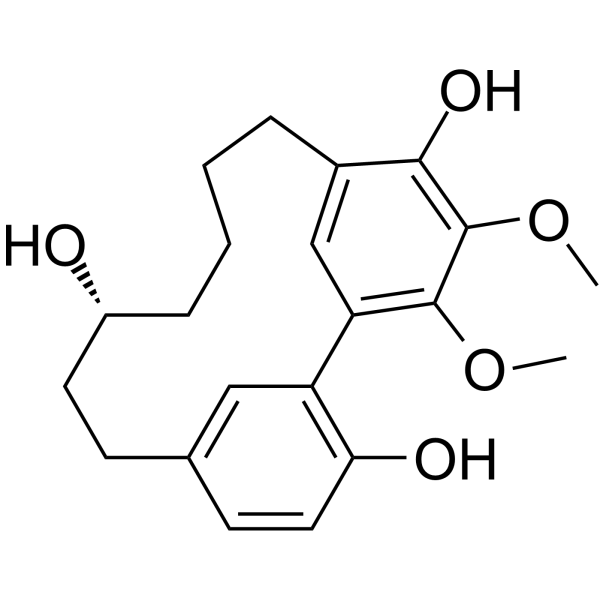
Myricanol is a diarylheptanoid and a Nampt activator. Myricanol exerts anti-inflammatory effects and alleviates glucocorticoid-induced muscle atrophy by increasing Sirtuin 1 (SIRT1) and PRDX5 activities while regulating inflammatory factors. Myricanol exhibits growth inhibition and induces apoptosis in human lung adenocarcinoma A549 cells. Myricanol promotes autophagy-mediated clearance of microtubule-associated protein tau to exert neuroprotective effects. Myricanol protects cardiovascular function by inhibiting PDGFRβ and NF-κB signaling pathways. Myricanol activates mitochondrial transcription factor A (TFAM) expression to exert anti-renal fibrosis effects. Myricanol improves insulin resistance through AMPK activation .
|
-
-
- HY-142997
-
|
|
Liposome
|
Cancer
|
|
DOSPA is a cationic lipid. DOSPA can form lipid nanoparticles with DOPE (HY-112005) to serve as a carrier for nucleic acid transfection. DOSPA is applicable in research related to drug delivery .
|
-
-
- HY-131344
-
|
|
mTOR
Autophagy
|
Cancer
|
|
mTOR inhibitor-8 is an mTOR inhibitor and autophagy inducer. mTOR inhibitor-8 inhibits the activity of mTOR via FKBP12 and induces autophagy of A549 human lung cancer cells .
|
-
-
- HY-P2282
-
|
|
STAT
|
Cancer
|
|
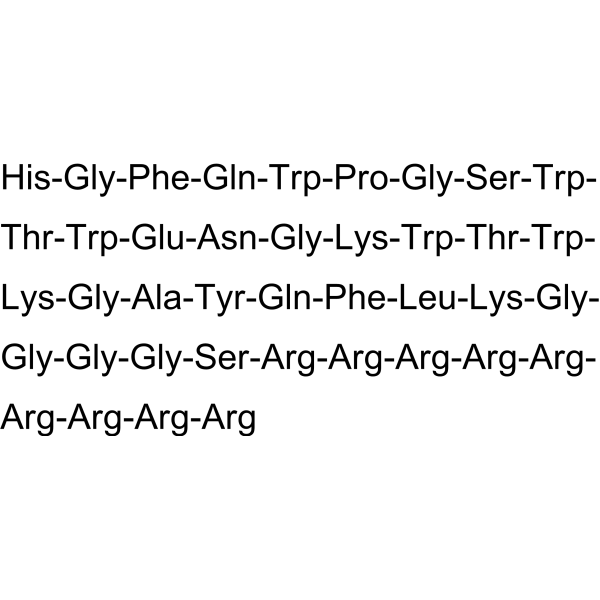
APTSTAT3-9R, a specific STAT3-binding peptide, inhibits STAT3 activation and downstream signaling by specifically blocking STAT3 phosphorylation. APTSTAT3-9R exerts antiproliferative effects and antitumor activity .
|
-
-
- HY-P991196
-
|
|
Transmembrane Glycoprotein
|
Cancer
|
|
Anti-CD24 Antibody (SWA11) is a human IgG1 monoclonal antibody targeting CD24, with high affinity and specificity for CD24-expressing tumor cells. Anti-CD24 Antibody (SWA11) triggers endocytosis, alters STAT3-dependent gene expression, regulates Src phosphorylation, and blocks CD24-mediated signaling pathways. Anti-CD24 Antibody (SWA11) is applicable to cancer-related research such as lung cancer and ovarian cancer. Recommended isotype control: Human IgG1 kappa, Isotype Control (HY-P99001) .
|
-
-
- HY-N8884
-
|
|
PTEN
Akt
NF-κB
Interleukin Related
TNF Receptor
|
Inflammation/Immunology
|
|
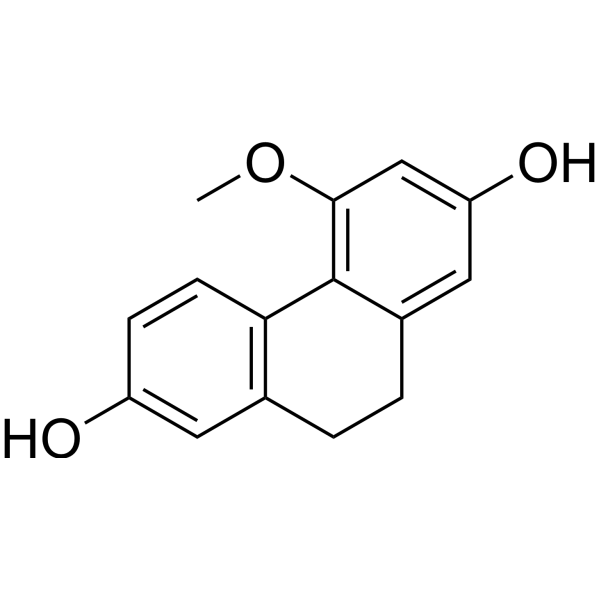
Coelonin is a dihydrophenanthrene with anti-inflammation activity. Coelonin inhibits LPS-induced PTEN phosphorylation. Coelonin inhibits NF-κB activation and p27Kip1 degradation by regulating the PI3K/AKT pathway negatively. Coelonin can inhibit IκBα phosphorylation and degradation and increases the expression of IκBα protein .
|
-
-
- HY-114256
-
|
|
PSMA
|
Cancer
|
|
EC1169 is a cytotoxic maytansinoid conjugate that specifically binds to prostate-specific membrane antigen (PSMA). EC1169 precisely delivers the maytansinoid B hydrazide payload to PSMA-positive cells to exert antitumor activity. EC1169 only inhibits the growth of PSMA-positive cells but has no effect on PSMA-negative cells, and enables complete recovery in mice bearing PSMA-positive tumors. EC1169 exhibits safety with no body weight loss or major organ damage induced. EC1169 is used in studies of prostate cancer and other PSMA-expressing malignancies .
|
-
-
- HY-147027
-
|
|
PARP
Caspase
Apoptosis
|
Neurological Disease
Inflammation/Immunology
Cancer
|
|
PARP-1-IN-2 (compound 11g) is a potent PARP1 inhibitor, with an IC50 of 149 nM, and ADME prediction indicates it has high blood-brain barrier permeability. PARP1-IN-2 shows significantly potent anti-proliferative activity against Human lung adenocarcinoma epithelial cell line A549. PARP1-IN-2 can induce A549 cells apoptosis .
|
-
-
- HY-172918
-
|
|
Influenza Virus
Arenavirus
|
Infection
|
|
VV261 is an orally active prodrug of 4'-fluorouridine. VV261 inhibits viral RNA-dependent RNA polymerase. VV261 exhibits antiviral activity against CCHFV, SFTSV and LCMV. VV261 can be used in research related to viral infections .
|
-
-
- HY-D2826
-
|
|
Fluorescent Dye
|
Others
|
|
FITC-Chitosan (MW 100000) is a chitosan (Chitosan) (HY-B2144A) labeled with FITC (HY-66019). FITC-Chitosan (MW 100000) combines the biological and physicochemical properties of chitosan (such as biocompatibility, positive charge, and nanoparticle-forming ability) with the fluorescent visibility of FITC (Ex/Em = ~485/535 nm) .
|
-
-
- HY-B1272A
-
-
-
- HY-111140
-
|
|
PGE synthase
Lipoxygenase
PPAR
|
Inflammation/Immunology
|
|
YS121 is a dual inhibitor of microsomal prostaglandin E2 synthase-1 (mPGES-1; IC50 = 3.4 μM) and 5-lipoxygenase (5-LOX; IC50 = 6.5 μM). YS121 exhibits direct, reversible, and specific binding to mPGES-1 (KD = 10-14 μM) . YS121 dose-dependently reduces PGE2 production with an EC50 of 12 μM in IL-1β-stimulated A549 cells . YS121 (compound 9) activates PPAR-α and -γ (EC50 = 1 and 3.6 μM, respectively) . YS121 exhibits anti-inflammatory efficiency in human whole blood as well as in vivo. YS121 can be used for pleurisy research .
|
-
-
- HY-155231
-
|
|
Elastase
|
Cancer
|
|
Neutrophil elastase inhibitor 4 (compound 4f) is a competitive human neutrophil elastase (HNE) inhibitor (IC50: 42.30 nM, Ki: 8.04 nM). Neutrophil elastase inhibitor 4 induces T47D cell apoptosis. Neutrophil elastase inhibitor 4 inhibits cell proliferation with IC50s of 21.25, 34.17, 29.93, 99.11 nM for T47D, RPMI 8226, A549, and HSF cells .
|
-
-
- HY-130723A
-
|
|
AMPK
|
Cancer
|
|
AMPK activator 2 (compound 7a) hydrochloride, a fluorine-containing proguanil derivative, up-regulates AMPK signal pathway and downregulates mTOR/4EBP1/p70S6K. AMPK activator 2 hydrochloride inhibits proliferation and migration of human cancer cell lines (UMUC3, T24, A549) .
|
-
-
- HY-121255
-
|
(R)-Cryptopleurine; NSC 19912
|
TMV
|
Cancer
|
|
(–)-Cryptopleurine is an alkaloid that has been found in Lauraceae and has diverse biological activities. It inhibits the growth of human A375 melanoma, A431 epidermoid carcinoma, A549 lung, MES-SA uterine sarcoma, and MCF-7 breast cancer cells (IC50=3 nM for all).2 (–)-Cryptopleurine inhibits hypoxia-induced gene expression in a hypoxia response element (HRE) reporter assay (IC50=8.7 nM).3 (–)-Cryptopleurine (500 μg/mL) prevents lesion formation in tobacco (N. tabacum) plants infected with tobacco mosaic virus (TMV). It also inhibits protein synthesis by yeast and mammalian ribosomes.
|
-
-
- HY-N10904
-
|
|
Others
|
Cancer
|
|
Broussonol E is a diprenylated flavonol. Broussonol E can be isolated from the leaves of Broussonetia kazinoki. Unlike some dinonylated flavonol derivatives, Broussonol E has no cytotoxicity to human tumor cell lines (A549, HCT-8, KB) .
|
-
-
- HY-155050
-
|
|
Apoptosis
Histone Methyltransferase
|
Cancer
|
|
PRMT5-IN-31 (Compound 3m) is a selective PRMT5 inhibitor (IC50: 0.31 μM). PRMT5-IN-31 up-regulates hnRNP E1 protein level. PRMT5-IN-31 occupies the substrate site of PRMT5 and forms essential interactions with amino acid residues. PRMT5-IN-31 has antiproliferative effects against A549 cells by inducing apoptosis and inhibiting cell migration. PRMT5-IN-31 has high metabolic stability on human liver microsomes (T1/2: 132.4 min) .
|
-
-
- HY-170813
-
|
|
CDK
TGF-beta/Smad
|
Infection
|
|
P162-0948 is a selective CDK8 inhibitor with an IC50 value of 50.4 nM. P162-0948 reduces cell migration and protein expression of EMT-related proteins in A549 human alveolar epithelial cell lines. P162-0948 reduces phosphorylation of Smad, which suggests disruption of the TGF-β/Smad signaling pathway. P162-0948 is promising for research of pulmonary fibrosis .
|
-
-
- HY-16676
-
|
4-epi-Docetaxel; 7-Epidocetaxel; 7-Epitaxotere
|
Drug Metabolite
Cytochrome P450
|
Cancer
|
|
7-Epi-docetaxel (4-epi-Docetaxel; 7-Epidocetaxel; 7-Epitaxotere) is the major C7 epimeric impurity/in vivo metabolite of Docetaxel (HY-B0011). 7-Epi-docetaxel acts as a potent allosteric activator of rhCYP1B1. 7-Epi-docetaxel exhibits certain cell line-specific anti-migratory activity . 7-Epi-docetaxel can be used in research related to melanoma and lung adenocarcinoma .
|
-
-
- HY-106827
-
|
RU 27987
|
Progesterone Receptor
Androgen Receptor
Phosphatase
|
Metabolic Disease
|
|
Trimegestone (RU 27987) is an orally active, selective progestogen and PR ligand, with an IC50 of 7.6 nM for hPR, 4.4 nM for rabbit PR, and 3.3 nM for rat PR. Trimegestone induces Alkaline phosphatase activity. Trimegestone exhibits antiandrogenic activity (IC50 = 303 nM). Trimegestone can be used in research related to menopausal symptoms and osteoporosis .
|
-
-
- HY-N16602
-
|
|
Others
|
Others
|
|
(±)-Blephenanthrofuran B is a pair of enantiomers can be found in Bletilla striata. (±)-Blephenanthrofuran B shows no cytotoxic activity against human lung cancer A549 cells .
|
-
-
- HY-162098
-
|
|
PROTACs
Microtubule/Tubulin
Apoptosis
|
Cancer
|
|
PROTAC tubulin-Degrader-1 is a α/β/β3-tubulin PROTAC degrader. PROTAC tubulin-Degrader-1 exhibits potent anti-proliferative activity against multiple human tumor cell lines. PROTAC tubulin-Degrader-1 induces G2/M phase arrest and apoptosis and inhibits colony formation in A549 and A549/Taxol cells. PROTAC tubulin-Degrader-1demonstrates potent anti-tumor efficacy in A549 and A549/Taxol (Taxol-resistant) xenograft model. PROTAC tubulin-Degrader-1 can be used for the study of non-small cell lung cancer (NSCLC). (Pink: Tubulin ligand (HY-N2146), Blue: CRBN Ligand (HY-10984), Black: Linker (HY-N6056)) .
|
-
-
- HY-118528
-
|
|
TGF-β Receptor
|
Cancer
|
|
TP0427736 is a selective inhibitor of ALK5 with an IC50 of 2.72 nM. TP0427736 inhibits Smad2/3 phosphorylation in A549 cells. TP0427736 decreases the growth inhibition of human outer root sheath cells .
|
-
-
- HY-N6578
-
|
|
Others
|
Cancer
|
|
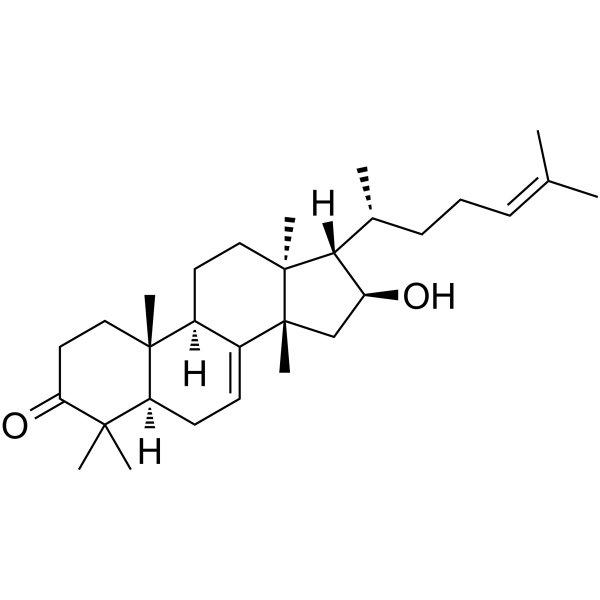
3-epi-Isocucurbitacin B (Compound 5) is a cucurbitane triterpene derived from Trichosanthes kirilowii. 3-epi-Isocucurbitacin B shows significant cytotoxicity to human tumor cells A-549, SK-OV-3, SK-MEL-2, XF-498 and HCT15 .
|
-
-
- HY-100864
-
|
|
PGE synthase
|
Inflammation/Immunology
|
|
mPGES1-IN-3 (Compound 17d) is a potent and selective microsomal prostaglandin E2 synthase-1 (mPGES-1) inhibitor, which exhibits excellent mPGES-1 enzyme (IC50: 8 nM), cell (A549 IC50: 16.24 nM) and human whole blood potency (IC50: 249.9 nM) .
|
-
-
- HY-174336
-
|
|
Survivin
Apoptosis
|
Cancer
|
|
Survivin-IN-1 (Compound II₃) is a potent Survivin (a member of the Inhibitor of Apoptosis Protein family) inhibitor with an IC50 value of 8.1 μM against human lung cancer A549 cells and 9.0 μM against breast cancer MCF-7 cells. Survivin-IN-1 reduces Survivin protein levels and induces tumor cell apoptosis. Survivin-IN-1 is promising for research of malignant tumors such as lung cancer and breast cancer .
|
-
-
- HY-P991565
-
|
|
c-Met/HGFR
|
Cancer
|
|
CE-355621 is a humanized anti-c-Met IgG1 monoclonal antibody. CE-355621 can effectively bind with human c-Met (KD = 200 pM, IC50 = 466 pM) in A549 cells and cyno c-Met (KD = 610 pM) in cynomolgus kidney cells. CE-355621 inhibits the c-Met signaling pathway by blocking HGF binding. CE-355621 significantly inhibits the growth of tumors dependent on the c-Met/HGF pathway. CE-355621 can be used for research on cancer such as glioblastoma and gastric cancer .
|
-
-
- HY-W592871R
-
|
10-HDA (Standard); Queen Bee Acid (Standard)
|
Reference Standards
mTOR
|
Cardiovascular Disease
Neurological Disease
Inflammation/Immunology
Cancer
|
|
10-Hydroxy-2-decenoic acid (Standard) is an analytical standard for 10-Hydroxy-2-decenoic acid (HY-W592871). This product is intended for research and analytical applications.10-Hydroxy-2-decenoic acid (10-HDA) is an orally active unsaturated medium-chain fatty acid with various physiological activities. 10-Hydroxy-2-decenoic acid induces ROS-mediated apoptosis in A549 cells. 10-Hydroxy-2-decenoic acid inhibits VEGF-induced angiogenesis in human venous endothelial cells. 10-Hydroxy-2-decenoic acid alleviates non-alcoholic fatty liver disease (NAFLD) by activating the AMPK-α signaling pathway. 10-Hydroxy-2-decenoic acid protects against bone loss by inhibiting NF-κB signaling downstream of FFAR4. 10-Hydroxy-2-decenoic acid is an antibiotic against many bacteria and fungi, such as Neurospora sitophila, molds and Staphylococcus aureus. 10-Hydroxy-2-decenoic acid has longevity-promoting effects in C. elegans. 10-Hydroxy-2-decenoic acid prevents osteoarthritis by targeting aspartyl β hydroxylase and inhibiting chondrocyte senescence .
|
-
-
- HY-173367
-
|
|
EGFR
PI3K
mTOR
|
Cancer
|
|
Anticancer agent 271 (compound 5C) has antiproliferative activity against lung (A549), colon (Caco-2) cancer cell lines, and human lung fibroblast (WI38) with an IC50 value of 9.18 μM on A549 cells. Anticancer agent 271 downregulates PI3K and mTOR gene expression that can be used for cancer research .
|
-
-
- HY-113796
-
|
|
Others
|
Cancer
|
|
Kopsoffinol, a bisindole alkaloid, shows in vitro growth inhibitory activity against human PC-3, HCT-116, MCF-7, and A549 cells and moderate effects in reversing multidrug-resistance in vincristine-resistant human KB cells .
|
-
-
- HY-162885
-
|
|
Proteasome
JAK
STAT
Interleukin Related
|
Cancer
|
|
YSY01A is a proteasome inhibitor that can suppress cancer cell survival by inducing apoptosis (Apoptosis). Its IC50 values are 51.0 nM for HEK293T, 9.2 nM for A549, 5.2 nM for MCF-7, 8.9 nM for MGC-803, and 35.4 nM for PC-3M cells. Additionally, YSY01A eliminates constitutive STAT3 signaling by downregulating gp130 and JAK2 in human A549 lung cancer cells. YSY01A holds promise for research in the field of cancer therapy .
|
-
-
- HY-111320
-
|
|
Bacterial
Antibiotic
|
Cancer
|
|
Chrysomycin B is an antibiotic isolated from a strain of Streptomyces. Chrysomycin B causes DNA damage in the human lung adenocarcinoma A549 cell line and inhibits topoisomerase II. Chrysomycin B suppresses the growth of transplantable tumors in mice.
|
-
-
- HY-N4251
-
|
(-)-Periplocoside M
|
Others
|
Cancer
|
|
Periplocoside M (compound 8) is a natural product isolated from the root bark of Periploca sepium. Periplocoside M shows antitumor activity against human A-549 and HepG2 cell lines, with the IC50 of 4.84 and 7.06 μM .
|
-
-
- HY-N10351
-
|
|
Apoptosis
|
Cancer
|
|
27-O-(tert-Butyldimethylsilyl)withaferin A (compound 9a), a natural withanolide, is an apoptosis inducer. 27-O-(tert-Butyldimethylsilyl)withaferin A shows antiproliferative activity against HeLa, A-549 and MCF-7 human cancer cell lines, and against normal Vero cells .
|
-
-
- HY-147030
-
|
|
PARP
|
Cancer
|
|
PARP1-IN-8 (compound 11c) is a potent and BBB-penetrated PARP1 inhibitor, with an IC50 of 97 nM. PARP1-IN-8 shows significantly potent anti-proliferative activity against Human lung adenocarcinoma epithelial cell line A549 .
|
-
-
- HY-N3615
-
|
|
Others
|
Cancer
|
|
Confluentin can be isolated from Rhododendron dauricum. Confluentin shows weak cytotoxicity against human tumor cells (IC50: 15.05, 17.08, 18.48, and 23.01 μM for HL-60, SMMC-7712, A-549, and MCF-7) .
|
-
-
- HY-N3210
-
|
|
Others
|
Cancer
|
|
Nb-Demethylechitamine is an alkaloid isolated from the methanol extract of Alstonia rostrata twigs. Nb-Demethylechitamine has in vitro cytotoxic activity against several human cancer cell lines, including human myeloid leukemia HL-60, liver cancer SMMC-7721, lung cancer A-549, breast cancer MCF-7, and colon cancer SW480 cells .
|
-
-
- HY-N15578
-
|
|
Others
|
Others
|
|
Actinidioionoside (Compound 2) is a megastigmane glucoside compound found in Borago officinalis L. Actinidioionoside has DPPH free radical scavenging activity (IC50: 41.3 μM). Actinidioionoside has no significant cytotoxicity against A549 human lung cancer cells (IC50 > 100 μM). Actinidioionoside can be used in antioxidant studies .
|
-
-
- HY-N10354
-
|
|
Apoptosis
|
Cancer
|
|
27-Methyl withaferin A (comppund 26) is an apoptosis inducer with anticancer effects. 27-Methyl withaferin A shows antiproliferative effects against HeLa, A-549 and MCF-7 human tumor cell lines with IC50 values of 3.2 μM, 4.2 μM and 1.4 μM, respectively .
|
-
-
- HY-161824
-
|
|
Drug Intermediate
|
Cancer
|
|
Antiproliferative agent-52 (Compound 4a) is an antiproliferative agent that exhibits significant antiproliferative activity against four human tumor cell lines (A549, A2780, SKOV3, HCC827), with IC50 values ranging from 5.83 to 8.63 nM. Antiproliferative agent-52 can be used in cancer research .
|
-
-
- HY-156405
-
|
|
Fat Mass and Obesity-associated Protein (FTO)
Autophagy
|
Metabolic Disease
|
|
FTO-IN-10 (compound 7) is a potent human demethylase FTO (the fat mass and obesity-associated protein) inhibitor with an IC50 of 4.5 μM. FTO-IN-10 enters the FTO’s structural domain II binding pocket through hydrophobic and hydrogen bonding interactions. FTO-IN-10 induces DNA damage and autophagic cell death in A549 cells .
|
-
-
- HY-159512
-
|
|
EGFR
Apoptosis
|
Cancer
|
|
EGFR kinase inhibitor 7 (compound 18i) is an EGFR inhibitor (IC50=42.3 nM) with anticancer activity. EGFR kinase inhibitor 7 has significant in vitro cytotoxicity and apoptosis induction ability. EGFR kinase inhibitor 7 has antiproliferative activity against human colon cancer cell line HCT116 and human non-small cell lung cancer cell line A549, with IC50 values of 4.82 µM and 1.43 µM, respectively .
|
-
-
- HY-151295
-
|
|
DNA/RNA Synthesis
|
Cancer
|
|
Antitumor agent-75 is a novel potent antitumor agent. Antitumor agent-75 has cytotoxic effects on cancer and normal human cell lines. Antitumor agent-75 shows a highly selective cytotoxic effect against human lung adenocarcinoma (cell line A549) when combined with Antitumor agent-74 (HY-151292), the IC50 value of 2.8 μM. Antitumor agent-75 can be used for the research of cancer .
|
-
-
- HY-130723
-
|
|
AMPK
|
Cancer
|
|
AMPK activator 2 (compound 7a), a fluorine-containing proguanil derivative, up-regulates AMPK signal pathway and downregulates mTOR/4EBP1/p70S6K. AMPK activator 2 inhibits proliferation and migration of human cancer cell lines (UMUC3, T24, A549) .
|
-
- HY-N1614
-
|
|
Others
|
Others
|
|
1 α-hydroxytorilin (compound 3) is a sesquiterpenoid. 1 α-hydroxytorilin can be isolated from Torilis japonica. 1α-hydroxytorilin has cytotoxicity against human A549, SK-OV-3, SK-MEL-2, and HCT15 tumor cells with ED50 values of 20.52, 18.24, 17.48, 42.54 μg/mL, respectively .
|
-
- HY-175598
-
|
|
Others
|
Cancer
|
|
Anticancer agent 278 (Compound 5e) is an anticancer agent. Anticancer agent 278 has potent toxicity and inhibitory activities against cancer cells with IC50s of 4.02 μM, 6.02 μM and 6.11 μM for A549, HeLa and HCT116, respectively. Anticancer agent 278 can be used for cancers like human lung, cervical and colorectal cancer research .
|
-
- HY-172881
-
|
|
Pyruvate Kinase
|
Cancer
|
|
PKM2-IN-10 (Compound 16) is a PKM2 inhibitor. PKM2-IN-10 inhibits the proliferation of A549 and HCC1833 cell lines with IC50 of 3.36 μM and 9.20 μM, respectively. PKM2-IN-10 exhibits antitumor activity in human non-small cell lung cancer (NSCLC) and mouse lung adenocarcinoma models. PKM2-IN-10 can be used in lung cancer research .
|
-
- HY-136727A
-
|
|
Caspase
Apoptosis
|
Cancer
|
|
Ac-LEVD-CHO (TFA) is an inhibitor of caspase-4. Ac-LEVD-CHO (TFA) can inhibit the expression and secretion of IL-1α expression as well as the activation of caspase-4 induced by the T. denticola periodontal pathogen surface protein Td92 in human gingival fibroblasts. Ac-LEVD-CHO (TFA) can also reduce the apoptosis due to the expression of the dominant negative adenoviral RNA-dependent protein kinase in A549 and PC3 cancer cell lines .
|
-
- HY-156080
-
|
|
PI3K
Akt
|
Cancer
|
|
PI3K-IN-48 is a PI3K inhibitor with IC50 value of 1.55 ± 0.18 μM for A549 cells. PI3K-IN-48 can induce G0/G1 phase arrest, cell apoptosis, and down-regulate expression of p-PI3K and p-Akt. PI3K-IN-48 can be used for human lung cancers diseases research .
|
-
- HY-B0530A
-
|
γ-pipradol hydrochloride
|
Reactive Oxygen Species (ROS)
mAChR
NADPH Oxidase
|
Cancer
|
|
Azacyclonol (γ-pipradol) hydrochloride is a compound with promising anticancer activity, showing effectiveness in inhibiting NOX-derived ROS in A549 human lung cancer cells. Azacyclonol hydrochloride exhibits enhanced proliferation inhibition against androgen-refractory cancer cell lines, specifically DU145 and PC-3. Azacyclonol hydrochloride demonstrates antitumor activity in DU145-xenografted chorioallantoic membrane tumor models. Azacyclonol hydrochloride also acts as a ligand for the M3 muscarinic acetylcholine receptor, which is overexpressed in ARPC. Azacyclonol hydrochloride effectively blocks carbachol-induced proliferation and NOX activity in DU145 cells. Azacyclonol hydrochloride can also be utilized for the treatment of chronic schizophrenia.
|
-
- HY-155051
-
|
|
Apoptosis
Histone Methyltransferase
|
Cancer
|
|
Antiproliferative agent-25 (Compound 3s4) is a selective PRMT5 inhibitor (IC50: 0.11 μM). Antiproliferative agent-25 up-regulates hnRNP E1 protein level. Antiproliferative agent-25 forms H-bond interactions with SAM and E444 residue of PRMT5. Antiproliferative agent-25 has antiproliferative effects against A549 cells by inducing apoptosis and inhibiting cell migration. Antiproliferative agent-25 has high clearances with T1/2 of only 21.8 and 4.7 min in human and rat liver microsomes .
|
-
- HY-146080
-
|
|
Apoptosis
|
Cancer
|
|
Antitumor agent-61 (Compound 9b), Irinotecan (Ir) derivative, is a potential antitumor agent. Antitumor agent-61 displays potent activity with IC50s of 0.92, 1.39, 1.75, 2.20, 3.05 and 3.23 μM against five human cancer cells SK-OV-3, SK-OV-3/CDDP, U2OS, MCF-7, A549 and MG-63, respectively. Antitumor agent-61 induces SK-OV-3 cells apoptosis through mitochondrion pathways .
|
-
- HY-122308R
-
|
|
Reference Standards
Others
|
Inflammation/Immunology
|
|
Militarine (Standard) is the analytical standard of Militarine (HY-122308). This product is intended for research and analytical applications. Militarine is a plant growth inhibitor and anti-inflammatory agent. Militarine inhibits the elongation of radicles and hypocotyls in seedlings of lettuce, Italian ryegrass and timothy grass. Militarine alleviates PM2.5-induced inflammatory injury and inhibits cell migration in human alveolar epithelial A549 cells by inhibiting the NF-κB signaling pathway, reducing oxidative stress and the release of inflammatory factors. Militarine can be used in studies related to PM2.5-induced pulmonary diseases .
|
-
- HY-108693R
-
|
|
Leukotriene Receptor
Reference Standards
Apoptosis
|
Inflammation/Immunology
|
|
β-Tocotrienol (Standard) is the analytical standard of β-Tocotrienol. This product is intended for research and analytical applications. β-Tocotrienol is an isomer of vitamin E. β-Tocotrienol is a less potent antioxidant than α-tocotrienol. β-Tocotrienol can be found in the tocotrienol-rich fraction (TRF) of palm oil, which possesses anti-carcinogenic effects in vitro on human colon carcinoma and prostate cancer cells. β-Tocotrienol inhibits the growth of A549 (GI50 = 1.38 μM) and U87MG (GI50 = 2.53 μM) cells. β-Tocotrienol also induces apoptosis in cancer cells. β-Tocotrienol can inhibit PD-L1 expression and mitigates PD-L1-mediated immune suppression in vitro and in vivo .
|
-
- HY-149003
-
|
|
PARP
Apoptosis
|
Cancer
|
|
PARP1-IN-10 (compound 12c) is a no-cytotoxicity and potent PARP1 inhibitor with an IC50 value of 50.62 nM in vitro. PARP1-IN-10 causes cell cycle arrest at G2/M phase and apoptosis, and enhances the cytotoxicity of temozolomide (TMZ) .
|
-
- HY-N9003
-
|
|
Others
|
Cancer
|
|
Dihydroprehelminthosporol (Compound 1) from the
fungusVeronaea sp.of the separated. Dihydroprehelminthosporol on
human cancer cell line A549 and SK-0A-3 has cytotoxicity .
|
-
- HY-N16759
-
|
|
Others
|
Cancer
|
|
Apparicine is a monoterpene indole alkaloid that can be naturally extracted from the stems of Tabernaemontana divaricata. Apparicine shows no cytotoxicity against MCF-7 human breast cancer cells and A-549 human lung cancer cells .
|
-
- HY-174271
-
|
|
Apoptosis
|
Cancer
|
|
Antioxidant agent-21 (Compound 9) is a phenolic heterocyclic compound with antioxidant and anticancer activities. Antioxidant agent-21 shows significant cytotoxicity toward human gastric adenocarcinoma (AGS) and lung cancer (A549) cells. Antioxidant agent-21 induces caspase-dependent apoptosis in cancer cells .
|
-
- HY-N1691
-
|
3-Epilycoclavanol
|
Others
|
Cancer
|
|
3-Epilycoclavanol (3-Epilycoclavanol) is a triterpenoid antitumor agent that can be extracted from the dried whole plant of Lycopodium japonicum (a plant of the Lycopodium genus in the Lycopodiaceae family). 3-Epilycoclavanol inhibits human tumor A549 and K562 cell lines at concentrations of 10-100 μg/mL .
|
-
- HY-N13139
-
|
|
Others
|
Cancer
|
|
Dexylosyltubeimoside Ⅲ (compound 3) is a cyclic disoside that can be isolated from Actinostemma lobatum MAXIM. Dexylosyltubeimoside Ⅲ has in vitro anticancer activity and inhibits the growth of human esophageal cancer cell line ECA109 (IC50=22.37 μM), lung cancer cell line A549 (IC50=27.27 μM) and gastric cancer cell line MGC-803 (IC50=36.85 μM) .
|
-
- HY-N16695
-
|
|
Others
|
Others
|
|
(2S,3S)-Pterosin S 14-O-glucoside is a sesquiterpene glycoside compound that can be isolated from the fern Pteris multifida. (2S,3S)-Pterosin S 14-O-glucoside showed no significant cytotoxicity against A549 (human lung adenocarcinoma), LOVO (colon adenocarcinoma), PANC-1 (human pancreatic cancer), and NCI-H446 (human small cell lung cancer) cell lines (IC50 > 100 μM) .
|
-
- HY-179451
-
|
|
Apoptosis
p38 MAPK
Parasite
|
Infection
Inflammation/Immunology
Cancer
|
|
Apoptosis inducer 53 is an apoptosis inducer. Apoptosis inducer 53 can inhibit proliferation of human tumor cell lines (A549, HeLa, SW1573, T-47D, WiDr) with GI50 values of 2.5-9.1 μM. Apoptosis inducer 53 can induce cancer cells apoptosis and reduce colony formation. Apoptosis inducer 53 can activate p38α MAPK signaling and exerts anti-inflammatory effect. Apoptosis inducer 53 also shows anti-Leishmania donovani activity. Apoptosis inducer 53 can be used for the researches of cancer, infection and inflammation .
|
-
- HY-N17431
-
|
|
Others
|
Cancer
|
|
Cynanoside K is a pregnane glycoside isolated from Cynanchum atratum. Cynanoside K shows no activity against HL-60, KATO-III, and A549 cells .
|
-
- HY-N19786
-
|
Vismiaefolic acid; Trachelosperogenin A
|
Others
|
Others
|
|
Corosin (Vismiaefolic acid) is a triterpenoid compound that can be isolated from Chisocheton paniculatus .
|
-
- HY-N17748
-
|
|
Others
|
Cancer
|
|
Entadoside A is an Entadoside. Entadoside A can be isolated from kernel nuts of E. phaseoloides. Entadoside A exhibits moderate cytotoxic activity against non-small cell lung cancer cells .
|
-
- HY-N17744
-
|
|
Others
|
Cancer
|
|
Entadoside B is a triterpenoid saponin found in the seeds of Entada phaseoloides. Entadoside B exhibits anticancer activity with an IC50 of 10.5 μM against A549 cells. Entadoside B can be used in research on non-small cell lung cancer .
|
-
- HY-W026930
-
|
|
Photosensitizer
NO Synthase
COX
ERK
p38 MAPK
JNK
AP-1
NF-κB
Keap1-Nrf2
DNA/RNA Synthesis
|
Inflammation/Immunology
Cancer
|
|
Benzanthrone is an immunotoxic, pro-inflammatory Photosensitizer. Benzanthrone upregulates iNOS, COX-2 and inflammatory cytokines; activates ERK1/2, p38, JNK, AP-1 and NF-κB; inhibits Nrf2; and induces oxidative stress and DNA damage. Upon radiation exposure, Benzanthrone generates singlet oxygen and superoxide anion radicals, induces photohemolysis and lipid peroxidation, and alters the levels of skin xenobiotic enzymes. Benzanthrone exhibits differential genotoxicity in different cell lines. Benzanthrone possesses skin tumor-initiating and promoting activities. Benzanthrone can be used in skin tumor-related studies .
|
-
- HY-W727102
-
|
|
Others
|
Others
|
|
(Z)-8-β-D-Glucopyranosyloxycinnamic acid is a phenolic glycoside present in the roots of Codonopsis javanica. (Z)-8-β-D-Glucopyranosyloxycinnamic acid exhibits no toxicity against lung cancer, liver cancer and breast cancer cell lines .
|
-
- HY-W353474
-
|
|
Drug Derivative
|
Cancer
|
|
iso-Dehydrozingerone is a dehydrozingerone analog. iso-Dehydrozingerone exhibits moderate in vitro cytotoxic activity against human tumor cells, with IC50 values of 10.0 μg/mL, 8.2 μg/mL and >10 μg/mL against human nasopharyngeal carcinoma cells, multidrug-resistant nasopharyngeal carcinoma cells and human lung cancer cells, respectively. iso-Dehydrozingerone can be used in studies related to nasopharyngeal carcinoma, multidrug-resistant nasopharyngeal carcinoma and lung cancer .
|
-
- HY-N18115
-
|
|
Drug Derivative
|
Cancer
|
|
3-O-Deacetyl-3-O-tigloylsalannin is a salannin-type limonoid and cytotoxic agent found in the fruits of Melia azedarach. 3-O-Deacetyl-3-O-tigloylsalannin can be used for the research of leukemia, stomach cancer, breast cancer .
|
-
- HY-W248121
-
|
PM567
|
Fluorescent Dye
|
Cancer
|
|
Pyrromethene 567 is a commercially available BODIPY dye with a photodynamic cytotoxicity IC50 of 6.8 ± 1.8 μM.Pyrromethene 567 shows cytoplasmic localization and limited cellular uptake in cancer cells.Pyrromethene 567 can be used for the research of lung cancer .
|
-
- HY-183582
-
|
|
Galectin
|
Cancer
|
|
GB1841 is an orally active and selective galectin inhibitor with human galectin-1 Kd of 0.027 μM, human galectin-3 Kd of 0.14 μM, mouse galectin-1 Kd of 0.034 μM and mouse galectin-3 Kd of 1.170 μM. GB1841 can be used for the research of lung cancer .
|
-
- HY-N18168
-
|
|
Others
|
Cancer
|
|
Esculentoside L is a triterpene saponin present in the roots of Phytolacca americana. Esculentoside L increases the intracellular accumulation of calcein in multidrug-resistant human ovarian cancer cells. Esculentoside L exerts no significant cytotoxic activity against non-cancerous cells and hepatocytes. Esculentoside L can be used in studies related to multidrug-resistant human ovarian cancer .
|
-
- HY-N17074
-
|
|
Others
|
Cancer
|
|
Ethyl (10E,12E)-9-oxooctadeca-10,12-dienoate is a conjugated ketonic fatty acid that can be found in the leaves of Vernicia fordii. Ethyl (10E,12E)-9-oxooctadeca-10,12-dienoate shows no significant cytotoxic activity against cancer cells .
|
-
- HY-181507
-
|
|
CD28
IFNAR
TNF Receptor
Interleukin Related
|
Cancer
|
|
CD28-IN-3 is a CD28 inhibitor with an IC50 of 7.80 μM and a Kd of 52.45 μM. CD28-IN-3 selectively blocks the CD28-B7 interaction, thereby inhibiting CD28-mediated costimulation. CD28-IN-3 suppresses the production of proinflammatory cytokines IFN-γ, IL-2 and TNF-α. CD28-IN-3 can be used in the research of checkpoint-resistant cancers .
|
-
- HY-N17244
-
|
|
Others
|
Cancer
|
|
Polysimiaric acid B is a C31 triterpene found in Polyalthia simiarum and shows no activity against tumor cells .
|
-
- HY-180404
-
|
|
DNA/RNA Synthesis
|
Cancer
|
|
SU0383 is a dual MTH1 and OGG1 inhibitor with IC50 values of 0.034 μM and 0.49 μM, respectively. SU0383 induces cytotoxicity in cancer cells and increases sensitivity of tumor cells to oxidative stress, and showing low toxicity in normal cells. SU0383 can be used for cancer research .
|
-
- HY-181493
-
|
|
VEGFR
Reactive Oxygen Species (ROS)
Apoptosis
|
Cancer
|
|
VEGFR-2-IN-81 is a thiazole-based isoquinolin-1(2H)-one derivative and an VEGFR-2 inhibitor with IC50 of 1.94 μM. VEGFR-2-IN-81 exhibits significant selective cytotoxicity against colorectal cancer cells (IC50 = 7.75 μM). VEGFR-2-IN-81 exerts anti-colorectal cancer effects by inducing apoptosis, elevating intracellular ROS levels and reducing mitochondrial transmembrane potential. VEGFR-2-IN-81 can be used for the research of colorectal cancer, lung cancer, breast cancer, liver cancer .
|
-
- HY-N19297
-
|
Prieurianin
|
Elastase
|
Inflammation/Immunology
Cancer
|
|
Endosidin1 (Prieurianin) is a Prieurianin with cleaved A and B rings. Endosidin1 is isolated from the roots of Aphanamixis polystachya. Endosidin1 inhibits superoxide anion production and Elastase release in neutrophils, with an IC50 >10 μg/mL. Endosidin1 exhibits mild cytotoxic activity against laryngeal cancer cells in vitro. Endosidin1 shows anti-inflammatory activity. Endosidin1 can be used in studies related to laryngeal cancer .\n
|
-
- HY-N16816
-
|
|
Others
|
Others
|
|
Rubescensin J is a known ent-abietane diterpenoid that can be found in the leaves of Isodon rubescens var. rubescens and is inactive in cytotoxicity against cancer cells .
|
-
- HY-181174
-
|
|
SOD
Glutathione Peroxidase
Caspase
Interleukin Related
Bcl-2 Family
Apoptosis
|
Cancer
|
|
Antioxidant agent-22 is a paraben derivative tetracyclic spermine cyclotriphosphazene compound. Antioxidant agent-22 exhibits antioxidant, anti-Inflammatory, and apoptotic activities. Antioxidant agent-22 significantly upregulates CAT, SOD, caspase-3 and IL-6 expression, suppresses GSH, IL-1β, and reduces BCL-2 and BAX levels. Antioxidant agent-22 can be used for the research of cancer, such as lung cancer .
|
-
- HY-N19936
-
|
|
Drug Derivative
|
Cancer
|
|
Qinyangshengenin-3-O-β-D-digitoxopyranoside is a C21 steroidal glycoside that can be found in the whole herb of Prunella vulgaris Linn. Qinyangshengenin-3-O-β-D-digitoxopyranoside can be used for research of leukemia and lung cancer .
|
-
- HY-181931
-
|
|
Phosphodiesterase (PDE)
p38 MAPK
LPL Receptor
ERK
JNK
|
Inflammation/Immunology
|
|
Autotaxin-IN-8 (Compound 14E) is an orally active Autotaxin inhibitor with an IC50 of 14.2 nM against hAutotaxin. Autotaxin-IN-8 inhibits Autotaxin activity, MAPK activation, LPAR1 and p-ERK1/2. Autotaxin-IN-8 reduces the phosphorylation levels of JNK and p38. Autotaxin-IN-8 decreases collagen deposition in a mouse model of pulmonary fibrosis. Autotaxin-IN-8 can be used in research related to pulmonary fibrosis .
|
-
- HY-182260
-
|
|
Apoptosis
|
Cancer
|
|
Apoptotic agent-5 is an apoptosis inducer that releases large amounts of nitric oxide to induce cell apoptosis. Apoptotic agent-5 can be used in research related to triple-negative breast cancer .
|
-
- HY-181945
-
|
|
FLT3
Apoptosis
Reactive Oxygen Species (ROS)
|
Cancer
|
|
FLT3-IN-39 (Compound W4) is a selective FLT3 inhibitor, with an IC50 value of 16.0 nM against FLT3-ITD and an IC50 value of 20.4 nM against FLT3-D835Y. FLT3-IN-39 inhibits FLT3-ITD and FLT3-D835Y mutant kinases. FLT3-IN-39 induces G0/G1 cell cycle arrest and Apoptosis in cancer cells, and reduces intracellular ROS levels. FLT3-IN-39 exhibits anti-tumor activity against acute myeloid leukemia .
|
-
- HY-183148
-
|
|
NAMPT
ATP Synthase
|
Neurological Disease
|
|
NAMPT activator-10 (Compound B11) is an orally active NAMPT activator with a target Kd value of 0.64 μM. NAMPT activator-10 activates the rate-limiting enzyme in NAD + biosynthesis and promotes intracellular NAD + synthesis. NAMPT activator-10 reduces lactate accumulation, enhances glycogen storage in the liver and muscle, increases tissue ATP production, improves exercise endurance and muscle strength, and exerts a protective effect against fatigue-induced muscle damage in mouse fatigue models. NAMPT activator-10 can be used in studies related to muscle fatigue .
|
-
- HY-N19463
-
|
|
Caspase
Reactive Oxygen Species (ROS)
Apoptosis
|
Cancer
|
|
Dicatenarin is a caspase‑3 activator with growth‑inhibitory activity against human cancer cells. Dicatenarin increases caspase‑3 activity, induces intracellular ROS generation, and activates the mitochondrial‑mediated apoptotic pathway. Dicatenarin exerts growth‑inhibitory effects against a panel of human cancer cell lines. Dicatenarin can be used in research on pancreatic cancer, lung cancer, colon cancer, breast cancer, prostate cancer, and ovarian cancer .
|
-
- HY-182693
-
|
|
PI3K
IFNAR
Reactive Oxygen Species (ROS)
Interleukin Related
|
Inflammation/Immunology
|
|
CPL302-253 is a PI3Kδ inhibitor with an IC50 of 12.20 nM and a human Kd of 0.85 nM. CPL302-253 functionally regulates PI3Kδ activity, blocks the production of IFNγ, IL-33 and ROS in immune cells, and affects immune function. CPL302-253 blocks the progression of asthma-inducing inflammatory responses in a mouse model of asthma. CPL302-253 can be used for research related to asthma .
|
-
- HY-111103
-
|
|
PAK
LIM Kinase (LIMK)
MMP
|
Cancer
|
|
CZh226 is a selective PAK4 inhibitor with an IC50 of 0.0111 μM and a Ki of 0.009 μM. CZh226 functionally inhibits PAK4 activity and reduces the phosphorylation level of downstream signaling molecules. CZh226 inhibits the migration and invasion of tumor cells. CZh226 is applicable to lung cancer-related research .
|
-
- HY-186189
-
|
|
Biochemical Assay Reagents
|
Infection
Cancer
|
|
OPA-S-S-alkyne is a cell surface protein-selective labeling agent. OPA-S-S-alkyne selectively labels hyper-reactive extracellular lysines including ROR2 K382 and ENG K285, blocks ENG-BMP9 interaction, and labels purified human serum albumin with minimal bias. OPA-S-S-alkyne can be used for the research of hematologic and influenza A virus infection .
|
-
- HY-N16806
-
-
- HY-D3198
-
|
|
Fluorescent Dye
Endogenous Metabolite
|
Cancer
|
|
NIR-fluorescent ceramide is a neutral near-infrared (NIF) fluorescent probe (λem=650 nm) based on the C-bridged nitrobenzoxadiazole SCOTfluor core, which enables visualization of lipid metabolic processes such as sphingolipid trafficking. The emission signal of NIR-fluorescent ceramide increases significantly in liposomal environments. NIR-fluorescent ceramide acts as an intracellular trafficking tracer, localizing to regions surrounding the endoplasmic reticulum and Golgi apparatus within a short period, and then translocating to recycling lysosomes over a longer period, thus enabling real-time visualization of sphingolipid trafficking and biological lipid functions in living cells. NIR-fluorescent ceramide also generates metabolic uptake profiles and provides multiple metabolic readouts in human cancer cell lines .
|
-
- HY-181661
-
|
|
SARS-CoV
Virus Protease
|
Infection
|
|
YL1004 is a potent, selective and orally active noncovalent inhibitor of SARS-CoV-2 papain-like protease (PL pro). YL1004 shows an IC50 of 17.5 nM and a Ki of 2.3 nM against PL pro, with an in vitro anti-SARS-CoV-2 EC50 of 0.08 μM-1.37 μM. YL1004 suppresses the proteolytic activity of PL pro and blocks its deubiquitinating and deISGylating effects to restore host innate antiviral immune signaling. YL1004 inhibits the replication of wild-type, Delta, Omicron variants and nirmatrelvir-resistant strains of SARS-CoV-2. YL1004 can be used for the research of COVID-19 (SARS-CoV-2 infection) .
|
-
- HY-182559
-
|
|
Reactive Oxygen Species (ROS)
|
Cancer
|
|
Candidin is an antioxidant flavonoid, which can be found in the roots of Millettia brandisiana. Candidin induces cytotoxic activity in human cancer cells. Candidin mediates antioxidant activity via peroxyl radical scavenging. Candidin can be used for the research of liver cancer and lung cancer .
|
-
- HY-N2135
-
|
|
Apoptosis
Caspase
Bcl-2 Family
Tyrosinase
|
Metabolic Disease
Cancer
|
|
Puerarin 6''-O-Xyloside is one of the major iso-flavones found in P. lobata. Puerarin 6''-O-Xyloside inhibits cancer cells proliferation, induces apoptosis by upregulating cleaved caspase-3, 7, 9, Bax and downregulating Bcl-2 levles and inhibits tumor growth in mice. Puerarin 6''-O-Xyloside has anti-osteoporotic activity in ovariectomized mice. Puerarin 6''-O-Xyloside inhibits mushroom tyrosinase with an IC50 of 513.8 μM. Puerarin 6''-O-Xyloside can be used for the research of human lung carcinoma, osteoporosis, melanosis and melanomar .
|
-
- HY-Y0030R
-
|
3-hydroxypyridine-2-carboxylic acid (Standard)
|
Reference Standards
Biochemical Assay Reagents
Drug Intermediate
|
Infection
|
|
3-Hydroxypicolinic acid (Standard) is an analytical standard for 3-Hydroxypicolinic acid. This product is for research and analytical applications. 3-Hydroxypicolinic acid is a heterocyclic carboxylic acid ligand and cytotoxin, with a MIC90 of >25 μg/mL against Mycobacterium tuberculosis H37Rv. 3-Hydroxypicolinic acid inhibits the growth of cancer cells and normal fibroblasts. 3-Hydroxypicolinic acid is applicable to research related to chronic myeloid leukemia, human lung adenocarcinoma, and tuberculosis .
|
-
- HY-Y0030
-
|
3-hydroxypyridine-2-carboxylic acid
|
Biochemical Assay Reagents
|
Infection
Cancer
|
|
3-Hydroxypicolinic acid is a heterocyclic carboxylic acid ligand and cytotoxin, with a MIC90 of >25 μg/mL against Mycobacterium tuberculosis H37Rv. 3-Hydroxypicolinic acid inhibits the growth of cancer cells and normal fibroblasts. 3-Hydroxypicolinic acid is applicable to research related to chronic myeloid leukemia, human lung adenocarcinoma, and tuberculosis .
|
-
- HY-181657
-
|
|
EGFR
TNF Receptor
Interleukin Related
Apoptosis
|
Cancer
|
|
EGFR-IN-200 is an inhibitor targeting EGFR, TNF-α, and the IL-6/GP130 complex, which potently targets human EGFR (IC50=0.03 μM), TNF-α (IC50=3.1 μM), and the IL-6/GP130 complex (IC50=1.6 μM). EGFR-IN-200 binds to the ATP pocket of EGFR, the trimer interface of TNF-α, and the cytokine-receptor interface of IL-6/GP130, induces G2/M cell cycle arrest, apoptosis, and antiproliferative activity. EGFR-IN-200 exhibits high gastrointestinal absorbability, low BBB permeability, and complies with the Lipinski's rule. EGFR-IN-200 can be used for the research of lung cancer and breast adenocarcinoma .
|
-
- HY-121901
-
|
|
MDM-2/p53
|
Cancer
|
|
Safrole oxide is a p53 modulator that upregulates the expression of the p53 tumor suppressor protein, linking cell cycle arrest to the apoptotic process. Safrole oxide induces apoptosis in lung cancer cells without triggering necrosis. Safrole oxide can be used in lung cancer-related research .
|
-
- HY-N8420
-
|
|
Fungal
|
Infection
Cancer
|
|
Thalifoline is an isoquinoline alkaloid. Thalifoline exerts cytotoxic effects on cancer cells. Thalifoline inhibits the growth of Fusarium oxysporum f. sp. lycopersici. Thalifoline can be used in research related to lung adenocarcinoma, colon cancer, oral epidermoid carcinoma, and fungal infections .
|
-
- HY-173679
-
|
|
PROTACs
PARP
Interleukin Related
STAT
Integrin
HSV
VSV
|
Infection
Cancer
|
|
RBN012811 is a highly selective PROTAC-based PARP14 degrader. RBN012811 forms a ternary complex with cereblon by binding to the NAD + site of PARP14, and mediates the specific degradation of PARP14 via the ubiquitin-proteasome pathway (IC50=10 nM). RBN012811 effectively depletes endogenous PARP14 in various cell lines and primary human macrophages, thereby downregulating IL-10 production and IFN-β mRNA levels, increasing phosphorylated STAT1 levels to enhance inflammatory signaling, and inhibiting interferon-induced ADPr condensate formation. RBN012811 also modulates viral replication, exhibiting increased HSV1 replication while reducing VSV replication. RBN012811 has important application value in research related to cancer and viral infections .
|
-
- HY-183950
-
|
|
Anaplastic lymphoma kinase (ALK)
|
Inflammation/Immunology
|
|
ALK5-IN-87 is a potent lung-restricted ALK5 inhibitor with a pKi of 10.13. ALK5-IN-87 exerts antifibrotic activity in a mouse model of lung fibrosis. ALK5-IN-87 can be used for the research of idiopathic pulmonary fibrosis .
|
-
- HY-156140
-
|
|
Histone Acetyltransferase
|
Others
|
|
Naa50-IN-1 is an N-alpha-acetyltransferase 50 (Naa50) inhibitor with an IC50 of 7 nM against the human protein. Naa50-IN-1 exhibits selectivity toward the related enzymes Naa10 and Naa60. Naa50-IN-1 binds to the substrate-binding pocket of Naa50, and its binding affinity is enhanced by AcCoA .
|
-
- HY-W778423
-
|
Dihydroxy Oxaliplatin-Pt(IV)
|
Drug Intermediate
|
Cancer
|
|
[Pt(DACH)(OH)2(ox)] is a Pt(IV) derivative of Oxaliplatin (HY-17371) with two axial hydroxido ligands, used as a precursor for synthesizing Pt(IV)-HDAC inhibitor prodrugs. [Pt(DACH)(OH)2(ox)] exerts cytotoxic activity against human cancer cells and accumulates in cancer cells for nuclear internalization and nuclear DNA platination. [Pt(DACH)(OH)2(ox)] can be used for the research of lung carcinoma, breast carcinoma, pancreatic carcinoma, colon carcinoma .
|
-
- HY-182266
-
|
|
Mitochondrial Metabolism
Apoptosis
Reactive Oxygen Species (ROS)
DNA/RNA Synthesis
|
Cancer
|
|
FBP is a mitochondria-targeted, selective anticancer agent. FBP induces oxidative stress and mitochondrial dysfunction, leading to Apoptosis. FBP generates ROS and causes double-strand DNA breaks in cancer cells. FBP exhibits cytotoxic efficacy against cancer cells, with cervical cancer cells being the most sensitive. FBP can be used for the research of cervical cancer, lung cancer, melanoma and breast cancer .
|
-
- HY-182748
-
|
|
Topoisomerase
DNA/RNA Synthesis
Apoptosis
|
Cancer
|
|
NL-26 is a Topoisomerase I inhibitor. NL-26 stabilizes the covalent Topoisomerase I (Topo I)-DNA complex, prevents DNA religation and triggers the DNA damage response. NL-26 induces G2/M cell cycle arrest and apoptosis in cancer cells. NL-26 can be used for the research of colorectal cancer .
|
-
- HY-59137
-
|
|
Drug Intermediate
|
Cancer
|
|
1-Methylimidazole acts as a membrane performance regulator that promotes the formation of reverse osmosis membranes with a dense ultra-thin polyamide layer. Such membranes exhibit higher flux and salt rejection rate, while also conferring excellent pH stability to the membrane. 1-Methylimidazole can serve as a ligand for ruthenium (II) complexes to construct metal-based anticancer agents .
|
-
- HY-182917
-
|
|
|
Cancer
|
|
MMB-DTCs-1,3-diaminopropane-DTCs-MMB is a Cuproptosis/Ferroptosis/Apoptosis inducer, and serves as the active metabolite of DMAPT-DTCs-1,3-diaminopropane-DTCs-DMAPT dimethanesulfonate (HY-182918). MMB-DTCs-1,3-diaminopropane-DTCs-MMB induces mitochondrial dysfunction, promotes reactive oxygen species (ROS) production, disrupts redox homeostasis, and triggers apoptosis, ferroptosis and cuproptosis in lung cancer cells. MMB-DTCs-1,3-diaminopropane-DTCs-MMB can be used in the research of lung cancer .
|
-
- HY-W026772
-
|
|
Environmental Pollutants
Fluorescent Dye
TNF Receptor
Interleukin Related
SOD
Reactive Oxygen Species (ROS)
|
Inflammation/Immunology
|
|
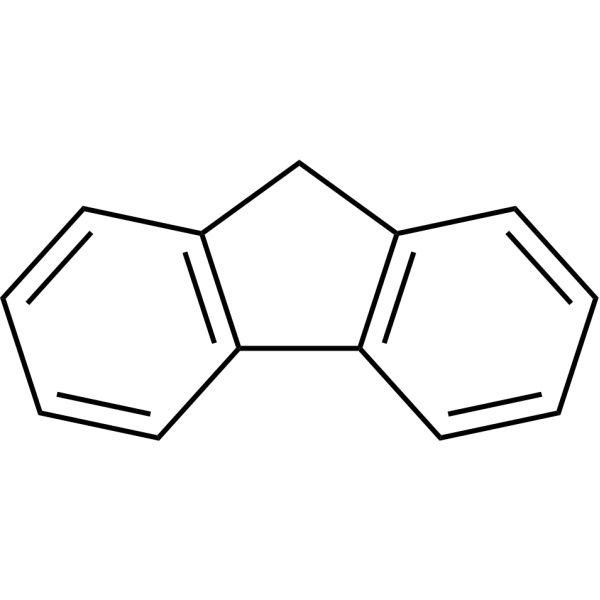
Fluorene is an orally active polycyclic aromatic hydrocarbon (PAH) and a precursor to other fluorene-based compounds. Fluorene and its derivatives serve as dye precursors for fluorene synthesis. In A549 cells, Fluorene induces oxidative stress and inflammatory responses by increasing ROS and SOD generation, exacerbating lipid peroxidation, modulating antioxidant enzyme activity, and upregulating the expression of pro-inflammatory factors TNF-α and IL-6. In vivo, Fluorene exhibits anxiolytic activity. Fluorene holds potential for research in inflammation and neurological disorders .
|
-
- HY-181981
-
|
|
NTPDase
Phosphodiesterase (PDE)
|
Cancer
|
|
NTPDase/NPP1-IN-1 is an ectonucleotidase (NTPDase) and nucleotide pyrophosphatase/phosphodiesterase 1 (NPP1) inhibitor, with IC50 values of 0.28, 0.92, 0.82 and 0.73 μM against h-NTPDase1, h-NTPDase2, h-NTPDase3 and h-NPP1, respectively. NTPDase/NPP1-IN-1 is a membrane-interacting agent that localizes to the plasma membrane and interacts with cancer cells. NTPDase/NPP1-IN-1 can be used in the research of breast cancer .
|
-
- HY-183788
-
|
|
EGFR
Apoptosis
|
Cancer
|
|
EGFR-IN-212 is an EGFR inhibitor with human IC50 values of 1.83 μM. EGFR-IN-212 reduces EGFR mRNA expression and induces apoptosis. EGFR-IN-212 can be used for the research of non-small cell lung carcinoma .
|
-
- HY-N3741
-
|
Didrovaltratum
|
Calcium Channel
Reactive Oxygen Species (ROS)
Autophagy
|
Inflammation/Immunology
Cancer
|
|
Didrovaltrate (Didrovaltratum) is an L-type calcium channel blocker, ROS scavenger, autophagy enhancer, and lipid accumulation inhibitor. Didrovaltrate blocks L-type calcium currents in a concentration-dependent manner, shifts the current-voltage curve upward, modulates steady-state inactivation kinetics, and inhibits the nuclear translocation of glucocorticoid receptors. Didrovaltrate reduces ROS levels, downregulates the expression of muscle atrophy-related genes, enhances autophagy via lipophagy, and decreases Oleic acid-induced lipid accumulation. Didrovaltrate exhibits cytotoxic activity against cancer cells. Didrovaltrate can be used in research related to skeletal muscle atrophy, non-alcoholic fatty liver disease, breast cancer, lung cancer, gastric cancer, and prostate cancer .
|
-
- HY-182349
-
|
|
Bcl-2 Family
Apoptosis
Caspase
PARP
|
Cancer
|
|
Bax activator-2 is a pro-apoptotic agent targeting BAX, with an IC50 of 0.30 μM against human BAX. Bax activator-2 binds to the trigger site of BAX and induces its conformational change. Bax activator-2 induces mitochondrial depolarization, cytochrome c release, cleavage of caspase-3/9 and PARP, thereby initiating apoptosis. Bax activator-2 exhibits cytotoxicity against a variety of cancer cell lines. Bax activator-2 can be used in research related to acute myeloid leukemia and solid tumors .
|
-
- HY-183592
-
|
|
Orthopoxvirus
Drug Derivative
|
Infection
|
|
Anti-virus agent 2 is an orally active and selective anti-orthopoxvirus (poxvirus) agent, with EC50 values of 6.1 μM and 47.1 μM against VTT-Fluc and MPXV clade IIb, respectively. Anti-virus agent 2 covalently binds to viral A17L protein and mRNA methyltransferase, blocks viral membrane fusion and intracellular biosynthesis, and acts on multiple stages of the viral replication cycle. Anti-virus agent 2 achieves viral inhibition in nude mouse models. Anti-virus agent 2 can be used for the research of orthopoxvirus infections such as monkeypox and smallpox .
|
-
- HY-182463
-
|
|
Phosphatase
|
Metabolic Disease
Inflammation/Immunology
Cancer
|
|
Moreollic acid is a PTP1B inhibitor, with an IC50 of 4.44 μM and a Ki of 1.75 μM against human targets. Moreollic acid blocks cell cycle progression from the G1 to S phase and inhibits tumor cell proliferation. Moreollic acid can be used in research related to type 2 diabetes, obesity, colon cancer and other cancers .
|
-
- HY-130502
-
|
Cholesterol 5β,6β-epoxide; 5β,6β-Epoxycholesterol
|
Apoptosis
|
Inflammation/Immunology
Cancer
|
|
5β,6β-epoxycholestanol (Cholesterol 5β,6β-epoxide; 5β,6β-Epoxycholesterol) is an oxysterol. 5β,6β-epoxycholestanol induces cytotoxicity in bronchial epithelial cells. 5β,6β-epoxycholestanol induces lactate dehydrogenase (LDH) release and apoptosis in lymphoma cells undergoing macrophage differentiation . 5β,6β-epoxycholestanol is applicable to research related to atherosclerosis .
|
-
- HY-181517
-
|
|
Bacterial
|
Infection
Cancer
|
|
Antitumor agent-212 is a α-exo-methylene-selenolactone derivative with prominent selective antitumor activity. Antitumor agent-212 exhibits an MIC value of 128 μg/mL against Gram-positive bacteria. Antitumor agent-212 exhibits significant antitumor effects in the U87 human glioma xenograft model. Antitumor agent-212 can be used for the study of glioma, breast cancer and non-small cell lung cancer, and antibacterial study .
|
-
- HY-181477
-
|
|
ERK
Apoptosis
Bcl-2 Family
Caspase
Reactive Oxygen Species (ROS)
|
Cancer
|
|
ERK5-IN-7 is an orally active ERK5 inhibitor with an IC50 of 403.4 nM. ERK5-IN-7 directly inhibits ERK5 kinase activity, and downregulates the phosphorylation level and total protein expression of ERK5. ERK5-IN-7 induces Apoptosis (upregulates Bax, downregulates Bcl-2, and induces Caspase-3 cleavage). ERK5-IN-7 induces ROS accumulation. ERK5-IN-7 exhibits anticancer effects against Lewis lung cancer .
|
-
- HY-183708
-
|
|
Arenavirus
|
Infection
|
|
Antiviral agent 85 is a broad-spectrum arenavirus entry inhibitor with an EC90 of 0.13 µM against Junín virus (JUNV). Antiviral agent 85 blocks the entry of various arenaviruses through both hTfR1-dependent and hTfR1-independent pathways, acting on the early and early post-entry stages of infection. Antiviral agent 85 exhibits antiviral activity against a variety of arenaviruses, is well tolerated in hTfR1-expressing JUNV-infected mouse models, but fails to provide protective effects. Antiviral agent 85 can be used in studies related to arenavirus hemorrhagic fevers .
|
-
- HY-183929
-
|
|
Influenza Virus
|
Infection
|
|
Antiviral agent 87 is a potent antiviral agent with low cytotoxicity in host cells. Antiviral agent 87 stabilizes prefusion HA conformation, blocks viral membrane fusion and host cell entry, and inhibits entry and replication of diverse influenza A virus subtypes. Antiviral agent 87 can be used for the research of influenza A virus infection .
|
-
- HY-W011303
-
-
- HY-W011303R
-
|
4-Hydroxysphinganine (Standard)
|
Reference Standards
Apoptosis
Endogenous Metabolite
Fungal
Free Fatty Acid Receptor
|
Infection
Metabolic Disease
Inflammation/Immunology
Cancer
|
|
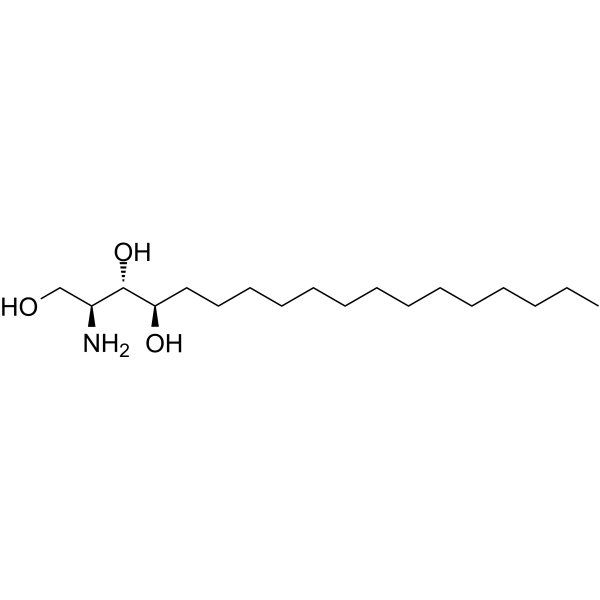
Phytosphingosine (Standard) is the analytical standard of Phytosphingosine. This product is intended for research and analytical applications. Phytosphingosine is a phospholipid with anti-inflammatory, antibacterial, and anti-cancer activities, which can induce apoptosis. Phytosphingosine is an immune regulator and can be used in the study of inflammatory skin diseases. Phytosphingosine is also an activator of GPR120 with an IC50 value of 33.4 μM and can be used in the study of type II diabetes[1][2][3][4].
|
-
- HY-P992338
-
|
|
Mesothelin
Constitutive Androstane Receptor
|
Inflammation/Immunology
Cancer
|
|
CT-1119 is an autologous human anti-Mesothelin chimeric antigen receptor macrophage (CAR-M). CT-1119 mediates CAR-dependent, antigen-dependent functional activities. CT-1119 acts as a phagocytosis inducer, tumor cell killer, pro-inflammatory cytokine inducer, and M1 macrophage polarizer. CT-1119 exhibits stronger resistance to M2 repolarization and reduces tumor burden in a mouse lung cancer xenograft model. CT-1119 can be used for the research of mesothelin-expressing solid tumors .
|
-
- HY-182264
-
|
Nordihydroguaiaretic acid tetrapivalate
|
IGF-1R
EGFR
Drug Metabolite
|
Cancer
|
|
Masoprocol tetrapivalate (Nordihydroguaiaretic acid tetrapivalate) is a catecholic butane metabolite and also a tyrosine kinase activity inhibitor of IGF-1R and EGFR. Masoprocol tetrapivalate regulates tyrosine kinase signaling pathways associated with cell proliferation. Masoprocol tetrapivalate can be used in the research of proliferative diseases, including malignant, precancerous or benign cancers, and solid tumors .
|
-
- HY-P5407
-
|
|
SARS-CoV
Angiotensin-converting Enzyme (ACE)
|
Infection
Cancer
|
|
HD5 is an innate immune effector peptide and SARS-CoV Inhibitor. HD5 binds to the ligand-binding domain of angiotensin-converting enzyme-2 (ACE2) via multiple hydrogen bonds to competitively block the receptor, shielding it from viral recognition. HD5 can be used for the research of COVID-19, HPV16 infection, epithelial ovarian cancer, small-cell lung cancer, and colon cancer .
|
-
- HY-P5407A
-
|
|
SARS-CoV
Angiotensin-converting Enzyme (ACE)
|
Infection
Cancer
|
|
HD5 TFA is an innate immune effector peptide and SARS-CoV Inhibitor. HD5 TFA binds to the ligand-binding domain of angiotensin-converting enzyme-2 (ACE2) via multiple hydrogen bonds to competitively block the receptor, shielding it from viral recognition. HD5 TFA can be used for the research of COVID-19, HPV16 infection, epithelial ovarian cancer, small-cell lung cancer, and colon cancer .
|
-
| Cat. No. |
Product Name |
Type |
-
- HY-D1078
-
|
|
Fluorescent Dyes
|
|
5 (6)-Carboxy-2',7'-dichlorofluorescein diacetate is a fluorescein-based reactive oxygen species (ROS) probe and also a MRP2 substrate. 5 (6)-Carboxy-2',7'-dichlorofluorescein diacetate serves as a substrate for intracellular esterases, which cleave its acetate groups to generate a fluorescent product capable of detecting intracellular ROS. 5 (6)-Carboxy-2',7'-dichlorofluorescein diacetate is ATP-dependent and is transported via a single MRP2 binding site; it competes with LTC4 for MRP2 binding sites and inhibits MRP2-mediated LTC4 transport (Ex/Em = 496/525 nm) .
|
-
- HY-D2826
-
|
|
Fluorescent Dyes
|
|
FITC-Chitosan (MW 100000) is a chitosan (Chitosan) (HY-B2144A) labeled with FITC (HY-66019). FITC-Chitosan (MW 100000) combines the biological and physicochemical properties of chitosan (such as biocompatibility, positive charge, and nanoparticle-forming ability) with the fluorescent visibility of FITC (Ex/Em = ~485/535 nm) .
|
-
- HY-W248121
-
|
PM567
|
Fluorescent Dyes
|
|
Pyrromethene 567 is a commercially available BODIPY dye with a photodynamic cytotoxicity IC50 of 6.8 ± 1.8 μM.Pyrromethene 567 shows cytoplasmic localization and limited cellular uptake in cancer cells.Pyrromethene 567 can be used for the research of lung cancer .
|
-
- HY-D3198
-
|
|
Fluorescent Dyes
|
|
NIR-fluorescent ceramide is a neutral near-infrared (NIF) fluorescent probe (λem=650 nm) based on the C-bridged nitrobenzoxadiazole SCOTfluor core, which enables visualization of lipid metabolic processes such as sphingolipid trafficking. The emission signal of NIR-fluorescent ceramide increases significantly in liposomal environments. NIR-fluorescent ceramide acts as an intracellular trafficking tracer, localizing to regions surrounding the endoplasmic reticulum and Golgi apparatus within a short period, and then translocating to recycling lysosomes over a longer period, thus enabling real-time visualization of sphingolipid trafficking and biological lipid functions in living cells. NIR-fluorescent ceramide also generates metabolic uptake profiles and provides multiple metabolic readouts in human cancer cell lines .
|
| Cat. No. |
Product Name |
Type |
-
- HY-D1078
-
|
|
Biochemical Assay Reagents
|
|
5 (6)-Carboxy-2',7'-dichlorofluorescein diacetate is a fluorescein-based reactive oxygen species (ROS) probe and also a MRP2 substrate. 5 (6)-Carboxy-2',7'-dichlorofluorescein diacetate serves as a substrate for intracellular esterases, which cleave its acetate groups to generate a fluorescent product capable of detecting intracellular ROS. 5 (6)-Carboxy-2',7'-dichlorofluorescein diacetate is ATP-dependent and is transported via a single MRP2 binding site; it competes with LTC4 for MRP2 binding sites and inhibits MRP2-mediated LTC4 transport (Ex/Em = 496/525 nm) .
|
-
- HY-142997
-
|
|
Biochemical Assay Reagents
|
|
DOSPA is a cationic lipid. DOSPA can form lipid nanoparticles with DOPE (HY-112005) to serve as a carrier for nucleic acid transfection. DOSPA is applicable in research related to drug delivery .
|
-
- HY-130502
-
|
Cholesterol 5β,6β-epoxide; 5β,6β-Epoxycholesterol
|
Biochemical Assay Reagents
|
|
5β,6β-epoxycholestanol (Cholesterol 5β,6β-epoxide; 5β,6β-Epoxycholesterol) is an oxysterol. 5β,6β-epoxycholestanol induces cytotoxicity in bronchial epithelial cells. 5β,6β-epoxycholestanol induces lactate dehydrogenase (LDH) release and apoptosis in lymphoma cells undergoing macrophage differentiation . 5β,6β-epoxycholestanol is applicable to research related to atherosclerosis .
|
| Cat. No. |
Product Name |
Target |
Research Area |
-
- HY-P2282
-
|
|
STAT
|
Cancer
|
|
APTSTAT3-9R, a specific STAT3-binding peptide, inhibits STAT3 activation and downstream signaling by specifically blocking STAT3 phosphorylation. APTSTAT3-9R exerts antiproliferative effects and antitumor activity .
|
-
- HY-P5407
-
|
|
SARS-CoV
Angiotensin-converting Enzyme (ACE)
|
Infection
Cancer
|
|
HD5 is an innate immune effector peptide and SARS-CoV Inhibitor. HD5 binds to the ligand-binding domain of angiotensin-converting enzyme-2 (ACE2) via multiple hydrogen bonds to competitively block the receptor, shielding it from viral recognition. HD5 can be used for the research of COVID-19, HPV16 infection, epithelial ovarian cancer, small-cell lung cancer, and colon cancer .
|
-
- HY-136727A
-
|
|
Caspase
Apoptosis
|
Cancer
|
|
Ac-LEVD-CHO (TFA) is an inhibitor of caspase-4. Ac-LEVD-CHO (TFA) can inhibit the expression and secretion of IL-1α expression as well as the activation of caspase-4 induced by the T. denticola periodontal pathogen surface protein Td92 in human gingival fibroblasts. Ac-LEVD-CHO (TFA) can also reduce the apoptosis due to the expression of the dominant negative adenoviral RNA-dependent protein kinase in A549 and PC3 cancer cell lines .
|
-
- HY-P5407A
-
|
|
SARS-CoV
Angiotensin-converting Enzyme (ACE)
|
Infection
Cancer
|
|
HD5 TFA is an innate immune effector peptide and SARS-CoV Inhibitor. HD5 TFA binds to the ligand-binding domain of angiotensin-converting enzyme-2 (ACE2) via multiple hydrogen bonds to competitively block the receptor, shielding it from viral recognition. HD5 TFA can be used for the research of COVID-19, HPV16 infection, epithelial ovarian cancer, small-cell lung cancer, and colon cancer .
|
| Cat. No. |
Product Name |
Target |
Research Area |
Image |
-
- HY-P991196
-
|
|
Transmembrane Glycoprotein
|
Cancer
|
|
Anti-CD24 Antibody (SWA11) is a human IgG1 monoclonal antibody targeting CD24, with high affinity and specificity for CD24-expressing tumor cells. Anti-CD24 Antibody (SWA11) triggers endocytosis, alters STAT3-dependent gene expression, regulates Src phosphorylation, and blocks CD24-mediated signaling pathways. Anti-CD24 Antibody (SWA11) is applicable to cancer-related research such as lung cancer and ovarian cancer. Recommended isotype control: Human IgG1 kappa, Isotype Control (HY-P99001) .
|
-
(5)
-
- HY-P991565
-
|
|
c-Met/HGFR
|
Cancer
|
|
CE-355621 is a humanized anti-c-Met IgG1 monoclonal antibody. CE-355621 can effectively bind with human c-Met (KD = 200 pM, IC50 = 466 pM) in A549 cells and cyno c-Met (KD = 610 pM) in cynomolgus kidney cells. CE-355621 inhibits the c-Met signaling pathway by blocking HGF binding. CE-355621 significantly inhibits the growth of tumors dependent on the c-Met/HGF pathway. CE-355621 can be used for research on cancer such as glioblastoma and gastric cancer .
|
-
(5)
-
- HY-P992338
-
|
|
Mesothelin
Constitutive Androstane Receptor
|
Inflammation/Immunology
Cancer
|
|
CT-1119 is an autologous human anti-Mesothelin chimeric antigen receptor macrophage (CAR-M). CT-1119 mediates CAR-dependent, antigen-dependent functional activities. CT-1119 acts as a phagocytosis inducer, tumor cell killer, pro-inflammatory cytokine inducer, and M1 macrophage polarizer. CT-1119 exhibits stronger resistance to M2 repolarization and reduces tumor burden in a mouse lung cancer xenograft model. CT-1119 can be used for the research of mesothelin-expressing solid tumors .
|
-
(5)
| Cat. No. |
Product Name |
Category |
Target |
Chemical Structure |
-
- HY-W011303
-
-
-
- HY-W592871
-
|
10-HDA; Queen Bee Acid
|
Animals
Ketones, Aldehydes, Acids
Source Classification
|
mTOR
Apoptosis
ERK
MDM-2/p53
GSK-3
AMPK
Interleukin Related
TNF Receptor
Caspase
NF-κB
Bacterial
Fungal
|
|
10-Hydroxy-2-decenoic acid (10-HDA) is an orally active unsaturated medium-chain fatty acid with various physiological activities. 10-Hydroxy-2-decenoic acid induces ROS-mediated apoptosis in A549 cells. 10-Hydroxy-2-decenoic acid inhibits VEGF-induced angiogenesis in human venous endothelial cells. 10-Hydroxy-2-decenoic acid alleviates non-alcoholic fatty liver disease (NAFLD) by activating the AMPK-α signaling pathway. 10-Hydroxy-2-decenoic acid protects against bone loss by inhibiting NF-κB signaling downstream of FFAR4. 10-Hydroxy-2-decenoic acid is an antibiotic against many bacteria and fungi, such as Neurospora sitophila, molds and Staphylococcus aureus. 10-Hydroxy-2-decenoic acid has longevity-promoting effects in C. elegans. 10-Hydroxy-2-decenoic acid prevents osteoarthritis by targeting aspartyl β hydroxylase and inhibiting chondrocyte senescence .
|
-
-
- HY-122308
-
-
-
- HY-N7526
-
-
-
- HY-Y0030
-
-
-
- HY-N3225
-
|
|
Myrica ceriferaL.
Phenols
Polyphenols
Plants
Source Classification
Myricaceae
|
NAMPT
Sirtuin
Microtubule/Tubulin
Apoptosis
Autophagy
PDGFR
NF-κB
AMPK
|
|
Myricanol is a diarylheptanoid and a Nampt activator. Myricanol exerts anti-inflammatory effects and alleviates glucocorticoid-induced muscle atrophy by increasing Sirtuin 1 (SIRT1) and PRDX5 activities while regulating inflammatory factors. Myricanol exhibits growth inhibition and induces apoptosis in human lung adenocarcinoma A549 cells. Myricanol promotes autophagy-mediated clearance of microtubule-associated protein tau to exert neuroprotective effects. Myricanol protects cardiovascular function by inhibiting PDGFRβ and NF-κB signaling pathways. Myricanol activates mitochondrial transcription factor A (TFAM) expression to exert anti-renal fibrosis effects. Myricanol improves insulin resistance through AMPK activation .
|
-
-
- HY-N2135
-
-
-
- HY-N8884
-
-
-
- HY-N8420
-
-
-
- HY-N3741
-
|
Didrovaltratum
|
Structural Classification
Natural Products
Classification of Application Fields
Valeriana officinalis Linn.
Plants
Valerianaceae
Disease Research Fields
Source Classification
Cancer
|
Calcium Channel
Reactive Oxygen Species (ROS)
Autophagy
|
|
Didrovaltrate (Didrovaltratum) is an L-type calcium channel blocker, ROS scavenger, autophagy enhancer, and lipid accumulation inhibitor. Didrovaltrate blocks L-type calcium currents in a concentration-dependent manner, shifts the current-voltage curve upward, modulates steady-state inactivation kinetics, and inhibits the nuclear translocation of glucocorticoid receptors. Didrovaltrate reduces ROS levels, downregulates the expression of muscle atrophy-related genes, enhances autophagy via lipophagy, and decreases Oleic acid-induced lipid accumulation. Didrovaltrate exhibits cytotoxic activity against cancer cells. Didrovaltrate can be used in research related to skeletal muscle atrophy, non-alcoholic fatty liver disease, breast cancer, lung cancer, gastric cancer, and prostate cancer .
|
-
-
- HY-N10904
-
-
-
- HY-N16602
-
-
-
- HY-N6578
-
-
-
- HY-W592871R
-
|
10-HDA (Standard); Queen Bee Acid (Standard)
|
Structural Classification
Animals
Ketones, Aldehydes, Acids
Source Classification
|
Reference Standards
mTOR
|
|
10-Hydroxy-2-decenoic acid (Standard) is an analytical standard for 10-Hydroxy-2-decenoic acid (HY-W592871). This product is intended for research and analytical applications.10-Hydroxy-2-decenoic acid (10-HDA) is an orally active unsaturated medium-chain fatty acid with various physiological activities. 10-Hydroxy-2-decenoic acid induces ROS-mediated apoptosis in A549 cells. 10-Hydroxy-2-decenoic acid inhibits VEGF-induced angiogenesis in human venous endothelial cells. 10-Hydroxy-2-decenoic acid alleviates non-alcoholic fatty liver disease (NAFLD) by activating the AMPK-α signaling pathway. 10-Hydroxy-2-decenoic acid protects against bone loss by inhibiting NF-κB signaling downstream of FFAR4. 10-Hydroxy-2-decenoic acid is an antibiotic against many bacteria and fungi, such as Neurospora sitophila, molds and Staphylococcus aureus. 10-Hydroxy-2-decenoic acid has longevity-promoting effects in C. elegans. 10-Hydroxy-2-decenoic acid prevents osteoarthritis by targeting aspartyl β hydroxylase and inhibiting chondrocyte senescence .
|
-
-
- HY-Y0030R
-
-
-
- HY-W011303R
-
-
-
- HY-113796
-
-
-
- HY-N4251
-
-
-
- HY-N10351
-
-
-
- HY-N3615
-
-
-
- HY-N3210
-
-
-
- HY-N15578
-
-
-
- HY-N1614
-
-
-
- HY-122308R
-
|
|
Bletilla striata (Thunb. ex Murray) Rchb. f.
Structural Classification
Orchidaceae
Phenols
Plants
Source Classification
|
Reference Standards
Others
|
|
Militarine (Standard) is the analytical standard of Militarine (HY-122308). This product is intended for research and analytical applications. Militarine is a plant growth inhibitor and anti-inflammatory agent. Militarine inhibits the elongation of radicles and hypocotyls in seedlings of lettuce, Italian ryegrass and timothy grass. Militarine alleviates PM2.5-induced inflammatory injury and inhibits cell migration in human alveolar epithelial A549 cells by inhibiting the NF-κB signaling pathway, reducing oxidative stress and the release of inflammatory factors. Militarine can be used in studies related to PM2.5-induced pulmonary diseases .
|
-
-
- HY-N9003
-
-
-
- HY-N16759
-
-
-
- HY-N1691
-
-
-
- HY-N13139
-
-
-
- HY-N16695
-
-
-
- HY-N17431
-
-
-
- HY-N19786
-
-
-
- HY-N17748
-
-
-
- HY-N17744
-
-
-
- HY-W727102
-
-
-
- HY-N18115
-
-
-
- HY-N18168
-
-
-
- HY-N17074
-
-
-
- HY-N17244
-
-
-
- HY-N19297
-
-
-
- HY-N16816
-
-
-
- HY-N19936
-
-
-
- HY-N19463
-
-
-
- HY-N16806
-
-
-
- HY-182559
-
-
| Cat. No. |
Product Name |
|
Classification |
-
- HY-186189
-
|
|
|
Alkynes
|
|
OPA-S-S-alkyne is a cell surface protein-selective labeling agent. OPA-S-S-alkyne selectively labels hyper-reactive extracellular lysines including ROR2 K382 and ENG K285, blocks ENG-BMP9 interaction, and labels purified human serum albumin with minimal bias. OPA-S-S-alkyne can be used for the research of hematologic and influenza A virus infection .
|
| Cat. No. |
Product Name |
|
Classification |
-
- HY-142997
-
|
|
|
Cationic Lipids
|
|
DOSPA is a cationic lipid. DOSPA can form lipid nanoparticles with DOPE (HY-112005) to serve as a carrier for nucleic acid transfection. DOSPA is applicable in research related to drug delivery .
|
Your information is safe with us. * Required Fields.
Inquiry Information
- Product Name:
- Cat. No.:
- Quantity:
- MCE Japan Authorized Agent:

