52 Results for "

human ERK1

" in MedChemExpress (MCE) Product Catalog:
Products (52)

52 Results for "human ERK1" in MCE Product Catalog:

  • Targets Recommended:
159
159 Publications Verification
Cat. No.: HY-10254
CAS No.: 391210-10-9
Purity:  99.95%
Synonyms: PD0325901; PD325901
Target:  

MEK Autophagy Apoptosis

Research Areas:  

Cancer

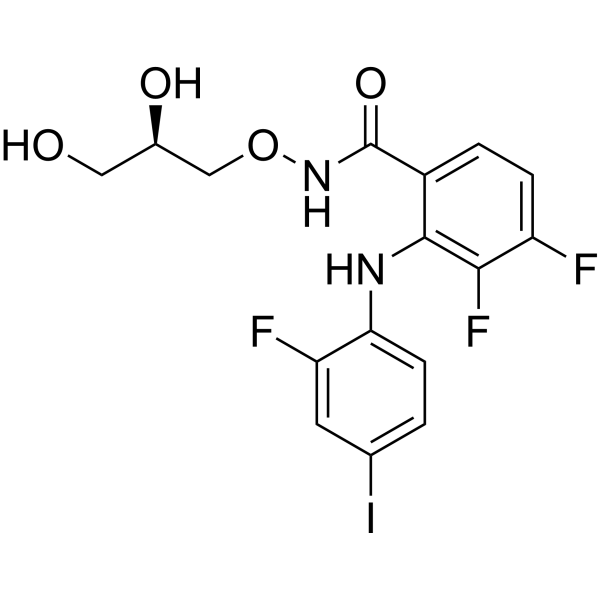
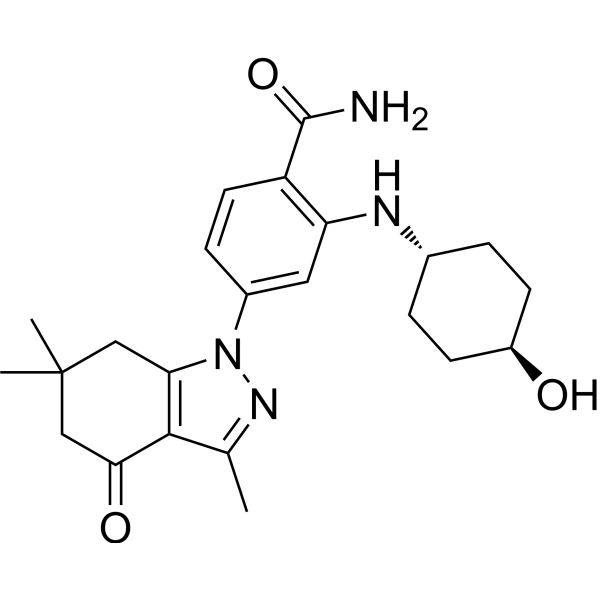
Mirdametinib (PD0325901) is an orally active, selective and non-ATP-competitive MEK inhibitor with an IC50 of 0.33 nM. Mirdametinib exhibits a Ki app of 1 nM against activated MEK1 and MEK2. Mirdametinib suppresses the expression of p-ERK1/2 and induces apoptosis. Mirdametinib has anti-cancer activity for a broad spectrum of human tumor xenografts .
loading...
    loading...
9
9 Cited Publications
Cat. No.: HY-108543
CAS No.: 93718-83-3
Purity:  ≥99.0%
Target:  

Phosphatase Apoptosis

Research Areas:  

Cancer

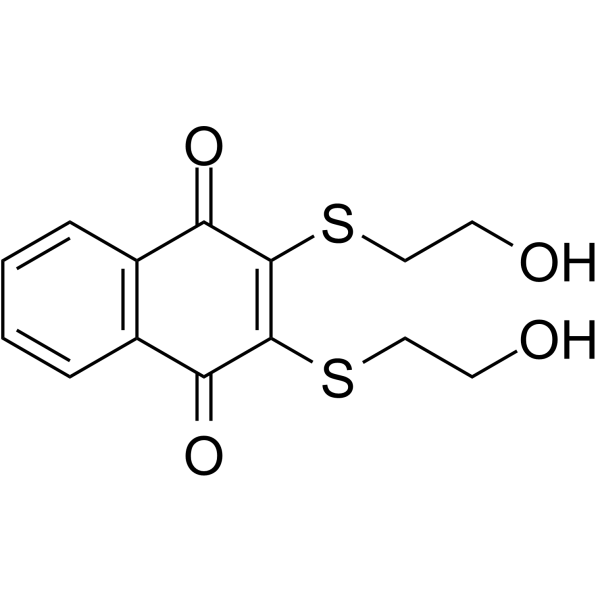
NSC 95397 is a potent, selective Cdc25 dual specificity phosphatase inhibitor (Ki=32 nM (Cdc25A), 96 nM (Cdc25B), 40 nM (Cdc25C); IC50=22.3 nM (human Cdc25A), 56.9 nM (human Cdc25C), 125 nM (Cdc25B)) . NSC 95397 inhibits mitogen-activated protein kinase phosphatase-1 (MKP-1) and suppresses proliferation and induces apoptosis in colon cancer cells through MKP-1 and ERK1/2 pathway .
loading...
    loading...
4
4 Cited Publications
Cat. No.: HY-N0774
CAS No.: 486-21-5
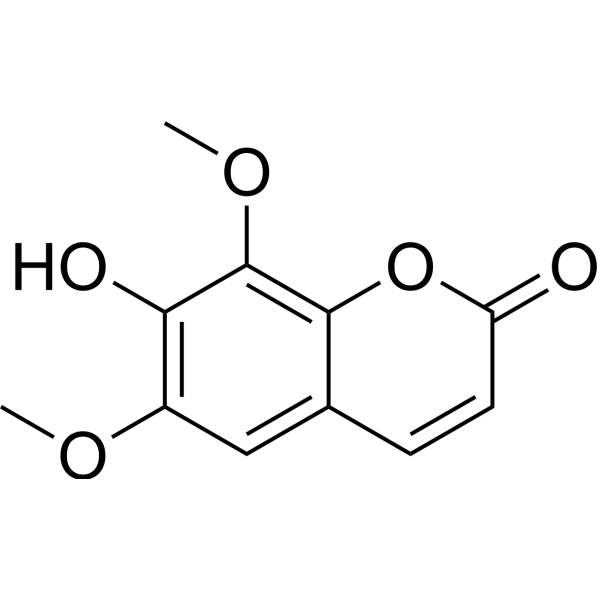
Isofraxidin, a coumarin component from Acanthopanax senticosus, inhibits MMP-7 expression and cell invasion of human hepatoma cells. Isofraxidin inhibits the phosphorylation of ERK1/2 in hepatoma cells . Isofraxidin attenuates the expression of iNOS and COX-2, Isofraxidinalso inhibits TLR4/myeloid differentiation protein-2 (MD-2) complex formation .
loading...
    loading...
3
3 Cited Publications
Cat. No.: HY-126477
CAS No.: 64091-91-4
Purity:  99.98%
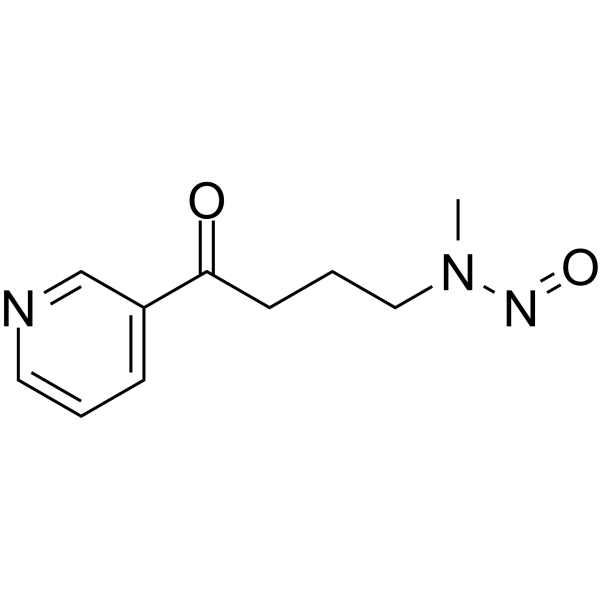
NNK is a nicotine-nitrosated derivative. NNK simultaneously stimulates Bcl2 phosphorylation exclusively at Ser 70 and c-Myc at Thr 58 and Ser 62 through activation of both ERK1/2 and PKCα . NNK induces survival and proliferation of human lung cancer cells. NNK can be used for lung cancer mice model structure .
loading...
    loading...
2
2 Cited Publications
Cat. No.: HY-N6796
CAS No.: 52665-74-4
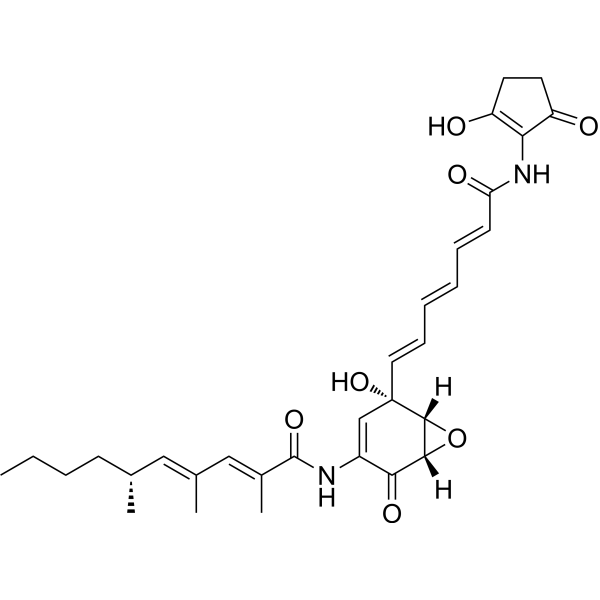
Manumycin A is a polyketide antibiotic and an inhibitor of thioredoxin reductase 1 (TrxR-1). Manumycin A can inhibit the growth of breast cancer cells and exert its anti-tumor activity through LC3. Manumycin A can downregulate the release of pro-inflammatory cytokines in human monocytes stimulated by TNF α, and has potential anti-inflammatory activity. Manumycin A can inhibit the Ras/Raf/ERK1/2 signaling and hnRNP H1 in castration resistant prostate cancer cells to suppress exosome biogenesis and secretion .
loading...
    loading...
2
2 Cited Publications
Cat. No.: HY-119272
CAS No.: 342808-40-6
Purity:  99.34%
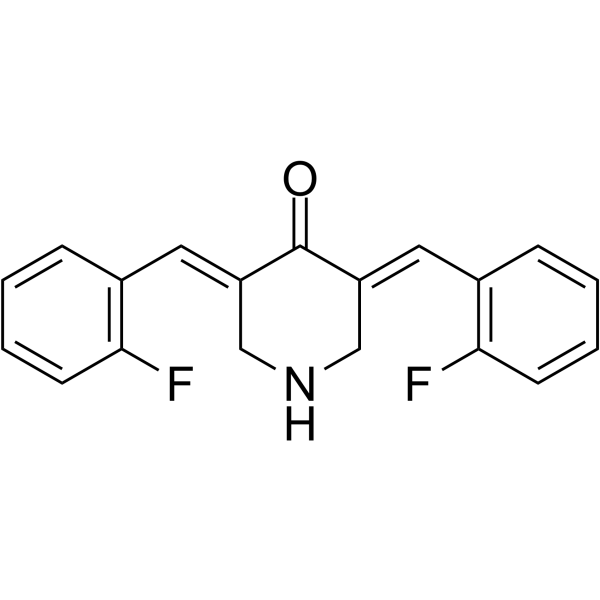
EF24, a curcumin analogue, is an NF-kB inhibitor with great anti-tumor efficacy and oral bioavailability via deactivation of the MAPK/ERK signaling pathway in oral squamous cell carcinoma (OSCC). EF24 is active against melanoma and breast cancer cell lines with GI50 values of 0.7 μM and 0.8 μM, respectively. EF24 induces cell cycle arrest and apoptosis in MDA-MB-231 human breast cancer cells and DU-145 human prostate cancer cells. EF24 increases the levels of activated caspase 3 and 9, and decreases the phosphorylated forms of MEK1 and ERK .
loading...
    loading...
2
2 Cited Publications
Cat. No.: HY-P10102
CAS No.: 629628-53-1
Research Areas:  

Inflammation/Immunology Cancer

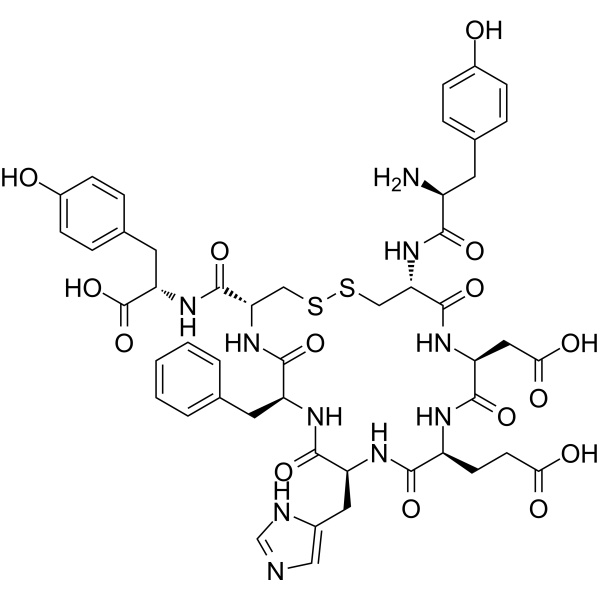
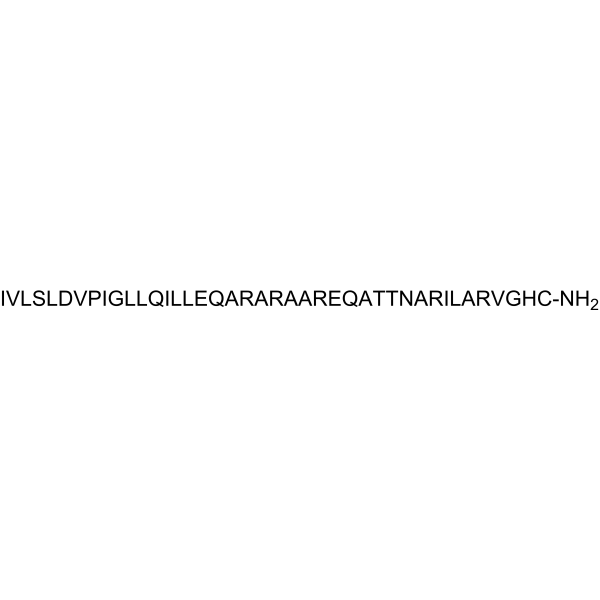
Kp7-6 is a Fas mimetic peptide and also a Fas/FasL antagonist. Kp7-6 specifically binds to Fas and FasL, disrupts receptor complexes, and blocks downstream apoptosis signaling pathways. Kp7-6 inhibits the phosphorylation of ERK1-2, induces the phosphorylation of IκBα, and activates NF-κB. Kp7-6 inhibits the activation of caspase-8, caspase-3 and JNK, and suppresses human amylin-induced β-cell apoptosis. Kp7-6 inhibits FasL-induced lymphoid cytotoxicity and apoptosis. Kp7-6 reduces local tumor FasL expression, increases CD8 +Fas + T cell infiltration, and decreases tumor volume in pancreatic neuroendocrine tumor models. Kp7-6 prevents concanavalin A-induced liver injury in mice. Kp7-6 is applicable to research related to type 2 diabetes, concanavalin A-induced hepatitis and pancreatic neuroendocrine tumors .
loading...
    loading...
2
2 Cited Publications
Cat. No.: HY-17587
CAS No.: 36861-47-9
Synonyms: 4-MBC; Enzacamene
Target:  

Apoptosis PI3K Akt ERK

Research Areas:  

Metabolic Disease

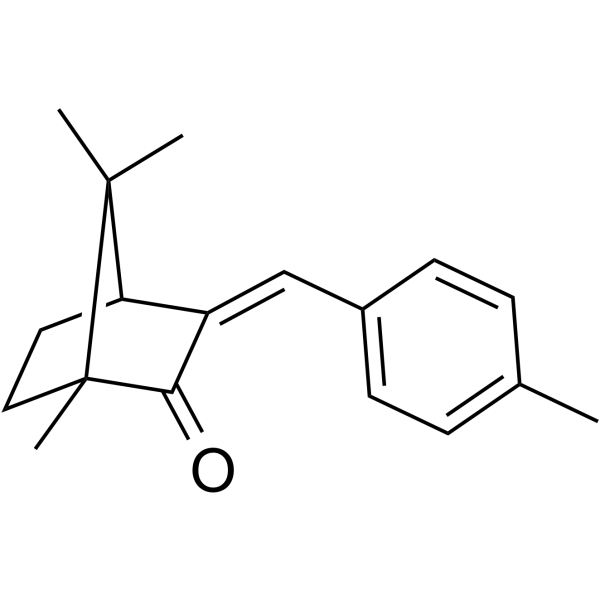
4-Methylbenzylidene camphor (4-MBC) is an endocrine disrupter that produces estrogen-like effects. 4-Methylbenzylidene camphor decreases the proliferation of human trophoblast cells and induces apoptosis. 4-Methylbenzylidene camphor activates PI3K/AKT and ERK1/2 signaling pathways and elevates intracellular ROS production. 4-Methylbenzylidene camphor is a ultraviolet (UV) filter and may hamper normal placental formation during early pregnancy .
loading...
    loading...
1
1 Cited Publications
Cat. No.: HY-113509
CAS No.: 89663-86-5
Purity:  98.0%
Synonyms: LXA4
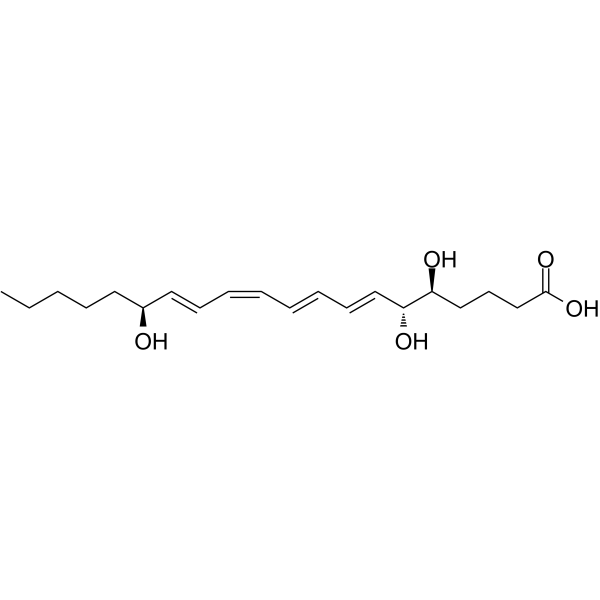
Lipoxin A4 (LXA4), an endogenous lipoxygenase-derived eicosanoid mediator, has potent dual pro-resolving and anti-inflammatory properties . Lipoxin A4 inhibits proliferation and inflammatory cytokine/chemokine production of human epidermal keratinocytes (NHEKs) associated with the ERK1/2 and NF-kB pathways . Lipoxin A4 inhibits serum amyloid A (SAA)-mediated IL-8 release with an IC50 value of 25.74 nM .
loading...
    loading...
1
1 Cited Publications
Cat. No.: HY-N6007
CAS No.: 14965-20-9
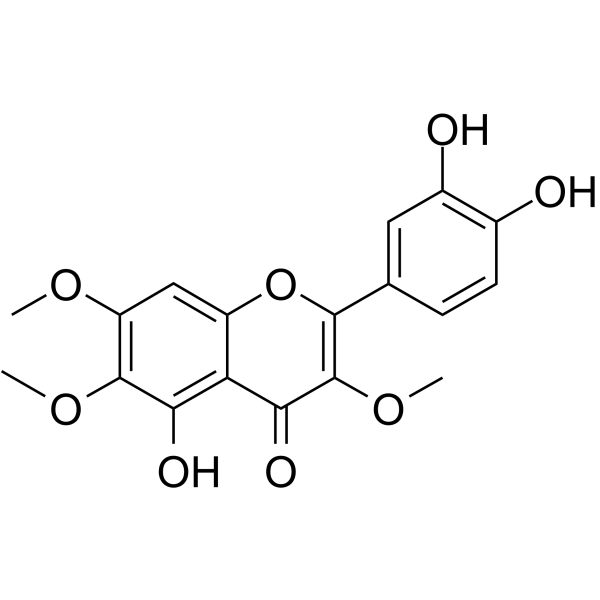
Chrysosplenol D is a methoxy flavonoid that induces ERK1/2-mediated apoptosis in triple negative human breast cancer cells. Chrysosplenol D also exhibits anti-inflammatory and moderate antitrypanosomal activities .
loading...
    loading...
Cat. No.: HY-P1752
CAS No.: 351999-18-3
Research Areas:  

Metabolic Disease

Urocortin II, human is a selective endogenous peptide agonist of type-2 corticotropin-releasing factor (CRF2) receptor. Urocortin II, human has an effect of promoting satiet and neuroprotective effect. Urocortin II, human also has bactericidal, antiparasitic and pro-inflammation activity. Urocortin II, human can activate NF-κB pathway and ERK1/2 MAP kinase. Urocortin II, human can reduce pulmonary arterial hypertension and shows cardiac protection effect. Urocortin II, human can be used for the researches of infection, inflammation, metabolic, neurological and cardiovascular disease .
loading...
    loading...
Cat. No.: HY-P991219
Synonyms: EnX209

Research Areas:  

Inflammation/Immunology

Anti-IL11RA Antibody (X209) (EnX209) is a human-derived IgG4, κ-type antibody inhibitor targeting IL11RA, with a KD of 6 nM. Anti-IL11RA Antibody (X209) blocks the IL11RA signaling pathway, inhibits ERK-dependent activation, and reduces the activation level of ERK1/2. Anti-IL11RA Antibody (X209) exerts a protective effect against fibrosis. Anti-IL11RA Antibody (X209) is applicable to studies related to liver fibrosis, cardiac fibrosis and other related conditions. Recommended isotype control: Human IgG4 kappa, Isotype Control (HY-P99003) .
loading...
    loading...
Cat. No.: HY-P991266

Research Areas:  

Inflammation/Immunology

SM-17 is a human monoclonal antibody targeting IL-17RB. SM-17 binds to human IL-17RB, inhibits the dimerization of IL-17RA/IL-17RB, blocks IL-25-induced phosphorylation of ERK1/2 and STAT5, and suppresses Th2-mediated inflammatory responses. SM-17 inhibits the secretion of IL-5, IL-9, IL-13 and IL-4, impairs the proliferation/expansion of ILC2 and Th2 cells, and restores filaggrin expression. SM-17 reduces immune cell infiltration, epidermal hyperplasia, goblet cell hyperplasia, collagen deposition, ear swelling and scratching behavior in animal models. SM-17 can be used in research related to atopic dermatitis and allergic asthma .
loading...
    loading...
Cat. No.: HY-12716A
CAS No.: 681806-46-2
Purity:  ≥99.0%
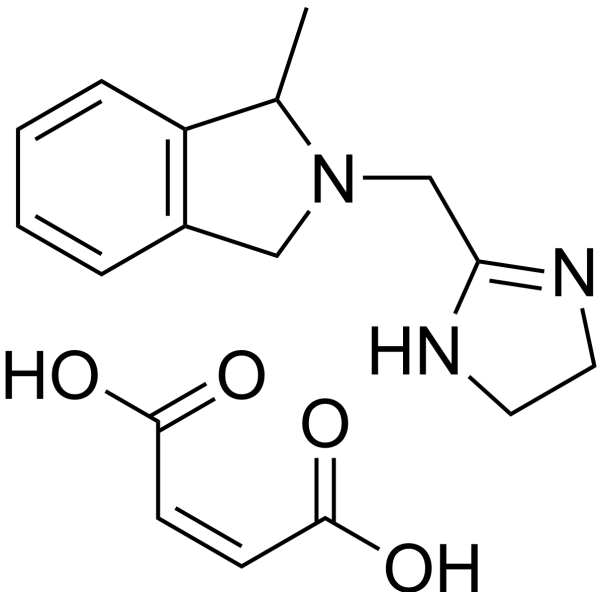
BRL-44408 maleate is a selective, blood-brain barrier-permeable α2A-adrenergic receptor antagonist with a Ki value of 8.56 nM against human targets. BRL-44408 maleate exhibits activities such as antidepressant, analgesic effects and attenuation of sepsis-induced acute lung injury by regulating the release of neurotransmitters such as norepinephrine and dopamine, or inhibiting signaling pathways including ERK1/2, p38MAPK and p65. BRL-44408 maleate can be used in studies related to acute respiratory distress syndrome, depression and visceral pain .
loading...
    loading...
Cat. No.: HY-148877
CAS No.: 908112-37-8
Purity:  98.86%
AT-533 is a potent Hsp90 and HSV inhibitor. AT-533 suppresses tumor growth and angiogenesis by blocking the HIF-1α/VEGF/VEGFR-2 signaling pathway. AT-533 also inhibits the activation of the downstream pathways, including Akt/mTOR/p70S6K, Erk1/2 and FAK. AT-533 inhibits the tube formation, cell migration, and invasion of human umbilical vein endothelial cells (HUVECs) .
loading...
    loading...
Cat. No.: HY-P3136
CAS No.: 25849-90-5
Synonyms: TRV120055
Research Areas:  

Cardiovascular Disease

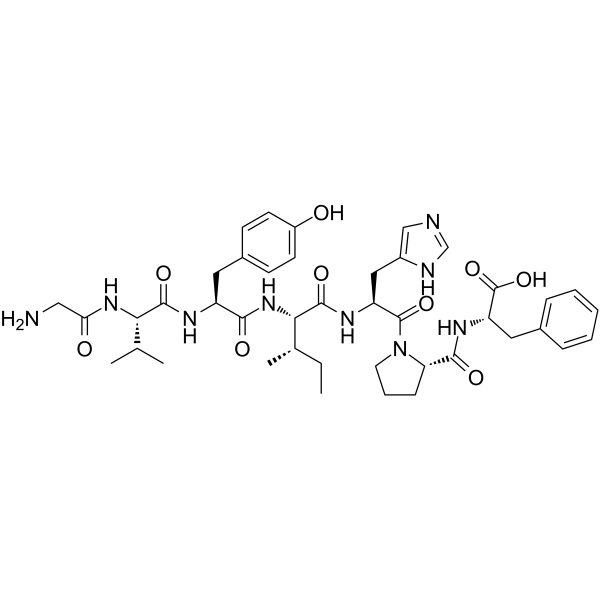
TRV055 (TRV120055) is a G protein-biased agonist of angiotensin II type 1 receptors (AT1Rs). TRV120055 induces fibroblast proliferation, overexpression of collagen I and α-SMA, and stress fibre formation in human cardiac fibroblasts. TRV055 activates AT1 receptor/Gαq-mediated signaling pathways, upregulates TGF-β1 and p-ERK1/2. TRV055 induces collagen secretion in adult rat myofibroblasts at a level comparable to Ang II. TRV055 can be used to study the role of G protein-biased signaling of AT1Rs in regulating fibrotic responses [1]
loading...
    loading...
Cat. No.: HY-P1752B
Research Areas:  

Metabolic Disease

Urocortin II, human acetate is a selective endogenous peptide agonist of type-2 corticotropin-releasing factor (CRF2) receptor. Urocortin II, human acetate has an effect of promoting satiet and neuroprotective effect. Urocortin II, human acetate also has bactericidal, antiparasitic and pro-inflammation activity. Urocortin II, human acetate can activate NF-κB pathway and ERK1/2 MAP kinase. Urocortin II, human acetate can reduce pulmonary arterial hypertension and shows cardiac protection effect. Urocortin II, human acetate can be used for the researches of infection, inflammation, metabolic, neurological and cardiovascular disease .
loading...
    loading...
Cat. No.: HY-P991358
Synonyms: LFA-102; X213

Research Areas:  

Cancer

XOMA-213 (LFA-102; X213) is a human monoclonal antibody (mAb) targeting the prolactin receptor (PRLR), with a Kd value of 2 nM against the human target. XOMA-213 blocks PRL-induced cell proliferation and inhibits the activation of multiple PRLR ligands, including PRL and human growth hormone (hGH). XOMA-213 suppresses PRL-induced phosphorylation of Stat5, Akt and ERK1/2 in cells. XOMA-213 induces tumor regression, delays disease progression, and inhibits PRLR signaling as well as tumor growth. XOMA-213 can be used in research related to breast cancer .
loading...
    loading...
Cat. No.: HY-P3136A
Synonyms: TRV120055 hydrochloride
Target:  

Angiotensin Receptor

Research Areas:  

Cardiovascular Disease

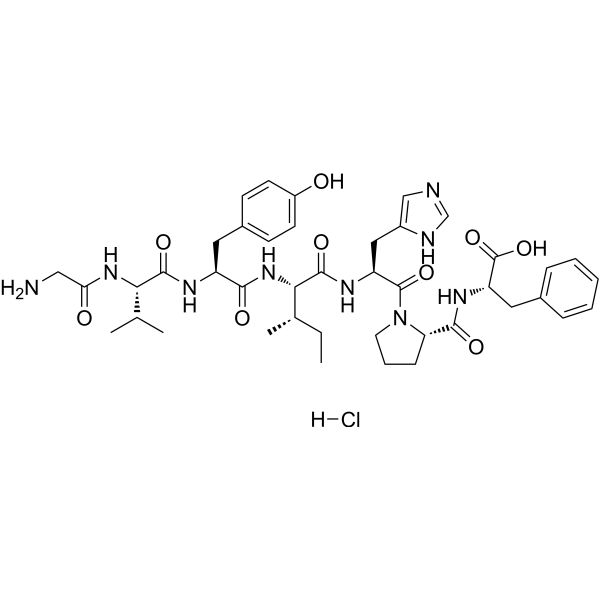
TRV055 (TRV120055) hydrochloride is a G protein-biased agonist of angiotensin II type 1 receptors (AT1Rs). TRV055 hydrochloride induces fibroblast proliferation, overexpression of collagen I and α-SMA, and stress fibre formation in human cardiac fibroblasts. RV055 hydrochloride activates AT1 receptor/Gαq-mediated signaling pathways, upregulates TGF-β1 and p-ERK1/2. RV055 hydrochloride induces collagen secretion in adult rat myofibroblasts at a level comparable to Ang II. RV055 hydrochloride can be used to study the role of G protein-biased signaling of AT1Rs in regulating fibrotic responses [1]
loading...
    loading...
Cat. No.: HY-135319
CAS No.: 517-46-4
Purity:  97.15%
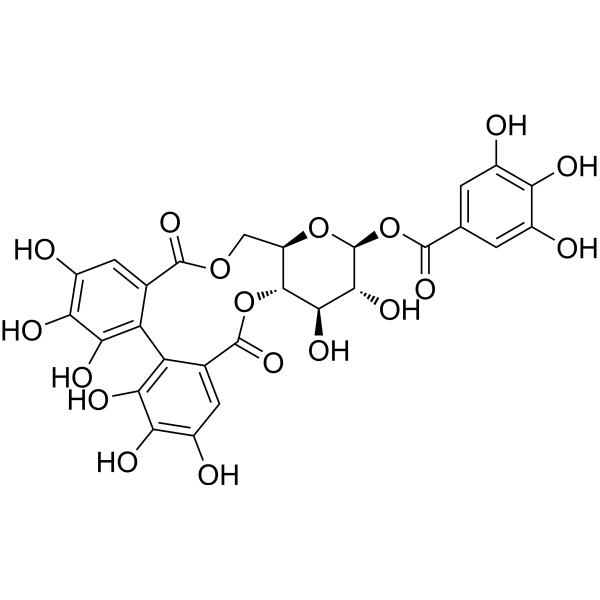
Strictinin is an orally active phenolic compound. Strictinin reduces xanthine oxidase activity, uric acid production, and the activation of ERK1/2, JNK, NF-κB, and NLRP3 inflammasome components in hepatocytes treated with Xanthine (HY-W017389). Strictinin decreases elevated serum uric acid levels and enhanced xanthine oxidase activity in mice treated with potassium oxonate. Strictinin acts as a ROR1 inhibitor and exhibits anticancer activity against highly aggressive non-androgen-dependent prostate cancer. Strictinin induces cancer cell apoptosis (apoptosis), arrests cell cycle, and inhibits cancer cell migration, invasion, and epithelial-mesenchymal transition. Strictinin modulates gut microbiota, inhibits bacterial growth and biofilm formation, accelerates small intestinal transit, and blocks viral entry and replication. Strictinin can be used in research related to hyperuricemia, androgen receptor-negative non-androgen-dependent prostate cancer, triple-negative breast cancer, bacterial infections, constipation, coronavirus infections, dental caries, and infections caused by influenza A, influenza B, and human parainfluenza virus type 1 .
loading...
    loading...

