








1. Search Result
Search Result
Pathways Recommended: Stem Cell/Wnt Cell Cycle/DNA Damage
Results for "

human immune cells

" in MedChemExpress (MCE) Product Catalog:

169

Inhibitors & Agonists

5

Screening Libraries

2

Biochemical Assay Reagents

12

Peptides

63

Inhibitory Antibodies

11

Natural
Products

5

Isotope-Labeled Compounds

27

Oligonucleotides

Cat. No. Product Name Target Research Areas Chemical Structure
  • HY-P9977
    Amivantamab
    3 Publications Verification

    JNJ-61186372

    EGFR Inflammation/Immunology Cancer
    Amivantamab (JNJ-61186372) is a human EGFR-MET bispecific antibody with immune anticancer activity. Amivantamab inhibits ligand binding, promotes endocytosis and degradation of receptor-antibody complexes, and induces Fc-dependent cytokinesis in macrophages and antibody-dependent cytotoxicity in natural killer cells .
    Amivantamab
  • HY-146244
    Agatolimod
    1 Publications Verification

    ODN 2006; PF-3512676; CpG 7909; ODN 7909

    Toll-like Receptor (TLR) Bacterial NO Synthase Apoptosis Infection Cancer
    Agatolimod ((ODN 2006; PF-3512676; CpG 7909)) is a TLR9 agonist and immunomodulator with an EC50 of 180 nM against human TLR9. Agatolimod activates and upregulates the expression of both TLR9 and TLR6, and mediates downstream signaling pathways via IRAK4, IRF5, IRF7. Agatolimod induces Th1-type innate and adaptive immune responses, activates various immune cells and promotes antigen presentation, regulates antibody levels and immune cell infiltration, upregulates the secretion of multiple cytokines, induces apoptosis and cell cycle arrest, enhances cytotoxicity, and clears intracellular Salmonella. Agatolimod is applicable to research on COVID-19, breast cancer, lung adenocarcinoma, HPV-related tumors, melanoma, and salmonellosis .
    Agatolimod
  • HY-N9448
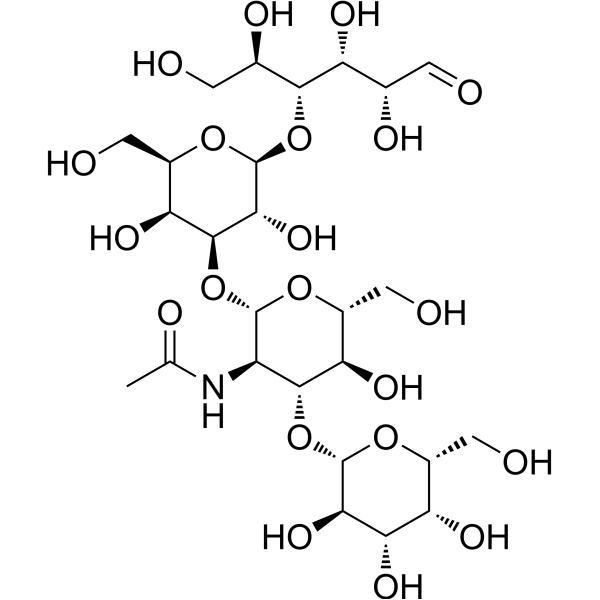
    Lacto-N-tetraose
    1 Publications Verification

    Bacterial Infection Inflammation/Immunology
    Lacto-N-tetraose is the significant core structure of human milk oligosaccharides (HMOs) naturally existing in human milk. Lacto-N-tetraose is consist of galactose, N-acetylglucosamine, and glucose moieties. Lacto-N-tetraose has prebiotic effect, immune regulatory effect, anti-inflammatory effects, intestinal cell responses regulatory effect, antibacterial activity and antiviral activity. Lacto-N-tetraose has been widely added to infant formula .
    Lacto-N-tetraose
  • HY-113008B

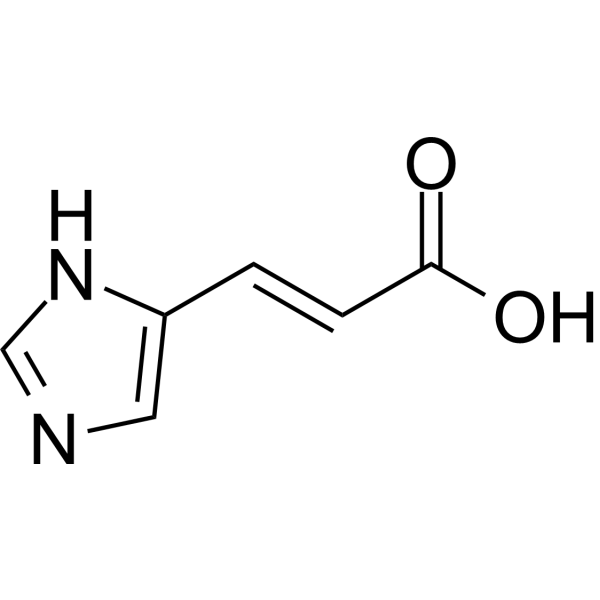
    (E)-Urocanic acid; trans-UCA

    Endogenous Metabolite Inflammation/Immunology
    trans-urocanic acid (trans-UCA), a natural epidermal constituent, inhibits human natural killer cell (NK) activity in vitro. trans-urocanic acid is active in regulating an immune function .
    trans-Urocanic acid
  • HY-P99653

    VAY-736

    TNF Receptor Cancer
    Ianalumab (VAY-736) is a human, decarboxylated antibody against BAFF-R. Ianalumab can block the interaction between BAFF and BAFF-R and antagonize the apoptosis protection mediated by BAFF. Ianalumab exerts antibody-dependent cytotoxic (ADCC), depending on effector cell activation mediated by immune receptor tyrosine activation motif (ITAM) .
    Ianalumab
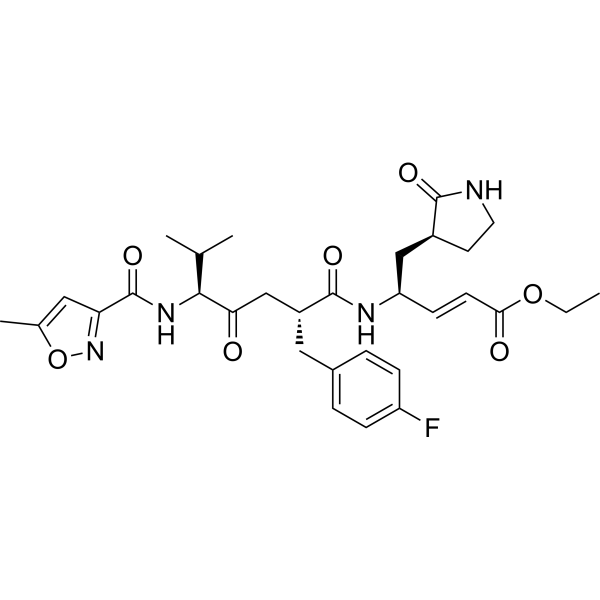
  • HY-106161
    Rupintrivir
    5+ Cited Publications

    AG7088

    Virus Protease Enterovirus Infection Inflammation/Immunology
    Rupintrivirvr (AG7088), an antiviral agent, is a potent, selective and irreversible inhibitor of human rhinovirus (HRV) 3C protease. Rupintrivirvr inhibits replication of a panel of 48 different HRV serotypes in H1-HeLA and MRC-5 cell protection assays, with a mean EC50 of 0.023 μM. Rupintrivirvr shows immune-modulatory effect .
    Rupintrivir
  • HY-P990706

    ALPN-303

    TNF Receptor Inflammation/Immunology
    Povetacicept (ALPN-303) is an engineered Fc fusion protein containing the TACI domain, and acts as a dual APRIL/BAFF antagonist. The Kd value of Povetacicept for human BAFF is 59.3 pM, while its Kd value for human APRIL is 1.00 pM. Povetacicept reduces the activation, proliferation, differentiation and survival of B cells, and inhibits the production of immunoglobulins and autoantibodies. Povetacicept can be used in research related to autoimmune hemolytic anemia, immune thrombocytopenia, systemic lupus erythematosus, lupus nephritis and myasthenia gravis .
    Povetacicept
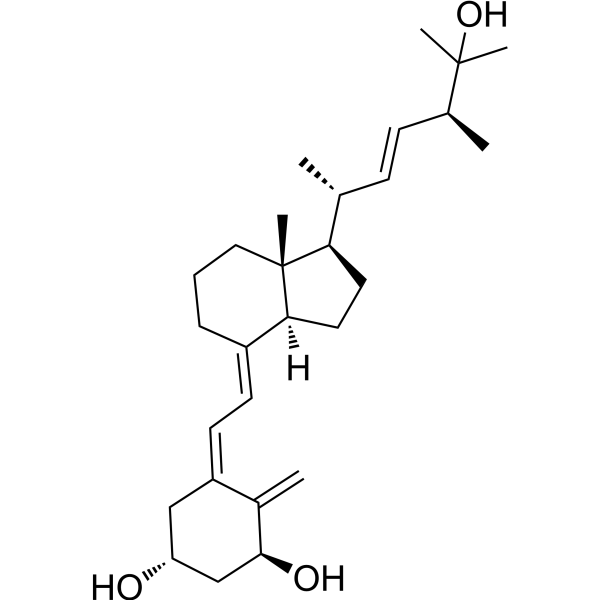
  • HY-32350
    Ercalcitriol
    3 Publications Verification

    1α,25-Dihydroxy Vitamin D2

    VD/VDR Drug Metabolite Endogenous Metabolite Metabolic Disease
    Ercalcitriol (1α,25-Dihydroxy Vitamin D2) is a vitamin D receptor (VDR) agonist with high binding affinity. After binding to VDR, Ercalcitriol forms a complex with retinoid X receptor (RXR) to regulate target gene transcription. For example, Ercalcitriol induces human gingival/oral epithelial cells to produce human cat antimicrobial peptide (hCAP-18/LL-37), which has antimicrobial activity against periodontal pathogens such as Porphyromonas gingivalis. Ercalcitriol enhances the innate immune defense of the oral mucosa by promoting the expression of antimicrobial peptides, and is mainly used in the study of periodontal diseases and immune-related oral diseases .
    Ercalcitriol
  • HY-P99199

    NI-0401

    CD3 Inflammation/Immunology
    Foralumab (NI-0401) is a potent, orally active human monoclonal antibody targeting the CD3. Foralumab modulates immune responses by human cells in NSG mice that were reconstituted with human hematopoietic stem cells .
    Foralumab
  • HY-P99617

    REGN3767

    LAG-3 Inflammation/Immunology Cancer
    Fianlimab (REGN3767) is a human monoclonal antibody that targets the immune checkpoint receptor LAG-3 on T cells and has anti-tumour activity .
    Fianlimab
  • HY-P99618

    IBI-315; BH2950

    EGFR PD-1/PD-L1 Cancer
    Fidasimtamab is a bispecific antibody targeting human epidermal growth factor receptor 2 (Her2) and programmed death protein 1 (PD-1), with a Ka of 3.55e-10 M for human Her2 and a Ka of 1.17e-9 M for human PD-1. Fidasimtamab cross-links Her2-positive tumor cells with PD-1-positive T cells to form immune synapses, blocks PD-1-ligand interactions, preserves antibody-dependent cellular cytotoxicity, induces gasdermin B (GSDMB)-mediated pyroptosis, and activates T cells. Fidasimtamab is applicable to relevant research on Her2-positive gastric cancer .
    Fidasimtamab
  • HY-W019806

    LNFP I

    Endogenous Metabolite CDK Reactive Oxygen Species (ROS) Apoptosis Enterovirus Bacterial Infection Inflammation/Immunology
    Lacto-N-fucopentaose I (LNFPI) is a human milk oligosaccharide (HMO), possessing antiviral and antibacterial activity. Lacto-N-fucopentaose I can reduce capsid protein VP1 to block virus adsorption, promote CDK2 and reduce cyclin E to recover cell cycle S phase block. Lacto-N-fucopentaose I inhibits ROS production and apoptosis in virus-infected cells. Lacto-N-fucopentaose I can also regulate intestinal microbiota to affect immune system development .
    Lacto-N-fucopentaose I
  • HY-111449
    BAY-218
    2 Publications Verification

    AHR antagonist 1

    Aryl Hydrocarbon Receptor Inflammation/Immunology Cancer
    BAY-218 (AHR antagonist 1) is an aryl hydrocarbon receptor (AHR) antagonist. BAY-218 has AHR inhibitory activity with an IC50 of 39.9 nM in in U87 glioblastoma cells. BAY-218 can be used for the research of cancer or conditions with dysregulated immune responses .
    BAY-218
  • HY-P99152

    Muromanab-CD3

    CD3 Interleukin Related IFNAR Inflammation/Immunology Cancer
    Muromonab (Muromonab-CD3; OKT3) is a mouse monoclonal antibody targeting the CD3 antigen. Muromonab specifically binds to the CD3 antigen on the surface of human and higher primate T cells. Muromonab blocks the function of T cell receptors to recognize foreign antigens and inhibits T cell-mediated immune responses, including cell-mediated lymphocyte lysis and T cell proliferation responses. Muromonab can be used to study acute kidney, liver, heart and combined kidney-pancreas transplant rejection, and can also be used to study graft-versus-host disease in bone marrow transplant patients .
    Muromonab
  • HY-156649

    CR6086

    Prostaglandin Receptor Interleukin Related MMP PD-1/PD-L1 Cardiovascular Disease Inflammation/Immunology Cancer
    Vorbipiprant (CR6086) is an orally active EP4 receptor antagonist with high selectivity for the human EP4 receptor (Ki: 16.6 nM). Vorbipiprant has immunomodulatory, anti-inflammatory, antitumor, and anti-angiogenic activities. Vorbipiprant can inhibit the expression of multiple pro-inflammatory cytokines and the activation of immune cells, and convert "cold" tumors unresponsive to immune checkpoint inhibitors into "hot" tumors. Vorbipiprant is used in the research of diseases such as rheumatoid arthritis and colon cancer .
    Vorbipiprant
  • HY-P99302

    BMS-931699 Antibody

    CD28 Inflammation/Immunology
    Lulizumab (Humanized Anti-CD28 Recombinant Antibody) is an anti-CD28 domain antibody antagonist. Lulizumab inhibits T-cell activation by selectively targeting the CD28 signal. In a sensitized non-human primate kidney transplantation model, when combined with Carfilzomib (HY-10455), Lulizumab can regulate immune cells and prolong the survival time of the graft .
    Lulizumab
  • HY-P99378

    ALTB-168; Anti-PSGL1/CD162 Reference Antibody (neihulizumab); AbGn-168

    Apoptosis Inflammation/Immunology
    Neihulizumab (ALTB-168) is an immune checkpoint agonistic antibody that binds to human CD162 (PSGL-1), leading to downregulation of activated T-cells. Neihulizumab can be uesd for steroid-refractory acute graft-versus-host-disease (SR-aGVHD), psoriasis, psoriatic arthritis and ulcerative colitis research .
    Neihulizumab
  • HY-120635

    PD-1/PD-L1 Inflammation/Immunology Cancer
    BMS-1001 is an orally active human PD-L1/PD-1 immune checkpoint inhibitor. BMS-1001 exhibits low-toxicity in cells. The IC50 value of BMS-1001 in a homogeneous time-resolved fluorescence (HTRF) binding assay is 2.25 nM .
    BMS-1001 hydrochloride
  • HY-108136A
    Bisindolylmaleimide X hydrochloride
    2 Publications Verification

    BIM-X hydrochloride; Ro31-8425 hydrochloride

    PKC CDK Cardiovascular Disease Inflammation/Immunology Cancer
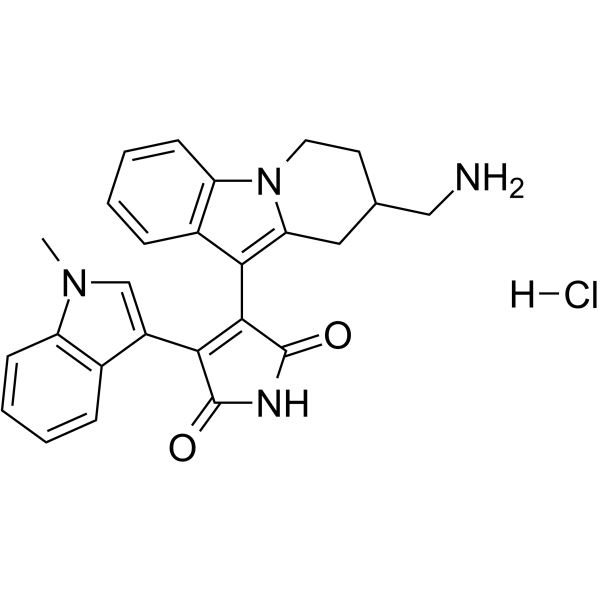
    Bisindolylmaleimide X hydrochloride(Ro 31-8425 hydrochloride, BIM-X hydrochloride) is a cell-penetrating PKC inhibitor. Bisindolylmaleimide X hydrochloride is a potent cyclin-dependent kinase 2 (CDK2) antagonist with an IC50 of 200 nM. Bisindolylmaleimide X hydrochloride inhibits the proliferation of CD4 T cells in vitro. Bisindolylmaleimide X hydrochloride inhibits eNOS-Ser1177 phosphorylation in human embryonic vein endothelial cells. Bisindolylmaleimide X hydrochloride can be used for research on the immune system and cardiovascular diseases .
    Bisindolylmaleimide X hydrochloride
  • HY-P99159

    Interleukin Related Cancer
    Ivuxolimab is a fully human IgG2 agonist targeting OX40 (CD134), which selectively binds to the OX40 receptor on the surface of activated CD4 + and CD8 + T cells without inducing antibody-dependent cytotoxicity. Ivuxolimab can promote T cell proliferation, survival and cytokine (such as IFN-γ, IL-2) secretion, inhibit regulatory T cell function, and enhance anti-tumor immune response. Ivuxolimab can be used in the study of melanoma, hepatocellular carcinoma, head and neck squamous cell carcinoma, etc .
    Ivuxolimab
  • HY-177338

    STING Cyclic GMP-AMP Synthase IFNAR TNF Receptor Interleukin Related Inflammation/Immunology Cancer
    STING agonist-45 is a selective STING agonist (EC50 = 0.28 μM). STING agonist-45 activates the innate immune response through the cGAS-STING pathway, upregulating key markers such as p-TBK1 and IRF3. STING agonist-45 exhibits robust STING activation in human peripheral blood mononuclear cells (PBMCs), inducing the production of type I interferons (such as IFN-β) and downstream cytokines (such as TNF-α and IL-6). STING agonist-45 enhances anti-tumor immunity, inhibits tumor growth, and increases CD8 + T cell infiltration in mouse models. STING agonist-45 is promising for the study of STING-related diseases .
    STING agonist-45
  • HY-157442

    Salt-inducible Kinase (SIK) Discoidin Domain Receptor RIP kinase LIM Kinase (LIMK) MAP3K Bcr-Abl Src TGF-β Receptor Inflammation/Immunology
    GLPG3312 (Compound 28) is an orally active SIK inhibitor with IC50 values of 2.0 nM, 0.7 nM and 0.6 nM for SIK1, SIK2 and SIK3, respectively. GLPG3312 exhibits anti-inflammatory and immunomodulatory activity in vitro on human primary myeloid cells and in vivo in mouse models. GLPG3312 has good oral bioavailability and can be used for research on inflammatory and immune diseases .
    GLPG3312
  • HY-P99414

    AMG 557

    Transmembrane Glycoprotein Interleukin Related Inflammation/Immunology
    Prezalumab (AMG 557) is a humanized IgG2 monoclonal antibody targeting ICOSL. Prezalumab inhibits T cell activation and related immune responses by binding to ICOSL and blocking the interaction between ICOS and ICOSL. Prezalumab can be used in the research of autoimmune diseases and inflammatory diseases such as systemic lupus erythematosus. Recommend Isotype Controls: Human IgG2 kappa, Isotype Control (HY-P99002) .
    Prezalumab
  • HY-150750A

    Toll-like Receptor (TLR) Apoptosis Interleukin Related TNF Receptor IFNAR Inflammation/Immunology Cancer
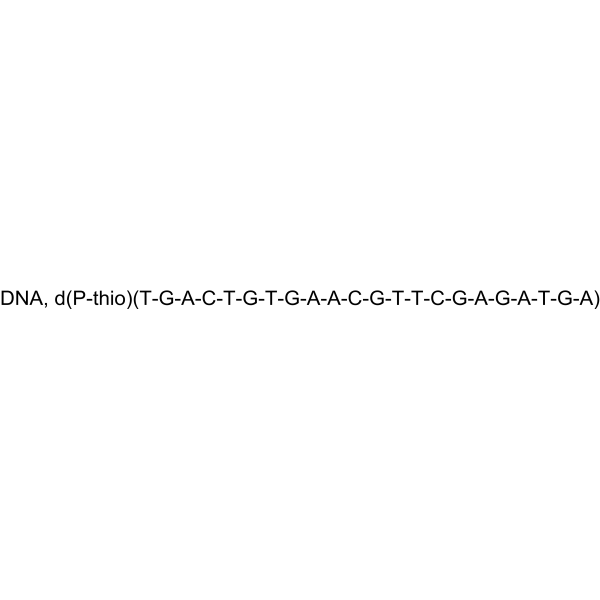
    ODN M362 sodium is a TLR9 agonist that acts as a vaccine adjuvant. ODN M362 sodium activates mouse splenocytes, induces apoptosis in human hepatocellular carcinoma cells, upregulates proinflammatory cytokines in human hepatocellular carcinoma cells, and inhibits the proliferation of human hepatocellular carcinoma cells. ODN M362 sodium upregulates the expression of TLR9/TLR6, activates downstream signaling pathways via IRAK4 and IRF7, and strongly amplifies antigen-specific cellular immune responses to participate in innate immune activation. ODN M362 sodium can be used in research related to hepatocellular carcinoma and breast cancer .
    ODN M362 sodium
  • HY-P99514

    AGEN1884

    CTLA-4 Cancer
    Zalifrelimab (AGEN1884) is a fully human IgG1 monoclonal antibody targeting CTLA-4 (CTLA-4). Zalifrelimab antagonizes the inhibitory checkpoints of immune cell activation regulated by CTLA-4 signaling .
    Zalifrelimab
  • HY-P991061

    CHS-114; SRF-114

    CCR Cancer
    Tagmokitug (CHS-114; SRF-114) is a fully human IgG1 antibody targeting CCR8. Tagmokitug selectively binds to human CCR8 (Kd = 502 pM) and mediates the death of CCR8-expressing cells via antibody-dependent cellular cytotoxicity and antibody-dependent cellular phagocytosis. Tagmokitug selectively eliminates intratumoral regulatory T cells, induces tumor growth inhibition, remodels the tumor immune microenvironment, and promotes the differentiation of cytotoxic CD8 + T cell subsets. Tagmokitug can be used for the research of solid tumors .
    Tagmokitug
  • HY-147338A

    5-Methyl-CTP trisodium

    DNA/RNA Synthesis Others
    5-Methylcytidine 5′-triphosphate (5-Methyl-CTP) trisodium is a modified nucleoside triphosphate. 5-Methylcytidine 5′-triphosphate trisodium can apply in replacing unmodified mRNA, resulting in the increase of translational properties and stability, as well as the reduction of innate immune responses in human and other mammalian cells .
    5-Methylcytidine 5′-triphosphate trisodium
  • HY-P99431

    Alomfilimab; SAR 445256

    CD28 Inflammation/Immunology Cancer
    KY-1044 (Alomfilimab; SAR 445256) is a fully human IgG1 antibody targeting inducible costimulatory receptor (ICOS). KY-1044 depletes ICOS high cells via antibody-dependent cellular cytotoxicity (ADCC) through the engagement of FcgRIIIa. KY-1044 act as a costimulatory molecule on cells expressing lower ICOS levels, such as CD8 + TEff cells (through FcgR-dependent clustering). KY-1044 exploit the differential expression of ICOS on T-cell subtypes to improve the intratumoral immune contexture and restore an antitumor immune response .
    KY-1044
  • HY-P991278

    Interleukin Related Inflammation/Immunology
    ABM-125 is a IL-25 neutralizer and immune response modulator. ABM-125 neutralizes human and mouse IL-25 and blocks type 2 immune activation function. ABM-125 regulates virus-induced inflammatory cytokine expression and increases the expression level of antiviral interferons in rhinovirus-infected asthmatic bronchial epithelial cells. For the isotype control of ABM-125, refer to Human IgG1 kappa, Isotype Control (HY-P99001). ABM-125 is applicable to research related to virus-induced acute asthma exacerbations .
    ABM-125
  • HY-P99836

    IBI101

    Orexin Receptor (OX Receptor) Inflammation/Immunology Cancer
    Cudarolimab (IBI101) is a completely human anti-OX40 (CD134, a co stimulating molecule expressed by activated immune cells) antibody. Cudarolimab inhibits the binding of OX40 to its ligand OX40L. Cudarolimab has antitumor activity and can be used in cancer related research .
    Cudarolimab
  • HY-N10534

    Lewis X

    Parasite Infection Inflammation/Immunology Cancer
    Lewis X trisaccharide (Lewis X, Le x) is a potent TH2 regulator, antagonizes LPS-induced IL-12 immune expression. Lewis X trisaccharide is a human histo-blood group antigen, plays an key role in cell-cell adhesion, and servers as a tumor marker. Lewis X trisaccharide is highly expressed in the outer membrane of the parasite, can be used for the immunology research of schistosomiasis .
    Lewis X trisaccharide
  • HY-156622

    HMC-C-01-A; MBS2320

    Mitochondrial Metabolism Cancer
    Leramistat (HMC-C-01-A; MBS2320) is a mitochondrial complex 1 inhibitor, involving in cell metabolism immune metabolism regulation. Leramistat also inhibits ATP production in Thp1 human monocytes (IC50: 0.63 μM). Leramistat inhibits atopic dermatitis and other skin diseases autoimmune diseases, inflammatory diseases, cancer; and also inhibits osteoclast mediated disease .
    Leramistat
  • HY-160852

    Liposome Inflammation/Immunology
    YSK 12C4 is an ionizable cationic lipid primarily used to enhance siRNA cellular delivery via multifunctional envelope-type nanodevices (MEND). YSK 12C4 promotes siRNA uptake and endosomal escape, effectively silencing genes in human immune cell lines .
    YSK 12C4
  • HY-P991364

    PYX-106; BSI-060T

    Transmembrane Glycoprotein Cancer
    Aldastotug (PYX-106; BSI-060T) is a human monoclonal antibody (mAb) targeting Siglec-15/CD33L3. Aldastotug reverses Siglec-15-mediated immunosuppression and enhances T-cell proliferation. Aldastotug induces significantly increased levels of IFNγ and TNFα in T cells. Aldastotug can be used in cancer immunity research. Recommended isotype control: Human IgG1 kappa, Isotype Control (HY-P99001) .
    Aldastotug
  • HY-P99759

    IL-15N72D

    Interleukin Related Inflammation/Immunology Cancer
    Nogapendekin alfa (his tag), a soluble protein subunit of a human interleukin (IL)-15 variant, is a superagonist of IL-15. Nogapendekin alfa (his tag) promotes the proliferation and viability of immune cells. Nogapendekin alfa (his tag) combines with Inbakicept (HY-P99661) at a ratio of 2:1, to form N-803 (Nogapendekin alfa inbakicept), an IL-15 cytokine antibody fusion protein. N-803 reduces tumor burden by activation of NK cells and CD8 + T cells .
    Nogapendekin alfa (his tag)
  • HY-P991176

    RO7443904

    CD19 CD28 Cancer
    RG-6333 is a bispecific agonist targeting CD19 and CD28. RG-6333 specifically recognizes and binds to the CD19 antigen on the surface of B-cell malignancies to locate tumor cells. RG-6333 activates T cells by binding to CD28, overcoming activation barriers to enhance anti-tumor immunity. RG-6333 can be used in the study of relapsed/refractory non-Hodgkin's lymphoma. The recommended isotype control is human IgG1 kappa, isotype control (HY-P99001) .
    RG-6333
  • HY-P991198

    Tim3 Cancer
    M6903 is a humanized monoclonal IgG2 antibody targeting T cell immunoglobulin and mucin domain-3 (TIM-3) (KD for human TIM-3 is 2.3 nM). M6903 binds to TIM-3, blocking the binding of TIM-3 to phosphatidylserine (PtdSer), carcinoembryonic antigen cell adhesion-related molecule 1 (CEACAM1), and galectin 9 (Gal-9), thus relieving TIM-3-mediated T cell inhibition and exerting the activities of activating antigen-specific T cells and enhancing anti-tumor immunity. M6903 is promising for research of cancers .
    M6903
  • HY-126346

    GPR84 Inflammation/Immunology
    DL-175 (compound 13) is a selective GPR84 agonist with biased agonistic activity. DL-175 can selectively activate functional responses in immune cells and induce enhanced chemotaxis and phagocytosis of human bone marrow cells. DL-175 is a potential chemical probe .
    DL-175
  • HY-P991114

    FLT3 Inflammation/Immunology
    Adezkibart is a human monoclonal antibody immunosuppressant targeting the human FMS-like tyrosine kinase 3 ligand (FLT3LG). Adezkibart is found in the Chinese hamster ovary cell line CHO-K1, which binds to FLT3LG to block the relevant signaling pathway, inhibits the immune response, and exerts immunosuppressive activity. Adezkibart is promising for research of immune-related diseases .
    Adezkibart
  • HY-P991443

    CD73 Cancer
    IPH5301 is a human IgG1 monoclonal antibody (mAb) targeting NT5E/CD73. IPH5301 has a functionally silent Fc domain, specifically inhibits soluble and membrane CD73 enzyme activity, and restores the proliferation of immune T cells. IPH5301 can be used in anti-tumor immunity research. Recommended isotype control: Human IgG1 kappa, Isotype Control (HY-P99001) .
    IPH5301
  • HY-147338

    5-Methyl-CTP

    DNA/RNA Synthesis Others
    5-Methylcytidine 5′-triphosphate (5-Methyl-CTP) is a modified nucleoside triphosphates. 5-Methylcytidine 5′-triphosphate can apply in replacing unmodified mRNA, resulting in the increase of translational properties and stability, as well as the reduction of innate immune responses in human and other mammalian cells .
    5-Methylcytidine 5′-triphosphate
  • HY-175780

    CD28 IFNAR TNF Receptor Interleukin Related Cancer
    CD28-IN-1 (Compound 19MS-5) is a CD28 inhibitor with a KD of 12.48  μM. CD28-IN-1 has a superior binding capacity to CD28 and potently inhibits CD28-B7 interactions. CD28-IN-1 inhibits CD28-driven immune activation and suppresses cytokine (IFN-γ, IL-2 and TNF-α) production in primary human T cells co-cultured with tumor spheroids and human epithelial tissues. CD28-IN-1 can be used for tumor immunity research .
    CD28-IN-1
  • HY-P4984

    Biochemical Assay Reagents Inflammation/Immunology Cancer
    Toxic Shock Syndrome Toxin-1 (TSST-1) (58-78) is a T cell proliferation activator. Toxic Shock Syndrome Toxin-1 (TSST-1) (58-78) promotes the in vitro proliferation of human peripheral blood mononuclear cells (PBMC) in a dose-dependent manner. Toxic Shock Syndrome Toxin-1 (TSST-1) (58-78) can be used in research on inflammatory and immunity, as well as cancer .
    Toxic Shock Syndrome Toxin-1 (TSST-1) (58-78)
  • HY-P991168

    Amyloid-β CCR Neurological Disease Inflammation/Immunology
    Velaprumig is a monoclonal antibody targeting human CD99, CCL25, and anti-human Aβ (Aβ-47F). Velaprumig regulates immune cell migration and reduces β-amyloid-related pathological processes, exerting immunomodulatory and potential anti - Alzheimer's disease activities .
    Velaprumig
  • HY-P991395

    Tim3 Cancer
    TQB2618 is a human IgG4 monoclonal antibody (mAb) targeting TIM-3/HAVCR2/CD366. TQB2618 activates immune cell function and induces significant anti-tumor activity when used in combination with anti-PD-1 agents .
    TQB2618
  • HY-120647

    PD-1/PD-L1 Inflammation/Immunology Cancer
    BMS-1001 is an orally active human PD-L1/PD-1 immune checkpoint inhibitor. BMS-1001 exhibits low-toxicity in cells. The IC50 value of BMS-1001 in a homogeneous time-resolved fluorescence (HTRF) binding assay is 2.25 nM .
    BMS-1001
  • HY-P991181

    Transmembrane Glycoprotein Cancer
    VTX-1218 is a VSIG4 inhibitor with human Kd 7.4 nM. VTX-1218 blocks VSIG4 activity, relieves VSIG4-mediated macrophage suppression, repolarizes tumor-associated macrophages and induces T cell activation. VTX-1218 upregulates cytokines and chemokines linked to immune cell recruitment. VTX-1218 can be used for the research of multiple cancer types .
    VTX-1218
  • HY-P3736

    MP-2

    Interleukin Related Cancer
    Myelopeptide-2 is a peptide originally isolated from the supernatant of porcine bone marrow cell cultures, can restore mitogenic reactivity of human T lymphocytes inhibited by HL-60 leukemia cells or measles virus conditions. Myelopeptide-2 also recover depressed interleukin-2 (IL-2) synthesis and interleukin-2 receptor (IL-2R) expression. Myelopeptide-2 involves in immunity homeostasis, is perspective to be applied in antitumor and antivirus research .
    Myelopeptide-2
  • HY-P990031

    M-6223

    Transmembrane Glycoprotein Inflammation/Immunology Cancer
    Dargistotug (M-6223) is a fully human IgG1 monoclonal antibody targeting TIGIT (T cell immune receptor with Ig domain and ITIM). TIGIT is an inhibitory immune checkpoint that promotes NK cell depletion and reduces the secretion of cytokines by binding to CD155 and other antibodies. It can also directly or indirectly inhibit effector T cells and upregulate Tregs cells, thereby exerting immunosuppression. Function .
    Dargistotug
  • HY-P991477

    CXCR Inflammation/Immunology
    HFB-100204 is a human monoclonal antibody (mAb) targeting CXCR5. HFB-100204 reduces CXCR5+ immune cells, including B cells and Tfh cells, in the blood and spleen of hCXCR5 knockout mice. HFB-100204 can be used in autoimmune diseases research .
    HFB-100204

Inquiry Online

Your information is safe with us. * Required Fields.

Salutation


Country or Region *

Applicant Name *


Organization Name *

Department *


Email Address *


Product Name *

Cat. No.


Requested quantity *

Phone Number *


Remarks

Inquiry Online

Inquiry Information

Product Name:
Cat. No.:
Quantity:
MCE Japan Authorized Agent:

