
1. Search Result
Search Result
Results for "

hydrophilic polymers

" in MedChemExpress (MCE) Product Catalog:

38

Inhibitors & Agonists

21

Biochemical Assay Reagents

1

Natural
Products

8

Click Chemistry

10

Oligonucleotides

Cat. No. Product Name Target Research Areas Chemical Structure
  • HY-148033

    N,N,N-Trimethylchitosan

    Drug Derivative Others
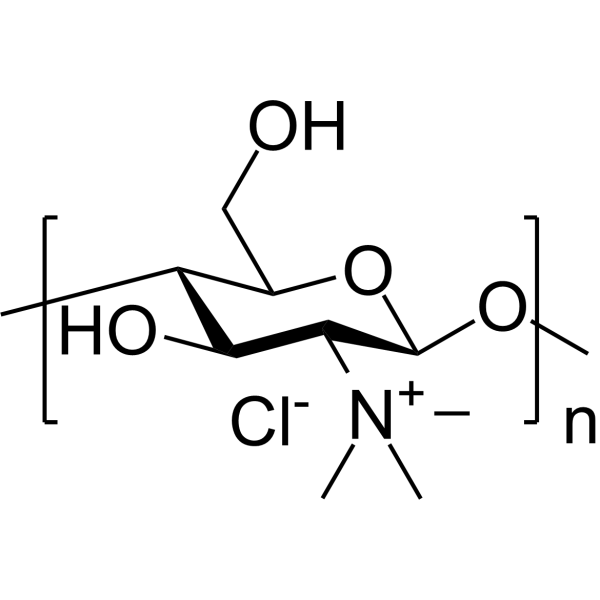
    Trimethyl chitosan (N,N,N-Trimethylchitosan) is a multifunctional polymer and a derivative of Chitosan (HY-B2144A). Trimethyl chitosan targets the absorption enhancing proteins of tight junctions of intestinal and mucosal epithelial cells, induces tight junction protein rearrangement, and increases intercellular permeability. Trimethyl chitosan can stimulate the activity of promoting transmembrane transport of hydrophilic drugs (such as peptides and proteins) and can be used for drug delivery and synthesis of nanoparticles .
    Trimethyl chitosan
  • HY-Y0850

    Environmental Pollutants Biochemical Assay Reagents Neurological Disease
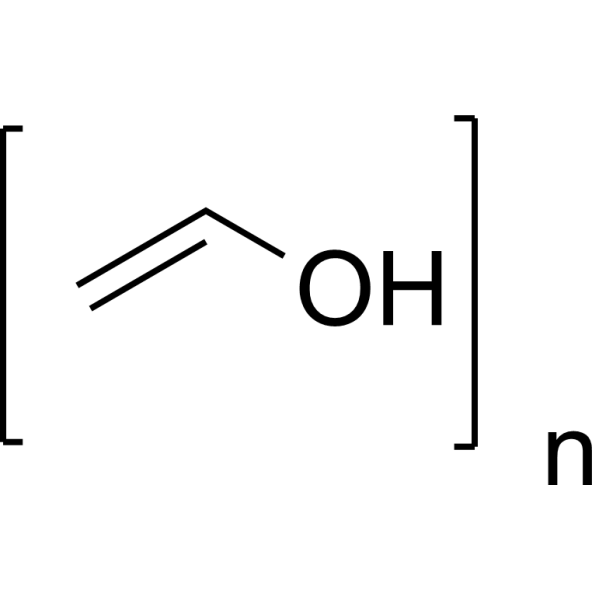
    Polyvinyl alcohol (Mw 146000-186000, 99+% hydrolyzed) is a non-biodegradable, hydrophilic, odorless biomedical polymer with cell adhesion/proliferation inhibition, peripheral nerve regeneration induction, dissolution enhancement, and non-toxic, biocompatible properties .
    Polyvinyl alcohol (Mw 146000-186000, 99+% hydrolyzed)
  • HY-142978
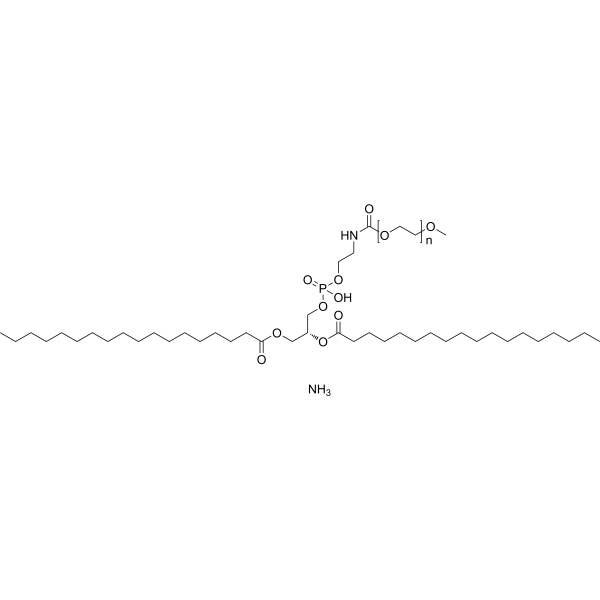
    18:0 mPEG2000 PE
    1 Publications Verification

    DSPE-mPEG2000; 1,2-Distearoyl-sn-glycero-3-phosphoethanolamine-N-[methoxy(polyethylene glycol)-2000]

    Liposome Others
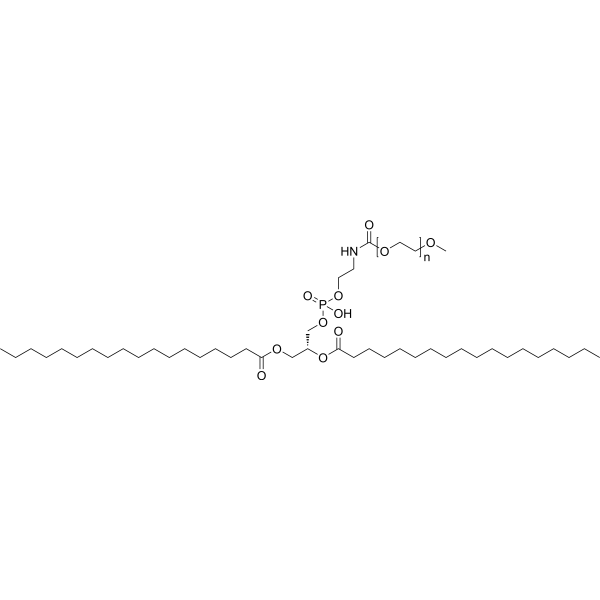
    18:0 mPEG2000 PE (DSPE-mPEG2000) ammonium is a kind of amphiphilic polymer material. 18:0 mPEG2000 PE ammonium combines hydrophobic lipids (18:0 stearic acid chain) with hydrophilic polyethylene glycol (2 kDa) chains to form amphiphilic molecules, which are used to construct stable liposomes/nanoparticles, thereby enhancing drug delivery, prolonging circulation time, and achieving targeted effects through its functional terminal groups (usually biotin or carboxyl groups). 18:0 mPEG2000 PE ammonium can be used for the research of nanoprobes and drug delivery .
    18:0 mPEG2000 PE
  • HY-A0104D

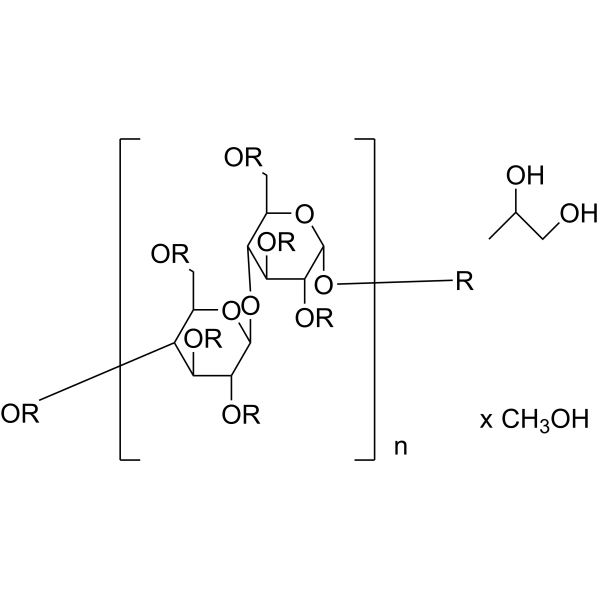
    Hypromellose (Type I,Viscosity:4000mPa.s); (Hydroxypropyl)methyl cellulose (Type I,Viscosity:4000mPa.s); Celacol HPM 5000 (Type I,Viscosity:4000mPa.s)

    Environmental Pollutants Biochemical Assay Reagents Others
    HPMC (Hypromellose) (Type I, Viscosity: 4000mPa.s) is a primary sodium alginate and controlled release hydrophilic polymer with an average viscosity of 4000mPa.s. The viscosity of HPMC may change due to concentration, pH, temperature or the presence of metal ions. When the pH is above 10, the viscosity decreases .
    HPMC (Type I,Viscosity:4000mPa.s)
  • HY-E70313

    Candida antarctica lipase B

    Biochemical Assay Reagents Others
    Lipase,Candida antarctica (Immobilized on hydrophilic carrier) (Candida antarctica lipase B) is a lipase derived from Candida antarctica and immobilized on a hydrophilic carrier. Lipase,Candida antarctica (Immobilized on hydrophilic carrier) is a green catalyst that can be used to catalyze polymer synthesis .
    Lipase,Candida antarctica (Immobilized on hydrophilic carrier)
  • HY-154659

    Biochemical Assay Reagents Others
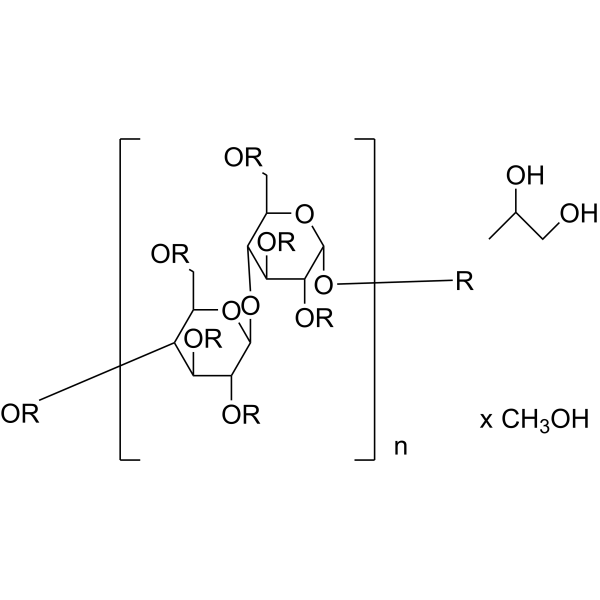
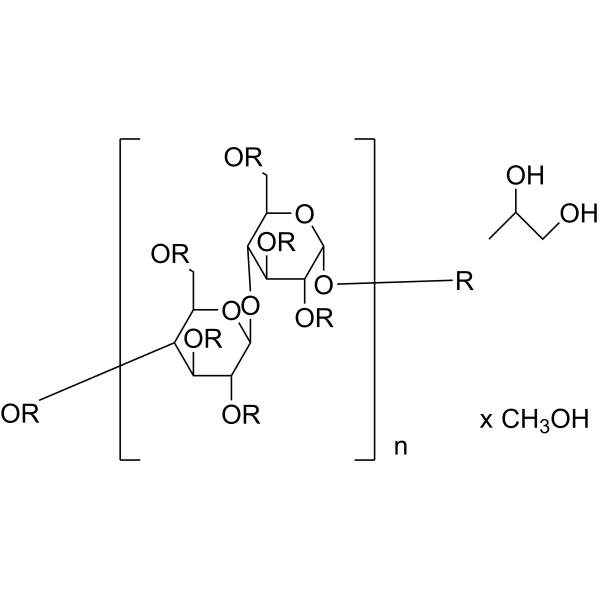
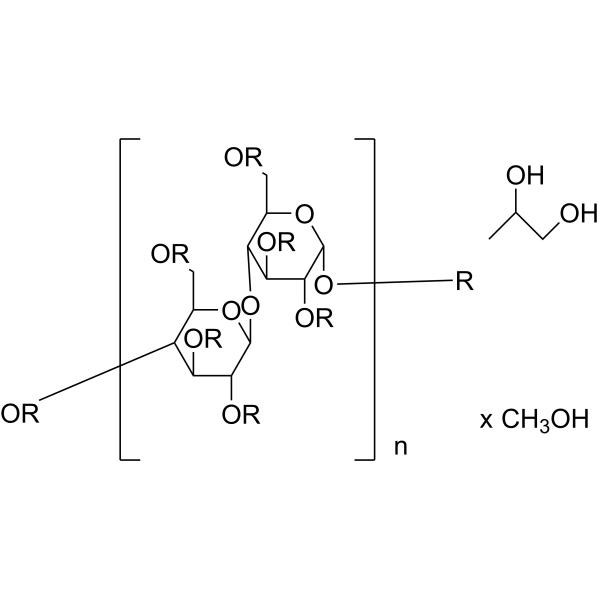
    Polycarbophil is an orally active hydrophilic polymer. Polycarbophil achieves bioadhesion through hydrogen bonding between carboxyl groups and mucosal surfaces, and prolongs compound retention time and regulates compound release through swelling properties. Polycarbophil relieves constipation and diarrhea .
    Polycarbophil
  • HY-112531B

    Biochemical Assay Reagents Others
    Poly(2-hydroxyethyl methacrylate) (Mv 300000) is a biocompatible, optically transparent, hydrophilic, and non-degradable polymer with excellent cytocompatibility, eliciting a minimal immunological response from host tissue. Poly(2-hydroxyethyl methacrylate) (Mv 300000) can be used for different biomedical applications, such as bone tissue regeneration, wound dressings and drug delivery .
    Poly(2-hydroxyethyl methacrylate) (Mv 300000)
  • HY-A0104K

    Hypromellose (Type II,Viscosity:3mPa.s); (Hydroxypropyl)methyl cellulose (Type II,Viscosity:3mPa.s); Celacol HPM 5000 (Type II,Viscosity:3mPa.s)

    Environmental Pollutants Biochemical Assay Reagents Others
    HPMC (Type II, Viscosity: 3 mPa.s) is a nonionic polymer prepared via synthetic modification of cellulose. As a hydrophilic matrix material, HPMC prolongs drug release through non-Fickian diffusion, which includes the diffusion of drugs in the hydrated matrix and the polymer relaxation process .
    HPMC (Type II,Viscosity:3mPa.s)
  • HY-A0104B

    Hypromellose (Type I,Viscosity:100mPa.s); (Hydroxypropyl)methyl cellulose (Type I,Viscosity:100mPa.s); Celacol HPM 5000 (Type I,Viscosity:100mPa.s)

    Environmental Pollutants Biochemical Assay Reagents Others
    HPMC (Type I, Viscosity: 100 mPa·s) is a nonionic polymer obtained via synthetic modification of cellulose. As a hydrophilic matrix material, HPMC prolongs drug release through non-Fickian diffusion, including the diffusion of drugs within the hydrated matrix and the polymer relaxation process .
    HPMC (Type I,Viscosity:100mPa.s)
  • HY-A0104E

    Hypromellose (Type II,Viscosity:100mPa.s); (Hydroxypropyl)methyl cellulose (Type II,Viscosity:100mPa.s); Celacol HPM 5000 (Type II,Viscosity:100mPa.s)

    Environmental Pollutants Biochemical Assay Reagents Others
    HPMC (Hypromellose; (Hydroxypropyl)methyl cellulose; Celacol HPM 5000) (Type II,Viscosity:100mPa.s) is a non-ionic polymer obtained via synthetic modification of cellulose. As a hydrophilic matrix material, HPMC prolongs drug release through non-Fickian diffusion, including the diffusion of drugs in the hydrated matrix and the polymer relaxation process .
    HPMC (Type II,Viscosity:100mPa.s)
  • HY-A0104I

    Hypromellose (Type II,Viscosity:100000mPa.s); (Hydroxypropyl)methyl cellulose (Type II,Viscosity:100000mPa.s); Celacol HPM 5000 (Type II,Viscosity:100000mPa.s)

    Biochemical Assay Reagents Others
    HPMC (Hypromellose; (Hydroxypropyl)methyl cellulose; Celacol HPM 5000) (Type II,Viscosity:100000mPa.s) is a non-ionic polymer obtained via synthetic modification of cellulose. As a hydrophilic matrix material, HPMC prolongs drug release through non-Fickian diffusion, including the diffusion of drugs in the hydrated matrix and the polymer relaxation process .
    HPMC (Type II,Viscosity:100000mPa.s)
  • HY-144013H

    DSPE-mPEG5000 ammonium; 1,2-Distearoyl-sn-glycero-3-phosphoethanolamine-N-[methoxy(polyethylene glycol)-5000] ammonium

    Liposome Cancer
    18:0 mPEG5000 PE (DSPE-mPEG5000) ammonium is a kind of amphiphilic polymer material. 18:0 mPEG5000 PE ammonium combines hydrophobic lipids (18:0 stearic acid chain) with hydrophilic polyethylene glycol (5 kDa) chains to form amphiphilic molecules, which are used to construct stable liposomes/nanoparticles, thereby enhancing drug delivery, prolonging circulation time, and achieving targeted effects through its functional terminal groups (usually biotin or carboxyl groups). 18:0 mPEG5000 PE ammonium can be used for the research of nanoprobes and drug delivery .
    18:0 mPEG5000 PE ammonium
  • HY-N16025

    Liposome Biochemical Assay Reagents Others
    DOPE-PEG(2000) Amine ammonium is a polydisperse PEG covalently attached to a phospholipid. The polymer is an amphiphilic molecule with hydrophobic fatty acid chains and hydrophilic PEG head which enables lipid bilayer or micelle formation in water. The phospholipid PEG can be used to prepare liposome or nanoparticles for targeted agent delivery and is reactive with alkyne to form a triazole ring .
    DOPE-PEG(2000) Amine ammonium
  • HY-W250721C

    CBM 941

    Biochemical Assay Reagents
    Carbomer 941 (CBM 941) is an acrylic acid polymer, which can be used as a thickening agent. Carbomer 941 provides a stable gel matrix, exhibits good heat, light and microbial contamination resistance. Carbomer 941 facilitates the drug release and local application, which can be used in the pharmaceutical industry .
    Carbomer 941
  • HY-W440833

    Liposome Others
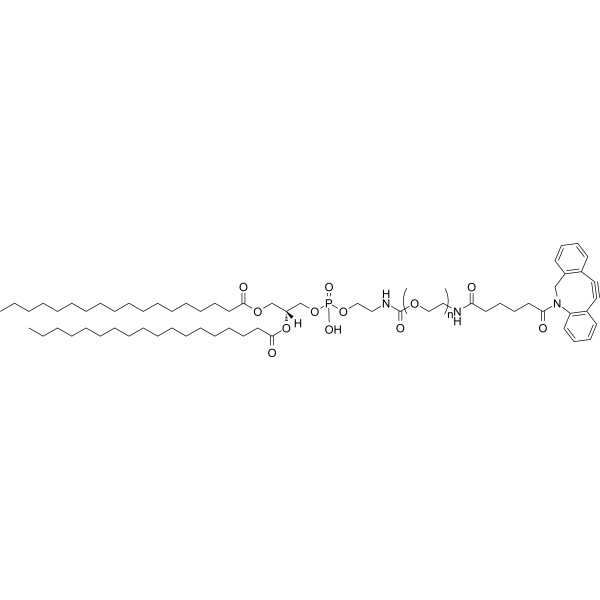
    DSPE-PEG3400-azide is a polydisperse PEG covalently attached to a phospholipid. The polymer is an amphiphilic molecule with hydrophobic fatty acid chains and hydrophilic PEG head which enables lipid bilayer or micelles formation in water. The phospholipid PEG can be used to prepare liposome or nanoparticles for targeted drug delivery and is reactive with alkyne to form triazole bond.
    DSPE-PEG3400-azide
  • HY-Y0850U5

    Polyvinyl alcohol (Mw 27000, 98-99% hydrolyzed, ~600 polymerization); Poly(Ethenol) (Mw 27000, 98-99% hydrolyzed, ~600 polymerization)

    Biochemical Assay Reagents Fungal Infection
    PVA (Polyvinyl alcohol) (Mw 27000, 98-99% hydrolyzed, ~600 polymerization) is a nonionic ethanol homopolymer with hydrophilicity, water solubility and biodegradability. PVA (Mw 27000, 98-99% hydrolyzed, ~600 polymerization) exhibits biocompatibility, non-toxicity and non-carcinogenicity, as well as antibacterial activity against Gram-positive bacteria, Gram-negative bacteria and fungal strains. PVA (Mw 27000, 98-99% hydrolyzed, ~600 polymerization) can serve as a solubilizer, stabilizer, mucoadhesive agent and sustained-release agent, and has a synergistic solubilizing effect on voriconazole/sulfobutyl ether β-cyclodextrin complexes. By stabilizing such complexes, PVA (Mw 27000, 98-99% hydrolyzed, ~600 polymerization) forms freeze-thaw hydrogels with high mucoadhesion, sustained drug release and ex vivo corneal permeability. When compounded with hyaluronic acid hydrogels, PVA (Mw 27000, 98-99% hydrolyzed, ~600 polymerization) supports chondrocyte growth in vitro, and also forms complexes with Cu 2+, Co 2+, Ni 2+ and Zn 2+ ions. PVA (Mw 27000, 98-99% hydrolyzed, ~600 polymerization) can be used in studies related to fungal keratitis, bacterial infections and fungal infections .
    PVA (Mw 27000, 98-99% hydrolyzed, ~600 polymerization)
  • HY-W250928D

    Fluorescent Dye Others
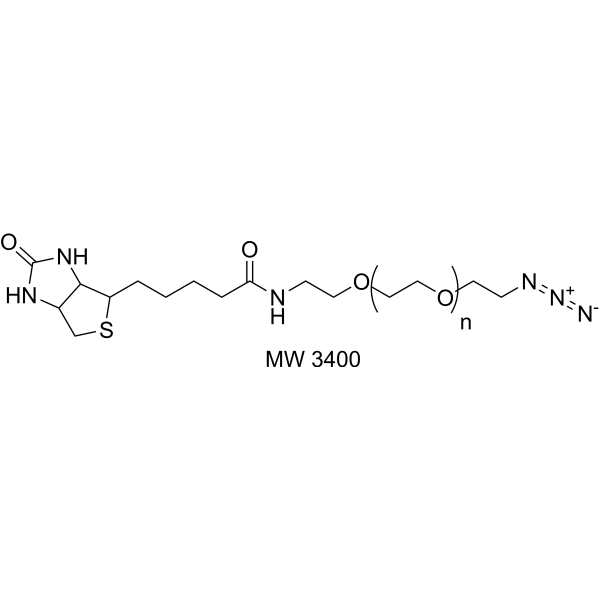
    Biotin-PEG3400-azide is a biotin labeled PEG derivative. Biotin is an enzyme co-factor, can be used for labeling protein; PEG is a hydrophilic and water-soluble polymer with low toxicity; azide, is a moderately good leaving group, can react with alkyne by Cu-catalyzation, which improve the efficiency of biotin binding targets. It contains an azide group and can undergo copper-catalyzed azide-alkyne cycloaddition (CuAAc) with molecules containing alkyne groups. It can also undergo ring strain-promoted alkyne-azide cycloaddition (SPAAC) with molecules containing DBCO or BCN groups.
    Biotin-PEG3400-azide
  • HY-W250928C

    Fluorescent Dye Others
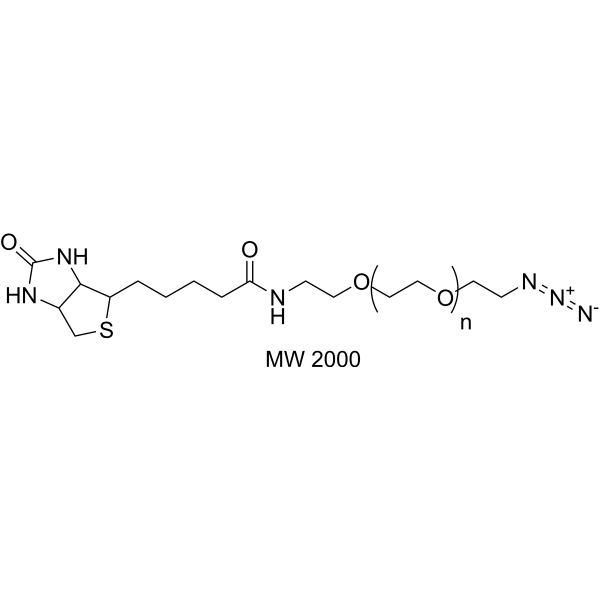
    Biotin-PEG2000-azide is a biotin labeled PEG derivative. Biotin is an enzyme co-factor, can be used for labeling protein; PEG is a hydrophilic and water-soluble polymer with low toxicity; azide, is a moderately good leaving group, can react with alkyne by Cu-catalyzation, which improve the efficiency of biotin binding targets. It contains an azide group and can undergo copper-catalyzed azide-alkyne cycloaddition (CuAAc) with molecules containing alkyne groups. It can also undergo ring strain-promoted alkyne-azide cycloaddition (SPAAC) with molecules containing DBCO or BCN groups.
    Biotin-PEG2000-azide
  • HY-145941

    2-Acryloxyethyltrimethylammonium chloride

    Biochemical Assay Reagents Inflammation/Immunology
    AETA (2-Acryloxyethyltrimethylammonium chloride) can be used for the synthesis of hydrophilic polymers and hydrogels. Hydrogels are used for membranes, catheters, contact lenses, and drug delivery systems .
    AETA
  • HY-Y0850U2

    Polyvinyl alcohol (Mw 130000, 87-89% hydrolyzed, ~2700 polymerization); Poly(Ethenol) (Mw 130000, 87-89% hydrolyzed, ~2700 polymerization)

    Biochemical Assay Reagents Others
    PVA (Mw 130000, 87-89% hydrolyzed, ~2700 polymerization) (Polyvinyl alcohol (Mw 130000, 87-89% hydrolyzed, ~2700 polymerization); Poly(Ethenol) (Mw 130000, 87-89% hydrolyzed, ~2700 polymerization)) is a biodegradable of polymer. PVA (Mw 130000, 87-89% hydrolyzed, ~2700 polymerization) can be used to blend with various biopolymers and hydrophilic synthetic polymers to improve mechanical properties of films .
    PVA (Mw 130000, 87-89% hydrolyzed, ~2700 polymerization)
  • HY-Y0850U

    Polyvinyl alcohol (Mw 31000, 87-89% hydrolyzed, ~630 polymerization); Poly(Ethenol) (Mw 31000, 87-89% hydrolyzed, ~630 polymerization)

    Biochemical Assay Reagents Others
    PVA (Mw 31000, 87-89% hydrolyzed, ~630 polymerization) (Polyvinyl alcohol (Mw 31000, 87-89% hydrolyzed, ~630 polymerization); Poly(Ethenol) (Mw 31000, 87-89% hydrolyzed, ~630 polymerization)) is a biocompatible, biodegradable, nontoxic and hydrophilic synthetic polymer. PVA (Mw 31000, 87-89% hydrolyzed, ~630 polymerization) can be used to produce bone tissue engineering scaffold [1]
    PVA (Mw 31000, 87-89% hydrolyzed, ~630 polymerization)
  • HY-140656F

    Fluorescent Dye Others
    Biotin-PEG20000-Biotin is a biotin labeled PEG derivative. Biotin is an enzyme co-factor, can be used for labeling protein; PEG is a hydrophilic and water-soluble polymer with low toxicity.
    Biotin-PEG20000-Biotin
  • HY-W440893

    Biochemical Assay Reagents Others
    DSPE-PEG5000-OH is a linear phospholipid PEG polymer. The lipid tails allow encapsulation of hdyrophobic therapeutics while the PEG chain maintains its hydrophilicity. The polymer can be used for drug nanocarrier, such as liposomal anti cancer drug or mRNA/DNA vaccine.
    DSPE-PEG5000-OH
  • HY-147207C

    Liposome Others
    Phospholipid-PEG5000-Biotin is a phospholipid PEG derivative, can be used for modify liposome and cells surface, and pancreatic islets for cell transplantation. Phospholipid is a class of lipid containing a hydrophilic “head” and two hydrophobic “tails”; PEG is a hydrophilic and water-soluble polymer with low toxicity; Biotin is an enzyme co-factor, can be used for labeling protein .
    Phospholipid-PEG5000-Biotin
  • HY-W440902

    Biochemical Assay Reagents Others
    DSPE-PEG3400-IA is an iodoacetyll PEG lipid. The polymer can form lipid bilayer or micelles spontaneoulsy in water. The lipophilic tails can be used to encapsulate hydrophobic therapeutic agents while the hydrophilic head can be used to encapuslate hydrophilic drugs/nutrient, such as antibody, mRNA/DNA. The iodoacetyl group is reactive with thiol to produce a thioether linkage.
    DSPE-PEG3400-IA
  • HY-147207A

    Liposome Others
    Phospholipid-PEG2000-Biotin is a Biotin labeled phospholipid PEG derivative, can be used for modify liposome and cells surface, and pancreatic islets for cell transplantation. Phospholipid is a class of lipid containing a hydrophilic "head" and two hydrophobic "tails" ; PEG is a hydrophilic and water-soluble polymer with low toxicity; Biotin is an enzyme co-factor, can be used for labeling protein .
    Phospholipid-PEG2000-Biotin
  • HY-W440885

    Biochemical Assay Reagents Others
    DSPE-PEG5000-Ald is a phospholipid PEG polymer which can self-assemble spontaneously in water with their hydrophilic heads oriented toward the water (micelles). The polymer can be used to prepare liposome as a drug nanocarrier for administration of nutrients and therapeutic drugs, such as lipid nanoparticles in mRNA or DNA vaccines. The aldehyde is reactive with aminooxy to form a stable oxime linkage or with amine at pH < 7 to form a reversible imine bond.
    DSPE-PEG5000-Ald
  • HY-W440991

    DOPE-PEG2000-NH2

    Liposome Cancer
    DOPE-PEG-Amine (MW 2000) is a polydisperse PEG covalently attached to a phospholipid. The polymer is an amphiphilic molecule with hydrophobic fatty acid chains and hydrophilic PEG head which enables lipid bilayer or micelle formation in water. The phospholipid PEG can be used to prepare liposome or nanoparticles for targeted drug delivery and is reactive with alkyne to form a triazole ring.
    DOPE-PEG2000-Amine
  • HY-173381A

    Cholesteryl biotinyl(polyethyleneglycol)-1000 carbamate

    Biochemical Assay Reagents Others
    Cholesteryl-PEG1000-Biotin is a lipid product. Cholesteryl-PEG1000-Biotin is a cholesterol backbone attached to one side of a PEG unit and a Biotin unit on the other side. Biotin is an enzyme cofactor that can be used to label proteins, and PEG is a low-toxic, hydrophilic, water-soluble polymer. Cholesteryl-PEG1000-Biotin can be used for drug circulation time studies .
    Cholesteryl-PEG1000-Biotin
  • HY-W440954

    Liposome Others
    Stearic acid-PEG2000-CH2CO2H is a heterobifunctional polyPEG with 18-carbon aliphatic chain and carboxyl. The polymer has stearic acid as the hydrophobic tail and PEG as the hydrophilic chain, therefore it forms micelles in water. Carboxyl can react with amine in the presence of activator, such as HATU/EDC to generate a stable amide bond. Reagent grade, for research use only.
    Stearic acid-PEG2000-CH2CO2H
  • HY-147206C

    Fluorescent Dye Others
    Biotin-PEG3400-Alk is a biotin labeled PEG derivative. Biotin is an enzyme co-factor, can be used for labeling protein; PEG is a hydrophilic and water-soluble polymer with low toxicity; Alk (Alkyne), acyclic (branched or unbranched) aliphatic hydrocarbon, can react with azido, which improve the efficiency of biotin binding targets. Biotin-PEG3400-Alk is a click chemistry reagent, it contains an Alkyne group and can undergo copper-catalyzed azide-alkyne cycloaddition (CuAAc) with molecules containing Azide groups.
    Biotin-PEG3400-Alk
  • HY-147206A

    Fluorescent Dye Others
    Biotin-PEG1000-Alk is a biotin labeled PEG derivative. Biotin is an enzyme co-factor, can be used for labeling protein; PEG is a hydrophilic and water-soluble polymer with low toxicity; Alk (Alkyne), acyclic (branched or unbranched) aliphatic hydrocarbon, can react with azido, which improve the efficiency of biotin binding targets. Biotin-PEG1000-Alk is a click chemistry reagent, it contains an Alkyne group and can undergo copper-catalyzed azide-alkyne cycloaddition (CuAAc) with molecules containing Azide groups.
    Biotin-PEG1000-Alk
  • HY-147206E

    Fluorescent Dye Others
    Biotin-PEG10000-Alk is a biotin labeled PEG derivative. Biotin is an enzyme co-factor, can be used for labeling protein; PEG is a hydrophilic and water-soluble polymer with low toxicity; Alk (Alkyne), acyclic (branched or unbranched) aliphatic hydrocarbon, can react with azido, which improve the efficiency of biotin binding targets. Biotin-PEG10000-Alk is a click chemistry reagent, it contains an Alkyne group and can undergo copper-catalyzed azide-alkyne cycloaddition (CuAAc) with molecules containing Azide groups.
    Biotin-PEG10000-Alk
  • HY-147206B

    Fluorescent Dye Others
    Biotin-PEG2000-Alk is a biotin labeled PEG derivative. Biotin is an enzyme co-factor, can be used for labeling protein; PEG is a hydrophilic and water-soluble polymer with low toxicity; Alk (Alkyne), acyclic (branched or unbranched) aliphatic hydrocarbon, can react with azido, which improve the efficiency of biotin binding targets. Biotin-PEG2000-Alk is a click chemistry reagent, it contains an Alkyne group and can undergo copper-catalyzed azide-alkyne cycloaddition (CuAAc) with molecules containing Azide groups.
    Biotin-PEG2000-Alk
  • HY-147206F

    Fluorescent Dye Others
    Biotin-PEG20000-Alk is a biotin labeled PEG derivative. Biotin is an enzyme co-factor, can be used for labeling protein; PEG is a hydrophilic and water-soluble polymer with low toxicity; Alk (Alkyne), acyclic (branched or unbranched) aliphatic hydrocarbon, can react with azido, which improve the efficiency of biotin binding targets. Biotin-PEG20000-Alk is a click chemistry reagent, it contains an Alkyne group and can undergo copper-catalyzed azide-alkyne cycloaddition (CuAAc) with molecules containing Azide groups.
    Biotin-PEG20000-Alk
  • HY-185567

    Biochemical Assay Reagents Others
    Poly(vinyl alcohol-co-ethylene) ethylene 32 mol % is a non-toxic polymer with good hydrophilicity and biocompatibility. Poly(vinyl alcohol-co-ethylene) ethylene 32 mol % has high tensile strength and excellent film-forming property. Poly(vinyl alcohol-co-ethylene) ethylene 32 mol % can be used in research related to packaging materials .
    Poly(vinyl alcohol-co-ethylene) ethylene 32 mol %
  • HY-116655A

    Biochemical Assay Reagents Others
    Hydroxy-PEG1-acid sodium is a PEG linker containing a hydroxyl group with a terminal carboxylic acid (as sodium salt form). The free acid form is not stable due to the reaction of OH with PEG-COOH group to form polymer. The sodium salt form is stable for storage and shipping. The hydrophilic PEG spacer increases solubility in aqueous media. The hydroxyl group enables further derivatization or replacement with other reactive functional groups.
    Hydroxy-PEG1-acid sodium salt
  • HY-W800667

    Biochemical Assay Reagents Others
    Hydroxy-PEG4-acid sodium is a PEG linker containing a hydroxyl group with a terminal carboxylic acid (as sodium salt form). The free acid form is not stable due to the reaction of OH with PEG-COOH group to form polymer. The sodium salt form is stable for storage and shipping. The terminal carboxylic acid can react with primary amine groups in the presence of activators (e.g. EDC, or HATU) to form a stable amide bond. The hydrophilic PEG spacer increases solubility in aqueous media. The hydroxyl group enables further derivatization or replacement with other reactive functional groups.
    Hydroxy-PEG4-acid sodium

Inquiry Online

Your information is safe with us. * Required Fields.

Salutation


Country or Region *

Applicant Name *


Organization Name *

Department *


Email Address *


Product Name *

Cat. No.


Requested quantity *

Phone Number *


Remarks

Inquiry Online

Inquiry Information

Product Name:
Cat. No.:
Quantity:
MCE Japan Authorized Agent:

