Search Result
Results for "
hyperglycemic
" in MedChemExpress (MCE) Product Catalog:
1
Isotope-Labeled Compounds
| Cat. No. |
Product Name |
Target |
Research Areas |
Chemical Structure |
-
- HY-D0020
-
|
|
MOFs
|
Infection
Endocrinology
|
|
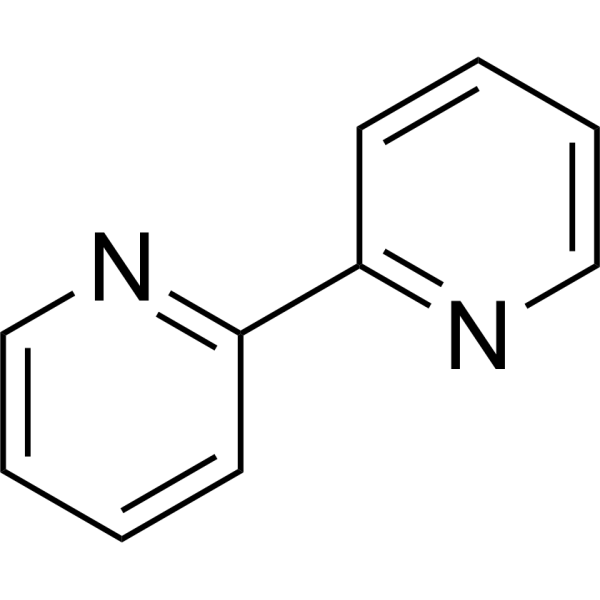
2,2'-Bipyridine is the unique molecular scaffold of the bioactive natural products. 2,2'-Bipyridine is extensively used as the core structure of many chelating ligands by acting as a bridge in the arrangement of the catalytic center. 2,2'-Bipyridine shows robust redox stability and hyperglycemic activity .
|
-
-
- HY-N0547
-
Nomilin
2 Publications Verification
|
Others
|
Metabolic Disease
|
|
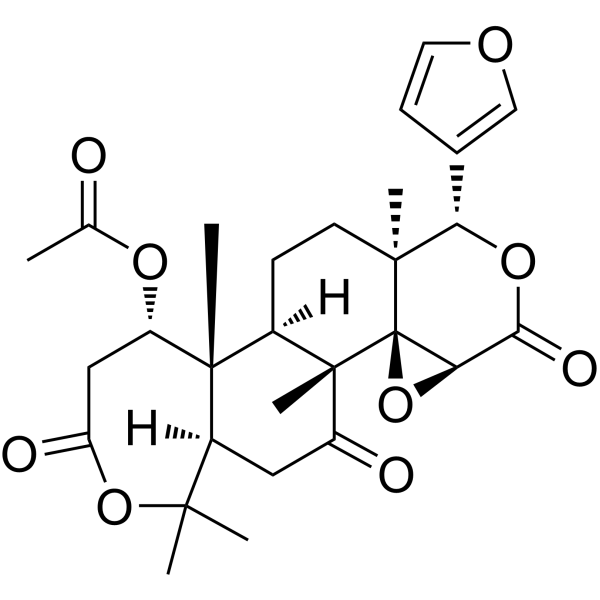
Nomilin is a limonoid compound obtained from the extracts of citrus fruits. Nomilin is an anti-obesity and anti-hyperglycemic agent .
|
-
-
- HY-B0225
-
-
-
- HY-N0472
-
-
-
- HY-107394
-
UK 356618
Maximum Cited Publications
6 Publications Verification
|
MMP
|
Inflammation/Immunology
Cancer
|
|
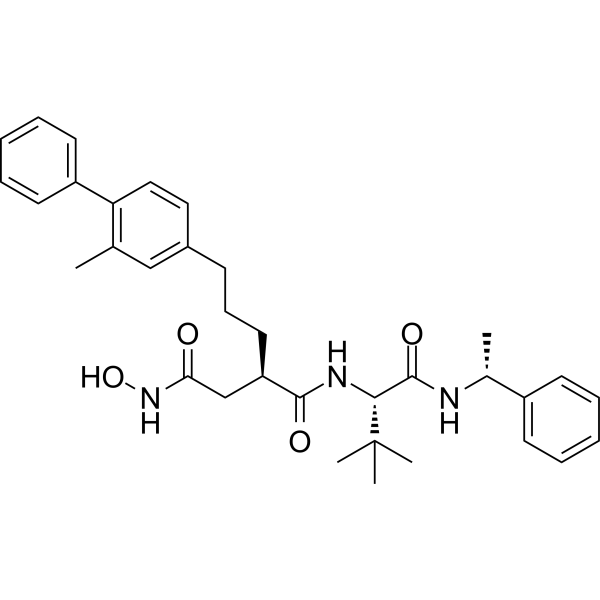
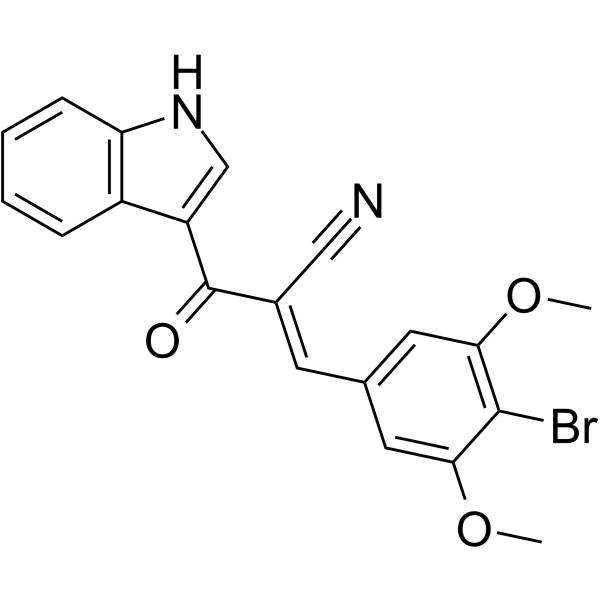
UK 356618 (Compound 4j) is a potent and selective inhibitor of matrix metalloprotease-3 (MMP-3) with an IC50 of 5.9 nM. UK 356618 is less potent against MMP-1, MMP-2, MMP-9, MMP-13 and MMP-14 compared with MMP-3 .
|
-
-
- HY-B0225B
-
|
L-(-)-α-Methyldopa hydrate; MK-351 hydrate
|
Adrenergic Receptor
Endogenous Metabolite
|
Cardiovascular Disease
Endocrinology
|
|
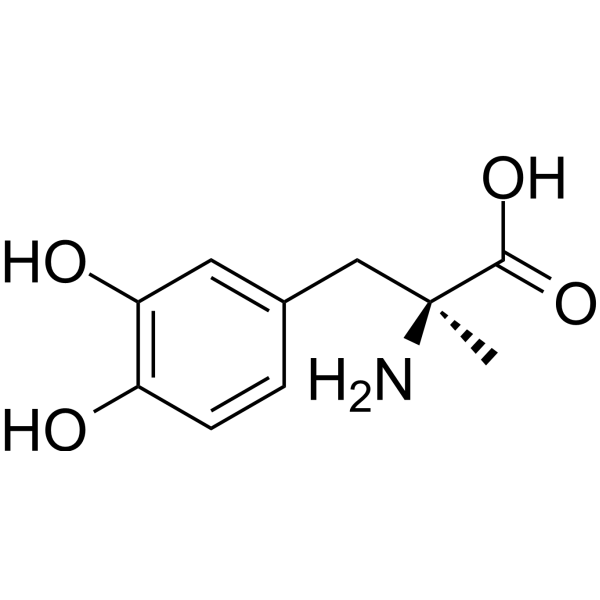
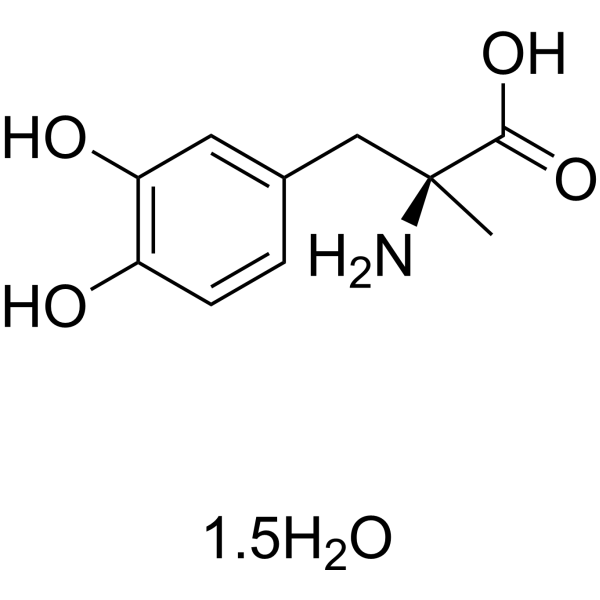
Methyldopa hydrate (L-(-)-α-Methyldopa hydrate), a potent antihyoertensive agent, is an alpha-adrenergic agonist (selective for α2-adrenergic receptors). Methyldopa hydrate is a proagent and is metabolized (α-Methylepinephrine) in the central nervous system .
|
-
-
- HY-Y0399
-
|
Norvaline
|
Amyloid-β
TNF Receptor
Arginase
|
Neurological Disease
Metabolic Disease
|
|
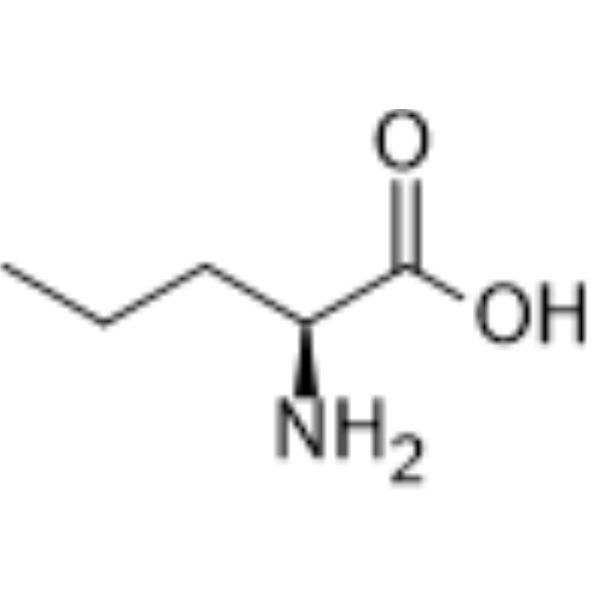
L-Norvaline is the inhibitor for arginase, that promotes the production of NO, reduces oxidative stress, improves insulin resistance, and exhibits antioxidant and anti-hyperglycemic effects. L-Norvaline can be used in research of Alzheimer’s disease .
|
-
-
- HY-N1390
-
|
|
COX
|
Metabolic Disease
Inflammation/Immunology
|
|
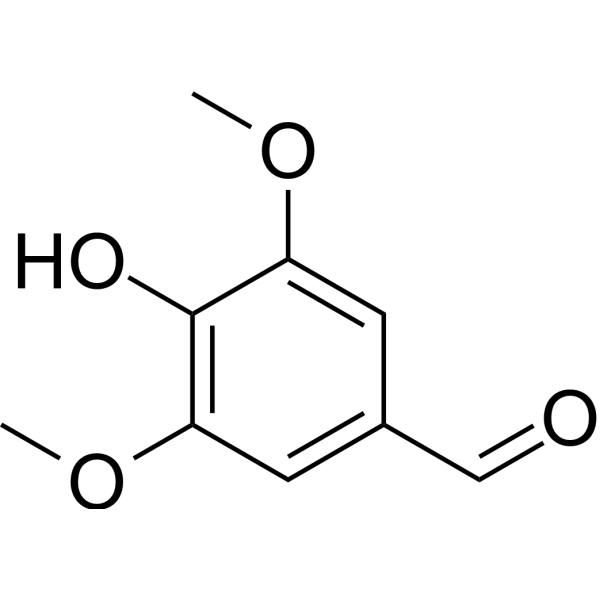
Syringaldehyde is a polyphenolic compound belonging to the group of flavonoids and is found in different plant species like Manihot esculenta and Magnolia officinalis . Syringaldehyde moderately inhibits COX-2 activity with an IC50 of 3.5 μg/mL . Anti-hyperglycemic and anti-inflammatory activities .
|
-
-
- HY-120380
-
|
|
MOFs
PARP
|
Neurological Disease
|
|
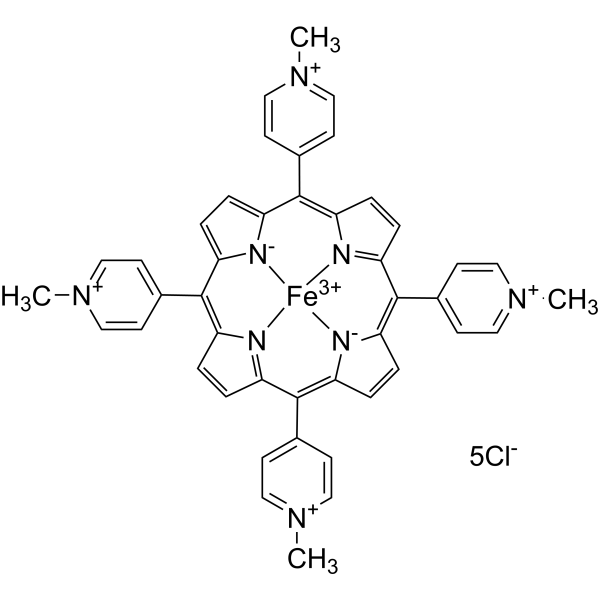
FeTMPyP is an orally active poly (ADP-ribose) polymerase (PARP) inhibitor. FeTMPyP inhibits cell death, nitrotyrosine formation, and depolarization of mitochondrial transmembrane potential. FeTMPyP reduces homocysteine-induced nitrosative stress and partially restores TFEB protein and mRNA levels. FeTMPyP improves functional and behavioral deficits caused by chronic constriction injury in rats. FeTMPyP alleviates acute cerebral infarction in a rat model of middle cerebral artery occlusion with mild hyperglycemia. FeTMPyP can be used in studies related to neuropathic pain, renal aging, ischemic penumbra, and hyperglycemic stroke .
|
-
-
- HY-N6660
-
|
Tricaprin; Glyceryl tridecanoate
|
Endogenous Metabolite
Androgen Receptor
|
Cardiovascular Disease
Metabolic Disease
|
|
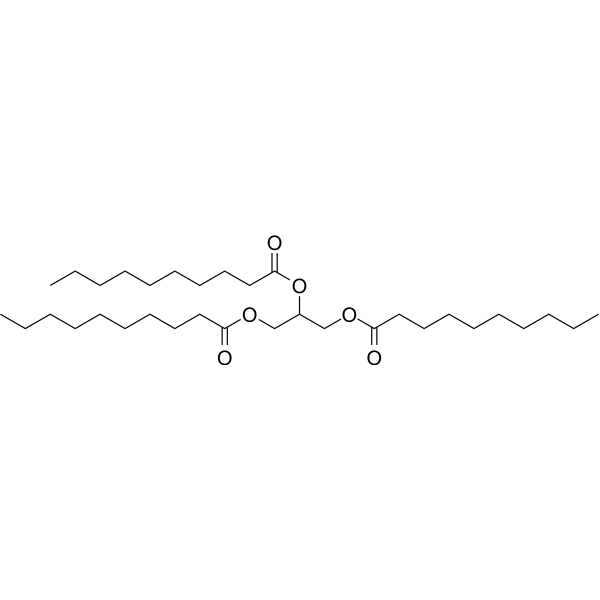
Trisdecanoin (Tricaprin; Glyceryl tridecanoate) is an orally available precursor of decanoic acid (DA precursor) that can be hydrolyzed to decanoic acid. Trisdecanoin and its metabolite capric acid not only provide the body with a quick source of energy, but can also affect lipid metabolism. Trisdecanoin is a major component of medium chain triglycerides (MCT), which has preventive or inhibitory properties for abdominal aortic aneurysms (AAA), inhibition of cardiovascular disease, and anti-androgen (NSAA) and anti-hyperglycemic properties. Trisdecanoin can be used as an additive in food, medicine and cosmetics .
|
-
-
- HY-W011220
-
|
ADD-3878; U-63287
|
PPAR
|
Cardiovascular Disease
Cancer
|
|
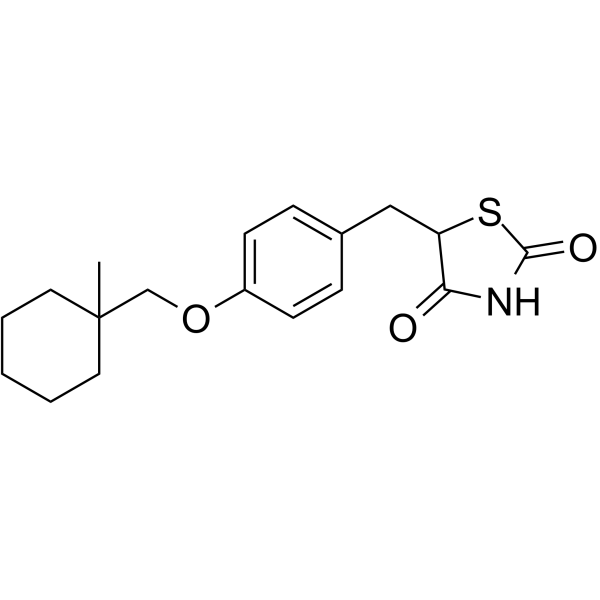
Ciglitazone is a potent and selective PPARγ agonist (EC50=3 μM). Ciglitazone inhibits proliferation and differentiation of th17 cells. Ciglitazone is a hypoglycemic agent orally active in the obese-hyperglycemic animal models. Ciglitazone induces apoptosis accompanied by activation of p38 MAPK and nuclear translocation of apoptosis inducing factor (AIF) in opossum kidney (OK) renal epithelial cells .
|
-
-
- HY-N2168
-
|
(+)-Pinoresinol 4-O-β-D-glucopyranoside
|
Glycosidase
Estrogen Receptor/ERR
Phosphodiesterase (PDE)
|
Neurological Disease
Metabolic Disease
Cancer
|
|
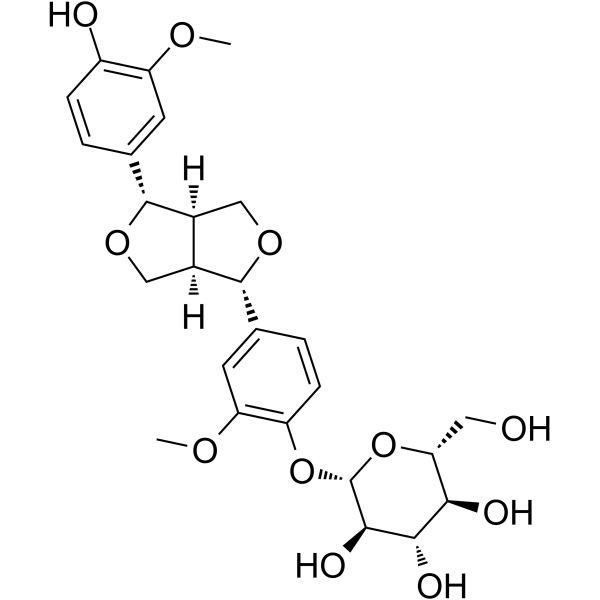
Pinoresinol 4-O-β-D-glucopyranoside ((+)-Pinoresinol 4-O-β-D-glucopyranoside) is an orally active α-glucosidase inhibitor, with an IC50 of 48.13 μg/mL. Pinoresinol 4-O-β-D-glucopyranoside binds to estrogen receptors. Pinoresinol 4-O-β-D-glucopyranoside inhibits phosphodiesterase. Pinoresinol 4-O-β-D-glucopyranoside exhibits various activities such as antioxidant, anti-inflammatory, anti-hyperglycemic, hepatoprotective and anti-epileptic effects .
|
-
-
- HY-131334
-
|
|
AMPK
|
Metabolic Disease
|
|
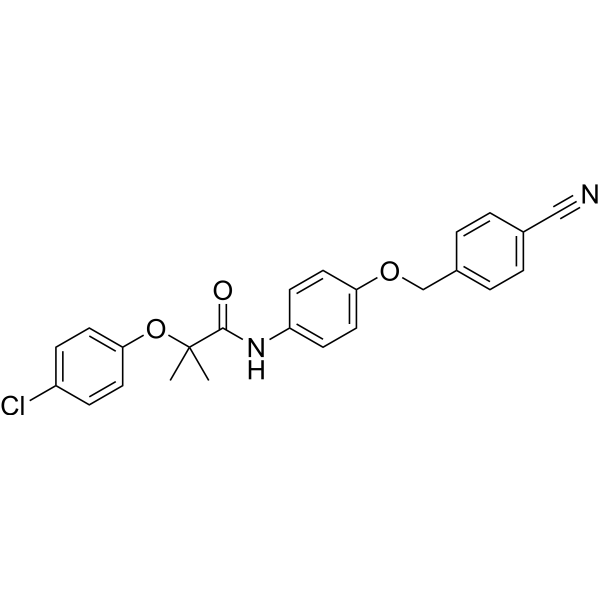
AMPK activator 4 is a potent AMPK activator without inhibition of mitochondrial complex I. AMPK activator 4 selectively activates AMPK in the muscle tissues. AMPK activator 4 dose-dependently improves glucose tolerance in normal mice, and significantly lowers fasting blood glucose level and ameliorates insulin resistance in db/db diabetic mice. Anti-hyperglycemic effect .
|
-
-
- HY-110118
-
|
|
PPAR
|
Metabolic Disease
|
|
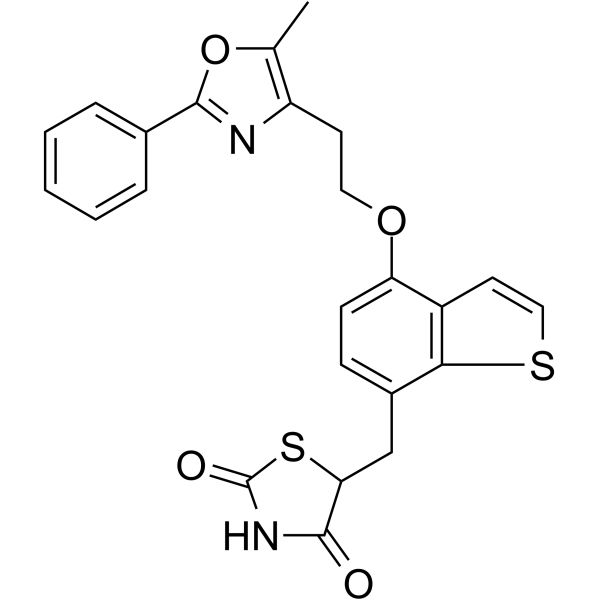
Edaglitazone is a potent, selective and orally active PPARγ agonist, with EC50s of 35.6 nM and 1053 nM for PPARα and PPARγ, respectively. Edaglitazone displays antiplatelet, antidiabetic and anti-hyperglycemic activity .
|
-
-
- HY-133127
-
|
|
Glucokinase
|
Metabolic Disease
|
|
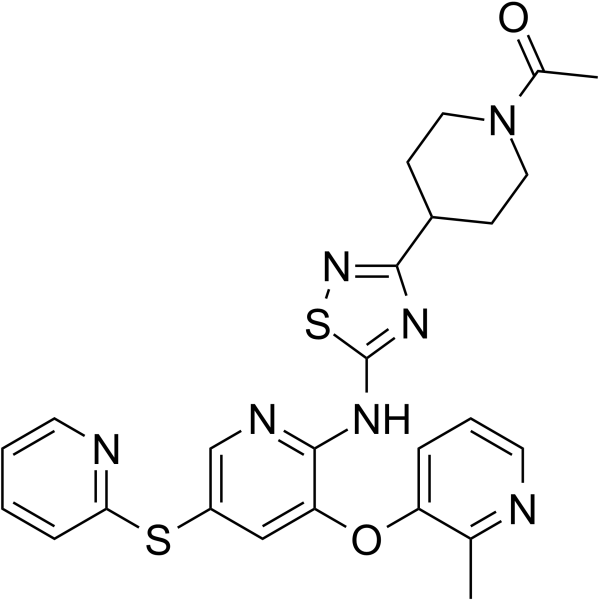
AR453588 is a potent and orally bioavailable anti-diabetic glucokinase activator, with an EC50 of 42 nM. AR453588 shows anti-hyperglycemic activity .
|
-
-
- HY-N1185
-
|
|
Others
|
Metabolic Disease
|
|
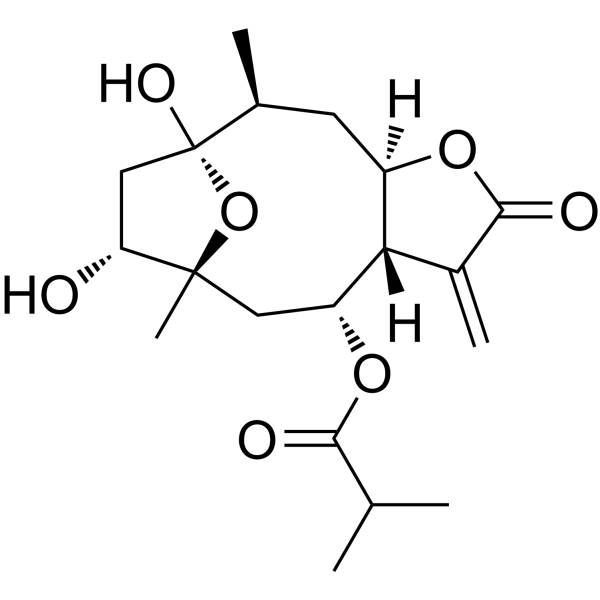
Tagitinin A is a sesquiterpene with anti-hyperglycemic activity. Tagitinin A significantly inhibits glucose uptake in differentiated 3T3-L1 adipocytes .
|
-
-
- HY-146128
-
|
|
Glycosidase
|
Metabolic Disease
|
|
Anti-hyperglycemic agent-1 (compound 10) is a potent α-Glucosidase inhibitor, with an IC50 of 0.53 μM. Anti-hyperglycemic agent-1 can be used for diabetes research .
|
-
-
- HY-W197205
-
|
|
Sirtuin
Histone Acetyltransferase
PEPCK
|
Metabolic Disease
|
|
SL010110 is an anti-hyperglycemic agent. SL010110 potently inhibits gluconeogenesis by inhibiting SIRT2, activating p300, and subsequently promoting PEPCK1 degradation. SL010110 downregulates the protein level of PEPCK1 without affecting the gene expressions of PEPCK, glucose-6-phosphatase, and fructose-1,6-bisphosphatase. SL010110 significantly improves glucose homeostasis in type 2 diabetic (T2D) mice model. SL010110 can be used for T2D research .
|
-
-
- HY-B0225A
-
|
L-(-)-α-Methyldopa hydrochloride; MK-351 hydrochloride
|
Adrenergic Receptor
Endogenous Metabolite
|
Cardiovascular Disease
Endocrinology
|
|
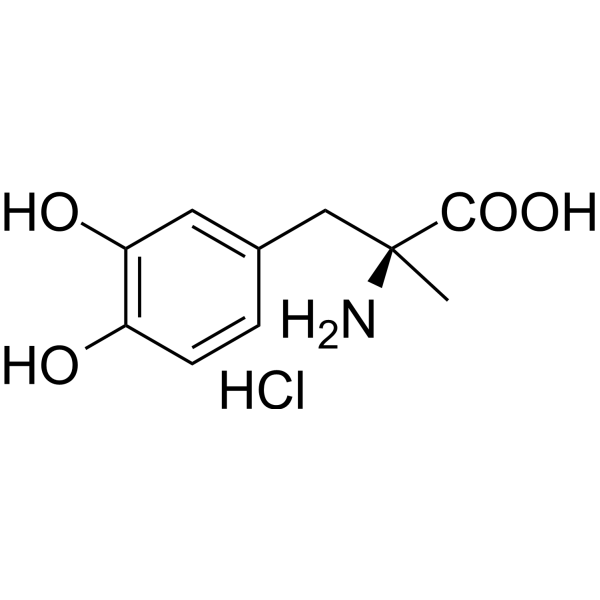
Methyldopa hydrochloride (L-(-)-α-Methyldopa hydrochloride) hydrochloride, a potent antihyoertensive agent, is an alpha-adrenergic agonist (selective for α2-adrenergic receptors). Methyldopa hydrochloride is a proagent and is metabolized (α-Methylepinephrine) in the central nervous system .
|
-
-
- HY-Y0399S
-
-
-
- HY-Y0399R
-
|
|
Amyloid-β
Reference Standards
TNF Receptor
Arginase
|
Neurological Disease
Metabolic Disease
|
|
L-Norvaline (Standard) is the analytical standard of L-Norvaline (HY-Y0399). This product is intended for research and analytical applications. L-Norvaline is the inhibitor for arginase, that promotes the production of NO, reduces oxidative stress, improves insulin resistance, and exhibits antioxidant and anti-hyperglycemic effects. L-Norvaline can be used in research of Alzheimer’s disease .
|
-
-
- HY-N3078
-
|
|
Glycosidase
|
Endocrinology
Cancer
|
|
p-Hydroxyphenethyl trans-ferulate has anti-hyperglycemic (yeast α-glucosidase, IC50=19.24 ± 1.73 µM), antioxidant, and anti-inflammatory activities . p-Hydroxyphenethyl trans-ferulate shows inhibiting anticancer and serotonergic activity .
|
-
-
- HY-178935
-
|
|
Amylases
Reactive Oxygen Species (ROS)
|
Metabolic Disease
Inflammation/Immunology
|
|
α-Amylase-IN-14, a derivative of Nicotinic (HY-B0143), is an α-amylase inhibitor and has good interactions with α-amylase protein (-5.55 kcal/mol). α-Amylase-IN-14 is a dual anti-inflammatory and anti-hyperglycemic agent. α-Amylase-IN-14 exhibits good results against DPPH and ABTS radicals. α-Amylase-IN-14 can be used for the study of diabetes .
|
-
-
- HY-D0020R
-
|
|
Biochemical Assay Reagents
Reference Standards
|
Infection
Endocrinology
|
|
2,2'-Bipyridine (Standard) is the analytical standard of 2,2'-Bipyridine. This product is intended for research and analytical applications. 2,2'-Bipyridine is the unique molecular scaffold of the bioactive natural products. 2,2'-Bipyridine is extensively used as the core structure of many chelating ligands by acting as a bridge in the arrangement of the catalytic center. 2,2'-Bipyridine shows robust redox stability and hyperglycemic activity .
|
-
-
- HY-168989
-
|
|
SGLT
|
Metabolic Disease
|
|
Olorigliflozin is a sodium glucose co-transporter inhibitor with anti-hyperglycemic effects .
|
-
-
- HY-170943
-
|
|
AMPK
GLUT
|
Metabolic Disease
|
Antidiabetic agent 7 (Compound 5m) is hyperglycemic inhibitor. Antidiabetic agent 7 exhibits promising potency to stimulate GLUT4 translocation in skeletal muscle cells via activating AMPK-dependent pathway. Antidiabetic agent 7 reduces blood glucose levels. Antidiabetic agent 7 shows favorable pharmacokinetic properties. Antidiabetic agent 7 is potential to be used for anti-hyperglycemic research .
|
-
-
- HY-133127A
-
|
|
Glucokinase
|
Metabolic Disease
|
|
AR453588 hydrochloride is a potent and orally bioavailable anti-diabetic glucokinase activator, with an EC50 of 42 nM. AR453588 hydrochloride shows anti-hyperglycemic activity .
|
-
-
- HY-B0225BR
-
|
L-(-)-α-Methyldopa hydrate (Standard); MK-351 hydrate (Standard)
|
Reference Standards
Adrenergic Receptor
Endogenous Metabolite
|
Cardiovascular Disease
Endocrinology
|
|
Methyldopa (hydrate) (Standard) is the analytical standard of Methyldopa (hydrate). This product is intended for research and analytical applications. Methyldopa hydrate (L-(-)-α-Methyldopa hydrate), a potent antihyoertensive agent, is an alpha-adrenergic agonist (selective for α2-adrenergic receptors). Methyldopa hydrate is a proagent and is metabolized (α-Methylepinephrine) in the central nervous system .
|
-
-
- HY-N8018
-
-
-
- HY-N0547R
-
|
|
Apoptosis
IKK
TNF Receptor
Reference Standards
|
Metabolic Disease
|
|
Nomilin (Standard) is the analytical standard of Nomilin. This product is intended for research and analytical applications. Nomilin is a limonoid compound obtained from the extracts of citrus fruits. Nomilin is an anti-obesity and anti-hyperglycemic agent .
|
-
-
- HY-N0472R
-
-
-
- HY-19176
-
|
|
Insulin Receptor
|
Metabolic Disease
|
|
S-15261 is an orally active and potent anti-hyperglycemic agent. S-15261 reduces hepatic glucose production through direct and insulin-sensitizing effects. S-15261 can be used for the research of insulin resistance syndrome .
|
-
-
- HY-N13082
-
|
|
Others
|
Metabolic Disease
|
|
Deacetylescin Ia (compound 12) is a deacetylated compound with anti-hyperglycemic effects that can be extracted from the debittered Aesculus and deacetylated at the C-22 position. Deacetylescin Ia (100 mg/kg) can inhibit blood glucose elevation in mouse glucose tolerance tests .
|
-
-
- HY-167640
-
|
|
Drug Metabolite
|
Metabolic Disease
|
|
8-Hydroxychlorpromazine is a metabolite of Chlorpromazine (HY-12708) that can enhance the hyperglycemic response following a glucose load, suggesting its potential synergistic role in Chlorpromazine-induced glucose metabolism disorders. 8-Hydroxychlorpromazine may be useful for research in metabolic diseases .
|
-
-
- HY-169821
-
|
|
SGLT
|
Metabolic Disease
|
|
SGLT1/2-IN-8 (compound 8) is a potent and orally active SGLT1/2 dual inhibitor with IC50 values of 4 nM and 1 nM, respectively. SGLT1/2-IN-8 exhibits anti-hyperglycemic effects and can be utilized in relevant research .
|
-
-
- HY-156380
-
|
|
Amylases
Glycosidase
|
Metabolic Disease
|
|
α-Amylase/α-Glucosidase-IN-6 (compound 5j) is a potent dual inhibitor of α-amylase and α-glucosidase, with IC50s of 17.0 and 40.1 µM, respectively. α-Amylase/α-Glucosidase-IN-6 exhibits anti-hyperglycemic activities .
|
-
-
- HY-168719
-
|
|
PPAR
|
Inflammation/Immunology
|
|
PPARγ agonist 16 (Compound 4G) is the agonist for PPARγ, that competitively binds to LBD domain of PPARγ with IC50 of 1790 nM. PPARγ agonist 16 inhibits the ear swelling in mouse model, and exhibits anti-hyperglycemic in Streptozotocin (HY-13753)-induced mouse diabetes mellitus model .
|
-
-
- HY-N1390R
-
|
|
Reference Standards
COX
|
Metabolic Disease
Inflammation/Immunology
|
|
Syringaldehyde (Standard) is the analytical standard of Syringaldehyde. This product is intended for research and analytical applications. Syringaldehyde is a polyphenolic compound belonging to the group of flavonoids and is found in different plant species like Manihot esculenta and Magnolia officinalis . Syringaldehyde moderately inhibits COX-2 activity with an IC50 of 3.5 μg/mL . Anti-hyperglycemic and anti-inflammatory activities .
|
-
-
- HY-10289
-
|
RO-4876904
|
Dipeptidyl Peptidase
GLP Receptor
P-glycoprotein
|
Metabolic Disease
|
|
Carmegliptin (RO-4876904) is an orally active and potent DPP IV inhibitor with a human DPP IV IC50 of 6.8 nM. Carmegliptin binds to the S1 pocket of DPP IV, blocks the degradation of GLP 1, potentiates endogenous GLP 1, increases plasma insulin levels, alleviates hyperglycemia, improves glucose tolerance. Carmegliptin acts as a substrate for human P glycoprotein without inhibiting the transporter, shows low in vitro cell permeability. Carmegliptin can be used for the research of type 2 diabetes, non insulin dependent diabetes mellitus .
|
-
-
- HY-N6660R
-
|
Tricaprin (Standard); Glyceryl tridecanoate (Standard)
|
Reference Standards
Endogenous Metabolite
Androgen Receptor
|
Metabolic Disease
|
|
Trisdecanoin (Standard) is the analytical standard of Trisdecanoin. This product is intended for research and analytical applications. Trisdecanoin (Tricaprin; Glyceryl tridecanoate) is an orally available precursor of decanoic acid (DA precursor) that can be hydrolyzed to decanoic acid. Trisdecanoin and its metabolite capric acid not only provide the body with a quick source of energy, but can also affect lipid metabolism. Trisdecanoin is a major component of medium chain triglycerides (MCT), which has preventive or inhibitory properties for abdominal aortic aneurysms (AAA), inhibition of cardiovascular disease, and anti-androgen (NSAA) and anti-hyperglycemic properties. Trisdecanoin can be used as an additive in food, medicine and cosmetics .
|
-
-
- HY-N2168R
-
|
(+)-Pinoresinol 4-O-β-D-glucopyranoside (Standard)
|
Glycosidase
Reference Standards
Estrogen Receptor/ERR
Phosphodiesterase (PDE)
|
Neurological Disease
Metabolic Disease
Cancer
|
|
Pinoresinol 4-O-β-D-glucopyranoside (Standard) is the analytical standard of Pinoresinol 4-O-β-D-glucopyranoside (HY-N2168). This product is intended for research and analytical applications. Pinoresinol 4-O-β-D-glucopyranoside is an orally active α-glucosidase inhibitor, with an IC50 of 48.13 μg/mL. Pinoresinol 4-O-β-D-glucopyranoside binds to estrogen receptors. Pinoresinol 4-O-β-D-glucopyranoside inhibits phosphodiesterase. Pinoresinol 4-O-β-D-glucopyranoside exhibits various activities such as antioxidant, anti-inflammatory, anti-hyperglycemic, hepatoprotective and anti-epileptic effects .
|
-
-
- HY-N17566
-
|
|
Bacterial
Histamine Receptor
|
Infection
Inflammation/Immunology
|
|
Eukovoside is a cinnamic acid derivative found in Euphrasia regelii with anti-inflammatory, antioxidant, antibacterial, antiallergic, and antihistamine activity. Eukovoside can be used for the research of hyperglycemic diseases, eye inflammation, upper respiratory passages inflammation, hay fever, conjunctivitis, colds, influenza, sinusitis .
|
-
-
- HY-N17761A
-
|
|
Others
|
Metabolic Disease
|
|
Tetrandrine 2'-N-β-oxide is an anti-hyperglycemic dibenzylisoquinoline alkaloid. At a dose of 1 mg/kg, Tetrandrine 2'-N-β-oxide can reduce hyperglycemia levels in streptozotocin (HY-13753)-induced diabetic mice to nearly 50% of their original levels. Tetrandrine 2'-N-β-oxide is primarily used in research related to the anti-hyperglycemic of type 2 diabetes.
|
-
-
- HY-N9821
-
|
|
Glycosidase
|
Metabolic Disease
|
|
Giffonin P is a selective inhibitor targeting α-glucosidase with an IC50 of 55.3 μM. Giffonin P delays carbohydrate hydrolysis and glucose absorption, exerting anti-hyperglycemic activity. Giffonin P reduces postprandial blood glucose levels and is primarily used in research on type 2 diabetes .
|
-
-
- HY-179729
-
|
|
Glycosidase
|
Metabolic Disease
|
|
α-Glucosidase-IN-106 (Compound 17F) is an inhibitor of α-glucosidase with an IC50 of 14.9 μM. α-Glucosidase-IN-106 can effectively inhibit the peak of blood glucose after sucrose loading in normal mice, and shows a more significant anti-hyperglycemic effect in diabetic mice. α-Glucosidase-IN-106 can be used for research on diabetes .
|
-
-
- HY-153667
-
|
|
Free Fatty Acid Receptor
|
Metabolic Disease
|
|
MK-2305 is an orally active GPR40 partial agonist with an EC50 of 6 nM in rats. MK-2305 mediates glucose-stimulated insulin secretion and inhibits endogenous glucose production by reducing gluconeogenesis from tricarboxylic acid (TCA) cycle substrates. MK-2305 increases plasma insulin levels under hyperglycemic and glucose-stimulated conditions, reduces fasting blood glucose, and improves glucose homeostasis. MK-2305 can be used in studies related to type 2 diabetes .
|
-
-
- HY-W800535
-
|
|
NF-κB
p38 MAPK
mTOR
Topoisomerase
AMPK
Apoptosis
Cholinesterase (ChE)
HIF/HIF Prolyl-Hydroxylase
β-catenin
|
Infection
Metabolic Disease
Inflammation/Immunology
Cancer
|
|
Cryptolepine is an orally active multi-potent alkaloid with anti-cancer, anti-bacterial, anti-viral, anti-malarial, anti-inflammatory, anti-hyperglycemic, relieve pain and other properties. Cryptolepine acts as an inhibitor of c-Myc, mTOR, NF-κB, HIF-1, MAPK and an activator of AMPKα1/2. It intercalates into DNA, inhibits topoisomerase II (Top II), disrupts mitochondrial dynamics and induces apoptosis. Cryptolepine also exhibits anti-plasmodial and cholinesterase inhibitory activities. Cryptolepine can be used in research related to tumors (melanoma, hepatocellular carcinoma, mammary adenocarcinoma, etc.), malaria, inflammatory diseases and diabetes, particularly in studies focused on inhibiting tumor growth and anti-plasmodial infection .
|
-
| Cat. No. |
Product Name |
Category |
Target |
Chemical Structure |
-
- HY-N0547
-
-
-
- HY-B0225
-
-
-
- HY-N0472
-
-
-
- HY-B0225B
-
-
-
- HY-Y0399
-
-
-
- HY-N1390
-
-
-
- HY-N6660
-
|
Tricaprin; Glyceryl tridecanoate
|
Ketones, Aldehydes, Acids
umbellularia californica
Metabolic Disease
Plants
Lauraceae
Disease Research Fields
Source Classification
|
Endogenous Metabolite
Androgen Receptor
|
|
Trisdecanoin (Tricaprin; Glyceryl tridecanoate) is an orally available precursor of decanoic acid (DA precursor) that can be hydrolyzed to decanoic acid. Trisdecanoin and its metabolite capric acid not only provide the body with a quick source of energy, but can also affect lipid metabolism. Trisdecanoin is a major component of medium chain triglycerides (MCT), which has preventive or inhibitory properties for abdominal aortic aneurysms (AAA), inhibition of cardiovascular disease, and anti-androgen (NSAA) and anti-hyperglycemic properties. Trisdecanoin can be used as an additive in food, medicine and cosmetics .
|
-
-
- HY-N2168
-
-
-
- HY-N1185
-
-
-
- HY-B0225A
-
-
-
- HY-Y0399R
-
-
-
- HY-N3078
-
-
-
- HY-B0225BR
-
-
-
- HY-N8018
-
-
-
- HY-N0547R
-
-
-
- HY-N0472R
-
-
-
- HY-N13082
-
-
-
- HY-N1390R
-
-
-
- HY-N6660R
-
|
Tricaprin (Standard); Glyceryl tridecanoate (Standard)
|
Ketones, Aldehydes, Acids
umbellularia californica
Plants
Lauraceae
Source Classification
|
Reference Standards
Endogenous Metabolite
Androgen Receptor
|
|
Trisdecanoin (Standard) is the analytical standard of Trisdecanoin. This product is intended for research and analytical applications. Trisdecanoin (Tricaprin; Glyceryl tridecanoate) is an orally available precursor of decanoic acid (DA precursor) that can be hydrolyzed to decanoic acid. Trisdecanoin and its metabolite capric acid not only provide the body with a quick source of energy, but can also affect lipid metabolism. Trisdecanoin is a major component of medium chain triglycerides (MCT), which has preventive or inhibitory properties for abdominal aortic aneurysms (AAA), inhibition of cardiovascular disease, and anti-androgen (NSAA) and anti-hyperglycemic properties. Trisdecanoin can be used as an additive in food, medicine and cosmetics .
|
-
-
- HY-N2168R
-
-
-
- HY-N17566
-
|
|
Structural Classification
Polysaccharides
Terpenoids
Sesquiterpenes
Orobanchaceae
Plants
Euphrasia regelii Wettst.
Saccharides
Source Classification
|
Bacterial
Histamine Receptor
|
|
Eukovoside is a cinnamic acid derivative found in Euphrasia regelii with anti-inflammatory, antioxidant, antibacterial, antiallergic, and antihistamine activity. Eukovoside can be used for the research of hyperglycemic diseases, eye inflammation, upper respiratory passages inflammation, hay fever, conjunctivitis, colds, influenza, sinusitis .
|
-
-
- HY-N17761A
-
-
-
- HY-N9821
-
-
-
- HY-W800535
-
|
|
Malvaceae
Structural Classification
Alkaloids
Sida acuta Burm. F.
Quinoline Alkaloids
Plants
Indole Alkaloids
Source Classification
|
NF-κB
p38 MAPK
mTOR
Topoisomerase
AMPK
Apoptosis
Cholinesterase (ChE)
HIF/HIF Prolyl-Hydroxylase
β-catenin
|
|
Cryptolepine is an orally active multi-potent alkaloid with anti-cancer, anti-bacterial, anti-viral, anti-malarial, anti-inflammatory, anti-hyperglycemic, relieve pain and other properties. Cryptolepine acts as an inhibitor of c-Myc, mTOR, NF-κB, HIF-1, MAPK and an activator of AMPKα1/2. It intercalates into DNA, inhibits topoisomerase II (Top II), disrupts mitochondrial dynamics and induces apoptosis. Cryptolepine also exhibits anti-plasmodial and cholinesterase inhibitory activities. Cryptolepine can be used in research related to tumors (melanoma, hepatocellular carcinoma, mammary adenocarcinoma, etc.), malaria, inflammatory diseases and diabetes, particularly in studies focused on inhibiting tumor growth and anti-plasmodial infection .
|
-
| Cat. No. |
Product Name |
Chemical Structure |
-
- HY-Y0399S
-
|
|
|
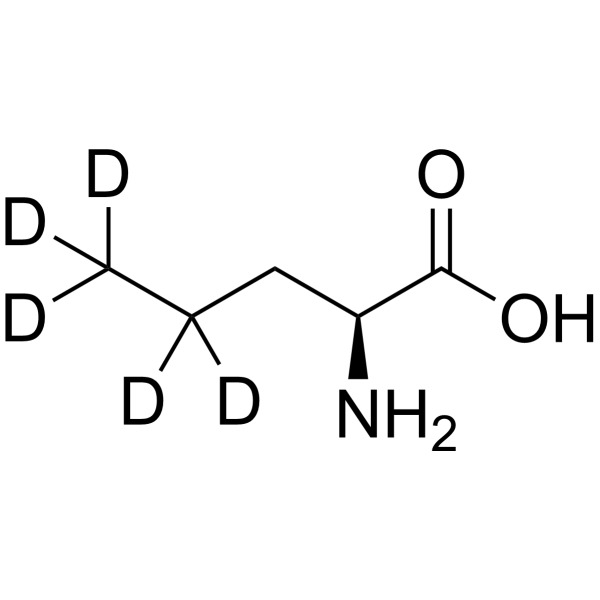
L-Norvaline-d5 is the deuterium labeled L-Norvaline. L-Norvaline is the inhibitor for arginase, that promotes the production of NO, reduces oxidative stress, improves insulin resistance, and exhibits antioxidant and anti-hyperglycemic effects. L-Norvaline can be used in research of Alzheimer’s disease .
|
-
Your information is safe with us. * Required Fields.
Inquiry Information
- Product Name:
- Cat. No.:
- Quantity:
- MCE Japan Authorized Agent:

