1. Search Result
Search Result
Results for "

inflammatory proteins

" in MedChemExpress (MCE) Product Catalog:

568

Inhibitors & Agonists

17

Screening Libraries

2

Fluorescent Dyes

18

Biochemical Assay Reagents

35

Peptides

15

Inhibitory Antibodies

160

Natural
Products

28

Isotope-Labeled Compounds

1

Click Chemistry

28

Oligonucleotides

1

GMP Molecules

Cat. No. Product Name Target Research Areas Chemical Structure
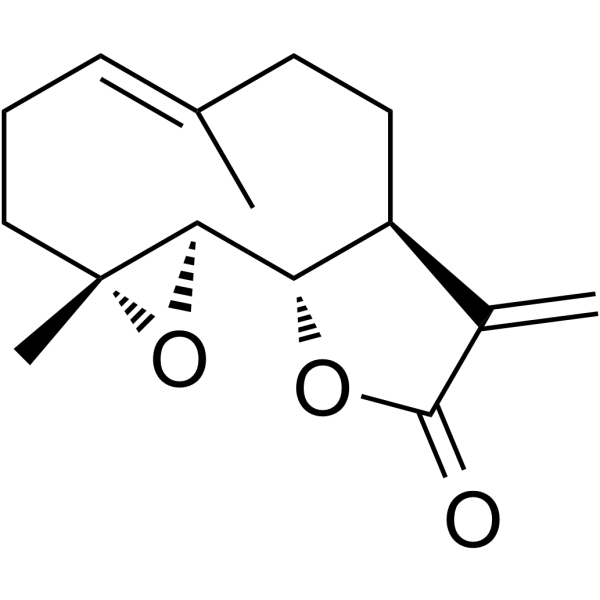
  • HY-N0141
    Parthenolide
    35+ Cited Publications

    (-)-Parthenolide

    NF-κB Autophagy Mitophagy Apoptosis IKK Cancer
    Parthenolide is a sesquiterpene lactone found in the medicinal herb Feverfew. Parthenolide exhibits anti-inflammatory activity by inhibiting NF-κB activation; also inhibits HDAC1 protein without affecting other class I/II HDACs.
    Parthenolide
  • HY-128853
    Taurodeoxycholate sodium
    5+ Cited Publications

    Endogenous Metabolite G protein-coupled Bile Acid Receptor 1 PARP Apoptosis NF-κB PKA Neurological Disease Inflammation/Immunology
    Taurodeoxycholate sodium salt is a bile salt-related anionic detergent. Taurodeoxycholate sodium salt is formed in the liver by conjugation of deoxycholate with Taurine (HY-B0351). Taurodeoxycholate sodium salt is used for isolation of membrane proteins including inner mitochondrial membrane proteins. Taurodeoxycholate (TDCA) exhibits anti-inflammatory and neuroprotective effects .
    Taurodeoxycholate sodium
  • HY-B2162
    Chondroitin sulfate
    5+ Cited Publications

    Chondroitin polysulfate

    NO Synthase MMP Endogenous Metabolite Inflammation/Immunology Cancer
    Chondroitin sulfate, one of five classes of glycosaminoglycans, has been widely used in the treatment of osteoarthritis. Chondroitin sulfate reduces inflammation mediators and the apoptotic process and is able to reduce protein production of inflammatory cytokines, iNOS and MMPs.
    Chondroitin sulfate
  • HY-111431A
    p-Cresyl sulfate potassium
    5+ Cited Publications

    p-Tolyl sulfate potassium

    Endogenous Metabolite JNK p38 MAPK Metabolic Disease Inflammation/Immunology
    p-Cresyl sulfate potassium is a uremic toxin that binds to a prototype protein. p-Cresyl sulfate potassium activates the JNK and p38 MAPK signaling pathways. p-Cresyl sulfate potassium has pro-inflammatory activity .
    p-Cresyl sulfate potassium
  • HY-B1899
    Taurodeoxycholic acid
    5+ Cited Publications

    Taurodeoxycholate

    Endogenous Metabolite G protein-coupled Bile Acid Receptor 1 PARP Apoptosis NF-κB PKA Neurological Disease Inflammation/Immunology
    Taurodeoxycholate sodium salt is a bile salt-related anionic detergent. Taurodeoxycholic acid is formed in the liver by conjugation of deoxycholate with Taurine (HY-B0351). Taurodeoxycholic acid is used for isolation of membrane proteins including inner mitochondrial membrane proteins. Taurodeoxycholic acid (TDCA) exhibits anti-inflammatory and neuroprotective effects .
    Taurodeoxycholic acid
  • HY-101032
    RIPA-56
    5+ Cited Publications

    RIP kinase Inflammation/Immunology
    RIPA-56 is a highly potent, selective, and metabolically stable inhibitor of receptor-interacting protein 1 (RIP1) with an IC50 of 13 nM. RIPA-56 can be used for the treatment of systemic inflammatory response syndrome .
    RIPA-56
  • HY-N2513
    β-Boswellic acid
    2 Publications Verification

    Lipoxygenase DNA/RNA Synthesis Cancer
    β-Boswellic acid is isolated from the gum resin of Boswellia serrata with anticancer, antioxidant activity, anti-inflammatory activity and anti-arthritic pain.β-Boswellic acid is an orally active nonreducing-type inhibitor of the 5-lipoxygenase (5-LO) product formation either interacting directly with the 5-LO or blocking its translocation. β-Boswellic acid inhibits the synthesis of DNA, RNA and protein in human leukemia HL-60 cells with IC50 values ranging from 0.6 to 7.1 μM. β-Boswellic acid is promising for research of diabetes, inflammatory and arthritic diseases .
    β-Boswellic acid
  • HY-N6246

    NF-κB ERK Inflammation/Immunology Cancer
    Asperulosidic Acid (ASPA), a bioactive iridoid glycoside, is extracted from the herbs of Hedyotis diffusa Willd. Asperulosidic Acid (ASPA) has anti-tumor, anti-oxidant, and anti-inflammatory activities . ASPA is related to the inhibition of inflammatory cytokines (TNF-α, IL-6) and mediators via suppression of the NF-κB and mitogen-activated protein kinase (MAPK) signaling pathways .
    Asperulosidic Acid
  • HY-W089835
    Sodium taurodeoxycholate hydrate
    1 Publications Verification

    G protein-coupled Bile Acid Receptor 1 Endogenous Metabolite PARP Apoptosis NF-κB PKA Neurological Disease Inflammation/Immunology
    Sodium taurodeoxycholate hydrate is a bile salt-related anionic detergent. Sodium taurodeoxycholate hydrate is formed in the liver by conjugation of deoxycholate with Taurine (HY-B0351). Sodium taurodeoxycholate hydrate is used for isolation of membrane proteins including inner mitochondrial membrane proteins. Taurodeoxycholate-d6 (TDCA) exhibits anti-inflammatory and neuroprotective effects .
    Sodium taurodeoxycholate hydrate
  • HY-134616
    Ulinastatin
    4 Publications Verification

    Uristatin

    Ser/Thr Protease Apoptosis Neurological Disease Inflammation/Immunology
    Ulinastatin (Uristatin) is a trypsin and serine protease inhibitor. Ulinastatin is the main protein binding inhibitor of various trypsin, chymotrypsin, and various pancreatic proteases. Ulinastatin shows neuroprotective, anti-inflammatory, anti-apoptotic, anti-oxidant effects .
    Ulinastatin
  • HY-B0248
    Desonide
    2 Publications Verification

    Glucocorticoid Receptor Huntingtin Apoptosis Neurological Disease Inflammation/Immunology
    Desonide is a non-fluorinated corticosteroid anti-inflammatory agent that acts on the glucocorticoid receptor. Desonide can also specifically bind to the mutant huntingtin protein (mHTT), reducing the level and toxicity of mHTT. Desonide can be used in the research of Huntington's disease and inflammatory diseases such as atopic dermatitis .
    Desonide
  • HY-16009

    (+)-Phenserine; ANVS401

    α-synuclein Neurological Disease Inflammation/Immunology
    Buntanetap ((+)-Phenserine) is a selective acetylcholinesterase inhibitor. Buntanetap is a multiple neurotoxic protein translation inhibitor with oral activity, including amyloid precursor protein (APP), α-synuclein (αSYN) and huntingtin protein (HTT). Buntanetap reduces the production of β-amyloid precursor protein by blocking its mRNA translation. Buntanetap has anti-inflammatory effects and can be used in the study of Alzheimer's disease and Parkinson's disease .
    Buntanetap
  • HY-P99420

    ALPN-101

    CD28 Inflammation/Immunology
    Acazicolcept (ALPN-101), an Fc fusion protein, is a dual inducible T cell costimulator (ICOS)/CD28 antagonist. Acazicolcept has anti-inflammatory activities .
    Acazicolcept
  • HY-N2081
    Skimmianine
    3 Publications Verification

    Cholinesterase (ChE) PI3K Akt NF-κB Neurological Disease Inflammation/Immunology Cancer
    Skimmianine is an orally active furoquiniline alkaloid present mainly in the Rutaceae family. Skimmianine has analgesic, antispastic, sedative, and anti-inflammatory properties. Skimmianine inhibits acetylcholinesterase (AChE) (IC50 = 8.6 μg/mL). Skimmianine exhibits cytotoxicity against a variety of cancer cell lines and genotoxicity. Skimmianine has antioxidant and anti-inflammatory effects on ischemia-reperfusion (IR) injury. Skimmianine exerts anti-inflammatory effects through activation of the phosphatidylinositol-3-kinase (PI3K)-protein kinase B (AKT) pathway. Skimmianine is neuroprotective by targeting the NF-κB activation pathway to prevent neuroinflammation. Skimmianine inhibits the release of histamine, intracellular Ca 2+ signaling and protein kinase C signaling .
    Skimmianine
  • HY-139553

    ATI-450; CDD-450

    MAPKAPK2 (MK2) Inflammation/Immunology
    Zunsemetinib (CDD-450) is an orally active and selective p38α mitogen-activated protein kinase-activated protein kinase 2 (MK2) pathway inhibitor. Zunsemetinib can be used for the research of immuno-inflammatory diseases .
    Zunsemetinib
  • HY-W355700

    Drug Metabolite Infection
    1-oleoyl-sn-glycero-3-phosphoethanolamine (LysoPE 18:1) is a lysophosphatidylethanolamine molecule involved in phospholipid metabolism, targeting cell membrane receptors (such as G protein-coupled receptors) to regulate cell signaling pathways. 1-oleoyl-sn-glycero-3-phosphoethanolamine may activate mitogen-activated protein kinase (MAPK) signaling, promote cell migration, regulate inflammatory responses and lipid metabolism, and has both pro-inflammatory and anti-inflammatory activities. 1-oleoyl-sn-glycero-3-phosphoethanolamine is mainly used in the screening of biomarkers for metabolic diseases (such as non-alcoholic fatty liver disease and obesity), as well as the study of the mechanism of lysophospholipids in cell membrane homeostasis and signal transduction .
    1-Oleoyl-2-hydroxy-sn-glycero-3-phosphoethanolamine
  • HY-154954
    Ogremorphin
    2 Publications Verification

    OGM; GPR68-IN-1; OGM-8345

    GPR68 Ferroptosis Inflammation/Immunology Cancer
    Ogremorphin (OGM) is a G protein coupled sensor GPR68 inhibitor with anti-inflammatory and anti-tumor activities. Ogremorphin can inhibit the migration of human melanoma cells and induce ferroptosis in glioblastoma cells .
    Ogremorphin
  • HY-N2014
    Verbenalin
    2 Publications Verification

    SARS-CoV Amyloid-β Ferroptosis Tau Protein Caspase Bcl-2 Family Infection Cardiovascular Disease Neurological Disease Inflammation/Immunology
    Verbenalin is an orally active terpenoid glycoside that can be extracted from the medicinal plant Verbena officinalis. Verbenalin has anti-inflammatory, antiviral, and neuroprotective effects. Verbenalin has a strong binding affinity to the nsp-12 protein of the SARS-CoV-2 virus. Verbenalin can be used in the research of inflammatory and nervous system diseases such as hepatitis and Alzheimer's disease .
    Verbenalin
  • HY-W015608

    Endogenous Metabolite Metabolic Disease
    2-Phenylpropionic acid is an intermediate in the metabolism of alpha-Methylstyrene. 2-Phenylpropionic acid covalently binds to rat liver protein. 2-Phenylpropionic acid can be used in the research of nonsteroidal anti-inflammatory agents .
    2-Phenylpropionic acid
  • HY-17480
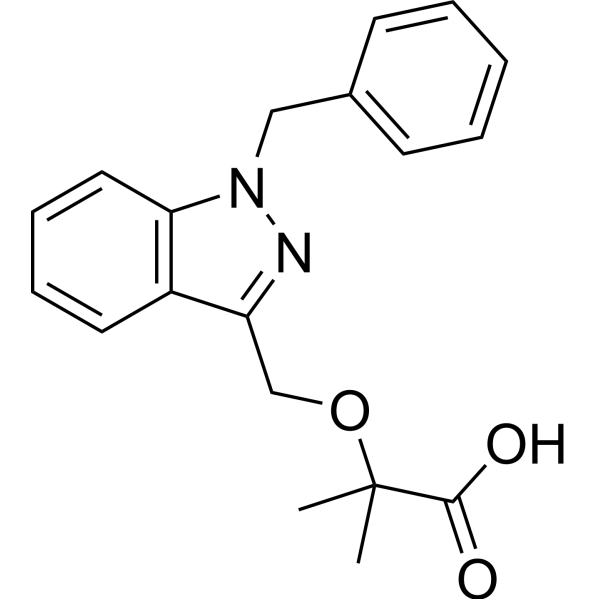
    Bendazac
    2 Publications Verification

    Others Inflammation/Immunology
    Bendazac is an oxyacetic acid with anti-inflammatory, antinecrotic, choleretic and antilipidaemic properties. Bendazac acts by preventing protein denaturation and delays the cataractogenic process .
    Bendazac
  • HY-165428

    CXCR Arrestin Inflammation/Immunology
    SCH-900875 is an orally active, brain-penetrant and selective CXCR3 receptor inhibitor, which also shows high selectivity over CXCR1 and CXCR2 receptors. SCH-900875 binds to CXCR3, blocking the binding of ligands CXCL9, CXCL10, and CXCL11, inhibiting downstream G protein and β-arrestin signaling pathways to suppress inflammatory cell migration. SCH-900875 is promising for research of autoimmune diseases (rheumatoid arthritis, multiple sclerosis) and inflammatory disorders (psoriasis, inflammatory bowel disease) .
    SCH-900875
  • HY-W324435

    Sodium 2,4-dinitrobenzenesulfonate; DNBS sodium salt; DNBSO sodium salt

    NF-κB p38 MAPK COX Inflammation/Immunology
    2,4-Dinitrobenzenesulfonic acid (DNBS; DNBSO) sodium salt (Sodium 2,4-dinitrobenzenesulfonate) is a classic colitis inducer that relies on activation of the NF-κB p65/COX-2/p38 pathway. As a hapten, 2,4-Dinitrobenzenesulfonic acid sodium salt stimulates the production of immune responses in colonic tissues, triggers oxidative stress and inflammatory reactions, and thereby leads to colonic injury. 2,4-Dinitrobenzenesulfonic acid sodium salt successfully induces models of colitis and ulcerative colitis in rats, causing pathological changes such as ulcers, edema, stenosis, shortening and organ adhesion in the distal colon, along with significant increases in the levels of inflammatory indicators and endoplasmic reticulum stress marker proteins. 2,4-Dinitrobenzenesulfonic acid sodium salt is widely used in studies on the mechanisms related to colitis and ulcerative colitis .
    2,4-Dinitrobenzenesulfonic acid sodium salt
  • HY-152670
    JC2-11
    1 Publications Verification

    NOD-like Receptor (NLR) AIM2 Inflammation/Immunology
    JC2-11 is an inhibitor of inflammatory corpuscles. JC2-11 inhibits domain-containing protein NLRC 4, absent in melanoma 2 (AIM 2) and non-canonical (NC) inflammatory corpuscles. JC2-11 reduces the secretion of caspase-1 (p20), the cleavage of gasdermin D (GSDMD), and the releases of IL-1β and lactate dehydrogenases (LDH) in inflammatory bodies. JC2-11 inhibits the activation of inflammatory bodies by destroying the production of reactive oxygen species and the activity of caspase-1 .
    JC2-11
  • HY-10499
    PH-064
    2 Publications Verification

    BIM-46187

    Serotonin Transporter Akt Neurological Disease Inflammation/Immunology Cancer
    PH-064 (BIM-46187) is an orally active inhibitor of the heterotrimeric G-protein complex. PH-064 inhibits SERT activity and attenuates shear stress-induced Akt phosphorylation. PH-064 has potent anti-hyperalgesia activity. PH-064 inhibits G protein-coupled receptor-dependent tumorigenesis. PH-064 can be used in the study of pain (e.g., inflammatory pain, neuropathic pain), GPCR-dependent tumors, and inflammatory lung injury .
    PH-064
  • HY-112038A
    GSK2983559
    2 Publications Verification

    RIP kinase Inflammation/Immunology
    GSK2983559 is an orally active and potent receptor interacting protein 2 (RIP2) kinase inhibitor. GSK2983559 blocks many proinflammatory cytokine responses in vivo and in human inflammatory bowel disease explant samples .
    GSK2983559
  • HY-N6258
    Kahweol
    1 Publications Verification

    AMPK Apoptosis Metabolic Disease Cancer
    Kahweol is one of the consituents of the coffee from Coffea Arabica with anti-inflammatory anti-angiogenic, and anti-cancerous activities. Kahweol inhibits adipogenesis and increase glucose uptake by AMP-activated protein kinase (AMPK) activation. Kahweol induces apoptosis.
    Kahweol
  • HY-P990016

    ARGX-112; LEO-138559; LP-0145

    Interleukin Related Inflammation/Immunology
    Temtokibart (ARGX-112) is a monoclonal antibody and also an IL-22RA1 inhibitor. Temtokibart inhibits the signal transduction of IL-22, IL-20 and IL-24. Temtokibart reduces the expression levels of inflammatory proteins, chemokines, immune cell migration and markers of activated immune pathways. Temtokibart improves the expression of genes related to immunity and epidermal barrier function. Temtokibart is applicable to research on moderate-to-severe atopic dermatitis .
    Temtokibart
  • HY-109567

    PD-72953

    LDLR Metabolic Disease Inflammation/Immunology
    Gemcabene (PD-72953), a first-in-class lipid-lowering agent, lowers low-density lipoprotein cholesterol (LDL-C), decreases triglycerides, and raises high-density lipoprotein cholesterol (HDL-C) and lowers pro-inflammatory acute-phase protein, C-reactive protein (CRP), exerting anti-inflammatory activity .
    Gemcabene
  • HY-120371
    CPUY192018
    1 Publications Verification

    Keap1-Nrf2 Apoptosis Reactive Oxygen Species (ROS) NF-κB Inflammation/Immunology
    CPUY192018 is a potent inhibitor of the Keap1-Nrf2 protein-protein interaction, with an IC50 of 0.63 µM. CPUY192018 exhibits anti-inflammatory and antioxidant activities. CPUY192018 can activate the Nrf2-dependent antioxidant pathway and inhibit the NF-κB-related inflammatory response. CPUY192018 can be used in the research of inflammation-related diseases .
    CPUY192018
  • HY-P1823

    Akt mTOR Caspase Infection Cardiovascular Disease Metabolic Disease Inflammation/Immunology Cancer
    C-Reactive Protein (CRP) is an anti-pneumococcal plasma protein that can serve as an inflammatory marker. C-Reactive protein can protect mice from pneumococcal infection by activating complement. C-Reactive protein can inhibit the activation of caspase-3/9 through the CD64/AKT/mTOR pathway, thereby promoting chemotherapy resistance in mice with tongue squamous cell carcinoma .
    C-Reactive Protein (CRP) (174-185)
  • HY-W181102

    Calcineurin Cardiovascular Disease Neurological Disease Inflammation/Immunology
    NFAT Inhibitor-2 is a potent inhibitor of calcineurin NFAT signalling. Calcineurin is a serine/threonine protein phosphatase regulated by Ca2+ and calmodulin. NFAT Inhibitor-2 has the potential for the research of inflammatory disease, an autoimmune disorder, a cardiovascular disease, a neurodegenerative disease, a disease occurring with uncontrolled cell proliferation and/or differentiation, an angiogenesis-related disease, an allergy, anaphylaxis and alopecia (extracted from patent WO2016207212A1, compound 17) .
    NFAT Inhibitor-2
  • HY-N0023

    NO Synthase Inflammation/Immunology
    Cistanoside A is a phenylethanoid isolated from Cistanche deserticola, reduces NO accumulation, but shows no effect on iNOS mRNA, iNOS protein levels or iNOS activity. Anti-inflammatory effect .
    Cistanoside A
  • HY-162735

    GPR65 Inflammation/Immunology
    BRD5080 is a potent GPR65 positive allosteric modulator. BRD5080 induces GPR65-dependent cAMP production. BRD5080 exhibits a robust induction of cAMP activity and recruits G protein for the WT and variant hGPR65 as well as for the mouse ortholog. BRD5080 has the potential for autoimmune and inflammatory diseases research .
    BRD5080
  • HY-164803

    Calcium Channel Inflammation/Immunology
    CBD3063 is a selective modulator of collapsin response mediator protein 2 (CRMP2). CBD3063 uncouples Cav2.2 from CRMP2. CBD3063 reverses neuropathic and inflammatory pain by reducing membrane expression of CaV2.2 .
    CBD3063
  • HY-148382

    RIP kinase Necroptosis Neurological Disease Inflammation/Immunology
    RI-962 is a potent and selective receptor-interacting protein kinase 1 (RIPK1) inhibitor. RI-962 inhibits RIPK1 with an IC50 value of 35.0 nM. RI-962 can be used for the research of nervous system diseases and inflammatory diseases .
    RI-962
  • HY-156025

    Hydroxycarboxylic Acid Receptor (HCAR) Inflammation/Immunology
    HCAR2 agonist 1 (Compound 9n) is a Gi protein-biased allosteric modulator of HCAR2. HCAR2 agonist 1 activates the Gi protein signaling pathway. HCAR2 agonist 1 shows anti-inflammatory effect, and reduces mRNA level of pro-inflammatory cytokine (TNF-α, IL-1β, IL-6, and MCP-1). HCAR2 agonist 1 enhances anti-inflammatory effects of orthosteric agonists in the mouse model of colitis .
    HCAR2 agonist 1
  • HY-157570

    PROTACs STING Infection
    Anti-inflammatory agent 70 (N-Me-SP23) is a STING protein PROTAC degrader and inhibits the STING signaling pathway. Anti-inflammatory agent 70 has anti-inflammatory activity. (Pink: STING inhibitor (HY-47709); Black: linker (HY-W008296); Blue: CRBN Ligand (HY-W460193)) .
    Anti-inflammatory agent 70
  • HY-160783

    HuR Cancer
    SRI-43265 (compound 40) is an inhibitor of human antigen R protein (HuR) dimerization, and HuR multimers have been implicated in cancer and inflammatory pathogenesis .
    SRI-43265
  • HY-77048

    IRAK Inflammation/Immunology
    IRAK-4 protein kinase inhibitor 2 (compound 1) is a potent inhibitor of interleukin-1 (IL-1) receptor-associated kinase-4 (IRAK-4), with an IC50 of 4 μM. IRAK-4 protein kinase inhibitor 2 can be used for the research of inflammatory and immune-related conditions or disorders .
    IRAK-4 protein kinase inhibitor 2
  • HY-N4231

    NF-κB Inflammation/Immunology
    Lucyoside B inhibits the production of inflammatory mediators via both NF-κB and activator protein-1 pathways in activated macrophages .
    Lucyoside B
  • HY-N14780

    (+)-Pochonin D

    HSP Interleukin Related Enterovirus Infection Inflammation/Immunology Cancer
    Pochonin D ((+)-Pochonin D) is an inhibitor of heat shock protein 90 (Hsp90) with antiviral and anti-inflammatory activities. Pochonin D inhibits Hsp90, affects the homeostasis, folding and assembly processes of viral proteins, and reduces the replication capacity of viruses. Pochonin D reduces the infiltration of inflammatory cells, decreases the secretion of inflammatory cytokines such as TNF-α and IL-1β, and alleviates inflammatory responses. Pochonin D is a promising candidate for research on human rhinovirus (HRV) infection and cancer .
    Pochonin D
  • HY-47709

    Ligands for Target Protein for PROTAC STING Inflammation/Immunology
    STING ligand-3 is a Ligand for Target Protein for PROTAC activity control. STING ligand-3 can be used to synthesize Anti-inflammatory agent 70 (HY-157570) .
    STING ligand-3
  • HY-Y0038

    Trk Receptor Cancer
    2-Bromo-6-methoxynaphthalene is an active intermediate in the production of anti-inflammatory agents like Naproxen and Nabumetone by Heck reaction. 2-Bromo-6-methoxynaphthalene has potential anti-inflammatory properties and Tyrosine-protein inhibitor properties. 2-Bromo-6-methoxynaphthalene can be used for the research of cancer .
    2-Bromo-6-methoxynaphthalene
  • HY-P10530

    Keap1-Nrf2 Neurological Disease Inflammation/Immunology Cancer
    Nrf2 (69-84) is a peptide fragment of Nrf2 protein that contains the key ETGE motif, which is an important region for binding to the Kelch domain of Keap1 protein. Nrf2 (69-84) can be used to study the role of Nrf2 in the development and progression of diseases, especially in cancer, neurodegenerative diseases and inflammatory diseases .
    Nrf2 (69-84)
  • HY-N4108

    P-glycoprotein Inflammation/Immunology Cancer
    Hypophyllanthin is a major lignan in Phyllanthus spp, with strong anti-inflammatory activity. Hypophyllanthin directly inhibits P-glycoprotein (P-gp) activity and did not interfere with multidrug resistance protein 2 (MRP2) activity .
    Hypophyllanthin
  • HY-172438

    Mas-related G-protein-coupled Receptor (MRGPR) Inflammation/Immunology
    Setomagpran is the antagonist for mas-related G protein-coupled receptor (MRGPR), and exhibits anti-inflammatory activity .
    Setomagpran
  • HY-126560

    Protein Arginine Deiminase Inflammation/Immunology
    F-Amidine is a Protein arginine deiminase 4 (PAD4) inhibitor. F-Amidine can be used in the study of inflammatory and immune system diseases (such as rheumatoid arthritis) .
    F-Amidine
  • HY-P991676

    DS-2325A

    Kallikrein Inflammation/Immunology
    Eflumenibep alfa is a Kallikrein 5 inhibitor with anti-inflammatory activity. Eflumenibep alfa is a fusion protein that combines human SPINK2 with the human IgG1 Fc fragment at the C-terminus .
    Eflumenibep alfa
  • HY-16009B

    (+)-Phenserine L-Tartrate; ANVS401 L-Tartrate

    Amyloid-β Neurological Disease
    Buntanetap L-Tartrate (Phenserine L-Tartrate) is a selective AChE inhibitor (IC50 = 22.2 nM). Buntanetap is a multiple neurotoxic protein translation inhibitor with oral activity, including amyloid precursor protein (APP), α-synuclein (αSYN) and huntingtin protein (HTT). Buntanetap reduces the production of β-amyloid precursor protein by blocking its mRNA translation. Buntanetap has anti-inflammatory effects and can be used in the study of Alzheimer's disease and Parkinson's disease .
    Buntanetap L-Tartrate
  • HY-151921

    p38 MAPK Inflammation/Immunology
    Anti-inflammatory agent 33 is a potent p38α inhibitor. Anti-inflammatory agent 33 inhibits NO production. Anti-inflammatory agent 33 inhibits LPS-induced iNOS, COX-2, p-p38α, p-MK2 protein expression. Anti-inflammatory agent 33 shows anti-inflammatory activity .
    Anti-inflammatory agent 33

Inquiry Online

Your information is safe with us. * Required Fields.

Salutation


Country or Region *

Applicant Name *


Organization Name *

Department *


Email Address *


Product Name *

Cat. No.


Requested quantity *

Phone Number *


Remarks

Inquiry Online

Inquiry Information

Product Name:
Cat. No.:
Quantity:
MCE Japan Authorized Agent:

