

121 Results for "

inhibitory properties

" in MedChemExpress (MCE) Product Catalog:
Products (121)

121 Results for "inhibitory properties" in MCE Product Catalog:

11
11 Publications Verification
Cat. No.: HY-N0828
CAS No.: 537-42-8
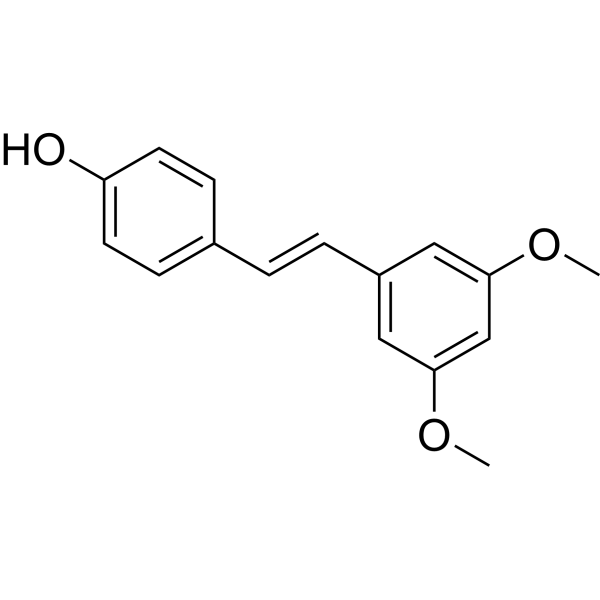
Pterostilbene is a stilbenoid isolated from blueberries and Pterocarpus marsupium . Shows anti-oxidant, anti-inflammatory, anti-carcinogenic, anti-diabetic and anti-obesity properties . Pterostilbene blocks ROS production , also exhibits inhibitory activity against various free radicals such as DPPH, ABTS, hydroxyl, superoxide and hydrogen peroxide .
loading...
    loading...
10
10 Cited Publications
Cat. No.: HY-B1041
CAS No.: 1937-19-5
Synonyms: Pimagedine hydrochloride; GER-11; Aminoguanidinium hydrochloride
Target:  

NO Synthase Apoptosis ERK

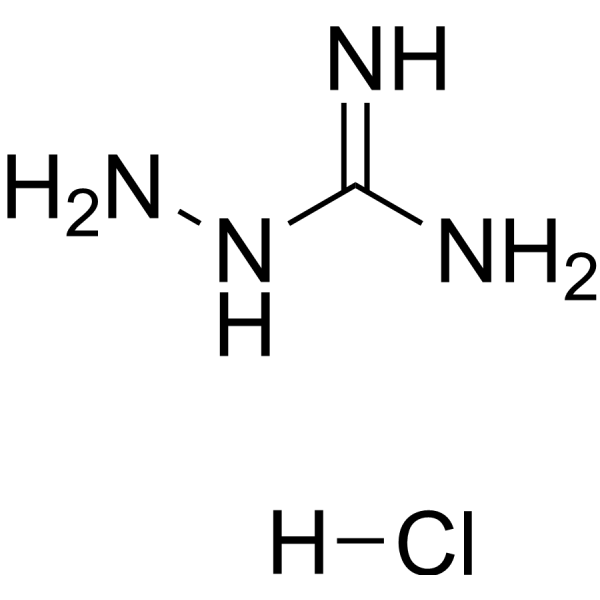
Aminoguanidine (Pimagedine) hydrochloride is an inhibitor of diamine oxidase (DAO) and nitric oxide synthase (NOS). Aminoguanidine hydrochloride can reduce the formation of advanced glycation end products (AGEs). Aminoguanidine hydrochloride has a dose-dependent inhibitory effect on Doxorubicin (HY-15142)-induced cell apoptosis. Aminoguanidine hydrochloride has antioxidant properties. Aminoguanidine hydrochloride can be used in the research of diabetic nephropathy .
loading...
    loading...
10
10 Cited Publications
Cat. No.: HY-N0057
CAS No.: 14534-61-3
Synonyms: 3,4-Di-O-caffeoylquinic acid; Isochlorogenic acid B
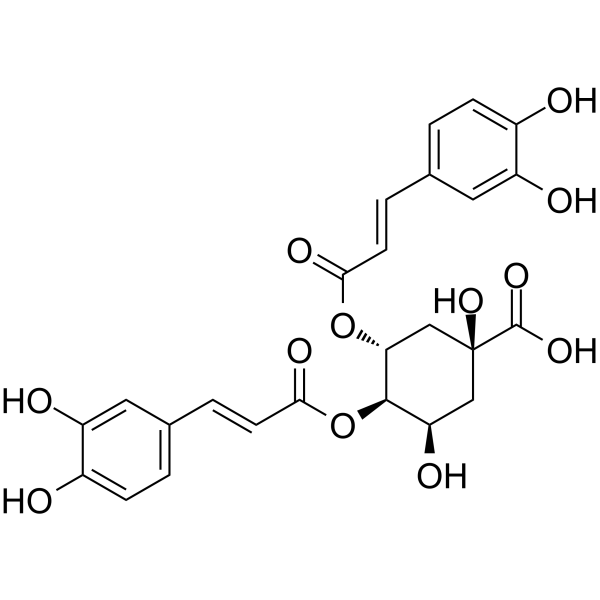
3,4-Dicaffeoylquinic acid (3,4-Di-O-caffeoylquinic acid), naturally isolated from Laggera alata, has antioxidative, DNA protective, neuroprotective and hepatoprotective properties. 3,4-Dicaffeoylquinic acid exerts apoptosis-mediated cytotoxicity and α-glucosidase inhibitory effects. 3,4-Dicaffeoylquinic acid possesses a unique mechanism of anti-influenza viral activity, that is, enhancing viral clearance by increasing TRAIL .
loading...
    loading...
10
10 Cited Publications
Cat. No.: HY-W020772
CAS No.: 996-19-0
Synonyms: Pimagedine hemisulfate; GER-11 hemisulfate; Aminoguanidinium hemisulfate
Target:  

NO Synthase Apoptosis ERK

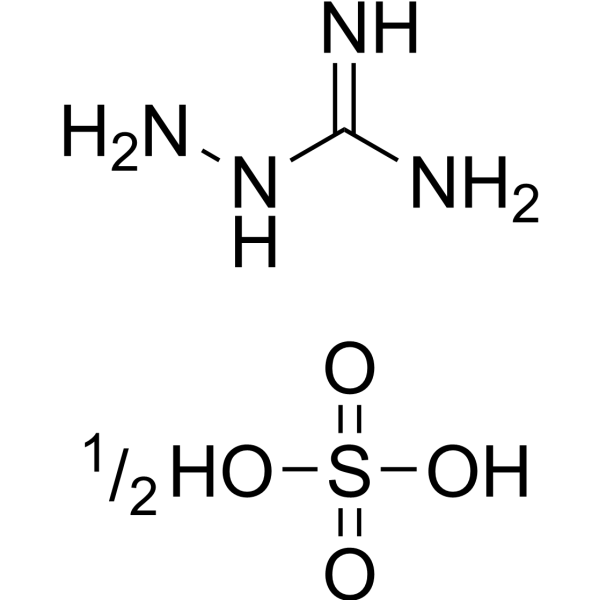
Aminoguanidine (Pimagedine) hemisulfate is an inhibitor of diamine oxidase (DAO) and nitric oxide synthase (NOS). Aminoguanidine hemisulfate can reduce the formation of advanced glycation end products (AGEs). Aminoguanidine hemisulfate has a dose-dependent inhibitory effect on Doxorubicin (HY-15142)-induced cell apoptosis. Aminoguanidine hemisulfate has antioxidant properties. Aminoguanidine hemisulfate can be used in the research of diabetic nephropathy .
loading...
    loading...
7
7 Cited Publications
Cat. No.: HY-P9921
CAS No.: 1018448-65-1
Synonyms: Ado-Trastuzumab emtansine; PRO132365; T-DM 1
Trastuzumab emtansine (Ado-Trastuzumab emtansine) is an antibody-drug conjugate (ADC) that incorporates the HER2-targeted antitumor properties of trastuzumab with the cytotoxic activity of the microtubule-inhibitory agent DM1 (HY-19792). Trastuzumab emtansine can be used for the research of advanced breast cancer .
loading...
    loading...
7
7 Cited Publications
Cat. No.: HY-P9921A
CAS No.: 1018448-65-1
Synonyms: Ado-Trastuzumab emtansine (solution); PRO132365 (solution); T-DM 1 (solution)
Trastuzumab emtansine (Ado-Trastuzumab emtansine) is an antibody-drug conjugate (ADC) that incorporates the HER2-targeted antitumor properties of trastuzumab with the cytotoxic activity of the microtubule-inhibitory agent DM1 (derivative of maytansine), and the drug-linker conjugate for ADC is SMCC-DM1 (HY-101070). Trastuzumab emtansine can be used for the research of advanced breast cancer .
loading...
    loading...
5
5 Cited Publications
Cat. No.: HY-N3014
CAS No.: 21499-66-1
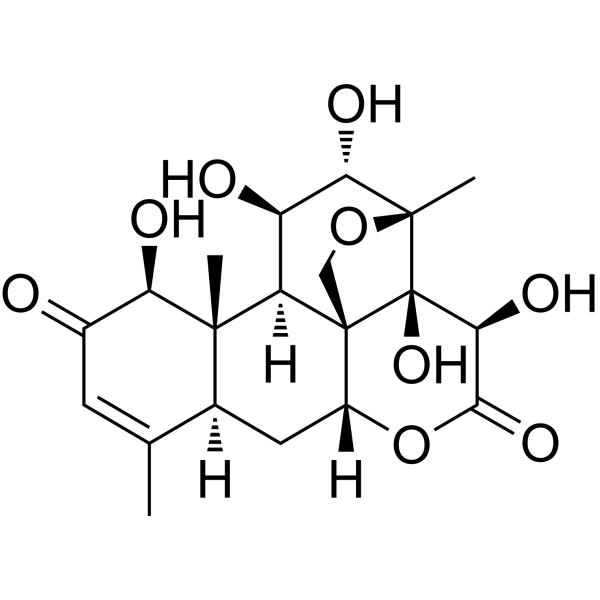
Bruceine D is a Notch inhibitor with anti-cancer activity and induces apoptosis in several human cancer cells. Bruceine D is an effective botanical insect antifeedant with outstanding systemic properties, causing potent pest growth inhibitory activity . Bruceine D has strong anthelmintic activity against D. intermedius with an EC50 value of 0.57 mg/L .
loading...
    loading...
5
5 Cited Publications
Cat. No.: HY-N2255
CAS No.: 25127-29-1
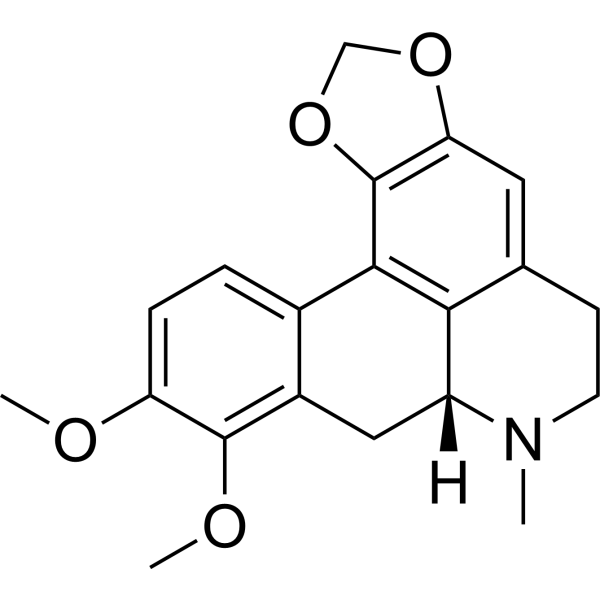
Crebanine is an isoquinoline-like alkaloid that can be derived from Stephania. Crebanine is an antagonist of the α7-nAChR with an IC50 of 19.1 μM. Crebanine suppresses the proliferation, migration, and invasion of cancer cells, triggers reactive oxygen species (ROS) burst, and promotes apoptosis. Crebanine inhibits the AKT/FoxO3a, NF-κB and MAPK signaling pathways. Crebanine attenuates NOX2 hyperactivation, exhibits antioxidant properties by reducing reactive oxygen species and peroxidation in microglia cells. Crebanine inhibits voltage-dependent Na + current in guinea-pig ventricular myocytes. Crebanine has high inhibitory activity against gram-positive animal pathogenic bacteria. Crebanine ameliorates ischemia-reperfusion brain damage in middle cerebral artery occlusion and reperfusion (MCAO/R) rats. Crebanine significantly improves Scopolamine (HY-N0296)-induced cognitive deficits in ICR mice. Crebanine can be used for the study of hepatocellular carcinoma (HCC), cerebral ischemia and Alzheimer's disease .
loading...
    loading...
3
3 Cited Publications
Cat. No.: HY-N0568
CAS No.: 34540-22-2
Synonyms: Asiaticoside A
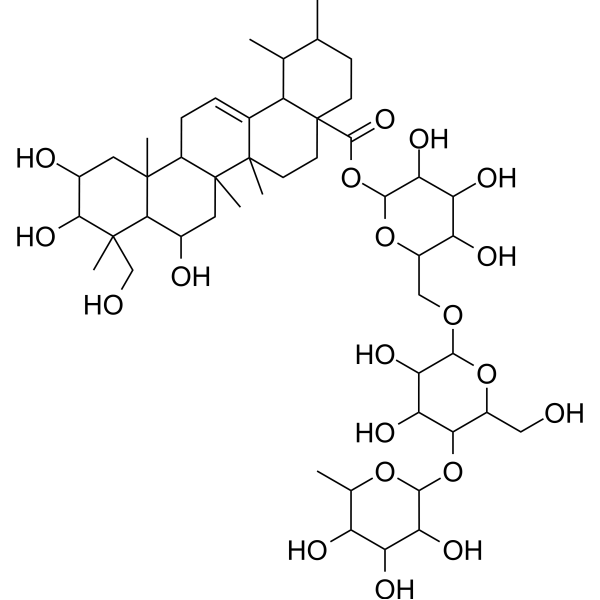
Madecassoside is a pentacyclic triterpene isolated from Centella asiatica and has anti-inflammatory properties. Antioxidant and anti-aging effects. Madecassoside is a pentacyclic triterpene isolated from Centella asiatica. Madecassoside is orally active and has inhibitory properties against inflammation, oxidation, apoptosis and autophagy. Madecassosid inhibits activities of p38 MAPK and NF-kB , exhibits an anti-apopototic property, activates Nrf2 expression to reduce the neurotoxicity . Madecassoside can be used in endocrine diseases, cardiovascular diseases, skin diseases and other diseases.
loading...
    loading...
3
3 Cited Publications
Cat. No.: HY-103444
CAS No.: 704888-90-4
Purity:  98.07%
Target:  

MMP

Research Areas:  

Cancer

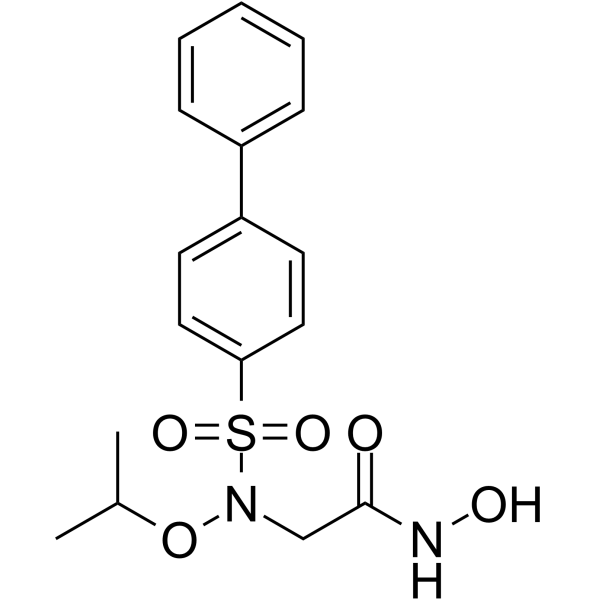
ARP-100 is a potent and selective matrix metalloproteinase MMP-2 inhibitor (IC50=12 nM). ARP-100 interacts with S1' pocket of MMP-2 and shows anti-invasive properties in an in vitro model of invasion on matrigel. ARP-100 shows the less inhibitory activity towards MMP-1 (>50 μM), MMP-3 (4.5 μM), MMP-7 (>50 μM), and MMP-9 (0.2 μM) .
loading...
    loading...
2
2 Cited Publications
Cat. No.: HY-W012531
CAS No.: 614-60-8
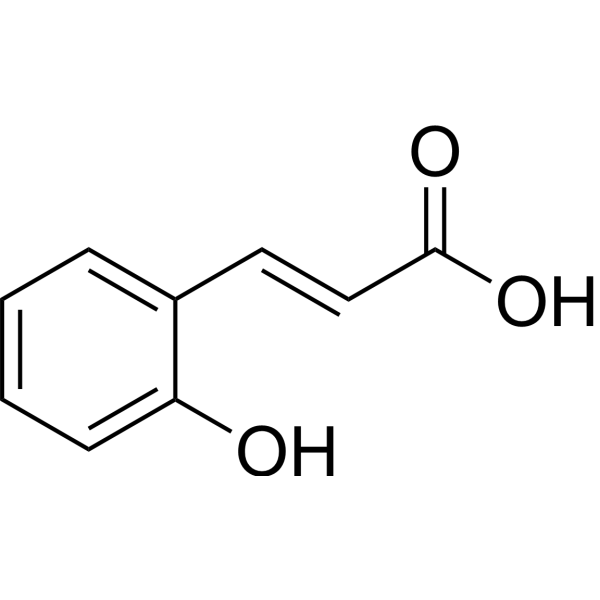
2-Hydroxycinnamic acid is a phenolic acid with antimicrobial and antioxidant properties. 2-Hydroxycinnamic acid has antimicrobial activity against Staphylococcus aureus and is not susceptible to drug resistance. 2-Hydroxycinnamic acid shows inhibitory effects on infection of HIV/SARS-CoV S pseudovirus with an IC50 of 0.3 mM. In addition, 2-Hydroxycinnamic acid has neuroprotective and antitumor activity .
loading...
    loading...
2
2 Cited Publications
Cat. No.: HY-14744
CAS No.: 103129-82-4
Purity:  98.53%
Synonyms: (S)-Amlodipine; Levoamlodipine
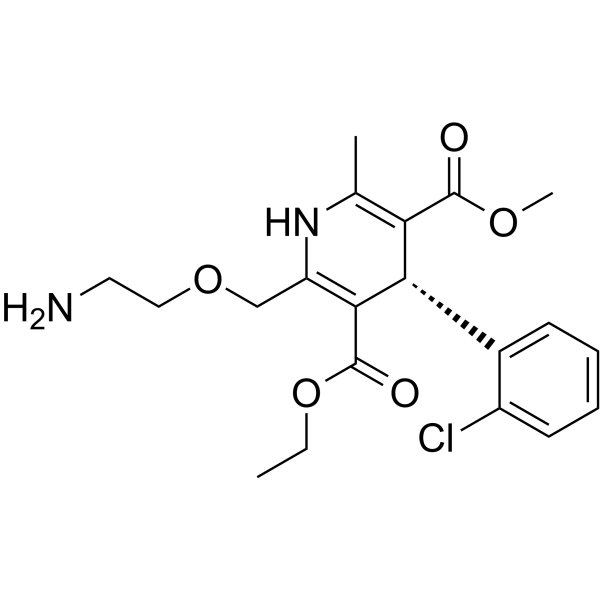
Levamlodipine ((S)-Amlodipine; Levoamlodipin) is an orally active L-type calcium channel blocker and MMP-9 modulator with high permeability and retention properties. Levamlodipine significantly enhances plaque stability and improves lipid profiles by reducing blood pressure, decreasing systolic blood pressure variability, and inhibiting MMP-9 expression in atherosclerotic plaques. Levamlodipine not only alleviates cardiac and aortic hypertrophy and prevents renal atrophy, but also produces synergistic effects in blood pressure reduction and organ protection when combined with bisoprolol (HY-129029). Levamlodipine exerts no significant inhibitory effect on abdominal aortic intimal hyperplasia. When excessively accumulated in the epidermis, Levamlodipine may induce changes in keratin structure, impair the skin barrier and trigger inflammation; long-term use further exacerbates skin irritation caused by local administration. Levamlodipine can be used in research related to hypertension and atherosclerosis .
loading...
    loading...
2
2 Cited Publications
Cat. No.: HY-14744A
CAS No.: 150566-71-5
Purity:  99.84%
Synonyms: (S)-Amlodipine besylate; Levoamlodipine besylate
Target:  

Calcium Channel MMP

Research Areas:  

Cardiovascular Disease

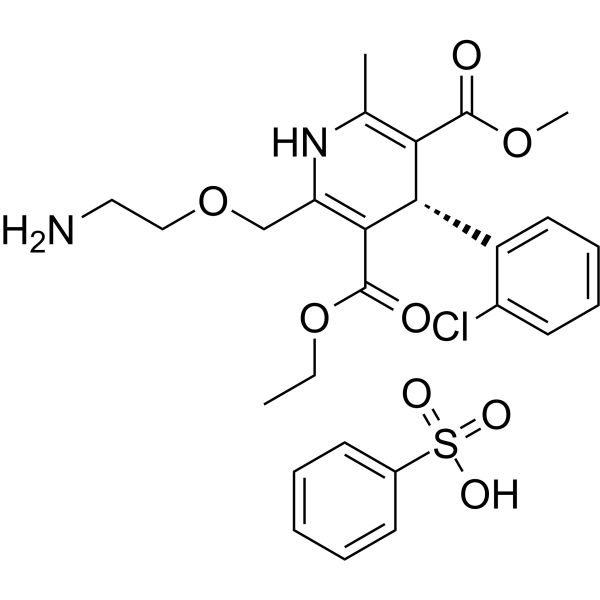
Levamlodipine ((S)-Amlodipine; Levoamlodipin) besylate is an orally active L-type calcium channel blocker and MMP-9 modulator with high permeability and retention properties. Levamlodipine besylate significantly enhances plaque stability and improves lipid profiles by reducing blood pressure, decreasing systolic blood pressure variability, and inhibiting MMP-9 expression in atherosclerotic plaques. Levamlodipine besylate not only alleviates cardiac and aortic hypertrophy and prevents renal atrophy, but also produces synergistic effects in blood pressure reduction and organ protection when combined with bisoprolol (HY-129029). Levamlodipine besylate exerts no significant inhibitory effect on abdominal aortic intimal hyperplasia. When excessively accumulated in the epidermis, Levamlodipine besylate may induce changes in keratin structure, impair the skin barrier and trigger inflammation; long-term use further exacerbates skin irritation caused by local administration. Levamlodipine besylate can be used in research related to hypertension and atherosclerosis .
loading...
    loading...
1
1 Cited Publications
Cat. No.: HY-W127758
CAS No.: 9005-32-7
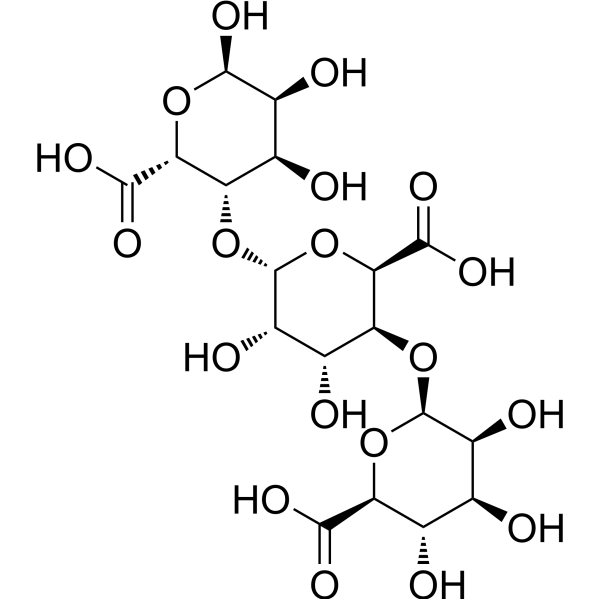
Alginic acid is a natural polysaccharide, which has been widely concerned and applied due to its excellent water solubility, film formation, biodegradability and biocompatibility. Alginic acid induces oxidative stress-mediated hormone secretion disorder, apoptosis and autophagy in mouse granulosa cells and ovaries. Alginic acid has an inhibitory effect on histamine release. Anti-anaphylactic and anti-inflammatory properties .
loading...
    loading...
Cat. No.: HY-B0696A
CAS No.: 145821-59-6
Synonyms: NO050328 hydrochloride; NO328 hydrochloride; TGB hydrochloride
Target:  

GABA Receptor

Research Areas:  

Neurological Disease

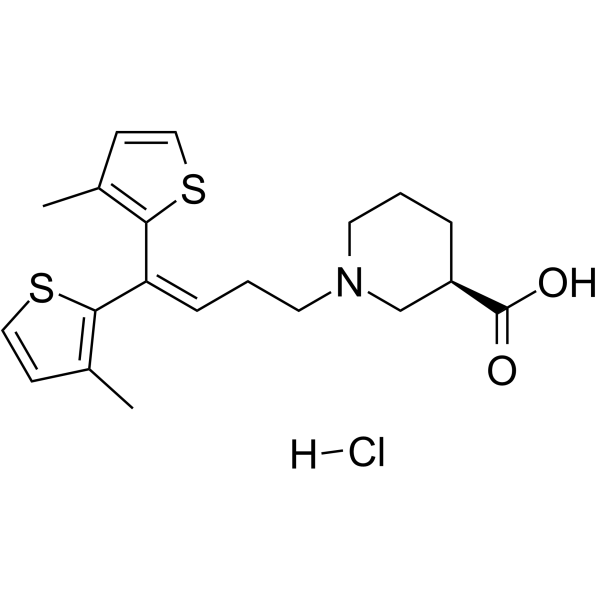
Tiagabine hydrochloride (NO050328; NO328; TGB) is an orally active, highly selective, and reversible GAT-1 inhibitor and anticonvulsant that crosses the blood-brain barrier. By blocking the reuptake of GABA in neurons and glial cells, tiagabine increases extracellular GABA levels to enhance inhibitory signal transduction, thereby exerting multiple activities such as anticonvulsant, neuroprotective, and antioxidant effects. Tiagabine hydrochloride exhibits linear pharmacokinetic properties. Although it is metabolized by CYP3A and has a high protein binding rate, it carries a low risk of cognitive impairment. Tiagabine hydrochloride is widely used in research on related diseases including epilepsy (including refractory partial seizures), alcohol withdrawal symptoms, and Huntington's disease .
loading...
    loading...
Cat. No.: HY-B0696
CAS No.: 115103-54-3
Synonyms: NO050328; NO328; TGB
Target:  

GABA Receptor

Research Areas:  

Neurological Disease

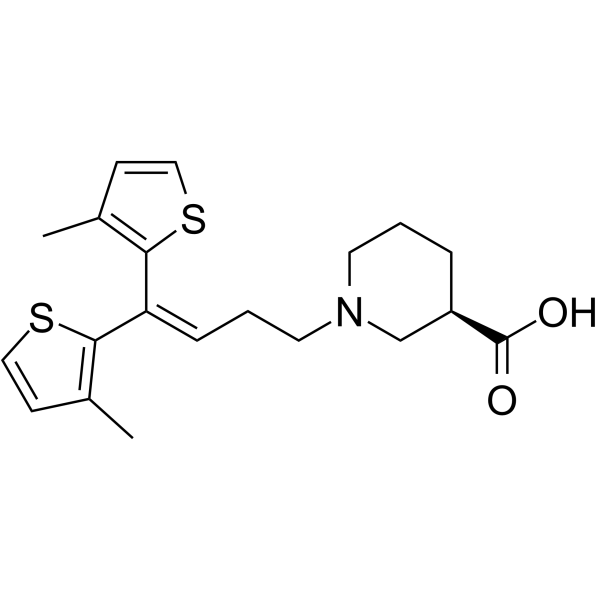
Tiagabine (NO050328; NO328; TGB) is an orally active, highly selective, and reversible GAT-1 inhibitor and anticonvulsant that crosses the blood-brain barrier. By blocking the reuptake of GABA in neurons and glial cells, tiagabine increases extracellular GABA levels to enhance inhibitory signal transduction, thereby exerting multiple activities such as anticonvulsant, neuroprotective, and antioxidant effects. Tiagabine exhibits linear pharmacokinetic properties. Although it is metabolized by CYP3A and has a high protein binding rate, it carries a low risk of cognitive impairment. Tiagabine is widely used in research on related diseases including epilepsy (including refractory partial seizures), alcohol withdrawal symptoms, and Huntington's disease .
loading...
    loading...
Cat. No.: HY-173522
Research Areas:  

Cancer

KIF2C-IN-1 is a cell-penetrating, selective KIF2C inhibitor with fluorescent properties (Ex/Em = 410/510 nm). KIF2C-IN-1 exhibits notable cytotoxicity and weak inhibitory effects on KIF2A/B. KIF2C-IN-1 prohibits the dissociation of KIF2C from microtubules. KIF2C-IN-1 inhibiting KIF2C reverses cross-resistance to microtubule-targeting agents. KIF2C-IN-1 reduces tumorigenesis in chemoresistant triple-negative breast cancer (TNBC) model in mice with the combination of Paclitaxel (HY-B0015) .
loading...
    loading...
Cat. No.: HY-N6660
CAS No.: 621-71-6
Synonyms: Tricaprin; Glyceryl tridecanoate
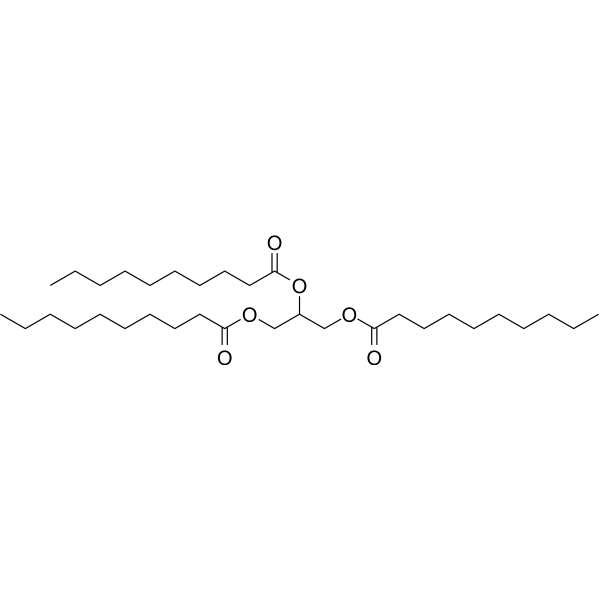
Trisdecanoin (Tricaprin; Glyceryl tridecanoate) is an orally available precursor of decanoic acid (DA precursor) that can be hydrolyzed to decanoic acid. Trisdecanoin and its metabolite capric acid not only provide the body with a quick source of energy, but can also affect lipid metabolism. Trisdecanoin is a major component of medium chain triglycerides (MCT), which has preventive or inhibitory properties for abdominal aortic aneurysms (AAA), inhibition of cardiovascular disease, and anti-androgen (NSAA) and anti-hyperglycemic properties. Trisdecanoin can be used as an additive in food, medicine and cosmetics .
loading...
    loading...
Cat. No.: HY-B1067
CAS No.: 2508-72-7
Synonyms: Phenazoline hydrochloride
Target:  

Histamine Receptor HBV

Research Areas:  

Neurological Disease Endocrinology

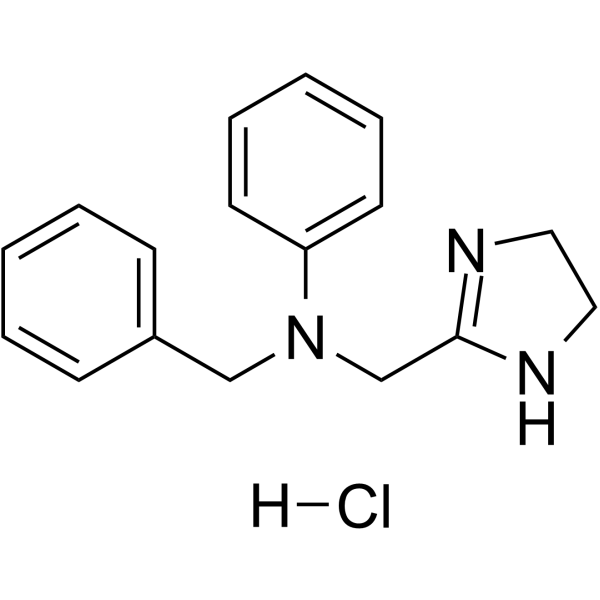
Antazoline hydrochloride is a histamine H1 receptor antagonist with anticholinergic and antiviral properties. Antazoline hydrochloride can prevent histamine from acting on target cells through a reversible competition effect on histamine receptor sites of these cells. Antazoline hydrochloride can exert an antiallegic effect and prevent the occurrence of physiological reactions from the effect of blocking as well as inhibiting H1 receptor. Antazoline hydrochloride can effectively reduce HBV DNA in the extracellular supernatant in a dose-dependent manner, with EC50 of 2.910 μmol/L in HepAD38 cells. Antazoline hydrochloride also has a significant inhibitory effect on HBV DNA in the extracellular supernatant of Huh7 cells (EC50 = 2.349 μmol/L). Antazoline hydrochloride has anti-arrhythmic effect in acute myocardial infarctions. Antazoline hydrochloride can be studied in research for cardiovascular diseases, and HBV .
loading...
    loading...
Cat. No.: HY-17357
CAS No.: 78281-72-8
Synonyms: AHR 9434; AL 6515
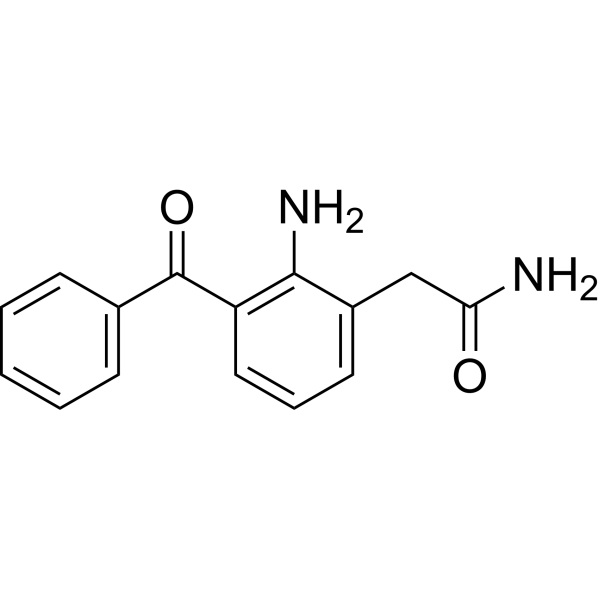
Nepafenac (AHR 9434; AL 6515), a nonsteroidal anti-inflammatory agent, is a topically administered COX-2 inhibitor with an IC50 of 0.12 μM. Nepafenac exhibits only weak COX-1 inhibitory activity (IC50 = 64.3 μM). Nepafenac possesses unique prodrug properties, which enable it to rapidly convert into the active metabolite Amfenac (HY-17479) in the ocular tissues, thereby achieving high concentrations in the retina and choroid. Nepafenac reduces inflammation and pain by inhibiting the activity of cyclooxygenase (COX) enzymes and thereby decreasing the production of prostaglandin PGE. Nepafenac can delay the metastasis of uveal melanoma (UM) in rabbit eyes. Nepafenac is mainly used for pain management and inflammation control after ophthalmic surgeries .
loading...
    loading...

