

Search Result
Results for "
internalization
" in MedChemExpress (MCE) Product Catalog:
14
Biochemical Assay Reagents
| Cat. No. |
Product Name |
Target |
Research Areas |
Chemical Structure |
-
- HY-P99412
-
|
OSE-127
|
Interleukin Related
|
Cancer
|
|
Lusvertikimab (OSE-127) is a humanized IL7R monoclonal antibody. Lusvertikimab is not internalized by target cells and prevents IL7R heterodimerization and subsequent downstream signaling. Lusvertikimab has anti-leukemic efficacy and has the potential for B cell precursor acute lymphoblastic leukemia (BCP-ALL) research .
|
-
-
- HY-P99778
-
|
MORAb-004
|
EGFR
|
Cancer
|
|
Ontuxizumab (MORAb-004) is a humanized IgG1/κ anti-endosialin (TEM-1 or CD248) monoclonal antibody with antitumor effects. Ontuxizumab can be used for the research of cancer .
|
-
-
- HY-139413
-
|
|
Toll-like Receptor (TLR)
|
Cancer
|
|
β-D-glucan is a natural non-digestible polysaccharide and high biocompatibility that can be selectively recognized by recognition receptors such as Dectin-1 and Toll-like receptors as well as being easily internalized by murine or human macrophages, which is likely to attribute to a target delivery . β-d-glucan is an enteric delivery vehicle for probiotics .
|
-
-
- HY-P99192
-
|
LY2875358
|
c-Met/HGFR
|
Cancer
|
|
Emibetuzumab (LY2875358) is a humanized bivalent MET antibody (IgG4 type). Emibetuzumab shows high neutralization and internalization activities, resulting in inhibition of both HGF-dependent and HGF-independent MET pathway activation and tumor growth. Emibetuzumab can be used in study of cancer .
|
-
-
- HY-P99956
-
|
VLS-101; MK-2140
|
Antibody-Drug Conjugates (ADCs)
Apoptosis
|
Cancer
|
|
Zilovertamab vedotin (VLS-101) is a novel antibody-drug conjugate comprising the humanized monoclonal antibody zilovertamab and and the anti-microtubule cytotoxin monomethyl vedotin. Zilovertamab vedotin binding to tumor cell ROR1 results in rapid internalization, trafficking to lysosomes, antibody–agent conjugate cleavage, and monomethyl vedotin release. Zilovertamab vedotin induces apoptosis. Zilovertamab vedotin can be used in research of cancer .
|
-
-
- HY-111793
-
|
|
CXCR
|
Neurological Disease
|
|
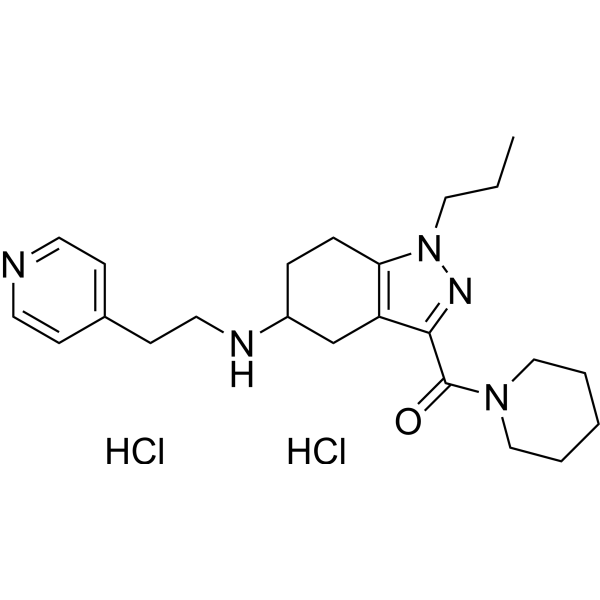
NUCC-390 is a novel and selective small-molecule CXCR4 receptor agonist. NUCC-390 induces internalization of CXCR4 receptors and acts in an opposite way of AMD3100 (HY-10046) . NUCC-390 promotes nerve recovery of function after neurodegeneration in vivo .
|
-
-
- HY-10968
-
CYM5442
3 Publications Verification
|
LPL Receptor
|
Neurological Disease
|
|
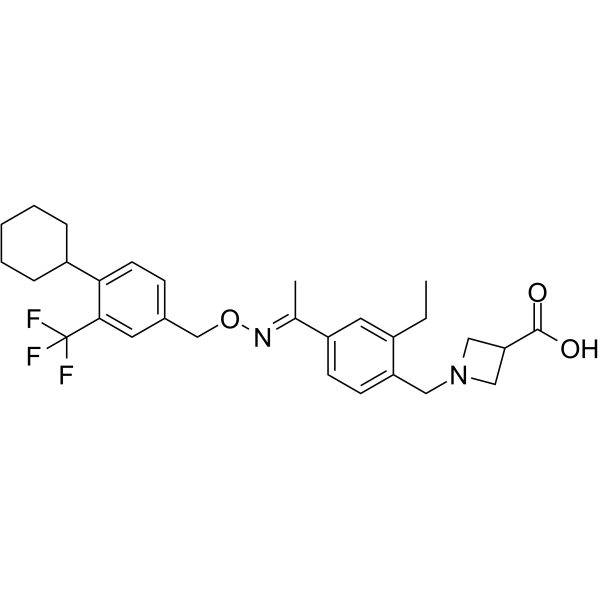
CYM5442 is a potent, highly-selective and orally active sphingosine 1-phosphate (S1P1) receptor agonist with an EC50 of 1.35 nM. CYM5442 is inactive against S1P2, S1P3, S1P4, and S1P5. CYM5442 activates S1P1-dependent p42/p44-MAPK phosphorylation. CYM5442 exerts retinal neuroprotection. CYM5442 can easily penetrate the central nervous system (CNS) .
|
-
-
- HY-NP035
-
-
-
- HY-P5362
-
|
|
Radionuclide-Drug Conjugates (RDCs)
Somatostatin Receptor
|
Neurological Disease
Cancer
|
|
NODAGA-LM3 is a ligand that can cross the blood-brain barrier and targets somatostatin receptor SSTR2 with high affinity (IC50 = 1.3 nM). NODAGA-LM3 does not trigger the internalization of SSTR2 and can inhibit agonist-induced internalization processes. NODAGA-LM3 shows low uptake in normal tissues such as the liver and spleen, but high uptake in the lungs and blood pool. 68Ga-labeled NODAGA-LM3 can serve as a PET imaging agent for well-differentiated neuroendocrine tumors, and is applied in studies related to small cell lung cancer and well-differentiated neuroendocrine tumors .
|
-
-
- HY-P5285
-
|
|
Parasite
|
Infection
Inflammation/Immunology
Cancer
|
|
Lunasin is a bioactive peptide with antioxidant, anti-inflammatory, anticancer and anti-aging properties. Lunasin can be isolated from soybean. Lunasin also has an epigenetic mechanism of action associated with histone acetylation. Lunasin can be internalized into cells and inhibit Oncosphere formation in cancer cells .
|
-
-
- HY-139401
-
|
|
FAP
|
Cancer
|
|
FAPI-34 is a SPECT imaging agent targeting FAP. FAPI-34 specifically binds to FAP, is highly internalized by FAP-expressing cells, accumulates in FAP-expressing tumor lesions, and shows low uptake in normal tissues except the kidneys. FAPI-34 is applicable for tumor-related research .
|
-
-
- HY-124071
-
|
|
Formyl Peptide Receptor (FPR)
|
Inflammation/Immunology
|
|
ACT-389949 is a first-in-class, potent and selective and agonist of formyl peptide receptor type 2 (FPR2)/Lipoxin A4 receptor (ALX), with an EC50 of 3 nM for FPR2/ALX internalization into monocytes. ACT-389949 has potential for the treatment of inflammatory disorders .
|
-
-
- HY-D1602
-
|
|
Fluorescent Dye
|
Others
|
|
BODIPY FL DHPE is a green-fluorescent phospholipid probe. BODIPY FL DHPE labels lipid 1,2-dihexadecanoyl-sn-glycero-phosphoethanolamine (DHPE), labeled liposomes can be internalized by membrane fusion. BODIPY FL DHPE can be used for investigations of membrane surface and membrane fusion. (λex=505 nm, λem=511 nm) .
|
-
-
- HY-P2106
-
|
|
Arrestin
Apelin Receptor (APJ)
|
Cardiovascular Disease
|
|
Elabela(19-32) is an active fragment of ELABELA (ELA) that binds to apelin receptor (APJ). Elabela(19-32) activates the Gαi1 and β-arrestin-2 signaling pathways with EC50s of 8.6 nM and 166 nM. Elabela(19-32) induces receptor internalization and reduces arterial pressure, exerts positive inotropic effects on the heart .
|
-
-
- HY-144258
-
|
|
PD-1/PD-L1
|
Inflammation/Immunology
Cancer
|
|
PD-1/PD-L1-IN-14 (compound 17) is a bifunctional inhibitor of PD-1/PD-L1 interactions, with an IC50 of 27.8 nM. PD-1/PD-L1-IN-14 (compound 17) inhibits PD-1/PD-L1 interactions and promotes dimerization, internalization, and degradation of PD-L1 .
|
-
-
- HY-111793A
-
|
|
CXCR
|
Neurological Disease
|
|
NUCC-390 dihydrochloride is a novel and selective small-molecule CXCR4 receptor agonist. NUCC-390 dihydrochloride induces internalization of CXCR4 receptors and acts in an opposite way of AMD3100 (HY-10046) . NUCC-390 dihydrochloride promotes nerve recovery of function after neurodegeneration in vivo .
|
-
-
- HY-139950
-
|
|
Ras
|
Cancer
|
Rasarfin is a dual Ras and ARF6 inhibitor .
|
-
-
- HY-P1654
-
|
|
Integrin
|
Cancer
|
|
A20FMDV2 is a highly selective αvβ6 integrin inhibitor with human IC50 values of 3 nM and binds with at least 1000-fold selectivity over other RGD-binding integrins. A20FMDV2 binds to the integrin’s RGD-binding site, induces rapid integrin internalization, and delays post-internalization integrin recycling to the cell surface. A20FMDV2 can be used for the research of pancreatic cancer, breast cancer, colorectal cancer, ovarian cancer, oral squamous cell carcinoma .
|
-
-
- HY-131901
-
|
Oxophenylarsine; PhAsO; Arsenosobenzene
|
Environmental Pollutants
Phosphatase
|
Others
|
|
Phenylarsine oxide (PAO), an inhibitor of endocytosis, inhibits PTPε with an IC50 of 18 μM. Phenylarsine oxide (PAO) inhibits oxygen consumption and decreases cellular ATP content overlap with those used to inhibit protein internalization .
|
-
-
- HY-P99827
-
|
TSR-022; GSK4069889
|
Tim3
|
Cancer
|
|
Cobolimab (TSR-022) is an anti-TIM-3 monoclonal antibody. Cobolimab mediates the internalization of TIM3 with an IC50 value of 0.4464 nM. Cobolimab has potential application in solid tumors and non-small cell lung cancer (NSCLC) .
|
-
-
- HY-P3717
-
|
|
Ephrin Receptor
|
Cancer
|
|
Targefrin is a potent EphA2-targeting agent, acts as an antagonist. Targefrin binds EphA2-LBD with 21 nM dissociation constant and an IC50 value of 10.8 nM. Targefrin induces cellular receptor internalization and degradation in several pancreatic cancer cell lines .
|
-
-
- HY-W010907
-
|
|
GPR35
ERK
|
Neurological Disease
|
|
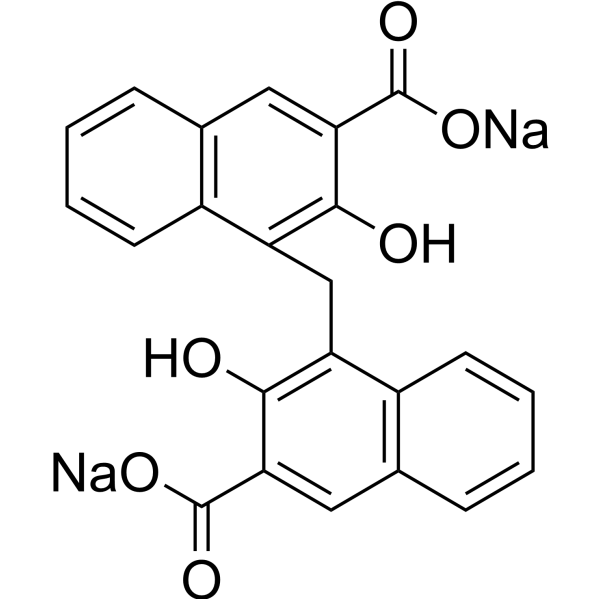
Pamoic acid disodium is a potent GPR35 agonist with an EC50 value of 79 nM. Pamoic acid disodium induces GPR35 internalization and activates ERK1/2 with EC50 values of 22 nM and 65 nM, respectively. Pamoic acid disodium potently recruits β-arrestin2 to GPR35 and has an antinociceptive effect .
|
-
-
- HY-P990073
-
|
REGN-5093
|
c-Met/HGFR
|
Cancer
|
|
Davutamig (REGN-5093) is a human IgG4-kappa, anti-MET bispecific antibody. Davutamig binds 2 distinct epitopes of MET, blocking ligand binding and inducing MET internalization and degradation. Davutamig is applicable to the research of advanced non-small cell lung cancer with MET gene abnormalities .
|
-
-
- HY-P2336A
-
|
|
Melanocortin Receptor
|
Cancer
|
|
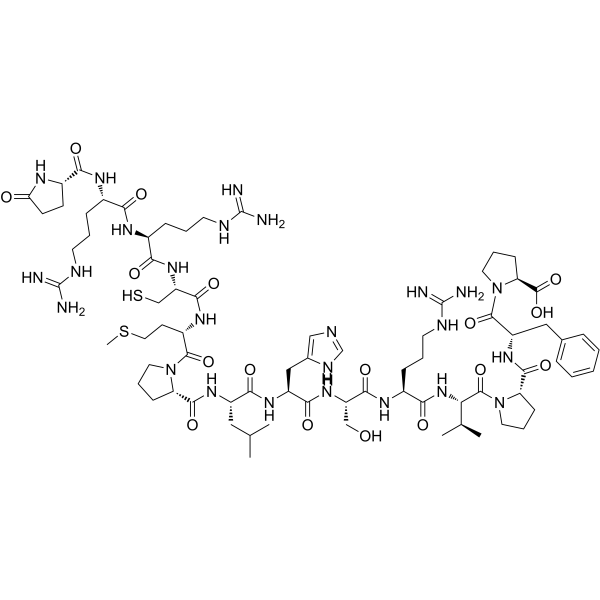
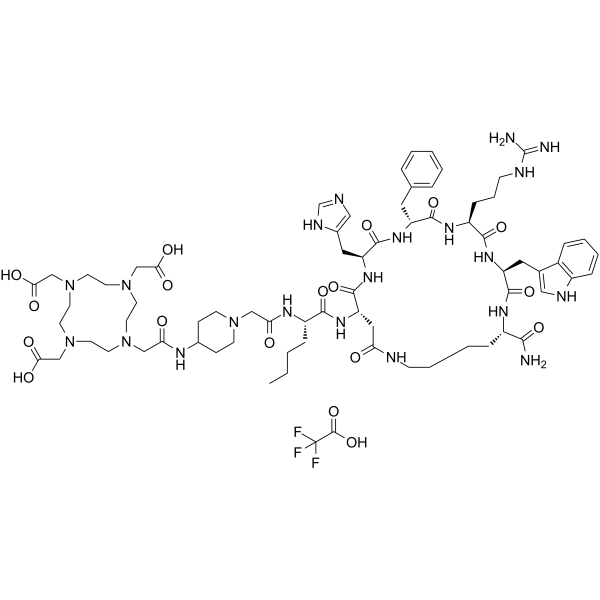
CCZ01048 TFA, a α-MSH analogue, exhibits high binding affinity to melanocortin 1 receptor (MC1R) with a Ki of 0.31 nM. CCZ01048 TFA shows rapid internalization into B16F10 melanoma cells and high in vivo stability. CCZ01048 TFA is a promising candidate for PET imaging of malignant melanoma .
|
-
-
- HY-101265
-
|
S1p receptor agonist 1
|
LPL Receptor
|
Inflammation/Immunology
|
|
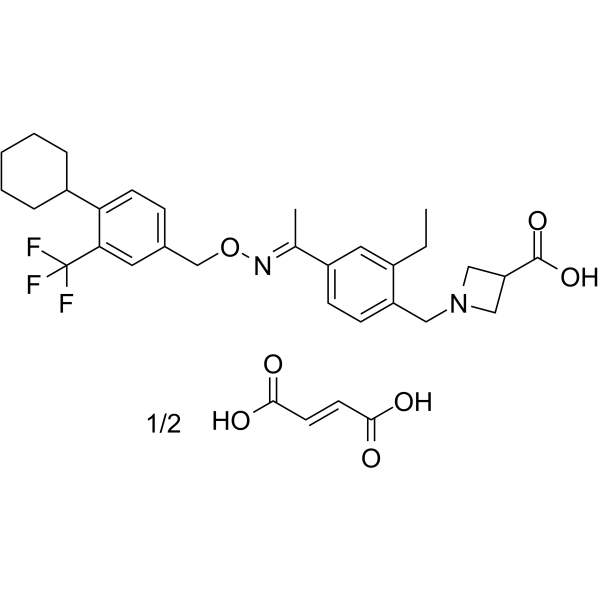
Icanbelimod (S1p receptor agonist 1) is a potent and orally active S1P receptor agonist, exhibits an activity of inducing S1P1 internalization (EC50=9.83 nM). Icanbelimod has the potential for the study of arthritis and EAE (experimental autoimmune encephalitis). Icanbelimod is extracted from patent WO2015039587A1, Compound 2.
|
-
-
- HY-174140
-
|
|
Chemerin Receptor
|
Metabolic Disease
Inflammation/Immunology
|
|
VU0514009 is a competitive chemokine-like receptor 1 (CMKLR1) antagonist (EC50=2 nM). VU0514009 prevents chemerin-9-induced arrestin recruitment and receptor internalization, significantly reducing Ca 2+ flux response in HEK293 cells. VU0514009 is promising for research of inflammatory diseases and metabolic syndrome .
|
-
-
- HY-139690
-
-
-
- HY-42709
-
|
Carbobenzoxy-L-valyl-L-alanine
|
Amino Acid Derivatives
|
Cancer
|
|
Z-Val-Ala-OH is a dipeptide derivative of valine and alanine. Z-Val-Ala-OH undergoes cleavage by cathepsin B and other lysosomal proteases to enable payload release following lysosomal internalization. Z-Val-Ala-OH can be used for the research of antibody-drug conjugate (ADC) development[1] .
|
-
-
- HY-W356117
-
|
|
Fluorescent Dye
|
Others
|
|
C6 NBD Glucosylceramide is a glucosylceramide fluorescent derivative (Ex=466 nm, Em=535 nm). C6 NBD Glucosylceramide can be used to study the metabolism and internalization of glucosylceramide and also for the determination of glucosyl ceramide synthase activity .
|
-
-
- HY-100677
-
|
|
CXCR
|
Endocrinology
|
|
VUF11207 (Compound 29) is a CXCR7 agonist and a high-potency CXCR7 (pKi of 8.1) ligand that induces recruitment of β-arrestin2 (pEC50 of 8.8) and subsequent internalization (pEC50 of 7.9) of CXCR7 .
|
-
-
- HY-P6825
-
|
LY4181530; PSMA-62
|
PSMA
|
Cancer
|
|
PNT2001 (LY4181530) is a potent prostate specific membrane antigen (PSMA) ligand with an IC50 of 3.1 nM. PNT2001 can improve cellular internalization. 177Lu- and 225Ac-labeled PNT2001 can be used in prostate cancer research .
|
-
-
- HY-D1746
-
EDTA-AM
2 Publications Verification
EDTA acetoxymethyl ester; Ethylenediaminetetraacetic acid acetoxymethyl ester
|
Biochemical Assay Reagents
Mitosis
|
Others
|
|
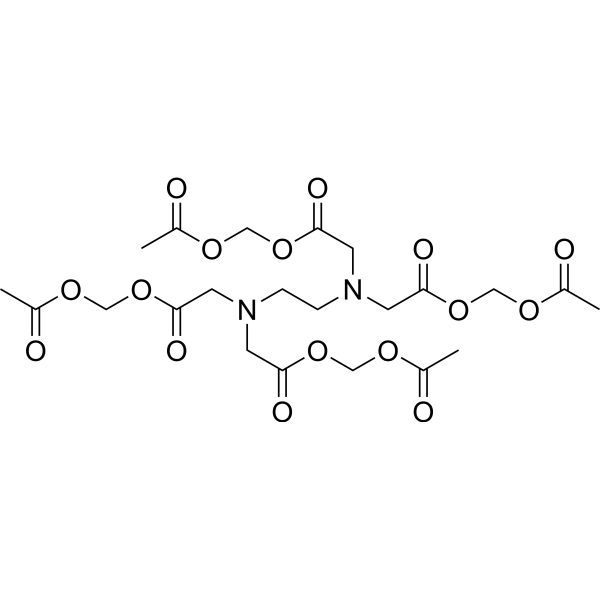
EDTA-AM (ethylenediaminetetraacetic acid, acetoxymethyl ester) is the membrane-permeant form of the metal chelator EDTA (HY-Y0682). Live cells passively load EDTA-AM by incubating with EDTA-AM. Once internalized, cytoplasmic esterase decomposes AM esters, releasing the active ligand EDTA, which isolates metal ions within the cell. EDTA-AM induces an arrest of mitotic progression and chromosome decondensation .
|
-
-
- HY-P991611
-
|
|
iGluR
|
Inflammation/Immunology
|
|
ART5803 is a humanized IgG1 monoclonal antibody inhibitor targeting NMDAR. ART5803 binds to the N-terminal domain (NTD) of the NMDAR GluN1 subunit (GluN1-NTD) with a high affinity. ART5803 blocks NMDAR internalization induced by pathogenic autoantibodies and restores cell-surface NMDAR expression and functions. ART5803 reverses behavioral abnormalities and NMDAR expression in marmoset disease models. ABT-147 can be used to study anti-NMDAR encephalitis .
|
-
-
- HY-106481
-
|
|
GPR35
Histamine Receptor
|
Inflammation/Immunology
|
|
Bufrolin is a Cromoglycate (histamine release inhibitor) analog and a high potency agonist of GPR35. Bufrolin promotes interactions between β-arrestin-2 and either human GPR35a or rat GPR35. Bufrolin also serves as antiallergic mast cell stabilizer and inhibit an anti-inflammatory response inducible by the internalization peptide. Bufrolin acts as an anti-inflammatory agent to be used in research of delivering pharmacol linked with internalization peptide .
|
-
-
- HY-P10991A
-
|
Stearylated octaarginine TFA
|
Biochemical Assay Reagents
|
Others
|
|
Stearyl-(homoarginine)8 (Stearylated octaarginine) TFA is an effective gene delivery vector that can deliver plasmid DNA into cells. Stearyl-(homoarginine)8 TFA can make plasmid DNA more effectively internalized into cells and improve the nuclear delivery rate .
|
-
-
- HY-144347
-
|
|
CXCR
|
Infection
Cancer
|
|
HF51116 is a potent antagonist of CXCR4. HF51116 strongly antagonizes SDF-1α-induced cell migration, calcium mobilization, and CXCR4 internalization. HF51116 inhibits HIV-1 infection via CXCR4. HF51116 has the potential for the research of HIV-1 infection, hematopoietic stem cell mobilization, and cancer metastasis .
|
-
-
- HY-172691
-
|
|
Liposome
|
Cancer
|
|
DSPE-PEG5000-THRPPMWSPVWP is a PEG compound which composed of DSPE and a transferrin receptor (TfR) peptide (THRPPMWSPVWP). THRPPMWSPVWP binds to the TfR and is subsequently internalized into TfR-expressing cells .
|
-
-
- HY-172690
-
|
|
Liposome
|
Cancer
|
|
DSPE-PEG2000-THRPPMWSPVWP is a PEG compound which composed of DSPE and a transferrin receptor (TfR) peptide (THRPPMWSPVWP). THRPPMWSPVWP binds to the TfR and is subsequently internalized into TfR-expressing cells .
|
-
-
- HY-P10560
-
|
|
Biochemical Assay Reagents
|
Others
|
|
M918 is a cell-penetrating peptide. M918 is internalized by cells through endocytosis and can effectively penetrate a variety of cells in a non-toxic manner. M918 can be used in gene therapy and drug delivery system research .
|
-
-
- HY-P10991
-
|
Stearylated octaarginine
|
Biochemical Assay Reagents
|
Others
|
|
Stearyl-(homoarginine)8 (Stearylated octaarginine) is an effective gene delivery vector that can deliver plasmid DNA into cells. Stearyl-(homoarginine)8 can make plasmid DNA more effectively internalized into cells and improve the nuclear delivery rate .
|
-
-
- HY-P4096
-
|
|
Bacterial
|
Inflammation/Immunology
|
|
HAP-1 is a synovial-targeted transduction peptide. HAP-1 facilitates specific internalization of protein complexes into human and rabbit synovial cells. HAP-1 fused to an antimicrobial peptide, (KLAK)2, to generate a proapoptotic peptide DP2 .
|
-
-
- HY-15578G
-
|
Maleimidocaproyl monomethylauristatin F
|
Drug-Linker Conjugates for ADC
|
Cancer
|
|
McMMAF GMP is a GMP grade McMMAF (HY-15578). McMMAF is a protective group (maleimidocaproyl)-conjugated MMAF, which is a potent tubulin polymerization inhibitor. McMMAF can be used as a agent-linker for antibody-drug conjugates (ADC). McMMAF is uncleavable, and must be internalized and degraded within a cell, releasing cysteine-McMMAF as the active agent .
|
-
-
- HY-P3852
-
|
SPR393-407
|
Neurokinin Receptor
|
Neurological Disease
Inflammation/Immunology
|
|
Neurokinin Receptor (393-407), rat (SPR393–407) is a rat neurokinin 1 receptor (NK1R) fragment. NK1R is rapidly internalized by endocytosis and recycled to the plasma membrane when binding to substance P (SP). Neurokinin Receptor (393-407), rat can be used in the research of neurogenic inflammation .
|
-
-
- HY-P2336
-
|
|
Melanocortin Receptor
|
Cancer
|
|
CCZ01048, a α-melanocyte-stimulating hormone (α-MSH) analogue, exhibits high binding affinity to melanocortin 1 receptor (MC1R) with a Ki of 0.31 nM. CCZ01048 shows rapid internalization into B16F10 melanoma cells and high in vivo stability. CCZ01048 is a promising candidate for PET imaging of malignant melanoma .
|
-
-
- HY-D2836I
-
|
FITC-Hyaluronate (MW 5000)
|
Fluorescent Dye
|
Others
|
|
FITC-HA (MW 5000) is hyaluronic acid (HA) (HY-B0633A) labeled with FITC (HY-66019). FITC-HA retains the ability of HA to bind to receptors (such as CD44) and form extracellular matrices, while it can be detected by fluorescence microscopy or flow cytometry for tracing the localization, binding, internalization and metabolic pathways of HA in cells, tissues or living organisms (Ex/Em ≈ 490/520 nM) .
|
-
-
- HY-172366
-
|
|
PSMA
|
Cancer
|
|
BQ0413 exhibits good affinity to PSMA with a KD of 89 pM. BQ0413 exhibits good uptake and internalization property with an internalization rate of 44% in PC3-pip cell. BQ0413 can be used as tumor imaging agent when labeled with 99mTc .
|
-
-
- HY-P991508
-
|
|
EGFR
|
Cancer
|
|
Sym004 is a 1:1 mixture of two recombinant, human-mouse chimeric mAbs directed against nonoverlapping EGFR epitopes (mAb992 and mAb1024). Sym004 is ability to mediate rapid EGFR internalization and subsequent degradation of internalized receptors via EGFR cross-linking. Sym004 can be used for the study of metastatic colorectal cancer, head and neck (H&N) and lung cancer .
|
-
-
- HY-N1166
-
|
Deguelinol I; Hydroxydeguelin
|
EGFR
|
Cancer
|
|
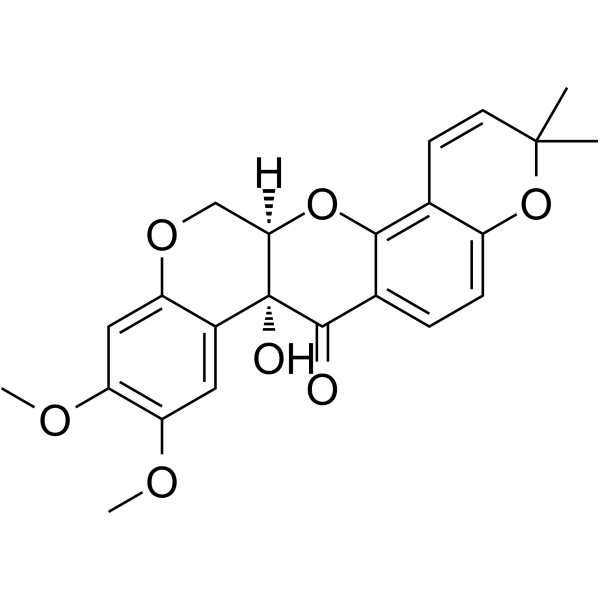
Tephrosin is a natural rotenoid which has potent antitumor activities. Tephrosin induces degradation of of EGFR and ErbB2 by inducing internalization of the receptors .
|
-
-
- HY-10968A
-
|
|
LPL Receptor
|
Neurological Disease
|
|
CYM5442 hydrochloride is a potent, highly-selective and orally active sphingosine 1-phosphate (S1P1) receptor agonist with an EC50 of 1.35 nM. CYM5442 hydrochloride is inactive against S1P2, S1P3, S1P4, and S1P5. CYM5442 hydrochloride activates S1P1-dependent p42/p44-MAPK phosphorylation. CYM5442 exerts retinal neuroprotection. CYM5442 hydrochloride can easily penetrate the central nervous system (CNS) .
|
-
-
- HY-161096
-
|
|
ROR
|
Cancer
|
|
Antitumor agent-127 (compound 1) is a parent macrocyclic peptide. Antitumor agent-127 displays nanomolar cell-based binding to ROR1 and relatively good internalization in 786-O and MDA-MB-231 tumor cell lines .
|
-
- HY-P5362A
-
|
|
Radionuclide-Drug Conjugates (RDCs)
Somatostatin Receptor
|
Cancer
|
|
NODAGA-LM3 TFA is a ligand that can cross the blood-brain barrier and targets somatostatin receptor SSTR2 with high affinity (IC50 = 1.3 nM). NODAGA-LM3 TFA does not trigger the internalization of SSTR2 and can inhibit agonist-induced internalization processes. NODAGA-LM3 TFA shows low uptake in normal tissues such as the liver and spleen, but high uptake in the lungs and blood pool. 68Ga-labeled NODAGA-LM3 TFA can serve as a PET imaging agent for well-differentiated neuroendocrine tumors, and is applied in studies related to small cell lung cancer and well-differentiated neuroendocrine tumors .
|
-
- HY-W565924
-
|
|
mGluR
ERK
|
Neurological Disease
|
|
STX107 is a metabotropic glutamate 5 (mGlu5) receptor negative allosteric modulator (NAM) with a pKi of 8.32. STX107 inhibits glutamate-induced Ca 2+ mobilization, IP1 accumulation, and ERK1/2 phosphorylation. STX107 also inhibits glutamate-induced mGlu5 internalization .
|
-
- HY-160045
-
|
|
Cholecystokinin Receptor
|
Cancer
|
|
AP1153 aptamer sodium is a DNA aptamer that specifically binds to the cholecystokinin receptor CCKBR (Kd: ~15 pM), but does not activate CCKBR-related signaling pathways. AP1153 aptamer sodium is internalized by pancreatic ductal adenocarcinoma (PDAC) cells in a receptor-mediated manner. AP1153 aptamer sodium can bioconjugate to the surface of fluorescent nanoparticles to facilitate nanoparticle delivery to PDAC tumors in vivo .
|
-
- HY-151207
-
|
|
Apoptosis
ADC Payload
|
Cancer
|
|
Anticancer agent 81 (Compound 37b3) is an anticancer agent and can induce tumor cell cycle arrest and apoptosis. Anticancer agent 81 can be used as a payload to conjugate with Trastuzumab (HY-P9907) to obtain the antibody–agent conjugate (ADC) T-PBA. T-PBA maintained its mode of target and internalization ability of Trastuzumab .
|
-
- HY-176810
-
|
|
STING
|
Cancer
|
|
CDN prodrug-1 (Compound 2) is a STING ligand. CDN prodrug-1 consists of a cyclic dinucleotide (CDN) and a dialanine peptide linker. CDN prodrug-1 can be cleaved following internalization into endolysosomes by cathepsins and subsequently release the parent CDN. CDN prodrug-1 can be used for synthesis nanoparticles for drug delivery research .
|
-
- HY-145287
-
|
|
DNA/RNA Synthesis
Parasite
|
Infection
|
|
S-MGB-234 is a minor groove binder of Animal African Trypanosomiasis (AAT). S-MGB-234 displays excellent in vitro activities against the principal causative organisms of AAT; Trypanosoma congolense, and Trypanosoma vivax. S-MGB-234 does not show cross-resistance with the current diamidine agents and are not internalized via the transporters used by diamidines .
|
-
- HY-179447
-
|
|
PD-1/PD-L1
|
Cancer
|
|
PD-L1-IN-8 is a PD-L1 inhibitor (IC50 = 0.89 nM). PD-L1-IN-8 shows low CYP inhibition and minimal hERG activity. PD-L1-IN-8 can be used for the study of colon cancer .
|
-
- HY-D2836B
-
|
FITC-Hyaluronate (MW 200000)
|
Fluorescent Dye
|
Others
|
|
FITC-HA (MW 200000) is hyaluronic acid (HA) (HY-B0633A) labeled with FITC (HY-66019). FITC-HA retains the ability of HA to bind to receptors (such as CD44) and form extracellular matrices, while it can be detected by fluorescence microscopy or flow cytometry for tracing the localization, binding, internalization and metabolic pathways of HA in cells, tissues or living organisms (Ex/Em ≈ 490/520 nM) .
|
-
- HY-D2836D
-
|
FITC-Hyaluronate (MW 50000)
|
Fluorescent Dye
|
Others
|
|
FITC-HA (MW 50000) is hyaluronic acid (HA) (HY-B0633A) labeled with FITC (HY-66019). FITC-HA retains the ability of HA to bind to receptors (such as CD44) and form extracellular matrices, while it can be detected by fluorescence microscopy or flow cytometry for tracing the localization, binding, internalization and metabolic pathways of HA in cells, tissues or living organisms (Ex/Em ≈ 490/520 nM) .
|
-
- HY-118518
-
|
|
Calcium Channel
|
Cardiovascular Disease
Cancer
|
|
Ronipamil is a calcium ion antagonist. Ronipamil increases the specific binding and internalization of human 125I-LDL in human skin fibroblasts (HSF) and the human hepatoma cell line Hep G2 .
|
-
- HY-162973
-
-
- HY-163079
-
|
|
FAP
|
Cancer
|
|
AlF-PD-FAPI has affinity for FAP , with the IC50 of 0.13 nM, and shows a specific uptake, high internalized fraction, and low cellular efflux in vitro. AlF-PD-FAPI can be used as FAP-targeting tracer .
|
-
- HY-P10085
-
|
|
PKC
|
Inflammation/Immunology
|
|
PKC-ε translocation inhibitor peptide is a PKC-ε translocation inhibitor. PKC-ε translocation inhibitor peptide can regulate the rate of FcγR-mediated internalization of opsonized beads, has no effect of FcαR trafficking .
|
-
- HY-164290
-
|
|
Dynamin
|
Infection
Neurological Disease
|
|
Rhodady C10 (Compound C10) is a dynamin I GTPase inhibitor. Rhodady C10 blocks receptor-mediated endocytosis (IC50: 7 μM). Dynamin is involved in clathrin-independent endocytosis, phagocytosis, and caveolae internalization .
|
-
- HY-115615
-
|
|
CXCR
|
Endocrinology
|
|
VUF11207 (Compound 29) TFA is a CXCR7 agonist (pKi of 8.1) that induces recruitment of β-arrestin2 (pEC50 of 8.8) and subsequent internalization (pEC50 of 7.9) of CXCR7 .
|
-
- HY-161604
-
-
- HY-116088
-
|
|
LPL Receptor
|
Inflammation/Immunology
|
|
W123, a FTY720 analog, is a competitive sphingosine 1-phosphate type 1 (S1P1) receptor antagonist. W123 is measured by GTPγS activation, MAPK recruitment, cell migration, and ligand-induced receptor internalization .
|
-
- HY-10968R
-
|
|
LPL Receptor
|
Neurological Disease
|
|
CYM5442 (Standard) is the analytical standard of CYM5442. This product is intended for research and analytical applications. CYM5442 is a potent, highly-selective and orally active sphingosine 1-phosphate (S1P1) receptor agonist with an EC50 of 1.35 nM. CYM5442 is inactive against S1P2, S1P3, S1P4, and S1P5. CYM5442 activates S1P1-dependent p42/p44-MAPK phosphorylation. CYM5442 exerts retinal neuroprotection. CYM5442 can easily penetrate the central nervous system (CNS) .
|
-
- HY-145314
-
|
|
Integrin
|
Cancer
|
|
TC113 is a c(RGDyK)-Based conjugate of Gemcitabine (GEM). TC113 could be internalized by A549 cells through integrin αvβ3. TC113 shows potent antiproliferative properties against WM266.4 and A549 cells .
|
-
- HY-144793
-
|
|
Microtubule/Tubulin
|
Cancer
|
|
Deac-SS-Biotin is a potent antitumor agent with improved tumor targeting effects and reduced off-target toxicities. Deac-SS-Biotin uptakes into the cells through biotin-mediated internalization. Deac-SS-Biotin combined with DTT (Glutathione mimetic) can effectively inhibit microtubule assembly and displays greater antitumor activity .
|
-
- HY-P990708
-
|
MDNA55; NBI-3001; PRX-321
|
Interleukin Related
Apoptosis
|
Inflammation/Immunology
Cancer
|
|
Bizaxofusp (MDNA55) is a fusion protein formed by the linkage of IL-4 and a truncated Pseudomonas exotoxin. Bizaxofusp can bind to IL-4 receptors on the surface of tumor cells and be internalized, and its exotoxin moiety can inhibit protein synthesis and induce tumor cell apoptosis. Bizaxofusp can be used in the study of cancer .
|
-
- HY-141832
-
|
|
mGluR
|
Neurological Disease
|
|
mGluR5 modulator 1 is a mGluR5 positive allosteric modulator. mGluR5 modulator 1 can be used for the research of the schizophrenia and cognitive impairments .
|
-
- HY-172772
-
|
|
Flavivirus
|
Infection
|
|
Anti-PEDV agent 1 (Compound D39) is a highly effective anti-Porcine epidemic diarrhea virus (PEDV) agent with an EC50 value of 0.09 μM. Anti-PEDV agent 1 blocks the early internalization of PEDV during viral entry by modulating intracellular Ca 2+ homeostasis. Anti-PEDV agent 1 is promising for research of PEDV infections .
|
-
- HY-174637
-
|
|
mRNA
|
Inflammation/Immunology
|
|
Human IL13RA2 mRNA encodes the human interleukin 13 receptor subunit alpha 2 (IL13RA2) protein, a subuint of the interleukin 13 receptor complex. IL13RA2 binds IL13 with high affinity, but lacks cytoplasmic domain, and does not appear to function as a signal mediator. It is reported to play a role in the internalization of IL13.
|
-
- HY-145287A
-
|
|
DNA/RNA Synthesis
Parasite
|
Infection
|
|
S-MGB-234 TFA is a minor groove binder used for African Animal Trypanosomiasis (AAT). S-MGB-234 exhibits excellent in vitro activity against the primary pathogens of AAT: Trypanosoma congolense and Trypanosoma vivax. S-MGB-234 TFA does not show cross-resistance with current diamidine active molecules and is not internalized via the transporters used by diamidines .
|
-
- HY-P991236
-
|
DHES0815A antibody; RG-6148 antibody
|
EGFR
DNA Alkylator/Crosslinker
|
Cancer
|
|
MHES0488A is a selective humanized antibody that targets HER2 with a KD value of 0.8 nM. MHES0488A is an antibody part of DHES0815A. MHES0488A is internalized by cells and transported to lysosomes, and then releases PBD-monoamide that enters the nucleus, alkylates DNA and induces DNA damage and apoptosis. MHES0488A is promising for research of cancers, such as HER2-positive breast cancer and gastric cancer .
|
-
- HY-D2836E
-
|
FITC-Hyaluronate (MW 10000)
|
Fluorescent Dye
|
Others
|
|
FITC-HA (MW 10000) is hyaluronic acid (HA) (HY-B0633A) labeled with FITC (HY-66019). FITC-HA retains the ability of HA to bind to receptors (such as CD44) and form extracellular matrices, while it can be detected by fluorescence microscopy or flow cytometry for tracing the localization, binding, internalization and metabolic pathways of HA in cells, tissues or living organisms (Ex/Em ≈ 490/520 nM) .
|
-
- HY-D2836J
-
|
FITC-Hyaluronate (MW 3000)
|
Fluorescent Dye
|
Others
|
|
FITC-HA (MW 3000) is hyaluronic acid (HA) (HY-B0633A) labeled with FITC (HY-66019). FITC-HA retains the ability of HA to bind to receptors (such as CD44) and form extracellular matrices, while it can be detected by fluorescence microscopy or flow cytometry for tracing the localization, binding, internalization and metabolic pathways of HA in cells, tissues or living organisms (Ex/Em ≈ 490/520 nM) .
|
-
- HY-185427
-
|
IMGN-151
|
Antibody-Drug Conjugates (ADCs)
Folate Receptor (FR)
|
Cancer
|
|
Opugotamig olatansine (IMGN151) is a folate receptor alpha (FRα)-targeting antibody-drug conjugate (ADC). Opugotamig olatansine comprises antibody Opugotamig (HY-P990935) and linker-payload NMS-P945 (HY-185569). Opugotamig olatansine binds to two independent epitopes of FRα and promotes antibody binding, internalization, and processing. Opugotamig olatansine can be used for the research of FRα-positive ovarian cancer .
|
-
- HY-D2930
-
|
SNAP-SS-SulfoCy5
|
Fluorescent Dye
|
Others
|
|
BG-SS-SulfoCy5 (SNAP-SS-SulfoCy5) is a SulfoCy5-labeled SNAP tag fluorescent probe, linked by a disulfide bond. BG-SS-SulfoCy5 combines the specific recognition of SNAP-tag, the cleavability of disulfide bond, and the excellent optical properties of SulfoCy5. BG-SS-SulfoCy5 can be used for tracking the internalization of cell surface proteins and multiple labeling experiments .
|
-
- HY-P991887
-
|
|
Carbonic Anhydrase
|
Cancer
|
|
CA9hu-1 is an internalization‑inducing antibody. CA9hu-1 triggers internalization of CA IX in cells. CA9hu-1 can be used for the research of cancer .
|
-
- HY-172690A
-
|
|
Liposome
|
Cancer
|
|
DSPE-PEG3400-THRPPMWSPVWP is a PEG compound which composed of DSPE and a transferrin receptor (TfR) peptide (THRPPMWSPVWP). THRPPMWSPVWP binds to the TfR and is subsequently internalized into TfR-expressing cells .
|
-
- HY-172689
-
|
|
Liposome
|
Cancer
|
|
DSPE-PEG1000-THRPPMWSPVWP is a PEG compound which composed of DSPE and a transferrin receptor (TfR) peptide (THRPPMWSPVWP). THRPPMWSPVWP binds to the TfR and is subsequently internalized into TfR-expressing cells .
|
-
- HY-P11769
-
|
|
CGRP Receptor
|
Cancer
|
|
RM2 is a GRPr antagonist. RM2 selectively binds to GRPr, blocks agonist-induced receptor internalization, and inhibits agonist-triggered intracellular calcium mobilization. RM2 can be used in studies related to prostate cancer .
|
-
- HY-P992094
-
|
|
PSMA
|
Cancer
|
|
Capromab is an anti-human PSMA-targeting monoclonal antibody. Capromab binds specifically to the intracellular domain of PSMA, does not undergo internalization after binding, and targets necrotic cells with disrupted membranes. Capromab can be used for the research of prostate cancer .
|
-
- HY-180909
-
-
- HY-P992467
-
|
|
ADC Antibody
|
Cancer
|
|
SOT102 Antibody is an IgG1 monoclonal antibody targeting CLDN18.2. SOT102 Antibody binds selectively to CLDN18.2, and promotes internalization. SOT102 Antibody can be used for the research of cancer [2].
|
-
- HY-P991979
-
|
|
EGFR
|
Cancer
|
|
Erbicin is a single-chain antibody against the human ErbB2 receptor . Erbicin specifically binds to ErbB2-positive cells, inhibits receptor autophosphorylation, and is internalized by target cells. Erbicin can be used in breast cancer-related research .
|
-
- HY-P11594
-
|
|
Neurotensin Receptor
|
Cancer
|
|
JMV 7490 is a highly potent and highly hydrophilic neurotensin receptor NTS1 probe that can be successfully labeled with 68Ga and 111In. JMV 7490 acts as an efflux inhibitor to reduce its efflux in NTS1-positive cancer cells; it also serves as an internalization inducer and is efficiently and continuously internalized by NTS1-positive cancer cells. 111In-radiolabeled JMV 7490 shows persistent uptake in NTS1-positive xenografts in nude mice, but no significant uptake in NTS1-negative xenografts. JMV 7490 can be used for in vivo tracer applications of NTS1-positive tumors and supports related research on colorectal cancer .
|
-
- HY-186165
-
|
|
Phosphatase
AMPK
Calcium Channel
GHSR
|
Neurological Disease
|
|
KARI 101 is a blood-brain barrier permeable acid sphingomyelinase (ASM) inhibitor. KARI 101 directly inhibits ASM activity and reduces ceramide production. KARI 101 induces Ca 2+ mobilization, activates AMPK and triggers GHSR1α internalization. KARI 101 can be used for the research of Alzheimer's disease .
|
-
- HY-D3432
-
|
|
Fluorescent Dye
|
Neurological Disease
Inflammation/Immunology
Cancer
|
|
WazaGaY-1 is an aza-BODIPY derivative, functions as a NIR-I/NIR-II fluorescent contrast agent. WazaGaY-1 undergoes internalization into tumor cells predominantly via clathrin-coated pits. WazaGaY-1 can be used for the research of glioblastoma, ovarian carcinoma and melanoma (Ex/Em = 685/820 nm) .
|
-
- HY-D3419
-
|
|
Fluorescent Dye
|
Neurological Disease
|
|
Neuro-DiO 4-chlorobenzenesulfonate is a hydrophobic C18 alkyl chain carbocyanine dye with green fluorescence, commonly used as a vascular marker, cell internalizer and deposition agent. Neuro-DiO 4-chlorobenzenesulfonate inserts its alkyl chain into the endothelial plasma membrane via liposome-mediated perfusion to achieve vascular labeling. Neuro-DiO chlorobenzenesulfonate can also stain the cell membrane and cytoplasm of cancer cells to assist in confocal microscopy observations. Neuro-DiO chlorobenzenesulfonate can be released from nanosponges and accumulate on the surface of mouse retina, then internalize into retinal ganglion cells, which is applicable to researches related to glaucoma and other diseases. It should be noted that during liposome-mediated vascular staining in mice, Neuro-DiO 4-chlorobenzenesulfonate may cause leakage of airway lavage fluid .
|
-
- HY-182637
-
|
|
Prostaglandin Receptor
|
Inflammation/Immunology
|
|
ACT-774312 is a potent and selective CRTH2 antagonist with an IC50 of 4 nM. ACT-774312 blocks the activity and internalization of the CRTH2 receptor, and inhibits PGD2-induced morphological changes in eosinophils. ACT-774312 can be used in the research of nasal polyps and type 2 inflammatory diseases.
|
-
- HY-182988
-
|
|
Liposome
|
Cancer
|
|
L-Arg-DSPE is an arginine-functionalized DSPE lipid containing free guanidine groups. L-Arg-DSPE serves as a component of NO-responsive degradable drug-loaded liposomal nanomotors (L-Arg@Lip-DOX), promoting drug deep tumor tissue penetration and cellular internalization. L-Arg-DSPE can be used for the research of drug delivery .
|
-
- HY-P10707
-
|
|
Endogenous Metabolite
|
Inflammation/Immunology
|
|
Tpp-CAQK can bind to mitochondria, enabling the construction of an engineered mitochondrial compound, Mito-Tpp-CAQK, with excellent bioactivity. Mito-Tpp-CAQK can be internalized by macrophages, thereby enhancing the phagocytosis of myelin debris, alleviating mitochondrial dysfunction, and reducing proinflammatory profiles, ultimately facilitating tissue repair and functional recovery in mice after spinal cord injury .
|
-
- HY-P10707A
-
|
|
Endogenous Metabolite
|
Inflammation/Immunology
|
|
Tpp-CAQK TAF can bind to mitochondria, enabling the construction of an engineered mitochondrial compound, Mito-Tpp-CAQK TFA, with excellent bioactivity. Mito-Tpp-CAQK TFA can be internalized by macrophages, thereby enhancing the phagocytosis of myelin debris, alleviating mitochondrial dysfunction, and reducing proinflammatory profiles, ultimately facilitating tissue repair and functional recovery in mice after spinal cord injury .
|
-
- HY-P11647A
-
|
|
Complement System
|
Cancer
|
|
RPARPAR acetate is a CendR tumor-penetrating peptide. RPARPAR acetate directly binds to the NRP-1 and NRP-2 receptors on the surface of tumor cells, triggering cellular internalization, vascular extravasation, and penetration into tumor tissues. RPARPAR acetate serves as an efficient ligand for targeting nanocarriers to NRP-1-positive tumors. RPARPAR acetate is applicable in research on tumor targeting and drug delivery .
|
-
- HY-P11647
-
|
|
Complement System
|
Cancer
|
|
RPARPAR is a CendR tumor-penetrating peptide. RPARPAR directly binds to the NRP-1 and NRP-2 receptors on the surface of tumor cells, triggering cellular internalization, vascular extravasation, and penetration into tumor tissues. RPARPAR serves as an efficient ligand for targeting nanocarriers to NRP-1-positive tumors. RPARPAR is applicable in research on tumor targeting and drug delivery .
|
-
- HY-P992321
-
|
|
TNF Receptor
NF-κB
STAT
|
Cancer
|
|
BAY-356, a potent TWEAK receptor agonist, is an aglycosylated anti-TWEAK receptor antibody. BAY-356 triggers TWEAKR hyperactivation, activates NFκB and STAT1 pathways, and undergoes TWEAKR-dependent internalization. BAY-356 can be used for the research of colorectal cancer, bladder cancer, non-small cell lung cancer and pancreatic cancer[1][2].
|
-
- HY-P991804
-
|
|
Transmembrane Glycoprotein
|
Inflammation/Immunology
|
|
Anti-Mouse CD79b Antibody (HM79b) reacts with the mouse CD79b. CD79b participates in the signal transduction cascade activated by the B cell antigen receptor complex (BCR), ultimately leading to complex internalization, transport to late endosomes, and antigen presentation. Recommend Isotype Controls: Mouse IgG2a kappa, Isotype Control (HY-P99978) .
|
-
- HY-D2836C
-
|
FITC-Hyaluronate (MW 100000)
|
Fluorescent Dye
|
Others
|
|
FITC-HA (MW 100000) is hyaluronic acid (HA) (HY-B0633A) labeled with FITC (HY-66019). FITC-HA retains the ability of HA to bind to receptors (such as CD44) and form extracellular matrices, while it can be detected by fluorescence microscopy or flow cytometry for tracing the localization, binding, internalization and metabolic pathways of HA in cells, tissues or living organisms (Ex/Em ≈ 490/520 nM) .
|
-
- HY-D2836A
-
|
FITC-Hyaluronate (MW 500000)
|
Fluorescent Dye
|
Others
|
|
FITC-HA (MW 500000) is hyaluronic acid (HA) (HY-B0633A) labeled with FITC (HY-66019). FITC-HA retains the ability of HA to bind to receptors (such as CD44) and form extracellular matrices, while it can be detected by fluorescence microscopy or flow cytometry for tracing the localization, binding, internalization and metabolic pathways of HA in cells, tissues or living organisms (Ex/Em ≈ 490/520 nM) .
|
-
- HY-D2836H
-
|
FITC-Hyaluronate (MW 7000)
|
Fluorescent Dye
|
Others
|
|
FITC-HA (MW 7000) is hyaluronic acid (HA) (HY-B0633A) labeled with FITC (HY-66019). FITC-HA retains the ability of HA to bind to receptors (such as CD44) and form extracellular matrices, while it can be detected by fluorescence microscopy or flow cytometry for tracing the localization, binding, internalization and metabolic pathways of HA in cells, tissues or living organisms (Ex/Em ≈ 490/520 nM) .
|
-
- HY-D2836
-
|
FITC-Hyaluronate (MW 1000000)
|
Fluorescent Dye
|
Others
|
|
FITC-HA (MW 1000000) is hyaluronic acid (HA) (HY-B0633A) labeled with FITC (HY-66019). FITC-HA retains the ability of HA to bind to receptors (such as CD44) and form extracellular matrices, while it can be detected by fluorescence microscopy or flow cytometry for tracing the localization, binding, internalization and metabolic pathways of HA in cells, tissues or living organisms (Ex/Em ≈ 490/520 nM) .
|
-
- HY-132260
-
|
IMGN529; Debio 1562
|
Antibody-Drug Conjugates (ADCs)
Apoptosis
|
Cancer
|
|
Naratuximab emtansine (IMGN529) is a CD37-targeted ADC consisting of a humanized IgG1 mAb coupled to the microtubule disruptor DM1. Naratuximab emtansine has high affinity and specificity for CD37, allowing ADC internalization, processing and intracellular release of DM1. Due to its ability to disrupt microtubule assembly, DM1 can subsequently induce cell cycle arrest and apoptosis .
|
-
- HY-P99189
-
|
IMC-A12; NSC742460
|
IGF-1R
|
Cancer
|
|
Cixutumumab (IMC-A12) is a human anti-IGF-1R monoclonal antibody with high affinity that inhibits ligand-dependent receptor activation and downstream signaling. Cixutumumab also mediates the internalization and degradation of IGF-IR. Cixutumumab shows broad-spectrum anti-tumour activity and can be used in studies of cancers such as lung cancer, malignancies, leukaemia, non-small cell lung cancer and prostate cancer .
|
-
- HY-P2106A
-
|
|
Apelin Receptor (APJ)
Arrestin
|
Cardiovascular Disease
|
|
Elabela(19-32) TFA is an active fragment of ELABELA (ELA) that binds to apelin receptor (APJ). Elabela(19-32) TFA activates the Gαi1 and β-arrestin-2 signaling pathways with EC50s of 8.6 nM and 166 nM. Elabela(19-32) TFA induces receptor internalization and reduces arterial pressure, exerts positive inotropic effects on the heart .
|
-
- HY-P10973
-
|
|
CXCR
ERK
|
Cancer
|
|
Peptide R analogue 10 (compound 10) is an analog of the CXCR4 antagonist peptide Peptide R (HY-P4111) with stronger antagonistic potency, specificity and plasma stability. Peptide R analogue 10 can inhibit CXCL12-mediated cell migration, ERK phosphorylation and CXCR4 internalization. Peptide R analogue 10 can be used in the study of CXCR4 overexpressing leukemia and colon cancer .
|
-
- HY-P10439
-
|
|
PD-1/PD-L1
|
Inflammation/Immunology
Cancer
|
|
CVRARTR is a programmed cell death ligand-1 (PD-L1) antagonist with a KD of 281 nM. CVRARTR induces the internalization of PD-L1 and downregulates PD-L1 on the cell surface. CVRARTR restores cytokine secretion and T cell proliferation in cell CT26. CVRARTR exhibits antitumor efficacy against in CT26 homograft mouse model. CVRARTR can be used in melanoma research .
|
-
- HY-P11741
-
|
|
Exosomes
Biochemical Assay Reagents
|
Neurological Disease
|
|
BV2 is a delivery peptide that binds to BVES, with a Ka of 2.03 μM for the BVES target. BV2 specifically binds to the extracellular domain of BVES, achieving muscle homing and cellular internalization via caveolae-mediated endocytosis. When BV2 is modified on the surface of exosomes by PMO, it enhances dystrophin restoration in the peripheral muscles and myocardium of dystrophin-deficient mice. BV2 is applicable to research related to Duchenne muscular dystrophy and muscle atrophy .
|
-
- HY-P991824
-
|
|
Transmembrane Glycoprotein
|
Inflammation/Immunology
|
|
Anti-Mouse CD4 Antibody (YTS 177) reacts with the mouse CD4. Anti-Mouse CD4 Antibody (YTS 177) shows non-depleting but binding does induce rapid internalization of CD4 on both CD4 + Foxp3- T cells and Foxp3 + regulatory T cells. Recommend Isotype Controls: Rat IgG2a kappa, Isotype Control (HY-P990679) .
|
-
- HY-132847
-
|
SCD-044
|
LPL Receptor
|
Inflammation/Immunology
|
|
Vibozilimod (SCD-044) is an oral S1P1/EDG1 receptor-selective agonist with an EC50 of <1 nM. Vibozilimod promotes S1P1/EDG1 receptor internalization, inhibits lymphocyte migration, induces lymphopenia and reduces lymphocyte counts. Vibozilimod is used for the research of inflammatory diseases such as psoriasis and atopic dermatitis .
|
-
- HY-180412
-
|
BB-3644
|
MMP
|
Cancer
|
|
Solimastat (BB-3644) is a potent metalloproteinase (MMP) inhibitor that blocks constitutive and antibody-stimulated CD30 shedding from cell surfaces with an IC50 of 180 nM. Solimastat enhances persistence of anti-CD30 antibody Ki-3 on cells and favors its internalization. Solimastat enhances cytotoxic activity of Ki-3.dgA towards CD30 + L540 cells. Solimastat can be used for the research of CD30 + malignancies .
|
-
- HY-101265R
-
|
S1p receptor agonist 1 (Standard)
|
LPL Receptor
Reference Standards
|
Inflammation/Immunology
|
|
Icanbelimod (Standard) is the analytical standard of Icanbelimod (HY-101265). This product is intended for research and analytical applications. Icanbelimod (S1p receptor agonist 1) is a potent and orally active S1P receptor agonist, exhibits an activity of inducing S1P1 internalization (EC50=9.83 nM). Icanbelimod has the potential for the study of arthritis and EAE (experimental autoimmune encephalitis). Icanbelimod is extracted from patent WO2015039587A1, Compound 2.
|
-
- HY-101939
-
|
|
LPL Receptor
|
Neurological Disease
|
|
RP-001 is a picomolar short-acting S1P1 (EDG1) selective agonist, with an EC50 of 9 pM. RP-00 induces internalization and polyubiquitination of S1P1. RP-001 has little activity on S1P2-S1P4 and only moderate affinity for S1P5 .
|
-
- HY-182094C
-
|
|
Liposome
|
Metabolic Disease
|
|
DSPE-PEG5000-KTP is a PEG compound which composed of DSPE and a Kidney-targeting peptide KTP (HY-P11069). KTP can interact with specific proteins on the surface of renal tubular epithelial cells or exhibit higher affinity in the specific renal microenvironment, tending to aggregate or be internalized within the renal tubular epithelium. DSPE-PEG5000-KTP can actively guide carriers such as nanomedicines, liposomes, and microspheres to the kidney .
|
-
- HY-182094
-
|
|
Liposome
|
Metabolic Disease
|
|
DSPE-PEG1000-KTP is a PEG compound which composed of DSPE and a Kidney-targeting peptide KTP (HY-P11069). KTP can interact with specific proteins on the surface of renal tubular epithelial cells or exhibit higher affinity in the specific renal microenvironment, tending to aggregate or be internalized within the renal tubular epithelium. DSPE-PEG1000-KTP can actively guide carriers such as nanomedicines, liposomes, and microspheres to the kidney .
|
-
- HY-131683
-
ES9-17
1 Publications Verification
|
Dynamin
Clathrin
|
Others
|
|
ES9-17 is an analog of ES9 (endosidin9), which is an inhibitor of clathrin heavy chain (CHC). ES9-17 is an inhibitor of clathrin-mediated endocytosis (CME), a major route for internalization of plasma membrane proteins and molecules from the extracellular environment in plants. ES9-17 inhibits the uptake of transferrin and FM4-64. ES9-17 also inhibits root growth of Arabidopsis seedings .
|
-
- HY-P991220
-
|
|
TREM receptor
|
Neurological Disease
|
|
AL002 is a humanized monoclonal IgG1 antibody and a blood-brain barrier-permeable TREM2 modulator. AL002 binds to TREM2 on the surface of microglia, promotes TREM2 clustering and the formation of the TREM2-DAP12 complex, activates the TREM2 signaling pathway and PI3K cascade, and induces TREM2 internalization and degradation. AL002 is applicable to research related to Alzheimer's disease .
|
-
- HY-182094A
-
|
|
Liposome
|
Metabolic Disease
|
|
DSPE-PEG2000-KTP is a PEG compound which composed of DSPE and a Kidney-targeting peptide KTP (HY-P11069). KTP can interact with specific proteins on the surface of renal tubular epithelial cells or exhibit higher affinity in the specific renal microenvironment, tending to aggregate or be internalized within the renal tubular epithelium. DSPE-PEG2000-KTP can actively guide carriers such as nanomedicines, liposomes, and microspheres to the kidney .
|
-
- HY-W008947
-
SEW2871
Maximum Cited Publications
9 Publications Verification
|
LPL Receptor
ERK
Akt
|
Neurological Disease
Metabolic Disease
Inflammation/Immunology
|
|
SEW2871 is an orally active, potent, highly selective S1P1 (sphingosine-1-phosphate type 1 receptor) agonist, with an EC50 of 13.8 nM. SEW2871 activates ERK, Akt, and Rac signaling pathways and induces S1P1 internalization and recycling. SEW2871 reduces lymphocyte numbers in blood. SEW2871 can be used for the research of diabetes, Alzheimer’s disease, liver fibrosis, and inflammatory responses .
|
-
- HY-182094B
-
|
|
Liposome
|
Metabolic Disease
|
|
DSPE-PEG3400-KTP is a PEG compound which composed of DSPE and a Kidney-targeting peptide KTP (HY-P11069). KTP can interact with specific proteins on the surface of renal tubular epithelial cells or exhibit higher affinity in the specific renal microenvironment, tending to aggregate or be internalized within the renal tubular epithelium. DSPE-PEG3400-KTP can actively guide carriers such as nanomedicines, liposomes, and microspheres to the kidney .
|
-
- HY-W008947R
-
|
|
Reference Standards
LPL Receptor
ERK
Akt
|
Neurological Disease
Metabolic Disease
Inflammation/Immunology
|
|
SEW2871 is an orally active, potent, highly selective S1P1 (sphingosine-1-phosphate type 1 receptor) agonist, with an EC50 of 13.8 nM. SEW2871 activates ERK, Akt, and Rac signaling pathways and induces S1P1 internalization and recycling. SEW2871 reduces lymphocyte numbers in blood. SEW2871 can be used for the research of diabetes, Alzheimer’s disease, liver fibrosis, and inflammatory responses .
|
-
- HY-101939A
-
|
|
LPL Receptor
|
Neurological Disease
|
|
RP-001 hydrochloride is a picomolar short-acting S1P1 (EDG1) selective agonist, with an EC50 of 9 pM. RP-00 hydrochloride induces internalization and polyubiquitination of S1P1. RP-001 hydrochloride has little activity on S1P2-S1P4 and only moderate affinity for S1P5 .
|
-
- HY-P99528
-
|
DSTP 3086S; RG 7450; MSTP2109A
|
Antibody-Drug Conjugates (ADCs)
|
Cancer
|
|
Vandortuzumab vedotin (DSTP 3086S; RG 7450) is a STEAP1-targeted antibody-drug conjugate (ADC). Vandortuzumab vedotin binds specifically to STEAP1, triggers internalization of the conjugate complex, mediates intracellular release of monomethyl auristatin E, inhibits cell division, and induces cell death. Vandortuzumab vedotin exhibits antitumor activity in preclinical prostate cancer xenografts. Vandortuzumab vedotin can be used for the research of metastatic castration-resistant prostate cancer .
|
-
- HY-P11088
-
|
|
Transmembrane Glycoprotein
Radionuclide-Drug Conjugates (RDCs)
|
Inflammation/Immunology
|
|
VCAM1 binding peptide is a VCAM1 binder with internalization activity. VCAM1 binding peptide can be labeled with 5-FAM. VCAM1 binding peptide serves as a component of biosensing systems for visualizing in vitro VCAM1 endocytic pathways. VCAM1 binding peptide forms the research and development basis for MacroP and NAMP, PET radiotracers targeting VCAM1. VCAM1 binding peptide is applicable to studies related to atherosclerosis .
|
-
- HY-120421
-
|
|
Sigma Receptor
|
Cancer
|
|
SW116 free base is a selective fluorescent ligand for sigma-2 receptor with a Ki of 14 nM. SW116 free base exhibits in methanol a maximal excitation wavelength of 333 nM, and a maximal emission wavelength of 506 nM. SW116 free base can be internalized into MDA-MB-435 cells, and reach 50% maximum fluorescent intensity in 24 minutes. SW116 free base can be as a fluorescent probe used in cancer research .
|
-
- HY-12005R
-
|
FTY720 (Standard)
|
Reference Standards
LPL Receptor
PAK
|
Inflammation/Immunology
Cancer
|
|
Fingolimod (hydrochloride) (Standard) is the analytical standard of Fingolimod (hydrochloride). This product is intended for research and analytical applications. Fingolimod hydrochloride (FTY720), an analog of sphingosine, is a potent sphingosine 1-phosphate (S1P) receptors modulator. Fingolimod hydrochloride is phosphorylated by sphingosine kinases, particularly by SK2, and then binds S1PR1, 3, 4, and 5. Fingolimod hydrochloride induces the internalization of S1P1, and consequently, inhibits S1P activity. Fingolimod hydrochloride also is a pak1 activator .
|
-
- HY-D2943
-
|
SNAP-SS-SulfoCy3
|
Fluorescent Dye
|
Others
|
|
BG-SS-SulfoCy3 is a SulfoCy3-labeled SNAP tag fluorescent probe, which is linked by a disulfide bond to achieve selective labeling and controllable cleavage. BG-SS-SulfoCy3 can be used to study the endocytosis and trafficking of membrane proteins such as GPCRs .
|
-
- HY-182240
-
|
|
PSMA
|
Cancer
|
|
Cy5-ZW2-617 is a PSMA ligand with a IC50 of 4.39 nM. Cy5-ZW2-617 specifically binds to PSMA and is thereby internalized by PSMA-positive cells. Cy5-ZW2-617 shows uptake in PSMA-positive tumor cells and tumor xenografts in mice. Cy5-ZW2-617 can be used for the research of prostate cancer .
|
-
- HY-P990827
-
|
|
TROP2
|
Cancer
|
|
Anti-TROP-2 Antibody (Pr1E11) is a kind of mouse IgG1 κ chimeric antibody inhibitor, targeting to human TROP-2. Anti-TROP-2 Antibody (Pr1E11) specifically binds to TROP-2 with high affinity and shows low
internalization activitv. Anti-TROP-2 Antibody (Pr1E11) can be used for the research of cancer, such as epithelial cancer and primary pancreatic cancer .
|
-
- HY-121364
-
|
|
Histamine Receptor
Fluorescent Dye
|
Others
|
|
Bodilisant is a histamine H3 receptor (hH3R) ligand and imaging/labeling agent, with a Ki value of 6.51 nM for hH3R. Bodilisant binds to hH3R to produce strong green fluorescence, localizes to the extracellular membrane without internalization, and generates clear, displaceable fluorescent labeling of hH3R in native human brain tissues. Bodilisant serves as a pharmacological tool to visualize the distribution of hH3R via fluorescence confocal laser scanning microscopy .
|
-
- HY-170851
-
|
|
Apoptosis
|
Inflammation/Immunology
Cancer
|
|
GL392 is a senolytic agent that selectively delivers the potent senolytic compound Dasatinib (HY-10181) to senescent cells. GL392 targets lipofuscin in senescent cells via the LBD domain and is linked to Dasatinib through an ester bond. Upon internalization in senescent cells, Dasatinib is released, inducing apoptosis of the senescent cells. GL392 in micelle encapsulation (mGL392) enables selective delivery to senescent cells, achieving selective senescent cell elimination in vitro and in vivo. GL392 can be used for the research of melanoma .
|
-
- HY-P992417
-
|
|
CD20
Apoptosis
|
Cancer
|
|
MT-3724 is a CD20-targeted endotoxin B. MT-3724 binds to CD20, triggers receptor internalization, traffics to the endoplasmic reticulum, and induces permanent ribosomal inactivation to mediate cell killing. MT-3724 can inhibit protein synthesis and promote tumor cell apoptosis. MT-3724 can be used for the research of relapsed or refractory B-cell non-Hodgkin’s lymphomas and diffuse large B-cell lymphoma .
|
-
- HY-P992348
-
|
|
Toll-like Receptor (TLR)
|
Inflammation/Immunology
|
|
DS-7011a is a selective inhibitor targeting TLR7. DS-7011a inhibits IL-6 production induced by TLR7 stimulation and related responses in B cells and plasmacytoid dendritic cells. DS-7011a is internalized in a TLR7-dependent manner and accumulates in B cells, various dendritic cell subsets, and monocytes/macrophages. DS-7011a can be used in research related to systemic lupus erythematosus (SLE) .
|
-
- HY-N15885
-
|
|
Fluorescent Dye
FABP
Phosphatase
|
Metabolic Disease
|
|
12-NBD Stearate is a fluorescent fatty acid analogue. 12-NBD Stearate binds to fatty acid binding protein (FABP) and sterol carrier protein-2 (SCP-2). Overexpressing sterol carrier protein-2 (SCP-2) 15-kDa isoform enhances 12-NBD Stearate transport. 12-NBD Stearate is a tool for microscopic long chain fatty acids (LCFA) uptake and internalization studies .
|
-
- HY-183775
-
|
|
PD-1/PD-L1
|
Cancer
|
|
PD-1/PD-L1-IN-64 is a PD-1/PD-L1 interaction inhibitor. PD-1/PD-L1-IN-64 induces PD-L1 internalization and oligomerization, enhances T-cell activation, proliferation, and cancer cell elimination. PD-1/PD-L1-IN-64 can be used for the research of cancer .
|
-
- HY-177345A
-
|
|
Sigma Receptor
Apoptosis
|
Cancer
|
|
SV119 hydrochloride is a sigma-2 ligand with a Ki value of 5.2 nM. SV119 hydrochloride enhances the efficient transport of drugs across the plasma membrane of cancer cells. The conjugation of dm-Erastin with SV119 hydrochloride successfully overcomes the internalization barrier observed in pancreatic cancer, while preserving the inherent anti-tumor activity of Erastin (HY-15763). Additionally, SV119 hydrochloride demonstrates cytotoxic effects on triple-negative breast cancer (TNBC) cells and induces apoptosis .
|
-
- HY-W778423
-
|
Dihydroxy Oxaliplatin-Pt(IV)
|
Drug Intermediate
|
Cancer
|
|
[Pt(DACH)(OH)2(ox)] is a Pt(IV) derivative of Oxaliplatin (HY-17371) with two axial hydroxido ligands, used as a precursor for synthesizing Pt(IV)-HDAC inhibitor prodrugs. [Pt(DACH)(OH)2(ox)] exerts cytotoxic activity against human cancer cells and accumulates in cancer cells for nuclear internalization and nuclear DNA platination. [Pt(DACH)(OH)2(ox)] can be used for the research of lung carcinoma, breast carcinoma, pancreatic carcinoma, colon carcinoma .
|
-
- HY-P991567
-
|
VX5/5261
|
CXCR
|
Inflammation/Immunology
Cancer
|
|
VX5 (VX5/5261) is a humanized IgG1κ monoclonal antibody inhibitor targeting BCA-1/CXCL13. VX5 significantly inhibits human CXCL13-mediated internalization of CXCR5, blocks both human and mouse CXCL13-dependent B-cells chemotaxis and migration. VX5 can be used to study autoimmune diseases like multiple sclerosis and arthritis, and cancers like gastric lymphomas and colon cancer .
|
-
- HY-D3347
-
|
|
Fluorescent Dye
|
Cancer
|
|
DUPA-FITC is a fluorescent reagent targeting PSMA, which specifically binds to prostate cancer cells expressing PSMA without non-specific binding to normal blood cells. DUPA-FITC can label PSMA-expressing prostate cancer cells in whole blood, followed by internalization and trafficking to acidic intracellular endosomes, during which the fluorescence is quenched. When combined with flow cytometry and density gradient centrifugation enrichment, DUPA-FITC enables quantitative analysis of circulating tumor cells in peripheral blood samples from prostate cancer patients .
|
-
- HY-164734
-
|
R-DXd; DS-6000
|
Antibody-Drug Conjugates (ADCs)
|
Cancer
|
|
Raludotatug Deruxtecan is an antibody-drug conjugate targeting CDH6, with an EC50 of 64.7 ng/mL in humans, 70.4 ng/mL in cynomolgus monkeys, and 228 ng/mL in mice. Raludotatug Deruxtecan specifically binds to CDH6 on the surface of cancer cells, triggers lysosomal internalization, and releases the DXd payload that inhibits TOP1. Raludotatug Deruxtecan induces DNA damage, Chk1 phosphorylation, caspase-3 cleavage, apoptosis, and bystander cell death. Raludotatug Deruxtecan is applicable to research related to serous ovarian cancer and renal cell carcinoma .
|
-
- HY-P2483B
-
|
|
Bacterial
Proteasome
|
Infection
Inflammation/Immunology
Cancer
|
|
Octaarginine acetate is a cell-penetrating peptide and proteasome inhibitor. Octaarginine acetate exhibits mixed-type inhibition against 20S proteasome chymotrypsin-like, caspase-like, and trypsin-like activities, and inhibits 26S proteasome activity with decreased efficiency. Octaarginine acetate induces ubiquitin-conjugated protein accumulation, mediates HSPG-dependent cellular internalization via macropinocytosis, enhances liposomal cargo uptake and gene delivery. Octaarginine acetate can be used for the research of cervix carcinoma, collagen antibody-induced arthritis, and bacterial infections .
|
-
- HY-P2483
-
|
|
Proteasome
Bacterial
|
Infection
Inflammation/Immunology
Cancer
|
|
Octaarginine is a cell-penetrating peptide and proteasome inhibitor. Octaarginine exhibits mixed-type inhibition against 20S proteasome chymotrypsin-like, caspase-like, and trypsin-like activities, and inhibits 26S proteasome activity with decreased efficiency. Octaarginine induces ubiquitin-conjugated protein accumulation, mediates HSPG-dependent cellular internalization via macropinocytosis, enhances liposomal cargo uptake and gene delivery. Octaarginine can be used for the research of cervix carcinoma, collagen antibody-induced arthritis, and bacterial infections .
|
-
- HY-167862
-
|
|
Endogenous Metabolite
|
Neurological Disease
|
|
UCM-05194 is a selective LPA1 receptor agonist with activity to improve neuropathic pain. UCM-05194 is a LPA1 agonist that exhibits potent and selective properties in its pharmacologically similar properties. UCM-05194 triggers LPA1-mediated cellular effects and leads to internalization of the receptor, resulting in functional inactivation in primary sensory neurons. UCM-05194 effectively reduces pain perception in in vivo models. UCM-05194 can be used to conduct research on progressive systemic diseases .
|
-
- HY-P10429
-
|
|
CXCR
|
Infection
|
|
RCP168 is a highly selective and affinity CXCR4 receptor antagonist (IC50=5 nM). RCP168 has a stronger ability than natural chemical factors to inhibit the entry of HIV-1 (human immunodeficiency virus type 1) into host cells via CXCR4 receptors. RCP168 inhibits HIV-1 infection by blocking viral binding sites or inducing receptor internalization. RCP168 can be used to analyze the interaction between CXCR4 receptor and other chemical factor receptors .
|
-
- HY-N6727
-
|
Aspergillin
|
Apoptosis
PKA
NF-κB
Bacterial
Fungal
Antibiotic
|
Infection
Inflammation/Immunology
Cancer
|
|
Gliotoxin is a secondary metabolite, the most abundant mycotoxin secreted by A. fumigatus, inhibits the phagocytosis of macrophages and the immune functions of other immune cells . Gliotoxin inhibits inducible NF-κB activity by preventing IκB degradation, which consequently induces host-cell apoptosis . Gliotoxin activates PKA and increases intracellular cAMP concentration; modulates actin cytoskeleton rearrangement to facilitate A. fumigatus internalization into lung epithelial cells . Gliotoxin is a potent NOTCH2 transactivation inhibitor, can effectively induce apoptosis of chronic lymphocytic leukemia (CLL) cells .
|
-
- HY-P11015
-
|
|
Ephrin Receptor
|
Cancer
|
|
(123B9)2-Motif is a selective EphA2 receptor agonist (Kd=4.9 μM) that does not bind to EphA4. (123B9)2-Motif works by inducing EphA2 receptor phosphorylation and oligomerization, thereby promoting receptor activation and internalization. (123B9)2-Motif is primarily used in targeted drug delivery studies for cancers that overexpress EphA2, such as breast cancer, to reduce circulating tumor cells and inhibit metastasis .
|
-
- HY-P11604
-
|
|
Phosphatase
|
Inflammation/Immunology
|
|
C16 acid-I-{Lys (C10 diacid)}-KQELRRIGDEF is a cell-permeable and internalizable PTPN1/2 inhibitor, with IC50 values of 107.6 nM and 3375 nM, respectively. C16 acid-I-{Lys (C10 diacid)}-KQELRRIGDEF restores insulin signaling in HepG2 cells. C16 acid-I-{Lys (C10 diacid)}-KQELRRIGDEF achieves glycemic control in db/db diabetic mice. C16 acid-I-{Lys (C10 diacid)}-KQELRRIGDEF can be used in the research of type 2 diabetes .
|
-
- HY-175701
-
|
RO7795081; RG6652
|
Arrestin
GLP Receptor
|
Metabolic Disease
|
|
CT-996 is an orally active GLP-1RA agonist with an EC50 of 0.49 nM. CT-996 reduces the recruitment of β-arrestin and the internalization of GLP-1R. CT-996 suppresses postprandial blood glucose in mice expressing human GLP-1 receptors and enhances glucose-stimulated insulin secretion (GSIS) in obese monkeys during intravenous glucose challenge. CT-996 can be used for the research of type 2 diabetes (T2D) and obesity .
|
-
- HY-P990265
-
|
|
Transmembrane Glycoprotein
Orthopoxvirus
|
Infection
Others
Inflammation/Immunology
Cancer
|
|
Anti-Mouse CD69 Antibody (CD69.2.2) is a mouse-derived IgG1 κ type antibody inhibitor, targeting to mouse CD69. Anti-Mouse CD69 Antibody (CD69.2.2) causes CD69 to be internalized but does not deplete CD69 + cells. Anti-Mouse CD69 Antibody (CD69.2.2) can be used for the researches of cancer, infection, inflammation and immunology, such as RMA-S tumor, arthritis and vaccinia virus (VACV) infection .
|
-
- HY-P10709
-
|
|
Collagen
|
Cardiovascular Disease
Cancer
|
|
CREKA peptide is a selective non-covalent binding agent targeting fibrin, type IV collagen, and fibronectin, often used as a targeting ligand to modify delivery carriers. CREKA peptide specifically recognizes fibrin, fibronectin, and type IV collagen that are excessively deposited in the tumor microenvironment or fibrotic tissue, mediating the targeted accumulation of the carrier at the lesion site and promoting drug internalization into target cells (such as cancer cells and activated hepatic stellate cells). CREKA peptide can enhance targeted delivery efficiency, increase drug concentration at the lesion site, and reduce systemic side effects .
|
-
- HY-P2483A
-
|
|
Proteasome
Bacterial
|
Infection
Neurological Disease
Cancer
|
|
Octaarginine TFA is a cell-penetrating peptide and proteasome inhibitor. Octaarginine TFA exhibits mixed-type inhibition against 20S proteasome chymotrypsin-like, caspase-like, and trypsin-like activities, and inhibits 26S proteasome activity with decreased efficiency. Octaarginine TFA induces ubiquitin-conjugated protein accumulation, mediates HSPG-dependent cellular internalization via macropinocytosis, enhances liposomal cargo uptake and gene delivery. Octaarginine TFA can be used for the research of cervix carcinoma, collagen antibody-induced arthritis, and bacterial infections .
|
-
- HY-D2004
-
|
|
Fluorescent Dye
|
Inflammation/Immunology
|
|
ATTO 488 streptavidin is a fluorescent reagent that specifically targets and binds to biotin (biotin), formed by the conjugation of ATTO 488 with streptavidin (HY-P3152). ATTO 488 streptavidin enables visualization of the activity of streptavidin immobilized on the surface of polymeric nanoparticles, or acts as a fluorescent probe to detect the selective binding and internalization process of anti-HB-EGF/NA with cells expressing HB-EGF (with no such effect on cells that do not express this receptor). ATTO 488 streptavidin effectively verifies the function of streptavidin conjugated to the surface of nanoparticles and is suitable for research related to atherosclerotic cardiovascular diseases .
|
-
- HY-116819
-
|
|
GCGR
|
Neurological Disease
Metabolic Disease
|
|
VU0453379 is a blood-brain barrier permeable GLP-1R positive allosteric modulator (PAM) with an EC50 value of 1.3 μM. VU0453379 potentiates the actions of endogenous GLP-1 and synthetic peptide agonists, and promotes GLP-1 receptor internalization. VU0453379 stimulates insulin secretion from primary mouse islets. VU0453379 enhances the function of endogenous GLP-1R and reverses catalepsy in animal models. VU0453379 is useful for research on Parkinson's disease and type 2 diabetes .
|
-
- HY-185426
-
|
SC-011
|
Antibody-Drug Conjugates (ADCs)
|
Cancer
|
|
ABBV-011 (SC-011) is a SEZ6-targeted, antibody-drug conjugate (ADC). ABBV-011 binds cell surface-expressed SEZ6 by anti-SEZ6 antibody Turmetabart (HY-P991041), triggers ADC-receptor complex internalization into lysosomes, releases Calicheamicin (HY-19609) payload, and mediates cytotoxicity. ABBV-011 induces tumor regression and mediates selective killing of SEZ6-positive cells. ABBV-011 can be used for the research of small cell lung cancer .
|
-
- HY-120093
-
|
|
Cannabinoid Receptor
PERK
|
Neurological Disease
|
|
GAT100 is a negative allosteric modulator and covalent allosteric probe for cannabinoid receptor type 1 (CB1R). GAT100 acts as a positive allosteric modulator for orthosteric agonist CP55,940 binding to regulate the CB1R signaling pathway. GAT100 reduces the potency and efficacy of orthosteric CB1R agonists in terms of β-arrestin 1 recruitment, phosphorylation of PLCβ3 and ERK1/2, cAMP accumulation, and CB1R internalization. GAT100 is applicable to the research of psychobehavioral and somatic diseases .
|
-
- HY-P992032
-
|
BAY-943 antibody
|
Interleukin Related
|
Cancer
|
|
TPP-9476 is an anti-human IL3RA (CD123) monoclonal antibody with human IL3RA Kd of 11 nM and cynomolgus monkey IL3RA Kd of 16 nM. TPP-9476 binds specifically to human and cynomolgus monkey IL3RA, undergoes target-dependent internalization into lysosomes of IL3RA-positive cells.TPP-9476 exerts antiproliferative effects in IL3RA-expressing acute myeloid leukemia and classical Hodgkin lymphoma cells, reduces tumor burden, improves survival, and induces complete tumor remission in relevant xenograft mouse models .
|
-
- HY-P992374
-
|
DMB5F3; chDMB5F3
|
Mucin
|
Cancer
|
|
huDMB5F3 (DMB5F3; chDMB5F3) is a human monoclonal antibody against human CD227/MUC1, with a Ka value of 5.89 pM for its human target. huDMB5F3 enters MUC1-positive cancer cells via a temperature-dependent internalization process. huDMB5F3 induces cytotoxicity in MUC1-positive cancer cells. huDMB5F3 can be used in the research of various cancers including breast cancer, pancreatic cancer and gastric cancer .
|
-
- HY-163958
-
|
|
PD-1/PD-L1
|
Cancer
|
|
PD-L1-IN-7 (compound CB31) is an inhibitor of PD-L1, which can induce PD-L1 internalization and PD-L1 retention in cells. PD-L1-IN-7 can inhibit the interaction of PD-1/PD-L1 (IC50: 0.2 nM), change the glycosylation pattern, and promote PD-L1 degradation. PD-L1-IN-7 can also enhance T cell infiltration, amplify T cell function and the ability to kill tumor cells .
|
-
- HY-P11143A
-
|
|
Interleukin Related
Liposome
|
Cancer
|
|
IL4RPep-1 acetate is an interleukin-4 receptor (IL-4R) binding agent. IL4RPep-1 acetate preferentially binds to cells with high levels of IL-4R expression compared to those with low levels of expression. IL4RPep-1-labeled liposomes containing Doxorubicin (HY-15142A) are internalized by cells more efficiently. IL4RPep-1-labeled liposomes accumulate more effectively within H226 tumors .
|
-
- HY-P991225
-
|
|
Fc Receptor (FcR)
CD20
|
Inflammation/Immunology
Cancer
|
|
BI-1206 is a recombinant and antagonistic human monoclonal antibody targeting FcγRIIB (CD32B). BI-1206 can block CD20 internalization induced by Rituximab (HY-P9913) itself or combined with others including Ibrutinib (HY-10997), Venetoclax (HY-15531), and CHOP. BI-1206 can enhance or recover the activity of Rituximab or other anti-CD20 monoclonal antibodies. BI-1206 has cytolytic activity against malignant B cells. BI-1206 can be studied for cancer research such as mantle cell lymphoma (MCL) .
|
-
- HY-P991243
-
|
|
EGFR
Akt
|
Cancer
|
|
MP-RM-1 is an antibody-based, non-competitive ErbB-3 inhibitor with a Kd value of 32.7 nM. MP-RM-1 inhibits both ligand-dependent and ligand-independent ErbB-3 activation, blocks ErbB-2/ErbB-3 heterodimerization, induces ErbB-3 internalization and degradation, and suppresses the phosphorylation of downstream Akt. MP-RM-1 exerts its antagonistic effect through a non-competitive mechanism. MP-RM-1 inhibits tumor growth in melanoma and prostate cancer xenograft models in nude mice and reduces the proliferative activity of tumor cells .
|
-
- HY-P990673
-
|
DSTP-3086S Antibody; RG-7450 Antibody
|
ADC Antibody
Transmembrane Glycoprotein
Mitosis
|
Cancer
|
|
Vandortuzumab (DSTP-3086S Antibody; RG-7450 Antibody) is a humanized anti-STEAP1 IgG1 antibody and antimitotic agent that can be conjugated with MMAE (HY-15162) to form the antibody-drug conjugate (ADC) Vandortuzumab vedotin. Vandortuzumab vedotin specifically binds to STEAP1 and drives internalization of the complex, releasing the MMAE (HY-15162) payload intracellularly. After binding to tubulin, MMAE inhibits cell division and induces cell death. Vandortuzumab exhibits antitumor activity in preclinical xenograft models of prostate cancer and can be used for research related to metastatic castration-resistant prostate cancer (mCRPC) .
|
-
- HY-108556
-
|
|
Protease Activated Receptor (PAR)
Apoptosis
|
Cardiovascular Disease
|
|
RWJ-56110 is a potent, selective, peptide-mimetic inhibitor of PAR-1 activation and internalization (binding IC50=0.44 uM) and shows no effect on PAR-2, PAR-3, or PAR-4. RWJ-56110 inhibits the aggregation of human platelets induced by both SFLLRN-NH2 (IC50=0.16 μM) and thrombin (IC50=0.34 μM), quite selective relative to U46619 (HY-108566). RWJ-56110 inhibits angiogenesis and blocks the formation of new vessels in vivo. RWJ-56110 induces cell apoptosis .
|
-
- HY-108556A
-
|
|
Protease Activated Receptor (PAR)
Apoptosis
|
Cardiovascular Disease
|
|
RWJ-56110 dihydrochloride is a potent, selective, peptide-mimetic inhibitor of PAR-1 activation and internalization (binding IC50=0.44 uM) and shows no effect on PAR-2, PAR-3, or PAR-4. RWJ-56110 dihydrochloride inhibits the aggregation of human platelets induced by both SFLLRN-NH2 (IC50=0.16 μM) and thrombin (IC50=0.34 μM), quite selective relative to U46619 (HY-108566). RWJ-56110 dihydrochloride blocks angiogenesis and blocks the formation of new vessels in vivo. RWJ-56110 dihydrochloride induces cell apoptosis .
|
-
- HY-162972
-
|
|
PROTACs
PD-1/PD-L1
|
Cancer
|
|
PROTAC PD-L1 degrader-2 (Compound 9i) is a PROTAC degrader for PD-L1, that inhibits PD-L1 with an IC50 of 197.4 nM and exhibits an affinity with PD-L1 with a Kd of 301 nM. PROTAC PD-L1 degrader-2 promotes the internalization of PD-L1 on the cell membrane, and induces PD-L1 degradation via the synergistic effect of the proteasome and lysosomal pathways. PROTAC PD-L1 degrader-2 can activate the immune system, and exhibits antitumor efficacy in MC38 C57BL/6 mouse model .
|
-
- HY-B0877
-
|
SQ-18566
|
Smo
Caspase
RAR/RXR
CDK
|
Cardiovascular Disease
Neurological Disease
Inflammation/Immunology
|
|
Halcinonide (SQ-18566) is an orally active Smoothened (Smo) agonist. Halcinonide activates the Hedgehog signaling pathway by binding to Smo and promoting its internalization and expression, thereby activating Gli transcription factors. Halcinonide not only stimulates cell proliferation, increases the expression of cyclin D2/CDK6 and inhibits the degradation of caspase-3, but also suppresses Bcl-2/Bax-mediated apoptosis, oxidative stress and inflammatory responses. Halcinonide activates RxRγ to upregulate the expression of myelin genes, thereby reducing cerebral infarction and improving behavioral deficits. Halcinonide has been used in studies related to multiple sclerosis and ischemic stroke .
|
-
- HY-152240
-
|
|
PD-1/PD-L1
|
Cancer
|
|
PD-1/PD-L1-IN-29 (S4-1) is a potent PD-1/PD-L1 inhibitor with an IC50 value of 6.1 nM. PD-1/PD-L1-IN-29 binds PD-L1 and disrupts PD-1/PD-L1 interactions, induces PD-L1 dimerization and internalization, improves its localization to the endoplasmic reticulum, and promotes PD-L1 entry into the endoplasmic reticulum. PD-1/PD-L1-IN-29 has anticancer activity .
|
-
- HY-P9964
-
|
11F8; IMC-11F8; LY3012211
|
EGFR
|
Cancer
|
|
Necitumumab (11F8; IMC-11F8; LY3012211) is a human IgG monoclonal antibody directed against EGFR. Necitumumab binds to the EGF binding site of EGFR, blocks ligand binding, neutralizes ligand-induced EGFR phosphorylation and downstream signaling, induces EGFR internalization and degradation, and mediates antibody-dependent cellular cytotoxicity (ADCC) in EGFR-expressing cells. Necitumumab enhances antitumour activity in combination with Gemcitabine (HY-17026) and Cisplatin (HY-17394) in murine non-small-cell lung cancer xenograft models. Necitumumab can be used in research on cancers such as non-small cell lung cancer and colorectal cancer .
|
-
- HY-P1650
-
|
B 9870
|
Bradykinin Receptor
ERK
|
Cancer
|
|
Breceptin (B 9870) is an antagonist of the bradykinin B1/B2 receptor (B1/B2R). Breceptin exhibits an irreversible antagonist effect on B2R, inhibiting the vasodilation induced by Bradykinin (HY-P0206) in the rabbit carotid vein contraction experiment. B-9870 shows partial agonist properties in HEK 293 cells with high expression of B2R, and can activate ERK1/2 phosphorylation, calcium ion mobilization, arachidonic acid release, and receptor internalization. Breceptin can be used in research to inhibit breast cancer and non-small cell lung cancer .
|
-
- HY-P992449
-
|
PRLR ADC antibody
|
ADC Antibody
|
Cancer
|
|
REGN2878 (PRLR ADC antibody) is a monoclonal antibody targeting the prolactin receptor (PRLR) and can block prolactin‑mediated activation of PRLR. REGN2878 exhibits an equilibrium dissociation constant (KD) of 1.05 nM and an IC50 of 0.344 nM for human PRLR. REGN2878 can be rapidly internalized and degraded in lysosomes by PRLR‑positive tumor cells, showing antigen‑specific binding and targeted enrichment properties. REGN2878 derivatives can be used as an immunoPET agent for antigen‑specific imaging of PRLR‑related tumors, and can also serve as a component of ADCs to exert anti‑tumor activity in breast cancer xenograft models. REGN2878 can be used in the research of breast cancer and prostate cancer. Isotype Comparison HY-P99001 .
|
-
- HY-153360
-
|
|
Drug-Linker Conjugates for ADC
Topoisomerase
|
Cancer
|
|
MC-GGFG-AM-(10Me-11F-Camptothecin) is a linker-payload conjugate used to synthesize ZW251. ZW251 an antibody-drug conjugate (ADC) targeting human GPC3. ZW251 consists of a humanized IgG1 antibody conjugated to a novel camptothecin-based topoisomerase 1 inhibitor, ZD06519, via a linker. The linker is the maleimide anchor and a glycyl glycyl phenylalanyl glycine (GGFG)-aminomethyl (AM) cleavable linker. ZW251 has high affinity with human and cynomolgus monkey GPC3. ZW251 displays rapid internalization in GPC3-expressing HCC cell lines, and bystander-mediated killing of GPC3 negative cancer cells .
|
-
- HY-183253
-
|
|
Drug-Linker Conjugates for ADC
Eukaryotic Initiation Factor (eIF)
EGFR
|
Cancer
|
|
DL149 is a component of an antibody-drug conjugate (ADC) formed by conjugating the eIF4A inhibitor FD236 (HY-186186) with an ADC linker, and exhibits potential antitumor activity. DL149 can bind to an anti-HER2 antibody to form a complete ADC molecule, which precisely binds to the HER2 receptor on the surface of tumor cells. After internalization into cells, it releases the eIF4A inhibitor payload. DL149 irreversibly blocks the mRNA translation process in tumor cells, thereby inhibiting tumor cell proliferation and inducing their death. DL149 exhibits in vivo antitumor activity in the SK-OV-3 xenograft tumor model, and can be used for the research of HER2-positive solid tumors .
|
-
- HY-P991342
-
|
PCA062 antibody
|
Cadherin
|
Cancer
|
|
CQY684 (PCA062 antibody) is a monoclonal antibody targeting CDH3/P-cadherin, which locks P-cadherin in an X-dimer conformation and enhances the stability of this adhesion structure. CQY684 induces P-cadherin phosphorylation and promotes its dissociation from the cytoplasmic region of P-cadherin. As an endocytosis inducer and lysosome-targeting agent, CQY684 facilitates the internalization of the P-cadherin-CQY684 complex and improves the turnover efficiency of P-cadherin. CQY684 serves as a platform for the delivery of intracellular anticancer compounds, which is achieved through the targeted lysosomal transport of the antibody-P-cadherin complex. CQY684 is applicable to the research of breast cancer, esophageal cancer, and head and neck cancer .
|
-
- HY-144012H
-
|
16:0 PEG5000 PE; 1,2-Dipalmitoyl-sn-glycero-3-phosphoethanolamine-N-[methoxy(polyethylene glycol)-5000] ammonium
|
Liposome
|
Others
|
|
DPPE-PEG5000 (16:0 PEG5000 PE) is a polymer-lipid conjugate and LipoParticle stabilizer with a PEG chain of 5,000 g/mol molecular weight attached to its polar head, and it can be internalized by biological membranes. DPPE-PEG5000 enables LipoParticle to maintain colloidal stability after 20-fold dilution in PBS or cell culture medium, and prevents aggregate formation during lyophilization and rehydration. DPPE-PEG5000 helps enhance the non-cytotoxic property of LipoParticle formulations against human osteoblasts. DPPE-PEG5000 serves as a PEG lipid functional end group for synthesizing liposomes (LPs), is used in the design of conjugated polymer nanoparticles, and applies to research related to bone and joint infections .
|
-
- HY-178819
-
|
|
Integrin
Drug Intermediate
|
Cancer
|
|
NM-001 is a theranostic prodrug that targets ανβ3 integrin. NM-001 consists of cRGD and GFLG peptides, a DCM fluorophore and Chlorambucil (HY-13593). NM-001 internalizes into lysosomes of tumor cells via the cRGD peptide, and generates NM-002 (HY-178820) and Chlorambucil through intracellular cleavage at the GFLG peptide by overexpressed Cathepsin B (CTSB). NM-001 exhibits green fluorescence under physiological conditions, and converts to NIR fluorescence by CTSB activation. NM-001 has significant antitumor activity with low toxicity in HeLa cell xenografts mouse models. NM-001 can be used for real-time drug release monitoring research .
|
-
- HY-P991381
-
|
PPMX-T003
|
Transferrin Receptor
Reactive Oxygen Species (ROS)
Ferroptosis
|
Cancer
|
|
JST‑TfR09 (PPMX‑T003) is a human monoclonal antibody (mAb) targeting transferrin receptor 1 (TfR1/CD71). JST‑TfR09 blocks the binding of transferrin to TfR1, inhibits TfR1 internalization, and suppresses cellular iron uptake. JST‑TfR09 triggers ferritin degradation via activating the autolysosomal system, promotes ROS production and lipid peroxidation, and ultimately induces ferroptosis. JST‑TfR09 exhibits cytotoxicity toward human erythroblasts differentiated from hematopoietic stem cells. JST-TfR09 can be used in leukemia research. Recommended isotype control: Human IgG1 lambda, Isotype Control (HY-P99992) .
|
-
- HY-144012
-
|
16:0 PEG2000 PE ammonium; 1,2-Dipalmitoyl-sn-glycero-3-phosphoethanolamine-N-[methoxy(polyethylene glycol)-2000] ammonium
|
Liposome
|
Others
|
|
DPPE-PEG2000 ammonium (16:0 PEG5000 PE) is a polymer-lipid conjugate and LipoParticle stabilizer with a PEG chain of 5,000 g/mol molecular weight attached to its polar head, and it can be internalized by biological membranes. DPPE-PEG2000 ammonium enables LipoParticle to maintain colloidal stability after 20-fold dilution in PBS or cell culture medium, and prevents aggregate formation during lyophilization and rehydration. DPPE-PEG2000 ammonium helps enhance the non-cytotoxic property of LipoParticle formulations against human osteoblasts. DPPE-PEG2000 ammonium serves as a PEG lipid functional end group for synthesizing liposomes (LPs), is used in the design of conjugated polymer nanoparticles, and applies to research related to bone and joint infections .
|
-
- HY-108556AR
-
|
|
Reference Standards
Protease Activated Receptor (PAR)
Apoptosis
|
Cardiovascular Disease
|
|
RWJ-56110 dihydrochloride (Standard) is the analytical standard of RWJ-56110 (dihydrochloride) (HY-108556A). This product is intended for research and analytical applications. RWJ-56110 dihydrochloride is a potent, selective, peptide-mimetic inhibitor of PAR-1 activation and internalization (binding IC50=0.44 uM) and shows no effect on PAR-2, PAR-3, or PAR-4. RWJ-56110 dihydrochloride inhibits the aggregation of human platelets induced by both SFLLRN-NH2 (IC50=0.16 μM) and thrombin (IC50=0.34 μM), quite selective relative to U46619 (HY-108566). RWJ-56110 dihydrochloride blocks angiogenesis and blocks the formation of new vessels in vivo. RWJ-56110 dihydrochloride induces cell apoptosis .
|
-
- HY-178219
-
|
|
Drug-Linker Conjugates for ADC
Microtubule/Tubulin
Apoptosis
|
Cancer
|
|
Bis-sulfone-(PEG24)-Glu-Val-Cit-PAB-MMAE is a drug-linker conjugate for ADC. Bis-sulfone-(PEG24)-Glu-Val-Cit-PAB-MMAE contains a linker and bioactive small molecule toxins MMAE (HY-15162). Bis-sulfone-(PEG24)-Glu-Val-Cit-PAB-MMAE can conjugate with NN2101 (HY-P991293) (anti c-Kit) for synthesizing NN3201. NN3201 rapidly internalizes and inhibits SCF-driven signaling, thereby delivering its payload to induce cell cycle arrest and apoptosis. NN3201 exhibits significant c-Kit-dependent anti-tumor efficacies in various tumor models, such as small cell lung cancer (SCLC) and gastrointestinal stromal tumor (GIST) .
|
-
- HY-P990690
-
|
MEDI-5752
|
PD-1/PD-L1
CTLA-4
|
Cancer
|
|
Volrustomig (MEDI-5752) is a human IgG1 κ monoclonal antibody targeting CTLA4/PD1. The isotype control for Volrustomig is Human IgG1 kappa, Isotype Control (HY-P99001). Volrustomig anchors to the surface of T cells by binding PD-1, induces PD-1 internalization and degradation, and preferentially inhibits CTLA-4 on activated PD-1 + T cells. Volrustomig binds to tumor-infiltrating lymphocytes and a subset of PD-1 + B cells, enhances T cell function and IFNγ secretion. Volrustomig reduces the activation of non-tumor-infiltrating lymphocytes and exhibits manageable toxicity. Volrustomig can be used in research on various cancers, such as non-small cell lung cancer, gastric cancer, hepatobiliary cancer, and cervical cancer .
|
-
- HY-D3210
-
|
|
Fluorescent Dye
|
Inflammation/Immunology
|
|
DCM-KPV is a fluorescent probe targeting the human intestinal oligopeptide transporter PEPT1/SLC15A1 receptor (λex=480 nm, λem=620-670 nm). DCM-KPV specifically binds to PepT1 via its KPV domain and mediates receptor-targeted internalization, thus effectively accumulating in the cytoplasm and nucleus of cells overexpressing this receptor. DCM-KPV has the advantages of long emission wavelength, high emission efficiency, low photobleaching, and negligible cytotoxicity. DCM-KPV maintains stable fluorescence intensity under continuous illumination, exhibiting extremely high live cell compatibility. DCM-KPV can specifically accumulate at colonic inflammatory sites through the intestinal mucosa, enabling direct non-invasive visual differentiation between chronic and acute ulcerative colitis groups and the normal group .
|
-
- HY-183607
-
|
|
STING
PD-1/PD-L1
IFNAR
Interleukin Related
CXCR
|
Cancer
|
|
SMU-3k is a STING activator and PD-L1 inhibitor, with a PD-L1 IC50 of 106 nM, a KD of 386 nM for human PD-L1, and a KD of 352 nM for murine PD-L1. SMU-3k activates the STING pathway, induces phosphorylation of TBK1 and IRF3, and promotes the expression of IFN-β, IL-6 and CXCL10. SMU-3k blocks the PD-1/PD-L1 interaction, reduces PD-L1 levels and induces PD-L1 internalization. Through dual immunomodulation, SMU-3k exerts synergistic tumor growth inhibitory effects in a mouse colon cancer model. SMU-3k can be used for the research of colon cancer .
|
-
- HY-177204
-
|
|
Ferroptosis
Apoptosis
Glutathione Peroxidase
|
Cardiovascular Disease
|
|
DSPE-PEG2000-WLSEAGPVVTVRALRGTGSW is a polypeptide targeting tenascin-X (Tenascin-X) that can be conjugated with liposomes and exosomes. DSPE-PEG2000-WLSEAGPVVTVRALRGTGSW specifically binds to Tenascin-X on the surface of cardiomyocytes, mediates receptor-dependent uptake of nanocarriers, enhances targeted drug delivery of cargo to cardiomyocytes, and increases drug accumulation in cardiac tissue. DSPE-PEG2000-WLSEAGPVVTVRALRGTGSW protects cardiomyocytes treated with LPS, alleviates oxidative stress, repairs mitochondrial function, inhibits ferroptosis and apoptosis, and downregulates the secretion of pro-inflammatory cytokines at the same time. DSPE-PEG2000-WLSEAGPVVTVRALRGTGSW improves cardiac injury and pathological morphology in mice with sepsis-induced cardiomyopathy, restores GPX4 expression, and promotes the internalization of cardiomyocyte-derived exosomes, making it suitable for related research on sepsis-induced cardiomyopathy, myocardial ischemia-reperfusion injury, and other conditions .
|
-
- HY-119234
-
|
|
CXCR
|
Inflammation/Immunology
|
|
CX4338 is a CXCL8-mediated chemokine inhibitor with the activity of inhibiting CXCR2-mediated cell migration. CX4338 selectively inhibits CXCR2-mediated β-arrestin-2 recruitment and receptor internalization while enhancing CXCR2-mediated MAPK activation. CX4338 also inhibited CXCL8-induced chemotaxis, showing efficacy in CXCR2-overexpressing cells and human neutrophils. In vivo, CX4338 significantly reduced LPS-induced neutrophil numbers in mouse bronchoalveolar lavage fluid. The mechanism of action of CX4338 is to selectively inhibit CXCR2-mediated β-arrestin-2 activation, which is sufficient to inhibit CXCL8-mediated chemotaxis .
|
-
- HY-175001
-
|
|
Dopamine Receptor
Arrestin
|
Neurological Disease
|
|
D1/D5 Receptor agonist-1 is a highly brain-penetrant and orally active D1/D5 receptor agonist. D1/D5 Receptor agonist-1 maintains considerable efficacy in the cAMP pathway and in β-arrestin recruitment, with EC50s of 3.7 nM (D1R cAMP), 91 nM (D1R β-arrestin), 129 nM (D1R internalization) and a Ki of 111 nM (D1R binding affinity). D1/D5 Receptor agonist-1 inhibits β-arrestin signaling in a rat with L-DOPA (HY-N0304) induced dyskinesias. D1/D5 Receptor agonist-1 can be used for the study of Parkinson’s disease .
|
-
- HY-P4087
-
|
|
HIV
|
Infection
Cancer
|
|
Cys(Npys)-(Arg)9 is a synthetic cationic cell-penetrating peptide with a reversible thiol-reactive nitropyridyl (Npys) group. Cys(Npys)-(Arg)9 efficiently mediates the internalization and delivery of various "cargo" such as proteins and antibodies by forming reversible disulfide bonds with surface-exposed cysteine residues. Cys(Npys)-(Arg)9 endows TALEN proteins with cell-penetrating activity, enabling gene knockout in mammalian cells and protein transduction in wheat microspores. Cys(Npys)-(Arg)9 can be conjugated with antibodies to form cationized IgG for enhancing endosomal escape of oligonucleotides, or form siRNA delivery complexes. When the molar ratio of Cys(Npys)-(Arg)9 to loaded molecules is higher than 1:1, it exerts certain cytotoxic effects on cells. Cys(Npys)-(Arg)9 can be used in studies related to oral squamous cell carcinoma and HIV infection .
|
-
- HY-P4087B
-
|
|
HIV
|
Others
|
|
Cys(Npys)-(Arg)9 acetate is a synthetic cationic cell-penetrating peptide with a reversible thiol-reactive nitropyridyl (Npys) group. Cys(Npys)-(Arg)9 acetate efficiently mediates the internalization and delivery of various "cargo" such as proteins and antibodies by forming reversible disulfide bonds with surface-exposed cysteine residues. Cys(Npys)-(Arg)9 acetate endows TALEN proteins with cell-penetrating activity, enabling gene knockout in mammalian cells and protein transduction in wheat microspores. Cys(Npys)-(Arg)9 acetate can be conjugated with antibodies to form cationized IgG for enhancing endosomal escape of oligonucleotides, or form siRNA delivery complexes. When the molar ratio of Cys(Npys)-(Arg)9 acetate to loaded molecules is higher than 1:1, it exerts certain cytotoxic effects on cells. Cys(Npys)-(Arg)9 acetate can be used in studies related to oral squamous cell carcinoma and HIV infection .
|
-
- HY-164992
-
|
MRG002; Trastuzumab MMAE
|
Antibody-Drug Conjugates (ADCs)
EGFR
Microtubule/Tubulin
|
Cancer
|
|
Trastuzumab vedotin (MRG002; Trastuzumab MMAE) is an antibody-drug conjugate and cytotoxin targeting HER2, with a Kd of 7.50E-11 M for human HER2. After binding to HER2, Trastuzumab vedotin undergoes internalization and lysosomal trafficking, delivering a cytotoxic payload to HER2-expressing cells and inducing tumor regression in in vivo xenograft models with HER2-expressing tumors. The anti-tumor activity of Trastuzumab vedotin is enhanced when used in combination with anti-PD-1 antibodies, and it exhibits preclinical anti-tumor activity in drug-resistant breast cancer, gastric cancer, and urothelial carcinoma PDX models. Trastuzumab vedotin has low antibody-dependent cellular cytotoxicity activity and can be used in studies related to HER2-positive breast cancer, HER2-positive gastric cancer, and unresectable locally advanced or metastatic HER2-positive urothelial carcinoma .
|
-
- HY-177578
-
|
|
Antibody-Drug Conjugates (ADCs)
c-Kit
Apoptosis
Microtubule/Tubulin
ERK
Akt
Caspase
|
Cancer
|
|
NN3201 is a c-Kit-targeting antibody-drug conjugate (ADC) with high affinity (KD = 0.19 pM). NN3201 is composed of 4-(3-Tosyl-2-(tosylmethyl)propanoyl)benzoic acid-glu(PEG24-Me)-val-cit-NH-benzyloxyformic acid-MMAE (HY-178219) and an anti-c-Kit human monoclonal antibody NN2101 (HY-P991293). NN3201 rapidly internalizes and inhibits stem cell factor (SCF)-driven signaling, thereby delivering its payload to induce cell cycle arrest and apoptosis. NN3201 exhibits no Fc-mediated effector functions antibody-dependent cell-mediated cytotoxicity (ADCC)/complement-dependent cytotoxicity (CDC) due to reduced FcγR binding. NN3201 exhibits significant c-Kit-dependent anti-tumor efficacies in various tumor models. NN3201 can be used in small cell lung cancer (SCLC) and gastrointestinal stromal tumor (GIST) and acute myeloid leukemia (AML) research [1][2].
|
-
| Cat. No. |
Product Name |
Type |
-
- HY-164992
-
|
MRG002; Trastuzumab MMAE
|
Fluorescent Dye
|
|
Trastuzumab vedotin (MRG002; Trastuzumab MMAE) is an antibody-drug conjugate and cytotoxin targeting HER2, with a Kd of 7.50E-11 M for human HER2. After binding to HER2, Trastuzumab vedotin undergoes internalization and lysosomal trafficking, delivering a cytotoxic payload to HER2-expressing cells and inducing tumor regression in in vivo xenograft models with HER2-expressing tumors. The anti-tumor activity of Trastuzumab vedotin is enhanced when used in combination with anti-PD-1 antibodies, and it exhibits preclinical anti-tumor activity in drug-resistant breast cancer, gastric cancer, and urothelial carcinoma PDX models. Trastuzumab vedotin has low antibody-dependent cellular cytotoxicity activity and can be used in studies related to HER2-positive breast cancer, HER2-positive gastric cancer, and unresectable locally advanced or metastatic HER2-positive urothelial carcinoma .
|
-
- HY-D2836
-
|
FITC-Hyaluronate (MW 1000000)
|
Fluorescent Dye
|
|
FITC-HA (MW 1000000) is hyaluronic acid (HA) (HY-B0633A) labeled with FITC (HY-66019). FITC-HA retains the ability of HA to bind to receptors (such as CD44) and form extracellular matrices, while it can be detected by fluorescence microscopy or flow cytometry for tracing the localization, binding, internalization and metabolic pathways of HA in cells, tissues or living organisms (Ex/Em ≈ 490/520 nM) .
|
-
- HY-D1602
-
|
|
Fluorescent Dye
|
|
BODIPY FL DHPE is a green-fluorescent phospholipid probe. BODIPY FL DHPE labels lipid 1,2-dihexadecanoyl-sn-glycero-phosphoethanolamine (DHPE), labeled liposomes can be internalized by membrane fusion. BODIPY FL DHPE can be used for investigations of membrane surface and membrane fusion. (λex=505 nm, λem=511 nm) .
|
-
- HY-W356117
-
|
|
Fluorescent Dye
|
|
C6 NBD Glucosylceramide is a glucosylceramide fluorescent derivative (Ex=466 nm, Em=535 nm). C6 NBD Glucosylceramide can be used to study the metabolism and internalization of glucosylceramide and also for the determination of glucosyl ceramide synthase activity .
|
-
- HY-D1746
-
EDTA-AM
2 Publications Verification
EDTA acetoxymethyl ester; Ethylenediaminetetraacetic acid acetoxymethyl ester
|
Fluorescent Dye
|
|
EDTA-AM (ethylenediaminetetraacetic acid, acetoxymethyl ester) is the membrane-permeant form of the metal chelator EDTA (HY-Y0682). Live cells passively load EDTA-AM by incubating with EDTA-AM. Once internalized, cytoplasmic esterase decomposes AM esters, releasing the active ligand EDTA, which isolates metal ions within the cell. EDTA-AM induces an arrest of mitotic progression and chromosome decondensation .
|
-
- HY-D2004
-
|
|
Fluorescent Dye
|
|
ATTO 488 streptavidin is a fluorescent reagent that specifically targets and binds to biotin (biotin), formed by the conjugation of ATTO 488 with streptavidin (HY-P3152). ATTO 488 streptavidin enables visualization of the activity of streptavidin immobilized on the surface of polymeric nanoparticles, or acts as a fluorescent probe to detect the selective binding and internalization process of anti-HB-EGF/NA with cells expressing HB-EGF (with no such effect on cells that do not express this receptor). ATTO 488 streptavidin effectively verifies the function of streptavidin conjugated to the surface of nanoparticles and is suitable for research related to atherosclerotic cardiovascular diseases .
|
-
- HY-15578G
-
|
Maleimidocaproyl monomethylauristatin F
|
Fluorescent Dye
|
|
McMMAF GMP is a GMP grade McMMAF (HY-15578). McMMAF is a protective group (maleimidocaproyl)-conjugated MMAF, which is a potent tubulin polymerization inhibitor. McMMAF can be used as a agent-linker for antibody-drug conjugates (ADC). McMMAF is uncleavable, and must be internalized and degraded within a cell, releasing cysteine-McMMAF as the active agent .
|
-
- HY-D2836I
-
|
FITC-Hyaluronate (MW 5000)
|
Fluorescent Dye
|
|
FITC-HA (MW 5000) is hyaluronic acid (HA) (HY-B0633A) labeled with FITC (HY-66019). FITC-HA retains the ability of HA to bind to receptors (such as CD44) and form extracellular matrices, while it can be detected by fluorescence microscopy or flow cytometry for tracing the localization, binding, internalization and metabolic pathways of HA in cells, tissues or living organisms (Ex/Em ≈ 490/520 nM) .
|
-
- HY-D2836B
-
|
FITC-Hyaluronate (MW 200000)
|
Fluorescent Dye
|
|
FITC-HA (MW 200000) is hyaluronic acid (HA) (HY-B0633A) labeled with FITC (HY-66019). FITC-HA retains the ability of HA to bind to receptors (such as CD44) and form extracellular matrices, while it can be detected by fluorescence microscopy or flow cytometry for tracing the localization, binding, internalization and metabolic pathways of HA in cells, tissues or living organisms (Ex/Em ≈ 490/520 nM) .
|
-
- HY-D2836D
-
|
FITC-Hyaluronate (MW 50000)
|
Fluorescent Dye
|
|
FITC-HA (MW 50000) is hyaluronic acid (HA) (HY-B0633A) labeled with FITC (HY-66019). FITC-HA retains the ability of HA to bind to receptors (such as CD44) and form extracellular matrices, while it can be detected by fluorescence microscopy or flow cytometry for tracing the localization, binding, internalization and metabolic pathways of HA in cells, tissues or living organisms (Ex/Em ≈ 490/520 nM) .
|
-
- HY-D2836C
-
|
FITC-Hyaluronate (MW 100000)
|
Fluorescent Dye
|
|
FITC-HA (MW 100000) is hyaluronic acid (HA) (HY-B0633A) labeled with FITC (HY-66019). FITC-HA retains the ability of HA to bind to receptors (such as CD44) and form extracellular matrices, while it can be detected by fluorescence microscopy or flow cytometry for tracing the localization, binding, internalization and metabolic pathways of HA in cells, tissues or living organisms (Ex/Em ≈ 490/520 nM) .
|
-
- HY-D2836E
-
|
FITC-Hyaluronate (MW 10000)
|
Fluorescent Dye
|
|
FITC-HA (MW 10000) is hyaluronic acid (HA) (HY-B0633A) labeled with FITC (HY-66019). FITC-HA retains the ability of HA to bind to receptors (such as CD44) and form extracellular matrices, while it can be detected by fluorescence microscopy or flow cytometry for tracing the localization, binding, internalization and metabolic pathways of HA in cells, tissues or living organisms (Ex/Em ≈ 490/520 nM) .
|
-
- HY-D2836J
-
|
FITC-Hyaluronate (MW 3000)
|
Fluorescent Dye
|
|
FITC-HA (MW 3000) is hyaluronic acid (HA) (HY-B0633A) labeled with FITC (HY-66019). FITC-HA retains the ability of HA to bind to receptors (such as CD44) and form extracellular matrices, while it can be detected by fluorescence microscopy or flow cytometry for tracing the localization, binding, internalization and metabolic pathways of HA in cells, tissues or living organisms (Ex/Em ≈ 490/520 nM) .
|
-
- HY-D2836A
-
|
FITC-Hyaluronate (MW 500000)
|
Fluorescent Dye
|
|
FITC-HA (MW 500000) is hyaluronic acid (HA) (HY-B0633A) labeled with FITC (HY-66019). FITC-HA retains the ability of HA to bind to receptors (such as CD44) and form extracellular matrices, while it can be detected by fluorescence microscopy or flow cytometry for tracing the localization, binding, internalization and metabolic pathways of HA in cells, tissues or living organisms (Ex/Em ≈ 490/520 nM) .
|
-
- HY-D2943
-
|
SNAP-SS-SulfoCy3
|
Fluorescent Dye
|
|
BG-SS-SulfoCy3 is a SulfoCy3-labeled SNAP tag fluorescent probe, which is linked by a disulfide bond to achieve selective labeling and controllable cleavage. BG-SS-SulfoCy3 can be used to study the endocytosis and trafficking of membrane proteins such as GPCRs .
|
-
- HY-D2930
-
|
SNAP-SS-SulfoCy5
|
Fluorescent Dye
|
|
BG-SS-SulfoCy5 (SNAP-SS-SulfoCy5) is a SulfoCy5-labeled SNAP tag fluorescent probe, linked by a disulfide bond. BG-SS-SulfoCy5 combines the specific recognition of SNAP-tag, the cleavability of disulfide bond, and the excellent optical properties of SulfoCy5. BG-SS-SulfoCy5 can be used for tracking the internalization of cell surface proteins and multiple labeling experiments .
|
-
- HY-D3432
-
|
|
Fluorescent Dye
|
|
WazaGaY-1 is an aza-BODIPY derivative, functions as a NIR-I/NIR-II fluorescent contrast agent. WazaGaY-1 undergoes internalization into tumor cells predominantly via clathrin-coated pits. WazaGaY-1 can be used for the research of glioblastoma, ovarian carcinoma and melanoma (Ex/Em = 685/820 nm) .
|
-
- HY-D3419
-
|
|
Fluorescent Dye
|
|
Neuro-DiO 4-chlorobenzenesulfonate is a hydrophobic C18 alkyl chain carbocyanine dye with green fluorescence, commonly used as a vascular marker, cell internalizer and deposition agent. Neuro-DiO 4-chlorobenzenesulfonate inserts its alkyl chain into the endothelial plasma membrane via liposome-mediated perfusion to achieve vascular labeling. Neuro-DiO chlorobenzenesulfonate can also stain the cell membrane and cytoplasm of cancer cells to assist in confocal microscopy observations. Neuro-DiO chlorobenzenesulfonate can be released from nanosponges and accumulate on the surface of mouse retina, then internalize into retinal ganglion cells, which is applicable to researches related to glaucoma and other diseases. It should be noted that during liposome-mediated vascular staining in mice, Neuro-DiO 4-chlorobenzenesulfonate may cause leakage of airway lavage fluid .
|
-
- HY-D2836H
-
|
FITC-Hyaluronate (MW 7000)
|
Fluorescent Dye
|
|
FITC-HA (MW 7000) is hyaluronic acid (HA) (HY-B0633A) labeled with FITC (HY-66019). FITC-HA retains the ability of HA to bind to receptors (such as CD44) and form extracellular matrices, while it can be detected by fluorescence microscopy or flow cytometry for tracing the localization, binding, internalization and metabolic pathways of HA in cells, tissues or living organisms (Ex/Em ≈ 490/520 nM) .
|
-
- HY-D3347
-
|
|
Fluorescent Dye
|
|
DUPA-FITC is a fluorescent reagent targeting PSMA, which specifically binds to prostate cancer cells expressing PSMA without non-specific binding to normal blood cells. DUPA-FITC can label PSMA-expressing prostate cancer cells in whole blood, followed by internalization and trafficking to acidic intracellular endosomes, during which the fluorescence is quenched. When combined with flow cytometry and density gradient centrifugation enrichment, DUPA-FITC enables quantitative analysis of circulating tumor cells in peripheral blood samples from prostate cancer patients .
|
-
- HY-D3210
-
|
|
Fluorescent Dye
|
|
DCM-KPV is a fluorescent probe targeting the human intestinal oligopeptide transporter PEPT1/SLC15A1 receptor (λex=480 nm, λem=620-670 nm). DCM-KPV specifically binds to PepT1 via its KPV domain and mediates receptor-targeted internalization, thus effectively accumulating in the cytoplasm and nucleus of cells overexpressing this receptor. DCM-KPV has the advantages of long emission wavelength, high emission efficiency, low photobleaching, and negligible cytotoxicity. DCM-KPV maintains stable fluorescence intensity under continuous illumination, exhibiting extremely high live cell compatibility. DCM-KPV can specifically accumulate at colonic inflammatory sites through the intestinal mucosa, enabling direct non-invasive visual differentiation between chronic and acute ulcerative colitis groups and the normal group .
|
| Cat. No. |
Product Name |
Type |
-
- HY-139413
-
|
|
Biochemical Assay Reagents
|
|
β-D-glucan is a natural non-digestible polysaccharide and high biocompatibility that can be selectively recognized by recognition receptors such as Dectin-1 and Toll-like receptors as well as being easily internalized by murine or human macrophages, which is likely to attribute to a target delivery . β-d-glucan is an enteric delivery vehicle for probiotics .
|
-
- HY-NP035
-
|
OVA-FITC
|
Biochemical Assay Reagents
|
|
Ovalbumin-FITC is an ovalbumin conjugated to FITC (Ex=495 nm; Em=525 nm). Ovalbumin-FITC can be internalized by cells via endocytosis .
|
-
- HY-144012
-
|
16:0 PEG2000 PE ammonium; 1,2-Dipalmitoyl-sn-glycero-3-phosphoethanolamine-N-[methoxy(polyethylene glycol)-2000] ammonium
|
Biochemical Assay Reagents
|
|
DPPE-PEG2000 ammonium (16:0 PEG5000 PE) is a polymer-lipid conjugate and LipoParticle stabilizer with a PEG chain of 5,000 g/mol molecular weight attached to its polar head, and it can be internalized by biological membranes. DPPE-PEG2000 ammonium enables LipoParticle to maintain colloidal stability after 20-fold dilution in PBS or cell culture medium, and prevents aggregate formation during lyophilization and rehydration. DPPE-PEG2000 ammonium helps enhance the non-cytotoxic property of LipoParticle formulations against human osteoblasts. DPPE-PEG2000 ammonium serves as a PEG lipid functional end group for synthesizing liposomes (LPs), is used in the design of conjugated polymer nanoparticles, and applies to research related to bone and joint infections .
|
-
- HY-144012H
-
|
16:0 PEG5000 PE; 1,2-Dipalmitoyl-sn-glycero-3-phosphoethanolamine-N-[methoxy(polyethylene glycol)-5000] ammonium
|
Biochemical Assay Reagents
|
|
DPPE-PEG5000 (16:0 PEG5000 PE) is a polymer-lipid conjugate and LipoParticle stabilizer with a PEG chain of 5,000 g/mol molecular weight attached to its polar head, and it can be internalized by biological membranes. DPPE-PEG5000 enables LipoParticle to maintain colloidal stability after 20-fold dilution in PBS or cell culture medium, and prevents aggregate formation during lyophilization and rehydration. DPPE-PEG5000 helps enhance the non-cytotoxic property of LipoParticle formulations against human osteoblasts. DPPE-PEG5000 serves as a PEG lipid functional end group for synthesizing liposomes (LPs), is used in the design of conjugated polymer nanoparticles, and applies to research related to bone and joint infections .
|
-
- HY-177204
-
|
|
Biochemical Assay Reagents
|
|
DSPE-PEG2000-WLSEAGPVVTVRALRGTGSW is a polypeptide targeting tenascin-X (Tenascin-X) that can be conjugated with liposomes and exosomes. DSPE-PEG2000-WLSEAGPVVTVRALRGTGSW specifically binds to Tenascin-X on the surface of cardiomyocytes, mediates receptor-dependent uptake of nanocarriers, enhances targeted drug delivery of cargo to cardiomyocytes, and increases drug accumulation in cardiac tissue. DSPE-PEG2000-WLSEAGPVVTVRALRGTGSW protects cardiomyocytes treated with LPS, alleviates oxidative stress, repairs mitochondrial function, inhibits ferroptosis and apoptosis, and downregulates the secretion of pro-inflammatory cytokines at the same time. DSPE-PEG2000-WLSEAGPVVTVRALRGTGSW improves cardiac injury and pathological morphology in mice with sepsis-induced cardiomyopathy, restores GPX4 expression, and promotes the internalization of cardiomyocyte-derived exosomes, making it suitable for related research on sepsis-induced cardiomyopathy, myocardial ischemia-reperfusion injury, and other conditions .
|
-
- HY-172691
-
|
|
Biochemical Assay Reagents
|
|
DSPE-PEG5000-THRPPMWSPVWP is a PEG compound which composed of DSPE and a transferrin receptor (TfR) peptide (THRPPMWSPVWP). THRPPMWSPVWP binds to the TfR and is subsequently internalized into TfR-expressing cells .
|
-
- HY-172690
-
|
|
Biochemical Assay Reagents
|
|
DSPE-PEG2000-THRPPMWSPVWP is a PEG compound which composed of DSPE and a transferrin receptor (TfR) peptide (THRPPMWSPVWP). THRPPMWSPVWP binds to the TfR and is subsequently internalized into TfR-expressing cells .
|
-
- HY-15578G
-
|
Maleimidocaproyl monomethylauristatin F
|
Biochemical Assay Reagents
|
|
McMMAF GMP is a GMP grade McMMAF (HY-15578). McMMAF is a protective group (maleimidocaproyl)-conjugated MMAF, which is a potent tubulin polymerization inhibitor. McMMAF can be used as a agent-linker for antibody-drug conjugates (ADC). McMMAF is uncleavable, and must be internalized and degraded within a cell, releasing cysteine-McMMAF as the active agent .
|
-
- HY-172690A
-
|
|
Biochemical Assay Reagents
|
|
DSPE-PEG3400-THRPPMWSPVWP is a PEG compound which composed of DSPE and a transferrin receptor (TfR) peptide (THRPPMWSPVWP). THRPPMWSPVWP binds to the TfR and is subsequently internalized into TfR-expressing cells .
|
-
- HY-172689
-
|
|
Biochemical Assay Reagents
|
|
DSPE-PEG1000-THRPPMWSPVWP is a PEG compound which composed of DSPE and a transferrin receptor (TfR) peptide (THRPPMWSPVWP). THRPPMWSPVWP binds to the TfR and is subsequently internalized into TfR-expressing cells .
|
-
- HY-182094C
-
|
|
Biochemical Assay Reagents
|
|
DSPE-PEG5000-KTP is a PEG compound which composed of DSPE and a Kidney-targeting peptide KTP (HY-P11069). KTP can interact with specific proteins on the surface of renal tubular epithelial cells or exhibit higher affinity in the specific renal microenvironment, tending to aggregate or be internalized within the renal tubular epithelium. DSPE-PEG5000-KTP can actively guide carriers such as nanomedicines, liposomes, and microspheres to the kidney .
|
-
- HY-182094
-
|
|
Biochemical Assay Reagents
|
|
DSPE-PEG1000-KTP is a PEG compound which composed of DSPE and a Kidney-targeting peptide KTP (HY-P11069). KTP can interact with specific proteins on the surface of renal tubular epithelial cells or exhibit higher affinity in the specific renal microenvironment, tending to aggregate or be internalized within the renal tubular epithelium. DSPE-PEG1000-KTP can actively guide carriers such as nanomedicines, liposomes, and microspheres to the kidney .
|
-
- HY-182094A
-
|
|
Biochemical Assay Reagents
|
|
DSPE-PEG2000-KTP is a PEG compound which composed of DSPE and a Kidney-targeting peptide KTP (HY-P11069). KTP can interact with specific proteins on the surface of renal tubular epithelial cells or exhibit higher affinity in the specific renal microenvironment, tending to aggregate or be internalized within the renal tubular epithelium. DSPE-PEG2000-KTP can actively guide carriers such as nanomedicines, liposomes, and microspheres to the kidney .
|
-
- HY-182094B
-
|
|
Biochemical Assay Reagents
|
|
DSPE-PEG3400-KTP is a PEG compound which composed of DSPE and a Kidney-targeting peptide KTP (HY-P11069). KTP can interact with specific proteins on the surface of renal tubular epithelial cells or exhibit higher affinity in the specific renal microenvironment, tending to aggregate or be internalized within the renal tubular epithelium. DSPE-PEG3400-KTP can actively guide carriers such as nanomedicines, liposomes, and microspheres to the kidney .
|
| Cat. No. |
Product Name |
Target |
Research Area |
-
- HY-P10709
-
|
|
Collagen
|
Cardiovascular Disease
Cancer
|
|
CREKA peptide is a selective non-covalent binding agent targeting fibrin, type IV collagen, and fibronectin, often used as a targeting ligand to modify delivery carriers. CREKA peptide specifically recognizes fibrin, fibronectin, and type IV collagen that are excessively deposited in the tumor microenvironment or fibrotic tissue, mediating the targeted accumulation of the carrier at the lesion site and promoting drug internalization into target cells (such as cancer cells and activated hepatic stellate cells). CREKA peptide can enhance targeted delivery efficiency, increase drug concentration at the lesion site, and reduce systemic side effects .
|
-
- HY-P5362
-
|
|
Radionuclide-Drug Conjugates (RDCs)
Somatostatin Receptor
|
Neurological Disease
Cancer
|
|
NODAGA-LM3 is a ligand that can cross the blood-brain barrier and targets somatostatin receptor SSTR2 with high affinity (IC50 = 1.3 nM). NODAGA-LM3 does not trigger the internalization of SSTR2 and can inhibit agonist-induced internalization processes. NODAGA-LM3 shows low uptake in normal tissues such as the liver and spleen, but high uptake in the lungs and blood pool. 68Ga-labeled NODAGA-LM3 can serve as a PET imaging agent for well-differentiated neuroendocrine tumors, and is applied in studies related to small cell lung cancer and well-differentiated neuroendocrine tumors .
|
-
- HY-P5285
-
|
|
Parasite
|
Infection
Inflammation/Immunology
Cancer
|
|
Lunasin is a bioactive peptide with antioxidant, anti-inflammatory, anticancer and anti-aging properties. Lunasin can be isolated from soybean. Lunasin also has an epigenetic mechanism of action associated with histone acetylation. Lunasin can be internalized into cells and inhibit Oncosphere formation in cancer cells .
|
-
- HY-P2106
-
|
|
Arrestin
Apelin Receptor (APJ)
|
Cardiovascular Disease
|
|
Elabela(19-32) is an active fragment of ELABELA (ELA) that binds to apelin receptor (APJ). Elabela(19-32) activates the Gαi1 and β-arrestin-2 signaling pathways with EC50s of 8.6 nM and 166 nM. Elabela(19-32) induces receptor internalization and reduces arterial pressure, exerts positive inotropic effects on the heart .
|
-
- HY-P10439
-
|
|
PD-1/PD-L1
|
Inflammation/Immunology
Cancer
|
|
CVRARTR is a programmed cell death ligand-1 (PD-L1) antagonist with a KD of 281 nM. CVRARTR induces the internalization of PD-L1 and downregulates PD-L1 on the cell surface. CVRARTR restores cytokine secretion and T cell proliferation in cell CT26. CVRARTR exhibits antitumor efficacy against in CT26 homograft mouse model. CVRARTR can be used in melanoma research .
|
-
- HY-P1654
-
|
|
Integrin
|
Cancer
|
|
A20FMDV2 is a highly selective αvβ6 integrin inhibitor with human IC50 values of 3 nM and binds with at least 1000-fold selectivity over other RGD-binding integrins. A20FMDV2 binds to the integrin’s RGD-binding site, induces rapid integrin internalization, and delays post-internalization integrin recycling to the cell surface. A20FMDV2 can be used for the research of pancreatic cancer, breast cancer, colorectal cancer, ovarian cancer, oral squamous cell carcinoma .
|
-
- HY-P3717
-
|
|
Ephrin Receptor
|
Cancer
|
|
Targefrin is a potent EphA2-targeting agent, acts as an antagonist. Targefrin binds EphA2-LBD with 21 nM dissociation constant and an IC50 value of 10.8 nM. Targefrin induces cellular receptor internalization and degradation in several pancreatic cancer cell lines .
|
-
- HY-P2336A
-
|
|
Melanocortin Receptor
|
Cancer
|
|
CCZ01048 TFA, a α-MSH analogue, exhibits high binding affinity to melanocortin 1 receptor (MC1R) with a Ki of 0.31 nM. CCZ01048 TFA shows rapid internalization into B16F10 melanoma cells and high in vivo stability. CCZ01048 TFA is a promising candidate for PET imaging of malignant melanoma .
|
-
- HY-42709
-
|
Carbobenzoxy-L-valyl-L-alanine
|
Amino Acid Derivatives
|
Cancer
|
|
Z-Val-Ala-OH is a dipeptide derivative of valine and alanine. Z-Val-Ala-OH undergoes cleavage by cathepsin B and other lysosomal proteases to enable payload release following lysosomal internalization. Z-Val-Ala-OH can be used for the research of antibody-drug conjugate (ADC) development[1] .
|
-
- HY-P6825
-
|
LY4181530; PSMA-62
|
PSMA
|
Cancer
|
|
PNT2001 (LY4181530) is a potent prostate specific membrane antigen (PSMA) ligand with an IC50 of 3.1 nM. PNT2001 can improve cellular internalization. 177Lu- and 225Ac-labeled PNT2001 can be used in prostate cancer research .
|
-
- HY-P2106A
-
|
|
Apelin Receptor (APJ)
Arrestin
|
Cardiovascular Disease
|
|
Elabela(19-32) TFA is an active fragment of ELABELA (ELA) that binds to apelin receptor (APJ). Elabela(19-32) TFA activates the Gαi1 and β-arrestin-2 signaling pathways with EC50s of 8.6 nM and 166 nM. Elabela(19-32) TFA induces receptor internalization and reduces arterial pressure, exerts positive inotropic effects on the heart .
|
-
- HY-P10374
-
|
|
Peptides
|
Cancer
|
|
Pep42, a cyclic peptide ligand of GPR78, internalizes selectively into highly metastatic human melanoma cells through a receptor-mediated process .
|
-
- HY-P10991A
-
|
Stearylated octaarginine TFA
|
Biochemical Assay Reagents
|
Others
|
|
Stearyl-(homoarginine)8 (Stearylated octaarginine) TFA is an effective gene delivery vector that can deliver plasmid DNA into cells. Stearyl-(homoarginine)8 TFA can make plasmid DNA more effectively internalized into cells and improve the nuclear delivery rate .
|
-
- HY-P2483B
-
|
|
Bacterial
Proteasome
|
Infection
Inflammation/Immunology
Cancer
|
|
Octaarginine acetate is a cell-penetrating peptide and proteasome inhibitor. Octaarginine acetate exhibits mixed-type inhibition against 20S proteasome chymotrypsin-like, caspase-like, and trypsin-like activities, and inhibits 26S proteasome activity with decreased efficiency. Octaarginine acetate induces ubiquitin-conjugated protein accumulation, mediates HSPG-dependent cellular internalization via macropinocytosis, enhances liposomal cargo uptake and gene delivery. Octaarginine acetate can be used for the research of cervix carcinoma, collagen antibody-induced arthritis, and bacterial infections .
|
-
- HY-P2483
-
|
|
Proteasome
Bacterial
|
Infection
Inflammation/Immunology
Cancer
|
|
Octaarginine is a cell-penetrating peptide and proteasome inhibitor. Octaarginine exhibits mixed-type inhibition against 20S proteasome chymotrypsin-like, caspase-like, and trypsin-like activities, and inhibits 26S proteasome activity with decreased efficiency. Octaarginine induces ubiquitin-conjugated protein accumulation, mediates HSPG-dependent cellular internalization via macropinocytosis, enhances liposomal cargo uptake and gene delivery. Octaarginine can be used for the research of cervix carcinoma, collagen antibody-induced arthritis, and bacterial infections .
|
-
- HY-P4087
-
|
|
HIV
|
Infection
Cancer
|
|
Cys(Npys)-(Arg)9 is a synthetic cationic cell-penetrating peptide with a reversible thiol-reactive nitropyridyl (Npys) group. Cys(Npys)-(Arg)9 efficiently mediates the internalization and delivery of various "cargo" such as proteins and antibodies by forming reversible disulfide bonds with surface-exposed cysteine residues. Cys(Npys)-(Arg)9 endows TALEN proteins with cell-penetrating activity, enabling gene knockout in mammalian cells and protein transduction in wheat microspores. Cys(Npys)-(Arg)9 can be conjugated with antibodies to form cationized IgG for enhancing endosomal escape of oligonucleotides, or form siRNA delivery complexes. When the molar ratio of Cys(Npys)-(Arg)9 to loaded molecules is higher than 1:1, it exerts certain cytotoxic effects on cells. Cys(Npys)-(Arg)9 can be used in studies related to oral squamous cell carcinoma and HIV infection .
|
-
- HY-P10374A
-
|
|
Peptides
|
Cancer
|
|
Pep42 TFA, a cyclic peptide ligand of GPR78, internalizes selectively into highly metastatic human melanoma cells through a receptor-mediated process .
|
-
- HY-P10560
-
|
|
Biochemical Assay Reagents
|
Others
|
|
M918 is a cell-penetrating peptide. M918 is internalized by cells through endocytosis and can effectively penetrate a variety of cells in a non-toxic manner. M918 can be used in gene therapy and drug delivery system research .
|
-
- HY-P10991
-
|
Stearylated octaarginine
|
Biochemical Assay Reagents
|
Others
|
|
Stearyl-(homoarginine)8 (Stearylated octaarginine) is an effective gene delivery vector that can deliver plasmid DNA into cells. Stearyl-(homoarginine)8 can make plasmid DNA more effectively internalized into cells and improve the nuclear delivery rate .
|
-
- HY-P4096
-
|
|
Bacterial
|
Inflammation/Immunology
|
|
HAP-1 is a synovial-targeted transduction peptide. HAP-1 facilitates specific internalization of protein complexes into human and rabbit synovial cells. HAP-1 fused to an antimicrobial peptide, (KLAK)2, to generate a proapoptotic peptide DP2 .
|
-
- HY-P3852
-
|
SPR393-407
|
Neurokinin Receptor
|
Neurological Disease
Inflammation/Immunology
|
|
Neurokinin Receptor (393-407), rat (SPR393–407) is a rat neurokinin 1 receptor (NK1R) fragment. NK1R is rapidly internalized by endocytosis and recycled to the plasma membrane when binding to substance P (SP). Neurokinin Receptor (393-407), rat can be used in the research of neurogenic inflammation .
|
-
- HY-P2336
-
|
|
Melanocortin Receptor
|
Cancer
|
|
CCZ01048, a α-melanocyte-stimulating hormone (α-MSH) analogue, exhibits high binding affinity to melanocortin 1 receptor (MC1R) with a Ki of 0.31 nM. CCZ01048 shows rapid internalization into B16F10 melanoma cells and high in vivo stability. CCZ01048 is a promising candidate for PET imaging of malignant melanoma .
|
-
- HY-P4087B
-
|
|
HIV
|
Others
|
|
Cys(Npys)-(Arg)9 acetate is a synthetic cationic cell-penetrating peptide with a reversible thiol-reactive nitropyridyl (Npys) group. Cys(Npys)-(Arg)9 acetate efficiently mediates the internalization and delivery of various "cargo" such as proteins and antibodies by forming reversible disulfide bonds with surface-exposed cysteine residues. Cys(Npys)-(Arg)9 acetate endows TALEN proteins with cell-penetrating activity, enabling gene knockout in mammalian cells and protein transduction in wheat microspores. Cys(Npys)-(Arg)9 acetate can be conjugated with antibodies to form cationized IgG for enhancing endosomal escape of oligonucleotides, or form siRNA delivery complexes. When the molar ratio of Cys(Npys)-(Arg)9 acetate to loaded molecules is higher than 1:1, it exerts certain cytotoxic effects on cells. Cys(Npys)-(Arg)9 acetate can be used in studies related to oral squamous cell carcinoma and HIV infection .
|
-
- HY-161096
-
|
|
ROR
|
Cancer
|
|
Antitumor agent-127 (compound 1) is a parent macrocyclic peptide. Antitumor agent-127 displays nanomolar cell-based binding to ROR1 and relatively good internalization in 786-O and MDA-MB-231 tumor cell lines .
|
-
- HY-P5362A
-
|
|
Radionuclide-Drug Conjugates (RDCs)
Somatostatin Receptor
|
Cancer
|
|
NODAGA-LM3 TFA is a ligand that can cross the blood-brain barrier and targets somatostatin receptor SSTR2 with high affinity (IC50 = 1.3 nM). NODAGA-LM3 TFA does not trigger the internalization of SSTR2 and can inhibit agonist-induced internalization processes. NODAGA-LM3 TFA shows low uptake in normal tissues such as the liver and spleen, but high uptake in the lungs and blood pool. 68Ga-labeled NODAGA-LM3 TFA can serve as a PET imaging agent for well-differentiated neuroendocrine tumors, and is applied in studies related to small cell lung cancer and well-differentiated neuroendocrine tumors .
|
-
- HY-P10973
-
|
|
CXCR
ERK
|
Cancer
|
|
Peptide R analogue 10 (compound 10) is an analog of the CXCR4 antagonist peptide Peptide R (HY-P4111) with stronger antagonistic potency, specificity and plasma stability. Peptide R analogue 10 can inhibit CXCL12-mediated cell migration, ERK phosphorylation and CXCR4 internalization. Peptide R analogue 10 can be used in the study of CXCR4 overexpressing leukemia and colon cancer .
|
-
- HY-P11088
-
|
|
Transmembrane Glycoprotein
Radionuclide-Drug Conjugates (RDCs)
|
Inflammation/Immunology
|
|
VCAM1 binding peptide is a VCAM1 binder with internalization activity. VCAM1 binding peptide can be labeled with 5-FAM. VCAM1 binding peptide serves as a component of biosensing systems for visualizing in vitro VCAM1 endocytic pathways. VCAM1 binding peptide forms the research and development basis for MacroP and NAMP, PET radiotracers targeting VCAM1. VCAM1 binding peptide is applicable to studies related to atherosclerosis .
|
-
- HY-P11015
-
|
|
Ephrin Receptor
|
Cancer
|
|
(123B9)2-Motif is a selective EphA2 receptor agonist (Kd=4.9 μM) that does not bind to EphA4. (123B9)2-Motif works by inducing EphA2 receptor phosphorylation and oligomerization, thereby promoting receptor activation and internalization. (123B9)2-Motif is primarily used in targeted drug delivery studies for cancers that overexpress EphA2, such as breast cancer, to reduce circulating tumor cells and inhibit metastasis .
|
-
- HY-P10155
-
|
|
Peptides
|
Others
|
|
VT5 is a β-sheet amphipathic peptide consisting of 26 amino acids. VT5 has the ability to form β-sheets for cellular internalization .
|
-
- HY-P10085
-
|
|
PKC
|
Inflammation/Immunology
|
|
PKC-ε translocation inhibitor peptide is a PKC-ε translocation inhibitor. PKC-ε translocation inhibitor peptide can regulate the rate of FcγR-mediated internalization of opsonized beads, has no effect of FcαR trafficking .
|
-
- HY-P10429
-
|
|
CXCR
|
Infection
|
|
RCP168 is a highly selective and affinity CXCR4 receptor antagonist (IC50=5 nM). RCP168 has a stronger ability than natural chemical factors to inhibit the entry of HIV-1 (human immunodeficiency virus type 1) into host cells via CXCR4 receptors. RCP168 inhibits HIV-1 infection by blocking viral binding sites or inducing receptor internalization. RCP168 can be used to analyze the interaction between CXCR4 receptor and other chemical factor receptors .
|
-
- HY-P2483A
-
|
|
Proteasome
Bacterial
|
Infection
Neurological Disease
Cancer
|
|
Octaarginine TFA is a cell-penetrating peptide and proteasome inhibitor. Octaarginine TFA exhibits mixed-type inhibition against 20S proteasome chymotrypsin-like, caspase-like, and trypsin-like activities, and inhibits 26S proteasome activity with decreased efficiency. Octaarginine TFA induces ubiquitin-conjugated protein accumulation, mediates HSPG-dependent cellular internalization via macropinocytosis, enhances liposomal cargo uptake and gene delivery. Octaarginine TFA can be used for the research of cervix carcinoma, collagen antibody-induced arthritis, and bacterial infections .
|
-
- HY-P11769
-
|
|
CGRP Receptor
|
Cancer
|
|
RM2 is a GRPr antagonist. RM2 selectively binds to GRPr, blocks agonist-induced receptor internalization, and inhibits agonist-triggered intracellular calcium mobilization. RM2 can be used in studies related to prostate cancer .
|
-
- HY-P11594
-
|
|
Neurotensin Receptor
|
Cancer
|
|
JMV 7490 is a highly potent and highly hydrophilic neurotensin receptor NTS1 probe that can be successfully labeled with 68Ga and 111In. JMV 7490 acts as an efflux inhibitor to reduce its efflux in NTS1-positive cancer cells; it also serves as an internalization inducer and is efficiently and continuously internalized by NTS1-positive cancer cells. 111In-radiolabeled JMV 7490 shows persistent uptake in NTS1-positive xenografts in nude mice, but no significant uptake in NTS1-negative xenografts. JMV 7490 can be used for in vivo tracer applications of NTS1-positive tumors and supports related research on colorectal cancer .
|
-
- HY-P10707
-
|
|
Endogenous Metabolite
|
Inflammation/Immunology
|
|
Tpp-CAQK can bind to mitochondria, enabling the construction of an engineered mitochondrial compound, Mito-Tpp-CAQK, with excellent bioactivity. Mito-Tpp-CAQK can be internalized by macrophages, thereby enhancing the phagocytosis of myelin debris, alleviating mitochondrial dysfunction, and reducing proinflammatory profiles, ultimately facilitating tissue repair and functional recovery in mice after spinal cord injury .
|
-
- HY-P10707A
-
|
|
Endogenous Metabolite
|
Inflammation/Immunology
|
|
Tpp-CAQK TAF can bind to mitochondria, enabling the construction of an engineered mitochondrial compound, Mito-Tpp-CAQK TFA, with excellent bioactivity. Mito-Tpp-CAQK TFA can be internalized by macrophages, thereby enhancing the phagocytosis of myelin debris, alleviating mitochondrial dysfunction, and reducing proinflammatory profiles, ultimately facilitating tissue repair and functional recovery in mice after spinal cord injury .
|
-
- HY-P11647A
-
|
|
Complement System
|
Cancer
|
|
RPARPAR acetate is a CendR tumor-penetrating peptide. RPARPAR acetate directly binds to the NRP-1 and NRP-2 receptors on the surface of tumor cells, triggering cellular internalization, vascular extravasation, and penetration into tumor tissues. RPARPAR acetate serves as an efficient ligand for targeting nanocarriers to NRP-1-positive tumors. RPARPAR acetate is applicable in research on tumor targeting and drug delivery .
|
-
- HY-P11647
-
|
|
Complement System
|
Cancer
|
|
RPARPAR is a CendR tumor-penetrating peptide. RPARPAR directly binds to the NRP-1 and NRP-2 receptors on the surface of tumor cells, triggering cellular internalization, vascular extravasation, and penetration into tumor tissues. RPARPAR serves as an efficient ligand for targeting nanocarriers to NRP-1-positive tumors. RPARPAR is applicable in research on tumor targeting and drug delivery .
|
-
- HY-P11741
-
|
|
Exosomes
Biochemical Assay Reagents
|
Neurological Disease
|
|
BV2 is a delivery peptide that binds to BVES, with a Ka of 2.03 μM for the BVES target. BV2 specifically binds to the extracellular domain of BVES, achieving muscle homing and cellular internalization via caveolae-mediated endocytosis. When BV2 is modified on the surface of exosomes by PMO, it enhances dystrophin restoration in the peripheral muscles and myocardium of dystrophin-deficient mice. BV2 is applicable to research related to Duchenne muscular dystrophy and muscle atrophy .
|
-
- HY-P11604
-
|
|
Phosphatase
|
Inflammation/Immunology
|
|
C16 acid-I-{Lys (C10 diacid)}-KQELRRIGDEF is a cell-permeable and internalizable PTPN1/2 inhibitor, with IC50 values of 107.6 nM and 3375 nM, respectively. C16 acid-I-{Lys (C10 diacid)}-KQELRRIGDEF restores insulin signaling in HepG2 cells. C16 acid-I-{Lys (C10 diacid)}-KQELRRIGDEF achieves glycemic control in db/db diabetic mice. C16 acid-I-{Lys (C10 diacid)}-KQELRRIGDEF can be used in the research of type 2 diabetes .
|
-
- HY-P11143A
-
|
|
Interleukin Related
Liposome
|
Cancer
|
|
IL4RPep-1 acetate is an interleukin-4 receptor (IL-4R) binding agent. IL4RPep-1 acetate preferentially binds to cells with high levels of IL-4R expression compared to those with low levels of expression. IL4RPep-1-labeled liposomes containing Doxorubicin (HY-15142A) are internalized by cells more efficiently. IL4RPep-1-labeled liposomes accumulate more effectively within H226 tumors .
|
| Cat. No. |
Product Name |
Target |
Research Area |
Image |
-
- HY-P99412
-
|
OSE-127
|
Interleukin Related
|
Cancer
|
|
Lusvertikimab (OSE-127) is a humanized IL7R monoclonal antibody. Lusvertikimab is not internalized by target cells and prevents IL7R heterodimerization and subsequent downstream signaling. Lusvertikimab has anti-leukemic efficacy and has the potential for B cell precursor acute lymphoblastic leukemia (BCP-ALL) research .
|
-
(5)
-
- HY-P990673
-
|
DSTP-3086S Antibody; RG-7450 Antibody
|
ADC Antibody
Transmembrane Glycoprotein
Mitosis
|
Cancer
|
|
Vandortuzumab (DSTP-3086S Antibody; RG-7450 Antibody) is a humanized anti-STEAP1 IgG1 antibody and antimitotic agent that can be conjugated with MMAE (HY-15162) to form the antibody-drug conjugate (ADC) Vandortuzumab vedotin. Vandortuzumab vedotin specifically binds to STEAP1 and drives internalization of the complex, releasing the MMAE (HY-15162) payload intracellularly. After binding to tubulin, MMAE inhibits cell division and induces cell death. Vandortuzumab exhibits antitumor activity in preclinical xenograft models of prostate cancer and can be used for research related to metastatic castration-resistant prostate cancer (mCRPC) .
|
-
(5)
-
- HY-P99778
-
|
MORAb-004
|
EGFR
|
Cancer
|
|
Ontuxizumab (MORAb-004) is a humanized IgG1/κ anti-endosialin (TEM-1 or CD248) monoclonal antibody with antitumor effects. Ontuxizumab can be used for the research of cancer .
|
-
(5)
-
- HY-P991220
-
|
|
TREM receptor
|
Neurological Disease
|
|
AL002 is a humanized monoclonal IgG1 antibody and a blood-brain barrier-permeable TREM2 modulator. AL002 binds to TREM2 on the surface of microglia, promotes TREM2 clustering and the formation of the TREM2-DAP12 complex, activates the TREM2 signaling pathway and PI3K cascade, and induces TREM2 internalization and degradation. AL002 is applicable to research related to Alzheimer's disease .
|
-
(5)
-
- HY-P99192
-
|
LY2875358
|
c-Met/HGFR
|
Cancer
|
|
Emibetuzumab (LY2875358) is a humanized bivalent MET antibody (IgG4 type). Emibetuzumab shows high neutralization and internalization activities, resulting in inhibition of both HGF-dependent and HGF-independent MET pathway activation and tumor growth. Emibetuzumab can be used in study of cancer .
|
-
(5)
-
- HY-P99956
-
|
VLS-101; MK-2140
|
Antibody-Drug Conjugates (ADCs)
Apoptosis
|
Cancer
|
|
Zilovertamab vedotin (VLS-101) is a novel antibody-drug conjugate comprising the humanized monoclonal antibody zilovertamab and and the anti-microtubule cytotoxin monomethyl vedotin. Zilovertamab vedotin binding to tumor cell ROR1 results in rapid internalization, trafficking to lysosomes, antibody–agent conjugate cleavage, and monomethyl vedotin release. Zilovertamab vedotin induces apoptosis. Zilovertamab vedotin can be used in research of cancer .
|
-
(5)
-
- HY-P9964
-
|
11F8; IMC-11F8; LY3012211
|
EGFR
|
Cancer
|
|
Necitumumab (11F8; IMC-11F8; LY3012211) is a human IgG monoclonal antibody directed against EGFR. Necitumumab binds to the EGF binding site of EGFR, blocks ligand binding, neutralizes ligand-induced EGFR phosphorylation and downstream signaling, induces EGFR internalization and degradation, and mediates antibody-dependent cellular cytotoxicity (ADCC) in EGFR-expressing cells. Necitumumab enhances antitumour activity in combination with Gemcitabine (HY-17026) and Cisplatin (HY-17394) in murine non-small-cell lung cancer xenograft models. Necitumumab can be used in research on cancers such as non-small cell lung cancer and colorectal cancer .
|
-
(5)
-
- HY-P99189
-
|
IMC-A12; NSC742460
|
IGF-1R
|
Cancer
|
|
Cixutumumab (IMC-A12) is a human anti-IGF-1R monoclonal antibody with high affinity that inhibits ligand-dependent receptor activation and downstream signaling. Cixutumumab also mediates the internalization and degradation of IGF-IR. Cixutumumab shows broad-spectrum anti-tumour activity and can be used in studies of cancers such as lung cancer, malignancies, leukaemia, non-small cell lung cancer and prostate cancer .
|
-
(5)
-
- HY-P991567
-
|
VX5/5261
|
CXCR
|
Inflammation/Immunology
Cancer
|
|
VX5 (VX5/5261) is a humanized IgG1κ monoclonal antibody inhibitor targeting BCA-1/CXCL13. VX5 significantly inhibits human CXCL13-mediated internalization of CXCR5, blocks both human and mouse CXCL13-dependent B-cells chemotaxis and migration. VX5 can be used to study autoimmune diseases like multiple sclerosis and arthritis, and cancers like gastric lymphomas and colon cancer .
|
-
(5)
-
- HY-P99827
-
|
TSR-022; GSK4069889
|
Tim3
|
Cancer
|
|
Cobolimab (TSR-022) is an anti-TIM-3 monoclonal antibody. Cobolimab mediates the internalization of TIM3 with an IC50 value of 0.4464 nM. Cobolimab has potential application in solid tumors and non-small cell lung cancer (NSCLC) .
|
-
(5)
-
- HY-P990073
-
|
REGN-5093
|
c-Met/HGFR
|
Cancer
|
|
Davutamig (REGN-5093) is a human IgG4-kappa, anti-MET bispecific antibody. Davutamig binds 2 distinct epitopes of MET, blocking ligand binding and inducing MET internalization and degradation. Davutamig is applicable to the research of advanced non-small cell lung cancer with MET gene abnormalities .
|
-
(5)
-
- HY-P990690
-
|
MEDI-5752
|
PD-1/PD-L1
CTLA-4
|
Cancer
|
|
Volrustomig (MEDI-5752) is a human IgG1 κ monoclonal antibody targeting CTLA4/PD1. The isotype control for Volrustomig is Human IgG1 kappa, Isotype Control (HY-P99001). Volrustomig anchors to the surface of T cells by binding PD-1, induces PD-1 internalization and degradation, and preferentially inhibits CTLA-4 on activated PD-1 + T cells. Volrustomig binds to tumor-infiltrating lymphocytes and a subset of PD-1 + B cells, enhances T cell function and IFNγ secretion. Volrustomig reduces the activation of non-tumor-infiltrating lymphocytes and exhibits manageable toxicity. Volrustomig can be used in research on various cancers, such as non-small cell lung cancer, gastric cancer, hepatobiliary cancer, and cervical cancer .
|
-
(5)
-
- HY-P991381
-
|
PPMX-T003
|
Transferrin Receptor
Reactive Oxygen Species (ROS)
Ferroptosis
|
Cancer
|
|
JST‑TfR09 (PPMX‑T003) is a human monoclonal antibody (mAb) targeting transferrin receptor 1 (TfR1/CD71). JST‑TfR09 blocks the binding of transferrin to TfR1, inhibits TfR1 internalization, and suppresses cellular iron uptake. JST‑TfR09 triggers ferritin degradation via activating the autolysosomal system, promotes ROS production and lipid peroxidation, and ultimately induces ferroptosis. JST‑TfR09 exhibits cytotoxicity toward human erythroblasts differentiated from hematopoietic stem cells. JST-TfR09 can be used in leukemia research. Recommended isotype control: Human IgG1 lambda, Isotype Control (HY-P99992) .
|
-
(5)
-
- HY-P991611
-
|
|
iGluR
|
Inflammation/Immunology
|
|
ART5803 is a humanized IgG1 monoclonal antibody inhibitor targeting NMDAR. ART5803 binds to the N-terminal domain (NTD) of the NMDAR GluN1 subunit (GluN1-NTD) with a high affinity. ART5803 blocks NMDAR internalization induced by pathogenic autoantibodies and restores cell-surface NMDAR expression and functions. ART5803 reverses behavioral abnormalities and NMDAR expression in marmoset disease models. ABT-147 can be used to study anti-NMDAR encephalitis .
|
-
(5)
-
- HY-132260
-
|
IMGN529; Debio 1562
|
Antibody-Drug Conjugates (ADCs)
Apoptosis
|
Cancer
|
|
Naratuximab emtansine (IMGN529) is a CD37-targeted ADC consisting of a humanized IgG1 mAb coupled to the microtubule disruptor DM1. Naratuximab emtansine has high affinity and specificity for CD37, allowing ADC internalization, processing and intracellular release of DM1. Due to its ability to disrupt microtubule assembly, DM1 can subsequently induce cell cycle arrest and apoptosis .
|
-
(5)
-
- HY-P990827
-
|
|
TROP2
|
Cancer
|
|
Anti-TROP-2 Antibody (Pr1E11) is a kind of mouse IgG1 κ chimeric antibody inhibitor, targeting to human TROP-2. Anti-TROP-2 Antibody (Pr1E11) specifically binds to TROP-2 with high affinity and shows low
internalization activitv. Anti-TROP-2 Antibody (Pr1E11) can be used for the research of cancer, such as epithelial cancer and primary pancreatic cancer .
|
-
(5)
-
- HY-P991225
-
|
|
Fc Receptor (FcR)
CD20
|
Inflammation/Immunology
Cancer
|
|
BI-1206 is a recombinant and antagonistic human monoclonal antibody targeting FcγRIIB (CD32B). BI-1206 can block CD20 internalization induced by Rituximab (HY-P9913) itself or combined with others including Ibrutinib (HY-10997), Venetoclax (HY-15531), and CHOP. BI-1206 can enhance or recover the activity of Rituximab or other anti-CD20 monoclonal antibodies. BI-1206 has cytolytic activity against malignant B cells. BI-1206 can be studied for cancer research such as mantle cell lymphoma (MCL) .
|
-
(5)
-
- HY-P991342
-
|
PCA062 antibody
|
Cadherin
|
Cancer
|
|
CQY684 (PCA062 antibody) is a monoclonal antibody targeting CDH3/P-cadherin, which locks P-cadherin in an X-dimer conformation and enhances the stability of this adhesion structure. CQY684 induces P-cadherin phosphorylation and promotes its dissociation from the cytoplasmic region of P-cadherin. As an endocytosis inducer and lysosome-targeting agent, CQY684 facilitates the internalization of the P-cadherin-CQY684 complex and improves the turnover efficiency of P-cadherin. CQY684 serves as a platform for the delivery of intracellular anticancer compounds, which is achieved through the targeted lysosomal transport of the antibody-P-cadherin complex. CQY684 is applicable to the research of breast cancer, esophageal cancer, and head and neck cancer .
|
-
(5)
-
- HY-P990265
-
|
|
Transmembrane Glycoprotein
Orthopoxvirus
|
Infection
Others
Inflammation/Immunology
Cancer
|
|
Anti-Mouse CD69 Antibody (CD69.2.2) is a mouse-derived IgG1 κ type antibody inhibitor, targeting to mouse CD69. Anti-Mouse CD69 Antibody (CD69.2.2) causes CD69 to be internalized but does not deplete CD69 + cells. Anti-Mouse CD69 Antibody (CD69.2.2) can be used for the researches of cancer, infection, inflammation and immunology, such as RMA-S tumor, arthritis and vaccinia virus (VACV) infection .
|
-
(5)
-
- HY-P991508
-
|
|
EGFR
|
Cancer
|
|
Sym004 is a 1:1 mixture of two recombinant, human-mouse chimeric mAbs directed against nonoverlapping EGFR epitopes (mAb992 and mAb1024). Sym004 is ability to mediate rapid EGFR internalization and subsequent degradation of internalized receptors via EGFR cross-linking. Sym004 can be used for the study of metastatic colorectal cancer, head and neck (H&N) and lung cancer .
|
-
(5)
-
- HY-P991243
-
|
|
EGFR
Akt
|
Cancer
|
|
MP-RM-1 is an antibody-based, non-competitive ErbB-3 inhibitor with a Kd value of 32.7 nM. MP-RM-1 inhibits both ligand-dependent and ligand-independent ErbB-3 activation, blocks ErbB-2/ErbB-3 heterodimerization, induces ErbB-3 internalization and degradation, and suppresses the phosphorylation of downstream Akt. MP-RM-1 exerts its antagonistic effect through a non-competitive mechanism. MP-RM-1 inhibits tumor growth in melanoma and prostate cancer xenograft models in nude mice and reduces the proliferative activity of tumor cells .
|
-
(5)
-
- HY-P990708
-
|
MDNA55; NBI-3001; PRX-321
|
Interleukin Related
Apoptosis
|
Inflammation/Immunology
Cancer
|
|
Bizaxofusp (MDNA55) is a fusion protein formed by the linkage of IL-4 and a truncated Pseudomonas exotoxin. Bizaxofusp can bind to IL-4 receptors on the surface of tumor cells and be internalized, and its exotoxin moiety can inhibit protein synthesis and induce tumor cell apoptosis. Bizaxofusp can be used in the study of cancer .
|
-
(5)
-
- HY-P991236
-
|
DHES0815A antibody; RG-6148 antibody
|
EGFR
DNA Alkylator/Crosslinker
|
Cancer
|
|
MHES0488A is a selective humanized antibody that targets HER2 with a KD value of 0.8 nM. MHES0488A is an antibody part of DHES0815A. MHES0488A is internalized by cells and transported to lysosomes, and then releases PBD-monoamide that enters the nucleus, alkylates DNA and induces DNA damage and apoptosis. MHES0488A is promising for research of cancers, such as HER2-positive breast cancer and gastric cancer .
|
-
(5)
-
- HY-P991887
-
|
|
Carbonic Anhydrase
|
Cancer
|
|
CA9hu-1 is an internalization‑inducing antibody. CA9hu-1 triggers internalization of CA IX in cells. CA9hu-1 can be used for the research of cancer .
|
-
(5)
-
- HY-P992094
-
|
|
PSMA
|
Cancer
|
|
Capromab is an anti-human PSMA-targeting monoclonal antibody. Capromab binds specifically to the intracellular domain of PSMA, does not undergo internalization after binding, and targets necrotic cells with disrupted membranes. Capromab can be used for the research of prostate cancer .
|
-
(5)
-
- HY-P992467
-
|
|
ADC Antibody
|
Cancer
|
|
SOT102 Antibody is an IgG1 monoclonal antibody targeting CLDN18.2. SOT102 Antibody binds selectively to CLDN18.2, and promotes internalization. SOT102 Antibody can be used for the research of cancer [2].
|
-
(5)
-
- HY-P991979
-
|
|
EGFR
|
Cancer
|
|
Erbicin is a single-chain antibody against the human ErbB2 receptor . Erbicin specifically binds to ErbB2-positive cells, inhibits receptor autophosphorylation, and is internalized by target cells. Erbicin can be used in breast cancer-related research .
|
-
(5)
-
- HY-P992321
-
|
|
TNF Receptor
NF-κB
STAT
|
Cancer
|
|
BAY-356, a potent TWEAK receptor agonist, is an aglycosylated anti-TWEAK receptor antibody. BAY-356 triggers TWEAKR hyperactivation, activates NFκB and STAT1 pathways, and undergoes TWEAKR-dependent internalization. BAY-356 can be used for the research of colorectal cancer, bladder cancer, non-small cell lung cancer and pancreatic cancer[1][2].
|
-
(5)
-
- HY-P991804
-
|
|
Transmembrane Glycoprotein
|
Inflammation/Immunology
|
|
Anti-Mouse CD79b Antibody (HM79b) reacts with the mouse CD79b. CD79b participates in the signal transduction cascade activated by the B cell antigen receptor complex (BCR), ultimately leading to complex internalization, transport to late endosomes, and antigen presentation. Recommend Isotype Controls: Mouse IgG2a kappa, Isotype Control (HY-P99978) .
|
-
(5)
-
- HY-P991824
-
|
|
Transmembrane Glycoprotein
|
Inflammation/Immunology
|
|
Anti-Mouse CD4 Antibody (YTS 177) reacts with the mouse CD4. Anti-Mouse CD4 Antibody (YTS 177) shows non-depleting but binding does induce rapid internalization of CD4 on both CD4 + Foxp3- T cells and Foxp3 + regulatory T cells. Recommend Isotype Controls: Rat IgG2a kappa, Isotype Control (HY-P990679) .
|
-
(5)
-
- HY-P99528
-
|
DSTP 3086S; RG 7450; MSTP2109A
|
Antibody-Drug Conjugates (ADCs)
|
Cancer
|
|
Vandortuzumab vedotin (DSTP 3086S; RG 7450) is a STEAP1-targeted antibody-drug conjugate (ADC). Vandortuzumab vedotin binds specifically to STEAP1, triggers internalization of the conjugate complex, mediates intracellular release of monomethyl auristatin E, inhibits cell division, and induces cell death. Vandortuzumab vedotin exhibits antitumor activity in preclinical prostate cancer xenografts. Vandortuzumab vedotin can be used for the research of metastatic castration-resistant prostate cancer .
|
-
(5)
-
- HY-P992417
-
|
|
CD20
Apoptosis
|
Cancer
|
|
MT-3724 is a CD20-targeted endotoxin B. MT-3724 binds to CD20, triggers receptor internalization, traffics to the endoplasmic reticulum, and induces permanent ribosomal inactivation to mediate cell killing. MT-3724 can inhibit protein synthesis and promote tumor cell apoptosis. MT-3724 can be used for the research of relapsed or refractory B-cell non-Hodgkin’s lymphomas and diffuse large B-cell lymphoma .
|
-
(5)
-
- HY-P992348
-
|
|
Toll-like Receptor (TLR)
|
Inflammation/Immunology
|
|
DS-7011a is a selective inhibitor targeting TLR7. DS-7011a inhibits IL-6 production induced by TLR7 stimulation and related responses in B cells and plasmacytoid dendritic cells. DS-7011a is internalized in a TLR7-dependent manner and accumulates in B cells, various dendritic cell subsets, and monocytes/macrophages. DS-7011a can be used in research related to systemic lupus erythematosus (SLE) .
|
-
(5)
-
- HY-P992032
-
|
BAY-943 antibody
|
Interleukin Related
|
Cancer
|
|
TPP-9476 is an anti-human IL3RA (CD123) monoclonal antibody with human IL3RA Kd of 11 nM and cynomolgus monkey IL3RA Kd of 16 nM. TPP-9476 binds specifically to human and cynomolgus monkey IL3RA, undergoes target-dependent internalization into lysosomes of IL3RA-positive cells.TPP-9476 exerts antiproliferative effects in IL3RA-expressing acute myeloid leukemia and classical Hodgkin lymphoma cells, reduces tumor burden, improves survival, and induces complete tumor remission in relevant xenograft mouse models .
|
-
(5)
-
- HY-P992374
-
|
DMB5F3; chDMB5F3
|
Mucin
|
Cancer
|
|
huDMB5F3 (DMB5F3; chDMB5F3) is a human monoclonal antibody against human CD227/MUC1, with a Ka value of 5.89 pM for its human target. huDMB5F3 enters MUC1-positive cancer cells via a temperature-dependent internalization process. huDMB5F3 induces cytotoxicity in MUC1-positive cancer cells. huDMB5F3 can be used in the research of various cancers including breast cancer, pancreatic cancer and gastric cancer .
|
-
(5)
-
- HY-P992449
-
|
PRLR ADC antibody
|
ADC Antibody
|
Cancer
|
|
REGN2878 (PRLR ADC antibody) is a monoclonal antibody targeting the prolactin receptor (PRLR) and can block prolactin‑mediated activation of PRLR. REGN2878 exhibits an equilibrium dissociation constant (KD) of 1.05 nM and an IC50 of 0.344 nM for human PRLR. REGN2878 can be rapidly internalized and degraded in lysosomes by PRLR‑positive tumor cells, showing antigen‑specific binding and targeted enrichment properties. REGN2878 derivatives can be used as an immunoPET agent for antigen‑specific imaging of PRLR‑related tumors, and can also serve as a component of ADCs to exert anti‑tumor activity in breast cancer xenograft models. REGN2878 can be used in the research of breast cancer and prostate cancer. Isotype Comparison HY-P99001 .
|
-
(5)
| Cat. No. |
Product Name |
Category |
Target |
Chemical Structure |
-
- HY-N6727
-
-
-
- HY-N1166
-
-
-
- HY-N15885
-
|
|
Lipid
|
Fluorescent Dye
FABP
Phosphatase
|
|
12-NBD Stearate is a fluorescent fatty acid analogue. 12-NBD Stearate binds to fatty acid binding protein (FABP) and sterol carrier protein-2 (SCP-2). Overexpressing sterol carrier protein-2 (SCP-2) 15-kDa isoform enhances 12-NBD Stearate transport. 12-NBD Stearate is a tool for microscopic long chain fatty acids (LCFA) uptake and internalization studies .
|
-
| Cat. No. |
Product Name |
|
Classification |
-
- HY-144012
-
|
16:0 PEG2000 PE ammonium; 1,2-Dipalmitoyl-sn-glycero-3-phosphoethanolamine-N-[methoxy(polyethylene glycol)-2000] ammonium
|
|
Pegylated Lipids
|
|
DPPE-PEG2000 ammonium (16:0 PEG5000 PE) is a polymer-lipid conjugate and LipoParticle stabilizer with a PEG chain of 5,000 g/mol molecular weight attached to its polar head, and it can be internalized by biological membranes. DPPE-PEG2000 ammonium enables LipoParticle to maintain colloidal stability after 20-fold dilution in PBS or cell culture medium, and prevents aggregate formation during lyophilization and rehydration. DPPE-PEG2000 ammonium helps enhance the non-cytotoxic property of LipoParticle formulations against human osteoblasts. DPPE-PEG2000 ammonium serves as a PEG lipid functional end group for synthesizing liposomes (LPs), is used in the design of conjugated polymer nanoparticles, and applies to research related to bone and joint infections .
|
-
- HY-144012H
-
|
16:0 PEG5000 PE; 1,2-Dipalmitoyl-sn-glycero-3-phosphoethanolamine-N-[methoxy(polyethylene glycol)-5000] ammonium
|
|
Pegylated Lipids
|
|
DPPE-PEG5000 (16:0 PEG5000 PE) is a polymer-lipid conjugate and LipoParticle stabilizer with a PEG chain of 5,000 g/mol molecular weight attached to its polar head, and it can be internalized by biological membranes. DPPE-PEG5000 enables LipoParticle to maintain colloidal stability after 20-fold dilution in PBS or cell culture medium, and prevents aggregate formation during lyophilization and rehydration. DPPE-PEG5000 helps enhance the non-cytotoxic property of LipoParticle formulations against human osteoblasts. DPPE-PEG5000 serves as a PEG lipid functional end group for synthesizing liposomes (LPs), is used in the design of conjugated polymer nanoparticles, and applies to research related to bone and joint infections .
|
-
- HY-177204
-
|
|
|
Pegylated Lipids
|
|
DSPE-PEG2000-WLSEAGPVVTVRALRGTGSW is a polypeptide targeting tenascin-X (Tenascin-X) that can be conjugated with liposomes and exosomes. DSPE-PEG2000-WLSEAGPVVTVRALRGTGSW specifically binds to Tenascin-X on the surface of cardiomyocytes, mediates receptor-dependent uptake of nanocarriers, enhances targeted drug delivery of cargo to cardiomyocytes, and increases drug accumulation in cardiac tissue. DSPE-PEG2000-WLSEAGPVVTVRALRGTGSW protects cardiomyocytes treated with LPS, alleviates oxidative stress, repairs mitochondrial function, inhibits ferroptosis and apoptosis, and downregulates the secretion of pro-inflammatory cytokines at the same time. DSPE-PEG2000-WLSEAGPVVTVRALRGTGSW improves cardiac injury and pathological morphology in mice with sepsis-induced cardiomyopathy, restores GPX4 expression, and promotes the internalization of cardiomyocyte-derived exosomes, making it suitable for related research on sepsis-induced cardiomyopathy, myocardial ischemia-reperfusion injury, and other conditions .
|
-
- HY-172691
-
|
|
|
Pegylated Lipids
|
|
DSPE-PEG5000-THRPPMWSPVWP is a PEG compound which composed of DSPE and a transferrin receptor (TfR) peptide (THRPPMWSPVWP). THRPPMWSPVWP binds to the TfR and is subsequently internalized into TfR-expressing cells .
|
-
- HY-172690
-
|
|
|
Pegylated Lipids
|
|
DSPE-PEG2000-THRPPMWSPVWP is a PEG compound which composed of DSPE and a transferrin receptor (TfR) peptide (THRPPMWSPVWP). THRPPMWSPVWP binds to the TfR and is subsequently internalized into TfR-expressing cells .
|
-
- HY-160045
-
|
|
|
Aptamers
|
|
AP1153 aptamer sodium is a DNA aptamer that specifically binds to the cholecystokinin receptor CCKBR (Kd: ~15 pM), but does not activate CCKBR-related signaling pathways. AP1153 aptamer sodium is internalized by pancreatic ductal adenocarcinoma (PDAC) cells in a receptor-mediated manner. AP1153 aptamer sodium can bioconjugate to the surface of fluorescent nanoparticles to facilitate nanoparticle delivery to PDAC tumors in vivo .
|
-
- HY-174637
-
|
|
|
mRNA
Interleukin & Receptors
|
|
Human IL13RA2 mRNA encodes the human interleukin 13 receptor subunit alpha 2 (IL13RA2) protein, a subuint of the interleukin 13 receptor complex. IL13RA2 binds IL13 with high affinity, but lacks cytoplasmic domain, and does not appear to function as a signal mediator. It is reported to play a role in the internalization of IL13.
|
-
- HY-172689
-
|
|
|
Pegylated Lipids
|
|
DSPE-PEG1000-THRPPMWSPVWP is a PEG compound which composed of DSPE and a transferrin receptor (TfR) peptide (THRPPMWSPVWP). THRPPMWSPVWP binds to the TfR and is subsequently internalized into TfR-expressing cells .
|
| Cat. No. |
Product Name |
Target |
Research Areas |
Chemical Structure |
-
- HY-15578G
-
|
Maleimidocaproyl monomethylauristatin F
|
Drug-Linker Conjugates for ADC
|
Cancer
|
|
McMMAF GMP is a GMP grade McMMAF (HY-15578). McMMAF is a protective group (maleimidocaproyl)-conjugated MMAF, which is a potent tubulin polymerization inhibitor. McMMAF can be used as a agent-linker for antibody-drug conjugates (ADC). McMMAF is uncleavable, and must be internalized and degraded within a cell, releasing cysteine-McMMAF as the active agent .
|
-
Your information is safe with us. * Required Fields.
Inquiry Information
- Product Name:
- Cat. No.:
- Quantity:
- MCE Japan Authorized Agent:

