


21 Results for "

intestinal epithelium

" in MedChemExpress (MCE) Product Catalog:
Products (21)

21 Results for "intestinal epithelium" in MCE Product Catalog:

  • Targets Recommended:
10
10 Publications Verification
Cat. No.: HY-116282C
CAS No.: 9011-18-1
Synonyms: DSS (MW 35000-45000); DXS (MW 35000-45000)
Target:  

Apoptosis

Dextran sulfate sodium salt (DSS) (MW 35000-45000) is a polymer of dehydrated glucose with a molecular weight of approximately 35000-45000. DSS with different molecular weights exhibits different biological activities. Dextran sulfate sodium salt (DSS) (MW 35000-45000) is a potent inducer of colitis. Dextran sulfate sodium salt (DSS) (MW 35000-45000) can be used to induce model acute colitis, chronic colitis, and colitis-related colon cancer. Dextran sulfate sodium salt (DSS) (MW 35000-45000) may be related to macrophage dysfunction, intestinal flora dysbiosis, and is particularly toxic to the colonic epithelium .
loading...
    loading...
5
5 Cited Publications
Cat. No.: HY-115340
CAS No.: 1002-62-6
Purity:  99.92%
Synonyms: Sodium decanoate; Sodium caprate
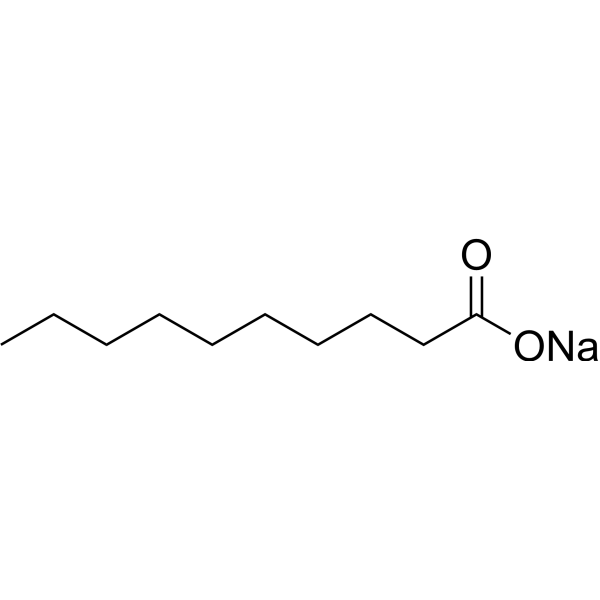
Decanoic acid sodium, also known as Decanoic acid sodium, is a salt of the fatty acid capric acid. It is easily soluble in water and has a slightly soapy smell. Decanoic acid sodium acts as a penetration enhancer, which means it increases the absorption and bioavailability of drugs across biological membranes, including the intestinal epithelium and the blood-brain barrier. This property makes it useful in pharmaceutical formulations to improve drug delivery and effectiveness. Furthermore, Decanoic acid sodium has potential applications in food preservatives and cosmetics due to its antibacterial properties.
loading...
    loading...
4
4 Cited Publications
Cat. No.: HY-78726
CAS No.: 226700-79-4
Synonyms: Amprenavir phosphate; GW 433908
Research Areas:  

Infection

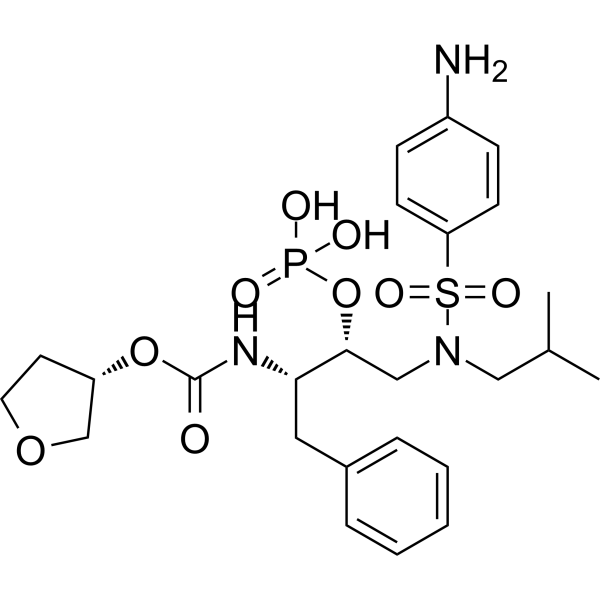
Fosamprenavir is an orally active inhibitor targeting HIV-1 protease and is a prodrug of Amprenavir (HY-17430). Fosamprenavir is hydrolyzed into Amprenavir (VX-478) by cell phosphatases in the intestinal epithelium. Amprenavir binds to the active site of HIV-1 protease, preventing the processing of viral gag and gag-pol polyprotein precursors, thereby inhibiting the formation of mature infectious virus particles and exerting anti-HIV-1 infection activity. Fosamprenavir can be used for the study of human immunodeficiency virus (HIV-1) infection .
loading...
    loading...
4
4 Cited Publications
Cat. No.: HY-17431
CAS No.: 226700-81-8
Synonyms: GW433908G
Research Areas:  

Infection

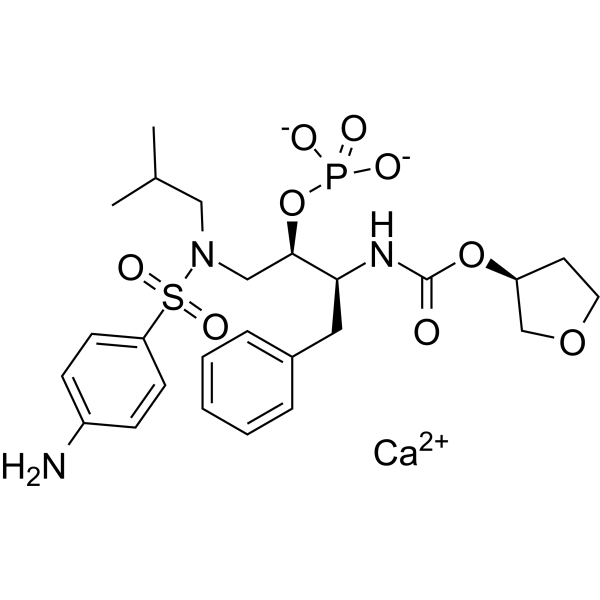
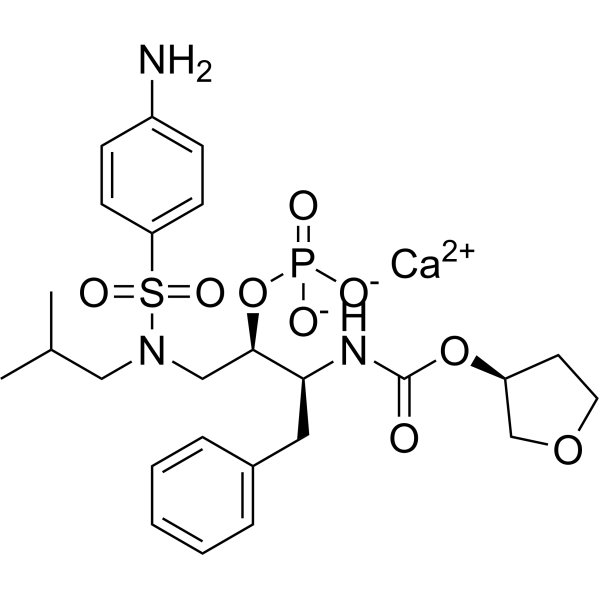
Fosamprenavir Calcium Salt (GW433908G) is an orally active inhibitor targeting HIV-1 protease and is a prodrug of Amprenavir (HY-17430). Fosamprenavir Calcium Salt is hydrolyzed into Amprenavir (VX-478) by cell phosphatases in the intestinal epithelium. Amprenavir binds to the active site of HIV-1 protease, preventing the processing of viral gag and gag-pol polyprotein precursors, thereby inhibiting the formation of mature infectious virus particles and exerting anti-HIV-1 infection activity. Fosamprenavir Calcium Salt can be used for the study of human immunodeficiency virus (HIV-1) infection .
loading...
    loading...
Cat. No.: HY-P1024
CAS No.: 223460-79-5
Synonyms: GLP-2 (human); Glucagon-like peptide 2 (human)
Target:  

GCGR

Research Areas:  

Metabolic Disease

GLP-2(1-33) (human) is an enteroendocrine hormone which can bind to the GLP-2 receptor and stimulate the growth of intestinal epithelium.
loading...
    loading...
Cat. No.: HY-N0469R
CAS No.: 56-87-1
L-Lysine (Standard) is the analytical standard of L-Lysine. This product is intended for research and analytical applications. L-lysine is an essential amino acid for humans with orally activity. L-lysine can inhibit the occurrence of HSV infections and is used in herpes research. L-lysine increases calcium absorption, reduces diabetes-related diseases, improves gut health, and alleviates pancreatic inflammation. L-lysine can be used in research on metabolism, infection, and inflammation . IC50 & Target:L-lysine (150 mg/kg) promotes, but not initiates, bladder cancer. The administration of L-lysine to rats submitted to colovesical cystoplasty accelerates the development of transitional metaplasia of the intestinal epithelium .
L-lysine (10 mg/kg) treatment attenuates pancreatic tissue injury induced by L-arginine by inhibiting the release of the inflammatory cytokine IL-6 and enhance antioxidant activity . In Vivo:L-lysine (10?mg/kg, p.o., pre-treated or post-treated, administration duration 15 days) treatment attenuates pancreatic tissue injury induced by L-arginine by inhibiting the release of the inflammatory cytokine IL-6 and enhance antioxidant activity in acute pancreatitis mice model . L-lysine (5 or 10?mg/kg, p.o., 45 days) ameliorates sepsis-induced acute lung injury in a lipopolysaccharide (HY-D1056)-induced mouse model .
loading...
    loading...
Cat. No.: HY-B2203
CAS No.: 27214-00-2
Target:  

Phosphatase

Research Areas:  

Metabolic Disease

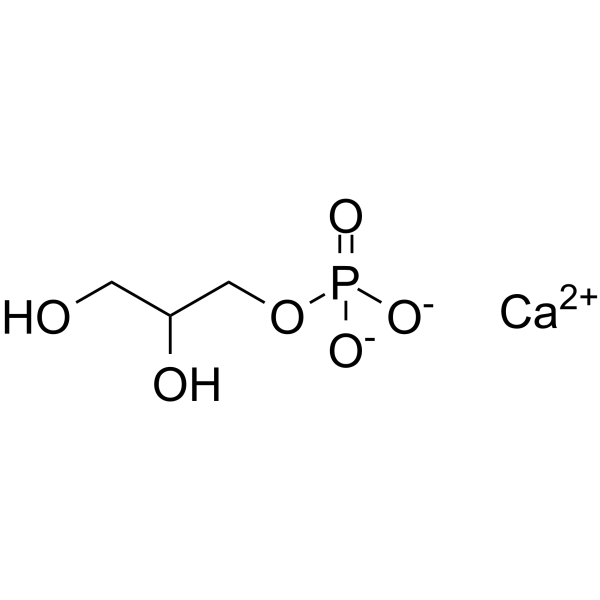
Monocalcium glycerophosphate is an inhibitor of intestinal alkaline phosphatase F3, and it has anti-cavity properties. Monocalcium glycerophosphate is a source of calcium and phosphorus in total parenteral nutrition solutions, helps prevent the mineralization and development of bones from intravenous nutrition, and maintains the integrity of the intestinal epithelium .
loading...
    loading...
Cat. No.: HY-131286A
CAS No.: 441765-97-5
Synonyms: LY-544344 (hydrochloride)
Target:  

Drug Derivative mGluR

Research Areas:  

Neurological Disease

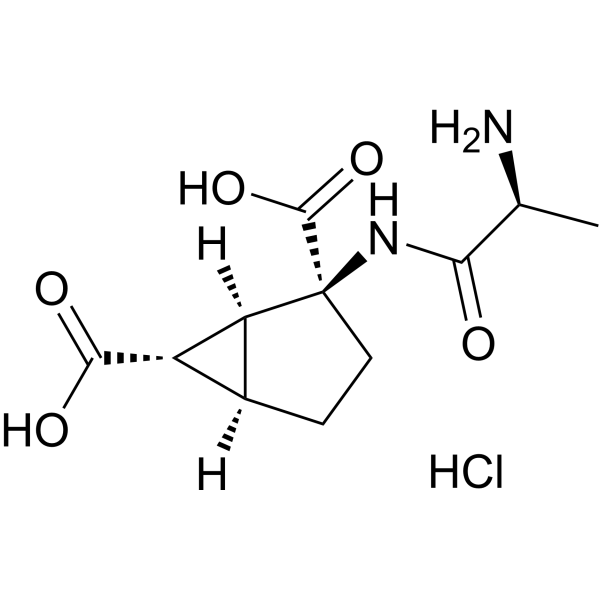
Talaglumetad hydrochloride (LY-544344 hydrochloride) is an orally active prodrug of Eglumegad (HY-18941) and a metabotropic glutamate receptor 2/3 (mGluR2/3) agonist. Talaglumetad hydrochloride undergoes transmembrane transport via the intestinal peptide transporter hPepT1, and is enzymatically hydrolyzed to produce L-alanine and the parent drug Eglumegad after entering the body. Talaglumetad hydrochloride can be used in research related to metabotropic glutamate receptor 2-associated neurological systems .
loading...
    loading...
Cat. No.: HY-N12323
CAS No.: 32581-31-0
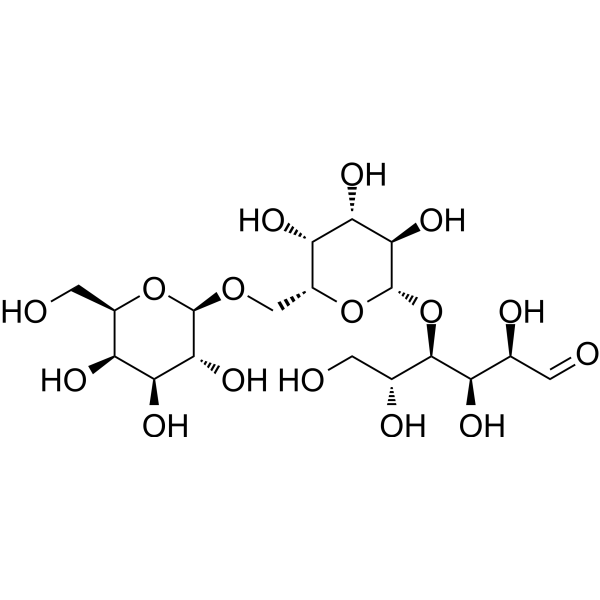
6′-Galactosyllactose is the main oligosaccharide that makes up galactose, a component of human milk. 6′-Galactosyllactose can synthesize human milk oligosaccharides and synthetic galactosyllactose with 3′-Galactosyllactose and 4′-Galactosyllactose, and reduce inflammation in human T84, NCM-460 and H4 cells and intestinal tissues .
loading...
    loading...
Cat. No.: HY-161343
CAS No.: 2373280-36-3
Research Areas:  

Inflammation/Immunology

HDL-16 is a potent P2Y14R antagonist with an IC50 of 0.3095 nM. HDL-16 ameliorates DSS (HY-116282C)-induced colitis through suppressing necroptosis of intestinal epithelium cells (IECs) and protecting mucosal barrier function .
loading...
    loading...
Cat. No.: HY-78726S
CAS No.: 1133702-41-6
Synonyms: Amprenavir phosphate-d4; GW 433908-d4
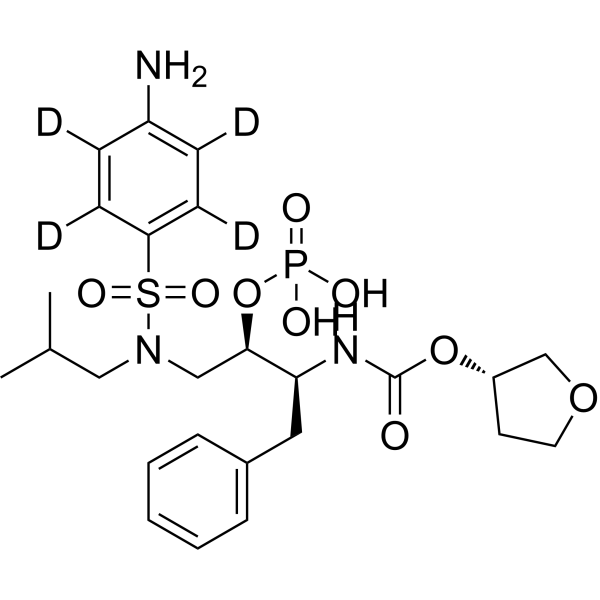
Fosamprenavir-d4 is the Deuterium-labeled Fosamprenavir (HY-78726). Fosamprenavir is an orally active inhibitor targeting HIV-1 protease and is a prodrug of Amprenavir (HY-17430). Fosamprenavir is hydrolyzed into Amprenavir (VX-478) by cell phosphatases in the intestinal epithelium. Amprenavir binds to the active site of HIV-1 protease, preventing the processing of viral gag and gag-pol polyprotein precursors, thereby inhibiting the formation of mature infectious virus particles and exerting anti-HIV-1 infection activity. Fosamprenavir can be used for the study of human immunodeficiency virus (HIV-1) infection .
loading...
    loading...
Cat. No.: HY-P11422
Target:  

Inhibitory Antibodies

Research Areas:  

Infection

CKS9 is an M cell-targeting polypeptide with the amino acid sequence CKSTHPLSC, forming a 9-mer peptide via cyclization through a disulfide bond between the two cysteine residues. CKS9 is obtained through phage display technology screening and has high affinity for M cells. CKS9 can promote chitosan nanoparticles to cross M cells and enter the follicle-associated epithelium (FAE) of intestinal Peyer's patches (PP). CKS9 can be used in studies related to swine dysentery and oral delivery .
loading...
    loading...
Cat. No.: HY-401721
CAS No.: 204852-67-5
Research Areas:  

Others

5-CNAC is an orally active enhancer of absorption, with no pharmacological activity on its own. 5-CNAC can significantly enhance the absorption efficiency of the drug (such as Salmon calcitonin (HY-P0090)) when administered together with it in the gastrointestinal tract. 5-CNAC binds reversibly and non-covalently to peptide drugs, protecting them from degradation by gastrointestinal enzymes, increasing their lipid solubility, promoting passive transcellular absorption, and not damaging the integrity of the intestinal epithelium. 5-CNAC can be used in the research of adjuvants for orally administered peptide agents .
loading...
    loading...
Cat. No.: HY-P5070
CAS No.: 142155-24-6
Gluten Exorphin A5 is an orally active δ-opioid receptor ligand. Gluten Exorphin A5 exhibits opioid agonist biological activity, analgesic activity, stress-induced analgesia regulatory effects, memory-promoting effects, and non-cytotoxicity. Gluten Exorphin A5 modulates intestinal permeability, can cross in vitro human intestinal epithelial cells via paracellular transport, and resists brush border peptidase hydrolysis. Gluten Exorphin A5 can be used in the research of stress-related processes and cognitive processes .
loading...
    loading...
Cat. No.: HY-78726A
CAS No.: 226700-80-7
Synonyms: Amprenavir phosphate sodium; GW 433908 sodium
Research Areas:  

Infection

Fosamprenavir sodium is an orally active inhibitor targeting HIV-1 protease and is a prodrug of Amprenavir (HY-17430). Fosamprenavir sodium is hydrolyzed into Amprenavir (VX-478) by cell phosphatases in the intestinal epithelium. Amprenavir binds to the active site of HIV-1 protease, preventing the processing of viral gag and gag-pol polyprotein precursors, thereby inhibiting the formation of mature infectious virus particles and exerting anti-HIV-1 infection activity. Fosamprenavir sodium can be used for the study of human immunodeficiency virus (HIV-1) infection .
loading...
    loading...
Cat. No.: HY-78726S2
Synonyms: Amprenavir phosphate-13C6; GW 433908-13C6
Fosamprenavir- 13C6 is the 13C-labeled Fosamprenavir (HY-78726). Fosamprenavir is an orally active inhibitor targeting HIV-1 protease and is a prodrug of Amprenavir (HY-17430). Fosamprenavir is hydrolyzed into Amprenavir (VX-478) by cell phosphatases in the intestinal epithelium. Amprenavir binds to the active site of HIV-1 protease, preventing the processing of viral gag and gag-pol polyprotein precursors, thereby inhibiting the formation of mature infectious virus particles and exerting anti-HIV-1 infection activity. Fosamprenavir can be used for the study of human immunodeficiency virus (HIV-1) infection .
loading...
    loading...
Cat. No.: HY-17431R
CAS No.: 226700-81-8
Synonyms: GW433908G (Standard)
Fosamprenavir Calcium Salt (GW433908G) (Standard) is the analytical standard of Fosamprenavir Calcium Salt (HY-17431R). This product is intended for research and analytical applications. Fosamprenavir Calcium Salt (GW433908G) is an orally active inhibitor targeting HIV-1 protease and is a prodrug of Amprenavir (HY-17430). Fosamprenavir Calcium Salt is hydrolyzed into Amprenavir (VX-478) by cell phosphatases in the intestinal epithelium. Amprenavir binds to the active site of HIV-1 protease, preventing the processing of viral gag and gag-pol polyprotein precursors, thereby inhibiting the formation of mature infectious virus particles and exerting anti-HIV-1 infection activity. Fosamprenavir Calcium Salt can be used for the study of human immunodeficiency virus (HIV-1) infection .
loading...
    loading...
Cat. No.: HY-156957
CAS No.: 300718-75-6
Research Areas:  

Others

5-CNAC disodium is an orally active enhancer of absorption, with no pharmacological activity on its own. 5-CNAC disodium can significantly enhance the absorption efficiency of the drug (such as Salmon calcitonin (HY-P0090)) when administered together with it in the gastrointestinal tract. 5-CNAC disodium binds reversibly and non-covalently to peptide drugs, protecting them from degradation by gastrointestinal enzymes, increasing their lipid solubility, promoting passive transcellular absorption, and not damaging the integrity of the intestinal epithelium. 5-CNAC disodium can be used in the research of adjuvants for orally administered peptide agents .
loading...
    loading...
Cat. No.: HY-138198A
Target:  

Acyltransferase

Research Areas:  

Infection

YIC-C8-434 is an orally active ACAT inhibitor. YIC-C8-434 selectively blocks cholesterol esterification in intestinal epithelial cells and hepatocytes without affecting the production of triglycerides or phospholipids. YIC-C8-434 effectively reduces intracellular cholesteryl ester levels and induces an increase in lipid droplet volume, exhibiting excellent cholesterol-lowering activity and safety. YIC-C8-434 disrupts the assembly of hepatitis C virus (HCV) virions, reduces HCV RNA synthesis and viral particle release. YIC-C8-434 can be used in studies related to hepatitis C virus infection .
loading...
    loading...
Cat. No.: HY-N17685
CAS No.: 98474-77-2
Pseudoginsenoside RT4 is an orally active anti-inflammatory agent. Pseudoginsenoside RT4 can be isolated from Panax pseudoginseng subsp. Himalaicus, Panax vietnamensis Ha et Grushv, and Panax quinquefolius L. Pseudoginsenoside RT4 reduces the levels of TNF-α, IL-6, and IL-1β, elevates the level of IL-10, improves the histopathological features of colon tissue, maintains the ultrastructure of colonic epithelium, protects the integrity of cell monolayers, increases the expression of tight junction proteins, raises the total content of short-chain fatty acids, corrects intestinal flora disorder, reduces the disease activity index score, restores colon length, and decreases the spleen index. Pseudoginsenoside RT4 exhibits hepatoprotective effects. Pseudoginsenoside RT4 can be used in studies related to ulcerative colitis .
loading...
    loading...

