



1. Search Result
Search Result
Results for "

intestinal immunity

" in MedChemExpress (MCE) Product Catalog:

48

Inhibitors & Agonists

1

Screening Libraries

3

Biochemical Assay Reagents

3

Peptides

3

Inhibitory Antibodies

18

Natural
Products

6

Isotope-Labeled Compounds

1

Oligonucleotides

Cat. No. Product Name Target Research Areas Chemical Structure
  • HY-B1204
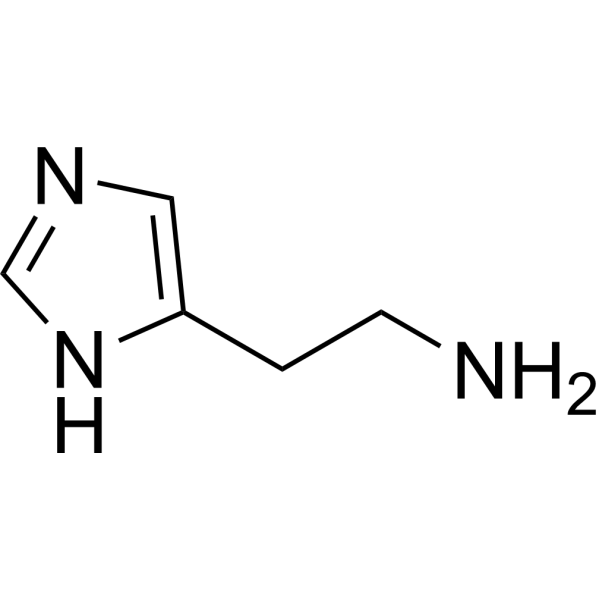
    Histamine
    Maximum Cited Publications
    20 Publications Verification

    Ergamine

    Histamine Receptor p38 MAPK Akt Reactive Oxygen Species (ROS) Apoptosis Endogenous Metabolite Neurological Disease Inflammation/Immunology Endocrinology Cancer
    Histamine is the agonist for histamine receptor and a vasodilator. Histamine is an organic nitrogen compound that participates in local immune responses, regulates intestinal physiological functions, and acts as a neurotransmitter. Histamine affects p38 MAPK/Akt signaling pathway, exhibits antitumor, antioxidant and anti-inflammatory activities. Histamine can be used in the research of acute myeloid leukemia, malignant melanoma, and renal cell carcinoma .
    Histamine
  • HY-N7075
    Inulin
    4 Publications Verification

    Endogenous Metabolite Infection Neurological Disease Metabolic Disease Cancer
    Inulin is an orally active prebiotic targeting the intestinal microbiota, selectively promoting the proliferation and activity of beneficial bacteria such as bifidobacteria and lactic acid bacteria, and playing a role in regulating the intestinal microecology. The functions of Inulin include: Fermentation by probiotics in the colon to produce short-chain fatty acids (such as butyrate and propionate), lowering the intestinal pH and inhibiting the overgrowth of harmful bacteria; Enhancing the intestinal barrier function and reducing endotoxin translocation; Directly scavenging free radicals (such as superoxide free radicals, hydroxyl free radicals) and activating antioxidant enzymes (SOD, CAT) to reduce oxidative stress. Inulin can also be used in the study of intestinal diseases (constipation, IBD), metabolic syndrome (diabetes, obesity) and liver damage by regulating glucose and lipid metabolism (such as reducing triglycerides, improving insulin sensitivity) and immune response (enhancing NK cell activity, inhibiting inflammatory factors)[1][2][3][4].
    Inulin
  • HY-B0722
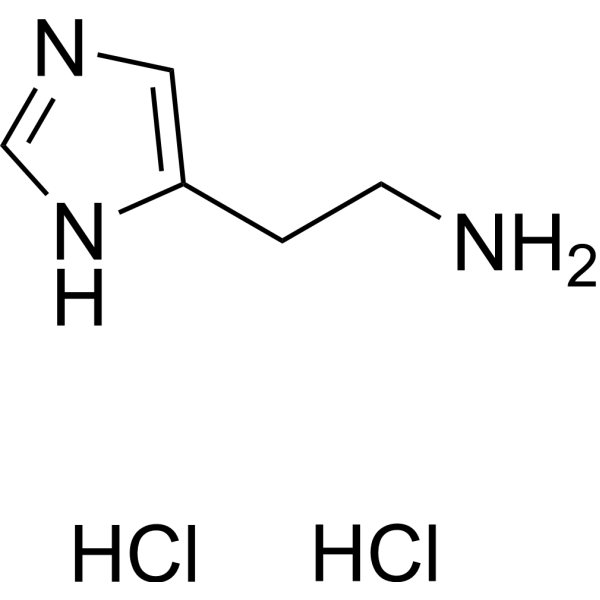
    Histamine dihydrochloride
    Maximum Cited Publications
    20 Publications Verification

    Histamine Receptor p38 MAPK Akt Reactive Oxygen Species (ROS) Apoptosis Endogenous Metabolite Neurological Disease Inflammation/Immunology Endocrinology Cancer
    Histamine dihydrochloride is the agonist for histamine receptor and a vasodilator. Histamine dihydrochloride is an organic nitrogen compound that participates in local immune responses, regulates intestinal physiological functions, and acts as a neurotransmitter. Histamine dihydrochloride affects p38 MAPK/Akt signaling pathway, exhibits antitumor, antioxidant and anti-inflammatory activities. Histamine dihydrochloride can be used in the research of acute myeloid leukemia, malignant melanoma, and renal cell carcinoma .
    Histamine dihydrochloride
  • HY-N9448
    Lacto-N-tetraose
    1 Publications Verification

    Bacterial Infection Inflammation/Immunology
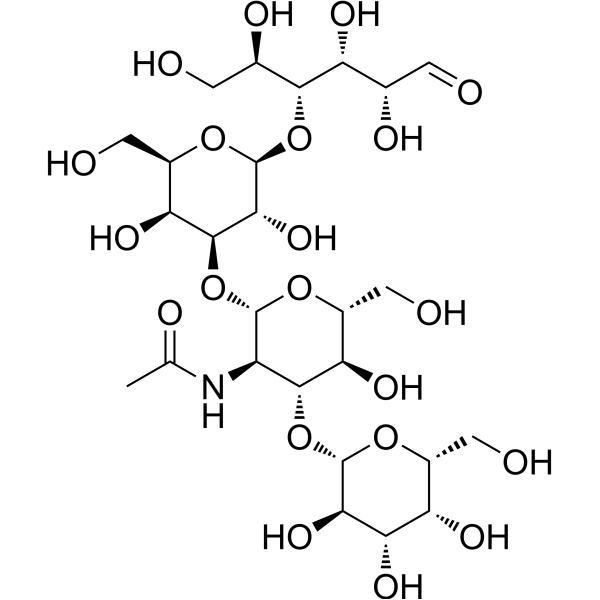
    Lacto-N-tetraose is the significant core structure of human milk oligosaccharides (HMOs) naturally existing in human milk. Lacto-N-tetraose is consist of galactose, N-acetylglucosamine, and glucose moieties. Lacto-N-tetraose has prebiotic effect, immune regulatory effect, anti-inflammatory effects, intestinal cell responses regulatory effect, antibacterial activity and antiviral activity. Lacto-N-tetraose has been widely added to infant formula .
    Lacto-N-tetraose
  • HY-A0129
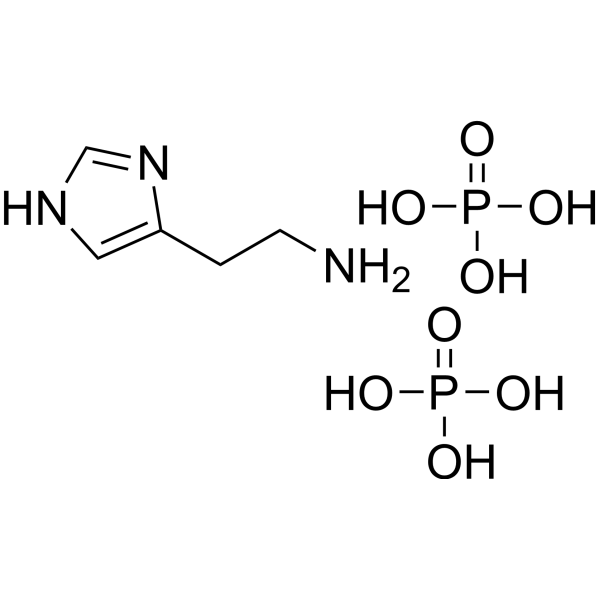
    Histamine phosphate
    Maximum Cited Publications
    20 Publications Verification

    Histamine diphosphate

    Histamine Receptor p38 MAPK Akt Reactive Oxygen Species (ROS) Apoptosis Endogenous Metabolite Neurological Disease Inflammation/Immunology Endocrinology Cancer
    Histamine phosphate is the agonist for histamine receptor and a vasodilator. Histamine phosphate is an organic nitrogen compound that participates in local immune responses, regulates intestinal physiological functions, and acts as a neurotransmitter. Histamine phosphate affects p38 MAPK/Akt signaling pathway, exhibits antitumor, antioxidant and anti-inflammatory activities. Histamine phosphate can be used in the research of acute myeloid leukemia, malignant melanoma, and renal cell carcinoma .
    Histamine phosphate
  • HY-143712
    Allolithocholic acid
    1 Publications Verification

    Drug Metabolite G protein-coupled Bile Acid Receptor 1 ROR Metabolic Disease Inflammation/Immunology Cancer
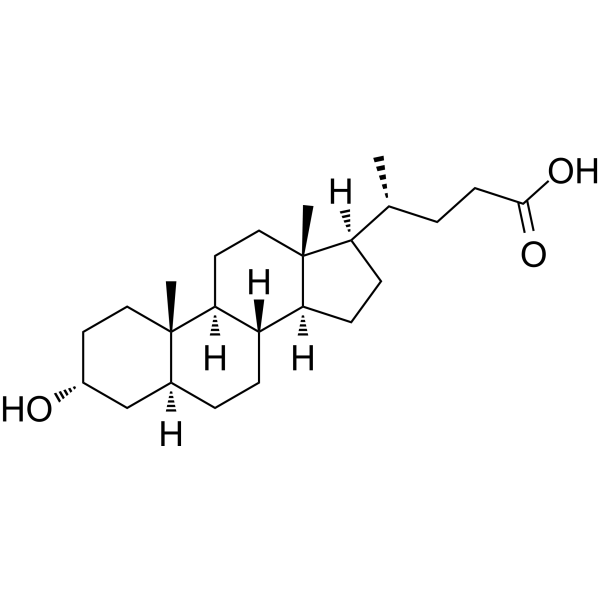
    Allolithocholic acid is an orally active metabolite of Lithocholic acid (HY-B0172). Allolithocholic acid is a dual GPBAR1 agonist (EC50 = 2.7 μM) and RORγt inverse agonist (IC50 = 3.4 μM). Allolithocholic acid modulates immune and metabolic pathways, regulates immune cell polarization, prevents M1 macrophage and Th17 CD4 cell polarization. Allolithocholic acid improves insulin sensitivity, reduces liver lipid accumulation, reverses liver immunological, inflammatory and metabolic signaling dysregulation, restores bile acid homeostasis, adipose tissue histopathology/function, and intestinal microbiota composition, modulates intestinal immunity. Allolithocholic acid can be used for the researches of cancer, inflammayion, immunology and metabolic disease .
    Allolithocholic acid
  • HY-P4855
    CRAMP (mouse)
    1 Publications Verification

    Bacterial TNF Receptor Infection Inflammation/Immunology
    CRAMP (mouse) is an antibacterial peptide and a functional homolog of LL-37 . CRAMP (mouse) exhibits potent antibacterial activity against Gram-negative bacteria . The complex formed by CRAMP (mouse) and CpG can activate macrophages to secrete TNF-α . CRAMP (mouse) plays a key role in wound healing, immune regulation and maintenance of intestinal homeostasis .
    CRAMP (mouse)
  • HY-112624I

    Dextran 3; Dextran D3; Dextran T3(MW 2400-3600)

    Bacterial Others
    Dextran T3 (Dextran 3; Dextran T3(MW 2400-3600)) is a neural tracer and intestinal permeability probe that can move anterogradely and retrogradely in neuronal axons by passive diffusion. Dextran T3 (MW 3,000) is able to permeate across the intestinal epithelial cell membrane in the presence of cholera toxin-induced cytoskeletal disturbance. Dextran T3 (MW 3,000) is used as a fluorescent marker to rapidly label developing neurons (such as Xenopus retinal ganglion cells) and to assess intestinal barrier function. It can be used to study axonal transport in neuroanatomy and permeability changes in intestinal pathophysiology. The Dextran series of compounds are also natural polysaccharide drug carriers that can be connected to drugs through covalent bonding methods such as ester bonds, amide bonds or click chemistry, or self-assembled to form carriers such as nanoparticles and hydrogels. Dextran is biodegradable and biocompatible, and can achieve targeted delivery and controlled release of drugs. Dextran derivatives can prolong the half-life of drugs, increase local concentrations, and reduce the activity of immune clearance .
    Dextran T3 (MW 3,000)
  • HY-N0626

    Environmental Pollutants Bacterial Endogenous Metabolite Fungal Antibiotic Infection Neurological Disease Cancer
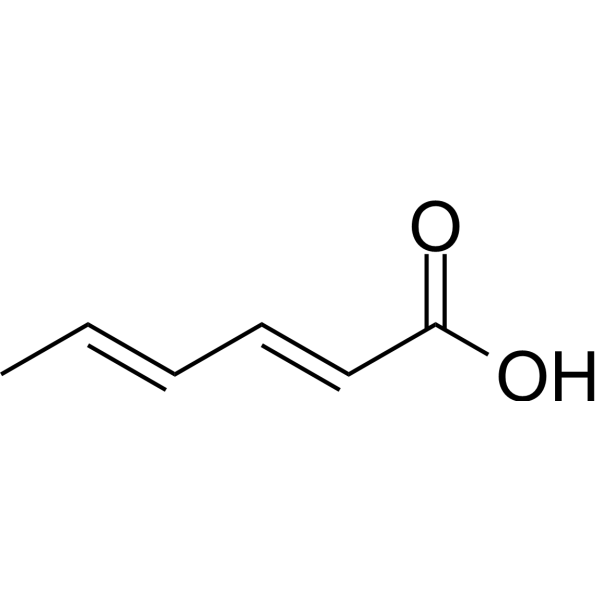
    Sorbic acid is an antibacterial preservative effective against most molds, yeasts, and some bacterial species. Sorbic acid inhibits microbial growth. Sorbic acid suppresses the activity of intestinal microorganisms in zebrafish, alters the composition of intestinal flora, and reduces the levels of intestinal immune biomarkers, including IgG, IL-1β, and TNF-α. Sorbic acid can be used in research on the prevention and treatment of mold, yeast, and bacterial infections .
    Sorbic acid
  • HY-N0626A

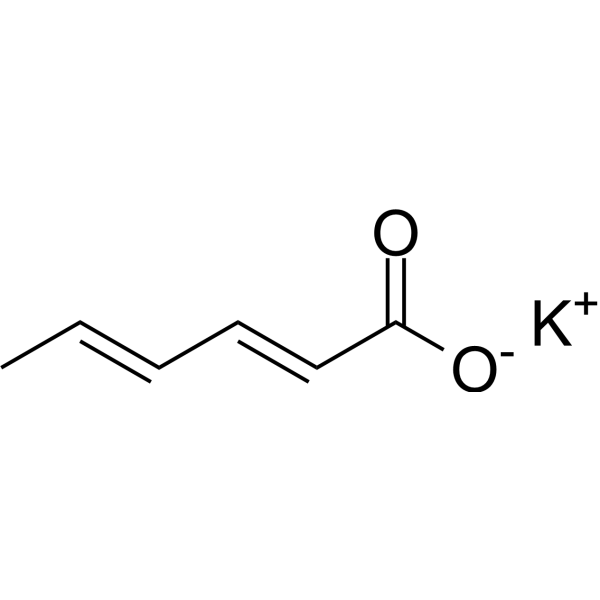
    Sorbic acid potassium

    Environmental Pollutants Endogenous Metabolite Antibiotic Bacterial Fungal Infection
    Potassium sorbate (Sorbic acid potassium) is an antibacterial preservative effective against most molds, yeasts, and some bacterial species. Potassium sorbate inhibits microbial growth. Potassium sorbate suppresses the activity of intestinal microorganisms in zebrafish, alters the composition of intestinal flora, and reduces the levels of intestinal immune biomarkers, including IgG, IL-1β, and TNF-α. Potassium sorbate can be used in research on the prevention and treatment of mold, yeast, and bacterial infections .
    Potassium sorbate
  • HY-W019806

    LNFP I

    Endogenous Metabolite CDK Reactive Oxygen Species (ROS) Apoptosis Enterovirus Bacterial Infection Inflammation/Immunology
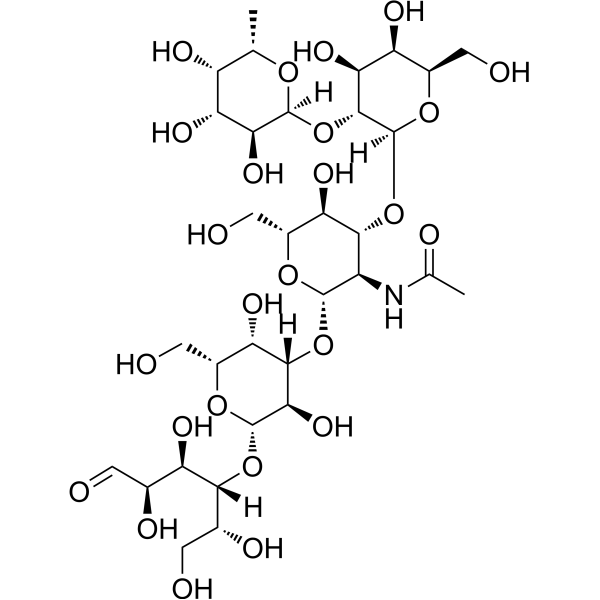
    Lacto-N-fucopentaose I (LNFPI) is a human milk oligosaccharide (HMO), possessing antiviral and antibacterial activity. Lacto-N-fucopentaose I can reduce capsid protein VP1 to block virus adsorption, promote CDK2 and reduce cyclin E to recover cell cycle S phase block. Lacto-N-fucopentaose I inhibits ROS production and apoptosis in virus-infected cells. Lacto-N-fucopentaose I can also regulate intestinal microbiota to affect immune system development .
    Lacto-N-fucopentaose I
  • HY-D1056A2

    LPS, from Escherichia coli (O127:B8)

    Toll-like Receptor (TLR) Inflammation/Immunology
    Lipopolysaccharides, from E. coli O127:B8 (LPS, from Escherichia coli (O127:B8)) are endotoxins and TLR4 activators extracted from Escherichia coli (E. coli O127:B8) and are classified as S (smooth) type LPS. Lipopolysaccharides, from E. coli O127:B8 possess the typical three-part structure: O-antigen, R3-type core oligosaccharide, and lipid A. Lipopolysaccharides, from E. coli O127:B8 activate TLR-4 in immune cells, can induce inflammatory responses and ileal contractility, and can be used to construct intestinal inflammation models .
    It is recommended to prepare a solution with concentration ≥2 mg/mL. Vortex thoroughly for more than 10 minutes. Due to the adsorption characteristics of LPS, silanized container or low adsorption centrifuge tubes should be used for aliquoting and storage, and mix thoroughly before use.
    Lipopolysaccharides, from E. coli O127:B8
  • HY-P99917

    STAT Infection Inflammation/Immunology
    Eflepedocokin alfa is a recombinant fusion protein. Eflepedocokin alfa consists of human IL-22 fused to human IgG2-Fc domain. Eflepedocokin alfa leads to the activation of IL-22/IL-22R-mediated signal transduction pathways as well as STAT3. Eflepedocokin alfa plays a role in immune response and bacterial infection, enhancing intestinal barrier function, intestinal immunity, and tissue repair .
    Eflepedocokin alfa
  • HY-N0465

    Antibiotic Bacterial Infection
    Olaquindox, a quinoxalin derivative, is an orally active antibiotic. Olaquindox stimulates growth and decreases intestinal mucosal immunity of piglets .
    Olaquindox
  • HY-P5005

    CMV PD-1/PD-L1 Infection Inflammation/Immunology Cancer
    VIPhyb is a vasoactive intestinal polypeptide (VIP) receptor antagonist. VIPhyb can inhibit VIP signaling, increase T-cell immunity and downregulate PD1. VIPhyb can inhibit cancer cell proliferation. VIPhyb can reduce inflammatory cytokine expression. VIPhyb can enhance viral clearance. VIPhyb can be used for the researches of cancer, infection and inflammation and immunology, such as non-small cell lung cancer (NSCLC), cytomegalovirus infection and colitis .
    VIPhyb
  • HY-178129

    Syk Inflammation/Immunology
    MRL-SYKi is a chemical probe for gain-of-function variants of spleen tyrosine kinase (SYK). MRL-SYKi reduces the catalytic activity of SYK S550Y, SYK S550F and SYK P342T, and downregulates the phosphorylation level of SYK S550Y. MRL-SYKi serves as a template for developing NanoBRET tracers targeting SYK, enabling NanoBRET cellular target engagement assays for gain-of-function variants of SYK. MRL-SYKi is applicable to research related to inflammatory and immune diseases .
    MRL-SYKi
  • HY-W002199

    6:2 FTOH; 1H,1H,2H,2H-Perfluoro-1-octanol; 2-(Perfluorohexyl)ethanol

    Bacterial Apoptosis ERK TNF Receptor Infection Neurological Disease
    6:2 Fluorotelomer alcohol (6:2 FTOH) is an orally active, blood-brain barrier-permeable modulator of cyclin D1 and ETS1. 6:2 Fluorotelomer alcohol downregulates cyclin D1 expression, upregulates ETS1 via the TNF-α/ERK 1/2 pathway, impairs mitochondrial membrane potential and respiratory function, increases reactive oxygen species levels, disrupts calcium homeostasis and activates endoplasmic reticulum stress markers, and induces cell proliferation inhibition and endothelial-mesenchymal transition. Furthermore, 6:2 Fluorotelomer alcohol induces morphological abnormalities in zebrafish embryos and liver developmental damage, while disrupting the brain immune microenvironment in mice, causing systemic toxicity and delayed pup maturation in CD-1 mice. 6:2 Fluorotelomer alcohol also induces cortical neuron apoptosis, glial cell activation, synaptic abnormalities, colonic barrier damage, intestinal dysbiosis and autism spectrum disorder-like symptoms in mice. 6:2 Fluorotelomer alcohol shows no mutagenic, clastogenic, primary skin/eye irritation or skin sensitizing effects, exhibits no selective reproductive toxicity in CD-1 mice, and is classified as GHS Category 4 for acute oral toxicity. 6:2 Fluorotelomer alcohol can be used in studies of neurodevelopmental disorders and autism spectrum disorders .
    6:2 Fluorotelomer alcohol
  • HY-N15135

    Interleukin Related Toll-like Receptor (TLR) Fungal Metabolic Disease
    Arabinoxylan Medium viscosity is an orally active Dectin-1 splice variant modulator, glucose absorption inhibitor, and chyme viscosity enhancer. Arabinoxylan Medium viscosity inhibits particulate β-glucan-induced Dectin-1A activation and mildly suppresses Dectin-1B activation. In human dendritic cells stimulated with particulate β-glucan, Arabinoxylan Medium viscosity reduces the production of IL-10 and TNF-α, and increases the production of IL-4 and IL-23. Arabinoxylan Medium viscosity also supports antifungal immune responses without activating TLR2, TLR4 or TLR5, and does not induce cytokine production when used to stimulate human dendritic cells alone. Arabinoxylan Medium viscosity increases small intestinal chyme viscosity, gets degraded in the large intestine to produce short-chain fatty acids, reduces glucose absorption and insulin response, and improves glucose homeostasis. Arabinoxylan Medium viscosity supports microbial fermentation and the growth of beneficial microbiota in the gastrointestinal tract, prevents bile acid reabsorption, and delays starch digestion. Arabinoxylan Medium viscosity can be used in research related to type 2 diabetes, impaired glucose tolerance, and metabolic syndrome .
    Arabinoxylan (Medium viscosity)
  • HY-W041892
    Dimethyl itaconate
    1 Publications Verification

    Reactive Oxygen Species (ROS) Infection Neurological Disease Inflammation/Immunology
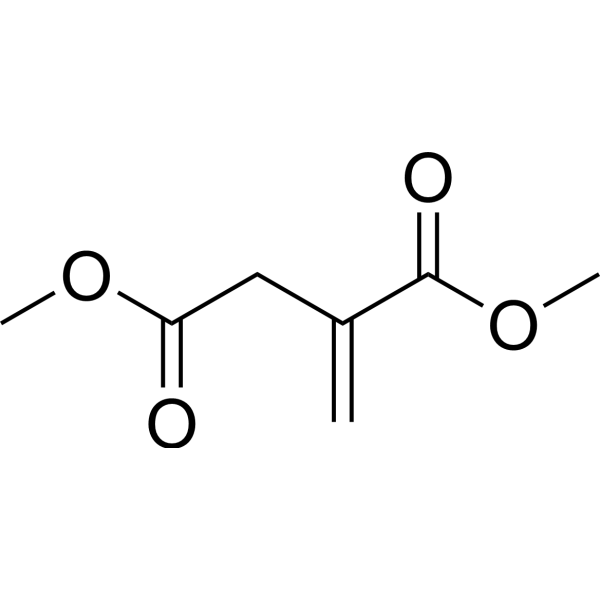
    Dimethyl itaconate induces innate immune memory (trained immunity), and exhibits immunomodulatory property. Dimethyl itaconate inhibits the activation of microglia, reduces the neuroinflammation and synaptic structural damage. Dimethyl itaconate regulates the composition of intestinal flora .
    Dimethyl itaconate
  • HY-119684

    NOD-like Receptor (NLR) Interleukin Related Neurological Disease Inflammation/Immunology
    Maresin 2 is an anti-inflammatory and pro-resolving mediator. Maresin 2 drives intestinal epithelial cell migration by activating the focal cell-matrix adhesion signaling pathway in primary human intestinal epithelial cells, thereby promoting mucosal wound repair. Maresin 2 alleviates nociceptive and anxiety-like behaviors in rats with type 1 diabetes by inhibiting IL-1β in the spinal cord and prefrontal cortex. Maresin 2 attenuates allergic airway inflammation in mice by inhibiting the activation of the NLRP3 inflammasome, Th2-type immune responses, and oxidative stress. Maresin 2 inhibits inflammatory and neuropathic trigeminal neuralgia and reduces neuronal activation in the trigeminal ganglion. Maresin 2 promotes inflammation resolution and mucosal repair after DSS-induced colitis or biopsy-induced colonic mucosal injury .
    Maresin 2
  • HY-B1953
    Thiacloprid
    1 Publications Verification

    Environmental Pollutants Insecticide nAChR Infection
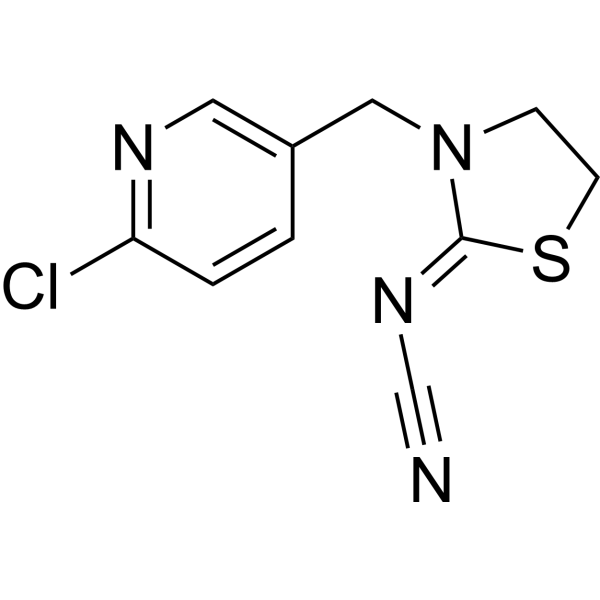
    Thiacloprid is an orally active neurotoxic insecticide and also a nAChR agonist. Thiacloprid reduces the viability of healthy cells, depletes reduced glutathione, and increases MDA levels, thereby inducing cytotoxicity and oxidative stress damage. In practical applications, Thiacloprid has lower acute toxicity to honeybees than other compounds of the same class such as Imidacloprid (HY-B0838), but it still significantly impairs the learning and memory function, immune capacity and survival status of honeybees. Thiacloprid induces intestinal microbial dysbiosis and reduces survival rate in middle-aged honeybees, increases the risk of premature collapse in bumblebee colonies, and significantly decreases the final colony weight and reproductive output. Thiacloprid is used in broad-spectrum agricultural pest control, often alone or in combination with Deltamethrin (HY-B1971), and meets the pest management needs of various crops including potatoes, cabbages, various fruits and vegetables, and nuts .
    Thiacloprid
  • HY-P990131
    Anti-Mouse CD47/IAP Antibody (MIAP301)
    1 Publications Verification

    CD47 Infection Inflammation/Immunology Cancer
    Anti-Mouse CD47/IAP Antibody (MIAP301) is an anti-mouse CD47/IAP IgG2a monoclonal antibody. Anti-Mouse CD47/IAP Antibody (MIAP301) can effectively block CD47 signaling and enhance macrophage phagocytic function. Anti-Mouse CD47/IAP Antibody (MIAP301) can increase the infiltration of immune cells. Anti-Mouse CD47/IAP Antibody (MIAP301) restores the phagocytic function of myeloid cells and alleviate B cell inhibition. Anti-Mouse CD47/IAP Antibody (MIAP301) may interfere with wound healing. Anti-Mouse CD47/IAP Antibody (MIAP301) can be used for researches on cancer, inflammation and infection conditions such as melanoma, intestinal mucosal repair and sepsis .
    Anti-Mouse CD47/IAP Antibody (MIAP301)
  • HY-12736A
    GSK143 dihydrochloride
    1 Publications Verification

    Syk ERK Inflammation/Immunology Cancer
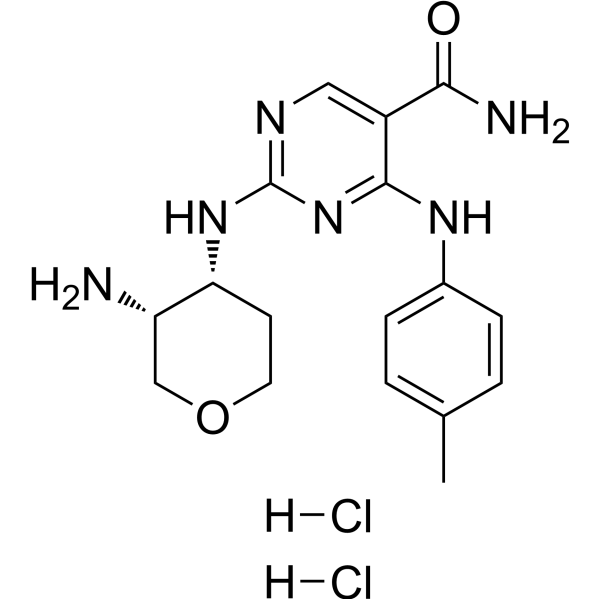
    GSK143 dihydrochloride is an orally active and highly selective spleen tyrosine kinase (SYK) inhibitor with a pIC50 of 7.5. GSK143 dihydrochloride inhibits phosphorylated Erk (pErk: pIC50=7.1) . GSK143 dihydrochloride reduces inflammation and prevents recruitment of immune cells in the intestinal muscularis in mice .
    GSK143 dihydrochloride
  • HY-170522

    HIF/HIF Prolyl-Hydroxylase Inflammation/Immunology
    ISM012-042 is an orally active PHD1 and PHD2 inhibitor with IC50 values of 1.9 and 2.5 nM, respectively. ISM012-042 (2.5 μM) can protect Caco-2 cells from DSS-induced barrier disruption. In lipopolysaccharide (LPS)-induced mouse bone marrow-derived dendritic cells (BMDC), ISM012-042 has anti-inflammatory effects and can dose-dependently reduce the expression of IL-12 subunit IL-12p35 and TNF. ISM012-042 restores intestinal barrier function and alleviates intestinal inflammation in various experimental colitis models. ISM012-042 can be used for intestinal mucosal repair and research into immune diseases .
    ISM012-042
  • HY-P990132

    CD47 Inflammation/Immunology Cancer
    Anti-Mouse/Rat/Human CD47/IAP Antibody (MIAP410) is an anti-mouse/rat/human CD47/IAP IgG1 monoclonal antibody. Anti-Mouse/Rat/Human CD47/IAP Antibody (MIAP410) can effectively block CD47 signaling and enhance macrophage phagocytic function. Anti-Mouse/Rat/Human CD47/IAP Antibody (MIAP410) can increase the infiltration of immune cells. Anti-Mouse/Rat/Human CD47/IAP Antibody (MIAP410) may interfere with wound healing. Anti-Mouse/Rat/Human CD47/IAP Antibody (MIAP410) can be used for researches on cancer and inflammation conditions such as breast cancer and intestinal mucosal repair .
    Anti-Mouse/Rat/Human CD47/IAP Antibody (MIAP410)
  • HY-B1204R

    Ergamine (Standard)

    Reference Standards Histamine Receptor p38 MAPK Akt Reactive Oxygen Species (ROS) Apoptosis Endogenous Metabolite Neurological Disease Inflammation/Immunology Endocrinology Cancer
    Histamine (Standard) is the analytical standard of Histamine (HY-B1204). This product is intended for research and analytical applications. Histamine is the agonist for histamine receptor and a vasodilator. Histamine is an organic nitrogen compound that participates in local immune responses, regulates intestinal physiological functions, and acts as a neurotransmitter. Histamine affects p38 MAPK/Akt signaling pathway, exhibits antitumor, antioxidant and anti-inflammatory activities. Histamine can be used in the research of acute myeloid leukemia, malignant melanoma, and renal cell carcinoma .
    Histamine (Standard)
  • HY-B0722R

    Reference Standards Histamine Receptor p38 MAPK Akt Reactive Oxygen Species (ROS) Apoptosis Endogenous Metabolite Neurological Disease Inflammation/Immunology Endocrinology Cancer
    Histamine dihydrochloride (Standard) is the analytical standard of Histamine dihydrochloride (HY-B0722). This product is intended for research and analytical applications. Histamine dihydrochloride is the agonist for histamine receptor and a vasodilator. Histamine dihydrochloride is an organic nitrogen compound that participates in local immune responses, regulates intestinal physiological functions, and acts as a neurotransmitter. Histamine dihydrochloride affects p38 MAPK/Akt signaling pathway, exhibits antitumor, antioxidant and anti-inflammatory activities. Histamine dihydrochloride can be used in the research of acute myeloid leukemia, malignant melanoma, and renal cell carcinoma .
    Histamine dihydrochloride (Standard)
  • HY-N0626AR

    Sorbic acid potassium (Standard)

    Reference Standards Environmental Pollutants Bacterial Endogenous Metabolite Fungal Antibiotic Infection
    Potassium sorbate (Standard) is the analytical standard of Potassium sorbate. This product is intended for research and analytical applications. Potassium sorbate (Sorbic acid potassium) is an antibacterial preservative effective against most molds, yeasts, and some bacterial species. Potassium sorbate inhibits microbial growth. Potassium sorbate suppresses the activity of intestinal microorganisms in zebrafish, alters the composition of intestinal flora, and reduces the levels of intestinal immune biomarkers, including IgG, IL-1β, and TNF-α. Potassium sorbate can be used in research on the prevention and treatment of mold, yeast, and bacterial infections .
    Potassium sorbate (Standard)
  • HY-N12323

    Others Inflammation/Immunology
    6′-Galactosyllactose is the main oligosaccharide that makes up galactose, a component of human milk. 6′-Galactosyllactose can synthesize human milk oligosaccharides and synthetic galactosyllactose with 3′-Galactosyllactose and 4′-Galactosyllactose, and reduce inflammation in human T84, NCM-460 and H4 cells and intestinal tissues .
    6′-Galactosyllactose
  • HY-B1204S1

    Ergamine-d4

    Isotope-Labeled Compounds Histamine Receptor p38 MAPK Akt Reactive Oxygen Species (ROS) Apoptosis Endogenous Metabolite Neurological Disease Inflammation/Immunology Endocrinology Cancer
    Histamine-d4 (Ergamine-d4) is deuterium labeled Histamine (HY-B1204). Histamine is the agonist for histamine receptor and a vasodilator. Histamine is an organic nitrogen compound that participates in local immune responses, regulates intestinal physiological functions, and acts as a neurotransmitter. Histamine affects p38 MAPK/Akt signaling pathway, exhibits antitumor, antioxidant and anti-inflammatory activities. Histamine can be used in the research of acute myeloid leukemia, malignant melanoma, and renal cell carcinoma .
    Histamine-d4
  • HY-N0626R

    Reference Standards Environmental Pollutants Bacterial Endogenous Metabolite Fungal Antibiotic Infection
    Sorbic acid (Standard) is the analytical standard of Sorbic acid (HY-N0626). This product is intended for research and analytical applications. Sorbic acid is an antibacterial preservative effective against most molds, yeasts, and some bacterial species. Sorbic acid inhibits microbial growth. Sorbic acid suppresses the activity of intestinal microorganisms in zebrafish, alters the composition of intestinal flora, and reduces the levels of intestinal immune biomarkers, including IgG, IL-1β, and TNF-α. Sorbic acid can be used in research on the prevention and treatment of mold, yeast, and bacterial infections .
    Sorbic acid (Standard)
  • HY-P5641
    Pleurocidin
    1 Publications Verification

    Bacterial p38 MAPK NF-κB NADH Dehydrogenase Antibiotic Infection Inflammation/Immunology
    Pleurocidin is an Antimicrobial peptide. Pleurocidin is derived from the skin mucosa or intestinal secretions of Pseudopleuronectes americanus. Pleurocidin inhibits the expression of key proteins in the MAPK and NF-κB inflammatory signaling pathways. Pleurocidin alters serum inflammatory and immune cytokine levels, regulates the down-regulation of tight junction proteins, and modulates the intestinal flora. Pleurocidin exerts antibacterial activity by inducing bacterial membrane damage, hydroxyl radical formation, and NADH depletion, and also produces a synergistic effect with Antibiotics. Pleurocidin alleviates DSS-induced ulcerative colitis. Pleurocidin can be used for research on ulcerative colitis, bacterial infections, and bacterial biofilm-related infections .
    Pleurocidin
  • HY-N9448R

    Reference Standards Bacterial Infection Inflammation/Immunology
    Ethyl 2-chloronicotinate (Standard) is the analytical standard of Ethyl 2-chloronicotinate. This product is intended for research and analytical applications. Ethyl 2-chloronicotinate is a biochemical reagent that can be used as a biological material or organic compound for life science related research.
    Lacto-N-tetraose (Standard)
  • HY-155801

    Toll-like Receptor (TLR) NF-κB TNF Receptor MyD88 Apoptosis DNA/RNA Synthesis Cardiovascular Disease Infection Neurological Disease Inflammation/Immunology Cancer
    CRX 527 is a TLR4 agonist. CRX 527 activates the MyD88-dependent, TRIF-dependent, and TRAF6/NF-κB signaling pathways downstream of TLR4, mimics lipid A, and regulates antigen processing and presentation by dendritic cells. CRX 527 stimulates innate immune responses and enhances vaccine efficacy. CRX 527 maintains the structural integrity of hematopoietic tissues, spleen and intestine, alleviates radiation-induced damage, preserves intestinal homeostasis, and inhibits apoptosis, inflammatory responses, oxidative stress and DNA damage. CRX 527 can be used in the research of acute radiation syndrome, melanoma, HPV-related tumors and intracerebral hemorrhage .
    CRX 527
  • HY-12736

    Syk ERK Inflammation/Immunology Cancer
    GSK143 is an orally active and highly selective spleen tyrosine kinase (SYK) inhibitor with a pIC50 of 7.5. GSK143 inhibits phosphorylated Erk (pErk: pIC50=7.1) . GSK143 reduces inflammation and prevents recruitment of immune cells in the intestinal muscularis in mice .
    GSK143
  • HY-B1204S2

    Ergamine-13C5, 15N3

    Isotope-Labeled Compounds Histamine Receptor p38 MAPK Akt Reactive Oxygen Species (ROS) Apoptosis Endogenous Metabolite Neurological Disease Inflammation/Immunology Endocrinology Cancer
    Histamine- 13C5, 15N3 (Ergamine- 13C5, 15N3) is the 13C and 15N labeled isotope of Histamine (HY-B1204). Histamine is the agonist for histamine receptor and a vasodilator. Histamine is an organic nitrogen compound that participates in local immune responses, regulates intestinal physiological functions, and acts as a neurotransmitter. Histamine affects p38 MAPK/Akt signaling pathway, exhibits antitumor, antioxidant and anti-inflammatory activities. Histamine can be used in the research of acute myeloid leukemia, malignant melanoma, and renal cell carcinoma .
    Histamine-13C5, 15N3
  • HY-143712S1

    3α-hydoxy-5α-Cholaoic Acid-d4, allo-LCA-d4

    Isotope-Labeled Compounds Drug Metabolite G protein-coupled Bile Acid Receptor 1 ROR Metabolic Disease Inflammation/Immunology Cancer
    Allolithocholic Acid-d4 (3α-hydoxy-5α-Cholaoic Acid-d4, allo-LCA-d4) is deuterium labeled Allolithocholic acid (HY-143712). Allolithocholic acid is an orally active metabolite of Lithocholic acid (HY-B0172). Allolithocholic acid is a dual GPBAR1 agonist (EC50 = 2.7 μM) and RORγt inverse agonist (IC50 = 3.4 μM). Allolithocholic acid modulates immune and metabolic pathways, regulates immune cell polarization, prevents M1 macrophage and Th17 CD4 cell polarization. Allolithocholic acid improves insulin sensitivity, reduces liver lipid accumulation, reverses liver immunological, inflammatory and metabolic signaling dysregulation, restores bile acid homeostasis, adipose tissue histopathology/function, and intestinal microbiota composition, modulates intestinal immunity. Allolithocholic acid can be used for the researches of cancer, inflammayion, immunology and metabolic disease .
    Allolithocholic Acid-d4
  • HY-127023

    EPA-5-HT

    Endogenous Metabolite FAAH Interleukin Related Tyrosine Hydroxylase Metabolic Disease
    Eicosapentaenoyl serotonin (EPA-5-HT) is an endogenous fatty acid-serotonin conjugate lipid mediator. Eicosapentaenoyl serotonin acts as an inhibitor of fatty acid amide hydrolase (FAAH). Eicosapentaenoyl serotonin suppresses IL-17 release in Concanavalin A (HY-P2149)-stimulated human peripheral blood mononuclear cells. Eicosapentaenoyl serotonin is regulated by polyunsaturated fatty acids and modulates intestinal immunity and Th17 signaling. Eicosapentaenoyl serotonin can be used for the study of inflammatory bowel disease-related mechanisms .
    Eicosapentaenoyl serotonin
  • HY-B1953R

    Reference Standards nAChR Insecticide Infection
    Thiacloprid (Standard) is the analytical standard of Thiacloprid. This product is intended for research and analytical applications. Thiacloprid is an orally active neurotoxic insecticide and also a nAChR agonist. Thiacloprid reduces the viability of healthy cells, depletes reduced glutathione, and increases MDA levels, thereby inducing cytotoxicity and oxidative stress damage. In practical applications, Thiacloprid has lower acute toxicity to honeybees than other compounds of the same class such as Imidacloprid (HY-B0838), but it still significantly impairs the learning and memory function, immune capacity and survival status of honeybees. Thiacloprid induces intestinal microbial dysbiosis and reduces survival rate in middle-aged honeybees, increases the risk of premature collapse in bumblebee colonies, and significantly decreases the final colony weight and reproductive output. Thiacloprid is used in broad-spectrum agricultural pest control, often alone or in combination with Deltamethrin (HY-B1971), and meets the pest management needs of various crops including potatoes, cabbages, various fruits and vegetables, and nuts .
    Thiacloprid (Standard)
  • HY-N0465R

    Reference Standards Antibiotic Bacterial Infection
    Olaquindox (Standard) is the analytical standard of Olaquindox. This product is intended for research and analytical applications. Olaquindox, a quinoxalin derivative, is an orally active antibiotic. Olaquindox stimulates growth and decreases intestinal mucosal immunity of piglets .
    Olaquindox (Standard)
  • HY-A0129R

    Histamine diphosphate (Standard)

    Reference Standards Histamine Receptor p38 MAPK Akt Reactive Oxygen Species (ROS) Apoptosis Endogenous Metabolite Neurological Disease Inflammation/Immunology Endocrinology Cancer
    Histamine phosphate (Standard) is the analytical standard of Histamine phosphate (HY-A0129). This product is intended for research and analytical applications. Histamine phosphate is the agonist for histamine receptor and a vasodilator. Histamine phosphate is an organic nitrogen compound that participates in local immune responses, regulates intestinal physiological functions, and acts as a neurotransmitter. Histamine phosphate affects p38 MAPK/Akt signaling pathway, exhibits antitumor, antioxidant and anti-inflammatory activities. Histamine phosphate can be used in the research of acute myeloid leukemia, malignant melanoma, and renal cell carcinoma .
    Histamine phosphate (Standard)
  • HY-B1204S4

    Ergamine-15N3

    Isotope-Labeled Compounds Histamine Receptor p38 MAPK Akt Reactive Oxygen Species (ROS) Apoptosis Endogenous Metabolite Neurological Disease Inflammation/Immunology Endocrinology Cancer
    Histamine- 15N3 is the 15N3-labeled Histamine (HY-B1204). Histamine is the agonist for histamine receptor and a vasodilator. Histamine is an organic nitrogen compound that participates in local immune responses, regulates intestinal physiological functions, and acts as a neurotransmitter. Histamine affects p38 MAPK/Akt signaling pathway, exhibits antitumor, antioxidant and anti-inflammatory activities. Histamine can be used in the research of acute myeloid leukemia, malignant melanoma, and renal cell carcinoma .
    Histamine-15N3
  • HY-N0465S

    Isotope-Labeled Compounds Bacterial Antibiotic Others
    Olaquindox-d4 is the deuterium labeled Olaquindox (HY-N0465) . Olaquindox, a quinoxalin derivative, is an orally active antibiotic. Olaquindox stimulates growth and decreases intestinal mucosal immunity of piglets .
    Olaquindox-d4
  • HY-143712R

    Reference Standards Drug Metabolite G protein-coupled Bile Acid Receptor 1 ROR Metabolic Disease Inflammation/Immunology Cancer
    Allolithocholic acid (Standard) is the analytical standard of Allolithocholic acid (HY-143712). This product is intended for research and analytical applications. Allolithocholic acid is an orally active metabolite of Lithocholic acid (HY-B0172). Allolithocholic acid is a dual GPBAR1 agonist (EC50 = 2.7 μM) and RORγt inverse agonist (IC50 = 3.4 μM). Allolithocholic acid modulates immune and metabolic pathways, regulates immune cell polarization, prevents M1 macrophage and Th17 CD4 cell polarization. Allolithocholic acid improves insulin sensitivity, reduces liver lipid accumulation, reverses liver immunological, inflammatory and metabolic signaling dysregulation, restores bile acid homeostasis, adipose tissue histopathology/function, and intestinal microbiota composition, modulates intestinal immunity. Allolithocholic acid can be used for the researches of cancer, inflammayion, immunology and metabolic disease .
    Allolithocholic acid (Standard)
  • HY-162797

    Phosphodiesterase (PDE) TNF Receptor Interleukin Related Inflammation/Immunology
    PDE4-IN-18 (compound 1l) is a PDE4 inhibitor (IC50=1.55 μM) with anti-inflammatory activity. PDE4-IN-18 exerts anti-inflammatory effects by reducing excessive immune cell infiltration and intestinal membrane formation, as well as reducing the mRNA expression of pro-inflammatory cytokines (such as TNF-α and IL-6) in synovial tissue. PDE4-IN-18 can be used in the study of rheumatoid arthritis and psoriasis .
    PDE4-IN-18
  • HY-B1953S

    nAChR Insecticide Infection
    Thiacloprid-d4 is the deuterium labeled Thiacloprid. Thiacloprid is an orally active neurotoxic insecticide and also a nAChR agonist. Thiacloprid reduces the viability of healthy cells, depletes reduced glutathione, and increases MDA levels, thereby inducing cytotoxicity and oxidative stress damage. In practical applications, Thiacloprid has lower acute toxicity to honeybees than other compounds of the same class such as Imidacloprid (HY-B0838), but it still significantly impairs the learning and memory function, immune capacity and survival status of honeybees. Thiacloprid induces intestinal microbial dysbiosis and reduces survival rate in middle-aged honeybees, increases the risk of premature collapse in bumblebee colonies, and significantly decreases the final colony weight and reproductive output. Thiacloprid is used in broad-spectrum agricultural pest control, often alone or in combination with Deltamethrin (HY-B1971), and meets the pest management needs of various crops including potatoes, cabbages, various fruits and vegetables, and nuts .
    Thiacloprid-d4
  • HY-W854443

    6-Deoxy-L-galactopyranose

    Endogenous Metabolite Inflammation/Immunology Cancer
    L-Fucose (6-Deoxy-L-galactopyranose) is an orally active dietary sugar. L-Fucose is one of the key metabolites involved in the interaction between humans and the intestinal microbiota. L-Fucose binds to proteins as a post-translational modification through the fucosylation process, thereby regulating the behavior and function of proteins. L-Fucose has shown the ability to inhibit tumor growth and increase the infiltration of immune cells within tumors. L-Fucose can be used in cancer and anti-tumor immune research .
    L-Fucose
  • HY-179476

    Androgen Receptor Endogenous Metabolite Inflammation/Immunology Cancer
    3-Oxochol-5-en-24-oic acid is a rare bile acid produced by the intestinal microbiota. 3-Oxochol-5-en-24-oic acid is a potent antagonist of the human androgen receptor (hAR), with an IC50 of 119.4 nM. 3-Oxochol-5-en-24-oic acid has no significant agonistic or antagonistic effects on estrogen receptors (ER) or glucocorticoid receptors (GR). 3-Oxochol-5-en-24-oic acid effectively inhibits the growth of prostate cancer cells. In animal models, it enhances the efficacy of anti-PD-1 therapy by regulating the differentiation of CD8 + T cells. 3-Oxochol-5-en-24-oic acid can be used for research on regulating host immunity and anti-tumor studies .
    3-Oxochol-5-en-24-oic acid

Inquiry Online

Your information is safe with us. * Required Fields.

Salutation


Country or Region *

Applicant Name *


Organization Name *

Department *


Email Address *


Product Name *

Cat. No.


Requested quantity *

Phone Number *


Remarks

Inquiry Online

Inquiry Information

Product Name:
Cat. No.:
Quantity:
MCE Japan Authorized Agent:

