1. Search Result
Search Result
Results for "

isozymes

" in MedChemExpress (MCE) Product Catalog:

80

Inhibitors & Agonists

2

Fluorescent Dye

4

Biochemical Assay Reagents

3

Peptides

8

Natural
Products

2

Recombinant Proteins

8

Isotope-Labeled Compounds

6

Antibodies

1

Oligonucleotides

1

GMP Molecules

Cat. No. Product Name Target Research Areas Chemical Structure
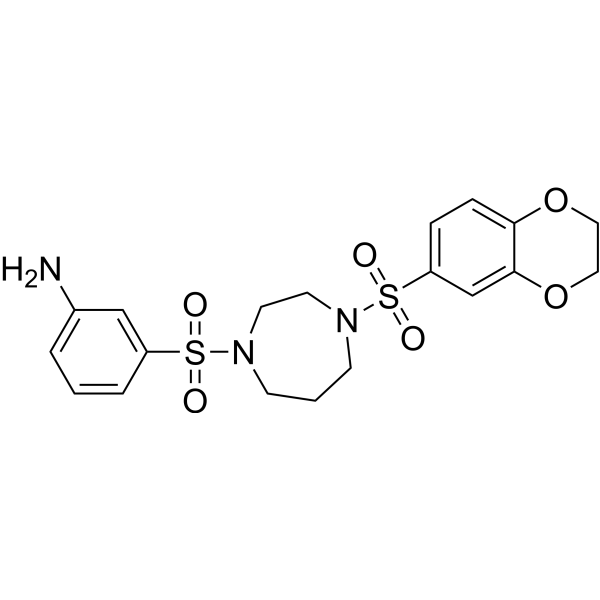
  • HY-130251
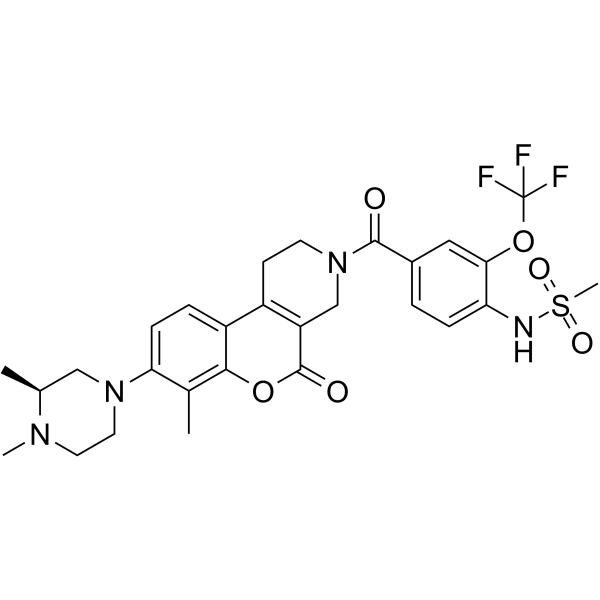
    DS18561882
    20+ Cited Publications

    Methylenetetrahydrofolate Dehydrogenase (MTHFD) Cancer
    DS18561882 is a highly potent, isozyme-selective methylenetetrahydrofolate dehydrogenase 2 (MTHFD2) inhibitor with an IC50 value of 0.0063 μM. DS18561882 also has inhibitory effect on MTHFD1 (IC50=0.57 μM). DS18561882 exhibits a good oral pharmacokinetic profile .
    DS18561882
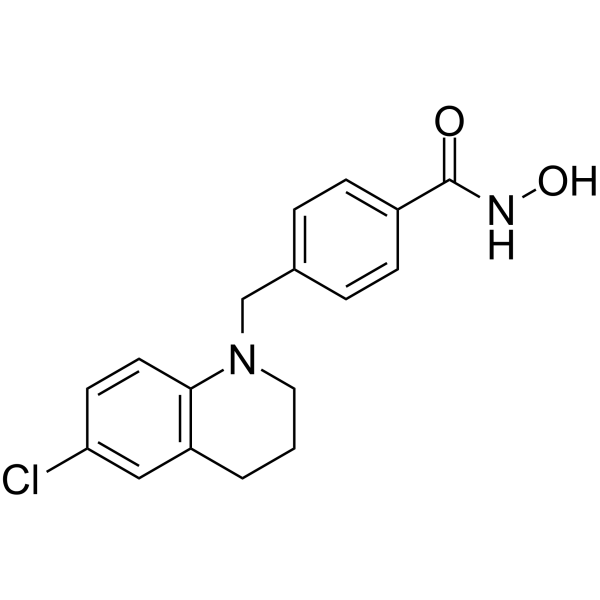
  • HY-13271A
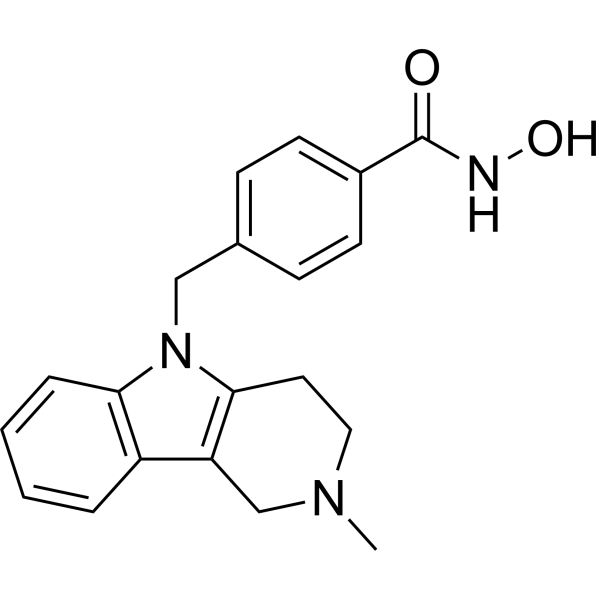
    Tubastatin A
    Maximum Cited Publications
    38 Publications Verification

    Beta-lactamase HDAC Autophagy Apoptosis Cancer
    Tubastatin A is a potent and selective HDAC6 inhibitor with an IC50 of 15 nM in a cell-free assay, and is selective (1000-fold more) against all other isozymes except HDAC8 (57-fold more). Tubastatin A also inhibits HDAC10 and metallo-β-lactamase domain-containing protein 2 (MBLAC2).
    Tubastatin A
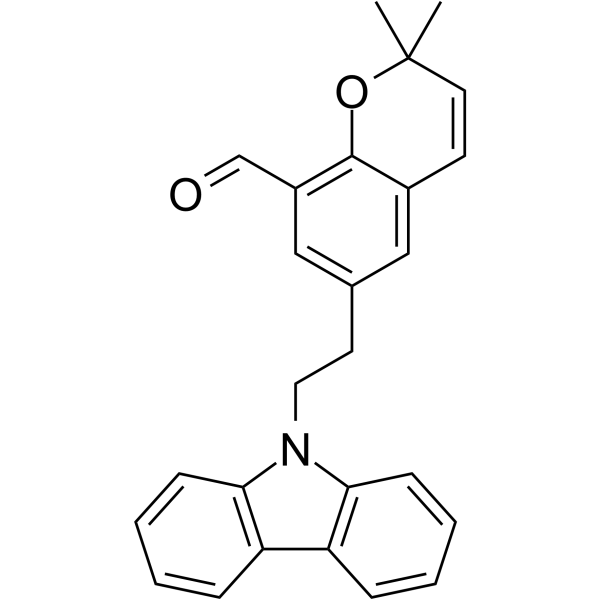
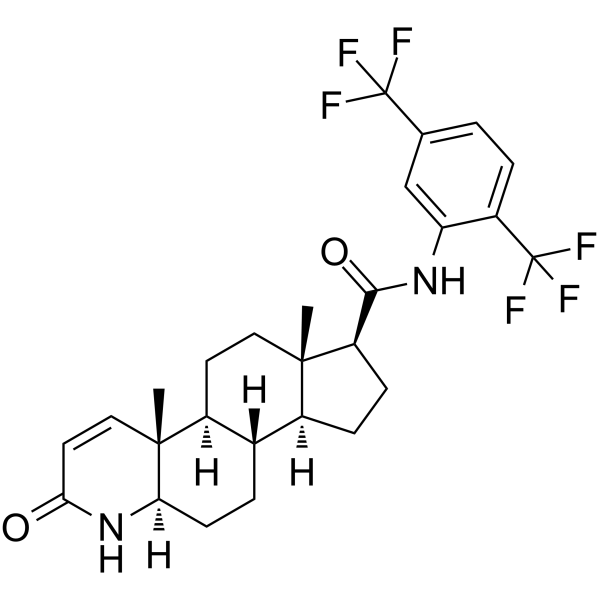
  • HY-13613
    Dutasteride
    3 Publications Verification

    GG 745; GI 198745

    5 alpha Reductase Apoptosis Cancer
    Dutasteride (GG745) is a potent inhibitor of both 5α-reductase isozymes. Dutasteride may possess off-target effects on the androgen receptor (AR) due to its structural similarity to DHT .
    Dutasteride
  • HY-19824
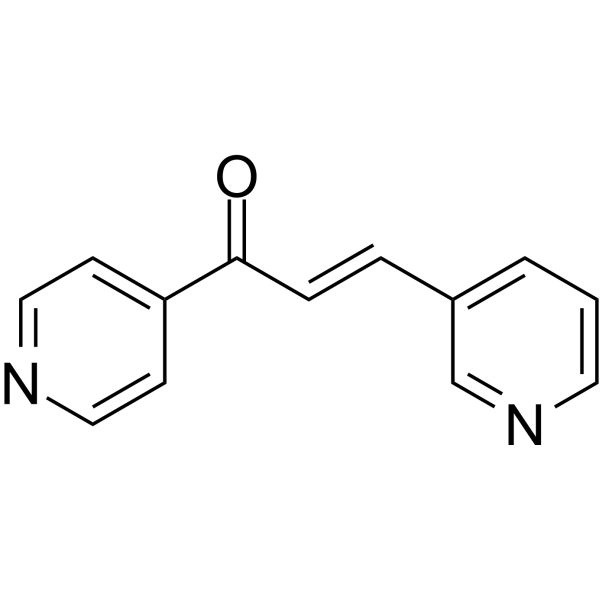
    3PO
    25+ Cited Publications

    Autophagy Cancer
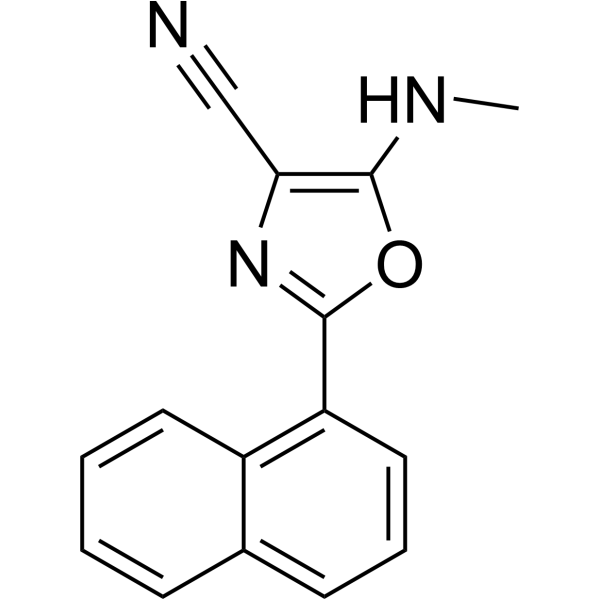
    3PO is an inhibitor of PFKFB3. 3PO attenuates the proliferation of several cancer cell lines with IC50s of 1.4-24 μmol/L. 3PO suppresses glucose uptake and decreases the intracellular concentration of Fru-2,6-BP, lactate, ATP, NAD + and NADH. 3PO can be used for the research of cancer .
    3PO
  • HY-126585
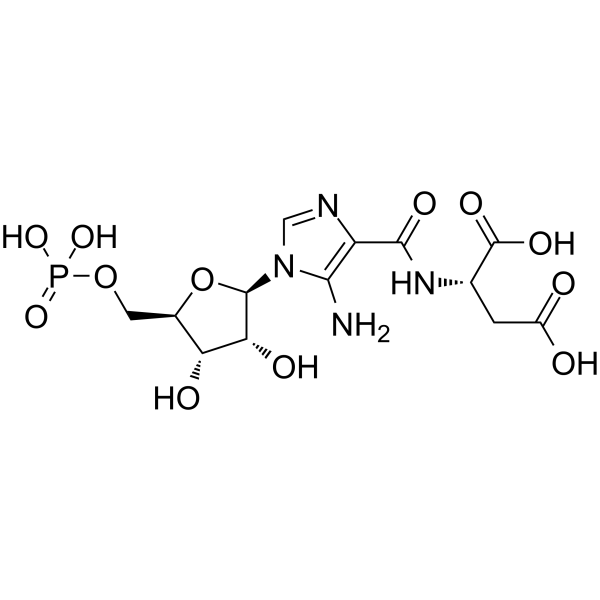
    SAICAR
    4 Publications Verification

    Endogenous Metabolite Cancer
    SAICAR is an intermediate of de novo purine nucleotide biosynthesis, activates pyruvate kinase isoform M2 (PKM2) in an isozyme-selective manner, with an EC50 of 0.3 mM. SAICAR stimulates PKM2 and promotes cancer cell survival in glucose-limited conditions .
    SAICAR
  • HY-18768
    NCT-501
    5 Publications Verification

    Aldehyde Dehydrogenase (ALDH) Neurological Disease Cancer
    NCT-501 is a potent and selective theophylline-based inhibitor of aldehyde dehydrogenase 1A1 (ALDH1A1), inhibits hALDH1A1 with IC50 of 40 nM, typically shows better selectivity over other ALDH isozymes and other dehydrogenases (hALDH1B1, hALDH3A1, and hALDH2, IC50 >57 μM).
    NCT-501
  • HY-111310
    ML351
    2 Publications Verification

    Lipoxygenase Neurological Disease Metabolic Disease
    ML351 is a potent and highly specific 15-LOX-1 inhibitor with an IC50 of 200 nM. ML351 shows excellent selectivity (>250-fold) versus the related isozymes, 5-LOX, platelet 12-LOX, 15-LOX-2, ovine COX-1, and human COX-2 . ML351 prevents dysglycemia and reduces β-cell oxidative stress in nonobese diabetic mouse model of T1D .
    ML351
  • HY-19330
    DASA-58
    15+ Cited Publications

    Pyruvate Kinase Metabolic Disease Cancer
    DASA-58 is a potential pyruvate kinase isozyme (PKM2) allosteric activator. DASA-58 can be used for the research of metabolism and kinds of cancer .
    DASA-58
  • HY-13271
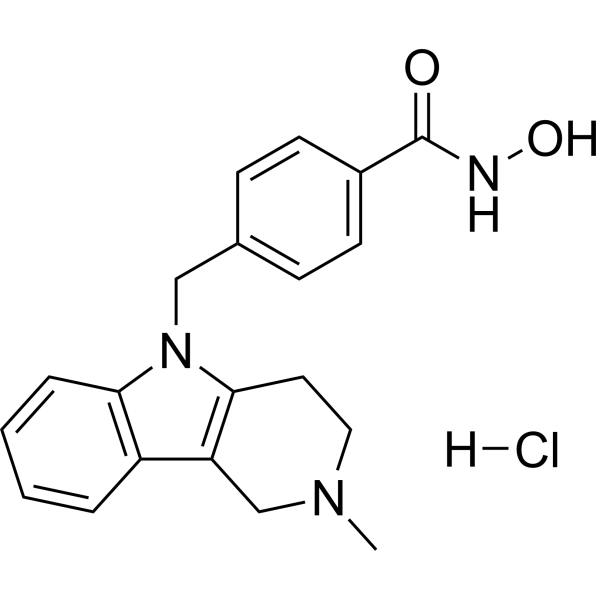
    Tubastatin A Hydrochloride
    Maximum Cited Publications
    38 Publications Verification

    Tubastatin A HCl; TSA HCl

    Beta-lactamase HDAC Autophagy Apoptosis Cancer
    Tubastatin A Hydrochloride (Tubastatin A HCl) is a potent and selective HDAC6 inhibitor with IC50 of 15 nM in a cell-free assay, and is selective (1000-fold more) against all other isozymes except HDAC8 (57-fold more). Tubastatin A Hydrochloride also inhibits HDAC10 and metallo-β-lactamase domain-containing protein 2 (MBLAC2).
    Tubastatin A Hydrochloride
  • HY-N4067

    isoCDCA

    FXR Endogenous Metabolite Metabolic Disease
    Isochenodeoxycholic acid (isoCDCA) is a FXR agonist. Isochenodeoxycholic acid activates the activity of FXR and induces the mRNA expression of FXR target genes (Ostβ and Kng1). Isochenodeoxycholic acid serves as a substrate for the liver class I ADH γγ isozyme-mediated 3β-dehydrogenation reaction .
    Isochenodeoxycholic acid
  • HY-Y0110
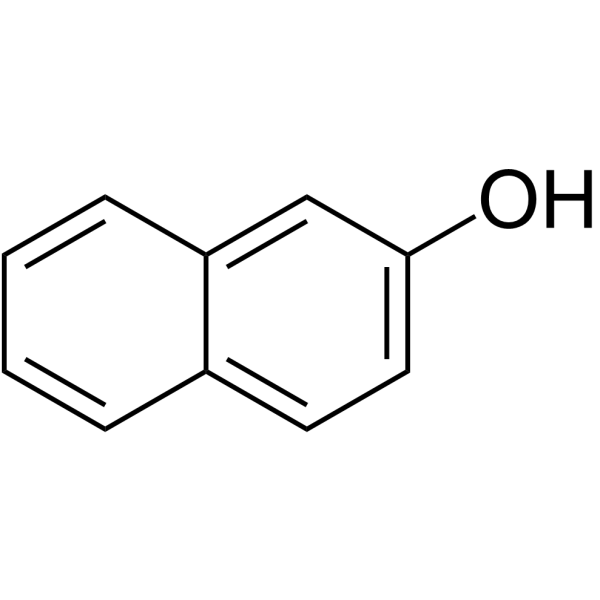
    2-Naphthol
    1 Publications Verification

    Environmental Pollutants Endogenous Metabolite Others
    2-Naphthol is a metabolite of naphthalene, catalyzed by cytochrome P450 (CYP) isozymes (CYP 1A1, CYP 1A2, CYP 2A1, CYP 2E1 and CYP 2F2).
    2-Naphthol
  • HY-114464

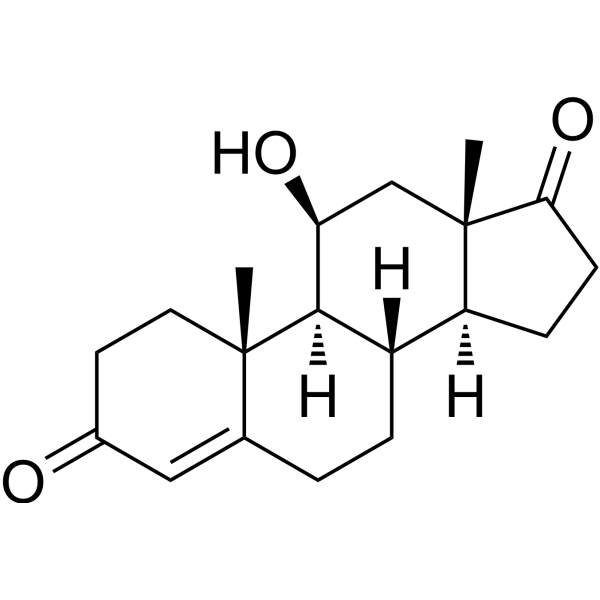
    4-Androsten-11β-ol-3,17-dione

    Endogenous Metabolite 11β-HSD Endocrinology
    11-Beta-hydroxyandrostenedione (4-Androsten-11β-ol-3,17-dione) is a steroid mainly found in the the adrenal origin (11β-hydroxylase is present in adrenal tissue, but absent in ovarian tissue). 11-Beta-hydroxyandrostenedione is a 11β-hydroxysteroid dehydrogenase (11βHSD) isozymes inhibitor. As 4-androstenedione increases, measuring plasma 11-Beta-hydroxyandrostenedione can distinguish the adrenal or ovarian origin of hyperandrogenism .
    11-Beta-hydroxyandrostenedione
  • HY-157887
    ADT-007
    1 Publications Verification

    Ras Cancer
    ADT-007 is a potent and orally active pan-RAS inhibitor with strong anticancer effects. ADT-007 binds RAS in a nucleotide-free conformation to block GTP activation. ADT-007 potently and selectively inhibits the growth of cancer cells with mutated or hyper-activated wild-type RAS isozymes .
    ADT-007
  • HY-117800
    BJE6-106
    5 Publications Verification

    B106

    PKC Apoptosis Inflammation/Immunology Cancer
    BJE6-106 (B106) is a potent, selective 3 rd generation PKCδ inhibitor with an IC50 of 0.05 μM and targets selectivity over classical PKC isozyme PKCα (IC50=50 μM). BJE6-106 (B106) induces caspase-dependent apoptosis. BJE6-106 (B106) possesses tumor-specific effect.
    BJE6-106
  • HY-143212

    1-Stearoyl-2-docosahexaenoyl-sn-glycerol

    Ras p38 MAPK ERK PKC Metabolic Disease Inflammation/Immunology Cancer
    18:0-22:6 DG (1-Stearoyl-2-docosahexaenoyl-sn-glycerol) is a diacylglycerol (DG) that can interact with RasGRP (Ras guanine nucleotide-releasing protein) (Ki = 8.37 μM) and modulate the activation of MAP kinases (such as ERK1/ERK2), which play a crucial role in cellular signaling processes. 18:0-22:6 DG can also activate protein kinase C (PKC) isozyme. 18:0-22:6 DG can be used for research of cancer, immunology and metabolic disease .
    18:0-22:6 DG
  • HY-P3016A

    EC 2.6.1.1, porcine heart; GOT, porcine heart; AST, porcine heart

    Aminotransferases (Transaminases) Cardiovascular Disease
    Aspartate aminotransferase (EC 2.6.1.1), porcine heart is a metabolic regulator with the highest activity in the heart, liver and skeletal muscle. Aspartate aminotransferase, porcine heart comprises two isozymes: the cytoplasmic form (AST1) and the mitochondrial form (AST2). By catalyzing reversible transamination reactions between oxaloacetate, L-glutamate and other substances, it is deeply involved in key physiological processes such as amino acid metabolism, the tricarboxylic acid cycle and neurotransmitter synthesis. Aspartate aminotransferase, porcine heart also provides substrate support for the synthesis of urea and purines/pyrimidines. Aspartate aminotransferase, porcine heart is a serum marker reflecting cardiac and hepatic injury, and its abnormal levels are also closely associated with myocardial infarction, cardiovascular diseases and various cancers .
    Aspartate aminotransferase, porcine heart
  • HY-115475
    SW-100
    4 Publications Verification

    HDAC Neurological Disease
    SW-100, a selective histone deacetylase 6 (HDAC6) inhibitor with an IC50 of 2.3 nM, shows at least 1000-fold selectivity for HDAC6 relative to all other HDAC isozymes. SW-100 displays a significantly improved ability to cross the blood-brain-barrier .
    SW-100
  • HY-W107024

    TGF-β Receptor Inflammation/Immunology Cancer
    BMS-986260, an immuno-oncology agent, is a potent, selective, and orally active TGFβR1 inhibitor (IC50=1.6 nM). BMS-986260 displays exquisite selectivity for TGFβR1 over its isozyme TGFβR2, as well as in a panel of more than 200 kinases examined. BMS-986260 inhibits TGFβ mediated nuclear translocation of pSMAD2/3 in MINK and NHLF cells lines with an IC50 of 350 nM and 190 nM, respectively .
    BMS-986260
  • HY-13335
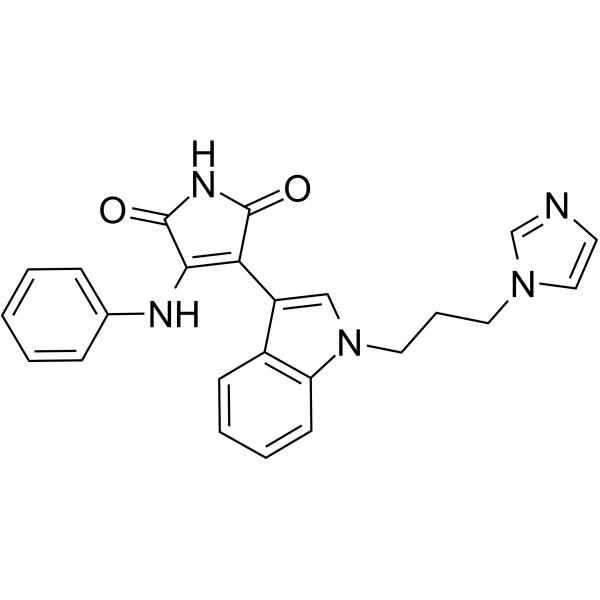
    PKCβ inhibitor 1
    1 Publications Verification

    PKC Apoptosis Cancer
    PKCβ inhibitor 1 is a potent, ATP-competitive, and selective PKCβ inhibitor with IC50s of 21 and 5 nM for human PKCβ1 and PKCβ2, respectively. PKCβ inhibitor 1 exhibits selectivity of more than 60-fold in favor of PKCβ2 relative to other PKC isozymes (PKCα, PKCγ, and PKCε) .
    PKCβ inhibitor 1
  • HY-114464S1

    4-Androsten-11β-ol-3,17-dione-d7

    Endogenous Metabolite 11β-HSD Others
    11-Beta-hydroxyandrostenedione-d7 is the deuterium labeled 11-Beta-hydroxyandrostenedione. 11-Beta-hydroxyandrostenedione (4-Androsten-11β-ol-3,17-dione) is a steroid mainly found in the the adrenal origin (11β-hydroxylase is present in adrenal tissue, but absent in ovarian tissue). 11-Beta-hydroxyandrostenedione is a 11β-hydroxysteroid dehydrogenase (11βHSD) isozymes inhibitor
    11-Beta-hydroxyandrostenedione-d7
  • HY-B1730
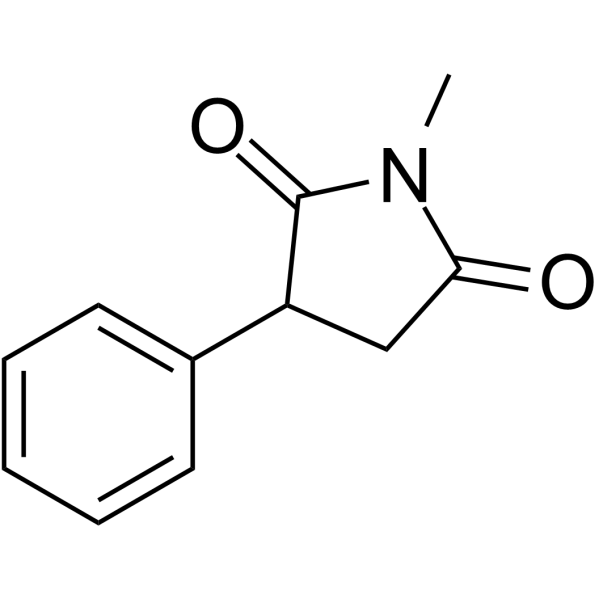
    Phensuximide
    2 Publications Verification

    Cyclic GMP-AMP Synthase Neurological Disease Metabolic Disease
    Phensuximide is an orally active succinimide antiepileptic and anticonvulsant agent. Phensuximide inhibits cyclic AMP and cyclic GMP accumulation in depolarized brain tissue. Phensuximide can be used for the study of seizure and petit mal .
    Phensuximide
  • HY-P3016

    EC 2.6.1.1; GOT; AST

    Aminotransferases (Transaminases) Cardiovascular Disease
    Aspartate aminotransferase (EC 2.6.1.1), Genetically engineered bacteria is a metabolic regulator with the highest activity in the heart, liver and skeletal muscle. Aspartate aminotransferase, Genetically engineered bacteria comprises two isozymes: the cytoplasmic form (AST1) and the mitochondrial form (AST2). By catalyzing reversible transamination reactions between oxaloacetate, L-glutamate and other substances, it is deeply involved in key physiological processes such as amino acid metabolism, the tricarboxylic acid cycle and neurotransmitter synthesis. Aspartate aminotransferase, Genetically engineered bacteria also provides substrate support for the synthesis of urea and purines/pyrimidines. Aspartate aminotransferase, Genetically engineered bacteria is a serum marker reflecting cardiac and hepatic injury, and its abnormal levels are also closely associated with myocardial infarction, cardiovascular diseases and various cancers .
    Aspartate aminotransferase, Genetically engineered bacteria
  • HY-17428

    Histamine Receptor Neurological Disease Inflammation/Immunology
    Tripelennamine hydrochloride is a histamine H1-receptor antagonist. Tripelennamine hydrochloride effectively reverses histamine-induced bronchoconstriction, increased transpulmonary pressure, elevated pulmonary vascular resistance and reduced dynamic compliance. Tripelennamine hydrochloride does not significantly affect arterial hypoxemia, hemoglobin desaturation and hypercapnia in horses undergoing short-term high-intensity exercise. Tripelennamine hydrochloride exhibits local and central analgesic activity. Tripelennamine hydrochloride can be used in studies related to emphysema, urticaria and acute laminitis .
    Tripelennamine hydrochloride
  • HY-Y0110S1

    Endogenous Metabolite Others
    2-Naphthol-d7 is the deuterium labeled 2-Naphthol . 2-Naphthol is a metabolite of naphthalene, catalyzed by cytochrome P450 (CYP) isozymes (CYP 1A1, CYP 1A2, CYP 2A1, CYP 2E1 and CYP 2F2) .
    2-Naphthol-d7
  • HY-149665
    BMS-684
    1 Publications Verification

    DGK Cancer
    BMS-684 is a selective DGKα inhibitor with an IC50 of 15 nM. BMS-684 inhibits DGKα kinase activity with >100-fold selectivity over the related DGK type I family members DGKβ and DGKγ. BMS-684 does not inhibit any of the other seven DGK isozymes .
    BMS-684
  • HY-114672

    Phosphodiesterase (PDE) Cardiovascular Disease
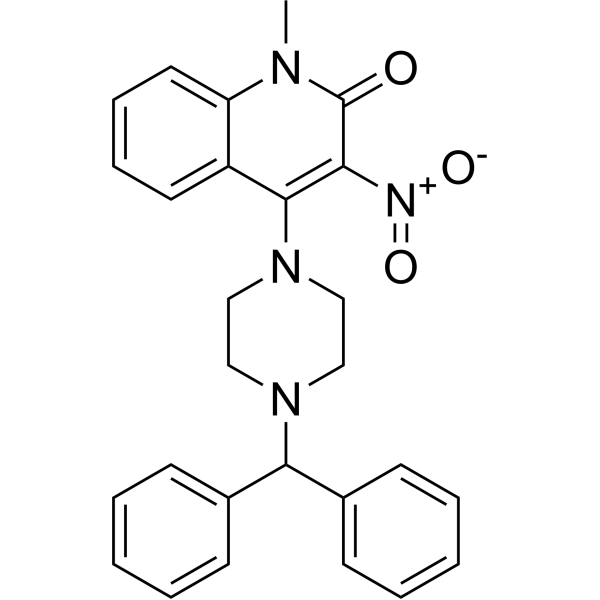
    MBCQ is a potent and selective cGMP-specific phosphodiesterase (PDE V; PDE5) inhibitor with an IC50 of 19 nM. MBCQ lacks inhibitory activity toward other PDE isozymes (all IC50s>100 μM). MBCQ dilates coronary arteries via specific inhibition of cGMP-PDE .
    MBCQ
  • HY-128369

    Metanil Yellow

    Environmental Pollutants Cytochrome P450 Others
    Acid Yellow 36 (Metanil Yellow) is an azo dye and a pH indicator. Acid Yellow 36 changes its color from red at pH 1.2 to yellow at pH 2.3. Acid Yellow 36 is used in the leather, paper and textile industries. Acid Yellow 36 acts as a bifunctional inducer of specific isozymes of P-450 and cytosolic enzymes .
    Acid Yellow 36
  • HY-119016
    SK1-I
    1 Publications Verification

    BML-258

    SphK CaMK Cancer
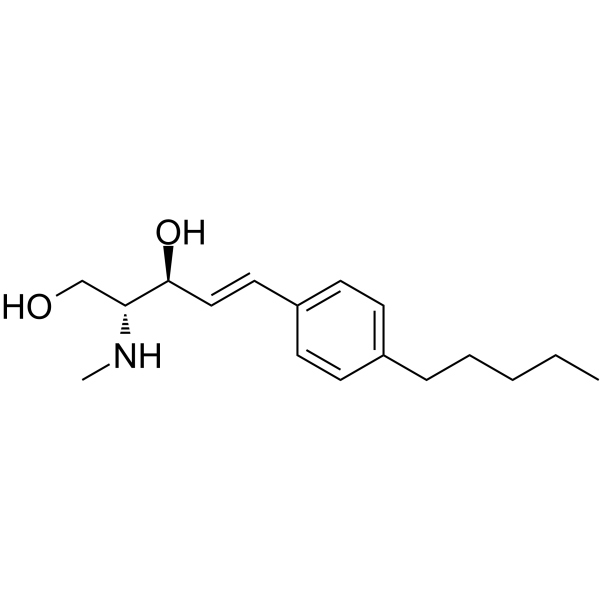
    SK1-I (BML-258), an analog of sphingosine, is an isozyme-specific competitive SPHK1 inhibitor with a Ki value of 10 μM . SK1-I shows no activity at SPHK1 PKCα, PKCδ, PKA, AKT1, ERK1, EGFR, CDK2, IKKβ or CamK2β. SK1-I enhances autophagy and has antitumor activity .
    SK1-I
  • HY-161305

    HDAC Metabolic Disease Cancer
    SE-7552, a 2-(difluoromethyl)-1,3,4-oxadiazole (DFMO) derivative, is an orally active, highly selective, non-hydroxamate HDAC6 inhibitor with an IC50 of 33 nM. SE-7552 is greater than 850-fold selectivity versus all other known HDAC isozymes. SE-7552 is capable of blocking multiple myeloma growth in vivo. SE-7552 acts as an anti-obesity agent in diet-induced obese mice .
    SE-7552
  • HY-P4310

    Ser/Thr Protease Others
    Boc-Val-Leu-Lys-AMC is a sensitive, fluorogenic, and specific substrate of plasmin, as well as acrosin from the ascidian Halocynthia roretzi, porcine calpain isozymes I and II, and papain .
    Boc-Val-Leu-Lys-AMC
  • HY-135224

    1,4-PB-ITU dihydrobromide

    NO Synthase Cancer
    1,4-PBIT (1,4-PB-ITU) dihydrobromide (compound 46) is a potent nitric oxide synthases (NOS) inhibitor, with Ki values of 7.6 nM, 360 nM, and 16 nM for the inducible (iNOS), endothelial (eNOS), and neuronal (nNOS) isozymes, respectively .
    1,4-PBIT dihydrobromide
  • HY-W741510

    21-Desoxycortisone; NSC 38722

    Endogenous Metabolite Cardiovascular Disease
    21-Deoxy Cortisone (21-Desoxycortisone; NSC 38722) is a corticosteroid metabolite of 11-ketoprogesterone. It is formed from 11-ketoprogesterone by the cytochrome P450 (CYP) isozyme CYP17A1, but can also be produced by oxidation of 21-deoxycortisone (HY-113405) by 11β-hydroxysteroid dehydrogenase type 2 (11β-HSD2). Congenital adrenal hyperplasia is an inborn error of metabolism characterized by a deficiency of 21-hydroxylase, and 21-Deoxy Cortisone levels are elevated in patients with congenital adrenal hyperplasia.
    21-Deoxy cortisone
  • HY-170788

    Phosphodiesterase (PDE) Metabolic Disease
    PDE7A-IN-1 is an orally active and selective PDE7A inhibitor with an IC50 of 0.0037 μM against PDE7A. PDE7A-IN-1 shows excellent isozyme selectivity over PDE7B. PDE7A-IN-1 elevates intracellular cAMP levels, suppresses ECR5 enhancer activity and reduces sclerostin expression. PDE7A-IN-1 significantly increases bone mineral density in rats. PDE7A-IN-1 can be used for the study of osteoporosis .
    PDE7A-IN-1
  • HY-103394

    17β-HSD Cancer
    TC HSD 21 is a selective inhibitor of 17β-hydroxysteroid dehydrogenase type 3 (17β-HSD3) against related 17β-HSD isozymes, with an IC50 of 14 nM in HeLa cells. TC HSD 21 can be used in the research of prostate cancer .
    TC HSD 21
  • HY-116780A

    Cytochrome P450 Neurological Disease
    Prothipendyl hydrochloride is a tricyclic azaphenothiazine neuroleptic agent. Prothipendyl hydrochloride is a substrate of the CYP isozymes CYP1A2, CYP2D6, CYP2C19 and CYP3A4. Prothipendyl hydrochloride has sedating and psychomotorically damping effects. Prothipendyl hydrochloride can be used for psychomotoric agitation, sleep disorder and anxiety research .
    Prothipendyl hydrochloride
  • HY-W127380

    Biochemical Assay Reagents Others
    Arachidonoyl Thio-PC is a substrate of many phospholipase A2 (PLA2), including sPLA2, cPLA2 and iPLA2. Cleavage of sn-2 fatty acids by PLA2 results in the production of free thiols, which react with chromogenic reagents such as DTNB (Ellman's reagent) and DTP, allowing quantification of PLA2 activity. Isozyme-specific cPLA2 activity can be measured by depleting or inhibiting sPLA2 and iPLA2 activity in the assay.
    Arachidonoyl thio-PC
  • HY-121197

    Ophiocordin; Azepinostatin

    MARCKS PKA PKC Others
    Balanol (Ophiocordin; Azepinostatin) is a potent and ATP competitive PKC/PKA inhibitor against human PKC isozymes α, β-I, β-II, γ, δ, ε, η (IC50s=4-9 nM) and ζ (IC50=150 nM). Balanol also blocks the phosphorylation of cyclic AMP response element-binding protein (CREB) and myristoylated alanine-rich C kinase substrate (MARCKS). Balanol can be isolated from the fungus Verticillium balanoides .
    Balanol
  • HY-161943

    Influenza Virus Neurological Disease
    NEU3-IN-1 (compound 963) is a NEU3 inhibitor (Ki: 0.12 μM; IC50: 0.31 μM) based on the 2-deoxy-2,3-didehydro-N-acetylneuraminic acid (DANA) scaffold and is a C9 biphenylcarbamate derivative. NEU is a human neuraminidase with 4 isozymes; NEU3-IN-1 is an important tool for studying the function of NEU3 isozymes; its amide and triazole linker analogs are selective for NEU1 and NEU4 isozymes, respectively .
    NEU3-IN-1
  • HY-126585S

    Endogenous Metabolite Metabolic Disease
    SAICAR-d3 is the deuterium labeled SAICAR. SAICAR is an intermediate of de novo purine nucleotide biosynthesis, activates pyruvate kinase isoform M2 (PKM2) in an isozyme-selective manner, with an EC50 of 0.3 mM. SAICAR stimulates PKM2 and promotes cancer cell survival in glucose-limited conditions .
    SAICAR-d3
  • HY-B0124S

    Isotope-Labeled Compounds Carbonic Anhydrase Calcium Channel Sodium Channel Neurological Disease
    Zonisamide-d4 is the deuterium labeled Zonisamide. Zonisamide (AD 810) is an inhibitor of zinc enzyme carbonic anhydrase (CA), with Kis of 35.2 nM and 20.6 nM for human mitochondrial isozyme hCA II and hCA V, respectively. Zonisamide has antiepileptic activity. Zonisamide can be used for the rsearch for epilepsy, seizures and Parkinson's disease .
    Zonisamide-d4
  • HY-18768A

    Aldehyde Dehydrogenase (ALDH) Cancer
    NCT-501 hydrochloride is a potent and selective theophylline-based inhibitor of aldehyde dehydrogenase 1A1 (ALDH1A1), inhibits hALDH1A1 with IC50 of 40 nM, typically shows better selectivity over other ALDH isozymes and other dehydrogenases (hALDH1B1, hALDH3A1, and hALDH2, IC50 >57 μM) .
    NCT-501 hydrochloride
  • HY-P3016B

    EC 2.6.1.1, Human liver; GOT, Human liver; AST, Human liver

    Aminotransferases (Transaminases) Cardiovascular Disease
    Aspartate aminotransferase (EC 2.6.1.1), Human liver is a metabolic regulator with the highest activity in the heart, liver and skeletal muscle. Aspartate aminotransferase, Human liver comprises two isozymes: the cytoplasmic form (AST1) and the mitochondrial form (AST2). By catalyzing reversible transamination reactions between oxaloacetate, L-glutamate and other substances, it is deeply involved in key physiological processes such as amino acid metabolism, the tricarboxylic acid cycle and neurotransmitter synthesis. Aspartate aminotransferase, Human liver also provides substrate support for the synthesis of urea and purines/pyrimidines. Aspartate aminotransferase, Human liver is a serum marker reflecting cardiac and hepatic injury, and its abnormal levels are also closely associated with myocardial infarction, cardiovascular diseases and various cancers .
    Aspartate aminotransferase, Human liver
  • HY-131921

    Biochemical Assay Reagents Endocrinology
    DL-Glyceraldehyde 3-phosphate diethyl acetal barium is an Aspartate Aminotransferase isozyme inhibitor .
    DL-Glyceraldehyde 3-phosphate diethyl acetal barium
  • HY-135385

    Drug Metabolite Inflammation/Immunology
    Dihydro Dutasteride is a metabolite of Dutasteride. Dutasteride is a potent inhibitor of both 5 alpha-reductase isozymes .
    Dihydro Dutasteride
  • HY-163015

    DNA/RNA Synthesis Infection
    RNA polymerase-IN-1 (compound 4) is s DNA-dependent RNA polymerase inhibitor. RNA polymerase-IN-1 inhibits CYP isozymes .
    RNA polymerase-IN-1
  • HY-16946

    Acetyl-CoA Carboxylase Metabolic Disease
    CP-610431 is a reversible, ATP-uncompetitive, isozyme-nonselective acetyl-CoA carboxylase (ACC) inhibitor. CP-610431 inhibits ACC1 and ACC2 with IC50s of ~50 nM. CP-610431 can be used for the research of metabolic syndrome .
    CP-610431
  • HY-13613R

    GG 745 (Standard); GI 198745 (Standard)

    Reference Standards 5 alpha Reductase Apoptosis Cancer
    Dutasteride (Standard) is the analytical standard of Dutasteride. This product is intended for research and analytical applications. Dutasteride (GG745) is a potent inhibitor of both 5α-reductase isozymes. Dutasteride may possess off-target effects on the androgen receptor (AR) due to its structural similarity to DHT .
    Dutasteride (Standard)
  • HY-131305

    PKC Apoptosis Neurological Disease
    HBDDE, a derivative of Ellagic acid, is an isoform-selective PKCα and PKCγ inhibitor with IC50s of 43 μM and 50 μM, respectively. HBDDE shows selective for PKCα/PKCγ over PKCδ, PKCβI and PKCβII isozymes. HBDDE induces neuronal apoptosis .
    HBDDE
  • HY-13271B

    TSA TFA

    HDAC Autophagy Apoptosis Cancer
    Tubastatin A (TSA) TFA is a potent and selective?HDAC6?inhibitor with?IC50?of 15 nM in a cell-free assay, and is selective (1000-fold more) against all other isozymes except HDAC8 (57-fold more). Tubastatin A TFA also inhibits HDAC10 and metallo-β-lactamase domain-containing protein?2 (MBLAC2).
    Tubastatin A TFA
  • HY-114464S

    4-Androsten-11β-ol-3,17-dione-d4

    Isotope-Labeled Compounds Endogenous Metabolite 11β-HSD Endocrinology
    11-Beta-hydroxyandrostenedione-d4 is the deuterium labeled 11-Beta-hydroxyandrostenedione. 11-Beta-hydroxyandrostenedione (4-Androsten-11β-ol-3,17-dione) is a steroid mainly found in the the adrenal origin (11β-hydroxylase is present in adrenal tissue, but absent in ovarian tissue). 11-Beta-hydroxyandrostenedione is a 11β-hydroxysteroid dehydrogenase (11βHSD) isozymes inhibitor .
    11-Beta-hydroxyandrostenedione-d4

Inquiry Online

Your information is safe with us. * Required Fields.

Salutation


Country or Region *

Applicant Name *


Organization Name *

Department *


Email Address *


Product Name *

Cat. No.


Requested quantity *

Phone Number *


Remarks

Inquiry Online

Inquiry Information

Product Name:
Cat. No.:
Quantity:
MCE Japan Authorized Agent:

