1. Search Result
Search Result
Results for "

leakage

" in MedChemExpress (MCE) Product Catalog:

131

Inhibitors & Agonists

6

Fluorescent Dye

1

Biochemical Assay Reagents

18

Peptides

2

MCE Kits

4

Inhibitory Antibodies

20

Natural
Products

6

Isotope-Labeled Compounds

5

Oligonucleotides

Cat. No. Product Name Target Research Areas Chemical Structure
  • HY-D0040
    Calcein
    10+ Cited Publications

    Fluorexon

    Fluorescent Dye Others
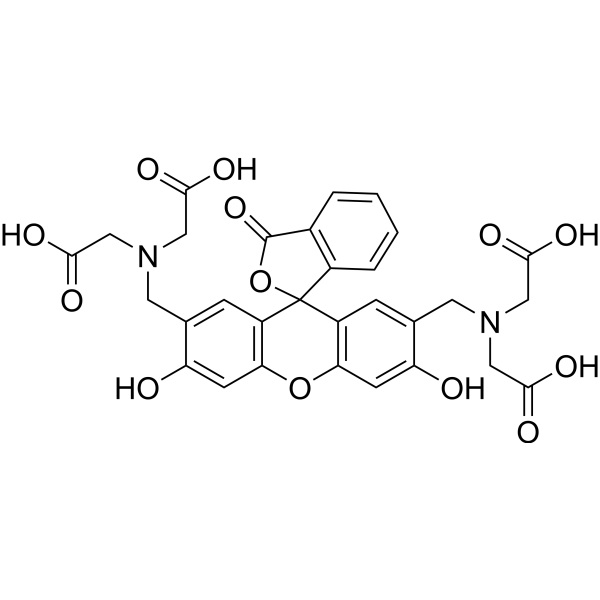
    Calcein is a fluorescent dye and self-quenching probe, used as an indicator of lipid vesicle leakage, and also as a complexometric indicator for titration of calcium ions with EDTA, and for fluorometric determination of calcium. Calcein cannot directly cross the intact cell membrane of a living cell, unlike Calcein-AM (HY-D0041) which is cell-permeable. Calcein can also be used as a model drug for evaluating efficiency and bioavailability of drug delivery systems .
    Calcein
  • HY-111174
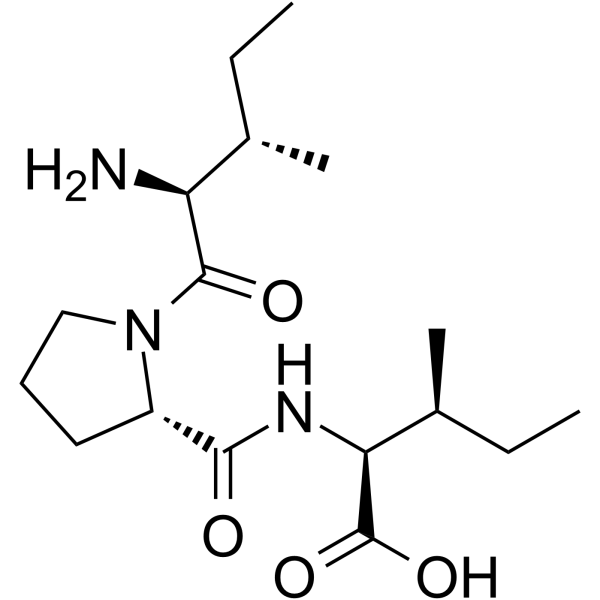
    Diprotin A
    4 Publications Verification

    Ile-Pro-Ile

    Dipeptidyl Peptidase Metabolic Disease
    Diprotin A (Ile-Pro-Ile) is an inhibitor of dipeptidyl peptidase IV (DPP-IV) .
    Diprotin A
  • HY-B1248
    Chlorhexidine
    Maximum Cited Publications
    13 Publications Verification

    Environmental Pollutants Antibiotic Necroptosis Bacterial Apoptosis Infection
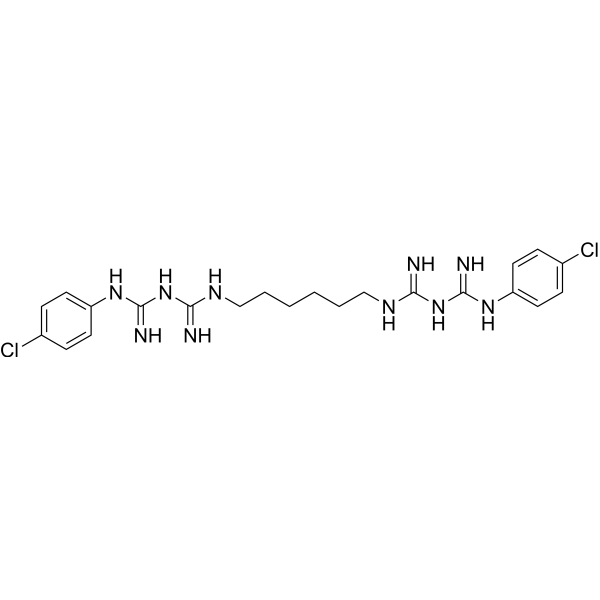
    Chlorhexidine is a orally active cationic antimicrobial agent that targets microbial cell membranes. Chlorhexidine binds to cell membrane phospholipids non-specifically, destroys membrane structure and induces leakage of cell contents. Chlorhexidine has broad-spectrum bactericidal activity against both Gram-positive and Gram-negative bacteria. Chlorhexidine can interfere with membrane permeability, cause protein precipitation and energy metabolism disorders, such as rapid inhibition of microbial growth and induction of cell death (necrosis or apoptosis) .
    Chlorhexidine
  • HY-B0608
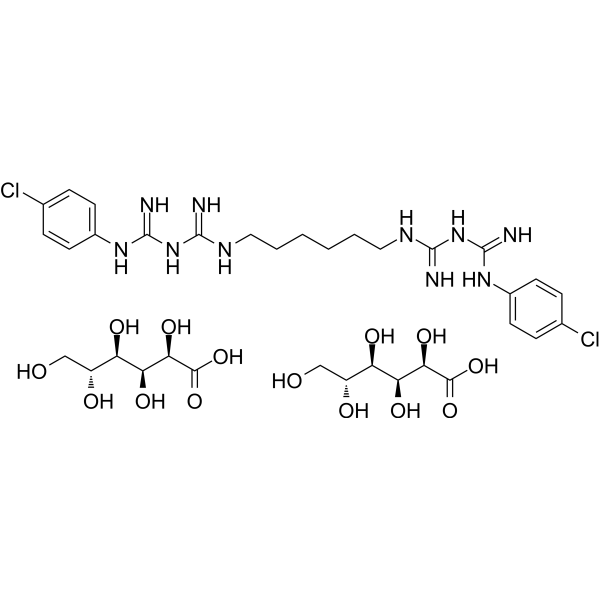
    Chlorhexidine digluconate (20% in water)
    Maximum Cited Publications
    13 Publications Verification

    Environmental Pollutants Antibiotic Bacterial Necroptosis Apoptosis Infection
    Chlorhexidine digluconate (20% in water) is a orally active cationic antimicrobial agent that targets microbial cell membranes. Chlorhexidine digluconate (20% in water) binds to cell membrane phospholipids non-specifically, destroys membrane structure and induces leakage of cell contents. Chlorhexidine digluconate (20% in water) has broad-spectrum bactericidal activity against both Gram-positive and Gram-negative bacteria. Chlorhexidine digluconate (20% in water) can interfere with membrane permeability, cause protein precipitation and energy metabolism disorders, such as rapid inhibition of microbial growth and induction of cell death (necrosis or apoptosis) .
    Chlorhexidine digluconate (20% in water)
  • HY-N3460

    Reactive Oxygen Species (ROS) Cardiovascular Disease
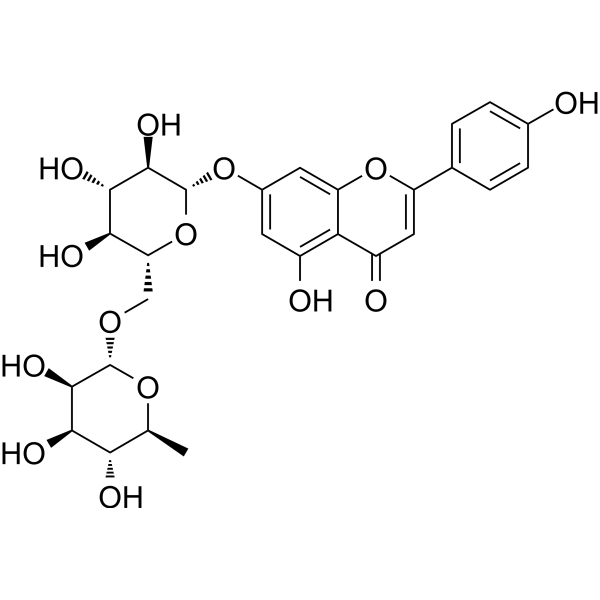
    Isorhoifolin is a flavonoid glycoside from Hemistepta lyrata. Isorhoifolin displays an anti-leakage effect .
    Isorhoifolin
  • HY-W013699
    Chlorhexidine diacetate
    Maximum Cited Publications
    13 Publications Verification

    Environmental Pollutants Antibiotic Necroptosis Bacterial Apoptosis Infection
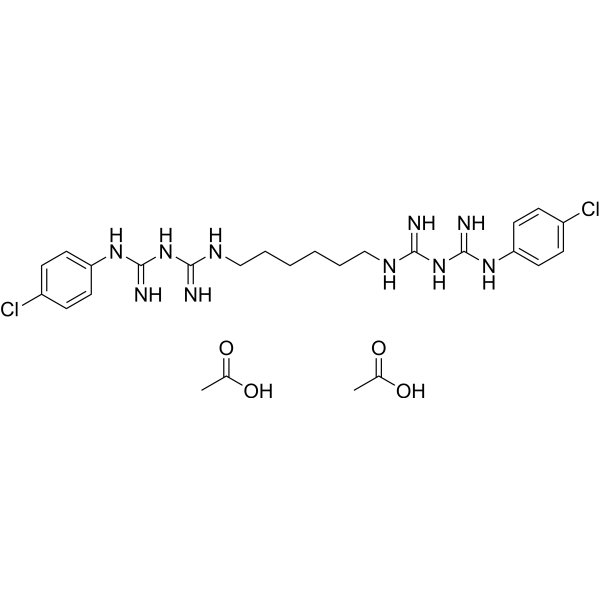
    Chlorhexidine diacetate is a orally active cationic antimicrobial agent that targets microbial cell membranes. Chlorhexidine diacetate binds to cell membrane phospholipids non-specifically, destroys membrane structure and induces leakage of cell contents. Chlorhexidine diacetate has broad-spectrum bactericidal activity against both Gram-positive and Gram-negative bacteria. Chlorhexidine diacetate can interfere with membrane permeability, cause protein precipitation and energy metabolism disorders, such as rapid inhibition of microbial growth and induction of cell death (necrosis or apoptosis) .
    Chlorhexidine diacetate
  • HY-N8015
    Octanal
    1 Publications Verification

    Environmental Pollutants Endogenous Metabolite Fungal Bacterial Infection Cancer
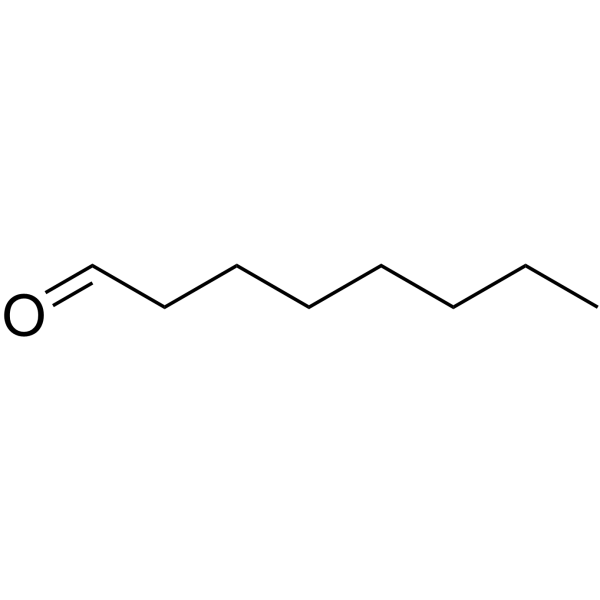
    Octanal is a fragrant aldehyde with antioxidant and antibacterial activity. Its antifungal effect against G. citri-aurantii may be related to the disruption of cell membrane integrity and the leakage of cellular components. Additionally, Octanal exhibits cytotoxicity towards HeLa cells, with an IC50 value of 3.5 μg/mL .
    Octanal
  • HY-113446

    Endogenous Metabolite Cardiovascular Disease Inflammation/Immunology
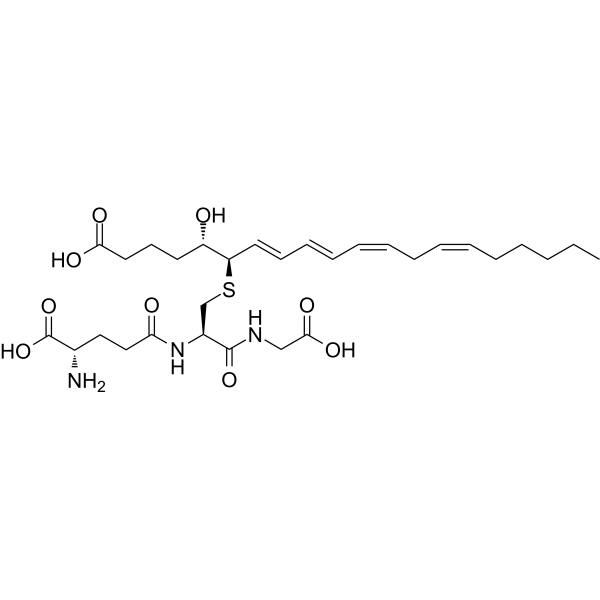
    Leukotriene C4 is a eicosanoid lipid mediator and produced by immune cells during type 2 inflammation. Leukotriene C4 can mediate inflammation,allergy, bronchoconstriction, and vascular leakage .
    Leukotriene C4
  • HY-15292
    S107
    1 Publications Verification

    Calcium Channel Cardiovascular Disease
    S107 is an orally available, blood brain barrier-permeable compound, which stabilizes RyR2 channels by enhancing the binding of calstabin 2 to the mutant Ryr2-R2474S channel. S107 inhibits Ca 2+ leakage from the sarcoplasmic reticulum (SR) and prevents cardiac arrhythmias and raises the seizure threshold .
    S107
  • HY-B1597

    Benzyldimethylhexadecylammonium chloride

    Bacterial Infection Inflammation/Immunology
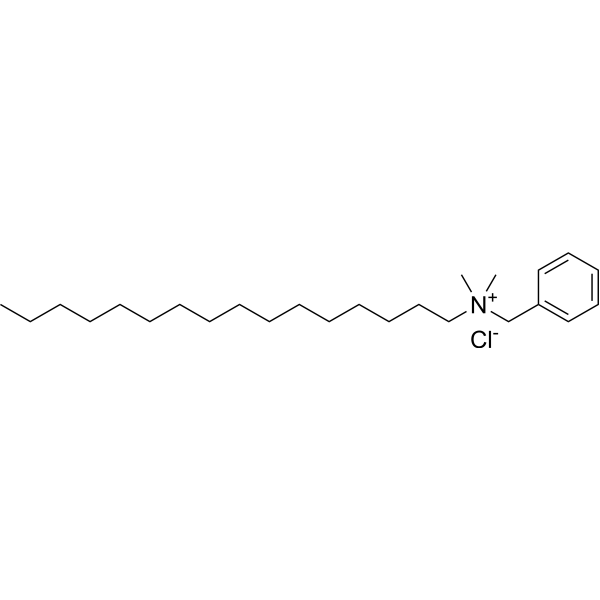
    Cetalkonium chloride is an ammonium antiseptic agent used in many topical agents for infections of mouth, throat and eye. Cetalkonium chloride acts as anti-inflammatory amphiphilic agent. Cetalkonium chloride is a cationic surfactant, that improves the precorneal residence time and bioavailability of drugs. Cetalkonium chloride interacts with the negative charges on the bacterial cell membrane, disrupts the integrity of the cell membrane, causes leakage of cell contents and ultimately leading to bacterial death .
    Cetalkonium chloride
  • HY-B1145
    Chlorhexidine dihydrochloride
    Maximum Cited Publications
    13 Publications Verification

    Environmental Pollutants Antibiotic Apoptosis Bacterial Necroptosis Infection
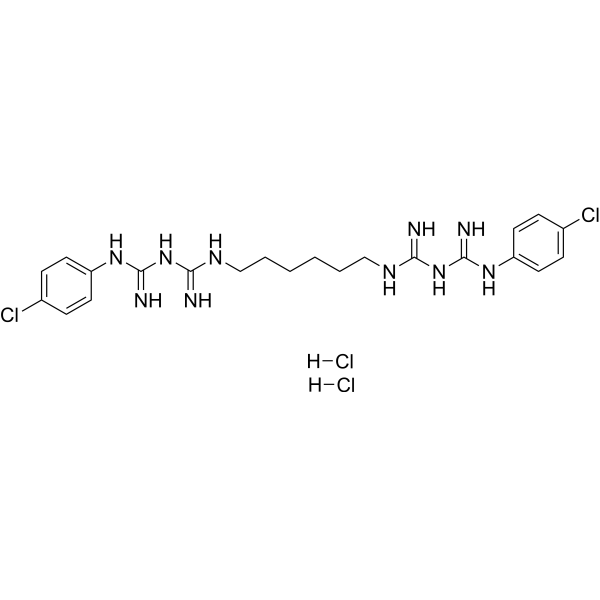
    Chlorhexidine dihydrochloride is a orally active cationic antimicrobial agent that targets microbial cell membranes. Chlorhexidine dihydrochloride binds to cell membrane phospholipids non-specifically, destroys membrane structure and induces leakage of cell contents. Chlorhexidine dihydrochloride has broad-spectrum bactericidal activity against both Gram-positive and Gram-negative bacteria. Chlorhexidine dihydrochloride can interfere with membrane permeability, cause protein precipitation and energy metabolism disorders, such as rapid inhibition of microbial growth and induction of cell death (necrosis or apoptosis) .
    Chlorhexidine dihydrochloride
  • HY-145633

    OPT 302; VGX-300

    VEGFR Cardiovascular Disease
    Sozinibercept (OPT 302; VGX-300) is a soluble form of VEGFR-3, potently inhibits the activity of VEGF-C/D, which are the proangiogenic factors, inhibiting angiogenesis and vascular leakage. Sozinibercept also inhibits diabetic retinal edema in rats .
    Sozinibercept
  • HY-125864B

    MMP Cadherin Cardiovascular Disease Neurological Disease
    Murine Fibrinogen is a native fibrinogen derived from mouse plasma. Murine Fibrinogen acts as a cerebrovascular permeability enhancer. Murine Fibrinogen activates matrix metalloproteinase-9 (MMP-9), downregulates the expression of vascular endothelial cadherin (VE-cadherin), and upregulates the expression of plasmalemmal vesicle-associated protein-1 (PV-1). Murine Fibrinogen increases macromolecular leakage from pial veins, thereby disrupting the microvascular integrity of cerebral blood vessels. Murine Fibrinogen can be used in studies related to cerebrovascular dysfunction .
    Murine Fibrinogen
  • HY-D0789

    Fluorescent Dye Others
    ANTS is a fluorescent dye (Excitation wavelength: 380 nm; Emission wavelength: 520 nm). ANTS and DPX are encapsulated in liposomes can be an effective approach for measuring membrane leakage .
    ANTS
  • HY-N2173
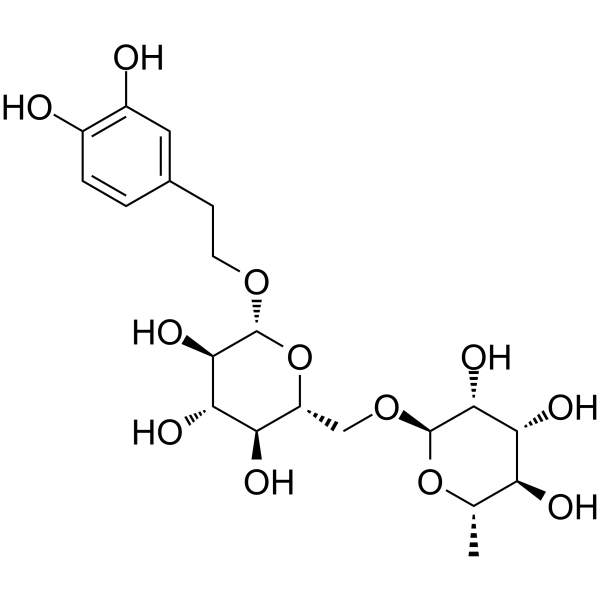
    Forsythoside E
    1 Publications Verification

    Others Cardiovascular Disease Inflammation/Immunology
    Forsythoside E is a phenylethanoid glycoside compound. Forsythoside E can be isolated from Shuanghuanglian. Forsythoside E does not induce vascular leakage or promote histamine release in mice. Forsythoside E does not cause pseudo-allergic reactions .
    Forsythoside E
  • HY-P990012

    EBI-031

    Interleukin Related Inflammation/Immunology
    Vamikibart (RG6179) is a monoclonal antibody targeting IL-6 that can be used to inhibit uveal macular edema (UME) and reduce retinal leakage. Vamikibart can reduce anterior chamber (AC) cell density, indicating a reduction in intraocular inflammation. Vamikibart can also be used to assess the leakage dynamics of ultra-wide-angle fluorescein angiography (UWFA) in the UME model to quantify changes in retinal leakage reflecting the effect of UME inhibition .
    Vamikibart
  • HY-P0269

    Magainin I

    Bacterial Fungal Antibiotic Infection
    Magainin 1 (Magainin I) is an antimicrobial and amphipathic peptide isolated from the skin of Xenopus laevis. Magainin 1 exhibits antibiotic activity against numerous Gram-negative and Gram-positive bacteria .
    Magainin 1
  • HY-D1249

    Fluorescent Dye Others
    Calcein (mixture of isomers), Calcein (HY-D0040) Derivative, is a fluorescent dye (Ex/Em = 495/515 nm). Calcein (mixture of isomers) can be used for the researches for live cell staining, calcium ion detection, bone fluorescence labeling and membrane permeability leakage detection.
    Calcein (mixture of isomers)
  • HY-P3369

    AXT-107

    VEGFR Tie Akt Cardiovascular Disease Metabolic Disease Inflammation/Immunology
    Gersizangitide (AXT107) is an anti-angiogenic peptide consisting of 20 amino acids, derived from collagen IV. Gersizangitide is an inhibitor of VEGF-A and VEGF-C and an activator of Tie2. Gersizangitide can block VEGF receptor signaling, inhibit vascular leakage, neovascularization and inflammation. Gersizangitide can be used in the research of diseases related to ocular neovascularization and angiogenesis .
    Gersizangitide
  • HY-P5904

    Caveolin-1 scaffolding domain peptide

    c-Met/HGFR Others
    Caveolin-1 (82-101) amide (human, mouse, rat) (Caveolin-1 scaffolding domain peptide) is a peptide that reverses aging-associated deleterious changes in multiple organs. Caveolin-1 (82-101) amide (human, mouse, rat) inhibits tyrosine kinases .
    Caveolin-1 (82-101) amide (human, mouse, rat)
  • HY-125039
    N-Acetyl lysyltyrosylcysteine amide
    2 Publications Verification

    Glutathione Peroxidase Cardiovascular Disease Neurological Disease
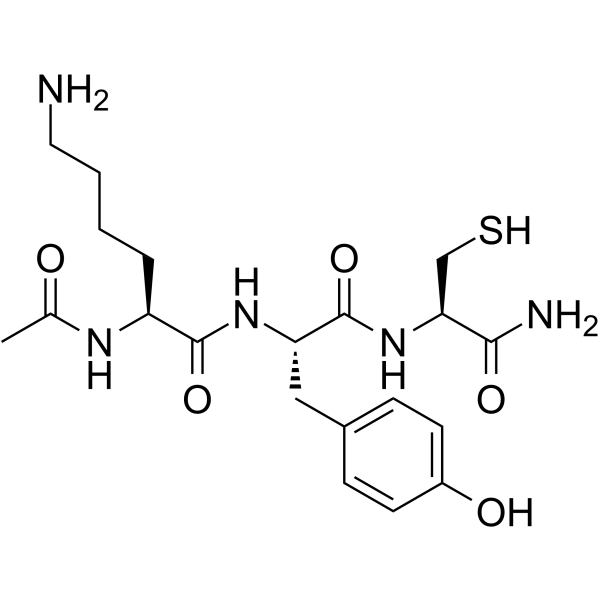
    N-Acetyl lysyltyrosylcysteine amide is a potent, reversible, specific, and non-toxic tripeptide inhibitor of myeloperoxidase (MPO). N-Acetyl lysyltyrosylcysteine amide effectively inhibits MPO generation of toxic oxidants in vivo. N-Acetyl lysyltyrosylcysteine amide reduces neuronal damage and preserves brain tissue and neurological function in the stroked brain. N-Acetyl lysyltyrosylcysteine amide inhibits MPO-dependent hypochlorous acid (HOCl) generation, protein nitration, and LDL oxidation .
    N-Acetyl lysyltyrosylcysteine amide
  • HY-162267

    LPL Receptor Inflammation/Immunology
    LPAR1 antagonist 1 (compound 18) is a potent, oral active and selective LPAR1 antagonist with the IC50 of 3.3 nM. LPAR1 antagonist 1 can be used for study of fibrosis .
    LPAR1 antagonist 1
  • HY-129101

    Eseroline fumarate

    5-HT Receptor Neurological Disease
    (-)-Eseroline fumarate is a metabolic of Physostigmine (HY-N6608), an AChE inhibitor. (-)-Eseroline fumarate elicits a leakage of lactic acid dehydrogenase (LDH) from cancer cells. (-)-Eseroline fumarate also induces the release of adenine nucleotides and 5-hydroxytryptamine (5-HT) from neuronal cells, thus induce cell death. (-)-Eseroline fumarate inhibits the electrically evoked twitches of the mouse vas deferens and of the guinea-pig ileum .
    (-)-Eseroline fumarate
  • HY-29347

    Biochemical Assay Reagents Cardiovascular Disease
    Ocrylate is a tissue adhesive that contains an 8-carbon alkyl cyanoacrylate in its structure. Ocrylate can be used in research on gastric fundal varices, bone and cartilage grafting, cerebrospinal fluid leakage repair, and skin closure. Additionally, the rapid polymerization property of Ocrylate makes it suitable for inhibiting vascular embolization .
    Ocrylate
  • HY-N8015S

    Isotope-Labeled Compounds Bacterial Endogenous Metabolite Fungal Infection Cancer
    Octanal-d16 is the deuterium labeled Octanal. Octanal is a fragrant aldehyde with antioxidant and antibacterial activity. Its antifungal effect against G. citri-aurantii may be related to the disruption of cell membrane integrity and the leakage of cellular components. Additionally, Octanal exhibits cytotoxicity towards HeLa cells, with an IC50 value of 3.5 μg/mL .
    Octanal-d16
  • HY-P10696

    Bacterial Infection
    C16G2 is a specific targeted antimicrobial peptide (STAMP) that targets the cariogenic oral pathogen Streptococcus mutans. C16G2 specifically recognizes and disrupts the bacterial cell membrane, causing small molecule leakage and loss of membrane potential, leading to bacterial killing. C16G2 exhibits higher selectivity and efficacy against Streptococcus mutans, unlike broad-spectrum antimicrobial peptides .
    C16G2
  • HY-B1145S

    Isotope-Labeled Compounds Antibiotic Bacterial Necroptosis Apoptosis Infection
    Chlorhexidine-d8 (dihydrochloride) is the deuterium labeled Chlorhexidine dihydrochloride (HY-B1145). Chlorhexidine dihydrochloride is a orally active cationic antimicrobial agent that targets microbial cell membranes. Chlorhexidine dihydrochloride binds to cell membrane phospholipids non-specifically, destroys membrane structure and induces leakage of cell contents. Chlorhexidine dihydrochloride has broad-spectrum bactericidal activity against both Gram-positive and Gram-negative bacteria. Chlorhexidine dihydrochloride can interfere with membrane permeability, cause protein precipitation and energy metabolism disorders, such as rapid inhibition of microbial growth and induction of cell death (necrosis or apoptosis) .
    Chlorhexidine-d8 dihydrochloride
  • HY-B1248R

    Reference Standards Antibiotic Bacterial Necroptosis Apoptosis Infection
    Chlorhexidine (Standard) is the analytical standard of Chlorhexidine (HY-B1248). This product is intended for research and analytical applications. Chlorhexidine is a orally active cationic antimicrobial agent that targets microbial cell membranes. Chlorhexidine binds to cell membrane phospholipids non-specifically, destroys membrane structure and induces leakage of cell contents. Chlorhexidine has broad-spectrum bactericidal activity against both Gram-positive and Gram-negative bacteria. Chlorhexidine can interfere with membrane permeability, cause protein precipitation and energy metabolism disorders, such as rapid inhibition of microbial growth and induction of cell death (necrosis or apoptosis) .
    Chlorhexidine (Standard)
  • HY-176266

    Mitochondrial Metabolism Neurological Disease
    KIT-13 is an orally active plasmalogen derivative to inhibit neuroinflammation and mitochondrial DNA leakage associated with Mecp2 deficiency. KIT-13 significantly reduce neurological symptoms and improves the life span of the Rett Syndrome (RTT) model mice. KIT-13 can be used for the study of RTT and other neuroinflammation-related diseases.
    KIT-13
  • HY-101990

    VEGFR Others
    IMS2186 is an anti-choroidal neovascularization (CNV) agent that inhibits angiogenesis upstream of VEGF. IMS2186 can arrest cancer cell cycle in G2/M phase, thus exerting anti-proliferation and anti-angiogenesis effects. IMS2186 has no intraocular toxicity and reduces the amount of eye leakage and diseased cells .
    IMS2186
  • HY-158821A

    TGF-beta/Smad Neurological Disease
    ISTH0036 sodium is a phosphorothioate LNA-modified antisense oligonucleotide gapmer that selectively targets and downregulates TGF-β2 mRNA. ISTH0036 sodium suppresses TGF-β2 expression, reduces choroidal neovascularization and vascular leakage, inhibits fibrosis, blocks epithelial-to-mesenchymal transition, and inhibits angiogenesis while promoting bleb survival. ISTH0036 sodium exhibits long-lasting, dose-dependent ocular tissue distribution and target engagement in rabbit and non-human primate eyes. ISTH0036 sodium can be used for the study of various ocular disorders, such as glaucoma and neovascular retinal diseases .
    ISTH0036 sodium
  • HY-N15548

    Armeniaspirole A

    Bacterial Infection
    Armeniaspirol A (Armeniaspirole A) is an antibacterial agent targeting Helicobacter pylori cell membranes. Armeniaspirol A induces membrane permeabilization, cytoplasmic leakage, and biofilm inhibition/eradication. Armeniaspirol A is promising for research of H. pylori infection .
    Armeniaspirol A
  • HY-139467

    SHP2 PKC Metabolic Disease
    PF-04577806 is a potent, selective and ATP competitive PKC inhibitor. PF-04577806 shows potent inhibitory activity towards PKCα, PKCβI, PKCβII, PKCγ, and PKCθ with IC50s of 2.4 nM, 8.1 nM, 6.9 nM, 45.9 nM, and 29.5 nM, respectively. PF-04577806 can reverse retinal vascular leakage in diabetic rats .
    PF-04577806
  • HY-178476

    Bacterial Reactive Oxygen Species (ROS) Infection
    Anti-MRSA agent 36 (Compound III13) is an antibacterial agent with strong anti MRSA activity (MIC = 1 μg/mL). Anti-MRSA agent 36 targets phosphatidylglycerol (PG) on bacterial membranes, disrupting membrane integrity, leading to DNA leakage and increased ROS. Anti-MRSA agent 36 has advantages such as low cytotoxicity, low hemolysis, difficulty in inducing drug resistance, and good plasma stability. Anti-MRSA agent 36 can be used for the study of skin abscess and systemic infection models .
    Anti-MRSA agent 36
  • HY-19395

    Leukotriene Receptor Inflammation/Immunology
    MEN-91507 is an orally activecysteinyl leukotriene receptor 1 (CysLTR1) receptor antagonist. MEN-91507 behaves as insurmountable antagonist of Leukotriene D4 (HY-113456)-induced calcium transients, with a pKb of 10.25. MEN-91507 can inhibit Leukotriene D4-induced bronchoconstriction and microvascular leakage in guinea-pigs. MEN-91507 can be used for the researches of inflammation, immunology .
    MEN-91507
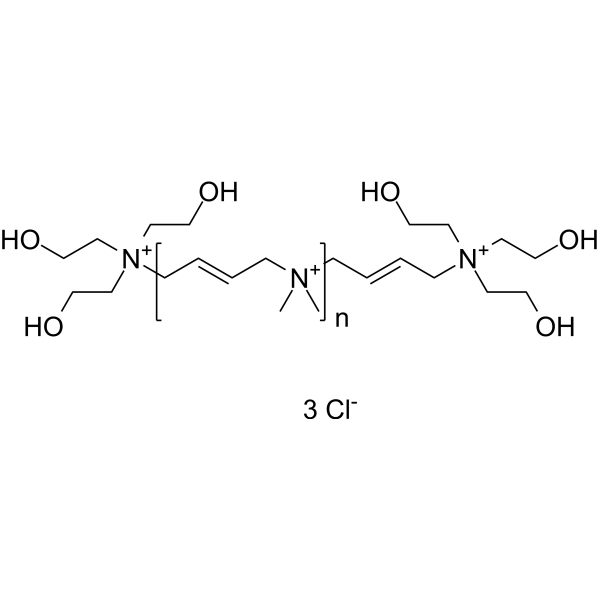
  • HY-N3460R

    Reference Standards Reactive Oxygen Species (ROS) Cardiovascular Disease
    Isorhoifolin (Standard) is the analytical standard of Isorhoifolin. This product is intended for research and analytical applications. Isorhoifolin is a flavonoid glycoside from Hemistepta lyrata. Isorhoifolin displays an anti-leakage effect .
    Isorhoifolin (Standard)
  • HY-164631

    Calcium Channel Cardiovascular Disease
    EL20 is a selective cardiac ryanodine receptor 2 (RyR2) inhibitor. EL20 inhibits diastolic Ca 2+ leakage from the sarcoplasmic reticulum, reducing delayed afterdepolarizations and triggered arrhythmias. EL20 is promising for research of cardiovascular diseases .
    EL20
  • HY-159666

    Antibiotic Fungal Infection
    Nystatin A1 is a polyene macrolide antifungal antibiotic that can be isolated from Streptomyces noursei. Nystatin A1 binds to ergosterol on the fungal cell membrane, increasing the permeability of the cell membrane and causing leakage of cell contents, thereby inhibiting the growth and reproduction of fungi .
    Nystatin A1
  • HY-P10696A

    Bacterial Infection
    C16G2 TFA is a specific targeted antimicrobial peptide (STAMP) that targets the cariogenic oral pathogen Streptococcus mutans. C16G2 TFA specifically recognizes and disrupts the bacterial cell membrane, causing small molecule leakage and loss of membrane potential, leading to bacterial killing. C16G2 TFA exhibits higher selectivity and efficacy against Streptococcus mutans, unlike broad-spectrum antimicrobial peptides .
    C16G2 TFA
  • HY-B1248A

    Antibiotic Bacterial Necroptosis Apoptosis Infection
    Chlorhexidine acetate hydrate is a orally active cationic antimicrobial agent that targets microbial cell membranes. Chlorhexidine acetate hydrate binds to cell membrane phospholipids non-specifically, destroys membrane structure and induces leakage of cell contents. Chlorhexidine acetate hydrate has broad-spectrum bactericidal activity against both Gram-positive and Gram-negative bacteria. Chlorhexidine acetate hydrate can interfere with membrane permeability, cause protein precipitation and energy metabolism disorders, such as rapid inhibition of microbial growth and induction of cell death (necrosis or apoptosis) .
    Chlorhexidine acetate hydrate
  • HY-W013699R

    Reference Standards Antibiotic Bacterial Necroptosis Apoptosis Infection
    Chlorhexidine diacetate (Standard) is the analytical standard of Chlorhexidine diacetate (HY-W013699). This product is intended for research and analytical applications. Chlorhexidine diacetate is a orally active cationic antimicrobial agent that targets microbial cell membranes. Chlorhexidine diacetate binds to cell membrane phospholipids non-specifically, destroys membrane structure and induces leakage of cell contents. Chlorhexidine diacetate has broad-spectrum bactericidal activity against both Gram-positive and Gram-negative bacteria. Chlorhexidine diacetate can interfere with membrane permeability, cause protein precipitation and energy metabolism disorders, such as rapid inhibition of microbial growth and induction of cell death (necrosis or apoptosis) .
    Chlorhexidine diacetate (Standard)
  • HY-106896

    Potassium Channel Neurological Disease Inflammation/Immunology
    YM 934 is a potassium channel opener. YM 934 inhibits neurogenic plasma leakage. YM 934 inhibits airway neurogenic inflammation .
    YM 934
  • HY-W701470

    LPL Receptor Inflammation/Immunology
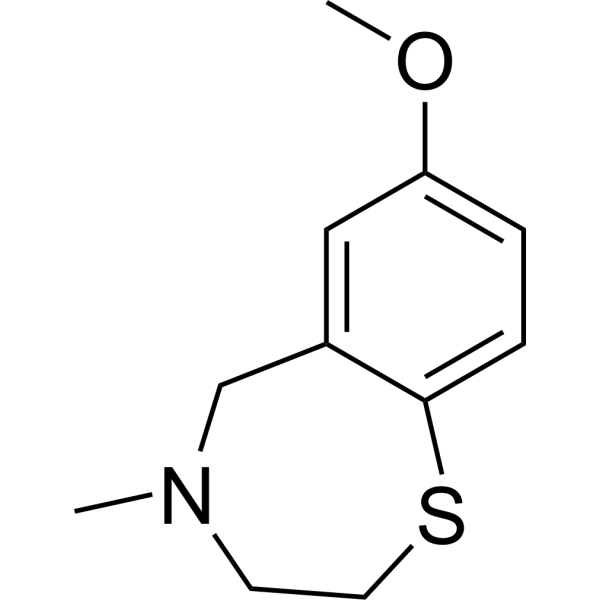
    W140 hydrobromide is a S1P1 antagonist with the Ki of 2.84 μM, and can enhanceof capillary leakage and restoration of lymphocyte egress .
    W140 hydrobromide
  • HY-133621

    Biochemical Assay Reagents Cancer
    9,10-Dichlorostearic acid is a chlorinated stearic acid with antimutagenic properties. 9,10-Dichlorostearic acid can cause membrane damage by inducing leakage of adenosine triphosphate (ATP) from mammalian tumour cells in vitro .
    9,10-Dichlorostearic acid
  • HY-P10546

    pALA

    Bacterial Infection
    Polyalanine peptide (pALA) is an antimicrobial peptide that targets biofilms and Gram-negative bacteria and is non-toxic to mammalian cells. Polyalanine peptide forms an α-helical conformation that effectively permeabilizes Gram-negative bacterial membranes, thereby inducing lethal cell leakage. Polyalanine peptide can be used in anti-infection research .
    Polyalanine peptide
  • HY-N1616

    Apoptosis Others
    1β-Hydroxyeuscaphic acid has significant hepatoprotective activity by lowering the leakage of intracellular enzymes, reducing the oxidation of proteins and decreasing the incidence of apoptosis .
    1β-Hydroxyeuscaphic acid
  • HY-142063

    Fukinotoxin

    Endogenous Metabolite Others
    Petasitenine (Fukinotoxin) is a pyrrolizidine alkaloid that can be found in the plant Petasites japonicus, which is a carcinogenic metabolite of neopetasitenine. Petasitenine causes lactate dehydrogenase leakage, and exhibits hepatotoxicity .
    Petasitenine
  • HY-151284

    Bacterial Fungal Infection
    Antifungal agent 38 is a geterocyclic disulfide, an antifungal and antibacterial agent. Antifungal agent 38 induces the shrinkage of hyphae, disrupts the integrity of the plasma membrane, and causes the damage and leakage of cell contents .
    Antifungal agent 38
  • HY-N15423

    Others Inflammation/Immunology
    Acrophylline is an antiallergic compound. Acrophylline inhibits mast cell degranulation. Acrophylline reduces the plasma leakage in mouse ear in a passive cutaneous anaphylactic (PCA) reaction. Acrophylline is an alkaloid can be isolated from acronychia haplophylla .
    Acrophylline
  • HY-105407

    NO Synthase Inflammation/Immunology
    GW 273629 is a selective nitric oxide synthase inhibitor. GW 273629 exhibits anti-inflammation effect .
    GW 273629

Inquiry Online

Your information is safe with us. * Required Fields.

Salutation


Country or Region *

Applicant Name *


Organization Name *

Department *


Email Address *


Product Name *

Cat. No.


Requested quantity *

Phone Number *


Remarks

Inquiry Online

Inquiry Information

Product Name:
Cat. No.:
Quantity:
MCE Japan Authorized Agent:

