1. Search Result
Search Result
Results for "

metabolite precursor

" in MedChemExpress (MCE) Product Catalog:

101

Inhibitors & Agonists

3

Biochemical Assay Reagents

54

Natural
Products

21

Isotope-Labeled Compounds

1

Oligonucleotides

Cat. No. Product Name Target Research Areas Chemical Structure
  • HY-N0122
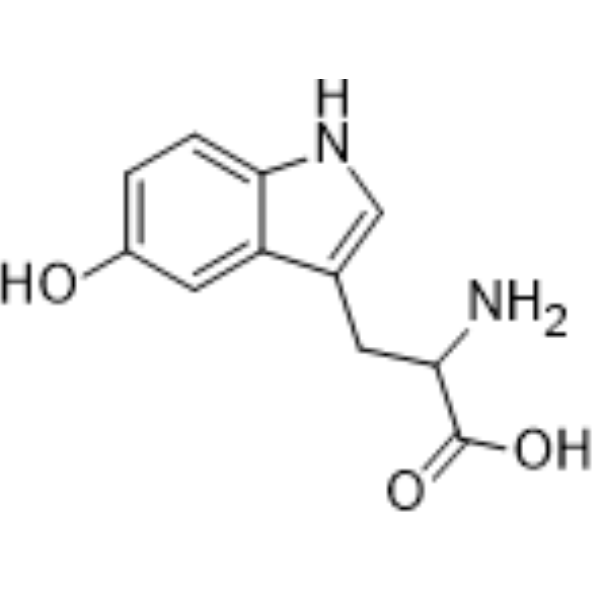
    5-Hydroxytryptophan
    2 Publications Verification

    5-HTP; DL-5-Hydroxytryptophan

    Endogenous Metabolite 5-HT Receptor Neurological Disease Metabolic Disease
    5-Hydroxytryptophan, a tryptophan metabolite, is a direct 5-hydroxytryptamine (5-HT) precursor and an L-aromatic amino acid decarboxylase substrate. .
    5-Hydroxytryptophan
  • HY-Y0520
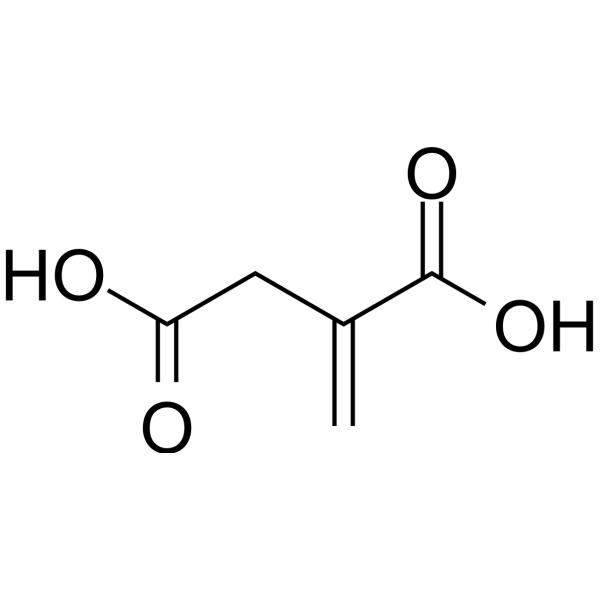
    Itaconic acid
    2 Publications Verification

    Methylenesuccinic acid

    Endogenous Metabolite Ferroptosis Inflammation/Immunology Cancer
    Itaconic acid, a precursor of polymers, chemicals, and fuels, can be synthesized by many fungi. Itaconic acid also is a macrophage-specific metabolite. Itaconic acid mediates crosstalk between macrophage metabolism and peritoneal tumors. Itaconic acid has anti-inflammatory, anti-microbial and immunomodulatory effect .
    Itaconic acid
  • HY-117433
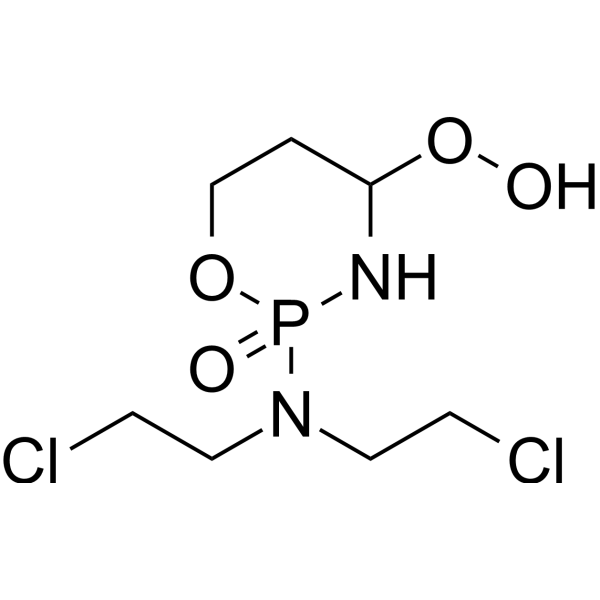
    4-Hydroperoxy cyclophosphamide
    Maximum Cited Publications
    12 Publications Verification

    DNA Alkylator/Crosslinker Apoptosis Reactive Oxygen Species (ROS) Drug Metabolite Inflammation/Immunology
    4-Hydroperoxy cyclophosphamide is the active metabolite form of the precursor Cyclophosphamide. 4-Hydroperoxy cyclophosphamide cross-links DNA to induce T cell apoptosis independent of caspase receptor activation, and can activate the mitochondrial death pathway by producing reactive oxygen species (ROS). 4-Hydroperoxy cyclophosphamide can be used in the study of rheumatoid arthritis and autoimmune diseases .
    4-Hydroperoxy cyclophosphamide
  • HY-W015851
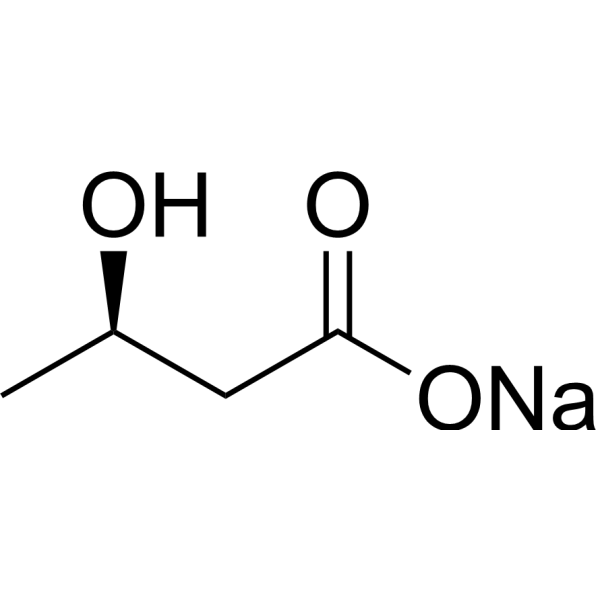
    (R)-3-Hydroxybutanoic acid sodium
    Maximum Cited Publications
    6 Publications Verification

    (R)-(-)-3-Hydroxybutanoic acid sodium; (R)-3-Hydroxybutyric acid sodium

    Endogenous Metabolite Metabolic Disease
    (R)-3-Hydroxybutanoic acid ((R)-3-Hydroxybutyric acid) sodium is a metabolite converted from acetoacetic acid catalyzed by 3-hydroxybutyrate dehydrogenase. (R)-3-Hydroxybutanoic acid sodium can function as a nutrition source, and as a precursor for vitamins, antibiotics and pheromones .
    (R)-3-Hydroxybutanoic acid sodium
  • HY-W051723
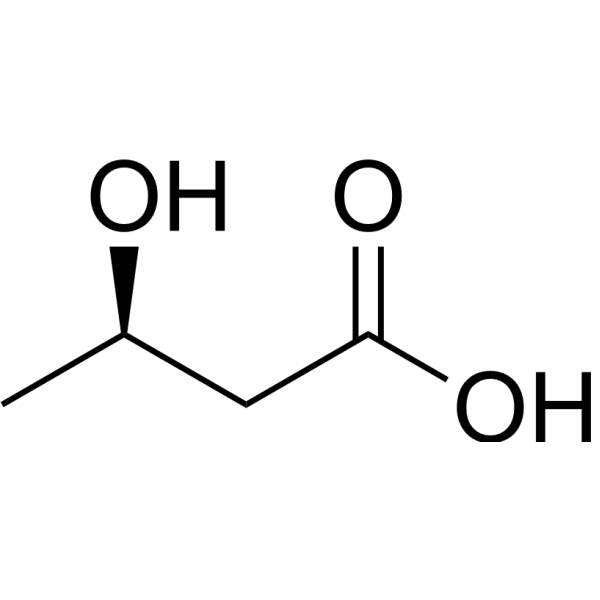
    (R)-3-Hydroxybutanoic acid
    Maximum Cited Publications
    6 Publications Verification

    (R)-(-)-3-Hydroxybutanoic acid; (R)-3-Hydroxybutyric acid

    Endogenous Metabolite Metabolic Disease
    (R)-3-Hydroxybutanoic acid is a metabolite, and converted from acetoacetic acid catalyzed by 3-hydroxybutyrate dehydrogenase. (R)-3-Hydroxybutanoic acid has applications as a nutrition source and as a precursor for vitamins, antibiotics and pheromones .
    (R)-3-Hydroxybutanoic acid
  • HY-113263
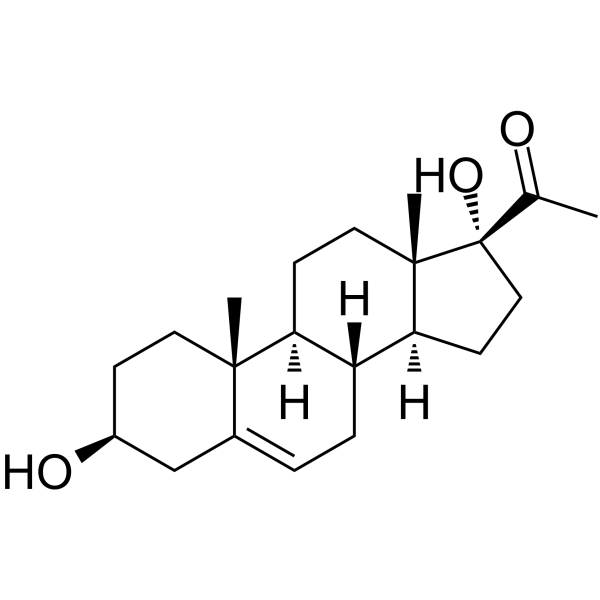
    17a-Hydroxypregnenolone
    2 Publications Verification

    17-OHP5

    Endogenous Metabolite Metabolic Disease
    17a-Hydroxypregnenolone (17-OHP5) is a metabolite of Pregnenolone (HY-B0151) and a precursor in the biosynthesis of Dehydroepiandrosterone (HY-14650). 17a-Hydroxypregnenolone is a substrate for the enzyme 3β-hydroxysteroid dehydrogenase (3β-HSD) .
    17a-Hydroxypregnenolone
  • HY-126370A

    Endogenous Metabolite YAP Apoptosis Interleukin Related STAT ERK Ras Cancer
    Geranylgeranyl pyrophosphate triammonium is a type of isoprenoid metabolic intermediate, mainly synthesized through the mevalonate pathway. Geranylgeranyl pyrophosphate triammonium is a key precursor in various biological synthesis processes, especially as a necessary substrate for post-translational modification of proteins - geranylgeranyl phosphorylation. Geranylgeranyl pyrophosphate triammonium regulates various cellular processes and disease progression through protein geranylgeranyl phosphorylation, such as activating the YAP signaling pathway, promoting cell proliferation and inhibiting apoptosis; promoting IL-2 production and STAT5 phosphorylation; and influencing metabolic homeostasis and cancer, etc .
    Geranylgeranyl pyrophosphate triammonium
  • HY-137808
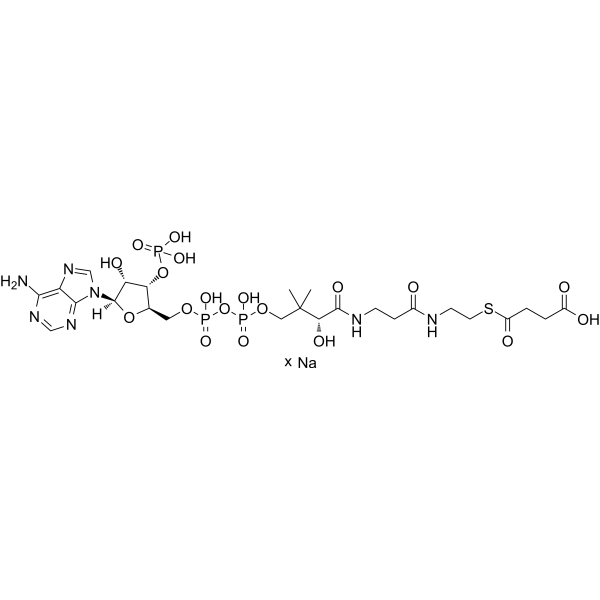
    Succinyl-Coenzyme A sodium
    3 Publications Verification

    Succinyl-CoA sodium

    Endogenous Metabolite Neurological Disease Metabolic Disease
    Succinyl CoA (Succinyl-coenzyme A) sodium is a pivotal intermediate metabolite in the tricarboxylic acid cycle and a key coenzyme A metabolite. Succinyl CoA sodium is biosynthesized from α-ketoglutarate or propionyl-CoA. Succinyl CoA sodium acts as a critical precursor and substrate for heme biosynthesis and gluconeogenesis. Succinyl CoA sodium insufficiency caused by cobalamin deficiency is directly linked to growth retardation, impaired heme synthesis, tissue glycine accumulation and neurological abnormalities. Succinyl CoA sodium can be used in research on metabolic, neurological, and hematological abnormalities (such as porphyria) caused by nutritional vitamin B12 deficiency (leading to a lack of Succinyl-Coenzyme A synthesis) .
    Succinyl-Coenzyme A sodium
  • HY-128748

    Endogenous Metabolite Others
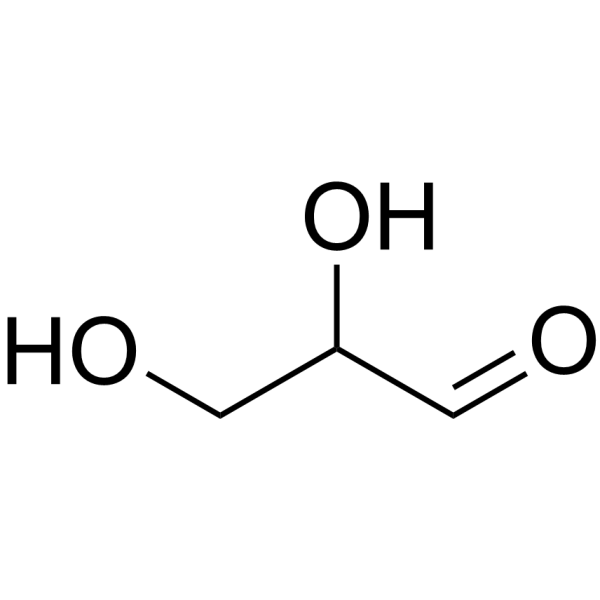
    DL-Glyceraldehyde is a bioactive substance involved in cellular energy metabolism and a key intermediate in sugar metabolism pathways (such as glycolysis and gluconeogenesis). During glycolysis, DL-Glyceraldehyde is converted by enzymes into other metabolites to provide energy for cells; during gluconeogenesis, DL-Glyceraldehyde participates in the synthesis of glucose as a precursor. In the field of medical research, DL-Glyceraldehyde can be used to study diseases related to sugar metabolism, such as diabetes, tumors, etc[1][2].
    DL-Glyceraldehyde
  • HY-113224
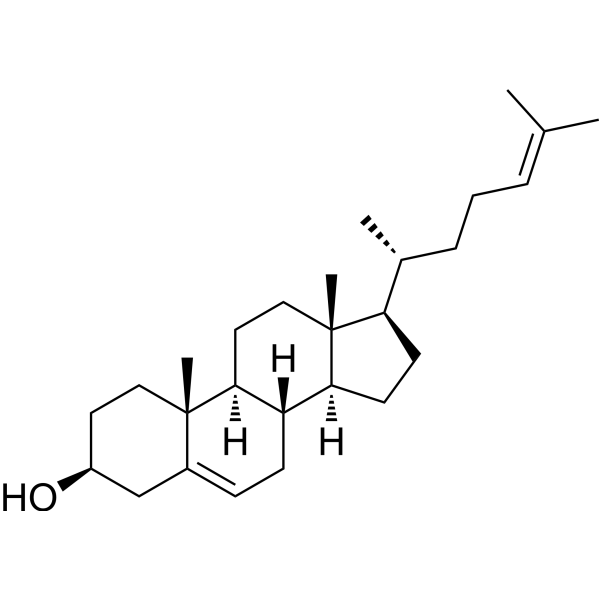
    Desmosterol
    5 Publications Verification

    Endogenous Metabolite LXR Fatty Acid Synthase (FASN) Interleukin Related Reactive Oxygen Species (ROS) NOD-like Receptor (NLR) Cardiovascular Disease Metabolic Disease Inflammation/Immunology
    Desmosterol is a cholesterol-like molecule. In the Bloch pathway of cholesterol biosynthesis, Desmosterol is a direct precursor of cholesterol. As an endogenous metabolite, Desmosterol is used to study cholesterol metabolism . Desmosterol is an LXR activator and SREBP inhibitor, which can suppress macrophage inflammasome activation and prevent vascular inflammation and atherosclerosis. A reduction in Desmosterol promotes the production of mitochondrial reactive oxygen species (ROS) in macrophages and pyrin domain-dependent inflammasome activation of NLRP3. Desmosterol holds potential for research in inflammation, metabolism, and cardiovascular diseases .
    Desmosterol
  • HY-W674241

    Endogenous Metabolite Apoptosis Bcl-2 Family Reactive Oxygen Species (ROS) Neurological Disease Cancer
    4-Ethylphenyl sulfate is an orally active and brain-penetrant gut microbial metabolite. 4-Ethylphenyl sulfate downregulates Bcl2 expression, upregulates Bax expression, and induces cancer cell apoptosis via the endogenous apoptotic pathway. 4-Ethylphenyl sulfate induces G2/M cell cycle arrest and reactive oxygen species (ROS) production. 4-Ethylphenyl sulfate impairs oligodendrocyte maturation, reduces oligodendrocyte-neuron interactions, decreases axonal myelination levels, and shifts the oligodendrocyte population toward immature precursor cells. 4-Ethylphenyl sulfate alters brain region-specific neural activity and functional connectivity in mice, and correlates with anxiety-like behaviors in mice .
    4-Ethylphenyl sulfate
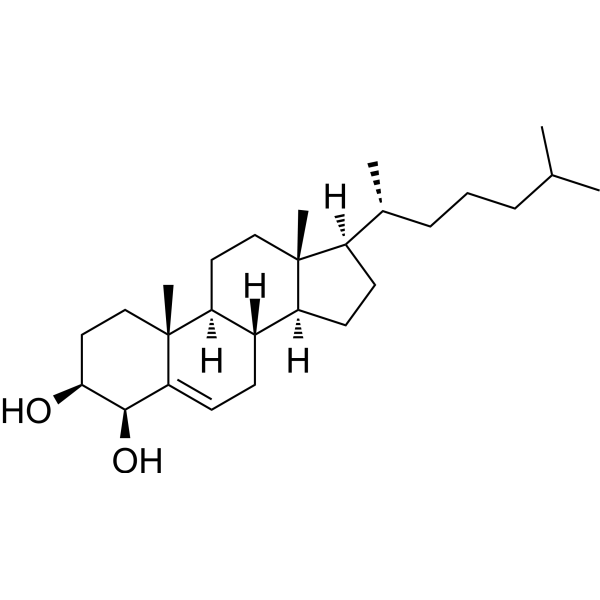
  • HY-124265

    Endogenous Metabolite Metabolic Disease
    4β-Hydroxycholesterol is a major Cholesterol (HY-N0322) metabolite and a precursor in the synthesis of bile acids that is found in human circulation .
    4β-Hydroxycholesterol
  • HY-141570

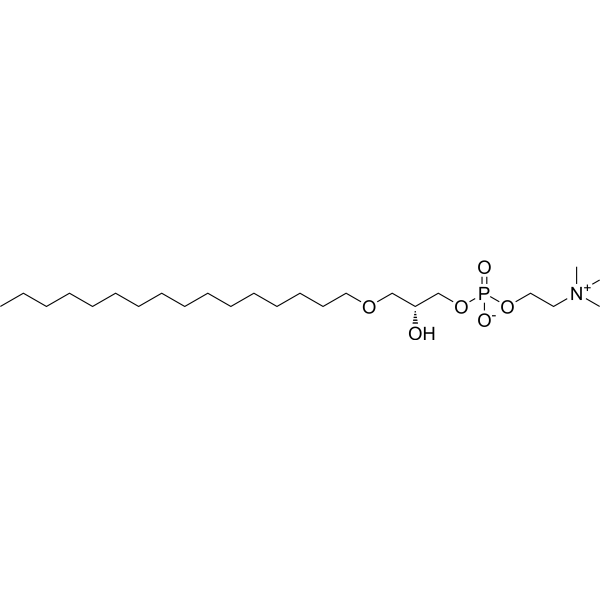
    Phospholipase Others
    Lyso-PAF C-16 is a precursor and metabolite of 1-O-hexadecyl-2-acetyl-sn-glycero-3-phosphocholine (PAF C-16). Lyso-PAF C-16 is a substrate for either PAF C-16 formation by the remodeling pathway or selective acylation with arachidonic acid by a CoA-independent transacylase .
    Lyso-PAF C-16
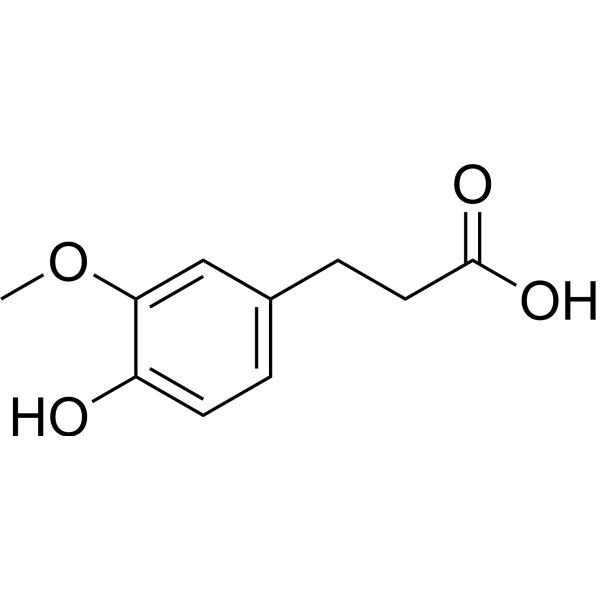
  • HY-N7080

    Hydroferulic acid

    Drug Metabolite Metabolic Disease
    Dihydroferulic acid (Hydroferulic acid) is one of the main metabolites of curcumin and antioxidant/radical-scavenging properties with an IC50 value of 19.5 μM. Dihydroferulic acid is a metabolite of human gut microflora as well as a precursor of vanillic acid .
    Dihydroferulic acid
  • HY-W002112

    Nornicotine

    Endogenous Metabolite Drug Metabolite nAChR β-catenin Cardiovascular Disease Neurological Disease
    (±)-Nornicotine is a major metabolite of Nicotine. (±)-Nornicotine is a partial nAChRs agonist, specifically activating receptor subtypes containing α7 and α6 subunits. (±)-Nornicotine disrupts β-catenin and ZO-1, and induces F-actin depolymerization. (±)-Nornicotine supports self-administration behavior. (±)-Nornicotine can be used in the research of atherosclerosis, Alzheimer's disease, and schizophrenia .
    (±)-Nornicotine
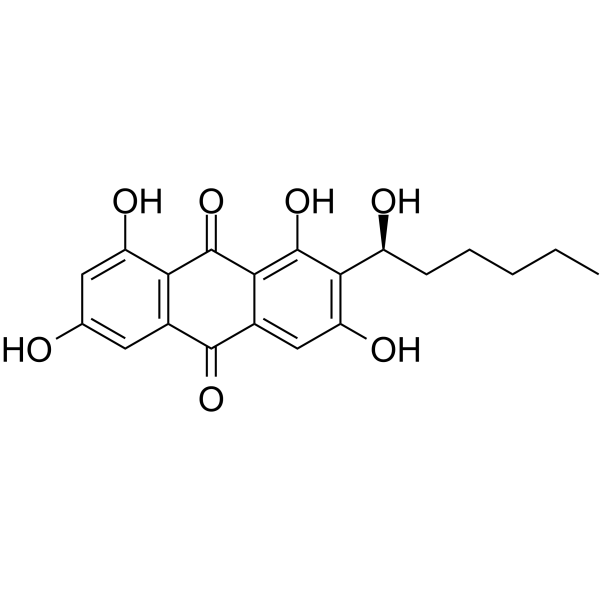
  • HY-119663

    Fungal Infection
    Averantin is the minor metabolite of the fungus Cercospora arachidicola . Averantin is an aflatoxin B1 precursor that can be used in the biosynthetic pathway .
    Averantin
  • HY-114297
    Zymosterol
    2 Publications Verification

    Endogenous Metabolite Others
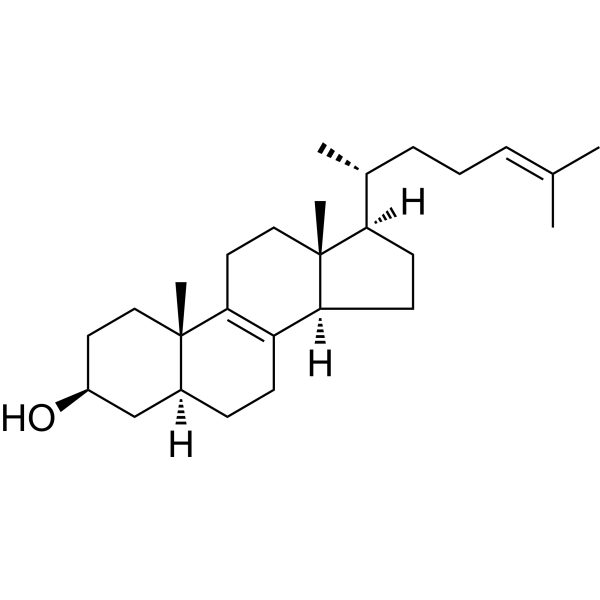
    Zymosterol is a Cholesterol (HY-N0322) biosynthesis metabolite. Zymosterol, a precursor of Cholesterol, is found mostly in the plasma membrane. Zymosterol circulates within the cell .
    Zymosterol
  • HY-133068

    COMT Endogenous Metabolite Others
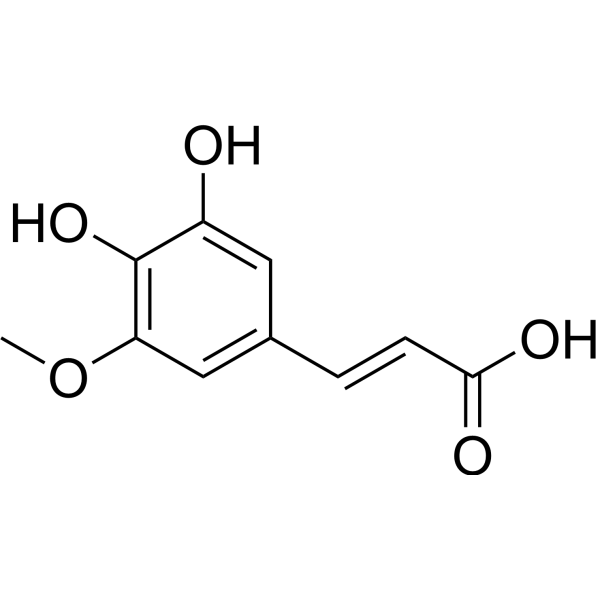
    5-Hydroxyferulic acid is a hydroxycinnamic acid and is a metabolite of the phenylpropanoid pathway. 5-Hydroxyferulic acid is a precursor in the biosynthesis of sinapic acid and is also a COMT non-esterifed substrate .
    5-Hydroxyferulic acid
  • HY-128742

    Endogenous Metabolite Drug Derivative Metabolic Disease
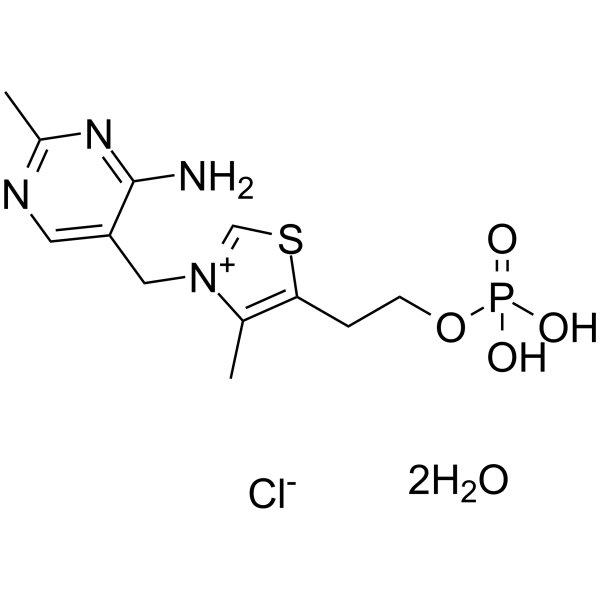
    Thiamine monophosphate chloride dihydrate is a vitamin B1 (HY-A0100) metabolite and thiamine precursor. Thiamine monophosphate chloride dihydrate is absorbable in vivo and can be converted into thiamine. Thiamine monophosphate chloride dihydrate can be used as a food additive .
    Thiamine monophosphate chloride dihydrate
  • HY-122009

    Indoxyl-β-D-glucoside

    P-glycoprotein OAT Fluorescent Dye Others
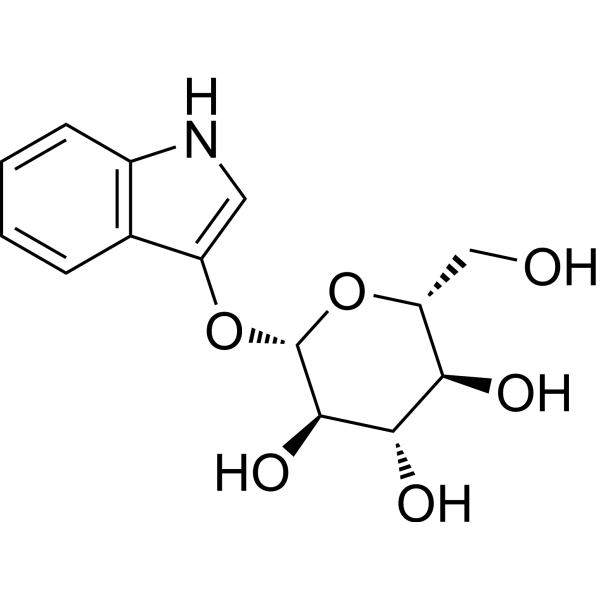
    Indican (Indoxyl-β-D-glucoside), a glycoside of indoxyl, is a precursor of the dyesindigo and indirubin. Indican has a major metabolite, indoxyl sulfate (IS). IS, an uremic toxin, is a substrate/inhibitor of organic anion transporter (OAT) 1, OAT 3 and multidrug resistance-associated protein (MRP) 4 .
    Indican
  • HY-W096638A

    (S)-Glycerolphosphocholine

    Endogenous Metabolite Neurological Disease Metabolic Disease Cancer
    Glycerophosphocholine ((S)-Glycerolphosphocholine) is an orally active metabolite that crosses the blood-brain barrier. Glycerophosphocholine acts as a precursor of acetylcholine, a specific marker for phosphatidylcholine breakdown, a major water-soluble storage form of choline, and an intermediate in phosphatidylcholine metabolism. Glycerophosphocholine is specifically elevated in the cerebrospinal fluid of Alzheimer's disease models, and it also promotes growth hormone secretion and fat oxidation. Glycerophosphocholine is also a potential biomarker for breast cancer .
    Glycerophosphocholine
  • HY-126370

    Endogenous Metabolite YAP Apoptosis Interleukin Related STAT ERK Ras Cancer
    Geranylgeranyl pyrophosphate is a type of isoprenoid metabolic intermediate, mainly synthesized through the mevalonate pathway. Geranylgeranyl pyrophosphate is a key precursor in various biological synthesis processes, especially as a necessary substrate for post-translational modification of proteins - geranylgeranyl phosphorylation. Geranylgeranyl pyrophosphate regulates various cellular processes and disease progression through protein geranylgeranyl phosphorylation, such as activating the YAP signaling pathway, promoting cell proliferation and inhibiting apoptosis; promoting IL-2 production and STAT5 phosphorylation; and influencing metabolic homeostasis and cancer, etc .
    Geranylgeranyl pyrophosphate
  • HY-124265S

    Endogenous Metabolite Metabolic Disease
    4β-Hydroxycholesterol-d7 is the deuterium labeled 4β-Hydroxycholesterol (HY-124265). 4β-Hydroxycholesterol is a major Cholesterol (HY-N0322) metabolite and a precursor in the synthesis of bile acids that is found in human circulation .
    4β-Hydroxycholesterol-d7
  • HY-N6660

    Tricaprin; Glyceryl tridecanoate

    Endogenous Metabolite Androgen Receptor Cardiovascular Disease Metabolic Disease
    Trisdecanoin (Tricaprin; Glyceryl tridecanoate) is an orally available precursor of decanoic acid (DA precursor) that can be hydrolyzed to decanoic acid. Trisdecanoin and its metabolite capric acid not only provide the body with a quick source of energy, but can also affect lipid metabolism. Trisdecanoin is a major component of medium chain triglycerides (MCT), which has preventive or inhibitory properties for abdominal aortic aneurysms (AAA), inhibition of cardiovascular disease, and anti-androgen (NSAA) and anti-hyperglycemic properties. Trisdecanoin can be used as an additive in food, medicine and cosmetics .
    Trisdecanoin
  • HY-124370

    9Z,11E-CLA; Methyl 9(Z),11(E)-octadecadienoate; (9Z,11E)-SFE 19:2

    Endogenous Metabolite Cardiovascular Disease Cancer
    9 (Z),11 (E)-Conjugated linoleic acid methyl ester (9Z,11E-CLA; Methyl 9 (Z),11 (E)-octadecadienoate; (9Z,11E)-SFE 19:2) is an isomer of Linoleic acid (HY-N0729), and is a conjugated linoleic acid mainly found in meat and dairy products. Conjugated linoleic acid is a bioactive fatty acid that improves body composition, enhances immune system function, and exhibits anti-cancer and anti-atherosclerotic effects .
    9(Z),11(E)-Conjugated linoleic acid methyl ester
  • HY-113224S

    Isotope-Labeled Compounds Endogenous Metabolite Metabolic Disease
    Desmosterol-d6 is the deuterium labeled Desmosterol. Desmosterol is a molecule similar to cholesterol. Desmosterol is the immediate precursor of cholesterol in the Bloch pathway of cholesterol biosynthesis. Desmosterol, as an endogenous metabolite, used to study cholesterol metabolism .
    Desmosterol-d6
  • HY-W587960

    Histidine-betaine

    Drug Metabolite Drug Intermediate Metabolic Disease
    Hercynine (Histidine-betaine) is an intermediate (precursor) and a redox metabolite of Ergothioneine (HY-N1914), which is found in the fine leaf algae, Schizosaccharomyces cerevisiae and honey bees. Hercynine has no effect on scavenging •OH radicals .
    Hercynine
  • HY-Y0520S

    Endogenous Metabolite Inflammation/Immunology
    Itaconic acid- 13C5 is the 13C labeled Itaconic acid. Itaconic acid, a precursor of polymers, chemicals, and fuels, can be synthesized by many fungi. Itaconic acid also is a macrophage-specific metabolite. Itaconic acid mediates crosstalk between macrophage metabolism and peritoneal tumors .
    Itaconic acid-13C5
  • HY-W014018

    PPO; DPO; POP

    Fluorescent Dye Others
    2,5-Diphenyloxazole (PPO; DPO; POP) is a fluorescent dye, as well as a substrate and metabolite precursor of cytochrome P-450 (cytochrome P-448/P1-450). 2,5-Diphenyloxazole serves as a scintillator .
    2,5-Diphenyloxazole
  • HY-124265S2

    Endogenous Metabolite Metabolic Disease
    4β-Hydroxycholesterol-d4 is the deuterium labeled 4β-Hydroxycholesterol (HY-124265) . 4β-Hydroxycholesterol is a major Cholesterol (HY-N0322) metabolite and a precursor in the synthesis of bile acids that is found in human circulation .
    4β-Hydroxycholesterol-d4
  • HY-33893
    Indole-3-methanamine
    2 Publications Verification

    Drug Derivative Drug Intermediate Infection
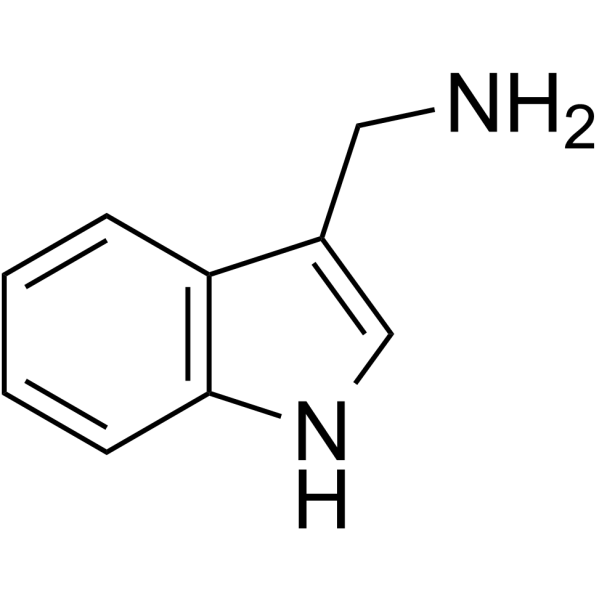
    Indole-3-methanamine is an indole derivative, stress-related metabolite, and also a biosynthetic precursor of Gramine (HY-N0166). The accumulation level of Indole-3-methanamine increases in susceptible barley varieties infected with Bipolaris sorokiniana. Indole-3-methanamine can be used in studies related to barley spot blotch .
    Indole-3-methanamine
  • HY-128753

    Endogenous Metabolite Drug Intermediate Metabolic Disease
    D-Lyxose is an endogenous metabolite. D-Lyxose is a rare pentose with significant potential for pharmaceutical synthesis. D-Lyxose serves as a starting material for antitumor agents (such as α-galactosylceramide-based immunostimulants). D-Lyxose acts as a precursor for L-nucleoside analogs used in the development of antiviral drugs. D-Lyxose can be used as a synthetic intermediate for other rare sugars (such as L-ribose) .
    D-Lyxose
  • HY-W014504

    Endogenous Metabolite Metabolic Disease
    DL-Kynurenine is a key metabolite in the tryptophan metabolic pathway and can cross the blood-brain barrier. DL-Kynurenine has a bidirectional regulatory effect on neural excitability. DL-Kynurenine can enhance the convulsive and lethal effects caused by strychnine. DL-Kynurenine is the precursor of Kynurenic acid (HY-100806), which is an antagonist at the glycine site of NMDA receptors and can counteract excitatory toxins. DL-Kynurenine can be used for research on neurotoxicity .
    DL-Kynurenine
  • HY-Y0669S

    Isotope-Labeled Compounds Endogenous Metabolite Ferroptosis YAP Glutathione Peroxidase Infection
    Pipecolic acid-d9 is the deuterium labeled Pipecolic acid. Pipecolic acid is a metabolite of lysine and an important precursor for many useful microbial secondary metabolites. Pipecolic acid slows ferroptosis in diabetic retinopathy by inhibiting the YAP-GPX4 signaling pathway. In addition, Pipecolic acid can be used as a diagnostic marker for pyridoxine-dependent epilepsy .
    Pipecolic acid-d9
  • HY-W001996

    Endogenous Metabolite Drug Intermediate Bacterial Infection
    6-Hydroxynicotinic acid is an intermediate in the oxidation of Nicotinic acid (HY-B0143) by Pseudomonas fluorescens and metabolite. 6-Hydroxynicotinic acid can be isolated from root exudates of Cucumis melo. 6-Hydroxynicotinic acid disrupts the Auxin signaling pathway. 6-Hydroxynicotinic acid inhibits haustoria precursor formation in Phlipanche aegyptiaca .
    6-Hydroxynicotinic acid
  • HY-Y0520R

    Methylenesuccinic acid (Standard)

    Reference Standards Endogenous Metabolite Ferroptosis Inflammation/Immunology
    Itaconic acid (Standard) is the analytical standard of Itaconic acid. This product is intended for research and analytical applications. Itaconic acid, a precursor of polymers, chemicals, and fuels, can be synthesized by many fungi. Itaconic acid also is a macrophage-specific metabolite. Itaconic acid mediates crosstalk between macrophage metabolism and peritoneal tumors. Itaconic acid has anti-inflammatory, anti-microbial and immunomodulatory effect .
    Itaconic acid (Standard)
  • HY-W015851S2

    (R)-(-)-3-Hydroxybutanoic acid-13C4 sodium; (R)-3-Hydroxybutyric acid-13C4 sodium

    Isotope-Labeled Compounds Endogenous Metabolite Metabolic Disease
    (R)-3-Hydroxybutanoic acid- 13C4 sodium is a 13C labeled (R)-3-Hydroxybutanoic acid (HY-W051723). (R)-3-Hydroxybutanoic acid is a metabolite converted from acetoacetic acid catalyzed by 3-hydroxybutyrate dehydrogenase. (R)-3-Hydroxybutanoic acid can function as a nutrition source, and as a precursor for vitamins, antibiotics and pheromones .
    (R)-3-Hydroxybutanoic acid-13C4 sodium
  • HY-148285

    Succinyl-coenzyme A; S-(Hydrogen succinyl)coenzyme A

    Endogenous Metabolite Metabolic Disease
    Succinyl CoA (Succinyl-coenzyme A) is a pivotal intermediate metabolite in the tricarboxylic acid cycle and a key coenzyme A metabolite. Succinyl CoA is biosynthesized from α-ketoglutarate or propionyl-CoA. Succinyl CoA acts as a critical precursor and substrate for heme biosynthesis and gluconeogenesis. Succinyl CoA insufficiency caused by cobalamin deficiency is directly linked to growth retardation, impaired heme synthesis, tissue glycine accumulation and neurological abnormalities. Succinyl CoA can be used in research on metabolic, neurological, and hematological abnormalities (such as porphyria) caused by nutritional vitamin B12 deficiency (leading to a lack of Succinyl-Coenzyme A synthesis) .
    Succinyl CoA
  • HY-W654002

    Isotope-Labeled Compounds Endogenous Metabolite Others
    (3R)-3-Hydroxybutyric acid-1- 13C is 13C labeled (R)-3-Hydroxybutanoic acid. (R)-3-Hydroxybutanoic acid is a metabolite, and converted from acetoacetic acid catalyzed by 3-hydroxybutyrate dehydrogenase. (R)-3-Hydroxybutanoic acid has applications as a nutrition source and as a precursor for vitamins, antibiotics and pheromones .
    (3R)-3-Hydroxybutyric acid-1-13C
  • HY-N10479

    DNA/RNA Synthesis Drug Intermediate Endogenous Metabolite Bacterial Infection
    Chorismic acid is a precursor for the biosynthesis of aromatic amino acids and vitamins, as well as a key metabolite in tRNA modification. Chorismic acid is a critical metabolite for the synthesis of cmo 5U. Deficiency of Chorismic acid inhibits the formation of cmo 5U and mcmo 5U. Chorismic acid can be used in studies of S. typhimurium and E. coli infections .\n


    Chorismic acid
  • HY-113031

    16α-Hydroxy-DHEA; 16α-OH-DHEA; 16α-hydroxy DHEA

    Cytochrome P450 Endocrinology
    16a-Hydroxydehydroisoandrosterone (16α-Hydroxy-DHEA) is a metabolite of the endogenous steroid hormone dehydroepiandrosterone. 16α-hydroxy Dehydroepiandrosterone is formed from dehydroepiandrosterone via 16-hydroxylation by the cytochrome P450 (CYP) isoforms CYP3A4 and CYP3A5 in adult human liver microsomes, as well as by fetal recombinant CYP3A7. It is a precursor to fetal estrogens, including estriol.
    16a-Hydroxydehydroisoandrosterone
  • HY-W016203

    Sodium phenylpyruvate

    Endogenous Metabolite PDI Infection Metabolic Disease
    Phenylpyruvic acid sodium is a endogenous metabolite that participates in the synthesis of 3-phenyllactic acid (PLA) by lactate dehydrogenase. Phenylpyruvic acid is a precursor of the antifungal compound phenyllactic acid. Phenylpyruvic acid can improve the antifungal activity of eight lactic acid bacterial strains through the addition into a dedined growth medium. Phenylpyruvic acid demonstrates improved inhibitory activity against fungal bread contaminants Aspergillus niger and Penicillium roqueforti. Phenylpyruvic acid affects enzyme activity of the pentose phosphate pathway involved in the oxidative phase in rat brain homogenates. Phenylpyruvic acid can reduce glucose-6-phosphate dehydrogenase activity .
    Phenylpyruvic acid sodium
  • HY-128425A
    N-Carbamoyl-L-aspartic acid
    1 Publications Verification

    L-Ureidosuccinic acid

    Fungal Infection
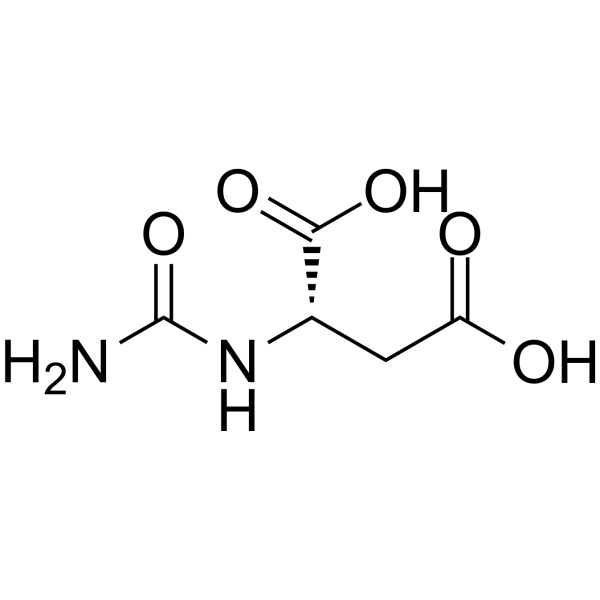
    N-Carbamoyl-L-aspartic acid (L-Ureidosuccinic acid) is an important pyrimidine metabolic precursor and intermediate metabolite. N-Carbamoyl-L-aspartic acid reverses the growth inhibition of Ura + strains induced by 2-thiouracil (with growth rate increasing linearly with its concentration), but fails to support the growth of uracil-requiring Ura - strains. N-Carbamoyl-L-aspartic acid inhibits the cell growth of *Saccharomyces cerevisiae* by suppressing the purine biosynthetic pathway at a pre-step of 5-aminoimidazole nucleotide synthesis. The growth inhibitory effect of N-Carbamoyl-L-aspartic acid on yeast can be alleviated by purines, and the sensitivity of strains is closely related to the activity level of dihydroorotase .
    N-Carbamoyl-L-aspartic acid
  • HY-W674241A

    Endogenous Metabolite Apoptosis Bcl-2 Family Reactive Oxygen Species (ROS) Neurological Disease Cancer
    4-Ethylphenyl sulfate sodium is an orally active and brain-penetrant gut microbial metabolite. 4-Ethylphenyl sulfate sodium downregulates Bcl2 expression, upregulates Bax expression, and induces cancer cell apoptosis via the endogenous apoptotic pathway. 4-Ethylphenyl sulfate sodium induces G2/M cell cycle arrest and reactive oxygen species (ROS) production. 4-Ethylphenyl sulfate sodium impairs oligodendrocyte maturation, reduces oligodendrocyte-neuron interactions, decreases axonal myelination levels, and shifts the oligodendrocyte population toward immature precursor cells. 4-Ethylphenyl sulfate sodium alters brain region-specific neural activity and functional connectivity in mice, and correlates with anxiety-like behaviors in mice .
    4-Ethylphenyl sulfate sodium
  • HY-101416

    Vanylpyruvic acid

    Adrenergic Receptor Monoamine Transporter Opioid Receptor Drug Metabolite Endogenous Metabolite Neurological Disease Endocrinology
    Vanilpyruvic acid is a catecholamine metabolite and precursor to vanillactic acid.
    Vanilpyruvic acid
  • HY-113097

    Endogenous Metabolite Metabolic Disease
    3α,7α-Dihydroxycoprostanic acid is an endogenous metabolite. 3α,7α-Dihydroxycoprostanic acid, a bile acid, is the precursor to chenodeoxycholic acid .
    3α,7α-Dihydroxycoprostanic acid
  • HY-Y0669R

    Reference Standards Endogenous Metabolite YAP Glutathione Peroxidase Ferroptosis Neurological Disease Metabolic Disease Inflammation/Immunology
    Pipecolic acid (Standard) is the analytical standard of Pipecolic acid. This product is intended for research and analytical applications. Pipecolic acid is a metabolite of lysine and an important precursor for many useful microbial secondary metabolites. Pipecolic acid slows ferroptosis in diabetic retinopathy by inhibiting the YAP-GPX4 signaling pathway. In addition, Pipecolic acid can be used as a diagnostic marker for pyridoxine-dependent epilepsy .
    Pipecolic acid (Standard)
  • HY-W012264

    3-Methoxy-L-tyrosine monohydrate; 3-O-Methyl-L-DOPA monohydrate

    COMT Neurological Disease
    3-O-Methyldopa monohydrate (3-Methoxy-L-tyrosine monohydrate) is a significant metabolite of L-DOPA produced through the action of catechol O-methyltransferase (COMT). Unlike its precursor, 3-O-Methyldopa does not serve as a substrate or inhibitor of L-amino acid decarboxylase activity. Additionally, the inhibition of COMT can amplify the anti-Parkinson effects of L-DOPA.
    3-O-Methyldopa monohydrate
  • HY-B0228S10

    (R)-(-)-3-Hydroxybutanoic acid-13C2 sodium; (R)-3-Hydroxybutyric acid-13C2 sodium

    Isotope-Labeled Compounds Endogenous Metabolite Metabolic Disease
    (R)-3-Hydroxybutanoic acid- 13C2 sodium is the 13C labeled (R)-3-Hydroxybutanoic acid sodium (HY-W015851). (R)-3-Hydroxybutanoic acid sodium is a metabolite converted from acetoacetic acid catalyzed by 3-hydroxybutyrate dehydrogenase. (R)-3-Hydroxybutanoic acid sodium can function as a nutrition source, and as a precursor for vitamins, antibiotics and pheromones .
    (R)-3-Hydroxybutanoic acid-13C2 sodium
  • HY-W104075

    Drug Metabolite Others
    2-Amino-5-bromo-2’-chlorobenzophenone is a precursor in the synthesis of Phenazepam.1 2-Amino-5-bromo-2’-chlorobenzophenone is also an active metabolite of Phenazepam.
    2-Amino-5-bromo-2’-chlorobenzophenone

Inquiry Online

Your information is safe with us. * Required Fields.

Salutation


Country or Region *

Applicant Name *


Organization Name *

Department *


Email Address *


Product Name *

Cat. No.


Requested quantity *

Phone Number *


Remarks

Inquiry Online

Inquiry Information

Product Name:
Cat. No.:
Quantity:
MCE Japan Authorized Agent:

