Search Result
Results for "
microbial inhibitor
" in MedChemExpress (MCE) Product Catalog:
5
Biochemical Assay Reagents
7
Isotope-Labeled Compounds
| Cat. No. |
Product Name |
Target |
Research Areas |
Chemical Structure |
-
- HY-100599
-
-
-
- HY-P3161
-
|
|
HSV
|
Infection
Inflammation/Immunology
Cancer
|
|
Lactoferrin from Bovine milk is a substance released by neutrophils. Lactoferrin from Bovine milk is an orally active multifunctional iron binding glycoprotein. Lactoferrin from Bovine milk prevents cell adhesion, growth and spreading of cell colonies. Lactoferrin from Bovine milk also has antiviral activity and inhibits microbial and viral adhesion and entry into host cells. Besides, Lactoferrin from Bovine milk has anti-inflammatory, immunomodulatory, and anti-cancer activities .
|
-
-
- HY-121636
-
|
RvD2
|
TRP Channel
|
Infection
Neurological Disease
Inflammation/Immunology
|
|
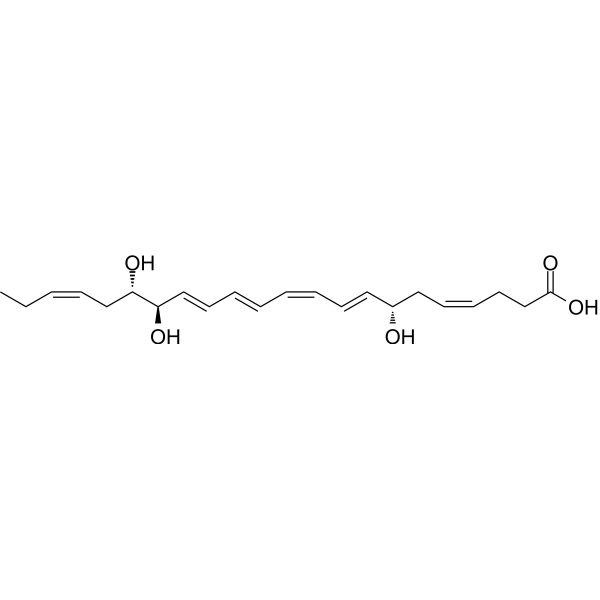
Resolvin D2 is a metabolite of docosahexaenoic acid (DHA), with anti-inflammatory, anti-infective activities. Resolvin D2 is a potent regulator of leukocytes and controls microbial sepsis. Resolvin D2 is a remarkably potent inhibitor of TRPV1 (IC50 = 0.1 nM) and TRPA1 (IC50 = 2 nM) in primary sensory neurons .
|
-
-
- HY-P1939
-
|
Cyclo(L-prolyl-L-leucyl)
|
Fungal
Bacterial
Influenza Virus
|
Infection
|
|
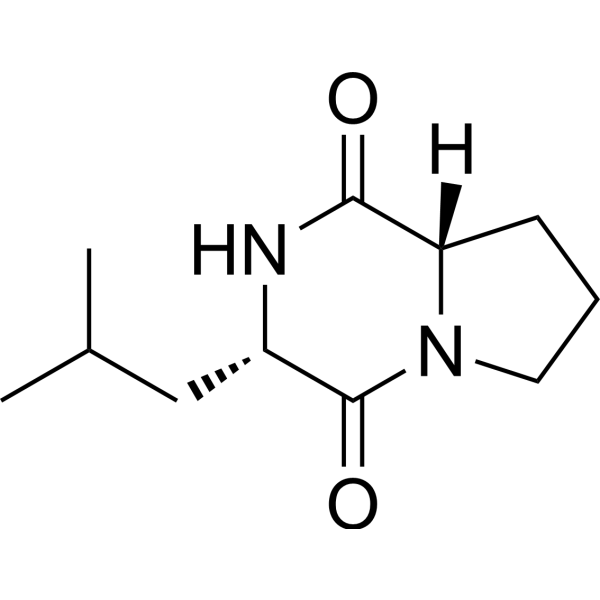
Cyclo(L-Leu-L-Pro) is a cyclic dipeptide with broad-spectrum antibacterial, antiviral and antifungal activities. Its biological activity is highly dependent on the stereoconfiguration and is widely present in microbial metabolites. Cyclo(L-Leu-L-Pro) efficiently and specifically inhibits the production of aflatoxin by Aspergillus flavus. The cis configuration of Cyclo(L-Leu-L-Pro) (cis-cyclo(L-Leu-L-Pro)) has broad-spectrum antibacterial activity against multi-drug resistant bacteria and significantly inhibits the influenza A virus H3N2 .
|
-
-
- HY-A0251
-
|
Cefpodoxime acid; R 3763
|
Antibiotic
Bacterial
|
Infection
Cancer
|
|
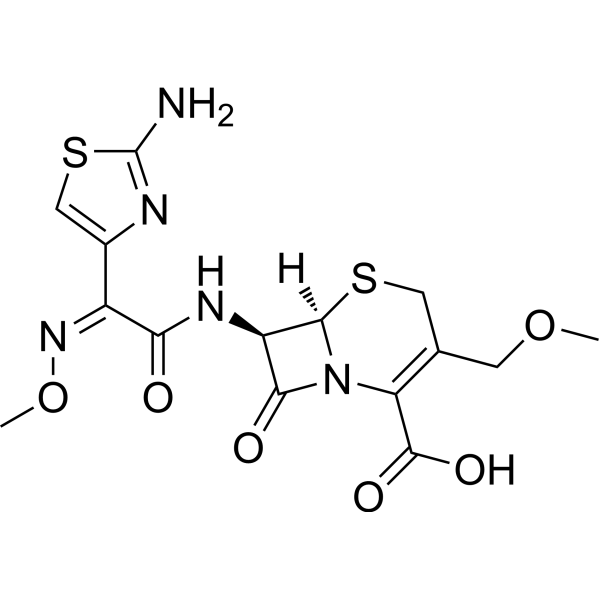
Cefpodoxime (Cefpodoxime acid) is a potent antibiotic active against gram-positive and gram-negative bacteria. Cefpodoxime inhibits the majority of cells in microbial populations. Cefpodoxime can be used for acute otitis media, sinusitis and tosillopharyngitis research .
|
-
-
- HY-Y0079
-
|
|
Endogenous Metabolite
|
Infection
|
|
D-Phenylalanine is an atypical D-amino acid and an inhibitor of bacterial biofilm formation. D-Phenylalanine mainly replaces D-alanine (D-Ala) by incorporating into the fourth and fifth positions of bacterial peptidoglycan (PG), changing the cell wall structure, enhancing bacterial acid resistance and affecting biofilm formation. D-Phenylalanine may promote the secretion of peptide tyrosine tyrosine (PYY) in mammals by activating the intestinal GPR109B receptor. D-Phenylalanine can inhibit the maturation of microbial biofilms and promote the release of specific hormones. It can be used for antibacterial preservation, improving the yield of probiotics in the food industry, and studying appetite regulation and blood sugar control in metabolic diseases such as diabetes .
|
-
-
- HY-N2021A
-
-
-
- HY-N7059
-
|
|
Bacterial
Reactive Oxygen Species (ROS)
|
Infection
|
|
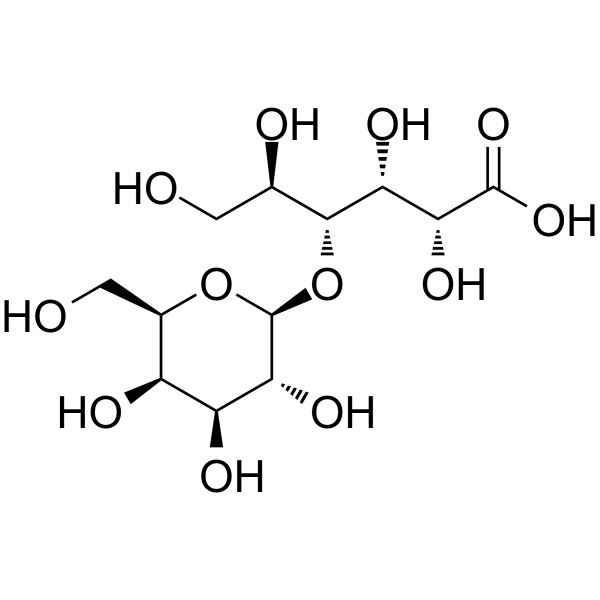
Lactobionic acid is a bionic acid that can be naturally found in the Caspian Sea yogurt and chemically constituted of a gluconic acid bonded to a galactose. Lactobionic acid has antioxidant, antimicrobial, chelating, stabilizer, acidulant, and moisturizing properties. Lactobionic acid can be obtained by electrolytic methods, microbial fermentation or biocatalytic approaches. Lactobionic acid can be used in foodstuffs, to produce new functional products and against food-borne pathogens. Lactobionic acid inhibits DNA repair and protein synthesis, induction of oxidative stress and inhibition of metabolic pathways against MRSA .
|
-
-
- HY-N0793
-
-
-
- HY-125176
-
G907
1 Publications Verification
|
Bacterial
|
Infection
|
|
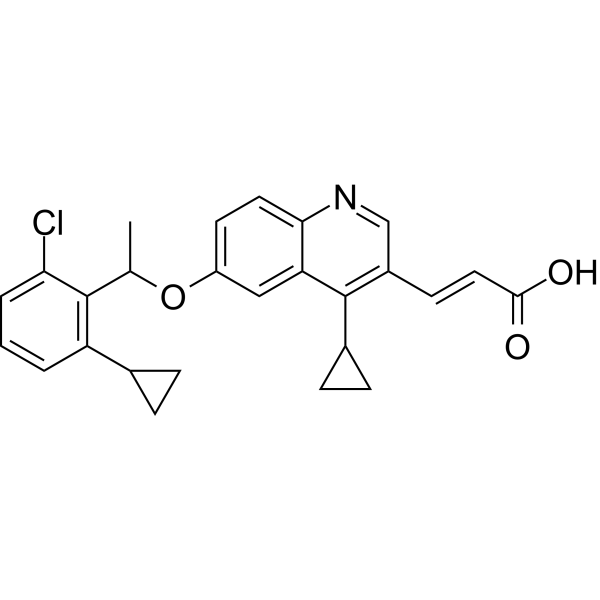
G907 is a selective antagonist of ATP-binding cassette (ABC) transporter MsbA with anti-microbial activity. G907 inhibits E. coli MsbA with an IC50 value of 18 nM. G907 traps MsbA in an inward-facing, lipopolysaccharide-bound conformation by wedging into an architecturally conserved transmembrane pocket .
|
-
-
- HY-N0346A
-
-
-
- HY-N0626
-
|
|
Environmental Pollutants
Bacterial
Endogenous Metabolite
Fungal
Antibiotic
|
Infection
Neurological Disease
Cancer
|
|
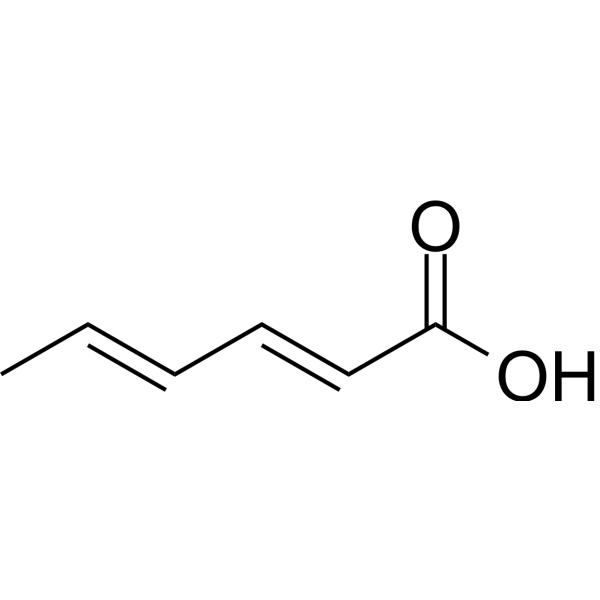
Sorbic acid is an antibacterial preservative effective against most molds, yeasts, and some bacterial species. Sorbic acid inhibits microbial growth. Sorbic acid suppresses the activity of intestinal microorganisms in zebrafish, alters the composition of intestinal flora, and reduces the levels of intestinal immune biomarkers, including IgG, IL-1β, and TNF-α. Sorbic acid can be used in research on the prevention and treatment of mold, yeast, and bacterial infections .
|
-
-
- HY-N0626A
-
|
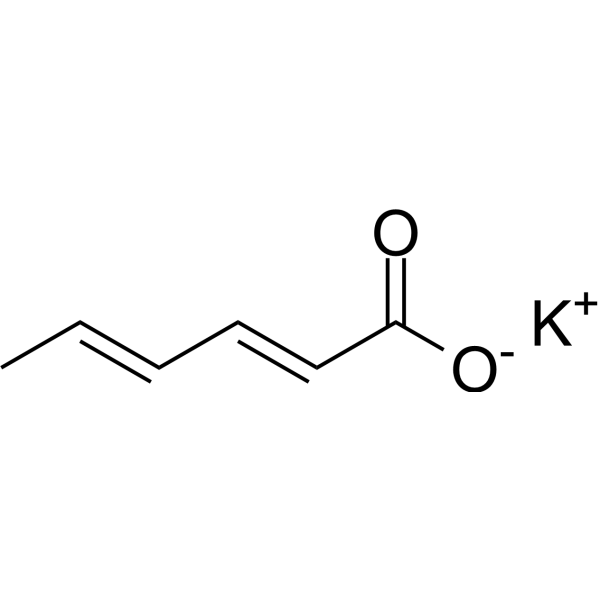
Sorbic acid potassium
|
Environmental Pollutants
Endogenous Metabolite
Antibiotic
Bacterial
Fungal
|
Infection
|
|
Potassium sorbate (Sorbic acid potassium) is an antibacterial preservative effective against most molds, yeasts, and some bacterial species. Potassium sorbate inhibits microbial growth. Potassium sorbate suppresses the activity of intestinal microorganisms in zebrafish, alters the composition of intestinal flora, and reduces the levels of intestinal immune biomarkers, including IgG, IL-1β, and TNF-α. Potassium sorbate can be used in research on the prevention and treatment of mold, yeast, and bacterial infections .
|
-
-
- HY-N6625
-
|
|
Environmental Pollutants
Estrogen Receptor/ERR
Fungal
|
Infection
|
|
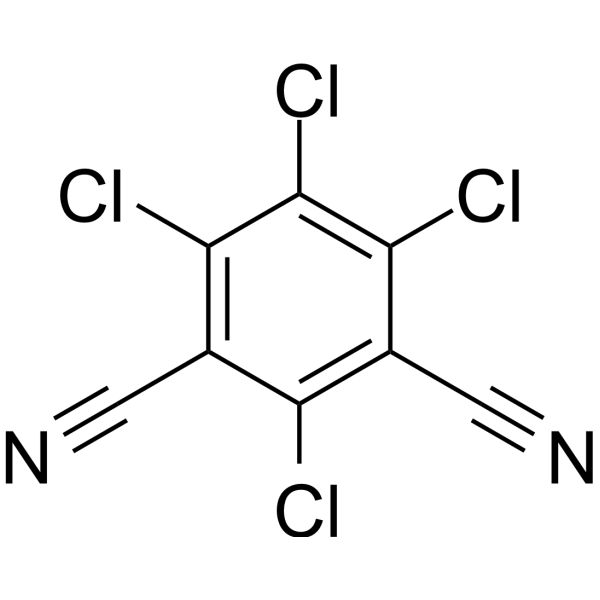
Chlorothalonil is a broad-spectrum foliar fungicide with oral activity. Chlorothalonil can be used to combat fungal diseases in vegetable and crop leaves. Chlorothalonil can alter the microbial community in the soil. Chlorothalonil inhibits spermatogenesis. Chlorothalonil can cause intestinal epithelial barrier dysfunction and fetal toxicity .
|
-
-
- HY-N7719
-
-
-
- HY-N1377
-
-
-
- HY-136436
-
|
|
Drug Metabolite
Antibiotic
Bacterial
Fungal
|
Infection
Inflammation/Immunology
|
|
Ternidazole hydrochloride is a nitroimidazole Antibiotic with anti-pathogenic microbial activity. Ternidazole hydrochloride kills and inhibits the visible growth of Clostridium perfringens type A in vitro. Ternidazole hydrochloride helps improve the therapeutic efficacy against bacterial vaginosis, candidal vaginitis and mixed vaginitis. Ternidazole hydrochloride effectively alleviates chronic alcoholism. Ternidazole hydrochloride can be used in research related to vaginitis, pathogenic microbial infections and chronic alcoholism .
|
-
-
- HY-B2171A
-
|
Carminomycin hydrochloride; Carminomicin I hydrochloride
|
Apoptosis
|
Infection
Cancer
|
|
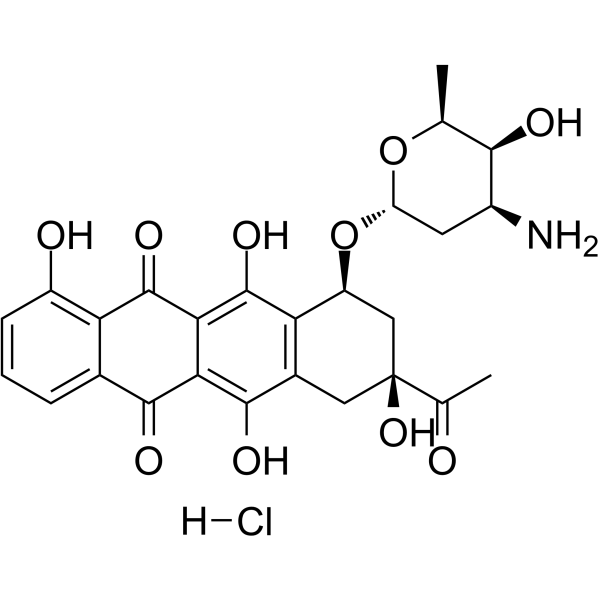
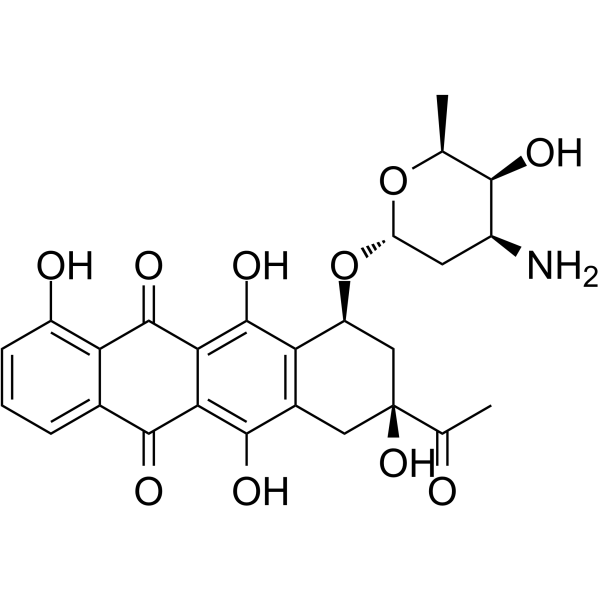
Carubicin hydrochloride is a microbially-derived compound. Carubicin hydrochloride is an effective inhibitor of VHL-defective (VHL−/−) CCRCC cell proliferation. Carubicin hydrochloride also induces apoptosis by a mechanism independent of p53 or hypoxia-inducible factor HIF2. Carubicin hydrochloride has the potential for the research of cancer diseases .
|
-
-
- HY-P2124
-
|
|
Antibiotic
Bacterial
|
Infection
|
|
Cyclo(L-Trp-L-Trp) is an antibiotic, and shows antimicrobial activity. Cyclo(L-Trp-L-Trp) can inhibit A. baumannii, as well as Candida albicans, Bacillus subtilis, Micrococcus luteus, Saccharomyces cerevisiae, Aspergillus niger, Staphylococcus aureus. Cyclo(L-Trp-L-Trp) can be used in microbial infection research .
|
-
-
- HY-P5589
-
|
PlnA
|
Bacterial
Reactive Oxygen Species (ROS)
|
Infection
Inflammation/Immunology
|
|
Plantaricin A is an antimicrobial peptide that can be derived from Lactobacillus plantarum. Plantaricin A has a synergistic effect with Ciprofloxacin. Plantaricin A shows anti-microbial activity. Plantaricin A increases the membrane potential of S. aureus and the level of intracellular ROS. Plantaricin A inhibits the function of the efflux pump by binding it and altering the structure of MepA, NorA, and LmrS. Plantaricin A significantly relieves inflammation, and promotes wound healing. Plantaricin A permeabilizes cancerous rat pituitary cells [1][2].
|
-
-
- HY-W016473
-
|
|
Bacterial
|
Infection
|
|
Adamantane-carboxylic acid is a compound with inhibitory activity against microorganisms. Although its specific target has not been clearly defined, it can inhibit Gram-positive bacteria and some Gram-negative bacteria. It forms a 1-monoacylglycerol derivative through a direct reaction with glycidol, and exerts its antibacterial effect by mechanisms such as altering the permeability of the bacterial cell membrane. This compound can be used in the research of antibacterial agents in the food and cosmetic industries to reduce harmful microbial flora and extend the shelf life of products .
|
-
-
- HY-N8102
-
|
|
Transmembrane Glycoprotein
Others
|
Cardiovascular Disease
|
|
Echinocystic acid 28-O-β-D-glucoside is a metabolite of Echinocystic acid by microbial oxidation and glucosidation. Echinocystic acid 28-O-β-D-glucoside is a tissue factor pathway inhibitor, with an IC50 of 10.61 nM .
|
-
-
- HY-Y0669S
-
|
|
Isotope-Labeled Compounds
Endogenous Metabolite
Ferroptosis
YAP
Glutathione Peroxidase
|
Infection
|
|
Pipecolic acid-d9 is the deuterium labeled Pipecolic acid. Pipecolic acid is a metabolite of lysine and an important precursor for many useful microbial secondary metabolites. Pipecolic acid slows ferroptosis in diabetic retinopathy by inhibiting the YAP-GPX4 signaling pathway. In addition, Pipecolic acid can be used as a diagnostic marker for pyridoxine-dependent epilepsy .
|
-
-
- HY-N7107
-
|
|
Environmental Pollutants
Fungal
|
Infection
Metabolic Disease
|
|
Fenchyl alcohol is a monoterpene alcohol that can be used as a fragrance. Fenchyl alcohol has antifungal activity and can inhibit the formation of biofilms and hyphae of Candida albicans. Fenchyl alcohol also has a strong inhibitory effect on the rumen microbial activity of sheep and deer .
|
-
-
- HY-W001940
-
|
|
Amino Acid Derivatives
Bacterial
|
Infection
Cardiovascular Disease
|
|
DL-m-Tyrosine is a non-protein amino acid. DL-m-Tyrosine inhibits microbial growth and spore formation. DL-m-Tyrosine also inhibits root growth in various plants, such as lettuce and Arabidopsis. DL-m-Tyrosine, when used in combination with Carbidopa (HY-B0311), has a potent antihypertensive effect. DL-m-Tyrosine can be used in research on biopesticide design .
|
-
-
- HY-N0626AR
-
|
Sorbic acid potassium (Standard)
|
Reference Standards
Environmental Pollutants
Bacterial
Endogenous Metabolite
Fungal
Antibiotic
|
Infection
|
|
Potassium sorbate (Standard) is the analytical standard of Potassium sorbate. This product is intended for research and analytical applications. Potassium sorbate (Sorbic acid potassium) is an antibacterial preservative effective against most molds, yeasts, and some bacterial species. Potassium sorbate inhibits microbial growth. Potassium sorbate suppresses the activity of intestinal microorganisms in zebrafish, alters the composition of intestinal flora, and reduces the levels of intestinal immune biomarkers, including IgG, IL-1β, and TNF-α. Potassium sorbate can be used in research on the prevention and treatment of mold, yeast, and bacterial infections .
|
-
-
- HY-W094847
-
-
-
- HY-N2021
-
-
-
- HY-Y0669R
-
-
-
- HY-N0108R
-
|
Parietin (Standard); Rheochrysidin (Standard)
|
Reference Standards
Bacterial
|
Infection
Inflammation/Immunology
Cancer
|
|
Physcion (Standard) is the analytical standard of Physcion. This product is intended for research and analytical applications. Physcion (Parietin) is an anthraquinone isolated from traditional Chinese medicine Radix et Rhizoma Rhei, acts as an inhibitor of 6-phosphogluconate dehydrogenase, with an IC50 and a Kd of 38.5 μM and 26.0 μM, respectively . Physcion (Parietin) exhibits laxative, hepatoprotective, anti-inflammatory, anti-microbial, anti-proliferative and anti-tumor effects .
|
-
-
- HY-121636S
-
|
RvD2-d5
|
TRP Channel
|
Infection
Neurological Disease
Inflammation/Immunology
|
|
Resolvin D2-d5 is the deuterium labeled Resolvin D2. Resolvin D2 is a metabolite of docosahexaenoic acid (DHA), with anti-inflammatory, anti-infective activities. Resolvin D2 is a potent regulator of leukocytes and controls microbial sepsis. Resolvin D2 is a remarkably potent inhibitor of TRPV1 (IC50 = 0.1 nM) and TRPA1 (IC50 = 2 nM) in primary sensory neurons .
|
-
-
- HY-N7719R
-
|
|
Endogenous Metabolite
Reference Standards
Bacterial
Fungal
Parasite
Apoptosis
Reactive Oxygen Species (ROS)
Caspase
HSV
|
Infection
Inflammation/Immunology
Cancer
|
|
Oosporein (Standard) is the analytical standard of Oosporein (HY-N7719). This product is intended for research and analytical applications. Oosporein is a microbial metabolite and a red crystalline toxin produced by various fungi. Oosporein can promote the reproduction of fungi in host bodies by inhibiting insect immunity, and possesses multiple activities such as antibacterial, antiviral (HSV), and insecticidal effects. Oosporein can inhibit plant growth. In addition, Oosporein can also induce apoptosis, cell membrane damage, oxidative stress, and mitochondrial damage. Oosporein has certain antitumor activity .
|
-
-
- HY-N0626R
-
|
|
Reference Standards
Environmental Pollutants
Bacterial
Endogenous Metabolite
Fungal
Antibiotic
|
Infection
|
|
Sorbic acid (Standard) is the analytical standard of Sorbic acid (HY-N0626). This product is intended for research and analytical applications. Sorbic acid is an antibacterial preservative effective against most molds, yeasts, and some bacterial species. Sorbic acid inhibits microbial growth. Sorbic acid suppresses the activity of intestinal microorganisms in zebrafish, alters the composition of intestinal flora, and reduces the levels of intestinal immune biomarkers, including IgG, IL-1β, and TNF-α. Sorbic acid can be used in research on the prevention and treatment of mold, yeast, and bacterial infections .
|
-
-
- HY-136436A
-
|
|
Drug Metabolite
Parasite
|
Infection
Inflammation/Immunology
|
|
Ternidazole is a nitroimidazole Antibiotic with anti-pathogenic microbial activity. Ternidazole kills and inhibits the visible growth of Clostridium perfringens type A in vitro. Ternidazole helps improve the therapeutic efficacy against bacterial vaginosis, candidal vaginitis and mixed vaginitis. Ternidazole effectively alleviates chronic alcoholism. Ternidazole can be used in research related to vaginitis, pathogenic microbial infections and chronic alcoholism .
|
-
-
- HY-N1322
-
|
|
Bacterial
β-glucuronidase
|
Others
|
|
Sanggenol A acts as a dual inhibitor of nitrofuranone reduction mediated by the intestinal microbial nitrification reductases EcNfsA and EcNfsB. In addition, Sanggenol A is also an effective inhibitor of intestinal bacterial β-glucuronidase .
|
-
-
- HY-N16439
-
|
Phoenicine
|
HMG-CoA Reductase (HMGCR)
|
Others
|
|
Phenicin (Phoenicine), a microbial metabolite, is an irreversible HMG-CoA reductase (HMGCR) inhibitor. Phenicin can be isolated from cultures of Penicillium phoeniceum and Penicillium rubrum. Phenicin specifically inhibits the conversion of HMG-CoA to mevalonate catalyzed by HMGCR, effectively inhibiting cholesterol synthesis .
|
-
-
- HY-N6625R
-
|
|
Reference Standards
Fungal
Estrogen Receptor/ERR
|
Infection
|
|
Chlorothalonil (Standard) is the analytical standard of Chlorothalonil. This product is intended for research and analytical applications. Chlorothalonil is a broad-spectrum foliar fungicide with oral activity. Chlorothalonil can be used to combat fungal diseases in vegetable and crop leaves. Chlorothalonil can alter the microbial community in the soil. Chlorothalonil inhibits spermatogenesis. Chlorothalonil can cause intestinal epithelial barrier dysfunction and fetal toxicity .
|
-
-
- HY-121291
-
|
|
HIV
|
Infection
|
|
Aureothin, is a natural polyketide, is a HIV inhibitor with an IC50 of 5.3 nM. Aureothin is a microbial biolarvicide .
|
-
-
- HY-N14904
-
|
|
Glycosidase
|
Infection
|
|
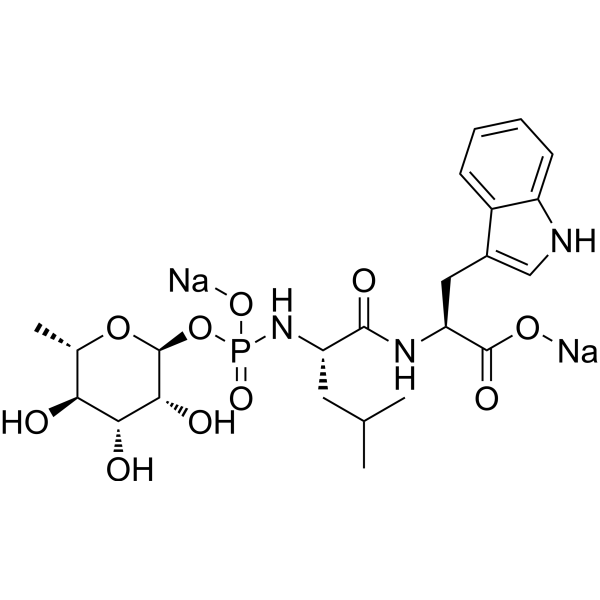
Panosialin D can inhibit α,β-glucosidase and mannose glycosidase. Panosialin D does not inhibit the influenza virus, but it has weak anti-microbial effect .
|
-
-
- HY-138247
-
|
EX-A4764; UUN51204
|
Beta-lactamase
Bacterial
Antibiotic
|
Infection
|
|
β-Lactamase-IN-2 is a beta-lactamase inhibitor, extracted from patent WO 2019075084 A1, compound 1. β-Lactamase-IN-2 has anti-microbial and anti-bacterial effects .
|
-
-
- HY-B2171
-
|
Carminomycin; Carminomicin I
|
Apoptosis
|
Infection
Cancer
|
|
Carubicin (Carminomycin) is a microbially-derived compound. Carubicin is an effective inhibitor of VHL-defective (VHL−/−) CCRCC cell proliferation. Carubicin also induces apoptosis by a mechanism independent of p53 or hypoxia-inducible factor HIF2. Carubicin has the potential for the research of cancer diseases .
|
-
-
- HY-100599S2
-
-
-
- HY-N0346AR
-
-
-
- HY-B0273B
-
|
|
Parasite
Bacterial
Environmental Pollutants
|
Infection
|
|
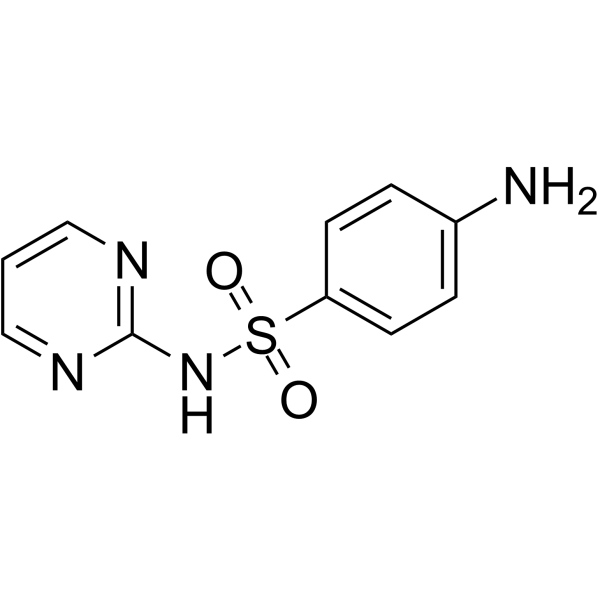
Sulfadiazine 100 µg/mL in methanol is an orally active sulfonamide antibiotic. Sulfadiazine 100 µg/mL in methanol competitively inhibits p-aminobenzoic acid in the folic-acid-metabolism cycle, inhibiting multiplication of most Gram-positive and many Gram-negative bacteria. Sulfadiazine 100 µg/mL in methanol persists in soil long-term, and exerts selective pressure for sulfonamide-resistant microbial populations. Sulfadiazine 100 µg/mL in methanol targets Toxoplasma gondii DHPS enzyme. Sulfadiazine 100 µg/mL in methanol can be used for the research of congenital toxoplasmosis and bacterial infection .
|
-
-
- HY-N7059R
-
|
|
Reference Standards
Bacterial
Reactive Oxygen Species (ROS)
|
Infection
|
|
Lactobionic acid (Standard) is an analytical standard for lactobionic acid. This product is intended for use in research and analytical applications. Lactobionic acid is a bionic acid that can be naturally found in the Caspian Sea yogurt and chemically constituted of a gluconic acid bonded to a galactose. Lactobionic acid has antioxidant, antimicrobial, chelating, stabilizer, acidulant, and moisturizing properties. Lactobionic acid can be obtained by electrolytic methods, microbial fermentation or biocatalytic approaches. Lactobionic acid can be used in foodstuffs, to produce new functional products and against food-borne pathogens. Lactobionic acid inhibits DNA repair and protein synthesis, induction of oxidative stress and inhibition of metabolic pathways against MRSA .
|
-
-
- HY-126869
-
|
|
Bacterial
Parasite
|
Infection
|
|
Pseudomonic acid D is a microbial inhibitor. Pseudomonic acid D potently inhibits mycoplasmas and bacterial pathogens. Pseudomonic acid D can be produced by fermentation with Pseudomonas fluorescens .
|
-
-
- HY-N14938
-
-
-
- HY-N14914
-
-
-
- HY-N14927
-
-
-
- HY-N14928
-
-
- HY-N14940
-
-
- HY-N14929
-
-
- HY-149450
-
|
|
Fungal
|
Infection
|
|
Aflastatin A, a microbial metabolite, is an aflatoxin production inhibitor. Aflastatin A inhibits production of both aflatoxin B and G groups .
|
-
- HY-149851
-
-
- HY-16913
-
-
- HY-N14915
-
|
|
Integrin
|
Cancer
|
|
Adxanthromycin A, a microbial metabolite, is a ICAM-1/LFA-1 mediated cell adhesion inhibitor .
|
-
- HY-N14907
-
|
|
Glycosidase
|
Infection
|
|
Panosialin wA can inhibit α,β-glucosidase and mannose glycosidase. Panosialin wA does not inhibit the influenza virus, but it has weak anti-microbial effect .
|
-
- HY-N14363
-
-
- HY-N0793A
-
-
- HY-N12260
-
|
|
HIV
Bacterial
|
Infection
|
|
Benanomicin A is a microbial metabolite and can be isolated from Actinomycetes.Benanomicin has antifungal activitya and inhibits HIV-1 viral infection in MT-4 cells .
|
-
- HY-N7107A
-
|
1,3,3-Trimethyl-2-norbornanol
|
Bacterial
|
Infection
|
|
(+)-Fenchyl alcohol is a monoterpene alcohol in the essential oils isolated from Douglas fir needles, acts as a fragrance. (+)-Fenchyl alcohol strongly inhibits the rumen microbial activity of both sheep and deer .
|
-
- HY-136436S
-
|
|
Isotope-Labeled Compounds
Endogenous Metabolite
|
Infection
Inflammation/Immunology
|
|
Ternidazole-d6 hydrochloride is the deuterium labeled Ternidazole hydrochloride (HY-136436). Ternidazole hydrochloride is a nitroimidazole Antibiotic with anti-pathogenic microbial activity. Ternidazole hydrochloride kills and inhibits the visible growth of Clostridium perfringens type A in vitro. Ternidazole hydrochloride helps improve the therapeutic efficacy against bacterial vaginosis, candidal vaginitis and mixed vaginitis. Ternidazole hydrochloride effectively alleviates chronic alcoholism. Ternidazole hydrochloride can be used in research related to vaginitis, pathogenic microbial infections and chronic alcoholism .
|
-
- HY-148968
-
|
Carbathion
|
Fungal
|
Infection
|
|
Metham sodium (Carbathion) is a broad-spectrum soil microbial suppressant. Metham sodium controls soil-borne pests and weeds. Metham sodium inhibits weed seeds, plant-parasitic nematodes, plant pathogenic fungi and soil insects .
|
-
- HY-136436R
-
|
|
Reference Standards
Endogenous Metabolite
|
Infection
Inflammation/Immunology
|
|
Ternidazole hydrochloride (Standard) is the analytical standard of Ternidazole hydrochloride (HY-136436). This product is intended for research and analytical applications. Ternidazole hydrochloride is a nitroimidazole Antibiotic with anti-pathogenic microbial activity. Ternidazole hydrochloride kills and inhibits the visible growth of Clostridium perfringens type A in vitro. Ternidazole hydrochloride helps improve the therapeutic efficacy against bacterial vaginosis, candidal vaginitis and mixed vaginitis. Ternidazole hydrochloride effectively alleviates chronic alcoholism. Ternidazole hydrochloride can be used in research related to vaginitis, pathogenic microbial infections and chronic alcoholism .
|
-
- HY-P5020
-
|
|
Bacterial
|
Infection
Cancer
|
|
Crotalicidin is an antimicrobial peptide and anti-tumor peptide that can effectively inhibit the activity of Gram-negative bacteria and tumor cells. Crotalicidin can be obtained from rattlesnake venom. Crotalicidin can be used in the study of microbial infections and cancer .
|
-
- HY-W141788
-
|
|
Bacterial
|
Infection
|
|
N-Butyryl-DL-homocysteine thiolactone is an N-acyl homoserine lactone (AHL) analogue. AHLs are potent inhibitors of biofilm formation and virulence factors, and has been used for degrading microbial communities, reducing bacterial pathogenicity .
|
-
- HY-163111
-
|
|
Bacterial
|
Infection
|
|
Antibacterial agent 170 (compound 6b) is a potent antibacterial agent which inhibits the formation of P. aeruginosa PAO1 biofilm. Antibacterial agent 170 exhibits quorum sensing inhibitor effect by the las system. Antibacterial agent 170 can used in study microbial resistance .
|
-
- HY-125568
-
|
|
MMP
|
Others
|
|
Pyridoxatin is a free radical scavenger of microbial origin. Pyridoxatin is isolated from a fungus culture identified as Acremonium sp. BX86. Pyridoxatin inhibits lipid peroxidation induced by free radicals in rat liver microsomes free from vitamin E .
|
-
- HY-N0793R
-
-
- HY-10234S
-
|
AZD0530-d3
|
Src
|
Infection
|
|
Saracatinib-d3 (AZD0530-d3) (ZG5129) is the deuterium-labeled analog of Saracatinib (HY-10234). Saracatinib-d3 is an inhibitor of the Src kinase, which can inhibit severe sepsis caused by bacterial or various microbial infections .
|
-
- HY-N7107R
-
|
|
Reference Standards
Fungal
|
Infection
Metabolic Disease
|
|
Fenchyl alcohol is a monoterpene alcohol that can be used as a fragrance. Fenchyl alcohol has antifungal activity and can inhibit the formation of biofilms and hyphae of Candida albicans. Fenchyl alcohol also has a strong inhibitory effect on the rumen microbial activity of sheep and deer .
|
-
- HY-159080
-
|
|
Parasite
|
Infection
|
|
HgCht2-IN-1 (compound 1516b) is a HgCht2 inhibitor that successfully inhibits the antagonism of cyst nematodes against nitrogen-fixing rhizobia and phosphate-absorbing arbuscular mycorrhizal symbionts. HgCht2-IN-1 can be used in the study of cyst nematode antagonism against microbial symbionts .
|
-
- HY-N15359
-
|
|
Bacterial
|
Infection
|
|
Germicidin C is a microbial metabolite with antibacterial activity, which is found in the marine sponge-derived fungus Aspergillus niger. Germicidin C can inhibit the growth of various pathogenic bacteria such as Staphylococcus aureus, Escherichia coli, and Bacillus subtilis with MIC values ranging from 32 to 64 µg/mL .
|
-
- HY-A0251R
-
|
Cefpodoxime acid (Standard); R 3763 (Standard)
|
Reference Standards
Antibiotic
Bacterial
|
Infection
|
|
Cefpodoxime (Standard) is the analytical standard of Cefpodoxime. This product is intended for research and analytical applications. Cefpodoxime (Cefpodoxime acid) is a potent antibiotic active against gram-positive and gram-negative bacteria. Cefpodoxime inhibits the majority of cells in microbial populations. Cefpodoxime can be used for acute otitis media, sinusitis and tosillopharyngitis research .
|
-
- HY-115965
-
|
|
Bacterial
Antibiotic
|
Infection
|
|
VP-4604 is a potent anti-methicillin-resistant Staphylococcus aureus (MRSA) agent. VP-4604 exhibits significant microbial growth inhibition toward Staphylococcus aureus (ATCC 43300) with MIC of 4-8 µg/mL. VP-4604 inhibits the growth of methicillin‐resistant Staphylococcus aureus with growth inhibition >95% .
|
-
- HY-115964
-
|
|
Bacterial
Antibiotic
|
Infection
|
|
VP-4556 is a potent anti-methicillin-resistant Staphylococcus aureus (MRSA) agent. VP-4556 exhibits significant microbial growth inhibition toward Staphylococcus aureus (ATCC 43300) with MIC of 8 µg/mL. VP-4556 inhibits the growth of methicillin‐resistant Staphylococcus aureus with growth inhibition >95% .
|
-
- HY-115961
-
|
|
Bacterial
|
Inflammation/Immunology
Cancer
|
|
Anticancer agent 36 (compound 11), a sulfonylurea derivative, is a potent antimicrobial and anticancer agent. Anticancer agent 36 inhibits the microbial growth of B. mycoides, E. coli, and C. albicans with a MIC between 0.156 and 0.039 mg/L. Anticancer agent 36 inhibits A549, PC3 cell growth with IC50s of 19.7 µg/mL, 11.9 µg/mL, respectively .
|
-
- HY-115959
-
|
|
Bacterial
|
Inflammation/Immunology
Cancer
|
|
Anticancer agent 34 (compound 9), a sulfonylurea derivative, is a potent antimicrobial and anticancer agent. Anticancer agent 34 inhibits the microbial growth of B. mycoides, E. coli, and C. albicans with a MIC between 0.156 and 0.039 mg/ml. Anticancer agent 34 inhibits A549, PC3 cell growth with IC50s of 8.4 µg/ml, 7.8 µg/ml, respectively .
|
-
- HY-N16445
-
|
(-)-Strevertene A
|
Endogenous Metabolite
Antibiotic
Fungal
|
Infection
|
|
Strevertene A ((-)-Strevertene A) (Compound 1), a pentaene macrolide, is a microbial secondary metabolite. Strevertene A is an antibiotic and has a potent antifungal activity. Strevertene A significantly inhibits the mycelial growth of phytopathogenic fungi (such as Alternaria mali, Aspergillus oryzae and Cylindrocarpon destructans) with IC50s of 4-16 μg/mL. Strevertenes A can strongly prevent Fusarium wilt development on tomato plants .
|
-
- HY-N0108S
-
|
Parietin-d3; Rheochrysidin-d3
|
Isotope-Labeled Compounds
Bacterial
|
Infection
Inflammation/Immunology
Cancer
|
|
Physcion-d3 (Parietin-d3) is the deuterium labeled Physcion (HY-N0108). Physcion acts as an inhibitor of 6-phosphogluconate dehydrogenase, with an IC50 and a Kd of 38.5 μM and 26.0 μM, respectively. Physcion exhibits laxative, hepatoprotective, anti-inflammatory, anti-microbial, anti-proliferative and anti-tumor effects .
|
-
- HY-168705
-
|
|
Bacterial
|
Infection
|
|
Anti-MRSA agent 20 (Compound a4) is an anti-microbial agent (MIC: < 0.03125 μg/mL) against MRSA). Anti-MRSA agent 20 binds to the ribosomal peptidyl transferase center and inhibits bacterial survival by inhibiting MRSA toxin synthesis and bacterial division. Anti-MRSA agent 20 significantly reduces the MRSA load in the lungs and attenuates lung injury in the MRSA-infected mice (ED50 = 6.48 mg/kg) .
|
-
- HY-N12106
-
|
Fumicycline
|
Endogenous Metabolite
Fungal
|
Infection
|
|
Neosartoricin (Fumicycline) (Compound 3), a prenylated anthracenone, is a microbial secondary metabolite. Neosartoricin can be isolated from Aspergillus fumigatus and Neosartorya fischeri. Neosartoricin has immunosuppressive activity, and significantly inhibits T-cell proliferative activity with an IC50 of 3 μM. Neosartoricin may be beneficial to fungal defense, facilitating infection through suppressing the host adaptive immunity without involvement of primary virulence .
|
-
- HY-14266A
-
|
|
Apoptosis
Reverse Transcriptase
Autophagy
HIV
|
Infection
|
|
Dapivirine hydrochloride is a non-nucleoside reverse transcriptase inhibitor with antitumor activity. Dapivirine hydrochloride attenuates the proliferation of glioblastoma cells and induces apoptosis. Dapivirine hydrochloride modulates autophagy and activates Akt, Bad, and SAPK/JNK signaling pathways. Dapivirine hydrochloride has shown inhibitory effects on glioma cell growth both in vitro and in vivo. Dapivirine hydrochloride is also a promising drug candidate for topical microbial agents for the prevention of sexual transmission of HIV-1 .
|
-
- HY-W001940S
-
|
|
Isotope-Labeled Compounds
Amino Acid Derivatives
Bacterial
|
Infection
Cardiovascular Disease
|
|
DL-m-Tyrosine-d3 is the deuterium labeled DL-m-Tyrosine (HY-W001940). DL-m-Tyrosine is a non-protein amino acid. DL-m-Tyrosine inhibits microbial growth and spore formation. DL-m-Tyrosine also inhibits root growth in various plants, such as lettuce and Arabidopsis. DL-m-Tyrosine, when used in combination with Carbidopa (HY-B0311), has a potent antihypertensive effect. DL-m-Tyrosine can be used in research on biopesticide design.
|
-
- HY-115965R
-
|
|
Reference Standards
Bacterial
Antibiotic
|
Infection
|
|
VP-4604 (Standard) is the analytical standard of VP-4604. This product is intended for research and analytical applications. VP-4604 is a potent anti-methicillin-resistant Staphylococcus aureus (MRSA) agent. VP-4604 exhibits significant microbial growth inhibition toward Staphylococcus aureus (ATCC 43300) with MIC of 4-8 μg/mL. VP-4604 inhibits the growth of methicillin‐resistant Staphylococcus aureus with growth inhibition >95%[1].
|
-
- HY-162672
-
|
|
Bacterial
|
Infection
|
|
Antibacterial agent 231 (derivative 8) is an antimicrobial agent against multidrug-resistant Helicobacter pylori (H. pylori) with a minimum inhibitory concentration of 0.25–0.5 μg/mL. Antibacterial agent 231 directly targets the protein transposase subunit SecA and the outer membrane protein assembly factor BamD to inhibit the trafficking and assembly of bacterial outer membrane proteins (OMPs). Antibacterial agent 231 can be used to study the effects of antibiotic treatment on intestinal microbial balance .
|
-
- HY-134809A
-
|
CADA hydrochloride
|
HIV
|
Infection
|
|
Cyclotriazadisulfonamide (CADA) hydrochloride is a specific CD4-targeted HIV entry inhibitor with activity against HIV-1 replication. Cyclotriazadisulfonamide hydrochloride can specifically downregulate the expression of CD4 receptors on the cell surface, effectively inhibiting HIV transmission. Cyclotriazadisulfonamide hydrochloride can inhibit HIV-1(NL4.3) and SIV(mac251), and has a synergistic effect when used in combination with cellulose acetate (CAP). Cyclotriazadisulfonamide hydrochloride can also be used as a microbial gel formulation to maintain CD4 downregulation and antiviral activity, and is a broad-spectrum anti-HIV agent.
|
-
- HY-122980
-
|
(S)-Myxochelin A
|
Lipoxygenase
|
Infection
|
|
Myxochelin A is a microbial metabolite that has been found in A. disciformis and has diverse biological activities. It is active against Gram-positive bacteria, including B. cereus, S. aureus, and M. luteus, but not Gram-negative bacteria or fungi in an agar diffusion assay when used at a concentration of 80 μg/disc. Myxochelin A inhibits 5-lipoxygenase (5-LO) activity with an IC50 value of 1.9 μM for the recombinant human enzyme. It is cytotoxic to 26-L5 colon cancer cells when used at a concentration of 3 μg/mL.
|
-
- HY-N7059A
-
|
|
Biochemical Assay Reagents
Bacterial
Reactive Oxygen Species (ROS)
|
Infection
|
|
Lactobionic acid calcium dihydrate is a biomimetic acid found in Caspian yogurt, chemically composed of gluconic acid bonded to galactose. Lactobionic acid calcium dihydrate has antioxidant, antimicrobial, chelating, stabilizer, acidulant and humectant properties. Lactobionic acid calcium dihydrate can be obtained by electrolytic methods, microbial fermentation or biocatalytic approaches. Lactobionic acid calcium dihydrate can be used in foodstuffs, to produce new functional products and against food-borne pathogens. Lactobionic acid calcium dihydrate inhibits DNA repair and protein synthesis, induction of oxidative stress and inhibition of metabolic pathways against MRSA .
|
-
- HY-N1377R
-
|
Lysionotin (Standard)
|
Carboxylesterase (CES)
Reference Standards
DNA/RNA Synthesis
Apoptosis
Bacterial
|
Infection
Metabolic Disease
Inflammation/Immunology
Endocrinology
Cancer
|
|
Nevadensin (Standard) (Lysionotin (Standard)) is the analytical standard of Nevadensin (HY-N1377). This product is intended for research and analytical applications. Nevadensin, a natural flavonoid, is a selective human carboxylesterase 1 (hCE1) inhibitor with an IC50 of 2.64 μM. Nevadensin is more selective for hCE1 than hCE2 (IC50 of 132.8 μM). Nevadensin can induce apoptosis and DNA damage in cancer cells. Nevadensin has a variety of pharmacological effects such as anti-inflammatory, anti-tumour, anti-hypertensive, anti-tubercular, antitussive, antioxidant and anti-microbial activities.
|
-
- HY-N13886
-
|
|
Endogenous Metabolite
|
Cancer
|
|
Anicequol, a microbial secondary metabolites, is an anchorage-independent growth of tumor cells inhibitor. Anicequol inhibits the anchorage-independent growth of human colon cancer DLD-1 cells with the IC50 of 1.2 μM .
|
-
- HY-W354556
-
|
|
Glycosidase
|
Inflammation/Immunology
|
|
3-Hydroxyproline is a non-glycosyl microbial α-glucosidase inhibitor. 3-Hydroxyproline is used in the research of diabetes (type 2 diabetes/non-insulin-dependent diabetes mellitus) .
|
-
- HY-W719881
-
|
|
Herbicide
|
Others
|
|
Isocarbamid is an imidazolinone herbicide. Isocarbamid is sensitive to changes in soil temperature, and its degradation is highly dependent on microbial activity; therefore, low temperatures significantly slow down or even completely inhibit its degradation .
|
-
- HY-A0251A
-
|
R 3763 sodium
|
Antibiotic
Bacterial
|
Infection
Inflammation/Immunology
|
|
Cefpodoxime (R 3763) sodium is a potent antibiotic active against gram-positive and gram-negative bacteria. Cefpodoxime inhibits the majority of cells in microbial populations. Cefpodoxime sodium can be used for acute otitis media, sinusitis and tosillopharyngitis research .
|
-
- HY-N17436
-
|
|
Bacterial
|
Inflammation/Immunology
Cancer
|
|
Demethoxyhexahydrocurcumin is a Curcumin (HY-N0005) biotransformation metabolite and diarylheptanoid with antioxidant and antimicrobial activities. Demethoxyhexahydrocurcumin scavenges free radicals, inhibits cancer cell viability, and suppresses microbial growth. Demethoxyhexahydrocurcumin can be used for the research of colorectal cancer .
|
-
- HY-120015
-
|
|
MMP
|
Cancer
|
|
BE-16627B is a metalloproteinase inhibitor. BE-16627B can be isolated from microbial cultures. BE-16627B can inhibit metalloproteinases in enzyme assays. BE-16627B reduces the number and size of HT1080 cell nodules on lung surface in mouse models. BE-16627B inhibits growth of HT1080 cells in mice. BE-16627B can be studied in anti-cancer research .
|
-
- HY-P11398
-
|
|
Bacterial
HIV
Fungal
DNA Alkylator/Crosslinker
|
Infection
Cancer
|
|
Tachyplesin II is a broad-spectrum cationic antimicrobial peptide. Tachyplesin II has significant inhibitory effects on Gram-positive bacteria, Gram-negative bacteria, and some fungi. Tachyplesin II binds to bacterial membrane lipopolysaccharides through its positive charge, disrupting membrane integrity and causing leakage of cellular contents. Tachyplesin II can bind to DNA grooves, inhibiting microbial replication, and also suppressing HIV-1 replication and the proliferation of liver cancer cells .
|
-
- HY-W001940R
-
|
|
Amino Acid Derivatives
Reference Standards
Bacterial
|
Infection
Cardiovascular Disease
|
|
DL-m-Tyrosine (Standard) is the analytical standard of DL-m-Tyrosine (HY-W001940). This product is intended for research and analytical applications. DL-m-Tyrosine is a non-protein amino acid. DL-m-Tyrosine inhibits microbial growth and spore formation. DL-m-Tyrosine also inhibits root growth in various plants, such as lettuce and Arabidopsis. DL-m-Tyrosine, when used in combination with Carbidopa (HY-B0311), has a potent antihypertensive effect. DL-m-Tyrosine can be used in research on biopesticide design .
|
-
- HY-W040279
-
|
|
Herbicide
Acetolactate Synthase (ALS)
|
Others
|
|
Prosulfuron is a fluorinated sulfonylurea herbicide with a reported acute oral LD50 of 546 mg/kg in female rats. Prosulfuron acts by inhibiting acetolactate synthase (ALS) to block the biosynthesis of branched-chain amino acids (valine, leucine and isoleucine) in plants, thereby suppressing weed growth. Prosulfuron may disrupt the soil microbial community balance in alkaline soils with minimal chemical degradation. Prosulfuron has low toxicity to humans and mammals, and can be used for the research of broadleaf weed control in maize and sweet corn .
|
-
- HY-P11607
-
|
|
Bacterial
|
Infection
|
|
CyLip-10 is a microbial-derived cyclic-lipid antimicrobial peptide. CyLip-10 has broad-spectrum antimicrobial efficacy, low hemolytic activity, and excellent stability. CyLip-10 can disrupt membrane integrity, inhibit biofilm formation and induce membrane permeabilization and bacterial cell death. CyLip-10 reduces bacterial load, promotes wound healing, and alleviates inflammatory responses in a mouse Methicillin (HY-121544)-resistant Staphylococcus aureus skin wound infection model. CyLip-10 can be used for the bacterial infection .
|
-
- HY-W016758
-
|
1-Butyl-3-methylimidazolium chloride
|
Bacterial
|
Infection
|
|
[BMIM]Cl (1-butyl-3-methylimidazolium chloride) is an alkyl-imidazolium chloride compound and a persistent aquatic pollutant. [BMIM]Cl exhibits antimicrobial activity against S. aureus (MIC = 25 mM), E. coli (MIC = 50 mM), and P. aeruginosa (MIC = 100 mM). It possesses moderate membrane permeability and cytotoxicity, directly affecting microorganisms and mammalian cells at high concentrations, but can inhibit the function of complex ecosystems (e.g., anaerobic digestion) even at environmentally relevant low concentrations by disrupting microbial community structures. [BMIM]Cl can be used in research related to bacterial infections .
|
-
- HY-121628
-
|
|
Fungal
|
Infection
|
|
Flusulfamide is a sulfonanilide Fungicide that effectively inhibits the germination of resting spores of Plasmodiophora brassicae, the pathogen causing clubroot in cruciferous crops. Flusulfamide blocks the developmental process of resting spores from stage 1 to stage 2. By downregulating germination-related genes and upregulating immunophilin genes (such as PbCyp3), it induces abnormal accumulation of the PbCYP3 protein, thereby causing the spores to deplete energy in a state of continuous energy consumption without germination, and reducing their infectivity. Flusulfamide reduces soil ATP content in the early stage of application, but soil microbial biomass gradually recovers 3 days later. Flusulfamide is widely used in research on clubroot control .
|
-
- HY-123606
-
GSK484
Maximum Cited Publications
49 Publications Verification
|
Protein Arginine Deiminase
MHC
|
Cardiovascular Disease
Inflammation/Immunology
|
|
GSK484 is a PAD4 inhibitor that effectively inhibits protein citrullination and the formation of neutrophil extracellular traps (NETs) by blocking the catalytic activity of PAD4. GSK484 suppresses the production of histone H3, MHC-I expression, CD8 + T cell activation, proliferation and inflammatory cytokine release. GSK484 reduces inflammation and bone destruction in collagen-induced rheumatoid arthritis, alleviates pain and mast cell activation in sickle cell disease, and improves myocardial ischemia-reperfusion injury and experimental colitis. In addition, GSK484 restores intestinal microbial homeostasis by reversing ferroptosis-induced dysbiosis. GSK484 can be used to study the disease mechanisms of rheumatoid arthritis, sickle cell disease, thrombosis, myocardial injury, colitis and other conditions .
|
-
- HY-N1916
-
|
|
Glutathione S-transferase
P-glycoprotein
Apoptosis
iGluR
CaMK
p38 MAPK
Reactive Oxygen Species (ROS)
Bacterial
|
Infection
Cardiovascular Disease
Neurological Disease
Inflammation/Immunology
Cancer
|
|
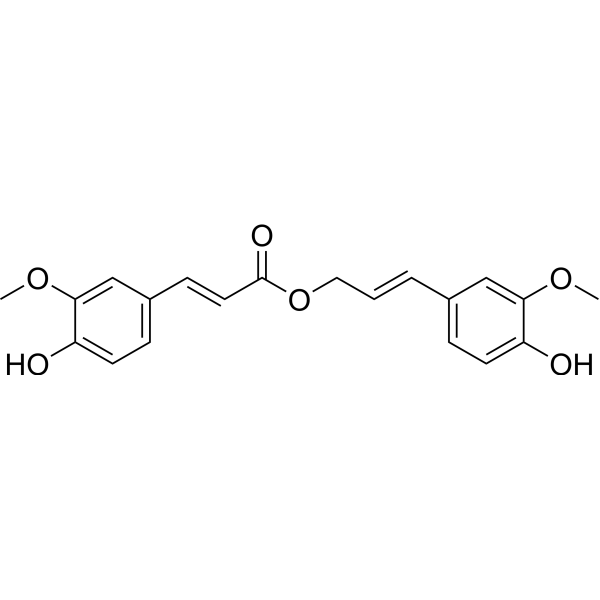
Coniferyl ferulate is an orally active phenolic acid compound. Coniferyl ferulate is a potent inhibitor of glutathione S-transferase (GST) (IC50 = 0.3 μM), which downregulates P-gp expression, induces apoptosis in B-MD-C1 (ADR+/+) cells, and reverses multidrug resistance. Coniferyl ferulate blocks the NMDAR/NR2B-CaMKII-MAPKs signaling pathway, inhibits ROS production and mitochondrial apoptosis, while reshapes the intestinal microbiota and microbial metabolism, ameliorates colonic inflammation and alleviates depressive symptoms in mice. Coniferyl ferulate can alleviate the toxicity of xylene to hematopoietic stem and progenitor cells by targeting Mgst2. Coniferyl ferulate exhibits antibacterial activity against the Gram-positive Bacillus subtilis and Staphylococcus aureus .
|
-
- HY-18257
-
|
|
Antibiotic
Bacterial
Dengue Virus
Amyloid-β
HIV Integrase
|
Infection
Neurological Disease
Inflammation/Immunology
|
Rolitetracycline is a highly soluble, broad-spectrum antibiotic derived from tetracycline. Rolitetracycline binds to and stabilizes bovine serum albumin, and also inhibits HIV-1 integrase, blocks Aβ fibril formation and suppresses dengue virus proliferation. Rolitetracycline mediates the inhibition of Aβ fibrils via a specific three-dimensional pharmacophore conformation, and exerts bacteriostatic and bactericidal activities. Rolitetracycline acts synergistically with Penicillin G (HY-N7139) or Cephalothin (HY-B1275A) to alter the effects on microbial growth. Rolitetracycline serves as an important tool compound for the study of bacterial infections (urinary tract infections, sepsis), HIV-1 and dengue virus infections, as well as Alzheimer's disease .
|
-
- HY-W012282
-
|
|
HCV
|
Infection
|
|
3′-Deoxyuridine is a 3'-deoxynucleoside analog and a 2',3'-dideoxynucleoside. 3′-Deoxyuridine does not inhibit the replication of HCV-like RNA templates or luciferase levels in human cells at the tested concentrations. 3′-Deoxyuridine serves as a substrate for microbial dideoxyribosylation reactions to generate various 2',3'-dideoxynucleosides, but cannot be converted into 2',3'-dideoxycytidine by resting E. coli AJ 2595 cells. 3′-Deoxyuridine can be formed by the deamination of 3'-deoxycytidine by E. coli BM-11 cytidine deaminase, and can also undergo phosphorolytic cleavage to produce uracil and the corresponding pentose phosphate. 3′-Deoxyuridine has been used in research related to HCV and other relevant fields .
|
-
- HY-W250308A
-
|
Epsilon-polylysine hydrochloride (MV 2000-5000); ε-Polylysine hydrochloride (MV 2000-5000); ε-PL hydrochloride (MV 2000-5000)
|
Bacterial
Fungal
Reactive Oxygen Species (ROS)
|
Infection
|
|
ε-Poly-L-lysine (Epsilon-polylysine; ε-Polylysine) hydrochloride (MV 2000-5000) is a polycationic antibacterial agent with broad-spectrum activity against Gram-positive bacteria, Gram-negative bacteria, fungi, yeasts and specific bacteriophages. ε-Poly-L-lysine hydrochloride (MV 2000-5000) exerts bactericidal effects through mechanisms such as disrupting microbial membranes, inducing ROS production, inhibiting metabolism and spore germination. ε-Poly-L-lysine hydrochloride (MV 2000-5000) also regulates the expression of multiple key genes including sodA, oxyR and recA. ε-Poly-L-lysine hydrochloride (MV 2000-5000) exhibits properties such as low eukaryotic cytotoxicity, thermal stability and pH stability, and supports tissue regeneration and anti-tumor applications. ε-Poly-L-lysine hydrochloride (MV 2000-5000) can be applied in research fields including bacterial and fungal infections, diabetic ulcers, and methicillin-resistant Staphylococcus aureus infections .
|
-
- HY-N15135
-
|
|
Interleukin Related
Toll-like Receptor (TLR)
Fungal
|
Metabolic Disease
|
|
Arabinoxylan Medium viscosity is an orally active Dectin-1 splice variant modulator, glucose absorption inhibitor, and chyme viscosity enhancer. Arabinoxylan Medium viscosity inhibits particulate β-glucan-induced Dectin-1A activation and mildly suppresses Dectin-1B activation. In human dendritic cells stimulated with particulate β-glucan, Arabinoxylan Medium viscosity reduces the production of IL-10 and TNF-α, and increases the production of IL-4 and IL-23. Arabinoxylan Medium viscosity also supports antifungal immune responses without activating TLR2, TLR4 or TLR5, and does not induce cytokine production when used to stimulate human dendritic cells alone. Arabinoxylan Medium viscosity increases small intestinal chyme viscosity, gets degraded in the large intestine to produce short-chain fatty acids, reduces glucose absorption and insulin response, and improves glucose homeostasis. Arabinoxylan Medium viscosity supports microbial fermentation and the growth of beneficial microbiota in the gastrointestinal tract, prevents bile acid reabsorption, and delays starch digestion. Arabinoxylan Medium viscosity can be used in research related to type 2 diabetes, impaired glucose tolerance, and metabolic syndrome .
|
-
-
-
HY-L084
-
|
|
914 compounds
|
|
Nature has been a source of medicinal products for millennia, with many useful active substances developed from plant sources. In the 20th century, the discovery of the penicillin was the starting point for drug discovery from microbial sources. Microorganisms, which have been considered to be a rich source of unique bioactive compounds, play an important role in the development of the chemistry of natural products and medical therapy. Microbial metabolites have proved to be affective antimicrobial agents, anti-tumor agents, enzyme inhibitors, anti-inflammatory agents, etc. Today, many microbial-originated antibiotics are available in the mark, and a large number of bioactive metabolites are used in medicine.
MCE provides a unique collection of 914 microbial metabolites, which is an important source of lead compounds and can be used for drug discovery.
|
| Cat. No. |
Product Name |
Type |
-
- HY-P3161
-
|
|
Biochemical Assay Reagents
|
|
Lactoferrin from Bovine milk is a substance released by neutrophils. Lactoferrin from Bovine milk is an orally active multifunctional iron binding glycoprotein. Lactoferrin from Bovine milk prevents cell adhesion, growth and spreading of cell colonies. Lactoferrin from Bovine milk also has antiviral activity and inhibits microbial and viral adhesion and entry into host cells. Besides, Lactoferrin from Bovine milk has anti-inflammatory, immunomodulatory, and anti-cancer activities .
|
-
- HY-W250308A
-
|
Epsilon-polylysine hydrochloride (MV 2000-5000); ε-Polylysine hydrochloride (MV 2000-5000); ε-PL hydrochloride (MV 2000-5000)
|
Biochemical Assay Reagents
|
|
ε-Poly-L-lysine (Epsilon-polylysine; ε-Polylysine) hydrochloride (MV 2000-5000) is a polycationic antibacterial agent with broad-spectrum activity against Gram-positive bacteria, Gram-negative bacteria, fungi, yeasts and specific bacteriophages. ε-Poly-L-lysine hydrochloride (MV 2000-5000) exerts bactericidal effects through mechanisms such as disrupting microbial membranes, inducing ROS production, inhibiting metabolism and spore germination. ε-Poly-L-lysine hydrochloride (MV 2000-5000) also regulates the expression of multiple key genes including sodA, oxyR and recA. ε-Poly-L-lysine hydrochloride (MV 2000-5000) exhibits properties such as low eukaryotic cytotoxicity, thermal stability and pH stability, and supports tissue regeneration and anti-tumor applications. ε-Poly-L-lysine hydrochloride (MV 2000-5000) can be applied in research fields including bacterial and fungal infections, diabetic ulcers, and methicillin-resistant Staphylococcus aureus infections .
|
-
- HY-W016473
-
|
|
Biochemical Assay Reagents
|
|
Adamantane-carboxylic acid is a compound with inhibitory activity against microorganisms. Although its specific target has not been clearly defined, it can inhibit Gram-positive bacteria and some Gram-negative bacteria. It forms a 1-monoacylglycerol derivative through a direct reaction with glycidol, and exerts its antibacterial effect by mechanisms such as altering the permeability of the bacterial cell membrane. This compound can be used in the research of antibacterial agents in the food and cosmetic industries to reduce harmful microbial flora and extend the shelf life of products .
|
-
- HY-Y0669R
-
|
|
Biochemical Assay Reagents
|
|
Pipecolic acid (Standard) is the analytical standard of Pipecolic acid. This product is intended for research and analytical applications. Pipecolic acid is a metabolite of lysine and an important precursor for many useful microbial secondary metabolites. Pipecolic acid slows ferroptosis in diabetic retinopathy by inhibiting the YAP-GPX4 signaling pathway. In addition, Pipecolic acid can be used as a diagnostic marker for pyridoxine-dependent epilepsy .
|
-
- HY-N7059A
-
|
|
Biochemical Assay Reagents
|
|
Lactobionic acid calcium dihydrate is a biomimetic acid found in Caspian yogurt, chemically composed of gluconic acid bonded to galactose. Lactobionic acid calcium dihydrate has antioxidant, antimicrobial, chelating, stabilizer, acidulant and humectant properties. Lactobionic acid calcium dihydrate can be obtained by electrolytic methods, microbial fermentation or biocatalytic approaches. Lactobionic acid calcium dihydrate can be used in foodstuffs, to produce new functional products and against food-borne pathogens. Lactobionic acid calcium dihydrate inhibits DNA repair and protein synthesis, induction of oxidative stress and inhibition of metabolic pathways against MRSA .
|
| Cat. No. |
Product Name |
Target |
Research Area |
-
- HY-P1939
-
|
Cyclo(L-prolyl-L-leucyl)
|
Fungal
Bacterial
Influenza Virus
|
Infection
|
|
Cyclo(L-Leu-L-Pro) is a cyclic dipeptide with broad-spectrum antibacterial, antiviral and antifungal activities. Its biological activity is highly dependent on the stereoconfiguration and is widely present in microbial metabolites. Cyclo(L-Leu-L-Pro) efficiently and specifically inhibits the production of aflatoxin by Aspergillus flavus. The cis configuration of Cyclo(L-Leu-L-Pro) (cis-cyclo(L-Leu-L-Pro)) has broad-spectrum antibacterial activity against multi-drug resistant bacteria and significantly inhibits the influenza A virus H3N2 .
|
-
- HY-P2124
-
|
|
Antibiotic
Bacterial
|
Infection
|
|
Cyclo(L-Trp-L-Trp) is an antibiotic, and shows antimicrobial activity. Cyclo(L-Trp-L-Trp) can inhibit A. baumannii, as well as Candida albicans, Bacillus subtilis, Micrococcus luteus, Saccharomyces cerevisiae, Aspergillus niger, Staphylococcus aureus. Cyclo(L-Trp-L-Trp) can be used in microbial infection research .
|
-
- HY-P5589
-
|
PlnA
|
Bacterial
Reactive Oxygen Species (ROS)
|
Infection
Inflammation/Immunology
|
|
Plantaricin A is an antimicrobial peptide that can be derived from Lactobacillus plantarum. Plantaricin A has a synergistic effect with Ciprofloxacin. Plantaricin A shows anti-microbial activity. Plantaricin A increases the membrane potential of S. aureus and the level of intracellular ROS. Plantaricin A inhibits the function of the efflux pump by binding it and altering the structure of MepA, NorA, and LmrS. Plantaricin A significantly relieves inflammation, and promotes wound healing. Plantaricin A permeabilizes cancerous rat pituitary cells [1][2].
|
-
- HY-P5020
-
|
|
Bacterial
|
Infection
Cancer
|
|
Crotalicidin is an antimicrobial peptide and anti-tumor peptide that can effectively inhibit the activity of Gram-negative bacteria and tumor cells. Crotalicidin can be obtained from rattlesnake venom. Crotalicidin can be used in the study of microbial infections and cancer .
|
-
- HY-W141788
-
|
|
Bacterial
|
Infection
|
|
N-Butyryl-DL-homocysteine thiolactone is an N-acyl homoserine lactone (AHL) analogue. AHLs are potent inhibitors of biofilm formation and virulence factors, and has been used for degrading microbial communities, reducing bacterial pathogenicity .
|
-
- HY-P11398
-
|
|
Bacterial
HIV
Fungal
DNA Alkylator/Crosslinker
|
Infection
Cancer
|
|
Tachyplesin II is a broad-spectrum cationic antimicrobial peptide. Tachyplesin II has significant inhibitory effects on Gram-positive bacteria, Gram-negative bacteria, and some fungi. Tachyplesin II binds to bacterial membrane lipopolysaccharides through its positive charge, disrupting membrane integrity and causing leakage of cellular contents. Tachyplesin II can bind to DNA grooves, inhibiting microbial replication, and also suppressing HIV-1 replication and the proliferation of liver cancer cells .
|
-
- HY-P11607
-
|
|
Bacterial
|
Infection
|
|
CyLip-10 is a microbial-derived cyclic-lipid antimicrobial peptide. CyLip-10 has broad-spectrum antimicrobial efficacy, low hemolytic activity, and excellent stability. CyLip-10 can disrupt membrane integrity, inhibit biofilm formation and induce membrane permeabilization and bacterial cell death. CyLip-10 reduces bacterial load, promotes wound healing, and alleviates inflammatory responses in a mouse Methicillin (HY-121544)-resistant Staphylococcus aureus skin wound infection model. CyLip-10 can be used for the bacterial infection .
|
| Cat. No. |
Product Name |
Category |
Target |
Chemical Structure |
-
- HY-100599
-
-
-
- HY-Y0079
-
|
|
Microorganisms
Classification of Application Fields
Ketones, Aldehydes, Acids
Other Diseases
Endogenous metabolite
Disease Research Fields
Source Classification
|
Endogenous Metabolite
|
|
D-Phenylalanine is an atypical D-amino acid and an inhibitor of bacterial biofilm formation. D-Phenylalanine mainly replaces D-alanine (D-Ala) by incorporating into the fourth and fifth positions of bacterial peptidoglycan (PG), changing the cell wall structure, enhancing bacterial acid resistance and affecting biofilm formation. D-Phenylalanine may promote the secretion of peptide tyrosine tyrosine (PYY) in mammals by activating the intestinal GPR109B receptor. D-Phenylalanine can inhibit the maturation of microbial biofilms and promote the release of specific hormones. It can be used for antibacterial preservation, improving the yield of probiotics in the food industry, and studying appetite regulation and blood sugar control in metabolic diseases such as diabetes .
|
-
-
- HY-N2021A
-
-
-
- HY-N7059
-
|
|
Infection
Microorganisms
Classification of Application Fields
Disease Research Fields
Saccharides
Source Classification
|
Bacterial
Reactive Oxygen Species (ROS)
|
|
Lactobionic acid is a bionic acid that can be naturally found in the Caspian Sea yogurt and chemically constituted of a gluconic acid bonded to a galactose. Lactobionic acid has antioxidant, antimicrobial, chelating, stabilizer, acidulant, and moisturizing properties. Lactobionic acid can be obtained by electrolytic methods, microbial fermentation or biocatalytic approaches. Lactobionic acid can be used in foodstuffs, to produce new functional products and against food-borne pathogens. Lactobionic acid inhibits DNA repair and protein synthesis, induction of oxidative stress and inhibition of metabolic pathways against MRSA .
|
-
-
- HY-N0793
-
-
-
- HY-N0346A
-
-
-
- HY-N0626
-
|
|
Infection
Structural Classification
other families
Preservatives
Classification of Application Fields
Ketones, Aldehydes, Acids
Plants
Endogenous metabolite
Disease Research Fields
Source Classification
Food Research
|
Environmental Pollutants
Bacterial
Endogenous Metabolite
Fungal
Antibiotic
|
|
Sorbic acid is an antibacterial preservative effective against most molds, yeasts, and some bacterial species. Sorbic acid inhibits microbial growth. Sorbic acid suppresses the activity of intestinal microorganisms in zebrafish, alters the composition of intestinal flora, and reduces the levels of intestinal immune biomarkers, including IgG, IL-1β, and TNF-α. Sorbic acid can be used in research on the prevention and treatment of mold, yeast, and bacterial infections .
|
-
-
- HY-N0626A
-
|
Sorbic acid potassium
|
Structural Classification
Classification of Application Fields
Ketones, Aldehydes, Acids
Metabolic Disease
Endogenous metabolite
Disease Research Fields
Source Classification
|
Environmental Pollutants
Endogenous Metabolite
Antibiotic
Bacterial
Fungal
|
|
Potassium sorbate (Sorbic acid potassium) is an antibacterial preservative effective against most molds, yeasts, and some bacterial species. Potassium sorbate inhibits microbial growth. Potassium sorbate suppresses the activity of intestinal microorganisms in zebrafish, alters the composition of intestinal flora, and reduces the levels of intestinal immune biomarkers, including IgG, IL-1β, and TNF-α. Potassium sorbate can be used in research on the prevention and treatment of mold, yeast, and bacterial infections .
|
-
-
- HY-N7719
-
-
-
- HY-N1377
-
-
-
- HY-N1916
-
-
-
- HY-N15135
-
|
|
Structural Classification
Polysaccharides
Antibiotics
Leguminosae
Pisum sativum Linn
Plants
Saccharides
Other Antibiotics
Source Classification
|
Interleukin Related
Toll-like Receptor (TLR)
Fungal
|
|
Arabinoxylan Medium viscosity is an orally active Dectin-1 splice variant modulator, glucose absorption inhibitor, and chyme viscosity enhancer. Arabinoxylan Medium viscosity inhibits particulate β-glucan-induced Dectin-1A activation and mildly suppresses Dectin-1B activation. In human dendritic cells stimulated with particulate β-glucan, Arabinoxylan Medium viscosity reduces the production of IL-10 and TNF-α, and increases the production of IL-4 and IL-23. Arabinoxylan Medium viscosity also supports antifungal immune responses without activating TLR2, TLR4 or TLR5, and does not induce cytokine production when used to stimulate human dendritic cells alone. Arabinoxylan Medium viscosity increases small intestinal chyme viscosity, gets degraded in the large intestine to produce short-chain fatty acids, reduces glucose absorption and insulin response, and improves glucose homeostasis. Arabinoxylan Medium viscosity supports microbial fermentation and the growth of beneficial microbiota in the gastrointestinal tract, prevents bile acid reabsorption, and delays starch digestion. Arabinoxylan Medium viscosity can be used in research related to type 2 diabetes, impaired glucose tolerance, and metabolic syndrome .
|
-
-
- HY-136436
-
-
-
- HY-B2171A
-
-
-
- HY-N8102
-
-
-
- HY-N7107
-
-
-
- HY-W001940
-
-
-
- HY-N0626AR
-
|
Sorbic acid potassium (Standard)
|
Structural Classification
other families
Ketones, Aldehydes, Acids
Plants
Endogenous metabolite
Source Classification
|
Reference Standards
Environmental Pollutants
Bacterial
Endogenous Metabolite
Fungal
Antibiotic
|
|
Potassium sorbate (Standard) is the analytical standard of Potassium sorbate. This product is intended for research and analytical applications. Potassium sorbate (Sorbic acid potassium) is an antibacterial preservative effective against most molds, yeasts, and some bacterial species. Potassium sorbate inhibits microbial growth. Potassium sorbate suppresses the activity of intestinal microorganisms in zebrafish, alters the composition of intestinal flora, and reduces the levels of intestinal immune biomarkers, including IgG, IL-1β, and TNF-α. Potassium sorbate can be used in research on the prevention and treatment of mold, yeast, and bacterial infections .
|
-
-
- HY-W094847
-
-
-
- HY-N2021
-
-
-
- HY-N0108R
-
-
-
- HY-N7719R
-
-
-
- HY-N0626R
-
|
|
Structural Classification
Microorganisms
other families
Ketones, Aldehydes, Acids
Plants
Endogenous metabolite
Source Classification
|
Reference Standards
Environmental Pollutants
Bacterial
Endogenous Metabolite
Fungal
Antibiotic
|
|
Sorbic acid (Standard) is the analytical standard of Sorbic acid (HY-N0626). This product is intended for research and analytical applications. Sorbic acid is an antibacterial preservative effective against most molds, yeasts, and some bacterial species. Sorbic acid inhibits microbial growth. Sorbic acid suppresses the activity of intestinal microorganisms in zebrafish, alters the composition of intestinal flora, and reduces the levels of intestinal immune biomarkers, including IgG, IL-1β, and TNF-α. Sorbic acid can be used in research on the prevention and treatment of mold, yeast, and bacterial infections .
|
-
-
- HY-136436A
-
|
|
Structural Classification
Natural Products
Animals
Source Classification
|
Drug Metabolite
Parasite
|
|
Ternidazole is a nitroimidazole Antibiotic with anti-pathogenic microbial activity. Ternidazole kills and inhibits the visible growth of Clostridium perfringens type A in vitro. Ternidazole helps improve the therapeutic efficacy against bacterial vaginosis, candidal vaginitis and mixed vaginitis. Ternidazole effectively alleviates chronic alcoholism. Ternidazole can be used in research related to vaginitis, pathogenic microbial infections and chronic alcoholism .
|
-
-
- HY-N1322
-
-
-
- HY-N16439
-
-
-
- HY-N14904
-
-
-
- HY-B2171
-
-
-
- HY-N0346AR
-
-
-
- HY-N7059R
-
|
|
Structural Classification
Microorganisms
Saccharides
Source Classification
|
Reference Standards
Bacterial
Reactive Oxygen Species (ROS)
|
|
Lactobionic acid (Standard) is an analytical standard for lactobionic acid. This product is intended for use in research and analytical applications. Lactobionic acid is a bionic acid that can be naturally found in the Caspian Sea yogurt and chemically constituted of a gluconic acid bonded to a galactose. Lactobionic acid has antioxidant, antimicrobial, chelating, stabilizer, acidulant, and moisturizing properties. Lactobionic acid can be obtained by electrolytic methods, microbial fermentation or biocatalytic approaches. Lactobionic acid can be used in foodstuffs, to produce new functional products and against food-borne pathogens. Lactobionic acid inhibits DNA repair and protein synthesis, induction of oxidative stress and inhibition of metabolic pathways against MRSA .
|
-
-
- HY-126869
-
-
-
- HY-N14938
-
-
-
- HY-N14914
-
-
-
- HY-N14927
-
-
-
- HY-N14928
-
-
-
- HY-N14940
-
-
-
- HY-N14929
-
-
-
- HY-149450
-
-
-
- HY-16913
-
-
-
- HY-N14915
-
-
-
- HY-N14907
-
-
-
- HY-N14363
-
-
-
- HY-N0793A
-
-
-
- HY-N12260
-
-
-
- HY-136436R
-
|
|
Structural Classification
Natural Products
Endogenous metabolite
Source Classification
|
Reference Standards
Endogenous Metabolite
|
|
Ternidazole hydrochloride (Standard) is the analytical standard of Ternidazole hydrochloride (HY-136436). This product is intended for research and analytical applications. Ternidazole hydrochloride is a nitroimidazole Antibiotic with anti-pathogenic microbial activity. Ternidazole hydrochloride kills and inhibits the visible growth of Clostridium perfringens type A in vitro. Ternidazole hydrochloride helps improve the therapeutic efficacy against bacterial vaginosis, candidal vaginitis and mixed vaginitis. Ternidazole hydrochloride effectively alleviates chronic alcoholism. Ternidazole hydrochloride can be used in research related to vaginitis, pathogenic microbial infections and chronic alcoholism .
|
-
-
- HY-125568
-
-
-
- HY-N0793R
-
-
-
- HY-N7107R
-
-
-
- HY-N15359
-
|
|
Natural Products
Microorganisms
Source Classification
|
Bacterial
|
|
Germicidin C is a microbial metabolite with antibacterial activity, which is found in the marine sponge-derived fungus Aspergillus niger. Germicidin C can inhibit the growth of various pathogenic bacteria such as Staphylococcus aureus, Escherichia coli, and Bacillus subtilis with MIC values ranging from 32 to 64 µg/mL .
|
-
-
- HY-N16445
-
-
- HY-N12106
-
|
Fumicycline
|
Microorganisms
Phenols
Polyphenols
Source Classification
|
Endogenous Metabolite
Fungal
|
|
Neosartoricin (Fumicycline) (Compound 3), a prenylated anthracenone, is a microbial secondary metabolite. Neosartoricin can be isolated from Aspergillus fumigatus and Neosartorya fischeri. Neosartoricin has immunosuppressive activity, and significantly inhibits T-cell proliferative activity with an IC50 of 3 μM. Neosartoricin may be beneficial to fungal defense, facilitating infection through suppressing the host adaptive immunity without involvement of primary virulence .
|
-
- HY-N1377R
-
-
- HY-N13886
-
-
- HY-N17436
-
-
- HY-W001940R
-
-
| Cat. No. |
Product Name |
Chemical Structure |
-
- HY-Y0669S
-
|
|
|
Pipecolic acid-d9 is the deuterium labeled Pipecolic acid. Pipecolic acid is a metabolite of lysine and an important precursor for many useful microbial secondary metabolites. Pipecolic acid slows ferroptosis in diabetic retinopathy by inhibiting the YAP-GPX4 signaling pathway. In addition, Pipecolic acid can be used as a diagnostic marker for pyridoxine-dependent epilepsy .
|
-
-
- HY-121636S
-
|
|
|
Resolvin D2-d5 is the deuterium labeled Resolvin D2. Resolvin D2 is a metabolite of docosahexaenoic acid (DHA), with anti-inflammatory, anti-infective activities. Resolvin D2 is a potent regulator of leukocytes and controls microbial sepsis. Resolvin D2 is a remarkably potent inhibitor of TRPV1 (IC50 = 0.1 nM) and TRPA1 (IC50 = 2 nM) in primary sensory neurons .
|
-
-
- HY-100599S2
-
|
|
|
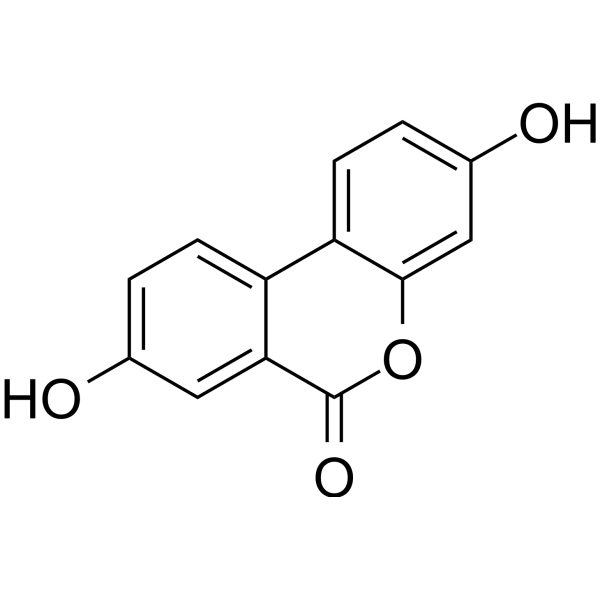
Urolithin A- 13C6 is the 13C-labeled Urolithin A (HY-100599). Urolithin A, a gut-microbial metabolite of ellagic acid, exerts anti-inflammatory, antiproliferative, and antioxidant properties. Urolithin A induces autophagy and apoptosis, suppresses cell cycle progression, and inhibits DNA synthesis .
|
-
-
- HY-136436S
-
|
|
|
Ternidazole-d6 hydrochloride is the deuterium labeled Ternidazole hydrochloride (HY-136436). Ternidazole hydrochloride is a nitroimidazole Antibiotic with anti-pathogenic microbial activity. Ternidazole hydrochloride kills and inhibits the visible growth of Clostridium perfringens type A in vitro. Ternidazole hydrochloride helps improve the therapeutic efficacy against bacterial vaginosis, candidal vaginitis and mixed vaginitis. Ternidazole hydrochloride effectively alleviates chronic alcoholism. Ternidazole hydrochloride can be used in research related to vaginitis, pathogenic microbial infections and chronic alcoholism .
|
-
-
- HY-10234S
-
|
|
|
Saracatinib-d3 (AZD0530-d3) (ZG5129) is the deuterium-labeled analog of Saracatinib (HY-10234). Saracatinib-d3 is an inhibitor of the Src kinase, which can inhibit severe sepsis caused by bacterial or various microbial infections .
|
-
-
- HY-N0108S
-
|
|
|
Physcion-d3 (Parietin-d3) is the deuterium labeled Physcion (HY-N0108). Physcion acts as an inhibitor of 6-phosphogluconate dehydrogenase, with an IC50 and a Kd of 38.5 μM and 26.0 μM, respectively. Physcion exhibits laxative, hepatoprotective, anti-inflammatory, anti-microbial, anti-proliferative and anti-tumor effects .
|
-
-
- HY-W001940S
-
|
|
|
DL-m-Tyrosine-d3 is the deuterium labeled DL-m-Tyrosine (HY-W001940). DL-m-Tyrosine is a non-protein amino acid. DL-m-Tyrosine inhibits microbial growth and spore formation. DL-m-Tyrosine also inhibits root growth in various plants, such as lettuce and Arabidopsis. DL-m-Tyrosine, when used in combination with Carbidopa (HY-B0311), has a potent antihypertensive effect. DL-m-Tyrosine can be used in research on biopesticide design.
|
-
| Cat. No. |
Product Name |
|
Classification |
-
- HY-N0626A
-
|
Sorbic acid potassium
|
|
Others
|
|
Potassium sorbate (Sorbic acid potassium) is an antibacterial preservative effective against most molds, yeasts, and some bacterial species. Potassium sorbate inhibits microbial growth. Potassium sorbate suppresses the activity of intestinal microorganisms in zebrafish, alters the composition of intestinal flora, and reduces the levels of intestinal immune biomarkers, including IgG, IL-1β, and TNF-α. Potassium sorbate can be used in research on the prevention and treatment of mold, yeast, and bacterial infections .
|
Your information is safe with us. * Required Fields.
Inquiry Information
- Product Name:
- Cat. No.:
- Quantity:
- MCE Japan Authorized Agent:

