42 Results for "

mitophagy inducer

" in MedChemExpress (MCE) Product Catalog:
Products (42)

42 Results for "mitophagy inducer" in MCE Product Catalog:

274
274 Publications Verification
Cat. No.: HY-50856
CAS No.: 941678-49-5
Synonyms: INCB18424
Research Areas:  

Cancer

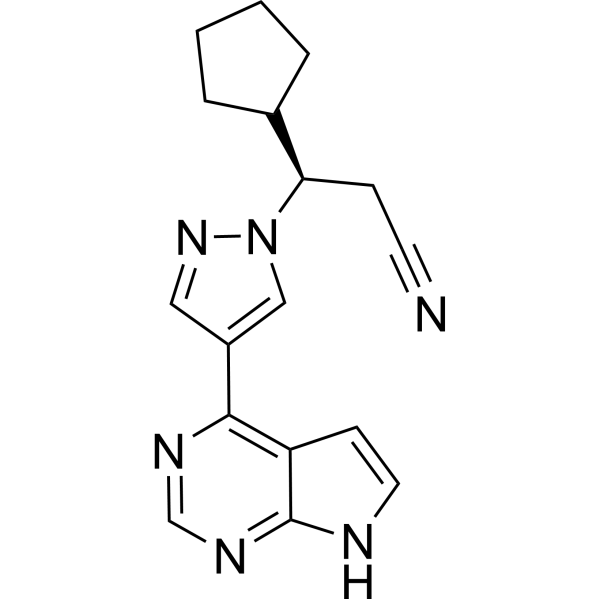
Ruxolitinib (INCB18424) is an orally active and selective JAK1/2 inhibitor with IC50s of 3.3 nM and 2.8 nM in cell-free assays, and has 130-fold selectivity for JAK1/2 over JAK3 . Ruxolitinib induces autophagy and kills tumor cells through toxic mitophagy .
loading...
    loading...
179
179 Cited Publications
Cat. No.: HY-112879
CAS No.: 1334850-99-5
Purity:  99.19%
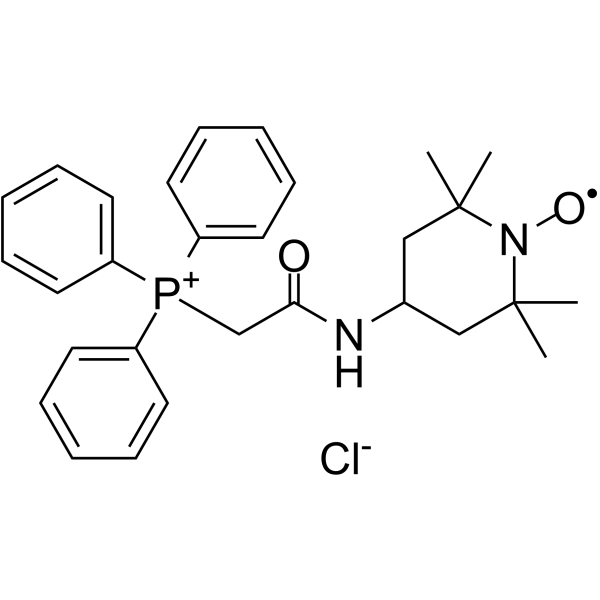
Mito-TEMPO is a mitochondria-targeted antioxidant. Mito-TEMPO induces mitophagy by activating the PINK1/Parkin pathway, inhibits NLRP3 inflammasome activation, restores mitochondrial membrane potential, and improves renal function and podocyte injury. Mito-TEMPO regulates Ca 2+ homeostasis, inhibits Bnip3 overexpression, shortens action potential duration, and exerts antiarrhythmic effects. Mito-TEMPO reverses premature senescence, reduces trabecular bone loss, and decreases cell apoptosis. Mito-TEMPO can be used in studies of chronic kidney disease, age-related cardiac dysfunction, postmenopausal osteoporosis, and ischemic stroke .
loading...
    loading...
179
179 Cited Publications
Cat. No.: HY-125944
CAS No.: 1569257-94-8
Purity:  98.03%
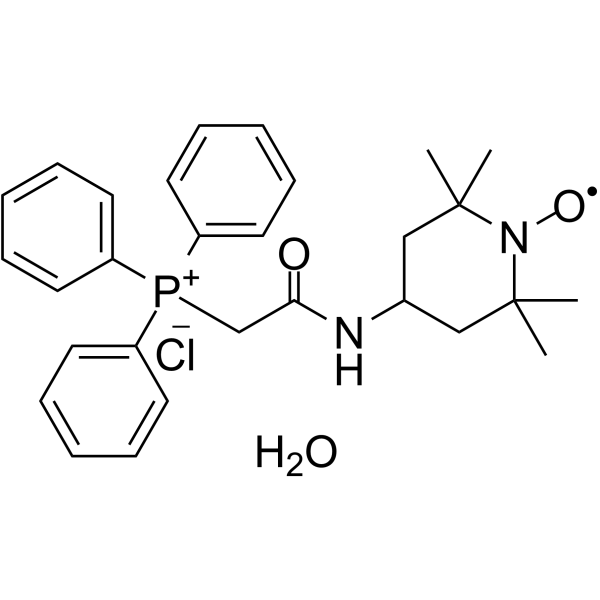
MitoTEMPO hydrate is a mitochondria-targeted antioxidant . MitoTEMPO hydrate induces mitophagy by activating the PINK1/Parkin pathway, inhibits NLRP3 inflammasome activation, restores mitochondrial membrane potential, and improves renal function and podocyte injury. MitoTEMPO hydrate regulates Ca 2+ homeostasis, inhibits Bnip3 overexpression, shortens action potential duration, and exerts antiarrhythmic effects. MitoTEMPO hydrate reverses premature senescence, reduces trabecular bone loss, and decreases cell apoptosis. MitoTEMPO hydrate can be used in studies of chronic kidney disease, age-related cardiac dysfunction, postmenopausal osteoporosis, and ischemic stroke .
loading...
    loading...
14
14 Cited Publications
Cat. No.: HY-15887
CAS No.: 1243583-85-8
Purity:  99.24%
Synonyms: Tip60 HAT inhibitor
MG149 (Tip60 HAT inhibitor) is a selective and potent Tip60 inhibitor with IC50 of 74 uM, similar potentcy for MOF (IC50 = 47 uM); little potent for PCAF and p300 (IC50 >200 uM). MG 149 inhibits KAT8 and blocks PINK1 kinase activity. MG149 inhibits the phosphorylation of Parkin and ubiquitin, thereby suppressing the initiation of PINK1-dependent mitophagy. MG 149 can reverse chronic restraint stress (CRS) induced hypertension and related molecular changes. MG 149 commonly used in research on diseases such as hypertension and Parkinson's disease .
loading...
    loading...
6
6 Cited Publications
Cat. No.: HY-115576
CAS No.: 1809031-84-2
Purity:  99.54%
Research Areas:  

Neurological Disease Cancer

P62-mediated mitophagy inducer (PMI) is a P62-mediated mitophagy activator. P62-mediated mitophagy inducer activates mitochondrial autophagy without recruitment of Parkin or collapse of the mitochondrial membrane potential and remains active in cells lacking a fully functional PINK1/Parkin pathway. P62-mediated mitophagy inducer serves as a pharmacological tool to study the molecular mechanisms of mitosis, avoiding toxicity and some of the non-specific effects associated with the sudden dissipation of mitochondria lacking membrane potential .
loading...
    loading...
4
4 Cited Publications
Cat. No.: HY-153089
CAS No.: 331963-27-0
Purity:  98.80%
Target:  

GSK-3 Mitophagy

Research Areas:  

Neurological Disease

GSK3-IN-3 is a mitophagy inducer, inducing Parkin-dependent mitophagy. GSK3-IN-3 is also a GSK-3 inhibitor with an IC50 value of 3.01 μM. GSK3-IN-3 is non-ATP nor substrate competitive and is neuroprotective against 6-OHDA .
loading...
    loading...
3
3 Cited Publications
Cat. No.: HY-136372
CAS No.: 6385-62-2
Purity:  99.92%
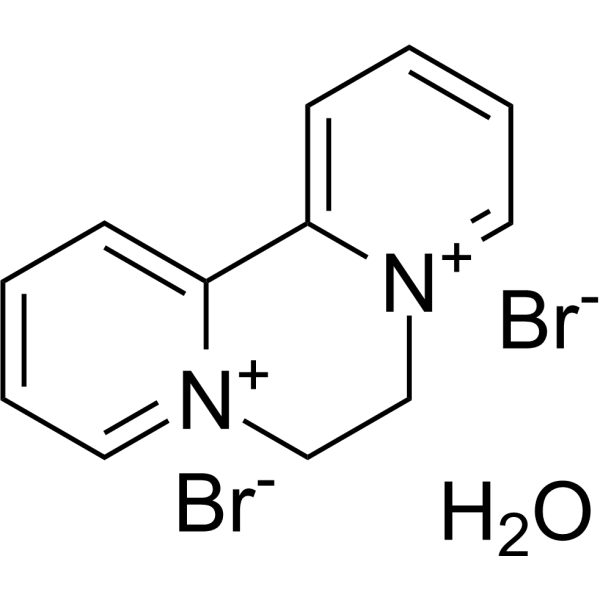
Diquat dibromide hydrate is a comprehensive herbicide. Diquat dibromide hydrate increases the production of ROS and triggers mitophagy. Diquat dibromide hydrate generates free radicals such as superoxide anions through redox cycles, which induce oxidative stress. Diquat dibromide hydrate is cytotoxic, reproductive, and neurotoxic. Diquat dibromide hydrate is used in cotton, soybean, and other crops to combat noxious weeds .
loading...
    loading...
3
3 Cited Publications
Cat. No.: HY-N4087
CAS No.: 66663-90-9
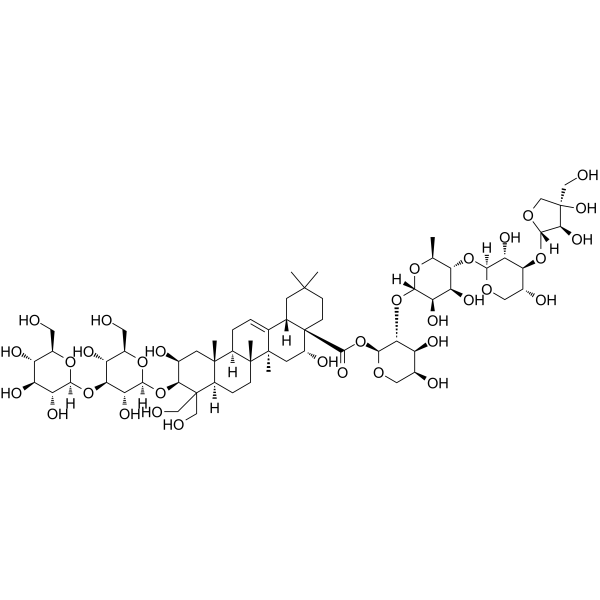
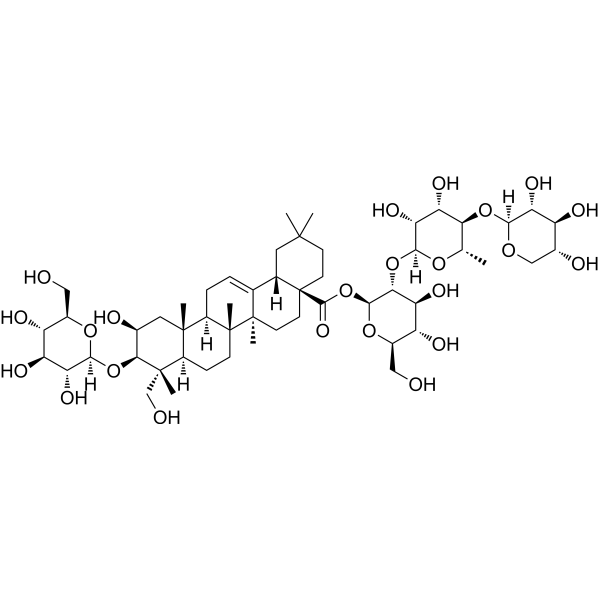
Platycodin D2 is an orally active triterpenoid saponin found in Platycodon grandiflorum. Platycodin D2 induces mitophagy in cancer cells through NIX, thereby activating the P21/CyclinA2 pathway and promoting cell senescence. Platycodin D2 induces mitochondrial dysfunction, enhances autophagy, inhibits hepatocellular carcinoma cell proliferation, and exhibits anti-tumor activity against multiple cancer cell types. Platycodin D2 promotes mRNA expression of T-bet, GATA-3, Th1 cytokines IL-2 and IFN-γ, and Th2 cytokines IL-4 and IL-10, enhances splenocyte proliferation, and acts as a vaccine adjuvant with low rabbit red blood cell hemolytic activity. Platycodin D2 induces mitochondrial ROS production, incomplete autophagy, and ferroptosis to inhibit breast cancer cell proliferation. Platycodin D2 can be used for the research of cancer, inflammation and immunology .
loading...
    loading...
2
2 Cited Publications
Cat. No.: HY-17355A
CAS No.: 104632-27-1
Synonyms: (R)-Pramipexole dihydrochloride; R-(+)-Pramipexole dihydrochloride; KNS-760704 dihydrochloride
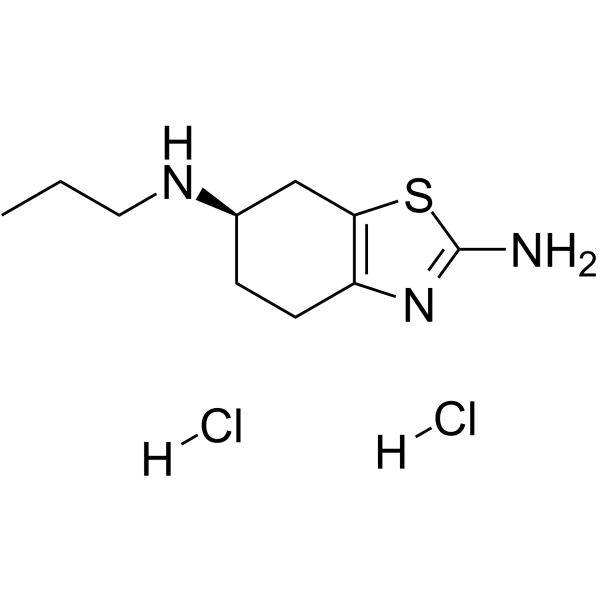
Dexpramipexole ((R)-Pramipexole) dihydrochloride is an orally active, blood-brain barrier permeable mitochondrial protective agent. Dexpramipexole dihydrochloride upregulates the expression of Parkin, PINK1, GPX4 and FSP1; binds to mitochondrial F1/Fo-ATP synthase; blocks the Nav1.8 sodium channel; and inhibits the activation of the NLRP3 inflammasome. Dexpramipexole dihydrochloride induces mitophagy, inhibits ferroptosis, pyroptosis, apoptosis, neuroinflammation and eosinophilopoiesis; maintains mitochondrial function and redox homeostasis; reduces reactive oxygen species production; and decreases myocardial infarct size. Dexpramipexole dihydrochloride is applicable to studies on eosinophilic asthma, myocardial ischemia/reperfusion injury, sepsis-associated encephalopathy, analgesia, and more .
loading...
    loading...
2
2 Cited Publications
Cat. No.: HY-17355B
CAS No.: 104632-28-2
Synonyms: (R)-Pramipexole; R-(+)-Pramipexole; KNS-760704
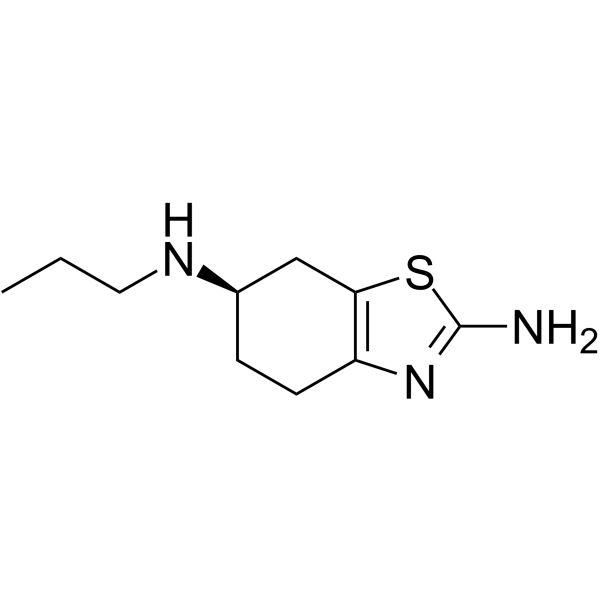
Dexpramipexole ((R)-Pramipexole) is an orally active, blood-brain barrier permeable mitochondrial protective agent. Dexpramipexole upregulates the expression of Parkin, PINK1, GPX4 and FSP1; binds to mitochondrial F1/Fo-ATP synthase; blocks the Nav1.8 sodium channel; and inhibits the activation of the NLRP3 inflammasome. Dexpramipexole induces mitophagy, inhibits ferroptosis, pyroptosis, apoptosis, neuroinflammation and eosinophilopoiesis; maintains mitochondrial function and redox homeostasis; reduces reactive oxygen species production; and decreases myocardial infarct size. Dexpramipexole is applicable to studies on eosinophilic asthma, myocardial ischemia/reperfusion injury, sepsis-associated encephalopathy, analgesia, and more .
loading...
    loading...
1
1 Cited Publications
Cat. No.: HY-N10470
CAS No.: 11116-32-8
Synonyms: Pingyangmycin
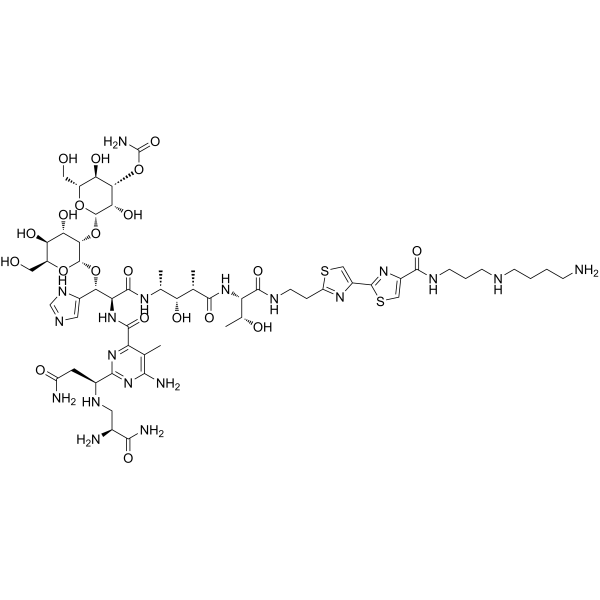
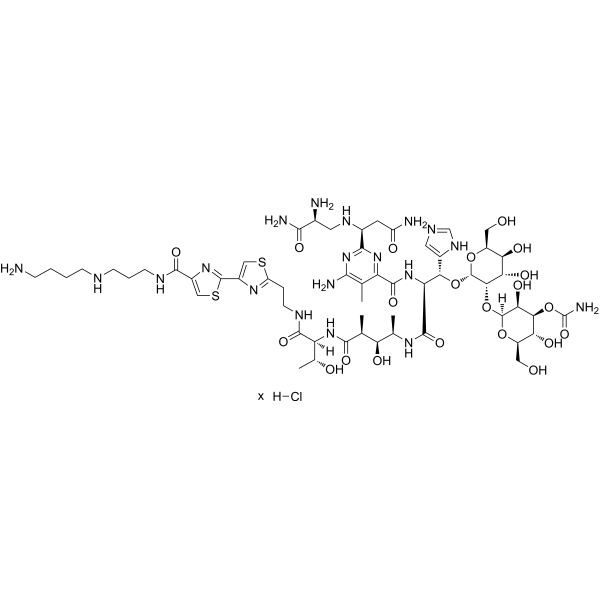
Bleomycin A5 (Pingyangmycin) is a glycopeptide antibiotic with multiple biological activities, which can be isolated from Streptomyces. Bleomycin A5 exerts cytotoxic effects by binding to Fe 2+ to form a complex, inducing single-strand and double-strand DNA breaks, and inhibiting DNA replication. Bleomycin A5 inhibits Drp1-mediated mitochondrial fission and suppresses PINK1/Parkin pathway-mediated mitophagy, ultimately triggering mitochondria-mediated cellular apoptosis. Bleomycin A5 can be used in cancer research .
loading...
    loading...
1
1 Cited Publications
Cat. No.: HY-N0559
CAS No.: 52659-56-0
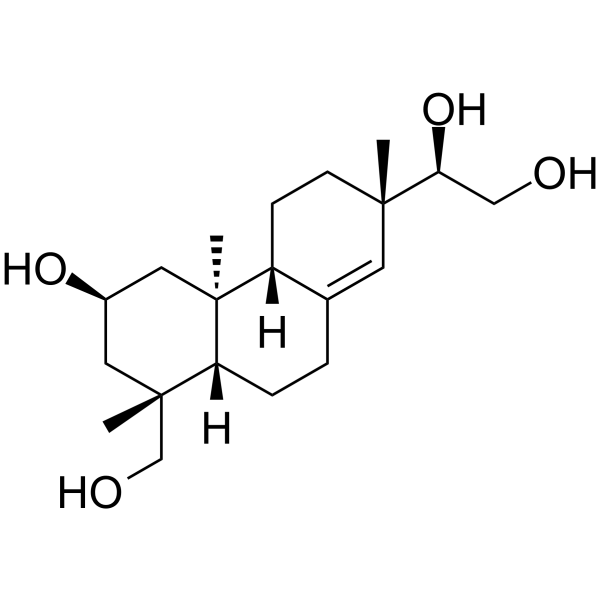
Kirenol is a diterpenoid compound, an orally active apoptosis inducer and signaling pathway regulator, with a Kd value of 5.47 μM against the target CK2. Kirenol promotes the cleavage of Bid into tBid, regulates the protein levels/phosphorylation of Bax, Bcl-2, p53 and p21, and induces caspase-independent apoptosis, S-phase cell cycle arrest, ROS accumulation and cytotoxicity in cancer cells. Kirenol activates the CK2/AKT and AMPK-mTOR-ULK1 pathways, inhibits the signaling of NF-κB, TGF-β/Smads and NLRP3 inflammasome, and regulates the GSK3β, BMP and Wnt/β-catenin pathways. Kirenol induces autophagy, mitophagy and osteoblast differentiation, promotes mitochondrial fusion, and exerts antioxidant, anti-inflammatory, antifibrotic, renoprotective, cardioprotective, neuroprotective and analgesic effects. Kirenol is applicable to research related to chronic myeloid leukemia, ischemic stroke, diabetic nephropathy, heart failure, acute lung injury and osteoporosis .
loading...
    loading...
Cat. No.: HY-148030
CAS No.: 3011029-58-3
Purity:  98.90%
Target:  

LRRK2 PROTACs Mitophagy

Research Areas:  

Neurological Disease

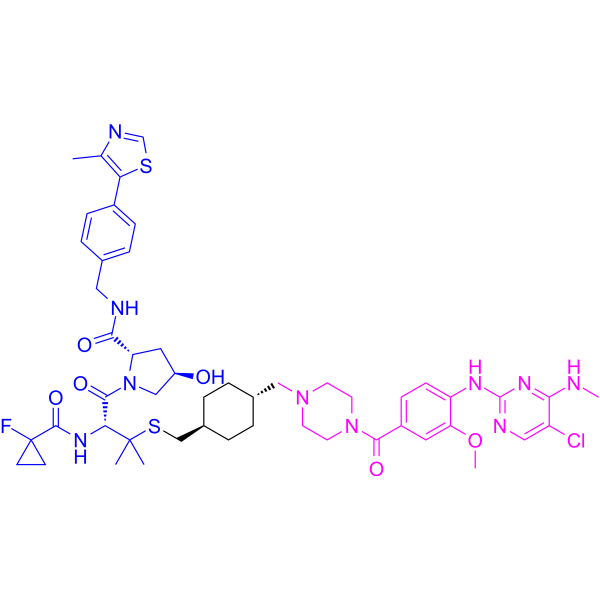
XL01126 is a blood-brain barrier-permeable, selective LRRK2 PROTAC degrader (DC50: 14 nM (G2019S LRRK2) and 32 nM (WT LRRK2)). XL01126 forms a positively cooperative ternary complex with VHL E3 ubiquitin ligase and LRRK2, mediating the polyubiquitination and proteasomal degradation of LRRK2. XL01126 induces Mitophagy. XL01126 is applicable to research related to Parkinson's disease .
loading...
    loading...
Cat. No.: HY-50856R
CAS No.: 941678-49-5
Synonyms: INCB18424 (Standard)
Research Areas:  

Cancer

Ruxolitinib (Standard) is the analytical standard of Ruxolitinib. This product is intended for research and analytical applications. Ruxolitinib (INCB18424) is a potent and selective JAK1/2 inhibitor with IC50s of 3.3 nM and 2.8 nM in cell-free assays, and has 130-fold selectivity for JAK1/2 over JAK3 . Ruxolitinib induces autophagy and kills tumor cells through toxic mitophagy .
loading...
    loading...
Cat. No.: HY-N0392
CAS No.: 882664-74-6
Polygalasaponin F is an orally active triterpenoid saponin monomer. Polygalasaponin F downregulates the expression of Bax, p53, caspase-3, NF-κB p65 and MEK1; restores and upregulates the expression of Bcl-2; activates the PI3K/Akt signaling pathway; inhibits the phosphorylation of p38 MAPK, nuclear translocation of NF-κB, TLR4-mediated signaling pathway, mitophagy (Mitophagy) and ROS production; enhances cell viability and suppresses apoptosis (Apoptosis). Polygalasaponin F maintains mitochondrial function, alleviates Ca 2+ overload, upregulates pCREB and BDNF, preserves cell viability and inhibits the release of inflammatory cytokines. Polygalasaponin F alleviates lung injury induced by influenza A H1N1 and cerebral ischemia-reperfusion injury. Polygalasaponin F is applicable to researches related to Parkinson's disease, cerebral ischemia, pneumonia induced by influenza A H1N1, stroke and Alzheimer's disease .
loading...
    loading...
Cat. No.: HY-174806
CAS No.: 889662-19-5
Synonyms: 7-(β-D-Galactopyranosyloxy)-4-phenylchromen-2-one
Research Areas:  

Neurological Disease

Y040-7904 is a mitophagy activator. Y040-7904 enhances mitophagy by promoting mitochondria transport to autophagosomes and the fusion of autophagosomes with autolysosomes. Y040-7904 induces mitophagy through the SIRT1/FoxO3 pathway. Y040-7904 upregulates the levels of Parkin, PINK1, and LC3II/I. Y040-7904 reduces amyloid-β () accumulation in both in vitro and in vivo models of Alzheimer’s disease.
loading...
    loading...
Cat. No.: HY-Y1322
CAS No.: 115-86-6
Triphenyl phosphate is an orally active, blood-brain barrier-permeable aryl organophosphate flame retardant and endocrine disruptor. Triphenyl phosphate disrupts mitochondrial dynamic balance through oxidative stress, induces excessive mitophagy and apoptosis, and ultimately leads to myocardial fibrosis. In the brain, Triphenyl phosphate activates the NF-κB inflammatory pathway by disrupting the gut microbiota, alters tryptophan metabolism and elevates neurotoxins, thereby inducing anxiety- and depression-like behaviors. In the skeletal and reproductive systems, Triphenyl phosphate inhibits osteoblast differentiation and induces germ cell apoptosis by suppressing the MAPK/ERK pathway and activating the JNK signal, respectively. In adipose and placental tissues, Triphenyl phosphate promotes lipid accumulation by activating the PI3K/AKT-PPARγ axis, and disrupts placental metabolism via the MAOA/ROS/NF-κB cascade, impairing neurodevelopment of offspring .
loading...
    loading...
Cat. No.: HY-125918
CAS No.: 55658-47-4
Synonyms: Pingyangmycin hydrochloride
Bleomycin A5 (Pingyangmycin) hydrochloride is a glycopeptide antibiotic with multiple biological activities, which can be isolated from Streptomyces. Bleomycin A5 hydrochloride exerts cytotoxic effects by binding to Fe 2+ to form a complex, inducing single-strand and double-strand DNA breaks, and inhibiting DNA replication. Bleomycin A5 hydrochloride inhibits Drp1-mediated mitochondrial fission and suppresses PINK1/Parkin pathway-mediated mitophagy, ultimately triggering mitochondria-mediated cellular apoptosis. Bleomycin A5 hydrochloride can be used in cancer research .
loading...
    loading...
Cat. No.: HY-164826
CAS No.: 30881-23-3
Acetyl zingerone is an analog of Zingerone (HY-14621). Acetyl zingerone downregulates the expression of ROS metabolism-related genes, fibroblast senescence-related genes, keratinocyte differentiation-related genes, and IL-17A target genes. Acetyl zingerone inhibits the activities of MMP-1, MMP-3, and MMP-12, as well as the activation of NLRP3 inflammasome, pyroptosis (pyroptosis), ferroptosis (ferroptosis), cartilage destruction, and UVA-induced cyclobutane pyrimidine dimer formation. Acetyl zingerone upregulates the expression of collagen, proteoglycan, extracellular matrix glycoprotein, Notch pathway, and GPX4 gene, activates Nrf2 and HO-1, induces extracellular matrix synthesis and PINK1/Parkin-mediated mitophagy (mitophagy), and promotes chondrocyte survival. Acetyl zingerone alleviates the progression of osteoarthritis in mice . Acetyl zingerone can be used in research related to skin aging, inflammatory skin diseases, osteoarthritis, melanoma, and non-melanoma skin cancer .
loading...
    loading...
Cat. No.: HY-158408
CAS No.: 3062992-25-7
Target:  

ULK Mitophagy TSPO

Research Areas:  

Neurological Disease

NZ-66 is a ULK1-Recruiting Chimera (ULKREC) and heterobifunctional chimeric molecule composed of a BL-918-derived ULK1 agonist linked to a mitochondrial outer membrane-targeting TSPO ligand via a six-carbon hexane linker. NZ-66 is a mitophagy inducer recruits ULK1 to mitochondria to induce ULK1-dependent mitophagy, enhanced by mitochondrial insult, independently of the PRKN/PINK axis. NZ-66 can be used for the research of parkinson’s disease .
loading...
    loading...

